People today want to be associated with events and brands that align with their values. In the 2020s, social awareness among audiences is at an all-time high – many fans expect the festivals and concerts they attend to stand for something meaningful. This is where cause marketing comes in. Rather than viewing it as just a promotional tactic, think of cause marketing as building a genuine connection with your audience by supporting a cause that matters. The payoff can be significant: according to a 2023 consumer survey, 91% of consumers are more likely to buy from a company that supports social or environmental issues. For event promoters, weaving a cause into your marketing can boost ticket sales, strengthen loyalty, and use your platform to spotlight an important issue – all at once.
Cause-driven events are not new. Throughout modern event history, we’ve seen powerful examples of entertainment merged with altruism. George Harrison’s Concert for Bangladesh (1971) pioneered the rock benefit show, Live Aid (1985) set a new standard for global charity concerts, and the Freddie Mercury Tribute Concert (1992) raised AIDS awareness worldwide. Fast forward to recent years, and the tradition continues strong. In 2022, Foo Fighters organized two star-studded tribute concerts for their late drummer Taylor Hawkins, with all proceeds going to MusiCares and Music Support. In 2022 we also saw the Concert for Ukraine broadcast from England, which raised over £12 million for war relief efforts. And in early 2025, “FireAid” united music’s biggest acts to raise more than $100 million for wildfire victims in California – drawing 50 million livestream viewers and massive donations from sponsors and artists. Cause marketing has become a defining feature of many headline events.
When brainstorming fresh event promotion ideas, organizers often default to standard discount codes or social media contests. However, integrating a philanthropic mission stands out as one of the most powerful promotional strategies available today. By shifting the focus from a simple transaction to a shared community goal, you create a compelling narrative that naturally drives word-of-mouth and media interest.
As an event promoter, at some point you’ll likely want to tie one of your shows or festivals to a cause. How do you do it effectively and authentically? In this guide, we’ll cover everything you need to know about bridging events with altruistic endeavors:
Turn Fans Into Your Marketing Team
Ticket Fairy's built-in referral rewards system incentivizes attendees to share your event, delivering 15-25% sales boosts and 30x ROI vs paid ads.
- The what and how of cause marketing in event promotion – Understanding the concept and the key first steps.
- Best practices and standard protocol – Proven guidelines to follow for sincere and impactful campaigns.
- Challenges in cause marketing efforts (and how to steer around them) – Common obstacles and pitfalls, with strategies to overcome each one.
- Bonus tips to take your cause marketing to the next level – Advanced ideas to supercharge your cause-driven events.
- The benefits of altruistic events and cause marketing – How these efforts pay off for your brand, audience, and community.
The what and how of Cause Marketing in event promotion
What exactly is cause marketing in the context of events? In simple terms, it’s when an event (or the promoter behind it) partners with a social cause or charity in a mutually beneficial campaign. The event raises awareness and funds for the cause; in return, the association elevates the event’s purpose and appeal. It’s a win-win when done right. Unlike standard event marketing that’s only about selling tickets, cause marketing is about making your audience feel connected to something bigger. It transforms a concert or festival from just another night out into an experience tied to real-world impact.
When you are marketing a music festival, standing out in a crowded landscape requires more than just a stellar lineup. Integrating a philanthropic angle gives your promotional strategy a unique narrative hook. It shifts the conversation from purely transactional ticket sales to shared values, making your festival’s brand much more compelling to prospective attendees and media outlets alike.
Ready to Sell Tickets?
Create professional event pages with built-in payment processing, marketing tools, and real-time analytics.
From experience, the first step is not picking a random charity and slapping its logo on your flyer. Instead, approach cause marketing as part of your event’s core strategy. Here’s how to go about it:
1. Understand your target audience
To successfully bridge an event with a cause, you must know your audience’s values and passions. Take time to research what issues resonate with the community you’re targeting. Are they passionate about climate action, mental health, social justice, local community issues? Modern festival-goers, especially Gen Z and millennials, care deeply about causes – but you need to pinpoint which causes they care about most. Misjudging your audience’s interests can doom a cause campaign; many events fail by misjudging what their fans actually value regarding social activism or by ignoring the link between social responsibility and consumer trust.
Start by gathering data on your attendees. This is where Ticket Fairy’s event platform can be a game-changer. Ticket Fairy doubles as both a ticketing and marketing solution, giving promoters rich data insights into their audience demographics and behaviors. The more events you run through the platform, the more data you collect – from age and location to musical tastes and spending patterns. These insights can help answer critical questions: What issues are my attendees talking about online? What do their demographic profiles suggest about their values? For example, Ticket Fairy’s reports might show a large segment of your audience is college-aged and environmentally conscious – hinting that a climate or sustainability cause could strike a chord. Use tools like audience polls on social media or feedback surveys as well. Experienced promoters even host small focus groups or monitor fan forums to gauge the collective mindset. The goal is to get inside your audience’s psyche and identify causes that genuinely compel them. When your cause aligns with your crowd’s existing passions, you won’t have to force interest – they’ll rally behind it naturally.
2. Be intentional in picking a cause
With an understanding of your audience, you can intentionally choose a cause that will resonate on both sides – with your fans and with you as the promoter. Authenticity is key here. Pick an issue that is not only timely in the broader culture, but also aligns with your event’s identity and your personal values as a promoter. The cause should make sense in the context of your event. For instance, a music festival in the mountains might naturally partner on environmental conservation, while a downtown club event could support local homelessness initiatives – it should feel like a fit, not a reach. As of 2025, certain issues are very much at the forefront of public consciousness: climate change and sustainability, mental health, racial justice, homelessness and housing affordability, gender equality, and others. In fact, environment-related causes are the leading cause type supported by corporations globally, reflecting a wave of eco-consciousness that’s likely present in your audience, too. You don’t have to chase every trending cause – often, less is more. Focus on one cause that you can champion consistently and wholeheartedly.
Free Tool: Model Promoter Payouts
Flat-percentage, flat-per-ticket, or tiered-bonus commission structures — get per-promoter payouts and total commission as % of gross. Free calculator.
Do your due diligence when researching specific organizations to partner with. Not all charities are created equal. Look for reputable nonprofits or community groups with track records of real impact, transparent finances, and values that match your own. Ideally, meet with them in advance, learn about their work, and discuss how an event partnership could look. If you’re eyeing a climate cause, for example, consult resources like our sustainability and waste management playbook for festivals to ensure your event operations walk the talk. The more genuine the alignment between your event and the cause, the more transparent it will appear to the public. Selecting a cause that reflects your brand’s values isn’t just ethical – it’s strategic. It shows audiences that your support isn’t a marketing ploy, but a natural extension of who you are as an event organizer.
3. Leverage the organization’s talent and network
When you partner with a cause or charity, you’re not alone – you suddenly have an expanded team and network to tap into. Smart promoters leverage the resources of the cause partner to enhance the event. Nonprofits often have valuable connections, media relationships, and even influential supporters that can boost your marketing efforts. Work together on cross-promotion: for instance, the charity can share your event to its donor mailing list and social media followers, introducing your festival to a whole new audience that cares about the issue. Many organizations also have subject-matter experts or charismatic ambassadors who can add authenticity and reach. Maybe a well-known climate scientist can do a short talk between music sets at your eco-themed festival, or the charity’s celebrity ambassador can send a video shout-out supporting your event. Getting a respected name formally on board with your cause event adds authority, authenticity, and visibility. People pay attention when their favorite artist, influencer, or a public figure advocates for a cause – and by extension, they’ll pay attention to your event supporting that cause.
Grow Your Events
Leverage referral marketing, social sharing incentives, and audience insights to sell more tickets.
Leveraging the partner’s talent might also mean involving their boots-on-the-ground experience to shape your event’s narrative. If you’re doing a benefit concert for mental health, for example, ask the partner organization to share real stories or lessons that can be woven into your event programming (with permission). Their expertise will ensure your cause marketing isn’t operating in a vacuum but is grounded in real-world context. Finally, remember that partnership is a two-way street. Offer the organization benefits beyond just funds raised – maybe a booth at your event to educate attendees, a speaking slot on stage to rally support, or a portion of your event website/blog featuring their mission. By fully integrating the cause partner’s presence, you lend them your platform and they lend you credibility. It’s a collaboration that can significantly amplify the impact of the campaign.
Best practices and standard protocol
Cause marketing for events can be incredibly rewarding, but it also comes with unique sensitivities. It’s not quite as straightforward as a normal marketing campaign – you’re dealing with real issues and real charitable dollars, which means the stakes are higher in terms of public trust. To set yourself up for success, follow these best practices and protocols used by experienced promoters and nonprofit partners:
1. Be authentic and relevant
Above all, authenticity is non-negotiable in cause marketing. If your audience senses that you latched onto a cause you don’t genuinely care about, purely for publicity, they will quickly turn away – or worse, call you out. Choose a cause that is close to your heart (or your team’s hearts) and make that passion visible in how you talk about the event. Authenticity also means being relevant to your audience’s empathy. Even if attendees aren’t personally affected by the specific cause, you can still inspire their support by appealing to universal human values. Highlight the human stories or tangible impact behind the cause to make it relatable.
It’s worth noting that today’s audiences are a bit skeptical by default. The last few years have seen a backlash against shallow corporate activism, sometimes dubbed “woke-washing.” In 2019, roughly 70% of consumers said it was important for brands to take a stand on social and political issues – but by 2023, only 25% felt that brands speaking about causes were truly memorable to them. That steep drop reflects growing cynicism toward cause marketing that appears opportunistic or performative. In other words, people have learned to tell when it’s fake.
Smart Promo Codes & Presale Access
Create percentage or flat-rate discount codes with usage limits, date ranges, and ticket type restrictions. Plus unlock codes for private presales.
Warning: If your advocacy comes off as superficial or purely for show, you risk major backlash. A poorly planned campaign – or one that seems opportunistic rather than heartfelt – can do more harm than good to your event’s reputation. Always center sincerity over hype when promoting a cause.
To stay authentic, weave the cause into your event narrative naturally. Use consistent messaging that shows why you care about this issue. Perhaps share a personal anecdote in press releases or on stage (“We chose to support mental health because our team has seen how music and community can heal…”). Authenticity builds trust, and trust builds engagement. When in doubt, remember this simple test: if you (and your staff) wouldn’t still back this cause even if it sold zero extra tickets, then it might not be the right cause for you.
2. Be specific and transparent about contributions
Nothing will alienate supporters faster than confusion or secrecy about where the money is going. If you’re asking people to buy a ticket partly to support a cause, you owe them clarity. How much of their ticket price will be donated? Is it a fixed amount or a percentage of sales? Will all proceeds from certain items (like merchandise or VIP upgrades) go to charity? Spell this out in plain language from the very beginning of your campaign. For example, your event announcement, press release, and ticketing page should explicitly state something like: “$5 from each ticket will benefit XYZ Charity,” or “25% of event profits will be donated to ABC Fund.” If you’re doing a special donation drive during the event, describe how that will work (e.g., “we’ll have donation stations and text-to-give set up on site”).
Being transparent isn’t just good ethics – it’s good marketing. Attendees are far more willing to contribute when they understand the impact. According to a recent survey, 67% of consumers say transparency in business practices is essential for brands to prove their authenticity. In practice, transparency means communicating details clearly across all channels: event posters, social media posts, event FAQs, emails, and on stage during the event. Don’t bury the information in fine print. Make it prominent and easy to understand. A great approach is to create a simple infographic or breakdown chart to share online, showing exactly how funds from the event will be allocated (e.g., a pie chart of ticket income to cause vs. costs). Also, consult with your charity partner on handling the donations – often they have standard protocols for co-branded fundraisers and can guide you on wording and process.
Keep in mind there are also legal standards here. In many jurisdictions, when you advertise that a purchase will benefit a charity, you fall under commercial co-venturer laws and charitable solicitation regulations. Essentially, you and the charity might need a written agreement, and you may be required to include certain disclosures (like the charity’s name, the exact donation per ticket, and any minimum or maximum donation amount). For example, some U.S. states mandate that any marketing for such a promotion clearly state the exact percentage or amount that will go to the nonprofit. The Better Business Bureau also has standards for cause-related marketing, emphasizing clarity of terms. Staying transparent isn’t just the right thing to do – it also keeps you on the right side of regulations and prevents any perception of mismanagement.
In short, be specific from the start. If you pledge “a portion of proceeds” to charity without specifics, people might assume you’re being vague to hide a token donation. It’s far better to say “20% of all ticket revenue” or “all profits after costs” or whatever the case may be. And once the event is over, follow through and publicly share the results. Thank your attendees and let them know, for instance, “Together we raised $50,000 for the cause.” That final dose of transparency will earn you goodwill and trust, setting the stage for successful cause events in the future as well.
Data-Driven Event Marketing
Track ticket sales, demographics, marketing ROI, and social reach in real time. Exportable reports give you the insights to make smarter decisions.
3. Engage a reputable name (big or small)
As event promoters and marketers, we know one thing for certain: star power sells. When it comes to cause marketing, engaging a reputable name to champion or co-host your event can dramatically amplify its reach and credibility. This “name” could be a celebrity musician on the lineup who is passionate about the cause, an influencer who actively advocates for it, or even a well-known brand that wants to co-sponsor the charity effort. The key is that the partner has credibility in the eyes of your target audience. It doesn’t necessarily have to be an A-list superstar; even a respected local figure or niche influencer can make a huge difference if your audience admires them. For example, if you’re organizing an electronic music event for charity, getting a popular DJ who’s vocal about environmental issues to be the face of your campaign can lend instant authenticity. People tend to pay more attention to causes championed by someone they already follow and trust.
However, choose these partners carefully. The goal is to add credibility, not risk it. It’s imperative that any artist or public figure you bring on truly supports the cause and has a positive public image. Do some background vetting – you don’t want a history of controversy to surface and derail the narrative. (Imagine a charity concert for women’s equity headlined by someone who’s made tone-deaf comments in the past – not a good look.) Many veteran promoters insist on morality clauses in contracts for this reason. Make sure you’ve discussed expectations with the figure: what will they do – a performance, a public service announcement, social media posts? Align on messaging so everyone is on the same page. When done right, an artist or influencer partnership can greatly extend your reach, as their fanbase will take notice and potentially become your attendees too.
Also consider partnering with reputable brands that have clout in the cause’s domain. For instance, a well-known outdoor gear company might sponsor and promote your charity event for wilderness conservation. Just ensure the brand’s involvement doesn’t eclipse the cause or conflict with your messaging. All parties (you, the charity, and the big-name partner) should present a united, authentic front. If a big brand is involved, negotiate how they will contribute – will they match donations dollar for dollar? Provide in-kind support like equipment or marketing? These concrete contributions make the partnership more substantive than just a logo exchange. And be mindful of creative control: clarify everything in writing, from branding placements to social media mentions, so that the brand partner’s demands or last-minute changes don’t derail your vision for a heartfelt campaign. The bottom line: a respected name can make your cause marketing skyrocket, but choose and manage that relationship with care. (For insight on maintaining integrity when high-profile artists are involved, see our guide on managing controversial artists with integrity).
4. Make sure your call to action is clear
Your cause-marketing event needs a rallying cry – a concise message that tells people exactly what you want them to do and why they should do it now. In marketing terms, this is your primary call to action (CTA). For a cause-driven event, the CTA usually revolves around buying a ticket (with the incentive of supporting the cause) or donating directly. Craft this message to be clear, exciting, and urgent. For example, “Dance to end hunger – get your ticket and make a difference!” or “Rock out for reef conservation – join us on July 10!” are slogans that combine the event experience with the cause in a memorable way. The best CTAs are often short and slogan-like – something people can easily remember and even chant. Think of classics like “Live Aid: Feed the World” in the 1980s or Global Citizen’s recurring slogan “Take Action, Earn Tickets” for their festivals. These phrases work because they are crisp and action-oriented.
Once you’ve decided on your core message or tagline, stick with it across all channels. Plaster it on your posters, put it in your social bios, mention it in interviews, have your hosts repeat it on stage. Repetition helps it sink in. And make sure the action part is easy to do – if it’s buying tickets, include the link everywhere; if it’s donating, provide simple instructions (text-to-donate numbers, QR codes, etc.). Emphasize what you want people to do right now.
Also, celebrate and acknowledge your audience’s actions. When someone buys a ticket to a cause event, they should immediately feel they’ve joined a movement. A confirmation email might say, “Thank you for joining us to support X cause – you’re now part of the change!” This positive reinforcement gets them emotionally invested before they even step foot at your event. During the event, reiterate the call to action in live announcements: “Take a moment to visit the charity booth” or “If you’re moved by tonight’s show, here’s how you can volunteer or stay involved…”. Every piece of communication should drive that clear purpose. The urgency should come naturally if the cause truly needs attention – but you can heighten it by tying your event to a particular time-sensitive goal (e.g., “help us raise $100,000 by concert night”). In summary: make your CTA loud, clear, and consistent. It’s the guiding light for your audience’s journey from interest to action.
Grow Your Social Following With Every Sale
Require social media follows, shares, or playlist adds to unlock presale access or special pricing. Turn every ticket purchase into audience growth.
Challenges in cause marketing efforts and how to steer around them
Despite all the benefits, cause marketing in events isn’t without its challenges. As someone who’s navigated these waters, I can say that being forewarned is forearmed. Below is not an exhaustive list, but it’s a solid starting checklist of challenges you may face – along with strategies to steer around them:
-
Finding the right cause can be difficult. It needs to be something that genuinely resonates with your audience and aligns with your event’s brand. There are countless worthy causes out there, so narrowing down the one that fits best is tricky. The solution goes back to research – leverage those audience insights and demographics to guide you. Look at data and listen to fan conversations to identify what issues hit close to home. If your fanbase consists largely of young urban professionals, maybe they care about social justice or mental health advocacy. If it’s a lot of ravers and festival kids, perhaps mental health or environmental sustainability is big for them. Use audience targeting insights and experience strategies and even direct polls to pinpoint a cause that your target attendees will readily support. Once you have a shortlist, ask: does this cause also reflect something I am passionate about and want to champion long-term? The overlap of audience passion and your passion is your sweet spot. When in doubt, start with a cause close to your local community or scene; local causes can have built-in support from the community you operate in.
-
A lack of resources can be an issue. Smaller promoters or those on tight budgets might worry they don’t have enough money, staff, or time to pull off a cause campaign effectively. Promoting the cause, handling donations, coordinating with a nonprofit – it can feel like a lot on top of the usual event logistics. To avoid getting overstretched, plan and budget for the cause campaign just as you would for a stage or a headline act. Set aside a portion of your marketing budget specifically for cause-related promotion (or see if the charity can contribute some ad spend in-kind). Additionally, consider partnerships that can bolster your resources: maybe a local business will print flyers for free because it’s for charity, or a media outlet will give you bonus coverage. Internally, assign a point person on your team to liaise with the charity and manage the campaign details so it doesn’t fall through the cracks. When money is tight, creativity is your friend. Seek out sponsorships or grants specifically for events with social impact – there are foundations and brands that love to support these kinds of initiatives. Also, manage your own finances diligently. (Remember, getting your festival budgeting and finance right is crucial for any event’s success, and even more so when there’s a charity relying on you.) A clear, realistic budget will help ensure you’re not overspending in one area at the expense of another. In-kind donations can cover needs like venue, equipment, or catering. And don’t underestimate volunteer power: many people will volunteer their time for a cause event, which can help with staffing shortages. Just ensure volunteers are well-coordinated and the charity might help here by mobilizing their supporters as event volunteers.
-
There is always the potential for mismanagement of funds. Handling money that’s meant for charity carries serious responsibility. If donations aren’t managed properly or accounted for correctly, you risk not only legal trouble but also a betrayal of trust. Attendees and partners will expect a full accounting of how much was raised and confirmation that it reached the intended cause. To avoid any mishaps, set up robust systems for tracking and processing donations. If possible, keep the charity’s funds separate from your general event funds – for example, if you’re donating part of ticket sales, consider using a ticketing feature that automatically allocates that portion to a separate account or directly to the charity. Use technology to your advantage: QR-code donations, reputable payment processors, and fundraising platforms can provide automated records of every contribution. During the event, if you’re collecting cash donations on-site, have two people count and record the amounts together (for accountability), and issue receipts if appropriate. It’s wise to loop in a financial officer or accountant to oversee the reconciliation of funds. After the event, do a public wrap-up: announce how much was raised and show proof of the transfer to the charity (some events even invite the charity representatives on stage for a check presentation photo – a bit ceremonious, but it is clear and public). Not only does this transparency protect you, it also celebrates the collective achievement with your audience, which can boost goodwill. Lastly, be aware of any regulations – some places consider your event a charitable fundraiser that might require special permits or financial reporting. When in doubt, consult a legal advisor or the charity itself on best practices. With solid planning and record-keeping, you can steer clear of problems and ensure every dollar (or pound, euro, etc.) goes where it’s supposed to.
-
Finding the right brand to partner with can be daunting. Corporate sponsors and brand partners can supercharge a charity event (through funding, promotion, or matching donations), but choosing and managing those partnerships requires care. Some brands might have very specific requirements or even make unreasonable requests in exchange for their support. You might encounter differences in creative vision – for instance, a sponsor might want their branding on everything, which could conflict with the tone of your cause message. They might also have stipulations about how the money is used or want exclusivity that complicates other support. To avoid headaches, get on the same page as early as humanly possible. Be upfront about your non-negotiables – if keeping the event non-commercial in feel is important, state that clearly (“we can include your logo on marketing materials, but no onstage product advertising, for example”). Outline roles and expectations in writing before any commitment is made. This includes what happens if either party needs to back out. Essentially, treat it like a business deal and a partnership for good. It’s a tricky balance: you want the brand’s support but you also need them to respect the integrity of the cause. The best way forward is to seek brands that already have a philanthropic or community-oriented mindset. Align with companies that have shown they care about similar issues, as they’ll be more understanding and less transactional. And of course, vet the brand’s reputation – you don’t want to collaborate with a company that might bring baggage or contradict your cause (for example, a fast-fashion company sponsoring an environmental charity concert could raise eyebrows). Clear, frequent communication is your friend here. Set regular check-ins with the brand rep leading up to the event to ensure everything is going smoothly and all creative elements are mutually agreed upon. By being transparent and detail-oriented from the start, you can forge brand partnerships that add value rather than complications. (For further reading on structuring these deals, check out our insider festival sponsorship strategies playbook).
-
Understanding the disadvantages of using events for campaigns for change. While the benefits are vast, there are potential downsides if the integration isn’t handled carefully. One major disadvantage is the risk of alienating a segment of your audience if the chosen cause is perceived as highly polarizing or overly political. Additionally, heavy-handed activism can sometimes overshadow the core entertainment value of the show, leaving attendees feeling lectured rather than uplifted. To mitigate these risks, ensure your advocacy remains positive, inclusive, and seamlessly woven into the attendee experience. Utilizing robust concert promoter software can also help you segment your audience and test messaging, ensuring your campaign resonates without alienating your core fanbase.
Free Tool: When Should You Announce?
Pick your event date and genre — the free planner outputs a recommended announce, presale, on-sale and reminder schedule anchored to how your audience actually buys.
Ultimately, recognizing the disadvantages of using events for campaigns for change—such as message fatigue or brand misalignment—allows organizers to plan proactively. By balancing entertainment with advocacy and leveraging the right technological tools, you can mitigate these risks and deliver a seamless, impactful attendee experience.
Bonus tips and how you can take your cause marketing efforts to the next level
Once you have the basics covered, you can start thinking of ways to elevate your cause-marketing campaign – to make it not just good, but truly exceptional and impactful. Here are some advanced tips and ideas to supercharge your efforts:
-
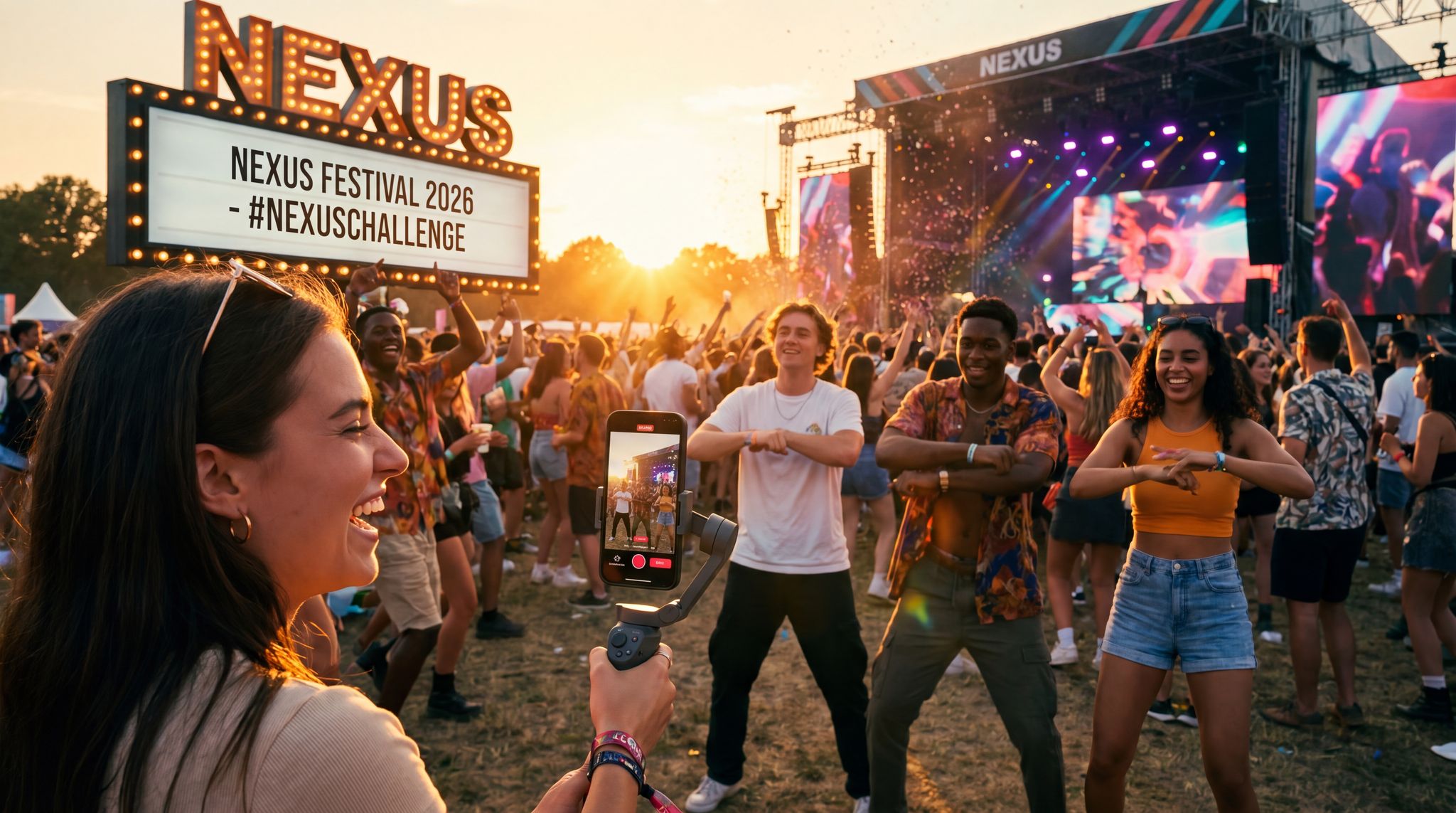
Go for the “less is more” approach with your campaign messaging. When it comes to rallying people around a cause, a short, memorable slogan can work wonders (as we highlighted in the CTA discussion). Don’t overcomplicate the narrative. Develop a concise tagline or hashtag that encapsulates your mission in a punchy way. Think of phrases like “End Hunger Now” or “Music for Mental Health” – they’re simple yet powerful. Use this as the spearhead of your marketing: it should be on your banners, in your ads, and on the lips of your spokespeople. A crisp call-to-action or theme isn’t just about marketing; it gives your whole team (and the audience) a unified rallying cry. It also makes it easier for media to talk about your event. A clear theme like “Dance for Climate Action” is more likely to get picked up in press coverage than a muddled message with five different causes mentioned. So, brainstorm until you can distill the essence of your campaign down to a few impactful words. If it fits naturally, tie it to urgency (e.g., “today,” “this summer,” “2025”). That sense of immediacy moves people. And remember – a focused message is easier to promote. You can always elaborate on details in the fine print, but lead with a hook that grabs attention and sticks.
-
Show your support by pledging a donation yourself. One way to prove to your audience that you’re all in on this cause is to put some skin in the game. If your event or company budget allows, make a direct pledge and announce it. For example, “As organizers, we’re donating $10,000 to kickstart this campaign” or “We will personally contribute $1 for every ticket sold.” This type of gesture speaks volumes – it tells people that you’re not just expecting them to chip in, you’re doing it too. It builds trust because it shows you’re not asking anyone to do something you aren’t willing to do yourself. Even a modest amount helps, and you can frame it relative to your scale. Many successful festival producers do this routinely. The team behind Glastonbury Festival, for instance, has built philanthropy into their model – Glastonbury 2024 raised £5.9 million for charities (including donations to organizations like Oxfam, Greenpeace, WaterAid and local causes and nursing staff). That’s part of why Glastonbury enjoys such goodwill; fans know a chunk of their ticket supports worthy causes. On a smaller scale, Insomniac’s EDC festival in Las Vegas has historically donated $1 per ticket to charitable programs, which adds up to hundreds of thousands from a sold-out show. These examples illustrate a principle: when the promoter takes the lead on giving, it inspires attendees and sponsors to open their wallets too. If you’re operating on a tight budget and can’t give cash, you can pledge other forms of support – like dedicating a portion of staff hours to volunteer for the cause, or providing free event tickets to the charity to use for their own fundraising. The important part is to be transparent about it (just as you are with attendee contributions). Make a bit of fanfare about your pledge, not to brag, but to underscore that the event’s leadership is committed. This adds credibility and can encourage a domino effect of generosity.
-
Be strategic about the timing of your event. In the events world, timing is everything – and with cause events, you can leverage the calendar to maximize impact. Consider aligning your benefit concert or festival with relevant dates like awareness days, heritage months, or seasons that amplify your message. For example, if you’re supporting breast cancer research, hosting the event in October (Breast Cancer Awareness Month) will mean there’s already a heightened public focus on that issue – media outlets are covering it, people may be wearing pink, and organizations are running campaigns. Your event can ride that wave of awareness and even partner with larger national campaigns happening in that month. Similarly, an event for environmental causes could be timed around Earth Day (April 22) or World Environment Day in June. Supporting mental health? Consider May (Mental Health Awareness Month) or early October (World Mental Health Day). By choosing the timing thoughtfully, you essentially tap into a pre-existing promotional boost. It’s easier to get press coverage if your event ties into something journalists are already writing about that week. It’s also easier to get community buy-in – for instance, a city might be more inclined to permit a charitable march or festival on a known day of service.
-
Integrate the cause into your broader promotional ecosystem. When marketing a music festival, the philanthropic angle shouldn’t exist in a silo. Weave the charity’s mission into your standard promotional rollout—from lineup announcement videos to influencer partnerships. By treating the cause as a core pillar of your festival’s identity rather than an afterthought, you create a more cohesive and compelling narrative that drives both ticket sales and donations. Utilizing robust concert promoter software during this phase allows you to A/B test messaging and track which cause-related content converts best.
-
Develop unique promotional concepts around the cause itself. Don’t just rely on standard ticket sales to drive your campaign. Brainstorm creative event promotion ideas that actively involve the charity. For instance, you could host a pre-show charity auction, offer exclusive VIP meet-and-greets where a portion of the upgrade fee goes to the nonprofit, or launch a limited-edition merchandise collaboration. These targeted marketing concepts not only generate additional revenue for your partner organization but also give your team fresh, engaging content to share across your channels.
That said, strategic timing isn’t just about awareness dates. Also think about avoiding scheduling conflicts and finding a spot on the calendar where your target audience is free and attentive. Don’t pit your charity festival against a major competing event unless you’re confident you can hold your own. And consider seasonality: if you’re doing an outdoor benefit show for wildfire relief, maybe plan it outside of peak wildfire season so you’re not literally clashing with active crises (or conversely, time it to coincide with the tail end of fire season when the issue is front-page news and people are looking to help). Finally, use the timing in your marketing narrative: “We’re hosting this in March for Women’s History Month” or “Join us this December – the season of giving – to support those in need.” It anchors your event in a larger context and can make the cause feel even more compelling.
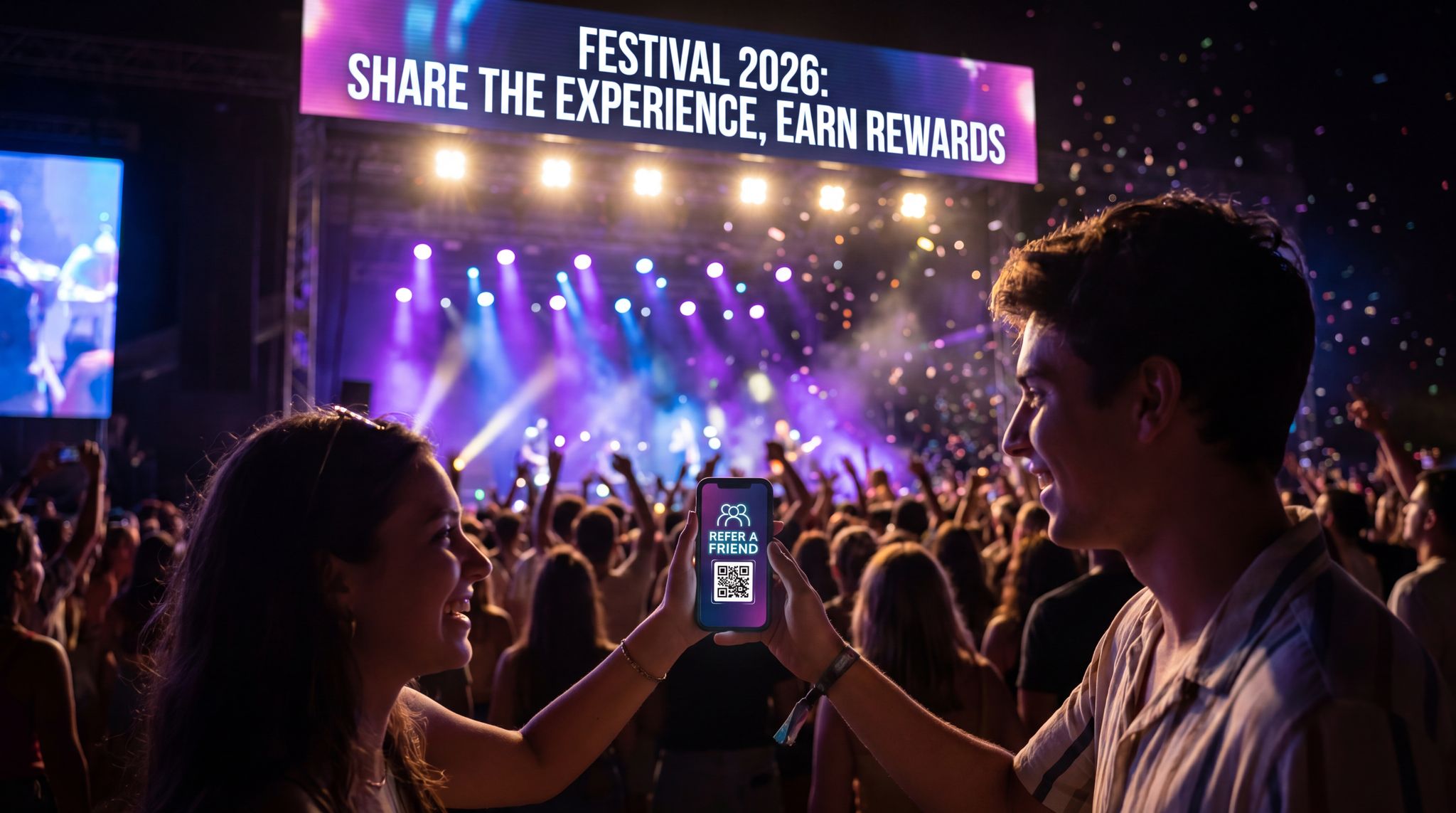
Pro Tip: Make your supporters part of the marketing team. If your ticketing platform offers an ambassador or influencer referral program (for example, Ticket Fairy’s built-in influencer program), use it to mobilize passionate attendees. Encourage fans who care about the cause to spread the word in their own circles by offering them small rewards – like discount codes, merch, or even a shout-out – for every ticket buyer they refer. This peer-to-peer approach leverages genuine enthusiasm (friends telling friends) and can dramatically extend your reach. People are more likely to trust and respond to a cause event when they hear about it from someone they know. Plus, an army of micro-influencers can often reach niche communities that your ads might miss. By empowering your most enthusiastic supporters as unofficial ambassadors of the cause, you amplify your campaign’s authenticity and impact.
The benefits of altruistic events and cause marketing
At the end of the day, why go through all this extra effort? Is cause marketing truly worth it for promoters and events? In a word: yes. When executed well, blending altruism with your event can yield powerful benefits for your brand, your attendees, and society at large. Most humans have an inherent desire to do good (and to be seen doing good), so events tied to causes tap into something very fundamental in us. Let’s break down the key benefits you can expect from cause-driven events:
-
Cause marketing creates a positive brand image (and boosts loyalty). Aligning your event with a worthy cause can dramatically bolster how people perceive your brand. In an industry where many events compete for attention, having a philanthropic angle differentiates you as a promoter who stands for more than profit. Over time, this cultivates a positive brand halo – your event brand is seen as caring, ethical, and part of the solution. This isn’t just feel-good theory; it translates into concrete audience preferences. Surveys show that 71% of Gen Z consumers have a more positive impression of brands that are associated with a social cause, and other generations aren’t far behind. By taking a stand, you attract an audience that shares those values, meaning they’re likely to be more engaged and loyal. They aren’t just fans of your event; they’re fans of what your event represents. We’ve seen festivals build multi-year success on this principle. The Pollstar industry analysis on charitable festivals notes that having a charitable component is not only “good marketing” but in some cases a necessity to win over conscientious concertgoers. Some artists even prefer to work with promoters who give back, which can lead to better talent bookings for you. On the flip side, cause marketing done right can also serve as a shield in tough times – audiences are more forgiving of hiccups or mistakes if they believe in your good intentions (a Porter Novelli study found 88% of Americans are more willing to forgive a company’s misstep if it is genuinely trying to do good). In short, a positive brand image built on altruism can translate into a stronger reputation, repeat attendance, and goodwill that money can’t buy. Look at Denmark’s iconic Roskilde Festival: since 1971 it has donated all its surpluses to charitable and cultural causes – over €54 million in total, proving how sustainable festivals transform communities – creating a legacy of goodwill that keeps fans and artists supporting it year after year. In the U.S., Arizona’s M3F Fest (Phoenix) operates as a nonprofit festival and has donated 100% of its proceeds to charity, totaling over $3.2 million since 2004. These brands have longevity and devoted followings precisely because giving back is baked into their identity. As noted in Pollstar’s coverage of M3F Fest, cause marketing, done with genuine heart, is an investment in the long-term trust and sustainability of your event brand.
-
Your event creates community awareness and engagement. When you center an event around a cause, you’re not just selling entertainment – you’re sparking conversations and rallying people together around an issue. A well-executed cause event can act as a beacon that draws in the wider community, including people who might not have otherwise paid attention to your festival. For instance, suppose you put up a giant mural in the city to promote your upcoming charity concert, depicting the cause in a compelling way. Local residents and media might take notice and start discussing that topic, generating buzz beyond the typical “event coming to town” news. Cause marketing tends to generate organic word-of-mouth: attendees talk to their friends and family about “the concert that’s helping homeless youth” or “the festival raising money for bushfire relief.” That word-of-mouth can significantly expand your reach. Importantly, you’re not just engaging those who attend, but also those who hear about it in the community. It positions your event as something that has a positive local impact, not just an isolated party. As a result, you may find more community stakeholders willing to support you. City officials, local businesses, and community leaders often appreciate events that have charitable components, which can lead to smoother permitting and potential partnerships (a local council might even officially endorse or co-host your charity event if it aligns with community goals). Each piece of your campaign – be it a social media challenge, a billboard, a press release – educates people a little more about the cause. Over time, you might build a community coalition that extends beyond the event itself. For example, maybe your annual festival’s cause committee includes local nonprofits, schools, and volunteers who all come together for this event. That coalition can far outlive a single event and become a platform for year-round engagement. Also, consider how cause marketing can bring new audiences into the fold. Someone who isn’t a die-hard music fan might still come out to support a cancer research benefit concert because the cause matters to them. Thus, you broaden your reach and possibly convert new folks into loyal attendees by first hooking them with the cause. Remember, in the context of community and cause, success isn’t just measured in ticket sales, but in awareness raised. Even if someone hears about your event and doesn’t attend, the fact they learned about the issue (and maybe took some action like donating or sharing a post) means you achieved a win in terms of social impact. (For more on building strong community ties through events, see our piece on how sustainable festivals transform communities – some festivals have even boosted local economies by hundreds of millions while winning public support.)
-
Your event delights attendees and lets them contribute to a cause. Let’s not forget the obvious: people attend events primarily to have a good time. The beautiful thing about a cause-based event is that it can heighten that joy with a layer of meaning. Attendees get the same amazing music, art, or entertainment experience they’re looking forward to – but they also get to feel good about themselves for being there. It’s a psychological double-whammy of positive vibes. There’s compelling research in psychology about “prosocial behavior” showing that doing good for others increases one’s own happiness. When festival-goers know that by dancing and enjoying themselves they’re also, say, funding scholarships for kids or feeding families in need, it adds an extra dimension of fulfillment. I’ve heard attendees say things like, “This concert was incredible not just because of the music, but because I felt part of something bigger.” That emotional high can translate into deeper engagement during the event – the crowd might cheer louder when milestones are announced (like “we just hit our $100k goal!”), and they often show more patience and positivity because everyone’s committed to a shared purpose. It builds a sense of community among the attendees: they see each other not just as fellow fans, but as fellow supporters of a cause. That camaraderie can enhance the overall atmosphere, making your event even more memorable.
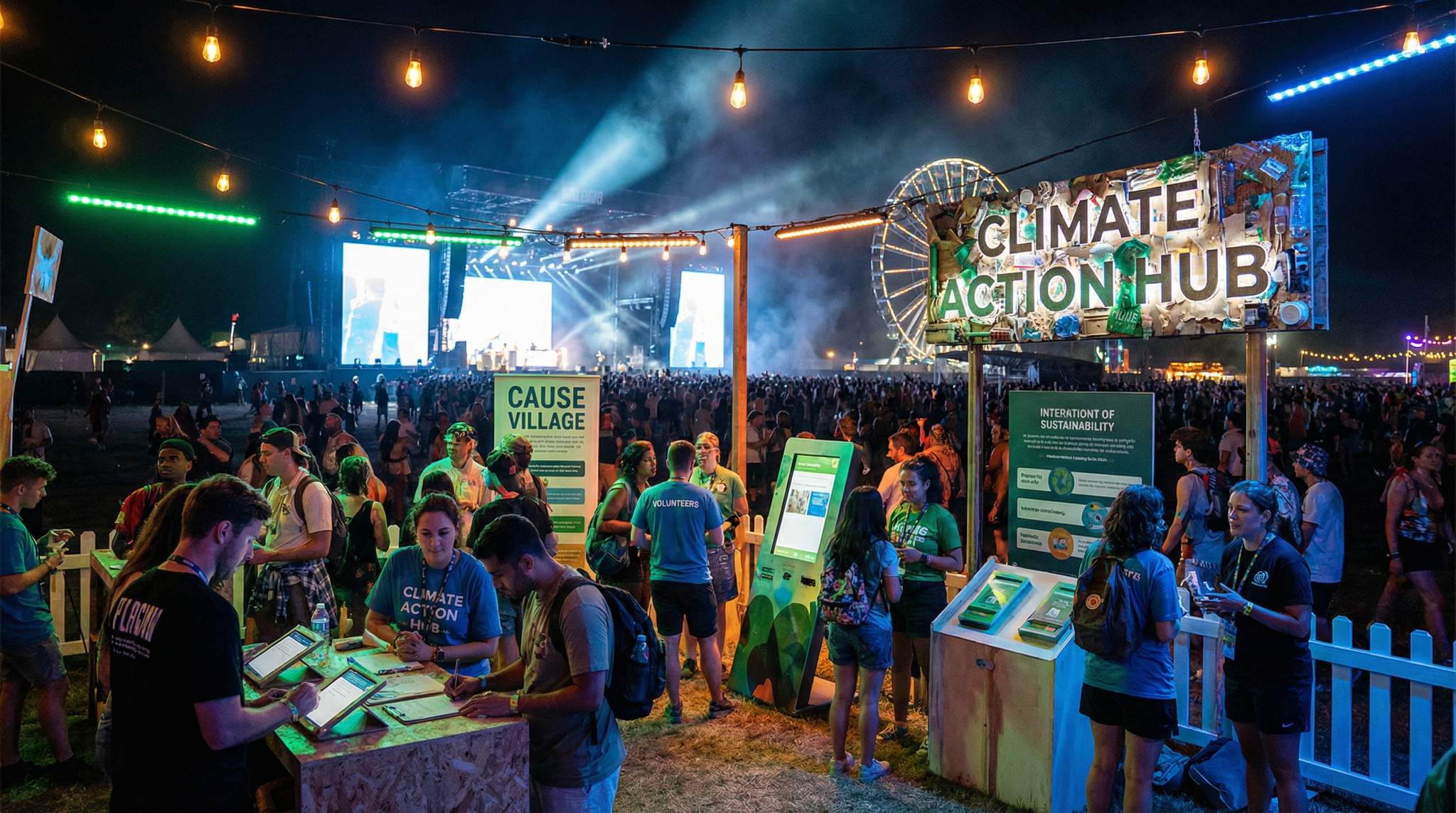
Moreover, cause marketing can actually be a selling point that tips the scales for fence-sitters. A potential attendee who’s unsure about buying a ticket might decide to go specifically because they know it’s for charity – “Well, I wasn’t sure about going, but since it supports a great cause, I’ll buy a ticket.” Especially for last-minute buyers, reminding them that their ticket makes a difference can alleviate purchase hesitation (it feels less like spending and more like donating). From a promoter’s perspective, this means you’re adding an extra incentive to drive sales, beyond just the lineup or programming. And once people are at your event, the cause element gives you more content to enhance their experience: you can include interactive areas (like a charity info booth or an art installation about the cause) that enrich the event. Some festivals even incorporate give-back activities on site – for example, a corner where attendees can pack kits for the homeless for a few minutes, or a pledge wall where people write messages of support. These activations make attendees participants in the cause, not just passive donors, and that can be deeply rewarding for them. Happy attendees are what we want – because they come back next time and bring friends. And if their happiness is intertwined with doing good, they’ll associate your brand with that powerful positive emotion. (For insight into nurturing that kind of lasting loyalty, read how top festivals keep fans coming back year after year by elevating attendee experience. A meaningful mission is increasingly part of that experience.)
Beyond these core benefits, there’s one more “meta” benefit: cause marketing can be incredibly fulfilling for you and your team. Producing events is often a stressful, breakneck endeavor. Incorporating a higher purpose can reignite passion and remind everyone why we do this. There’s nothing quite like the moment when you announce the total raised and see tears of joy in the eyes of your team, the charity representatives, or even the artists on stage. It’s a reminder that live events have the power not just to entertain, but to make a real-world difference. That sense of accomplishment can boost team morale and keep everyone motivated to go the extra mile, which in turn tends to result in better-run events.
To sum it up, when you use cause marketing to promote your event, success comes from genuinely integrating the cause with your event strategy. Define clear goals (e.g., awareness metrics or fundraising targets) and map out a timeline with milestones – essentially treat it like a project in its own right, alongside talent booking, production, etc. (Our comprehensive festival planning timeline guide is a great reference for how to incorporate all these elements into your overall plan.) Ensure all your communications are consistent in messaging and tone, highlighting the cause at every turn. Leverage influencers and passionate community members to spread the word organically, as authenticity carries farther than any ad budget. And of course, track your results and learn from each outing: measure ticket sales, donation amounts, social media engagement, press hits, and gather feedback from attendees and partners. These insights will help you refine your approach in future campaigns. With each cause event you produce, you’ll build more credibility, larger networks, and a blueprint for even greater impact next time. In the challenging, competitive world of event promotion, cause marketing can be that special ingredient that not only differentiates your event, but leaves a legacy that endures well beyond the final encore.
Frequently Asked Questions
What is cause marketing in the context of events?
Cause marketing in events occurs when a promoter partners with a social cause or charity for a mutually beneficial campaign. This strategy raises awareness and funds for the nonprofit while elevating the event’s purpose. Unlike standard promotion, it transforms a festival or concert into an experience tied to real-world impact and audience values.
Why should event promoters incorporate cause marketing?
Cause marketing builds genuine connections with audiences who value social awareness. Statistics show 91% of consumers are more likely to buy from companies supporting social issues. For promoters, weaving a cause into marketing boosts ticket sales, strengthens brand loyalty, and spotlights important issues, creating a win-win scenario for the brand and the community.
How can promoters choose the right cause for their event?
Promoters must research their target audience’s values using data insights from platforms like Ticket Fairy to identify resonating issues. Authenticity is crucial; the chosen cause should align with the event’s identity and the organizer’s personal values. Common themes include environmental sustainability and mental health, but the specific choice must match the demographic profile of the attendees.
What are the best practices for transparency in charity events?
Event organizers must be specific about financial contributions to maintain trust and comply with regulations. Best practices include stating exact donation amounts, such as “$5 from each ticket” or “20% of profits,” rather than vague phrases like “a portion of proceeds.” Publicly sharing the total raised after the event further validates the campaign’s authenticity.
How does partnering with a reputable name benefit a cause event?
Engaging a celebrity, influencer, or respected brand adds immediate credibility and amplifies the event’s reach. Audiences are more likely to trust and support a cause championed by a figure they admire. However, promoters must vet partners carefully to ensure they genuinely support the mission and have a positive public image to avoid controversy.
What are the main challenges of cause marketing for events?
Common obstacles include selecting a cause that truly resonates with the audience, managing limited resources, and ensuring proper fund management to avoid legal issues. Promoters also face the risk of “woke-washing” accusations if the campaign appears inauthentic. Overcoming these requires deep audience research, clear budgeting, and robust, transparent financial tracking systems.
How does cause marketing fit into marketing a music festival?
When marketing a music festival, integrating a charitable cause provides a unique narrative hook that differentiates the event in a crowded market. It shifts promotional efforts from purely transactional ticket sales to shared values, attracting socially conscious attendees and generating organic media coverage.
What are the potential disadvantages of using events for campaigns for change?
While cause marketing can boost loyalty, potential disadvantages include alienating attendees if a cause is highly polarizing, or overshadowing the entertainment value of the festival with heavy-handed activism. Promoters can avoid these pitfalls by choosing universally relatable causes and ensuring the advocacy enhances, rather than dominates, the attendee experience.
How can concert promoter software improve cause marketing campaigns?
Using dedicated event management and ticketing platforms helps organizers track donation metrics, segment audiences for targeted messaging, and maintain transparent financial records. This technology ensures that philanthropic efforts are data-driven and seamlessly integrated into the overall event strategy.
What are some effective cause-driven event promotion ideas?
Impactful event promotion ideas include launching co-branded merchandise where proceeds go to the charity, hosting pre-event fundraising livestreams, and offering VIP ticket upgrades that include a direct donation. Organizers can also run peer-to-peer referral campaigns where fans earn rewards for recruiting friends to support the cause-driven festival or concert.