In today’s hyper-connected ticket marketplace, ticket scalping has evolved from street-corner hustles into a sophisticated online operation. Scalpers now leverage advanced technology—automated bots, fake accounts, and organized broker networks—to snap up tickets within milliseconds of release, a practice Tech Wire Asia identifies as a significant issue for both good and bad actors. This sophisticated online operation generates massive profits, with the U.S. market alone seeing scalpers generate around $64 million in revenue. This leaves genuine fans empty-handed and forces them to seek tickets at inflated prices on secondary markets. The result? Frustrated audiences and tarnished trust in the ticketing process. For live event organizers in 2026, ensuring fair ticket access while thwarting scalpers has become a critical (and complex) priority.
In today’s hyper-connected ticket marketplace, ticket scalping has evolved from street-corner hustles into a sophisticated online operation. Scalpers now leverage advanced technology—automated bots, fake accounts, and organized broker networks—to snap up tickets within milliseconds of release, a practice Tech Wire Asia identifies as a significant issue for both good and bad actors. This sophisticated online operation generates massive profits, with the U.S. market alone seeing scalpers generate around $64 million in revenue. This leaves genuine fans empty-handed and forces them to seek tickets at inflated prices on secondary markets. The result? Frustrated audiences and tarnished trust in the ticketing process. For live event organizers in 2026, ensuring fair ticket access while thwarting scalpers has become a critical (and complex) priority.
Fortunately, modern event ticketing platforms offer powerful anti-scalping tools that can protect your events and fans. From personalized tickets and bot detection to dynamic pricing and verified fan pre-sales, these platforms provide a multi-faceted defense against scalpers. When used effectively, these features not only keep tickets in the hands of real fans but also safeguard your revenue and reputation. This comprehensive guide explores how to leverage your ticketing platform’s anti-scalping capabilities, with up-to-date strategies, real-world examples, and expert tips to help you stay one step ahead of scalpers.
Understanding Modern Ticket Scalping Challenges
Scalpers in 2026 operate on a global, industrial scale, far beyond the lone individuals of the past. Today’s ticket scalpers deploy highly sophisticated bots that can mimic human behavior and evade basic security measures, often driving massive traffic to entertainment websites worldwide. In fact, recent data reveals that over 83% of traffic on ticketing sites is automated, and nearly one-third of that is malicious scalping bots, creating significant challenges for the entire ticketing ecosystem. These bots swarm on-sales the instant tickets are released, often buying out entire sections in seconds. For example, a U.S. ticket broker ring allegedly used thousands of fake accounts to acquire over 379,000 tickets (worth nearly $57 million) for popular tours, as reported in coverage of U.S. legislative crackdowns – an operation of staggering scale.
Keep Tickets in Fans' Hands
Our secure resale marketplace lets attendees exchange tickets at face value, eliminating scalping while keeping you in control of the secondary market.
This tech-driven scalping creates artificial scarcity that shuts out true fans. Bots can drive up resale prices and cause instant sell-outs, even for venues that might not have filled under normal circumstances. Fans log on right at on-sale only to find “sold out” messages, then see hundreds of tickets appear on resale sites at sky-high markups. One notorious case involved $45 concert tickets for a reunion show that were immediately listed for up to $900 on resale platforms, a scenario Big Think highlights as a moral dilemma for fans. The damage isn’t just to fans’ wallets – it’s to their goodwill. Fans blame event organizers when they can’t get tickets, even if the real culprit is scalper bots. Meanwhile, artists and promoters miss out on potential revenue that scalpers siphon off in the secondary market.
Scalping has become a worldwide problem. It’s not limited to one country or genre – from K-pop concerts in Seoul to music festivals in California, any high-demand event is a target. Authorities are starting to crack down; for instance, in early 2025 Hong Kong police arrested a group of scalpers (including a teenager) for running a $1.8 million ticket scheme around a venue’s opening, leading to arrests for ticket scalping schemes. Similarly, in Taiwan, prosecutors indicted 11 people in a long-running scalping operation that grabbed over 13,000 tickets since 2016, highlighting the need for stronger enforcement globally. These cases underscore how prevalent and lucrative scalping can be – and why event organizers must be proactive and vigilant. Modern scalpers are essentially digital adversaries, so organizers need an equally tech-savvy defense. The following sections detail how leveraging advanced ticketing platform features can meet this challenge head-on.
Ready to Sell Tickets?
Create professional event pages with built-in payment processing, marketing tools, and real-time analytics.
The Economic Impact of Ticket Scalping
Beyond the frustration it causes, ticket scalping has a profound economic impact on the live entertainment industry. When brokers resell tickets at many times their face value, fans’ extra dollars don’t benefit the event – they line the scalpers’ pockets. Analysts estimate the global secondary ticket market was generating over $15 billion annually by the mid-2020s, meaning fans pay the price in the online event ticketing market, money that largely bypasses artists, venues, and promoters. That lost revenue can be huge. To give one example, Bruce Springsteen’s Broadway show (2017–2018) grossed $106 million at the box office, but it also saw the highest secondary-market ticket prices in history – an average of $1,789 per ticket, marking the highest secondary market prices in history. None of that markup went to the production or the artist, yet fans had to pay exorbitant sums to attend.
When fans are priced out or burned out by this unfair market, events ultimately suffer. High resale prices can depress attendance – many would-be attendees simply give up when faced with triple-digit or thousand-dollar markups. That means fewer bodies in the venue spending on concessions, merch, and parking. Local businesses also feel the pinch; restaurants, hotels, and bars around the venue lose patrons who were driven away by inflated ticket prices. In short, scalping doesn’t just shift money from fans to resellers – it can shrink the overall economic pie of an event.
There’s also a reputational cost. A flurry of angry fan complaints about pricing or lack of ticket availability can damage an event brand. Fans who feel cheated might think twice about supporting future shows. In an era of social media, a single bad ticketing experience can go viral, painting an organizer or artist as complicit in gouging fans (even when that’s not the case). All of this explains why promoters, venues, and even governments are taking scalping seriously. In the U.S., the Federal Trade Commission and Congress have been pushing for tougher enforcement of the BOTS Act and greater oversight of ticketing practices, following Senate hearings regarding Ticketmaster and the Taylor Swift tour. Major artists are also taking a stand – for instance, Oasis’s promoters warned they would invalidate any tickets resold above face value for the band’s 2025 reunion shows, warning that resold gig tickets at inflated prices will be cancelled. By working closely with ticketing platforms and regulators, event organizers can tackle the economic fallout of scalping. The first step is to ensure fair pricing and access at the point of sale, which we explore next.
Fair Ticket Pricing and Availability
Ensuring fair ticket pricing and availability from the outset is one of the best defenses against scalping. Scalpers thrive on underpriced tickets and limited supply – they exploit the gap between what a ticket costs and what fans are willing to pay. If you price tickets too low for a high-demand event, scalpers see an opportunity to buy them up and resell at the true market price, capturing huge profits. On the other hand, if official prices are too high across the board, you risk alienating genuine fans or pushing them into the arms of secondary sellers who might offer a deal. The goal is to strike a balance that makes tickets accessible to real fans while leaving minimal arbitrage for resellers.
Go Cashless With RFID Technology
Enable contactless payments, faster entry, and real-time spending analytics with RFID wristbands and NFC-enabled ticketing for your events.
Start with smart pricing strategies. Research your fanbase and what they can afford. Many veteran organizers use tiered pricing (early-bird, tier 1, VIP packages, etc.) to offer options at different price points. This way, casual fans can grab an affordable ticket early, while super-fans or latecomers might pay a bit more – capturing extra revenue that would otherwise go to scalpers without gouging your core audience. Transparency is key here: clearly communicate why certain tickets cost more (e.g. added perks or last release) to avoid confusion. According to industry insights, a fair perceived value goes a long way to building loyalty. Fans appreciate when they feel tickets are priced “reasonably” and not just maximum dollar – it fosters goodwill and trust in your event.
Just as important is managing ticket availability. Scalpers often use brute-force tactics to hoard inventory, so your ticketing platform should help level the playing field. Always enforce sensible ticket limits per customer (e.g. 4–6 tickets) and consider staggering your ticket releases. For instance, you might allocate tickets across multiple sales waves: a fan club pre-sale, an early access sale, and general public sale. This not only rewards your engaged fans, but also spreads out demand, making it harder for scalpers to vacuum up everything at once. Some organizers also randomize ticket release times or announce “secret” sales to surprise bots. The objective is to ensure that at any given moment, genuine fans have a fair shot at obtaining tickets before opportunists interfere.
Grow Your Events
Leverage referral marketing, social sharing incentives, and audience insights to sell more tickets.
Pro Tip: Conduct periodic market research (surveys, price comparisons, etc.) to gauge what your audience considers a fair price. Setting a ticket price too low can inadvertently invite scalpers to swoop in, while pricing too high can drive away loyal fans. Aim for pricing that reflects demand and value – and communicate your pricing strategy to fans so they understand you’re keeping things fair.
By pricing wisely and controlling distribution, you reduce the “easy money” scalpers seek. In an ideal scenario, there’s little incentive for a reseller to target your event because any potential profit margin has been minimized. Of course, even the fairest pricing won’t stop determined scalpers entirely. That’s where more targeted anti-scalping tools come into play – starting with tying tickets to the people who buy them.
Personalization and Ticket Resale Restrictions
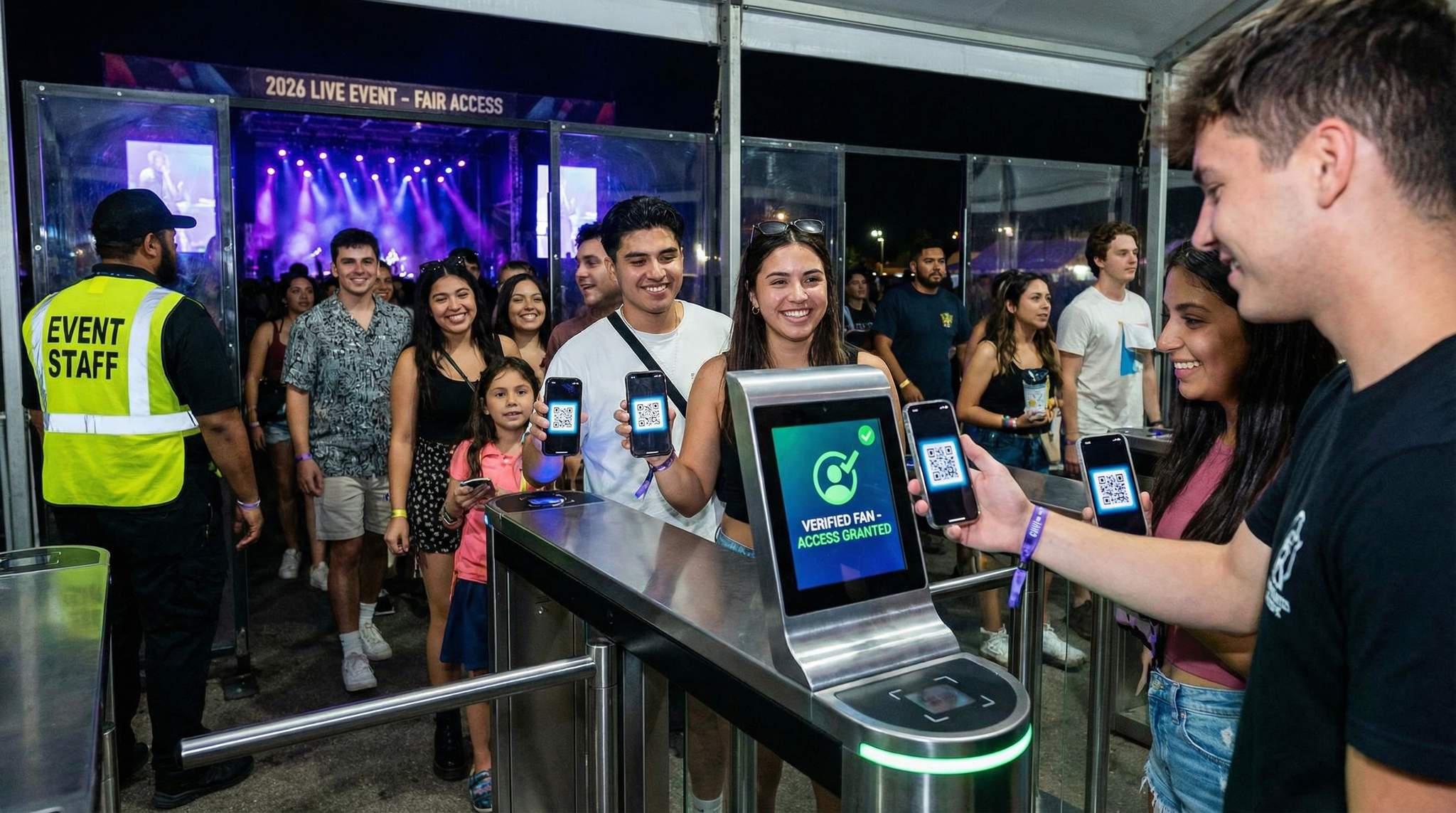
One of the most powerful anti-scalping measures is ticket personalization – essentially, linking each ticket to a specific person’s identity. Modern ticketing platforms make this easier than ever, allowing you to require each ticket buyer to provide a name (and sometimes additional info like date of birth or address) for every ticket purchased. These details can then be printed on the ticket or encoded in the digital ticket’s QR code. The effect is that a ticket is no longer a freely tradable commodity; it’s more like a personal invite. If scalpers know tickets will be checked against ID at the gate, it deters them from bulk buying because they can’t offload personalized tickets to strangers easily.
Many high-profile events have used personalization to great success. For example, the famed Glastonbury Festival in England implemented a photo ID registration system for ticket buyers years ago. Fans must register and upload a photo well in advance, and tickets are issued to their name only. The result? It’s widely credited that Glastonbury’s photo-ID tickets virtually eliminated scalping at the festival, proving that a photo ID registration system can curb touting. Industry observers noted that with this system “all of the tickets now go to genuine buyers, with touts just about cut out of the process,” ensuring tickets are tied to a real person’s identity. Similarly, some K-pop concerts in 2025 introduced face-recognition entry systems – fans pre-upload a selfie, and at the venue a camera verifies their face as their “ticket.” One such system, called Face Pass, rolled out in South Korea and meant there was no need for any physical or electronic ticket at all – your face became your ticket, utilizing Face Pass systems to combat ticket scalping. Media noted that this high-tech approach aligned with broader moves to combat scalping by ensuring tickets were truly non-transferable.
Free Tool: Split Tickets for Max Gross
Given capacity and a target price, the optimizer proposes Early Bird / GA / VIP allocations and prices — with projected gross at 100%, 80% and 60% sell-through.
Of course, there are practical considerations. Completely non-transferable tickets can pose a dilemma: what if a genuine fan buys a ticket and then can’t attend? Rigid no-transfer rules might frustrate honest customers (life happens – people get sick, or plans change). That’s why secure resale or transfer options are important companions to personalization. Ideally, your ticketing platform provides an official fan-to-fan resale marketplace or a mechanism to transfer tickets with approval. For instance, you might allow ticket holders to resell their tickets through your system at face value (or capped at a small markup). This way, someone who truly can’t go can get their money back, and another real fan gets to attend – all without ever exposing the ticket to scalpers on the open market. Some advanced platforms even enable waiting lists: if a show is “sold out” but an authenticated fan wants to sell their ticket, the platform automatically offers it to the next person in the queue, at the original price.
Ticket Fairy takes an end-to-end approach to ticket personalization, equipping organizers with multiple anti-scalping options. When setting up your event on the platform, you can require each ticket to carry the buyer’s personal information, and enable Ticket Fairy’s inbuilt resale system to handle ticket transfers in a safe, controlled manner. This ensures that if attendees need to sell or transfer their tickets, it happens securely within the platform’s ecosystem, with new barcodes issued to the new owners. By closing the loop in this way, scalpers are effectively locked out of the process.
Warning: If you implement strict personalization (such as photo ID checks or face recognition), be sure to provide a legitimate channel for ticket transfers. Fans will appreciate a clear and fair way to transfer tickets they can’t use (for example, via your official resale platform or helpdesk). Without this outlet, well-intentioned attendees might resort to unsafe off-platform sales or grow frustrated with your event. The goal is to stop profiteering by scalpers, not to punish genuine fans who encounter unavoidable changes in plans.
By personalizing tickets and tightly managing resale, you create a closed ecosystem that is hostile to scalpers. Tickets end up in the hands of real buyers and stay with them or other vetted fans. This approach, however, is just one layer of defense. Next, we’ll look at how identifying your true fans upfront can further keep scalpers at bay.
Deploying Identity-Locked Ticket Assets for Live Music Events
As scalping syndicates become more aggressive, the concept of personalization has evolved into the deployment of identity-locked ticket assets. For a modern live music events platform, this means treating each ticket not just as a barcode, but as a secure digital asset permanently tethered to a verified user profile. When organizers utilize these locked assets, the ticket dynamically updates and can only be activated or transferred within the platform’s native ecosystem. This approach is highly effective for high-demand concerts and festivals, ensuring that the digital pass remains useless if intercepted or scraped by unauthorized third-party broker sites. By adopting a live music events platform that supports identity-locked inventory, promoters gain absolute control over the chain of custody from the initial on-sale right down to the venue gates.
Verified Fan Programs and Pre-Sale Management
In recent years, Verified Fan programs have revolutionized how tickets are sold for high-demand events. The concept is simple: require fans to register (often days or weeks in advance) for a ticket pre-sale, and use that time to vet the sign-ups so that scalpers and bots are filtered out. Platforms can ask registrants to provide details like their email, phone number, or even answers to fan-specific questions. Some systems analyze a user’s purchasing history or social media (with permission) to gauge whether they look like a genuine fan or a likely reseller. The end result is a pool of “verified” fans who get first crack at tickets, usually via a special pre-sale with unique access codes.
Smooth Entry With Mobile Check-In
Scan tickets and manage entry with our mobile check-in app. Supports photo ID verification, real-time capacity tracking, and multi-gate coordination.
For live event organizers, a Verified Fan pre-sale serves multiple purposes. Firstly, it dramatically reduces bot activity during the initial ticket on-sale, because any would-be buyer who didn’t pre-register is simply not in the running for those tickets. Secondly, it rewards your most engaged fans – the people who cared enough to sign up early. Those fans often have the highest conversion to ticket sales and are less likely to resell for profit because they truly want to attend. We saw this with major tours in 2023–2024: artists like Taylor Swift and BTS used Verified Fan systems to sell the bulk of tickets, and although not perfect, these programs blocked millions of bot attempts and ensured a majority of tickets went to real fans (as opposed to scalping rings). In one high-profile case, extreme demand overwhelmed even the Verified Fan system, leading to a very public debacle, prompting legislative responses like the BOTS Act – a reminder that capacity planning and technology robustness are critical. Still, the concept is sound: make scalpers work harder by raising the barrier to entry.
A good Verified Fan or fan-club pre-sale program will also include thoughtful management of the sale itself. Common tactics include: limiting the number of codes issued (so demand roughly matches supply), staggering email-outs of purchase links to avoid a crush at one time, and even randomizing which verified fans get access if demand far exceeds supply (a lottery system). Some platforms assign queue positions or timestamps based on fans’ engagement – for instance, giving earlier access to those who have attended past shows or participated actively in an artist’s community. These approaches can further tilt the odds toward loyal fans and away from opportunistic buyers. Organizers can glean valuable data too: pre-sale registration numbers and fan locations can inform if you need to add extra shows, or if certain cities have huge demand that might attract more scalpers.
Pro Tip: When running a Verified Fan pre-sale, communicate clearly with your audience about how it works. Let them know when registration opens and closes, what information they need to provide, and how codes will be delivered. For example, if codes will be sent via SMS 24 hours before the sale, say so up front. On sale day, keep fans updated – if there are delays or if all pre-sale tickets get claimed, send a quick email or social post. The more transparent you are, the less confusion (and frustration) fans will have. A smooth pre-sale experience builds goodwill and proves to fans that your system is on their side, not designed to shut them out.
For live event organizers, a Verified Fan pre-sale serves multiple purposes. Firstly, it dramatically reduces bot activity during the initial ticket on-sale, because any would-be buyer who didn’t pre-register is simply not in the running for those tickets. Secondly, it rewards your most engaged fans – the people who cared enough to sign up early. Those fans often have the highest conversion to ticket sales and are less likely to resell for profit because they truly want to attend. We saw this with major tours in 2023–2024: artists like Taylor Swift and BTS used Verified Fan systems to sell the bulk of tickets, and although not perfect, these programs blocked millions of bot attempts and ensured a majority of tickets went to real fans (as opposed to scalping rings). In one high-profile case, extreme demand overwhelmed even the Verified Fan system, leading to a very public debacle, prompting legislative responses like the BOTS Act – a reminder that capacity planning and technology robustness are critical. Still, the concept is sound: make scalpers work harder by raising the barrier to entry.
A good Verified Fan or fan-club pre-sale program will also include thoughtful management of the sale itself. Common tactics include: limiting the number of codes issued (so demand roughly matches supply), staggering email-outs of purchase links to avoid a crush at one time, and even randomizing which verified fans get access if demand far exceeds supply (a lottery system). Some platforms assign queue positions or timestamps based on fans’ engagement – for instance, giving earlier access to those who have attended past shows or participated actively in an artist’s community. These approaches can further tilt the odds toward loyal fans and away from opportunistic buyers. Organizers can glean valuable data too: pre-sale registration numbers and fan locations can inform if you need to add extra shows, or if certain cities have huge demand that might attract more scalpers.
Pro Tip: When running a Verified Fan pre-sale, communicate clearly with your audience about how it works. Let them know when registration opens and closes, what information they need to provide, and how codes will be delivered. For example, if codes will be sent via SMS 24 hours before the sale, say so up front. On sale day, keep fans updated – if there are delays or if all pre-sale tickets get claimed, send a quick email or social post. The more transparent you are, the less confusion (and frustration) fans will have. A smooth pre-sale experience builds goodwill and proves to fans that your system is on their side, not designed to shut them out.
Verified Fan programs and well-managed pre-sales drastically reduce the attack surface for scalpers. They can’t easily flood the system if each purchase code is tied to a verified identity that took some effort to obtain. Coupled with personalization and transfer controls from the previous section, you are already a long way toward beating scalpers at their own game, ensuring more predictable revenue streams and the potential for advance on ticket sales. But the fight doesn’t end at the moment of purchase – it continues behind the scenes, as we’ll see in the next section on detection and monitoring.
Advanced Detection and Monitoring Systems
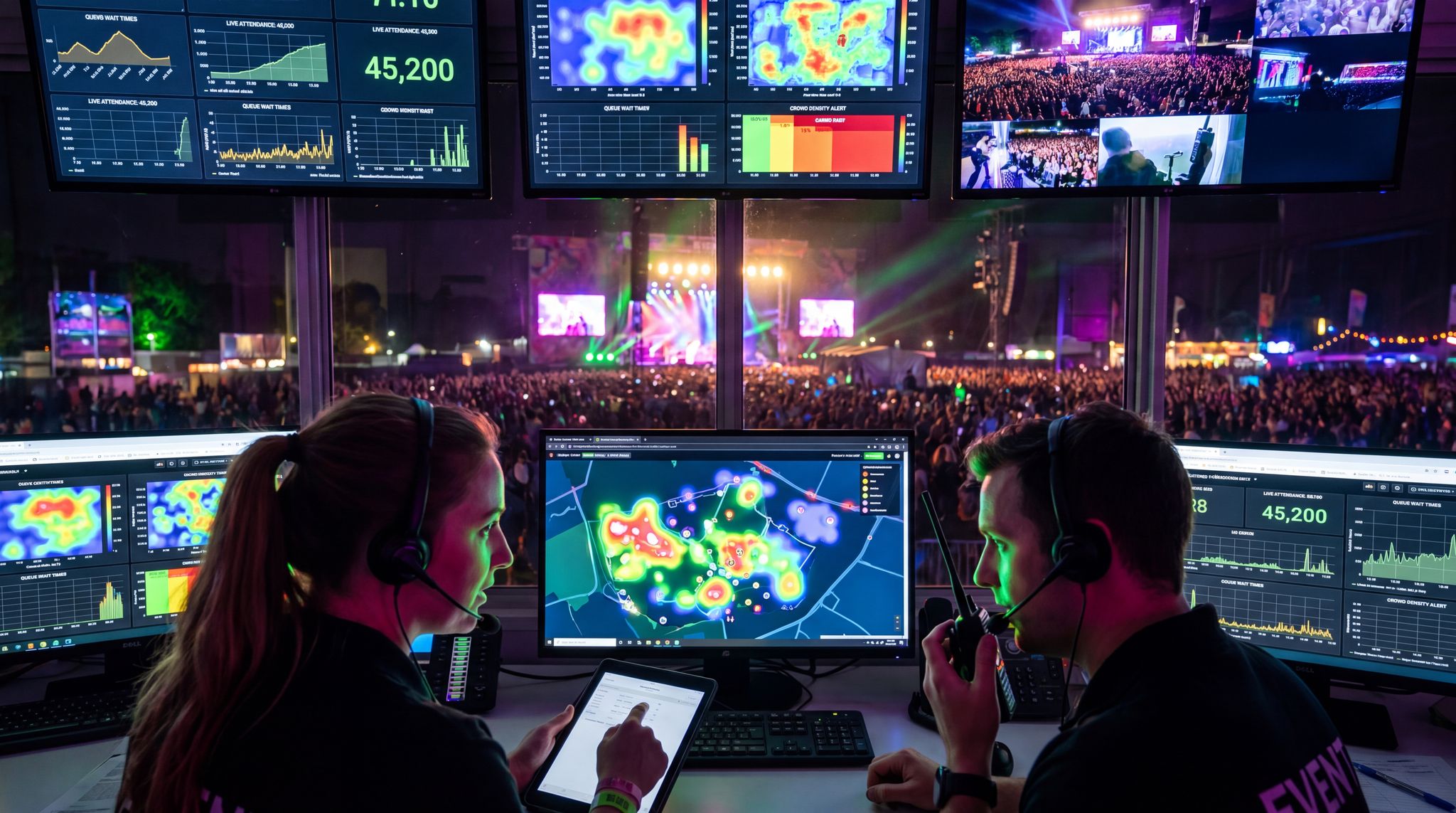
Modern ticketing platforms don’t stop working once tickets are sold – they continuously monitor activity to sniff out suspicious patterns that suggest scalping. Thanks to advances in AI and data analytics, you can often catch a scalper in the act, or at least gather evidence to invalidate their sales. Here are some of the detection and monitoring tactics at your disposal:
- Purchase Pattern Monitoring: Platforms can track if one user (or a group of associated accounts) is buying far more tickets than a normal fan would. Unusual spikes trigger alerts. For instance, if your ticket limit is 6 and an entity manages to buy 50+ tickets across multiple accounts, that’s a red flag. In a real 2023 case, a broker used 49 different accounts to purchase 273 tickets for a single Taylor Swift concert, far exceeding the per-customer limit, a violation cited in recent executive orders regulating the market. Patterns like these are exactly what automated monitors can catch and flag for cancellation.
- IP and Device Tracking: Many systems log the IP addresses and device fingerprints used in transactions. If hundreds of purchases originate from a small number of IPs or devices, you likely have a bot farm or coordinated scalper operation. Smart platforms even employ geolocation and VPN detection – if someone supposedly buying from New York is actually routing through a foreign server farm, you can require extra verification or block the transaction altogether.
- Secondary Market Scanning: An increasingly popular strategy is to monitor known resale websites and online marketplaces for tickets to your event. Specialized tools or third-party services search sites like StubHub, Viagogo, or local classifieds for suspicious listings. If a ticket is listed at an outrageous price (say 5x face value) or if serial numbers/barcodes can be traced, platforms can respond by invalidating those tickets and preventing their use. We’re seeing a trend in 2025–26 where promoters publicly announce this practice: any ticket resold above board will be cancelled. The Oasis example mentioned earlier is one – their team warned that tickets sold outside the official resale channel or above face value “would be cancelled by the promoters,” who stated that even legitimate tickets could be voided if resold improperly. Knowing that you’re actively hunting down violators can itself deter scalpers from listing your tickets.
- Real-Time Bot Detection: Alongside pre-sale vetting, platforms use real-time bot detection during sales. This can include CAPTCHA challenges (those “I am not a robot” tests), as well as more subtle tools like observing mouse movements, keystroke patterns, or the speed of form input. If a purchase attempt happens too fast or in a non-human way, the system can shut it down or isolate it for further checks. Some ticketing providers even partner with cybersecurity firms to continually update their bot profiles – because as bots evolve new tactics, detection algorithms are updated to match. The arms race is constant, but AI-driven monitoring gives organizers a fighting chance to keep up with malicious bots.
The insights gained from these monitoring systems can feed back into your strategy. If you discover, say, that a large chunk of scalping attempts came from certain IP ranges or that many illicit sales occurred via a particular resale site, you can take targeted action (ranging from legal cease-and-desist letters to adjusting your platform’s firewall rules). Advanced monitoring can also provide evidence to law enforcement or regulatory bodies if you pursue action against violators. We’re essentially bringing data intelligence to the scalping fight. Instead of playing whack-a-mole blindly, you’re identifying patterns and offenders in a systematic way.
When evaluating your technology stack, partnering with real-time fraud detection ticket sales providers is no longer optional—it is a baseline requirement for high-demand events. The most effective ticketing platforms integrate live transaction screening directly into the checkout flow. By analyzing hundreds of data points—such as billing address mismatches, rapid sequential purchasing, and proxy IP usage—these providers can instantly block fraudulent credit cards and malicious bot networks before a ticket is ever issued. For event promoters, this proactive approach not only stops scalpers but also drastically reduces costly chargebacks and administrative headaches post-sale, thereby improving cash flow and potentially opening up opportunities for event funding solutions.
Perhaps most importantly, detection systems help protect fans. Imagine a fan unknowingly buys a fake ticket from a scammer — if your platform has been monitoring and has already voided that ticket number, you can alert the fan (or at least ensure that ticket can’t be used to defraud someone at the gate). Some organizers set up a dedicated fraud hotline or support email so fans can inquire about ticket legitimacy; behind the scenes, staff can quickly check if a ticket was sold outside of approved channels. By actively detecting and responding to scalping-related activity, you’re safeguarding the integrity of your event and looking out for your audience.
Perhaps most importantly, detection systems help protect fans. Imagine a fan unknowingly buys a fake ticket from a scammer — if your platform has been monitoring and has already voided that ticket number, you can alert the fan (or at least ensure that ticket can’t be used to defraud someone at the gate). Some organizers set up a dedicated fraud hotline or support email so fans can inquire about ticket legitimacy; behind the scenes, staff can quickly check if a ticket was sold outside of approved channels. By actively detecting and responding to scalping-related activity, you’re safeguarding the integrity of your event and looking out for your audience.
Turn Fans Into Your Marketing Team
Ticket Fairy's built-in referral rewards system incentivizes attendees to share your event, delivering 15-25% sales boosts and 30x ROI vs paid ads.
Anti-Bot Technology and Security Measures
The battle against bots is at the heart of anti-scalping efforts. As noted, bots bombard ticket sales – and not just amateur scripts, but increasingly sophisticated programs that can simulate human actions and bypass basic security. In 2024 and 2025, we’ve seen ticketing systems enhance their security stack significantly to counter this onslaught. When you choose a ticketing platform, it’s worth asking: what anti-bot measures does it have in place? Here are some you should expect:
- CAPTCHAs and Human Verification: This is the first line of defense. Modern CAPTCHAs might ask users to identify objects in images, solve a simple puzzle, or even just tick a box (with behind-the-scenes analysis of cursor movement). These tests trip up many automated scripts. More advanced platforms use adaptive CAPTCHAs – if the system suspects a bot, it delivers a harder challenge or multi-step verification (like two-factor authentication via text message). A legitimate fan might find these a minor inconvenience, but they dramatically slow down or block bulk bot submissions.
- Behavioral Analytics: As mentioned earlier, tracking how a user interacts with the site can reveal if it’s a bot. Does the “user” paste a credit card number in 1 millisecond? That’s not human. Did they navigate through pages in an exact, repetitive pattern? Likely a script. Platforms analyze dozens of such signals in real-time. For example, if a user’s mouse makes perfectly linear movements or clicks UI elements in an inhumanly consistent rhythm, the system may require additional verification. These behind-the-scenes algorithms (often powered by machine learning) can identify bots with a high degree of accuracy while letting real fans through.
- Device Fingerprinting: Security systems often create a unique fingerprint of a device or browser (using things like browser version, screen size, installed plugins, etc.). If one “fingerprint” is attempting hundreds of purchases, alarms go off. Even if the bot tries to disguise itself, subtle technical details can give it away. Combined with IP tracking, fingerprinting helps isolate scalpers who rotate through IP addresses but reuse the same hardware or cloud servers.
- Rate Limiting and Queues: Many ticketing platforms now employ virtual queues to meter the flow of purchases. This not only provides a smoother experience for users (preventing system overload), but also slows down bots. A bot can’t buy tickets any faster than the queue allows – and if it tries to flood with many parallel requests, rate-limiting will cut that off. Some systems also randomize queue positions to nullify any advantage from hitting the on-sale at the perfect millisecond. The queue approach was put to the test in highly anticipated tour sales recently; while not foolproof, it certainly leveled the field by injecting a bit of lottery and a human time element that bots couldn’t easily game.
It’s worth noting that anti-bot efforts have support from policymakers too. The U.S. BOTS Act (Better Online Ticket Sales Act) of 2016 made it illegal to circumvent ticket purchase limits via bots, a practice Ticketmaster blamed for the Taylor Swift tour chaos. And in late 2023, a new executive order and FTC initiatives sought to increase penalties for scalpers using automated tools, aiming to enforce price transparency in the market. Other countries, such as the U.K., have similar laws against unauthorized bot buying. While enforcement of these laws has been limited (and scalpers often operate from jurisdictions out of reach), it’s another tool in the arsenal. In August 2025, for example, the FTC filed suit against a Maryland-based reseller accusing them of using bots and fake accounts to snatch tickets (379k of them, as noted earlier) in violation of the BOTS Act, generating around $64 million in revenue for the scalpers. This action was part of a broader effort to regulate the Key Investment Group operating under executive order. Knowing that legal consequences are on the table adds a layer of deterrence on top of the technological defenses.
The combination of legal pressure and cutting-edge security tech is beginning to turn the tide against bots – but it requires constant vigilance. Scalpers are innovative; if one defense works, they might try another angle (for instance, hiring teams of humans to manually buy tickets, or using AI chatbots to solve CAPTCHAs). As an organizer, ensure you partner with a ticketing provider that is actively updating and evolving its security measures. It should feel like an arms race, because it is one. But with robust anti-bot mechanisms in place, you can drastically reduce automated ticket grabbing and make scalpers’ lives a lot harder.
Implementing Dynamic Ticket Pricing Strategies
One of the more controversial yet effective tools against scalpers is dynamic pricing – adjusting ticket prices in real time based on demand. Traditionally, tickets had a fixed face value from start to finish. Scalpers exploited this by buying at face value and selling at whatever higher price the market would bear. Dynamic pricing flips that script: if a show is selling out in seconds, the ticket platform can automatically raise the price (within preset limits) for the remaining tickets. In theory, this captures the true market value for the organizer and artist, leaving less profit on the table for scalpers. Why would a reseller pay $100 for a ticket to resell at $150, if the system can adjust so that many fans paid $140–$150 to begin with? Scalpers can’t easily undercut or overshoot the fluctuating official price.
We’ve seen dynamic pricing deployed for major tours and concerts – often branded as “Platinum Tickets” or similar – where the best seats’ prices ebb and flow with demand. Some instances have been extreme: fans have complained about ticket prices skyrocketing into the hundreds or thousands for the most in-demand shows. On the plus side, that money goes to the event organizers and artists (instead of a scalper). However, it can also generate fan backlash if not managed carefully. A recent survey found that 64% of British consumers were concerned or upset about dynamic ticket pricing and scalping practices, with concerns rising over dynamic pricing and scalping. Those fans felt it made ticket buying unpredictable or unfair. This highlights a crucial point: transparency and moderation are key when using dynamic pricing.
If you choose to implement dynamic pricing through your ticketing platform, set clear ground rules. Perhaps decide on a reasonable price ceiling (e.g., no ticket will ever be more than 2x its base price) to avoid sticker shock. Communicate to your audience why you’re using dynamic pricing – many will understand that it’s meant to keep resellers from charging outrageous markups later. Some artists have been upfront about this; in one famous case, Taylor Swift deliberately inflated initial ticket prices to ~$700 for non-verified buyers after losing an estimated $150 million to scalpers on a prior tour, after Taylor Swift expressed frustration with scalpers. Her strategy did deter scalpers (there was no profit to be had), but it also meant some shows didn’t fully sell out because average fans couldn’t afford the new price. The takeaway: dynamic pricing is a balancing act. When done thoughtfully, it can strike at scalpers’ profits while still filling your venue with happy fans.
Data-Driven Event Marketing
Track ticket sales, demographics, marketing ROI, and social reach in real time. Exportable reports give you the insights to make smarter decisions.
Fans tend to accept dynamic pricing more readily if it’s presented as “Platinum” or premium options in addition to standard fixed-price tickets. That way, there’s still a baseline of affordably priced tickets, but those who really want prime spots and are willing to pay can do so, directly benefiting the event. This was seen in recent arena tours, where perhaps 10-20% of tickets were subject to dynamic pricing and the rest were fixed – the dynamic ones helped absorb excess demand (and captured revenue), but fans who got the fixed-price tickets felt lucky and weren’t priced out entirely. Clear communication on your event webpage about this setup can reduce confusion (“Select Platinum seats may vary in price based on demand”).
Warning: Always be prepared to justify your pricing to the public. If you employ dynamic pricing, some dedicated fans might still feel frustrated if prices climb steeply. Have a PR message ready – for example, explain that any higher revenue is helping support the production costs or the artist, rather than going to scalpers. Emphasize any measures like charity tie-ins (some events donate a portion of high-priced ticket proceeds to charity) or the fact that dynamic pricing funds better fan experiences. By being transparent and framing the narrative, you can turn a potential gripe into begrudging acceptance or even support from your community.
When used wisely, dynamic pricing can indeed be a win-win: events earn more of the true market value, and scalpers are left with minimal margins (or priced out entirely). It shouldn’t be the only anti-scalping measure you rely on – but as part of a holistic strategy, it’s a powerful tool. Next, we’ll look at how providing a safe, official outlet for ticket resale ties into the overall game plan.
Secure Ticket Resale Platforms
Even with all the preventative measures in place, there will always be some legitimate reason for ticket transfers – and that’s where secure resale platforms come in. The idea is simple: keep resale in-house and above-board. If fans have a reason to exchange tickets (like personal schedule changes), you want them to be able to do it in a controlled environment that you oversee. By funneling secondary transactions through a secure, official resale platform, you can maintain fair prices and verify every transaction, slamming the door on scalpers and fraudsters.
When evaluating a resale platform (whether it’s built into your ticketing system or a third-party partner), look for a few key features:
- Price Caps or Face-Value Resale: The platform should allow you to set rules so that tickets can only be resold at face value or within a modest range above it (to cover fees, etc.). This ensures fans are paying roughly what you intended, not outrageous markups. For example, many European festivals using fan resale exchanges cap resale prices at 10% above face value – anything higher is not permitted.
- Verified Ticket Transfers: A robust system will invalidate the original ticket barcode once a ticket is posted for resale, and issue a brand new ticket (with a new barcode) to the buyer once sold. This prevents the common scam of one ticket being sold to multiple people. It also ties into your personalization efforts: the new buyer’s name can be attached to the ticket. Essentially, the platform acts as a trustworthy middleman guaranteeing the ticket’s legitimacy.
- Secure Payments and Fraud Protection: All payments between buyers and sellers should go through the platform (never direct). The platform holds the funds until the event, making sure the buyer actually gets into the event before releasing money to the seller. This protects against chargebacks or fake tickets. Look for escrow-style payment processing and clear refund policies if something goes wrong.
- User-Friendly Experience: To encourage fans to use your official resale, it needs to be easy and convenient. Ideally, fans can list a ticket for sale with one click (since the system already knows their ticket details), and interested buyers can find tickets by using your same event seating map or ticket list. Integrating it into your main ticketing page is best, so fans naturally go there first if they need a ticket or need to sell one.
By using a secure resale platform like Ticket Fairy for your event ticketing, you create a closed-loop ecosystem for secondary sales. Buyers and sellers alike can have confidence that tickets are exchanged fairly and transparently, under the supervision of the event organizer. This not only thwarts scalpers (who are unlikely to go through an official system that won’t let them overcharge or remain anonymous), but it also builds trust in your ticketing process. Fans know that if they miss out on the initial sale, there’s still a safe way to possibly get a ticket without being scammed or price-gouged.
Real-world examples illustrate the value of official resale platforms. We’ve seen major artists partner with fan-to-fan resale services (like Twickets in the UK, or integrated solutions on primary ticket sites) to enforce face-value exchanges. In those cases, if any tickets pop up on unauthorized sites for more money, the organizers can point and say “Don’t buy those – we will cancel them, and you can get a legit ticket at face value on our exchange.” In 2024, when Oasis announced their reunion shows, they explicitly stated that any ticket sold outside the approved resale channel (or above face value) could be rendered invalid, reinforcing that resold gig tickets at inflated prices will be cancelled. They directed fans to use their official resale system if needed. This kind of stance is only credible if you indeed have a reliable resale platform to offer!
In summary, a secure resale platform undercuts scalpers’ business model by removing their marketplace. If every fan-to-fan transaction flows through your system, scalpers can’t easily insert themselves to profit. Equally important, it protects fans from scams – no more meeting a stranger from the internet in a parking lot hoping a PDF ticket isn’t a fake. Everything is trackable and guaranteed. To further enhance trust, many organizers promote their official resale platform heavily (“Only buy or sell tickets at XYZ site, nowhere else”) and educate their audience on the dangers of unofficial sales. This leads neatly into our next topic: keeping the audience on your side through transparency and communication.
Building Fan Trust Through Transparency
Ultimately, the success of your anti-scalping measures depends on fan buy-in. If fans understand and support what you’re doing, they become allies in the fight against scalpers (and are less likely to give their money to the wrong people). That’s why transparency and communication are so important. Modern ticketing platforms often come with communication tools – from sending updates to ticket buyers, to publishing notices on the ticketing page – which you can use to keep fans in the loop. Here’s how transparency builds trust:
1. Real-Time Information: During an on-sale, providing real-time updates can reassure fans. For example, some platforms show a live ticket count or progress bar (“500 of 5000 tickets remaining at this price”). This helps dispel rumors that scalpers got everything if that’s not the case. If you’re using a queue system, let fans see what position they are in line and give estimates (even if rough) of their chances. It’s nerve-wracking for fans to wait without any info. A modern example is how some festival ticketing pages will display updates like “More than 80% of tickets in cart” or “Few tickets left!” – clues that encourage fans and add urgency, but also maintain credibility because you’re not hiding the situation.
2. Clear Anti-Scalping Policies: Be upfront about the rules. If tickets are personalized and ID will be required, say so prominently on the purchase page (many fans will be glad to see that, as it signals scalpers can’t game it). Outline the terms in plain language: e.g., “Tickets are non-transferable except through the official resale platform; any tickets found on other sites may be canceled.” When fans know the event is actively combating scalping, it actually increases their respect and trust – they feel the organizers are on their side, trying to ensure real fans fill the venue. Some events even publish post-sale stats, like “We canceled 200 bot orders, and 300 tickets were resold at face value through our exchange” to demonstrate follow-through.
3. Education on Scams: Unfortunately, it’s not just high prices that harm fans – it’s also outright ticket scams (fake tickets, imposter websites, etc.). Use your platform and channels to educate fans on how to spot and avoid scams. For example, you can send a warning email: “Only tickets purchased through Ticket Fairy or our official resale page are guaranteed valid. Beware of anyone selling tickets on Twitter or fake Facebook event pages.” Many festivals in 2025–26 had to contend with scammers making phony social media pages or events. In fact, fake event pages and counterfeit tickets have become a big issue, prompting organizers to monitor and work with law enforcement to stop scammers and protect festivals from fake pages. (Our guide on protecting your festival from ticket scams delves deeper into these tactics in our guide on protecting your festival from fake pages and ticket scams.) By alerting fans early – “If you see a suspicious ticket offer, report it to us” – you create a cooperative environment. Fans then act as extra eyes and ears, flagging scams or unauthorized sales, which you can swiftly address.
4. Responsive Support: Nothing builds trust like being there for your fans. Use your ticketing platform’s customer support features (chatbots, helpdesk, FAQ) to address ticketing issues quickly. If a fan has an issue with their ticket or is worried they bought a fake, a prompt and sympathetic response goes a long way. Some platforms train support staff specifically to handle scalping-related queries, so they can confidently assist a panicked fan who, say, bought a ticket from a friend and isn’t sure if it’s legit. Consider having a published policy: for example, “If you unknowingly purchase an invalid ticket, please contact us – we will try to accommodate you subject to availability” (if feasible). Knowing that the organizer will at least try to help in such scenarios discourages fans from taking risky routes in the first place.
The overarching theme is openness. Historically, ticketing was a black box – fans didn’t know how many tickets were sold, where the fees went, why things sold out so fast, etc. That information vacuum bred conspiracy theories and mistrust (“the system is rigged!”). By pulling back the curtain and proactively communicating, you not only undermine scalpers and scammers, but you also cultivate a loyal fan base that feels respected. Fans who trust you are more likely to stay patient through a crazy on-sale, to use your official channels only, and to promote fair buying among their peers. In essence, transparency turns your community into partners in creating a fair ticketing ecosystem, which is the ultimate goal.
Data Analytics and Continuous Improvement
The fight against ticket scalping isn’t a one-and-done battle – it’s an ongoing campaign that requires continuous improvement. Luckily, one advantage of using a digital ticketing platform is the wealth of data it generates. By diving into your ticketing data, you can gain insights to refine your strategies for future events. Here’s how data analytics can enhance your anti-scalping efforts:
- Track Scalping Metrics: Identify key metrics such as what percentage of tickets ended up on the secondary market, how many attempted bot purchases were blocked, how many tickets were reissued via your official resale, etc. For instance, if you find that 10% of your tickets were resold via fan-to-fan exchange, that might be normal (roughly in line with industry estimates that ~10% of primary tickets get resold overall, making scalping a lucrative business). But if 30% of tickets showed up for resale, that’s a red flag indicating heavy scalper activity or pricing issues. By measuring these numbers, you establish a baseline to judge your anti-scalping measures’ effectiveness.
- Analyze Timing and Demand Patterns: Your platform data can show you how quickly different ticket tiers sold, what times scalpers attempted purchases (often right at opening or during pre-sales), and how demand varied by region or demographic. Maybe you’ll discover that VIP tickets consistently sold out to the same cluster of buyers (suspicious), or that an outsize portion of tickets for a certain city were bought with overseas credit cards (also suspicious). These insights help you tweak things like ticket limits or require stricter verification in certain cases. If one genre of event (say, EDM festivals) experiences more bot attacks than another (maybe classical concerts), you can allocate more security resources appropriately.
- Feedback Loops: Don’t just rely on quantitative data – collect feedback from your audience and staff. Send a post-event survey asking attendees about their ticket buying experience. Did they feel it was fair? Did anyone report issues with scalpers or scams? Sometimes fans will tell you that they saw lots of tickets on a certain resale site, or that they appreciated the new waiting room feature. Likewise, debrief with your ticketing platform’s account managers: they often monitor what went right or wrong during a big on-sale and can suggest improvements (e.g., “We noticed a spike in traffic from bots that got through CAPTCHA, next time we’ll implement the newer version of our bot block”). An example of improvement through feedback: after a major tour’s chaotic sale in 2022, the ticketing provider retooled its queue system and added capacity, which led to a much smoother sale for a similar high-demand tour in 2024.
- Stay Updated on Trends: Use analytics not just from your events but from industry reports. Scalping techniques evolve – for instance, if data shows an increasing trend of speculative ticket listings (scalpers listing tickets they don’t even have yet), you might adjust your policies to warn fans about that tactic. Industry data in 2025 indicated that about 40% of traffic hitting ticketing sites could be “bad bots”, forcing fans to pay inflated prices to unregulated scalpers, leading many platforms to invest in stronger bot mitigation (as we discussed). By keeping an eye on such trends via reports, conferences, and publications, you can anticipate the next scalper move. Consider joining industry groups like the Event Safety Alliance or INTIX where professionals share data on these challenges.
The motto here is measure, learn, adapt. Each event’s ticketing process yields lessons. Maybe your anti-scalping measures were 95% effective but a handful of brokers still got through – find out how and tighten that gap. Conversely, maybe you were so strict that some legitimate fans complained about inconvenience – if so, see where you can streamline without compromising security. The sweet spot is always shifting as technology and fan expectations change.
To manage these insights, it can help to create a brief “After-Action Report” following major ticket on-sales. Document what went well (e.g., “Verified Fan registration saw 50,000 sign-ups, only 2% of which were flagged as bots”) and what can be improved (“20% of fans surveyed felt confused by the dynamic pricing – need clearer comms”). Over time, these reports will track your progress and guide training for your team.
Finally, don’t hesitate to leverage your ticketing platform’s analytics dashboards. Most modern systems offer real-time monitoring dashboards and exportable reports. Take advantage of them – they are goldmines of knowledge. If you’re not sure how to interpret certain data, the platform’s support or analytics team can often assist. The goal is to turn raw data into actionable strategy adjustments for your next event. By treating anti-scalping as an iterative process, you’ll keep improving your success rate and staying ahead of scalpers’ tricks.
Below is a quick overview of key anti-scalping measures discussed and how they benefit your event:
| Anti-Scalping Measure | How It Works | Benefit to Fans & Organizers | Real-World Example |
|---|---|---|---|
| Personalized Tickets & ID Checks | Links each ticket to the buyer’s identity (name, photo ID). | Deters bulk buying since tickets can’t be freely resold; ensures only genuine fans use the tickets. | Photo ID required at Glastonbury virtually ended scalping at the festival, proving that a photo ID registration system can curb touting. |
| Verified Fan Pre-Sales | Fans register in advance and are vetted before ticket sales. | Blocks many bots and known scalpers; rewards loyal fans with early access. | Major tours (pop, K-pop) use this to sell majority of tickets to real fans, dramatically reducing bot purchases. |
| Anti-Bot Security (CAPTCHAs, AI) | Uses CAPTCHAs, behavior analysis, and AI to filter out bots during sales. | Prevents automated scripts from hoarding tickets; keeps sales fair for human buyers. | In 2022–25, such measures helped cut off a wave of bots that accounted for ~83% of traffic on major ticket sites, creating significant challenges for the entire ticketing ecosystem. |
| Dynamic Pricing | Ticket prices adjust based on demand in real time. | Captures revenue that scalpers would take; low profit margin makes scalping less attractive. | Taylor Swift’s team raised some prices to market value after losing millions to scalpers, after Taylor Swift expressed frustration with scalpers (though they balanced this with fan-friendly pricing elsewhere). |
| Official Resale Marketplace | Approved platform for fan-to-fan ticket sales (often face-value or capped pricing). | Provides a safe way for fans to sell tickets they can’t use; prevents price gouging and fake tickets. | Oasis’s 2025 shows required resale only via official channel, warning that any other resales would be canceled, reinforcing that resold gig tickets at inflated prices will be cancelled. |
| Real-Time Monitoring & Analytics | Ongoing tracking of purchases and resale listings; data analysis post-sale. | Identifies scalpers early, allowing cancellation of suspicious orders; continuously improves future anti-scalping tactics. | 2025 FTC investigation used ticketing data to uncover a broker who bought 379k tickets via fake accounts, as reported in coverage of U.S. legislative crackdowns. |
Key Features of Ticketing Platforms with Advanced Bot Protection
When evaluating your technology stack, it is crucial to understand what separates basic security from true enterprise-grade defense. Ticketing platforms with advanced bot protection go far beyond simple CAPTCHAs. They utilize a multi-layered architecture designed to identify and neutralize automated threats before they ever reach the checkout page. For event organizers, this means partnering with a provider that actively updates its threat intelligence.
A robust system will typically include machine learning algorithms that analyze behavioral biometrics—such as mouse movements, typing speed, and navigation patterns—to distinguish human fans from malicious scripts. Additionally, these platforms deploy dynamic rate limiting and IP reputation scoring to block known proxy networks and server farms instantly. By integrating these sophisticated defenses, promoters can ensure their inventory remains secure, protecting both their revenue and the fan experience from aggressive scalping syndicates.
Evaluating the Best Anti-Scalping Services for Ticketing
When comparing the best anti-scalping services for ticketing, organizers must look beyond basic CAPTCHAs. The most effective solutions act as a comprehensive anti scalping tool, integrating seamlessly into the purchase flow without frustrating genuine buyers. If you are conducting a ticket scalping prevention platforms comparison, prioritize systems that offer a multi-layered defense: identity verification, dynamic rate limiting, and real-time behavioral analytics. Ticketing platforms with advanced bot protection don’t just block known malicious IPs; they adapt to new threats using machine learning. This level of security is becoming the standard not just in live music, but across all high-demand inventory sectors—even influencing the best restaurant reservation platforms that prevent scalpers and bots in 2025 and 2026.
Ultimately, the most reliable ticketing services for organizers and fans are those that balance ironclad security with a frictionless checkout experience. Some industry professionals refer to this seamless integration of security, marketing, and sales as the missing piece alliance in ticketing and event platforms—where technology partners with promoters to protect the entire event lifecycle. By choosing a partner that prioritizes both fan accessibility and operator control, you ensure your inventory remains secure from on-sale to scan-in.
What Defines the Most Reliable Ticketing Services in 2025 and 2026?
As the live events industry pushes further into the decade, the criteria for selecting a technology partner have evolved. The most reliable ticketing services for event organizers and fans in 2025 and 2026 are no longer just transaction processors; they are comprehensive event management ecosystems. When evaluating your options, promoters should look for systems that offer a seamless blend of high-capacity infrastructure and intuitive user interfaces. A truly dependable platform ensures that while malicious bots hit a brick wall, genuine attendees experience a frictionless, transparent checkout process. This dual focus—protecting the operator’s bottom line while preserving the buyer’s trust—is what cements a platform’s reputation as a top-tier solution in today’s high-stakes market.
Key Reliability Metrics for Event Promoters
When assessing the most dependable ticketing partners for upcoming seasons, promoters should evaluate specific performance metrics. True reliability means maintaining 100% uptime during massive, high-concurrency on-sales—ensuring that fans never encounter a crashed queue page while bots bypass the system. Furthermore, top-tier providers offer dedicated account management and transparent fee structures, which empower venue operators to forecast revenue accurately. By prioritizing these operational safeguards, organizers can deliver a seamless purchasing journey that respects the fan’s time and secures the event’s bottom line.
Operationalizing Your Anti-Scalping Tool
Selecting the right software is only the first step; operationalizing an anti scalping tool requires strategic alignment across your entire event team. Venue operators and festival promoters must train their box office and customer support staff to understand how these automated defenses work. When a legitimate fan gets caught in a strict security filter, your team needs the backend visibility to quickly verify their identity and push the transaction through. This human-in-the-loop approach ensures that your aggressive bot mitigation doesn’t inadvertently damage the fan experience.
Furthermore, a robust ticket scalping prevention platform should offer customizable rule sets. High-demand stadium tours might require maximum friction—such as mandatory multi-factor authentication and strict geographic IP blocking—while a smaller, localized VIP pre-sale might only need basic behavioral monitoring. By dynamically adjusting the sensitivity of your anti-scalping software based on the specific risk profile of each event, organizers can maintain the perfect balance between ironclad security and frictionless sales.
Integrating Anti-Scalping Software with Your Broader Tech Stack
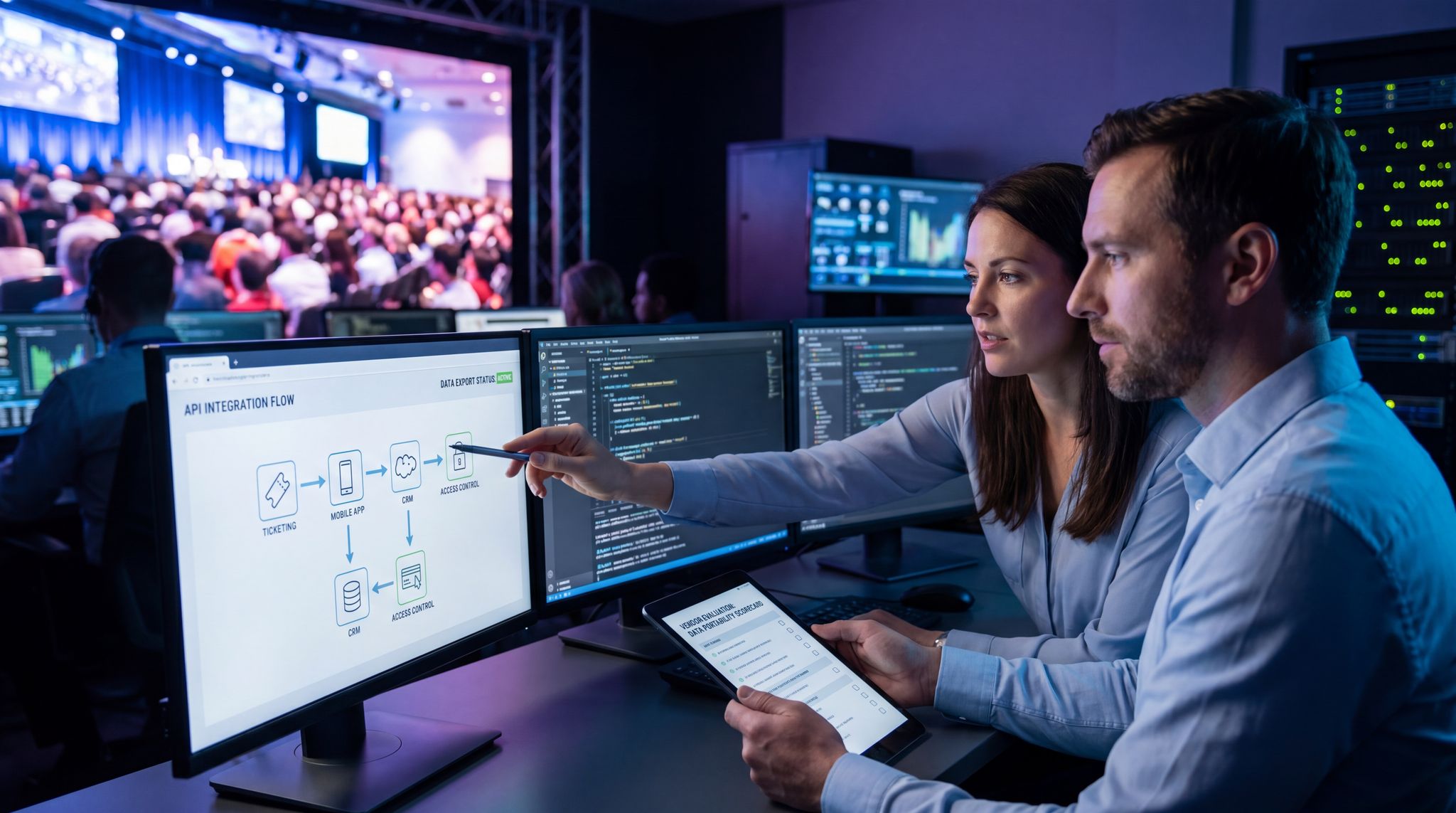
Deploying standalone defenses is rarely enough for modern event producers. Today’s most effective anti scalping software is designed to integrate seamlessly with your entire event management ecosystem. Whether you are running a massive multi-day music festival or managing high-demand VIP experiences, your bot mitigation tools must communicate directly with your CRM, access control scanners, and marketing platforms. This interconnected approach ensures that when a suspicious transaction is flagged by your ticketing provider, the data instantly updates across your network, preventing bad actors from exploiting other avenues.
Interestingly, the technology driving these advancements isn’t limited to live music or sports. The core architecture behind top-tier ticket protection is now influencing other hospitality sectors, including the best restaurant reservation platforms that prevent scalpers and bots in 2025 and 2026. Just as a highly sought-after dining experience requires strict identity verification to stop reservation hoarding, live event organizers rely on comprehensive software suites to maintain inventory integrity. By treating your anti-scalping measures as a foundational layer of your tech stack rather than an afterthought, you create a resilient, fan-first purchasing environment.
Building a Comprehensive Anti-Scalping System Architecture
Implementing isolated security features is rarely enough to stop dedicated broker networks. To truly protect your inventory, organizers must deploy a holistic anti scalping system that connects every phase of the ticketing lifecycle. This means moving beyond standalone CAPTCHAs and integrating pre-sale identity verification, real-time behavioral monitoring, and secure post-sale transfer protocols into a single, unified architecture.
When evaluating your technology stack, look for an end-to-end solution that acts as a central command center. A robust system will automatically cross-reference purchase data with known malicious IP databases and flag suspicious transaction velocities before checkout is completed. By treating bot mitigation, dynamic pricing, and fan-to-fan resale as interconnected components of one overarching defense mechanism, venue operators and promoters can effectively neutralize threats while maintaining a frictionless purchasing experience for genuine attendees.
Identifying the Most Innovative Ticketing Platforms for Festivals and Live Events in 2025 and 2026
As the arms race against automated broker networks accelerates, promoters are actively seeking out the most innovative ticketing platforms for festivals and live events in 2025 and 2026. The next generation of event technology goes beyond reactive measures; it anticipates threats using predictive AI, decentralized identity verification, and blockchain-backed inventory control. For a festival producer managing hundreds of thousands of concurrent transactions, true innovation means deploying a system that dynamically scales its security protocols without crashing under the weight of a massive on-sale.
When evaluating these cutting-edge solutions, the standout providers offer a frictionless fan experience coupled with enterprise-grade backend security. These forward-thinking systems don’t just block bad actors; they provide deep, actionable data insights that help venue operators refine their overall sales strategy. By adopting these advanced technologies, organizers not only safeguard their immediate revenue but also future-proof their operations against the increasingly sophisticated scalping syndicates expected to emerge in the coming years.
Leveraging White-Label Solutions for Brand Control and Security
As festival producers look ahead to upcoming seasons, maintaining brand integrity while deploying aggressive anti-bot measures is a top priority. The best white-label ticketing platform for music festivals in 2025 and 2026 allows organizers to embed enterprise-grade security directly into their own websites. Instead of redirecting fans to a third-party domain where they might encounter confusing interfaces or competing event listings, a white-label solution keeps the entire purchasing journey under the festival’s brand umbrella. This seamless integration is critical because it builds trust; when fans know they are buying directly from the official festival site, they are less likely to fall victim to sophisticated phishing scams or unauthorized broker pages.
Furthermore, top-tier white-label providers offer deep customization of the anti-scalping rule sets. Festival operators can tailor dynamic rate limits, enforce strict identity verification protocols, and manage secure fan-to-fan resale environments without sacrificing their unique brand aesthetic. By combining invisible, high-tech bot mitigation with a fully branded checkout experience, these platforms represent the premier choice for large-scale outdoor events aiming to protect both their revenue and their reputation.
Why the Best Ticketing Platforms for Independent Concert Promoters in 2025 and 2026 Prioritize Built-In Security
For boutique agencies and independent operators, combating automated broker networks can feel like an uphill battle against well-funded adversaries. Unlike massive global conglomerates with dedicated cybersecurity teams, independent promoters need enterprise-grade protection that works straight out of the box. The best ticketing platforms for independent concert promoters in 2025 and 2026 are those that democratize advanced anti-scalping technology. These systems offer intuitive dashboards where operators can toggle dynamic rate limiting, enforce strict ticket limits, and activate verified fan pre-sales without writing a single line of code. By partnering with a provider that bakes these defenses into its core architecture, independent organizers can protect their margins and ensure their local communities get fair access to shows, leveling the playing field against industrial-scale scalping operations.
Connecting Digital Security to On-Site Operations
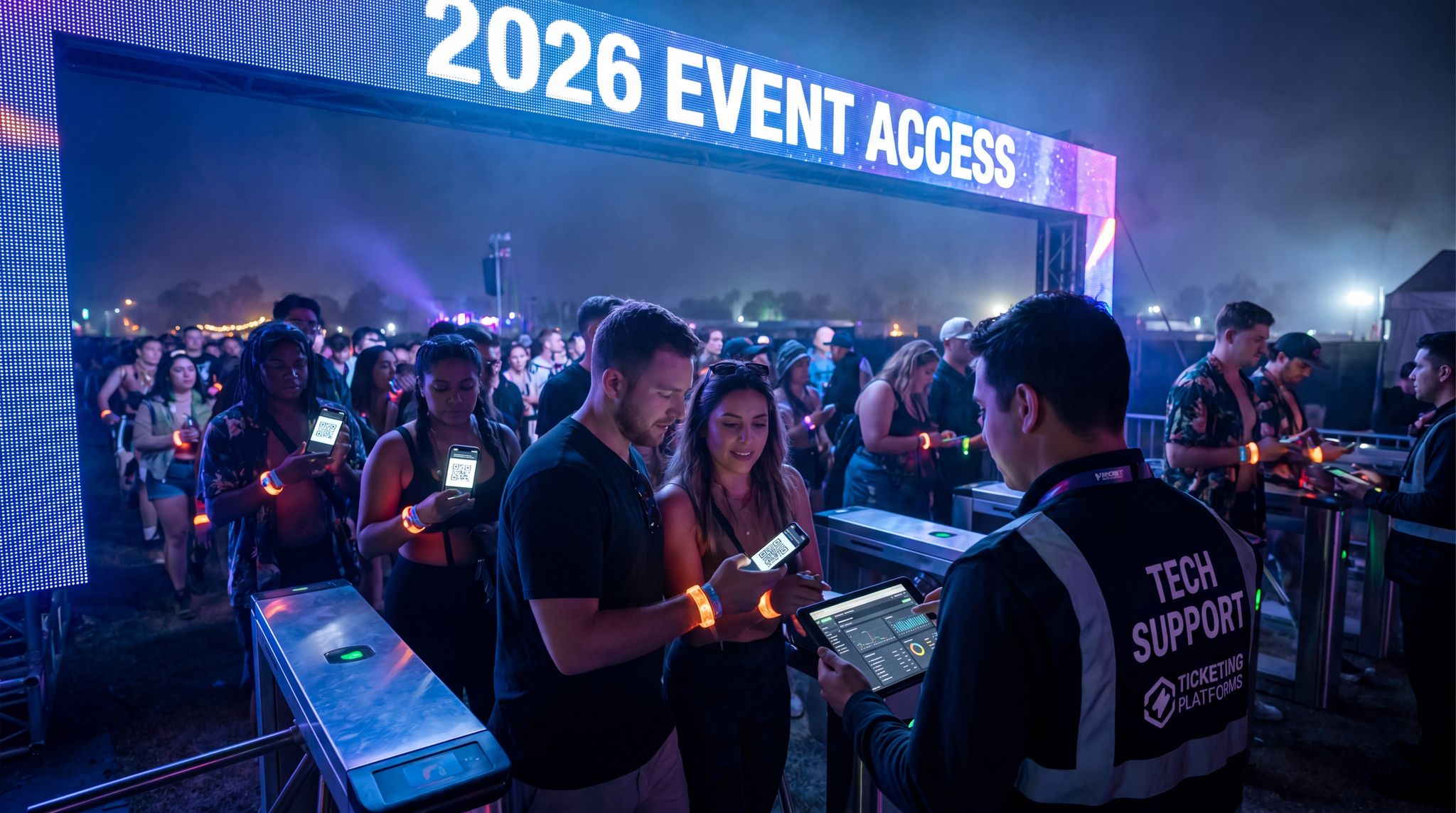
Securing the initial online transaction is only half the battle; organizers must also ensure that digital security translates flawlessly to the physical gates. The best ticketing providers for music festivals seamlessly integrate their anti-scalping software with robust on-site access control, including box office wristband scanning. As we look toward 2025 and 2026, top-tier platforms are bridging the gap between identity-locked digital assets and physical entry credentials. When a fan arrives at the festival, their secure digital profile is instantly verified and paired with an RFID or NFC wristband at the box office. This closed-loop system not only accelerates ingress but also completely neutralizes counterfeit tickets and last-minute scalping attempts outside the venue. For festival producers, these advanced wristband scanning integrations represent the ultimate fail-safe, ensuring that the integrity of the ticket is maintained from the moment of purchase until the fan walks through the gates.
Selecting the Right Provider for Seamless On-Site Execution
When shortlisting the premier ticketing partners for upcoming festival seasons, promoters must prioritize hardware compatibility. The ideal solution doesn’t just issue a digital barcode; it communicates in real-time with your on-site fulfillment hardware. This means that when a fan’s identity-locked asset is scanned at the gate, the system instantly provisions an RFID or NFC wearable without latency. For large-scale outdoor events in 2025 and 2026, this rapid synchronization between the cloud-based anti-scalping engine and local box office wristband scanning equipment is non-negotiable. It prevents bottlenecks during peak ingress times and ensures that any last-minute ticket transfers are securely authenticated before a physical credential is ever handed over.
Conclusion
For live event organizers, the fight against ticket scalping is an ongoing challenge – but it’s one where you now have an unprecedented arsenal of tools at your disposal. By leveraging a modern ticketing platform’s features, you can mount a multi-pronged defense that makes it incredibly difficult for scalpers to exploit your event. The key is to layer these measures: start with fair pricing and smart pre-sales to get tickets to real fans, lock each ticket to a buyer’s identity to discourage reselling, employ cutting-edge tech to detect and block bots, use dynamic pricing to undercut arbitrage, and provide a safe official resale channel for legitimate transfers. All the while, communicate openly with your audience so they know you’re fighting for them, not against them.
It’s important to recognize that no system is 100% foolproof. Scalpers are persistent and will constantly look for new loopholes. Success in combating scalping therefore requires a mindset of constant adaptation. Maybe bots will develop new capabilities – then anti-bot software will need an upgrade. Perhaps scalpers shift to more peer-to-peer tactics – then your focus on fan education and community monitoring becomes even more vital. Experience from industry peers shows that each time organizers implement stronger measures, the incidence of scalping drops and more fans get fairly priced tickets. It’s a gradual process, but the trend is clear: events with comprehensive anti-scalping strategies fare far better than those without.
The effort is absolutely worth it. Not only does beating scalpers protect your revenue, it also builds long-term trust and loyalty among your fan base. When fans see that you’re proactive about ensuring they have access, they reward you with continued support (and positive word-of-mouth). In a crowded live events market, a reputation for fair ticketing can be a real differentiator. Fans remember which festivals or concerts treated them right versus which ones felt like a frustrating racket.
In closing, think of your ticketing platform as more than just a sales tool – it’s a central component of your event integrity and fan experience. By using the features and strategies outlined in this guide, you’re not just selling tickets; you’re curating who attends and under what circumstances. You’re creating the conditions for an enthusiastic, authentic crowd rather than one peppered with disgruntled people who overpaid or got scammed. That sets the stage for a better event itself, because a fairly-treated fan is a happy fan, and happy fans make the best crowds.
Keep learning, stay vigilant, and adjust as needed. Scalpers may never fully go away, but with the right platform and approach, you can dramatically minimize their impact. The result is a win-win: fans get to attend the events they love at a fair price, and organizers get to fill venues while protecting their brand and bottom line. That’s the kind of outcome that ensures the live events industry continues to thrive. Here’s to outsmarting the scalpers in 2026 and beyond, and filling our venues with the fans who truly belong there!
Also Read:
- Anti-Scalping for Event Success: 7 Practices To Boost Your Success
- Anti-Scalping for Event Management: Why These Measures Are Essential – A Complete Guide
The investment in robust anti-scalping measures not only protects revenue but also builds lasting trust with your audience, creating a stronger foundation for future events.
You May Also Like:
- OnGround Event Technology For Music Concerts to Know About in 2025
- The Ultimate Stage Management Guide in 2025: Tools, Trends, and Best Practices
- RFID Technology For Event Ticketing In 2025: The Complete Guide
Frequently Asked Questions
How does ticket personalization prevent scalping?
Ticket personalization links each ticket to a specific buyer’s identity using names, photo IDs, or face recognition. This prevents bulk buying by bots because scalpers cannot easily transfer these personalized tickets to strangers. Events like Glastonbury use photo ID registration to virtually eliminate touting by ensuring tickets remain with the original purchaser.
What is a Verified Fan pre-sale program?
Verified Fan programs require attendees to register and be vetted before tickets go on sale, filtering out bots and known resellers. Selected fans receive unique access codes for a pre-sale, drastically reducing automated attacks. This method ensures the majority of tickets go to real fans rather than scalping rings or broker networks.
How does dynamic pricing help prevent ticket scalping?
Dynamic pricing deters scalpers by adjusting ticket costs in real-time based on demand, often raising prices for high-demand seats. This strategy captures the true market value for organizers and artists rather than resellers. By minimizing the gap between face value and market value, dynamic pricing removes the profit margin that scalpers rely on.
How do secure ticket resale platforms work?
Secure resale platforms allow fans to sell unwanted tickets at face value or capped markups within a controlled ecosystem. When a ticket is resold, the system invalidates the original barcode and issues a new one to the buyer. This process prevents fraud, eliminates duplicate sales, and stops scalpers from price-gouging on the secondary market.
What technologies are used to detect ticket bots?
Ticketing platforms use advanced detection tools like behavioral analytics, IP tracking, and device fingerprinting to identify non-human patterns. Systems monitor for inhumanly fast purchase speeds or repetitive actions and deploy adaptive CAPTCHAs to block automated scripts. Real-time monitoring allows organizers to cancel suspicious orders, such as those exceeding ticket limits via fake accounts.
Why is ticket scalping harmful to the event industry?
Ticket scalping siphons billions in revenue away from artists and venues into the hands of resellers. It creates artificial scarcity that drives up prices, alienating fans and damaging the event’s reputation. High resale costs also reduce attendee spending on merchandise and concessions, shrinking the overall economic benefit for the live event ecosystem.
What features define the best anti-scalping services for ticketing?
The top anti-scalping services combine real-time bot detection, ticket personalization, and secure official resale channels. When comparing ticket scalping prevention platforms, look for advanced behavioral analytics and device fingerprinting that block automated scripts without slowing down the checkout process for genuine fans.
How do I choose the most reliable ticketing services for organizers and fans?
The most reliable ticketing services balance robust security with a smooth user experience. They provide organizers with transparent data analytics and dynamic pricing tools, while offering fans fair access through verified pre-sales and protected fan-to-fan ticket exchanges.
Which ticketing platforms offer advanced bot protection?
The most secure ticketing platforms utilize a combination of machine learning, behavioral biometrics, and dynamic rate limiting to block automated scripts. Rather than relying solely on CAPTCHAs, these systems analyze user interactions in real-time to distinguish genuine fans from malicious bots, ensuring fair access to high-demand event inventory.
What defines the most reliable ticketing services in 2025 and 2026?
In 2025 and 2026, the most reliable ticketing services for organizers and fans are defined by their ability to seamlessly integrate enterprise-grade security with a frictionless user experience. These platforms utilize advanced bot protection and real-time analytics to safeguard inventory, while simultaneously offering transparent, easy-to-navigate checkout processes that build trust with genuine attendees.
What makes an anti-scalping tool effective for large-scale events?
An effective anti-scalping tool goes beyond basic rate limiting by employing real-time behavioral analytics, device fingerprinting, and machine learning to identify malicious bot traffic. For large-scale events, the software must seamlessly integrate with the primary ticketing platform to block automated purchases instantly without adding unnecessary friction for genuine fans.
What should organizers look for when comparing anti-scalping software?
When conducting a ticket scalping prevention platforms comparison, organizers should prioritize software that offers real-time behavioral analytics, dynamic rate limiting, and seamless integration with primary ticketing systems. The best anti-scalping software doesn’t just block bots; it provides actionable data insights and customizable security thresholds that adapt to the specific demand profile of your event, ensuring genuine fans experience a frictionless checkout.
What are the core components of an effective anti scalping system?
A comprehensive anti-scalping system integrates multiple layers of defense into a single architecture. Core components include pre-sale identity verification (like Verified Fan programs), real-time behavioral analytics to detect bots, dynamic rate limiting, and a secure, closed-loop resale marketplace. Together, these elements prevent automated hoarding and ensure tickets remain in the hands of genuine attendees.
What features define the most innovative ticketing platforms for festivals and live events in 2025 and 2026?
The most innovative ticketing platforms for festivals and live events in 2025 and 2026 are characterized by their use of predictive AI, decentralized identity verification, and dynamic threat adaptation. These cutting-edge systems seamlessly integrate enterprise-grade bot mitigation with intuitive fan experiences, allowing organizers to block sophisticated scalping networks without adding friction to the legitimate checkout process.
What are identity-locked ticket assets on a live music events platform?
Identity-locked ticket assets are secure digital passes permanently tied to a verified buyer’s profile. On a modern live music events platform, these assets cannot be screenshotted or exported to unauthorized third-party sites. They dynamically update and require native app authentication, making them virtually impossible for scalpers to resell outside of official channels.
What are some essential ticket tips for organizers managing high-demand on-sales?
Key ticket tips for organizers include implementing strict ticket limits, utilizing verified pre-sales, and deploying dynamic rate limiting to slow down bot traffic. Additionally, organizers should clearly communicate their anti-scalping policies to fans and ensure their box office staff is trained to handle identity verification exceptions smoothly.
How does box office wristband scanning enhance festival security in 2025 and 2026?
For music festivals in 2025 and 2026, integrating box office wristband scanning with the primary ticketing platform creates a closed-loop access control system. By pairing a fan’s identity-locked digital ticket with a physical RFID or NFC wristband on-site, organizers can accelerate entry times while completely neutralizing counterfeit tickets and physical scalping near the venue gates.
How do reliable ticketing platforms balance security with fan experience?
Dependable platforms achieve this balance by running complex security checks—like behavioral biometrics and device fingerprinting—in the background. This means legitimate buyers experience a smooth, fast checkout process without excessive CAPTCHA interruptions, while automated scripts are silently blocked, ensuring fair access for everyone.
What should festival organizers look for in ticketing providers regarding wristband scanning?
Organizers should seek platforms that offer real-time synchronization between their digital ticketing database and on-site fulfillment hardware. The top providers for music festivals in 2025 and 2026 ensure that when a secure digital pass is presented at the box office, it instantly authenticates and pairs with an RFID or NFC wearable. This seamless integration prevents gate bottlenecks and neutralizes on-site scalping attempts.
Why should organizers partner with real-time fraud detection ticket sales providers?
Partnering with real-time fraud detection ticket sales providers ensures that malicious transactions are blocked instantly during the checkout process. These platforms analyze behavioral biometrics, IP reputation, and payment data on the fly to prevent bot purchases and credit card fraud. For event promoters, this means fewer chargebacks, protected inventory, and a guarantee that tickets end up in the hands of genuine fans rather than scalping syndicates.
What makes a ticketing platform ideal for independent concert promoters in 2025 and 2026?
For independent concert promoters operating in 2025 and 2026, the ideal ticketing platform offers enterprise-level anti-scalping tools—like automated bot detection, dynamic pricing, and secure resale ecosystems—without requiring a dedicated IT team to manage them. These platforms democratize advanced security, allowing boutique organizers to protect their inventory and ensure fair fan access just as effectively as major global promoters.
Why should festival organizers consider a white-label ticketing platform?
For upcoming seasons, the premier white-label ticketing platforms for music festivals allow promoters to maintain complete brand control while deploying advanced anti-scalping measures. By keeping the entire checkout process on the official event website, organizers build fan trust, reduce the risk of phishing scams, and seamlessly integrate enterprise-grade bot protection without disrupting the user experience.