After the event ends and the last attendee heads home, an event marketer’s job is far from over. In fact, the moments immediately following your event are critical for building loyalty and momentum toward your next on-sale. Seasoned promoters know that how you reconnect with your audience post-event can determine whether first-time attendees become returning fans or fade away, as noted in strategies regarding post-festival marketing surveys and retention. By keeping the excitement alive through strategic follow-ups – from heartfelt thank-yous to engaging recap content – you transform a single event into a community and pave the way for future ticket sales.
Retaining an existing attendee is not only easier than finding a new one, it’s also cost-effective. Industry research shows acquiring a new customer can cost 5–25× more than keeping an existing one, according to customer retention versus acquisition data. Loyal attendees tend to spend more over time and bring friends along, amplifying your revenue through word-of-mouth. The post-event period is your opportunity to leverage that goodwill and turn event-goers into long-term brand advocates. This comprehensive guide explores proven post-event marketing strategies – with real examples from intimate conferences to massive festivals across the globe – to help event promoters deepen engagement, spur priceless word-of-mouth, and drive repeat attendance in 2026 and beyond.
Immediately Thank Attendees and Celebrate the Moment
Send Personalized Thank-You Emails Within 24 Hours
As soon as the curtains close, one of the first things experienced event marketers do is send a sincere, personalized thank-you email to every attendee. Timing matters – aim to hit inboxes within 24 hours while the excitement is still fresh. These emails achieve some of the highest open rates of any campaign, since attendees are eager to relive the experience. Keep the tone genuine and appreciative: thank them for being part of the event’s success, perhaps even mention a highlight (like “You were one of 5,000 fans singing along during the encore – what a night!”). Personalization goes a long way; for example, referencing the specific show, conference track, or festival day they attended helps the message resonate.
Veteran promoters often segment their email lists by ticket type or audience segment to tailor the thank-you message. A VIP ticket-holder might receive a note thanking them for their premium support and a link to an exclusive photo album, while first-time attendees get a warm welcome into the community. This kind of segmented event marketing communication ensures each attendee feels valued in a personal way rather than receiving a generic blast. Done right, a prompt thank-you email not only delivers post-event information (like lost & found details or links to surveys) but also leaves a positive impression that encourages future engagement.
Turn Fans Into Your Marketing Team
Ticket Fairy's built-in referral rewards system incentivizes attendees to share your event, delivering 15-25% sales boosts and 30x ROI vs paid ads.
In crafting your message, stick to a concise subject line that stands out amid post-event inbox clutter – something like “Thank You for an Unforgettable Night at [Event Name]”. According to experienced campaign veterans, heartfelt thank-you emails can see open rates well above industry averages (often 40-50% or more), especially when the subject and preview text hint at exciting content like afterparty photos or a special offer. Including a simple call-to-action is wise: invite attendees to stay connected (“Follow us on Instagram for photos you might be in!”) or to share feedback (“Tell us what you loved – survey link inside”). By promptly expressing gratitude and giving attendees a way to reminisce and respond, you set a welcoming tone for ongoing interaction.
Thank Attendees Publicly on Social Media
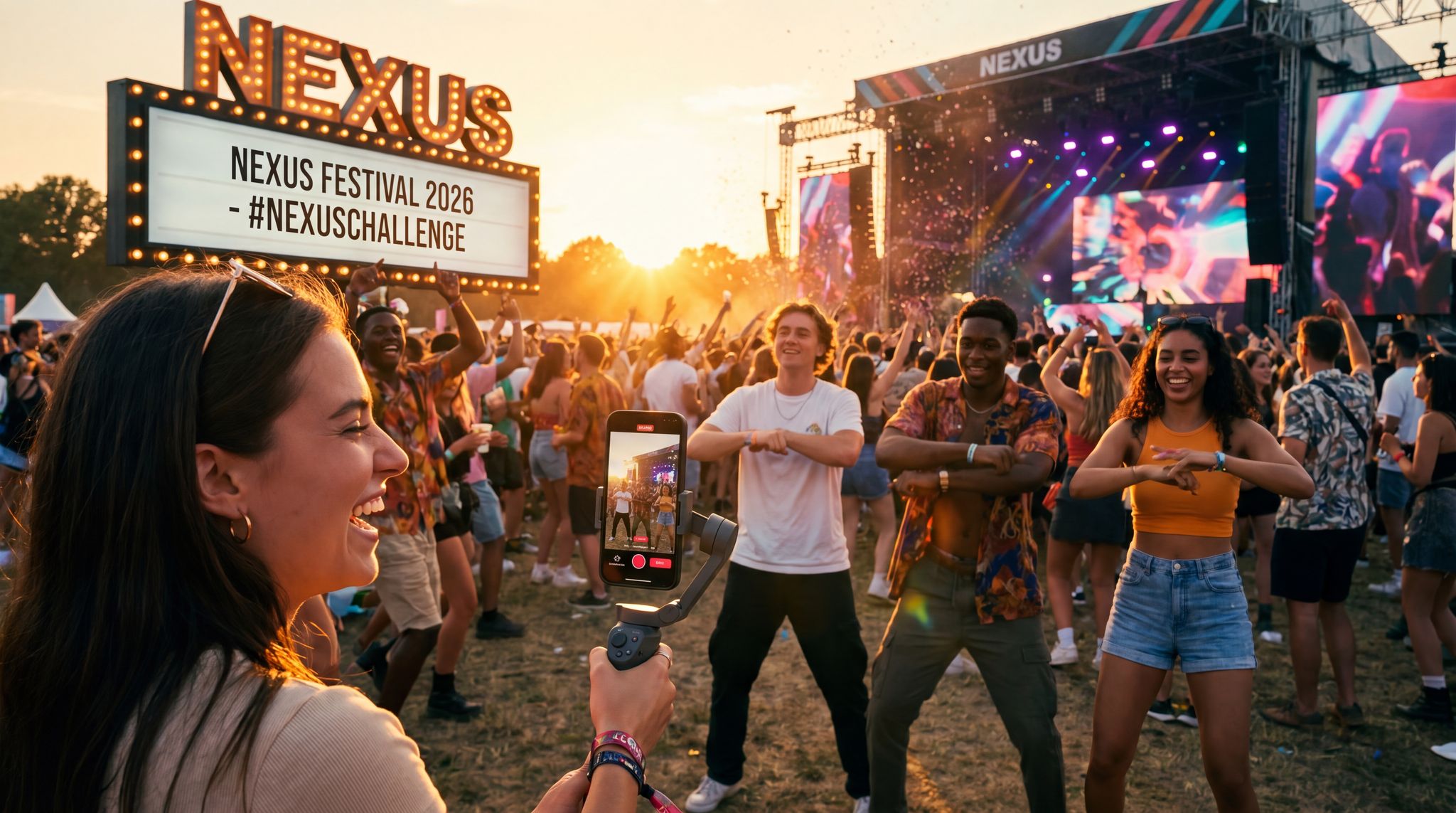
In addition to private emails, smart event promoters extend their appreciation publicly on social media. Posting a thank-you message on platforms like Instagram, Facebook, X (Twitter), or TikTok shows the wider community that you value your attendees. Tag the venue, key artists or speakers, and use the event hashtag so that anyone following the buzz can see it. A short and sweet post the same night or next day – for example, a tweet saying “Thank you to the 2,000+ fans who came out and made tonight magical. We couldn’t have done it without you!” – can garner a wave of engagement. Attendees may reply with their own memories and photos, extending the event’s reach through comments and shares.
Ready to Sell Tickets?
Create professional event pages with built-in payment processing, marketing tools, and real-time analytics.
For more impact, include an image or short video with your post. This could be a striking crowd photo, an onstage shot from the finale, or a quick montage of the event’s best moments. Visuals will prompt attendees to tag themselves or friends and keep the celebratory mood going. Importantly, be responsive on these posts: like and reply to attendee comments to show there’s a human behind the brand who appreciates their support. This kind of public recognition makes ticket-holders feel part of a community, not just customers. In markets like the UK and Australia, some festival organizers also shout out to the host city or local crew in their thank-you posts (e.g., “Much love to everyone in Sydney for an incredible sold-out show!”), which helps strengthen local goodwill and media interest for next time.
To make this actionable, consider these proven post event social media post examples that promoters use to drive engagement. For an immediate recap, try: “That’s a wrap on [Event Name]! Huge thanks to the 5,000+ of you who brought the energy. Drop your favorite moment in the comments below! ?” To leverage user-generated content a few days later, a great template is: “Still recovering from the weekend? We are too. Tag us in your best photos and use #[EventHashtag]—we’ll be sharing our favorites on our Story all week!” Finally, to build FOMO for future buyers, use a milestone-focused post: “Did you know we broke our attendance record this year? Thank you to everyone who made it historic. If you missed out, make sure you’re on our mailing list—2027 dates drop sooner than you think.” These templates can be adapted for any platform, from a quick X (Twitter) thread to a visually rich Instagram carousel.
Highlight Key Moments and Milestones from the Event
A great thank-you communication – whether email or social – doesn’t only say “thanks”; it also celebrates what attendees just experienced. Highlighting a few key moments or impressive milestones can make attendees proud of their participation. For instance, you might mention “We broke a record with 5,000 attendees singing together” or “Raised £10,000 for charity during the event – thank you for making a difference!” These details reinforce that the event was special and successful, and they give attendees conversational nuggets to share with others (“Did you know we set a record for…?”).
If your event had any surprise guests, memorable performances, or social media trending moments, call those out too. A comic-con organizer might say, “How about that surprise appearance by [Celebrity Guest]?!” or a music festival promoter could note, “That three-song encore collaboration had us all floored.” By spotlighting peak moments, you help attendees relive the excitement and solidify a positive memory. This emotional resonance is key – as any experienced promoter will attest, people remember how you made them feel. Reminding your audience of the joy and awe they felt at your event ties those emotions to your brand, increasing the chances they’ll want to feel that way again at your future events.
Grow Your Social Following With Every Sale
Require social media follows, shares, or playlist adds to unlock presale access or special pricing. Turn every ticket purchase into audience growth.
Collect Attendee Feedback While Memories Are Fresh
Send Post-Event Surveys Promptly
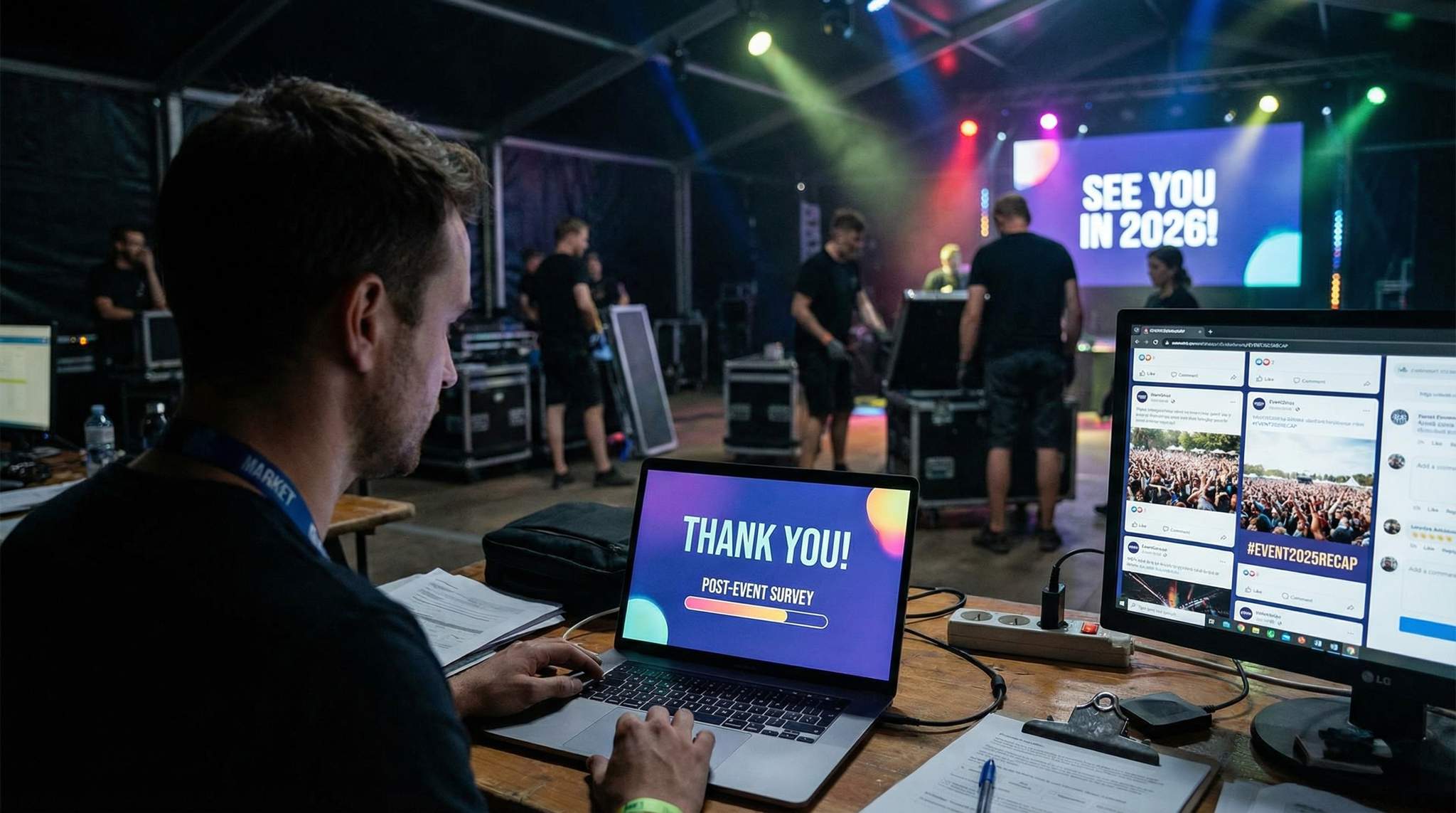
Right after the event is the perfect time to gather feedback – while memories are vivid and opinions are honest. Seasoned event marketers recommend sending a post-event survey within 24-48 hours of the event’s end, a tactic emphasized in guides on sending post-event surveys promptly. This timing captures attendees’ raw impressions before the experience starts to fade. Craft a concise survey that respects their time: ask about key aspects like overall satisfaction, favorite parts of the event, facility or logistical issues, and suggestions for improvement. A mix of rating-scale questions (e.g. 1–10 satisfaction on sound quality, venue, lineup, etc.) and one or two open-ended questions works well. Keep it mobile-friendly for ease.
To drive participation, clearly communicate “We want to hear from you” and consider offering a small incentive. For example, you might say “Share your feedback for a chance to win two VIP tickets to our next event”. Many promoters find that offering a reward boosts survey response rates significantly, as highlighted in discussions on incentivizing survey responses effectively. In one New Zealand music festival, the organizers doubled their survey responses by entering respondents into a raffle for backstage passes. The key is to make attendees feel that their opinion matters – which it genuinely does. Not only does a survey let you learn what worked and what didn’t, it also reminds attendees of the great time they had (they’ll inevitably think back to their favorite moments as they answer questions).
Grow Your Events
Leverage referral marketing, social sharing incentives, and audience insights to sell more tickets.
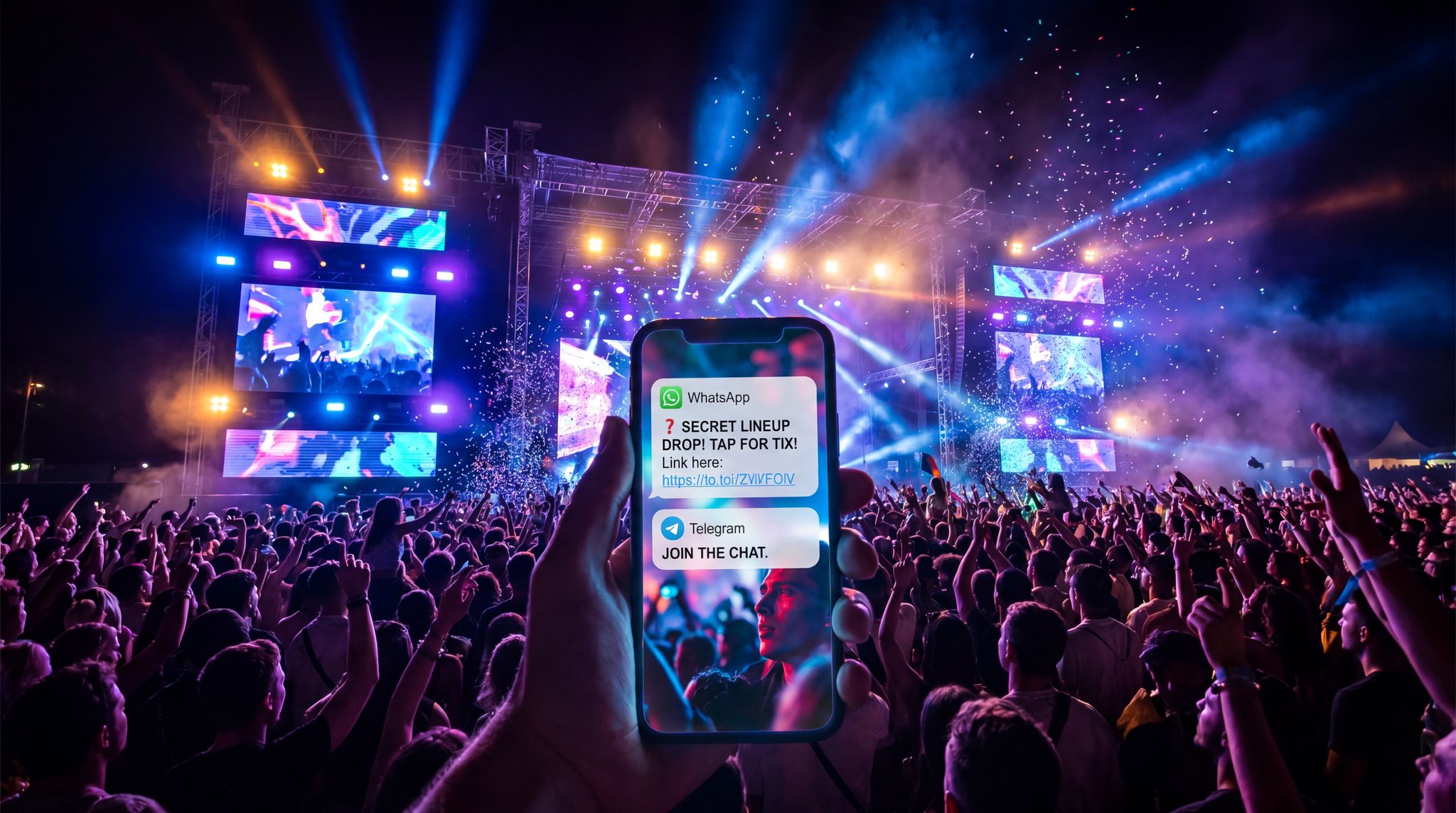
Be sure to send the survey via the channels attendees are most likely to check. Email is standard (include the survey link in that thank-you email or a follow-up message with a subject like “Share Your Feedback – Help Us Make [Event Name] Even Better”). You can also push surveys through your event app if one was used, or even via SMS for a quick check-in (“Hi! Thanks for coming to [Event]. Mind filling our 2-minute post-event survey? [short link]”). In regions where messaging apps are popular – for example, using WhatsApp in India or LINE in Japan – consider dropping the survey link there as well. Adapting to your audience’s communication habits (as noted in strategies to adapt event marketing for different markets) will maximize reach and responses.
Incentivize Feedback and Demonstrate You’re Listening
Simply collecting feedback isn’t enough – it’s what you do with it that counts. Attendees will be more willing to share their thoughts if they know it could lead to improvements. When promoting your survey, convey that their input will help shape future events. For instance, “Tell us what you loved (or didn’t) so we can make next year even better for you.” After the survey, consider publishing a brief recap of what you learned and any actions you’ll take. For example, you might send a follow-up email or social post saying, “You spoke, we listened: more water stations and shade coming to Next Fest 2026!”.
This closes the feedback loop and proves to attendees that their voice matters. According to research, 70% of attendees are less likely to return if they feel their feedback is ignored, according to insights on closing the feedback loop with attendees. On the flip side, events that actively seek and act on feedback see higher loyalty – one study found nearly 78% of festival-goers are more likely to come back if they know their feedback was valued, a statistic supported by research on how attendee feedback shapes festivals. That’s a huge incentive for you as a promoter to pay attention. A real-world example: after noticing several survey comments about long bar lines, a California food festival added more staff and an express drink station the next year. The result? Shorter lines and a 15% uptick in attendee satisfaction scores, which translated into strong early sales for the following year’s tickets.
To encourage frank feedback, you can also let attendees respond anonymously, or provide a contact email for anyone who wants to have a longer conversation about their experience. Some organizers even host a live post-event Zoom “town hall” or Reddit AMA with the event team to field comments. Choose whatever format fits your audience size and culture. The important part is to show genuine interest in both the praise and the criticism. Thank respondents for every suggestion. When people see improvements or get a response (“Thanks for noting the parking issue – we’re working on a new traffic flow plan”), it builds trust that can pay off in long-term loyalty.
Smart Promo Codes & Presale Access
Create percentage or flat-rate discount codes with usage limits, date ranges, and ticket type restrictions. Plus unlock codes for private presales.
Gather Insights from Social Media and Communities
Not all feedback will come through formal surveys. Your social media feeds and online communities will light up with attendee posts in the aftermath – this is a goldmine for insights if you pay attention. Monitor your event hashtag on Twitter/X and Instagram, read through comments on your Facebook posts, and check any community forums or Discord servers where your fans hang out. Often, attendees will freely discuss what they loved (“The sound at Stage B was incredible!”) or what could be better (“Wish the merch line was shorter, missed two songs waiting”). You might even create a dedicated post or thread asking “How was your experience? What would you like to see next time?” to solicit open discussion.
Showing that you’re listening on these public channels can turn potentially negative experiences into positives. For example, if someone tweets criticism about the check-in process, a quick, empathetic reply from the organizer like “Sorry about the wait at entry – we strive to do better. Thanks for joining us and for the feedback!” demonstrates accountability. It’s common for other attendees to chime in – sometimes even defending the event or offering solutions. This transparent dialogue in the public arena can actually boost your reputation. Other potential ticket buyers see that you care and respond.
Especially in tight-knit communities (think niche fan conventions or underground music events), forums and Facebook Groups may yield more candid feedback than a generic survey. If you have an official attendee group (or even if not, many events see unofficial fan groups pop up on Reddit or elsewhere), spend some time there post-event. You’ll pick up on the general sentiment and perhaps uncover great testimonials too – e.g., an attendee raving about how the event changed their life. With permission, you could later repurpose those positive comments as testimonials in marketing materials.
The bottom line is: treat the whole internet as your feedback form. Use social listening tools or manually check relevant keywords. Every piece of feedback – from surveys, social, or elsewhere – is actionable intelligence. Aggregate the common themes to prioritize what to fix or enhance. This data-driven approach to refining the attendee experience will make your future marketing more effective, because you’ll be addressing exactly what your audience wants (and doesn’t want). And when attendees see their suggestions implemented, you’ve essentially co-created the next event with your community – a powerful way to deepen their investment in your brand.
Share Recap Content to Relive the Experience
Produce a Highlight Video and Photo Gallery
Moments after your event ends, attendees will start searching for photos, videos, and any content to relive the night. Savvy promoters plan ahead to meet this demand by producing a recap video or curated photo gallery as quickly as possible. For large events, an official “aftermovie” released within a few days can be hugely impactful. For example, the Tomorrowland festival in Belgium is famous for its stunning aftermovies that drop a week post-festival and garner millions of views, keeping global fans excited year-round. You don’t need a festival-sized budget to do this – even a 2-3 minute highlight reel with crowd shots, attendee smiles, and the best clips of performances or speakers can capture the vibe.
Share this video via email and social media, labeling it as the “Event Highlights” or “Thank You Video.” Attendees will eagerly click to see if they spot themselves and to relive the best moments. Similarly, create an album (on Facebook, Flickr, Google Photos, your website, etc.) of the top photographs from the event. If you had photographers on-site, coordinate to get 20-30 great shots quickly edited. Cover a mix of angles: the crowd’s energy, candid attendee moments, key onstage highlights, and any immersive elements (like decor or interactive installations). Publishing a polished batch of photos within 24-48 hours serves as both a thank-you and a marketing asset – attendees will share these images, spreading FOMO to those who missed out.
Free Tool: When Should You Announce?
Pick your event date and genre — the free planner outputs a recommended announce, presale, on-sale and reminder schedule anchored to how your audience actually buys.
Recap content isn’t just nostalgia; it’s a strategic tool. Those who attended will share it and tag friends (“I was there!”), and those who didn’t attend will see what they missed. For instance, a Dubai tech conference compiled a 2-minute video of attendee testimonials and session clips; not only did past attendees engage with it, but the video was later used in ads to promote the next year’s conference, resulting in a 25% higher click-through rate than standard ads. The key is to capture the emotion and unique spirit of your event. When people see an authentic highlight reel, it reinforces their decision to attend (building loyalty) and entices potential new attendees through social proof.
Encourage Attendees to Share Their Memories
User-generated content is perhaps the most powerful post-event promo you can get – it’s authentic and abundant. Encourage attendees to share their own photos, videos, and experiences on their social channels. A simple way is to run a post-event contest: for example, “Share your best photo or story from [Event Name] and tag us for a chance to win 2 free tickets to our next event!” This gives attendees an extra nudge to post about the event and keeps your hashtag trending for days afterward. Make sure to like, comment on, or repost the best of these fan submissions (with permission). When people see their content shared by the event organizers, it creates a sense of camaraderie and recognition that fans love.
After a large festival in Germany, promoters created an official Facebook album for attendee-taken photos, inviting people to contribute. Hundreds of photos poured in, effectively crowdsourcing an expansive event gallery. Each contributor then had a personal investment in the album and eagerly shared it with friends (“my photo got featured!”). The result was a flood of organic reach – thousands of people who weren’t at the festival still saw its highlights through friends. For a smaller-scale example, a local club night might simply re-share Instagram Stories that attendees tagged them in, the same night or next day. This not only acknowledges those fans but also shows everyone watching that the party was a blast.
Another engaging idea: create a “memory thread” on your social media – for instance, a tweet or Facebook post saying “What was your favorite moment last night? Reply with your highlights!” You’ll get a stream of responses that both give you insight into what resonated most and generate positive buzz publicly. Some organizers also use dedicated event apps or platforms where attendees can upload and exchange photos among themselves (common for conferences with networking apps). If you have such tools, highlight the most upvoted or liked attendee content in your official channels, giving a shout-out like “Check out this incredible sketch one of our attendees drew during the keynote!” Overall, by facilitating and amplifying attendees’ own content, you turn your audience into co-marketers for the event – a hallmark of strong community engagement.
Keep the Post-Event Buzz Alive Across Channels
In the days after the event, plan a steady drip of content to maintain momentum. Rather than a one-and-done highlight post, consider a short content calendar: perhaps on Day 1 post the recap video, Day 2 share an album of candid photos, Day 3 drop a short written event recap or blog article, Day 4 share some impressive stats or attendee quotes, and so on. This strategy keeps people checking back and talking about the event instead of it fading from memory.
For example, a major e-sports tournament in Singapore kept fans engaged for weeks post-event by releasing one match highlight per day on YouTube and social media. Each clip sparked discussion, got shared in gaming communities, and subtly promoted the event brand well after the trophy was awarded. You can do something similar at any scale: after a business conference, you might release one session recording per week as on-demand content (great value for attendees and lead-gen for new audiences). A music festival could release live audio recordings of select sets, or a nightlife promoter might publish a Spotify playlist of songs played at the party to let attendees re-live the soundtrack.
Built-In Email Marketing for Events
Send targeted campaigns, automated purchase confirmations, and post-event follow-ups directly from your ticketing dashboard.
Email can play a role here too – consider a follow-up newsletter a week later that includes “In Case You Missed It” content: links to the photo gallery, a thank-you note again, maybe an announcement regarding next year (if available), and even a fun survey result (“95% of you said the headline DJ was ?????!”). This reminds subscribers of the community they’re now part of. Just be careful not to spam; each piece of content should be truly value-adding or exciting. By pacing out your post-event content, you essentially extend the life of your event’s story. Instead of a peak on event day and immediate drop-off, you create a prolonged afterglow where the event remains a talking point. This extended buzz not only primes your next ticket sales but also makes sponsors and partners happy with the extra exposure their involvement continues to get.
Announce Future Plans Early to Build Anticipation
Reveal Dates or Teasers for the Next Event
One of the smartest moves to capitalize on post-event excitement is to quickly pivot towards “What’s next?”. If you already have dates or a tentative plan for your next event, let your attendees be the first to know. Many veteran promoters announce the next edition almost immediately – sometimes even on the last day of the current event with on-site signage or a teaser from the stage. Even if you can’t confirm details yet, you might tease “Coming back Summer 2026 – stay tuned for dates!”. The goal is to capture that fleeting moment when attendees are on a high and already thinking “I can’t wait to do this again!”
For annual festivals or recurring events, early announcements can pay off big. The team behind a popular festival in Brazil revealed the dates for the following year just 48 hours after the festival concluded, along with an early registration link. They saw tens of thousands of fans sign up for updates within a week, effectively building a ready-made email list for the next on-sale. Similarly, conferences often use the final session or follow-up email to announce next year’s location and dates, offering a “save the date” calendar link. This not only drives immediate interest but also gives people something concrete to look forward to (and talk about with fellow attendees).
If your event was a one-off or tour stop, you can still leverage interest by promoting other upcoming events in your portfolio. For instance, if you just wrapped a concert in London, you might announce that the artist will return for a larger show or festival appearance next year. Or a film festival that ended could tease a special winter edition coming in six months. The key is to strike while the iron is hot: use that post-event communications window to ensure your brand stays on people’s radar. As a bonus, early announcements can sometimes earn media coverage (local news might report “Event X will return next year – dates just announced”), which further spreads the word at no cost.
Give Past Attendees Early Access or Discounts
Your attendees – especially the loyal, repeat ones – deserve to feel like VIPs. One effective post-event strategy is to offer them an exclusive pre-sale or discount for the next event. This rewards their loyalty and encourages an early commitment. For example, many large festivals implement a “loyalty pre-sale” where this year’s attendees get the first shot at next year’s tickets, often at a special rate. Coachella and Tomorrowland are known to open advance sales months in advance, effectively letting past attendees secure their spot before tickets go on sale to the general public. In practice, you might email a unique pre-sale code to all attendees (e.g., “Thank you for joining us – here’s early access to next year’s tickets, just for you”).
Time-bound offers work well here: perhaps the code is valid for a one-week window, creating a sense of urgency. As long as it’s framed positively (“your exclusive window to snag tickets early”), it doesn’t come off as pressure but rather as a perk. Some promoters also use tiered loyalty discounts – for instance, returning attendees get 10% off if they purchase the next ticket within the first month. This not only drives immediate sales revenue but also boosts your retention rate year over year. One UK marathon event saw over 30% of participants register for the next year within a week, thanks to a loyalty email offering a small discount and the appeal of securing a spot early (marathons often sell out quickly too).
Free Tool: Split Tickets for Max Gross
Given capacity and a target price, the optimizer proposes Early Bird / GA / VIP allocations and prices — with projected gross at 100%, 80% and 60% sell-through.
If you have a VIP or membership program, this is a great time to remind members of their benefits (like first access to tickets). Conversely, if someone had feedback issues or a subpar experience, you might consider sending them a personalized offer like a small discount or an upgrade for next time with a note: “We appreciate your feedback and would love to have you back – here’s 15% off next year’s VIP package.” Turning a neutral or negative experience into a positive incentive to return can win back attendees who might be on the fence. Overall, by giving your current attendees a head start on the next event, you reinforce that community feeling – they are part of an insider group that gets special treatment.
Use Momentum and FOMO to Drive the Next On-Sale
Post-event excitement naturally generates FOMO (fear of missing out) among those who didn’t attend. Tactful use of this in your marketing can propel the next on-sale. When you announce your next event or tickets release, leverage highlights from the event that just happened as proof of the amazing time to be had. For instance, “This year sold out in 2 weeks – don’t miss the 2026 edition!” or “Thousands of fans had the time of their lives last night; now we’re gearing up to do it again next year.” These kinds of messages, backed by real success, create urgency for others to jump in early. According to event psychology experts, employing ethical FOMO triggers in your marketing – like limited-time early-bird pricing or emphasizing limited capacity – can significantly boost early ticket sales without resorting to manipulative tactics.
A case study: a tech conference in Berlin saw a mid-campaign slump in ticket sales for their next edition, until they released an email stating “80% of last year’s attendees have already rebooked – secure your spot before we sell out!” This social proof and subtle FOMO angle led to a surge in registrations, filling the remaining spots in just days. Similarly, music promoters often tout stats such as “Last show was a sellout” or “Over 5,000 attendees rocked with us – be there next time!” in their ads and announcements. Using phrases that imply scarcity (“limited early-bird tickets remaining”) and popularity (“the city’s most talked-about event is back!”) can galvanize action.
It’s important to stay truthful: don’t fabricate urgency, but highlight what’s genuinely compelling. If your last event truly was packed or got great reviews, let that reputation do the selling. Many promoters will include a short testimonial from a satisfied attendee in next-event promotions (e.g., “‘Best conference I’ve EVER attended!’ – 2025 attendee”). This connects the positive post-event sentiment directly to future interest. Pair these psychological drivers with a coordinated on-sale launch strategy – for instance, build hype with a teaser video (using last event’s footage), announce the on-sale date ahead of time, and when the moment comes, ensure your ticketing platform can handle the demand. By carrying the energy forward and giving people a nudge of urgency, you set the stage for a swift and successful on-sale.
Follow-Up After an Event to Generate Sales: Strategies for 2025 and 2026
When planning how to follow up after an event to generate sales, strategies for 2025 and 2026 must rely heavily on automation and behavioral segmentation. A generic blast is no longer sufficient. Instead, a high-converting post-event marketing strategy involves mapping out a multi-touch sequence that guides the attendee from a post-show high to a next-show purchase. Start by segmenting your audience based on their purchase history and on-site behavior. For example, send VIP ticket holders a premium upgrade offer for the next edition, while first-time general admission attendees receive a limited-time early-bird discount.
Modern post-event marketing relies on striking while the iron is hot. Trigger an automated SMS or email campaign 48 hours after the event concludes, pairing a highlight video with a direct link to a hidden ticketing page. By framing this follow-up as an exclusive reward rather than a hard sell, promoters can secure a significant baseline of revenue for their upcoming calendar before public marketing even begins.
Nurture the Community Between Events
Keep Attendees Connected via Online Groups
Great events often spark a sense of community – people bond over the shared experience. A powerful post-event strategy is to provide spaces for that community to continue thriving even between events. This could mean an official Facebook Group, a subreddit, a Discord server, or other forum where attendees (and future fans) can interact. If you don’t have one, consider creating a group shortly after the event and inviting all attendees to join (“Keep the meetup going online in our official group!”). For ongoing event series, many organizers maintain year-round groups where fans discuss everything from lineup wishlist predictions to reminiscing about past highlights.
For example, the organizers of a traveling EDM club night in Asia set up a Discord server for fans. After each show, they saw a wave of new members joining to share their experiences, post photos, and even coordinate meetups. The promoters occasionally pop in with behind-the-scenes stories or polls (“Which city should we bring the tour to next?”), but largely let the community chat freely. The result: a highly engaged fan base that feels personally connected to the brand and to each other. When tickets for the next tour go on sale, these are the people first in line – and they often bring friends because they’re so enthusiastic.
Managing an online community does require moderation and responsiveness. Establish some ground rules (e.g., respect, no spam) and have staff or trusted fan moderators keep an eye on things. The tone should be casual and fan-centric, not corporate. Use the group to share insider content that others don’t get – sneak peeks, early announcements (rewarding group members’ loyalty), or even exclusive giveaways. The Burning Man festival, for instance, has a strong community culture; regional groups and online forums help “burners” stay connected year-round, which in turn sustains the festival’s mystique and massive demand. As seen with many community-centric festivals that put fans first, investing in fan communities translates into higher loyalty, word-of-mouth growth, and brand longevity. When people feel like they’re part of an ongoing tribe rather than just attending a one-off event, they are far more likely to stick with you long-term.
Deliver Valuable Off-Season Content & Updates
Community engagement isn’t only about chatting – it’s also about providing value to your audience even when your event isn’t happening. Think of what content or experiences could interest your attendees in between events, and share those periodically. For example, a film festival might send a monthly newsletter recommending other indie films or local screenings that fans would love. A business conference could maintain a blog or LinkedIn articles with industry tips and insights from speakers. A music festival might produce artist spotlight videos or a Spotify playlist update each month featuring artists from past or upcoming lineups.
By positioning yourself as a year-round resource (not just a once-a-year ticket seller), you keep attendees engaged in your ecosystem. Email is a key channel for this. If someone attended your event, they’re likely open to hearing from you occasionally about related content – just be sure to segment and target appropriately so the content feels relevant. For instance, mastering personalized email campaigns for events through automation means you can send the right off-season content to the right person. Perhaps send your music lovers a summer playlist, and your food festival goers a holiday recipe e-book. This tailored approach yields far better open and click rates than one-size-fits-all blasts.
Social media is another avenue: continue posting even during “quiet” months. Share throwback photos (“#TBT to that epic closing set”), updates on alumni speakers or artists (“Our keynote from 2023 just launched a new book – check it out!”), or fan polls and trivia. Encourage user content like fan art or remixes if it’s that kind of community. The idea is to sustain a conversation. When South by Southwest (SXSW) had to cancel their in-person edition one year, they kept their community engaged by hosting online meetups, streaming past keynotes, and facilitating discussions on emerging trends – so when the festival returned, the audience was primed and passionate as ever.
Also remember to keep people informed about your own plans: if tickets won’t be on sale for a while, say that. If you’re working on improvements due to feedback, share progress updates (“New stage design preview – what do you think?”). Transparency and storytelling about your event’s journey keeps fans emotionally invested. Just as importantly, consistent engagement helps with word-of-mouth expansion; your existing community will naturally pull in new members over time (“You’re into this? You should join this group/email list, they share cool stuff”). Ultimately, this nurtured community becomes one of your strongest marketing assets come event time.
Host Off-Season Meetups or Virtual Events
To really deepen engagement, bring your community together even when the main event isn’t happening. This could take the form of smaller in-person gatherings or virtual events. For example, a few months after your conference, host a free webinar or panel discussion as a “check-in” with attendees, perhaps featuring one of the top-rated speakers from the event. This not only provides additional value (continuous learning) but also subtly promotes the next conference (“If you enjoyed this, join us again next year for more sessions like these!”). Many events did this pivot to virtual during the pandemic and found it so effective in maintaining engagement that they kept doing it as a supplement to live events.
For music or fan events, consider organizing local meetups or club nights for your hardcore fans. Some festival promoters partner with local venues to throw “reunion parties” a few months after the festival – attendees wear their wristbands or merch, the festival’s DJs might spin a set, and nostalgia runs high. These mini-events keep the spirit alive and can even serve as on-sale events for next year’s tickets (imagine a party where tickets drop at midnight, celebrating the community’s early commitment). In one instance, a series of anime conventions in different cities started hosting bi-monthly online watch parties and cosplay contests on Twitch to keep fans connected between yearly conventions. They saw the fandom and attendance grow, as these off-season touchpoints introduced new people to the community in a low-barrier way.
Even simpler, you can do things like Twitter chats (“We’ll be live on Twitter this Friday 7pm to talk all things #EventName – join us and share your favorite memories”) or an Instagram Live Q&A with the event organizers or headliners. The scale and formality of these off-season engagements can vary, but the message is consistent: we’re still here, and we value our community beyond just ticket transactions. This kind of genuine community-building yields loyalty that money can’t buy. Fans who attend your supplemental events or participate in online hangouts are almost guaranteed to not only come back themselves but also champion your event to others. They become year-round brand ambassadors, which is exactly what you need in an era where constant engagement is key to staying relevant.
Turn Attendees into Loyal Fans and Advocates
Developing effective strategies for building event loyalty requires a shift in mindset from transactional ticket sales to long-term relationship management. Promoters who excel at retention understand that loyalty isn’t just about points or discounts; it’s about consistently delivering value and recognition. By mapping out the entire attendee journey—from the moment they leave the venue to the day the next pre-sale drops—you can identify key touchpoints to reinforce their connection to your brand.
Implement a Loyalty Rewards Program
To prevent “one-and-done” attendance, consider establishing a loyalty program that rewards fans for coming back. Experienced event marketers attest that formal loyalty programs can significantly boost repeat attendance, as detailed in guides on cultivating loyalty and turning first-timers into regulars. The idea is to make attendees feel recognized for their loyalty and give them tangible incentives to return. For example, you might implement a tiered system where each event attended earns points or progresses the attendee to a new status level (Bronze, Silver, Gold, etc.), unlocking perks at each tier. Ultra Music Festival pioneered this with its Ultra Passport program, where fans accumulate points each time they attend an Ultra event worldwide, moving up through tiers that come with VIP benefits, similar to strategies for designing a festival loyalty program. Other festivals offer simpler schemes like a “5th visit free” for local club nights or a merch loyalty card (“get a stamp each show, earn a free t-shirt on your 5th show”).
When designing a loyalty program, ensure the rewards align with what your audience values. Common perks include exclusive early access to tickets, discounts on future events, dedicated fast-entry lines, meet-and-greet opportunities, or access to a loyalty lounge on-site. A New York comic convention introduced a loyalty badge system: attendees who came 3 years in a row got priority seating at popular panels and a special lanyard. Attendance from year 3 to year 4 jumped by 20%, partly attributed to fans not wanting to break their “streak” and lose the perks. Importantly, promote the existence of your loyalty program in your post-event communications (e.g., “You’ve earned 10 points for attending – join our loyalty program to redeem them!”). This not only encourages sign-ups but also immediately plants the seed that coming back next time will be rewarded.
According to marketing research, retaining customers can dramatically increase their lifetime value. A loyal attendee might go from buying one ticket to attending annually for years, meaning their lifetime value (total tickets, merchandise, food, and beverage spend over time) far exceeds that of a one-and-done attendee. By investing a bit in perks for these repeat customers, you’ll reap much larger returns in ticket revenue over the years. As one Harvard Business Review analysis famously noted, attracting a new customer can cost 5–25 times more than keeping an existing one, reinforcing the value of investing in repeat attendee retention. While those figures vary by industry, the principle holds in live events: loyal fans are worth gold. Creating a structured loyalty program for your event is a proven way to nurture those fans for life.
Reward Repeat Attendance with VIP Perks and Recognition
Even if a formal points program isn’t feasible, find ways to treat returning attendees like VIPs. Small gestures can have a big impact on loyalty. For instance, many events send return customers a special “Welcome Back” email or coupon. If you notice someone has attended multiple times, you might surprise them with an upgrade offer (“We saw you’ve been with us 3 years running – enjoy this free VIP upgrade as a thank you”). At scale, you could automate this via your ticketing/CRM data. Some ticketing platforms (including Ticket Fairy) make it easy to identify repeat buyers so you can target them with tailored rewards. Long-time attendees deeply appreciate this kind of recognition, and they’ll likely share that positive experience with friends.
A great practice is establishing a “milestones” system: for example, after 5 events attended, a fan gets a shout-out or a piece of exclusive merch. The England-based dance event Creamfields has been known to surprise its 10-year veterans with a commemorative pin and public recognition on social media. That kind of honor not only delights the fans who earned it, but it also signals to the whole community that loyalty is valued. You can adapt this idea to whatever fits – maybe a loyalty wristband that changes color on someone’s 5th attendance, or a digital badge for their profile in your event app.
Exclusive presales for past attendees (discussed earlier) are another VIP perk that doubles as a loyalty reward. So are “alumni” discounts – perhaps returning attendees pay 10% less, or get first crack at Early Bird tickets. These approaches show that you prefer to fill your venue with familiar faces. One music venue in Los Angeles rolled out a membership program where for an annual fee, fans got benefits like no service fees on tickets and access to a members-only bar at shows. They found that members attended shows 2x more often than non-members on average, easily paying off the cost of those perks. While that’s a paid model, the underlying insight is that making your best customers feel special keeps them in your orbit. Even a simple gesture like a personalized thank-you note to multi-year attendees can turn casual guests into raving advocates.
Empower Superfans through Ambassador Programs
Your most passionate attendees can be your greatest marketing allies. Identify those superfans – the folks who always bring a crew, post about the event non-stop, or have been attending since year one – and consider creating an ambassador program to harness their enthusiasm. A referral or ambassador program turns loyal fans into active promoters by giving them incentives for spreading the word. For example, you might give each ambassador a unique referral link or code; for every ticket that new attendees buy through that code, the ambassador earns points or rewards (like free tickets, backstage access, merch, or even commission). We’ve seen how a well-structured fan ambassador referral program can drive ticket sales – some events have credited these programs for 10-30% of their ticket revenue when done right.
Beyond selling tickets, ambassadors add authenticity to your marketing. Their word-of-mouth carries credibility that no ad can match (after all, they’re real attendees vouching for you because they love the event). To set up a program, start by recruiting volunteers – often an email to your mailing list or a post in your attendee group announcing an “Ambassador Program” will get your superfans to raise their hands. Give them a modest goal or tiered objectives (e.g., sell 5 tickets, get a free ticket; sell 15, get a VIP upgrade + meet-and-greet, etc.). Equip them with a special discount to offer friends (a referral incentive makes their job easier) and some exclusive swag or an official title (“Street Team Captain”) to make them feel part of the team.
A success story comes from a festival in Australia that enlisted 50 ambassadors (mostly university students who were music enthusiasts). They provided them with training, custom promo codes, and early access to lineup info to excite their networks. The result: those 50 ambassadors brought in over 500 new ticket buyers, many of whom became repeat attendees the following year. The ambassadors themselves were rewarded with festival merch and VIP camping upgrades, but perhaps more importantly, they felt like an integral part of the festival’s family. When fans have a stake in your event’s success, they will go above and beyond to see it grow. Just be sure to manage ambassador programs transparently – track referrals diligently and honor the rewards promised. With the right approach, your superfans-turned-advocates will not only boost sales but also enhance the community spirit of your event.
Encourage Word-of-Mouth and Referrals
Launch an Attendee Referral Program
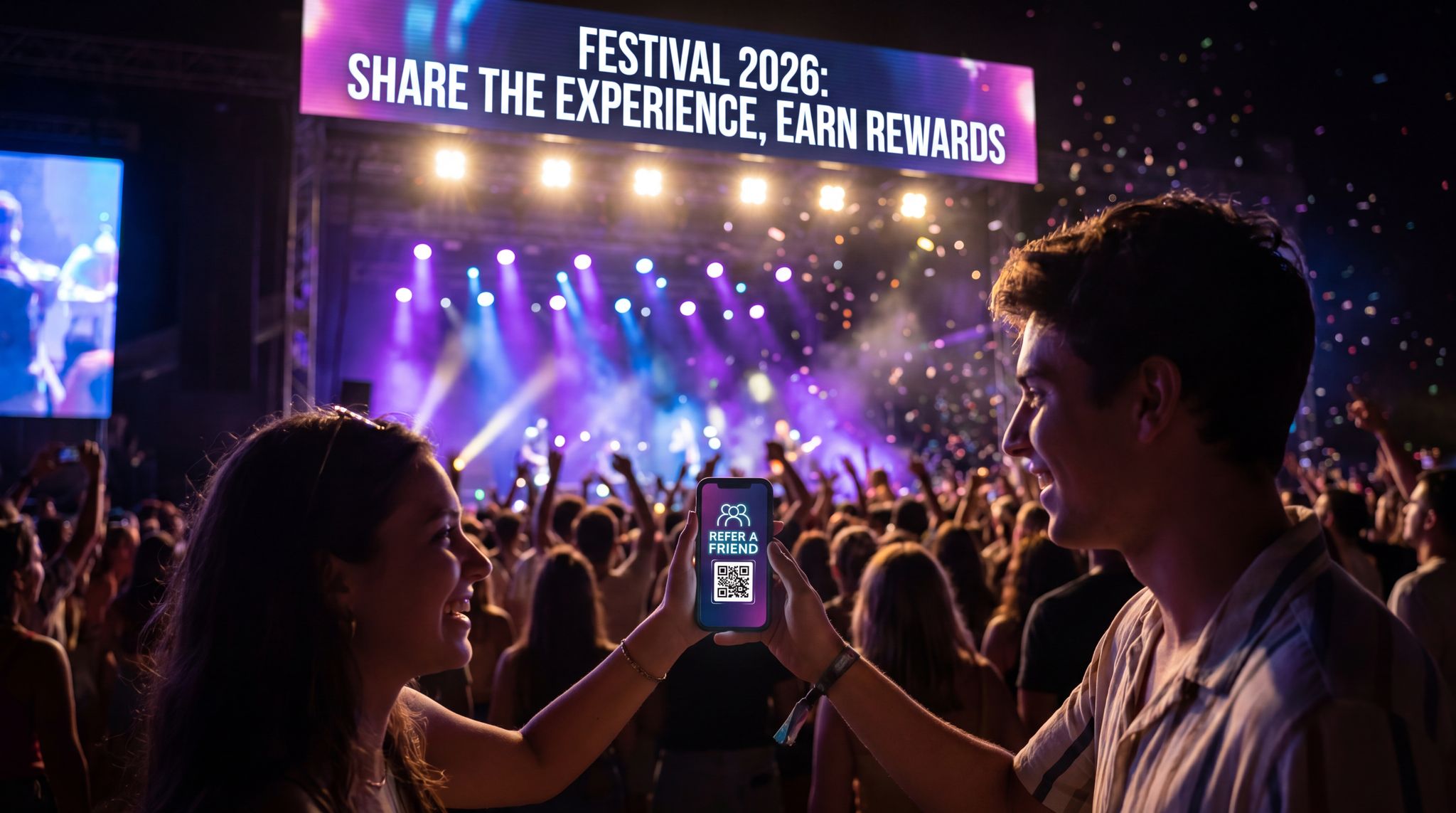
One of the most powerful forms of marketing is word-of-mouth, and your recent attendees are prime candidates to spread the word. To actively encourage this, set up a referral program that rewards attendees for bringing in new attendees. This can overlap with the ambassador concept but can be open to everyone on a smaller scale. For instance, you could give every attendee a unique referral link or code in that post-event email (e.g., “Invite your friends – they get 10% off and you earn £10 credit for each friend who buys”). This kind of program turns happy attendees into a part of your salesforce. According to research, nearly 90% of consumers trust recommendations from friends and family over any form of advertising, according to word-of-mouth marketing statistics, so if you can get your fans talking, it’s marketing gold.
Modern ticketing platforms often have built-in referral tracking or integrations that make it easy to implement this. (Ticket Fairy’s platform, for example, includes a rewards and referrals system to boost revenue, advanced fraud protection, and easy tools for fans to share events with friends.) If your event is more niche or community-driven, you can structure referrals informally – like simply ask in your follow-up email, “If you had a great time, please tell a friend and come together next time,” perhaps paired with a special “friends bundle” discount for group purchases. The principle of social proof is huge: people are far more likely to attend an event when invited by someone they know.
One real-world example: a food festival in Toronto added a referral offer where past attendees got a free tasting dish voucher for every new attendee they referred. Dozens of food bloggers who attended previously jumped on this, each bringing along new foodies in their circle. The festival saw a 12% boost in first-time attendees directly tied to referral codes, and the referring attendees loved getting free treats on-site. When designing your program, think about what reward will motivate your audience – freebies, discounts, VIP upgrades, or just recognition. Even a leaderboard (“Top 10 referrers get a shoutout and special swag”) can gamify the process. And of course, always deliver a fantastic experience to the referred friends; if you turn them into satisfied attendees too, they’ll likely pay it forward and refer others in a virtuous cycle.
Encourage Social Sharing and Reviews
Not all referrals are formal or incentivized – much of it happens naturally if you prod it along. Encourage your attendees to share their experience on social media and to leave reviews or testimonials on platforms that matter (Facebook pages, Google reviews, event discovery sites, etc.). Shortly after the event, include a gentle ask in your communications: “Loved [Event Name]? Let others know – share your favorite moment on Instagram and tag us!” or “Please take a minute to rate us on Facebook or Google – it helps a ton!” Many delighted attendees will be happy to do this when the buzz is still strong.
Why are reviews and posts so important? Because prospective attendees trust peer opinions. A survey by Nielsen famously found that 88% trust recommendations from people they know, and even 70%+ trust online opinions from other consumers. For an event, a string of glowing reviews can be the deciding factor for someone on the fence about buying a ticket. For example, a prospective attendee might check the Facebook page and see comments like “* Best show ever, can’t wait for next year!” – that social proof is worth more than any ad copy you could write.
Make it easy: provide direct links to review pages in your follow-up email. Perhaps even incentivize it lightly: “Review the event for a chance to win 2 tickets for next time.” But be careful with incentives on public reviews (some platforms have policies about that) – often the intrinsic reward of helping the community is enough. Another tactic is user testimonials: ask a few super-satisfied attendees for a quote about their experience, which you can then share (with permission) on your channels. You could even feature “Fan of the Week” stories on Instagram or your blog, highlighting an attendee’s story or what the event means to them. Not only does that flatter the featured fan (deepening their loyalty), but it shows everyone that your events create meaningful experiences for real people.
Don’t forget the simple power of asking attendees to tell a friend. One global survey noted that 83% of people are willing to refer a product or service after a positive experience – yet only 29% actually do, often because they weren’t asked or reminded. So put the idea in their heads. Something as straightforward as a PS in your thank-you email (“PS: Know someone who’d love this event? Let them know about our next one!”) can plant a referral seed that blossoms later. And if you come across posts where someone recommends the event, engage with it – thank them in the comments. That positive interaction encourages them and others to keep spreading the good word.
Leverage Testimonials and Social Proof in Marketing
As you gather all these positive reactions – survey praise, social media comments, testimonials – put them to work in your future marketing materials. A quote from a happy attendee can often capture the vibe of the event better than any copy we write. Consider adding a few best quotes to your event website (“It was mind-blowing from start to finish – Attendee from 2025”). Video testimonials are even more powerful: if possible, film a few attendee reactions on-site (even smartphone footage at the exit where you ask people “How was it?”). You can edit these into a short promo reel that serves as a raw, authentic endorsement for the next event.
Case in point: a tech summit in Bangalore ran a “man on the street” video on Day 3, capturing attendees talking about their favorite sessions and overall impressions. They shared this video in post-event communications and used it in ads for the following year. It lent credibility and drove home the value of attending. They noticed that prospects who saw the testimonial video in ads converted to ticket buyers at a higher rate, as per their tracking data. People trust others who were in their shoes.
Also, incorporate numbers in your social proof if they’re impressive. “Rated 4.8/5 by 500 attendees” or “Over 95% of attendees said they’d come back” are strong trust signals to flaunt (assuming you have the data from surveys or reviews to back it up). Even showcasing the size or enthusiasm of your community works: “Join 10,000+ happy fans” or posting snapshots of fan tweets saying “Already bought my ticket for next year!” For prospective attendees, seeing a vibrant, satisfied community lowers their risk in purchasing – it’s like they’re joining something with proven value.
Internally, make sure to curate and save the best UGC, quotes, and stats right after the event when it’s fresh. These will be golden nuggets when you or your marketing team create decks, ads, and site copy down the line. Turning the voices of your attendees into marketing content not only amplifies their voice (which they appreciate), but it also reinforces that your event delivers on its promises. It’s a virtuous loop: great experience -> fans praise it -> praise attracts new fans -> you deliver another great experience -> and repeat.
Analyze Post-Event Metrics and Refine Your Strategy
Track Engagement Metrics on Post-Event Campaigns
Amid all the follow-up activities, don’t forget to dive into the data. Treat your post-event marketing efforts as you would a pre-event campaign – measure everything you can to understand what’s effective. Key metrics to review include email open and click-through rates on your thank-you and follow-up emails, survey response rates, social media engagement (likes, shares, comments on recap posts), and referral link usage. These numbers give you a quantitative read on attendee interest and involvement after the event. For example, if your thank-you email got a 60% open rate and high click-through on the photo gallery link, that’s a sign this content really resonated. If the open rate was only 15%, perhaps your subject line or timing missed the mark (or emails went to spam).
Look at each channel’s performance. Did the Instagram recap reel get more traction than the Twitter posts? Is your attendee Facebook Group growing in members post-event? If you ran a referral program, how many referral codes were actually used? Identify which efforts are yielding returns and which fell flat. Maybe you’ll find that your SMS survey reminder had a 30% completion rate vs 10% via email – indicating that texting was worth the effort. Or you might discover that an incentivized contest post-event doubled your usual social reach. These insights help you optimize for next time. The goal is to build a playbook of proven post-event tactics for your particular audience.
A pro tip is to set up UTM tracking and unique links for as much as possible. That way, in Google Analytics or your CRM, you can see if, say, the post-event period drove a spike in website traffic or merchandise sales. Some advanced organizers even track who from the attendee list followed their social accounts after the event (CRM systems with social integrations can do this) – an increase would indicate your prompts to stay connected worked. If you have an app, check the retention and activity there after the event. Essentially, use this time to evaluate how engaged your attendees remain. It’s much better they spend a week talking about your event (and sharing that excitement) than forgetting about it the next day. The metrics will highlight whether you succeeded in extending that engagement.
Measure Repeat Attendance and Lifetime Value Impact
Post-event is also when you start gauging the longer-term impact on ticket sales and retention. If you announced and started selling the next event already, monitor how many of the current attendees are converting into next event bookings. This can be a revealing metric: did 10% of attendees buy for next year within the first month? 20%? Tracking this over years shows if your loyalty strategies are improving retention. For instance, perhaps last year only 15% of attendees returned, but after implementing a loyalty program and stronger follow-up, you see 25% returning this year. That’s a huge win – and directly translates to lower marketing costs (since retaining an attendee is cheaper than acquiring a new one).
If your sales cycle for the next event is farther out, look at indicators like how many joined the waitlist or pre-registered interest due to your post-event outreach. Also, keep an eye on your referral data over the long term. Are those referred friends who attended now part of your database and engaging with your content? If possible, track Net Promoter Score (NPS) from surveys – those who said they’re highly likely to recommend your event. These are your promoters; see if they indeed referred others or came back themselves.
Another valuable analysis is attendee lifetime value. While it might take several event cycles to truly calculate, start noting patterns. For example, the cohort of people who first came in 2024 – how many have come to multiple events by 2026? How much revenue have they generated in tickets plus extras (merch, F&B, etc.)? If you correlate this with their engagement touchpoints (maybe those who joined the community group or used a loyalty card have higher retention), you get insight into which post-event engagement tactics actually drive sales, not just clicks. This is where attribution in a privacy-first era can still be navigated – by leveraging first-party data like purchase history and engagement signals.
It’s also useful to benchmark your retention against industry or past performance. For example, if similar conventions typically see ~30% of attendees return annually, and you’re seeing 40%, you’re ahead of the game. But if a music festival usually has 60% returning attendees and you have only 25%, that’s a flag that something in the experience or follow-up isn’t fostering loyalty (or perhaps your event draws more tourists/one-timers by nature). Use those insights to ask “why” and adjust your strategy.
Apply Insights to Continuous Improvement
Finally, the purpose of all this analysis is to continuously improve your marketing (and event) strategy. Take what you learned from post-event metrics and feedback and feed it forward. Did attendees keep mentioning a particular artist or session as a highlight? Consider featuring similar attractions next time (and highlight that you did so because fans asked for it – it makes them feel heard). Did your survey show lower scores for an aspect like parking or audio quality? That’s an operational fix to prioritize, and when you promote next year, you can explicitly say “New and improved [aspect]based on your feedback.”
From a marketing standpoint, identify which post-event tactics you’ll double down on. Maybe you found that the community engagement in your Discord kept interest high, so you invest more in that and less in, say, generic Twitter ads which didn’t do much. Or you might realize your email open rates were stellar for the thank-you but dwindled by the third follow-up email – maybe consolidate and make communications punchier to avoid fatigue. The data might show that a certain segment of attendees (e.g., VIP ticket buyers or attendees from a certain city) are especially loyal. You could target them with special early offers or even focus future ad spend on lookalike audiences who fit that profile.
Continuous improvement also means documenting lessons learned. Host a debrief meeting with your team solely on post-event engagement: What worked? What flopped? Gather qualitative input too – maybe your social media manager noticed fans asking for a particular type of content that you didn’t provide. Or the support team might have gotten emails saying “I didn’t know about the survey” which indicates a communication gap. Every point of data or feedback is a chance to tweak your approach.
In sum, treat post-event marketing not as an afterthought, but as the start of your next campaign. The insights you gain now close the loop on this event and lay the foundation for the next one’s success. Top event marketers operate in a cycle of constant learning – using each event’s aftermath to refine audience understanding and build an even stronger strategy for future engagement and sales. That’s how events grow from one-offs into beloved traditions with expanding communities.
Leveraging Ticketing Partners for Post-Event Success
Executing a comprehensive post event marketing strategy requires the right technological infrastructure. This is where choosing an advanced ticketing platform becomes a competitive advantage. Many promoters ask how The Ticket Fairy boosts event exposure after the gates close. The answer lies in automated data utilization and built-in growth tools. By seamlessly integrating buyer data with automated email campaigns, referral tracking, and targeted ad retargeting, the platform keeps your brand visible. Furthermore, for organizers operating internationally, utilizing robust estrategias de marketing con The Ticket Fairy allows you to localize follow-ups, manage global affiliate networks, and maintain momentum across diverse markets without adding manual workload to your team.
Frequently Asked Questions About Post-Event Marketing
What are the best post event marketing ideas for first-time organizers?
For newer promoters, high-impact post event marketing ideas include sending a personalized thank-you email within 24 hours, publishing a curated photo gallery, and distributing a brief attendee feedback survey. Offering a small discount code for your next show in exchange for survey completion is a highly effective tactic to secure early re-bookings.
What’s the most effective strategy for pre-event vs. post-event marketing?
The most effective strategy bridges both phases seamlessly. Pre-event marketing focuses on driving urgency, FOMO, and initial ticket conversions through targeted ads and lineup drops. In contrast, a strong post-event marketing strategy pivots to retention, community building, and data collection. The bridge between them is data: using the insights and user-generated content gathered post-show to fuel the top-of-funnel pre-event campaigns for your next edition.
What are the core components of a successful post event marketing strategy?
A comprehensive post event marketing strategy should include immediate attendee appreciation (thank-you emails), feedback collection (surveys), content distribution (recap videos and photo galleries), and community nurturing. Additionally, the most effective strategies for building event loyalty integrate early announcements for future dates and exclusive pre-sale access to reward returning fans.
What are some effective post event social media post examples?
Effective post event social media post examples typically fall into three categories: the immediate gratitude post (e.g., “Thank you to the 10,000 fans who sold out the arena tonight!”), the engagement prompt (e.g., “What was your favorite set of the weekend? Let us know below!”), and the FOMO-driven teaser (e.g., “Relive the magic. Check out our official photo gallery at the link in bio, and stay tuned for next year’s dates!”). Tailor the tone to your specific audience, whether it’s a professional B2B conference or a high-energy music festival.
How should promoters follow up after an event to generate sales in 2025 and 2026?
To effectively follow up after an event to generate sales, strategies for 2025 and 2026 should center on a multi-touch post-event marketing approach. This includes sending a segmented thank-you email within 24 hours, followed by an exclusive early-bird discount code valid for a limited time. Leveraging automated CRM triggers and personalized SMS campaigns based on attendee behavior are proven methods to convert recent attendees into future ticket buyers.