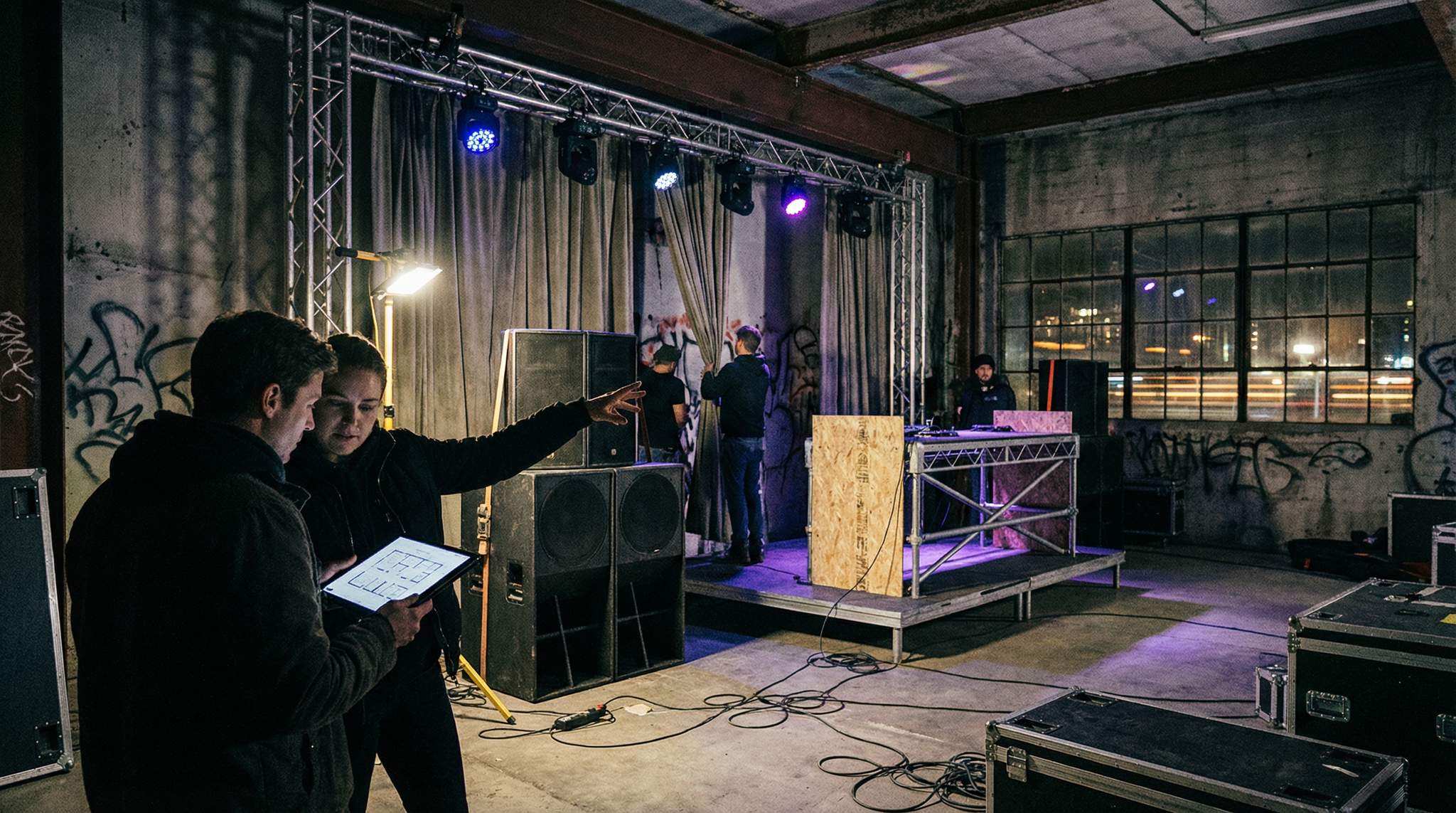
Music events and festivals in 2025 are drawing crowds like never before, but a seamless experience doesn’t happen by accident. Behind every successful concert or festival is an enticing event itinerary that keeps things organized and attendees engaged from start to finish. In-person events remain fans’ top choice, as statistics show 8 in 10 attendees prefer live events over virtual ones, so expectations for a smooth, exciting schedule are higher than ever. Industry data even shows that 49% of event marketers consider audience engagement the biggest factor in an event’s success. In other words, crafting a great agenda or show flow isn’t just a checklist item – it’s mission-critical for delivering an experience that delights your crowd and keeps them coming back.
An effective event agenda serves multiple purposes. It provides a clear structure to your music event, helps your team manage the show in real-time, and lets attendees know what’s happening next so they can anticipate each moment. A well-planned itinerary builds excitement and prevents lulls – keeping your audience energized and reducing the chance they’ll drift away. It also creates continuity, guiding everyone through the event’s story from the opening act to the finale. Below, we’ll walk through five essential steps to plan an enticing event itinerary, updated with current examples and expert tips to help your next music event run smoothly.
1. Tailor Your Event Itinerary to Attendees’ Interests and Expectations
The focus of any music event or festival is your audience. As an event planner, start by thinking about who your attendees are and what they want from this event. What is their main goal or motivation for attending? Are they coming for a particular music genre, a headliner artist, or a community vibe? Identifying these interests and expectations is the foundation of your itinerary. In fact, audience engagement and satisfaction rank as top success metrics for 80% of event professionals prioritizing attendee satisfaction, so building your schedule around attendee preferences is just smart strategy.
Research and listen to your target audience. For example, if your prospective eventgoers have been buzzing about wanting a diverse lineup, plan a mix of artists that spans genres or eras. If they value interactive elements, maybe add a small workshop or Q&A session between performances. By cluing in on what your eventgoers are interested in or expecting, you can design an agenda that genuinely excites them. This might mean scheduling the most anticipated DJ at peak time, or ensuring there’s a late-night encore for the hardcore fans.
Collect Any Attendee Data at Checkout
Add custom registration fields to your checkout — dietary needs, t-shirt sizes, company names, and more. Conditional logic and per-ticket-type fields.
Pro Tip: Before finalizing your agenda, run informal polls on social media or via email to gauge what attendees most want to see. For instance, ask which of two potential surprise guests fans would prefer, or what song genres they hope to hear in a DJ set. This kind of feedback can validate your itinerary choices and shows fans you value their input.
Remember that tailored experiences draw bigger enthusiasm. In the United States alone, over 32 million people attended music festivals in 2022 – a testament to the massive demand for live experiences that match people’s passions. Organizers have noticed that niche festivals thrive by focusing on specific communities and interests. Whether it’s an indie rock weekend or a drum-and-bass night, make sure your event agenda delivers what your crowd is coming for. When the schedule aligns with attendee expectations, they’ll be more engaged throughout the event and more likely to leave with a positive impression.
Ready to Sell Tickets?
Create professional event pages with built-in payment processing, marketing tools, and real-time analytics.
2. Ensure the Itinerary Reflects Your Brand Identity and Event Theme
While catering to your audience is key, your event itinerary also needs to stay true to your brand identity and the event’s core theme. Everything about the agenda – from the tone of session names to the flow of activities – should align with the vibe and goals you originally envisioned. Consistency here builds trust. Attendees came because your event’s branding or theme appealed to them; delivering an experience that matches those promises will strengthen their connection to your brand.
Start by clearly defining your event’s concept and goals. Are you organizing an underground techno festival with an avant-garde feel, or a family-friendly summer music fair with local bands? The itinerary should reflect that. For example, a boutique electronic music festival might feature late-night sets and immersive art installations during intermissions, underscoring its edgy, creative brand. On the other hand, a community-oriented event could schedule daylight performances and include breaks for networking or local food tasting, reinforcing a friendly, accessible image. Keeping your agenda “on brand” ensures the experience feels authentic. (If you need help solidifying your event’s concept, check out our guide on mastering a strong festival vision and concept to set the right foundation.)
Maintaining brand consistency isn’t just about aesthetics – it has real business benefits. Research indicates that brand consistency adds 10–20% revenue growth for about 68% of companies. In an event context, that makes sense: when attendees know what to expect from your brand and you deliver on it, they’re more likely to trust you and attend future events. For example, fans of the Tomorrowland festival know to expect an otherworldly, fairy-tale production design each year – and the organizers make sure everything from the stage names to the schedule of performances fits that identity. This consistency creates an almost cult-like loyalty. Whatever your brand’s personality or values – whether it’s sustainability, premium luxury, or raw underground energy – let it shine through in the itinerary structure. Include elements in the agenda that reflect those values (for instance, a sustainability-focused event might schedule a midday break for a community clean-up or a talk on eco-friendly touring). By fashioning your itinerary after your brand identity and your audience’s expectations, you’ll create a program that resonates on a deeper level with attendees.
3. Divide the Event into Creatively Named Sessions (and Plan Breaks)
Long music events or multi-artist festivals work best when broken into clear sessions or segments. Dividing your event timeline into distinct sets or activities helps attendees (and staff) know what’s happening when. It also gives your team manageable chunks to focus on. When you map out these sessions, be consistent with their timing if possible – for example, you might give most artists 45-minute sets with 15-minute changeovers. Attendees will appreciate a predictable rhythm, and your crew will have the buffer needed to handle stage transitions or technical setups.
No Hidden Fees, Just Honest Pricing
One all-inclusive fee covers the platform, payment processing, support, and every feature. Free events are always free. No setup costs, no surprises.
Now for the fun part: give your sessions memorable, witty names when appropriate! Instead of labeling everything plainly (“DJ Set 1”, “DJ Set 2”), consider creative titles that fit your theme. If your event has multiple stages or time blocks, unique names add flair. For instance, a festival afternoon slot could be called “Sunset Groove Session” and a late-night DJ battle might be the “Midnight Showdown.” Be creative and playful – a clever session name can spark curiosity and conversation. Just ensure the names still make it clear what to expect (attendees should be able to tell an acoustic set versus a dance workshop, for example, from the title or description). Creative session naming not only keeps your eventgoers intrigued about what’s coming next, but also reinforces the event’s personality.
Equally important is scheduling downtime. High-energy music events can be draining if they go non-stop. Plan short breaks or intermissions, especially during a long festival day or between major acts. Attendees will welcome a chance to grab food, use restrooms, and recharge — and your backstage crew will use that time to swap out equipment or troubleshoot any issues for the next act. Many veteran producers suggest a 15-minute break every 60-90 minutes of programming as a rule of thumb, but gauge what fits your event. If a break needs to be longer, keep the crowd’s energy warm: perhaps play a highlight reel video or a themed playlist on the screens. You could even incorporate a “video break” featuring behind-the-scenes footage of the performing artists or a comedic skit that fits your event’s theme, so the downtime itself adds to the experience.
Grow Your Events
Leverage referral marketing, social sharing incentives, and audience insights to sell more tickets.
To illustrate, here’s a snippet of what a well-structured evening event itinerary might look like:
| Time | Session Title | Highlights & Notes |
|---|---|---|
| 3:00 PM | Doors Open & Welcome | Attendees arrive; ambient music sets the mood |
| 4:00 PM | Sunset Soundcheck | Local DJ kicks off with chill beats to warm up the crowd |
| 5:00 PM | Main Stage Rock-Out | Opening band performs a high-energy set |
| 6:00 PM | Break (Sponsor Spotlight) | Intermission; play a sponsor’s highlight video and facilitate a quick stage reset |
| 6:30 PM | Headline Act: The Example | Headliner performance with full light show |
| 8:00 PM | Encore & Farewell | Surprise guest joins for final song; closing announcements |
In this example, sessions are clearly defined, have fun descriptive names, and include a planned break that even gives a nod to a sponsor. Attendees always know what’s happening next, and the production team has a clear timeline to follow.
Once your schedule is locked in, you need to communicate it effectively to your audience. Whether you are designing digital app schedules or printing physical brochures for programmes and events, clarity is paramount. Attendees rely on a straightforward timetable of when events start and finish so they can plan their day without missing their favorite acts. For multi-stage festivals, consider a grid layout in your program brochure that visually maps out overlapping sets. This not only helps fans navigate the grounds but also reinforces the structured itinerary for your event, keeping crowd flow manageable and your operational timeline running like clockwork.
Warning: Avoid overloading your schedule. It’s tempting to pack every minute with content, but attendees (and staff) can burn out if there’s no breathing room. Leaving a bit of buffer between sets – or scheduling a calm activity like a short film screening or ambient music interlude – can prevent festival fatigue. Overstuffed itineraries also risk running behind schedule if any act goes over time. It’s better to end attendees wanting a bit more than to exhaust them or rush performances.
Finally, communicate the session lineup clearly. Use your event app, website, and on-site signage to display the itinerary with times and descriptions. If fans can easily see “what’s next” at a glance, they’re more likely to stick around and not miss the parts they care about.
4. Incorporate Sponsors and Partners into the Agenda
Sponsors and partners are often essential to making an event financially viable – global sponsorship spending is projected to reach $96.4 billion in 2025) – so it’s important to integrate them smoothly into your itinerary. But today’s sponsors expect more than a logo on a flyer; they want meaningful exposure and engagement with attendees. In fact, 63% of consumers feel more loyal to sponsoring brands associated with events they enjoy, so a thoughtful sponsor integration can enhance the fan experience and keep your partners happy.
Start by identifying opportunities in the schedule where sponsor mentions or activities feel natural. One common approach is to have a sponsored session or stage. For example, your afternoon break might be presented by a sponsor (“Coffee Break powered by JavaBrew Co.”) where you hand out free iced coffee samples. Or if a tech company is a partner, maybe one of your late-night DJ sets is branded as “The XYZ Tech Afterparty” with their visuals on screen. You can also give sponsors a shout-out during changeovers – a brief emcee mention like “Thanks to [Sponsor Name] for helping make this event possible” as a slide displays on the LED wall. Planning these mentions in the agenda ensures you don’t forget them in the heat of the show.
Be creative and make it a win-win. If a partner has an interactive activation (like a photo booth, VR experience, or a swag giveaway wheel), schedule it into the itinerary so attendees know when and where to find it. This could be a 30-minute slot listed as “Meet & Greet at the XYZ Lounge” or similar. During longer breaks, you might run a sponsor’s short video ad on stage or have the host conduct a quick contest on the sponsor’s behalf. The key is to add sponsor content in ways that complement the event – not distract from it. For instance, a festival might incorporate a popular beer brand by hosting a brief “cheers” moment before the headliner, which gets the crowd involved rather than just pushing an ad.
However, balance is crucial. Attendees are savvy and can tell if an event is over-commercialized. Make sure any sponsor integration feels relevant and respectful of the audience. (A mellow indie folk festival probably shouldn’t have a loud energy drink chugging contest on the main stage, for example.) Always ask, “Does this add value for our crowd?” If yes, it likely adds value for the sponsor too. As one 2025 industry report noted, brand partnerships are shifting from pure visibility to authentic engagement and meeting the growing demand for socially responsible sponsorships – sponsors want to be part of the story, not just a logo. So incorporate them in a way that enhances the event’s narrative.
Warning: Don’t let sponsor messages derail the flow. It’s important to acknowledge partners, but too many ads or lengthy sponsor speeches can turn off your audience. Keep sponsor segments brief and on-message. Your itinerary should space them out so they feel like natural beats, not interruptions. Also, brief your sponsors on timing – for example, if a sponsor rep is speaking on stage, give them a clear time limit to stick to the schedule.
With a bit of planning, sponsors can actually boost the itinerary. They might fund an extra entertainment segment (e.g., a fireworks show presented by the sponsor at the end) or provide freebies that get a dedicated giveaway time. Communicate these plans to the sponsor ahead of time and include their integration points in the written run-of-show that you and your team use. This way, everyone knows when each sponsor element happens.
(Internal Note: For more on keeping sponsors happy while delivering value to your audience, see our detailed guide on adapting your festival’s sponsorship pitch to new expectations, which explores the latest sponsor trends.)
5. Collect Attendee Feedback with a Post-Event Survey
Your event might end when the music stops, but your work isn’t done. After the event, it’s critical to gather feedback on how everything went. One of the best tools for this is a post-event survey. Attendee feedback is pure gold for improving future events – it tells you what resonated with your audience and what you might need to tweak. In fact, attendee satisfaction and engagement are often the top metrics of event success (ranked important by 80% of event planners prioritizing satisfaction metrics), and over 90% of organizers rely on surveys to measure attendee sentiment afterward. Simply put, if you’re not soliciting feedback, you’re flying blind on how your itinerary and event experience truly landed.
When creating an after-event survey, keep it quick and focused. It’s best to send it out within 24-48 hours while the experience is still fresh in people’s minds – for a weekend festival, maybe shoot for Monday when everyone’s recovered a bit. In the survey, ask a mix of quantitative and qualitative questions. Below are a few example questions that cover key areas:
- What did you like most about the event? (Open-ended – to capture favorite moments or features.)
- Which artist or session were you most excited about, and did it meet your expectations? (Insight on lineup and hype vs. reality.)
- Did the event schedule and pacing feel comfortable? (Yes/No or scale – gauges if there were too many gaps or if it felt rushed.)
- Was there anything you expected to see that was missing? (Open-ended – reveals unmet expectations or ideas.)
- On a scale of 1-10, how likely are you to attend another event by us? (Gives a loyalty metric and overall satisfaction indicator.)
For a music event itinerary specifically, you might also ask, “Did you find the breaks/video intermissions helpful, or would you prefer continuous music?” Use a rating scale or yes/no and an optional comment. The goal is to pinpoint whether your scheduling choices (like adding that video break or sponsor segment) enhanced or detracted from the experience.
After collecting responses, analyze the feedback with your team. Look for patterns: maybe 70% of attendees loved the headliner but several wanted more food options during the long break, for example. Those insights feed into your next event’s planning. Surveys essentially act as constructive criticism tools – they highlight what to keep doing and what to improve. Don’t be afraid of a few criticisms; use them to get better. If many people suggest the event would be nicer as a two-day format, perhaps that’s your cue to expand next year.
Let Fans Pay Over Time
Offer flexible payment plans that split ticket costs into manageable installments, making higher-priced events accessible and boosting conversions.
Pro Tip: Boost your survey response rate by offering a small incentive. For instance, you could say that everyone who completes the survey gets entered into a raffle for a free VIP upgrade at your next event, or receives a 10% discount code for your upcoming show. A little thank-you perk can dramatically increase how many attendees take the time to fill out your questionnaire. Also, reassure respondents that the survey is short (5 minutes or less) – respect their time and they’ll be more willing to help.
By acting on survey data, you close the feedback loop with your audience. Attendees will notice improvements in future events – maybe the schedule flows better or the band selection is more aligned with their taste – which can translate into higher attendance and word-of-mouth recommendations. As one post-event guide reminds us, following up with thanks and analysis is part of the essential post-event steps to boost next year’s success (including surveys, debriefs, and sponsor reports). Your itinerary planning doesn’t end when the show ends; it evolves with each cycle.
Finally, don’t forget to thank your attendees for spending their time with you. A short message in the survey intro or a follow-up email saying “We appreciate you being there and helping us improve” builds goodwill and trust. It shows that you value their experience beyond just the ticket purchase.
In Conclusion: A well-crafted event itinerary is the backbone of any music event or festival. When you tailor the schedule to your audience’s desires, keep it aligned with your brand, add creative touches, integrate sponsors meaningfully, and learn from feedback, you create a positive feedback loop of ever-improving experiences. A great itinerary doesn’t just keep things organized on paper – it energizes your crowd because they’re continuously engaged and delighted by what’s next. Attendees will walk away remembering how smoothly everything ran and how every moment offered something enjoyable.
As the live events industry embraces new tech and trends, we’re even seeing AI-driven tools crafting personalized itineraries for guests at larger festivals – a glimpse of the future where each attendee might get a slightly different “enticing agenda” tailored just for them. But whether you leverage high-tech solutions or stick to time-tested planning methods, the core aim remains: keep your eventgoers excited and engaged from the first act to the encore. With the steps outlined above, you’ll be well on your way to planning an itinerary that not only meets expectations, but leaves your audience counting down the days until your next event.
While you’re building anticipation for your event with a killer agenda, make sure to promote it widely and include your ticketing link wherever possible. You can set up your events for free today on the Ticket Fairy platform – a tool that helps streamline your ticketing and lets you focus on crafting unforgettable experiences.
Automated Waiting Lists for Sold-Out Events
Capture demand when tickets sell out and automatically notify waitlisted buyers when tickets become available through cancellations or resale.
Frequently Asked Questions
Why is a well-planned event itinerary important for music festivals?
An effective event itinerary provides structure, helps teams manage the show in real-time, and builds excitement by letting attendees anticipate what happens next. It prevents lulls to keep audiences energized and guides everyone through the event’s story, which is critical since 49% of marketers consider engagement the biggest success factor.
How can event planners tailor itineraries to attendee interests?
Planners should research their target audience to identify motivations, such as specific genres or community vibes. Running informal polls on social media helps gauge preferences for artists or surprise guests. Tailoring the schedule to these expectations is crucial, as niche festivals focusing on specific communities thrive better than broad events.
How often should breaks be scheduled during a music event?
Veteran producers suggest scheduling a 15-minute break every 60 to 90 minutes of programming. These intermissions allow attendees to recharge and give crews time for stage transitions. To keep energy high during downtime, organizers can play highlight reels, themed playlists, or sponsor videos rather than leaving the venue silent.
Why is brand consistency important in event agendas?
Aligning the itinerary with the event’s brand identity builds trust and strengthens the attendee connection. Research shows brand consistency can add 10–20% revenue growth. Whether the vibe is underground techno or family-friendly, ensuring session names and activities reflect the core theme creates an authentic experience that encourages loyalty.
What are effective ways to incorporate sponsors into an event schedule?
Sponsors can be integrated through branded sessions, such as a presented coffee break, or interactive activations like photo booths listed in the itinerary. Effective integration adds value to the attendee experience without distracting from the event flow, leveraging the fact that 63% of consumers feel more loyal to sponsoring brands.
When is the best time to send a post-event survey?
The optimal time to send a post-event survey is within 24 to 48 hours while the experience is still fresh in attendees’ minds. For weekend festivals, sending it on Monday is ideal. Quick, focused surveys help organizers gather critical feedback on the lineup, pacing, and overall satisfaction to improve future events.
What is the best way to share an itinerary for an event with attendees?
The most effective approach is a multi-channel strategy. Organizers should provide a clear timetable of when events start and finish on their official website and mobile app. Additionally, offering digital or printed brochures for programmes and events at the venue entrance ensures that all guests, regardless of cell service, have access to the schedule.