Marketing an event today goes far beyond printing flyers or sending a few tweets. In 2025’s competitive landscape, your event ticketing page is the central hub that can make or break ticket sales. It’s the place where all your promotional efforts point – the online spot where curious visitors convert into paying attendees. Without a focused strategy to drive traffic there, even the most exciting event can struggle to sell out. In fact, even the biggest ticketing companies attribute much of their success to a few core digital channels: email, social media, and targeted promotions, as leading ticketing platforms rely heavily on analytics to optimize channel performance. This means that as an event promoter, you must double down on these areas to get eyes (and clicks) on your ticket page.
Before diving into tactics, make sure your event ticketing page itself is ready for prime time – it should be fast, informative, and user-friendly. Nearly 9 out of 10 people won’t return to a website after a poor user experience, meaning online shoppers rarely give a second chance to sites that frustrate them. First impressions on your ticketing page matter immensely. With that in mind, let’s explore five essential strategies to effectively promote your event ticketing page and turn interest into confirmed attendees.
Developing a comprehensive event ticketing strategy requires more than just setting up a webpage; it demands a cohesive approach to ticketing marketing that aligns your promotional channels with your sales goals. By treating your ticket page as the ultimate destination for every campaign, you can systematically reduce buyer friction and increase conversion rates across the board.
At its core, effective ticketing marketing bridges the gap between brand awareness and actual revenue generation. While general event promotion focuses on building hype, a dedicated ticket sales approach zeroes in on conversion rate optimization, cart abandonment recovery, and data-driven audience segmentation. By treating the checkout process as a critical marketing touchpoint rather than just a logistical necessity, promoters can capture high-intent buyers who might otherwise slip through the cracks.
Furthermore, a robust ticketing marketing framework relies on continuous optimization. By analyzing which promotional channels yield the highest conversion rates, event producers can dynamically reallocate their advertising budgets to maximize return on investment, ensuring that every dollar spent directly contributes to a sold-out venue.
5 Ways to Promote Your Event Ticketing Page
To maximize ticket sales, you’ll want to cover all the bases in your online promotion. Below are five proven tactics – from optimizing your page to leveraging social media – that help center your ticketing page in your marketing campaign and drive consistent traffic to it.
Ready to Sell Tickets?
Create professional event pages with built-in payment processing, marketing tools, and real-time analytics.

1. Make Sure Your Event Ticketing Page is Perfect
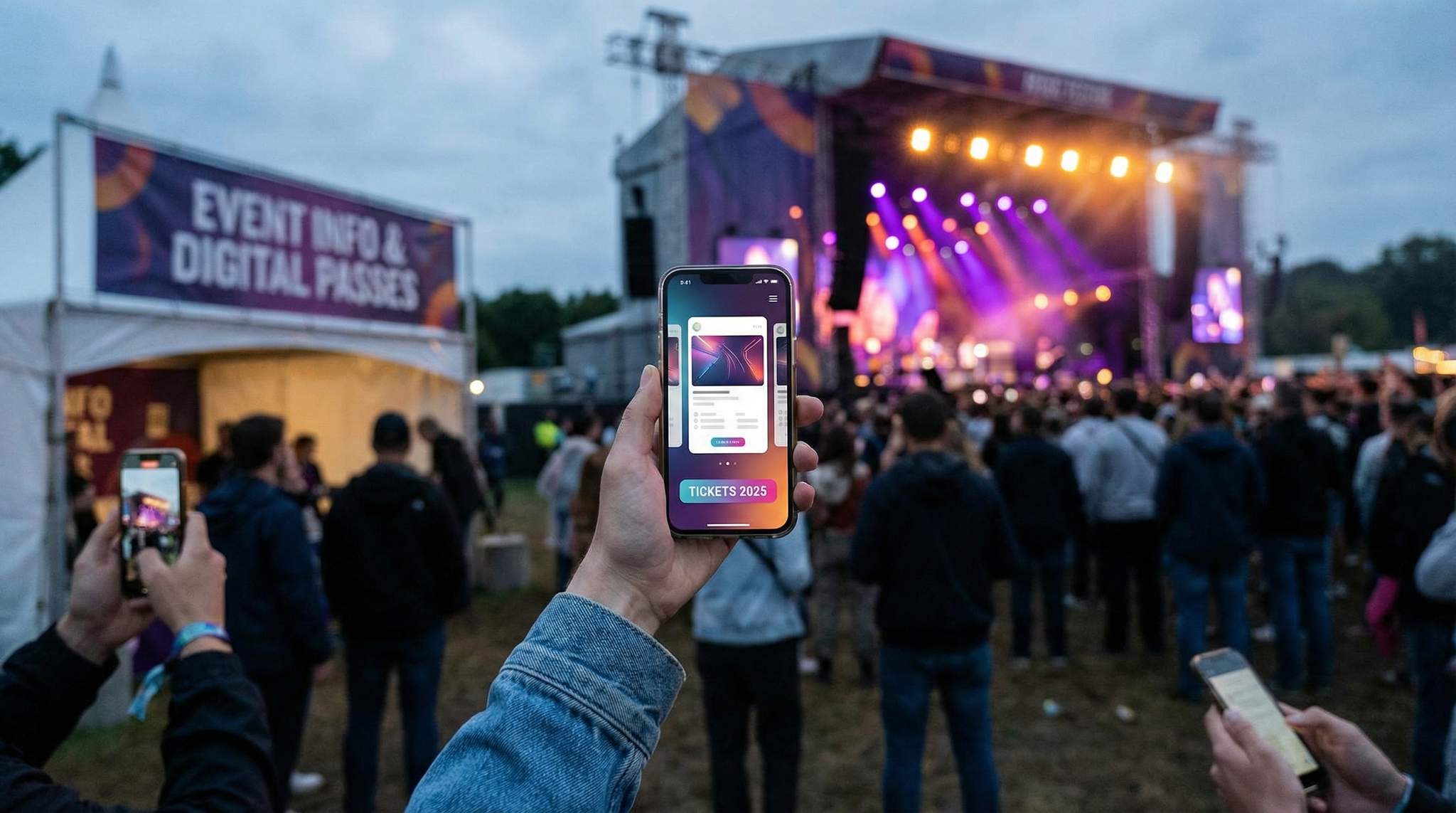
The first step is to ensure your event ticketing page itself is in impeccable shape. Think of this page as the star of your promotion campaign – it’s where all prospective attendees land to get information and ultimately buy tickets. A well-crafted ticketing page will attract attention and instill confidence in visitors. This means you should invest time in its design, content, and usability before you even worry about ads or social posts.
Establishing a dominant event page presence also means optimizing for search engines and discovery platforms. When potential attendees search for weekend plans or specific genres, your primary events page needs to rank highly. This digital footprint is strengthened by using descriptive meta tags, incorporating relevant keywords into your event description, and ensuring your ticketing provider automatically lists your show on partner discovery networks. A robust online presence ensures that organic traffic flows to your checkout flow even when you aren’t actively running paid ads.
Start by checking that the page provides all critical details about your event in a clear format. Important basics include the event date and time, venue/location (with a map or address link), lineup or speakers, schedule highlights, and ticket pricing tiers. Present this information with simple navigation and headings so users can find answers at a glance. For example, use clear sections for “About the Event,” “Ticket Options,” and “FAQ” if applicable. From experience, attendees get frustrated if they have to hunt for details like parking info or age restrictions – and frustration can cost you a sale.
Turn Fans Into Your Marketing Team
Ticket Fairy's built-in referral rewards system incentivizes attendees to share your event, delivering 15-25% sales boosts and 30x ROI vs paid ads.
Structuring your event details page effectively is the linchpin of this process. A high-converting details page acts as your digital salesperson, anticipating attendee questions before they even have to ask. Beyond the basic time and location, operators should include comprehensive venue accessibility information, clear VIP vs. General Admission tier breakdowns, and dynamic elements like embedded Spotify playlists or artist bios. By transforming a basic checkout form into a rich, immersive landing environment, promoters can significantly reduce bounce rates and capture buyers who are on the fence.
Equally vital is the visual appeal and branding of your ticketing page. Use high-quality images or a short promo video of the event to capture excitement. Maintain the same color scheme, logo, and tone that you use in your other marketing so that visitors feel a consistent brand experience. If your event has an electrifying aftermovie or artist photos, feature them here. This not only grabs attention but also assures fans they’re in the right place. Pro tip: Don’t bury the purchase button! Make your “Buy Tickets” or “Register” CTA button prominent (use a contrasting color) and consider placing it in multiple spots as the user scrolls. The easier you make it to initiate a purchase, the higher your conversion rates will be.
Grow Your Events
Leverage referral marketing, social sharing incentives, and audience insights to sell more tickets.
Another crucial aspect is user experience (UX): ensure the page loads quickly and works well on mobile devices. Mobile purchases are huge now – in 2024, mobile platform usage share for ticket purchases reached about 59%, and that share is only growing. If your page isn’t mobile-optimized (responsive design, easy to read on smaller screens, fast load times), you risk losing more than half of your potential buyers. Remember, speed is king: many users will abandon a page that stalls or takes too long to respond. If your ticketing site allows it, test the page under heavy traffic conditions as well – you don’t want a crash when hundreds of fans click through at once.
Finally, consider trust signals on the page to boost buyers’ confidence. Display security badges or payment provider logos at checkout (e.g. showing it’s a secure HTTPS site, accepted payment methods) and highlight any refund or COVID-safe policies clearly. Social proof can help too: if you have testimonials from past attendees or impressive attendee numbers (“Join 5,000+ fans at this festival!”), include them in the page. These elements reassure visitors that buying from your page is a safe decision.
With a polished, user-friendly ticketing page as your foundation, all the promotion you do next will have a much greater impact. A strong page converts visitors into ticket buyers. As a promoter, I’ve seen events double their online ticket sales simply by revamping their ticketing page layout and content. It’s worth the effort to get it perfect. And if you’re looking for a platform that makes customization easy, Ticket Fairy offers highly customizable event pages with plenty of unique features to make your ticketing page stand out.
2. Get Started With Smart Linking Everywhere
One of the simplest yet most powerful ways to promote your ticketing page is to spread its link far and wide. Every online touchpoint you have should point people directly to your event page with as few clicks as possible. This strategy is all about reducing friction: if someone hears about your event, your link should be immediately available for them to check it out. When utilized creatively, these links will funnel significant traffic straight to your page.
Grow Your Social Following With Every Sale
Require social media follows, shares, or playlist adds to unlock presale access or special pricing. Turn every ticket purchase into audience growth.
Begin with your own channels. On social media, take advantage of the “link in bio” feature on platforms like Instagram, TikTok, and X (Twitter). As of 2025, many platforms (including Instagram) even allow multiple links in your bio, so make sure your event’s ticket link is one of them. Regularly remind your followers through posts and stories that “Tickets are available – link in bio!” Additionally, use Instagram Stories and Facebook Stories to your advantage: add the ticket page link to stories whenever you mention the event. A short video of the event venue or a performer with a swipe-up (now link sticker) that directs viewers to the ticket page can yield great results. Have an exciting promo video? Post it and slap the ticket link on it. The key is to make the journey from interest (seeing your content) to action (hitting your ticket page) as seamless as possible.
Think beyond just your official accounts, too. If your event has performers, speakers, or partner organizations, enlist them to share the ticket link. When artists do a quick Instagram takeover or shout-out, for instance, ensure they include your ticket link in that content. You could even give each artist or influencer a custom tracking link to share, so you can monitor which promotions are driving sales. Many ticketing platforms, including using a comprehensive event ticketing platform, let you generate unique referral links for promoters or affiliates. This not only boosts traffic by tapping into each partner’s fanbase, but also lets you reward those who bring in more buyers (for example, some organizers offer small commissions or perks to influencers for every ticket sold through their link). From experience, having DJs or headliners share their personalized ticket link in fan groups can create a ripple effect – their loyal followers are more likely to click and buy. It also maintains the continuity of your event’s branding if the link leads directly to your nicely designed page.
Beyond social media, use the ticket page link in every relevant digital spot you can control. Add it to your email signatures, event listings on sites like local event calendars, and any press releases or announcements about the event. If you have a dedicated event website or landing page separate from the ticketing page, make sure the ticket purchase link or button is front-and-center there as well. On printed materials or posters, consider adding a QR code that scans directly to the ticketing page – bridging your offline promotion with online conversion. Essentially, wherever people encounter your event, give them an immediate path to your ticketing page.
All these links work best if they are short, trackable, and user-friendly. Long, clunky URLs can look unprofessional or be hard to remember. Use a URL shortener or a custom branded link (many marketing tools allow you to create a short link that still includes your event name). This way, even if people can’t click (say, they see it on a poster), they might remember it. Tracking is important: using tools like UTM parameters or built-in analytics will help you see which link placements are most effective. For example, you might find that the link in your community forum post drove more ticket sales than the one in your Twitter bio, which is valuable insight for future promotions. To ensure you cover all bases, review strategies to bolster audience interest alongside your smart linking efforts.
If you are wondering exactly how to add links across various digital touchpoints, the process is straightforward but requires consistency. On social platforms like Instagram or TikTok, utilize third-party link-in-bio tools to house multiple URLs, ensuring your primary ticket page is at the top. For email campaigns and websites, always embed your URLs within clear, action-oriented button text (like “Secure Your Spot”) rather than pasting raw, messy web addresses, which improves both aesthetics and click-through rates.
Pro Tip: Make your ticket link truly omnipresent. Include it in your team’s email signatures, on your personal LinkedIn or forum profiles, and on event discovery platforms. The goal is that no matter how someone hears about your event – whether via social media, email, or word of mouth – they are only one click (or scan) away from your ticketing page.
One more thing – tailor the link placement to the content format. If a popular YouTuber mentions your event, have them put the ticket link in the video description. If you do a podcast, mention the easy-to-type URL in the audio. Always be asking yourself: “How will people get to my ticket page from this?” and plan the path accordingly. By blanketing the digital world with convenient links, you’re constructing multiple highways that all lead visitors to your event ticketing page.
3. Have an Effective Email Marketing Strategy
In the age of social media, email might sound old-school, but it remains one of the most effective marketing tools for event promotion. A well-planned email marketing strategy can both expand your reach to new audiences and keep past attendees in the loop. More importantly, it’s a channel where you control the message and can direct readers straight to your ticketing page with minimal distractions. Considering email marketing statistics show a high ROI typically delivering an astonishing $36–$40 return for every $1 spent, it’s a channel you can’t afford to skip when promoting an event.
An effective event email strategy starts with building a quality mailing list. Compile emails from past attendees, people who pre-registered interest, or those who follow your content. Segment this list if possible into relevant groups – for instance, you might separate your VIP ticket buyers from general admission folks, or locals from out-of-towners. Understanding how audience demographics help effective campaigns allows you to tailor messaging that appeals to each specific group. Once your list is ready, plan out a nurture sequence of emails leading up to the event. This means sending a series of scheduled emails that educate, excite, and remind potential attendees about the event. For example, your sequence could look like:
- Announcement Email: As soon as tickets go on sale, send a big announcement with the event highlights and a clear Call-To-Action (CTA) button to “Buy Tickets” (linking to your page, of course).
- Lineup/Content Spotlight: A few weeks later, send an email focusing on what makes the event special – spotlight the headliner, a newly confirmed speaker, or unique experiences (like VIP perks or festival stages). Include enticing visuals and another CTA link to the ticket page.
- Early Bird Deadline Reminder: If you have tiered pricing, email people a reminder a few days before an early-bird discount ends, urging them to take advantage now (with a link to secure tickets at the lower price).
- Last Chance/Urgency Email: As the event date nears or if tickets are close to selling out, send a friendly “last chance” email. Create urgency by highlighting “90% sold out” or “Few spots left” if applicable. This should again drive directly to the ticket page.
- Event Info & Upsell: Finally, send an email to all ticket buyers (and maybe those still on the fence) with useful information: event schedules, what to bring, etc., and consider upselling merchandise or parking passes with links if relevant.
Each email in the sequence serves a purpose and keeps your event top-of-mind for your audience, gradually nudging them from interest toward purchase. Make sure every single email includes a prominent link or button straight to your ticketing page – often it’s wise to include this link in multiple places (e.g., once near the top and again at the end as a reminder) since people might click wherever it’s convenient.
What content should these emails contain? Aim for a blend of valuable information and persuasive promotion. The tone can be enthusiastic and authentic – share why you are excited about the event, any behind-the-scenes peeks, or early-bird specials. If you have a blog or social media content related to the event, you can repurpose snippets in your emails to add substance. For instance, if you wrote an article about the inspiration behind your festival or a guide to the music genres featured, include a teaser and link to it. The email shouldn’t just say “buy tickets” – it should build a narrative that makes people want to buy tickets. Visuals help too: include an eye-catching banner or a photo from a past event if available.
Now, let’s talk experience personalization: addressing your recipients by name and referencing their history (if they attended before: “We loved having you last year…”) can increase engagement. According to industry data, using analytics to optimize channel performance through personalized email campaigns can significantly boost open and click-through rates. If you know someone has clicked your ticket link but not purchased (your web analytics or Ticket Fairy tracking might tell you this), you can even send a follow-up email saying “Still thinking about coming? Here’s what you don’t want to miss…” to gently push them over the line.
Free Tool: Split Tickets for Max Gross
Given capacity and a target price, the optimizer proposes Early Bird / GA / VIP allocations and prices — with projected gross at 100%, 80% and 60% sell-through.
On the logistical side, choose the right timing and frequency for emails. You don’t want to spam your list (that can lead to unsubscribes), but you also don’t want people to forget about your event. A common approach is to send more frequently as the event approaches – for example, monthly emails when the event is 6+ months away, biweekly in the two months prior, and weekly (or even 2-3 in the final week) as urgent reminders. Just make sure each email has fresh content or a new angle so it doesn’t feel repetitive.
Emails are also a great way to communicate important updates and build trust with your audience. If you add a new performer or a sponsor giveaway, let your email subscribers be the first to know – it makes them feel like insiders. And if there are any changes (venue change, health guidelines, etc.), email is the most direct channel to keep ticket-holders informed, which reflects positively on your event’s professionalism.
Ultimately, a robust email marketing strategy not only drives people to your ticketing page but can also foster a community around your event. Many successful promoters use emails to tell the event’s story in chapters, so that by the time attendees walk through the door, they’re already engaged and excited. With the right tools, you can even send personalized confirmation or countdown emails to those who already bought tickets, further enhancing their experience (Ticket Fairy, for example, allows customized email communications with your attendees directly through the platform). With email, you have a direct line to your audience’s inbox – use it wisely and it will reward you with higher turnout and stronger attendee loyalty.
(The graphic below shows an example of an email promotion design – notice the clear event branding and a call-to-action ticket link.)

Image via Clockwork Design Group
As you craft your emails, keep in mind who you’re writing for. Are they college students likely checking email on a phone? Busy professionals who respond at 8am? Tailor your content and send times accordingly (and don’t forget to test emails on mobile devices since many people will read them there). By treating your email campaigns with the same creativity and care as the event itself—perhaps by including essential online content types to attract buyers—you’ll guide more readers from their inboxes to your ticketing page and ultimately through the doors of your event.
Full Pixel & Analytics Integration
Install Meta Pixel with Conversions API, Google Analytics, TikTok Pixel, Reddit Pixel, and Spotify Pixel on your event pages. Server-side tracking for accurate attribution.
4. Implement Well-Targeted Ads With a Conversion Strategy
Online advertising can be a powerful accelerant for your event promotion – but only if you approach it with a smart conversion-focused strategy. Launching ads without a plan is like shouting into the void; instead, you want to gently guide people through a journey that ends on your ticketing page with a purchase. The idea is to use well-targeted ads to reach the right audience, then employ conversion tactics (like retargeting and tracking pixels) to nudge those interested folks steadily toward buying tickets.
First, identify where your potential attendees spend time online and target your ads to those platforms. Facebook and Instagram are popular for event ads due to their robust targeting options (you can target by location, interests like “music festivals” or “startup events,” age demographics, etc.). If you’re promoting a B2B conference or professional event, LinkedIn ads might be worthwhile. For music events or festivals that attract younger crowds, TikTok or Snapchat ads might create buzz. Wherever you choose, craft ad content that is visually engaging and clearly highlights the event’s value – use a short clip of last year’s crowd, or a graphic with your headliner’s photo and the event date. Include a call-to-action in the ad (e.g. “Get Tickets” button) that directly links to your event ticketing page.
Conversion strategy means thinking beyond the first click. Realistically, not everyone who sees or even clicks your ad will buy a ticket immediately. In fact, it often takes multiple touchpoints (exposures to your message) before someone commits – marketers sometimes call this the “Rule of 7,” though recent studies suggest it can be even more touches in today’s noisy world. To make your ads effective, consider the following conversion-focused techniques:
- Retargeting Ads: Ever noticed ads “following” you for an event or product you checked out? That’s retargeting. By using cookies or tracking pixels, you can have Facebook or Google Ads show a follow-up ad to people who visited your ticket page but didn’t purchase. These retargeted ads might say something like “Don’t miss out on [Event]! Tickets are still available.” Since the audience already showed interest, these ads often have higher conversion rates than cold outreach. Data backs this up – app retargeting, for instance, can boost conversion rates by 38% according to recent retargeting statistics and trends). For your event, retargeting could be the gentle reminder someone needs to go back and finish ordering their ticket.
- Lookalike and Niche Targeting: Use the data of who has already engaged or bought a ticket to find more people like them. Platforms allow you to create “lookalike audiences” that mirror the characteristics of your purchasers or page visitors. For example, if your early ticket buyers are all fans of a certain genre or affiliated with certain groups, a lookalike audience will target others with similar profiles. This laser-focused targeting increases the odds that your ads reach people likely to convert.
- Conversion Funnel Content: Design your ad campaign as a sequence that corresponds to stages of interest. The first ad someone sees might be very broad – an exciting video teaser to grab attention. If they click or watch a good chunk, the next ad they see (via retargeting) can be more specific – for example, a static image ad with a clear “Buy Ticket” message or a testimonial quote from a past attendee. You’re effectively moving them down the funnel from awareness to decision. By the time they see the third or fourth ad, it might contain an incentive (“Use code LASTCHANCE for 10% off – this week only!”) to drive immediate action. Each step uses what you learned about their interest level to increase the likelihood of conversion.
- Track and Optimize: This is where the pixels and analytics come in. Make sure you’ve added a Facebook Pixel, Google Analytics tracking, or other conversion tracking tool to your event page. This way, you can see exactly how many people clicked your ad and then bought tickets, and even which ad they came from. According to our guide on how to use pixels to track conversions, integrating these trackers on your ticketing page allows you to measure your return on ad spend and identify which marketing channels are performing best. For example, you might discover your Google Search ads led to more conversions than Instagram ads, or vice versa. These insights let you optimize by reallocating budget to the top-performing ads or tweaking the underperforming ones.
If you are wondering exactly how to use The Ticket Fairy for marketing analytics, the platform simplifies this process by offering deep integrations with Meta Pixel, Google Analytics, and other tracking tools. Promoters can view real-time demographic data, track which specific ad campaigns or affiliate links are driving the most conversions, and adjust their ad spend dynamically to maximize ROI.
To truly master your event’s data, dive into the platform’s buyer behavior reports. By analyzing geographic heatmaps, age demographics, and peak purchasing times, organizers can pinpoint exactly when and where to scale their ad spend. Furthermore, generating custom tracking links for your street team, sponsors, and influencers directly within the dashboard provides granular visibility into which partnerships yield the highest return on investment. This transforms raw numbers into a highly actionable roadmap for scaling your festival or club night.
Leveraging these advanced analytics also empowers promoters to build highly accurate retargeting pools. Instead of broadcasting generic messages to cold audiences, you can serve tailored advertisements to fans who abandoned their carts or engaged with specific ticket tiers, drastically reducing your cost per acquisition.
Data-Driven Event Marketing
Track ticket sales, demographics, marketing ROI, and social reach in real time. Exportable reports give you the insights to make smarter decisions.
A conversion-focused approach also involves budget management and timing. Rather than spend your whole budget in one go, you might spread it out: an initial burst when tickets launch, another when you announce a headliner or key update, and a final push in the last 1-2 weeks before the event. Monitor the ticket sales pace – if you see spikes after certain ads, lean into those. If a particular ad graphic or message isn’t resonating (low click-through), test a new one. The beauty of digital ads is the real-time feedback; use it to continually refine your campaign.
Warning: While ads are great, be careful not to over-saturate or annoy your audience. About 84% of users say they either ignore overly repetitive retargeting ads or even feel negative about the brand due to them, as noted in data regarding consumer privacy and cookies. Make sure your frequency caps are reasonable (e.g., don’t show the same person the same ad 20 times) and diversify your ad creatives so people don’t get tired of seeing it. The goal is to stay on their radar in a positive way – not to push them away.
When done right, well-targeted ads with a solid conversion strategy act like a funnel guiding a steady stream of interested people straight to your ticketing page. It’s about quality over quantity: reaching 1000 random folks who never buy a ticket is far less effective than reaching 100 who are likely to come and giving them that gentle push to convert. By strategically targeting, retargeting, and tracking, you ensure that your ad dollars are directly contributing to ticket sales, not just impressions. It’s a win-win: your audience sees messaging tailored to their interests, and you see real results from your campaigns in the form of sold tickets.
(For more on setting up conversion tracking and retargeting for events, check out our in-depth guides on pixels and analytics. These tools can seem technical, but they are game-changers for maximizing your marketing ROI.)
5. Create a Engaging Social Media Campaign
It’s 2025, and we all know social media is where much of the event buzz happens. A strong social media campaign is no longer optional – it’s one of the most important components of promoting your event ticketing page and driving up attendance. Social platforms are often the first point of discovery for potential attendees, and done right, your social campaign will spark curiosity and FOMO (fear of missing out) that send people clicking over to your ticket page. The key is to be strategic: different platforms serve different content best, and your audience on each may vary. Let’s break down how to harness social media to spotlight your event and funnel traffic to your ticketing hub.
First, choose the platforms that make sense for your event and devote effort to those. If you’re running a music festival or a nightlife event, visually rich platforms like Instagram and TikTok (with short, catchy videos) can be goldmines for capturing the vibe. If it’s a professional conference or community seminar, Facebook and LinkedIn might have the groups or event listing features to reach interested attendees. Don’t spread yourself too thin trying to be everywhere; it’s better to have a vibrant presence on 2-3 channels than a mediocre one on six.
Built-In Email Marketing for Events
Send targeted campaigns, automated purchase confirmations, and post-event follow-ups directly from your ticketing dashboard.
Next, plan out a content calendar for your social posts leading up to the event. This ensures you have a steady drumbeat of promotion without repeating yourself or going silent for long periods. Mix up the content to keep it engaging:
– Announcement Posts: When tickets launch or when you have big news (like a headline artist announcement or schedule release), make a bold post about it. Pin this post if the platform allows (Twitter/X, Facebook) so that anyone visiting your profile sees it first. Include the ticket link in the post caption and your bio.
– Behind-the-Scenes & Sneak Peeks: Social media is great for building excitement through behind-the-scenes glimpses. Share photos/videos of event preparations – stage design sketches, soundcheck clips, interviews with performers, or a sneak peek of merch. This kind of content adds experience value and often gets shared, extending your reach. Importantly, every such post should mention something like “Can’t wait? Grab your tickets now [link in bio]!” – a subtle nudge to check out the page.
– Interactive Content: Engage your audience by making them part of the campaign. Polls (“Which workshop are you most excited for?” or “Which song do you hope [DJ] plays?”), contests/giveaways (“Tag a friend you’d bring to win two tickets!”), and countdowns (“10 days to go!”) get people commenting and sharing. For instance, a photo contest where fans post their favorite memory from last year’s event (with a specific hashtag) can generate user-generated content that you can reshare – all while spreading the word to their networks. Every interactive post again should have the event info and ticket link handy in the comments or bio.
– Platform-Specific Tweaks: Cater your content format to the platform. On Instagram, that might mean a visually consistent feed and rewarding Reels of past event highlights (since Reels can go viral beyond your follower list). On TikTok, maybe a funny or trending meme format, like a challenge or a day-in-the-life of planning the event. On Facebook, consider creating an Event Page and encourage people to mark “Interested” or “Going” – this can virally show up in their friends’ feeds. Post updates within that Event page regularly. Facebook and Instagram also allow adding a “Get Tickets” button if you list the event, so take advantage of those features – they directly link to your ticketing page, making conversion easy.
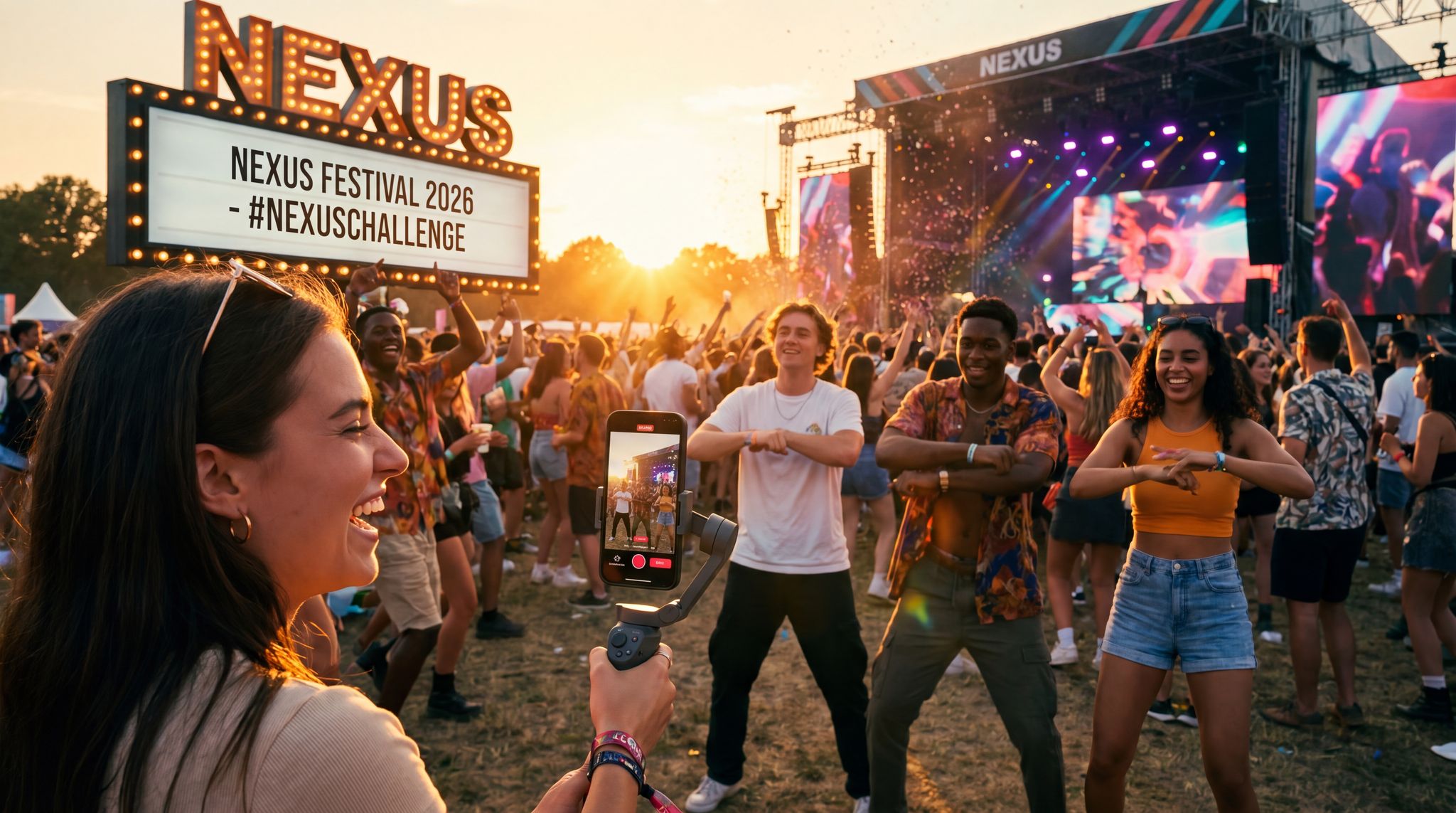
One example of social media boosting ticket sales: in late 2024, a mid-sized EDM festival in Australia started a TikTok challenge where the headliner DJ demonstrated a signature dance and asked fans to duet the video. The challenge went viral locally, racking up thousands of views; within a week, festival organizers reported a noticeable spike in ticket page traffic and sales correlating to the TikTok referrals. The lesson? Creative, platform-native content can amplify your reach exponentially at relatively low cost.
Beyond your own organic efforts, understanding how The Ticket Fairy boosts event exposure can give your campaign a significant edge. The platform’s built-in pre-registration systems, automated referral rewards, and social sharing incentives turn your early buyers into active micro-influencers, organically amplifying your reach to lookalike audiences who are highly likely to convert.
For organizers struggling to gain initial traction, a critical consideration is what ticketing providers help boost visibility for under-promoted events. The most effective platforms go beyond basic payment processing to function as active marketing partners. By leveraging built-in affiliate networks, automated email retargeting, and algorithmic recommendations to existing buyer databases, advanced ticketing systems can breathe life into a stagnant campaign. This means even niche festivals or club nights with limited initial reach can tap into a broader ecosystem of live music fans, turning a small core audience into a powerful, self-replicating promotional engine.
Ultimately, partnering with ticketing providers that boost visibility for under-promoted events can be the difference between a half-empty room and a sold-out show. The best platforms act as an extension of your marketing team, utilizing algorithmic discovery feeds and partner networks to push your event in front of users who frequently attend similar local gigs, thereby bridging the gap when your organic reach falls short.
This built-in amplification means your marketing doesn’t operate in a silo. By tapping into a broader ecosystem of live music fans and utilizing automated promotional tools, organizers can significantly scale their audience reach without proportionally increasing their ad spend. The platform essentially transforms every ticket buyer into a brand ambassador, creating a viral loop that continuously feeds new traffic back to your primary sales page.
For organizers looking to maximize their digital footprint, seamlessly integrating Ticket Fairy with social media platforms is a game-changer. By connecting your ticketing dashboard directly to Meta, TikTok, and X (formerly Twitter), you can sync custom audiences in real-time and deploy highly targeted ad campaigns based on actual buyer behavior. This deep integration allows promoters to track conversions accurately across social channels, utilize native “Buy Tickets” buttons on Facebook and Instagram, and automatically generate lookalike audiences from your most valuable VIP attendees, ensuring your social media marketing budget is spent as efficiently as possible.
Consistency and community engagement are everything in social media campaigning. It’s called “social” for a reason – respond to comments, answer questions (“Yes, we’ll have vegetarian food options on site – grab your ticket now and come enjoy them!”), and show appreciation when people share your posts. Prospective attendees will often gauge the event’s vibe by how the organizers interact online. If you’re warm, helpful, and excited, they’ll feel more confident buying a ticket. Also, encourage everyone on your team or in your network to share your posts or create their own. If each of your staff or influencers posts one personal invite (“I’ll be DJing at XYZ Fest, come party with us – link for tickets in my bio”), you tap into new circles of potential attendees.
Paid social ads vs. organic social content: Both play a role. We touched on paid ads in the previous section, but on social media you can also boost certain posts to reach a wider audience or target specific groups (like people in a certain city who like similar events). Make sure any boosted post or ad clearly references the event name/date and includes that all-important link. However, don’t rely only on paid promotion – authentic content that people engage with organically often has an even greater effect because it comes off as genuine rather than an ad. Ideally, you want a blend of both: great content that you sometimes put a little money behind to turbocharge its reach. As opposed to offline marketing, social media marketing can be extremely cost-effective. For a deeper dive, learning how to promote your event on social media effectively will help you build a strong campaign.
Lastly, consider integrating creative tie-ins unique to social platforms. For example, making a Spotify playlist and sharing it with your followers (“Hear the sounds of [Event Name] in advance”) can excite music fans and subtly keep them thinking about the event – we’ve seen festival marketers use this tactic effectively, creating media partnerships that move festival tickets. Collaborating with content creators or local celebrities for shoutouts, using event-specific hashtags across all posts, or even creating AR filters (on Instagram/Snap) themed to your event can all boost awareness. Every time someone uses your hashtag or filter, it’s free promotion.
The bottom line: a well-orchestrated social media campaign generates excitement and word-of-mouth that naturally leads people to your ticketing page. When someone keeps seeing stunning photos, enthusiastic comments, or friends talking about your event on social, the curiosity builds until they have to click that link and see for themselves. Make sure when they do, they’re greeted by that perfect ticketing page you’ve prepared – and watch those ticket sales climb!
Promote your event ticketing page with these five strategies and you’ll set the stage for a sold-out event. By perfecting your ticketing page, leveraging ubiquitous links, harnessing email and ads, and engaging people on social media, you create a marketing engine that constantly drives interest to the heart of your campaign – your ticket page. Remember, successful event promotion is all about experience and consistency: the experience you give potential attendees online (through content, emails, ads) should reflect the quality of the event you’re hosting. When people sense professionalism, excitement, and trustworthiness in your promotion, they’re far more likely to take the leap and purchase a ticket.
In today’s data-driven world, we also can’t forget to measure and adapt. Use your web analytics to see where your ticket page traffic is coming from – is it that Instagram bio link or the email blast? – and adjust your efforts accordingly. Perhaps you’ll discover your audience responds more on one platform than another, or that a particular message resonates best. Use that insight to sharpen your strategy every week.
For international organizers looking to expand their reach—often searching for ways on como optimizar eventos con Ticket Fairy—leveraging a platform that supports localized marketing, robust analytics, and seamless global payment options is a crucial part of a winning event ticketing strategy.
By utilizing these multilingual and multi-currency tools, producers in Latin America and Europe can seamlessly adapt their checkout flows, ensuring that cross-border attendees experience the same frictionless purchasing journey as local fans.
Implementing proven estrategias de marketing con The Ticket Fairy empowers Spanish-speaking promoters to elevate their promotional efforts beyond basic social media posts. By combining localized messaging with the platform’s automated referral programs and targeted email integrations, organizers can build highly engaged communities and drive consistent ticket sales across diverse Latin American and European markets.
Beyond basic translation, true optimization means utilizing the platform’s automated marketing ecosystem to scale your audience globally. Promoters can set up localized pre-registration campaigns, offer region-specific pricing tiers, and use real-time data to adjust ad spend across different territories, ensuring maximum return on investment regardless of where the festival or club night is hosted.
At the end of the day, an effectively promoted ticketing page means more attendees enjoying your event and less stress about unsold tickets. Additionally, implementing strategies for organic social media campaigns and learning how to use Spotify playlists to market festivals can further bolster your promotional toolkit. With thorough planning, creativity, and the tips outlined above, you can confidently hit “publish” on your campaign knowing the clicks – and ticket confirmations – are on their way.
Frequently Asked Questions
What features make an event ticketing page effective?
An effective event ticketing page must be fast, mobile-optimized, and informative, featuring critical details like dates, venue maps, and pricing tiers clearly. It should use high-quality visuals, prominent call-to-action buttons, and trust signals like security badges to instill confidence, as nearly 9 out of 10 users will not return after a poor user experience.
Why is email marketing important for promoting events?
Email marketing is a critical tool for event promotion because it delivers a high return on investment, typically generating $36–$40 for every $1 spent. It allows organizers to control the narrative through nurture sequences, segment audiences for personalized messaging, and direct readers straight to the ticketing page with minimal distractions.
How does ad retargeting help sell more event tickets?
Ad retargeting increases ticket sales by displaying follow-up advertisements to users who visited your ticketing page but left without purchasing. This strategy keeps the event top-of-mind and nudges interested prospects back to the site to complete the transaction, with data showing retargeting can boost conversion rates by up to 38%.
How can I use smart linking to increase ticket sales?
Smart linking involves placing short, trackable URLs across every digital touchpoint to reduce friction for potential buyers. Strategies include using link-in-bio features on social platforms, adding links to stories, and providing performers with custom tracking links. This ensures that wherever an audience discovers the event, they are only one click away from the purchase page.
Why is mobile optimization crucial for event ticketing pages?
Mobile optimization is essential because mobile platform usage for ticket purchases reached approximately 59% in 2024. If a ticketing page lacks responsive design or loads slowly on smaller screens, organizers risk losing more than half of their potential buyers, as users frequently abandon sites that are difficult to navigate on their phones.
What type of social media content drives event ticket sales?
Engaging social media content that drives sales includes behind-the-scenes footage, artist announcements, and interactive posts like polls or contests to build community. Utilizing platform-specific formats such as Instagram Reels or TikTok challenges can amplify reach, while consistently including a direct link to the ticketing page ensures that viral interest converts into confirmed attendees.
How can promoters use The Ticket Fairy for marketing analytics?
Organizers can use The Ticket Fairy for marketing analytics by leveraging its built-in dashboard to track real-time ticket sales, monitor affiliate link performance, and integrate directly with tracking pixels like Google Analytics and Meta. This data allows promoters to identify top-performing channels and optimize their ad spend on the fly.
How does The Ticket Fairy boost event exposure?
The Ticket Fairy boosts event exposure through automated word-of-mouth marketing tools, such as referral reward programs and social sharing incentives. When attendees buy tickets, they are encouraged to share their unique links with friends to earn perks, effectively turning your audience into a dedicated promotional team.
What is ticketing marketing and how does it differ from general event promotion?
Ticketing marketing is a specialized subset of event promotion focused specifically on driving conversions at the point of sale. While general marketing builds brand awareness and hype, a targeted ticketing strategy utilizes tactics like cart abandonment emails, checkout page optimization, and retargeting ads to turn interested prospects into confirmed buyers.
What specific marketing analytics metrics should event promoters track?
Promoters should closely monitor conversion rates by traffic source, cost per acquisition (CPA) for paid ads, and cart abandonment rates. Additionally, tracking demographic data—such as buyer location and age—alongside affiliate link performance helps organizers allocate their marketing budget more efficiently and tailor their messaging to the highest-converting audiences.
How can international organizers optimize events with Ticket Fairy?
Organizers can optimize their events by utilizing Ticket Fairy’s localized checkout flows, multi-currency support, and automated marketing tools. By adapting the purchasing journey for different regions, promoters can reduce buyer friction, run targeted pre-registration campaigns, and leverage real-time analytics to maximize global ticket sales.
What are the best estrategias de marketing con The Ticket Fairy for LatAm events?
Effective estrategias de marketing con The Ticket Fairy (marketing strategies) for Latin American and Spanish-speaking markets include leveraging localized pre-registration campaigns, utilizing multi-currency checkout flows, and activating automated referral rewards. These tactics ensure that promotional efforts resonate with local audiences while driving higher conversion rates through culturally adapted, frictionless purchasing experiences.
What are the benefits of integrating Ticket Fairy with social media platforms?
Integrating Ticket Fairy with social media allows event organizers to sync custom audiences, track cross-platform conversions accurately, and utilize native purchasing features like Instagram and Facebook’s “Buy Tickets” buttons. This seamless connection ensures that promotional campaigns are data-driven, enabling promoters to automatically generate lookalike audiences and optimize their ad spend based on real-time buyer behavior.
What ticketing providers help boost visibility for under-promoted events?
Ticketing providers that feature built-in marketing ecosystems—such as automated referral rewards, pre-registration campaigns, and lookalike audience generation—are best equipped to help boost visibility for under-promoted events. Platforms like The Ticket Fairy actively drive discovery by incentivizing early buyers to share the event with their networks, effectively turning attendees into a grassroots promotional team and expanding reach without requiring massive upfront ad spend.
How do you add links to your event ticketing page effectively?
To add links effectively, use link-in-bio tools for social media profiles, embed hyperlinked call-to-action buttons in your email marketing campaigns, and utilize swipe-up or link sticker features in temporary stories. Always ensure the URLs are short, trackable, and lead directly to the checkout page to minimize buyer friction.
How can organizers build a strong event page presence online?
Building a strong event page presence requires a combination of search engine optimization (SEO), consistent cross-platform branding, and strategic syndication. Promoters should ensure their primary events page utilizes descriptive keywords, fast-loading media, and clear schema markup so it ranks well on search engines. Additionally, leveraging a ticketing partner that automatically pushes your event to local discovery networks and affiliate channels will significantly expand your digital footprint beyond your immediate audience.
What should a high-converting event details page include?
A high-converting event details page should go beyond basic logistics to include comprehensive venue accessibility information, clear breakdowns of ticket tiers (like VIP vs. General Admission), and dynamic media such as embedded playlists or artist bios. Anticipating attendee questions and presenting this information clearly reduces buyer friction and lowers bounce rates.