One Venue, Many Roles: Optimizing Multi-Purpose Venue Operations in 2026
The Multi-Purpose Mindset
Why Versatility Matters in 2026
Multi-purpose venues have become essential in 2026 as operators push to maximise usage and revenue year-round. A venue that can host a basketball game one night and a rock concert the next is no longer a novelty – it’s often a financial necessity. The live industry’s rebound after global shutdowns has shown that demand for diverse live experiences is huge, but operating costs are higher than ever. Filling the calendar with only one type of event leaves potential income on the table. Savvy venue managers realise that diversifying their programming and monetizing off-peak nights is key to survival, echoing the creative strategies independent venues use to generate revenue beyond weekend concerts. This approach is critical for navigating financial challenges in 2026. By being versatile, a single venue can serve multiple audiences and client bases, spreading risk and ensuring the building isn’t dark (empty) too often. In short, versatility means viability in 2026’s challenging venue economy.
Balancing Diversity with Quality
Embracing many event types doesn’t mean sacrificing quality or identity. Veteran venue operators stress that while you might host a conference at 9 AM and a metal show at 9 PM, each event’s attendees should feel like the venue is purpose-built for them at that moment. The trick is to balance diversity with consistent excellence. This means investing in infrastructure and training to meet a wide range of requirements (from acoustic clarity for speakers to heavy bass for DJs) without compromising on safety or service. For example, modular design in newer venues allows quick reconfiguration while maintaining top-notch acoustics and sightlines for each layout. Managers also set clear brand identities for different nights or configurations – one multi-purpose theatre might market its classy ambience for symphony concerts, and separately highlight its cutting-edge AV system for esports tournaments. The goal is to avoid a “jack of all trades, master of none” trap. Every show, game, or event should run as smoothly as if the venue did only that type. Achieving this requires careful planning, investment, and a commitment to never let operational standards slip, even as the venue’s role changes daily.
Learning from Multi-Use Leaders
Looking at venues that successfully juggle diverse programming provides a blueprint. Many of today’s top arenas are designed as multi-use powerhouses from day one. In North America alone, at least ten major arenas swing between NHL hockey and NBA basketball seasons, a logistical feat detailed in reports on maximizing venue changeover times, often in the same week – and that’s before adding concerts, boxing matches, or conventions to the mix. The American Airlines Center in Dallas, for instance, hosted 55 concerts in 2023 despite being home to pro basketball and hockey teams, as noted in Pollstar’s analysis of music driving record-breaking years. To do this, they build contingency schedules around sports playoffs, booking concerts with backup dates in case a championship run occupies the arena, a strategy highlighted in coverage of big league venue operations. Another pioneer is the Thomas & Mack Center in Las Vegas, which back in the 1980s literally jackhammered out concrete seating and installed retractable sections to enable more floor space for concerts and rodeos, effectively hosting special events inside sports venues. The result? Around 125 event days per year ranging from basketball to bull riding, generating roughly $3 million in extra annual revenue for the facility, proving that versatility transforms sports venues. These examples show that “one venue, many roles” isn’t just a slogan – it’s a proven model. The common thread is that these venues made early investments in flexibility (physical and operational) and nurtured a culture that embraces change rather than fearing it. Up-and-coming venue managers can learn from these leaders that adaptability, coordination, and bold thinking pay off in higher bookings and a stronger bottom line.
Flexible Scheduling and Calendar Management
Balancing Event Types and Seasons
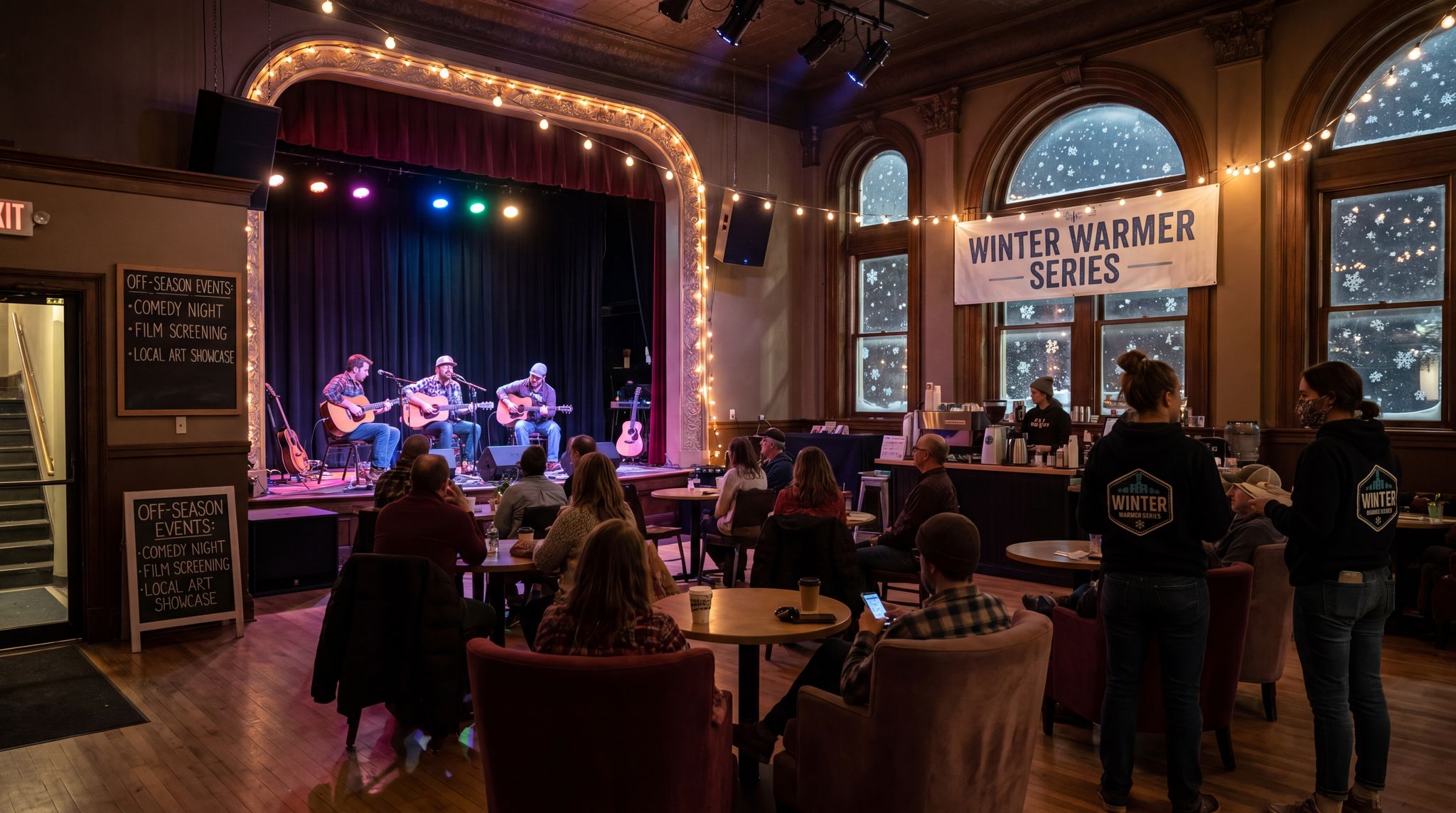
Effective scheduling is the backbone of multi-purpose operations. Venue managers must become master jugglers, strategically distributing event types across the calendar to optimise utilisation without overtaxing the venue or staff. A smart approach is to map out seasons: for example, a venue might prioritize sports fixtures in the winter, concerts and festivals in summer, and corporate or community events in traditionally slower periods. Balancing these seasons ensures you’re not neglecting one revenue stream. An arena with a sports team tenant has to build its concert bookings around the league schedule; many will pencil in concert holds on open dates and confirm them once sports schedules lock in. Conversely, a performing arts centre might bring in niche events during off-tour months (like film screenings or local theater productions) to keep traffic coming. It’s also wise to balance large and small events. For instance, follow a stretch of massive shows with a couple of simpler, lower-impact events to give the venue (and staff) a breather. Diversifying event types by week or month also keeps programming fresh – one week might feature a comedy night, a mid-week business seminar, and a weekend of back-to-back concerts. This variety attracts different audiences and keeps the venue in constant use. Just be careful not to inadvertently schedule conflicting audiences too tightly (like a children’s daytime event hours before an adults-only late-night rave). Many veteran operators use colour-coded calendar systems or software to visualize the mix at a glance, ensuring a well-rounded schedule that maximises usage without burning out resources.
Turn Fans Into Your Marketing Team
Ticket Fairy's built-in referral rewards system incentivizes attendees to share your event, delivering 15-25% sales boosts and 30x ROI vs paid ads.
For massive outdoor or retractable-roof facilities, understanding how stadiums manage concerts and sports events within the same month is a masterclass in logistical scaling. Unlike indoor arenas, stadium operators must factor in turf protection, weather contingencies, and the sheer volume of a 60,000-cap load-in. Typically, management blocks out dedicated concert windows during away-game stretches or off-seasons, utilizing heavy-duty drivable floor covers to protect natural grass or synthetic turf from cranes and staging steel. By synchronizing tour routing with league schedules months in advance, these massive venues can host a global pop tour on a Saturday and be game-ready for a football fixture by the following Thursday.
Minimising Turnover Time Between Events
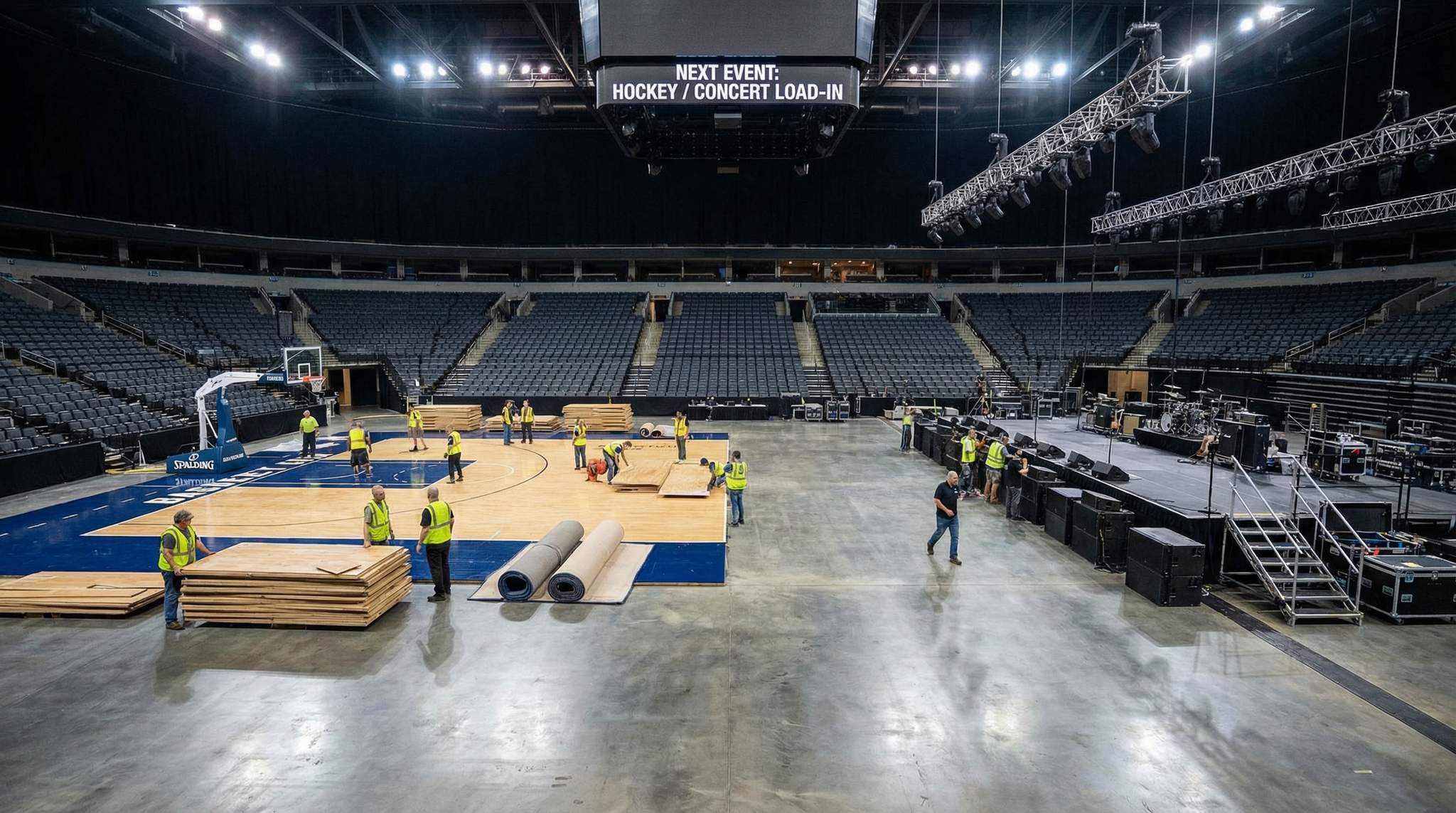
One of the biggest scheduling challenges in a multi-purpose venue is allowing enough turnaround time between different events. Every event type has its own setup and breakdown needs – and they can vary wildly. An indoor arena might flip from an ice hockey game to a concert in 18 hours, whereas converting a seated theatre for a standing rock show could take just 2 hours to remove chairs. The key is realistic scheduling of changeovers. Experienced venue managers recommend creating detailed production schedules for major conversions, mapping out each task (tear down, stage build, sound check, cleaning, etc.) and how long it takes. For recurring conversions like basketball-to-hockey, venues often refine their process to a science. The United Center in Chicago famously transforms from NHL hockey rink to NBA basketball court in 2.5 hours, a process involving precision and speed in changeovers – a feat made possible by a 50-person crew, specialised equipment, and lots of practice. That level of efficiency is exceptional, but it underscores the point: the better your team gets at rapid changeovers, the more confidently you can accept back-to-back bookings. Plan for the worst, hope for the best is a good mantra. Always leave a buffer in case something runs over. For example, if a concert normally loads out by 2:00 AM, maybe don’t schedule an entirely different event at 8:00 AM the next morning – unless you’ve done similar turnarounds successfully or have double crews on standby. Many multi-purpose venues also invest in infrastructure to speed things up: retractable seating systems, pre-rigged motors in the ceiling for quick lighting hangs, and portable staging that locks together swiftly. By shaving even an hour or two off each changeover, you gain precious time that can be the difference between a seamless transition or a frantic scramble.
Ready to Sell Tickets?
Create professional event pages with built-in payment processing, marketing tools, and real-time analytics.
In the context of a performing arts center, daily management presents a different kind of turnover challenge compared to massive arena changeovers. A single venue operation might need to transition from a morning children’s theater workshop to a complex evening opera production. To handle this, technical directors rely on meticulous daily schedules that map out union crew breaks, acoustic shell deployments, and orchestra pit adjustments down to the minute. By treating daily management as a highly choreographed sequence rather than a series of isolated tasks, cultural venues can maximize their programming density without burning out their specialized theatrical crews.
Contingency Planning for Overlaps and Delays
Even with careful scheduling, live events have a way of throwing curveballs. A sports match might go into overtime, a keynote speaker might run long at a conference, or a truck with staging gear might get stuck in traffic. Contingency planning is therefore a crucial part of the scheduling strategy. Top venue operators always have a Plan B (and C). For instance, major sports arenas that double as concert venues often hold “contingency dates” for concerts during playoffs, as noted in Pollstar’s coverage of big league venue operations. If the home team reaches the finals, those concert dates can be moved without cancelling the show – the dates were booked with a flexible clause from the start. Another scenario is weather delays: if you have an outdoor event like a community festival that could spill into curfew time, your indoor venue might need to accommodate a later load-out or even host spillover crowds. Communication is key – staying in constant contact with tour managers, league officials, or event clients to know as early as possible if something might impact the schedule. Some veteran venue managers recount times when a headliner artist’s late cancellation opened up a last-minute Saturday night hole in the calendar – an opportunity to quickly slot in a local event or even a profitable private rental, if you’re nimble. Having a list of “backup” clients or configurable event ideas can turn a potential loss into a win. The rule of thumb is to expect the unexpected. Build in safety nets like contract clauses that allow slight schedule shifts, backup staff on call for emergency changeovers, and even relationships with nearby venues (in case you ever need to relocate an event at the eleventh hour). By planning for Murphy’s Law, multi-purpose venues ensure one event’s hiccup doesn’t cascade into a week of chaos.
When dealing with a high-volume calendar, multi-purpose sports facility booking conflicts are inevitable, but resolution and scheduling optimization must be handled systematically. Advanced venue management software now allows booking teams to run conflict-resolution algorithms that automatically flag overlapping load-in times, shared loading dock bottlenecks, or conflicting union crew calls. By prioritizing scheduling optimization at the software level, operators can confidently stack a daytime corporate keynote and an evening basketball game, knowing the system has already verified that the turnaround window is mathematically viable and fully resourced.
Filling Dark Days with Alternative Events
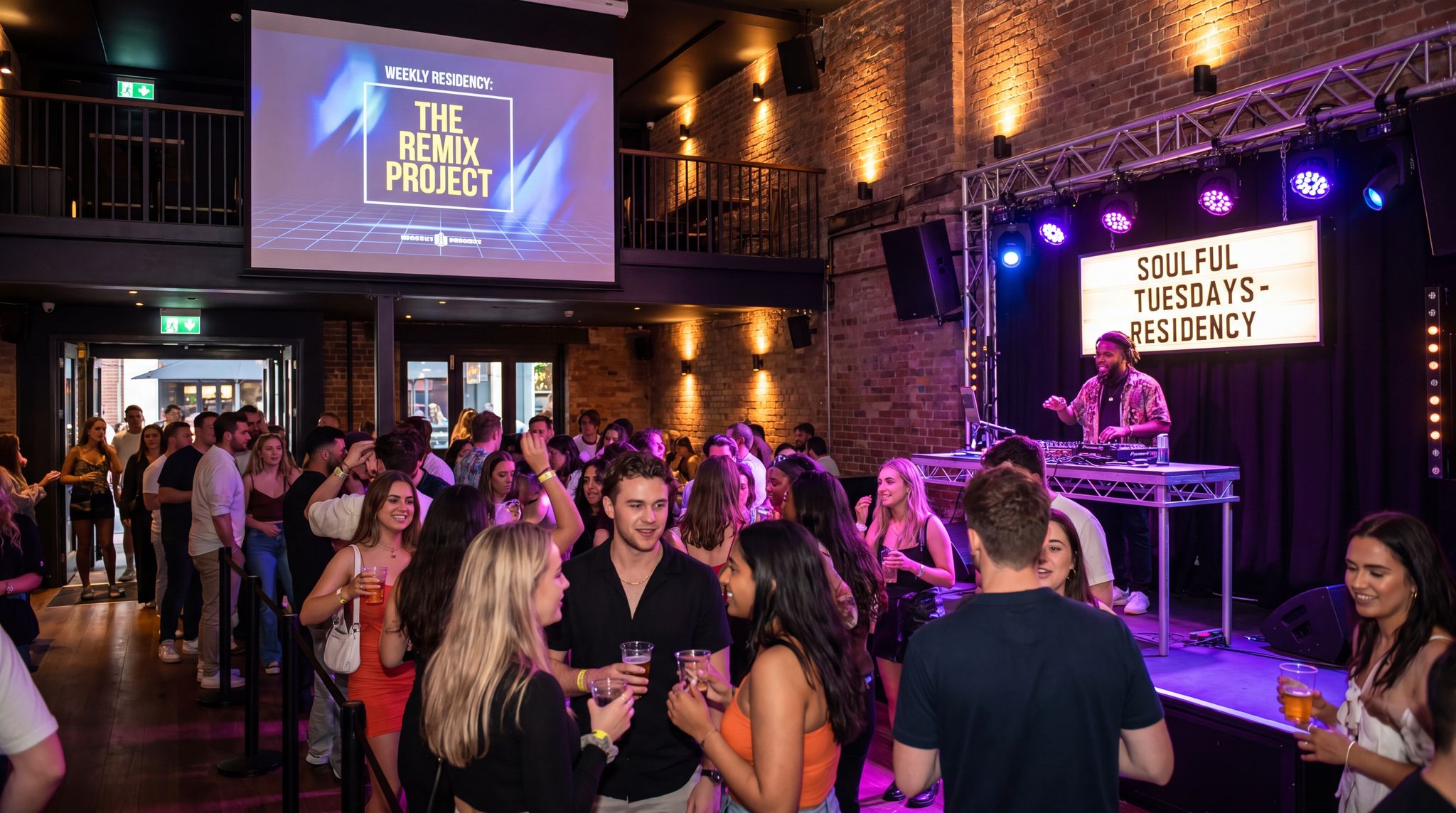
In a multi-purpose venue, an empty night is a missed opportunity. “Dark days” (when the venue has no event) should be minimised, especially in today’s high-cost environment where fixed expenses run daily, making turning off-nights into paydays a priority. Successful operators treat off-nights and daytime slots as programmable assets. One lucrative strategy is hosting private events and rentals on traditionally quiet days. For example, a nightclub or concert hall that’s usually inactive on Monday and Tuesday might regularly book corporate meetings, product launches, film shoots, or even small weddings on those days. These events often occur during business hours or early evenings, so they won’t interfere with the prime-time concert schedule. And the payoff can be substantial: corporate clients tend to have healthy budgets and are willing to pay a premium for unique venues over generic hotel ballrooms, as demand for private event rentals increases. The key is marketing your venue’s versatility – many clubs and theatres now showcase their sound and lighting systems as assets for corporate presentations, or their stage as perfect for panel discussions. Some large arenas partition off sections for smaller rentals (using curtaining systems to create a more intimate space) so that even if you can’t fill 15,000 seats on a Wednesday, you might host a 500-person banquet on the arena floor instead. The House of Blues chain, for instance, actively promotes its venues for private events on off-nights, and iconic venues like The O2 in London advertise conference packages for non-show days, effectively leveraging brand sponsorships and rentals. The takeaway: treat off-peak openings as core business, not afterthoughts. By integrating private rentals and community uses into the calendar, venues keep revenue flowing and also strengthen community ties. Just be sure to account for these in your scheduling – a Tuesday night gala means your crew might need Wednesday morning off or a late start if you’ve got a show Wednesday night. Smart scheduling of alternative events can turn lulls into lucrative boosts for your venue’s bottom line, ranging from weddings to film shoots.
Boost Revenue With Smart Upsells
Sell merchandise, VIP upgrades, parking passes, and add-ons during checkout and via post-purchase emails. Increase average order value by up to 220%.
Adaptable Venue Layout and Infrastructure
Modular Seating and Staging Systems
Physical flexibility is what makes a venue truly multi-purpose. A core investment here is modular seating. Venues that seamlessly transition between a standing-room concert and a fully seated configuration often use retractable or removable seating systems. These aren’t your grandfather’s bleachers – modern retractable rows can be motorised and stored compactly, or telescopic seating can slide in and out in under an hour. For example, the Thomas & Mack Center’s decision to replace fixed lower concrete rows with retractable seating back in 1983 allowed it to go from sports to concert mode with far more floor space, effectively hosting special events inside sports venues, setting the stage for decades of multi-use success. New arenas and theaters are often built with swappable floor systems as well. An arena might have an ice rink that stays year-round under insulated floor panels, ready to be uncovered for hockey or figure skating events; on top of those panels they can assemble a basketball hardwood or concert stage as needed. Stages themselves can be modular too: many venues use portable stage platforms that can be built in various shapes and heights depending on the event. Smaller clubs and halls might not have high-tech moving floors, but they can still design flexible layouts – stackable chairs that can be easily cleared for a dance floor, or removable tables to shift from a cabaret setup one night to standing GA the next. The key is quick reconfigurability without needing major construction each time. Every hour saved in setup is an hour earned for other purposes. Venue operators should work closely with architects and suppliers to choose seating and staging solutions rated for easy reconfiguration and durability under frequent change. The payoff is huge: less labour, faster turnovers, and the ability to say “yes” to a wider range of bookings without worrying “is our layout capable of that?”
Acoustic Adaptations for Different Events
One of the toughest challenges in a multi-purpose space is acoustics. What sounds amazing for a symphony orchestra (lots of natural reverberation) is terrible for a spoken-word conference (where echo muddies speech). Likewise, a basketball game’s PA announcements have very different acoustic needs than a heavy metal concert. Leading venues tackle this by building acoustic flexibility into the infrastructure. This can be as simple as installing heavy curtains or banners that can be extended to absorb sound and reduce reverb for speech-centric events, then retracted to “liven up” the room for concerts. Some theatres have moveable acoustic panels or canopies that adjust the acoustic volume of the space. In the last decade, high-tech solutions have emerged: electronic acoustic enhancement systems. A remarkable example is Vendéspace in France, an audacious venue that doubles as both a sports arena and a classical concert hall. The venue was designed as an acoustically “dead” arena, then outfitted with Meyer Sound’s Constellation system – dozens of microphones, processors, and speakers that can simulate the acoustics of a grand concert hall at the press of a button, allowing it to double as a symphony hall and sports arena. This allows a 4,100-seat basketball arena to host a symphony with excellent acoustics and later the same week hold a noisy sporting event without permanently compromising sound quality. While not every venue can install a cutting-edge system like Constellation, the principle stands: incorporate ways to tune your room’s acoustic behaviour. Even mid-sized music venues invest in electronic sound management now (for instance, some clubs use electronic processors to manage volume levels and avoid noise complaints while still delivering quality sound inside). At minimum, understand the acoustic profile of your space and have options – whether it’s rolling out sound-absorbing carpets and drapes for a conference or deploying extra subwoofers and delay speakers for a music festival setup in a convention centre. Adaptable acoustics ensure that whether it’s roaring fans or refined string quartets, everyone hears exactly what they should.
Grow Your Events
Leverage referral marketing, social sharing incentives, and audience insights to sell more tickets.
Consider the unique acoustic and atmospheric demands of stand-up. If you ask touring managers what are the challenges of performing comedy in 32 different locations on a single run, inconsistent venue acoustics and room scaling always top the list. A comedian relies entirely on timing and the immediate, crisp return of audience laughter. If your multi-purpose room is too cavernous or the PA system echoes, the act falls flat. Venue operators can win over major comedy promoters by offering scalable configurations—using heavy draping to lower the ceiling visually and acoustically, and clustering seating tightly around a thrust stage to create the necessary intimacy, even in a 3,000-cap room.
Multi-Use Audio, Video, and Lighting Systems
Beyond acoustics, the technical production gear must also flex between event types. Ideally, a multi-purpose venue’s AV and lighting systems are designed to handle both the spectacle of entertainment events and the precision of corporate or sports events. This might mean investing in dual-purpose equipment. For instance, the main bowl of an arena could have a giant center-hung scoreboard with LED screens for sports, which doubles as a video screen for concerts or eSports tournaments. High-definition projectors and LED walls can be configured for a tech conference one day and then show dynamic visuals for a DJ concert the next. Lighting rigs are also increasingly multi-purpose: instead of permanent theatrical lighting only over a stage, many venues install moving lights and programmable LEDs throughout the space. These can bathe the hall in corporate colors during a trade show, then deliver a rock light show on demand. Flexibility also extends to infrastructure like power and rigging. For example, venues anticipating concerts will have rigging points in the ceiling that can hold tons of lighting and speaker equipment; those same rigging grids can be used to fly aerial acrobatic elements for a circus or hang banners for a convention. Modern venues often boast robust IT and connectivity as well – high-capacity Wi-Fi and wired internet to service an e-sports competition or interactive conference, which isn’t a concern for a basic music gig but becomes a selling point for tech events. The best practice is to standardise on professional-grade, widely compatible systems. A digital mixing console that can save presets for different event profiles (concert, conference, sports PA) speeds up changeovers. Swappable stage lighting plots can be loaded via software depending on the show. Some venues even have multiple sound systems: a full concert line-array for big shows, and a smaller ceiling speaker system for background music or speaking events, choosing which to use as appropriate. By making tech systems dual- or triple-purpose, you avoid costly one-off rentals and ensure every event, regardless of type, gets the reliable technical backbone it needs. As a bonus, staff technicians become intimately familiar with one versatile system rather than juggling entirely different gear for each event type.
When hosting major televised sporting events or e-sports championships, operators often face a complex trilemma: they need the venue to work for fans, broadcast, and partners at the same time. How do leagues typically balance that competing demand? The solution lies in zoned infrastructure and strategic sightline management. For the in-house fans, the focus remains on unobstructed views, immersive PA sound, and rapid F&B access. For broadcast crews, the priority shifts to dedicated camera platforms, robust fiber-optic cable pathways, and flicker-free LED sports lighting that doesn’t blind the live audience. Meanwhile, corporate partners and sponsors require premium hospitality suites and highly visible digital signage that reads clearly on camera without overwhelming the in-arena atmosphere. Veteran operators manage this by designing “broadcast-first” camera nests integrated into the architectural dead zones of the seating bowl, ensuring camera operators get their sweeping shots without killing sellable ticket inventory. Additionally, utilizing dual-feed LED ribbon boards allows the venue to display localized sponsor messaging to the live crowd while feeding clean, broadcast-specific partner graphics to the television trucks.
Backstage, Storage, and Logistics
Behind the scenes, a multi-purpose venue can start to look like a shape-shifting puzzle. You need space to store the tools of each trade: sports flooring, stages, seats, drapery, expo booths – whatever your venue might deploy. Efficient storage solutions are critical. Many arenas have entire “graveyards” of equipment tucked under concourses or stages. For example, a hockey arena will have racks for the massive glass boards and nets when converting to a concert; a theatre might store dozens of tables and banquet chairs for event rentals in a basement. Color-coding and labeling equipment by event type helps the crew quickly find what they need (the last thing you want is scrambling through a warehouse for the right sized stage deck hours before doors). Another logistical challenge is vehicular access for different events. Concerts mean lots of trucks for tour gear; sports might involve broadcast trucks; trade shows require load-in of booths. The venue’s loading docks and backstage corridors must accommodate all these formats. Smart operators designate specific load-in protocols for each event type and train staff on them – the crew might set up in a different configuration when unloading a band’s 10 semi-trailers versus when a local caterer’s van arrives for a banquet. Having the right equipment on hand also speeds things up. Items like modular floor covers are a must: e.g. heavy-duty mats to cover an ice rink or protect a wooden basketball court when hosting special events inside sports venues. Similarly, cable management systems (like recessed floor channels or overhead rigging) allow you to run sound, power, and data cables for one event without them becoming trip hazards the next day. It’s also wise to standardise stage sizes and locations if possible – knowing that a small concert or a panel discussion will always use “Stage Position A” while a big concert can expand to “Stage Position B” means you can pre-run cables or have lighting focus points saved for those spots. In sum, the less ad-hoc your physical logistics are, the smoother each transition. A well-organised venue back-of-house, with everything from forklifts to gaffer tape in its place, is the unsung hero of multi-purpose operation.
Free Tool: Split Tickets for Max Gross
Given capacity and a target price, the optimizer proposes Early Bird / GA / VIP allocations and prices — with projected gross at 100%, 80% and 60% sell-through.
A critical component of a flawless venue operations setup is maintaining a comprehensive visual database of past configurations. When pitching to promoters or training new crew members, having high-quality documentation—such as arena 2 photos showing your secondary bowl’s concert layout, or arena laserplex photos demonstrating a complex interactive gaming footprint—eliminates guesswork. Documenting your venue operation visually ensures that every department understands the exact spatial requirements and sightlines for specific event types, drastically reducing setup errors during tight turnarounds.
Agile Staffing and Training for Versatility
Cross-Training the Core Team
When your venue wears many hats, your staff needs to as well. Cross-training is the cornerstone of agile staffing for multi-purpose venues. In practice, this means building a team that’s comfortable switching roles depending on the event. For example, front-of-house staff at a concert are experts in ticket scanning and crowd control, while for a next-day conference the same people might act as greeters and badge checkers with a more polished, corporate approach. By training staff in multiple competencies (and customer service styles), you not only cover staffing needs more flexibly, you also give employees more hours and variety – which many appreciate. Veteran venue operators often implement rotational training: one week, the whole team might run through a simulated concert scenario (ID checks, wristbanding, mosh pit safety), and the next, they practice setup and etiquette for a formal catered banquet. Technical crews are cross-trained too. A lighting tech in a club might learn to run basic sound for a panel discussion, or stagehands learn to handle both band gear and sports equipment. Cross-training guards against staffing shortages as well, a crucial tactic for turning off-nights into paydays: if one specialist is unavailable, another staff member can fill in at a basic level. It’s particularly valuable for smaller venues and independent clubs that can’t afford a completely separate crew for each type of event. However, even big arenas use cross-training – many have “changeover crews” that handle everything from laying the basketball court to setting up concert barricades. Importantly, cross-training should never mean compromising safety or quality. Each staff member must truly be competent in each role they’re expected to fill (e.g., crowd management training for anyone who might supervise a GA floor). The payoff is a resilient, versatile workforce where everyone can pitch in wherever needed to make any event succeed.
Specialist Roles for Specific Event Needs
While versatility is great, multi-purpose venues also recognise when specialists are required. Certain event types demand expertise that general staff can’t fake. The solution is a hybrid staffing model: a core cross-trained team augmented by specialists brought in as needed. For instance, an arena will have a scoreboard operator and sports timing officials for game days – roles that might be filled by league personnel or trained contractors rather than the concert stagehands. Similarly, for a high-end theatrical production, you might bring in a seasoned stage manager or union riggers specific to that show’s needs. Many venues maintain a roster of on-call specialists: audio engineers familiar with concert tour riders, riggers certified for heavy arena shows, pyrotechnicians for events with special effects, or translation and interpretation professionals for international conferences. By having these contacts ready, the venue can scale up its knowledge base instantly for an event. It’s also common to partner with local suppliers – for example, a venue without an in-house catering department can have a preferred caterer who knows the venue’s kitchen and protocols, essentially acting as the “specialist team” when a banquet or conference meal is happening. Don’t forget medical and security specialties: a rowdy festival-style concert may require additional on-site medics or security teams with crowd surge expertise, whereas a tech conference might require IT support staff to handle complex presentation setups. Experienced venue managers plan for these specialist needs in advance. As soon as a new kind of event is booked, start identifying what dedicated roles it will require and secure those people. Budget accordingly as well – hiring a few extra pros on event day can make the difference between smooth execution and a preventable fiasco. In summary, while your core staff forms the adaptable backbone, smart use of specialised talent ensures no matter what unique demands an event brings, you have an expert on hand who’s seen it before.
Scheduling and Retaining Staff in a Multi-Use Calendar
One often-overlooked aspect of multi-purpose operations is the strain it can put on staff if not managed carefully. Going from a late-night concert to an early-morning conference can lead to employee burnout if scheduling isn’t thoughtful. Venue operators in 2026 face industry-wide staffing shortages, making optimizing venue operations for peak crowds essential, so retaining your best people is paramount. To keep staff happy and effective, managers employ clever scheduling and incentive strategies. First, avoid scheduling the same individuals to work back-to-back radically different events without rest. If crew A handled the heavy metal show load-out until 2 AM, consider crew B for the 6 AM corporate load-in – or give crew A a later call time with split shifts. Cross-training helps here (more interchangeable personnel means you can rotate folks more easily). Some venues build “dark hours” into the calendar after especially exhausting events, not for the venue’s sake but for the humans – e.g., no events before 3 PM the day after a huge festival that had everyone working overtime. Communication with staff is also key: let them know when an especially intense week is coming, and if possible, offer comp time or bonus pay for the extra effort. Retention in 2026 is often about showing employees a career, not just a job, as noted by Paul Steinbach in Athletic Business. A multi-purpose venue actually offers a great chance to do this, since staff get a variety of experiences rather than monotonous repetition. Highlight this as a perk in training – working at our venue means one day you’re handling VIP rock stars, the next you’re facilitating a community fundraiser, which builds a broad skill set. Many top venue managers implement formal recognition programs (like an employee of the month for “adaptability” or shout-outs when someone masters a new skill). Investing in professional development, such as sending staff to IAVM (International Association of Venue Managers) workshops or event safety seminars, also boosts morale and skills. Competitive pay and clear advancement paths remain important – if a crew member learns new technical skills to help the venue’s multi-use needs, reward them, and perhaps promote from within when roles open up. By carefully managing schedules and valuing their team, venue operators can overcome staffing challenges and keep a loyal crew that takes pride in switching the venue from one role to another on a dime, effectively treating off-nights as core business.
Beyond internal training, keeping your leadership team plugged into broader industry trends is vital for retention and innovation. Sending key personnel to premier networking events, such as the VenuesNow Conference 2026, provides them with fresh perspectives on multi-purpose operations. These industry gatherings allow your staff to exchange best practices with global peers, discover new modular technologies, and bring actionable strategies back to your facility.
Volunteer and Community Staff Integration
For certain event types, especially community-oriented ones, integrating volunteers or other sources of staffing can be beneficial. Many performing arts centers and civic venues rely on volunteers (ushers, ticket-takers, info desk helpers) for events like classical concerts or local theater, where budgets are tight but community interest is high. A multi-purpose venue can develop a volunteer program that supplements its paid staff when appropriate – for example, during a free city-sponsored event or a charity function at the venue. These volunteers often come from the community and have a personal investment in the venue (some may be retired individuals who love the arts, or students looking for experience). They can be invaluable for tasks like greeting guests, handing out programs, or guiding people to breakout rooms at a conference. However, volunteers should never be used to replace critical skilled roles, especially where safety is concerned (e.g., security, medical, technical operations). The key is to train and integrate them so they add hospitality value. Some large venues even partner with local hospitality schools or universities for event-day interns and volunteers, which helps build the next generation of venue professionals. Additionally, when hosting very niche events – say a gaming tournament or a cultural festival – consider involving representatives from that community who know the audience. They can act as liaisons or advisors for better event execution (for instance, an e-sports event might bring along their own moderators or staff who understand the flow of a tournament). Embracing these “guest staff” in your operation plans ensures that each event has people who are passionate and knowledgeable about it on the ground. It also fosters goodwill; community volunteers who have a positive experience will become ambassadors for your venue. In short, blending volunteers and community staffing for appropriate events can both reduce labour costs and deepen the venue’s connection with its audience – a win-win when managed properly.
Smooth Entry With Mobile Check-In
Scan tickets and manage entry with our mobile check-in app. Supports photo ID verification, real-time capacity tracking, and multi-gate coordination.
Seamless Technical Transitions Between Event Types
Pre-Configured Scene and System Presets
When events are coming in back-to-back, nothing saves time and reduces errors like having technical presets ready to go. Modern digital systems in audio, lighting, and even catering can store profiles for different scenarios. Venue technical directors often work up pre-configured “scenes” for each major event type hosted. For example, the lighting console might have a default house lighting state for conferences (bright, even lighting on stage and audience) and another for concerts (dramatic color washes, moving spots ready to go). Audio systems, especially those run through digital mixers and processors, can recall EQ and delay settings optimized for a speaking panel versus a full band. There’s also value in laying out standard production configurations: if your venue frequently hosts rock concerts, you might permanently hang a basic speaker system and lights that cover most bands’ needs, reducing the need to bring in a whole new rig each time. Then you can supplement for bigger shows. Some venues create a “technical playbook” for each event format – a document or digital checklist that details the settings and gear required, from microphone types and positions to projector lens focus for a given throw distance. This way, even if the personnel change between events, they can load the playbook or presets and get a consistent, known setup. Time is money in changeovers, and loading a saved file is far faster (and safer) than reprogramming from scratch at 5 AM after a long night. Additionally, standardising equipment across uses helps: if the same mixer that handles a rock show can be quickly re-patched to handle eight lavalier mics for a panel, you’re in good shape. Some venues use multi-channel communication systems (like intercoms or two-way radios) that have presets too – one configuration might tie in the stage manager, security chief, and sound op for a concert, whereas a different one links the translation booth, video crew, and house manager for a conference webcast. The overarching idea is to eliminate as many manual setup steps as possible by doing the work in advance and leveraging technology’s memory. It not only quickens the pace but also reduces mistakes, since you’re drawing on proven settings rather than dialling everything in under pressure.
Rapid Changeover Techniques and Crew Coordination
There’s something almost theatrical about watching a venue crew flip a space from one use to another – it’s a choreography of its own. Achieving seamless changeovers requires well-honed techniques and coordination. A classic example comes from arenas like Chicago’s United Center or Dallas’s AAC, where crews practice changeovers regularly and even break them down into sub-teams with specific duties, achieving changeovers in as little as 90 minutes. One effective method is to assign colour-coded teams or captains for each aspect of the transition: a “seating team” handles retracting or installing chairs, a “deck team” lays down floor panels or staging, an “AV team” swaps out the relevant gear, and so on. Clear communication is crucial – typically one changeover manager oversees the whole operation, often on a headset coordinating the sequence (“Ice cover down by 11:00 PM, court panels start at 11:15 PM,” etc.). Practice drills aren’t just for emergency evacuations; some venues actually rehearse their changeovers during off-hours, especially when a new type of event is introduced. This helps iron out kinks in the process. Using specialized tools can speed things up too. There are proprietary carts for moving 200 stacked chairs at once, mechanical lifts to quickly adjust seating configurations, and even automated stage risers. For instance, American Airlines Center’s crew can convert their floor in under 2 hours by deploying 60 workers and dividing tasks efficiently, even repositioning 3,500 seats with hydraulic lifts to switch layouts, using hydraulic lifts to adjust the layout. This level of preparedness means the venue can host a hockey game in the afternoon and a basketball game that evening – an extreme scenario that’s actually happened on rare occasions. Even if your venue is smaller, the principles apply: track how long each setup/teardown task takes and find improvements. Maybe it’s worth investing in quick-release lighting clamps so fixtures swap faster, or using road cases with labelled compartments so finding the right cable is instantaneous. Encourage crew feedback; often, the people doing the hands-on work have ideas to streamline it. And don’t forget safety amidst speed – quick changeovers can be risky with heavy equipment moving fast. Enforce protocols (like everyone in hard hats during a concert load-out) to prevent accidents. With a well-drilled team, what looks like chaos becomes a well-oiled machine, and your venue gains a reputation for smooth, professional turnarounds that clients will pay a premium for.
Leveraging Technology for Operational Efficiency
Live event operations are increasingly benefiting from tech tools that help manage complexity, and multi-purpose venues are prime candidates to use them. One area is smart scheduling and workflow software. Instead of whiteboards and Post-it notes, venues now use integrated event management platforms to coordinate all the moving parts of an event changeover. These platforms can send automatic notifications to different departments (e.g., “Stage change complete, audio setup begin now”) and track tasks in real time. Some venues have adopted AI-driven scheduling tools that analyse the requirements of upcoming events and suggest optimal staffing rosters or equipment setups. In 2026, forward-thinking operators are testing AI assistants for operations, beyond just chatbots. For example, AI systems can monitor real-time data from sensors and cameras to gauge crowd flow, potentially alerting staff to open more exit doors post-event or re-route foot traffic if one area gets congested, utilising practical AI solutions transforming event operations. In a multi-purpose context, this means the venue can dynamically adapt on the fly – if a family-friendly community event ends and the evening rock crowd is already queuing outside, smart crowd management tech can ensure the turnover between those audiences is safe and efficient. Another tech solution is inventory and asset management systems using RFID or barcode tracking: when you have hundreds of pieces of gear that move in and out for different event setups, tagging them and tracking them in a database prevents loss and speeds up packing. Some large convention centers use indoor positioning for equipment – staff can pull up a map on a tablet to see where the portable stages or extra chairs are currently stored. Additionally, advanced building automation systems can assist in multi-use transitions; for instance, pre-programming HVAC settings for different crowd sizes or event types saves time and ensures comfort (a packed concert might need max cooling, whereas an expo with doors open has different needs). Lighting systems tied to scheduling software might automatically adjust house lights to the appropriate brightness and colour temperature when switching from concert mode to conference mode. Even janitorial services can get a tech boost: sensors that detect spills or mess in restrooms can prompt immediate cleaning during a quick event turnaround. The bottom line is, by embracing an ecosystem of event tech tools and integrations, multi-purpose venues can cut down on human error, make faster decisions, and operate with a level of precision that impresses both event clients and attendees alike, focusing on real solutions over hype. The technology works best when it’s in the background, quietly helping the crew deliver flawless multi-event days.
For operators wondering exactly how large venues manage concerts, games, and events in one system, the answer lies in centralized, cloud-based venue management platforms. Rather than siloing the box office, facility operations, and private booking departments into separate spreadsheets, modern arenas utilize unified calendar software. This single-pane-of-glass approach ensures that when a sports franchise updates its playoff holds, the system instantly alerts the concert booking team to shift secondary holds. By centralizing these workflows, operators achieve seamless multi-purpose sports facility booking conflicts resolution, ensuring that scheduling optimization is driven by real-time data rather than manual guesswork.
Integrating these diverse functions into a single software ecosystem also streamlines financial reporting and settlement. When a facility manages concerts, games, and corporate events in one system, the finance department can instantly pull comparative P&L data across different event types without manually reconciling disparate spreadsheets. This unified approach allows operators to see the true profitability of a quick turnaround weekend—factoring in the combined labor costs, F&B per caps, and ticketing revenue from both a Saturday night arena rock show and a Sunday afternoon basketball game.
For operators wondering how to streamline arts venue operations specifically, the answer often lies in unifying ticketing, donor management, and front-of-house software. Performing arts centers frequently juggle complex subscriber packages alongside single-ticket buyers. By integrating CRM tools with your primary access control systems, you can automate VIP recognition at the doors and streamline usher deployments based on real-time seating heatmaps. This digital-first approach removes operational silos, allowing your core team to focus on the patron experience rather than manual data entry.
Data-Driven Event Marketing
Track ticket sales, demographics, marketing ROI, and social reach in real time. Exportable reports give you the insights to make smarter decisions.
Beyond front-of-house software, optimizing theatrical workflows on the production side requires a meticulous venue operations setup. Performing arts centers, opera houses, and repertory theaters deal with fragile set pieces, complex orchestral shells, and highly specific acoustic baffles. A robust operational framework in this environment relies heavily on automated rigging systems and digital inventory tracking. For example, instead of manually flying out heavy theatrical backdrops, modern arts facilities utilize motorized, programmable fly systems that can recall exact trim heights for a ballet matinee and then reset for an evening symphony performance at the push of a button. Furthermore, integrating your backstage communication tools with front-of-house data ensures that intermission lengths and late-seating holds are perfectly synchronized, reducing overtime costs and keeping union crews operating at peak efficiency.
Maintenance and Asset Care During Rapid Changes
With so much equipment being moved, reconfigured, and used for different purposes, maintenance can’t be an afterthought. Multi-purpose venues often put extra wear and tear on their assets – a retractable seating system might be rolled in and out hundreds of times a year, staging panels get assembled and struck weekly, and cables are constantly coiled and uncoiled. To avoid technical failures derailing an event, proactive maintenance schedules are a must. Many experienced venue managers implement a brief “gear check” as part of every changeover: a quick test of the sound system after it’s re-patched, a scan that all lights on a truss are responding, or a check that the basketball floor panels are locked correctly with no dead spots. These small checks, when routine, catch issues before the next event starts. Additionally, schedule regular deeper maintenance on days off. For instance, after a string of back-to-back events, give your tech team a day to inspect and repair – tighten bolts on modular stages, look for frayed cable ends to replace, service the motors on retractable seating and garage doors, etc. Keeping a maintenance log is very helpful; track how often each asset is used and any issues that arise. This can guide you on when to invest in replacements or upgrades. A multi-purpose venue should also budget more for spare parts and backups. Having spare bulbs, extra wireless microphones, a backup mixer, or even a second Zamboni for an arena, can be a lifesaver when the main one fails hours before an event. Another factor is cleanliness and tidiness amidst rapid changes. A rigorous cleaning plan is needed when switching event types – you might need a deep clean after a muddy monster truck show before laying out a pristine white wedding aisle. Some venues use specialised cleaning crews that swoop in as soon as one event is done, focusing on high-impact areas (like disinfecting after a big general admission crowd) to prep for the next audience. Finally, don’t neglect staff wellbeing as part of maintenance – exhausted crew make mistakes. Building in short breaks or alternating personnel during marathon changeovers keeps everyone sharp, which in turn protects your equipment and venue from accidental damage. By treating maintenance as integral to operations (not an afterthought squeezed in), multi-purpose venues preserve the quality of their infrastructure and ensure every event runs on reliable, safe gear.
Audience Experience Across Different Event Types
Delivering Consistent Service Quality
From a guest’s perspective, they don’t care that you hosted a completely different event 12 hours earlier – they only care about their experience right now. One hallmark of a well-run multi-purpose venue is a consistently positive guest experience, no matter the event type. This begins with the basics: cleanliness, safety, and staff professionalism should be evident at every event. A family attending a daytime community event should find the restrooms clean and stocked (even if a raucous concert happened the night before). Likewise, a VIP attending a gala in the same hall shouldn’t detect any remnants of yesterday’s sports game (no lingering odors or stray popcorn on the floor). Achieving consistency means instilling venue-wide standards and checklists that apply for every turnover – e.g., always perform a full venue walk-through to reset things like signage, seating areas, and cleanliness. Customer service training should cover adapting tone and style to the audience while maintaining core hospitality principles. Staff might be more laid-back and high-energy with concert-goers and then switch to a formal and discreet approach for a tech conference, but in both cases they should be attentive, helpful, and knowledgeable. It helps to brief the team before each event on the specific audience profile and expectations (for instance, “Tonight is an all-ages K-pop show – expect lots of first-time concert attendees and some parents; let’s be extra helpful with directions and safety guidance”). By doing so, staff can tailor their manner without compromising efficacy. Another key is signage and wayfinding – ensure that when the event changes, so do the signs. It sounds obvious, but venues sometimes forget to swap a directional sign from “Sections 101-120” (for a concert) to “Hall A – Breakout Session” (for a conference). Little details like this matter to guests’ ease of navigation. The best venues make each crowd feel like the space is meant for them: if it’s a fan-heavy show, maybe the marquee welcomes the band’s fans specifically; if it’s a community event, perhaps a lobby monitor displays a welcome message to the community group. That kind of personalisation can be done quickly with digital signage and goes a long way. Ultimately, delivering consistent quality is about being detail-oriented and audience-aware simultaneously – a challenge, but one that distinguishes the top tier of venue operations.
Post-2020, the landscape of live events shifted dramatically, forcing operators to rethink how they serve fans. Implementing modern customer experience optimization techniques in sports venues and multi-use arenas now relies heavily on frictionless, digital-first touchpoints. Today’s attendees expect mobile-only ticketing, biometric or expedited security lanes, and in-seat ordering capabilities that minimize time spent in concourse queues. By integrating these optimization strategies, operators not only elevate the baseline guest experience but also capture valuable real-time data on fan behavior, allowing for mid-event adjustments that keep satisfaction scores high regardless of the event type.
Tailoring Amenities and Atmosphere to the Event
While consistency in core service is vital, equally important is customising the amenities and atmosphere for each event type. Attendees should feel that the venue “gets” the event they’re there for. This often starts with the physical setup and decor. If your venue has programmable lighting for the exterior or lobby, change the colour scheme to match the event (team colors for a sports match, branded colours for a corporate event, thematic hues for a charity gala, etc.). Inside, adjust the furniture layout and amenities to suit the crowd. A conference will require more tables, chairs, and charging stations for devices, whereas a club night just needs open floor space and plenty of bar access. Many venues maintain a stash of different furniture and equipment to pull out as needed – high-top cocktail tables for networking sessions, comfy couches or stools for VIP concert lounges, photo backdrops for fan meet-and-greets, and so on.
Food and beverage offerings should also change per event, adapting to venue type and capacity needs. A daytime business seminar might warrant coffee stations, bottled water, and a light lunch menu, whereas an evening concert calls for quick-serve beer, soft drinks, and maybe grab-and-go snacks. If your venue has multiple concession areas, you might only open the ones appropriate for the crowd size or type (e.g., during a smaller theater-style event, perhaps just the wine bar and coffee cart are open, but during a sold-out show all bars are fully staffed). Many venues curate menu specials to match events – think themed cocktails for a particular artist’s show or special kid-friendly snacks during a family event. Beyond F&B, consider amenities like merchandise or information booths. Concerts and sports will have merch stands that need good placement and crowd flow (learn how to optimize merch sales operations to please fans and artists alike by maximizing merchandise sales at venues in 2026). At a professional conference, merchandise might be irrelevant, but instead you might need a registration desk and signage about session schedules. The bottom line is that each event type has its own “ecosystem” of expectations. By tailoring what you offer – from what’s on tap at the bar to how loud the lobby music is – you ensure the venue enhances the event rather than clashes with it. Attendees will subconsciously notice: “This venue is perfect for this kind of event.” And that reputation is gold, because promoters and planners seek out venues that can mold themselves to fit their vision, whether it’s an electric party or an elegant symposium.
Free Tool: Project Your Bar Revenue
Per-head spend benchmarks by event type turned into projected bar and food revenue, with a stock-mix estimate and gross-margin line. Free calculator.
Crowd Flow and Safety Adjustments
Different events bring different crowd behaviors, and a multi-purpose venue must be adept at managing all of them safely and efficiently. Crowd flow patterns can vary: a general admission concert where everyone arrives around the same time for doors open and then rushes to the stage has a different flow than a trade show with attendees trickling in and out all day. Successful venues analyze these patterns and adjust their operations accordingly, ensuring they are mastering high volume show nights. For instance, on a high-volume concert night, you might implement extra entry lanes, more ticket scanners, and perform more rigorous bag checks or even pat-downs (given the security needs) – essentially treating it like the peak crowd scenario it is. In contrast, a community craft fair might need more accessibility of movement: ensuring aisles are clear, maybe reducing barriers so strollers or wheelchairs can move freely, and you won’t need airport-style security for that. Some venues have movable barriers and stanchions to reconfigure queue areas and entry points depending on the expected crowd size and urgency. A wise tactic is to deploy signage or staff to direct traffic uniquely for each event: for sports games, you might clearly separate season ticket holder entrances or will-call lines; for conferences, you might station greeters to guide people to various rooms or the check-in area.
There’s also the matter of safety and crowd control nuances. At a rowdy gig or sporting event, you’ll need more security staff and possibly strategies like buffer zones or rapid response teams for ejections. You might proactively designate sections for opposing sports fans to prevent fights, or set up water refill stations and chill-out areas at festivals to prevent overheating and over-excitement issues. Some venues even adjust their camera surveillance and real-time crowd monitoring systems to focus on trouble spots (like mosh pits or student sections) during certain events, leveraging AI for personalized agenda recommendations and real-time tracking. Conversely, at a black-tie awards dinner, crowd “control” is more about polite ushering – you’ll want staff guiding guests to tables, managing the coat check line, and ensuring exits are clear for a smooth end-of-night departure. Emergency preparedness plans should be adaptable too: the way you’d handle a medical emergency in a packed concert (where perhaps an audience member might need to be lifted out of a dense crowd) differs from a trade expo (where paramedics can more easily reach the person). Make sure your incident response team knows the context – brief security and medical staff on what types of incidents are more likely in each scenario (for example, dehydration or minor injuries in sports and concerts, versus maybe trip hazards or health issues during conferences). By dynamically adjusting crowd management tactics and safety measures, venues keep every audience safe and comfortable, reinforcing trust that whether it’s 200 people or 20,000, this space can handle it.
Accessibility and Inclusivity for All Audiences
In a multi-purpose schedule, the demographics and needs of your audience can swing wildly from one event to the next. One night you may host throngs of young adrenaline-fueled fans, and the next morning a gathering of senior citizens from the community. It’s essential that accessibility and inclusivity remain constant priorities so that every participant can enjoy the venue. Start with the basics: ensure your venue’s ADA (or local equivalent disability access) compliance is always functioning – elevators operational, ramps clear of obstructions, accessible seating available – regardless of how you’ve reconfigured the space for an event. If you add or remove seats for different layouts, remember to maintain the required number of wheelchair positions and companion seats in good viewing locations. Train staff to be mindful: for example, during a standing GA concert, staff should proactively help any wheelchair users or others with mobility issues to reach their designated viewing areas safely before the crowd fills in.
Consider hearing and visual accessibility too. For conferences or speaker-heavy events, have assistive listening devices available and clearly advertised; for concerts, consider offering earplugs for those with sensitivity (some venues even sell branded earplugs). If you’re hosting theatrical performances or film screenings as part of your venue’s mix, providing captioning or sign language interpretation can be important for inclusivity. A multi-purpose venue can also partner with community groups to understand specific needs. For instance, if a religious or cultural group rents the space for a ceremony, they may have customs (like gender-segregated seating or no alcohol) that you should accommodate respectfully. Or if you’re flipping from a late-night party to a children’s event, you’ll want to ensure the venue is not only cleaned but also free of any residual hazards (like removing or covering over-21 wristband stamps, deep-cleaning any sticky bar areas, etc.) to make it family-friendly.
Inclusivity also extends to communication and signage: if your venue often serves multilingual audiences (say a concert for a Latin artist one night and an academic conference with international guests the next), having signage and announcements in multiple languages can greatly enhance the experience. Some modern venues use icons and universal symbols on signs to help non-native speakers. Moreover, keep an eye on audience feedback across all event types. If members of one community mention lighting was too dim for those with low vision, or a parent notes that a baby-changing station was hard to find during the community day, act on it. When a venue shows that it cares about every segment of its diverse audience – not just the majority – it builds a sterling reputation. Ultimately, a truly multi-purpose venue is one where anyone from any walk of life can walk in for an event and feel welcome, safe, and catered to. That ethos not only is the right thing to do, it expands your potential audience and makes more organisers confident in choosing your venue for their events.
Revenue Maximization with Diverse Programming
Unlocking Multiple Revenue Streams
One of the biggest advantages of running a multi-purpose venue is the ability to tap into multiple revenue streams across different event types – but this requires strategic planning to fully capitalize on each opportunity. Let’s break down how various events make money for a venue:
- Ticket Sales/Rentals: Concerts, sports, and public shows generate income from ticket sales (minus any cut to promoters or teams), whereas private events like corporate functions or weddings typically pay the venue a rental or package fee. A multi-purpose calendar lets you earn both – high-volume ticket revenue at some events and guaranteed rental fees on off-nights. It’s wise to balance these; when one segment (e.g., concert bookings) is slow, ramp up marketing of private rentals or community uses to compensate.
- Food & Beverage (F&B): Almost every event brings some F&B spending, but the scale varies. At a rock or pop concert, fans might each spend $20+ on drinks and snacks, and large sports events often see substantial per-person spending on beer and food, as detailed in modern venue food and beverage strategies. In contrast, at a professional conference, the hosting company might include catering (your revenue there might be renting out concessions or a catering commission, rather than individual sales). Recognise these differences and staff/stock accordingly – and track it. Many venues calculate per-head F&B revenue by event type to find where the big opportunities are. For example, if you discover that boxing matches in your arena yield 25% higher per-cap drink sales than concerts, you might target more fight events or tailor promotions to that crowd.
- Merchandise Sales: For certain events, merchandise is a major money-maker (and crowd-pleaser). Concerts and sporting events are prime examples – one analysis in 2024 showed roughly one in five concert attendees buys merch, spending about $40–$60 each at major shows, according to data on maximizing merchandise sales at venues. Many venues take a percentage of merch sales (often 10–20% of gross) in exchange for providing space and staffing. Ensure your venue layout makes it easy for fans to find and purchase merch – a good practice is to have multiple sales points or mobile merch kiosks for big crowds. On the flip side, events like trade shows or community fairs might have vendors selling their own goods where you simply collect a booth rental fee or nothing at all; plan your finances with the understanding that merch income will swing depending on event type.
- Sponsorships and Advertising: A multi-purpose venue can actually be more attractive to sponsors than a single-purpose one. Why? Because a sponsor (say a local bank or an energy drink brand) can get exposure to a wider audience through your diverse events. You can craft year-round venue sponsorship packages that include signage, naming rights for certain areas, or presence at every event, effectively turning off-nights into paydays. For example, perhaps a tech company sponsors your venue’s Wi-Fi and gets acknowledged at conferences and e-sports events, while a beer brand sponsors the main concert stage. By demonstrating that a sponsor’s logo will be seen by concert-goers, sports fans, conference delegates, and families at various times, you make a compelling case that partnering with the venue yields a broad reach, capitalizing on flexible event space billing. Internal analysis of top venues shows that embracing creative sponsorships and partnerships can significantly boost income beyond ticket sales, a key tactic in how private event rentals boost venue revenue. Don’t forget static advertising too – LED boards or rotating banners can be sold to different advertisers on a per-event or per-season basis, which is an additional revenue layer.
- Ancillary Revenues: These include parking (if you own/operate parking lots), coat check, VIP upgrades, rental of special equipment, and more. Multi-purpose use can increase these as well. A formal banquet might need you to rent linens or a piano to the client, a competition might have entry fees or merch cuts, and a trade show could generate revenue through electricity/internet provision to exhibitors. For parking, a sold-out arena concert or sports game is a goldmine, whereas a small community event might not move the needle – but if you can use the parking lot for multiple purposes (even as event space for a carnival, or charging for general public parking on off days), that asset works harder for you.
The strategy is to maximise each stream without compromising the event experience. For instance, yes, push the food and merch sales on a busy show night – but also ensure that by doing so you’re not creating unbearable lines that hurt customer satisfaction. Data is your friend here: track revenue by category for each event and look for patterns. You might create a matrix of event types vs. revenue sources to see where you’re strong or underutilising potential. A simplified example:
| Event Type | Key Revenue Sources | Secondary Sources | Notes on Potential |
|---|---|---|---|
| Rock Concert | Ticket share, F&B concessions, Merchandise | Parking fees, VIP experiential packages | High merch per cap; VIP meet-and-greets can add revenue if venue cuts in. |
| Sports Game | Rental/team lease, F&B concessions | Parking, Merchandise (team gear) | Strong concession sales (long event); sponsors often tied to season. |
| Corporate Conference | Venue rental fee, In-house catering services | Event branding/advertising (sponsors, if any) | Lower F&B per person (catered); opportunity to rent AV equipment, charge setup fees. |
| Community Event | Subsidy or small rental, maybe ticket share | Concessions (minimal), grants/donations | Focus is on goodwill; revenue often breakeven but builds community support. |
This illustrates how the focus shifts depending on the program. By understanding each profile, you can tailor your operations to squeeze the most out of it – for example, ensuring plenty of branded merch or concession upsells on a concert/sports night, versus creating attractive package pricing for a corporate client that might bundle venue rental, AV, and catering together for a premium.
Optimising Pricing and Offers per Audience
Not all audiences respond to the same pricing strategies and offers, so a multi-purpose venue must be agile in its approach to tickets and packages. For public ticketed events (concerts, sports, family shows), you’ll work with promoters or team owners on ticket pricing, but you can influence things like premium experiences and upsells. Many arenas and large theatres now have tiered pricing – from economy seats to VIP packages including lounge access or meet-and-greets. If you have adaptable spaces, you might create a temporary VIP club on concert nights (perhaps converting a rehearsal room or lobby corner into a VIP lounge with a special bar) and sell that as an add-on. Conversely, for community or grassroots events that need to be affordable, you might offer subsidised rates or creative deals (like family four-packs of tickets) to encourage attendance – knowing that these folks will then spend on concessions when they come.
For private and corporate events, flexible pricing packages are key. You might have a weekday conference rate that includes basic AV and staffing for 8 hours, and a separate weekend wedding package that includes different amenities. The idea is to have prepared options that simplify the quote process and highlight value, but also allow customisation. When negotiating, understand the client’s priorities: a corporate client might pay more for extra breakout rooms and high-speed internet, whereas a promoter for an EDM show cares more about after-party hours and stage specs. Tailor your pricing or surcharges around those needs (e.g., charge extra for extended curfew hours or special technical requests, but don’t nickel-and-dime on the basics expected for that type of event).
When dealing with athletic tenants or tournament hosts, mastering sports ticketing and yield optimisation becomes a massive competitive advantage. Unlike a one-off concert, a season-long sports residency allows venues to analyze historical attendance data, weather impacts, and opponent popularity to dynamically adjust pricing. By implementing sophisticated yield management software, operators can automatically release holdbacks, adjust group sales incentives, or bundle underperforming sections with F&B credits. This ensures maximum revenue per available seat without alienating loyal local fanbases.
One often underrated tactic for maximising revenue is cross-marketing to your diverse audience base. Use your data from all these events to promote other venue events. Someone who comes to a basketball game might not know you also host concerts – capture their info (through Wi-Fi signups or ticketing data) and market upcoming shows to them. Likewise, a fan at a concert might be enticed to return for a food festival or esports tournament if you showcase it. This is where a robust CRM and marketing strategy pays off, turning single-event attendees into repeat customers across event types, leading to growing spend per attendee.
Finally, keep an eye on broader trends like dynamic pricing and last-minute sales strategies . While dynamic pricing (adjusting ticket prices in real time based on demand) is more in the promoter’s realm and can be controversial, being aware of it helps you anticipate attendance swings and their impact on staffing and services. Promo strategies like early-bird discounts for new events or targeted promotions to specific groups (e.g., student discounts for a tech conference, or merch bundles for concert tickets) can also boost both initial sales and ancillary spend on event day. As always, any pricing changes or offers should enhance the perceived value to the customer. In a multi-purpose venue, word of mouth travels – if people feel they got a great deal and experience at one event, they’ll be more likely to attend another type of event you host. Smart, audience-sensitive pricing is therefore not just a revenue booster, but a marketing tool to fill those seats (or standing areas) event after event, year-round.
Advanced Yield Management for Athletic Events
While standard concerts often rely on fixed pricing tiers, athletic events demand a more fluid approach. Implementing advanced yield management for athletic events allows multi-purpose venues to maximize revenue even when team performance or weather conditions fluctuate. By analyzing historical walk-up rates, opponent popularity, and secondary market trends, operators can dynamically adjust primary ticket inventory. For example, if a Tuesday night hockey game is tracking behind typical sales curves, a smart yield optimization strategy might involve bundling unsold upper-bowl seats with food and beverage credits, rather than simply slashing prices and devaluing the product. Furthermore, integrating your box office software with real-time data analytics helps identify the perfect moment to release holdbacks or shift group sales allocations into single-game inventory. This level of sophisticated inventory control ensures that sports ticketing strategies remain agile, protecting the bottom line while keeping the stands looking full for broadcast.
Sponsorships and Partnerships Across Event Types
In the quest to maximise revenue, sponsorships and partnerships deserve special attention for multi-purpose venues. Since you’re hosting a variety of events, you have a unique selling point to potential sponsors: a year-round platform that touches many demographics. It’s crucial to pitch and structure sponsorship deals that leverage this. For instance, instead of a sponsor only getting a banner at a single concert, you can offer a package where their branding appears at rock shows, comedy nights, and even during sports games or festivals at your site. This multi-event exposure is attractive for brands looking for broad reach. One strategy is to secure a few anchor sponsors for the venue – these might be category exclusives like “Official Beer Partner of [Your Venue]” or “Official Payment Technology Partner of the Arena.” Such deals often bring in significant revenue (sometimes rivalling ticket income) and can also offset costs (a beverage partner might upgrade your bar infrastructure or a tech partner might provide scanning equipment). In 2026, many venues are getting creative with inventory: naming rights are not just for the building, but for VIP lounges, entry gates, and even annual concert series. If your venue does a summer outdoor concert series, maybe it’s presented by a local bank; your eSports tournaments might be powered by a hardware sponsor, and your community cultural fair might team up with the city or a nonprofit who brings funding.
When juggling multiple sponsors, maintain balance and authenticity. Avoid plastering the venue with so many ads that it detracts from the experience (guests still primarily come for the event, not to be sold to). Instead, integrate sponsors in useful ways – like a phone charging station courtesy of a tech sponsor, or free water refill stations funded by a health-conscious brand (which also helps on sustainability fronts). Keep sponsors engaged by tailoring their activation to the event type: a beverage company might do free sample giveaways at a music festival, but at a business conference maybe they host a classy networking happy hour. The more you can show sponsors that your venue partnership yields tangible interactions with target audiences, the more they’ll invest. A notable benefit of a multi-purpose venue is you can even cross-promote sponsors between events; for example, a car brand sponsoring the arena’s sports season could also display a new vehicle model during concert nights, capturing a different crowd segment each time.
Partnerships aren’t only about corporate sponsors. Consider aligning with community and industry organizations. Perhaps you form a partnership with the local tourism board to attract more conventions (they might offer grants or marketing support), or with a media partner that gets exclusive coverage rights to events in exchange for promotion. These relationships can directly or indirectly boost revenue by increasing event bookings and attendance. And of course, a satisfied sponsor or partner often renews and increases their commitment over time, providing stable income. As an experienced operator will attest, nurturing these long-term sponsor relationships is like tending a garden – keep them happy with solid ROI and new ideas, and you’ll reap revenue rewards season after season, a sentiment echoed in industry proverbs on venue management.
Using Data to Refine Booking Strategy
One of the most powerful tools a venue operator has in 2026 is data analytics. When your venue hosts many types of events, you accumulate a wealth of information about what works and what doesn’t – from financial outcomes to operational metrics and customer satisfaction. The smartest venues use this data to continually refine their booking and programming strategy. For example, by analyzing event P&Ls (profit and loss statements), you might discover that while big-name concerts bring in huge gross revenue, the net profit margin is sometimes lower than a medium-sized corporate event once you factor in all expenses (like artist fees, large crew, longer setup times). Such insight might encourage you to actively pursue a few more corporate rentals to balance the portfolio. Or data may show that a certain genre of concert (say, EDM shows) consistently yields high bar sales and minimal security incidents, making them particularly valuable – so you’d target more of those tours.
Attendance and marketing data can inform programming too. If you notice that family events always sell out in December but you only hosted one last year, maybe it’s worth adding a second weekend of that holiday ice show or children’s musical. On the other hand, if a series of niche theater performances struggled to fill seats, you might scale those back or double down on better marketing to the right audience segments, using practical AI solutions transforming event operations. Tools like heat maps of ticket sales (showing which sections or price tiers sell fastest) can guide how you configure the venue for similar future events – maybe close the upper deck for mid-level concerts to concentrate audience energy, or, conversely, expand GA floor sections if you see those sell out first. Analyzing customer feedback and social media sentiment by event type also helps: you might learn that conference attendees wished for more networking space, while concert-goers rave about the new sound system. Each piece of feedback can lead to tweaks that improve the product you offer.
From an operational standpoint, track your changeover times, overtime hours, maintenance costs etc., correlated with event types. If data shows that certain event combos (like a late concert followed by early conference) consistently rack up overtime costs or fatigue issues, you have evidence to justify scheduling adjustments or charging a premium to clients for tight turnarounds. Similarly, monitoring incident reports or injury logs might reveal, for example, that general admission mosh-pit concerts have a spike in minor injuries – prompting you to invest in more front-of-stage barriers or additional medical staff for those nights, preventing something worse and showing promoters you run a tight ship, ensuring packed events run like clockwork.
In essence, a multi-purpose venue can operate almost like a portfolio manager, using data to balance the event mix for optimal returns (both financial and reputational). The more robust your methods of capturing and analyzing data – through modern venue management software, feedback surveys, and even Wi-Fi or app engagement stats – the more confidently you can make decisions about what to book and how to prepare for it. In 2026, this data-driven approach separates the truly optimized venues from those just flying by instinct. And don’t worry: there’s still room for gut feeling and passion in booking decisions, but backing it up with solid data ensures your hunches align with reality and lead to sustainable success.
Community Engagement and Stakeholder Management
Building Community Support Through Diverse Events
A venue that serves many purposes has a special role in its community – it’s not just an entertainment site, but a gathering place that can bring different groups together. Cultivating community goodwill is both the right thing to do and a strategic move to protect your venue’s longevity. Hosting a range of community events – such as charity fundraisers, cultural festivals, local school graduations, or civic meetings – shows that the venue isn’t solely a profit-driven business but also a community asset. Many independent venue operators credit strong community relationships as a key reason they survived tough times, proving that neighbors can make or break a venue. For instance, a neighbourhood that sees your venue offering space for a weekend farmers’ market or a free holiday concert is more likely to view it positively (and less likely to lodge noise complaints every time a loud show comes through). It can be as simple as partnering with the city council to allow local arts groups to use the space at a discounted rate on off-nights, or holding an annual “open house” where locals can tour backstage or attend a Q&A with venue management.
Community events might not be big money-makers, but they pay off in loyalty and advocacy. A supportive neighbourhood can become your first line of defense if the venue’s licenses or plans are ever challenged, especially when neighbors become advocates. We’ve seen cases where local residents wrote letters and spoke up on behalf of venues facing strict new noise regulations or redevelopment threats, precisely because those venues had made themselves invaluable to the community. In practical terms, engaging the community might also involve forming a residents’ advisory panel that meets periodically. This gives locals a voice and lets you proactively address any concerns (about noise, parking overflow, etc.) before they become conflicts. Some venues even coordinate volunteer programs (as discussed earlier) which not only help staff events but deepen the sense of ownership neighbors feel.
On the marketing side, don’t hesitate to publicize the community and cultural events in your calendar, even if they’re small. Seeing events like “Charity Walk Kick-off” or “Community Theater Night” in between big concerts on your website’s schedule sends a message that the venue is inclusive. It might also attract local sponsors or donors who want to support those specific events, offsetting costs. In summary, using your venue’s versatility to integrate into community life creates a virtuous cycle: the more types of events you host, the more parts of the community you touch; in turn, a broader base of support helps ensure you can keep hosting those events for years to come.
Navigating Noise and Neighborhood Relations
One common challenge for venues, especially when switching between quiet uses and loud concerts, is managing noise and neighborhood relations. Multi-purpose venues might host a serene theater performance one night (no worries there) but a thumping bass-heavy DJ the next, which could test the patience of nearby residents. The first step is knowing and adhering to local noise ordinances and permit conditions – decibel limits, curfews, etc., often change depending on day of week or event type, requiring strict attention to decibels, curfews, and quiet hours. Smart venue operators actually schedule event types with noise in mind: for example, placing EDM shows or rock concerts on weekends when curfews might be later, and using weeknights for quieter events or ending earlier. If your venue has the capability, physically orient stages or outdoor setups to direct sound away from residential areas.
Importantly, invest in sound mitigation infrastructure. This can include installing soundproofing materials, bass traps, or directional speaker systems that contain sound better. Some venues establish a routine of closing doors at a certain hour or using a second set of lobby doors as a sound lock during concerts. Communication with neighbours is also key. Let them know the schedule of big or late events in advance – some venues send out monthly or weekly notices (“Just a heads-up, Friday we have a concert that will run till 11:30 PM”). Often, residents appreciate the forewarning and are less likely to complain if they know it’s a one-off or rare occurrence. And for those who do complain, take it seriously and respond proactively. For instance, if a neighbour contacts you about late-night noise, perhaps offer them a tour of the venue to show the measures in place, or a direct line to call if there’s an issue in real time. Many conflicts can be diffused by making people feel heard and showing tangible efforts to compromise (like “We lowered subwoofer levels by 10% after 11 PM” or “We’ve arranged free earplugs for the closest households when we have outdoor shows”).
There’s an example of how turning a neighbour into an ally can be powerful: a midsize venue in the U.S. Midwest nearly lost a key license due to noise complaints, until supportive community members rallied to support it, highlighting what is at stake regarding licenses and fines. The venue had built positive sentiment by being responsive and offering community programming, which paid off when it counted. The lesson is that noise management isn’t just technical, it’s relational. Use your multi-purpose flexibility as a tool – perhaps invite neighbours for a special “quiet” event to show goodwill, or if a late-night show is coming, maybe arrange for complimentary tickets for those impacted so they feel included rather than just inconvenienced. By actively managing noise and keeping open dialogue, venues can have loud and quiet events coexist on the calendar without alienating the very community they’re a part of.
Working with Local Authorities and Councils
A multi-purpose venue often deals with a patchwork of regulations and oversight, from fire marshals and health inspectors to city councils and licensing boards. Keeping local authorities on your side is critical to smooth operations. When you host varied events, you might need different permits – one for a street closure during a festival, another for pyrotechnics at a concert, a special liquor license extension for a late New Year’s party, etc. Developing a reputation as a venue that is proactive and transparent with authorities can make these processes much easier. Always apply for permits well in advance and provide all requested details; governments appreciate venues that are organised and not constantly asking for last-minute exceptions.
It’s also beneficial to invite officials to see the venue in action (in a positive light). For example, host a Venue Safety Day or a walkthrough for the fire department and police before a major event season. Show them your evacuation plans, your security control room, your crowd management procedures. This builds trust that you know what you’re doing. Many advanced venues voluntarily adopt guidelines from organizations like the Event Safety Alliance or the National Fire Protection Association and can demonstrate compliance beyond the minimum – which impresses local regulators. If you operate in different countries or cities, note that regulatory expectations can differ greatly (for instance, some European cities have strict decibel limits and environmental rules, while some U.S. cities might focus more on crowd capacity and fire safety). Tailor your approach to each context and keep a checklist of compliance items for each event type (e.g., if it’s a boxing match, you might need special clearance from a sports commission; if it’s a political rally, extra coordination with law enforcement might be necessary).
Don’t overlook political stakeholders either. Venue managers often maintain communication with city council members or cultural officers. Invite them to key events and acknowledge their support publicly when appropriate. If the venue is municipally owned or sponsored, ensuring a diverse range of programming (as this article advocates) is often part of fulfilling a public mission, so be ready to share stats and stories about community impact when reporting to councils or boards. For instance, you could report how many free or low-cost community events you hosted, or how your venue contributed to the local economy by attracting X attendees over the year (local tourism bureaus love those figures). Getting that on record creates a narrative that your venue is a valuable civic resource, not just a private business.
In essence, treat local authorities and officials as partners in your success. By operating with professionalism, keeping an open door for inspections and dialogue, and demonstrating the positive role of your multi-purpose venue, you’ll find it much easier to get approvals when you need them – and perhaps even help when unexpected issues arise (like expedited permit processing for a last-minute charity event). It’s all part of the holistic approach a modern venue manager takes: seeing the big picture of how your venue fits into the community and governance ecosystem, and making that relationship as harmonious as the events you so skillfully switch between.
Balancing Commercial and Community Goals
At times, venue operators may feel a tension between pursuing profitable events and serving community or artistic needs. The best multi-purpose venues find a balance between commercial and community goals, recognising that each can support the other in the long run. One strategy is a simple one: earmark a certain number of dates or resources each year for non-profit or community events. By budgeting for it, you treat it as a planned expense (or a break-even proposition) rather than a loss. For instance, a theatre might decide that 10% of its calendar will be offered at minimal rent to local arts groups. That “cost” can be offset by the goodwill and community buzz it generates, which indirectly benefit the venue’s brand and relationships.
Commercial events (like big concerts, corporate expos, televised sports) will be the primary revenue drivers, and understandably they might get booking priority. However, community stakeholders appreciate when venues still find ways to accommodate local needs, even if it’s not prime time. Perhaps the main stage is booked solid with tours on weekends, but you could host a community choir performance on a weeknight or let a film society use a secondary hall. Being creative with your space helps too – maybe a conference room or lobby could host a small art exhibit or workshop while the main hall is idle during daytime. This way the venue stays active in multiple modes simultaneously.
A good practice for balancing these goals is transparency in policies. If you have clear guidelines on discounts for non-profits or how far in advance community events can be booked (versus holding out for commercial bookings), everyone knows where they stand. Some venues even have dual rate cards – a standard commercial rate and a community rate, with the understanding that community-rate events might be bumped if a high-value booking comes along, but then you assist them in rescheduling or finding alternate space. By communicating openly, you avoid misunderstandings and resentment.
Finally, look for synergies: sometimes you can blend community and commerce. For example, a popular annual community cultural festival held at your venue might start attracting sponsors and paying attendees over time – evolving into a revenue-generating event thanks to your support in its early days. Or a local indie band night could grow into a larger festival that becomes a regular ticketed fixture. There are also PR benefits – being known as the venue that hosts charity drives or inclusive events can draw artists and clients who value social responsibility, adding to your business appeal. In short, commercial success and community service need not be opposing forces. When deliberately balanced, a venue’s diverse roles feed into each other, creating a rich calendar that earns income while also earning love and respect from the community it calls home.
Frequently Asked Questions About Multi-Purpose Venue Operations
How does yield optimization work for sports ticketing in a multi-use arena?
Yield optimization in this context involves dynamically adjusting ticket prices, releasing holdbacks, and creating targeted inventory bundles based on real-time demand signals. Venue operators use historical data, opponent strength, and even weather forecasts to maximize the revenue per available seat without alienating the core fanbase.
What are the best ways to streamline arts venue operations?
Streamlining operations for performing arts centers requires integrating CRM and ticketing platforms to automate patron recognition, deploying digital-first access control, and utilizing real-time seating heatmaps to optimize usher and front-of-house staff deployments during tight turnarounds.
How do stadiums manage concerts and sports events during the same season?
Stadiums manage the complex overlap of concerts and sports events by utilizing strategic schedule blocking, advanced turf protection systems, and massive changeover crews. Operators typically coordinate with major leagues to block out multi-day concert windows during long away-game stretches. To protect the playing surface, they deploy heavy-duty, drivable flooring systems that distribute the weight of staging cranes and thousands of fans, ensuring the field remains safe and playable for the next athletic fixture.
What is the primary key to the successful operation of sports and entertainment arenas?
Industry veterans agree that the key for the successful operation of sports and entertainment arenas and stadiums is to be highly scheduled. While generating lots of food and beverage sales, paying competitive wages to retain top staff, and booking popular current star entertainers are all important factors, maintaining a densely packed, diverse event calendar is the foundational strategy required to offset massive fixed overhead costs.