Nightclubs are the beating heart of nightlife culture, drawing crowds for DJ performances, creative themed nights, and other special events that keep energy high and dance floors packed. In 2026, with live event attendance surging back to record levels, competition among venues is fierce. Organizing and selling tickets for club events has become both an art and a science. Whether you’re hosting a world-class DJ set, a nostalgic throwback theme party, or any unique special event, effective ticketing strategies are essential. The right approach maximizes attendance, streamlines operations, and ensures a stellar experience for guests and organizers alike.
In this comprehensive guide, we’ll explore how nightclub owners and event promoters can successfully sell tickets for DJ performances, themed nights, and other special events. We’ll cover everything from choosing ticketing platforms and setting prices to promotion tactics, leveraging FOMO, and providing top-notch on-site support. Along the way, we’ll update you on current trends (as of 2026) and lessons learned from recent events to boost your credibility and success.
At its core, successful nightclub event management requires balancing these ticketing strategies with flawless on-site execution. As an operator or promoter, your goal is to build a cohesive ecosystem where every touchpoint—from the initial promotional teaser to the final door scan—operates in perfect sync.
1. Understanding Your Target Audience
Identifying and Analyzing Your Audience
Knowing your crowd is the foundation of any successful nightclub event. Understanding your target audience allows you to tailor events, marketing, and ticketing to their preferences. Here’s how to get a 360° view of your club’s potential attendees:
Free Tool: Split Tickets for Max Gross
Given capacity and a target price, the optimizer proposes Early Bird / GA / VIP allocations and prices — with projected gross at 100%, 80% and 60% sell-through.
- Conduct Market Research: Gather data on demographics, music tastes, and nightlife habits of your audience. Use surveys at your venue or online, monitor social media conversations, and analyze data from past events. For example, track which DJ genres draw the biggest response or what age group attends themed nights most. These insights help reveal who your audience is and what they seek in a night out.
- Analyze Ticket Sales Patterns: Dive into your historical ticketing data to find trends. Identify which events sold out quickly versus those that lagged, and see if certain nights (e.g., Saturdays vs. weekdays) or artist types consistently perform better. Perhaps international DJ bookings spike sales from tourists, whereas local-themed nights appeal to a regular local crowd. Understanding these patterns will guide future planning. Modern ticketing analytics tools (including those on platforms like Ticket Fairy) make this easier by breaking down sales by date and demographic.
- Engage with Your Community: Build a relationship with your club-goers on social media and in person. Encourage feedback through Instagram polls, Twitter Q&As, or casual chats during club nights. What do patrons wish to see more of – a particular music genre, a certain vibe, or improved services? By listening and responding, you not only learn their preferences but also foster loyalty. A engaged community is more likely to snap up tickets for your next special event.
- Create Detailed Buyer Personas: Using your research, craft personas representing your ideal attendees. For instance, you might have “Festival Frankie,” a 25-year-old EDM fan who follows big-name DJs on Instagram, or “Throwback Thea,” a 30-something who never misses 90s night with her friends. Outline each persona’s age, music taste, budget, social media habits, and what motivates them to go out. These personas help tailor your marketing language, channels, and even event offerings (e.g., Frankie might love a high-production DJ show, while Thea values a fun theme and group discounts).
- Study Competitor Venues: Don’t forget to analyze other nightclubs or music events in your city. If a competitor’s techno night consistently sells out, what are they doing right? Perhaps they tapped into an underserved subgenre or have a popular resident DJ. Understanding the local market landscape helps you identify gaps and opportunities. You might discover, for example, that no one is catering to the 18+ college crowd on Thursdays, or that Latin dance nights are in high demand but scarce supply.
By deeply understanding your target audience, you can create events and ticket offers that genuinely resonate. In 2026, nightlife audiences are diverse and dynamic – some trends show younger clubbers gravitating to alternative “low-key” parties while older millennials seek premium VIP experiences, as Denver embraces the soft clubbing trend. Aligning your event themes, pricing, and promotions with what your crowd wants is the surest way to pack your dance floor and keep people coming back.
Pro Tip: Leverage social media analytics to gauge audience sentiment. Did a teaser post about a potential techno DJ get unusually high engagement? That’s a strong signal of interest. Use those insights to refine your event plans. In fact, nearly two-thirds of nightlife event attendees discover events through social media – so monitoring what’s trending among your followers can directly inform which events will sell.
2. Choosing the Right Ticketing Platform
Before you can sell a single ticket, you need a reliable ticketing platform as your foundation. The platform is your virtual box office – it must be easy to use, robust under pressure, and packed with features that meet a nightclub’s unique needs. In recent years, we’ve seen how crucial a solid platform is; major on-sales have crashed under demand when systems weren’t prepared, and fans have little patience for technical glitches. Here’s what to look for when choosing a ticketing solution for special club events:
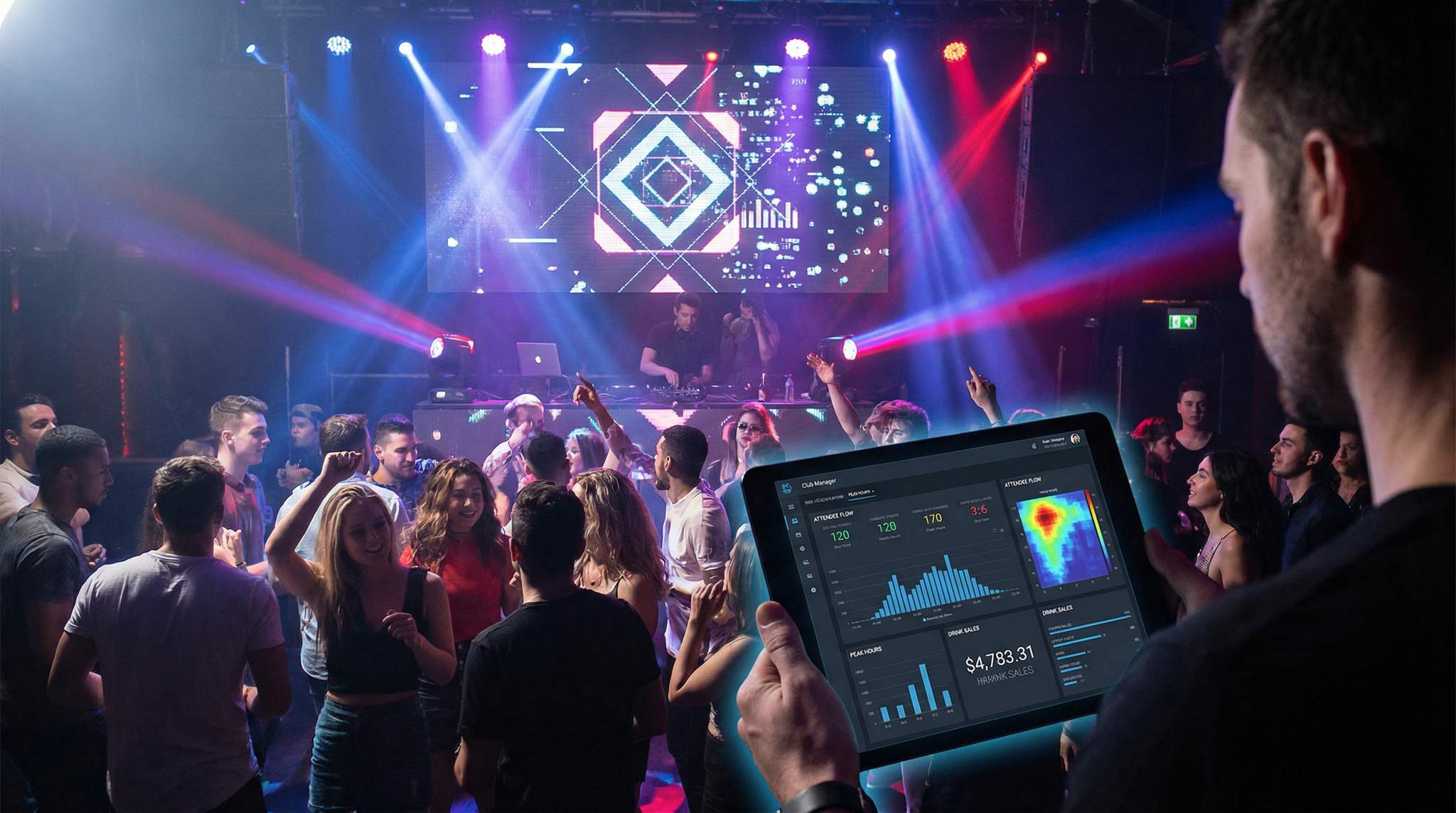
A robust system does more than just process payments; it acts as the central hub for your entire nightclub event management workflow. By consolidating guest data, promoter tracking, and real-time capacity metrics into a single dashboard, operators can make split-second decisions that improve both safety and profitability during peak hours.
When evaluating ticketing software for nightclubs, it is vital to look beyond generic event solutions. The ideal nightlife-specific software should seamlessly handle the fast-paced nature of door operations, integrate with your VIP table management, and provide granular data on promoter performance. By utilizing a dedicated club ticketing system, venue operators can reduce wait times, prevent overselling, and gain deeper insights into their most valuable patrons.
Transitioning fully to online ticketing for nightclubs is no longer just a convenience; it is a strategic necessity for modern venue operators. By shifting the bulk of your sales to a digital storefront, you eliminate the unpredictability of door-only revenue and capture vital customer data before the night even begins. This digital-first approach allows promoters to build robust marketing lists, track which promotional channels are actually converting, and secure upfront capital to cover talent deposits and production costs.
Smart Promo Codes & Presale Access
Create percentage or flat-rate discount codes with usage limits, date ranges, and ticket type restrictions. Plus unlock codes for private presales.
Key Features to Look For in a Ticketing Platform
- Ease of Use: Both your team and your customers need a simple, intuitive interface. If it takes too many clicks or confusing steps to buy a ticket, people will abandon their carts. Look for a platform with a streamlined purchase flow (ideally a one-page checkout). As a bonus, choose one that lets you embed ticket widgets on your club’s website and social pages, so buyers don’t get redirected off-site. A user-friendly system reduces friction and boosts conversion rates.
- Mobile Optimization: Expect that a large share of your tickets will be bought on mobile devices. In 2026, everyone is on their smartphone – whether at work or on the go – and mobile ticket purchases often outnumber desktop. Ensure the platform’s site or app is responsive and fast on phones. This includes mobile-friendly ticket delivery (like QR codes or Apple/Google Wallet tickets) and simple mobile payment options. A clunky mobile experience can mean lost sales, especially among younger club-goers who do everything on their phones.
- Real-Time Analytics and Reporting: Data is king for making informed decisions. Choose a platform that provides a live dashboard of ticket sales, so you can track how quickly different tiers or dates are selling. Real-time analytics help you spot trends (e.g., a surge right after a promo drop) and adjust your marketing or pricing if needed. Also look for robust reporting features that let you slice data by ticket type, time, marketing channel, etc. If you see that 40% of your VIP tickets sold to out-of-town buyers, for instance, you might double down on hotel package promotions.
- Integration with Marketing Channels: Your ticketing system should play nicely with social media and email marketing. For example, it’s hugely beneficial if your event listing can be easily shared to Facebook or Instagram with a “Get Tickets” button, directly linking to checkout. Some platforms integrate with FB Events or allow tracking pixels so you know which ad led to a sale. Similarly, integration with email tools can trigger automated confirmation emails, reminder messages, or follow-ups to attendees. In short, the ticketing platform shouldn’t exist in a silo – it should amplify your promotion efforts.
- Multiple Payment Options: Don’t lose a sale because someone’s preferred payment method isn’t accepted. Standard credit/debit card processing is a given, but in 2026 you should also accommodate digital wallets (Apple Pay, Google Pay), PayPal or similar, and even “buy now, pay later” options if applicable. The more flexible and trustworthy the payment process, the fewer barriers for customers. Additionally, ensure the platform supports various currencies if you attract international guests, and that it deposits funds quickly to help your cash flow.
- Reliability and Scalability: Nightclub special events can generate sudden spikes in traffic – imagine a superstar DJ announcement at noon and hundreds of fans rushing to buy. Your chosen platform must be able to handle peak loads without crashing. Downtime or errors during an on-sale not only cost you revenue but can severely anger fans. Check the platform’s track record: do they have uptime guarantees or big clients (festivals, major venues) that vouch for their stability? In an era when even global ticketing giants have faced outages under high demand or faced scrutiny over ticket pricing and face value issues, ensuring reliability is critical. It’s worth doing a “stress test” or opting for a platform known for robust infrastructure.
- Anti-Fraud and Security Features: Trustworthiness is key for both you and the ticket buyer. Look for features like secure, encrypted payments (PCI compliance), fraud detection (to catch bots or duplicate orders), and ticket scanning tools that validate tickets to prevent fakes. Unfortunately, scams targeting event tickets are on the rise (fake event pages on social media, counterfeit QR codes, etc.), so a platform with measures to combat this adds a layer of protection. Your ticketing system should also allow you to easily void/refund tickets if something comes up, and ideally, integrate ticket scanning at the door to verify each entry.
- Specialized Ticketing Features for Nightclubs: Beyond basic admission, look for platforms that offer native tools tailored to nightlife operations. Essential ticketing features for nightclubs include integrated guestlist management, promoter tracking links (to calculate rep commissions), and interactive VIP table booking maps. Having these nightlife-specific tools consolidated in one system drastically reduces administrative overhead and prevents double-booked tables.
Popular event ticketing platforms in the market include mainstream options and specialized nightclub-focused services. You may have heard of major players like Eventbrite or Ticketmaster alongside niche platforms like Resident Advisor (widely used in the electronic music scene). Each has pros and cons – for instance, Resident Advisor is popular for underground dance events because it targets that community, whereas Eventbrite offers broad reach and discovery. When evaluating, consider not just popularity but how well the platform aligns with your needs. Sometimes a smaller, nightlife-specialized platform can offer better support and features (like nightclub guestlist management or table reservations) than a generic one. The goal is to choose a platform that makes buying easy for fans and management efficient for you.
Experience Insight: If possible, test drive the platform as a customer before committing. Attend another event that uses that ticketing system and go through the purchase and entry process. First-hand experience can reveal a lot – maybe the mobile ticket didn’t scan properly at the door, or perhaps the checkout attempted an upsell that felt annoying. These details matter for your guests’ impression. In my own experience running events, switching to a platform that remembered customers’ info (for one-click re-purchase) boosted our repeat sales because regulars appreciated the convenience. Little things in user experience can make a big difference in sales and satisfaction.
3. Create a Seamless User Experience
Once your event is listed and ticket sales are live, make buying a ticket as effortless as possible. A confusing or tedious purchase process will drive potential attendees away – especially impulsive buyers who won’t tolerate friction. Streamlining the user experience from the moment someone lands on your event page all the way to them dancing in your club is crucial. Here are key ways to achieve a smooth journey:
- Clear Event Details Up Front: Imagine you’re a potential attendee clicking on your event. All the important information should be immediately visible and clear. This includes basics like date, opening and closing times, venue address, and age restrictions (e.g., 18+ or 21+). Highlight the main attraction – is it a headline DJ (name them), a theme (describe it: “Neon Glow 80s Night”), or a special guest performer? If there’s a dress code or costume encouragement (for a theme party), spell that out. Ticket tiers and prices should also be clearly listed with what each includes. The goal is to answer any common questions right on the event page, so buyers feel informed and confident. A well-informed customer is more likely to convert to a ticket buyer.
- Offer Ticket Options and Add-Ons: One size rarely fits all in nightlife. Providing multiple ticket tiers or bundles can both increase revenue and give attendees choices that fit their preferences. Common tiers include General Admission, VIP (which might include skip-the-line or access to a VIP mezzanine or lounge), and even VIP Tables or bottle service packages for groups seeking a premium experience. For example, your event could offer $20 GA tickets, $50 VIP passes, and $300 VIP Table packages – each with escalating perks. Some clubs also sell add-ons like a prepaid drink package or merchandise bundle at checkout. By presenting options, you allow big spenders to spend more for extra value, while keeping base entry affordable for others. Just be sure to clearly describe what each tier includes so buyers understand the value (e.g., “VIP includes two complimentary drinks and balcony access”).
| Ticket Tier | Example Price (USD) | Perks Included |
|---|---|---|
| Early Bird General Admission | $15 (limited offer) | 1st release tickets at a discount; entry before 11pm guaranteed |
| General Admission | $20 | Standard entry for one person |
| VIP Admission | $50 | Skip-the-line entry, access to VIP lounge or area, 1 welcome drink |
| VIP Table Package (Group of 4) | $300 | Reserved table with seating for 4, bottle service (1 bottle included), personal server |
Example of tiered pricing for a special DJ night – offering early-bird deals and VIP upgrades can maximize both attendance and revenue.
- Minimize Checkout Friction: The checkout process should be fast and easy. Limit the number of form fields and pages – requiring only essential info (name, email, payment). If your ticketing platform supports it, enable features like social login (sign in with Google/Facebook) or saved payment info for returning customers. Every extra step is an opportunity for someone to give up. Ideally, a first-time buyer should be able to complete purchase in under a minute, and a repeat buyer even faster. Also, be upfront about all fees before final confirmation; surprise fees at the last click can cause cart abandonment. A transparent, quick checkout builds trust and conversions.
- Optimize for Mobile Purchases: As noted, a large chunk of club-goers will buy on mobile, perhaps as they chat in a group text about weekend plans. Test your entire purchase flow on a smartphone. Is the text readable without pinching and zooming? Do buttons and date pickers work well on touch screens? Does Apple Pay or Google Pay show up as options (these can vastly speed up mobile checkout by eliminating typing card numbers)? If you have an app, make sure deep links from social media open the app correctly to the event page. Reducing typing is key on mobile – use drop-downs, auto-fill, and other UX best practices for small screens. Remember, an excited fan who sees your event on Instagram at 8pm might want to buy right then on their phone – don’t let a poor mobile interface lose that sale.
- Digital Tickets and Confirmation: Provide instant confirmation and easy digital ticket delivery. Buyers should receive a confirmation email (and/or SMS) immediately after purchase, summarizing their order and including their e-ticket (usually a QR code or barcode). Many clubs have moved entirely to e-tickets and mobile QR codes, which customers either save to their phone’s wallet or retrieve from email. This is far more convenient than will-call or physical tickets and reduces issues with lost tickets. Make sure the confirmation also lists key event info (date, time, address) and any instructions (e.g., “Show QR code at entry” or “VIP table guests, check in at the hostess stand”). Clarity here means fewer customer support questions later.
- Customer Support Availability: Even with a smooth system, some buyers might hit a snag – their credit card was declined, they didn’t get the email, etc. Provide an easy way to get help, such as a support email or chat on the ticketing page. Quick assistance can save a sale. Leading up to the event, keep an eye on support inquiries for any patterns (e.g., if many people say they can’t find their ticket email, maybe your sender is getting caught in spam filters – you’d want to notify attendees via another channel). A responsive support approach builds trust. On event day, it’s also wise to have a small team (or at least one staffer) ready to assist with any ticket issues at the door.
When configuring your online box office, remember that a dedicated DJ ticket link can be a powerful conversion tool. By providing artists with their own unique tracking links for a specific ticket DJ allocation, promoters can accurately measure which performers are driving the most direct sales and reward them accordingly.
By creating a seamless user experience from browsing to buying, you increase the likelihood that a person who lands on your event page actually completes the transaction. In the nightclub world, we often rely on a last-minute push of ticket sales (many club-goers decide to go out just a day or two before, or even the day-of). When those impulse decisions happen, you want zero barriers in their way – a fan should be able to pull out their phone, buy a ticket in a few taps, and show up at your door with a scannable code. The more effortless this process, the more tickets you sell and the better the experience for the guest. It sets the tone that your club is professional and tech-savvy, enhancing your reputation.
Smooth Entry With Mobile Check-In
Scan tickets and manage entry with our mobile check-in app. Supports photo ID verification, real-time capacity tracking, and multi-gate coordination.
Warning: Avoid forcing customers to create a cumbersome user account before buying a ticket. Many people will abandon the process if they’re hit with a “register now” wall just to purchase. Offer a guest checkout option. You can always encourage account creation or collect additional info after the purchase confirmation page or via follow-up email. The purchase itself should feel like a quick transaction, not an initiation ritual.
4. Set the Right Ticket Price
Pricing is one of the trickiest yet most critical factors in ticketing special events. The challenge is to set a price that reflects your event’s value and covers costs without deterring your target audience. Price too low and you leave money on the table (or even lose money); price too high and you might scare people off or fail to reach a full house. Here’s how to approach pricing strategy for nightclub events in 2026:
Ready to Sell Tickets?
Create professional event pages with built-in payment processing, marketing tools, and real-time analytics.
Factors to Consider When Pricing Tickets
- Event Caliber & Talent: Gauge the drawing power of your event. A night featuring a high-profile DJ or artist (especially an international headliner or someone with a Billboard hit) can command higher ticket prices, since demand will be strong. For instance, if you book one of the world’s top DJs for an exclusive club set, fans might gladly pay a premium, knowing it’s a special opportunity. On the other hand, a local DJ night or a niche genre party might need a lower price to attract a crowd, since the perceived value or demand isn’t as high. Always align prices with what you’re offering – fans are savvy and will compare against similar events. Name recognition, exclusivity, and production quality (e.g., a famous DJ + state-of-the-art visuals) all boost what people are willing to pay.
- Headliner ROI and Production Costs: When securing top DJ performances at nightclub events, the talent fee is only part of the equation. You must also factor in rider requirements, specialized lighting, and enhanced security. Pricing must reflect this elevated production value, ensuring that the premium charged at the door or online adequately covers the comprehensive cost of hosting top-tier talent.
- Venue Size and Capacity: Your venue’s capacity influences the supply side of the equation. A large nightclub (say 1,000+ capacity) can sell many tickets, potentially allowing a lower price to still hit revenue goals – plus, lower prices can help ensure you fill that big space. Conversely, an intimate venue (200 people) might necessitate higher pricing because you have limited tickets to sell and likely want to curate a more premium experience. Think of it this way: a smaller show can be marketed as an exclusive, up-close experience with the artist, justifying a higher cost per ticket. Also consider the typical spending power of your regular clientele – a luxury lounge-style club might already attract guests who expect higher prices (and may equate higher price with higher status event), whereas a college-town club sees better turnout at budget-friendly pricing.
- Day of Week and Timing: Not all nights are created equal. Weekend nights (Friday, Saturday) generally have higher demand, so you might price those events higher than a weeknight event, all else being equal. If a special event falls on a holiday night or long weekend (e.g., Halloween, New Year’s Eve), people anticipate those will be pricier due to high demand and special programming. Conversely, if you’re trying to draw a crowd on a typically slow Tuesday, a lower price or promotional deal might be needed to convince people to go out. Timing within the year matters too – for example, January might be a slow “dry” month after the holidays, so pricing needs to be extra enticing then, whereas summer tourist season or festival after-parties in your city could boost willingness to pay.
- Early Bird vs. Last Minute Pricing: Implementing tiered pricing over time is a proven strategy. Early-bird tickets (on sale far in advance, in limited quantity) are usually offered at a discount. This rewards your eager fans and, importantly, helps lock in some revenue and momentum early. After early-birds sell out or a set date passes, you move to regular pricing. Closer to the event, you might even have a last tier or door price that’s highest (to nudge people to buy sooner). For example, you could do $15 early bird, $20 general, $25 week-of-event, and $30 at the door. Not only does this create urgency (who doesn’t want to save $5 by buying now?), it also reflects the rising demand – as the club reaches capacity, remaining spots become more valuable. As of 2026, many event organizers observe that managing last-minute festival ticket buyers is crucial, so tiered pricing helps motivate some of those procrastinators to act early or pay a premium if they delay.
- Dynamic Door Pricing and Cover Charges: For highly anticipated nights, operators often implement an escalating door price strategy. Taking cues from legendary nightlife institutions—where a late-night Club Space cover fee might surge significantly after 2:00 AM—you can use time-based door pricing to drive early arrivals. Advertising that the cover charge will double after midnight incentivizes patrons to buy advance tickets or arrive early, which boosts initial bar rings and ensures a packed room during peak hours.
- Value-Added Options (VIP, Packages): We touched on this earlier in user experience, but it’s part of pricing strategy too. Offering VIP or bundled packages allows you to capture higher willingness-to-pay from those who want more than general entry. For instance, a $120 VIP ticket that includes an open bar for the first hour, a meet-and-greet with the DJ, or access to a side-stage viewing area can net you more revenue per person – and those buyers will feel they got something special. Group packages (like 4-packs or table deals) can also be priced to encourage people to bring friends (e.g., a 5-for-4 ticket deal effectively gives a 20% discount, but you get a larger sale). These strategies increase average spend without forcing everyone to pay a high price. Only those who value the extras opt in, and others can still attend at the base price.
- Costs and Breakeven: Ultimately, you need to cover your costs and ideally turn a profit. Calculate all your event costs – talent fee (which might be significant for a known DJ), venue costs (if you’re renting or if it’s your own, the overhead and staff), marketing expenses, decor/theme investments, etc. Divide that by a realistic expected attendance to see what a breakeven per ticket might be. This isn’t what you must charge, but it informs the floor. If that number seems high, you either need to cut costs or increase expected attendance to justify it. Also factor in that many club events have additional revenue streams like bar sales. You might accept a lower ticket price (even breakeven on ticket revenue) if you know the audience will spend on drinks once inside. For example, some promoters price ladies’ night events very low or free entry for women to boost attendance, expecting to earn via drink sales and paid male tickets – basically a cross-subsidy model. While setting prices, take a holistic view of event revenue.
Industry Trend (2025-2026): Note that external factors are affecting pricing strategies too. The cost of talent has risen post-pandemic – many DJs and artists increased their fees due to high demand and inflation in travel costs, meaning when fees go up, promoters face choices regarding ticket prices. This means clubs often face a choice: raise ticket prices or absorb the extra cost. Promoters report that booking top-tier DJs has become pricier, and fans are somewhat accustomed to higher ticket prices for those marquee names. However, there’s a limit – fans will still push back if they feel a price is outrageous for the experience offered. It’s a delicate balance. Some clubs have turned to creative solutions like sponsorships or earlier opening times (to sell more drinks) to subsidize talent fees instead of simply hiking ticket prices. Keep an eye on your peers: if every other major club in town is charging $50 for similar events, that sets a benchmark, but think carefully if you decide to leap significantly above that.
Additional Pricing Tips
- Group Discounts & Referral Deals: Leverage the social nature of clubbing. People rarely party alone – if you can incentivize groups, you not only sell more tickets in one go, you also benefit from friends convincing friends. Offer a deal such as “Buy 4 tickets, get a 5th free” or a flat 15% off for a purchase of 5 or more. Even a smaller-scale idea: provide a $5-$10 discount code to anyone who attended your last event to bring a new friend this time. Word-of-mouth is powerful, and rewarding group attendance turns your fans into promoters. Just be sure the discount isn’t so steep that you undercut your revenue; it should make sense with volume. Many successful themed parties grew by encouraging attendees to basically “bring the crew” through such promos.
- Dynamic Pricing: Consider implementing dynamic pricing strategies where ticket prices adjust based on demand in real time. This approach, used in some concert and sports ticketing, can maximize revenue for hot events. For example, you might start GA tickets at $20, but as those start selling fast and inventory drops, the system could automatically bump the price to $25 for the next batch, and so on. Conversely, if an event is slow to sell, dynamic pricing might nudge the price down or offer a flash sale to stimulate demand. The key is to use a ticketing platform or tool that can handle this, and to communicate transparently if you do it (e.g., “prices will increase as tiers sell out”). Nightclubs have begun experimenting here – one survey noted that savvy promoters avoid leaving money on the table by understanding the impact of dynamic pricing on nightclub tickets. Indeed, dynamic pricing is another effective strategy to capitalize on high demand. If you’re new to dynamic pricing, tread carefully: sudden or steep increases can upset fans. Many clubs limit changes to a few set tiers (essentially a manual form of dynamic pricing). For a deeper dive on this topic, check out The Impact of Dynamic Pricing on Nightclub Tickets: What You Need to Know for pros, cons, and implementation tips.
- Avoid Price Paralysis – Test and Learn: Pricing often involves some educated guesswork, especially for novel events. Don’t let fear of getting it perfect freeze you. Pick a reasonable price structure and monitor the response. If tickets aren’t moving at all in the first week or two, adjust early – maybe your early-bird price is too high to entice anyone. If early sales are strong, you might be priced just right (or even slightly low – in which case you can either enjoy the quick sellout or release a second batch at a higher price). After each event, analyze how well your pricing worked: Did you sell out? When did tickets sell fastest (right when announced, last minute, etc.)? How was the feedback on value? Over time, you’ll get better at knowing your market’s sweet spot. Also remember different events might justify different pricing; your mega-DJ New Year’s Eve ticket will price very differently than a local DJ on a rainy Wednesday. Keep records of what you tried and the outcomes.
Warning: Be cautious with over-discounting or constant promo codes. While discounts can spur sales, too many or too deep cuts can train your audience to never pay full price (they’ll just wait for a sale) or can devalue the perceived quality of your event. People might wonder “why is it always half off – is nobody else going?” Maintain confidence in the value you’re offering. Strategic, time-bound discounts are fine (early-bird, group deals, occasional holiday promo), but avoid a race to the bottom. It’s usually better to add value (like a free drink or merch with a ticket) than to slash price excessively.
5. Creating Special Events and Promotions
One way to pack your club and keep things fresh is by crafting truly special events – nights that stand out from the usual routine. These could be unique themes, one-off performances, collaborations, or promotions that capture attention. A creative concept can be as much a draw as the music. In parallel, savvy promotions and partnerships can amplify the buzz. Let’s explore how to design special events that excite people and smart promotions that get them through the door:
Innovative Event Ideas
- Themed Nights: Never underestimate the power of nostalgia or a fun theme. Concepts like an 80s Retro Night, 90s Throwback Jam, or even era-specific (Y2K party, anyone?) draw crowds who love to dress up and dance to familiar hits. Themes can also be more abstract or quirky – e.g., a “Neon Glow Party” where everyone wears UV-reactive outfits, or a “Masquerade Ball” with costumes. Seasonal themes work great too: haunted club nights around Halloween, winter wonderland decor in December, pride-themed parties in June, etc. Themed nights provide a ready-made experience beyond just music, which can attract a broader crowd (including people who might not come out just for a DJ but will for a special occasion). For maximum effect, commit to the theme with decorations, visuals, staff costumes, and perhaps signature cocktails. These touches create an immersive atmosphere that attendees will remember (and post about on Instagram!).
- Elevated Adult Concepts: Moving beyond basic college-party tropes, curating the best party themes for adults requires a focus on sophistication and high-quality production. Think immersive cabaret nights, upscale masquerades, or retro-futuristic disco events with premium cocktail pairings. Mature club-goers are willing to pay a higher ticket price for a curated, safe, and aesthetically pleasing environment that feels like a true escape.
- Live Performances & Guest Artists: While DJs are the staple of nightclub entertainment, consider mixing things up with live elements. This could mean booking a live electronic music act, having a drummer or saxophonist jam along with the DJ, or even a short opening set by a local band or rapper that complements the night’s vibe. Some clubs host comedy hours or drag performances early in the night before transitioning to dancing – which can widen your audience. Bringing in a special guest performer, especially someone with a following, can pull their fans into your venue. For example, a surprise vocal PA (personal appearance) by a singer known for a couple of club hits, or a celebrity guest DJ set, can be a big draw. Live performance nights may require more planning (soundchecks, equipment) but stand out as unique events that differentiate your club from others. It’s an “added value” that can justify higher ticket prices too.
- Dance Showcases and Choreographed Performances: If you are incorporating choreographed routines into your programming, you might be evaluating the market for tickets for dance shows and how to sell them effectively to a nightlife crowd. A professional dance showcase—such as a hip-hop crew, salsa exhibition, or contemporary electronic dance performance—adds a dynamic visual element before the main music set. To move inventory for these hybrid events, bundle the performance access with the standard club entry or offer a dedicated early-evening tier that encourages patrons to arrive before the dance floor fully opens.
- VIP and Exclusive Experiences: In the age of experiential nightlife, offering something exclusive can set your event apart. You might create a VIP experience package for a special event: this could include a meet-and-greet with the headlining DJ, access to a backstage or green room lounge, or even a pre-party cocktail hour in a separate room with a smaller artist showcase. Some high-end clubs partner with luxury brands to host VIPs with product tastings (imagine a top-shelf tequila sampling for VIP ticket holders) or swag bags. While these are targeted at a smaller segment of your audience, they create buzz and a halo of prestige around the event. Ensure you can deliver on the promise – VIP guests expect top-notch hospitality. If executed well, these guests become your biggest ambassadors for how great your club experience is. (For more on elevating VIP offerings, see our article on how VIP management provides exclusive experiences.).
- Collaborations and Takeovers: Partnering with other brands or organizations can inject novelty into your events. For instance, collaborate with a popular party brand or event series – maybe your club hosts a night presented by an iconic Ibiza party label, an EDM festival after-party, or a local underground collective. These “takeovers” often come with their own built-in theme, decor, and following. You provide the venue; they bring the concept and audience. Similarly, team up with local businesses: a local craft brewery might sponsor a night and offer free samples, or a fashion brand might do a pop-up showcase during the event. These partnerships can offset costs (sponsors might cover some expenses in exchange for exposure) and add layers of experience for attendees. Just ensure any partner aligns with your club’s image and your audience’s interests.
- Limited-Time Offers & Pop-up Events: Creating a sense that this event is a rare opportunity boosts its appeal. One approach is a one-night-only theme or a pop-up concept. For example, bring in a guest mixologist for one night to turn part of your club into a “tiki bar” with tropical decor and special cocktails – once it’s gone, it’s gone. Or host an after-hours set that runs until sunrise, branded as a special late-night session that doesn’t happen regularly. You can also play with surprise elements: secret line-ups (announcing a mystery DJ will appear, revealed only at the event) or flash events (announced on short notice with limited tickets). People often want what they can’t easily have, so by emphasizing exclusivity or rarity, you tap into that FOMO (more on that later). Just be careful to deliver a quality experience – you want attendees raving that “I was there when…” rather than feeling it was gimmicky.
- Community and Cause Events: Another angle for special events is aligning with a cause or community event. Hosting a charity benefit night, for example, where a portion of proceeds go to a local nonprofit, can attract attendees who care about the cause (and press attention as well). Or organize events around community happenings – if there’s a city-wide festival or pride week, tie in with an official after-party at your club. These events show your club is engaged with the bigger community and can introduce your venue to new audiences who might not usually go clubbing but will for a special occasion or cause. Just ensure the programming that night is welcoming to the broader crowd (perhaps more accessible music selection, earlier open doors, etc., depending on the audience).
- Industry Nights and Niche Genre Showcases: When exploring different types of club party formats, don’t overlook the power of catering to your own local nightlife ecosystem. Hosting an ‘industry night’ on a typically slow weekday—offering discounted entry or special perks for bartenders, servers, and fellow promoters—builds immense goodwill and guarantees a high-energy crowd. Similarly, dedicating a night to a hyper-niche subgenre (like Amapiano or hard techno) can attract a fiercely loyal demographic that travels specifically for that sound, diversifying your standard programming.
By brainstorming and executing innovative event ideas, you keep your programming fresh and exciting. Patrons will start looking forward to “what will they come up with next?” rather than seeing your club as the same old routine. In recent years, experience-driven clubbing is on the rise – people don’t just want to dance, they want Instagrammable moments, unique stories, and a sense of being part of something special. Give them that, and the tickets will practically sell themselves.
Data-Driven Event Marketing
Track ticket sales, demographics, marketing ROI, and social reach in real time. Exportable reports give you the insights to make smarter decisions.
Promotion Techniques for Special Events
Designing a great event is half the battle – now you need to get the word out and convince people this is the place to be. Promotion for nightclub events in 2026 means combining classic tactics with digital savvy. Here are essential promotion techniques to drive ticket sales:
Executing a comprehensive nightclub event marketing campaign means moving beyond a single Instagram flyer. It requires a multi-touchpoint strategy that builds anticipation, leverages community partnerships, and utilizes data-driven ad targeting to reach the right nightlife demographic.
Grow Your Events
Leverage referral marketing, social sharing incentives, and audience insights to sell more tickets.
To maximize the return on your promotional spend, modern venue operators are increasingly relying on data-driven audience segmentation. Rather than blasting the same message to everyone, a sophisticated approach to promoting nightlife events involves tailoring ad creatives to specific buyer personas. For instance, retargeting past VIP table buyers with exclusive presale codes yields much higher conversion rates than generic social media blasts. By analyzing ticketing data to see which channels drive the most lucrative conversions, promoters can allocate their budgets more effectively and ensure their campaigns hit the right demographic at the right time.
- Social Media Marketing (Organically): Use your club’s social channels (Instagram, TikTok, Facebook, X/Twitter, Snapchat) to build hype well in advance. Create an event page on Facebook and invite followers. Post engaging content: teaser videos of the headlining DJ, photos from past similar events, behind-the-scenes of your theme decor being prepared, etc. Use relevant hashtags (both broad like #HouseMusic and specific local ones). Also, encourage your DJs or performers to post about the event – artist promotion is key since they have loyal fans. Consistency is important; start promotion early and ramp up frequency as the event nears. On Instagram Stories or TikTok, you could run quick countdowns or polls (“Which costume should our staff wear for 1920s night? Vote now!”) to involve the audience. Essentially, make noise online so that your event stays on people’s radar.
- Influencer and Industry Partnerships: Identify influential voices in your local scene. This could be popular clubbing influencers on IG/TikTok, local nightlife bloggers, or even community figures like radio DJs or event promoters. Offer them free tickets or VIP access in exchange for them promoting the event to their followers. A well-placed shoutout or short video from an influencer inside your club (“Can’t wait to host a party here next week!”) can extend your reach to thousands of potential attendees. Ensure the influencers’ audience aligns with yours to get quality leads. Additionally, list your event on popular nightlife and event discovery platforms like Resident Advisor, Bandsintown, or Time Out, as appropriate – these sites are where serious music fans search for what’s happening. Many clubbers trust RA for underground events, for example, so a listing there with ticket link can significantly boost credibility and discovery.
- Email and Messaging Campaigns: Email might sound old-school to a nightclub crowd, but it remains a high-conversion channel, especially for past attendees. Maintain an email list of your customers (from past ticket buyers or sign-ups on your website) and send out a targeted announcement for the event. Keep it concise, with an eye-catching subject like “? Just Announced: Famous DJ X at [Your Club] – Early Bird Tickets Available Now!”. Highlight the unique aspects and include a prominent call-to-action button to buy tickets. Leading up to the event, you can send a reminder especially if you’re approaching a sell-out (“Only 50 tickets left!”) or when a price tier is about to end (“Last chance for early-bird price!”). SMS marketing or WhatsApp groups can also be effective for the nightlife demographic – a short text like “Tonight’s the Night: Show starts at 11PM. Last online tickets on sale now [link]” on the event day can convert last-minute deciders. Just use messaging sparingly and for those who opted in; you don’t want to spam.
- Paid Advertising: Strategic paid ads can amplify your reach beyond your followers. Facebook and Instagram ads allow you to target people by location, age, and interests (e.g., fans of similar artists or attendees of nightlife events). Even a modest budget, like $50-$100, focused on a radius around your city and the 18-35 age bracket (or whatever matches your demo) can yield great results if the creative is strong. Use a short video clip of a past event or a designed poster with motion, plus text that highlights the headline (DJ name or theme) and date. You can also use Google Ads to capture people searching “DJ [Name] tickets [City]” or general terms like “[City] nightlife events this weekend”. Another avenue is collaborating with local event listing websites or influencers for sponsored posts. For example, a local music magazine might run a banner or a feature about your event as part of a promo package. Always track your ad performance (platforms provide metrics) to learn what gave a good ROI. The beauty of digital ads is you can tweak on the fly – if one ad image isn’t getting clicks, try another.
- Physical Promotion and Venue Hype: While digital dominates, don’t neglect on-the-ground promotion if it fits your audience. Put up posters or flyers at your venue and other hotspots (coffee shops, record stores, campuses, other clubs during their events with permission swap). Sometimes a well-designed poster can catch eyes and also signal the event’s vibe (a sleek poster for a techno night vs. a colorful one for a drag dance party). Train your staff to talk up the event to regular patrons – for example, bartenders can mention “Hey, you love nights like this, you should come back in two weeks for our big themed party!” and even have a QR code on hand to scan for tickets. If your event involves any daytime component or city festival tie-in, consider doing a small stunt or teaser – e.g., a pop-up DJ set in a park or a flash mob dance that hints at the theme, with handouts for the event. Local PR can help too: send a press release to entertainment journalists or bloggers highlighting what makes the event special (especially if it’s a known artist or first-of-its-kind theme in the area). A blurb in the local newspaper or a popular weekend newsletter can reach folks who might not see your social ads.
- Leverage FOMO and Urgency in Promotions: Promotion isn’t just broadcasting information; it’s also about driving action. Use time-limited offers in your marketing. For instance, advertise an early-bird deadline (“Only until Sunday to save 30% on tickets!”) or a limited quantity (“First 100 tickets come with a free drink”). As we’ll detail next, fear of missing out is real – language like “Don’t miss this” and showing excitement (“This will sell out!”) can push fence-sitters to commit. Share any major milestones on social media: “Wow, 75% of tickets gone already – thank you! ? If you haven’t got yours, now’s the time.” Real-time updates like that serve both as social proof and gentle pressure.
- Encourage Word-of-Mouth: The end goal is to have attendees promoting on your behalf. Create moments or incentives for them to talk about it. Could be as simple as a contest: “Share our event flyer on your story and tag us for a chance to win a VIP upgrade.” Or a referral bonus: if one person buys 4 tickets, they get a discount code to share with other friends. When you start promoting, equip your most loyal fans or street team with physical flyers or exclusive discount codes they can give out – turning them into brand ambassadors. After previous events, share photo albums and tag people (with their permission) – when folks see themselves having a blast at your club, they’re likely to re-share it, indirectly promoting your brand.
By combining these promotion techniques, you create a multi-channel marketing assault that ensures your special event is seen by everyone who might be interested. The key is consistency and enthusiasm – your own excitement is contagious. If an event truly is special (unique theme or big DJ), hammer that point home in all communications. And remember, promotion doesn’t stop once tickets are on sale; it continues, often intensifies, until the day of the event. Many club events see the majority of tickets sold in the last 1-2 weeks prior, confirming data on winning the waiting game with buyers (even the last 48 hours), so a strong final push can make the difference between a decent night and a packed house.
6. Promote Your Event and Sell Tickets Early
Even the best DJ lineup or coolest theme won’t succeed if people don’t know about it or feel compelled to buy tickets. Early ticket sales are particularly valuable – they provide cash flow and a gauge of interest (and nothing creates hype like “Tickets are already 80% sold out!” well before the date). While we’ve touched on many marketing strategies above, let’s focus on some tactics specifically to jumpstart sales early and keep momentum:
Effective Early Promotion Strategies
- Launch Strong with an Announcement Blitz: When you announce your event, make it big. Coordinate a multi-channel reveal – post on all social media, send the email blast, update your website, and have the event live on ticket sites all on the same day. Ideally, have this coincide with when tickets go on sale. The first 24-48 hours of an on-sale are critical. Fans who are really excited will buy immediately (especially if you’ve teased the announcement for a few days prior). Aim to capitalize on that excitement: perhaps offer a “Day One” special price or a bonus (like “buy in the first 24h and be entered to win a meet-and-greet”). Also, consider timing your announcement strategically – if your audience is working professionals, noon might work; if it’s college kids, 7pm after classes might get more attention.
- Use Early-Bird Deadlines to Create Urgency: As mentioned, early-bird pricing is a classic move to get those initial sales in. Clearly advertise that it’s a limited-time offer. For example, “Early bird tickets $15 – available until Oct 1 or sold out!” This puts a psychological nudge on potential attendees – no one likes paying more for the same thing later. You can even add a countdown timer on your ticket page or website showing how long until the price goes up. When people see that clock ticking, it prompts action. Make sure when the deadline hits, you actually raise the price (and communicate that too: “Early birds are gone, regular pricing now in effect”). People who missed out will be reminded that next time, they should act fast, and those who got the deal feel a bit of thrill that they scored a discount – enhancing their pre-event satisfaction.
- Tiered Ticket Releases and Sell-Out Messages: Rather than releasing all tickets at once, some promoters release in phases (this can tie in with dynamic pricing or just manual batches). For instance, label tickets as “Phase 1, Phase 2, Final Release”. When Phase 1 sells out, publicly announce it: “Phase 1 tickets are SOLD OUT in just 3 days!” This signals popularity. Then say “Phase 2 on sale now – don’t wait”. Each phase can have a slightly higher price or just be psychologically a new stage. If you truly anticipate a full sell out, don’t shy from pushing that angle: use phrases like “Tickets are flying – secure yours now or risk missing out.” Highlight how many are left if it’s low (e.g., “Less than 50 tickets remain!”). People are drawn to what others find valuable; if your communications consistently show tickets moving quickly, it reinforces that your event is the hot ticket in town.
- Exclusive Presales for Loyal Customers: A savvy technique to drive early engagement is to offer a short presale window for VIPs or past attendees. For example, send a special link or code to your email list or top Facebook followers that gives them access to tickets 24 hours before the general public. Not only does this reward loyalty, it also helps create a baseline of sales (so when general on-sale starts, you might already be 100 tickets in – building that sense of demand). You can also partner with a sponsor or local radio to do a presale (“Use code BEATS on Tuesday to get tickets before everyone else”). When presales go well, flaunt it: “Our VIP presale sold 200 tickets – thanks for the support!” as this will make others rush at the general sale.
- Collaborate for Cross-Promotion: If your event features any partner (DJ, promoter, sponsor), coordinate on early promotion to hit multiple fan bases. The headlining DJ’s pages should be plugging the event from day one – provide them with the ticket link and promotional graphics and ensure they’re on board to hype it up. Often fans follow artists more than venues, so an artist’s post of “Excited to play at Club XYZ next month – tickets just went live!” can drive a big burst of sales. Similarly, if you’re collaborating with another brand or local group, combine audiences by doing shoutouts for each other. In the very early phase, a quick way to get reach is a Facebook Event co-hosting – if you create a Facebook Event and add the DJ or a promo partner as a co-host, that event can show up to their followers too, multiplying exposure. Just confirm these details early so everyone’s aligned.
- Media and PR Push: Send a press note to local event bloggers, nightlife websites, even radio/TV as appropriate right after announcement. Getting listed in “Top things to do this month” articles or local event calendars early means even more eyeballs. If a well-known DJ or a distinctive theme is involved, sometimes media will give you a mention (free publicity). Local radio stations, especially if they have an EDM or nightlife show, might mention the event or even do ticket giveaways – which both spreads the word and locks in a few attendees. Every bit of early buzz counts. A small write-up in a popular blog titled “Don’t Miss This – [Your Event Name] coming on [Date]” not only alerts readers but serves as validation that it’s a cool event.
- Leverage Trends and Timely Hooks: If there’s something trending that you can tie your event to, use it in promotion. For example, if a particular genre or song associated with your event suddenly goes viral on TikTok, mention it (“We’ll definitely be dancing to [trending song]– don’t miss out”). Or if the headliner DJ just won an award or got ranked in a popular DJ poll, use that in copy (“Fresh off being named a Top 10 DJ in the world at DJ Mag’s Top 100 DJs ceremony in Ibiza, Artist X comes to our club!”). Timely hooks give people an extra reason to get excited now rather than later. It’s about framing your event as relevant and unmissable in the current moment.
Offer Early Bird and Limited-Time Discounts
Humans are naturally driven by deadlines and the fear of missing a deal. Used wisely, limited-time offers can significantly boost early ticket sales. We’ve discussed early-bird pricing – here we’ll add a few nuances and ideas around time-bound promotions:
Grow Your Social Following With Every Sale
Require social media follows, shares, or playlist adds to unlock presale access or special pricing. Turn every ticket purchase into audience growth.
- Staggered Price Deadlines: Instead of just one early-bird period, you can use multiple deadlines. E.g., “Super Early Bird” (first 50 tickets or until a date) at the cheapest rate, then “Early Bird” (next 100 tickets or next date) slightly higher, then regular. Each deadline is an opportunity to send a marketing message (“Only 2 days left to save $10 on tickets!”). The more you can legitimately say “Prices go up soon,” the more you spur those on the fence to act. Just don’t create so many tiers that it gets confusing – two or three phases is usually enough for club events.
- Flash Sales: A different tactic is a quick flash sale – a very short-term discount that creates urgency. For example, a one-day 50% off sale on tickets on a random Wednesday, or a “24-hour promo code” that you drop without much warning. This can give sluggish sales a jolt. It also grabs attention (“Wow, they’re doing a flash sale!”) and can get your event trending if people share the deal with friends. Use sparingly to avoid undervaluing your event; flash sales work best when you frame them as a celebration (“It’s the DJ’s birthday, we’re celebrating with a one-day discount!”) or a last-chance push (“Event is in 10 days – flash sale to lock in the final tickets now!”). Make sure to heavily publicize the flash sale across all channels the moment it goes live.
- Value-Added Early Purchases: Not all incentives must be price cuts. You can encourage early buys by adding value for those who purchase by a certain date. For example: “Buy your ticket by next Friday and you’ll get a free drink voucher at the door” or “First 50 buyers get a free event poster signed by the DJ” or even “Buy in the first week for a chance to win an upgrade to a VIP table.” These perks don’t lower the price point (so your revenue is the same or only slightly impacted by cost of a free drink), and they make people feel special for committing early. Swag like stickers or merch can also work if you have it. The idea is early supporters get rewarded.
- Communicate the Savings/Scarcity: With any limited-time or early deal, explicitly communicate what the benefit is or how scarce it is. Instead of just “Early bird available now,” say “Early bird – save $10 off final ticket price” or “Limited Time: 30% discount ends Sunday.” And when something is sold out or expired, let people know (and congratulate them if they made it): “All 100 early birds are gone – congrats if you snagged one! If not, don’t delay on general tickets… they’re moving fast too.” Transparency about how many tickets/prices are left can push those who always procrastinate. People often need a little external push to overcome inertia, and clear deadlines/numbers provide that.
Remember, the goal of early promotions and discounts is not to “give away” your event cheap – it’s to build momentum and ensure you have a solid base of attendees locked in. With a good base, others will be more likely to jump on the bandwagon. In 2026’s climate, where many fans have gotten used to waiting until last minute, a trend seen in recent festival ticket buying data and managing last-minute festival ticket buyers, cultivating early sales might take extra creativity, but it’s still very achievable with the tactics above. By combining a compelling event, smart tiered pricing, and a flurry of well-coordinated promotion, you can often reach a critical mass of ticket sales well before event week – making your life less stressful and setting the stage for a sold-out night.
7. Leverage FOMO (Fear of Missing Out)
One of the most powerful drivers in event marketing is FOMO – the Fear of Missing Out. Nightlife is as much a social experience as a musical one, and no one wants to be the person who hears on Monday about an epic party they could have gone to if only they’d bought a ticket. By deliberately stoking a bit of FOMO, you can push undecided people to secure tickets now, lest they regret it later. Here’s how to create that sense of urgency and exclusivity that makes your event a “must attend”:
- Limited Capacity – “When It’s Full, It’s Full”: Truthfully advertise your event’s capacity or any cap on tickets. For instance, if your venue holds 300, consider capping tickets at maybe 275 (to allow some door sales or guests) and let people know: “Only 275 tickets will be released for this event – intimate setting!” This signals that supply is legitimately limited. If you have a history of selling out similar events, mention that: “Our last 3 special events sold out in advance – don’t wait until the door.” Scarcity is fundamental to FOMO. People are more motivated to act when they know something desirable is in short supply. Update your audience as capacity dwindles (“85% sold out now…”). Seeing those numbers tick up triggers FOMO big time.
- Hype the Unique Experience: Make clear what they’ll miss if they don’t come. Is it the DJ’s only club show in your city this year? Say that loudly. Is it a one-off theme never to be repeated? Emphasize that. Perhaps it’s a legendary venue or special sound system installation for that night only. Any aspect that is unique or rare, drive it home. For example: “Once-in-a-lifetime: [Famous DJ] in an intimate 300-person venue. He usually plays festivals for 30,000 – this is your chance to see him up close!” Or “We’re transforming the club into a Medieval Castle for one night only – an immersive experience you won’t find again.” When people perceive that an event offers something they can’t get at a future one, they’ll prioritize attending.
- Use Phrases and Visuals that Trigger Urgency: In your messaging, words like “Tonight only”, “Don’t miss out”, “Last chance”, “Exclusive”, “Limited”, “One night only” etc., all plant the FOMO seed. You can also visually show scarcity: posting a photo of a packed dance floor from a past sold-out night with a caption “This could be you…”. Or a quick video of fans saying “Can’t wait for this Saturday!” Social proof (others are going and excited) plus language that time is running out is a potent combo. If the headliner or any notable guest shares your posts or expresses excitement, reshare that – fans will fear missing something that their idols are hyped for.
- Highlight Popular Demand & Buzz: Use the momentum from your promotions to further fuel FOMO. For example, if your event page or FB event shows a high number of RSVP/interest, point that out (“Over 500 people have already responded on Facebook!”). Share any media coverage or shoutouts the event gets (“Featured in XYZ Magazine’s Top 5 Events this month – have you got your ticket?”). If early-bird tickets sold out in minutes, definitely tell that story: “Our first batch of tickets sold out in 10 minutes – you all are amazing! Regular tickets on sale now, don’t sleep on these.” When people see an event blowing up in popularity, they instinctively want to be part of it.
- Offer VIP or Secret Perks (Insider Appeal): Another form of FOMO is the feeling that there’s a cool “inner circle”. If you advertise VIP meet-and-greet tickets and they sell, talk about how those are almost gone or how those ticket holders will enjoy X perk. It can make general attendees think “well, I can’t do VIP, but at least let me get in on the main event before that sells out too.” Sometimes clubs do secret after-parties or backroom experiences – even if that’s not widely accessible, the myth of it can heighten the overall event’s appeal. Just be cautious: don’t overplay something that not everyone can partake in, as you don’t want GA folks feeling left out or second-class during the event. The idea is to create intrigue (“there might be surprises or extra fun if you’re there”) rather than exclusion.
- Countdowns and Live Updates: As the event nears, use countdowns (“Only 3 days to go!”) and keep pushing urgency (“Last weekend before the big night – tickets 90% sold!”). On the final day of the event, a countdown timer on your ticket page or hourly updates on social (“It’s 4pm – you have 6 hours left to grab advance tickets before door sales (if any)!”) can catch those procrastinators. People often make FOMO-driven decisions very close to the event – it’s Friday afternoon, they have no plans, and suddenly that party everyone’s been talking about looks very appealing. Your job is to be in their face at that moment with a clear path to purchase and a reminder that if they don’t act, they might literally not get in.
- During and After the Event – Feed the FOMO Cycle: This is after ticket sales, but consider it for the future: when the event happens, document it well – photos, videos, attendee testimonials – and share highlights afterward (“Saturday was unreal – thanks for the full house!” along with epic photos). This serves two purposes: it rewards those who went (“look what an amazing time we all had”) and it creates post-event FOMO in those who skipped. The ones who missed out will see those posts and think “dang, I won’t skip the next one.” That builds your reputation and makes marketing the next event easier because people remember the buzz they witnessed from afar.
FOMO marketing must be truthful and respectful – never fabricate “sold out” claims or lie about limited tickets; if people sense dishonesty, it breaks trust. But when done genuinely, playing on FOMO is simply highlighting the reality that your event is something special, popular, and not to be repeated. Most people need that extra nudge of “now or never” to prioritize an event amid many entertainment options. By mastering FOMO tactics, you’ll see faster ticket sell-through and a packed, excited crowd on event night, all bragging that they got to be there.
8. Offer Streamlined Check-In and On-Site Support
The ticketing process doesn’t end when someone buys a ticket. The experience of redeeming that ticket at your nightclub and the on-site support you provide are equally important. A poorly organized door can sour an otherwise great night, whereas a smooth, friendly check-in starts the party on a positive note. In 2026, technology offers many tools for streamlining entry with online ticketing and efficient attendee management. Here’s how to ensure your ticket holders’ arrival and entry are hassle-free:
Tips for Smooth On-Site Operations
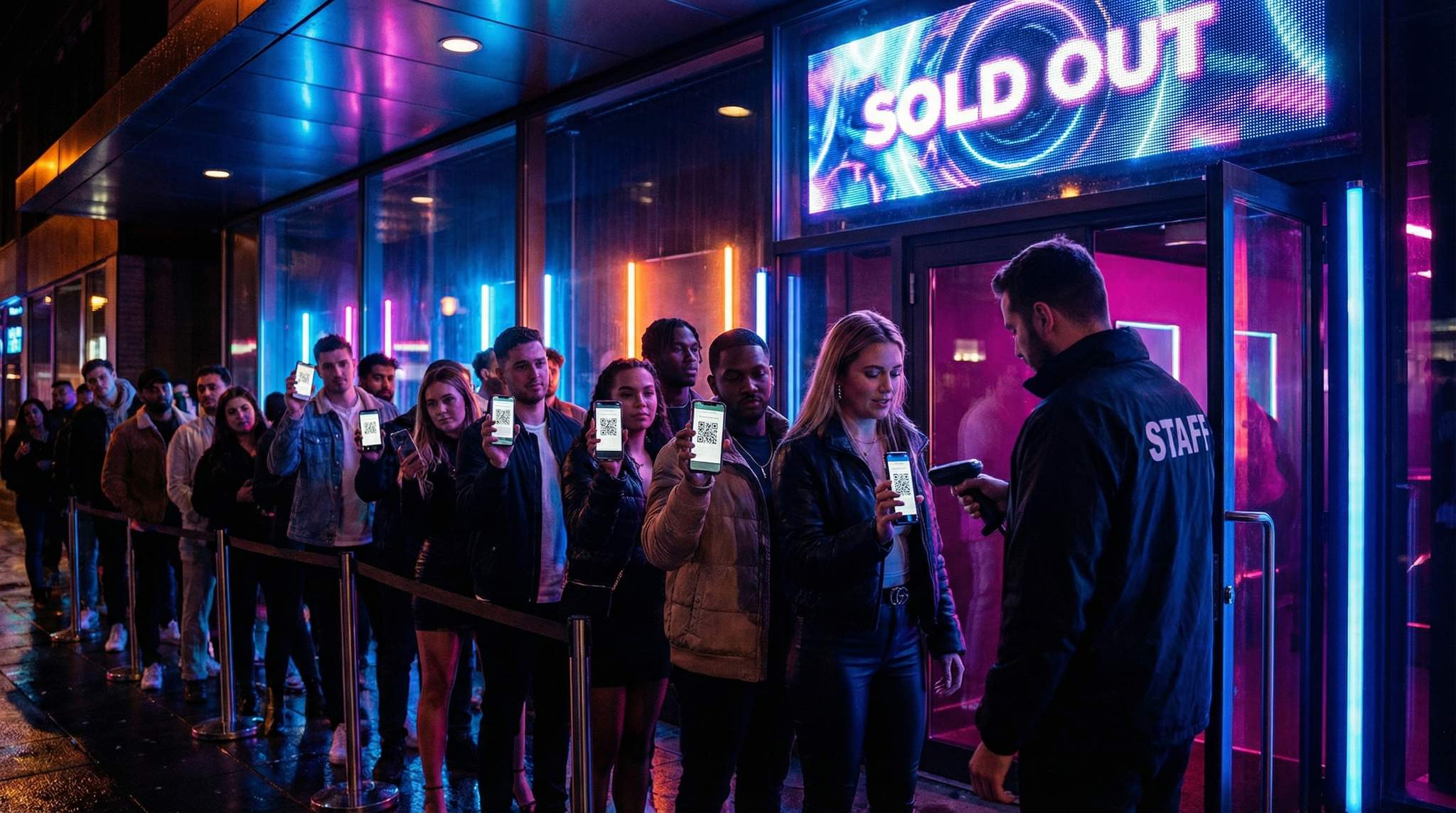
- Efficient Entry & Scanning: Digitize your door wherever possible. Use a mobile ticket scanning app or handheld QR scanner to validate tickets quickly. This instantly checks the ticket’s authenticity and marks it as used. It’s far faster than checking names on a list or tearing paper tickets. Many ticketing platforms provide a companion scanning app that any staff with a smartphone can use – familiarize your team with it before doors open. Set up multiple lines or scanning points if you expect a crowd, for example separate lines by last name or have a dedicated VIP/guest list entry. The goal is to avoid a massive line buildup outside, which can frustrate guests and even attract unwanted attention from authorities if sidewalks get blocked. Aim to process each person in a few seconds. At peak entry time (say 11pm when most arrive), have all hands on deck scanning tickets, checking IDs simultaneously, and directing folks inside. If you really want to go next-level, some clubs experiment with RFID wristbands for entry, which provide additional benefits for patrons and allow them to simply tap at the door for quick, touchless entry at events. This can further speed things up and even allow for integrated cashless payments inside. Whether QR or RFID, quick and reliable tech means less waiting and more dancing.
- Verify Age and Identity Smartly: Nightclubs often have age restrictions (21+ in many locales). Integrate ID checks seamlessly with ticket scanning. One method is to have one staff member scan the ticket and another immediately check the ID while the QR is being verified. If your region allows, consider tools like ID scanning devices that offer the benefits of ID scanning for nightclubs. Some newer systems even combine ticket QR and ID in one scan if people upload their ID ahead – but that might be overkill for most clubs. The key is to ensure safety and legal compliance (no minors sneaking in with borrowed tickets) without causing long holdups. Train your security on what to look for in IDs and have a plan for handling any issues (like someone clearly over-intoxicated at arrival or someone with a suspicious ticket). A fast entry is great, but not at the expense of letting problems slip in – find the right balance.
- Pre-Event Reminders and Info: A day or two before the event, send out an email (or SMS) to all ticket holders with important reminders. This message should include: event date & start time (you’d be surprised that some people buy tickets far in advance and forget details), the venue address (with a Google Maps link if possible), entry instructions (e.g., “Have your QR code ready on your phone to scan”), ID policy (“Must be 21+ with valid government ID”), coat check availability, and any last-minute updates (changed set times, etc.). Also mention the door opening time and encourage arriving early to avoid peak queues. These reminders greatly reduce confusion and questions on the day of. Customers appreciate feeling informed, and it shows professionalism. If there are special considerations (construction around the venue, limited parking, etc.), definitely let them know in advance. By anticipating common questions (“Is there parking?”, “Do I need to print my ticket?”, “Are there door sales available?”) and answering them proactively, your on-site process will face fewer hiccups.
- On-site Signage and Staffing: At the venue entrance, clear signage can direct guests where to go: signs for “Ticket Holders Entry”, “VIP Entry”, “Tickets on the Door (if available)”, and so on. If you have a separate guest list or press list line, label it. Nothing is more chaotic than one big mob of people who aren’t sure if they’re in the right line. Use those stanchions or ropes to organize queue areas if needed, especially if expecting hundreds at once. Ensure adequate staffing: friendly door people to greet and guide, security to do pat-downs or bag checks if required (and to manage any line-jumping etc.), and ticket scanners focused on speed. A pro tip is to have a floater staff member near the entry line whose job is to troubleshoot – if someone’s ticket isn’t scanning or they have an issue (“I lost my phone with the ticket”, “my friend bought my ticket under her name”), this staffer pulls them aside to resolve without halting the main line. Equip that person with a tablet or list to look up names or orders in the ticketing system as needed.
- Customer Support and Issue Resolution: Despite best efforts, you might encounter on-site issues: duplicate tickets (from unauthorized resale or scams), someone claiming they bought a ticket but it’s not showing up, or simply people who are confused about where to go. It’s crucial to handle these calmly and fairly. If a ticket scans as already used, politely ask if they possibly forwarded it to someone else or if their group already entered (sometimes friends share tickets by mistake). If you suspect a fake or scam, have a clear policy (sadly, those people might not be allowed in unless they purchase a door ticket, but handle it gently – they are victims of fraud, and though it’s not your responsibility, empathy goes a long way to maintaining goodwill). For lost tickets, ideally your door manager can search their ID or name in the system and verify purchase then allow entry, voiding the old barcode. Always have a supervisor or manager present who can make judgment calls (e.g., authorize a replacement ticket or deal with any VIP guests). Train your staff to be courteous but firm – the vibe at the door can affect a guest’s mood. A smile and “Welcome, enjoy your night!” after check-in starts things right.
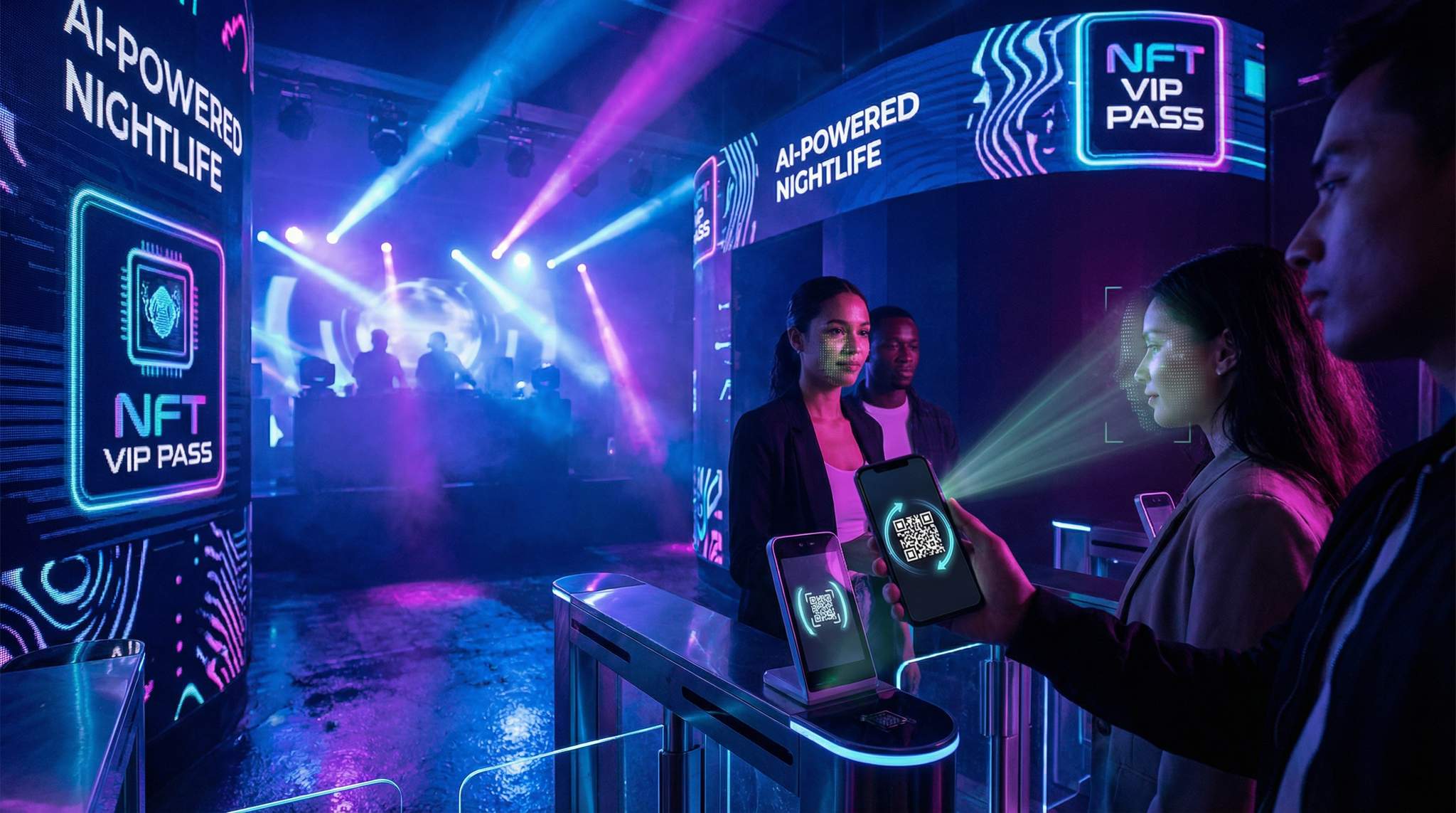
- Leverage Tech for Entry Management: We’ve mentioned scanning apps and possibly RFID. There are also now queue management apps that let people in line see wait times, or even virtual queue systems (though those are more common at theme parks than clubs). For most clubs, that’s overkill, but one innovation post-2020 was timed entry slots or “ticket waves” to spread out arrivals. If your event is very large or high security, you could consider assigning entry windows (like 9-10pm tickets slightly cheaper, 10-11pm standard, etc.) – but generally in clubland, people arrive when they want. One tech that’s rising is biometric entry – facial recognition or fingerprint scanning is shaping the future of nightlife experience. A few pioneering venues have tested face-as-ticket systems for speed and anti-fraud. If you have the means and it fits your crowd’s comfort level, it could be an option, but it’s not yet widespread in 2026 for clubs. It’s good to be aware of it though – future ticketing might be as simple as smiling at a camera to get in, no phone needed!
- Preparedness for Emergencies: Trustworthiness and safety go hand in hand. Ensure you have plans for situations like: the event is at capacity and there’s a crowd outside (have security manage that proactively, maybe announce “sold out” so people without tickets don’t linger), or if a system goes down (internet issues can cripple app scanners – always have an offline backup like a downloaded list or the ability to hotspot to a phone). Train staff on basic emergency procedures: how to handle a fire alarm or an unruly guest. While these aren’t directly ticketing issues, they intersect – e.g., if the fire marshal temporarily halts entry due to crowding, your team should communicate clearly to those waiting. Being prepared for the unexpected ensures that even hiccups don’t turn into PR nightmares.
When you streamline check-in and prioritize customer support on-site, you show attendees that your club is professional and cares about their experience. No one likes waiting in line for an hour or dealing with a confused door person. A swift, pleasant entry can actually be a selling point people talk about (“We got in so fast, it was great!”) especially when other venues in town might be infamous for chaotic lines. Additionally, a smooth entry is critical for safety – you avoid overcrowding at the doors and you’re able to get people inside to properly supervised environments quickly. In summary: invest time in your door operations plan just as you invest in the DJ and the sound system. It’s all connected to the overall success and reputation of your event.
Conclusion
Selling tickets to DJ performances, themed parties, and other nightclub special events in 2026 requires a blend of creativity, data-driven strategy, and impeccable execution. We’ve journeyed through the process – from understanding your audience (so you can create events they crave) and choosing a ticketing platform that won’t let you down, to pricing smartly in a way that maximizes revenue without scaring off fans. We emphasized crafting unique event experiences and promoting them through every channel possible, leveraging urgency and FOMO to drive demand. And we stressed that the customer experience doesn’t stop at the sale: a seamless entry and on-site service is key to turning first-time attendees into loyal returning guests.
Turn Fans Into Your Marketing Team
Ticket Fairy's built-in referral rewards system incentivizes attendees to share your event, delivering 15-25% sales boosts and 30x ROI vs paid ads.
The nightlife and live events industry is rebounding with full force – recent years saw record demand for live music, and while competition is intense, the opportunities are huge for those who deliver quality experiences. By applying the strategies outlined – rooted in real-world experience and current trends – you can rise above the competition. Remember to keep learning from each event: gather feedback, review what worked and what didn’t, and stay agile. Technology and consumer behaviors continue to evolve (who knows what new social app or ticketing innovation next year will bring), but a focus on experience, authenticity, and understanding your crowd will always serve you well.
Every sold-out night and packed dance floor not only boosts your bottom line but also builds your brand’s reputation. And as your reputation grows, future events become easier to sell as people trust that a night at your club is going to be top-notch. So implement these ticketing and promotion best practices, sprinkle in your personal creative flair, and get ready to watch those ticket sales soar – and to watch your club nights become the stuff of legend in your local scene.
See you on the dance floor!
You May Also Like:
– The Importance of VIP Management at Nightclubs: How They Can Provide Exclusive Experiences
– Booking Underground Music: Balancing Club Profits and Artistic Integrity
– The Impact of Dynamic Pricing on Nightclub Tickets: What You Need to Know
Frequently Asked Questions
How can nightclub owners identify their target audience?
Nightclub owners identify their target audience by conducting market research on demographics and music tastes, analyzing historical ticket sales patterns to spot trends, and engaging with the community via social media polls. Creating detailed buyer personas helps tailor marketing and event offerings to specific crowd preferences, ensuring events resonate with potential attendees.
What features are essential for a nightclub ticketing platform?
A reliable nightclub ticketing platform must offer ease of use with a streamlined checkout, mobile optimization for smartphone purchases, and real-time analytics to track sales trends. Essential features also include integration with social media marketing channels, multiple payment options like digital wallets, and robust anti-fraud security measures to prevent scams and duplicate orders.
How does tiered pricing work for nightclub events?
Tiered pricing involves releasing tickets in phases, starting with discounted early-bird rates to reward early buyers and secure cash flow. As the event date approaches or inventory sells out, prices increase to reflect higher demand. This strategy creates urgency and maximizes revenue by capturing different willingness-to-pay levels among attendees.
How can promoters use FOMO to boost ticket sales?
Promoters leverage FOMO by advertising limited capacities and using urgency-driven language like “sold out soon” or “one night only.” Displaying countdown timers for price increases and sharing real-time updates on dwindling ticket inventory creates scarcity. Highlighting exclusive elements, such as a rare DJ appearance, drives immediate purchasing action from undecided buyers.
What strategies ensure smooth entry at nightclub events?
Streamlining entry involves using mobile ticket scanning apps or handheld QR scanners for rapid validation to prevent long queues. Venues should integrate ID checks with ticket scanning and provide clear signage for specific lines like VIP or General Admission. Sending pre-event reminders with entry instructions further reduces confusion and speeds up the check-in process.
Why are themed nights effective for nightclub marketing?
Themed nights, such as 80s retro parties or neon glow events, provide an immersive experience beyond just music, attracting a broader crowd who enjoy dressing up. These events create unique, visual moments that encourage social sharing. Themes differentiate the venue from competitors and offer a fresh concept that justifies ticket purchases for special occasions.
What are the core components of successful nightclub event management?
Successful nightclub event management integrates strategic talent booking, targeted marketing, seamless ticketing operations, and flawless on-site execution. It requires operators to understand their audience demographics, utilize specialized nightlife ticketing features, and maintain strict control over door operations and VIP services to ensure a premium guest experience.
What are the most effective channels for nightclub event marketing?
The most effective channels for promoting nightlife events combine organic social media engagement, targeted paid advertising, and direct-to-fan communication. Venue operators see the highest return on investment by leveraging data-driven email and SMS campaigns to retarget past attendees, alongside influencer partnerships and dynamic social media ads that highlight the unique experience of the upcoming party.
What are the best ways to sell tickets for dance shows at a nightclub?
To successfully market tickets for dance shows and choreographed performances within a club setting, promoters should bundle the showcase with the main nightlife event. Offering an early-arrival ticket tier that includes the dance performance, followed by the headline DJ set, incentivizes patrons to arrive sooner. Utilizing targeted social media ads aimed at local dance communities and providing performers with trackable affiliate links also significantly boosts sales.
What should operators look for in ticketing software for nightclubs?
When selecting ticketing software for nightclubs, operators should prioritize platforms that offer rapid mobile scanning, integrated VIP table management, and real-time capacity tracking. The best nightlife ticketing systems also include promoter tracking links to accurately calculate commissions and robust anti-fraud measures to protect against counterfeit QR codes at the door.
What are the main benefits of using online ticketing for nightclubs?
Implementing online ticketing for nightclubs allows venue operators to secure advance revenue, reduce chaotic lines at the door, and capture valuable attendee data. This digital approach enables promoters to track marketing ROI, build targeted email lists for future events, and better forecast staffing and inventory needs based on pre-sale numbers.