Introduction: Why Generational Marketing Matters in 2026
Different Generations, Different Playbooks
In 2026’s crowded event market, a one-size-fits-all marketing campaign just doesn’t cut it. Different age groups engage with media in vastly different ways. A meme on TikTok might go viral with Gen Z but completely miss Gen X, while a long-form email that informs Gen X could be ignored by a 20-year-old. Successful event promoters know each generation requires its own playbook, as segmenting your event marketing strategy is essential for success. Furthermore, you must master inclusive event marketing and tailor your approach to content that speaks to them. Ignoring these differences can mean pouring budget into promotions that your target audience never sees. For example, a festival targeting college-aged fans that spent half its ad budget on Facebook and email saw dismal early sales – until it shifted to TikTok and Instagram, where younger fans actually hang out. The lesson? Mind the generation gap or risk marketing misfires.
Avoiding the One-Size-Fits-All Trap
Statistically, segmented campaigns far outperform broad ones. Generic blasts waste ad spend on people who won’t respond, proving that segmenting leads to better ROI. By contrast, tailoring messages to each demographic drives up engagement and ticket sales. In fact, segmented email campaigns generate 14% higher open rates and 100% more clicks on average. Seasoned event marketers attest that relevance equals results. If you “speak the language” of each generation – using the channels and content they prefer – they’re much more likely to pay attention and buy tickets. This isn’t just theory; it’s backed by hard data and real campaigns. The bottom line: understanding generational nuances isn’t a luxury, it’s a necessity for maximising ROI on your event marketing in 2026.
The Payoff of Tailored Campaigns
Adapting your strategy by age group can be a game-changer. Events that segment by generation have seen significant boosts in return on ad spend and lower customer acquisition costs. For example, one event promoter found that targeting younger fans on TikTok netted a 5× higher ROAS than their same spend on Facebook, while an email campaign aimed at 30-somethings drove 2× more ticket conversions than unsegmented emails. Every generation has distinct triggers – and when you hit them, the payoff shows up in your sales reports. On the flip side, campaigns that ignore these differences often struggle: lukewarm engagement, wasted budget, and unsold tickets. The good news? With a bit of upfront research and strategy, you can tune each part of your marketing to resonate with the right age group. Before diving into specific tactics for Gen Z, Millennials, and Gen X, let’s look at how these generations differ at a high level.
Generational Differences at a Glance
Each generation has unique media habits, values, and decision drivers. The table below provides a snapshot of how Gen Z, Millennials, and Gen X (the primary ticket-buying cohorts in 2026) compare on key marketing-relevant traits. Use this as a quick reference when planning your campaigns:
Turn Fans Into Your Marketing Team
Ticket Fairy's built-in referral rewards system incentivizes attendees to share your event, delivering 15-25% sales boosts and 30x ROI vs paid ads.
| Aspect | Gen Z (teens to mid-20s) | Millennials (late 20s to early 40s) | Gen X (40s & 50s) |
|---|---|---|---|
| Platforms & Media | TikTok, Instagram, YouTube; also Snapchat & Discord. Mobile-first, video-centric. Rarely use Facebook. | Facebook, Instagram still big; also YouTube. Many browse on both mobile and desktop. Email newsletters popular. | Facebook (84% on it according to social media demographic guides), YouTube, some Instagram. Still consume traditional media (TV, radio) more than younger groups. Uses desktop web and search heavily. |
| Content Style | Ultra-short, visual content (snackable vids, memes). 8-second filter – need to hook immediately. Authentic, trend-driven tone. | Authentic storytelling and info-rich content. Will read longer posts or emails if relevant. Appreciate videos and text. Professional but fun tone works. | Straightforward and detailed. Prefer clear, informative content. Not easily swayed by hype – respond to practical info (schedule, parking) and polished presentation. |
| Values & Motivators | Crave authenticity and inclusivity. Strong peer influence – trust friend and influencer recommendations. Seek shareable experiences and social causes (94% want brands taking stands as noted in recent diversity and inclusion studies). Highly value entertainment and novelty. | Value unique experiences and social connection. Often loyal to brands/events aligning with their values (sustainability, community). FOMO works, but they also consider quality and peer reviews. Many Millennials prioritize experiences over things (72% prefer spending on events/travel over objects per studies on Millennial spending habits). | Value reliability and comfort. Motivated by nostalgia and quality. Trust established brands and media. Appreciate when events make their lives easy (e.g. VIP upgrades, seating, ease of access). Less driven by trends, more by personal relevance and convenience. |
| Decision Drivers | Trends & FOMO: tend to decide closer to the event, influenced by what’s viral now. Seeing friends or favorite creators attend sparks interest. Price-sensitive (many are students); respond to special offers or payment plans. Social proof (big follower counts, hype) matters. | Planning & Word-of-Mouth: often plan outings with friends well in advance (work schedules, etc.). FOMO plays a role but they behave more pragmatically than Gen Z. Peer word-of-mouth and online reviews carry weight. Deals like group discounts and early-bird pricing can tip the scales. | Practical Considerations: likely to buy early if it’s an event they care about, to secure logistics (time off, babysitter, etc.). Influenced by safety, convenience, and value. They appreciate early reminders, clear refund policies, and seeing that “all details are handled.” Personal recommendations or radio/press coverage can influence them more than trendy social posts. |
Table: Key differences in media habits, content preferences, and motivators among Gen Z, Millennials, and Gen X audiences. Use these insights to inform your channel selection, tone, and offers for each group.
As the table shows, what excites a 22-year-old might fall flat with a 48-year-old – and vice versa. Next, we’ll dive deeper into each generation and outline practical strategies to win them over, with real examples from successful campaigns.
Ready to Sell Tickets?
Create professional event pages with built-in payment processing, marketing tools, and real-time analytics.
Gen Z: Engaging the Digital Natives Shaping New Trends
Where Gen Z Discovers Events
Gen Z (roughly ages 13–26 in 2026) lives and breathes online – particularly on visual, fast-paced platforms. To reach these digital natives, meet them where they already spend hours every day. That means TikTok, Instagram, YouTube, and Snapchat (and don’t forget emerging community spaces like Discord). Social media isn’t just entertainment for Gen Z – it’s their search engine, shopping mall, and hangout spot. In fact, about 73% of Gen Z discover events via social media, and many even use TikTok or IG instead of Google to find info, highlighting how Gen Z discovers events and reflecting broader social media usage trends. According to Sprout Social’s research, Gen Z is most active on Instagram (91% use it) and TikTok (86%) according to generational marketing insights. By contrast, very few Gen Z’ers regularly check Facebook or read long email newsletters. If your event marketing skews toward Facebook posts or mass emails, you’ll likely miss the Gen Z audience entirely.
Focus your channel strategy on mobile-first, visual platforms. Short-form video is king – TikTok in particular. This is where Gen Z goes to be entertained and discover what’s cool. Instagram (especially Reels) is also key for events, as is YouTube for slightly longer content (recap videos, artist announcements, etc.). Additionally, don’t overlook private channels: Gen Z shares event info in group chats, Instagram DMs, and even via memes. They often coordinate in small friend groups on Snapchat or WhatsApp. Smart promoters facilitate this by making content shareable. For example, create IG Stories that fans can easily forward to friends, or TikTok clips that beg to be dueted. And remember, Gen Z is glued to their smartphones: ensure every ad, website, and ticket page is mobile-optimised and fast-loading. Any friction (like a clunky site) and they’ll bounce.
Messaging that Clicks with Gen Z
When marketing to Gen Z, authenticity and FOMO are your best friends. This generation has a BS meter that’s finely tuned – they scroll past anything that feels like a boring corporate ad. To grab them, content needs to feel real, exciting, and culturally relevant. Think short, snackable videos with bold text overlays, trending music, and quick-cut visuals. You have only a few seconds to capture their attention (some say Gen Z has about an 8-second attention span for ads), so lead with the most eye-catching, Gen Z–relevant hook to capture mobile-first audiences. That could be a dramatic shot of the crowd going wild, a meme-worthy moment from last year’s event, or a quick flashy graphic announcing a headline artist – whatever will make a 20-year-old stop scrolling and say “Whoa, what’s this?!”
Tone is also crucial: keep it casual, fun, and relatable. Gen Z responds to conversational language, internet slang (when used authentically), and humor – but they can sniff out pandering. Don’t force slang that doesn’t fit your brand, but do aim for a tone that’s approachable. They appreciate brands that can be a bit self-aware or playful. For instance, instead of a formal “Join us for an unforgettable concert experience,” a Gen Z–oriented pitch might be “This lineup is straight fire ?… you coming or what?” Importantly, highlight experiences and community. Gen Z cares about the vibe and the story, not just the facts. Showcase what it feels like to be at your event – the energy, the crowd, the “you had to be there” moments – especially ones they’ll want to share on their own socials.
Smart Promo Codes & Presale Access
Create percentage or flat-rate discount codes with usage limits, date ranges, and ticket type restrictions. Plus unlock codes for private presales.
Another angle that resonates with Gen Z is social consciousness. This generation is often called the most socially aware. They rally behind causes and expect brands (and events) to reflect their values. Highlighting any positive social or environmental aspect of your event can pique interest – if it’s genuine. For example, if your festival has a sustainability initiative or supports a charity, work that into your messaging. A great case in point is Global Citizen Festival, which literally ties attending to taking social action. Fans earn tickets by doing good deeds (like signing petitions), aligning the event with activism Gen Z cares about, a key part of designing festivals for digital natives. While you might not go that far, even messaging like “$1 of each ticket goes to X cause” or “Our event is eco-friendly (plastic-free)” can make your promotions more compelling to Gen Z audiences.
Lastly, leverage influencers and creators that Gen Z already trusts. Peer recommendations are gold for this group. Whether it’s micro-influencers in a scene (e.g. a TikTok dance creator promoting your EDM show) or the artists on your lineup doing shoutouts, these third-party voices carry weight. Sprout Social found Gen Z is significantly more likely than other gens to support brands that partner with influencers (32% favor this) or hop on viral trends, as Gen Z expects authenticity. The key is finding authentic fits – creators who genuinely align with your event’s image – and letting them put their own spin on promoting it. When a trend catches, Gen Z will amplify it for you through shares.
Grow Your Events
Leverage referral marketing, social sharing incentives, and audience insights to sell more tickets.
Gen Z Ticket-Buying Behavior and Timing
Gen Z tends to be spontaneous when it comes to event attendance. Many younger fans wait until an event is trending or all their friends are going before they commit to buying a ticket. It’s not unusual to see a large chunk of Gen Z ticket sales come in the final days or weeks leading up to a show. Why? Partly because young people are busy and bombarded with options, and partly because they often make plans closer to the moment (a stark contrast to, say, Gen X who plan well ahead). FOMO marketing (Fear Of Missing Out) works exceptionally well here. If Gen Z consumers see that an event is the “hot thing” and their peers are buzzing about it, they’re far more likely to jump in last-minute. Tactics like countdowns (“Only 3 days left to get tickets!”), low-ticket warnings (“90% sold out!”), and highlighting sold-out tiers or past crowds can trigger that FOMO-driven action.
Price sensitivity is another factor. Younger attendees often have limited budgets – students or early career folks don’t have a lot of disposable income. That doesn’t mean they won’t pay; it means perceived value and flexible pricing can make a difference. Consider offering student discounts, group deals (e.g. “bring 3 friends, get 20% off each”), or installment payment plans. Even a small promo like “$10 off for the first 100 students” can spur Gen Z to commit. Also, ensure your checkout process supports modern payments (mobile wallets, etc.) – Gen Z is less likely to dig out a credit card if Apple Pay or Venmo is one tap away.
Because Gen Z buys late, keep marketing to them right up to the event. Don’t peak your entire campaign 8 weeks out and go quiet; you need fresh hype in the final sprint. This is where social media urgency plays a role. For example, in the last 2 weeks before your event, ramp up TikTok posts showing behind-the-scenes prep, or have influencers post “Can’t wait for XYZ Fest this weekend!” videos. Gen Z lives for the now, so show them that buzz now. They also coordinate quickly – you might be surprised how fast a friend group can mobilize when an event looks exciting enough. One person shares a post (“this looks sick, let’s go!”) and suddenly you have five Gen Z friends buying tickets the night before the show.
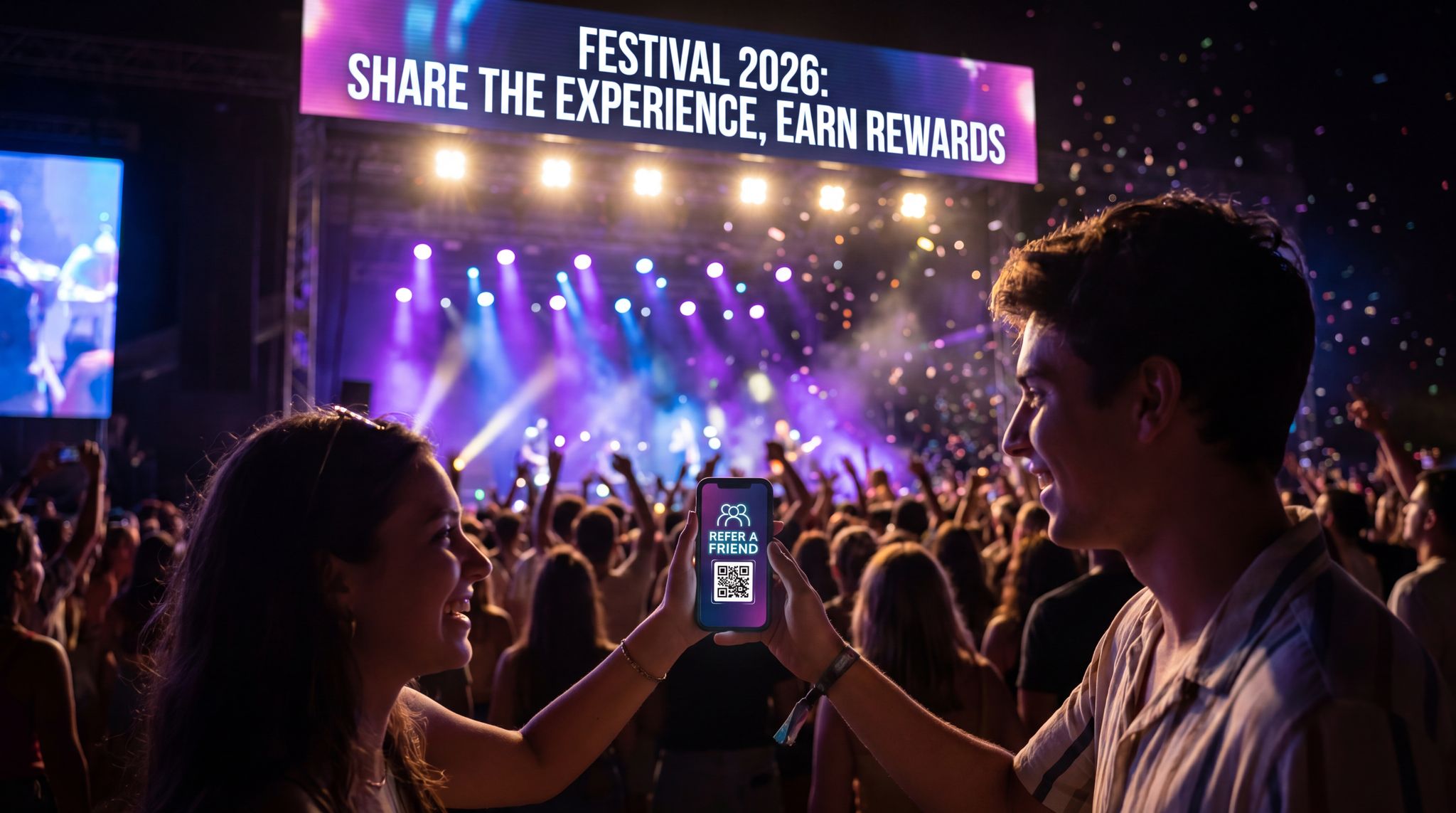
Word-of-mouth is incredibly powerful here: 60% of Gen Z ticket buyers find events through friends’ recommendations and shared social experiences. So make it easy for them to spread the word. Enable referral codes or “invite a friend” deals if possible (turn your Gen Z fans into ambassadors). Encourage user-generated content in advance – like a hashtag challenge – so they effectively advertise the event to each other (more on that below). And be ready: Gen Z will often have questions via DM or comment, expecting quick answers (What time do doors open? Is there an age limit?). Prompt, friendly responses on social or chat will build trust and push them to convert.
Free Tool: When Should You Announce?
Pick your event date and genre — the free planner outputs a recommended announce, presale, on-sale and reminder schedule anchored to how your audience actually buys.
Gen Z Marketing in Action: Real-World Wins
To see these principles in practice, consider the success story of Hideout Festival in Croatia. Aimed at young travelers and music fans, Hideout leaned heavily into Gen Z–style promotion. They partnered directly with TikTok to share joyful clips of beach parties, DJ drops, and fans having the time of their lives – all set to trending music. The result? The festival’s hashtag blew up, racking up around 13 million video views and a 202% increase in followers, all while significantly lowering their marketing cost per ticket by engaging Gen Z on their preferred platforms. By speaking the visual language of Gen Z on TikTok, Hideout created massive FOMO for thousands of young people who then had to be there.
Another example: a North American pop-up Halloween attraction targeted Gen Z by recruiting popular TikTok creators to do “scare challenge” videos at the venue. These spooky-fun clips went viral among local teens and college students, generating millions of views. Ticket sales surged, with the event reporting that over 50% of attendees heard about it via TikTok or a creator. The co-marketing with influencers turned the event into a social media moment. Lesson learned – if you want Gen Z in 2026, turn your event into the next big thing on their feed.
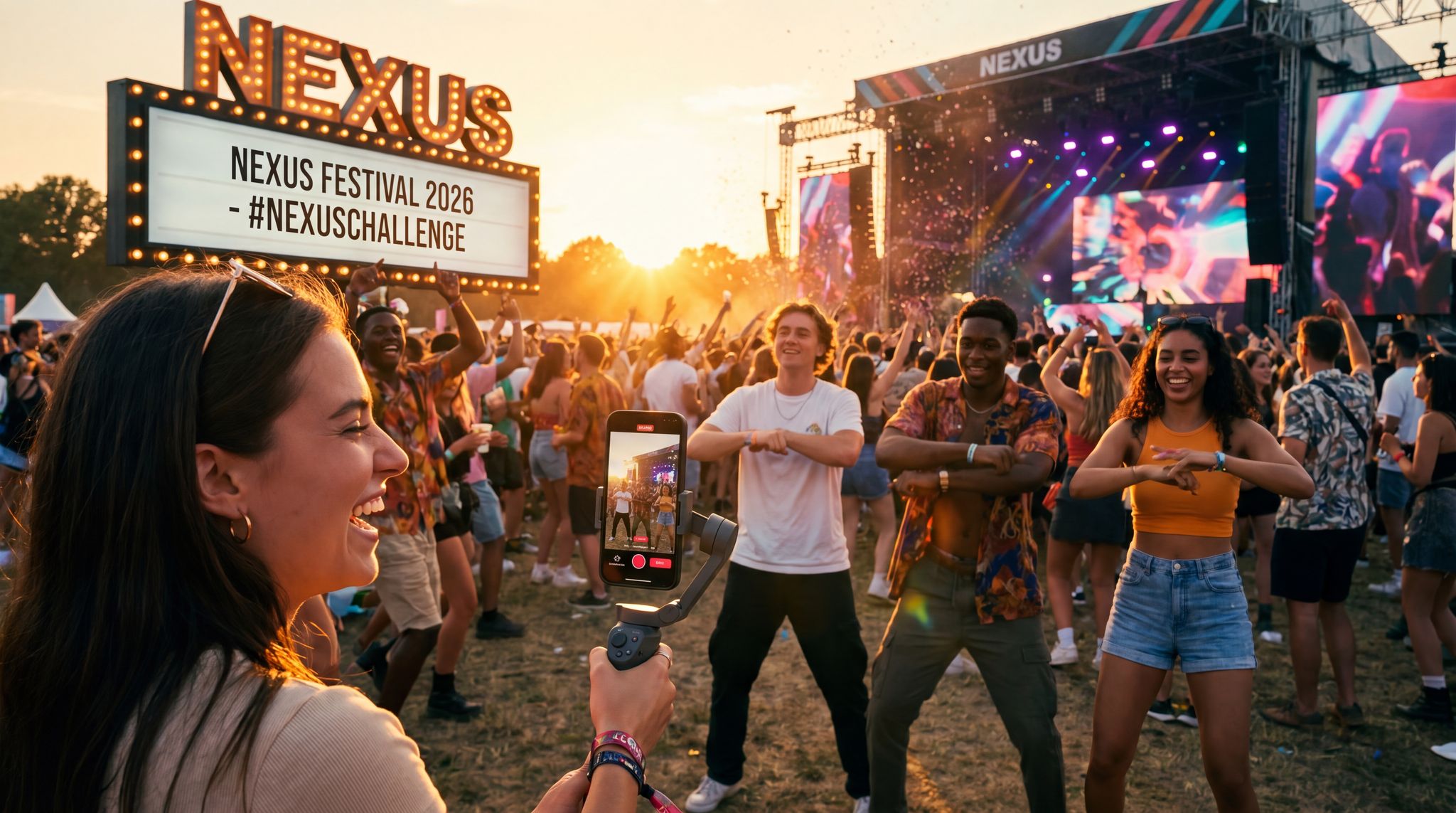
Finally, user-generated content (UGC) has proven to be a goldmine for engaging Gen Z. This demographic loves to participate and create. Smart event marketers run campaigns that invite Gen Z fans to post about the event themselves – effectively crowdsourcing your marketing. Whether it’s a hashtag contest (“#DanceAtXYZFest challenge – show us your best moves to win VIP tickets!”) or simply reposting cool fan TikToks and IG stories, UGC brings authenticity. It lets Gen Z see real people like them excited about the event. According to marketing research, 84% of Gen Z trust peer content more than straight brand ads. Many events in 2026 actively stoke UGC before and during the show because mastering user-generated content not only spreads buzz for free, it also deepens the fan’s personal investment. If a Gen Z fan makes a TikTok about your event, you can bet they’ve bought a ticket or will soon. The takeaway: empower Gen Z to market for you – their content is authentic and persuasive to their peers, meeting Gen Z expectations on social media.
Millennials: Connecting with the Experience-Driven Social Sharers
Key Channels to Reach Millennials
Millennials (mid-20s to early 40s) were the original social media generation and remain highly active online, though their platform preferences differ from Gen Z. For event marketers, Facebook and Instagram are musts for Millennial outreach. Millennials grew up with Facebook – and many never left. In fact, Facebook’s largest user age segment globally is 25–34, making it a prime channel for segmenting your event marketing strategy, right in the Millennial range. Around 87% of Millennials use Facebook, and 86% are on Instagram, confirming generational social media habits, making these two platforms prime territory. Unlike Gen Z, a lot of Millennials do check Facebook regularly (especially for events, updates from friends, and groups). So, promoting via Facebook Events, Groups, and targeted ads can effectively reach this crowd. Instagram is similarly crucial – Millennials use it not just to follow friends but also influencers, brands, and yes, events. Ensure you have a solid presence on these platforms: create a Facebook Event page (Millennials often discover local events through the FB events listings or invites) and keep your Insta updated with engaging posts and Stories (lineup announcements, venue previews, etc.).
Email marketing also shines with older Millennials. Many Millennials are now well into their careers; checking email is a daily habit (over 90% check email at least once a day according to Millennial vs Gen Z marketing guides and email frequency studies). They’re more likely than Gen Z to actually open and read a marketing email, especially if it’s tailored to their interests. Building a segmented email list for your Millennial attendees – and sending them rich content like “insider guides” or special offers – can yield great results. Use email to share things like behind-the-scenes blog posts, ticket promotions, or “what to know before you go” info. Millennials appreciate the convenience of a well-crafted email with all the details (many are at work on a computer and will click through informative content). Just avoid spammy blasting; focus on value and personalization (e.g., “Since you came last year, here’s an exclusive pre-sale code!”).
Aside from Facebook/IG and email, YouTube and search engines play a role. Millennials often use Google to search for events or reviews (“best music festivals in California” or “XYZ Festival aftermovie”). So maintaining good SEO on your event pages and even running Google Ads for event-related keywords can capture those planners. Many Millennial concert-goers also watch YouTube recaps or artist videos when deciding on an event. Consider uploading engaging videos (artist performance previews, aftermovies of past events). And don’t discount word-of-mouth in social forums: Millennials might not be on TikTok as heavily, but they do browse Reddit, Twitter (X), and specialized forums for recommendations. For example, a Millennial might read a Reddit thread about “must-see conferences in my industry” or search Twitter for people talking about an upcoming show. Having a presence or at least monitoring those spaces can give you an edge (e.g. engage positively if someone asks “Anyone going to X event?”).
Grow Your Social Following With Every Sale
Require social media follows, shares, or playlist adds to unlock presale access or special pricing. Turn every ticket purchase into audience growth.
Finally, keep in mind device usage: while Gen Z is almost exclusively mobile, Millennials span mobile and desktop. They might discover your event on an Instagram feed but later buy the ticket on a laptop. Ensure your marketing assets (emails, websites) are cross-device friendly. And use retargeting across devices – for instance, if they visit your site via desktop, a reminder ad on mobile later can prompt the purchase, and vice versa. Millennials expect a seamless experience; they remember the days of MySpace but now demand Amazon-level ease. So all your purchase links, checkout flows, etc., should be smooth whether clicked from a phone or a computer.
Crafting Messages for Millennial Audiences
When speaking to Millennials, lean into storytelling, nostalgia, and social proof. This generation values experiences – they’re the ones who popularised the phrase “collect moments, not things.” They respond to marketing that paints a vivid picture of the experience your event offers. So, go beyond basic facts: craft narratives. For example, instead of just listing DJ names for a festival, evoke the journey: “Remember dancing under the stars with your best friends? That’s exactly what we’re bringing back at XYZ Festival this summer.” Many Millennials cherish throwbacks to the late 90s and 2000s (their youth). A savvy tactic is to sprinkle in nostalgic references if appropriate. If your event has any tie-in to their younger days – say a reunion tour of a band they loved in college, or a themed night (“90s throwback party”) – highlight that. Even subtle nods work: one festival email aimed at Millennials used the subject line “Remember the 90s? Our throwback stage will take you back!” and saw a big open rate uptick by using targeted nostalgic content.
Authenticity is key for Millennials too. They grew up with ads and have seen every marketing trick in the book, so they appreciate honesty and transparency. Communicate the value of your event plainly: what makes it special, how it aligns with their interests. For instance, if your event is about wellness and music, a Millennial-targeted message might be “Recharge with a day of yoga and live music – because balancing work and fun is what we do.” This speaks to their lifestyle of self-improvement + enjoyment. Also, include social proof in your messaging for this demographic. Millennials trust the crowd – if an event is popular or well-reviewed, they take notice. You could mention “Voted best festival of the year by 5,000 attendees last year” or use testimonials: “‘Absolutely transformative conference – I made 10 new industry contacts.’ – 2025 attendee”. Embedding reviews, attendee quotes, or influencer endorsements (Millennials follow a lot of bloggers and YouTubers) can tip a decision.
Millennials also appreciate informational content more than Gen Z. They’re willing to read a bit to be convinced. So give them substance: blog articles, “Top 10 Tips for Enjoying X Event” guides, artist interviews, or video sneak peeks. For a Millennial, consuming content about an event can actually increase their excitement and likelihood to attend – it’s part of the experience. For a music festival, you might publish a playlist or a background story on how the festival came to be. For a B2B event, maybe a Q&A with the keynote speaker. This generation does their research; many will Google an event and read through the website or media coverage before committing. Make sure those materials exist and are easy to find. If you don’t tell your event’s story, someone else (or silence) will, and you lose an opportunity to connect.
In terms of tone, be relatable and respectful of their time. Millennials straddle the line between youthful and mature – they have fun, but many also have jobs, families, etc. Marketing that acknowledges their reality tends to land well. For example, “We know life is busy – that’s why our festival app lets you plan your schedule in advance, so you won’t miss a beat.” Such messaging shows you “get it.” Humor can work (Millennials love a good meme too), but keep it non-cheesy and in line with your brand. And definitely ensure your messaging is inclusive and diverse – Millennials as a group are very attuned to this. They responded positively to brands embracing diversity and social causes earlier on, and still do. In your visuals and copy, represent the audience you hope to see.
How Millennials Decide and Buy Tickets
Millennials are planners and social organizers. Unlike Gen Z, they’re less likely to buy a ticket the day before (unless it’s a spontaneous friend invite). Many Millennials coordinate plans weeks or months ahead, especially as they move into their 30s and 40s. They have work calendars, maybe kids or pets to arrange care for, and often friend groups that need wrangling. What this means: your marketing should hit Millennials early and emphasize planning. For big events (festivals, destination events), you’ll want to start promotion at least 3-6 months out for this age group. And highlight things that help them plan: early-bird ticket windows, payment plans, travel packages or hotel info, etc. Mentioning things like “Lock in your ticket now for the best rate” or “Book early – prices go up next month” creates urgency without the last-minute frenzy that Gen Z needs. It taps into Millennials’ fear of missing out down the line – they know if they don’t organize now, their friends might all go without them.
Built-In Email Marketing for Events
Send targeted campaigns, automated purchase confirmations, and post-event follow-ups directly from your ticketing dashboard.
This generation also loves group experiences. They pioneered the big group trip to Coachella, the friend reunion at a beer festival, the team outing at a conference. So target friend groups in your tactics. Provide incentives for group attendance: e.g., “Buy 4 tickets, get 1 free” or bundle packages (VIP table for 6, etc.). A “friends bundle” discount not only appeals to their wallet but also nudges them to corral their crew (one successful festival campaign offered a 4-pack of tickets for 10% off, which many Millennial friend groups jumped on, proving that group-focused marketing strategies work). Also, encourage them to share with friends: add social share buttons on the confirmation page (“Tell your friends you’re going!”) or run referral programs (“Get $20 back for every friend who buys with your link”). Millennials, now in their late 20s-30s, might not see each other as often due to life’s obligations, so an event can be a great meetup excuse – play into that in messaging: “Group reunion at the festival? Yes please!”
Millennials weigh peer opinion and reviews quite heavily. Before buying, many will check ratings or ask around. Ensure your online presence (Google reviews, Facebook page ratings, etc.) is solid. Encouraging happy past attendees to leave a quick review (“Had a blast at X event!”) can pay dividends. If your event is new, leverage testimonials from similar events or general positive quotes from performers or community figures. Also, consider PR or media coverage: Millennials are likely to trust an event they see featured in an article on a site they read (e.g., a local city culture magazine or an industry blog for a conference). Collaborating with media outlets for event coverage (interviews, press releases) can indirectly validate the event for this generation.
In terms of spending, Millennials generally have more income now than when they were younger, but many also have more expenses (rent, kids, etc.). They will pay for experiences – even premium prices – if they see the value. Tiered pricing works well: offer a range from general admission up to VIP. Some Millennials love upgrading for convenience (skip-the-line passes, open bar, meet-and-greets) as a treat. Others on tighter budgets will snag early-bird deals happily. So advertise those tiers clearly. One effective tactic is loyalty rewards: since many Millennials have been attending events for years, reward repeat attendees (a special discount code for last year’s buyers, early access to tickets for returning fans, etc.). This builds loyalty and encourages word-of-mouth (“I got an early invite link – let’s all grab tickets now before they’re public!”). Also, time your marketing communications smartly – for instance, many Millennials check social media or personal emails in the early morning or late evening around work, so scheduling posts or emails around 7-9am or 8-10pm might catch them when they have a moment to consider an event.
Tactics & Examples for Millennial Engagement
Let’s look at a few real-world-inspired tactics that have proven effective with Millennial audiences:
-
Early-Bird Campaigns: A tech conference in Europe found success by heavily pushing early registration to Millennials. They offered a 20% discount for those who bought 3+ months in advance and advertised it through LinkedIn groups and emails to past attendees. The result: over half the tickets were sold at the early-bird stage, primarily to Millennial professionals who appreciated the savings and certainty. The conference then used those early sign-ups as social proof (“500+ industry peers already registered – don’t miss out”) in their next marketing wave.
-
“Throwback” Social Content: A music festival targeting 30-something Millennials spiced up its content with nostalgia. They ran “Throwback Thursday” posts showing epic moments from the 2010 festival editions when many attendees were in college, tagging people they could recognize. Engagement spiked as Millennials tagged friends “We HAVE to go this year!”. The festival also added a throwback DJ set (spinning hits from the early 2000s) and promoted it in the event description. This nod to their younger years generated a warm, excited response and a notable uptick in ticket sales among the 28–40 age group.
Free Tool: Split Tickets for Max Gross
Given capacity and a target price, the optimizer proposes Early Bird / GA / VIP allocations and prices — with projected gross at 100%, 80% and 60% sell-through.
-
Friends Referral Program: A regional 10K running event noticed many Millennials attend in groups (friends or coworkers). They introduced a referral program: “Invite 3 friends, and your entry is free.” They promoted this via email and a Facebook event page. Millennials, known for being social planners, took charge – one person would register and then recruit a bunch of pals to join to earn the free ticket. Not only did this boost registrations by 25%, it also created mini ambassadors who spread the word. The key was appealing to Millennials’ group mentality and giving a clear incentive to share.
-
Content-Rich Emails & Blogs: An arts festival realized that their Millennial audience often asked detailed questions (about parking, family friendliness, schedule, etc.). They created a series of blog posts like “10 Tips to Rocking FestivalName if You’re Coming With Kids” and “Meet the Artists: Q&A with our Headliner”. These were shared in email newsletters. Millennial readers loved the insider info – open rates and time-on-page were high. Many cited these materials in post-event surveys as something that built their trust that the event would be worth it. Essentially, offering useful content sold the experience by educating and exciting Millennials, who then felt more prepared and committed to attending.
Best Practices in Millennial Events Management
Effective millennial events management goes beyond just digital marketing; it requires designing the on-site experience to match their expectations for seamless logistics, premium upgrades, and shareable moments. Organizers who excel at managing events for this demographic know that Millennials value streamlined entry processes, high-quality food and beverage options, and curated VIP experiences. By aligning your operational execution with your promotional promises, you ensure that these experience-driven attendees become loyal, repeat ticket buyers.
The overarching theme with Millennials is relationship and relevance. They want to know an event will deliver a great experience and fits what they care about, and they appreciate when you help them envision and plan that experience. Market with that in mind, and you’ll win their loyalty (and ticket purchase).
Gen X: Reaching the Overlooked High-Value Demographic
Platforms Gen X Relies On
Gen X (roughly ages 42–57, in 2026) often gets less buzz than younger cohorts, but they command significant spending power and still love going out to events. To tap into this group, focus on the channels they actually use (which are a blend of digital and traditional). The cornerstone of Gen X digital life is Facebook – many joined in the late 2000s and it remains a daily tool for keeping up with friends, family, and local happenings. About 84% of Gen X is on Facebook, the highest share for any platform among this age group according to social network user demographics. They might not post as often as Millennials, but they scroll and see content. So, a solid Facebook presence (event pages, local event listings, maybe even some targeted ads to the 40–55 age bracket) is crucial. Gen X is also quite active on YouTube (how-to videos, music, news clips) and uses Instagram to a lesser extent (many have accounts to follow family or hobbies). Interestingly, Gen X also forms a significant portion of LinkedIn users, as noted in cross-platform usage data, since they are mid-career professionals. If you’re promoting, say, a business conference or networking event, LinkedIn ads or posts could be very effective for reaching Gen X professionals.
Email remains a powerhouse for Gen X. Many Gen Xers check email like clockwork (they’ve been doing it since AOL in the ’90s). For event marketers, that means well-crafted email campaigns can directly reach them. Build email lists through your ticketing platform or website specifically segmented for older attendees (via birthdate or self-reported info). Then tailor those emails: use a slightly more formal tone, put critical info up front (Gen X appreciates knowing the “when/where/how much” immediately), and make the call-to-action clear (“Buy Tickets Now”, “RSVP Here”). Gen X is more patient with emails that are to-the-point – they’re likely to appreciate a concise newsletter about an upcoming jazz concert or a charity gala. Ensure the design is clean (larger text isn’t a bad idea for older eyes) and that if they click a link, it leads directly to what’s promised (e.g., to a simple ticket purchase page or an information page with full details).
Don’t shy away from traditional media and outreach for Gen X, especially for local events. This generation listens to the radio (particularly driving to work) and watches TV more than younger groups. If your budget allows, a radio spot on a station that plays classic hits or a local news mention can put your event on Gen X’s radar. PR efforts like getting an event listing or a mention in the local newspaper (print or its online site) can also be effective – Gen X grew up reading the paper and many still trust local news. Additionally, community channels like local Facebook Groups or Nextdoor (yes, Gen X uses Nextdoor to stay informed about community events and discussions) can be leveraged. If you have, say, a community festival or venue show that appeals to 40-50-somethings, posting in a town Facebook group (“CityName Events & Happenings”) can directly reach them where they’re actively looking for things to do.
An often overlooked channel: direct referrals and personal outreach. Gen X places a lot of value on personal recommendations (they’re the generation that still might call a friend to invite them, rather than just text a link). If you have identifiable Gen X customers (perhaps from past events or an email list), consider a more personal touch. For instance, a theater might have its box office staff call past subscribers to let them know about a new show (this works because Gen X grew up with phone calls and appreciate the courtesy). Or for a VIP segment, a mailed invitation or flyer can stand out – snail mail marketing that would be lost on Gen Z could actually catch a Gen X customer’s eye because it’s tangible and old-school. Obviously, use this selectively to avoid cost, but for high-value events (like an upscale wine-tasting targeted at 45-year-olds), a beautiful mailed invite could be persuasive in a way an email might not.
Messaging that Resonates with Gen X
Gen X responds best to clear, straightforward, and informative messaging. They grew up before the internet’s constant buzz, so they don’t have as much patience for gimmicky hype. When crafting content for Gen X, emphasize practical value and quality. For example, if promoting a concert, mention the seats (“reserved seating available” or “table service included for VIP”) and convenience factors (“ample parking on site”, “doors open early for easy entry”). These might seem like minor details, but Gen X pays attention to them. A phrase like “No need to worry about parking – we’ve got free valet for attendees” can actually tip a Gen X-er toward buying, because it addresses a logistical concern up front. In contrast, a Gen Z might not even think about parking until the day of, but Gen X appreciates that you’ve thought about their experience holistically.
While Gen X enjoys fun as much as anyone, your tone with them can be a bit more professional or sincere compared to the youthful slang for Gen Z. Think of it as talking to a friend in their 40s – friendly but respectful. Highlight what makes the event worth their time and money. Many Gen Xers are juggling a lot (careers, family, etc.), so a convincing message might be “Unwind this Saturday with an evening of great music, food, and company – you deserve a night out!” This acknowledges their lifestyle and presents the event as a reward or valuable use of their limited leisure time.
Trust and reputation also play a big role in convincing Gen X. They tend to stick with brands or events that have proven themselves. So if your event or organization has a history or credentials, leverage them. For instance, “Brought to you by the team with 20 years of event experience” or “Now in its 10th year – a trusted local tradition!” These signals help Gen X feel comfortable. Similarly, if you have quotes from authorities or media endorsements (e.g., a blurb from a local radio host, or “As seen on XYZ News”), include those. Gen X grew up in an era of authority figures (pre-social media influencers), so an expert or media recommendation can carry weight. This generation can be skeptical of “too good to be true” marketing, so concrete facts and third-party validation make your messaging trustworthy.
Gen X also appreciates when you speak to their interests and nostalgia, but in a genuine way. Nostalgia plays differently for a 50-year-old than for a 30-year-old. It might be less about memes and more about memories. If applicable, reference things like “Relive the soundtrack of the 80s” for a music event or “Remember when…?” moments that bring back their younger days. Just ensure it’s relevant – e.g., promoting a retro band, you might say “It’s like you’re back in ’88 at this concert.” For interests: many Gen X have established hobbies or tastes. If your event aligns with something they love (say a craft beer festival, and many in their 40s are big on the craft beer scene), tailor messaging to that passion: “Sample 100+ local brews – the beer adventure you’ve been waiting for.” This shows you understand what they enjoy.
One more thing: information and assurances. Gen X likes to know what they’re getting into. They will actually read the fine print. So include key details up front in your messaging or clearly linked: date, time, location, price, what’s included. If it’s a seated venue, mention how to pick seats. If it’s outdoors, mention to bring chairs or that you have lounge areas. Also, any uncertainties like “rain or shine” or refund policies – addressing those can ease concerns. For example, “Worried about the weather? Don’t – we’ve got a covered venue!” or “Buy with confidence: full refund if plans change by X date.” That kind of clarity and assurance resonates strongly with Gen X, who tend to be more risk-averse than younger folks when it comes to purchases.
Gen X Buying Habits & Lead Time
Gen X tends to be early to buy and slower to change plans. Once they decide on attending an event, they’re likely to lock it in on their calendar. Many in this age group prefer to secure tickets well in advance – especially for events they really care about (like a reunion tour of their favorite band from college, or a big family-friendly festival). They don’t want it to sell out, and they want good seats or advantages of early booking. Early-bird tickets and presales are extremely effective for Gen X. If you offer a presale to, say, “customers over 40” or more realistically, to your email list or past attendees (which often includes a lot of Gen X), you might see a huge chunk of sales right away. For example, an arena rock show found that when they did a 48-hour presale for legacy fan club members (many of whom were Gen X who loved the band in the 80s), they sold thousands of tickets before general onsale – the older fans appreciated the first shot and snapped them up.
To bridge the revenue gap between your initial announcement and the general on-sale date, consider implementing a gap loyalty member presale. Offering exclusive early access to past ticket buyers or VIP members not only secures early capital but also rewards your most dedicated Gen X and older Millennial fans who prefer to lock in their plans well in advance.
Because they buy early, Gen X also appreciates reminders and updates as the event approaches (they actually read those “Know before you go” emails!). If someone bought a ticket 4 months out, a couple of well-timed communications can keep them excited and informed. Send an email a week before: “We’re excited to see you next week! Here’s what to expect…” including parking info, event schedule, etc. This reduces no-shows and makes Gen X feel taken care of. Likewise, a reminder on the day (“See you tonight – don’t forget your tickets and ID!” via SMS perhaps) can be helpful. Gen X will likely thank you for the thoughtful nudge rather than feel spammed.
Another Gen X trait: they often buy for groups or family. A Gen X mom might buy 4 tickets to bring her kids to a show; a Gen X couple might go with another couple to a wine festival. So, think about offering family packages or multi-ticket bundles oriented to their life stage. Family packs (2 adults + 2 kids deals) or “Date Night” packages (two tickets + drink coupons for a pair) can catch their eye. They’re at a stage where they’re willing to spend a bit more for convenience, so bundling things like parking passes, meal vouchers, or merchandise with tickets (perhaps as a VIP bundle) can upsell effectively. For instance, a venue noticed a lot of 40-somethings were opting for their “Night Out Package” which included two premium seats, parking, and two drink vouchers – it sold well because it made planning easy for Gen X buyers who wanted a hassle-free evening.
In terms of late sales, Gen X will still buy last-minute if they only learn of an event late or if their schedule frees up, but you can’t rely on a big last-minute FOMO burst as with Gen Z. By the last week, most Gen X who wanted to go already have their tickets, unless you make a compelling late offer. One strategy to capture fence-sitters in Gen X near the end is a targeted push emphasizing “don’t miss this rare chance”. For example, “This is the first time in 20 years XYZ band is back together – and only a few seats are left.” That appeals to the sentimental side and the scarcity principle. Also, Gen X might respond to practical prompts like “Tickets still available – avoid the box office line and buy now to save time.” Convenience is a persuasive angle; if they know they can show up with tickets in hand versus dealing with buying at the door, they’ll choose the former.
Finally, Gen X is usually less price-sensitive for events they really care about (they’re often in their peak earning years). But they are value-conscious – they want to feel what they pay is justified. They’ll pay $300 for a VIP experience if it’s worth it (meet the artist, open bar, etc.), but they’ll also be the first to complain if an event overcharges and underdelivers. So make sure any premium offerings targeted at them are high quality. Conversely, for more budget-oriented Gen X (there are also those sending kids to college, saving money), having some affordable options (like a limited number of $20 lawn tickets, or a payment plan for season passes) can help include them. Communicate the value at every price tier so they can self-select what suits their wallet.
Promotional Ideas that Work for Gen X
To effectively market to Gen X, consider strategies that play to their preferences for information, trust, and convenience. Here are a few examples and ideas:
-
Local Radio Promotions: A classic rock tour targeting Gen X partnered with a popular local radio station (that plays 70s/80s hits) for promotion. They did on-air ticket giveaways during the morning commute hour and had the DJs talk about the upcoming show enthusiastically. This not only gave the event cred (“heard it on my favorite station”) but also reached Gen X drivers in a medium they trust. Many callers in their 40s participated in the contests, and even those who didn’t win ended up buying tickets, driven by the hype and familiarity created on radio. It’s a reminder that radio can still move the needle for this demographic, so mastering media partnerships and collaborating with radio and press remains vital.
-
Direct Mail VIP Invites: A performing arts venue wanted to boost attendance for a series of classical concerts and noticed much of the audience was Gen X and Boomers. They mailed out elegant invitation packets to past attendees and high-income households in the area – complete with a personal letter, event brochure, and a promo code. The personal touch and physical format caught Gen X attention (something more tangible than the countless emails they get). The result was an uptick in early ticket sales from that segment and great feedback like “Loved the invite – it’s been a while since I got something in the mail that wasn’t a bill!” This shows sometimes retro methods connect with the generation that grew up pre-digital.
-
Community & Family Angle: A city food festival noticed many Gen X attendees come with family. They tailored some ads and posts specifically to “family fun” – pictures of parents with kids enjoying the event – and highlighted practical perks (kids under 12 free, ample seating areas, hand-washing stations, etc.). They also partnered with community Facebook groups (school parent groups, local neighborhood pages) to share the event listing. Gen X parents appreciated seeing that it was a family-friendly outing, and participation from community voices made it feel safe and relevant. The festival saw a surge in the 40–55 age bracket attendance, many bringing along family, thanks to messaging that spoke to their dual role as parents and individuals wanting a nice day out.
-
“Plan Ahead” Guarantees: A conference aimed at mid-career professionals (largely Gen X) offered a worry-free booking guarantee: attendees could cancel up to 30 days out for a full refund, no questions asked. They heavily promoted this in their marketing (“Plan ahead with peace of mind – our refund policy has you covered”). This removed a barrier for Gen X who might hesitate to commit early due to work or family uncertainties. Registrations increased substantially early on. Interestingly, very few actually canceled later; the guarantee simply gave Gen X buyers confidence to act early. The trust built by offering flexibility resonated with this generation’s cautious nature and was a win-win.
In summary, winning Gen X’s ticket purchase means speaking to what they care about: a trustworthy, quality experience that’s worth their time, delivered with convenience and clarity. They might not be the loudest on social media, but they can be your most steadfast attendees when effectively engaged. And importantly, don’t overlook them – many events pour everything into chasing the youth crowd and miss out on the higher disposable incomes and loyalty Gen X can offer.
Curating Dedicated Generation X Events
When programming and promoting dedicated Generation X events—such as 90s alternative rock retrospectives, premium wine-tasting weekends, or specialized industry summits—venue selection and physical marketing play a crucial role. Promoters must recognize the stark contrast in Millennials vs Gen X hangout spots. While younger demographics might flock to trendy pop-up activations or warehouse spaces, Gen X ticket buyers often prefer established community hubs, premium dining venues, and comfortable, accessible theaters. Placing physical flyers, partnering with local businesses, or hosting pre-event mixers in these preferred locations can significantly boost local visibility among the 40-plus crowd.
Crafting a Multi-Generational Event Campaign
If your event needs to appeal to multiple generations at once, you have a special challenge – and opportunity. Multi-generational events (think large music festivals, city fairs, major tours, or even conferences with broad age appeal) require a coordinated strategy that gives each group what they need without fragmenting your brand. The key is segmentation: you’ll want to create distinct marketing tracks for each generation, while maintaining a cohesive overall campaign. Here’s how to plan it out:
If you’ve been asked to create a marketing campaign that targets different age groups—from Gen Z to Millennials and older cohorts—the strategy that best demonstrates an understanding of effective digital advertising is developing different types of media tailored to each demographic. Rather than relying on a single generic advertisement posted everywhere, successful promoters research which platforms each group uses most and craft bespoke content, such as a fast-paced TikTok video for Gen Z and an informative Facebook post for older ticket buyers.
Segment Your Channels and Content
Start by dividing your marketing plan by audience segment. That means crafting different ads, posts, or emails for Gen Z vs Millennials vs Gen X, rather than one generic blast. Use the insights we’ve covered: run TikTok and IG Reels campaigns featuring upbeat, fast content for Gen Z; simultaneously, schedule Facebook posts and email newsletters with more info for Gen X/Millennials. Most advertising platforms (Facebook Ads, Google, etc.) let you target by age bracket, so take advantage of that: for example, create separate Facebook ad sets – one targeting 18–25 with a video meme ad, another targeting 35–50 with a family-oriented photo ad. Custom audiences can help too – if you have a database of past buyers, segment it by age or by the events they attended (which can be a proxy for age if, say, older folks attend certain past events). Then send tailored messages to each.
When setting up these segmented campaigns, dive deep into platform capabilities to maximize your return on ad spend. For instance, using Meta ads detailed targeting with specific interests like “arena rock,” “electronic dance music,” or “food and wine festivals” allows you to pinpoint the exact subsets of Millennials and Gen Xers who actively engage with those niches, ensuring your budget isn’t wasted on broad, untargeted audiences.
It’s also important to tailor offers by segment. Perhaps you offer a “Student Discount” code in a university influencers’ Instagram post to lure Gen Z, while simultaneously emailing a “Loyalty Early Access” offer to past attendees (likely Millennials/Gen X) to get their commitment. The segmentation can extend to on-site experiences as well, which you can promote accordingly (e.g., “all-ages welcome with kid-friendly zones” messaging for families vs. “late-night afterparty” messaging for younger adults). Just be careful to deliver a consistent promise – different angles are fine, but they all should accurately represent the event. You don’t want to advertise a wild party to one group and a calm retreat to another if it’s truly one or the other; instead, find the aspects of your event that genuinely cater to each and spotlight those facets to the relevant audience.
Using a marketing calendar with generational segments can keep you organised. Plot out which messages go to which demographic and when, so you’re not overlapping in a confusing way. For example, Week 1 of campaign: promote early-bird to 30+ first via email (Gen X/Mill), and tease hype content on socials for Gen Z. Week 3: release a high-energy promo video for Gen Z channels, while publishing a detailed blog post for Millennials on your site and sharing it on Facebook. Staggering content in this way ensures everyone gets the information in the format they prefer. It’s like conducting an orchestra – different sections (audiences) might have different notes, but it needs to harmonize overall.
Timing Strategies for Each Generation
Coordinating timing is a delicate dance in multi-gen marketing. Different age groups have different booking windows and engagement peaks, so you’ll want to time your pushes to align with those. Here’s a general guideline:
| Campaign Phase | Gen Z Focus (Teens/20s) | Millennial Focus (30s) | Gen X Focus (40s/50s) |
|---|---|---|---|
| Far Out (6+ weeks before event) | Light teasing on TikTok/IG to build awareness, but heavy urgency won’t land yet. Use this time to build buzz: behind-the-scenes clips, influencer mentions that “something cool is coming.” Gen Z might not buy yet, but you’re planting seeds. | Begin main promotional push. Announce event with all key details. Launch early-bird tickets or presale – Millennials love getting in early at a good price. Use Facebook, email, press releases now so they can lock plans in advance. | Major info release. Gen X will decide early if it interests them. Ensure event details (date, time, venue, price) are everywhere (emails, local news, Facebook). Emphasize early convenience (“Tickets just went on sale – grab the best seats now”). Many Gen X will purchase in this window. |
| Mid Campaign (3–6 weeks out) | Ramp up content frequency. Drop the big lineup announcement or main attractions now on Gen Z channels – with flashy visuals. Start paid ads on TikTok/IG targeting interests. This is when Gen Z becomes aware & excited, though many still won’t purchase yet. | Ongoing engagement. Keep Millennials informed and enthused: share artist spotlights, practical tips (“Top reasons this will be the event of the year”). Many millennials who didn’t early-bird will purchase around 4–5 weeks out after discussing with friends. Retarget those who clicked earlier but didn’t buy. | Reinforce messaging. Gen X who haven’t bought might just need a nudge: “Tickets are 75% sold – don’t miss out!” Continue ads on Facebook and perhaps radio ads now for local events. Provide any updates (e.g., “Schedule announced!”) to maintain interest. Some late buyers in Gen X will firm up plans in this phase. |
| Final Stretch (Last 1–2 weeks) | Go all-out on FOMO and urgency for Gen Z. This is when their conversions peak. Blast “last chance” posts, show hype videos from rehearsals or setup, get influencers to post “Can’t wait for this!” stories. Leverage peer pressure: “Your friends are going – are you in?” Consider flash sales or promo code to spur action if needed. Mobile push/SMS can work here too. | Many Millennials already have tickets by now, so focus on event preparation content: “We’re ready for you – check out the site map / playlist / etc.” Some will buy late if prompted by friends; you can target those who showed interest but didn’t buy with a gentle “It’s not too late to join!” message. But keep tone positive, not panicky. | Minimal hard selling. Gen X mostly decided by now. Last-minute Gen X stragglers could be reached with factual reminders (“Concert this Saturday – few seats left”). But heavy FOMO tactics might irritate them. Better to provide service info: weather updates, parking info, “print your ticket” reminders. Ensure any on-the-fence folks can easily see that tickets are still available and how to get them (some Gen X may just show up to the box office if unclear – which you want to avoid if it might sell out). |
The timeline above shows how you might stagger your campaign to align with each generation’s buying habits. Essentially: front-load for Gen X and older Millennials, steady engagement for younger Millennials, and a big finish for Gen Z. By doing so, you maximize sales from each cohort when they’re most primed to act. It also prevents one group from dominating – e.g. if you only did a last-minute push, you’d fill your event with Gen Z but lose many Gen X/Millennials who gave up by then, and if you only did early ads, you’d have older folks but miss the vibrant young crowd. Staging the campaign ensures a balanced turnout.
Budget Allocation by Generation
When marketing to multiple age groups, it’s wise to allocate your budget across channels with your audience mix in mind. Start by estimating, based on past data or market research, what percentage of your attendees will likely be Gen Z vs Millennial vs Gen X (for example, maybe you expect 20% Gen Z, 50% Millennial, 30% Gen X). Then ensure your spend roughly follows suit. If Gen Z is the smallest segment, they shouldn’t be getting the lion’s share of budget – but since they often rely on paid social to reach, they might need a bit more per capita spend. Conversely, Gen X might be reachable through “cheaper” channels like email and press once they’re aware.
For instance, you might put 50% of your ad spend into Facebook/Instagram and Google (search/display) where Millennials and Gen X are common, and 30% into TikTok/Snapchat ads for the younger crowd, with the remaining 20% on cross-age channels (like YouTube or out-of-home like billboards if relevant). Meanwhile, PR efforts (press releases, radio spots) mostly target Gen X/Millennials, whereas influencer collaborations and UGC contests are aimed at Gen Z/Millennials. It often ends up that Millennials get the broadest mix of spend since they’re a big portion and active on both old and new channels. Gen Z spend might be very social-heavy, and Gen X spend might include more traditional media or direct reach (which might be lower cost in some cases, e.g., email doesn’t “cost” per send like ads do).
Another approach is to assign budget by conversion efficiency for each group. Track where you get the best cost per ticket sold. If Facebook ads targeting 35-50 are yielding a $10 Cost-Per-Acquisition and TikTok ads for 18-24s are at $20 CPA, you might re-balance to invest a bit more in Facebook for Gen X/Millennials, unless you have a strategic reason to grow the younger base (future attendees). Always monitor your analytics by segment if possible. UTM tags and separate campaign codes can help attribute sales to the right channel/audience. If your ticketing platform (like Ticket Fairy or others) supports tracking links or pixels, use those to see which demographic is buying from which campaign, leveraging social media trend analysis and email engagement monitoring. That data is immensely valuable; it can prevent you from blowing budget in places that aren’t working and double down on those that are.
Deploying Non-Traditional Promotional Strategies
To truly stand out, especially when analyzing Gen Z vs Millennial marketing strategies in 2026, promoters must look beyond standard digital ads. What are five non-traditional promotional strategies you will use to promote a major event milestone, such as a festival halftime show or a secret headliner? Consider these approaches and how they suit your target audience:
- Interactive AR Filters: Perfect for Gen Z’s visual communication style on Snapchat and Instagram.
- Exclusive Pop-Up Activations: Appeals to Millennials’ desire for unique, shareable physical experiences in their city.
- Gamified Ticket Hunts: Engages competitive younger demographics through mobile apps and location-based clues.
- Niche Podcast Sponsorships: Reaches Millennials and Gen Xers during their daily commutes with high-trust audio endorsements.
- Collaborative Merch Drops: Blends fashion and event hype, driving organic peer-to-peer promotion across all younger cohorts.
Explaining how these strategies are appropriate for your target audience to your stakeholders ensures that every non-traditional activation directly supports your overarching ticket sales goals.
Bridging the Gap: Effective Marketing Strategies for Millennials and Gen Z in 2026
Often, promoters find themselves needing to capture both the under-25 and 25-to-40 demographics simultaneously. Deploying effective marketing strategies for Millennials and Gen Z in 2026 requires a nuanced approach that respects their distinct digital habits while unifying the core event narrative. For instance, if you are marketing a cutting-edge immersive art show—perhaps a provocative “mind control” theatre experience exploring the generation gap—your Gen Z strategy might rely on mysterious, highly shareable TikTok teasers that encourage user-generated theories. Simultaneously, your Millennial outreach should focus on Instagram carousels and targeted emails detailing the artistic vision, the interactive elements, and the premium VIP packages available. By tailoring the delivery mechanism while keeping the underlying event mystique intact, you successfully engage both critical cohorts.
Maintaining a Consistent Brand Voice
One tricky part of multi-gen marketing is sounding like one brand even as you tweak your tone for each audience. You want someone who sees two different ads – one TikTok meme and one formal email – to still recognise that it’s the same event. The key is to establish your core brand identity and key message first, and then adapt the expression of it. For example, your core message might be “This festival is a welcoming, joyous celebration of music and community.” To Gen Z, you express that with a playful, slangy vibe (“All the vibes, all your friends – a weekend you’ll replay all year ?”). To Gen X, you express the same idea in a more straightforward way (“Join the community for a joyous weekend of music – feel welcome and have a great time”). The wording differs, but the underlying promise (welcoming, joyous, musical) is consistent.
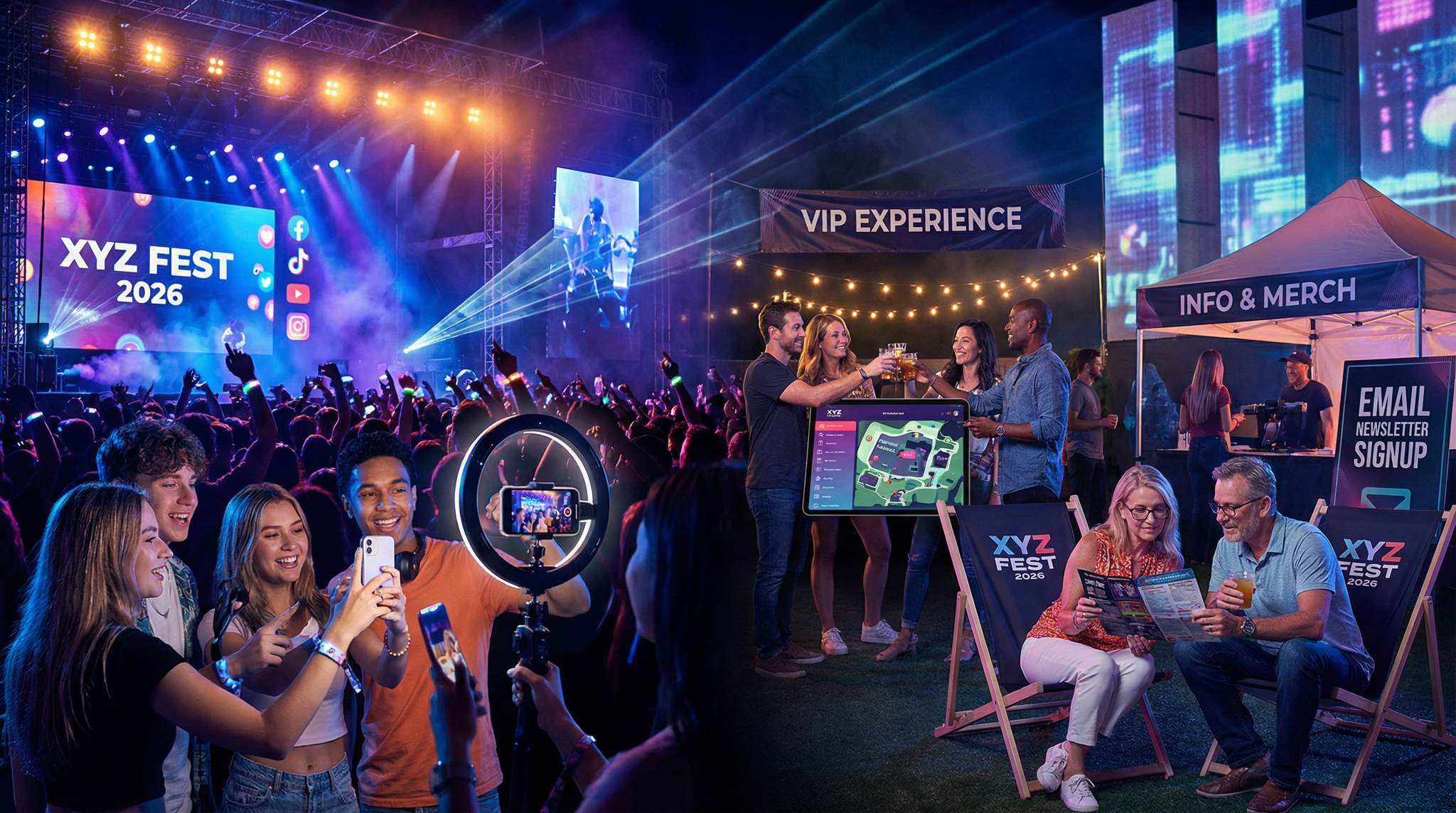
Visual branding should remain consistent across generations. Keep your logo, color scheme, and fundamental design elements the same in all materials – don’t make a “youth” version of your logo, for instance. Consistency here reassures people that, no matter where they saw it, it’s the same event. You can, however, choose different imagery that resonates with each group. Perhaps your Gen Z ads feature young diverse crowds and neon graphics, while your Millennial ads show groups of friends smiling at sunset, and Gen X ads show a comfortable seating area with mature attendees enjoying themselves. Different scenes, but maybe all using the same event colors or overlay style. A cohesive look-and-feel with tailored content is the goal.
Be mindful of tone overlap. If a Gen Z-targeted TikTok video goes viral, it might be seen by Millennials or Gen X too – it shouldn’t alienate them completely. Likewise, a press article may be read by younger folks who Google your event. So even when tailoring, avoid messages that would actively turn off other ages. For instance, don’t use language like “Not your parents’ festival!” in Gen Z marketing – that could be interpreted as dismissive of older fans (and if an older fan sees it, they might feel unwelcome). Similarly, avoid calling Gen Z “kids” or other belittling terms in content aimed at older audiences – if a Gen Z person reads it, they’d feel disrespected. Keep things positive about who the event is for rather than who it’s not for.
A helpful tactic is to create a simple style guide for each segment that still ladders up to the overall brand voice. Maybe your brand voice generally is “friendly, inclusive, and excited.” For Gen Z, that might translate to “friendly (peer-to-peer casual), inclusive (use modern inclusive language/slang), excited (high-energy tone)”. For Gen X, it’s “friendly (warm and respectful), inclusive (mention family-friendly or all welcome), excited (positive but not over-hyped)”. Train your copywriters or marketing team on these nuances so there’s a unified understanding. Review all outgoing content side by side occasionally – do they all sound like facets of the same personality? If not, adjust.
Testing and Optimizing by Demographic
When marketing across generations, assumptions can sometimes be off – which is why A/B testing is invaluable given that Millennials are more likely to engage with email while Gen Z prefers social discovery. Test different approaches within each group to see what truly resonates. For example, you might test two Facebook ad headlines for Gen X: one highlighting convenience (“Easy Parking and Great Seats – Enjoy a Stress-Free Evening”) vs one highlighting nostalgia (“Experience the Classic Hits You Grew Up With Live On Stage”). See which gets better click-through or conversion. Do the same for Gen Z on Instagram: test one Story ad that’s hyper-trendy and one that’s more straightforward, to gauge which generates more swipe-ups.
You may also test channel effectiveness. Perhaps you assume TikTok is best for all under 25, but you might find in practice that Instagram is driving more actual ticket sales for college-age folks while TikTok drives awareness. That could prompt you to reallocate budget or craft different content for TikTok (maybe more viral-oriented content to boost awareness, and conversion-oriented content on IG). Similarly, maybe you test a direct mail postcard to a segment of lapsed Millennial attendees vs an email reminder and find the postcard surprisingly pulls more responses – that’s insight to use going forward.
Use tracking and analytics to attribute sales to each effort. Google Analytics 4 or your ticketing dashboard can often show you demographic breakdowns of website visitors and purchasers to understand how different generations discover products. If you see, for instance, lots of Gen Z clicking your ads but not completing purchases, maybe the funnel needs tweaking (is it mobile-friendly enough? do you offer Apple Pay? etc.). Or maybe it means you need a different call-to-action for Gen Z (like “Tickets as low as $X – limited left!” to push them over the edge). Data will tell you where the leaks are in each segment’s journey.
Don’t be afraid to adjust mid-campaign. If virtually all your Gen X targeted tickets sell out early, and you still want more attendance, you might pivot and push more on Gen Z/Millennials as the event nears. Or vice versa, if younger sales are slower than expected but older sales strong, double down on messaging that “bring the family” or target the 35+ crowd more – maybe the event naturally appeals more there and you ride that wave. Flexibility is key, and generational data can guide those decisions. In post-event analysis, break down attendance or sales by age (if you can get that info via surveys or ticket data) and assess which marketing investments yielded those attendees.
One pro tip: involve representatives or focus groups from each generation in previewing your campaign material. A quick vibe-check from a 22-year-old social media intern might save you from an out-of-touch TikTok ad. Likewise, running your flyer by a 45-year-old friend could reveal if important info is missing. This kind of qualitative feedback, combined with A/B test data, will refine your approach so you speak to each generation in a way they would describe as on-point.