Mastering Video Marketing for Event Promotion in 2026: From Viral Reels to Live Streams
In 2026, video has become the undisputed powerhouse of event marketing. From 15-second viral clips lighting up TikTok feeds to multi-hour live streams reaching fans worldwide, video content is driving engagement and ticket sales like never before. Event promoters across club shows, conferences, and festivals are discovering that a smart video strategy can be the catalyst for sold-out events. This comprehensive guide explores how to create and leverage compelling video content – even on a limited budget – to boost ticket sales. You’ll find practical tactics for short-form videos (TikTok, Reels, YouTube Shorts) and live streaming that captivate audiences and convert views into ticket purchases. Real-world examples from around the globe illustrate how mastering video marketing turns casual viewers into passionate attendees.
Why Video Dominates Event Marketing in 2026
Short-Form & Live Video Take Center Stage
Video content isn’t just another item in the marketing toolbox – it’s often the centerpiece of event campaigns in 2026. Short-form videos and live streams are prioritized by social media algorithms, meaning your event’s video posts can get far more organic reach than text or image posts. In fact, according to recent marketing research, short-form videos deliver the highest ROI, with live-streaming video also among the top-performing formats (cited by ~15.5% of marketers). Platforms like TikTok, Instagram Reels, and YouTube Shorts have exploded in popularity, especially among younger audiences, making them essential channels for building hype. At the same time, live streaming an event (or key moments of it) can exponentially expand your reach beyond the venue. For example, Coachella’s 2019 YouTube live stream drew about 82 million live views versus ~250,000 in-person attendees, showing how many more fans you can engage through live video. Even one-off moments can go viral globally via video – a single exciting clip from your event might be shared thousands of times, whereas text posts would struggle to gain similar traction.
Audiences Crave Engaging Visual Storytelling
Modern audiences are inundated with content, but video consistently cuts through the noise. Humans are wired to respond to moving images, faces, and stories – things video delivers in spades. Studies show that video content is far more likely to be shared and remembered: one often-cited stat is that videos are shared 1,200% more than text and image posts combined, highlighting how much more engaging video can be. For event marketers, this means a compelling video has a high chance of getting reposted by fans, amplifying your reach through viral sharing. Additionally, video conveys authenticity and excitement better than any flyer or static ad ever could. Fans can see the crowd’s energy, hear the artist’s passion, feel the bass drop – triggering the emotions that drive them to say “I need to be there.” It’s no surprise that 87% of marketing professionals report that videos have directly increased sales for their brand, as emotional engagement turns into action. Experienced promoters know that when potential attendees watch a thrilling recap clip or a charismatic personal invite from an artist, they’re far more likely to hit the ticket purchase button.
Impact on Ticket Sales and FOMO
Importantly, video marketing isn’t just about views and likes – it’s about selling tickets. The reason video is so dominant in 2026 event promotion is simple: it works. Engaging videos accelerate the buyer’s journey by building FOMO (fear of missing out) and urgency in a way static content can’t match. Seeing real attendees having the time of their lives sparks a desire in others to join the fun before it’s too late. Many successful campaigns intentionally use limited-time video content (like Instagram Stories or live streams that disappear) to create a sense that the event is a “must-see” experience happening in real-time. When done ethically, tactics like showing a countdown timer or limited early bird offer in your video tap into the psychology of urgency – viewers feel compelled to secure their spot rather than risk missing out. According to seasoned promoters, using urgency and FOMO in video must be authentic and respectful to maintain trust. But when done right, it has a powerful effect: fans don’t just watch passively; they convert into attendees. In 2026, event marketers widely acknowledge that a well-crafted video can be the difference between a lukewarm onsale and a ticket-buying frenzy. Video content builds excitement, and excitement drives sales – it’s that simple.
Turn Fans Into Your Marketing Team
Ticket Fairy's built-in referral rewards system incentivizes attendees to share your event, delivering 15-25% sales boosts and 30x ROI vs paid ads.
Crafting a Winning Event Video Strategy
Defining Goals: Awareness vs. Conversions
Before picking up a camera or opening TikTok, clarify what you want each video to achieve. Are you aiming to raise broad awareness of a new festival? Drive immediate ticket conversions for a concert next week? Different goals call for different video approaches. For example, a splashy teaser trailer might be ideal for awareness – generating buzz and social shares weeks before tickets go on sale. On the other hand, a short clip with a direct call-to-action (e.g. “Only 100 tickets left – get yours now!”) is geared toward conversion late in the sales cycle. Savvy event marketers set specific KPIs for their video content: views, shares, and reach for early-phase awareness videos; click-throughs to the ticket page and sales for decision-phase videos. It’s critical to align video content with your campaign funnel. Early on, you might prioritize storytelling and emotional appeal to hook people (top of funnel). Closer to the event, videos can create urgency and provide logistical info (bottom of funnel). Experienced promoters often map videos to the attendee journey, ensuring each piece of content – from the first teaser to the last reminder – has a clear purpose in moving viewers toward purchase. By defining goals up front, you’ll avoid the trap of one-size-fits-all videos and instead create content that meaningfully supports your objectives.
Choosing the Right Platforms for Your Audience
Not all video platforms are created equal – each has its own user demographics, content style, and strengths. To maximize impact, focus on the platforms where your target audience spends their time. For instance, if you’re marketing a music festival to Gen Z and young Millennials, TikTok and Instagram Reels are likely indispensable. If you’re promoting a B2B industry conference, LinkedIn or YouTube might be more appropriate for reaching professional audiences. Research your attendee personas: Are they 18-24 year-olds who love snappy TikToks? 30-something professionals more likely to respond to a polished YouTube video or a Facebook event video? Often, the answer is a mix – each segment might prefer a different platform. Also consider regional differences. In some markets, Facebook is still king for events; in others, like China, you’ll need to use local platforms (Douyin instead of TikTok, or WeChat for sharing videos). The key is not to spread yourself too thin trying to be everywhere, but to prioritize the 2-3 platforms that best align with your core audience. An international event series might use TikTok globally, but also post localized videos on regional networks (e.g. Weibo in China) to connect with fans on their home turf. Choosing the right channels ensures your videos reach receptive viewers who are likely to convert.
Ready to Sell Tickets?
Create professional event pages with built-in payment processing, marketing tools, and real-time analytics.
To help decide, consider the rough landscape of video platforms for events in 2026:
| Platform | Audience Highlights | Optimal Video Formats | Strengths for Event Promotion |
|---|---|---|---|
| TikTok | Huge Gen Z & young adult user base globally. | 15–60 sec vertical videos (trends, challenges). | Viral reach via algorithm; great for hype & behind-the-scenes clips. |
| Instagram (Reels) | Broad 18–34 audience (plus Insta Stories for engagement). | Up to 60-sec vertical videos (Reels); also Stories & IG Live. | Visually rich platform; ideal for artist promos, Reels for discoverability, story polls for engagement. |
| YouTube (Shorts & Long) | Very broad global audience, how-to & music content popular. | 15–60 sec Shorts; longer-form trailers, vlogs, live streams. | Shorts offer viral potential; long videos good for lineup reveals or aftermovies; YouTube Live for global streaming. |
| Older demographic (30s–60s); community/event pages usage. | Reels cross-posted from IG; Live video; standard 1–3 min uploads. | Great for local event communities; FB Live reaches engaged followers; event page videos boost RSVPs. | |
| Professional audience (good for B2B events). | Short insights, interviews, live webinars (often 2–10 min). | Effective for conferences and networking event promotions; thought-leadership video content. |
Table: Major video platforms in 2026 and their strengths for event marketing. Use this overview to focus your efforts where they’ll resonate most. For example, a music festival may prioritize TikTok and Instagram, while a fintech summit leans on LinkedIn and YouTube.
Budgeting Wisely: Quality vs. Quantity
You might be thinking, “All this video content sounds expensive!” – but video marketing can be scaled to fit almost any budget. The key is to balance quality and quantity for your particular event. On a tight budget, you can lean into authentic, DIY-style videos which audiences often find relatable. Many successful events have proven you don’t need a Hollywood production – smartphone footage with a bit of editing can perform brilliantly if it feels real and hits the right emotion. For example, an independent promoter with under £5,000 to spend might skip pricey camera crews and instead tap into high-impact tactics on a shoestring budget like using volunteer videographers or students, editing with free tools, and leveraging fan-generated clips. On the flip side, if you have a healthy budget, investing in a few anchor pieces (like a professionally shot aftermovie or a series of slick artist interview clips) can elevate your event’s perceived quality and go a long way in attracting audiences. Spend where it counts: allocate budget to content that will have a long shelf-life or major impact (for instance, a festival trailer you’ll promote for months, or the live stream setup for a headliner performance that thousands will watch). For less critical content, go lean – behind-the-scenes snippets or daily social updates can be low-fi. Experienced marketers often allocate video budget in proportion to expected ROI from each piece. A sample budget breakdown might look like:
- 60% on Production of Key Videos: e.g. main promo trailer, aftermovie, multi-camera live stream of headline act.
- 20% on Quick Social Clips: frequent short videos using in-house staff or simple editing (artist shoutouts, venue walkthroughs).
- 15% on Paid Boosting: advertising spend to amplify the best videos (so they actually reach your target audience beyond organic).
- 5% on Tools/Software: editing apps, distribution tools, or maybe an outsourced motion graphic for extra polish.
This is just an example, but it illustrates a balanced approach. Remember that creativity trumps budget – a clever concept or genuine moment can outperform a big-budget glossy video. One low-budget music event teaser that went viral simply montaged fan selfies and crowd clips from past shows with a catchy soundtrack, yet it outperformed a professionally made ad in engagement. The lesson: use budget to enable creativity and reach, not as a substitute for authentic content. If forced to choose, opt for authenticity and a clear message over expensive effects. An experienced event marketer’s rule of thumb is to ensure every pound (or dollar) spent on video ties back to your goals – whether that’s boosting awareness or driving ticket conversions. If it doesn’t serve a goal, trim it or DIY it.
Smart Promo Codes & Presale Access
Create percentage or flat-rate discount codes with usage limits, date ranges, and ticket type restrictions. Plus unlock codes for private presales.
Timing Your Video Campaign Phases
Effective video marketing for events isn’t a one-time dump of content; it’s a carefully timed sequence that builds momentum. Map out your campaign timeline and schedule video content to match each phase of ticket sales. For example:
| Campaign Phase | Timing | Video Content Tactics | Purpose & Metrics |
|---|---|---|---|
| Teaser Launch | 6–8 weeks before on-sale | 15–30s teaser video (mood shots, last year’s crowd roar, cryptic hints). Use across social. | Build early buzz & curiosity. Metric: Social shares, hashtag mentions (awareness). |
| On-Sale Announcement | Launch day of ticket sales | Main promo trailer or artist lineup reveal video; possibly a live countdown stream on release. | Drive immediate traffic to ticket page. Metric: Ticket site clicks, opening weekend sales. |
| Mid-Campaign Engagement | Throughout sales cycle | Regular short clips: artist shoutouts, venue behind-the-scenes, Q&A live streams, contest announcement videos. | Maintain excitement, target indecisive fans. Metric: Video views, comments, mid-campaign ticket uptick. |
| Final Urgency Push | Last 1–2 weeks pre-event | “Last chance” videos: organizer or artist video message urging fans not to miss out, highlight remaining tickets. Possibly a live FAQ stream. | Create urgency/FOMO to convert procrastinators. Metric: Last-minute sales volume, conversion rate from video posts. |
| Post-Event Follow-up | 1–2 weeks after event | Thank-you video, aftermovie/highlight reel release, fan-generated video compilation. | Delight attendees and prime interest for next event. Metric: Engagement (likes/comments), early sign-ups or registrations for future. |
Table: Example timeline of video content in an event marketing campaign. By spacing out different types of videos, you continuously inject energy into the campaign and guide your audience from first awareness to post-event advocacy. As you plan, also account for external factors – for instance, if you know a headliner announcement is coming, prepare a video to maximize that news. The best campaigns choreograph video drops strategically, creating waves of excitement that carry ticket sales upward. An excellent resource on coordinating these phases is the guide on building massive buzz from teaser to sell-out which details how timed content releases can trigger buying frenzies. In short: timing matters. Don’t exhaust your content too early, and conversely, don’t hold back key videos until it’s too late. Plan a cadence that keeps your event top of mind and progressively drives viewers to take action.
Grow Your Events
Leverage referral marketing, social sharing incentives, and audience insights to sell more tickets.
Short-Form Social Videos: TikTok, Reels, & YouTube Shorts
Storytelling in Seconds: Crafting Compelling Mini-Videos
On bite-sized platforms like TikTok, Instagram Reels, and YouTube Shorts, you have only a few seconds to grab attention. The art of storytelling in seconds is critical. Effective short-form event videos usually follow a hook–build–payoff structure compressed into 15–60 seconds. Start with a bang to stop the scroll – for example, an exciting crowd shot, a headliner dropping their hit track, or a bold on-screen text like “? Biggest Festival of 2026? ?”. This hook should happen within the first 1–2 seconds. Next, build a tiny narrative or progression: perhaps show a “day in the life” of the event in quick cuts (morning setup, daytime activities, nighttime main stage madness). Finally, end with a payoff or call-to-action: the event logo and dates, “Tickets on sale now”, or a punchy tagline that sticks. Even in 15 seconds, emotion and authenticity are key – viewers respond to genuine moments like artist-fan interactions over overly polished ads. In practice, seasoned creators often storyboard these mini-videos to ensure each moment counts. Also, don’t neglect sound – trending audio or music can boost discoverability on these platforms. Using a popular sound clip or an event anthem not only enhances the vibe but also taps into algorithm preferences on TikTok and Reels. And always consider captions or text overlays since many people watch short videos with the sound off. Including a line like “? Just Announced: Free Afterparty for All Ticket Holders! ??” as text in the video can entice viewers even on mute. Mastering short-form storytelling takes experimentation, but remember: show, don’t tell. A dynamic 20-second video of crowd surfing and fireworks will convey the thrill of your festival more effectively than a minute of someone talking about it.
For electronic dance music promoters specifically, mastering the viral marketing video structure for EDM event ticket sales requires a highly specialized formula. The most successful EDM promotional clips follow a strict three-part cadence designed to maximize algorithmic reach and immediate conversions. First, the visual hook (seconds 0-2) must feature high-energy movement—such as a massive laser sweep, a DJ dropping a recognizable track, or a surging crowd—paired with a trending audio snippet. Second, the escalation phase (seconds 3-8) builds FOMO by rapidly cutting between VIP experiences, immersive stage production, and ecstatic attendee reactions, syncing the visual cuts precisely to the beat of the music. Finally, the conversion climax (seconds 9-15) hits right at the track’s drop, displaying a clear, urgent call-to-action like “Tier 1 Tickets Selling Fast – Link in Bio.” By adhering to this specific viral video structure, EDM organizers can effectively channel raw visual energy into measurable ticket sales.
Riding Trends and Using Hashtags
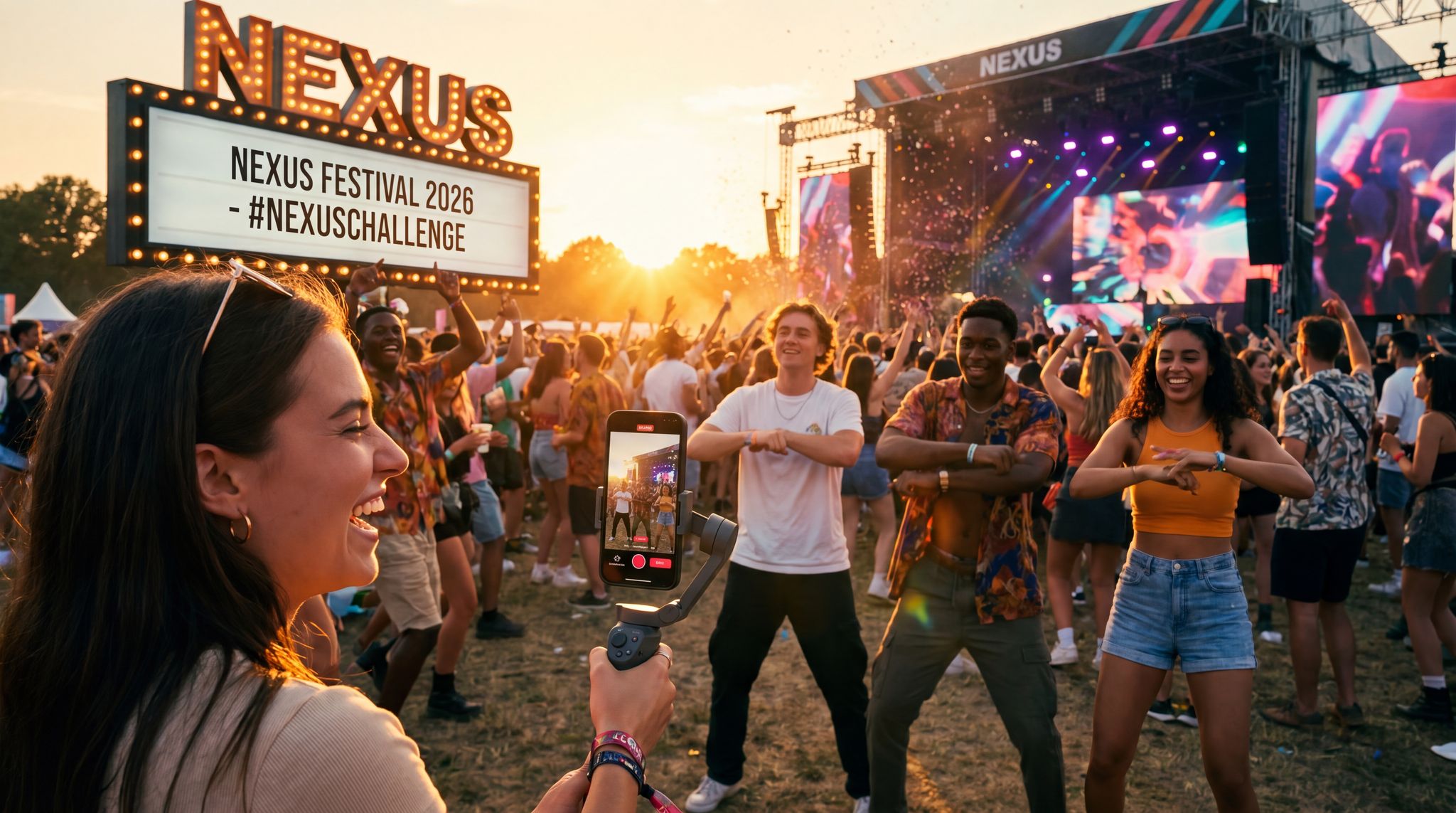
One of the fastest ways to amplify short videos is by riding platform trends. In 2026, TikTok and Reels trends (challenges, dances, meme formats) remain powerful vehicles for reach. Savvy event marketers keep an eye on what’s blowing up each week and look for ways to creatively tie it to their event. For example, if a TikTok dance challenge is surging in popularity, could your street team or even one of your artists do a fun version of it at the venue? Trend hijacking only works if it feels relevant and light-hearted – authenticity is crucial so it doesn’t come off as forced. Along with trends, use targeted hashtags to boost discoverability. While generic tags like #musicfestival or #livemusic are crowded, niche and localized hashtags can connect you with the right audience (e.g., #NYCNightlife or a custom tag like #DanceFest2026). When you post a Reel or TikTok, include 3-5 well-chosen hashtags that describe the event and tap into communities of interest. Importantly, many platforms now function as search engines (people search TikTok for “London concerts” or “anime convention vlog”), so make sure your captions and on-screen text contain relevant keywords about your event. This acts as social SEO, helping content surface to interested viewers. A pro tip is to collaborate with influencers or artists on trend content – their involvement can lend credibility and tap into their follower base. For instance, if a popular local DJ is performing, get them to appear in a funny 15-second skit or behind-the-scenes clip for TikTok. Their followers will flock to it, and the TikTok algorithm loves interaction between users with followings (via duets, stitches, etc.). Ultimately, the goal is to have your short videos not only seen, but shared and imitated. If attendees start making their own videos using your event hashtag or doing a challenge you sparked, you’ve struck marketing gold – transforming viewers into active promoters of your event.
Staying ahead also means experimenting with emerging viral content formats in 2026, such as interactive AR filters or multi-perspective collaborative posts. Even for highly specialized B2B exhibitions, hashtag strategy matters. For instance, a trade show organizer might research popular effective hashtags in niche sectors—like metal fabrication or industrial tech—to align their content marketing with the exact terms their professional attendees are searching.
Data-Driven Event Marketing
Track ticket sales, demographics, marketing ROI, and social reach in real time. Exportable reports give you the insights to make smarter decisions.
When executing a video marketing event strategy for these highly specialized sectors, organizers should focus on educational formats. Mini-documentaries, expert panel highlights, and behind-the-scenes factory tours are proving to be highly engaging. By pairing these specific viral content formats in 2026 with targeted industry tags, B2B promoters can effectively capture the attention of high-value corporate attendees and sponsors.
For organizers specifically wondering how to create viral event marketing content in the United States, the strategy often hinges on hyper-regional targeting combined with platform-specific trends. The US market is highly fragmented; what gains massive traction in New York nightlife might not resonate with a country music festival audience in Texas. To achieve widespread visibility across the country, promoters should leverage geo-tagged TikToks, collaborate with regional micro-influencers, and tap into localized cultural moments—such as major American sporting events or regional holidays—to give their campaigns a massive algorithmic boost.
Converting Views to Ticket Clicks
Viral views are great, but views alone don’t pay the bills – ticket sales do. How do you nudge someone from merely watching a 30-second clip to actually buying a ticket? The trick is to integrate clear calls-to-action (CTAs) and frictionless paths to purchase into your video marketing. On platforms like Instagram, you can use features like the link sticker in Stories or the “Learn More/Buy Tickets” swipe-up (if you have that enabled via ads or for verified accounts) to drive traffic. In TikTok, you might not have clickable links in captions (unless running an ad), so you need to get creative: use the bio link (ensure your TikTok profile has an updated link to your ticket page) and in your video itself, prompt viewers to hit that link in bio. Many promoters include a short overlay at the end of a video like “?? Get tickets at link in bio” or even speak the CTA if it’s a talking video. For YouTube Shorts, leverage the description or a pinned comment with the ticket link since the short itself might not allow links. The key is making the jump from video to purchase as seamless as possible. Trackable links are your friend here – use UTM codes or unique short links for each platform, so when someone converts, you know which video or channel drove it. Experienced event marketers in 2026 are also utilizing features like TikTok’s event links or YouTube’s end-screen buttons (for longer videos) to integrate the ticket purchase step directly. Keep in mind that only a small fraction of viewers will convert immediately, but you can increase the odds by combining great content with strategic retargeting. For instance, you might run retargeting ads on Facebook/Instagram aiming at people who watched your Reel or TikTok but haven’t bought a ticket – showing them a follow-up video ad with a timely offer. Combining the organic buzz of short-form content with a paid boost ensures those viral views turn into real-life attendees. In one case, a European festival found that their viral TikTok challenge generated huge awareness, but the conversion spike came when they retargeted those engaged viewers with a special discount offer in a follow-up video ad. It’s that one-two punch: viral content for reach, and a targeted CTA for conversion. Always think about the next step for an excited viewer – make it easy for them to become an excited ticket holder.
Case Study: TikTok FOMO Drives Festival Sales
As a real-world example of short-form video’s power, consider Croatia’s Hideout Festival. This music festival embraced TikTok to spread the joy and FOMO of their beach party event to young audiences. The results were astounding: their TikTok campaign racked up 13 million video views and grew their follower count by 202%, all while achieving a 49% lower cost-per-acquisition (CPA) compared to other platforms. How did they do it? Hideout’s team (with agency partners) learned that “lo-fi” authentic content outperformed polished ads on TikTok. They doubled down on native-feeling videos – think POV clips of friends at the festival, quick cuts of DJs dropping hits, and attendees celebrating under the Croatian sun. These videos showcased the full festival experience: from convincing your mates to come, to the buzz of getting ready, to hands-up moments at the stage. By highlighting everything that makes the event special (and emphasizing those little moments you’d regret missing), the content instilled a must-attend mentality in viewers. Hideout also smartly utilized TikTok features like Spark Ads and in-app lead forms to amplify reach and capture interested fans. The case proves a few points: firstly, short-form video can introduce a festival to millions who’ve never heard of it; secondly, portraying authentic fun builds desire; and thirdly, when you get the creative right, TikTok can be an incredibly cost-effective channel for ticket sales (half the CPA of other channels in this case). It’s a blueprint other event marketers can adapt: focus on FOMO-inducing visuals, keep the vibe native to the platform, and use TikTok’s ad tools to scale up your best content. As Hideout Festival’s success shows, a viral short video isn’t just vanity – it can directly fill your venue with attendees.
Going Live: Real-Time Content to Build Hype
Behind-the-Scenes Live Streams & Backstage Access
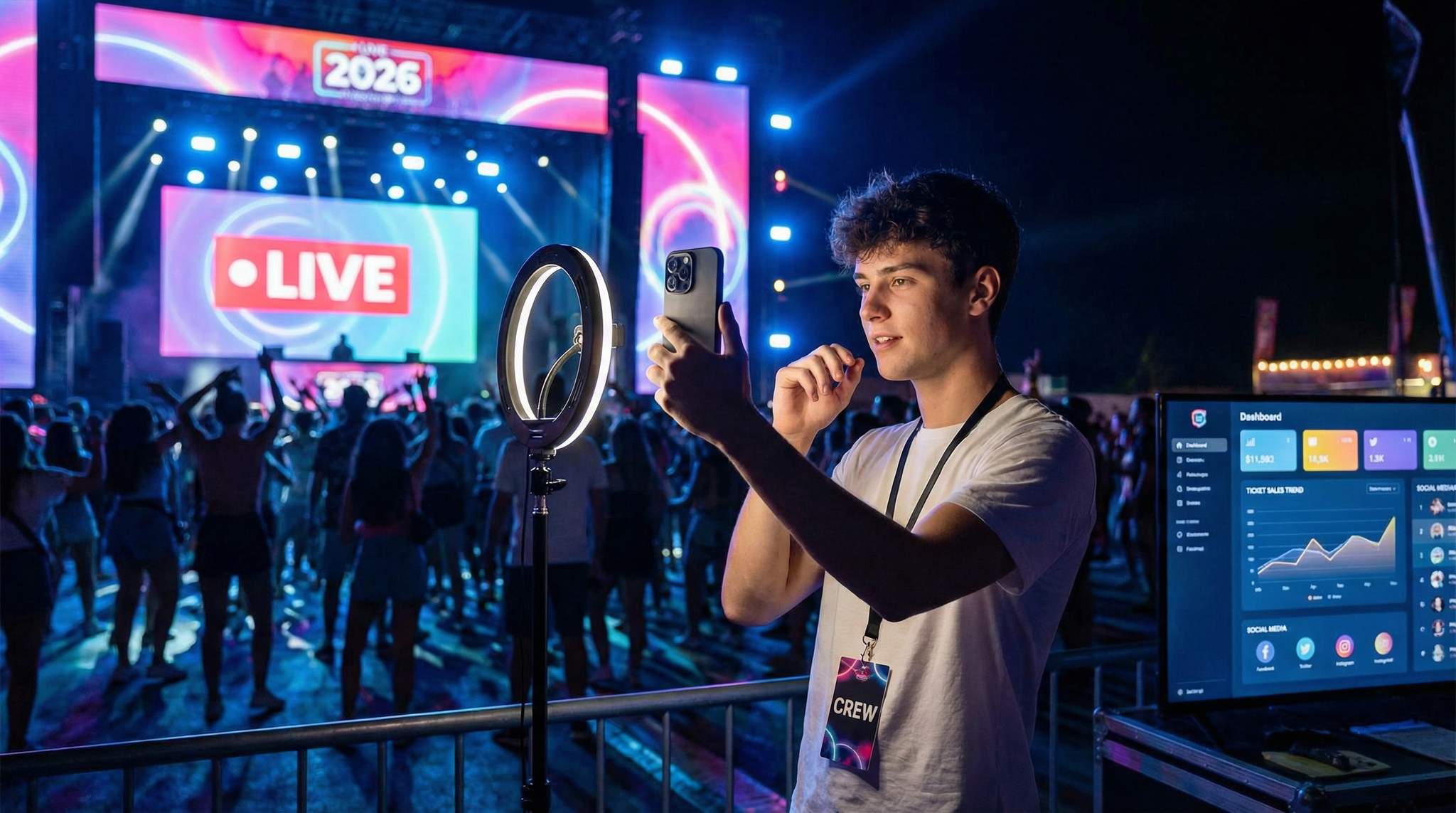
Live streaming offers something recorded videos can’t: real-time authenticity and interactive excitement. One powerful way event marketers leverage this is through behind-the-scenes live streams. By going live from backstage, soundcheck, or the green room, you give remote fans a tantalizing peek behind the curtain. This content makes viewers feel like insiders and builds massive FOMO for the main event. For example, in the days leading up to a festival, you might host a live stream from the site as stages come together – walking viewers through the grounds, showing off the preparations, maybe even having a headline artist pop in to say hi. During a club night, a quick Instagram Live from the DJ booth before doors open (“we’re about to kick off in 30 minutes!”) can hype up those still on the fence about coming. The key is to show angles of the event that regular attendees don’t usually see. This exclusivity (“only our followers get to watch the band warming up backstage”) makes people at home feel special – and those who didn’t buy tickets yet may start scrambling once they see what they’re missing. A behind-the-scenes live stream also humanizes your event; viewers see the personalities and effort involved, which can deepen their emotional investment. Experienced promoters note that even small tech glitches or raw moments during live streams can be endearing – it’s all part of the unscripted charm. That said, always plan the basics: ensure you have a decent phone or camera, stable internet connection, and good audio for your live stream. Promote the live session ahead of time on your socials (“Tune in at 7 PM for a backstage tour with the headliner!”) to maximize viewers. And most importantly, interact – greet people joining the stream, answer questions (“What time is X on stage?”), maybe do a couple of fan shoutouts. This interaction turns a passive stream into a community experience. By the end of a good behind-the-scenes live, remote viewers should be thinking, “Wow, they’re so genuine and pumped – I need to be part of this event in person!” Generating that feeling is gold for your ticket sales.
Live Interactive Content & FOMO
Unlike produced videos, live streams let your audience participate – and that two-way engagement can significantly boost interest in your event. Use features like real-time comments, Q&As, and polls to involve viewers. For instance, during a Facebook Live or YouTube Live, encourage fans to ask questions about the event (“Drop questions about the lineup or what to bring!”). Not only does this provide valuable info to potential attendees, it makes them feel heard and connected. Instagram Live and TikTok Live allow informal Q&As or even bringing a viewer on camera. You could invite a random fan from the live chat to join the stream briefly – imagine their excitement (and the social posts they’ll make about it after!). Polls are great too: if you’re undecided between two afterparty themes, run a quick live poll – viewers love having a say, and now they have a stake in the event outcome. All these interactions create a sense of community around your event, even for those not there yet in person. Crucially, live streams also amplify FOMO in real time. As viewers see comments from others like “This looks amazing!” or “I’m buying my ticket now ?”, it creates social proof that builds urgency. The ephemeral nature of live content adds to this – when something exciting happens on a live stream (an artist giving a shoutout, a sneak preview of a new song), people know it’s a fleeting moment they can only catch now or miss forever. Savvy marketers often tease exclusive info or giveaways on live streams to boost viewership and shares: e.g., “Join our live stream Saturday for a chance to win free VIP upgrades – and we’ll reveal a secret guest!” This can spike attendance both online and later offline. It’s worth noting that live streaming an actual performance can be a double-edged sword – some organizers worry it might reduce the incentive to attend. But data and industry examples increasingly show the opposite: live streams expand your audience without cannibalizing attendance. For example, Elton John’s 2023 Glastonbury set drew 7.6 million live TV viewers on top of the in-person crowd, and those massive shared moments only boosted his future ticket demand. The trick is to stream strategically: you might not broadcast the entire event (hold back some magic for those present), but streaming select highlights can create global buzz that makes more people want to be there next time.
Grow Your Social Following With Every Sale
Require social media follows, shares, or playlist adds to unlock presale access or special pricing. Turn every ticket purchase into audience growth.
Mastering Live Stream Promotion Before You Go Live
A common pitfall for organizers is treating the broadcast as an afterthought rather than a standalone digital event. Effective live stream promotion requires its own dedicated marketing runway. To maximize concurrent viewership, promoters should treat the virtual broadcast with the same promotional rigor as the physical show. This means deploying targeted email blasts, countdown stickers on Instagram Stories, and cross-platform teaser clips in the days leading up to the stream. Securing co-promotion from the artists or speakers involved is also critical; providing them with pre-written social copy and custom graphics ensures their followers know exactly when and where to tune in. By executing a structured pre-broadcast campaign, you guarantee a packed virtual house the moment the camera starts rolling.
Turning Live Viewers into Attendees
Each viewer on a live stream is a warm lead – they’ve proven their interest by tuning in. Don’t leave that engagement hanging; instead, nudge live viewers down the funnel while their excitement is high. One immediate tactic is to mention tickets during the live session in a natural, non-pushy way. For example: “We’re so excited to see everyone this Saturday – by the way, if you still need tickets, we’ve got a special discount code in the description for those of you on the stream right now!” Offering an exclusive promo or flash discount to live viewers can create a surge in sales; it feels like a reward for their time and makes the purchase feel urgent (“limited to tonight only!”). Another approach is to use the live stream to build your retargeting pool: encourage viewers to sign up for something (“Join our mailing list for a recap video after the show” or “RSVP to our Facebook event for updates”). Those sign-ups give you first-party data to send follow-up offers. Many event organizers will send a “You watched, now come join us in person” email to everyone who engaged with a live – perhaps offering a small incentive like a free drink coupon with a ticket purchase. In the broader strategy, track how your live content correlates with sales. For instance, if you notice a spike in ticket purchases during or immediately after a live stream, that’s a big indicator that live engagement is effective for conversions. Some promoters even set up a dedicated live stream ticket link to share in comments or descriptions (so they can attribute sales directly to the stream). Post-stream, capitalize on the content by saving and sharing highlights: someone who missed the live might see a clip later and get serious FOMO. As noted in one Ticket Fairy guide on using livestreams and aftermovies without killing FOMO, the key is to tantalize, not satisfy remote audiences. Show just enough to hook them, while reminding them that nothing beats being there in person. Many successful festivals now embrace live streaming as a feeder for future attendance – viewers around the world watch this year’s show online and are inspired to actually attend next year. By treating live viewers as VIP prospects and following up thoughtfully, you can turn those virtual cheers and hearts into real bodies on the dance floor.
Repurposing Event Footage into Evergreen Content
Turning Past Footage into Future Promotions
Every event you host is a goldmine of content – don’t let it gather dust. Repurposing event footage is one of the most cost-effective ways to create compelling marketing material. Start by ensuring you capture plenty of video at your event (either via a hired videographer or even crowd-sourced from attendees). After the event, sift through that footage for the most electrifying moments: the crowd’s roaring reaction to the headliner, the heartfelt testimonial from an attendee, the dazzling light show at peak hour. These moments can be edited into shareable clips and highlight reels that fuel your marketing for months. The classic example is the aftermovie – a 2-3 minute cinematic recap of the entire event, showcasing the best scenes and emotions. A great aftermovie not only delights those who went (prompting them to share it and relive the memory), but also serves as persuasive advertising to those who didn’t. Many festivals release their aftermovie a few weeks post-event as the first teaser for next year: viewers watch and think, “I have to be there next time.” But you don’t have to stop at one sizzle reel. Slice and dice your footage into various formats: a 15-second Instagram ad highlighting the best drop, a 45-second Facebook video profiling the fan experience, a series of TikTok clips each focusing on different aspects (food, music, crowd costumes) of the event. This approach gives you a steady stream of content without additional filming costs. For instance, one conference organizer turned speaker session recordings into a month-long content series (“Tip of the Day” clips) on LinkedIn and saw sustained ticket inquiries for their next event as a result. When repurposing, tailor the edit to the platform – snappy jump cuts and vertical frame for TikTok, more narrative storytelling for YouTube, etc. And don’t forget testimonials or user reactions: a montage of attendee praises (“Best night ever!” soundbites) over event footage can be incredibly persuasive social proof for future audiences. Essentially, think of your event footage as a content library. Experienced marketers tag and organize clips by theme (crowd cheering, artist on stage, attendee interview, etc.), making it easy to pull something relevant for any promotion. Done right, every event fuels the marketing of the next, creating a virtuous cycle of content that keeps excitement high year-round.
Snackable Social Clips and Throwbacks
One big trend in 2026 is using past event content to keep your audience engaged in between major announcements. Social media “throwbacks” and nostalgia posts are extremely effective at rekindling excitement. For example, on #ThrowbackThursday you might post a short clip of last year’s event highlight: “Throwback to that epic finale at 2025’s show – remember this?” Not only does this give past attendees a warm fuzzy feeling (increasing their loyalty), but it also shows new followers what they missed, stirring FOMO. Make these clips “snackable” – short, fun, and easily digestible as people scroll. It could be a 10-second montage of smiling faces or a single memorable moment (like a confetti drop). Some promoters even create a “moment of the week” series: every week on the same day, they share a quick video memory or a highlight from their archives. This trains your audience to look forward to regular content and keeps your event in their minds year-round. Additionally, repurpose footage into different formats for variety. A slow-motion clip of an artist could become a short GIF or a looping video for Instagram stories. A compilation of crowd shots can be edited into a TikTok with a trending sound months later (no one minds it’s old footage if it’s exciting). When you consistently share throwbacks and clips, you’re essentially keeping the hype alive even during off-season. It bridges the gap until your next big announcement or on-sale. One caution: always frame throwbacks in a positive, inclusive way – highlight the community and experience, not just that one exclusive moment people missed. The goal is to inspire (“look how great this was, and will be again”) rather than make those who missed out feel bad. Encourage engagement on these posts: “Tag a friend you want to bring next time!” or “What was your favorite moment from last year?” This turns nostalgia into a referral driver, as fans start rallying their friends with shared memories. In summary, don’t let your social feeds go dark for long. You’ve already done the hard work by creating an amazing event – now continuously leverage that content to remind everyone just how amazing it was and will be.
Encouraging User-Generated Videos
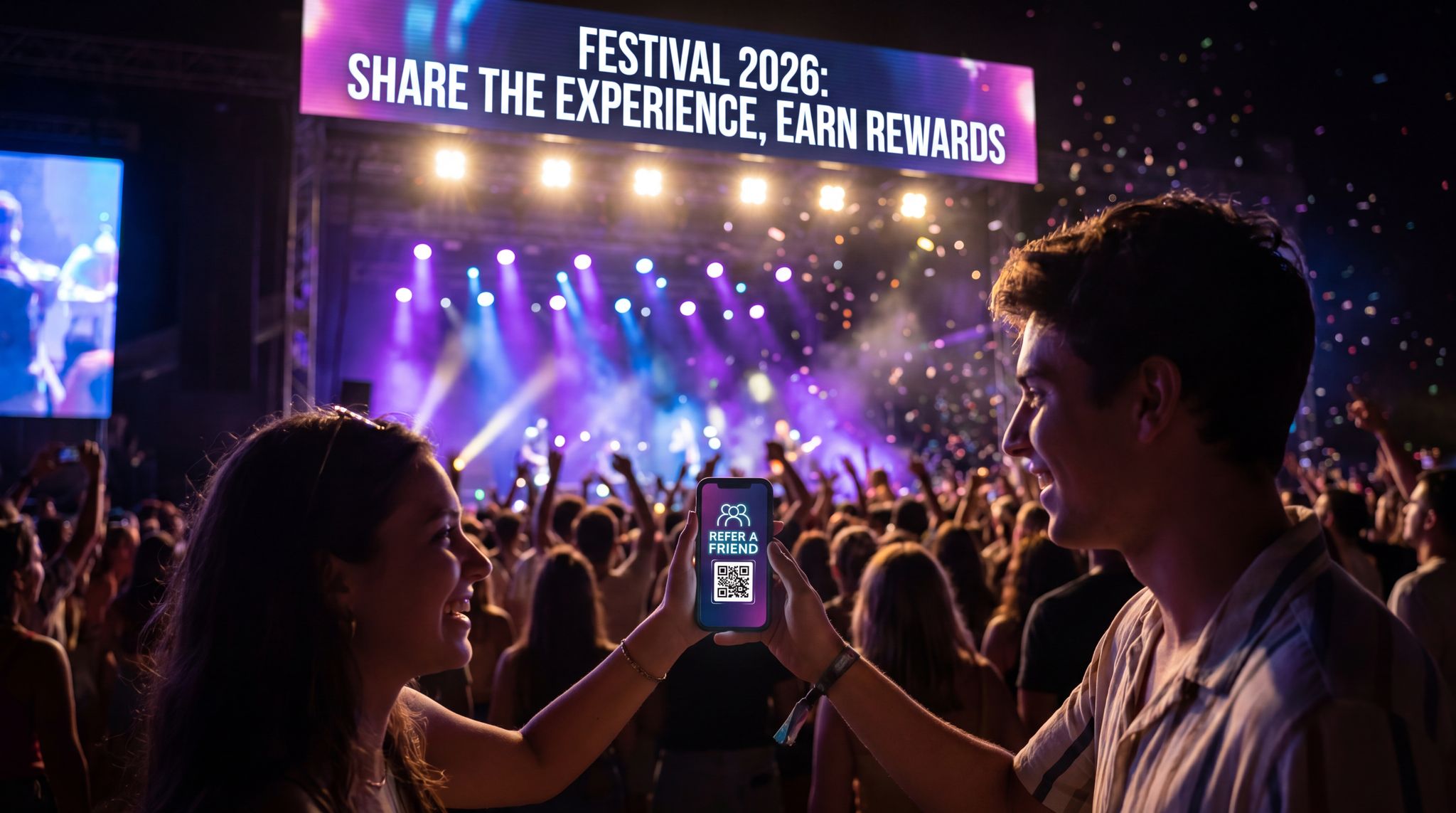
Your attendees aren’t just ticket buyers – they can be your greatest marketing allies. In the age of smartphones, countless attendees are probably recording their own videos at your event. Encouraging user-generated video content (UGC) can exponentially increase your reach with an authentic touch that official promos can’t replicate. Start by creating opportunities and incentives for fans to share videos. For example, announce a video contest or giveaway: “Post your best 15-second video from our event, tag us and use #MyEventExperience – the most creative one wins 2 free tickets for next year!” Contests like these not only reward and excite your core fans, as detailed in guides on engaging fans with contests in 2026, but also flood social media with genuine fan-perspective content. Each fan video effectively becomes a personal endorsement of your event to their friends and followers. Even outside of contests, encourage sharing by making it easy: promote your event hashtag everywhere (pre-event emails, on-site signage, during the show on screens). When fans post their videos with the hashtag, amplify the best ones – request permission to repost user videos on your official account or compile them into a crowd-sourced aftermovie. People love seeing themselves or their content featured by an event they love; it creates a deeper bond and turns them into ambassadors. Some events even set up a live social wall at the venue showing attendee posts in real-time (which motivates more people to post). By celebrating user content, you send the message that the fan community is at the heart of the event’s story. From a marketing perspective, UGC videos serve as credible social proof. They’re raw, real, and relatable – exactly what persuades someone on the fence. If a potential attendee sees hundreds of fan clips tagged with your event, showing unfiltered fun, they’ll trust that over any polished ad. Moreover, those fan-creators often encourage their friends: “I’m featured on the festival page – come with me next time!” This word-of-mouth effect is precisely how referral programs turn fans into powerful promoters. Essentially, every phone in the crowd is a marketing device. By channeling that collective content, you gain an army of creators and a flood of authentic videos that keep promoting your event long after the stages go dark.
Post-Event Videos to Drive Loyalty
The event might be over, but your video marketing work isn’t. Post-event video content can significantly boost loyalty and even prompt early sales for future events. A common best practice is sending a “Thank You” video message from the organizers or headline artists to all attendees shortly after the event. This could be emailed out or posted on social – it’s a sincere gesture that makes attendees feel valued. Often this message includes a tease like “We can’t wait to see you next year – stay tuned!” to already plant the seed of future attendance. Shortly after, drop the official aftermovie or recap video we discussed earlier. That piece becomes the flagship promo for the next edition. Encourage this year’s attendees to share that recap far and wide (“Relive last weekend – share your favorite moment from the aftermovie in the comments!”). Meanwhile, you can leverage it in press outreach and sponsor reports as well, highlighting the success. Another technique is to create a mini-documentary or vlog series from the event if you have enough footage. For instance, break down content into a 5-minute “Day 1 Highlights” video, “Top 5 Moments of the Festival” video, etc., and release those in the weeks following the event to keep people engaged. Some events also go the extra mile and produce a “memories montage” featuring fan-submitted footage, essentially co-creating a video with your community – a move that enormously boosts goodwill and engagement. All these post-event videos serve to extend the buzz and strengthen the community. They remind attendees why they loved the experience and subtly encourage them to mark their calendars for next time. Importantly, post-event is also prime time to drive immediate action for the future: include early bird registration info in your videos or descriptions (“Sign up now for first access to 2027 tickets”) or even launch super early pre-sales with a special video-linked offer (“Because you watched our recap, here’s a secret 48-hour early bird sale link”). Real-world promoters find that riding the high of the just-finished event can yield significant early commitments for the next one . Finally, remember the long tail: these videos live on as content marketing assets. A new prospect stumbling upon your event page months later might watch the recap and be sold on attending. As the Ticket Fairy blog notes in post-event marketing strategies, what you do after the event is just as crucial for building loyalty. Video is arguably the most impactful post-event tool because it rekindles the emotion of the live experience – and emotion is what drives people to hit “Purchase” when the next event rolls around.
Free Tool: When Should You Announce?
Pick your event date and genre — the free planner outputs a recommended announce, presale, on-sale and reminder schedule anchored to how your audience actually buys.
Tailoring Video Content to Different Audiences
Gen Z, Millennials, and Beyond: One Size Doesn’t Fit All
Just as you segment email lists or ads, segmenting your video content for different demographics can dramatically improve resonance. A festival aftermovie that thrills a 20-year-old might not hit the mark for a 50-year-old, even if both attend and enjoy the event. Consider the style and platform preferences of each group you target. Gen Z (teens & early 20s) generally prefer fast-paced, relatable content with a strong social media flavor. They respond well to TikTok-style editing, meme references, and authenticity over polish. Including cameos of influencers or real attendee reactions in videos for this group can boost credibility (they can spot stock footage a mile away and will scroll past corporate-feeling promos). Millennials (20s–30s) split their time across Instagram, YouTube, and Facebook; they appreciate a mix of informative and entertaining content. For them, you might create slightly longer videos that answer practical questions (like a vlog-style “what to expect at the festival” or an artist interview) alongside the hype reels – essentially giving them both excitement and substance. Gen X and older audiences (40s and up) might be more reachable on Facebook or via email with video. They may value clarity and nostalgia: footage highlighting comfortable amenities, throwbacks to classic hits if it’s a music event, or family-friendly aspects if applicable. The editing pace can be a touch slower and captions more descriptive for this group. The bottom line is, if your event spans ages 18 to 50, don’t send the exact same video cut to everyone. You can repurpose the core footage but edit different versions: perhaps one TikTok highlighting the wild party scene for younger viewers, and another Facebook video emphasizing the overall atmosphere and easy logistics for older viewers. This segmented approach shows each audience that the event is for people like them. It’s the opposite of a one-size-fits-all blast, and it pays off in engagement. As an example, a New Year’s Eve concert series saw higher conversion when they targeted two video ads: one featuring EDM drops and a fast montage (aimed at college-age fans), and another focusing on the venue’s VIP seating and midnight toast (aimed at 30s+ professionals). Both ads promoted the same event but in totally different flavors. Personalization is expected in 2026, and that extends to your video storytelling. Tailor the vibe, music, and message of your videos to each key segment, and you’ll see more viewers saying “This event is so me, I’m in!”
This targeted approach is especially crucial when producing Reels for college events promotion. University-focused promoters know that campus audiences respond best to hyper-local, student-led video content. Highlighting campus landmarks, featuring student ambassadors, and using trending campus audio can make your university festival or back-to-school concert feel like an unmissable collegiate milestone.
Localizing Content for Global Audiences
If you’re promoting events across different regions or countries, cultural localization of videos is a must. A generic English-language promo video might pass in some markets, but truly successful international campaigns tweak their content to speak the local’s language – literally and figuratively. This can be as straightforward as adding subtitles or dubbing in the local language, or as nuanced as changing the imagery and references to suit local tastes. For example, a festival expanding into Asia should know that including a local landmark or a shoutout in the local language within the video will resonate strongly. A simple “Hello Tokyo!” from an artist in a promo clip can electrify fans in Japan. Likewise, be mindful of pacing and style – what’s considered flashy and exciting in one culture might be seen as overkill in another, or vice versa. Research the dominant social platforms in each region and optimize for those. In China, you’d focus on Douyin (TikTok’s counterpart), Weibo, or Tencent Video, making sure to avoid platforms that are blocked. In parts of Latin America, WhatsApp might be used virally to share videos, so smaller compressed clips work better for easy forwarding. For Europe, you might produce multilingual versions of a trailer (English, French, German, etc.) to use in targeted ads or local partner pages. Another angle is working with local influencers or media partners to co-create video content – they can lend authenticity and ensure the messaging hits the right notes culturally. Remember also practical details: adapt date formats, currencies, even wardrobe depicted (what people wear at events can differ by climate/culture). An experienced international promoter will think global, market local with their content, as discussed in-depth in strategies for adapting event marketing to different markets. Following that playbook, ensure your video’s voiceover or text mentions the city or country where applicable (“New York’s hottest night” vs “London’s hottest night”), and that any culturally sensitive content is vetted (avoid slang or symbols that don’t translate well). The payoff for localization is huge: fans are far more likely to share and respond to a video that feels made for them. It shows respect and understanding of their world, turning global interest into real ticket sales on the ground.
When expanding into Spanish-speaking markets, for example, promoters often adopt the mindset of haz que lo vean—literally “make them see it.” This means pushing beyond basic translation to create visually arresting, culturally resonant video campaigns that command attention and ensure your target demographic cannot look away.
To truly embody this haz que lo vean philosophy, event producers are increasingly collaborating with local visual artists and regional influencers to co-direct their promotional trailers. This localized approach ensures that every video marketing event campaign feels native to the region, driving higher engagement rates and stronger ticket conversions across Latin American and European Spanish-speaking territories.
Inclusive & Accessible Videos
An often overlooked aspect of tailoring content is making your videos accessible to all audiences, including those with disabilities or different needs. In 2026, inclusivity is not just the right thing to do socially, it’s also smart marketing – it broadens your reach and signals that everyone is welcome at your event. Start with the basics: always add captions or subtitles on videos. Many people watch without sound (especially short-form on mobile), and for those who are deaf or hard of hearing, captions are essential. Auto-caption tools are available on platforms like Facebook and YouTube, but it’s worth editing them for accuracy. Use high-contrast text for any on-screen titles so they’re easy to read. Also consider the visuals: show diversity in your footage. Audiences should see people like themselves in your videos – diversity in age, ethnicity, body types, and abilities among attendees. If your event incorporates accessibility features (like wheelchair access, sign language interpreters on stage, etc.), subtly highlighting that in a video can be very powerful. For instance, showing a clip of a hearing-impaired fan enjoying the music through vibrations or a ramp being used naturally in the crowd can communicate that your event is inclusive. Moreover, think about video length and structure for cognitive accessibility. Some viewers (for example, neurodivergent individuals) might prefer clear, structured information – so pairing a fast-paced promo with a more straightforward explainer video (perhaps “5 Things to Know Before You Go”) on your site can cater to different processing styles. And when targeting older demographics, a slightly slower pace and clear messaging in video ensures they don’t feel alienated by super-cut editing. Platforms are also expanding features like audio descriptions (narration of what’s happening on screen for visually impaired viewers) – if you have the resources, providing those on longer form videos is fantastic. In summary, by making small adjustments – captions, representative content, mindful pacing – you ensure no one is left out of the excitement. It enhances your event’s reputation as welcoming and boosts engagement because more people can fully experience your message. An inclusive approach to video content echoes the lessons from venue accessibility discussions (e.g., “Beyond Compliance: Elevating Venue Accessibility”), extending those principles into marketing. In the end, an accessible video not only broadens your audience, it often ends up being a clearer, better video for everyone.
Free Tool: Am I Pacing to Sell Out?
Compare your current ticket sales to benchmark curves for events of your type and region. Free diagnostic with actionable recommendations — no signup required.
Nonprofit and Charity Events: Maximizing Visibility
When organizers ask what’s the best way to gain visibility for nonprofit events, the answer in 2026 overwhelmingly points to emotion-driven video storytelling. Unlike commercial festivals, charity galas and fundraising runs often operate on razor-thin marketing budgets. To maximize reach without overspending, promoters should focus on short-form impact videos that highlight the organization’s core mission. Featuring raw, authentic testimonials from beneficiaries or behind-the-scenes footage of volunteers working in the community creates a compelling narrative that static flyers simply cannot match. Furthermore, partnering with local community leaders or micro-influencers to co-host live streams or share these impact stories can exponentially expand your donor base and attendee pool. By prioritizing transparent, mission-focused visual content, organizers can effectively cut through the noise and drive both event registrations and charitable contributions.
Promoting and Amplifying Your Video Content
Cross-Channel Promotion for Maximum Reach
Creating awesome video content is half the battle – you also need to actively promote those videos across channels to ensure they reach the largest relevant audience. Start by leveraging all your existing touchpoints. Did you just drop a new lineup announcement video on YouTube? Don’t just hope fans find it – embed it in an email blast to your mailing list (“Watch the lineup reveal now!”) and post it on all your social media with native uploads (each platform’s algorithm favors native content, so upload the video file separately to Facebook, Twitter, Instagram, etc., rather than just linking to the YouTube video). On Twitter/X and LinkedIn, consider a short teaser clip or a subtitled trailer that links to the full video on your site or YouTube. If you maintain an event website or a Ticket Fairy event page, embed key videos there – a visitor deciding whether to buy a ticket might be swayed by a highlight reel visible right on the ticket page. For instance, many promoters embed aftermovies or artist announcement videos on their Ticket Fairy listing to give browsers an instant taste of the experience. Think beyond digital: if you do any on-site promotions or print, include QR codes linking to your videos (flyers with “Scan to watch last year’s highlights” can bridge offline curiosity to online engagement). Another pro tip: coordinate with partners and participants for co-promotion. That means if you have artists, speakers, sponsors, or local media involved, provide them with video clips or links they can share on their channels. A DJ reposting your teaser video to their 200k followers or a sponsor featuring your aftermovie on their blog can drive new eyeballs you wouldn’t reach on your own. It helps to create a simple “promo kit” with downloadable videos or social clips that partners can easily use – including suggested captions or hashtags. Timing matters too; align video drops with when your audience is most active (for consumer events, evenings and weekends might get more traction on socials; for professional events, lunchtime on weekdays might be prime). Lastly, don’t shy away from re-promoting the same video multiple times with different messaging. The social feed moves fast; not everyone saw your highlight reel the first time. You might post the lineup video when it launches, then two weeks later post it again with a different caption like “Still buzzing from these lineup highlights” or a quote from a fan reaction. Repetition, done cleverly, ensures more of your followers eventually see it.
Paid Amplification and Targeting
While organic reach is wonderful, today’s algorithms often need a paid nudge to reach all the people who would want to see your content. Allocating some budget to boost or advertise your videos can significantly increase their impact, especially for critical promotions like on-sale announcements or final call videos. Platforms like Facebook and Instagram make it easy to boost a high-performing post – you can take that epic Reel that got good engagement and put even £50 behind it to target a lookalike audience of event-goers in your region, dramatically expanding its reach. When doing paid social video ads, take advantage of the advanced targeting tools available. For example, you can target people interested in similar events or music genres, or retarget website visitors who haven’t bought tickets yet with a video ad reminding them of what they’re missing. According to expert guides on Facebook/Instagram Ads strategies, combining engaging video creatives with precise audience targeting yields great ROI. The same goes for TikTok’s ad platform – it allows you to reach a very young demographic with interests in live music, festivals, etc., using your most exciting clips. TikTok ads, in particular, should feel native (use the knowledge from your organic successes to shape your ad creative) as that tends to perform best and feels native. Don’t overlook YouTube advertising as well: TrueView ads (skippable ads) before related videos can work if your content is punchy from second 0, and YouTube lets you target by interest (e.g., fans of specific artists or festival-goers). Another avenue is programmatic video advertising – placing your videos across websites or streaming platforms. This can be more complex but can extend your reach beyond social networks, hitting locals on popular sites with, say, a 15-second geo-targeted video ad for your event. Whichever channels you use, monitor performance metrics closely: view-through rates, click-through rates, and conversions. Optimize as you go – if one video ad isn’t holding viewers past 3 seconds, try a different cut or thumbnail. If one audience segment is clicking like crazy (say 25-34 year-old women in cities), consider upping budget there. The advantage of paid is you get fast feedback and can amplify what resonates. And of course, always keep an eye on Return on Ad Spend (ROAS) – track how many tickets are selling from these efforts. Many promoters see their highest ROAS when using video ads versus static images, thanks to the higher engagement video generates. Finally, ensure consistency: the messaging in your video ad and the landing page it leads to should match (if your video hypes a particular artist, the ticket page should mention that artist). A smooth path helps convert that interest into an actual sale.
Measuring Video Success and Iterating
Just like any other marketing effort, tracking and analyzing video performance is essential to refining your strategy. Start by defining what success looks like for each video or campaign. Is it total views? View duration (an indicator of how engaging the video is)? Click-throughs to your ticket page? Direct ticket sales? Different videos might have different KPIs. For example, your early teaser’s success might be measured in shares and reach (awareness metrics), whereas your final week “last chance” video’s success might be measured in the spike of ticket sales that day. Use platform analytics to gather data: YouTube and Facebook give you audience retention graphs (showing where viewers drop off – very useful for editing insights), and metrics like engagement rate, comments, share count, etc. TikTok and Instagram Insights will show you reach and interaction metrics on Reels. If you ran a live stream, note concurrent viewers and total unique viewers, and perhaps how many commented or clicked any links. Beyond platform stats, look at your web traffic and sales data around video drops. Using UTM-tagged URLs for video CTAs lets you see, for instance, how many ticket purchases came from the “Spring promo video Facebook post” or from the YouTube trailer description link. Attribution is tricky, especially as privacy changes limit tracking, but even directional data helps. Many event marketers create a simple dashboard combining social metrics and ticketing stats to spot correlations – e.g., “After our aftermovie release, web traffic spiked 3x and we sold 200 extra early-bird passes that week.” If something flops (say a video got very low engagement), dig into why. Was it posted at an odd time? Was the thumbnail unappealing? Did it miss the mark content-wise? Not every piece will be a hit, but each is a learning opportunity to improve the next. Don’t be afraid to solicit feedback too – poll your audience: “What videos do you want to see more of?” or ask a trusted group of fans for their candid thoughts on a new promo. In 2026, data-driven iteration is what separates the best marketers. Campaign veterans recommend an agile approach: test different video styles early (e.g., one hype montage vs. one storytelling clip) and see which performs better, then pivot towards the winner for the rest of the campaign. Also, adapt to the platform changes – algorithms evolve, new video features roll out (perhaps shoppable video stickers or AR filters tied to video). Stay informed via industry news and communities (sources like Event Marketer, Social Media Today, etc.) so you can quickly incorporate new video tactics. To sum up, treat video marketing as an ongoing cycle: plan ? execute ? measure ? learn ? refine. Over time, you’ll build a repository of insights about what truly moves the needle for your specific audience. And ultimately, every improvement means more attendees and a more successful event.
Real-World Video Marketing Triumphs
Festival: Global Reach Through Short Video
Consider the strategy of Lollapalooza, the multi-city festival brand. They’ve harnessed short-form videos to localize their promotions brilliantly across continents. For Lolla’s South American editions (Chile, Argentina, Brazil), the organizers didn’t just recycle the Chicago promo video. They created city-specific teaser videos featuring local language text, footage of the local crowd, and even localized influencer partnerships for the promo videos. In Argentina, they tapped popular Argentine music influencers to appear in hype clips and timed the release of the lineup video on a local holiday when fans were free to share and discuss. The result? Each international Lolla built its own fervent local following while riding the global brand’s wave. By tailoring short videos to each market’s culture and using homegrown social stars, Lollapalooza saw record engagement and strong early ticket sales in every host country. It’s a case study in thinking global but marketing local, through video – a strategy any event going into new markets can emulate.
Concert Tour: Fan Engagement via Live Streams
When a popular K-pop group went on a world tour in 2025, their promoters utilized live streaming in a clever way to stoke fan engagement city by city. A week before each tour stop, they hosted a 30-minute YouTube Live “fan meet” stream with two of the band members. In these lives, band members answered fan questions (submitted from that city), gave hints about the setlist, and even randomly selected one viewer to win a pair of tickets for the show. The streams drew tens of thousands of local fans each, many of whom then convinced parents or friends to buy tickets after feeling a personal connection. The interactive nature made fans feel the group truly cared about each city’s audience. Moreover, the tour’s social channels were flooded with UGC as fans shared their excitement from the live Q&A. The promoters tracked a noticeable bump in last-week ticket sales in cities where these streams took place – turning hesitant observers into buyers. This tour demonstrated how incorporating live virtual touchpoints can humanize artists and dramatically boost conversion for concert events, especially when dealing with passionate fanbases.
Conference: Thought Leadership through Video Content
A large technology conference (think along the lines of a regional “Tech Summit”) managed to boost its attendee acquisition by investing heavily in video content that provided value, not just promotion. In the months leading up, they produced a series of “Tech Talk” videos – 5-minute interviews with their slated keynote speakers on pressing industry topics. These were posted on LinkedIn, YouTube, and the event blog. The videos weren’t explicitly selling the conference, but each ended with a subtle tag to catch the full talk at the upcoming event. By providing insightful content, they attracted tens of thousands of views from professionals in the field – essentially establishing the conference’s brand as a source of expertise. Coupled with LinkedIn Ads targeting those who watched the videos, the conference saw a significant uptick in registrations from new attendees who discovered the event through these thought-leadership clips. Post-event, they also live-streamed a few sessions for free and then offered the recordings as gated content (email required to view), which helped build a pipeline of leads for the next year. This example shows that for B2B or niche events, useful video content (like interviews, tutorials, panel discussion snippets) can hook your target audience by addressing their interests, then gently reel them into attending.
Club Series: Viral Reels on a Budget
It’s not only big festivals and tours – even small venues can win with video. A UK nightclub running an indie music series managed to go viral on Instagram Reels with a zero-pound production budget. How? They identified a fun trend of using quick-cut montages set to a particular retro track. One night, the promoter simply took out her smartphone and filmed 8 quick clips: the empty venue before doors, the first act tuning up, the growing crowd, people dancing, a close-up of the guitar solo, etc., up to the final sweaty encore applause. She mashed these together in a vertical format, overlaid the trending audio, and captioned it “POV: A Night at Indie Underground ?”. The Reel was posted the next morning and within a day garnered local buzz – 50,000 views from a video that took maybe 15 minutes to shoot and edit. Importantly, she tagged the bands and used relevant hashtags like #LondonLiveMusic. Those bands reshared the Reel, their fans discovered the club’s page, and the next events saw a bump in attendance from people who commented “found this on my explore page, coming next week!”. This grassroots example underlines that creative storytelling and trend-awareness can outperform expensive marketing. By capturing the essence of the experience in a relatable way, a small club night turned a simple video into a viral ad and effectively let the content recruit new fans. The lesson for any modest event: you don’t need a pro crew – just a good eye for moments and the willingness to play with the latest social video formats.
Frequently Asked Questions About Event Video Marketing
What’s the best way to gain visibility for nonprofit events using video?
For charity galas and fundraisers, the most effective strategy is leveraging emotional storytelling through short-form video. Highlight the impact of the organization’s work, feature testimonials from beneficiaries, and use behind-the-scenes footage of volunteers. Partnering with local influencers or community leaders to share these videos can exponentially increase your reach without requiring a massive ad budget.
How can organizers effectively use Reels for college events promotion?
Promoters targeting university students should focus on hyper-local, authentic content. Utilize campus ambassadors to create POV-style Instagram Reels and TikToks, feature recognizable campus landmarks, and tap into current student trends or audio. The goal is to make the event feel like an organic, unmissable part of the collegiate experience rather than a corporate advertisement.