Why Memes Matter for Event Promotion in 2026
The Evolution of Meme Marketing
Internet memes have gone from niche internet jokes to mainstream marketing tools powering event promotions in 2026. Just a decade ago, few event promoters took “meme marketing” seriously. Now, memes are ubiquitous in social feeds and even job descriptions for social media managers. Memes are no longer just for laughs – they’re a cultural language shared by millions, especially younger generations. In fact, recent research on meme usage statistics shows 75% of people aged 13–36 share memes, and 30% of 13–35 year-olds send memes daily (www.amraandelma.com). For event marketers, this presents an enormous opportunity: speak the native language of Gen Z and millennials through humor and you can organically amplify your reach.
Brands across industries have embraced meme marketing because it blends seamlessly into social feeds where audiences spend hours each day. Unlike polished ads, memes feel like content from friends. Over 60% of people say they are more likely to buy from a brand that uses memes in marketing, as consumers increasingly tap into meme culture (www.amraandelma.com). Experienced event promoters have observed that a well-timed, funny meme can generate higher engagement than standard promotional posts, sometimes achieving 10x the reach of regular graphics, helping generate significant ROI for businesses with click-through rates significantly higher than email marketing. The evolution is clear: in 2026, memes and internet humor have become a mainstay of event marketing strategy, not a gimmick.
When venue operators and festival producers ask exactly how many marketers are using meme marketing across the broader industry, recent 2026 surveys provide a compelling answer. Industry reports indicate that over 65% of digital marketing professionals now actively incorporate humor-driven formats into their core social media strategies, proving that this approach is rapidly becoming a standard operational practice rather than a fringe experiment.
Looking closely at data on marketers using meme marketing statistics 2026, it becomes evident that festival producers and venue operators are leveraging these metrics to justify larger social media budgets. When data shows that humor-driven content lowers cost-per-acquisition, event organizers can confidently allocate resources toward dedicated meme creation rather than relying solely on traditional ad buys.
Smart Promo Codes & Presale Access
Create percentage or flat-rate discount codes with usage limits, date ranges, and ticket type restrictions. Plus unlock codes for private presales.
Memes as the Language of Gen Z & Millennials
Millennial and Gen Z audiences respond to memes because these formats reflect their daily communication styles. Younger consumers often speak in memes – referencing viral images, catchphrases, and TikTok trends in everyday conversation. For event marketers trying to grab attention, a witty meme can stop the scroll because it feels instantly relatable. Studies confirm that memes tap into emotions and inside jokes, serving to entertain rather than sell and allowing people to see their reality reflected that make viewers feel understood. For example, a 22-year-old fan might ignore a formal concert ad, but show them a “tag your friend who always buys tickets last-minute” meme using a popular Spider-Man pointing image, and they’ll tag three friends and laugh because it mirrors their reality.
Importantly, memes transcend borders and cultures when done right. In 2026, internet humor is a global phenomenon – a meme born in Los Angeles might be shared by festival-goers in London or Sydney hours later. Still, understanding local context matters. Successful event marketers tailor memes to their audience’s references: a joke that lands with American college students might not resonate in Japan, and UK audiences may have their own football (soccer) meme vernacular. Social media insights can help identify what each segment finds funny. According to inclusive event marketing experts, meeting your audience where they are culturally is key to resonating, ensuring global reach and cultural relevance and attending to nuances traditional campaigns can’t match. In practice, that means an EDM festival targeting global Gen Z might lean on universally famous meme formats (like the Distracted Boyfriend image or viral TikTok audios), whereas a local comedy night can incorporate neighborhood slang or regional jokes.
Ready to Sell Tickets?
Create professional event pages with built-in payment processing, marketing tools, and real-time analytics.
From Laughs to Ticket Sales: Why Humor Drives Engagement
Importantly, memes transcend borders and cultures when done right. In 2026, internet humor is a global phenomenon – a meme born in Los Angeles might be shared by festival-goers in London or Sydney hours later. Still, understanding local context matters. Successful event marketers tailor memes to their audience’s references: a joke that lands with American college students might not resonate in Japan, and UK audiences may have their own football (soccer) meme vernacular. Social media insights can help identify what each segment finds funny. According to inclusive event marketing experts, meeting your audience where they are culturally is key to resonating, ensuring global reach and cultural relevance and attending to nuances traditional campaigns can’t match. In practice, that means an EDM festival targeting global Gen Z might lean on universally famous meme formats (like the Distracted Boyfriend image or viral TikTok audios), whereas a local comedy night can incorporate neighborhood slang or regional jokes.
From Laughs to Ticket Sales: Why Humor Drives Engagement
At first glance, memes are about entertainment – but the end goal for event promoters is ticket sales. How do laughs translate into revenue through ticketing advances? The answer lies in engagement and emotional connection. Memes can generate a flood of likes, comments, and shares, boosting your event’s organic visibility without extra ad spend. This surge in social activity feeds the top of your marketing funnel by creating awareness. More importantly, a well-crafted meme can subtly prime viewers with positive emotions tied to your event. Psychology tells us people are more likely to buy when they feel an affinity with a brand or event. Shared laughter fosters a sense of community and trust—since memes outperform many traditional content types (www.superside.com)—if your event’s social media makes someone smile, they start to see your brand as a friend, not just a business.
Humor also spurs social sharing. Fans love tagging friends in memes that “get” their life. For events, this means a funny post can turn your followers into promoters. An amused follower might tag three friends who hadn’t heard of your festival yet – now those friends are aware and chuckling too. According to event marketing ROI research, word-of-mouth and peer recommendations are gold for conversions, as fans trust people over ads and prefer recommendations from a favorite artist or respected peer. A meme share is the digital equivalent of word-of-mouth. It’s no surprise that ads with meme content often see higher click-through rates and lower cost-per-click than traditional ads, based on current meme marketing statistics showing that over 60% of consumers prefer brands that use them – the content is more engaging, so algorithms distribute it widely and audiences don’t perceive it as “advertising.” All this momentum ultimately funnels more people toward your ticketing page and funding solutions.
Grow Your Social Following With Every Sale
Require social media follows, shares, or playlist adds to unlock presale access or special pricing. Turn every ticket purchase into audience growth.
When examining brands using memes effectively marketing campaigns 2026, a common thread emerges: the most successful event organizers seamlessly blend organic humor with structured promotional pushes. By studying these top-performing brands, promoters can learn how to balance entertainment with clear calls-to-action for ticket purchases.
The transition from purely organic social posts to using memes in advertising represents a major shift in how promoters allocate their paid media budgets. Historically, paid campaigns relied on polished graphics and high-production video trailers. However, modern meme advertising leverages user-generated aesthetics to bypass ad fatigue. When an event organizer boosts a humorous, relatable image as a sponsored post, it blends seamlessly into the target audience’s feed. This native feel often results in significantly lower cost-per-click (CPC) and higher conversion rates compared to traditional promotional assets.
Grow Your Events
Leverage referral marketing, social sharing incentives, and audience insights to sell more tickets.
Quick Stat: Campaigns that incorporate memes and humor can deliver big results. Memes have been found to generate 60%+ organic engagement rates and significantly higher shareability, helping generate significant ROI for businesses and click-through rates higher than email marketing. More engagement means more potential ticket buyers seeing your promotions.
Crafting a Meme Marketing Strategy for Your Event
Aligning Memes with Your Event Brand and Audience
Before you fire off the first funny post that comes to mind, step back and define your strategy. The cardinal rule of meme marketing is alignment: the humor should fit your event’s brand personality and appeal to your target audience. A meme that feels wildly off-brand or out of touch can confuse or alienate potential attendees. Experienced event marketers stress the importance of a consistent brand voice – if your festival’s vibe is upbeat and quirky, playful memes make sense; if you’re promoting a solemn industry conference, you’ll use a lighter touch with humor, adapting copy to fit the caption or website description while ensuring authenticity is prized.
When examining brands using memes effectively marketing campaigns 2026, a common thread emerges: the most successful event organizers seamlessly blend organic humor with structured promotional pushes. By studying these top-performing brands, promoters can learn how to balance entertainment with clear calls-to-action for ticket purchases.
The transition from purely organic social posts to using memes in advertising represents a major shift in how promoters allocate their paid media budgets. Historically, paid campaigns relied on polished graphics and high-production video trailers. However, modern meme advertising leverages user-generated aesthetics to bypass ad fatigue. When an event organizer boosts a humorous, relatable image as a sponsored post, it blends seamlessly into the target audience’s feed. This native feel often results in significantly lower cost-per-click (CPC) and higher conversion rates compared to traditional promotional assets.
Data-Driven Event Marketing
Track ticket sales, demographics, marketing ROI, and social reach in real time. Exportable reports give you the insights to make smarter decisions.
Quick Stat: Campaigns that incorporate memes and humor can deliver big results. Memes have been found to generate 60%+ organic engagement rates and significantly higher shareability, helping generate significant ROI for businesses and click-through rates higher than email marketing. More engagement means more potential ticket buyers seeing your promotions.
Crafting a Meme Marketing Strategy for Your Event
Aligning Memes with Your Event Brand and Audience
Before you fire off the first funny post that comes to mind, step back and define your strategy. The cardinal rule of meme marketing is alignment: the humor should fit your event’s brand personality and appeal to your target audience. A meme that feels wildly off-brand or out of touch can confuse or alienate potential attendees. Experienced event marketers stress the importance of a consistent brand voice – if your festival’s vibe is upbeat and quirky, playful memes make sense; if you’re promoting a solemn industry conference, you’ll use a lighter touch with humor, adapting copy to fit the caption or website description while ensuring authenticity is prized.
When building your brand humor, consistency is just as critical as the punchline itself. Event producers must establish a comedic tone that aligns with their core identity—whether that means leaning into dry industry wit for a B2B conference or embracing chaotic, surreal memes for an underground rave. Developing this distinct voice ensures that every promotional post feels like a natural extension of the festival experience, rather than a forced marketing tactic.
Start by knowing your audience intimately. Are you targeting teenagers on TikTok for a music festival? Young professionals on Instagram for a food & wine fair? Tailor your meme style accordingly. For example, a gaming convention might use edgier, sarcastic meme humor that gamers love, while a family-friendly community event sticks to wholesome, clean jokes. Audit your event’s past social media posts and attendee demographics to establish what tone will resonate. Many veteran promoters create audience personas (e.g. “24-year-old university student into indie music and Instagram memes”) to guide content creation, helping you know your audience intimately to maximize the impact of every pound spent. This ensures your memes feel like they were made by insiders of the scene, not an outsider forcing a joke. When your humor aligns with attendee interests, your content is more likely to get that “OMG so true ?” reaction every marketer covets.
Brand alignment also extends to values and boundaries. Set ground rules for meme content that suit your brand’s image. For instance, an alternative comedy festival may be free to use edgy, dark humor, but a family festival would avoid anything remotely controversial. Staying on-brand builds trust; fans will know your event gets them. And when you branch out into meme territory, maintaining an authentic voice across channels ensures that whether someone sees your billboard, email, or meme post, it all feels like the same event speaking, adapting copy to fit the specific platform context and delivering on brand promises.
Setting Goals: From Awareness to Conversion
A meme strategy isn’t just “post funny stuff and hope for the best.” As with any marketing effort, define what you want to achieve. Common objectives for meme marketing in events include:
– Maximizing Awareness: Use memes to reach as many potential attendees as possible through shares and virality.
– Boosting Engagement: Spark comments, tags, and discussions that deepen fan involvement with your event’s community.
– Driving Ticket Clicks or Sign-ups: Steer the buzz toward conversions – for instance, including a subtle call-to-action or link with a meme post.
– Amplifying Announcements: Make lineup reveals, date announcements, or on-sale reminders more impactful by packaging them in a humorous meme format.
Turn Fans Into Your Marketing Team
Ticket Fairy's built-in referral rewards system incentivizes attendees to share your event, delivering 15-25% sales boosts and 30x ROI vs paid ads.
Clarifying your goals helps determine the right KPIs to track (more on measurement later). For example, if awareness is the goal, you might track reach and shares on your meme posts. If conversion is a goal, track referral traffic to your ticket page or use unique promo codes embedded in memes to measure direct sales impact. Seasoned event marketers often integrate meme content at specific campaign stages for specific purposes, helping to set clear goals and KPIs and track conversions to measure what is actually working. You might launch a meme-based awareness blitz early, then pivot to more informational content as the event nears, or vice versa.
It’s also wise to decide upfront how much of your overall marketing content will be meme-style. Some events might make 20-30% of their social posts humorous memes, balanced with 70-80% traditional updates, while others with an irreverent brand (e.g. a comic-con or EDM rave) might go heavier on memes. Find a balance that achieves your goals without confusing your audience about what you’re promoting.
Additionally, when integrating humor into larger promotional pushes, organizers must navigate social media giveaway promotion paid ads guidelines 2026. If a meme is used as part of a ticket giveaway or boosted as a paid advertisement, promoters need to ensure the content complies with platform rules regarding disclosures, copyright, and contest terms to avoid account penalties while maximizing reach.
Setting Goals: From Awareness to Conversion
A meme strategy isn’t just “post funny stuff and hope for the best.” As with any marketing effort, define what you want to achieve. Common objectives for meme marketing in events include:
– Maximizing Awareness: Use memes to reach as many potential attendees as possible through shares and virality.
– Driving Ticket Clicks or Sign-ups: Steer the buzz toward conversions – for instance, including a subtle call-to-action or link with a meme post.
– Boosting Engagement: Spark comments, tags, and discussions that deepen fan involvement with your event’s community.
– Amplifying Announcements: Make lineup reveals, date announcements, or on-sale reminders more impactful by packaging them in a humorous meme format.
Clarifying your goals helps determine the right KPIs to track (more on measurement later). For example, if awareness is the goal, you might track reach and shares on your meme posts. If conversion is a goal, track referral traffic to your ticket page or use unique promo codes embedded in memes to measure direct sales impact. Seasoned event marketers often integrate meme content at specific campaign stages for specific purposes, helping to set clear goals and KPIs and track conversions to measure what is actually working. You might launch a meme-based awareness blitz early, then pivot to more informational content as the event nears, or vice versa.
Free Tool: When Should You Announce?
Pick your event date and genre — the free planner outputs a recommended announce, presale, on-sale and reminder schedule anchored to how your audience actually buys.
It’s also wise to decide upfront how much of your overall marketing content will be meme-style. Some events might make 20-30% of their social posts humorous memes, balanced with 70-80% traditional updates, while others with an irreverent brand (e.g. a comic-con or EDM rave) might go heavier on memes. Find a balance that achieves your goals without confusing your audience about what you’re promoting.
Additionally, when integrating humor into larger promotional pushes, organizers must navigate social media giveaway promotion paid ads guidelines 2026. If a meme is used as part of a ticket giveaway or boosted as a paid advertisement, promoters need to ensure the content complies with platform rules regarding disclosures, copyright, and contest terms to avoid account penalties while maximizing reach.
Integrating humor into your broader social media event marketing strategy ensures that viral moments directly support your bottom line. When marketing an event on social media, promoters must balance entertaining top-of-funnel content with clear conversion pathways. A holistic approach to social media and event marketing means that every meme, no matter how absurd or niche, ultimately guides the user toward a ticketing page, lineup drop, or email capture form.
Timing Memes in Your Campaign
Successful meme marketing requires strategic timing. The potency of a meme often depends on relevance – both to cultural trends and your event timeline. Map out your marketing campaign phases and brainstorm meme content for each stage:
| Campaign Phase | Meme Content Idea | Objective |
|---|---|---|
| Early Announcement (e.g. 3–6 months out) | Teaser meme referencing a trending pop culture moment but hinting at your event. Example: A subtle “coming soon” meme using a popular movie scene with text about your lineup drop. | Build intrigue and initial awareness; collect early followers. |
| On-Sale Launch (e.g. 2–3 months out) | Memes that encourage FOMO and urgency. Example: A “distracted boyfriend” meme where the boyfriend (your fan) is looking at your event tickets while ignoring something else. Caption jokes about grabbing tickets before they’re gone. | Drive ticket sales during release; emphasize not missing out. |
| Ongoing Promotion (throughout campaign) | Relatable memes about the fan experience. Example: “What my friends think I’m doing vs. what I’m actually doing” meme comparing a boring weekend at home to an epic time at your event. | Keep engagement high, sustain buzz, and remind people of the event’s appeal in a fun way. |
| Last Call (final 1–2 weeks) | Lighthearted urgency memes. Example: A crying Pablo Escobar meme labeled “me if I miss [Event Name] because I waited too long to buy tickets.” | Nudge procrastinators to purchase; inject urgency with humor. |
| Post-Event (after event) | Thank-you or recap memes using event photos in meme formats. Example: A Leonardo DiCaprio laughing meme labeled “When you realize [Event Name] was actually that amazing.” | Encourage post-event sharing, reinforce a positive experience, and set the stage for future events. |
Table: How meme content can be woven into an event’s marketing timeline, from the first announcement to post-event nostalgia.
In practice, this means planning memes like you plan any content – tie them to your promotional calendar. For instance, when you announce your festival lineup, prepare a meme version of the lineup poster or a reaction meme (like Oprah shouting “You get a ticket! And you get a ticket!”) to drop the same day, multiplying the reach of the news. As the above table illustrates, different phases call for different humor angles. Early on, you’re tapping into hype and curiosity, whereas right before the event you’re playing on FOMO in a friendly way.
Full Pixel & Analytics Integration
Install Meta Pixel with Conversions API, Google Analytics, TikTok Pixel, Reddit Pixel, and Spotify Pixel on your event pages. Server-side tracking for accurate attribution.
When driving urgency during the final sales push, specific formats perform exceptionally well. For example, adapting a just announced zero seats meme template is a favorite tactic among venue operators to playfully signal a sold-out show or impending sell-out, creating massive FOMO. Similarly, utilizing a convincing meme template—such as the classic ‘presentation board’ or ‘change my mind’ formats—allows promoters to lay out the undeniable reasons why fans need to secure their passes immediately, blending logic with laughter.
When evaluating launch event ideas marketing strategies, professionals often overlook the power of a well-timed meme drop. While traditional event marketing ideas might center around press releases or standard digital flyers, kicking off your campaign with a viral-style humor post can immediately capture audience attention. Integrating these lighthearted concepts into your initial rollout sets a fun, engaging tone from day one, ensuring your festival or venue opening stands out in crowded social feeds.
Finally, be prepared to ride real-time trends as they arise (more on this later). Your static timeline can be boosted by spontaneous meme moments if something relevant goes viral two weeks before your event. A flexible strategy is key – some of the best meme opportunities are unplanned and ephemeral.
Mastering social media marketing for an event requires this exact blend of rigid planning and spontaneous creativity. While your core social media event marketing calendar dictates when major announcements go live, leaving buffer room for reactive meme content ensures your feeds remain dynamic and culturally relevant.
Creating Shareable Event Memes
Tapping into Trending Formats and Jokes
When brainstorming event promo video ideas, festival producers should look beyond traditional highlight reels and embrace short-form, meme-style clips. A highly effective approach involves taking behind-the-scenes footage—such as stage construction, artist soundchecks, or even the chaotic reality of the production office—and pairing it with trending audio tracks or humorous voiceovers. These creative concepts not only capture attention faster than standard advertisements but also feel native to platforms like TikTok and Instagram Reels, driving higher organic reach for your ticketing campaigns.
When promoters ask, what is the best way to create viral memes for marketing?, the answer lies in rapid adaptation rather than over-production. The most successful meme marketing trends 2026 emphasize lo-fi, authentic aesthetics over polished graphics. By empowering social media managers to react instantly to internet culture, organizers can engineer virality that feels organic to the community.
To do this right, stay plugged into internet culture. Follow meme aggregator pages, Reddit communities where fan humor thrives, and trending topics on platforms like TikTok and X (Twitter), utilizing viral videos and social media challenges or even themed dance challenges. When a trend aligns with your event, act fast – memes have a short half-life. A stale meme can make your brand look behind the times (“How do you do, fellow kids?” vibes). One pro tip: maintain a “meme swipe file” – a shared folder of meme prompts and trending formats that your team updates regularly. Then, when it’s time to create, you have inspiration at the ready.
That said, choose trends that fit. Not every viral meme will suit your event’s image. A classical music concert might not dive into the same meme pool as a gaming festival. Select formats your target audience enjoys. If you’re promoting an anime convention, an Attack on Titan or SpongeBob reference might kill; if it’s a business conference, perhaps a tame office humor meme is more appropriate. By being selective, you leverage trending humor that will genuinely connect with your crowd.
For family-oriented festivals or all-ages community gatherings, promoters often monitor funny kids meme hashtags trending 2026 to find wholesome, relatable content. Incorporating these family-friendly trends ensures the humor remains appropriate for parents and younger attendees while still driving high engagement rates.
A frequent question among independent promoters is: “I need to know how to create viral event marketing content. My location is the United States, so should I focus on global internet trends or localized city humor?” The most effective marketing for events blends both. While a universally recognized meme format provides the structural hook, injecting regional nuances—such as specific state weather jokes, local sports lore, or regional slang—makes the content deeply relatable to your target ticket buyers. This geographic specificity is often the secret ingredient that transforms a standard marketing event post into a highly shared viral asset.
Similarly, when organizers ask how to attract more comedy fans online, the answer often lies in showcasing the actual comedic style of the performers through short-form, relatable content. Rather than just posting headshots and tour dates, successful comedy club operators and festival producers clip crowd-work moments or use self-deprecating venue memes. This approach gives potential ticket buyers a taste of the room’s energy, proving that the event will deliver laughs before they even reach the checkout page.
Designing Memes that Match Your Event’s Vibe
Creating a meme isn’t just slapping Impact font text on an image. The best event memes feel tailored and high-quality enough to reflect your professionalism, yet casual enough to feel fun. Start with visuals: use recognizable images or screen grabs from pop culture, or even better, your own past event photos that can be memefied. For example, a photo of last year’s crowd in wild costumes could be captioned “Going to normal events vs. going to [Your Event]” to highlight your event’s unique vibe. Using original event imagery in memes has the bonus of showcasing your experience while still getting laughs.
Keep design clean and text short. Memes are often absorbed in a second or two as users scroll. Large, bold text that’s easy to read on a mobile screen is a must. Stick to one joke or punchline per meme – cluttering multiple ideas rarely works. If you find you’re writing a paragraph, step back and simplify the concept. Recall that memes thrive on concise, instantly graspable humor that can drive organic reach and engagement. A good rule of thumb: if someone has to stop and think about what your meme means, it’s too complex.
Also consider your event’s color and branding in a subtle way. Meme aesthetics can be lo-fi, but you can slip in your event logo or a small URL in a bottom corner for attribution, as long as it doesn’t interfere with the comedy. Many events also hashtag their meme posts with the event name (e.g., #SummerFest2026) to ensure anyone who sees it out of context can track it back. Just don’t over-brand the meme – it should first read as funny content, not an obvious ad.
Notably, ensure accessibility where possible so your humor reaches all fans. Add alt-text descriptions to meme images on Twitter and Facebook for visually impaired users, and consider captioning memes that involve video clips so they can be understood on silent autoplay. Inclusivity in meme marketing broadens your reach (and is simply the right thing to do).
Tools and Tips for Quick Meme Creation
The fast pace of meme trends in 2026 means you need an agile creation process. Luckily, you don’t need a full design team for memes – a savvy social media manager with the right tools can spin up timely meme content in minutes. Here are some go-to tools and methods:
- Online Meme Generators: Websites like Imgflip or Kapwing offer easy meme templates where you can add top/bottom text to popular meme images. Great for quick, classic image macro memes.
- Graphic Design Tools: For more branded polish, tools such as Canva or Adobe Express have social media post templates. You can drop in your image, use stylish text, and even include your logo. They’re simple enough that you don’t need formal design skills.
- Mobile Apps: Apps like Meme Creator or GIPHY (for GIF captions) allow on-the-fly meme editing from your phone. Handy if you’re live at an event and want to meme an unfolding moment.
- Video Editing Apps: For TikTok/reel memes, quick editors like InShot or TikTok’s native editor help you add subtitles, music, or voiceovers to adapt viral video formats.
- AI Assistants: By 2026, some marketers even use AI image generators (e.g. DALL-E) to create unique meme-style images or AI text generators to brainstorm captions. These can save time, but always add a human touch – AI humor might miss the nuance.
| Tool | Best For | Cost |
|---|---|---|
| Imgflip meme generator | Classic image memes with standard layouts (Impact font etc.). Quick and no-frills. | Free (watermark on some outputs). |
| Canva | Customizing memes with your branding, using modern fonts, adding logos or multiple images. | Free basic plan; Pro version with small fee. |
| TikTok (built-in editor) | Creating on-trend video memes using effects, sounds, and text overlays that match TikTok styles. | Free (with TikTok account). |
| GIPHY + Photoshop | Making original animated GIF memes or high-quality image edits from scratch (Photoshop adds more control). | Free for GIPHY; Photoshop paid. |
| Meme Creator app | Rapid meme creation on mobile, e.g. during live events or on the go, with preloaded templates. | Free (ads supported). |
Table: Popular meme-creation tools and their best use cases. Even on a tight budget, free tools can produce viral-worthy content.
For organizers looking to scale their video content without breaking the bank, utilizing free meme video websites marketing 2026 platforms has become a standard operational practice. These browser-based video editors allow promoters to quickly overlay text on trending video clips, ensuring that even independent venues can produce high-quality, engaging video memes for their promotional feeds.
A few additional tips: speed is often more important than perfection in meme marketing. If you see a trend exploding today, it’s better to post a decent meme quickly than spend a week crafting a masterpiece only to miss the moment. Social media algorithms reward timely relevance. Keep an eye on your posts’ comments too – fans might supply new meme ideas in their reactions (“This is gold, you should also meme XYZ!”). You can crowdsource inspiration from your own community.
Lastly, maintain a repository of your past meme posts and how they performed. Treat it like an A/B test database of humor. Which jokes got the most shares? Which fell flat? Review the patterns (image choice, caption style, topic) and refine your content calendar. Data-driven iteration applies to memes just as it does to traditional ads, as memes cut through the noise and prove effective for marketing new singles or albums. A bit of analysis can uncover, for example, that your audience loves nostalgic ’90s references but doesn’t engage with sports memes – priceless insight for future content.
Riding the Wave of Viral Trends
Memejacking with Care: Using Popular Memes Responsibly
When a meme trend catches fire on the internet, it can be tempting to jump in with your own version for your event. This strategy, known as memejacking, can pay off big by inserting your promotion into widespread conversations. In 2026, we’ve seen festivals and concerts gain massive visibility by cleverly adapting viral memes. For instance, when the “How it started vs. How it’s going” meme was trending, a music festival posted its own twist: a photo of an empty field (“how it started”) versus the same field packed with festival crowds (“how it’s going”), subtly flexing their growth. The post earned thousands of shares as it rode the meme’s popularity while showcasing the event.
For promoters looking for inspiration, studying the trending memes brands using 2026 social media marketing campaigns can reveal highly effective frameworks. The most successful event producers don’t just copy jokes—they adapt these viral formats to highlight specific operational wins, like seamless entry or VIP upgrades. By observing how top-tier companies leverage these formats across various platforms, independent organizers can craft highly engaging, low-cost campaigns that drive direct ticket sales without appearing out of touch.
However, memejacking is an art – you must maintain relevance and respect. Before co-opting a meme, ensure it aligns with your message and that you understand its full context. Some memes carry subtext or origins that could be problematic (for example, certain popular meme characters or images might have unexpectedly controversial backstories). A quick check on KnowYourMeme or a similar resource can save you from a faux pas. And always add something original when you memejack. Don’t just copy-paste the trend template; infuse your event’s personality or a specific reference so it doesn’t feel like bandwagon clout-chasing. The goal is to look clever and on-the-pulse, not lazy.
Joining Hashtag Challenges and Viral Conversations
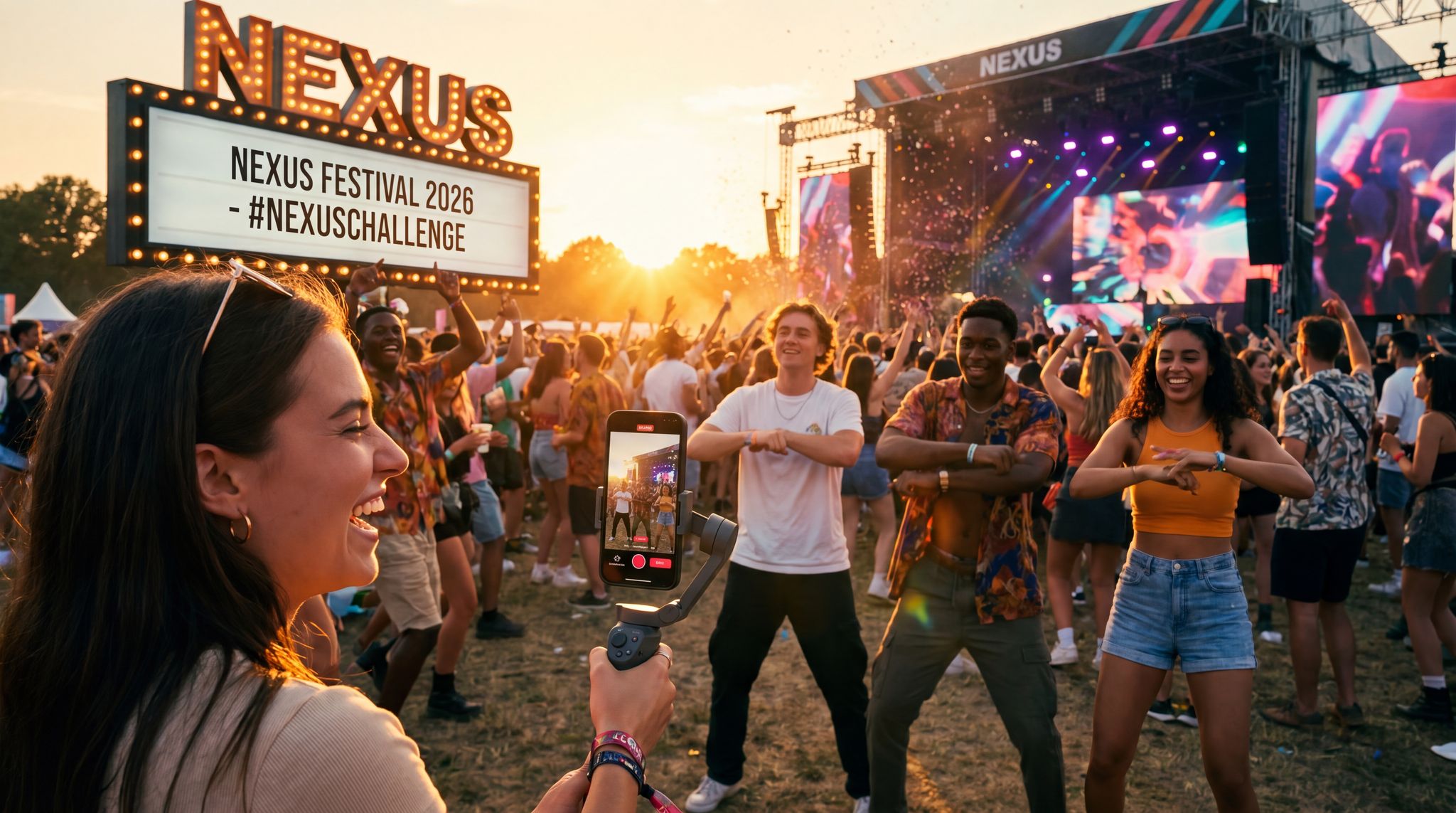
Beyond static image memes, much of internet humor in 2026 spreads through hashtag challenges, viral tweets, and collaborative threads. Event marketers can boost buzz by joining these conversations. Is there a dance challenge going viral on TikTok? Consider having your event staff, performers, or mascot do a themed version of it with a shoutout to the event. For example, when the “#MicrowaveChallenge” (people freezing in place while a song plays) took off, a UK festival jumped on it by filming their crew doing the challenge on an empty stage with festival lights – racking up views from the festival’s fanbase and beyond.
On X (formerly Twitter), keep an eye on trending topics and relevant hashtags. If your city’s Comic Con is next month and #ComicConMemories is trending with people sharing past fun, jump in with a humorous take or throwback photo from your event’s archives. By using the hashtag and adding genuine humor or insight, you plug your event into a larger story. The key is to add value to the conversation – say something funny, witty, or heartwarming, rather than a blatant promo. One successful example: an EDM event noticed #FailedTechno was trending with jokes about techno music clichés, so they tweeted “Failed Techno? We prefer Intermittently Successful Techno ??? #FailedTechno #OurEventName” which fans adored for being self-ironic and joined in the banter.
Also, leverage features like polls, Q&As, and fan submissions around humor. On Instagram, you might run a Story poll: “Which meme best describes your mood waiting for our event?” with a couple of meme GIF options. This not only engages fans but might give you intel on which meme formats they love most, informing future content. Participating in these trending formats and interactive gags keeps your event highly visible in social feeds and positions your brand as a fellow participant in internet culture, not just a ticket-seller.
Real-Time Humor and Reactive Content
Real-time marketing is essentially having your social media team act as improv comedians who can respond to current events or pop culture moments with your brand’s spin. When done well, it can propel your event into virality overnight. The classic case study is Oreo’s “You can still dunk in the dark” tweet during the Super Bowl blackout – not an event promotion, but it taught marketers the power of a quick humorous reaction. For event marketers, the opportunities for real-time humor abound: sports upsets, celebrity moments, election memes, viral TV show scenes – anything your target audience is buzzing about.
If something major and meme-worthy happens, ask “Can we tie this to our event cleverly?”. For example, when a popular meme of Bernie Sanders looking grumpy in mittens went viral in 2021, some concerts and festivals photoshopped “Bernie in mittens” sitting in their empty venue or crowd, captioned like “Bernie’s already in line for tickets ?”. Fans loved the mashup, and those posts spread beyond the usual follower base. This reactive content works because it shows your brand has a sense of humor in the moment. It humanizes your event brand – you’re not a faceless organiser, you’re in on the joke with everyone else.
To execute this: stay nimble and empower your social team. Rigid approval processes can kill timeliness – if every tweet needs three managerial sign-offs, you’ll miss the moment. Many experienced promoters give trained social media managers the green light to post reactive memes within certain guardrails. It’s also wise to prepare some evergreen reaction content you can deploy. For example, have a few generic meme templates saved (distracted boyfriend, Drake Hotline Bling, etc.) where you could quickly insert situation-specific text. When news breaks or a trend spikes, you can fill in the blanks and publish within minutes.
One more angle: sometimes your event itself will produce a real-time meme. Perhaps a funny incident occurs during the show or a performer pulls a quirky stunt. Lean into that. Share it immediately with a humorous caption, turning a spontaneous moment into marketing gold. Fans who attended will feel “in” on the inside joke and will share it as a badge of honor, while those who didn’t attend will see what they missed (hello, FOMO!). In essence, be ready to capture lightning in a bottle – humor is often about timing, and in the fast-moving realm of social media, the early bird gets the worm (or in this case, the viral hit).
Understanding overarching 2026 meme trends is also crucial for festival directors planning long-term content calendars. This year, the shift leans heavily toward hyper-niche, community-specific humor rather than broad, generic jokes. Event operators who tap into these evolving trends can foster deeper loyalty among their core attendee demographics.
To fully capitalize on these shifts, promoters must recognize that the most impactful meme marketing trends in 2026 prioritize raw authenticity over high-production value. Audiences are increasingly blind to polished advertisements, making lo-fi, user-generated aesthetics the most reliable vehicle for organic reach. By empowering social media coordinators to act as digital community managers—reacting to industry news and attendee feedback with rapid-fire, humorous content—event brands can maintain a persistent, engaging presence that consistently drives users toward the ticketing funnel.
Engaging Gen Z and Millennial Audiences
Generational Humor: What Clicks with Gen Z vs. Millennials
While Gen Z and millennials both love memes, the style of humor that resonates can differ between these cohorts. Understanding these nuances will help you craft content that truly lands.
Gen Z (roughly teens to mid-20s in 2026): This generation’s humor leans toward absurd, fast-paced, and highly visual content. They grew up on Vine and TikTok’s blink-and-you-miss-it jokes. Gen Z memes often embrace surreal or self-referential humor – think of TikTok trends that are inexplicably funny or the proliferation of mashup memes that remix Spongebob with niche internet lore. They also appreciate authenticity and edginess; they’re generally less shocked by offbeat or dark humor, as long as it doesn’t punch down. For event marketing, this means you can be a bit bold and experimental. Quick video memes, AR filters that let them participate, and humor that acknowledges internet fluency (like meta-jokes about meme culture) tend to do well. For example, a Gen Z-targeted music fest might create a meme using the “Crying Cat” image to joke about how badly fans need live music – an absurd juxtaposition that younger fans share.
Millennials (mid-20s to late 30s/40 or so): Millennials straddle the line between old-school and new-school internet culture. They have nostalgia for the classic memes of the 2000s (Advice Animals, Bad Luck Brian, Rage Comics) and resonate with pop culture references from the ’90s and ’00s. Their humor can be a mix of sarcastic and heartwarming. They also tend to appreciate a narrative build-up – for instance, those multi-panel Twitter story memes – not just blink-and-you-miss jokes. A meme that nods to something like Friends or uses a Star Wars reference might hit a millennial’s funny bone and tug at nostalgia. For event promotion, you might use a classic movie scene meme (like Mean Girls’ “So you agree? You think [Event] is really great?”) to crack a smile. Millennials also respond well to relatable life humor (balancing work and fun, young parent jokes, etc.), depending on your event’s demographic.
Here’s a quick comparison to visualize differences:
| Aspect | Gen Z Memes | Millennial Memes |
|---|---|---|
| Tone | Absurdist, ironic, sometimes wholesomely nihilistic (laughing through chaos). | Sarcastic, nostalgic, self-deprecating (laughing at adulting struggles). |
| Formats | 10-sec TikTok videos, glitchy deep-fried images, rapid-fire challenges. | Image macros with top/bottom text, Twitter threads, classic reaction GIFs. |
| References | Very current internet influencers, gaming culture, meta-humor about memes themselves. | Pop culture from 80s/90s/00s, childhood cartoons, early internet trends. |
| Share Triggers | Share if it’s extremely relatable to their online life or identity, or if it’s so ridiculous it’s hilarious. | Share if it reminds them of “that’s so me/us” adult experience, or a fond throwback, or something smartly witty. |
| Platform Focus | TikTok, Instagram (Reels), Snapchat, emergent meme platforms. | Facebook, Instagram (Feed/Stories), Twitter (still significant for older millennials). |
Table: Differences in meme preferences between Gen Z and millennials – use these insights to tailor humor to your audience segment.
Of course, these are generalizations – plenty of millennials love TikTok humor and plenty of Gen Z enjoy older memes too. But when planning content, it helps to consider these tendencies, especially if your event skews strongly to one group. In practice, an event with a broad age range might create a mix: some TikTok videos targeting Gen Z, and some clever nostalgic memes for millennial followers, and observe which performs better.
Meeting Audiences on Their Preferred Platforms
Engaging each generation means being active where they spend the most time. Gen Z’s meme playground is largely TikTok, YouTube, and to some extent Instagram Reels, whereas many millennials are still highly active on Facebook, Instagram, and Twitter (X). Tailor not just what you post, but where you post it.
Determining the primary platform for meme pages 2026 depends heavily on your event’s specific demographic. While TikTok dominates short-form video humor for younger attendees, Instagram Reels and dedicated niche Discord servers have emerged as the leading hubs for highly engaged, community-specific meme distribution among festival-goers.
For example, to hook Gen Z, invest in TikTok challenges or memes. A trending sound on TikTok can be fertile ground – you might film a 15-second skit with that sound, related to your event theme, to appear on their For You pages. Similarly, meme content for Gen Z can thrive on Instagram Stories or Snap, where playful polls, GIFs, and filters attract younger eyes. Meanwhile, millennials might be part of Facebook event groups or follow Pages, so sharing your memes in those spaces (or even Facebook meme groups if relevant) can capture attention. A witty tweet might go viral among millennial Twitter users if timed with a trending topic, which in turn could be screenshot and shared on other platforms.
For organizers looking to maximize reach among millennial demographics, understanding how to boost an event on facebook using meme content is a highly effective tactic. Rather than putting paid spend behind a generic flyer, promoters can amplify a top-performing organic meme post. To boost a facebook event successfully, wait until a humorous post gains initial organic traction—such as high share counts—then apply a targeted ad budget to push that proven content to lookalike audiences. This approach lowers the cost-per-click because the algorithm favors highly engaging content, making it one of the smartest ways to scale your reach without exhausting your marketing budget.
One crucial tactic is optimizing format per platform. If you create a meme, consider adjusting it for each channel rather than one-size-fits-all. That could mean cropping or resizing (Instagram feed needs a 1:1 or vertical crop, Twitter shows a horizontal preview), or reworking the text (Twitter might need shorter text due to character limits in images, whereas on Reddit you might share the meme with a descriptive title for context). Repurposing in this way is a core part of smart content distribution strategies – it ensures your memes hit the mark wherever fans find them, optimizing platform discoverability and adapting to music content trends.
Also, don’t underestimate niche platforms or communities. For instance, if targeting Gen Z gamers for an esports event, posting memes in a Discord server or relevant Reddit thread can outperform a blast to the masses. These tight communities often appreciate when event organizers speak their language in their spaces (just be sure to follow community rules – e.g. no outright ads without permission, but humor usually gets a pass if genuinely funny).
Speaking in an Authentic Internet Voice
Both generations have a sharp eye for inauthentic attempts at humor. Nothing turns off potential attendees faster than a cringey, forced meme that screams “brand trying too hard.” To truly engage, your event’s online persona should come across as one of them. This means using slang appropriately (and sparingly) and referencing the right touchpoints. If your social media manager is a digital native from your target demo, give them some freedom to infuse that authenticity. If not, invest time in research and even focus groups – bounce meme ideas off a few trusted fans or younger staff members to see if the tone feels right.
One effective approach is a bit of self-deprecating humor. People online tend to trust brands that can playfully poke fun at themselves, as it shows you’re not purely corporate. For example, if early ticket sales are slow (and it’s light-heartedly acceptable to admit), a meme joking “Me pretending not to refresh ticket sales every 5 minutes” with a funny anxious image can make your audience chuckle with you and perhaps motivate them to help by finally buying that ticket. It turns a pressure moment into an opportunity for camaraderie. Of course, exercise judgment – you wouldn’t joke about something truly negative or serious – but a little humility goes a long way with millennial and Gen Z audiences who value transparency.
Lastly, interact with your fans’ humorous content too. If an attendee makes a meme about your event (“Packing for #FestivalLife like… insert meme”), engage with it: share it on your story, give it a like or retweet with a comment. This shows you appreciate fan creativity (user-generated memes are free promotion!) and that you have a two-way sense of humor. Encouraging fans to create their own memes about the event – maybe even running a contest – can massively deepen engagement. As highlighted in our guide to user-generated content promotion, turning your community into co-creators builds authentic buzz, creating a marketing mix that builds trust. When Gen Z and millennials feel like they’re part of an inside joke with your brand, they’re far more likely to stick around and eventually convert to ticket buyers.
Success Stories: Events That Won with Memes
Turning Engagement into Ticket Data: The Grinspoon Meme Campaign
One instructive case comes from Australia’s live music scene. Grinspoon, a rock band, worked with promoters who used a meme-driven campaign to boost a tour announcement. On launch day, instead of only running standard ads, they posted a “music history” meme video montage of Grinspoon’s classic moments, overlaid with humorous text about the band’s legacy, leveraging meme-like content effectiveness. The content was engaging and nostalgic – perfect for the band’s fanbase. The result? It reached over 330,000 people organically on Facebook, utilizing meme-like content to drive reach and engaging over 330,000 unique people organically, all without paid boosting.
This meme video wasn’t just fluff content; it became a powerful top-of-funnel asset. The promoters mined the engagement data (video views, shares, comments) to identify highly interested fans. They then retargeted those engagers with ticket sale ads, knowing this crowd was warmed up and likely to convert, targeting those who genuinely love the band and avoiding waste on generic interest targeting. Essentially, the meme content helped filter out the passionate fans (those who watched or shared were clearly keen on the band), allowing extremely cost-effective follow-up advertising to just those people. The promoters reported far better ticket conversion rates per ad dollar by focusing on these meme-engaged audiences than if they had targeted a broad generic demographic, moving fans further down the marketing funnel. And as a bonus, tickets started selling from the meme post itself before any ads kicked in – many fans tagged friends like “Should we go?!” and some went straight to purchase links from the discussion, proving they genuinely love the band today) and allowing promoters to avoid wasting budget on generic targeting. This example highlights how a smartly executed meme can do double duty: viral marketing upfront, and improved ROI on direct marketing after.
Fan-Created Memes as Promotion: Ruby Fields’ Meme Contest
Another success story underscores the value of letting your audience drive the meme-making. Australian indie artist Ruby Fields and her team launched a meme competition to promote her EP release and tour. They invited fans to create memes related to Ruby or her songs, with the best ones shared on the official social pages, effectively marketing a new single or album. The response was huge – fans jumped at the chance to meme their beloved artist, producing inside jokes and funny content that only true fans would concoct. One winning meme playfully connected Ruby’s new song to a spoof movie clip, drawing interest from even those who hadn’t heard the track yet, as memes became the main driver for the campaign and helped market her hit single.
By curating and reposting the top fan-made memes, Ruby’s team achieved several wins:
– Authentic Buzz: The content came from fans, so it felt genuine rather than like advertising. Friends of those meme-creators saw the posts and thought, “If fellow fans are this excited and creative about the release, maybe I should check it out.”
– Mass Exposure: Dozens of fans sharing their meme entries meant the artist got free visibility to each fan’s followers (many of whom were in the target demographic by virtue of friendship). It was a micro-viral spread across pockets of the fan community.
– Deepened Loyalty: Participants became more emotionally invested in Ruby’s success – they had contributed to it personally. This kind of engagement often translates to higher likelihood of buying tickets or merch, as fans feel part of the journey.
In Ruby Fields’ case, the meme contest not only boosted social media metrics during the campaign but also helped sell out shows by strengthening the fan community. It’s a play straight from the UGC playbook for events – empower your audience to become creators and evangelists, discovering how to turn your fans into promoters and creating a marketing mix that builds trust. Even if you don’t run a full contest, sharing fan-made memes or encouraging meme-y submissions (like “Caption this photo from last year’s festival!”) can generate a similar effect of communal promotion.
Meme Magic on a Shoestring: The Viral Comedy Show Flowchart
You don’t need to be a huge festival or famous band to win with memes. A small local comedy show in 2025 demonstrated how even limited-budget events can strike gold using humor. With hardly any ad budget, the organisers created a simple yet hilarious “attendance flowchart” meme and posted it to their social pages, asking will you be bored on Saturday. The flowchart had tongue-in-cheek questions like “Will you be bored on Saturday night? -> Yes -> Come to our comedy show. -> No -> Liar, you know you’ll be bored, so come to the show.” It was an informal, cheeky way to say “you have no excuse to miss this.”
This meme took off locally – people started tagging their friends with “this is so us ?” comments. It spread through the community with zero ad spend, essentially becoming free advertising through shares, utilizing memes and humor to drive reach. The comedic flowchart was so relatable to anyone debating weekend plans that it transcended the original follower base. In the end, that small comedy event sold out its venue, and the organisers credited the meme as a major driver. It not only put butts in seats but also gave the show a cool, fun image in the eyes of attendees (“I came because that meme was funny, and I knew the show would have a sense of humor”).
The lesson? Creativity beats cash. A witty idea can beat a glossy poster or pricey ad, especially on social media. As we advise in our guide to low-budget event marketing strategies, clever, shareable content like memes can yield massive reach on a tiny spend, proving that authenticity and originality often beat budget. Don’t be afraid to experiment with a quirky concept – the internet loves originality. The comedy show’s flowchart meme worked because it was simple, low-fi, and extremely shareable. If you’re ever worried that your event is too small to make a splash, remember that a single viral meme can suddenly put your local event on the map without breaking the bank.
When developing comprehensive marketing strategies for new comedy shows, independent promoters often find that traditional ad buys yield lower returns compared to organic, humor-led content. Because stand-up events inherently promise laughter, your promotional assets must deliver on that promise immediately. By integrating the best meme formats 2026 social media algorithms currently favor—such as relatable POV videos or self-deprecating venue jokes—organizers can build an engaged local following before the first comedian even takes the stage.
(Bonus example: When the “When We Were Young” nostalgia festival was announced in 2022 with a dream lineup of 2000s bands, the internet exploded with memes – from jokes about dusting off old emo outfits to funny skepticism about all those bands in one day. The viral memes actually fueled free promotion, flooding social feeds with talk of the festival and helping drive it to sell out multiple dates. It showed that when fans start memeing about your event out of excitement, you’ve struck marketing gold.)
Scaling Humor: Building a Dedicated Meme Brand
When analyzing how top event brands using meme marketing achieve these results, consistency is key. Establishing a dedicated meme brand voice helps organizers transition from one-off viral hits to sustained ticket sales. For instance, during a recent multi-city festival rollout, promoters integrated “campaign 24 meme” strategies—a structured approach where 24 unique, localized campaign memes were deployed across regional accounts over a 24-day period. This methodical distribution proves that humor can be systematically scaled for major marketing campaigns, ensuring that every joke directly supports the broader conversion funnel.
Avoiding Meme Marketing Missteps
Stay True to Your Brand (and Audience)
For all the potential upside of meme marketing, a misaligned or poorly executed joke can backfire. One key pitfall to avoid is straying from your brand identity in pursuit of a trending meme. Remember, humor is subjective – a joke that delights one group might confuse or offend another. Always sanity-check whether a meme idea is appropriate for your event’s image and attendees.
If you run a high-end wine tasting event known for elegance, posting a crude meme might cheapen your brand. Conversely, if you’re promoting a gritty punk show, an overly cutesy meme might feel off. Keep tone and content consistent with what ticket buyers expect from you. Many marketers use the rule: if you wouldn’t crack this joke in person to your attendees at the event, don’t post it online under your brand name. Additionally, consider age-appropriateness – an all-ages event should steer clear of R-rated meme humor. Inclusive marketing principles advise opting for language and references that don’t alienate segments of your audience, unless your event is very specifically niche, creating a marketing mix that builds trust and understanding how fan buzz drives action.
Another side of this is avoiding cringe or desperation. Very transparently shoehorning your event name into every meme or using outdated formats can come across as try-hard. Internet culture moves fast, and nothing is harsher than commenters calling out a brand with “How do you do, fellow kids?” memes. To prevent this, stay in your lane: use memes you genuinely understand and enjoy. If nobody on your team gets a certain trend, skip it – authenticity beats trendiness. Sometimes it’s better to create a custom meme relevant to your event than to use a viral one awkwardly. For example, making an original inside-joke cartoon about your festival’s camping experience could hit warmer than forcing the latest unrelated meme template. Quality of fit matters more than quantity of memes.
Mind Cultural Sensitivity and Timing
Humor can be a double-edged sword if it veers into insensitive territory. What’s meant as a joke could be interpreted as offensive if you’re not careful, especially in a diverse global audience. Steer clear of memes that rely on stereotypes, insults, or potentially divisive topics (race, religion, tragedies, etc.). A meme that seems funny in one culture might not translate in another – for instance, sarcasm can fall flat or be misread. When targeting international fans, err on the side of light-hearted and positive humor. One tip is to run potentially sensitive memes by a diverse set of eyes (colleagues, partners) before posting to catch blind spots.
Timing is another critical factor. Avoid posting jokes at the wrong moment. If there’s a serious situation unfolding (e.g. a global crisis, national mourning, or even just a particularly sensitive news cycle), hitting send on a goofy meme can appear tone-deaf. Always do a quick news scan – ensure nothing major has happened that would make your meme look inappropriate or trivial. Many brands have paused scheduled social content during somber events to show respect. Your event’s reputation is more important than cashing in on a meme trend at the wrong time.
It’s also prudent to think about meme longevity. Some memes age poorly or get co-opted by unsavory groups over time. A meme that was funny last year might have acquired connotations you’re not aware of today. Regularly refresh your meme knowledge and avoid resurrecting very old formats unless intentionally doing a “throwback” (which you can frame as nostalgia). When in doubt, a quick online search for “[Meme Name] controversy” can reveal if there have been issues. For example, the popular cartoon frog meme (“Pepe”) seems innocent but was infamously appropriated by fringe groups – definitely not something an event wants to accidentally include without context.
In summary: use humor to include and uplift, not to punch down or exclude. The best event memes bring people together in laughter. If there’s any doubt about how a meme might be received, play it safe or tweak the concept. It’s entirely possible to be hilarious and respectful – those memes actually tend to get the broadest positive engagement.
Legal and Ethical Considerations
One often overlooked aspect of meme marketing is the legal side. Memes often repurpose images, movie stills, or characters that are technically someone else’s intellectual property (IP). In everyday social media usage, people post memes freely with little issue, but when a brand (like your event) does so in marketing, it’s a bit of a gray area. Most of the time, using well-known meme images in social posts won’t draw legal ire – it’s seen as transformative fair use, especially if it’s non-commercial or parody. But always be aware of the source. Using an image from a big movie or a celebrity’s likeness in an advertisement for your event (especially a paid ad) could pose problems. For instance, slapping Baby Yoda on a promoted post to sell Comic Con tickets might risk Disney’s attention.
A good practice is to stick to established meme images that are prevalent on the internet (implying implied permission in meme culture) for organic posts, and avoid any potentially trademarked material in explicit promotional creatives. If you create your own memes using original photos or royalty-free images, even better – no concerns there. Some events also license content from creators (like commissioning a popular meme artist to do a spin for your event) to play it safe and boost quality.
Another ethical consideration is giving credit when adapting fan content. If you’re reposting a fan-made meme, tag or mention the creator if possible. Not only is it courteous, it also encourages more fans to make content for you. Most fans are thrilled to be featured, but failing to credit can cause backlash in tight-knit communities. Always avoid the perception that you’re exploiting fan creativity; frame it as celebrating the community.
Finally, be mindful of context collapse. A meme that lives on your page might travel elsewhere without the caption or thread explaining it. Will it still make sense, or could it be misinterpreted? For example, an ironic joke might be taken literally by those unfamiliar with your tone. Consider adding a comment or follow-up explaining the joke if needed, or just ensuring the meme itself is self-contained enough not to cause confusion when shared. Transparency and a quick willingness to clarify (or apologize if you misstep) will help maintain trust. Fortunately, by following the guidelines above – staying on-brand, sensitive, and authentic – you mitigate most of these risks while reaping the rewards of meme marketing’s huge potential.
Measuring Meme Marketing Success
Engagement Metrics that Matter
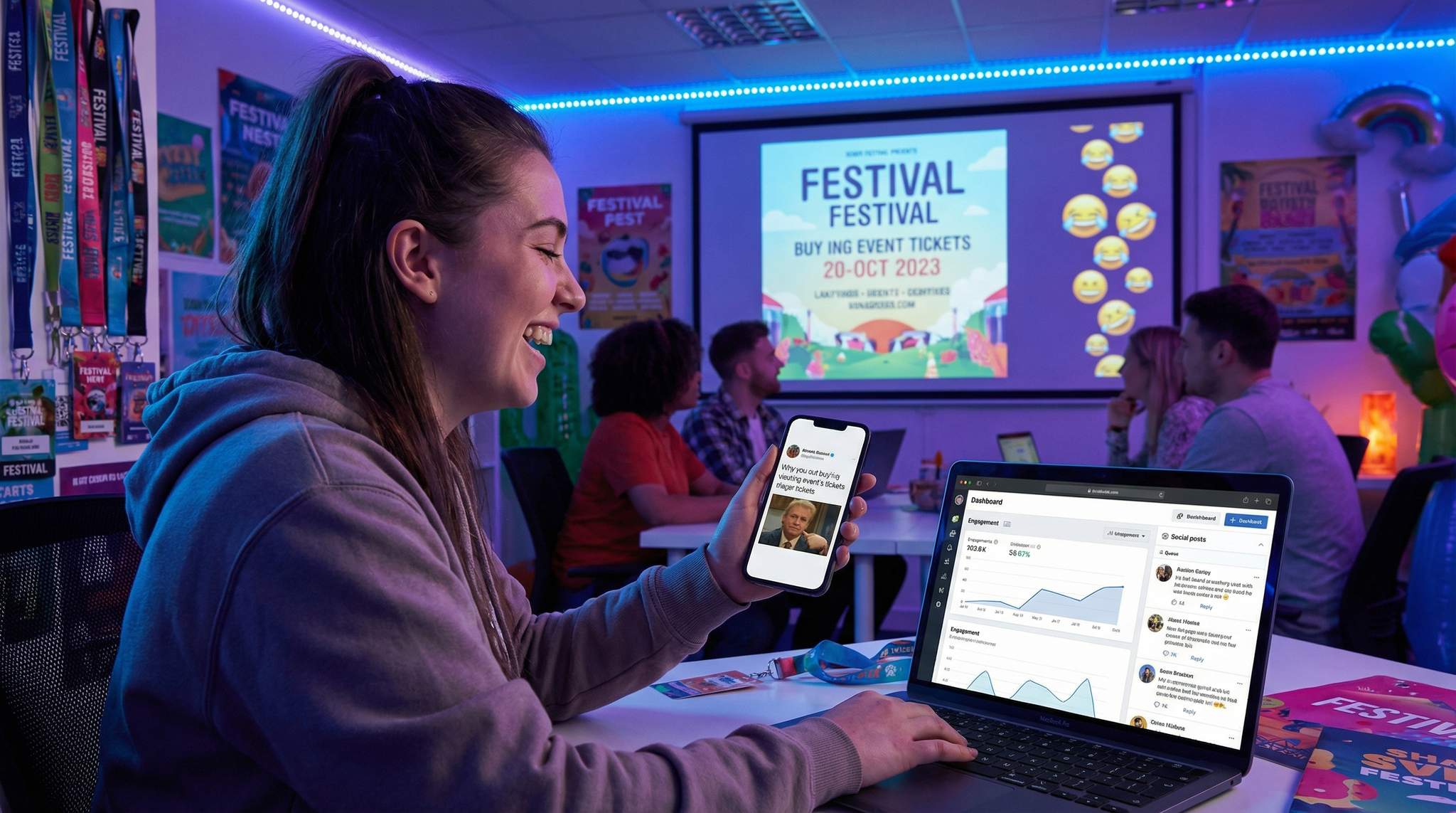
So you’ve unleashed a flurry of memes – how do you know if it’s actually helping your event? The first indicators of success live on the social platforms themselves: engagement metrics. Track the likes, shares, comments, retweets, and saves that your meme posts generate, and compare them to non-meme content. High engagement is a sign that your humor is resonating. Pay particular attention to share/retweet counts and how many people are tagging others. These actions directly expand your reach to new eyeballs (potential ticket buyers). For example, if each meme post is getting 50 people tagging a friend saying “this is so us,” that’s 50 personal endorsements of your event right there.
Comments are gold for qualitative feedback. Are people responding with laughter, tagging their squad, or saying “can’t wait for this event”? That sentiment analysis tells you if the memes are not only funny but also creating positive associations with your event. Some events even use polls or questions in meme captions (“Agree? ?”) to boost comment activity and measure sentiment in a fun way.
Another metric to watch is follower growth. A particularly viral meme might lead to a spike in new followers on your pages, as people who discovered you through a share hit that follow button. Track your follower count before and after big meme pushes. An uptick means your content is converting casual viewers into engaged audience members – which you can nurture with more info and offers as the event approaches.
Tracing Memes to Ticket Conversions
Engagement is great, but do memes actually sell tickets? Direct attribution can be tricky because a lot of meme impact is top-of-funnel (awareness and interest). However, there are ways to connect the dots:
– Unique Tracking Links: If you share a meme that also includes a call-to-action (like “When you realize VIP tickets cost the same as 3 avocado toasts! ? [Get VIP access now ? eventsite.com/vipdeal]”), use a unique URL with UTMs or a short code. Then monitor how many clicks and sales came via that link. You might discover, for example, that a humorous VIP upsell meme drove 100 visits and 10 purchases that you can attribute in analytics.
– Promo Codes in Memes: Include a special discount code subtly in a meme (e.g., a caption: “Use code MEMEFAN for 10% off because we love laughs”). Track redemptions of that code on your ticketing platform. This is a concrete way to tie a meme to revenue – if dozens of people use MEMEFAN at checkout, your meme didn’t just entertain, it closed sales.
– Post-Meme Ticket Spikes: Watch ticket sales charts around the dates/times you release viral content. Seasoned event marketers often see a lift in web traffic and even purchases immediately following a popular social post. Use Google Analytics or your ticketing dashboard’s referral data to see if there’s a correlation. For instance, you might see social referrals jump on the day your meme went viral, and a corresponding pickup in ticket page views or transactions, as UGC drives significant ticket sales and impacts real-world sales.
– Surveys and Ask Buyers:* Consider adding a question in your checkout or post-purchase survey: “Where did you hear about this event?” It’s not unusual to get responses like “Saw a funny post on Instagram” or “My friend tagged me in a meme about it.” This qualitative data confirms that memes played a role in discovery or decision-making.
Over time, integrate meme performance into your marketing dashboards. Look at cost per engagement (even if only time investment) and eventual conversion rates of audiences touched by your social content. If you have a CRM or use retargeting audiences, compare conversion of those who engaged with your memes vs those who didn’t. You may find engaged fans buy at a higher rate, backing the idea that memes nurtured them down the funnel. Post-event marketing analysis strategies often reveal interesting correlations, like a survey showing a large share of attendees remembered your funny videos and that influenced their purchase, confirming that peer recommendations outweigh brand messages and help tap into ticket sales.
Advanced organizers are also integrating these insights directly into their attendee databases. By tagging CRM fans humor preferences—noting which segments engage most with comedic content—promoters can tailor future email marketing campaigns. Injecting a well-placed, relevant joke into a targeted email blast to these specific buyers often yields significantly higher open and click-through rates than standard promotional copy.
When evaluating meme marketing ROI statistics, industry benchmarks reveal compelling financial incentives for event organizers. Recent data indicates that campaigns heavily utilizing humor can achieve a meme marketing ROI of 60% or higher compared to traditional static ad buys. This impressive return on investment stems from the inherently viral nature of the content, which drastically reduces cost-per-click (CPC) while simultaneously increasing organic reach and ticket conversion rates.
Learning and Iterating for Next Time
Measurement isn’t just about proving success – it’s about learning what to do better. Use the data from each campaign to refine your meme marketing strategy continuously. Did certain meme themes (e.g., lineup jokes, attendee problem memes, pop culture mashups) consistently outperform others? That’s a clue to double down on those successful angles. Maybe memes featuring your headline artist’s inside jokes got 2x the shares of generic memes – so involve artists more next time (e.g., get them to appear in a TikTok meme video for your event, leveraging artist co-promotion power for extra authenticity, helping tap new fan audiences and ensuring fans are far more likely to attend).
Similarly, note platform differences. Perhaps your memes on Twitter went bonkers with retweets but flopped on Facebook, or vice versa. This could indicate where your core meme-loving audience hangs out. In 2026, it’s common to have one platform as the primary engagement driver for certain content. Focus efforts where it counts, but also adjust format on the underperforming platform to see if it improves (maybe your Facebook followers prefer short video memes over image memes, for example).
Don’t shy away from testing variations – essentially A/B testing your humor. For instance, you could try two different caption styles on two otherwise similar memes (one more straightforward, one dripping with irony) and see which garners more engagement. The data-driven approach to marketing applies to creative content too, as memes cut through the noise and provide clear examples of ROI. Over multiple events, you’ll accumulate a playbook of what meme strategies reliably boost buzz and ticket sales for your audience segments.
Finally, measure the long tail as well. A meme’s life can extend beyond its initial post if it continues to be shared or if it’s discoverable via search. Check back a few weeks after an event – are people still referencing your memes or are new fans finding your page because of them? One great metric is user-generated spinoffs: did your meme inspire others to make related jokes or content? That indicates you truly tapped into something that resonated, creating a cultural moment around your event. For example, if you see fans using your event hashtag alongside meme formats you started, you’ve essentially birthed a mini meme community – and that kind of organic fandom is marketing gold for the next edition of your event.
In summary, treat meme marketing with the same rigor as other channels: set goals, track metrics, draw insights, and refine. The more you quantify the impact (engagement and conversion) of humor in your campaigns, the easier it is to justify investing time in these creative efforts and to optimize them for even greater success in the future.
Frequently Asked Questions About Event Meme Marketing
How are marketers using meme marketing statistics in 2026 to improve event ROI?
Event promoters and venue operators analyze these statistics to identify which humor formats yield the lowest cost-per-acquisition. By tracking engagement rates and shareability metrics, organizers can optimize their ad spend and focus on the most effective viral content.
What are the best free meme video websites for marketing in 2026?
Festival marketers frequently use browser-based platforms like Kapwing, Canva, and specialized meme generators. These free tools allow social media managers to quickly adapt trending video formats for event promotions without needing expensive editing software.
How do emerging meme trends impact giveaway and paid ad compliance?
Because current 2026 meme trends heavily favor hyper-niche, user-generated formats, they can complicate compliance with social media giveaway promotion paid ads guidelines. Event operators must ensure that when fans submit humorous entries for a contest, the official rules clearly state IP ownership and platform-specific disclosure requirements to prevent ad account suspensions.
How can promoters leverage the trending memes brands are using in 2026 social media marketing?
Festival producers and venue operators are closely monitoring the trending memes brands using 2026 social media marketing strategies to inspire their own promotional content. Instead of generic humor, successful organizers adapt these viral formats to highlight specific event features—such as VIP experiences, fast-track entry, or exclusive artist meet-and-greets—effectively turning popular internet jokes into targeted ticket-selling assets.
What is the best approach for how to create viral event marketing content in specific regions?
When determining how to create viral event marketing content, organizers must prioritize audience relevance over broad appeal. If your target location is the United States, for instance, successful event and marketing strategies often involve adapting popular global meme templates with hyper-local references. This localized approach to marketing events ensures the humor resonates deeply with the specific demographic most likely to purchase tickets.
What is the most cost-effective way to boost a Facebook event using memes?
When deciding how to boost an event on facebook, organizers should prioritize amplifying organic posts that already show high engagement. Instead of promoting a standard digital flyer, take a meme that has generated laughs and shares, and put paid spend behind it. To effectively boost a facebook event, target lookalike audiences based on your current ticket buyers. Because humorous content naturally earns higher interaction rates, the platform’s algorithm will distribute the boosted post more efficiently, lowering your overall cost-per-acquisition.
What are some effective meme-based event promo video ideas for 2026?
For 2026, top event promo video ideas include using trending TikTok audio over behind-the-scenes setup footage, creating “POV” (point of view) style clips of attendees experiencing the festival, and leveraging green-screen effects to place popular meme characters into your venue. These short-form concepts feel organic to social feeds and often yield higher engagement and lower acquisition costs than highly polished, traditional commercials.
How do memes fit into a broader social media event marketing strategy?
While memes are excellent for driving top-of-funnel awareness, they should be just one pillar of your overall social media event marketing. A successful approach to marketing an event on social media balances humorous, highly shareable content with informational posts—such as lineup announcements, ticketing deadlines, and logistical updates. This ensures that the engagement generated by viral trends is effectively captured and converted into actual ticket sales.
How can memes be integrated into launch event ideas marketing?
When developing event marketing ideas for a new festival or venue opening, organizers should consider using memes as a top-of-funnel teaser. A humorous, relatable post can generate organic shares and build anticipation much faster than a traditional press release, making it a highly effective strategy for kicking off a promotional campaign.
How many marketers are using meme marketing in the event industry?
While exact figures vary by specific niche, recent industry surveys indicate that over 65% of digital marketing professionals now incorporate meme marketing into their promotional mix. For festival organizers and venue operators, adopting these humor-driven strategies has become a standard method to lower cost-per-acquisition and drive organic ticket sales.
What are the benefits of using memes in advertising for event ticket sales?
Incorporating meme advertising into your paid social strategy helps bypass traditional ad fatigue. Because these humorous posts look like native, user-generated content rather than polished commercials, they typically earn higher engagement rates and lower cost-per-click (CPC). For festival promoters, using memes in advertising effectively lowers the overall cost of acquiring a ticket buyer while simultaneously building brand affinity.
What is the most effective approach to building your brand humor for an annual festival?
The most effective approach to building your brand humor involves auditing your target demographic’s internet culture and establishing a consistent comedic voice. For event organizers, this means creating a dedicated style guide that dictates acceptable formats, slang, and joke structures. By maintaining this consistency across all social channels, promoters can cultivate an authentic, recognizable persona that drives long-term audience loyalty and ticket sales.
What is the most effective strategy for how to attract more comedy fans online using memes?
For venue operators and promoters wondering how to attract more comedy fans online, the most effective strategy is blending relatable, everyday humor with short-form video clips of crowd work or stand-up highlights. By using meme formats to frame these clips—such as adding a relatable text overlay—organizers can organically reach new audiences who share similar comedic tastes, ultimately driving higher ticket conversions.
What are the most effective marketing strategies for new comedy shows using memes?
The most successful marketing strategies for new comedy shows center on proving the event’s entertainment value upfront. Venue operators should leverage the best meme formats 2026 social media trends offer, such as relatable crowd-work clips paired with trending audio or self-deprecating venue humor. This approach builds immediate rapport with local audiences and drives organic ticket sales without requiring massive advertising budgets.