Mastering Grassroots & Street Team Marketing for Events in 2026: Boots-on-the-Ground Tactics to Ignite Ticket Sales
At a Glance: In the digital cacophony of 2026, old-school promotion tactics are quietly driving sell-outs. Street teams hustling on city sidewalks, eye-catching flyers in local hotspots, community meet-ups, and guerrilla stunts are helping events from 200-capacity club nights to 80,000-seat festivals cut through the noise and ignite genuine buzz. This hands-on guide explores how boots-on-the-ground marketing – supercharged with modern tools like QR codes and social media – can efficiently boost ticket sales. Learn step-by-step how to plan, manage, and measure grassroots campaigns that turn passionate fans into your most powerful promoters. Real-world examples (successes and failures) show what works, so you can confidently blend personal outreach with digital savvy to pack your next event.
Why Grassroots Marketing Still Matters in 2026
Digital Fatigue Meets Real-World Impact
In 2026, event marketers face digital overload. Online ads saturate social feeds, and privacy changes have made targeting less precise, creating a landscape where turning fans into brand ambassadors becomes crucial. The result? It’s harder (and more expensive) to grab people’s attention through screens alone. Many consumers now tune out paid ads entirely, scrolling past sponsored posts without a glance. This is where grassroots marketing shines. Real-world tactics – a friendly street team member or a clever flyer – can capture attention in ways algorithms can’t. In fact, multiple studies confirm that word-of-mouth influences nearly half of consumer purchase decisions, with statistics showing word-of-mouth drives sales more effectively than paid ads. Unlike a banner ad lost in a feed, a face-to-face interaction or a physical handbill can break through to an audience numb to digital advertising.
Stat Check: Word-of-mouth marketing often outperforms digital ads. Some analyses show offline referrals drive 5× more sales than paid advertisements. And according to Nielsen’s research, over 80–90% of consumers trust recommendations from friends and family far more than any ad they see. This trust translates directly into ticket sales when leveraged effectively.
Trust and Authenticity: The Power of Personal Touch
Modern consumers are wary of polished ad campaigns, but they do trust people they know. Personal outreach builds authenticity. When a street team member enthusiastically tells a passerby, “You’ve got to check out this event – it’s amazing,” it feels less like marketing and more like a friendly tip. That peer-style recommendation carries weight: nearly 88% of people worldwide trust peer recommendations over any form of advertising. Younger demographics especially respond to this – many Gen Z and Millennial fans simply scroll past traditional ads, but they listen when a friend (or relatable ambassador) talks up an event. This dynamic is why fan-to-fan promotion is a cornerstone of grassroots strategy, leveraging the power of fan-to-fan promotion. It creates social proof. Hearing “Everyone in our group chat is going to this festival, you coming?” triggers FOMO and confidence in a way no banner ad can match. Authentic buzz from real people builds credibility that money can’t buy.
High ROI on Low Budgets
For event promoters watching the bottom line, grassroots tactics can deliver exceptional return on investment. Instead of pouring another £5,000 into online ads with uncertain results, that same budget could print thousands of flyers or reward a small army of volunteer ambassadors – often with far greater impact. Why? Because you pay mainly in time, creativity, and small perks rather than costly ad bids. Peer-driven sales come at a fraction of the cost of traditional advertising. Case in point: events using Ticket Fairy’s referral tools have seen ticket revenue jump 20–30% through fan referrals while giving away under 1% of revenue in rewards. Strategies that focus on turning fans into active ambassadors have seen ticket revenue jump significantly. Likewise, entrepreneurs behind major ambassador programs have found “friends selling to friends” can achieve results traditional channels struggle with, effectively harnessing street teams and fan ambassadors to reach demographics like the 16-24 age group. The ROI of grassroots efforts tends to be high because you’re leveraging passion and trust – assets that don’t show up on a media buying invoice. And unlike ads that stop generating leads the minute your budget runs dry, an enthusiastic street team or word-of-mouth chain reaction can keep driving sales organically.
Ready to Sell Tickets?
Create professional event pages with built-in payment processing, marketing tools, and real-time analytics.
Budget Tip: Grassroots marketing is a savior for shoestring budgets. Even a £500 flyer campaign or a volunteer street team can create real momentum if executed smartly. Compared to digital ads, which might burn that sum in days, physical outreach persists – a poster stays up for weeks, a flyer might live on someone’s fridge, a conversation echoes among friends. It’s no wonder low-budget event promoters rely on grassroots tactics to punch above their weight. A prime example is how Pasquale Rotella built his rave empire using these exact community-focused methods.
Think Global, Act Local – Everywhere
Even global events are discovering that success hinges on local connections. A festival might have an international brand, but to sell out each city, it needs boots on the ground resonating with the local crowd. Seasoned promoters emphasize that “one size fits all” campaigns don’t cut it in diverse markets. Experienced promoters know that adapting event marketing for different local markets is essential for success. Instead, winning strategies adapt to each locale – and grassroots marketing is inherently local. Street teams speak the local language (literally and culturally), and meet-ups tap into community vibes. Even massive festival brands have learned that skipping the grassroots step can backfire. For example, one famous EDM festival struggled in a new country partly because it failed to build community trust on the ground. The event “happened” but left no loyal following, reinforcing that even giant brands can’t skip local grassroots groundwork when entering a new market. On the flip side, look at globally successful festivals like Tomorrowland – they nurture ambassador networks in dozens of countries, effectively planting grassroots support worldwide. The lesson: whether your event draws 200 people or 20,000, engaging real people in real places is key. In 2026’s hyper-connected world, thinking global means acting local – and that means embracing grassroots tactics wherever your audience is.
Building a Street Team Army
Finding Your Superfan Ambassadors
Every great street team starts with the right people. Superfans – those die-hard followers who already love your event or the culture around it – are your ideal recruits. They might be the club regular who’s brought ten friends to your last three shows, or the festival die-hard who posts about the lineup hype every day. Tapping these individuals as ambassadors is like lighting a fuse: their enthusiasm was already sparking, now it can burn even brighter with your direction. To find them, start with your inner circles:
- Past attendees – comb your ticketing data for repeat buyers or those who bought multiple tickets. A personal invite to join an “exclusive ambassador program” can turn a loyal attendee into an active promotor. (Many events send an email blast to previous ticket holders looking for volunteers.)
- Social media fans – identify followers who consistently comment, share, or tag your event. The fan who keeps asking “when are tickets out?!” on Instagram could become a fantastic street team lead.
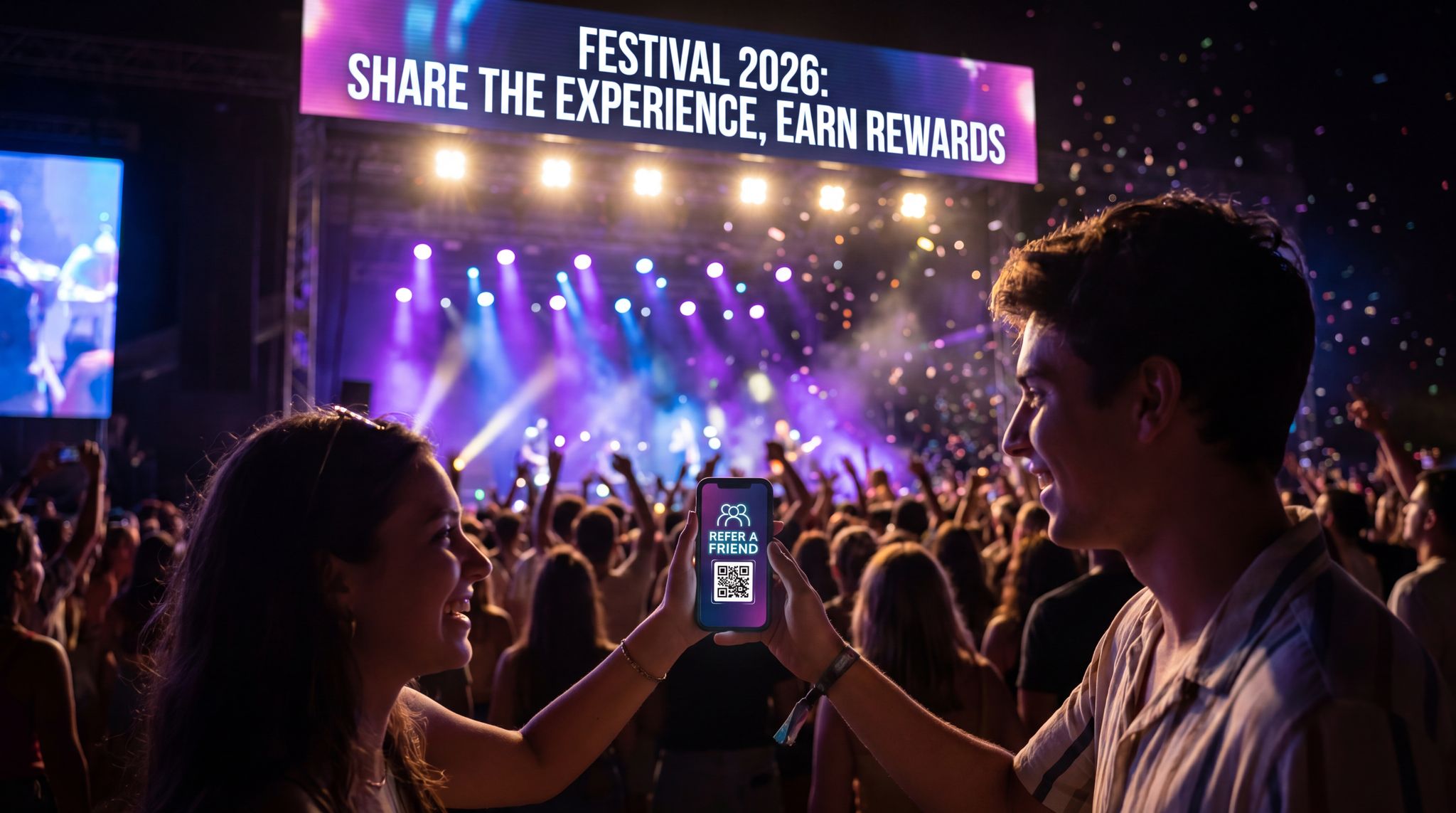
- On-site signups – at your current events, encourage sign-ups for future street team opportunities. For example, a booth or QR code at a festival saying “Love this event? Become an ambassador and earn rewards!” can capture eager candidates on the spot. Knowing where to find potential ambassadors is the first step to building your army.
- Local groups & clubs – think about communities aligned with your event’s theme. If you’re promoting a comic-con, reach out to cosplay groups; for a techno rave, connect with university EDM societies or local DJs; for a foodie event, tap culinary clubs or farmers’ market vendors. These folks already have networks of like-minded people.
Pro Tip: Use an application process (even a simple Google Form) to recruit ambassadors. It adds a sense of importance to the role and lets you gauge commitment. Look for qualities like good communication skills, reliability, and genuine excitement. You’re effectively hiring unofficial “staff” to represent your brand, so choose people who will be positive, respectful, and proactive. Many events even interview top candidates or host a kickoff meeting to personally vet and inspire the team.
Turn Fans Into Your Marketing Team
Ticket Fairy's built-in referral rewards system incentivizes attendees to share your event, delivering 15-25% sales boosts and 30x ROI vs paid ads.
Motivating and Rewarding the Team
Volunteers will move mountains for an event they’re passionate about – especially if you show appreciation with creative rewards. The most effective street team programs run on experiential and exclusive incentives rather than just cash. Sure, free tickets are a classic perk (and you should absolutely offer them), but think bigger about what will truly excite your ambassadors:
- Free or discounted tickets: The baseline. For example, a common offer is “Bring 5 friends, get 1 ticket free.” This peer sale model has been used successfully at many festivals. This approach is central to grassroots marketing for festivals. You can create tiers: sell 5 tickets, earn a GA pass; sell 10, get a VIP upgrade; 20 tickets sold might earn an extra pass for a friend, and so on.
- Merch and swag: Outfit your team with branded T-shirts, hoodies, or exclusive “Street Team 2026” badges. Not only do they wear these as a badge of honor, but it also turns them into walking advertisements. Limited-edition merch (think: “Ambassador” hoodies not sold to the public) can strongly motivate fans who love the brand.
- Unique experiences: Give top ambassadors money-can’t-buy experiences. For instance, a UK festival rewarded its best referrers by letting them meet the festival founder and even co-curate a stage – an unforgettable VIP experience. As seen in guides on harnessing street teams and fan ambassadors, involving fans in stage curation creates deep loyalty. Other ideas: backstage meet-and-greets with an artist, a private tour of the venue during setup, or a group photo on the main stage before gates open. These perks deeply reinforce their bond to the event.
- Exclusive access: Early entry, skip-the-line privileges, or a special lounge at the event just for ambassadors can be big draws. It makes them feel like insiders. Some festivals throw a “thank you” afterparty for the street team – a mellow gathering where ambassadors can celebrate their hard work with staff and artists.
- Points and contests: Consider a structured point system where various promo activities earn points (e.g. 1 point per flyer distribution session, 5 points per ticket sold via their unique code). Ambassadors can redeem points for different rewards. Friendly competition can spur effort – you might have a leaderboard and announce that the top seller wins an “Ultimate Fan Package” (like free tickets for life, or a bundle of merch and VIP perks). Many events have seen referral contests energize their teams – for example, Australia’s Lost Paradise festival ran a contest where the #1 ambassador got an all-access experience, prompting a surge in peer-to-peer sales.
No matter which incentives you choose, make the goalposts clear. Ambassadors should know exactly what they need to do to earn each reward (e.g. “Sell 10 tickets to earn a free VIP upgrade”). Transparency prevents frustration and fuels motivation. It also helps you measure the program’s success. If 20 ambassadors each sell 10 tickets to hit their free VIP goal, that’s 200 tickets you might not have sold otherwise – and a huge win for your campaign.
Grow Your Events
Leverage referral marketing, social sharing incentives, and audience insights to sell more tickets.
Example Reward Tiers: Here’s how you might structure a simple ambassador rewards program:
Tickets Sold by Ambassador Reward 5 tickets Free T-shirt or hat + personal shout-out on the event’s social media 10 tickets One GA ticket ( invite a friend!) or a £50 bar/merch voucher at the event 20 tickets VIP upgrade for the ambassador (enjoy VIP area access) 30 tickets Meet & Greet with a headliner or side-of-stage viewing for a favorite act 50 tickets All-access pass + Special Guest status (e.g. introduce an act on stage) These are illustrative – tailor to what fits your event. The key is scaling up rewards to encourage more sales. Notice how the costs to you (a VIP upgrade, a meet-and-greet that costs nothing but coordination) are minimal, yet the perceived value to a fan is huge.
Training and Equipping Your Street Team
Enthusiasm is vital, but ambassadors need the right tools and training to be effective. Think of your street team as an extension of your marketing department – you want them on-message, prepared, and confident when promoting your event. Here’s how to set them up for success:
- Kickoff briefing: Host a welcome meeting (in-person or via Zoom) to introduce the team to your event’s vision and key selling points. Give them the inside scoop on the lineup, the theme, or special features this year. When ambassadors feel like insiders, they’ll speak about the event with even more passion. Arm them with an elevator pitch – a concise, exciting summary of why this event rocks. For example: “Paradise Festival is a three-day escape in the mountains with 40+ international DJs, camping under the stars, and a beach stage – it’s like a summer paradise for music lovers,” so they can hook someone in seconds.
- FAQ and cheat sheet: Make sure each team member can answer common questions on the fly. Provide a one-page FAQ with pertinent details: dates, location, headliner names, ticket tiers and prices, age restrictions, parking info, etc. Nothing undermines credibility faster than an ambassador saying “umm, I’m not sure” to a basic question. Providing a clear FAQ ensures they appear professional and trustworthy when representing your brand. A quick-reference sheet (even a PDF in a group chat) helps them feel prepared. If someone asks “Is there camping available?” or “What time do doors open?”, your street team should have the answer and a friendly smile.
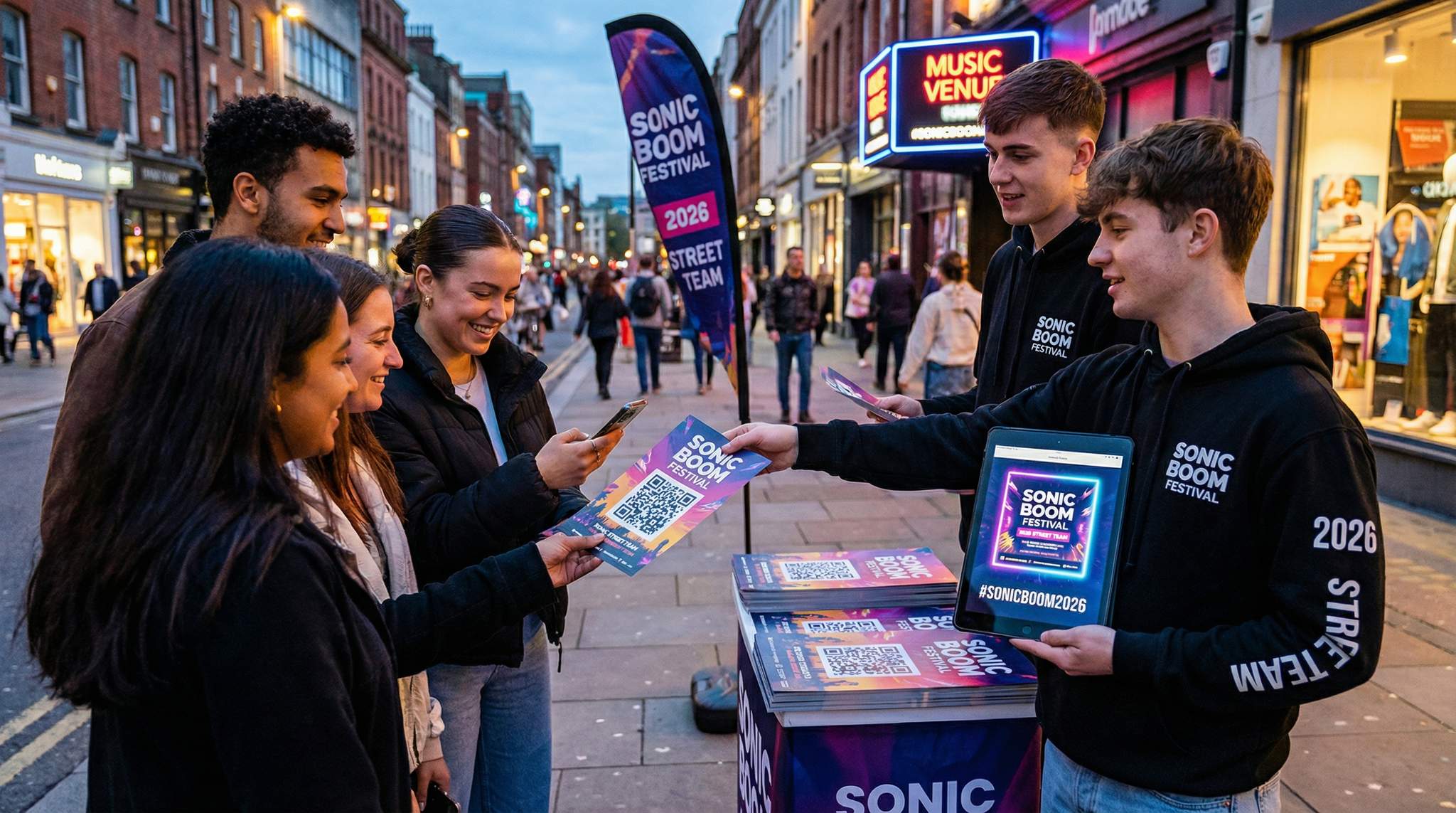
- Marketing materials: Supply plenty of physical and digital collateral. This includes flyers, posters, and stickers for the real world, as well as shareable graphics and discount codes for online. Make the printed materials eye-catching and informative – at minimum include the event name, date, venue, a big headliner or attraction, and a clear call-to-action (like a short ticket URL or QR code). Many promoters give each ambassador a unique referral link or code to print on their flyers (or write by hand), so that any sales they generate can be tracked back to them. Supplying proper marketing materials for street teams is crucial for tracking. Equally important are digital assets: provide ready-to-post images, suggested captions, and official hashtags so your team can easily promote on their socials or community forums. By keeping branding consistent, you amplify recognition across channels.
- Outfitting the team: Consider giving your ambassadors something that identifies them as “official.” A T-shirt with your event logo or a special ambassador badge not only rewards them but also signals to others that they’re legit. Branded apparel can spark conversations and signals official status. If a street team member is flyering at a concert in your genre, wearing your event’s shirt can spark conversation (“Oh, you’re with that festival? I’ve heard of it!”). It subtly boosts trust – they’re not just some random person handing out flyers, they’re part of the event.
- Guidelines and etiquette: Train your team on how to approach people and promote tactfully. Simple role-playing can help: how do you politely gauge interest and handle being turned down? Encourage them to be genuine, not pushy: e.g. “I see you’re into sneakers – did you know there’s a sneaker convention next month? I’m helping spread the word. Here’s a flyer – there’s a discount code on it if you’re interested!” Personalize the pitch when possible. Also set ground rules to keep efforts respectful: only post posters where permitted, always ask store owners before leaving a stack of flyers, don’t spam or mislead. Provide do’s and don’ts (for example, do be friendly and upbeat, don’t promise things that aren’t confirmed, do represent our event values like inclusivity, don’t engage in arguments). By establishing standards, you protect your brand’s reputation while empowering ambassadors to operate confidently.
Remember, knowledge is power. An informed, well-equipped street team will not only spread your message wider, they’ll do it in a way that genuinely connects with people. That authenticity and professionalism reflect back on your event, building trust with every interaction.
Smart Promo Codes & Presale Access
Create percentage or flat-rate discount codes with usage limits, date ranges, and ticket type restrictions. Plus unlock codes for private presales.
Managing and Communicating with Your Team
Once your street team is up and running, the work isn’t over – how you manage the team day-to-day can make or break its effectiveness. Think of it like coaching a sports team: you need to set goals, track progress, keep morale high, and adjust tactics as needed.
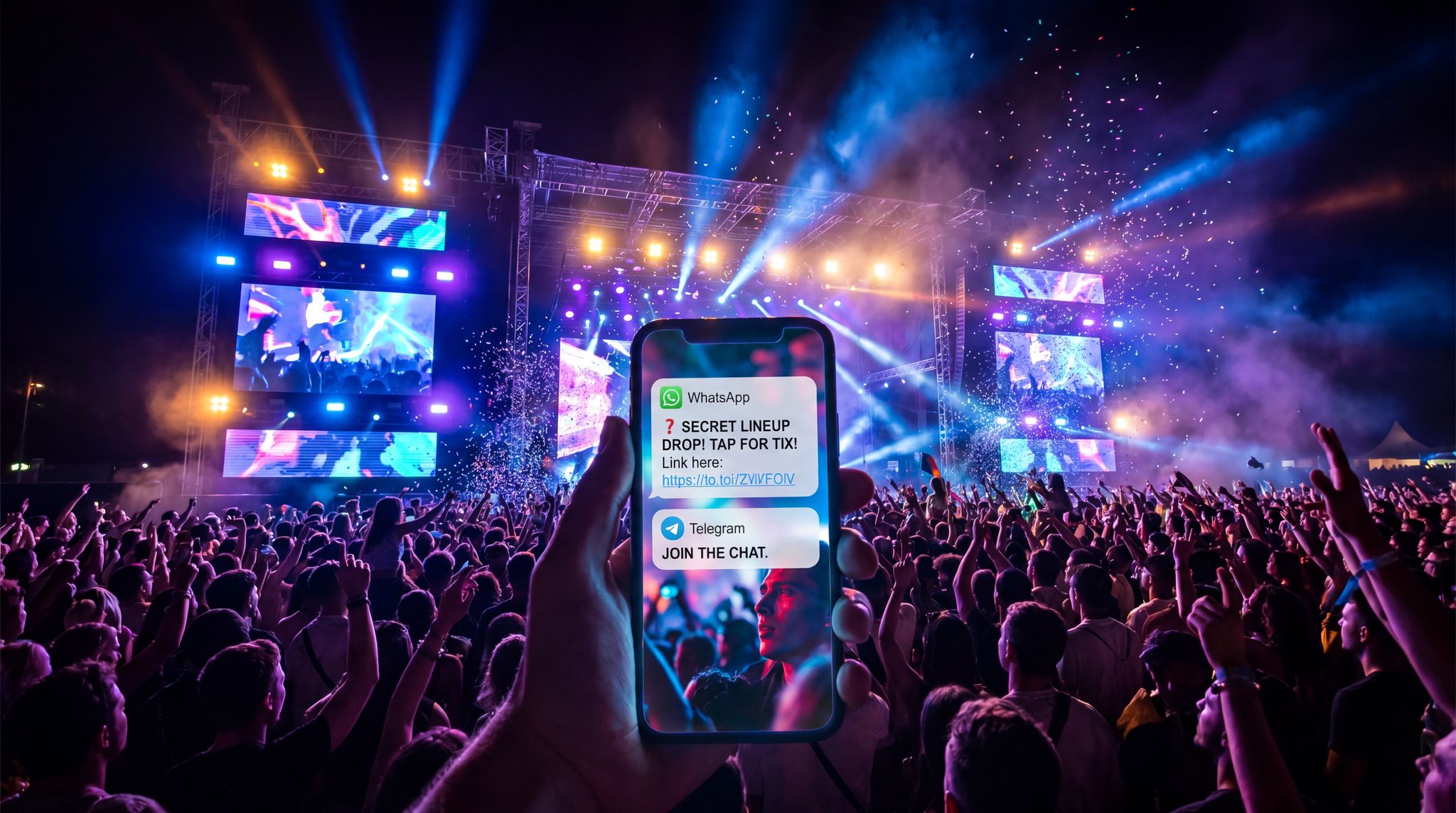
- Central coordination: Designate a “street team coordinator” (it might be you or someone on your staff) as the point person. Ambassadors should know who to contact if they have questions or need more materials. Setting up a group chat (WhatsApp, Telegram, Slack, etc.) or a private Facebook Group can be hugely helpful. It creates a sense of community among your ambassadors and lets you broadcast updates (“We just added a new headliner – here’s the info for you to share!”) easily. Regular check-ins keep everyone engaged.
- Set targets and track results: Give your team tangible goals to aim for. It could be X tickets sold per week or Y flyers distributed in a certain neighborhood. Use the unique links/codes to track ticket sales per ambassador in real time. Share progress updates: for example, “Team, great job last week – we moved 50 tickets through your referral codes! Let’s see if we can hit 80 this week.” This not only motivates but also lets you spot who might need more help or who your star performers are. Consider a simple leaderboard to inject friendly competition (if appropriate). When ambassadors see that one person sold 15 tickets, it might light a fire to match or beat them.
- Continuous training: Keep your team in the loop with insider info and marketing pushes. Treat them truly as an extension of your marketing department. Loop them in on major announcements – for instance, if your lineup is about to drop, give ambassadors a heads-up and some talking points so they can hype it in their circles simultaneously. For example, looping ambassadors in on major announcements allows them to hype the news instantly. If a particular angle is working (say, people are excited about a specific support act), let the team know so they can emphasize it. Conversely, if you notice some misinformation or questions popping up (perhaps folks are confused about the venue policy), brief your team so they can clarify in their outreach.
- Recognition and community: Fostering a positive team spirit is vital. Celebrate wins and effort. Something as simple as a shout-out in the group chat – “Special thanks to Alex for single-handedly getting 30 friends to buy tickets – you’re amazing!” – can make volunteers feel valued. Recognition can be as rewarding as physical perks for many volunteers. Some events highlight top ambassadors on social media or their website (with permission), which both rewards those individuals and showcases the strength of your community. You can also encourage the team to share stories: maybe one ambassador organized a meetup that sold 20 tickets, or another convinced a local record store to put up posters and got a great response. Sharing these anecdotes in the group inspires everyone and spreads best practices.
- Scaling up: As your ambassador program grows, you might invest in tools to manage it. There are dedicated ambassador management platforms that track sales, automate reward delivery, etc. (The Ticket Fairy platform itself includes referral tracking, which simplifies a lot of this.) Large festivals like Tomorrowland have formal global ambassador programs – fans in different cities and countries act as local representatives, organizing meetups and travel packages. Using ambassador management software helps coordinate these global efforts. While you might not need that scale, it shows the potential of a well-run program. In one instance, a single passionate ambassador in a new region brought dozens of attendees on board – an extended network effect that was measured as a 12× return on the cost of the free ticket he was given. This demonstrates how an extended network can boost ticket sales significantly. Empower the right people and they can amplify your audience dramatically.
Finally, stay flexible and listen to your team’s feedback. They’re on the front lines and will have insight into what messaging people respond to, which neighborhoods or campuses are worth hitting again, and what questions or objections keep coming up. Use that intel to refine your broader marketing strategy. In this way, your grassroots efforts not only boost sales directly but also inform your overall campaign with grassroots intelligence.
Flyering and Poster Campaigns in the Digital Age
Designing Printed Materials with a Punch
In an era of Instagram ads and TikTok videos, the idea of paper flyers might seem quaint – but a well-crafted flyer or poster can still pack a punch. The key is great design and a clear call-to-action. You’re not just making “pretty” artwork; you’re creating a mini-billboard that needs to grab attention and drive action in seconds. Here’s how to make your print materials count:
- Bold visuals: Use striking imagery or colors that catch the eye from a distance. High-contrast and bold typography can help a poster stand out on a busy wall of other ads. If you have a recognizable headliner or a unique event theme (say a neon 80s night), reflect that visually so even a quick glance communicates something exciting.
- Essential info only: Don’t overload text. The flyer should instantly convey what, when, where, and how to get tickets. Typically: Event name/logo, date and time, venue location, a short tagline or highlight (e.g. “Featuring DJ _____” or “Award-Winning BBQ Competition”), and your ticket URL or a QR code. Everything else is secondary. If space allows, you can add a brief teaser (one or two punchy lines about why it’s unmissable) but assume people will skim.
- Strong call-to-action: Treat every flyer like it’s speaking: “Don’t miss this – get your tickets now!” Include a short URL or QR code prominently. For example, “Tickets: TicketFairy.com/YourEvent” or a scannable code that says “Scan for Tickets”. If you can, mention an incentive: “Use code LOCAL10 for 10% off” or “Early bird prices until Aug 1!” This creates urgency and a concrete next step. Modern audiences are used to instant info – if a curious person can’t quickly find more details or purchase, the flyer fails. Make it effortless for them to transition from physical to digital (more on tracking in a moment).
- Consistency with branding: Ensure your prints align with your online presence. Same event logo, similar imagery, hashtag mention if you have one. This reinforces recognition – someone who saw your Facebook ad last week and now sees a poster will mentally connect them. Consistent branding across channels (print, social, web) amplifies impact.
Remember, your flyer is often your first impression out in the real world. Design it to intrigue and entice. Many top promoters invest in professional design for print materials (it’s often worth the cost), but even on a DIY budget, following the above principles will elevate your collateral beyond the typical clutter.
Hitting the Right Places at the Right Times
Even the best flyer won’t help if it sits in a stack nobody sees. Smart distribution is as important as smart design. Think strategically about where and when to deploy your flyers and posters for maximum effect:
- Targeted locations: Go where your potential attendees already are. This means popular cafes, bars, or shops in the scene. For a music gig, plaster the music stores, rehearsal studios, record shops, and campuses with active music clubs. For a food festival, hit trendy eateries, culinary schools, farmer’s markets. Many cities have community bulletin boards (in grocery stores, libraries, campuses) that allow posters – use them! Also, consider venues where similar events happen; if you have a club night, flyering outside similar genre gigs a few weeks prior can directly reach fans of that music. Pro tip: Always ask permission before postering a private business. Often, local owners are happy to support events, especially if you reciprocate by mentioning them or at least patronizing their shop.
- Timing is everything: Distribute when people can act on it. Handing out flyers in front of a nightclub at 2 AM might catch intoxicated folks who will lose it by morning. Instead, catch the line before the show or the crowd leaving early, when they’re still alert. Postering a campus on a Monday might net more eyeballs across the week than a Friday when students are away for the weekend. Align with paydays or student loan drops if pushing ticket sales for pricier events – end of the month might be tight for some, whereas just after the 1st or 15th, people feel flush.
- Leverage events and gatherings: Use event piggybacking: if a major artist in your genre is playing in town, deploy your street team there. A simple “If you liked this show, check out XYZ festival next month!” while handing a flyer to a crowd leaving a concert can be incredibly effective. People are already in a music-loving mood and thinking about the next fun thing. Similarly, for industry conferences, trade shows, community fairs – any gathering relevant to your audience is an opportunity to promote your upcoming event. Some organizers even negotiate flyer swaps or promo booths in partnerships – e.g., your film festival might have a presence at the local comic-con if there’s genre overlap.
- Maintain a presence: Repetition matters. One poster on a busy street might get torn down or lost among others; but if someone sees multiple posters for your event around town, it sinks in. Try to cover a given area with enough density that folks encounter your event several times in their daily routes. Also, refresh as needed – flyers and posters can be removed, covered, or weather-damaged. A weekly check to re-poster hot spots keeps your event visible through the whole campaign period.
Local Tip: Get to know the “gatekeepers” of local promotion. In many cities, certain individuals or companies handle postering services (for a fee they’ll post your posters across town). Or popular venues often have a wall for upcoming events – chat with the venue manager or promoter; if you build rapport, they might feature your poster in a prime spot or even allow flyer handouts at their events. Grassroots marketing thrives on these human relationships and a bit of hustle.
Data-Driven Event Marketing
Track ticket sales, demographics, marketing ROI, and social reach in real time. Exportable reports give you the insights to make smarter decisions.
QR Codes and Unique Links: Bridging Offline to Online
One of the challenges with old-school marketing is measurability – how do you know if those 5,000 flyers actually sold tickets? In 2026, we have answers: QR codes, short URLs, and promo codes make it possible to track offline efforts with surprising precision. They act as a bridge between a physical impression and an online action, allowing you to attribute sales or interest back to the flyer or poster that generated them. Here’s how to deploy them effectively:
- QR codes: These square barcodes have become second nature for smartphone users (thanks, pandemic menus!). A quick scan can take someone directly to your ticket page or website. Include a QR on your flyers/posters in a prominent spot – and test that it’s scannable from a typical distance. You might have it link to a special landing page or apply a discount automatically. For instance, a flyer might say “Scan to buy tickets – use code LOCAL10 for 10% off!” and the QR embeds that code. This makes it effortless for an interested person to go from seeing your poster to entering the purchase funnel within seconds. It’s literally a one-click (or one-scan) path from offline interest to online sale.
- Vanity URLs: Sometimes you can’t use a QR (or you want a backup for people who prefer not to scan). A short, memorable URL works well. Instead of a long generic link, create something like YourFestival.com/vip or /NYC for your New York event posters. This is a key part of attribution in a cookieless world. Not only is it easier for someone to type, but you can track how many hits and sales come via that specific URL. Modern ticketing platforms or services like Bitly can generate tracking links for each campaign. For instance, if you plastered the city with “yourfestival.com/flyer”, the web analytics will show exactly how many visitors came through that link (and hopefully, how many bought tickets).
- Unique promo codes: A simple alphanumeric code (e.g. “STREET10” for 10% off) on printed materials can be gold for tracking. If 50 people use the code STREET10 at checkout, you know those 50 saw a physical promotion. You can even use different codes in different contexts: “CLUB10” on flyers you distribute at nightclubs, vs. “CAFE10” on ones left in coffee shops, to compare which channel drove more sales. As an example, a promoter might find that “RADIO5” (mentioned on local radio ads) yielded 50 ticket sales – proving the radio spot’s effectiveness. This helps quantify offline marketing impact and calculate ROI. Treat each grassroots channel like a mini-campaign with its own tracking code.
- Tie to Ambassador tracking: If you’re running a street team, give each member their own code or referral link to hand out. Not only does this motivate them (since they’ll likely get credit toward their rewards for each redemption), but it also helps you measure who your all-star volunteers are and which pockets of your grassroots campaign are most effective. Maybe the campus ambassador at State University is selling twice as many tickets as anyone else – you’ll want to know that, and perhaps funnel more support or resources their way (or recruit more like them).
Using these methods, offline marketing no longer operates in a vacuum. You can quantify the impact. And when you report results to stakeholders (or plan next year’s budget), you’ll have data to back up the value of grassroots efforts. As one Ticket Fairy analytics guide notes, you should “use promo codes, unique URLs, and post-purchase surveys to attribute sales to offline campaigns and word-of-mouth” – essentially, track everything you can. Using these tools adds up to a clearer picture of your campaign’s success. Don’t let the old excuse “we can’t measure flyers” hold you back; you absolutely can in 2026.
Grassroots Etiquette and Legal Considerations
It’s important to do grassroots marketing the right way – not just for effectiveness, but for your reputation and compliance. Be mindful of local laws and community norms as you execute street-level campaigns:
- Postering laws: Many cities have ordinances about where you can or can’t hang posters. Randomly pasting posters on public property might lead to fines (and torn-down posters). Some areas designate poster kiosks or allow it only on construction hoardings, etc. Do a little research or ask fellow promoters about the local rules. For example, in parts of Europe unauthorized postering is heavily fined, whereas some U.S. college towns have free-for-all flyer poles. When in doubt, ask permission or stick to private venues/community boards where you have approval.
- Handbill and solicitation rules: Likewise, check if you need a permit to hand out flyers on busy streets or at events. Often it’s fine, but certain locations (like outside sports stadiums or in subway stations) might be regulated. Getting kicked out by security mid-campaign isn’t fun – better to clear it or be discreet and respectful.
- Respecting businesses and public spaces: Always approach grassroots with a mindset of building goodwill, not guerilla vandalism. That means: don’t cover others’ posters with yours (a huge no-no among promoters), don’t litter (if you hand a flyer and someone drops it, pick it up later), and don’t harass uninterested folks. One polite interaction beats ten pushy ones. Also, consider the community – if you’re flyering in a residential area, for instance, don’t stuff mailboxes unsolicited (that can be illegal in some regions) or annoyance-drop leaflets on every car windshield (most people find that irritating, and many flyers end up as street litter). Instead, target person-to-person or opt-in opportunities.
- Safety first: If you’re sending street team members out at night or into unfamiliar areas, brief them on staying safe. Working in pairs in the evening, keeping valuables secure, and knowing when to call it a night if a situation is uncomfortable – these are all basic but essential. Your team’s well-being comes before any extra promo.
- Community perception: Remember that grassroots marketing is public-facing. Your ambassadors’ behavior reflects on your event. Emphasize courtesy and genuine enthusiasm. Sometimes a single negative encounter (e.g., an overly aggressive street rep or a poster in a forbidden spot) can sour someone on your brand. On the other hand, a positive, friendly presence at the local market handing out flyers with a smile can make people think, “Wow, they really care about the community.” Whenever possible, integrate your efforts with community initiatives: sponsor a local meetup, participate in a neighborhood clean-up (wearing event shirts, of course), or collaborate with community leaders so your event feels like a welcomed part of the local scene, not an interloper.
By minding these etiquette and legal points, you ensure that your grassroots campaign builds goodwill and positive buzz – rather than complaints or penalties. It’s all about being a good neighbor while you promote. The upshot? Locals will be more receptive to your message, and you’ll pave the way for long-term community support for events to come.
Local Meet-ups and Community Engagement
Organizing Pre-Event Meetups and Launch Parties
One powerful (yet often underused) grassroots tactic is to create your own buzz-worthy gatherings before the main event. Hosting a small pre-event meetup, launch party, or even a free teaser event can galvanize your core community and get new folks through the door as a preview. Essentially, it’s about making the promotion itself an experience. Here’s how to leverage meetups:
- Launch parties: If you have a big festival or annual event, consider throwing an official “Launch Party” a month or two in advance. This could be at a local bar or small venue, featuring a couple of performers or DJs related to your event (maybe local acts or a surprise guest from the lineup). Use it to announce the full lineup, showcase a teaser video, or simply celebrate tickets going on sale. Promote it as an exclusive first-look – perhaps free entry with an RSVP. At the party, offer a special one-night-only ticket discount or raffle a pair of tickets. Not only will attendees likely convert into ticket buyers, but they’ll leave hyped and telling others. It essentially turns attendees into ambassadors because they got a taste and want the full meal.
- Community meetups: For niche events especially (gaming tournaments, fan conventions, professional conferences), organizing informal meetups of enthusiasts can seed a loyal community. Example: if you’re running a Comic Con, hold monthly fan meetups at a comic shop or cafe – people show up in cosplay, talk comics, and of course hear about the upcoming convention. Or a music festival might sponsor a local “fan forum” meetup where passionate fans gather to discuss past festivals, share photos, and swap tips – organically building excitement for the next edition.
- Workshops or demos: Another angle – offer value ahead of time. A food festival might run a free cooking demo at a market; a tech conference could host a webinar or local workshop (“preview of TechX 2026: The Future of AI”). Attendees get to experience a slice of what’s to come, and you get a captive audience to promote the main event. Make sure to capture their info (email sign-ups, etc.) so you can stay in touch with these engaged prospects.
- Meet-and-greets: If you have access to any talent or headliners in advance, even a brief appearance can draw fans. A club promoter might do a meet-and-greet with a DJ at a record store on the afternoon before the show for those who bought tickets early. It rewards your early buyers and entices last-minute folks to grab tickets (use messaging like “limited tickets at the door – get yours now and come meet DJ X at 5 PM!”).
The beauty of meetups and pre-events is face time with your audience. You’re not just a logo on a poster anymore; you’re shaking hands, sharing a drink, talking directly with attendees-to-be. This forges a personal connection and community feeling around your event. People who feel part of a community are far more likely to buy tickets and become repeat attendees. Community building beyond just selling ensures longevity. Plus, they’ll drag their friends along (“You gotta join the next meetup, it was fun – and we all decided to go to the festival together.”). Over time, these grassroots gatherings can grow into a fan community that sustains your events year after year.
Grow Your Social Following With Every Sale
Require social media follows, shares, or playlist adds to unlock presale access or special pricing. Turn every ticket purchase into audience growth.
Partnering with Local Businesses and Influencers
When a community trusts a local institution or personality, a partnership with that entity can work wonders for your event’s credibility. Essentially, you’re borrowing someone else’s platform to amplify your own. Local businesses and micro-influencers often have dedicated followings and deep roots in the community – making them ideal allies for grassroots promotion. Consider tactics like:
- Business cross-promotion: Identify popular local businesses that align with your event’s theme or target audience. Examples: a craft beer festival teaming up with hip breweries and taprooms, a fashion show partnering with a trendy boutique, a tech expo cross-promoting with a co-working space or gadget shop. You can do flyer swaps (they display your flyers, you shout them out as an official partner), or more creatively, set up a ticket outlet at their store (drive foot traffic for them) if your demographic prefers buying in person. Perhaps a cafe sells tickets for your poetry slam event and in return you host a small performance there on a weekend leading up. A record store might give a discount to anyone who shows an event ticket, and you plug the store on your socials – everyone wins. These tie-ins embed your event in the local lifestyle.
- Venue collaborations: If you’re using local venues (clubs, theaters, community centers), leverage their clout too. Many venues like to promote shows happening in their space – ensure your event is on their calendar, website, and in any newsletters. Supply them with promo graphics or copy. They have their own loyal patrons who scan venue listings and might discover your event just because it’s at their favorite spot.
- Local influencer shout-outs: Not every influencer is a mega-celebrity with millions of followers. Often, micro-influencers (with 3k–50k local followers) have higher engagement and trust within a specific niche. Think of a popular local food blogger, a YouTube gear reviewer in your city, or the Instagrammer who covers the local music scene. Reach out to them with a friendly pitch – offer free tickets, VIP access, or a chance to do something cool at the event (e.g. a backstage tour or interview with performers) in exchange for them posting about it. Authenticity is crucial: choose influencers who genuinely align with your event so the partnership feels organic. When a trusted local voice says, “I’m excited for X event, you should come,” it carries far more weight than your own ads. Research confirms that consumers trust real friends and virtual strangers more than any other form of advertising, a trend that is still recommended by friends and relatives as the most authentic source. This is grassroots influence – it’s not just about follower count, but community credibility.
- Sponsor and vendor networks: If your event involves sponsors or vendors, tap into their audiences too. A street food festival, for instance, can ask each participating vendor to promote the event to their customers (“Catch us at the festival – use our code BBQ5 for $5 off tickets!”). Sponsors, especially local ones, can feature your event in their customer communications or physical locations. It’s in their interest for the event to be well-attended. Co-create content: maybe a sponsor does a giveaway of event tickets on their social media, or you jointly produce a short video featuring them, which both parties share. These collaborations extend your reach into circles you might not reach alone.
All these partnerships essentially weave your event into the fabric of local life. When people see their favorite brewery posting about your upcoming beer fest, or their morning coffee shop displaying your concert poster, it subconsciously signals that your event is part of the community. That social proof lowers barriers – attendees feel “in the know” because the places or personalities they trust are on board with your event. It’s a grassroots stamp of approval that can translate directly into ticket sales.
Campus and Niche Community Outreach
If your target audience includes students or members of a specific subculture, meet them on their turf. Schools, universities, and niche community circles are hotbeds for word-of-mouth if you approach them genuinely. Here’s how to dive in:
- Campus ambassadors: College students are often hungry for cool experiences, and they usually travel in packs. If applicable, recruit a few campus reps at local universities or colleges. They can put up posters on campus, share event info in student group chats, and organize group outings. Many events (from music festivals to tech conferences) offer student discounts – promote those through official campus channels like student unions or event boards. Better yet, sponsor a tiny on-campus happening: e.g. a DJ pop-up in the quad during lunch or a flash mob (with permission from campus authorities) to tease your event. The key is to become the talk of the campus. Once a few friend groups decide “we’re going,” momentum builds. Peer influence is extremely strong in college; if the cool kids or the lively club on campus endorses your event, expect a ripple of interest.
- Targeted communities: Tailor outreach to subcultures that align with your event’s theme. For a hip-hop show, connect with local dance crews or sneakerhead communities. For an anime convention, collaborate with cosplay meetup groups or local anime clubs (they might let you present at a club meeting or drop digital flyers in their Discord). Does your city have Reddit communities, Facebook Groups, or Meetup.com circles for your genre (like “SF Bay Area Tech Entrepreneurs” or “NYC Indie Theatre Lovers”)? Join those conversations authentically – not just spamming an event link, but engaging and then mentioning the event as something they might dig.
- Leverage enthusiasts as evangelists: People deeply involved in a scene love to spread what they’re passionate about. If you show you’re one of them (or at least not just marketing at them), they’ll champion your cause. For instance, maybe you run a regional esports tournament. Head to local game nights or gaming cafés, not just with flyers, but to chat and play a round or two. Show genuine interest in their community. Mention your event not as a hard sell, but “By the way, we’re organizing this tournament, would love to see you guys there – and hey, here’s a discount code for the local crew”. That personal touch can turn influential community members into advocates who then rally their peers.
- Educational institutions and groups: If your event has educational or professional value (seminars, workshops, networking events), reach out to related institutions. A marketing conference could engage local AMA (American Marketing Association) chapters or business schools; a science expo might collaborate with university science departments or museums for cross-promotion. Offer student group rates or even guest lecture tie-ins (“Buy a ticket to the X Conference and join an exclusive pre-event webinar for students on career tips”). By aligning with educational outcomes, you elevate your event’s appeal to both students and educators, who may then help promote it.
The main principle here is immersing your event in the sub-communities that would naturally have interest. You’re not just advertising at them; you’re participating with them. That fosters trust and a sense that your event belongs to their world. When a scene adopts your event as “ours,” you’ve struck grassroots gold – ticket sales will follow suit.
Turning Fans into a Loyal Community
Perhaps the greatest long-term benefit of grassroots marketing is the community you build around your event. It’s not just about selling out this one show or festival; it’s about cultivating a tribe of supporters who will stick with you for the long run, providing a stable foundation for future events. How do you nurture this?
- Engage beyond transactions: In grassroots, you often meet fans face-to-face or in personal online exchanges. Take advantage of that to establish relationships. Learn names, listen to feedback, remember returning faces. Post-event, keep the conversation going – thank your street team publicly, shout out fan content (like reposting someone’s vlog from the event), and solicit input for next time. People appreciate being heard and seen by the organizers.
- Create ambassador alumni: Don’t let your ambassador program die after the event. If Jane was an incredible street team member for your 2026 festival, invite her to be a senior ambassador next year – maybe she can help train new recruits, or lead a local chapter of fans in her town. By offering growth (even if it’s informal like a title or extra perks), you retain passionate advocates. Some events formalize this into year-round “fan clubs” or advisory boards. Others simply maintain a Facebook Group where all past and present ambassadors/fans mingle and get early news or exclusive merch opportunities. The idea is to reward loyalty with belonging and access.
- Storytelling and tradition: Use the history you’re creating. If this is your 5th annual event, celebrate the ones who’ve been there since year 1 (maybe a special discount or a reunion photo op). Share the lore: “Remember in 2022 when our street team’s flash mob stopped traffic? We’re bringing that energy back this year!” This makes veteran fans feel like part of an ongoing story, not just attendees at a one-off. New fans get the message that your event has a culture they can join.
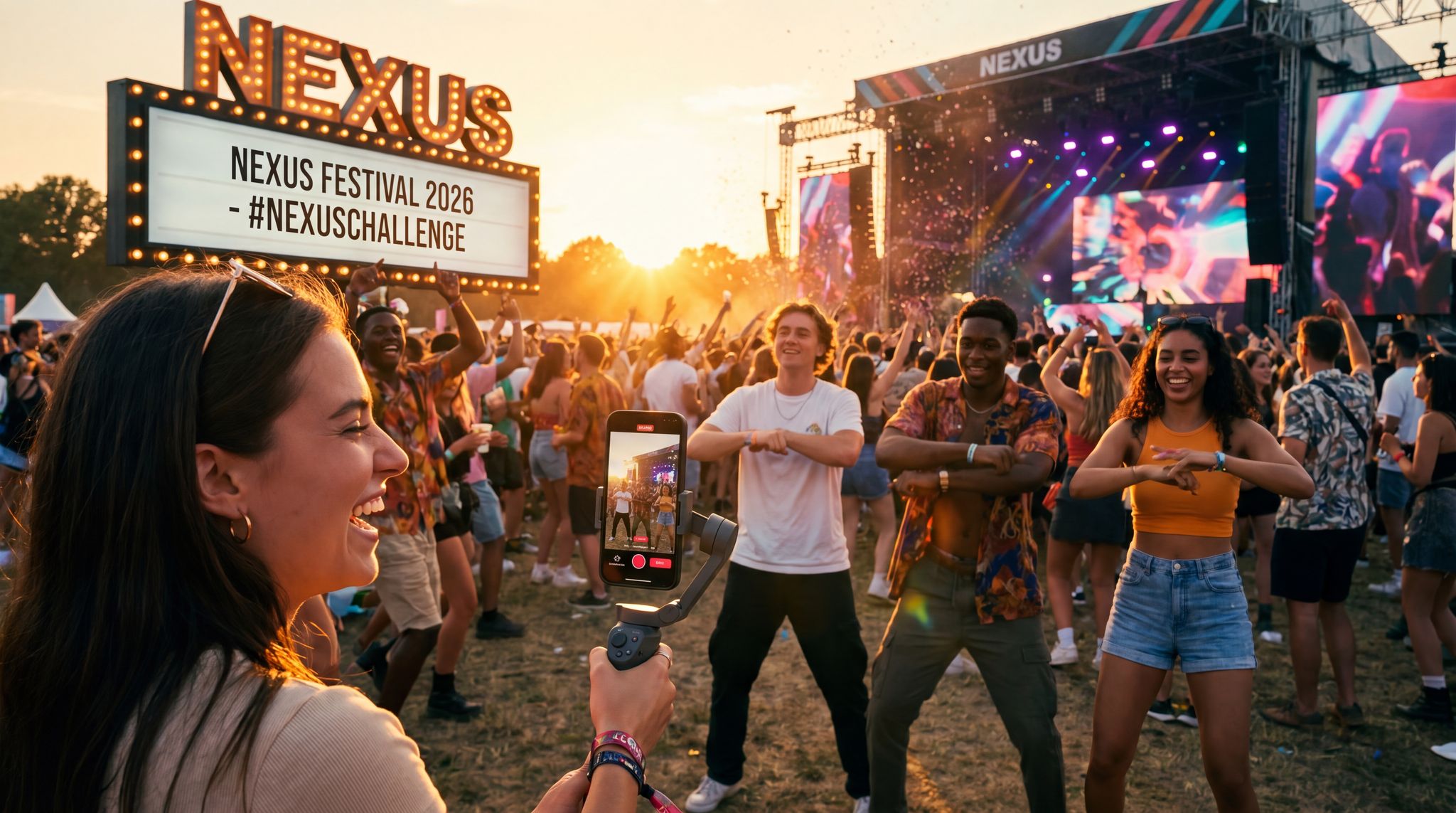
- Empower fan content: Encourage and feature content created by your community. A fan’s TikTok recap of your warehouse rave might inspire dozens of their friends to come next time. When you engage with those posts (comment, share), it validates the creators and motivates others to do the same. Some events even run contests (best fan photo or testimonial gets free tickets). User-generated content is word-of-mouth on steroids – it’s peer recommendation broadcasted widely.
- Give back and be genuine: Lastly, show that it’s not just about tickets, but about mutual passion. This could mean organizing off-season gatherings (a holiday party for supporters or a summer BBQ for festival fans). It could mean aligning your event with a local cause (charity tie-ins) that your community cares about, demonstrating shared values. When fans sense authenticity – that you genuinely love the music, the art, the sport, and the community – they transform from customers into ambassadors naturally.
Many iconic events started as humble gatherings with tight-knit followings. They grew because they never lost that grassroots soul even when they scaled. For instance, the Vans Warped Tour became a nationwide phenomenon in no small part by cultivating a familial fan network – local punk kids who hung posters and dragged friends along, year after year, until Warped Tour was a rite of passage. Fans who champion the festival’s success and reputation are invaluable. That’s the potential of community-building. Your marketing becomes more than marketing; it becomes a movement of fans who feel pride and ownership in the event. That is the true endgame of grassroots marketing – not just one sold-out night, but a self-sustaining ecosystem of fans and advocates propelling your events into the future.
Free Tool: Model Promoter Payouts
Flat-percentage, flat-per-ticket, or tiered-bonus commission structures — get per-promoter payouts and total commission as % of gross. Free calculator.
Guerrilla Stunts and Creative Street Activations
Flash Mobs and Pop-Up Performances
If you really want to turn heads and generate buzz, a well-orchestrated guerrilla stunt can do in minutes what months of ads might not. One of the most popular tactics is the flash mob – a sudden, seemingly spontaneous performance in a public space that surprises and delights unsuspecting bystanders. The goal? Create a memorable scene people can’t help but talk about (and film on their phones). For example, imagine a busy subway station at rush hour: suddenly, a lone saxophonist starts playing a swing tune. Then a couple nearby begins dancing. Within moments, two dozen dancers in 1920s attire emerge from the crowd in a choreographed Charleston – it’s a full-on jazz-age flash mob promoting an upcoming jazz festival. Commuters are stunned and smiling, many whip out phones to record as the dancers finish with a flourish and holler, “Join us at Jazz Fest next weekend!” while someone unfurls a banner with the festival name and dates. This is a classic example of guerrilla marketing stunts for festivals. It’s fun, theatrical, and utterly shareable.
The key to a great flash mob or pop-up performance is alignment with your event’s personality. If it’s a hip-hop event, maybe it’s breakdancers busting moves in the park. For a food festival, it could be a chef setting up a tiny portable kitchen on a sidewalk and handing out free bite-size samples to a startled lunch crowd. A cooking demonstration or food giveaway engages multiple senses – people feel the excitement. Always plan these well: get any necessary permissions (or be ready for a quick setup and takedown if semi-sanctioned), rehearse if choreography is involved, and choose a location with ample foot traffic of the right demographic. Timing matters too – a Saturday midday might get families in a shopping district, while a weeknight rush hour hits professionals. And of course, have your event messaging ready at the end: a banner, a chant, flyers distributed by “troopers” who blend into the audience then reveal themselves. Without that, people might enjoy the spectacle but miss the connection to your event.
One beautiful side effect of live stunts: social media amplification. A joyous flash mob will almost certainly surface on Instagram or TikTok via bystanders. That means your local stunt could reach thousands more online. (You can boost this by having a few friends or team members on standby to film from good angles – later edit the footage into an official promo clip.) These videos often get picked up because they’re pure marketing disguised as entertaining content. If you’re lucky, local media might even report on it (“Random dancers wow commuters at Central Station – turns out it was a promotion for Jazz Fest”). Free press acquired!
Mystery and Teaser Tactics
Another breed of guerrilla marketing plays on mystery and intrigue. Instead of a straightforward spectacle, you drop clues and let the public’s curiosity do the work. A classic approach is teaser posters or street art that hint at something coming without fully revealing it. For instance, in the weeks before a sci-fi film festival, strange posters start appearing around town: a sleek graphic of a futuristic symbol, a date “07.14.2026”, and a cryptic tagline like “The Future Lands.” No mention of the festival – just enough to make people wonder What is this? This strategy gets people talking and guessing before the official reveal. Similarly, a mural might show up overnight on a prominent wall depicting scenes from famous sci-fi films and that same date. The engaged public begins speculating on forums or social media – is it a movie release? an art project? When you later officially announce the festival (with the same imagery/tagline now clearly branded), those who saw the teasers get an “aha!” moment. They feel in on a secret that’s now revealed, which can convert to excitement and conversation like “Oh, that’s what those posters were about – cool, let’s go!”
Another bold idea: leverage city landmarks for drama. Projection mapping or lighting stunts can literally shine a spotlight on your event. Picture the night skyline lit up in your event’s signature color out of the blue, or an iconic building illuminated with a giant logo or message. One entertainment campaign famously projected eerie glowing symbols onto skyscrapers (as part of a TV show promotion) and had the whole city buzzing. Creating glowing rifts on landmarks requires permission but delivers high impact. For an event, you might coordinate with a building owner or city officials to, say, light the town hall in rainbow colors each night at 8pm for a week – then reveal it was heralding the upcoming Pride Music Festival. Smaller scale: park a branded searchlight that projects your festival logo into low clouds a la Bat-Signal on launch night. Just be mindful of permits and community reaction; you want whimsical intrigue, not panic or annoyance.
Teasers can extend beyond visuals into interactive territory too. Some festivals have done treasure hunts or ARGs (augmented reality games) leading up to the event. Teaser stunts can also involve gamification like treasure hunts. For example, a tech festival could scatter QR code stickers around the city, each leading to a snippet of a teaser video or a clue about a headline speaker. Those who follow all clues might unlock a secret lineup announcement or win VIP tickets, incentivizing participation. This kind of gamification turns marketing into a fun challenge that superfans will eat up – and importantly, share their progress on social media or with friends (“I found the 3rd clue, anyone know what it means?”). It engages the community in a collective mystery-solving exercise that, at its conclusion, highlights your event.
Free Tool: Split Tickets for Max Gross
Given capacity and a target price, the optimizer proposes Early Bird / GA / VIP allocations and prices — with projected gross at 100%, 80% and 60% sell-through.
The key with mystery marketing is to deliver a payoff. You don’t want to frustrate people with obscurity; you want to pique interest and then satisfy it. Always ensure that when the campaign concludes – ideally not too long before the event so interest stays hot – the reveal clearly links to your event and gives people a path to learn more or buy tickets. Done right, teasers create a sense of insider exclusivity (people love feeling like they discovered something) which can convert into passionate early attendance.
Interactive “Stunts” and City Games
Guerrilla marketing can also invite people to participate rather than just observe. We touched on treasure hunts above, but there are simpler interactive ideas that spark engagement on the street. The aim is to get folks actively involved, creating a personal connection to your event in a memorable way.
- Street polls or challenges: Set up a fun, low-tech activation. Example: for a music festival, place a big jury-rigged “voting booth” downtown with a question like “Which stage are you most excited for?” People can drop a token or sticker in bins labeled Rock, Hip-Hop, EDM, etc., and you update a live tally. It’s a mini event – maybe an ambassador MCs with a megaphone: “Cast your vote and grab a flyer!” It draws a crowd and gives passersby a stake (“I voted for the rock stage lineup!”), making them more likely to attend. Or do a public trivia challenge: a street teamer with a whiteboard writes “Answer a question about 90s movies – win a prize!” Correct answerers get a small swag item and a promo code for your film fest.
- Public art collaborations: People love contributing to something collective. For a community theater event, you might set up a blank canvas or large board in a park and invite people to “Help paint the scene!” Each person paints a small part of a mural that slowly reveals an image related to the play – with the event title subtly included. It doubles as eye-catching public art and crowdsourced promotion. Another spin: a “message wall” – chalk out a huge wall with “I can’t wait to experience… [Your Event] because __.” and let people write their own reasons or doodles. It’s interactive and generates social sharing (folks will take pics of their contributions).
- City-wide games: If resources allow, a city-wide game can be legendary. Think geocaching contests or a scavenger hunt with clues hidden at sponsor locations. For example, a beer festival might hide golden bottlecaps at five craft breweries around town; each cap found wins you a free festival ticket – and of course, hunters have to go enjoy those breweries to find them. This drives people to engage with partners and spreads excitement to all participants’ friends (“We’re spending Saturday hunting for these caps – join us!”). You effectively turn promotion into an urban adventure.
- Guerrilla giveaways: Sometimes, the simplest stunt is giving out something tangible in a creative way. Suddenly popping up a street team in superhero costumes handing out branded superhero masks to promote Comic Con will delight pedestrians (and likely get local news coverage if done in the right spot). Or enlist a flash mob of Santa-hat-wearing team members to gift-wrap random items (candy, branded trinkets) for a holiday market event promotion. It’s unexpected kindness linked to your brand – people remember that.
Interactive stunts do require more hands-on work, but they forge a connection. When someone does something related to your event (not just watches or reads), they become emotionally invested. It’s the difference between hearing about a festival and having a little mini-festival experience yourself on the sidewalk one day. That investment significantly increases the chance they’ll convert to a ticket buyer or at least talk up the event to others.
Going Viral: Linking Offline and Online
We’ve hinted at this throughout, but it’s worth emphasizing: for maximum impact, capture and amplify your grassroots stunts online. The right piece of content can exponentially increase your reach beyond the people physically present. Some tips to make the most of it:
- Film everything (smartly): Have team members discreetly record your flash mobs, street performances, and interactions from multiple angles. After the stunt, edit a snappy 30-60 second video that highlights surprised faces, cool moments, and ends with your event info. A well-shot video of your guerrilla stunt can become a promotional asset on your social channels, website, and in ads. It essentially turns a one-time physical moment into enduring content. Once the live thrill is over, the video content continues to work for you.
- Encourage sharing: During the stunt, it’s fine for performers or team members to explicitly encourage onlookers: “Tag us @YourEvent if you post this!” or “Hashtag #YourEvent if you enjoyed this!”. Give them a hashtag to rally around. If your mascot is roaming the streets taking selfies with people (a great tactic, by the way), have them hand folks a small card or sticker after that says “Post your pic with #YourEvent for a chance to win tickets!” – an easy prompt to get user-generated posts flowing.
- Leverage live features: Consider going live on Instagram or Facebook during a big stunt – it adds urgency for your online followers (“Whoa, something’s happening downtown, check it out”). And those platforms often boost live video visibility. Similarly, use Stories or Reels to share behind-the-scenes snippets: the dance crew warming up, the moment before the flash mob starts – it pulls your broader audience into the excitement in real time.
- Respond and repost: If people start sharing videos or photos of your guerrilla marketing, interact with those posts. Repost the best fan-taken content (with credit) to show appreciation and excitement. Comment on public posts or thank people for coming out. This kind of social listening and engagement can amplify reach further as algorithms notice the activity. It also shows that your brand is actively engaging with the community, not just pushing messages.
- Connect the dots explicitly: A viral stunt is great, but make sure online viewers get the context. When you share or produce content from it, tie it clearly to your event: e.g., “We turned Central Station into a swing dance party today ? – all to celebrate JazzFest coming in 2 weeks! Don’t miss the real thing – tickets at link in bio.” If a video of your stunt goes viral without clear branding, jump into the comments where it’s posted and add, “Glad you all enjoyed this surprise! It was part of the promotion for JazzFest – hope to see you there!” People actually appreciate knowing the ‘why’ behind a cool random occurrence, and if they liked the stunt, they’ll be intrigued by the event. To ensure people know exactly what the stunt was for, clear signage is essential.
At the end of the day, the offline-online synergy is what can make a grassroots activation truly explosive in reach. You start by wowing a handful of people in person, and end up reaching tens of thousands on the internet. Just be careful: focus on making the stunt genuinely entertaining or meaningful, not just an ad. The reason flash mob videos or prank marketing stunts go viral is because they elicit emotion – joy, laughter, surprise. If it feels like a blatant commercial, people won’t share it. So always design the idea with the audience’s delight in mind first, and your event plug second. If you nail that, the goodwill (and ticket clicks) will flow naturally.
Staying On-Brand and Avoiding Misfires
Guerrilla marketing is high-risk, high-reward. When you go unconventional, there’s always a chance something backfires – maybe the message doesn’t land, or someone takes it the wrong way. Mitigate those risks with some careful planning and brand alignment:
- Know your brand personality: A stunt should feel like a natural extension of your event’s vibe. If you run an avant-garde art festival, an edgy or bizarre stunt might fit. But if you’re promoting a family-friendly county fair, don’t do anything that could be seen as offensive or too out-there. Ensure the tone (humorous, mysterious, bold, etc.) matches how you want your attendees to perceive the event. Ask: would our core fans find this cool or off-putting? If your festival prides itself on peace and community, for instance, an aggressive or overly prankish stunt would be off-brand.
- Anticipate reactions: Play devil’s advocate in planning. Could anyone interpret this negatively? Are there any sensitivities (cultural, political, etc.) we might accidentally trigger? The last thing you want is a PR crisis from a stunt gone wrong. For example, scattering cryptic fake “missing person” posters as a teaser for a horror event might sound clever, but it could genuinely alarm people or waste police resources – bad idea. Get outside opinions from diverse team members or even a few trusted fans: “Hey, we’re thinking of doing this – what would you think if you saw it?”
- Safety and legality: It should go without saying, but ensure your stunt doesn’t put anyone at risk. Flash mobs should be performed in safe spaces (not actually stopping traffic unless you have police sanction), and any physical activities should be rehearsed for safety. If you plan to use any public infrastructure (power for a projector, an installation in a park), clear it with authorities. You don’t want your street team getting shut down or fined mid-act – or worse, causing an incident. As noted earlier, coordinate with local authorities if needed; surprisingly, they can be quite supportive if you frame it as a community engagement rather than pure promotion.
- Have a plan B (and C): Guerrilla stunts can be unpredictable. What if too few people show up? (Ensure you have at least some “plants” or team members to create a minimum vibe.) What if too many show up and it becomes a crowd control issue? (Have extra staff, or a quick exit strategy.) What if equipment fails (the speaker dies, the food runs out, etc.) – always have backups where possible. Seasoned producers run through scenarios: “If nobody stops to watch our street show, how do we adjust?” Maybe the performers then move to a busier spot or break into smaller units to interact with people one-on-one. Flexibility is key.
- Close the loop for conversion: We mentioned this but it’s worth repeating – don’t let the spectacle overshadow the call-to-action. A frequent misfire is a brilliant stunt that people remember, but they don’t remember what it was for. For example, a festival did a fun flash mob that lots of locals loved, but initially they didn’t incorporate any clear signage or flyers, so many who saw the viral video had no clue it related to an upcoming event. Only after they added on-site handouts and a final screen in the video with the festival name did they see an uptick in ticket sales. Make sure that after you’ve wowed them, you tell them where to go next (website, tickets, dates). Otherwise, it’s just entertainment lost to the ether.
If a stunt doesn’t go as planned, don’t panic. Learn from it. Even huge brands have had guerrilla marketing flops. The key is to quickly own any mistakes (if something upset people, sincerely apologize and explain), adjust your approach, and not let one hiccup scare you off creative ideas. Often, what differentiates a legendary campaign from a forgettable one is the willingness to take calculated risks and execute them thoughtfully. By staying true to your event’s identity and respecting your audience and community, you’ll tilt the odds in favor of smashing success rather than mishap.
Measuring Grassroots Campaign Success
Setting Clear Goals and KPIs
From the start, treat your grassroots efforts with the same rigor as any marketing channel. That means defining what success looks like and which metrics will signal it. Without clear goals, you won’t know if your street campaign was a stellar win or a modest blip. Here’s how to set yourself up:
- Ticket sales targets: This is the ultimate metric – how many tickets (or registrations) do you aim to drive via grassroots channels? You might set a number or percentage, such as “Sell 500 tickets through our ambassador referral program” or “Aim for 20% of total ticket sales to come from offline efforts.” Use past data if available (e.g., last year we sold 300 via street team, let’s push for 400 this year). Ambitious yet realistic is the sweet spot.
- Engagement goals: Not everything is immediate sales. You might want to measure buzz and awareness too. Goals could include “Distribute 5,000 flyers by x date,” “Gain 2,000 new social followers through our street activations,” or “Achieve 50,000 combined views on stunt-related videos.” If you run community meetups, track attendance and growth: “50 people at launch party, 100 at next meetup,” etc. These are proxies that your grassroots is expanding reach and interest.
- Redemption and referral metrics: Set targets for those unique codes and links you’ve seeded. For example, “100 uses of campus code UNIV20,” “250 scans of the QR on the downtown poster,” or “Conversion rate of 5% on the flyers (i.e., 5% of flyers lead to a sale).” These micro-metrics help understand which grassroots tactics are most effective. Maybe your expectation is that each active ambassador should sell at least 5 tickets – track how many hit that mark.
- Surveys and sentiment: A goal might be to improve brand awareness or sentiment. You can measure this qualitatively or via surveys: “Increase ‘heard of event’ response in local survey from 30% to 50% after the campaign” or “Earn at least 10 positive mentions in local media/blogs.” Community feedback can be a KPI too – e.g., if previously residents complained they never knew about the festival until after it happened, your goal now is hearing less of that and more “I saw posters everywhere – I felt like the city was excited.” This is admittedly softer data, but still valuable.
By establishing these objectives, you can also plan your campaign better. If the goal is heavy flyer distribution, you know to budget print materials and volunteer time appropriately. If it’s referral sales, you focus on optimizing that program. Importantly, share these goals with your team (both staff and ambassadors) so everyone is aligned on what you’re collectively aiming for. A street team that knows the target is 500 referred tickets might be more driven than one that’s just told “go promote.” Clear goals rally everyone towards the same finish line.
Tracking Offline Marketing and Attribution
We’ve already integrated tracking tools into the grassroots tactics, but let’s talk about data collection and analysis. In the digital marketing world, we’re spoiled with real-time dashboards. Offline marketing requires a bit more patchwork to measure, but it’s absolutely possible to build a tracking system that works. Here’s how to capture and crunch the numbers:
- Promo codes and referral tracking: Use your ticketing platform’s reporting to monitor uses of each promo code or referral link in play. Set up a spreadsheet or dashboard to compile these. For example, list each ambassador’s code and tally tickets sold through it, updating regularly. Do the same for any generic codes (like those on printed flyers). This will quickly show which channels or individuals are driving sales. It’s satisfying to watch those counts climb and also helps identify if any code isn’t being used at all (maybe indicating an underperforming distribution spot or ambassador who needs help).
- QR code analytics: If you used a service for QR codes or a unique URL per channel, check those analytics too. They can reveal interest even if not immediate sales. E.g., 500 scans on the QR at the mall poster, but only 30 ticket purchases – why? Maybe lots of curiosity but pricing turned people off, or they scanned at work and intended to buy later. It’s insight to consider (perhaps the need for a limited-time discount to push them over the edge). Also compare scan rates in different locations to learn where your posters got most traction.
- Surveys and checkout questions: One tried-and-true method: just ask people how they heard about the event. If you have an online checkout, include a “How did you hear about us?” required field. Give options like Social Media, Friend/Word-of-Mouth, Flyer/Poster, Email, Media/PR, etc. It’s self-reported and not 100% precise, but it provides a rough attribution especially for broad categories. If 25% of buyers select Flyer/Poster, that validates your grassroots work (and you can further break down by which code they used for finer detail). You can also survey attendees at the event itself for similar info. Offer a small incentive (chance to win merch) to encourage responses.
- Attribution blending: In reality, many customers will have multiple touchpoints (saw a poster and an Instagram ad and a friend invited them). Attribution is an art. A sensible approach is to credit the last touch that had a clear call-to-action – but also acknowledge the assist from earlier touches. For measurement, you might keep things simple: if a sale used a code, attribute it to that offline channel; if not, but they’re in your email list (which came from a street signup), attribute to that; otherwise give credit to online ads. The specifics can get complex, so tailor it to what’s feasible for you. The goal is to avoid undercounting offline just because it’s harder to trace. Assume some halo effect too: e.g., maybe someone saw a poster then later googled your event and bought – they won’t use the code, but the poster deserves some credit. This is why having that survey question helps catch those scenarios (“heard via poster, didn’t use code” cases).
- ROI analysis: Once you have sales and cost data, calculate ROI for each channel. E.g., Street team referral program: 400 tickets sold attributable, for $0 direct ad spend (aside from maybe $2,000 worth of free merch and tickets given as rewards) – that ROI is stellar. Poster campaign: $500 in printing, maybe $300 in labor, resulting in 50 ticket sales ($50 each) = $2,500 revenue – a 312% ROI, not bad. Some channels might be less direct – meetups cost you $200 in pizza and yielded intangible buzz plus 10 sales on the spot, you might consider that also a win for community building. The idea is to put numbers to the narrative, so you can compare and defend the grassroots budget. Many events find that offline efforts have a lower customer acquisition cost (CAC) than digital ads, especially when volunteer enthusiasm is factored in. Methods like connecting offline ads to online tracking help prove this, alongside industry data showing direct mail marketing statistics often reflect lower acquisition costs. If that’s true for you, shout it from the rooftops in your post-mortem report.
One more thing: share results with your team and stakeholders. Let everyone know, “Our street marketing brought in 800 ticket buyers” or “flyers were the second biggest driver of ticket sales after Facebook Ads” (or maybe the first!). It validates the hard work of the street team and justifies continuing or scaling those efforts next time. In the privacy-first digital era, first-party and offline data are becoming gold. Leveraging offline and alternative tracking tactics ensures that your data adds up to a clearer picture of success, so by mastering this analysis you’re ahead of the curve.
Adapting and Optimizing Mid-Campaign
Measurement isn’t just about patting yourself on the back at the end – it’s a feedback loop to adjust your campaign in real time. Grassroots marketing, like any campaign, should be dynamic. Here’s how to use what you’re seeing to optimize on the fly:
- Identify what’s hot (and what’s not): Perhaps your analytics show that the referral code from “Club XYZ Thursday nights” has exploded – clearly those club flyers/ambassadors are killing it. Meanwhile, the code from the coffee shop pamphlets shows zero uptake. This tells you to double down where it’s working (give the club promoter more flyers, or extend the campaign there) and either improve or cut bait on the lagging channel (maybe that coffee shop doesn’t actually hit your demo – try a different spot). In marketing, we call it pivoting to the best ROI channels. Be ruthless in reallocating resources to where you see momentum.
- Adjust messaging: If survey data or anecdotal feedback says people are confused about something (for example, maybe many who saw your poster didn’t realize it was a music event because the art was abstract), you can adjust. Print a second wave of flyers clarifying the genre or headliner. Or equip ambassadors with new talking points (“a lot of people think it’s just a food fest, be sure to mention there’s live music too”). Grassroots marketing gives you the advantage of hearing directly from the audience during the campaign – use that to refine your pitch. If a particular selling point (e.g. “free parking” or “kid-friendly activities”) resonates face-to-face, emphasize it more in all materials.
- Boost the push in Plateau periods: Many events see a mid-campaign lull in ticket sales. Promoters like Pasquale Rotella of Insomniac Events have navigated these cycles for decades, as detailed in Pollstar’s coverage of Insomniac’s 30 years. Grassroots tactics can be your secret weapon to reignite urgency. If you notice sales slowing as the event is still a ways out, plan a special grassroots push or stunt to jolt attention. Maybe a second flash mob closer to the date, or deploy street teams with “Only 2 weeks left!” messaging on their lips and materials. Sometimes even a small guerrilla action can remind the public and media that “oh yeah, that event is coming up soon – better grab tickets.” If you can tie it to a news hook (e.g., a last-minute giveaway or a preview of something at the event), even better.
- Document learnings: Treat each outreach like a mini-experiment. By campaign’s end, you’ll have a bunch of insights: which neighborhoods gave the best yield, what phrasing got the best reaction on the street, which incentives moved the needle for referrals, etc. Write these down! It will guide your strategy for next time – or even next phase of this campaign if it’s multi-year or multi-city. Many experienced promoters maintain a “grassroots playbook” that accumulates such wisdom. For example: “University flyering works best in first week of term.” “Street team members over 25 connect better with our demographic than younger volunteers – recruit accordingly.” “Guerrilla chalk art outside venue 3 days before event got lots of Instagram love, do that again.” These specifics are gold for future planning and often can’t be found in any generic marketing book – they’re your competitive edge, born from experience.
The ability to pivot and optimize is what makes a savvy marketer. Grassroots tactics might seem old-school, but we can apply modern agile thinking to them just as we do with digital ads (where you tweak creative and targeting based on performance). If something’s not working, don’t be afraid to change course mid-stream – try a new approach, venue, or message. Conversely, if something is a smash hit, see if you can extend or amplify it. This learning mindset ensures that by the time you reach the final weeks before your event, you’re running the best version of your grassroots campaign – lean, effective, and tuned to your audience.