Introduction
Promoting events in the Middle East presents exciting opportunities and distinct challenges. From glitzy concerts in Dubai to massive festivals in Riyadh, Middle East event marketing in 2026 requires a deeply localized approach. Just as strategies differ when navigating local platforms and cultural nuances across Asia or localizing campaigns in Latin America’s diverse markets, the Middle Eastern region demands its own playbook. Today’s event marketers must account for conservative advertising norms, multilingual audiences, and unique social networks to promote events in the Middle East effectively. This comprehensive guide shares practical tactics and real examples to help you tailor your marketing campaigns for Middle Eastern audiences – driving ticket sales in the UAE, Saudi Arabia, and beyond.
Understanding Middle Eastern Audiences & Cultural Nuances
The Middle East is not a monolith – it spans ultra-modern hubs like the UAE and more conservative markets like Saudi Arabia. Successful event promotion starts with understanding these cultural nuances and audience behaviors. Marketing messages must resonate with local values, respect religious customs, and tap into the community-driven nature of Middle Eastern audiences. Organizers who adapt to these nuances often see far stronger engagement than those who take a one-size-fits-all approach.
Honoring Cultural and Religious Norms
Cultural respect is paramount when marketing events in Middle Eastern countries. Content that might work in the West can misfire here if it offends local sensibilities. For example, advertising imagery should be mindful of modesty – featuring appropriate dress and avoiding provocative visuals. It’s also crucial to steer clear of content that could be seen as disrespectful to religion or tradition. The UAE’s advertising standards (and similar guidelines in Saudi Arabia and Qatar) strictly forbid content that offends Islamic beliefs or national symbols, a requirement strictly enforced by the UAE’s media content standards. Marketers must double-check slogans, imagery, and timing for cultural sensitivity.
In practice, campaigns that align with local customs significantly outperform generic ones. In the UAE, culturally adapted advertising can achieve up to 40% higher engagement than one-size-fits-all messaging, as demonstrated by recent UAE cultural advertising success metrics. This means translating more than just language – it means capturing the local tone, values, and etiquette in your promotions. For instance, an event flyer in Dubai might incorporate both Arabic calligraphy and English text to appeal to Emirati pride as well as the city’s cosmopolitan crowd. In Saudi Arabia, a music festival teaser might emphasize family-friendly fun and respect traditional values, ensuring the tone is celebratory but not irreverent.
Timing Campaigns Around Holidays and Holy Months
Beyond content, when you deliver your message matters. The Middle Eastern calendar is punctuated by religious periods and national holidays that profoundly influence consumer behavior. Ramadan, the holy month of fasting, is the most significant example. During Ramadan, daily routines shift – people fast during daylight and become more active in the evenings. Advertising and social media usage peak after sunset, once families gather to break the fast, creating distinct shifts in consumer behavior during Ramadan. Event marketers adapt by scheduling posts and ads for late afternoon and evening hours, using empathetic messaging that acknowledges the spiritual occasion. Hard-sell tactics give way to storytelling and goodwill gestures (for example, an event offering a charitable component during Ramadan to align with the spirit of giving).
It’s equally critical to avoid insensitive timing. Promoting a loud music festival during Ramadan daylight hours, for instance, could draw backlash. Instead, many organizers pause or reduce promotions in daytime and ramp up visibility closer to Eid al-Fitr (the festival marking Ramadan’s end), when festive outings surge. In one case, a Dubai nightlife promoter saw a 25% higher ad click-through rate by shifting their campaign to post-fast hours and incorporating well-wishes for Ramadan observers.
Ready to Sell Tickets?
Create professional event pages with built-in payment processing, marketing tools, and real-time analytics.
Local holidays also create marketing opportunities. National Day celebrations (like UAE National Day on 2 December or Saudi National Day on 23 September) ignite patriotic sentiment. Events scheduled around these holidays can tap into national pride with appropriate themes and creative. For example, a concert in Abu Dhabi around National Day might weave the country’s colors and imagery into its branding, offering special promotions that reward national pride and capitalize on holiday relaxation periods. Crucially, any such campaign must celebrate the culture sincerely – tokenizing or exploiting cultural symbols without purpose can backfire. Experienced event marketers know to approach these moments with authenticity and collaboration with local stakeholders (such as tourism boards or cultural ministries) for added credibility.
Respecting cultural and religious norms isn’t just about avoiding mistakes – it’s a proactive strategy to build trust. Middle Eastern audiences respond to brands and events that honor their identity. This trust translates directly into sales: when audiences feel understood, they are far more likely to convert into ticket buyers. As one veteran promoter notes, “We learned the hard way that a mis-timed campaign during a holy week dampened sales. Once we adjusted our schedule and messaging to show respect, our community rewarded us with sellouts.” In short, cultural alignment isn’t a courtesy – it’s a competitive advantage in Middle East event marketing.
Language & Localization: Reaching Arabic and Multilingual Audiences
Language is a gateway to your audience’s heart. The Middle East’s linguistic landscape is diverse – Arabic is predominant, but English, French, Farsi, Urdu, and others feature in various countries. To maximize reach, event marketers must deftly navigate this multilingual environment. That means not only translating content but truly localizing it for each target market. A campaign that soars in the UAE (where English and Arabic coexist) might need tweaks to succeed in Saudi Arabia (where Arabic content is king). Mastering localization ensures your message doesn’t get lost in translation.
Prioritizing Arabic for Local Impact
Arabic-language content is essential for resonating with local audiences in most Middle Eastern markets. In Saudi Arabia, for example, over Arabic content tends to outperform English when targeting the general population, generating heightened demand based on cultural nuances. While many young Saudis and Emiratis are bilingual, communicating in Arabic signals respect and builds trust. It’s common for event brands to maintain separate Arabic social media pages or create Arabic versions of posters and videos to run alongside English ones. For instance, a major EDM festival in Riyadh launched parallel ad campaigns: one set of ads in Arabic highlighting headliners with locally relatable copy, and another set in English aimed at expatriates and international fans. The Arabic ads saw significantly higher engagement from Saudi nationals – a testament to the power of speaking the audience’s language.
Turn Fans Into Your Marketing Team
Ticket Fairy's built-in referral rewards system incentivizes attendees to share your event, delivering 15-25% sales boosts and 30x ROI vs paid ads.
Yet, effective localization is more than direct translation. Marketers should aim to capture local dialects and cultural references where appropriate. Modern Standard Arabic (MSA) is widely understood and safe for formal marketing, but sprinkling in dialectal phrases can make content feel more authentic in specific countries. A promotional video for a comedy show in Dubai might include a few Gulf Arabic slang words for humor, while a Cairo event campaign could reference an Egyptian pop culture catchphrase. These touches show that the event “speaks the language” of its audience. However, use dialect wisely – when in doubt, sticking to MSA (or offering dual-language content) avoids alienating any segment.
Localizing also means adapting imagery and design for language. Arabic script reads right-to-left, so ad layouts might need mirroring to look natural. Font choices, colors, and even emoji usage can have different connotations in the region. Savvy event marketers often work with native-speaking copywriters and designers – or local agencies – to ensure nothing feels “off” to a domestic audience. The payoff is clear: campaigns that invest in professional localization routinely see higher click-through and conversion rates. In fact, experienced marketers note that ads with Arabic copy can lift response rates by 2-3x compared to English-only ads when targeting markets like Saudi or Kuwait.
Grow Your Events
Leverage referral marketing, social sharing incentives, and audience insights to sell more tickets.
Bilingual Content Strategies in Diverse Markets
While Arabic is crucial, many Middle Eastern markets are inherently multilingual. The UAE, for example, is home to a predominantly expatriate population – only about 11% are Emirati citizens. English acts as a lingua franca among residents of Dubai and Abu Dhabi from Europe, India, the Philippines, and beyond. For events in such cosmopolitan settings, a bilingual approach is best. Promoters often produce marketing materials in both English and Arabic, and sometimes additional languages depending on the audience (Hindi or Tagalog content, for instance, can help target South Asian or Filipino communities in the Gulf).
A practical method is to tailor messaging by channel and segment. On Facebook or Google Ads, you can run parallel campaigns – one targeting Arabic speakers with Arabic creative, and another targeting English speakers with English creative. On Instagram, you might post bi-caption content (an Arabic caption followed by an English translation, or vice versa), ensuring followers of both languages can engage. Email marketing can be segmented similarly. For example, an event organizer in Dubai might send Arabic invitation emails to contacts with Arabic names or who have interacted in Arabic, while delivering an English version to those more responsive in English. Platforms like Ticket Fairy’s event ticketing system allow organisers to design multilingual event pages and communications so that each user sees content in their preferred language, smoothing the path to purchase.
Consistency in branding across languages is important – but so is cultural adaptation. The tone used in English copy might differ from Arabic. English promotions might lean on global buzzwords like “exclusive VIP experience,” whereas Arabic copy might use a more formal and respectful tone, or highlight aspects like family friendliness or hospitality that resonate culturally. Testing different phrasing is wise. When one Saudi conference A/B tested its email subject lines, the Arabic subject referencing a proverb about knowledge saw a 5% higher open rate than a direct English offer translation. Insight: adapting tone and references can boost engagement.
Finally, remember that localization extends to customer service. Middle Eastern ticket buyers will have queries – and many will reach out in Arabic. Having Arabic-speaking support via social media or email builds trust during the sales process. If your event website includes FAQs, consider offering them in Arabic and English. These details reassure buyers that your event caters to them, not just to Western audiences. In markets where communities are tight-knit and word-of-mouth is powerful, this reputation for inclusivity spreads quickly – fueling more organic promotion. In summary, speaking your audience’s language (literally and figuratively) is not optional in Middle East event marketing; it’s a cornerstone of your success.
Grow Your Social Following With Every Sale
Require social media follows, shares, or playlist adds to unlock presale access or special pricing. Turn every ticket purchase into audience growth.
Social Media & Digital Platforms: What Works in the Middle East
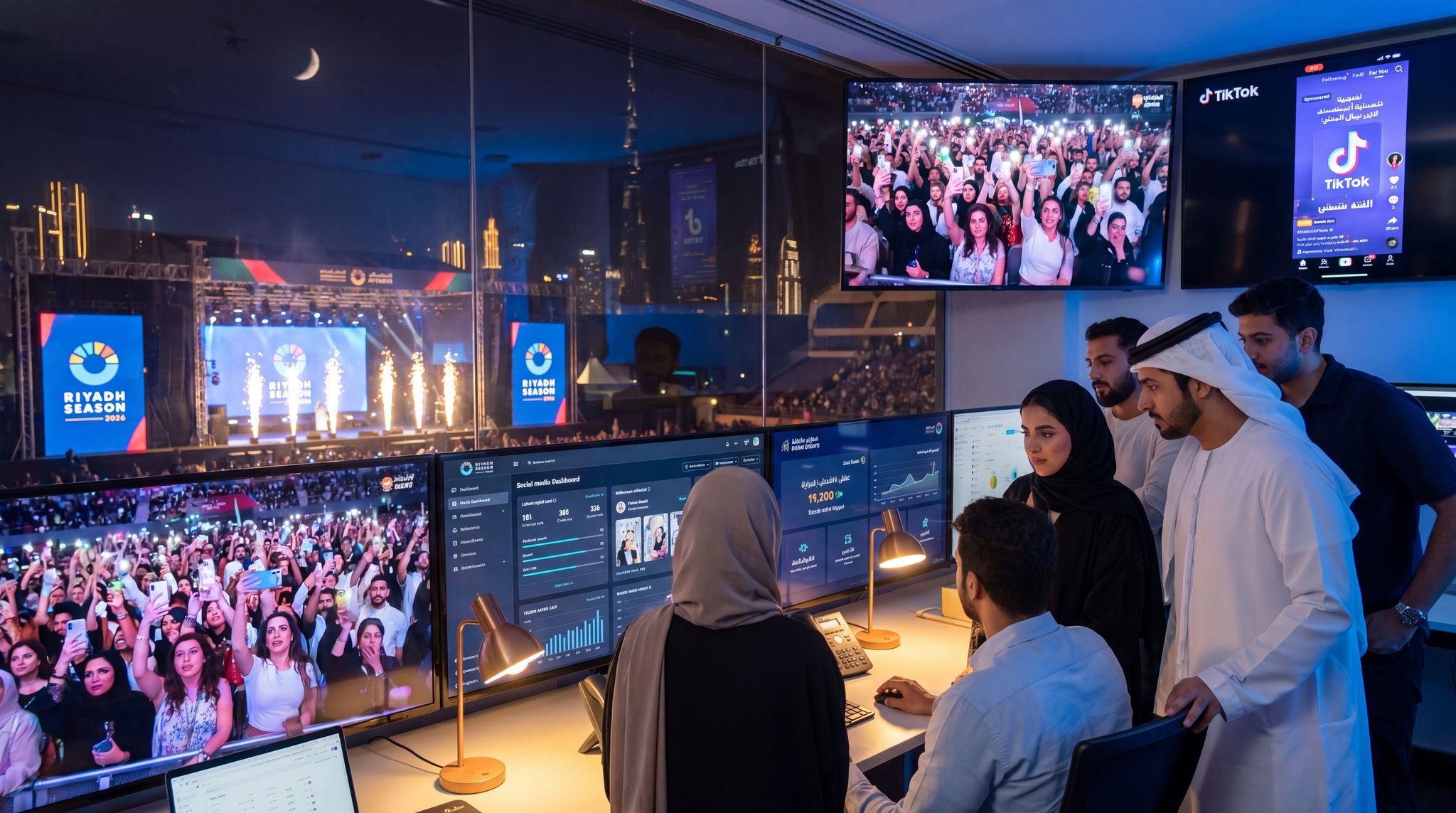
Digital channels are the lifeblood of marketing events to Middle Eastern audiences – especially given the region’s remarkably high social media usage. The Middle East boasts some of the world’s highest social media penetration rates. In Saudi Arabia, for example, over 94% of the population are active social media users according to DataReportal’s 2024 digital insights, averaging around 3 hours per day online to tap into this highly engaged audience. The UAE is similarly hyper-connected. But which platforms matter most? Understanding where your target audience spends their time online is crucial for effective outreach. From popular global networks to region-specific habits, here’s how to focus your digital marketing.
Top Social Platforms and Usage Patterns
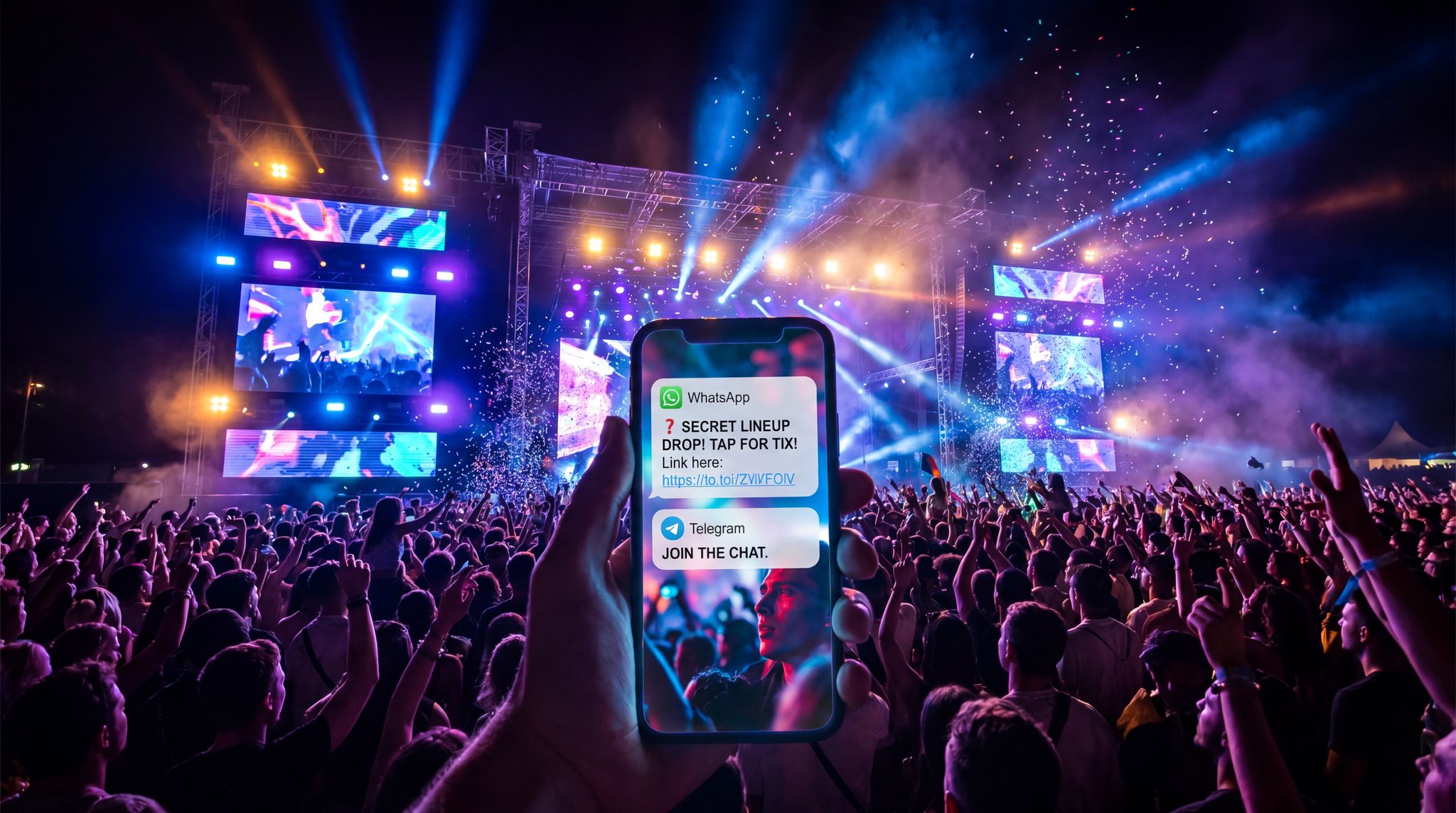
Messaging apps and visually-driven social networks dominate the Middle Eastern landscape. According to 2024 data, WhatsApp is ubiquitous – about 80–85% of internet users in countries like the UAE and Saudi Arabia use WhatsApp regularly, as shown in recent Saudi Arabia social media statistics. This reflects how central private messaging is for sharing information; many event invitations and promotions spread organically through WhatsApp group chats and broadcasts. Smart organizers encourage this by creating shareable content (like image flyers or short promo videos) that fans can easily forward to friends on WhatsApp. Some even set up WhatsApp Business accounts to communicate with attendees, answer questions, and send updates, leveraging the app as a quasi-marketing channel (with care not to spam, as user trust is paramount).
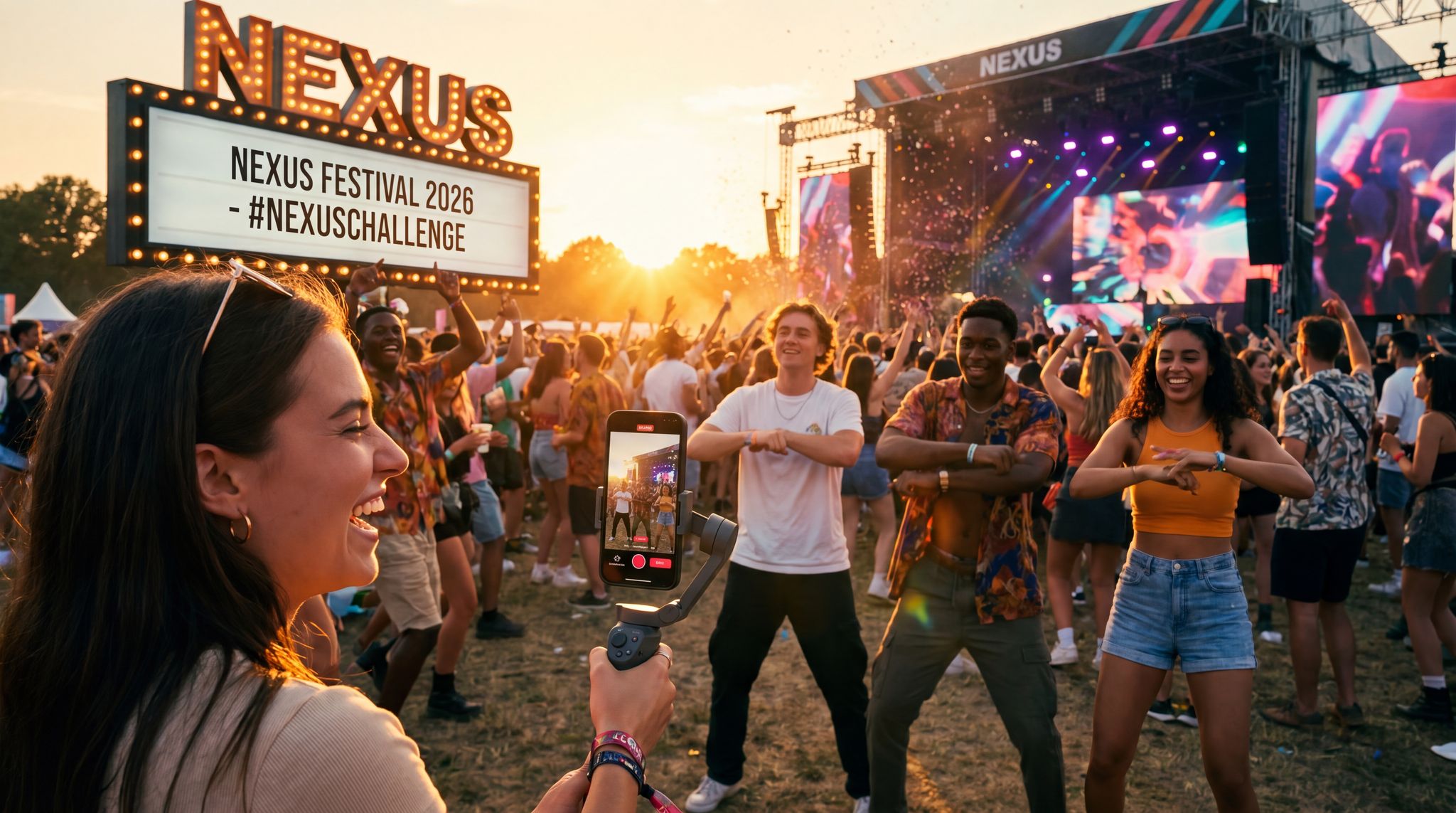
In the realm of social networks, Instagram, TikTok, Snapchat, X (Twitter), and YouTube lead the pack. Saudi Arabia’s youthful population (nearly 80% under age 35, driving highly visual and creator-driven campaigns) is highly active on visual platforms. Instagram reaches around 73% of Saudi internet users, TikTok about 72%, and Snapchat roughly 70% based on platform usage data across the region – all massive shares. For marketers, this means visual storytelling is key. Teaser videos, Reels, and Stories showcasing your event’s performers or experiences can gain huge traction. Many Middle Eastern event brands maintain a heavy presence on Instagram, posting slick previews and leveraging influencer takeovers to build hype. TikTok’s rise is especially notable – local content creators in the Middle East have amassed huge followings with comedy, music, and lifestyle videos, making TikTok a goldmine for creative event promos and challenges. A viral TikTok trend or challenge tied to your event (for instance, a dance challenge for a music festival) can dramatically boost awareness among younger audiences.
Snapchat deserves a special mention for the Gulf region. Snapchat is exceedingly popular in Saudi Arabia and Kuwait for daily content sharing. Its ephemeral format and augmented reality lenses are a hit among youth. Promoters often use Snapchat geofilters or AR lenses during events (e.g., a custom filter for a festival that attendees can overlay on their snaps) as a fun engagement tool. Pre-event, you can also run Snapchat ads or story takeovers – for example, a day-in-the-life Story from an artist who will perform – to build anticipation. Twitter (rebranded as X) remains important particularly in Saudi Arabia, where it functions as a public forum for trends and announcements. Major event news can quickly trend on Saudi Twitter, especially if it’s tied to national interests or big-name celebrities. Crafting an Arabic hashtag for your event and mobilizing early registrants or fans to tweet about it can help generate buzz on that platform. Live event commentary often unfolds on Twitter as well, so having a presence there helps you ride that wave.
The table below highlights a snapshot of social platform popularity in two key markets, the UAE and Saudi Arabia (KSA), as of 2024:
| Platform | Approx. Usage in UAE (users %) | Approx. Usage in KSA (users %) |
|---|---|---|
| 80–85% | 83% | |
| ~75% | 73% | |
| TikTok | ~70% (fast-growing) | 72% |
| Snapchat | ~50% (higher among youth) | 70% |
| YouTube | ~85% (by watch time)* | ~80% (by watch time)* |
| Twitter (X) | ~55% | 66% |
| ~79% | 59% | |
| ~40% (mostly expats/professionals) | 28% |
*Usage by watch time (YouTube is nearly universal, measured by time spent rather than self-reported use)
Sources: UAE figures estimated from industry reports; KSA figures from Global Media Insight’s 2024 social media statistics.
This illustrates that visual and messaging platforms reign supreme. Facebook usage, while still present—especially in countries like Egypt and among older demographics—has declined in the Gulf in favor of more interactive apps. Meanwhile, YouTube is universally popular as a content platform (many Middle Easterners treat YouTube as on-demand entertainment and education). For event marketing, consider YouTube pre-roll ads targeting Middle East viewers interested in music or lifestyle content, or partnering with popular YouTube creators for content collaborations. For instance, a large comedy show in Dubai teamed up with a famous YouTube vlogger who did a behind-the-scenes video at rehearsals, drawing tens of thousands of views from local fans.
Paid Advertising and Search Marketing Tips
Social media offers robust paid advertising options in the Middle East, but leveraging them requires local insight. Meta Ads (Facebook/Instagram) allow detailed targeting by location, language, interests, and more. Use this to your advantage: create separate ad sets for different audiences – e.g., one targeting Arabic-speaking young adults in Riyadh interested in live music, and another targeting English-speaking expats in Dubai interested in nightlife. Craft the creative in the respective language and cultural context for each. Also, take advantage of features like lookalike audiences based on your past ticket buyers in the region. If you have data on previous attendees, you can upload it (ensuring privacy compliance) and have Facebook find similar users in, say, Saudi Arabia who haven’t attended yet. This helped one Middle Eastern festival expand its reach: by leveraging lookalikes of their Gulf attendee list, their ticket sales from new cities grew by 30% without a huge increase in spend.
Keep in mind advertising regulations on these platforms. For example, ads promoting events that include alcohol (like a music festival serving drinks) might be restricted or disapproved in more conservative countries. Facebook’s ad policies, by default, disallow alcohol promotion in markets where alcohol is illegal (such as Saudi Arabia) or must be targeted appropriately in others. If your event includes restricted content – be it alcohol, certain music genres, or adult themes – you may need to adjust how you market. This could involve promoting experiences over explicit mentions (e.g., highlighting the music and venue rather than the bar), targeting only permissible locations, or exploring alternate channels. Organizers of restricted-content events often turn to creative solutions like cultivating email lists, private WhatsApp groups, or community forums to spread the word. Learning from those who understand how to market restricted content events successfully can provide ideas if you face similar challenges in the Middle East.
Beyond social, Google Ads and SEO play a role. Many potential attendees will search in their own language for events – e.g., “concerts in Riyadh 2026” or the Arabic equivalent. Ensure your event website and Ticket Fairy listing use relevant keywords in both English and Arabic. If you have the budget, run Google search ads for important keywords in the local language. For instance, a conference in Abu Dhabi might bid on both “Abu Dhabi tech conference” and “????? ???? ??????” (Arabic for “tech conference Abu Dhabi”) to capture all searches. Also register your event on local discovery platforms. In Dubai, for example, Dubai Calendar (the official events calendar by Dubai Tourism) is widely used – listing your event there can get you free exposure through an official channel. Similarly, leverage regionally popular apps like Anghami (a Middle East music streaming app) which sometimes promotes upcoming concerts, or local ticketing partners that have regional reach. While doing so, make sure your event’s online ticketing supports local currencies and payment methods – offering prices in AED or SAR and enabling popular options like cash on delivery, regional e-wallets, or bank transfers if those are common. Reducing friction at purchase for local buyers can noticeably lift your conversion rate.
On social media, peak activity times may differ slightly from Western norms. In the Gulf, weekends are Friday–Saturday in some countries (though the UAE has shifted to Saturday–Sunday weekends recently). Plan your content calendar around when your audience is free. Thursday evenings (the start of the weekend in many Middle East locales) often see spikes in social media usage as people plan their weekend outings – a prime time to drop an exciting event announcement or a last-chance ticket promo. Aligning your posts with local rhythms will ensure you catch eyes when it counts.
Smart Promo Codes & Presale Access
Create percentage or flat-rate discount codes with usage limits, date ranges, and ticket type restrictions. Plus unlock codes for private presales.
Influencer Marketing & Word-of-Mouth in Middle Eastern Events
In Middle Eastern culture, word-of-mouth influence is profoundly powerful. People heavily trust recommendations from friends, family, and local personalities. This is amplified by the region’s social media enthusiasm – influencers in the Middle East command highly engaged followings, and their endorsement can make or break an event’s reputation. To drive ticket sales, event marketers should harness both formal influencer partnerships and informal referral tactics. The goal is to turn excited attendees into vocal advocates, both online and offline.
Collaborating with Local Influencers and Creators
Influencer marketing has exploded across the Middle East, to the point that Saudi Arabia is now one of the most fertile grounds for influencer campaigns, driven by government initiatives and a rapidly changing digital landscape. Key reasons include a young, tech-savvy population and a cultural disposition to follow and trust community leaders. Whether it’s a lifestyle vlogger in Dubai or a popular comedian on Saudi Instagram, these creators shape opinions and trends. Partnering with the right influencers can dramatically boost your event’s visibility and credibility.
Start by identifying influencers who align with your event’s genre and audience. For a music festival in Abu Dhabi, that could mean collaborating with regional pop stars or DJs on Instagram and TikTok. For a business conference in Riyadh, it might involve tech bloggers or LinkedIn thought leaders. Micro-influencers (with say 10k–50k followers) should not be overlooked; they often have a tight-knit follower base in specific cities or communities. For instance, a food festival in Bahrain successfully partnered with several local food bloggers, each of whom had a few tens of thousands of followers in Bahrain/Qatar. Their authentic posts about looking forward to the festival drove hundreds of ticket sales from their loyal fans.
When working with influencers in the Middle East, ensure content stays culturally appropriate. Brief your partners on any topics to avoid (e.g., profanity, sensitive social issues) and encourage them to incorporate local language. An influencer speaking a bit of Arabic in their Stories about your event can make the promotion feel more genuine to local viewers. It’s also wise to stagger your influencer activity – for example, have some influencers tease the event early (perhaps sharing an “I got my ticket!” post with a promo code for their followers), others do an on-site live coverage during the event, and some follow up with post-event highlights. This creates a narrative and sustained buzz.
Dominant influencer platforms vary by country. In Saudi Arabia, Snapchat and Instagram are very influential; many Saudi social media stars gained fame on Snapchat’s daily stories. In the UAE, Instagram and YouTube are strong, and TikTok is rising across the region. Leverage the platform where your target audience follows personalities. A good tactic is to host giveaways or contests through influencers – e.g., “Win VIP tickets – share your favorite song by our headliner in your Story and tag us.” This not only drives engagement but also organically spreads event awareness through user-generated content.
Don’t forget that as of 2026, there are formal regulations for influencer advertising in some Middle Eastern countries. The UAE, for instance, introduced a new “Advertiser Permit” law requiring anyone posting promotional content (paid or unpaid) on social channels to obtain a government permit, as detailed in the UAE’s updated advertiser permit laws. Event marketers should ensure any influencer they hire in such markets is compliant. It’s become common for top influencers to obtain the necessary licenses or work via agencies that manage compliance. Staying on the right side of the law not only avoids fines, but also shows professionalism and respect for local rules – reinforcing trust with both partners and audiences.
Referral Programs and Community Buzz
Influencers may spark the initial interest, but personal referrals convert interest into sales. Middle Eastern communities are tightly knit; decisions to attend events often involve group consensus (friends or family planning together) and validation via peer recommendation. This dynamic makes referral marketing especially potent. By turning your attendees into mini-influencers, you tap into genuine word-of-mouth that carries tremendous weight.
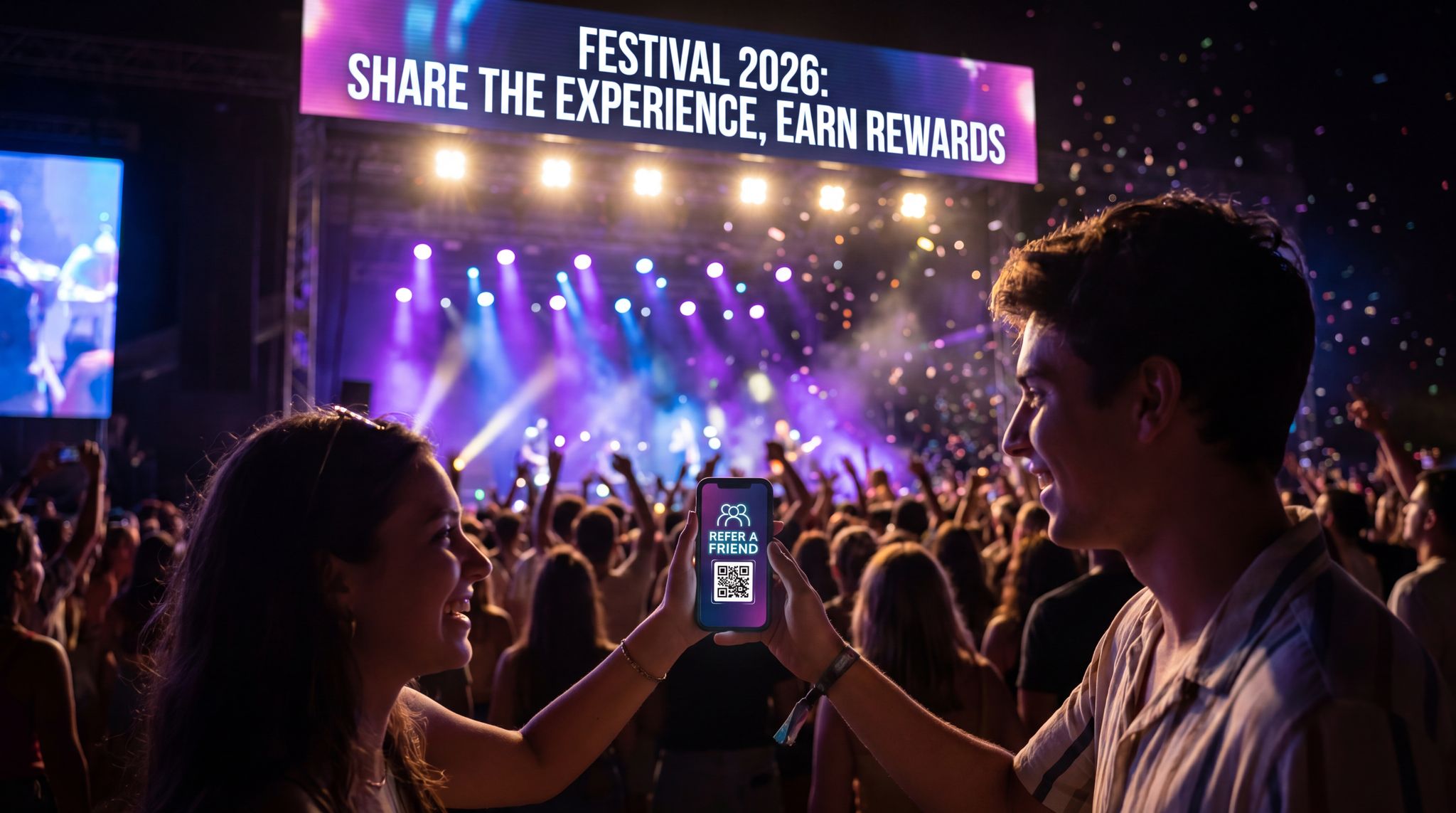
One proven strategy is implementing a peer-to-peer referral program for your event. With a platform like Ticket Fairy’s built-in referral engine, every ticket buyer can automatically get a unique referral link to share with friends. Incentivize sharing by offering rewards – for example, a refund of 10% of their ticket price for each friend who buys using their link, or special perks like merchandise or meet-and-greet passes for top referrers. Real-world data shows referral programs can boost ticket sales by 15–25% by leveraging fans’ enthusiasm. Essentially, you empower your satisfied buyers to become your salesforce, a tactic that’s especially effective in Middle Eastern markets where trust in a friend’s recommendation is gold.
Even without a formal program, encourage community buzz. Create shareable moments and content specifically for attendees. This could be as simple as an “I’m going – see you there!” graphic that ticket holders can post on their social profiles. Many events in the Middle East also use branded hashtags to aggregate conversation. For example, a festival in Qatar might push the hashtag #FestivalDoha2026; ticket buyers posting with that hashtag both show social proof (enticing their network to join) and give you additional exposure. During Riyadh’s entertainment mega-event “Riyadh Season,” the organizers generated huge engagement by curating a hashtag that attendees used to share their experiences, effectively turning millions of visitors into ambassadors through effective promotion and customer engagement strategies.
Community management also matters. Middle Eastern attendees often inquire in public comments or DMs to clarify event details (Is there a family section? Is photography allowed? Are there prayer areas on site?). By promptly answering these questions, you not only assist the asker but also demonstrate responsiveness to everyone watching. This builds a positive reputation that word-of-mouth will amplify. Remember, negative experiences travel fast in close communities too – so providing good customer service and delivering on promises is key to winning the battle against skepticism and the “stay-at-home” mindset some may have. Especially after the pandemic era, convincing cautious fans to attend live events again requires trust-building. Word-of-mouth reassurance – hearing from peers that an event was safe, well-organized, and worth it – can tip the scales for those on the fence.
In summary, merge the top-down influence of social media creators with the bottom-up influence of everyday fans. A multi-tiered approach might see macro-influencers creating broad awareness, micro-influencers driving niche interest, and referral incentives converting those interests into actual ticket purchases. This holistic strategy turns the social fabric of Middle Eastern communities into a powerful marketing engine for your event.
Navigating Advertising Regulations and Traditional Channels
Marketing across the Middle East means navigating a patchwork of advertising regulations, media landscapes, and on-ground realities. Each country has its own laws on what can be promoted and how, influenced by religious and cultural norms. At the same time, traditional media and offline promotion still hold sway for certain audiences, complementing your digital efforts. A well-rounded campaign will respect the rules and tap into all relevant channels to maximize reach.
Free Tool: When Should You Announce?
Pick your event date and genre — the free planner outputs a recommended announce, presale, on-sale and reminder schedule anchored to how your audience actually buys.
Conservative Advertising Norms by Market
As discussed earlier, content that’s acceptable in a New York or London ad could be banned in Saudi Arabia or the UAE. For example, Saudi authorities maintain guidelines against any advertising that undermines Islamic values or public decency. This means no depictions of alcohol, overt sexuality, or disrespectful behavior in event marketing. Even in relatively liberal Dubai, out-of-home ads and radio spots are vetted for compliance with cultural standards – the Abu Dhabi Media Council and Dubai’s authorities will pull ads that are too risqué or politically sensitive. Always ensure your promotions meet local decency codes: imagery should avoid nudity or even excessive intimacy, language must be clean, and of course, avoid any religious or political satire.
Some practical tips: If your event features international artists, choose promotional photos carefully (e.g., performers dressed modestly). If the event is a nightlife party where alcohol is served (legal in the UAE but not in KSA), in Dubai you can advertise the party but typically you wouldn’t explicitly highlight the alcohol aspect in mass advertising. In Saudi Arabia, you simply should not mention or depict alcohol at all. Similarly, co-ed events are now commonplace in Saudi Arabia’s new entertainment era, but marketing should still be mindful – showing mixed-gender crowds dancing might be okay in 2026, but it’s wise to keep visuals focused on artists, stages, or family-oriented scenes to avoid triggering conservative pushback.
It’s also worth noting government involvement in some Middle Eastern events. In Saudi Arabia, the General Entertainment Authority (GEA) plays a major role in licensing and sometimes co-promoting large events as part of the kingdom’s Vision 2030 initiative. This can be a boon if you secure their backing, as they might amplify your marketing through official channels. But it also means adhering to their content standards and possibly using their mandated ticketing or marketing platforms. Always check the latest local regulations – for instance, Kuwait and Qatar have their own advertising censorship rules and permit processes for public events. Partnering with a local promoter or media agency can provide guidance. As a rule of thumb, when in doubt, err on the side of caution and cultural respect in all advertising materials.
Leveraging Traditional Media and Partnerships
While digital channels dominate, don’t underestimate the continued influence of traditional media and on-ground marketing in the Middle East. Radio, for example, has a strong foothold in the UAE and Saudi Arabia during commute times. A well-placed radio ad on a popular station like Dubai’s Virgin Radio or Saudi’s MBC FM can reach thousands of daily listeners. The key is to craft the message appropriately – a high-energy Arabic jingle or a quick celebrity endorsement in English can grab attention. Radio spots during Ramadan require special care (toning down music and avoiding daytime slots when listeners are fasting), but can be effective especially in the evenings, ensuring you respect local traditions without appearing exploitative.
Outdoor advertising is another powerful channel. Major Middle Eastern cities are filled with billboards – from the towering LED facades of Dubai’s Sheikh Zayed Road to traditional posters in Amman. Out-of-home (OOH) ads lend credibility and mass awareness, reaching audiences beyond the digital bubble. For a large-scale event like a citywide festival or a sports tournament, investing in billboards or digital screens can create buzz among the general public. Just ensure the designs are multilingual if needed (many campaigns in the Gulf will have one billboard in English and another in Arabic, placed side by side). Be mindful of local artwork restrictions: in some cases, authorities may need to approve your billboard design, especially in conservative areas or near religious sites.
Public relations and media partnerships can amplify your message with authority. Engaging with local press – newspapers, TV, and online news portals – can earn valuable coverage. A feature in Arab News or Khaleej Times about your upcoming event, or a morning show appearance on Dubai Eye radio, can legitimize your event in the eyes of the public. Press releases should be issued in both English and Arabic to maximize pickup. If your event has an interesting angle (first of its kind, record-breaking attendance, international stars, etc.), Middle Eastern media are often keen to highlight positive cultural happenings, aligning with national narratives of growth and openness. For example, the opening of Saudi Arabia’s MDLBEAST Soundstorm festival – a first major EDM festival in the Kingdom – was heavily covered by both local and international press, which propelled ticket demand.
Free Tool: Split Tickets for Max Gross
Given capacity and a target price, the optimizer proposes Early Bird / GA / VIP allocations and prices — with projected gross at 100%, 80% and 60% sell-through.
Consider strategic partnerships as well. In the Gulf, tourism boards and airlines frequently partner with events to promote the destination. If you’re running a festival that could attract regional tourists, collaborating with an airline like Emirates or Saudi Airlines for package deals (flight + ticket discounts) can widen your reach to other countries’ audiences. Likewise, working with hospitality partners (hotels, local tour operators) can get your event in front of tourists and upscale clientele. As covered in depth in our guide on leveraging tourism partnerships to boost event promotion, these alliances can be win-win: you get access to new marketing channels and they get to enhance their offerings with your event.
Lastly, tap into grassroots and community networks. This could mean university campus promotions if your audience is college students, or working with local cultural organizations if it’s a community event. In many Middle Eastern societies, community centers, clubs, and even mosques (for announcements of permissible community events) can spread the word in ways digital ads cannot. For example, a family cultural fair in Sharjah partnered with local schools and community groups to send flyers home with students and announce the event at gatherings – a move that drove thousands of family attendees who weren’t reachable online as easily.
Integrating online and offline efforts yields the best result. You might use a Ticket Fairy QR code on flyers and billboards to seamlessly drive offline interest to online ticket sales. And conversely, your online ads can mention on-site ticket purchase locations for those who prefer buying in person (some audiences in the region still value face-to-face transactions or cash payments, though this is changing rapidly). By respecting regulations, speaking the local media’s language, and combining digital with traditional outreach, you ensure no potential attendee is left untouched by your message.
Frequently Asked Questions
What is the best social media platform for event marketing in the Middle East?
Visual and messaging apps dominate Middle Eastern event marketing. WhatsApp, Instagram, TikTok, and Snapchat are the most effective platforms, with WhatsApp reaching over 80% of users in the UAE and Saudi Arabia. Marketers rely heavily on these visual channels to share teasers, influencer content, and event updates.
How do you market events during Ramadan in the Middle East?
Event marketers adapt to Ramadan by scheduling social media posts and advertisements for late afternoon and evening hours after sunset. Campaigns shift away from hard-sell tactics toward empathetic storytelling, community goodwill, and charitable components that respect the holy month’s spiritual significance and fasting schedules.
What are the advertising regulations for events in Saudi Arabia and the UAE?
Advertising in Saudi Arabia and the UAE strictly prohibits content that offends Islamic beliefs, public decency, or national symbols. Event promotions must feature modest imagery, avoid provocative visuals, and exclude depictions of alcohol or disrespectful behavior to comply with local media content standards and government authorities.
Why is Arabic localization important for Middle East event marketing?
Localizing content into Arabic builds trust and significantly increases audience engagement across the Middle East. Event advertisements featuring professional Arabic copy and culturally relevant dialects can lift response rates by two to three times compared to English-only campaigns, especially in markets like Saudi Arabia and Kuwait.
Does an influencer need a permit to promote events in the UAE?
An influencer promoting events in the UAE must obtain a government-issued Advertiser Permit. This 2026 law requires anyone posting paid or unpaid promotional content on social media to hold a valid license, ensuring advertising compliance and protecting event brands from potential regulatory fines.
How can event organizers increase ticket sales through word-of-mouth in the Middle East?
Organizers boost ticket sales by implementing peer-to-peer referral programs that reward attendees for inviting friends. Because Middle Eastern communities highly value personal recommendations, offering incentives like ticket discounts or VIP perks for successful referrals can organically increase overall event ticket sales by 15% to 25%.
How should event marketers target expatriate audiences in Dubai?
Marketers target Dubai’s diverse expatriate population using bilingual content strategies across digital channels. Running parallel advertising campaigns in both English and Arabic allows organizers to reach international residents while maintaining cultural relevance, utilizing platforms like Meta Ads to segment audiences by language preference and specific interests.
Are traditional marketing channels still effective for events in the Middle East?
Traditional media remains highly effective for generating mass event awareness across the Middle East. Out-of-home advertising on prominent city billboards and targeted radio spots during commute times provide crucial credibility, complementing digital campaigns and reaching broader demographics that might miss online social media promotions.