Mastering Event Brand Storytelling in 2026: Crafting Authentic Narratives that Drive Ticket Sales
In 2026’s crowded event marketplace, simply announcing a lineup or venue isn’t enough to capture attention. The most successful events are sold on story – compelling narratives that make fans feel something. Experienced event promoters have learned that people don’t just buy tickets; they buy into the meaning, excitement, and community an event represents. This article explores how event organizers can leverage storytelling techniques to create a powerful brand narrative that resonates with audiences and boosts ticket sales. From developing a unique theme or story arc to weaving authentic behind-the-scenes and fan tales into marketing, we’ll see how a great narrative can set your event apart and foster a deeper emotional connection with attendees.
Why Storytelling Matters in 2026’s Event Landscape
The Crowded Market and the Need to Stand Out
In 2026, ticket buyers are inundated with events vying for their attention. Festivals, concerts, conferences – countless options scroll past in feeds and inboxes daily, making competing for attention in a crowded digital landscape increasingly difficult. Amid this noise, storytelling is the differentiator that makes your event unforgettable. A generic “Don’t miss this concert” ad is easily ignored, but a narrative-driven message like “Escape into a weekend of myth and music” immediately intrigues. Modern consumers have endless choices, so they gravitate to events with a unique identity and voice. According to marketing research, storytelling creates meaning and makes brands distinctive rather than interchangeable. In other words, compelling narratives turn your event from just another option into a one-of-a-kind experience that fans must be part of.
Emotional Connection Drives Decisions
Humans are hard-wired to respond to stories. Emotion, not just logic, often drives purchase decisions. Studies have shown that emotionally engaging content is far more likely to be shared and acted upon than bland facts. When people feel a genuine connection, they become eager participants rather than passive consumers. Research backs this up: if consumers love a brand’s story, 55% are more likely to buy in the future and 15% will buy immediately. In the events world, this means a powerful narrative can directly translate into higher ticket sales. Storytelling builds trust because it’s authentic – it invites the audience in rather than pushing a hard sell. In an era of skepticism and ad-blindness, sharing real stories (of your event’s origin, mission, or past attendees) triggers trust and excitement that no standard discount offer can match.
Differentiation Through Meaning and Purpose
Classic marketing levers like price or features have become commoditized. What truly sets an event apart now is the meaning behind it. Attendees aren’t just buying a product (a ticket); they’re investing in an idea or community. We are entering an era where attention is scarce and trust is fragile – and events lose relevance if they fail to mean something. Storytelling is how you broadcast that meaning at scale. It conveys who you are and the role you play in fans’ lives. For instance, a charity concert isn’t just another show if it’s framed as “a night of hope supporting X cause”. The narrative infuses purpose. In 2026, trust isn’t built through polished marketing alone, but through consistent, transparent narratives grounded in action. Events that communicate a clear purpose and story will earn loyalty, while those without a narrative backbone risk blending in with the crowd. As one communications analysis noted, storytelling transforms a product into a symbol and a transaction into a relationship – with it, brands become distinctive and irreplaceable.
Turn Fans Into Your Marketing Team
Ticket Fairy's built-in referral rewards system incentivizes attendees to share your event, delivering 15-25% sales boosts and 30x ROI vs paid ads.
Proof That Storytelling Sells Tickets
Still unsure whether a narrative really affects the bottom line? Just look at some real-world examples. Tomorrowland, one of the world’s premier music festivals, builds an elaborate fantasy theme each year that engages millions. For its 2025 edition, themed “Orbyz” (a magical glacial universe with a whole mythos), Tomorrowland’s story-driven approach helped over 500,000 tickets sell out in just 20 minutes after release – despite adding a second weekend, as reported by music news outlet Los40. Attendees weren’t just buying a music lineup; they were buying into an immersive world. On a smaller scale, a niche cultural festival in London revitalized interest by highlighting its origin story of community and resilience – a nod to the founding mission of inclusivity. That narrative of purpose helped turn the event from struggling to selling out, as people rallied behind its message. Across the board, events with strong storytelling see higher engagement, more word-of-mouth, and faster ticket sales. In fact, nearly 67% of event creators now see storytelling as a vital marketing component, underscoring how critical this tactic has become for promoters, as storytelling engages audiences on a deeper level. The takeaway is clear: creating an authentic narrative isn’t just fluff – it’s a ticket-selling strategy.
Trending Topics in 2026: The Event Industry Storyteller
When analyzing trending topics in 2026 event marketing, the role of the dedicated “event storyteller” consistently tops the list across the marketing industry. Promoters are moving away from traditional promotional copy in favor of immersive, multi-format content. Current trends show a massive spike in docu-style behind-the-scenes reels, founder AMAs (Ask Me Anything), and interactive alternate reality games (ARGs) that begin months before the gates open. The modern event industry storyteller doesn’t just schedule social media posts; they architect a comprehensive journey that weaves the attendee’s anticipation into the fabric of the event’s lore. Staying ahead of these storytelling trends ensures your marketing feels fresh, native to modern platforms, and deeply engaging to a sophisticated 2026 audience.
Ready to Sell Tickets?
Create professional event pages with built-in payment processing, marketing tools, and real-time analytics.
Defining Your Event’s Core Narrative
Start with the “Why” – Mission, Values, and Themes
Every great event story begins by answering one fundamental question: “Why does this event exist?” Experienced event marketers know that defining your cultural festival’s mission is the first step in narrative building. Is your music festival about celebrating cultural heritage? Is your tech conference about empowering innovators to change the world? Identify the core purpose and you’ve identified the heart of your story. For example, Notting Hill Carnival in London was founded to celebrate Caribbean British culture and unity in the face of adversity – that origin story still guides its brand decades later and resonates powerfully. Clearly defining the story your event is telling (whose voice it uplifts and why it matters now) gives your promotion a soul. Rather than being just another event, it becomes a platform with meaning that audiences can connect to, anchoring the festival in its genuine passion. When you articulate a mission from the outset, it guides all other decisions and makes your marketing magnetic. Attendees can sense when an event has a true purpose versus when it’s just chasing profits.
Craft a Unique Theme or Story Arc
Beyond the high-level mission, think about the creative theme or story arc that will give your event personality. This is where you can get imaginative. Some events adopt an explicit narrative theme each edition – for instance, a festival might weave a fantasy storyline (Tomorrowland’s yearly “chapter” approach), or a conference might structure its agenda as a journey (e.g. Day 1: The Challenge, Day 2: The Vision, Day 3: The Future). Even if your event isn’t as elaborate, you can still frame it like a story. Consider using the classic story elements: is there a “hero” (perhaps the attendee, artist, or a cause), a “villain” (a challenge to overcome, like industry stagnation that your conference addresses), and an “ultimate reward” (the peak experience or benefit attendees will get)? For example, a gaming convention could invite fans to “level up” in a shared adventure, positioning the attendee as the hero who will gain new powers (knowledge, connections) by attending. The key is to make your marketing feel like a narrative journey, not just a schedule. The theme should be authentic to your brand and exciting to your audience – it might be playful, inspirational, educational, or anything that fits. Once defined, carry that theme through everything: your event title, tagline, visuals, stage design, and content should all reinforce the story arc.
Know Your Audience’s Desires and Values
A story only works if it resonates with the audience receiving it. So, take time to understand your target attendees’ aspirations, fears, and values. What kind of story would they love to be a part of? For instance, if you’re targeting Gen Z festival-goers, they might respond to narratives around self-expression, community, or social impact. A corporate leadership summit might need a story of transformation and innovation that appeals to professionals seeking growth. Put yourself in your ideal attendee’s shoes – or better yet, talk to past attendees – to learn what matters to them. Then, tailor your narrative to align. If your ticket buyers pride themselves on discovering underground artists, frame your event as “the story of the next big thing unfolding live”. If they care about sustainability, make an eco-conscious narrative central (e.g. “a festival on a mission to leave no trace”). The more your event’s story aligns with your audience’s identity and values, the more it will spark an emotional response. Inclusive storytelling is key here too – ensure diverse perspectives are represented so that people from different backgrounds can see themselves in your narrative. (For example, featuring artists or speakers of different cultures and highlighting their stories shows that your event welcomes everyone.) By knowing what your audience cares about, you can craft a narrative that feels personal to them and compels them to join in.
Consistency: Develop a Narrative Style Guide
Treat your event’s narrative like a brand asset. Just as companies have brand voice guidelines, develop a narrative guide for your event. This might include key messages, tone of voice, taglines, and story elements that define your communications. Is your tone playful and fantastical, or sincere and heartfelt? Identify a few storytelling pillars – for example, “community, discovery, and transformation” – and ensure every piece of content ladders up to those. A consistent narrative builds recognition and trust over time by maintaining a consistent and authentic brand voice. Fans should almost be able to anticipate the kind of story you’ll tell each year, looking forward to how you evolve it. One tactic is to create a short event brand story statement (a paragraph or two) that encapsulates the world and journey you’re inviting people into. Share this with your team and partners so everyone promotes the event with the same understanding. Consistency doesn’t mean never changing – your story can certainly evolve (especially for recurring events) – but any evolution should feel like a new chapter in the same book. The aim is that whenever someone encounters your marketing – be it a poster, a social post, or the ticketing page – it feels unmistakably like part of the same narrative. That coherence supercharges the impact of your storytelling, because each touchpoint reinforces the last, aligning culture, marketing, and crisis response.
Grow Your Social Following With Every Sale
Require social media follows, shares, or playlist adds to unlock presale access or special pricing. Turn every ticket purchase into audience growth.
The Shift Toward Brand-Focused Event Narratives
As the industry matures, promoters are increasingly pivoting toward brand-focused event narratives. Rather than relying solely on a rotating cast of headliners to sell tickets, organizers are building stories around the festival or conference brand itself. This means the venue, the community ethos, and the overarching aesthetic become the main characters. When you cultivate a brand-centric story, your event becomes lineup-proof. Attendees buy tickets during early-bird presales because they trust the brand’s promise, knowing the experience will be cohesive and immersive regardless of who is on stage. To achieve this, ensure your marketing consistently highlights the unique pillars of your brand identity—whether that’s cutting-edge production, radical inclusivity, or unparalleled VIP hospitality—so the event itself remains the ultimate draw.
Crafting Event-Specific Brand Narratives for Portfolio Promoters
For organizers managing multiple properties or a diverse calendar of shows, developing event-specific brand narratives is a crucial next step. While your overarching promoter company might stand for quality production and safety, each individual festival or club night requires its own distinct identity. Tailoring a custom storyline to a specific venue, demographic, or musical subgenre ensures that your marketing resonates deeply with that exact target audience. For example, a promoter might run a high-energy, neon-drenched EDM massive in the summer, followed by an intimate, acoustic-driven autumn retreat. Applying the exact same marketing voice to both will dilute their impact. Instead, architecting tailored, property-level stories allows you to segment your audience effectively, building dedicated communities around each unique experience while still benefiting from the operational excellence of your parent brand.
Grow Your Events
Leverage referral marketing, social sharing incentives, and audience insights to sell more tickets.
Table: Core Narrative Development Checklist
| Step | Questions to Answer | Outcome |
|---|---|---|
| Define Mission (“Why”) | Why does this event exist? Whose story is it amplifying? Why now? See how to define your cultural festival’s mission. | Clear purpose statement (the heart of your story) |
| Craft Theme/Story Arc | What’s the creative theme or plot? Who is the “hero” and what journey will they experience? | Engaging theme/tagline that frames all marketing |
| Align with Audience | What does my audience care about? What values or dreams can this event fulfill? | Narrative hooks that resonate emotionally with target attendees |
| Consistency & Voice | What tone and key messages define our narrative? How will it remain coherent across channels? | Narrative style guide (ensures all content feels on-brand) |
| Evolve (if recurring) | How will each edition add a new chapter while keeping the core ethos? | Returning fans feel continuity, new fans still understand the story |
Authenticity: Keeping It Real and Building Trust
Honest Voices over Hype
Modern audiences, especially in 2026, have sensitive BS detectors. They can tell when a message is purely marketing spin versus when it’s coming from a real, honest place. Authenticity isn’t just a buzzword – it’s the bedrock of effective storytelling. Posturing or overly polished corporate talk will turn people off. Instead, speak in a human voice that aligns with your event’s actual values and actions. Be honest about what your event is and isn’t. For example, if your festival is known for its gritty underground vibe, lean into that with pride; don’t try to pretend it’s a glossy mainstream affair. Authentic storytelling also means owning up to challenges when appropriate – maybe your team is weathering a tough planning hurdle, or you’re striving to improve sustainability. Sharing these realities (in a balanced way) can make your audience trust you more. In 2026, consumers are tired of being “targeted” and fed generic ads, preferring integrity and honesty in storytelling. They crave brands and events that feel genuine and human. One industry report revealed that an overwhelming majority of consumers prefer brands that come across as personal, genuine, and emotionally engaging, valuing human creativity in an AI world. In short, being real is a competitive advantage. When you craft your narrative, ensure it’s grounded in truth – highlight real stories, real people, and real emotions tied to your event. That authenticity will shine through and differentiate you in a world of artificially optimized content.
Behind-the-Scenes Content and Transparency
One of the most powerful ways to prove authenticity is to pull back the curtain on your event. Let your audience see the people and process behind the magic. Behind-the-scenes storytelling makes your brand more relatable and trustworthy. Think about sharing the journey of planning the event: team members preparing the venue, a day in the life of the event producer, or sneak peeks of stage design coming together. Short video snippets or photo diaries can make fans feel like insiders. For example, leading up to a large EDM festival, the promoters released weekly “Road to Event” mini-documentaries showing the stage build and interviewing crew members – framing the production itself as an inspiring story of creativity and hard work. Fans loved it, engagement spiked, and it reinforced the narrative that this festival is a labor of love by real passionate people. Similarly, an intimate conference might share a blog post from the founder about why they started the event, even admitting lessons learned from past failures. Such candor is compelling; it shows integrity. Transparency builds trust by aligning what a brand says with what it does, which in turn drives ticket sales because attendees feel confident that the event will deliver on its promises. Of course, be strategic – highlight the interesting behind-the-scenes moments (not every logistics meeting), and maintain a positive yet truthful tone. The goal is to humanize your event brand. When people see your team’s dedication and personality, they form an emotional bond not just to the event outcome, but to the journey getting there.
Keeping the Narrative Consistent Across Touchpoints
Authenticity can evaporate quickly if your message is inconsistent. If one ad portrays a peaceful community gathering but your social media posts are all aggressive sales pitches, potential attendees will sense a disconnect. That’s why it’s crucial to align your narrative across every touchpoint of the attendee journey, ensuring storytelling is continuous rather than episodic. From the first time someone hears of your event, through the ticket purchase, all the way to on-site experience and post-event follow-up – the story should feel unified. To achieve this, ensure every channel and team is on the same page about the core narrative (use that narrative style guide from earlier!). Practical example: if your story is about “epic adventure,” then your Facebook ads might use adventurous language and imagery, your ticketing page description will describe the journey attendees can expect, the confirmation email might continue the adventurous tone (“Gear up! Your adventure awaits…”), and on-site signage might welcome people with “Welcome, adventurers!” details. This continuity makes the audience believe in your story, because they experience it at each step. According to experienced promoters, mapping out and aligning each touchpoint with your story can significantly enhance audience trust and satisfaction, as narrative-driven brands outperform transactional ones. It shows that your brand has integrity – you are exactly who you say you are, everywhere. A coherent narrative across marketing, PR, customer service, and the live event itself signals that the story isn’t just a marketing gimmick but truly represents the event’s identity. That reliability is what turns curious browsers into confident ticket buyers and, later, into loyal fans.
Inclusive and Relatable Narratives
Authenticity also means representing reality – and reality is diverse. To craft a story that rings true and resonates widely, make sure it’s inclusive and culturally sensitive. This goes beyond simply featuring diverse faces in a promo video (though representation in visuals is important). It’s about the substance of your narrative. Are you amplifying voices and themes that reflect a broad audience? For instance, if you’re organizing a music festival, consider weaving in stories of artists from different backgrounds and the communities they represent. A quick example: a festival promo might highlight how one DJ found refuge in music as an immigrant youth, and how another performer is championing LGBTQ+ representation in the scene. These genuine stories not only inspire those specific communities to attend, but also signal to everyone that your event stands for inclusivity. Another angle is accessibility – perhaps your event narrative emphasizes everyone is welcome and shows behind-the-scenes of how you’re making the venue accessible for people with disabilities. In 2026, audiences value events that walk the talk on diversity and accessibility, moving from intention to implementation in society. Crafting an inclusive narrative can supercharge your marketing by tapping into underrepresented audiences who are hungry to see their stories told. It’s both the right thing to do and a smart strategy to expand your reach. Just be sure to do it authentically: engage community leaders, get input from those represented, and avoid stereotypes. An inclusive story told with sincerity can create a powerful bond of trust and respect between your event and its attendees – and that ultimately translates into more tickets sold, as more people feel this event is for them.
Smart Promo Codes & Presale Access
Create percentage or flat-rate discount codes with usage limits, date ranges, and ticket type restrictions. Plus unlock codes for private presales.
Weaving Your Story into Multi-Channel Marketing
Social Media: Micro-Storytelling & Community Building
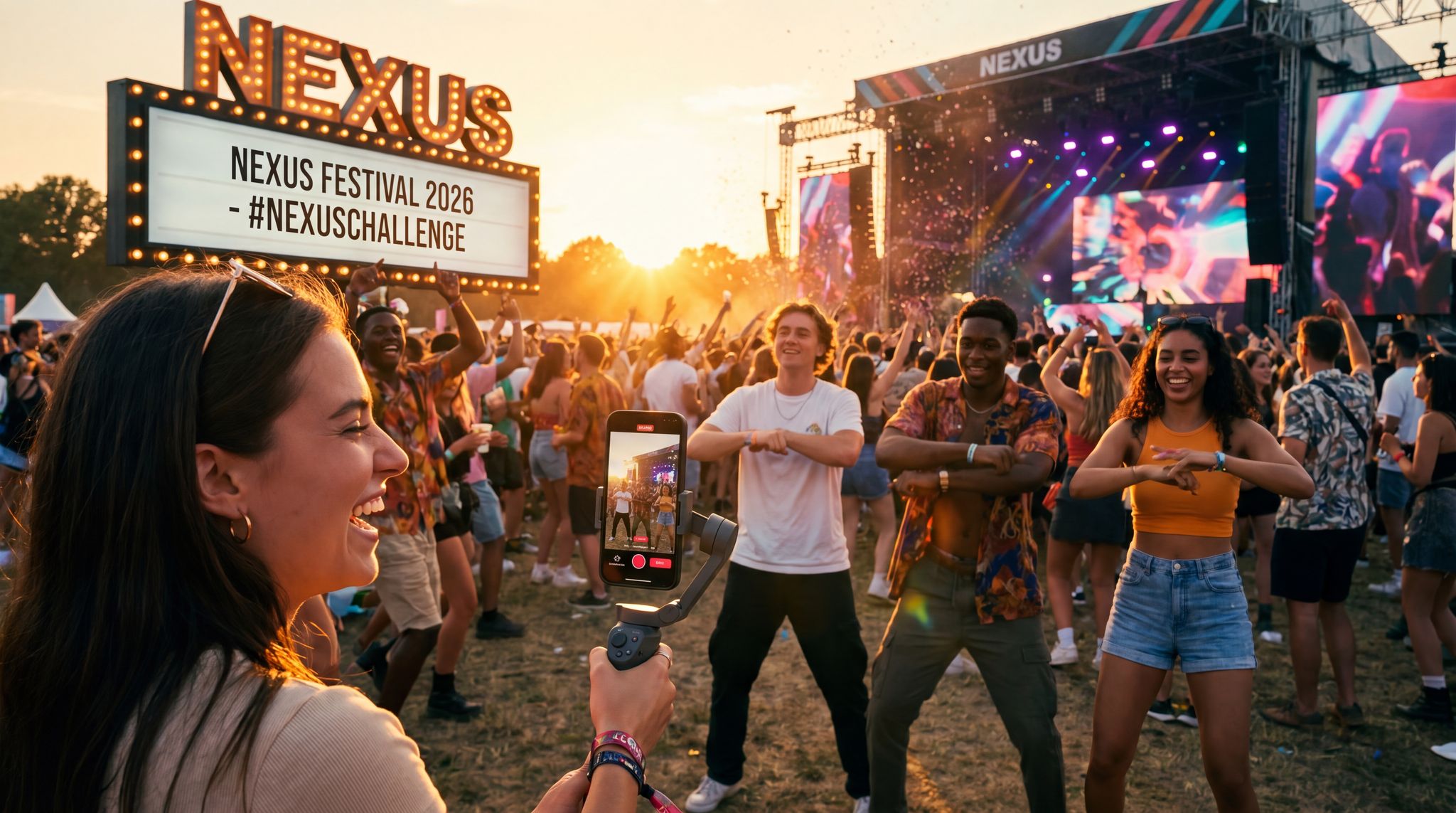
Social platforms are the perfect stage for bite-sized storytelling that hooks potential attendees. Instead of treating social posts as isolated ads, use them to gradually unfold your event’s narrative. For example, on Instagram and Facebook, you could run a series of posts introducing the “characters” of your event: one day a short reel highlighting an artist’s personal story, another day a nostalgic throwback about the venue’s history, another a behind-the-scenes clip of your team preparing something special. Each post is like a micro-chapter that keeps followers engaged and wanting more. Instagram Stories and TikTok are especially useful for ephemeral, in-the-moment storytelling – quick, authentic snippets that show your event’s human side (think: a 15-second “day in the life” of your crew building the stage, complete with a casual voiceover). Invite your audience to participate too: prompt fans with questions or polls (“What’s your favorite memory from last year’s event?”) and repost some responses. These interactions make your followers feel part of the story’s development. On Twitter/X, you might craft a narrative thread, for example: “Three years ago, our founder had a crazy dream… (1/5)” and tell the origin story in a tweet series, ending with a call-to-action to join the next chapter at the upcoming event. Across platforms, the tone should stay consistent with your narrative voice, but adapt the format to fit – punchy and visual on Instagram, conversational on Twitter, playful on TikTok, etc. The goal is to build an ongoing conversation where your story lives rent-free in followers’ minds. By the time tickets go on sale, they already feel emotionally invested thanks to social media storytelling. And don’t forget to include social proof in these stories – for instance, share user-generated posts from fans (with permission) talking about their past experiences (nothing sells an event like a genuine fan story!). This mix of your narrative + community voices can create social media buzz that directly translates into ticket demand by asking fans to share their positive experiences.
Content Marketing & Long-Form Storytelling
While social media captures short attention spans, long-form content lets you deepen the narrative for those who want to dive in. Consider creating blog posts, videos, or even podcasts that expand on your event’s story. A few ideas: write a blog article profiling a headliner’s journey and why they’re excited about your festival; produce a 3-minute mini-documentary about the making of the event theme (mini-docs and “origin story” videos often outperform generic promo videos in engagement, because they feel more authentic and substantial). Some events launch their own podcasts or YouTube series in the lead-up – for example, a weekly podcast interviewing speakers or performers to discuss the event’s core topics or the scene around it. This not only generates rich content for promotion but also positions your event as a thought leader or culture hub. Long-form storytelling pieces are fantastic for sharing via email newsletters and PR (media outlets are far more likely to cover a human-interest angle from your blog than a standard press release). They also help with SEO if you optimize them by incorporating keywords without sacrificing flow – people searching for related content may discover your event through these stories. Importantly, ensure these pieces still tie back into your narrative arc. For instance, if your event’s story is about innovation, a blog series could be “Innovators behind the Scenes” highlighting what each major speaker is doing to change their industry. Or if your theme is about cultural fusion, a video could explore the traditions inspiring your food and decor. By distributing compelling content across owned channels (your website, YouTube, podcast platforms), you amplify your narrative to drive ticket sales through storytelling and social proof strategies. Each time someone reads or watches a story and feels moved, their likelihood of purchasing grows. And this content keeps working for you as fans share it around, expanding your reach organically.
Email Campaigns as Ongoing Story Chapters
Email marketing remains one of the highest-converting channels for ticket sales, and weaving storytelling into your email strategy can significantly boost those conversions. Rather than sending disconnected “Buy now!” blasts, treat your email sequence as a serialized story. For example, once someone joins your mailing list (say, after RSVP-ing interest or a presale signup), you might send a welcome email that sets the stage: share a short heartfelt note from the founder about the event’s mission or a captivating anecdote from a past year (“It all started in 2015 with a rained-out show that turned into a legendary mud dance…”). Subsequent emails can each have a narrative focus while still driving action. One email could be “Meet the Heroes” featuring mini-bios or quotes from key artists/speakers – effectively telling their stories and why they’re part of this event. Another could be structured as a “journey” guide: e.g., subject line “Your Adventure Awaits: A Day at [Event Name]” and inside walk the reader through the experience they’ll have from gates open to the closing moment, painting a vivid picture of the atmosphere (this tactic helps readers visualize themselves at the event, a powerful motivator). You can also share user stories: “Fan Spotlight – How [Name] found lifelong friends at [Event]” which provides a testimonial framed as a narrative. Throughout, maintain a consistent voice that matches your overall story – whether that’s enthusiastic and friendly or bold and visionary. By the final reminder email (“Only 2 days left!” type), you’ve hopefully built up an emotional arc where recipients feel personally connected and excited. The call-to-actions (CTAs) in these emails should flow naturally from the story (“Join our story”, “Be part of the next chapter”, instead of just “Buy Tickets”). And remember, track your email performance – many seasoned event marketers A/B test two versions of an email and often see higher open or click-through rates on the narrative version. If, for instance, an email titled “The Legend Returns…” outperforms “Tickets on sale now”, that’s a clue to double down on story-led messaging in future campaigns.
PR, Media and Partnerships: Spreading Your Narrative
Your event’s story shouldn’t only live on your own channels – it should radiate outward through media coverage and partnerships. When pitching journalists or bloggers, don’t just send a boilerplate announcement. Lead with the story angle. What’s newsworthy or emotionally compelling about your event? Maybe your festival is uniting a music scene after years apart, or your conference was inspired by a personal journey of someone overcoming odds. These are the hooks writers love. A well-placed feature on a local news site or an interview in an industry magazine that highlights your narrative can expose thousands of new people to your event in a memorable way. For example, instead of a press release titled “XYZ Festival 2026 Lineup Announced,” a more effective angle might be “Hometown DJ’s Remarkable Journey from Fan to Headliner at XYZ Festival” – a human-interest story that also plugs your event details. Media partnerships (like working with a radio station, lifestyle blog, or podcast) can be structured around storytelling too. You might collaborate on content such as “artist of the week” segments on radio where each week a different performer’s story is told along with ticket giveaways, or guest articles on a partner blog where your team writes about the event’s mission or behind-the-scenes adventures. These narratives not only serve as marketing but also provide genuine value to media audiences (it doesn’t feel like an ad, it feels like a story – because it is!). Influencers and ambassadors also come into play here: equip them with your narrative, let them experience it, and encourage them to share their own story of the event. For instance, a travel vlogger might create a video blog about “My unforgettable weekend at [Event] – here’s why it moved me.” Those authentic third-party stories can massively amplify your reach and credibility. Remember, every external touchpoint is an opportunity to reinforce what makes your event special. When all these channels – social, content, email, PR, influencers – work in harmony, you create a surround sound effect, ensuring storytelling is continuous across channels. By the time they hit that ticket purchase button, it feels like joining an exciting story in progress.
Table: Storytelling Tactics Across Channels
| Channel / Platform | Storytelling Methods | Example Content & Tips |
|---|---|---|
| Instagram & TikTok | Micro-stories via short videos, Reels, Stories. Fan-engagement stickers (polls, questions) to involve audience in narrative. | Reel series: “Countdown to Festival – Stage Build Day 1 (15s timelapse)” with authentic captions. Use interactive story polls (e.g. “Which throwback theme should we revisit?”) to gather UGC and insights. Keep tone personal and fun. |
| Facebook & Twitter (X) | Narrative threads or episodic posts. Event origin stories and milestones shared over time. Community conversations via comments. | Thread: “How a crazy idea in 2018 became the region’s biggest conference (1/5)…”. Post nostalgic photos from past events with storytelling captions (“Remember when…?”). Engage by asking followers to share their memories or what they look forward to – then incorporate their quotes (with credit) in future posts. |
| Blog & Website | Long-form articles, behind-the-scenes blogs, artist interviews, thematic explorations. Central hub for the full story. | Blog post: “From Idea to Reality: The 10-Year Story of Our Event’s Journey” – include anecdotes, challenges overcome, and photos. Ensure your event landing page isn’t just info, but also conveys the theme and emotional highlights (use a short narrative intro or tagline that sets the scene). Embed videos of past highlights with a storytelling angle. |
| Email Newsletters | Serialized storytelling (founder’s note, fan spotlight, artist of the week). Personalized narrative touches using segmentation. | Welcome Email: a letter from the founder sharing the event’s mission and gratitude. Fan Spotlight Email: “Meet Jane – she came as a stranger last year and left with 5 new friends” including Jane’s testimonial. Create segments (VIP ticket buyers, first-timers, etc.) and tailor a bit of narrative in each (“Welcome back to Chapter 3 of our story!” for repeat attendees). |
| Press & PR | Human-interest angles in press releases, feature pitches focused on story. Leverage local media with community-driven story hooks. | Press release headline example: “Local Chef-Turned-DJ to Headline Food & Music Fest, Fulfilling Childhood Dream”. Offer media exclusive stories (e.g., an interview with the event’s creative director about the theme inspiration). Prepare bite-sized narratives for radio or TV (“This event began on a rooftop with 50 people – now it’s uniting thousands, here’s why…”). |
Integrating Storytelling into Every Campaign Phase
A strong narrative isn’t deployed only once – it should evolve throughout your marketing campaign. By mapping out how the story unfolds from pre-launch hype all the way to post-event follow-ups, you keep audiences engaged at each stage. Below is how you can integrate storytelling into each phase of your event promotion timeline:
Early Teasers and Event Launch
Before tickets even go on sale, start seeding your story. The goal in this phase is to create intrigue and awareness by hinting at the narrative to come. Teaser campaigns can be powerful: perhaps you drop cryptic clues about the new theme (e.g., a short video of a mysterious symbol or tagline related to your story, prompting fans to speculate). Some events create a backstory that they reveal piece by piece; for instance, a festival might share an illustrated “chapter one” of a fable that sets up the theme. If your event has returning fans, nostalgia is a great tool here – share an emotional highlight from last time as a story to be continued, suggesting people shouldn’t miss what’s next. When you officially announce the event, make your narrative front and center. That means your launch communications (social announcements, email to past attendees, press releases) should lead with the story or theme, not just the date and venue. For example, instead of “XYZ Festival 2026, June 5-7, tickets on sale Friday,” consider a narrative lead: “This summer, the Legend of the Lost City comes alive at XYZ Festival – and you’re invited to write the next chapter. June 5-7…”. The factual details follow, but you’ve framed them within an enticing story. At launch, also leverage any storyline involving your lineup or speakers – if you have a big headliner reveal that has a story (their first show post-reunion, a hometown hero finally returning to play), tell that angle. These narrative-driven teasers and announcements create an emotional hook early, which can lead to a rush of ticket sales from fans who feel the FOMO of missing out on the “first chapter.” It’s common for veteran promoters to see the best early-bird sales when they’ve hyped a story beforehand rather than just dropping info cold. If your event is new with no history, lean even harder on why it’s starting now – share the founder’s vision or the movement the event is aiming to spark. By the end of the launch phase, your audience should be buzzing about not just what is happening, but the narrative behind it.
Data-Driven Event Marketing
Track ticket sales, demographics, marketing ROI, and social reach in real time. Exportable reports give you the insights to make smarter decisions.
Mid-Campaign Buildup and Engagement
During the main sales period (the weeks or months leading up to the event), avoid the pitfall of repetitive “buy tickets” messaging. Instead, continually propel your story forward to maintain excitement. Treat this as the middle chapters of a book: develop characters, build suspense, deepen emotional engagement. Tactically, this could mean spotlighting different aspects of your event through narrative lenses each week. One week, send out an email that shares “The Making of [Event Name]: Part 1,” focusing on say, the stage design story – how a crazy idea became a breathtaking set piece (with sketches and team quotes). The next week, a social media series could be “Meet the Family” where you introduce key crew or contributors with a photo and mini story about their passion for the event. You can also weave in attendee stories here: invite past attendees to share their favorite memory or what the event means to them, then turn a couple of the best responses into content (like a blog titled “Why We Can’t Wait: Fans of [Event] Speak Out”). Mid-campaign is also a great time to deploy interactive storytelling: contests or challenges that get your audience to participate in the narrative. For example, run a contest: “Share your story of how you discovered [Event/artist] – winner gets VIP upgrade.” Not only do you get increased engagement and user content, but you also gather authentic testimonials that you can (with permission) share as social proof in marketing. Keep an eye on momentum – if you notice interest starting to dip, that’s a signal to introduce a new plot twist or boost suspense. Maybe unveil a surprise guest with a dramatic story (“We have a secret headliner… clue: they first played for 300 people at our 2010 launch!”). Perhaps release a sentimental video montage of past highlights to reignite emotion. The idea is to ensure the conversation never falls flat. By continuously enriching the narrative in this mid-phase, you sustain enthusiasm and fence-sitting prospects gradually warm up. Many will buy tickets as they feel more connected over time – a kind of slow burn conversion fueled by narrative. It’s the cumulative effect of all those stories making the event irresistible.
Urgency and Final Chapter Push
As the event date nears and you enter the final sales push, it’s time to turn narrative urgency up to maximum. This is the climax of your marketing story where all the build-up pays off and fans are encouraged to act now or miss out. You likely already plan to leverage FOMO (fear of missing out) in your messaging here – storytelling can make that FOMO feel even more real and ethical (focusing on the positive excitement rather than pure anxiety). For example, rather than just “Only 100 tickets left!”, frame it as “The final chapter is being written – only a few seats remain in this story”. Remind people of how far the narrative has come: “From that first teaser back in January to now, thousands have joined the journey… and this is the last chance to be part of it before the gates open.” Incorporate live testimonials or social comments from others who have tickets: “I can’t wait to finally experience this!” which show that the community is gathering. Visual countdowns work well too – perhaps a short daily post in the last week like “3 days until the saga unfolds…” with a compelling photo from rehearsals or a sneak peek to spark last-minute excitement. If you have any final reveals (e.g. day schedules, site maps, secret set lists) you can unveil them in a storytelling way: “Explore the adventure map” instead of “venue map,” etc., reinforcing that narrative flavor up to the end. Ethical scarcity is effective: emphasize what makes this event uniquely now – for instance, “It will never be Year X of [Event] again, never this exact lineup, never this community at this moment. It’s truly once-in-a-lifetime.” That kind of messaging appeals to the emotional value of the experience, beyond just “tickets are running out.” Campaign veterans recommend tying your final CTA to the story as well – like a button that says “Join the Adventure” or “Don’t Miss Our Story” which feels more inviting than a generic “Buy Now”. As the clock ticks down, the narrative you’ve built acts as a springboard for urgency: people on the fence might think “I don’t want to miss this story I’ve been following.” And when those last tickets sell, you can even announce “Our story is now sold out – see you soon!” which sets a triumphant tone and preps attendees to show up ready to live the tale.
Live Event: Bring the Story to Life
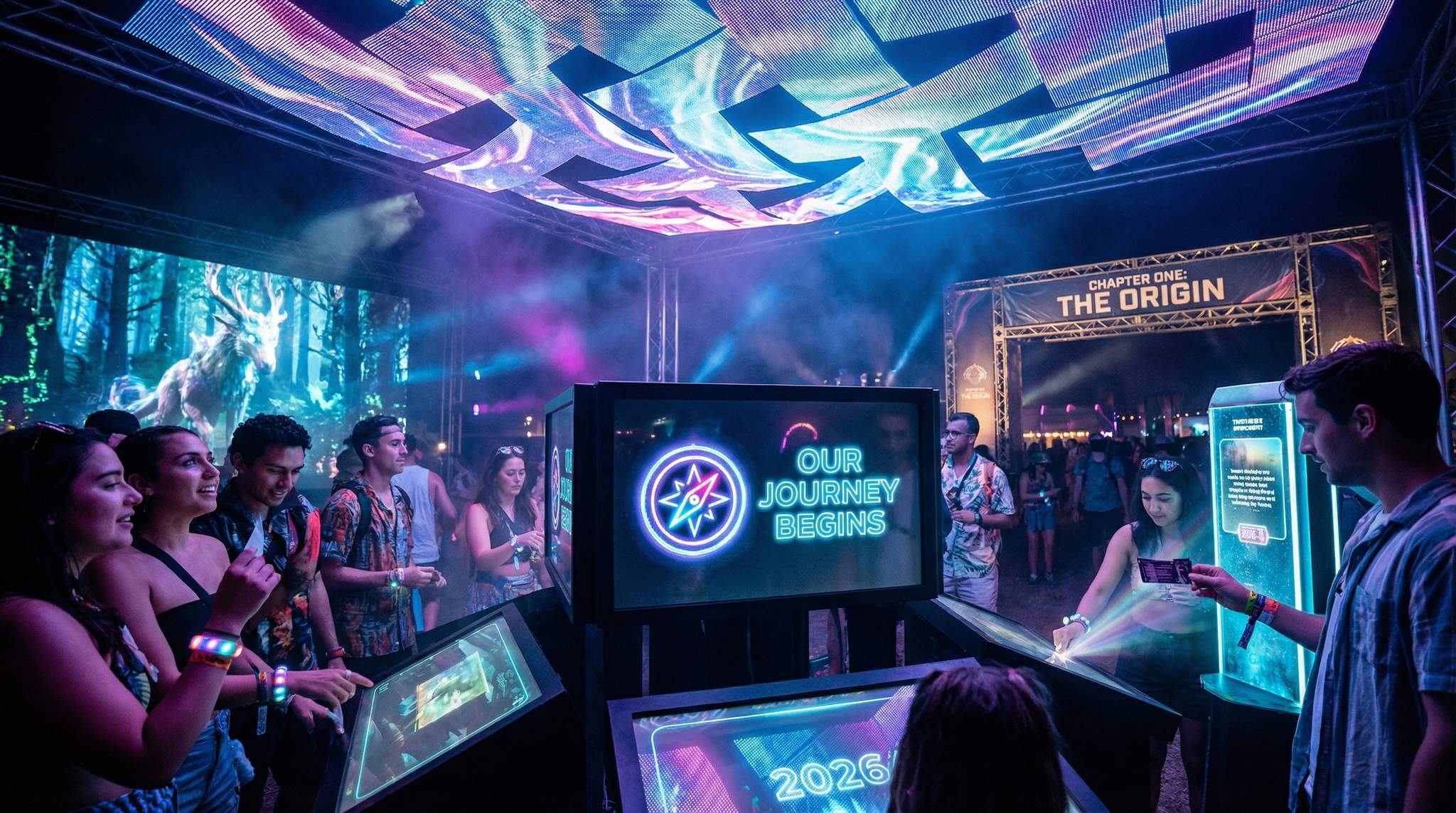
When the big day (or days) finally arrives, your storytelling doesn’t stop – it shifts into a new gear. Now it’s about the real-time narrative unfolding on-site and online. After all, this is the moment everyone’s been anticipating. To deliver on what you’ve promised, infuse the live experience with story elements. This could mean having decor, stage visuals, or MC announcements that reflect the theme and characters you’ve been hyping. For example, if your event story cast attendees as “adventurers,” maybe the entry gate says “Welcome, Adventurers” and staff/volunteers use fun in-character language. Little touches reinforce to the audience that they are now living the narrative they bought into. Encourage attendees to participate in telling the story: create shareable moments that prompt them to post their own narratives on social (a themed photo backdrop with a prompt like “I came for ___”). Use your social media during the event to continue the tale – live-tweet special moments as chapters, or do Instagram Story takeovers by performers or fans showing different perspectives (“Chapter 2: backstage excitement before the headliner – see video”). Not only does this engage current attendees, it also projects FOMO to those not there, warming up next year’s audience already! The live event is also a crucial time to gather content for future storytelling. Capture testimonials on video, shoot behind-the-scenes of emotive moments, and encourage user-generated content via an official hashtag. These will become the raw material for post-event narratives. One pro tip: designate a “story team” on site – folks responsible for documenting and pushing out narrative-driven content in real time (while ensuring it doesn’t disrupt the experience for those present). By consciously translating your pre-event narrative into the live realm, you create a seamless experience. Attendees feel like characters in your story, not just spectators, heightening their emotional connection. And a side benefit: when everything ties into a narrative, even if minor hiccups occur, people tend to be more forgiving – they become part of the story (“remember when the power briefly went out – it was like a plot twist and the crowd sang together in the dark!”) rather than just a technical failure.
Post-Event: Continuing the Narrative and Fostering Loyalty
After the final act and the venue lights come up, one might think the story is over – but smart event marketers know this is just the beginning of the next cycle. The post-event phase is where you solidify long-term loyalty and turn attendees into ambassadors, by continuing the narrative in retrospective and forward-looking ways. First, recap the story that just occurred: publish a heartfelt “Thank You” message across channels that doesn’t just say thanks, but frames what happened in story terms (“A community of 5,000 came together and proved that music truly unites – what an incredible chapter we wrote this weekend. From [highlight moment]to [highlight moment], it was a journey we’ll never forget.”). Share an official aftermovie or photo album that is edited to tell the emotional arc of the event – these highlight reels often stir nostalgia and prompt shares (free promotion). In email, send attendees a follow-up that might include an anecdote or two (“One of our favorite moments: when the crowd spontaneously…”) making them feel part of something special. Crucially, invite them to continue the journey. This can be as simple as teasing “stay tuned for the next chapter” or, if dates are set, encouraging a save-the-date. You might even include a sneak peek or narrative hint for the next edition (“we dropped a clue in the aftermovie about 2027’s theme – did you catch it?”) to spark speculation and keep the community engaged year-round.
Another aspect of post-event storytelling is amplifying attendee stories. Now that everyone has their own memories, encourage them to share: run a post-event contest like “Tell us your festival story – the best anecdote wins free tickets for next year.” This not only generates great testimonials and content you can use, but also keeps the buzz alive. Many events feature fan blogs or social reposts in the off-season to showcase how the event impacted people’s lives (e.g. someone met their best friend or even spouse at the event!). These narratives from attendees themselves are marketing gold – nothing is more persuasive than seeing peers rave about an experience. Meanwhile, internally, gather your team and document what your story was (this will help with authentic content later and with improvements). And of course, use this time to analyze all the data (more on that in the next section) – see which story-driven content performed best, which messages resonated, etc., so you can refine the narrative for next time based on A/B testing results. When done right, the event never truly “ends” – it becomes an ongoing saga. Fans will feel like they are part of an enduring community and narrative, not one-off customers. That sense of belonging means when tickets for the next event go on sale, you’re not starting from scratch; you already have an engaged audience eager for the next episode. In essence, post-event storytelling turns the one-time attendee into a year-round ambassador who carries your story forward through word-of-mouth and personal passion, driving sustained ticket demand in the future.
Table: Narrative Plan Across the Event Timeline
| Campaign Phase | Storytelling Focus & Tactics | Purpose & Outcome |
|---|---|---|
| Teaser & Launch | Introduce the overarching story/theme. Use mystery and hints to spark curiosity. Launch with narrative-driven announcements (founder story, theme lore). | Build intrigue & awareness. Early emotional hook leads to strong initial ticket sales (fans buy in to be part of beginning). |
| Mid-Campaign | Develop the story further: share behind-the-scenes, artist/guest spotlights, fan testimonials. Interactive campaigns (contests, Q&As) involve the audience in the narrative. | Sustain engagement. Keep the excitement growing and nurture connection. Converts on-the-fence prospects as narrative familiarity increases trust. |
| Final Push | Heighten urgency with climax of story. Emphasize it’s the “last chance to join this chapter.” Countdown content with dramatic or heartfelt highlights. Strong call-to-action tied to story (e.g. “Join the adventure now”). | Drive late sales/FOMO. Push indecisive fans to commit by reinforcing uniqueness and immediacy of the experience. Ensure a full house at event time. |
| During Event | Bring the story to life on-site. Thematic decor, messaging and live social content to make attendees feel like characters in the story. Encourage UGC to capture live narratives. | Deliver on promise. Deepen attendee immersion and satisfaction. Amplify FOMO for those not there (setting stage for future interest). |
| Post-Event | Reflect on the story that unfolded. Celebrate attendee contributions (fan stories, highlights). Tease the “next chapter” to come. Share aftermovies, thank-yous in narrative form. | Build loyalty & anticipation. Turn attendees into ambassadors through shared nostalgia. Keep community engaged and excited for the next event, boosting renewals and referrals. |
Engaging Your Community Through Story
Turning Fans into Storytellers: User-Generated Content
Your audience isn’t just passively consuming your narrative – they can actively contribute to it. In fact, user-generated content (UGC) from fans is like adding dozens of authentic chapters to your story, and it can massively amplify your reach and credibility through the magic of user-generated content. Encourage attendees and followers to share their perspectives, and then showcase those stories. For instance, create an official hashtag that reflects your event’s theme or tagline (something fun and unique, e.g., #MySummerSaga for a festival with an adventure theme). Prompt users with specific storytelling challenges: “Tell us about the moment you fell in love with [Artist]’s music” or “Share a video of you preparing for the big day – what’s your ritual?” During and after the event, this really takes off – people will post their highlight moments, emotional reactions, or even mini-vlogs of their experience. Curate the best of these and get permission to repost them on your official channels. By doing so, you’re effectively co-creating the event’s story with your community. It shows that your narrative isn’t top-down, but a shared creation. New audiences who see these peer-to-peer stories trust them more than any polished ad – it’s social proof that your event delivers meaningful experiences, as over 3,000 attendees might attest. Moreover, fans who get featured will feel a deeper connection (imagine the thrill of the festival reposting your epic crowd photo and caption). To spark UGC, you can also run incentives: e.g., a photo contest (“Post your best memory with #OurEventStory – winner gets free merch or tickets”). But often the intrinsic desire to share an amazing experience is enough. The key is acknowledging it – comment on user posts, thank them for stories, maybe create a “Fan Stories” highlight on Instagram or a blog series. By validating and amplifying fan contributions, you show that your event brand listens and values its community. This two-way storytelling turns attendees into active brand ambassadors who spread the narrative to their friends and followers, organically driving ticket sales through word-of-mouth. As an added bonus, you get a treasure trove of content that often feels more fresh and relatable than what your marketing team alone could produce.
Built-In Email Marketing for Events
Send targeted campaigns, automated purchase confirmations, and post-event follow-ups directly from your ticketing dashboard.
Building a Community Narrative (Online & Offline)
Great storytelling in event marketing ultimately creates a sense of community – a group of people connected by a shared narrative and identity. To cultivate this, think beyond individual posts or campaigns and consider the ongoing story of your community. Online, this could mean fostering spaces where fans interact and keep the narrative alive, like a Facebook Group or Discord server themed around your event. Within these communities, encourage discussions that tap into the story: for example, a thread like “Your favorite [Event Name] memory?” will prompt veterans to share stories and newcomers to get inspired (and possibly buy tickets to create their own memories). If your narrative includes values or causes, the community can rally around those year-round (e.g., a festival with an eco-story might have a forum where attendees share sustainability tips or local volunteer events). Moderating and actively participating in these groups is important – have your team members or even artists pop in with behind-the-scenes anecdotes or exclusive story tidbits (“fun fact: initially we planned the theme to be X until Y happened!”). This makes the community feel like an insider club. Offline, you can support community narratives by hosting small meetups or reunion events if feasible – for instance a casual off-season fan hangout or an online livestream Q&A with organizers that recaps past stories and teases future ones. These gatherings, even virtual ones, often spark storytelling among attendees (“Remember last year when…?!”) which strengthens their bond to the event brand. The cumulative effect is that your event stops being just a date on the calendar and becomes a year-round community people identify with. Seasoned event marketers have seen how this leads to effortless sales: when tickets launch, this tight-knit community is the first to buy and the loudest to promote the event to others. They feel it’s their event – their tribe, their tradition. By weaving a communal narrative, you essentially nurture a self-sustaining marketing engine fueled by genuine fan enthusiasm. And importantly, a strong community will stick with you in tough times too (like if you have to postpone or if competition rises) because they’re invested in the story and each other, not just the one-off entertainment.
Interactive Storytelling Experiences
Another way to engage your audience is to make your storytelling interactive and participatory. Rather than a one-way narrative, invite fans to influence or personalize parts of the story. This can be incredibly effective in 2026, when digital tools allow more creative fan involvement than ever. One idea is to host live polls or votes on storyline elements: for example, a comic-con event could let fans vote on the final design of the badge art if it fits the theme (“Choose the destiny of our hero on this year’s badge!”). Or a music festival might run a bracket where fans pick which classic anthem should be the finale song – framing it as “help craft the climax of our story.” These kinds of participatory campaigns not only drive engagement but also make ticket holders feel ownership of the experience to come. Another approach is gamified storytelling: perhaps create a scavenger hunt (digital or physical) where clues relate to your narrative. Some events use AR apps where attendees unlock pieces of a story in the lead-up or on-site by finding markers. For example, a city-wide festival could hide QR codes at partner locations that reveal chapters of a story when scanned, rewarding those who complete all chapters with a prize or simply the satisfaction of the full tale. Even simpler, you can integrate games on social media – like an Instagram Story quiz: “Are you a true [Event] fan? Quiz: what year did we adopt our mascot character?” – which educates newer fans about your ongoing narrative in a fun way. By turning storytelling into an interactive experience, you deepen engagement significantly. People lean forward and pay attention because they have a role to play. It transforms marketing from something they watch to something they do. Plus, the data and content generated can be great for your promo efforts (seeing thousands participate in a vote or challenge creates buzz). Just ensure any interactive element feels aligned with your theme and is easy to join – you want maximum participation. When done correctly, fans will not only remember the event story, but the part they played in it, which is immensely powerful for loyalty. They’ll tell friends, “I helped pick that setlist!” or “I solved the riddle before the festival!” – further spreading your narrative and drawing others who want to be part of this more immersive kind of event experience.
Storytelling with Your Lineup, Speakers, and Partners
Performers and Speakers as Narrative Ambassadors
Your artists, DJs, speakers, or special guests aren’t just talent to list on a flyer – they can be some of your story’s most compelling characters and co-storytellers. Fans are naturally interested in the people on your lineup, so integrating their personal narratives or perspectives can boost your event’s appeal. Profile your headliners and even smaller acts in a narrative way: instead of a generic bio, share why they’re part of this event’s story. Maybe a band is returning to your festival after a breakout performance years ago – frame it as “the heroes’ triumphant return.” Or a speaker overcame a huge challenge that ties into your conference theme – highlight that journey in your marketing (with their permission). You can do this through short video interviews (“What does performing at [Event] mean to you?” with an emotional answer) or written spotlights on social media and blog. Many artists and speakers will happily oblige – it’s mutually beneficial as it humanizes them and creates deeper fan connection. Crucially, get your lineup involved in promoting the narrative. Provide them with key story points or theme hashtags and encourage them to share why they’re excited. For example, an artist might post “I can’t wait to be part of [Event]’s Lost City adventure – this theme is so close to my heart because…” along with a personal anecdote. When your lineup speaks authentically about the event, it amplifies trust – fans think “if my favorite DJ cares about this, maybe I should go experience it.” In 2026, artist and speaker co-promotion has proven incredibly effective in boosting ticket sales, as seen in event marketing case studies (and often at minimal cost, since it’s organic on their channels). Treat your lineup as narrative ambassadors: arm them with behind-the-scenes info or cool content to share, maybe even branded story graphics with their photos. The more they feel included in the story, the more enthusiastically they’ll promote it. It helps to build genuine relationships here – have your artist relations team communicate the narrative and theme to them early on, and invite their input or ideas. Some artists may have great suggestions for interactive moments or special touches that fit the story. Ultimately, when performers share in the storytelling, it enriches the fan experience too. Attendees arrive knowing not just the schedule, but also these personal tidbits (“I heard this singer wrote a song just for this event’s theme!”). That sets the stage for a more meaningful connection on site, and those attendees are likely to talk about it later (“the show felt special because we knew the backstory”). It’s a virtuous cycle: lineup-driven narrative content sells tickets, and the engaged ticket buyers then give the artists an even more appreciative audience.
Influencers and Community Ambassadors
Beyond your formal lineup, consider enlisting influencers or passionate community members to help tell your event’s story. These could be local bloggers, scene personalities, or micro-influencers (perhaps a popular Instagrammer in the festival fashion community, or a YouTuber who vlogs about tech events) whose followers overlap with your target audience. Rather than typical sponsored posts, collaborate with them on narrative content that feels organic. For instance, a music vlogger might create a video like “Preparing for My First Ever XYZ Festival” which covers her excitement, outfits, what she’s heard about the event’s vibe – essentially spreading your key story elements through a personal lens. Or a micro-influencer could do an Instagram Story takeover during a pre-event site visit, narrating “the calm before the storm” and sharing the event’s history as she tours the grounds. These narrative-driven partnerships work well because they’re entertaining content in their own right (not just an ad), and followers trust the influencer’s perspective. Be sure to pick partners who genuinely resonate with your event’s theme or values, so their storytelling comes off as authentic enthusiasm, not a forced promo. Sometimes your best ambassadors are actually regular superfans of the event – if you have loyal attendees who are content creators, tap them! For example, if someone has come every year and always blogs about it, you might engage them to write a “What [Event] Means to Me” piece to share on your channels. Grassroots promoters know that empowering true fans to share their story can be more persuasive than any polished campaign. On the flip side, if your budget allows and the event scale warrants, a celebrity influencer could be used – but again, try to integrate them in the narrative. Perhaps they aren’t just posting a flyer but instead attend and do a recap of their experience or host a live Q&A about what they loved. The bottom line is, third-party voices lend credibility and expand reach, especially when they carry the narrative in a creative way. An influencer’s engaging story about your event can pull in attendees who might not have paid attention to direct ads. It’s the digital age equivalent of hearing how great an event was from a friend – incredibly effective. And since these partners often have specific niches (e.g. foodies, wellness enthusiasts, travel lovers), you can craft parts of the narrative to appeal to those segments, thus broadening your audience. Just be sure any disclosures are made (honesty in promo is part of authenticity) and that you track the impact (using unique codes or links) so you can see which stories drove the most interest and ticket clicks.
Sponsors and Partners: Aligning with Your Story
Event sponsorships are important for revenue, but nothing turns off attendees faster than feeling that the event “sold out” its soul to corporate interests. The solution is to integrate sponsors into your narrative in an authentic way so that partnerships enhance rather than interrupt the story. First, be selective and seek sponsors whose brand values or product naturally connect to your theme. If your event narrative is about innovation, having a cutting-edge tech partner makes sense and they can even contribute content (like a showcase of future tech at your conference that becomes part of the event’s story). If your festival theme celebrates local culture, maybe partner with local craft brewers or artisans who have their own rich stories – then share those stories in your marketing (e.g. a blog feature on how the brewery revived a 100-year-old recipe, and now it’s the official festival beer). By doing this, your promotions portray the sponsor not as a logo, but as another interesting character in the event journey. During the campaign, you can co-create narrative content with sponsors: a radio partner might run a special series “Road to [Event]” highlighting performers (giving your story airtime), or a travel partner might do a piece on fans traveling from far away with their help (tying into the journey motif). On site, sponsor activations should likewise feel like part of the storyworld. For example, if a sponsor sets up a lounge, give it a thematic name and backstory connected to your event’s lore – attendees will remember the experience and the brand positively. A case study: a marathon event themed around “pirate treasure hunt” had its main sponsor, a sports drink, create an “Adventure Refresh Station” themed as an oasis with map graphics and fun pirate-y messaging, rather than just a plain booth. Runners loved it, it fit the story, and the sponsor still got its exposure. It comes down to framing: tell a story about why the sponsor is there (“XYZ Energy is fueling our adventurers”) instead of hard-selling the sponsor’s product. This keeps the audience’s goodwill. They remain immersed in the narrative and often appreciate the sponsor’s contribution more when it’s aligned. From a sales perspective, events that do this see better engagement with sponsor promotions (since attendees aren’t tuning them out) and sponsors themselves value the deeper integration – a win-win that can lead to longer-term partnerships. Just ensure you maintain transparency (don’t deceive anyone about what’s sponsored) and uphold your event’s integrity – only integrate what feels right. When sponsors truly add to the event story, your attendees will embrace them as part of the community rather than outsiders, and that means more sponsor support for you and a richer story experience for the audience.
Measuring the Impact of Storytelling on Ticket Sales
Engagement Metrics: Are People Connecting with Your Story?
How do you know if your narrative is resonating? One strong indicator is engagement metrics across your channels. These metrics tell you if people are paying attention and emotionally connecting (or not). Look at things like social media interactions – are your story-driven posts getting more likes, comments, shares, saves than more generic posts? For example, maybe your behind-the-scenes video received triple the shares of a standard ticket announcement; that’s a clue the narrative content is sparking interest. Comments are gold for qualitative insight: if you see comments like “This gave me goosebumps!” or “Can’t wait to be part of this,” you’re on the right track. Conversely, if your narrative posts are falling flat (low engagement), analyze why – maybe the story isn’t clear or isn’t hitting what fans care about. On email marketing, track open and click-through rates for your story-centric campaigns. A subject line that hints at story (“The Legend is Growing – Update Inside”) might outperform a bland one (“Event Update”), indicating people are drawn to story framing. Click maps showing lots of clicks on links to blog content or videos means that section of the story was compelling. Also, measure website behavior: use analytics to see time on page for your long-form content, or the bounce rate. High time on page for your “Our Story” blog article, for instance, shows that visitors are consuming it fully (possibly warming them up to buy). You can even set up event tracking or heatmaps to see if people scroll through and interact with narrative elements on the event page (like photo slideshows or story sections). Another engagement metric is video watch time – if you put out a 2-minute storytelling video and the average watch is 1:50, excellent, they’re hooked nearly to the end. If it’s 0:30, maybe the intro didn’t grab. Surveys and feedback forms can be valuable too; consider asking a small sample of your audience questions like “What caught your attention about our event?” – if many mention the story/theme, you know it’s working. Monitoring these numbers throughout the campaign lets you adjust your storytelling tactics in real time. For example, if you notice user-generated story posts are getting huge engagement, double down on that by encouraging more fans to share and featuring them. Or if your mid-campaign narrative content sees a dip in opens, maybe you need to refresh the angle or up the stakes. Essentially, engagement metrics are proxies for emotional resonance. They might not directly equal ticket sales, but they heavily influence them. A fan who’s watching all your videos, commenting and sharing is far more likely to convert. By keeping a close eye on these signals, you can fine-tune the narrative to maximize that connection.
Free Tool: When Should You Announce?
Pick your event date and genre — the free planner outputs a recommended announce, presale, on-sale and reminder schedule anchored to how your audience actually buys.
Conversion Metrics and Attribution
At the end of the day, we want our storytelling efforts to drive ticket sales. Tracking conversion metrics will show how narrative-driven marketing translates into purchases, even if it’s sometimes an indirect path. Start by setting up solid tracking for your online sales funnel (Google Analytics 4 or similar should be configured to track events like “Add to Cart” and “Purchase” on your ticket page), as tracking social post conversions has become essential. Then, look at referral sources and campaign parameters: do people who engage with your story content eventually convert at higher rates? For example, compare conversion rates of traffic from a blog article versus from a generic ad. You might find that while a blog post doesn’t “sell tickets” immediately, visitors who read it have a higher likelihood to come back and buy (which you can measure with multi-touch attribution or user journey flows). Use UTM parameters on links you share to story content in emails or social, so when those people buy later, you can attribute it back. One approach is to create a custom segment in analytics of users who engaged with specific story content (say, watched a video on your site or clicked through a storytelling email) and see what percentage of them converted vs. those who didn’t engage with any narrative content. If the percentage is higher, that’s evidence of impact. Additionally, track CAC (customer acquisition cost) and ROAS (return on ad spend) for any paid promotions that feature storytelling vs. more direct offers. Some event marketers run A/B tests with ads – e.g., one ad set is pure “Buy Tickets, headliner X, date Y” and another ad set tells a micro-story (“Experience the journey of X at [Event] – join us for a night of [theme]”). By comparing click-through and conversion, you’ll see which approach yields better ROI, perhaps by comparing two versions of an email or ad set. Don’t be surprised if the story ad has a slightly lower immediate CTR but higher quality (people who click are genuinely interested and convert at a higher rate). You can also look at conversion lag – how long from first interaction to purchase. Storytelling might shorten this in some cases by building trust faster, or lengthen it (if people engage with content multiple times before deciding). Either way, understanding that pattern helps you optimize your campaign timing – e.g., if story-engaged users tend to buy within 2 weeks of first content view, plan key narrative drops accordingly.
One more thing: use promo codes or unique links in narrative content to directly tie sales to that content. For instance, at the end of an emotional behind-the-scenes video, maybe offer a small discount code (“STORY5”) for viewers. If a healthy number of sales use that code, it’s a concrete indicator that the video did its job in converting viewers. Attribution in 2026 can be tricky (with privacy changes making tracking harder), but triangulating a few of these methods gives a good picture. Over time, as you gather data across events, you might find patterns like “Story-driven campaigns consistently yield 20% higher ROAS” or “60% of our ticket buyers engaged with at least one narrative touchpoint.” These insights not only justify the budget spend on storytelling to stakeholders, demonstrating the power of storytelling in event marketing, but also guide you to invest in the most effective narrative tactics going forward. By quantifying the impact, you ensure that storytelling remains not just a feel-good strategy, but a sustained, integral part of your event marketing arsenal that’s optimized for results, ensuring post-event engagement drives future conversions.
Qualitative Feedback and Brand Sentiment
Not every benefit of storytelling shows up in click stats or sales numbers. Some of the most valuable effects are qualitative – how people feel about your event brand and what they say about it. It’s important to capture and analyze this kind of feedback as part of measuring your storytelling success. Keep an eye on social media mentions of your event (track your hashtags and handle, and even common misspellings). Are people talking about the story, theme, or emotional aspects in their conversations? For example, tweets like “Really vibing with the eco-theme of [Event] this year ??” or TikTok comments like “This promo video gave me chills, I’m so hyped” are indicators that your narrative struck a chord. You can use social listening tools to gauge overall sentiment – ideally, you want to see a positive, excited tone in chatter about your event, and storytelling often helps achieve that by giving fans something meaningful to discuss beyond logistics. Also note if media articles or bloggers pick up on your narrative in how they write about your event. If press coverage echoes your story (“XYZ Fest isn’t just another festival – it’s a journey into space for fans,” etc.), that means your narrative messaging is coming through loud and clear.
Additionally, directly solicit feedback via surveys or polls. After the event (or even after ticket purchase), you might ask attendees questions like “What made you decide to attend?” or “Which promotion or content piece caught your attention most?”. If a significant portion mention things like the theme, a specific video, or the story that was told, you can credit your storytelling. Anecdotal feedback from attendees encountered on-site or in focus groups can be illuminating too – often fans will say things like “I felt like I already knew what to expect because of all the great stories you shared beforehand” or “It felt like being part of a family,” which speaks to the narrative’s effect on their mindset. Those are huge wins for brand loyalty and repeat attendance. Keep track of these qualitative insights; even though they’re not numbers, they provide color and context to the quantitative data. For example, if your data shows a lot of engagement but moderate sales conversion, some fan comments might reveal “I can’t afford it this year, but I’m so emotionally invested and will go next time for sure.” That’s still a long-term success – you’ve planted a seed.
Qualitative analysis also helps you refine your narrative approach. Maybe feedback indicates some people found the story confusing or not relatable – that’s a cue to simplify or adjust the focus next time. Or you might discover a particular element really resonated (e.g., “More behind-the-scenes! It makes us feel included”). Over time, paying attention to sentiment and feedback will help you craft ever more powerful narratives that truly align with your audience’s desires and perceptions. In essence, brand storytelling success can be measured in the strength of the emotional echo it leaves – the excitement, affinity, and “buzz” that is harder to measure but easy to sense. When you have attendees telling you your event’s story in their own enthusiastic words, you know you’ve achieved something special.
Iterating and Improving Your Narrative Strategy
Storytelling in marketing is both an art and a science. As with any campaign element, you should iterate and optimize your narrative strategy over time using the insights you gather. After an event cycle, do a holistic review: Which storytelling tactics seemed most effective in driving engagement or sales? Perhaps you notice your video content had off-the-charts engagement but your long blog posts weren’t read as much – that might suggest focusing more on video storytelling next time or finding ways to make written content more compelling (or repackaging it into visuals). If certain channels underperformed (maybe your LinkedIn articles got lukewarm response but Instagram boomed), consider reallocating effort to where your audience prefers to consume stories. Also, reflect on the story itself: did it resonate as expected? Did the theme catch on? If you get feedback that the theme wasn’t clear or the narrative felt forced, you may need to simplify or choose a narrative angle that’s more naturally connected to your audience’s passions. On the contrary, if fans were quoting your tagline and coming to the event in costume because they were so into the theme, that’s a sign you nailed it and maybe can even go bigger on that concept in the future (or create a tradition out of it).
Testing is your friend. Going forward, build in opportunities to A/B test narrative elements on a small scale before rolling out widely. For example, test two versions of an email – one written as a story, one as a traditional promo – to a subset of your list and see which drives more action. Test different lead angles on ads (emotional story-based vs. FOMO-based vs. straightforward) and compare results. These experiments will quantify what style of storytelling your audience responds to best, letting you refine your tone and content mix. Don’t be afraid to experiment with new storytelling formats either: maybe next year try a short fictional podcast leading up to the event if it fits the theme, or use new social features (who knows what TikTok or Instagram might introduce by 2027) to tell your story in innovative ways. Monitor how those perform.
Also, adapt to cultural and technological shifts. In 2026, for instance, authenticity and human connection are trending in response to AI overload, emphasizing integrity in storytelling – but by 2028, who knows? Always gauge the current climate, avoiding content that lacks the human touch. If people are craving escapism, lean into fantastical storytelling; if they’re seeking solidarity, focus on community narratives. Keep an eye on other successful events and even other industries for inspiration. Are sports teams doing cool storytelling that fans love? Is there a viral brand campaign that effectively used narrative?
Finally, set some specific KPIs for storytelling in your future campaigns, so you treat it with the same rigor as other components. For example, target an increase in social share rate or aim for X number of user-generated story posts. Having goals will push your team to keep improving and not become complacent (“We posted a couple of behind-scenes, that’s enough” – instead, you strive for continuous creative output). With each iteration, your narratives will become more finely tuned to what truly moves your audience. Over years, this builds a formidable brand legacy – an event that tells a story better than anyone else in the space, which becomes a huge competitive advantage that others can’t easily replicate. Remember, great stories only get better with each telling, as you learn what makes your community laugh, cry, and cheer. Use those lessons to craft the next chapter even more masterfully.
Frequently Asked Questions About Event Storytelling
What are the trending topics in 2026 for event marketing storytelling?
In 2026, the marketing industry is heavily focused on the role of the dedicated event industry storyteller. Trending topics in event marketing include immersive alternate reality games (ARGs), docu-style behind-the-scenes reels, and interactive founder AMAs. Promoters are shifting from static promotional copy to dynamic event storytelling marketing that weaves the attendee’s journey into the festival’s lore.
How do event-specific brand narratives differ from general promoter branding?
While a general promoter brand establishes trust, operational excellence, and overall quality, event-specific brand narratives give individual festivals or club nights their own unique identity. This tailored approach allows organizers to craft distinct, brand-focused event narratives that resonate deeply with the specific subcultures and demographics attending each distinct property in their portfolio.
Conclusion: Storytelling as the Ticket to Emotional Engagement
Crafting an authentic event narrative is no longer a “nice extra” in 2026 – it’s a marketing essential for selling out shows and building a loyal audience. By infusing every aspect of your promotion with story, you elevate your event from a date on the calendar to a meaningful experience people can’t wait to join. The strategies we’ve discussed – defining a unique theme, sharing genuine behind-the-scenes moments, engaging fans as co-authors, and aligning every channel and partner with your narrative – all work together to create an emotional bond between your event and its audience. That bond translates into trust, excitement, and ultimately ticket sales. As an experienced event marketer knows, facts and lineups might draw interest, but feelings and stories are what drive decisions and long-term loyalty. Mastering event brand storytelling means your marketing isn’t just promoting an event; it’s inviting people into a living, breathing story – one they’ll remember and relay to others for years to come. Embrace the role of storyteller, and you won’t just attract attendees, you’ll create passionate advocates and a legacy that grows stronger with every chapter.