The 2026 eSports Event Landscape: Online Hype vs In-Person Attendance
Millions of Online Viewers, Thousands of Arena Seats
Even as competitive gaming shatters online viewership records, filling a live arena with fans remains a distinct challenge. For instance, the 2024 League of Legends World Championship drew nearly 7 million concurrent online viewers at its peak, according to esports tournament attendance statistics and trends – yet only around 15,000 fans could experience the finals in person. This massive gap between digital and physical audiences is typical: a global eSports event might have millions tuning in on Twitch and YouTube, while the venue holds just a fraction of that. Fortnite’s World Cup exemplified this contrast: over 2.3 million people watched its finals online, as reported in coverage of the massive Fortnite World Cup, but the live crowd at New York’s Arthur Ashe Stadium was under 20,000. The reality is that demand doesn’t automatically translate into attendees – tapping into that online hype to put bodies in seats requires its own playbook.
Why Gamers Stick to Streams (and How to Change That)
Understanding why many eSports fans opt to watch from home is the first step in crafting a winning strategy. Surveys have found that distance and travel hassles are the #1 reason fans skip live events, followed closely by affordability concerns regarding esports event attendance. In other words, a teenager in Brazil might love watching a European CS:GO tournament online, but attending in person is out of reach. Additionally, online streams offer comforts like free access, professional commentary, and easy viewing angles – all from one’s couch. Hardcore gamers may also feel they get all the crucial action on stream (plus chat memes and replays) without the cost of a ticket. To fill arena seats, event marketers must address these barriers head-on. That means choosing accessible locations, pricing tickets wisely, and highlighting on-site perks that make it worth the trip. As we’ll explore, successful campaigns speak to what fans can’t get through a screen – whether that’s the electric atmosphere of a live crowd or exclusive experiences for attendees only.
Opportunities in a Booming eSports Market
Despite the challenges, 2026 presents unprecedented opportunities for live eSports events. The global esports audience swelled to roughly 640 million viewers in 2025, based on global esports viewership data, including over 318 million “enthusiasts” who regularly follow competitions. That’s a massive pool of potential ticket-buyers if you can motivate them to attend. We’re seeing more large-scale tournaments than ever – from city-based league championships to international mega-events like the Esports World Cup. The inaugural Esports World Cup 2024 in Riyadh drew over 1 million on-site visitors in its first month, a milestone noted in reports on the Esports World Cup viewership, signaling how far live gaming festivals have come. Major venues worldwide are now eager to host eSports; even traditional sports arenas are upgrading technology to accommodate gaming events, as seen with iconic landmarks hosting the 2025 EWC. In short, interest in competitive gaming is sky-high, and forward-thinking promoters who crack the code of converting online fandom into event attendance can ride this wave to sell-outs. The key is learning the nuances of gamer audiences and leveraging the “secret weapons” of eSports marketing – from influencer streamers and community platforms to FOMO-driven on-site activations. In the sections ahead, we’ll dive into battle-tested strategies to engage gamers and pack arenas, backed by real examples of wins (and a few fails) from the global eSports scene.
Knowing Your Gamer Audience & Speaking Their Language
Hardcore vs. Casual Fans: Different Motivations
Not all gaming fans are alike – hardcore eSports enthusiasts differ greatly from more casual gaming fans in what they want from a live event. It’s critical to segment these groups and tailor your approach to each. Hardcore fans follow the competitive scene closely, know the players and teams, and often attend to witness top-tier play firsthand. Casual fans might simply be curious about the spectacle or attend for fun with friends. The table below highlights some key differences:
Turn Fans Into Your Marketing Team
Ticket Fairy's built-in referral rewards system incentivizes attendees to share your event, delivering 15-25% sales boosts and 30x ROI vs paid ads.
| Aspect | Hardcore eSports Fans | Casual Gaming Fans |
|---|---|---|
| Motivation to Attend | See elite players in action, support favorite team; be part of historic moments in their game’s competitive history. | Experience a fun entertainment event; enjoy cosplay, music, and general gaming culture even if they aren’t deeply invested in one game. |
| Key Marketing Hooks | Emphasize the high stakes (championship titles, big prize pools) and rivalries. Use insider language, player stats, and hype about the competition’s prestige. | Highlight the festival atmosphere: gaming demos, celebrity appearances, giveaways, and social experiences. Focus on how anyone can have a great time, not just die-hard fans. |
| Channels to Reach Them | Niche gaming forums, Reddit threads, and Discord servers for the specific game; follow eSports news on Twitter/X and YouTube. They’re tuned into official announcements and player streams. | Mainstream social media like TikTok, Instagram, or YouTube where gaming content pops up. They might follow popular gaming influencers even if they don’t watch every tournament. |
| Ticket Purchase Behavior | Likely to buy early (pre-sale or early bird) to secure good seats, and willing to travel long distances for a major championship. Many will splurge on VIP passes for extra perks. | Tend to decide later or on a whim, often influenced by friends attending. Sensitive to price – more likely to attend with discounts, bundle deals, or if event is nearby. |
| On-Site Priorities | Quality of competition viewing is paramount – big screens, good sightlines, live commentary. Also excited for in-person exclusives like meeting pro players or seeing the trophy up close. | Looking for a fun day out: they’ll enjoy side attractions like free play zones, merch booths, food & drink, music performances, or cosplay contests. A comfortable, welcoming environment is key. |
Understanding these differences helps you craft messages that resonate. For example, when targeting hardcores you might run an ad on a niche subreddit hyping a legendary player matchup, whereas a promotion for casuals could be a lighthearted TikTok video showing the overall event fun (lights, stages, crowd energy) with the tagline “No gaming experience required – just come have a blast!” Both segments are valuable, but you must speak each group’s language and meet them on the channels they frequent.
Avoid “Fellow Kids” Faux Pas – Be Authentic
One sure way to alienate gamer audiences is through marketing that comes off as pandering or inauthentic. Gamers are highly attuned to tone – they can smell a poser a mile away. Inexperienced promoters have learned this the hard way, with cringey campaigns that try too hard to use gamer slang or force memes, only to be ridiculed online. As seasoned eSports marketers advise: you can’t fake it. In fact, industry veterans note that marketers need to be fans first to stay on top of fast-moving trends and know what fans want. In practice, this means doing your homework on each game’s culture. If you’re promoting a Dota 2 tournament, you should know what “Roshan” or “GG” means; if it’s a FIFA eSports event, understand the relevance of FUT Champions or the pro players’ nicknames. When your copy references an inside joke or highlights a gameplay element that only true fans know, it earns instant credibility.
Ready to Sell Tickets?
Create professional event pages with built-in payment processing, marketing tools, and real-time analytics.
At the same time, balance is key – you don’t want to confuse or exclude newcomers with messaging that’s too insular. This is where savvy copywriting comes in. Craft messages that excite the hardcore fans with authenticity and welcome the uninitiated with clarity. For example, an email subject line could be: “Can Team Liquid upset the champs? — Find out live at the Arena!” – this grabs enthusiasts by referencing a popular team storyline, while still intriguing casual readers. As a rule of thumb, use an enthusiastic but conversational tone. Experienced event promoters often leverage principles of writing event marketing copy that feels genuine and relatable to connect with gamers. Every tweet, Discord post, or flyer should sound like it’s coming from fellow gaming fans (albeit professional ones), not a corporate PR machine. In short: be real, know your stuff, and respect the culture. When your marketing speaks gamer language without patronizing, fans respond with trust and excitement.
Embracing Diversity in the Gaming Community
It’s also important to recognize that the gamer community in 2026 is more diverse than ever – across age, gender, and background. While the stereotype might still picture a young male, roughly one in three eSports fans are female, and significant audiences exist in every continent. Effective eSports event marketing makes everyone feel welcome. That means showcasing diversity in your promotional materials (e.g. include female gamers, players of different ethnicities, and various age groups in photos/videos). It also means avoiding gatekeeping language. Phrases like “for true gamers only” can turn off potential attendees who enjoy gaming casually or are new to the scene. Instead, emphasize the inclusive, community aspect: “Join thousands of fans celebrating the love of the game together.”
Use insights from inclusive event marketing strategies to broaden your reach. For example, provide information for parents if you want to attract families or teens (many under-18 gamers need a parent to accompany them to an event). Highlight accessibility features – like wheelchair-accessible seating or captioned live streams on-site – to ensure differently-abled gamers know they can attend comfortably. An inclusive approach isn’t just the right thing to do, it’s smart marketing: the more people who see themselves reflected and catered to in your campaign, the larger your potential audience. Case in point, the 2025 Esports World Cup in Saudi Arabia explicitly marketed itself as a family-friendly gaming festival and drew a multicultural crowd of all ages, as detailed in 2025 Esports World Cup statistics. Experienced promoters know that welcoming new and casual fans doesn’t alienate the hardcore – if anything, it grows the community and energy around the event, which benefits everyone.
Leveraging Influencers & Streamers to Promote Your Event
Turning Players and Streamers into Ambassadors
In eSports, some of your most powerful marketing allies are already on your lineup. The pro players, teams, and popular streamers involved in your event have built-in followings that trust them. Tapping into those fanbases through co-promotion is often a game-changer for ticket sales. Just as music festivals turn headliner artists into marketing partners, savvy eSports promoters turn their lineup into ticket-selling ambassadors. What does this mean in practice? It starts with getting players and teams excited about the event so they’ll hype it to their followers. Provide them with shareable content – a cool announcement graphic featuring them, a discount code, or a behind-the-scenes video they can post. The key is to make it dead-simple for influencers to promote: draft sample tweets or stream shout-out scripts they can tweak, and emphasize how a packed live crowd will elevate the competition (players love playing to a roaring audience).
Grow Your Social Following With Every Sale
Require social media follows, shares, or playlist adds to unlock presale access or special pricing. Turn every ticket purchase into audience growth.
Twitch streamers in particular are golden promotional channels. A mid-tier streamer with 5,000 live viewers is essentially an arena’s worth of fans tuning in daily. Partner with streamers who align with your game or event – whether they’re pro players, retired legends-turned-streamers, or popular gaming personalities. You might sponsor a special live stream where the streamer plays the game you’re featuring and discusses the upcoming tournament, encouraging viewers to attend. Even better, organize streamer “takeovers” or co-streams: for example, during a lead-up qualifier match that you broadcast, invite well-known streamers to co-stream the feed and promote the finals event. In 2026, tournament organizers have become increasingly savvy at this cross-pollination, effectively embedding event marketing into content the community is already watching. When a star streamer casually says, “I can’t wait to be at the championships next month – hope to see some of you there!” it comes off as a genuine recommendation, not an ad.
YouTube Gaming and Content Creators
Don’t overlook YouTube Gaming creators and esports YouTubers as part of your influencer mix. While Twitch is about live, YouTube captures the massive on-demand audience for gaming content. Creators often post tournament recaps, top 10 plays, or analysis – and these can integrate promotion for your live event. One strategy is supplying creators with exclusive footage or storylines they can use: e.g. a day-in-the-life vlog of a team preparing for the event, or an interview with a player talking about how they’re practicing for the big day. Such content not only builds hype but also gives creators a unique angle (which they appreciate). Another tactic is running YouTube Ads targeting esports viewers, to complement organic creator content. Even a modest budget can place a pre-roll ad for your event in front of relevant videos – imagine a 15-second spot inviting viewers of a “CS:GO highlights” video to come see the Major live. By optimizing these video campaigns, organizers have seen significant click-through to ticket pages, especially if the ad highlights something compelling (like “Limited tickets” or a star player appearance).
Grow Your Events
Leverage referral marketing, social sharing incentives, and audience insights to sell more tickets.
Make sure to leverage social media clips as well. Short-form videos on TikTok, YouTube Shorts, and Instagram Reels can feature your influencers doing quick, shareable bits: a trending meme but with an esports twist, a challenge (e.g. a pro player trying a funny gaming task), or simply a hype montage with flashy plays and crowd shots. In 2026, a lot of esports promo content is tailored for virality on these channels. For example, a 15-second cinematic clip of past event moments set to a catchy sound on TikTok can rack up views from gamers who might not otherwise see your ads. If an influencer shares it, the reach grows exponentially. Overall, the goal is to amplify your message through trusted voices. When gamers hear about your tournament from a streamer they admire or see a YouTube analysis mentioning “this LAN event is going to be insane,” it carries far more weight than a brand account advertisement. By weaving your event into the content the community already consumes, you transform influencers and creators into an extension of your marketing team.
Partnering with Pro Teams and Leagues
Beyond individual influencers, consider formal partnerships with professional teams, leagues, or game publishers. If a top team will compete at your event, coordinate with their management to promote the event on the team’s official channels. Many eSports teams have huge followings and dedicated fan communities. A simple graphic and link shared by the team’s Twitter can alert thousands of fans that “we’re playing live at X tournament on July 15 – get your tickets to cheer us on!”. Some organizers even create team-specific promo codes or merch bundles (e.g. buy a ticket through a team’s link and get a team t-shirt at the venue). This not only incentivizes teams to push sales (if you offer them a revenue share or bonus) but also makes their fans feel it’s their event too. It’s a co-promotion win-win.
Working closely with the game’s publisher or league is also hugely beneficial. In many cases, the publisher is either hosting the event or has a stake in its success, so they may be willing to plug the event in-game or on official sites. For example, Valve has promoted The International by featuring a ticket link on Dota 2’s start screen, leading to tickets selling out within minutes when they go live. Riot Games often supports local tournament organizers by posting event news on the official League of Legends esports portal and social media. If you’re running an independent event, reach out early to the publisher – they might list your event on their calendar or even send an email blast to players of that game in the region. Similarly, coordinate with any league or circuit that your event is part of. If it’s a Capcom Pro Tour stop, for instance, get your event hyped on the Capcom community channels. These official endorsements not only amplify reach but also lend legitimacy and trust; fans know if the publisher or league is backing it, it’s an event worth attending.
Real-world example: For the 2022 Valorant Champions event, Riot partnered with local city authorities and the top teams to run #SeeYaInIstanbul social campaigns months ahead, blending tourism promos with team hype. The result was a sold-out arena in Turkey and tons of online buzz. On the flip side, when partnerships falter, promotion can suffer. A notable fail was a third-party Overwatch tournament that struggled because Blizzard (focused on its official league) gave it little attention – many fans simply never heard about it in time. The lesson: align with the bigger players in the ecosystem. When teams, leagues, and publishers amplify your marketing megaphone, your event gets seen by every fan who matters.
Smart Promo Codes & Presale Access
Create percentage or flat-rate discount codes with usage limits, date ranges, and ticket type restrictions. Plus unlock codes for private presales.
Facilitating Best Practices for eSports Team Marketing
To maximize these partnerships, organizers should actively support the best practices for esports team marketing. Rather than just asking a roster to post a generic flyer, provide them with customized media kits. Top-tier organizations want to maintain their brand aesthetic, so supply raw assets—like high-resolution venue photos, transparent event logos, and dynamic video b-roll—that their internal content teams can adapt. When promoters make it frictionless for teams to integrate event messaging into their own content calendars, the resulting co-promotion feels organic and drives significantly higher ticket conversions.
Activating Gamer Communities: Discord, Reddit & Beyond
Engaging Fans on Discord Servers
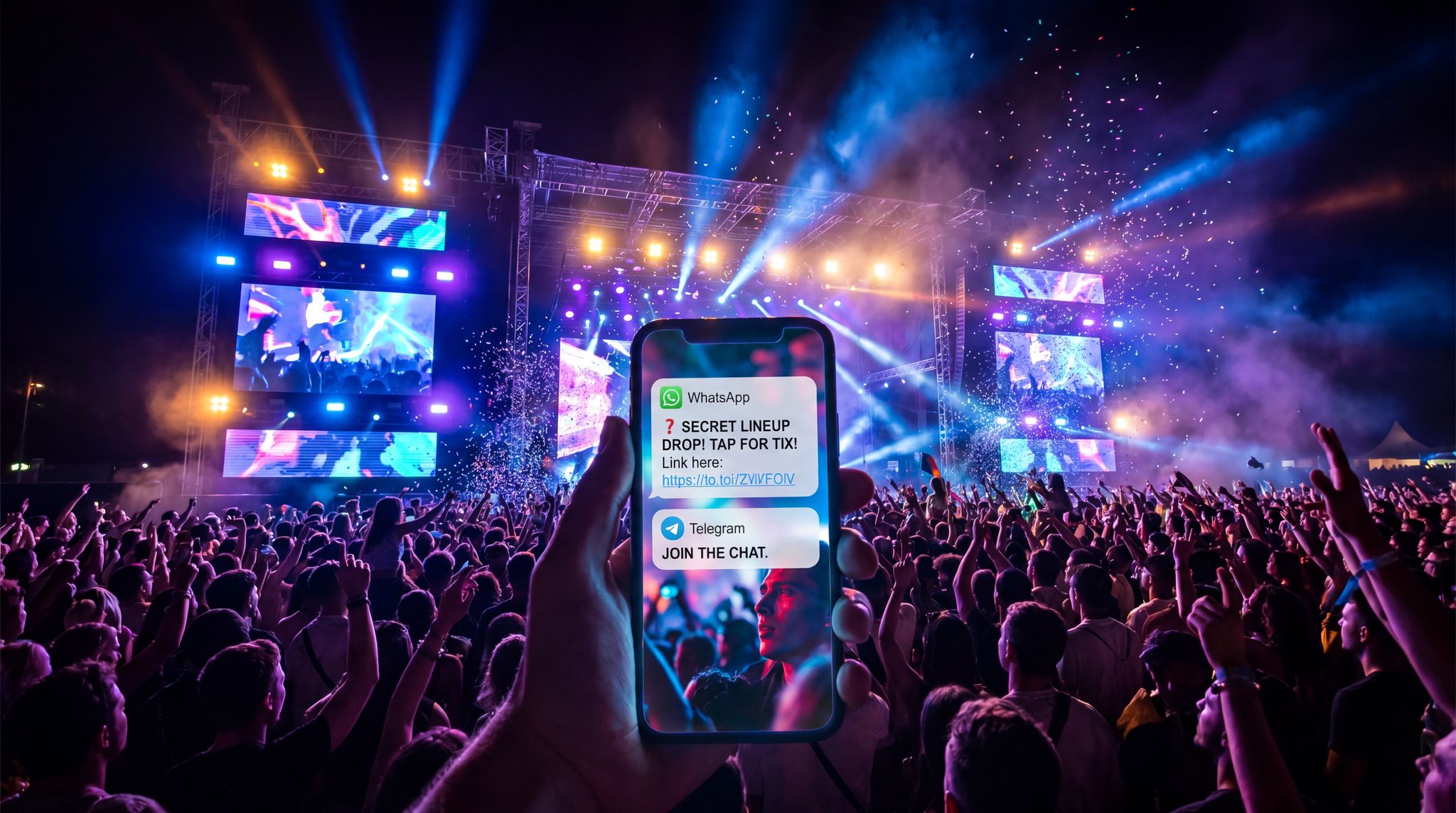
For eSports and gaming, Discord has become the community living room. Whether it’s the official game server, a team’s fan server, or local gaming group servers, these are where hardcore fans hang out daily. Successfully promoting an event on Discord requires a grassroots, insider approach – blatant ads won’t fly. Start by identifying relevant servers: the game’s official Discord (if they allow event postings), esports orgs’ servers, local LAN center servers, and any influencer or streamer communities that align with your audience. Then, engage authentically. Instead of dropping a flyer image and leaving, spend time interacting. Perhaps host an “Ask Me Anything” voice chat or Q&A session on a server, where an organizer or shoutcaster answers questions about the upcoming event. You can even offer Discord-exclusive perks: for example, share a special promo code or early access to merch for members of that community. This not only drives interest but makes the community leaders feel valued rather than used.
Another tactic is to create your own event Discord server if it’s a recurring event or series. Populate it with useful info, behind-the-scenes updates, and channels for attendees to meet and discuss. Then invite people in via other platforms. The server can double as a marketing channel (announcing when ticket tiers are almost gone, for instance) and a way to enhance the attendee experience (letting fans find carpool buddies or practice together before a tournament). Many 2026 events use Discord as their “virtual lobby” leading up to the real event. Just remember to moderate it closely and keep the content flowing so it doesn’t go silent. The goal is to build a mini-community invested in the event’s success – once fans chat with each other about how hyped they are, they’re more likely to buy tickets so they don’t miss out.
Tapping into Reddit and Online Forums
Reddit is effectively the water cooler of the internet, and there’s a subreddit for almost every major eSport and game. Tapping Reddit for event promotion can yield great results if done carefully. First, observe Reddiquette: each subreddit has its rules. Blatant self-promotion is often frowned upon, so you need to add value. One approach is to post an informative or discussion-sparking thread related to your event without purely pushing tickets. For example, on r/GlobalOffensive (CS:GO subreddit), instead of “Buy tickets to XYZ tournament!”, you could post “Ask the Event Organizers Anything: CS:GO Championship coming to Dallas.” Provide some cool insights – maybe photos of the stage being built or a tidbit about teams attending – and invite questions. This engages the community and subtly educates them that the event is happening and why it’s exciting. Another idea is sharing content like “Top 5 plays to expect at [Event Name]” or a highlights video from last year’s event. As long as the post is interesting in its own right, mods are more likely to allow it, and readers more likely to upvote.
Paid advertising on Reddit is also an option (and in some cases, easier than organic posting). Reddit Ads let you target users interested in specific games or esports. A sponsored post on a relevant subreddit can get visibility – just make sure the copy sounds native to Reddit. For example: “This weekend: 8 of the world’s best Overwatch teams battle live in NYC. If you’re nearby, come join the hype IRL – some tickets still left.” Keep it casual and community-oriented in tone. Moreover, engaging in the comments of your promo post (or any organic post about the event) is crucial. Redittors love when organizers show up personally to answer questions or thank people for support. This kind of transparent, two-way communication can convert skeptical onlookers into attendees. Our detailed guide on Reddit & Discord promotion offers more tips on handling these platforms. The bottom line: meet gamers where they already gather, contribute to the conversation, and they’ll reward you with attention and trust.
Grassroots Outreach: From Guilds to College Clubs
Beyond the major online hubs, think about smaller communities and real-world grassroots networks that revolve around gaming. This could be local gaming cafes, university esports clubs, or even game-specific guilds/clans if your event’s game has those structures. A little old-fashioned outreach goes a long way here. For example, if you’re marketing a regional fighting game tournament, contact the leaders of nearby FGC (Fighting Game Community) groups on Facebook or Discord and offer group discounts or reserved seating if they bring a contingent. Many passionate local groups will rally their members for a road trip to an event if they feel officially welcomed.
Data-Driven Event Marketing
Track ticket sales, demographics, marketing ROI, and social reach in real time. Exportable reports give you the insights to make smarter decisions.
Leverage gaming venues and experiences too. Are there popular PC bangs (LAN centers) or console lounges in the city? See if you can put up posters there or sponsor a small in-shop qualifier where the winners get tickets to your main event. If a big comic-con or anime convention is happening prior to your event, consider setting up a booth or at least street-teaming outside with flyers targeting attendees who are clearly into geek culture. Some promoters even organize small pre-event watch parties or bar meetups for fans to view a qualifier or past finals, using that as a springboard to push the live event tickets. The magic of grassroots promotion is that it creates word-of-mouth – which remains one of the most powerful drivers for event attendance. One friend in a Discord chat saying “I’m going to this LAN, anyone else down?” can snowball into a whole carload showing up.
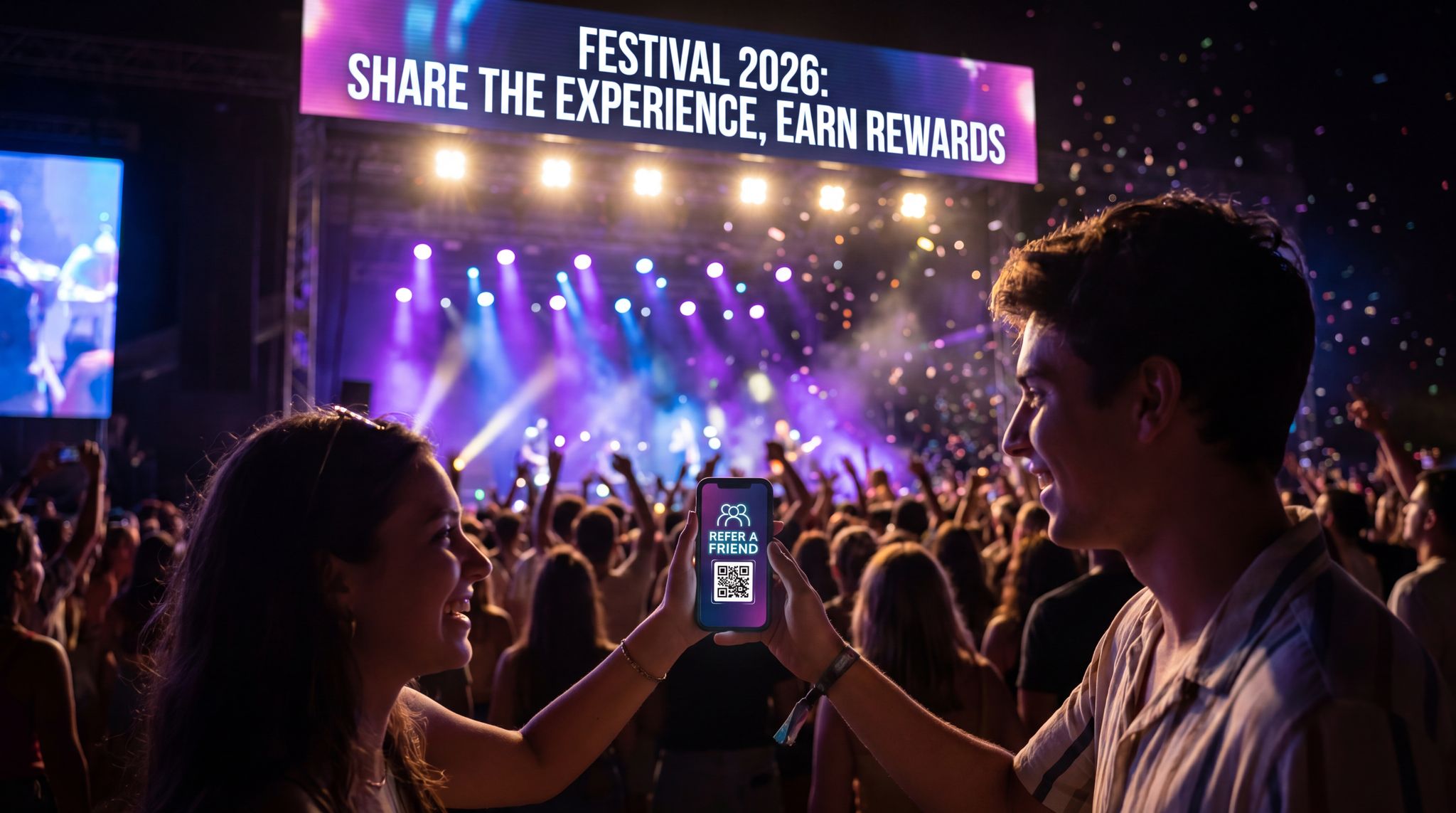
Lastly, empower your existing fans to spread the word. Launching a referral or ambassador program can turn enthusiastic fans into your marketing team. If someone has already bought a ticket, give them a unique code to share with friends for a small discount – and maybe a reward like free merch if they get 5 others to buy. According to experienced promoters, referral programs in 2026 are driving substantial ticket sales, because gamers love hooking up their friends with deals. It taps into the natural social networks in the gaming community. When done right, this grassroots advocacy not only boosts sales but also makes attendees feel more invested (since they’ve had a hand in shaping the crowd that will be there). In summary, reaching deep into gamer communities – from online forums to offline clubs – and activating fans themselves as ambassadors can amplify your event’s presence far beyond what traditional ads could achieve.
Social Media & Content Strategies that Resonate with Gamers
Crafting Shareable, Meme-Worthy Content
In the gaming world, memes and viral content are practically the native language. A clever meme can generate more buzz than a dozen standard ads. When marketing an eSports event, try to infuse your content with the fun, edgy humor gamers adore. This might mean creating a few spicy gaming memes related to your event – for instance, parodying a well-known meme format but substituting in your event details or competitors. Did a player have an infamous reaction face or quote last season? Turn it into a humorous graphic with “When you realize [Event] is next week and you don’t have tickets yet…” caption. Such posts often get shared organically because they entertain first, advertise second. It’s important, however, to stay tasteful and relevant. Lean on team rivalries or in-jokes that fans would know, but avoid anything overly niche that could confuse or offend. Usually, if you have gamers on your marketing staff (and you should!), trust their instincts on what’s funny in the current zeitgeist.
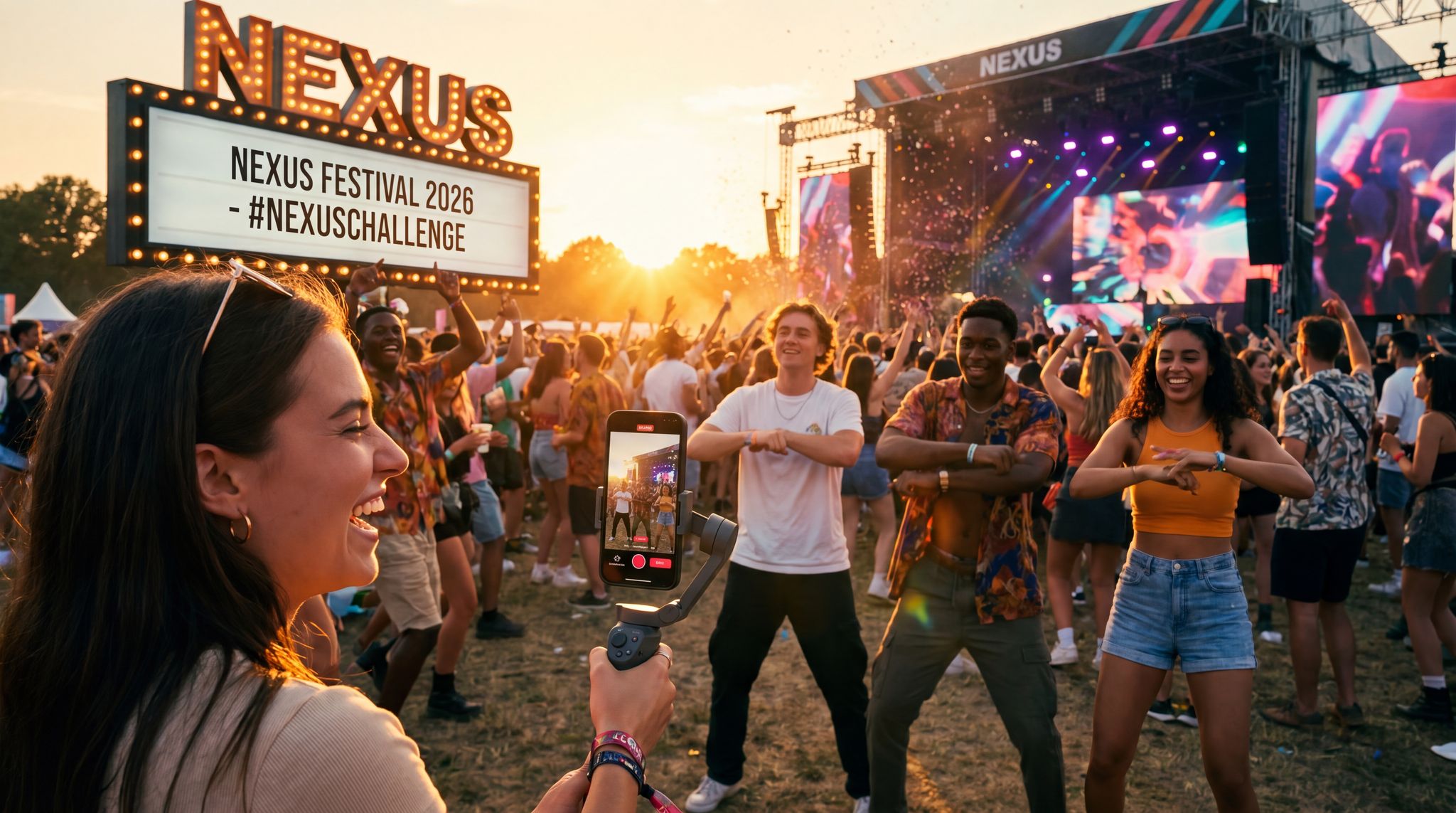
Visual content is king too. Short highlight reels or action-packed montages from past events can fire people up. A 30-second sizzle reel showing clutch plays, crowd cheers, and trophy lifts – set to a hype music track – works great on Twitter, Instagram, and Facebook. It reminds viewers of the adrenaline rush that only live eSports delivers. To maximize reach, tailor your content to each platform’s style. For example, on Instagram, a carousel post might show the top 5 reasons to attend (with striking photos for each). On TikTok, perhaps film a funny skit of someone training for the event like it’s an anime montage – something relatable to gaming audiences. User-generated content (UGC) can play a big role here as well. Encourage fans to create content in the lead-up: maybe a TikTok challenge doing a favorite character impression, or a Twitter hashtag for fan art of teams that will play. By highlighting and sharing the best fan submissions, you both celebrate the community and create free promotion. In fact, leveraging authentic fan-generated buzz is one of the most effective ways to build credibility – gamers trust other gamers’ enthusiasm more than branded hype. A fan’s tweet saying “Can’t believe I just got tickets to #GamingMasters, so psyched!” is social proof that money can’t buy (aside from maybe retweeting it!).
Short-Form Video: TikTok and Reels Hype
By 2026, TikTok has become a discovery engine for events – including gaming tournaments. The algorithm can surface your content to thousands of game-loving users if it strikes the right chord. To harness this, think mobile-first and fast-paced. Ideas include: quick player profiles (“Meet XYZ – the 16-year-old prodigy competing at [Event]”), arena prep time-lapses, or fun facts (“3 things you didn’t know about the venue”). Trends are your friend: if there’s a trending sound or format in gaming TikTok (like a particular transition or joke), adapt it with an eSports event twist. For instance, a popular “POV” meme can become “POV: You just walked into [Event Name] Grand Finals” showing an epic arena reveal. It’s all about making viewers feel the excitement in bite-sized doses. Also consider engaging known gaming TikTokers or Instagram Reel creators to do takeovers or collaborative posts. A cosplayer or gaming comedian with a big following could do a sketch about “types of people you see at a LAN event” – injecting your event name at the end as “find out which one you’ll be.” This entertains while implicitly inviting fans to join the fun in person.
On platforms like Instagram Reels and YouTube Shorts, behind-the-scenes content works well too. Show the stage being constructed piece by piece, or a day at team practice leading up to the event. These insider glimpses build anticipation – fans feel like they’re part of the journey. Importantly, always tag and hashtag appropriately: use popular tags like #esports, #GamingTournament, and game-specific tags (#DotA2, #Overwatch etc.) so that algorithm categorizes your content for the right audience. Cross-post the best videos to your Twitter and Facebook for maximum mileage. Keep the frequency consistent as the event approaches, ramping up volume of posts in the final weeks. The more often someone scrolling their feed sees another cool bit of content about your event, the more it stays top-of-mind (and feeling like “everyone is talking about this”). Just be sure: quality over quantity – one viral clip that truly connects with gamer humor or passions can outdo ten generic countdown posts. If you’re ever unsure what to post, highlight the players and the fans – their stories and reactions tend to resonate the most.
Free Tool: Split Tickets for Max Gross
Given capacity and a target price, the optimizer proposes Early Bird / GA / VIP allocations and prices — with projected gross at 100%, 80% and 60% sell-through.
Another highly effective format is the real-time reaction video. For example, utilizing a Pluschat live montage—where stream chat reactions are overlaid onto clutch gameplay moments—creates an immediate sense of community hype. When fans see the chat exploding with excitement alongside a mind-blowing play, it visually reinforces the collective energy they are missing out on by not being in the arena.
Smart Advertising: Target Gamers Where They Are
Organic content is crucial, but to really ensure you’ve reached every potential attendee, paid advertising plays a role – especially with today’s reduced organic reach on platforms. The good news is that gamer audiences are fairly targetable if you know where to look. Start with social media ads on platforms like Twitter (X), Facebook/Instagram, and TikTok, where you can target interests related to gaming, esports, specific titles, or even followers of certain leagues and teams. For example, Facebook Ads allow you to target users who have shown interest in “League of Legends” or “EVO Championship Series,” etc. Craft your ad creatives to look and feel like gaming content, not corporate ads. A promoted Tweet might say: “This Saturday, experience the action LIVE – [Event Name] Grand Finals in LA. Don’t just watch the stream, be part of the roar. ??” with an epic photo of a crowd and link. Such an ad speaks to the FOMO of sticking to stream. On TikTok, an ad could be a fast-cut video with a popular music track and a voiceover: “When millions watch online but YOU are there in person… (shot of screaming fans) – that’s a flex. Get your tickets.” The aim is a ROAS-positive campaign – track how many clicks and conversions you get, and iterate messaging to improve your return on ad spend.
Beyond social, consider programmatic advertising to reach gamers on the wider web. Programmatic networks can place your banner or video ads on gaming news sites, Twitch, YouTube, or even within mobile gaming apps. For instance, you might get a banner on an esports news article reading “Tickets nearly gone for XYZ Tournament – last chance to join the audience!” or a 5-second pre-roll on a gaming YouTube channel (via Google Ads). These channels can dramatically extend your reach outside of social media walled gardens. As always, optimize with data: use tracking pixels to see if your ads are actually selling tickets, and double down on the ones that work. Our guide on programmatic strategies for event promotion details how to fine-tune these campaigns with audience data and retargeting.
Finally, get creative with location-based marketing. Gamers often congregate at certain places and events – why not target those? Using geofencing tactics, you can serve ads to people who recently visited competitor eSports events, gaming conventions, or even specific game retail stores in your city. For example, blast a mobile ad to everyone who was at a League of Legends live viewing party bar last weekend, inviting them to the upcoming live tournament. Some marketers even use geotargeting during related events: if there’s a huge online esports finals happening (that your event winner will play at next, for instance), run ads during that stream to viewers in your region: “Enjoying the show? Next month see it in person at [Your Event].” The technology in 2026 allows pretty granular focus, so exploit it to reach likely attendees and avoid waste. By advertising smart – focusing on gamers’ actual behaviors and hangouts – you’ll spend less and hit the mark more often.
Creating Unmissable On-Site Experiences & FOMO
Exclusive Content and Rewards for Attendees Only
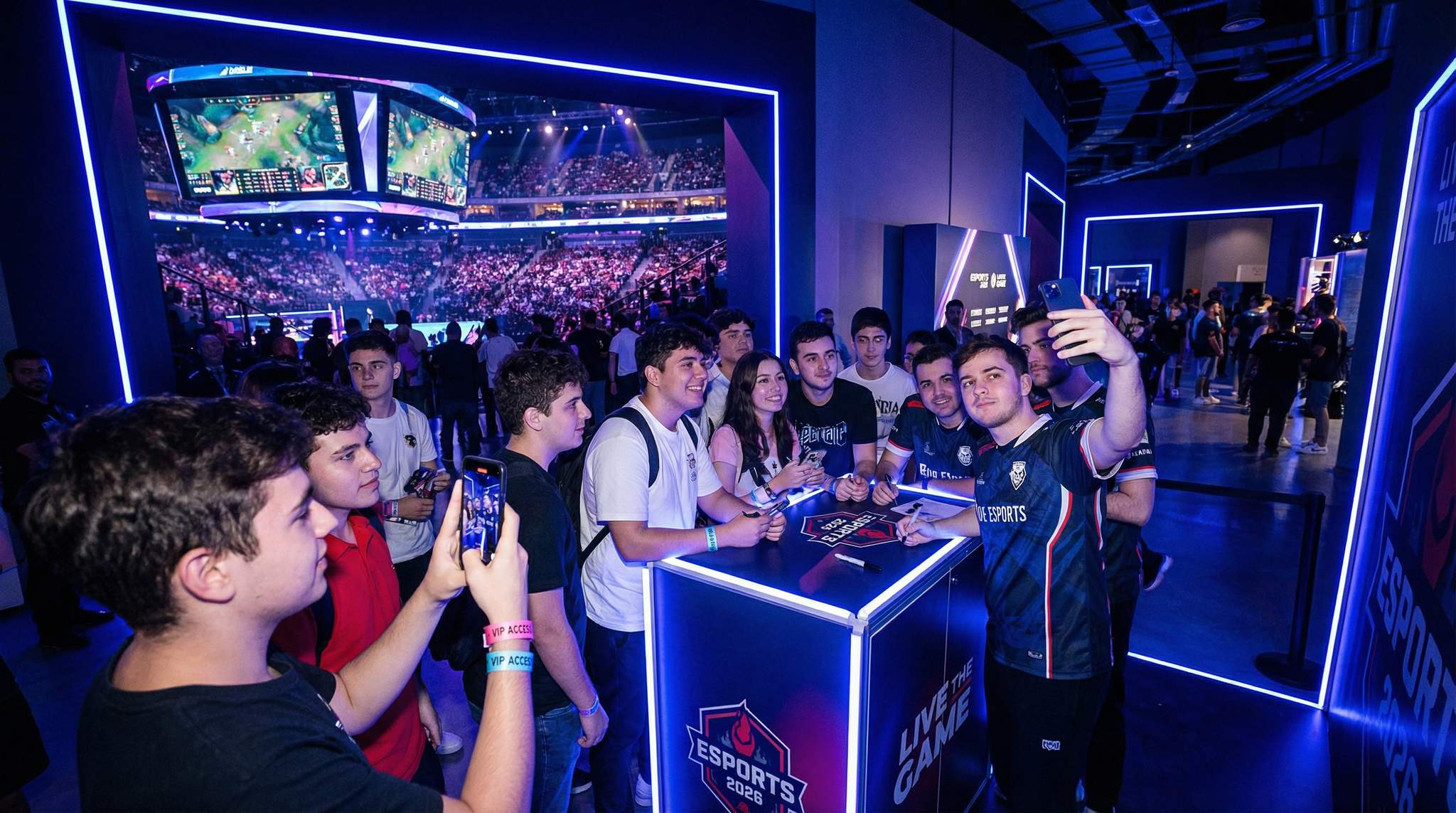
To convince a gamer to put down the controller, get off the couch, and travel to your event, you need to offer something they cannot get from the stream at home. One powerful approach is exclusive on-site content or rewards that make attending feel special. Think along the lines of: “only ticket holders get X.” For instance, many events partner with game publishers to provide in-game goodies – perhaps a unique skin, avatar badge, or item redeemable only by scanning your ticket QR code at the venue. This leverages gamers’ natural desire for collectibles and bragging rights. A fan might attend the Call of Duty League Championship primarily because they want that limited-edition weapon skin that all their online friends will envy. If an in-game item isn’t feasible, physical merch can do the trick: exclusive t-shirts, pins, or posters only for attendees. Some tournaments even have on-site merch stores with items that never go on sale online, creating a “get it here or never” scenario.
Beyond items, consider exclusive content like behind-closed-doors sessions. Could attendees get access to a Q&A panel with pro players? Or an after-party with streamers DJing? How about a chance to play a demo of a unreleased game at the event? In 2026, many big eSports events double as mini gaming conventions – they set up demo booths from sponsors or the game developer. For example, at a League of Legends finals, Riot Games might let fans test a new champion or game mode on-site. The general principle: make the live event a pilgrimage-worthy experience. If a fan is on the fence about buying a ticket, reading “Attendees will receive a unique Thunderlord Gun skin in-game + get a first look at our new AR headset tech before anyone else” could push them over the edge. It creates FOMO (fear of missing out) among those who only watch from home.
Free Tool: When Should You Announce?
Pick your event date and genre — the free planner outputs a recommended announce, presale, on-sale and reminder schedule anchored to how your audience actually buys.
Also, advertise these exclusives clearly in your marketing. Don’t assume fans know what they’d get by attending. Make it a selling point in posts and emails: “All attendees get 2 exclusive Overwatch hero skins – your only chance to snag these!” or “Live audience members will be the FIRST to watch a preview of Valorant’s next cinematic – not on stream.” These perks make buying a ticket feel like getting a VIP package, even at regular price. Just be sure to deliver on the promises. Few things sour goodwill more than over-hyping an “exclusive” that turns out underwhelming. Curate things that genuinely excite the gaming community, and they’ll reward you with both ticket sales and positive word-of-mouth.
Immersive Fan Experiences Beyond the Matches
Live eSports events need to be more than just sitting and watching matches – they should be immersive fan playgrounds. The longer and richer you keep fans engaged on-site, the more memorable (and shareable) the event becomes, which feeds your future marketing. So plan for features and activities that make the day an experience. For example, set up fun photo opportunities: perhaps a stage where fans can pose with a trophy or against a green-screen to be “inserted” into game scenes. Cosplay is huge in gaming culture – why not host a cosplay contest during intermissions? It gives cosplayers a reason to attend and show off, and entertains the crowd with a mini-event within the event.
Interactive technology can elevate immersion too. Augmented reality (AR) elements, like event-specific AR lenses or filters on Snapchat, let fans capture unique content. Some tournaments introduced AR-driven scavenger hunts around the venue, where attendees who collect virtual tokens (by visiting sponsor booths, etc.) could win prizes. These gamified experiences resonate with gamers naturally. Even simpler, a well-placed free-play area goes a long way. Many fans jump at the chance to play games on high-end PCs or consoles provided at the venue, especially if you include some retro games or alternate titles for variety. In 2026, we’ve seen events incorporate everything from VR stations to mini-escape room puzzles themed after the game.
Crucially, promote these attractions to differentiate your event. Someone thinking “I could just watch from home” might reconsider if they know “There’s an indie games arcade and retro gaming zone at the venue” or “You can try the new VR shooter that isn’t out yet.” It signals that even between matches, there’s lots to do. Also, showcasing your event as a broader festival of gaming widens its appeal (e.g., a person only mildly interested in the competition might come for the festival vibe, then become a bigger fan). Real-world win: The Evolution Championship Series (EVO) for fighting games doesn’t just run tournaments, it has communal play areas and showcases from game developers – fans often say the camaraderie and side activities are as big a draw as finals themselves. The more multi-dimensional your event experience, the more word-of-mouth marketing you’ll generate from attendees raving about how awesome it was.
Sell the Energy and Emotion of Live eSports
At the end of the day, the core product you’re marketing is the live experience itself – the energy, the emotion, the goosebumps of being in a crowd of fellow fans when the big play happens. Your marketing should continuously paint the picture of that magic. Use testimonials and footage from past attendees: e.g. a clip of a crowd erupting into cheers, or a quote like “I’ve watched online for years, but being there in person was NEXT LEVEL – the hype was unreal.” These authentic voices help skeptics understand what they’re missing. In emails or website copy, evoke the five senses: “Feel the bass of the sound effects rumble through the stadium and join a chorus of 10,000 chanting fans.” We want potential attendees to practically feel the roar of the arena calling out to them.
Leverage live content on social media during your event to create FOMO in real time. For instance, on Day 1 of the tournament, post an epic clip of a winning moment with the crowd reaction, captioned “You can’t feel this at home – and this is just Day 1. Finals tickets still available for tomorrow!” Late ticket conversions can spike when people see what they’re missing. In recent years, event marketers have also employed tactics like live highlights on Instagram Stories or Snapchat to tease the atmosphere to all the followers who didn’t come. The immediacy of “look what’s happening right now” is incredibly persuasive for any wavering local fans who could still decide to show up if tickets remain.
One important aspect: build a narrative around the competition. Gamers are deeply invested in storylines – underdog runs, legendary rivalries, record-breaking attempts. Your promotional content should frame the event as history in the making. For example: “Will Team Dynasty clinch their third straight title, or will a new champion rise?” These narratives get hardcore fans salivating to be there for the moment. Even casual attendees can be lured by a good story (“see the match everyone will be talking about”). And if a historic moment might happen – say a veteran player’s last tournament before retirement – shout that from the rooftops as a reason to attend (“One final round for the GOAT – be there to send him off!”).
Lastly, underline the community aspect – that intangible camaraderie of sharing an eSports event with others. Many gamers have online friends; offer them a chance to meet up IRL at your event by having a clan meetup space or a fan club section. Promote the idea that “your squad can finally watch together, side by side”. The more you can tap into those emotional desires – belonging, excitement, witnessing greatness – the more your marketing transcends a mere transaction and becomes an invitation to be part of something unforgettable. And that is the real hook that fills seats.
Converting Online Viewers into Ticket Holders
Bridging the Gap Between Stream and Seat
Millions will watch your eSports event online – how do you persuade a chunk of them to actually come next time? The strategy starts with integrating your marketing into the live stream broadcast itself. If you have control over the stream (or can work with the organizer/broadcaster), treat the online audience as leads for future events. Simple example: during breaks, display a lower-third graphic or commercial saying “Experience this live in-person – [Next Event Name], [Dates]. Tickets at [URL].” If it’s an annual event, promote next year’s dates and waitlist sign-ups to current viewers. Some events even flash a special discount code on stream for a brief moment, as an Easter egg for attentive viewers – “Use code STREAMFAN for 10% off live tickets”. You’d be surprised how a small nudge like that can convert a superfan who’s on the fence about making a pilgrimage next time.
Leverage the commentators and hosts too. A hype caster saying “The energy in this arena is unbelievable – if you’re enjoying this from home, you gotta be here next year!” plants the seed. Post-event, analyze viewership data: which regions had the most online viewers? That can inform where you might want to host future events or where to focus marketing. For instance, if a huge portion of your Twitch audience came from a certain city or country, consider taking a tournament stop there and emphasize that “you watched online, now get the live experience as it comes to your city.” Converting viewers is much easier when the event comes to them, rather than them flying cross-continent – it goes back to the barrier of distance.
One innovative idea is to offer online viewers a tangible taste of the live event. For example, send a digital goodie to those who bought an online viewing pass, along with a message like “Thank you for watching – here’s $10 off any future live event ticket.” Some organizers use the post-event glow: right after a big final, they announce tickets on sale for a new event, capturing the excitement high. If next year’s dates or related events are ready, advertise them immediately at stream’s end when the audience is most pumped. In essence, always treat the online broadcast not just as content delivery but as a funnel – moving fans from passive viewers to active participants at the venue.
Incentives and Bundles to Lure Fans Offline
Sometimes a little extra incentive can tip an online-first fan into becoming an attendee. We’ve discussed exclusive perks for attendees; now think of perks specifically aimed at those who have been watching from home. One approach is ticket bundles that include digital bonuses. For instance, if you know someone watched the whole event on stream (maybe they’re a subscriber or they entered a stream contest), target them with an offer: “Bundle for next championship: ticket + exclusive behind-the-scenes documentary download.” This way they feel they’re getting both the in-person access and something to enjoy at home later. Another tactic is a loyalty program: attend one event, get credits or discounts for the next. Some global eSports circuits have started loyalty tiers – e.g. attend 3 events in a year and unlock a VIP meet-and-greet at the finals. Promoting these programs during streams (“start your journey to Gold Fan status by coming to an event near you!”) creates a game out of being a loyal attendee, which appeals to gamers’ completionist tendencies.
For fans who primarily know an event via YouTube or Twitch recaps, consider special “crossover” content that requires being there. For example, perhaps you normally release full match VODs online – but a particular all-star showmatch or bonus content is only for live audience (and maybe later available as paid VOD). Make sure to message this carefully: it should feel like a reward to attendees, not a punishment to online fans. The goal is to say “look at the extra fun attendees get.” Many eSports events are free to watch online, so the onus is on marketers to add enough carrots for attending that it overcomes the free convenience of streaming. Gamers respond well to value. If they calculate that the ticket price is worth not just the seat but also swag, unique content, and a memorable day out, they’ll justify the spend.
Also think about the role of friends and social circles in converting viewers. One person might be content to watch at home, but if their gaming buddies decide to attend, that can pull them in. Lean into that by offering group deals: “Buy 4 tickets, get 1 free” or a “squad pack” where a group purchase comes with a reserved table or extra merch. Highlight the social experience: “Don’t just chat online – bring your squad and high-five each other IRL with every win!”. You can even target known friend groups: for instance, if a clan/guild was super active in your event’s Twitch chat, DM them or call them out: “ClanDragonFire, we saw you blowing up chat – time to bring that hype to the live crowd!” Turning an online community into an in-person cheering section is extremely potent. Many eSports events have seen fan groups (like subreddit communities or Discord clans) organize meetups at events, with custom T-shirts and all. That kind of grassroots conversion is gold – facilitate it however you can, whether through shout-outs, dedicated seating blocks, or simply encouraging it in marketing.
Merging Online and On-Site Experiences
In the drive to convert viewers, sometimes the solution is to blur the line between online and offline fan. A cutting-edge approach in 2026 is designing events as hybrid experiences where remote fans can participate in ways that drive them closer to the action – and eventually to attending. For example, some events allow online viewers to vote on certain things (MVP of a match, or which cosplay the host should wear on finals day) and display those results in-venue. This inclusion makes online fans feel like part of the event, and seeing their impact might inspire them to attend next time for an even bigger role. The concept of uniting in-person and virtual audiences seamlessly is becoming more prevalent. It’s not just about streaming out, but bringing the stream audience in – virtually on screens, shout-outs by casters, etc.
Another idea is offering a “taste test” of the physical event to online loyalists. If someone has watched your event online for years, maybe you surprise them with a free or discounted ticket as a reward. Or run contests on stream where the prize is an all-expense-paid trip to attend next time. Those stories (fan goes from couch to front-row seats) are heartwarming and marketable. You can bet that fan will share their journey on social, creating a narrative that others can follow (“Maybe I should go too, next year!”).
Technology can aid conversion too. Use your event app or website to let online viewers opt-in for news about live events. For example, during a stream, direct fans to “sign up for updates on when we’re in your area”. That builds a CRM list you can nurture. When you do announce an event near a segment of online fans, send a personalized note: “You asked us to come to Canada – we listened! Vancouver 2027 tickets are now live for our streaming community, early bird 20% off.” Personalized, geo-targeted marketing like this, based on where your online viewership is strong, can significantly boost conversion rates.
Lastly, emphasize how attending once can deepen their fandom. Some people don’t realize how much more they’ll love the game or esport after going to an event. Use testimonials or case studies: “Jane followed Overwatch online casually, then attended a live match and said she’s never been more hooked – now she’s a season ticket holder.” Essentially, sell the idea that to truly experience the game they love, they owe it to themselves to see it live at least once. And once they do, the excitement will likely bring them back. By systematically nurturing online viewers – giving them tastes of on-site excitement, rewarding them, involving them, and personally inviting them – you create a pipeline of new attendees that keep your arena seats filled year after year.
The Essential Tech Stack: Tools for eSports Tournament Marketing
What Are the Tools Helpful in eSports Tournament and Event Marketing?
When promoters ask, “what are the tools helpful in esports tournament and event marketing?“, the answer lies in a specialized tech stack designed for high-volume, digital-first audiences. A robust marketing infrastructure is non-negotiable for modern organizers. First, you need a powerful ticketing and CRM platform like Ticket Fairy, which offers built-in referral tracking and demographic insights specifically suited for gaming audiences. Second, community management software is vital; tools that integrate with Discord APIs allow you to automate announcements, track server engagement, and reward active members with exclusive ticket tiers.
Additionally, organizers are increasingly leveraging advanced streaming analytics platforms to identify where their viewership is concentrated geographically. If you are analyzing which esports marketing approach is best to use for maximum impact, combining geographic stream data with targeted programmatic advertising consistently yields the highest return on investment. By pinpointing exactly which cities have the highest concentration of online viewers, promoters can deploy hyper-localized ad campaigns—perhaps highlighting that the top esports players of 2026 are coming to a state-of-the-art venue like the OTE Arena. Furthermore, as the lines blur between traditional competitive gaming and adjacent sectors, platforms that handle iGaming event marketing compliance and audience segmentation are becoming essential for tournaments featuring betting sponsors or casino-resort host venues.
Measuring Success and Optimizing Your Strategy
Tracking the Metrics That Matter
Great event marketing is part art, part science. We’ve covered the art; now let’s talk science: measurement and data. In 2026, event promoters track a plethora of metrics to gauge what’s working. Key among them: ticket sales pace (how fast different tiers are selling), conversion rates from various channels (what percentage of people who clicked your Twitch ad actually bought a ticket), and engagement metrics like social share counts or Discord server growth. Set up a solid analytics foundation by using unique UTM links or promo codes for each campaign so you can attribute sales. For example, use one tracking link for “Twitter Ads Jan 1-15” and another for “Influencer X’s Instagram post” – then compare performance. If you see Influencer X drove 50 ticket sales with one post while a week of Twitter ads drove 30, that tells you something about where to invest.
Also monitor cost per acquisition (CPA) and return on ad spend (ROAS) for paid channels. Perhaps Facebook ads cost you $20 per ticket buyer, while community referrals cost virtually nothing – such insights let you allocate budget efficiently. Ticket Fairy’s platform (as a case in point) provides promoters with dashboards to track sources of ticket traffic, helping identify high-ROI efforts. Don’t forget to analyze audience data too: are you mostly selling to local attendees, or did a lot of people travel? Did your early bird buyers differ demographically from last-minute buyers? These data points can refine your targeting next time. For instance, if you find your event drew an unexpectedly large college student crowd, you might focus more campus promotions in the future (and maybe adjust pricing/options for that demographic).
Importantly, define what “success” looks like ahead of time. Is it purely a sell-out, or also growth in social followers, or certain media coverage? By knowing your goals upfront, you can tailor your tracking. Some organizers create a marketing KPI dashboard including: total tickets sold, % sold by channel (social, email, partners, etc.), website traffic, click-through rates, engagement (comments, shares), and revenue versus budget. Review it weekly (or daily in final stretch) to spot trends. If a specific platform shows low engagement, maybe tweak the content strategy there. If a particular promo code isn’t being used, perhaps the offer isn’t appealing or wasn’t marketed strongly enough. Data-driven adjustments like these can boost your final outcome – an approach championed in event A/B testing methodologies. For example, A/B testing two different email subject lines (“Don’t miss out!” vs “Join 5,000 fans live!”) could reveal which drives more opens and ticket clicks, allowing you to optimize future sends.
Advanced marketing measurement attribution is also becoming critical for international events. For instance, organizers running campaigns in regions like Brazil often integrate WhatsApp business APIs and localized call tracking alongside standard UTM parameters to accurately map the attendee journey. By capturing these dark-social touchpoints, promoters can see exactly which regional promotions are driving the most lucrative VIP ticket conversions.
Adapting in Real Time
One hallmark of experienced event marketers is agility – the ability to adapt campaigns on the fly based on performance. If early ticket sales are slower than expected in a certain segment (say, VIP tickets or one-day passes), you might need to adjust pricing or push a flash promo. Conversely, if a certain ad creative is blowing up (perhaps a meme you posted went viral), funnel more budget into it and spin off similar creatives to capitalize on the momentum. Real-time monitoring of social buzz can also inform actions. Is a particular team unexpectedly in the finals due to an upset? Immediately pivot some marketing to highlight that team’s star player and call their fans to attend the finals. eSports fans are very narrative-sensitive, so aligning your promos with the current storyline (even if it changes last-minute) keeps your messaging razor relevant.
Additionally, keep an eye on external factors. For instance, if another big gaming event or convention changes dates and suddenly conflicts or frees up the calendar, you might tweak your campaign timing. Or if the local government announces public transit discounts for event ticket holders (one city did this to encourage attendance at a championship), quickly integrate that info into your outreach as a perk. Basically, stay plugged in to both the micro-level data and the macro environment. A useful practice is having daily stand-up meetings with your marketing team in the final weeks to go over numbers and news, and decide if any tactic needs pausing, boosting, or changing. This nimbleness can be the difference between hitting your targets or falling short.
A/B testing continues even during the campaign. Run tests on your landing page design, for example – maybe one version has a hype video at top, another has a simple signup form – see which yields more ticket purchases or newsletter signups. Test different targeting sets in ads (perhaps one targets hardcore esports interests, another targets broader gaming culture) and compare conversion. These iterative improvements are like minor course corrections steering the ship toward a sell-out. Just be sure not to stray from your core messaging and branding even as you experiment; consistency builds recognition and trust over the campaign’s duration.
Post-Event Analysis and Future Growth
Once the event is over (congrats!), the marketing job isn’t truly done. Post-event analysis is critical to learn and improve for next time. Dive into the data: which channels ultimately sold the most tickets? What was the ROI on that influencer partnership? How did the timing of sales pan out – big spike at announcement and last week, but lull in middle? Understanding these will help you plan your next campaign’s budget and timeline more effectively. Tools like surveys can also help decode success. Send attendees a short survey asking how they heard about the event and what motivated them to come. The insights might surprise you – perhaps a large chunk came due to a friend’s recommendation (justifying more referral program efforts), or many cited the exclusive merch as a key reason (meaning that tactic resonates). Also gather feedback on your marketing messaging: Did the event live up to what was promised? Any disconnect could highlight marketing oversights or opportunities (e.g., if people comment “I didn’t realize there’d be so many cool side activities!” then next time make those even more prominent in promotions).
Analyzing social media after the event is valuable too. Check the sentiment and content of posts from attendees. Their tweets, Instagram posts, YouTube vlogs can serve as authentic post-event marketing for you. Curate the best ones – a Twitter user saying “That was the most insane crowd ever at #YourEvent!” or a vlog titled “My trip to the championship – totally worth it” – and incorporate these into case studies or sizzle reels for your next event’s marketing. In fact, building a highlight recap video that doubles as a promo for the next edition is a common approach. You’re basically generating EARNED media that can be repackaged. If you had any marketing fails or misses, address them candidly. Maybe you realized you under-advertised in a certain region, or a particular partnership fell through. In your recap, note these and have a plan to remedy going forward.
Seasoned promoters will use a post-event marketing analysis framework to turn this year’s lessons into next year’s strategy. For instance, if data showed a lot of last-minute ticket buyers, maybe implement more “early decision” incentives next time to smooth out sales. Or if the data proved that one niche community drove lots of attendees, invest more in that community. The aim is continuous improvement – each event’s campaign builds on the last. Over time, you develop an internal playbook of what reliably drives gamers to show up (and what doesn’t). Keep iterating on content, channels, and partnerships, and your events will not only sell out but also build a brand reputation that draws fans in on its own. When you achieve that – when fans say “I have to go because it’s that event and it’s always amazing” – you’ve truly mastered eSports event marketing.
Evaluating the Best eSports Marketing Strategies for 2026
When organizers sit down to plan their promotional calendar, identifying the most effective esports marketing strategies is often the first hurdle. The landscape shifts rapidly, but the core objective remains the same: driving verifiable ticket sales and maximizing venue yield. For 2026, the standout approaches blend digital community building with hyper-targeted paid media. Promoters who succeed aren’t just running generic ads; they are deploying multi-channel campaigns that treat the tournament as a lifestyle event.
So, what are the best esports marketing strategies 2026 has to offer? First, co-marketing with competing teams and their rosters provides the highest conversion rates, as fans are already primed to support their favorite players. Second, leveraging programmatic advertising to retarget Twitch and YouTube viewers with localized ticketing offers ensures you are spending budget on high-intent audiences. Finally, integrating gamified referral programs directly into your ticketing platform turns early buyers into a decentralized promotional street team. By layering these tactics, venue operators and festival producers can systematically convert passive stream watchers into dedicated arena attendees.
Ultimately, a high-converting esports marketing campaign doesn’t rely on a single channel; it orchestrates multiple touchpoints across the fan journey. From the initial teaser trailer dropped during a major Twitch broadcast to the final retargeting ads pushing VIP ticket upgrades, every phase must be meticulously planned. Promoters should structure their promotional rollouts in distinct stages: grassroots community seeding, influencer amplification, and scarcity-driven conversion. By treating the tournament promotion as a multi-week narrative rather than a static announcement, organizers can sustain momentum and drive consistent daily ticket sales.
Analyzing Approaches for Maximum Impact
When promoters ask us to analyze which esports marketing approach is best to use for maximum impact, the answer requires looking at cost-per-acquisition (CPA) across different channels. While influencer co-promotion generates massive top-of-funnel awareness, data shows that community-led grassroots marketing—specifically leveraging Discord and localized collegiate networks—consistently delivers the highest conversion rates and lowest CPA. For maximum impact, organizers should adopt a hybrid model: use high-profile streamer partnerships to build initial hype, then deploy targeted programmatic ads and community referral incentives to capture high-intent buyers. This layered methodology ensures that marketing spend translates directly into verifiable ticket sales rather than just vanity metrics.
Frequently Asked Questions About eSports Event Promotion
What are the most effective esports marketing strategies for live events?
The most successful esports marketing strategies focus on community activation, influencer co-promotion, and data-driven retargeting. Promoters should partner directly with competing teams to leverage their existing fanbases, utilize programmatic ads to target local stream viewers, and offer exclusive on-site perks (like limited-edition merch or meet-and-greets) to incentivize in-person attendance over watching from home.
How do the top promotional tactics in 2026 differ from previous years?
Today’s leading campaigns rely heavily on hybrid event integration and hyper-localized digital advertising. Rather than broad social media blasts, top organizers use streaming analytics to pinpoint where their audience lives, deploying geo-fenced ads and dynamic ticket pricing to convert regional viewers into arena attendees.
What are the key phases of a successful esports marketing campaign?
A comprehensive esports marketing campaign typically unfolds in three phases: community seeding, influencer amplification, and targeted conversion. Organizers start by engaging grassroots communities on Discord and Reddit, follow up by activating co-promotion deals with competing teams and streamers, and close with data-driven programmatic ads to capture high-intent buyers right before the event.
How do you analyze which esports marketing approach is best to use for maximum impact?
To determine the most impactful strategy, organizers must evaluate cost-per-acquisition (CPA) and conversion rates across all active channels. Typically, a hybrid approach yields the highest return on investment: utilizing high-reach streamer partnerships for top-of-funnel awareness, combined with hyper-targeted programmatic advertising and grassroots community referral programs to drive actual ticket sales.