Why Hyper-Personalization Matters in 2026
Attendees Expect Tailored Experiences
Modern event audiences have grown up with Netflix recommending shows and Spotify curating playlists just for them. They now expect events to adapt to their interests rather than a one-size-fits-all schedule. In fact, over half of event professionals prioritized personalized experiences in 2025, according to surveys of event professionals regarding 2025 trends, reflecting a shift toward attendee-centric design. Success is no longer about sheer size – it’s about meaningful engagement. Forward-thinking organizers are mapping the entire event attendee journey across touchpoints and injecting personalization at each stage to maximize impact. The result? Attendees feel understood and valued, driving deeper connection and loyalty.
Defining Personalized Attendee Experiences
When we talk about personalized attendee experiences, we are moving beyond simply inserting a first name into an email subject line. True event personalization means dynamically adjusting the physical and digital environment to match an individual’s behavioral signals and stated preferences. For festival producers and B2B conference organizers alike, this shift transforms a static event into a responsive ecosystem. By treating each ticket buyer as a unique persona, promoters can curate bespoke journeys that elevate satisfaction, increase dwell time, and ultimately drive higher lifetime value.
To truly master event personalization, organizers must view it as a continuous feedback loop rather than a one-off tactic. Crafting highly personalized attendee experiences requires mapping out pre-event, on-site, and post-event touchpoints. By analyzing behavioral signals—such as which marketing emails a ticket buyer opens or which VIP upgrades they browse—promoters can dynamically adjust their messaging. This level of sophisticated customization ensures that whether a guest is a first-time festival-goer or a returning B2B conference delegate, their journey feels uniquely curated, ultimately driving higher retention rates and maximizing the lifetime value of each attendee.
Technology Finally Enables Personalization at Scale
Hyper-personalization at events isn’t just a fantasy for tech giants – it’s here for events of all sizes. Thanks to AI and data analytics, even a conference with thousands of attendees can deliver unique recommendations to each person in real time. Powerful algorithms crunch everything from session ratings to social media interests to suggest “what’s next” for each attendee. At the same time, cloud-based platforms and faster networks make it feasible to process and deliver these insights on-site. The mid-2020s have seen an explosion of AI adoption in events – by 2026, the vast majority of planners are using AI tools in some capacity to enhance experiences. Crucially, these aren’t gimmicks; they’re solving real problems. For instance, when planning hybrid experiences, organizers leverage AI to personalize content streams for remote viewers, as detailed in strategies for designing seamless hybrid events that unite on-site and virtual audiences. The technology has matured to the point that personalization is practical and reliable, not just experimental.
Data-Driven Event Marketing
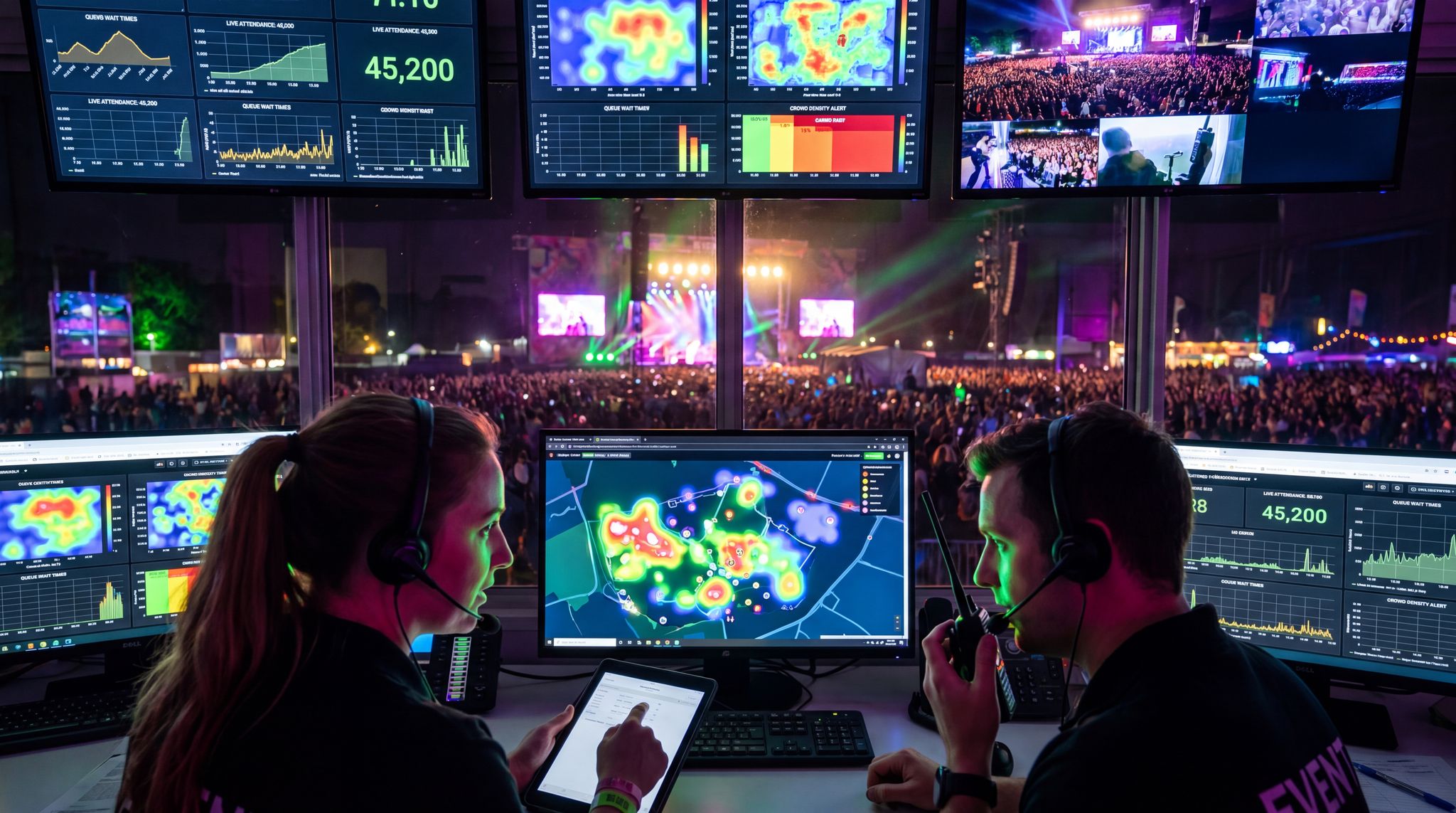
Track ticket sales, demographics, marketing ROI, and social reach in real time. Exportable reports give you the insights to make smarter decisions.
Looking ahead, the most impactful AI personalization trends in 2026 revolve around predictive behavioral modeling and generative content. Rather than just reacting to what an attendee clicks, modern systems anticipate their needs before they even arrive on-site. These hyper-personalization trends mean organizers can automatically generate bespoke welcome messaging, dynamically adjust ticket pricing tiers based on individual purchasing propensity, and deploy autonomous AI concierges that converse naturally with VIPs.
The Competitive Edge and ROI
For event organizers and venues, investing in hyper-personalization is becoming a competitive necessity. Attendees rewarded with a custom-tailored experience are more likely to stay longer, spend more, and come back next time. Personalization can directly boost revenue streams – from increasing session attendance and exhibitor meetings to driving higher F&B and merch sales through targeted offers. Sponsors also get better ROI when they can reach the right people with the right message (e.g. an expo sponsor connecting with attendees who have indicated interest in that product category). Studies show that personalized attendee journeys correlate with higher satisfaction and loyalty, which ultimately means stronger long-term ticket sales. The industry is already seeing proof: one major survey found personalized experiences to be the dominant trend, with 54% of organizers focusing on highly customized journeys, as noted by Special Events industry research. Leaders aren’t just doing this because it’s nice for attendees – they’re doing it because it pays off. Even brick-and-mortar venues are jumping on board; using data to treat every fan like a VIP has become the mantra for cutting-edge stadiums using apps and AI to boost per-fan revenue. In short, hyper-personalization isn’t a cost center – it’s a strategy to maximize engagement and the bottom line.
Ready to Sell Tickets?
Create professional event pages with built-in payment processing, marketing tools, and real-time analytics.
Merging Personalization with Immersive Experiences
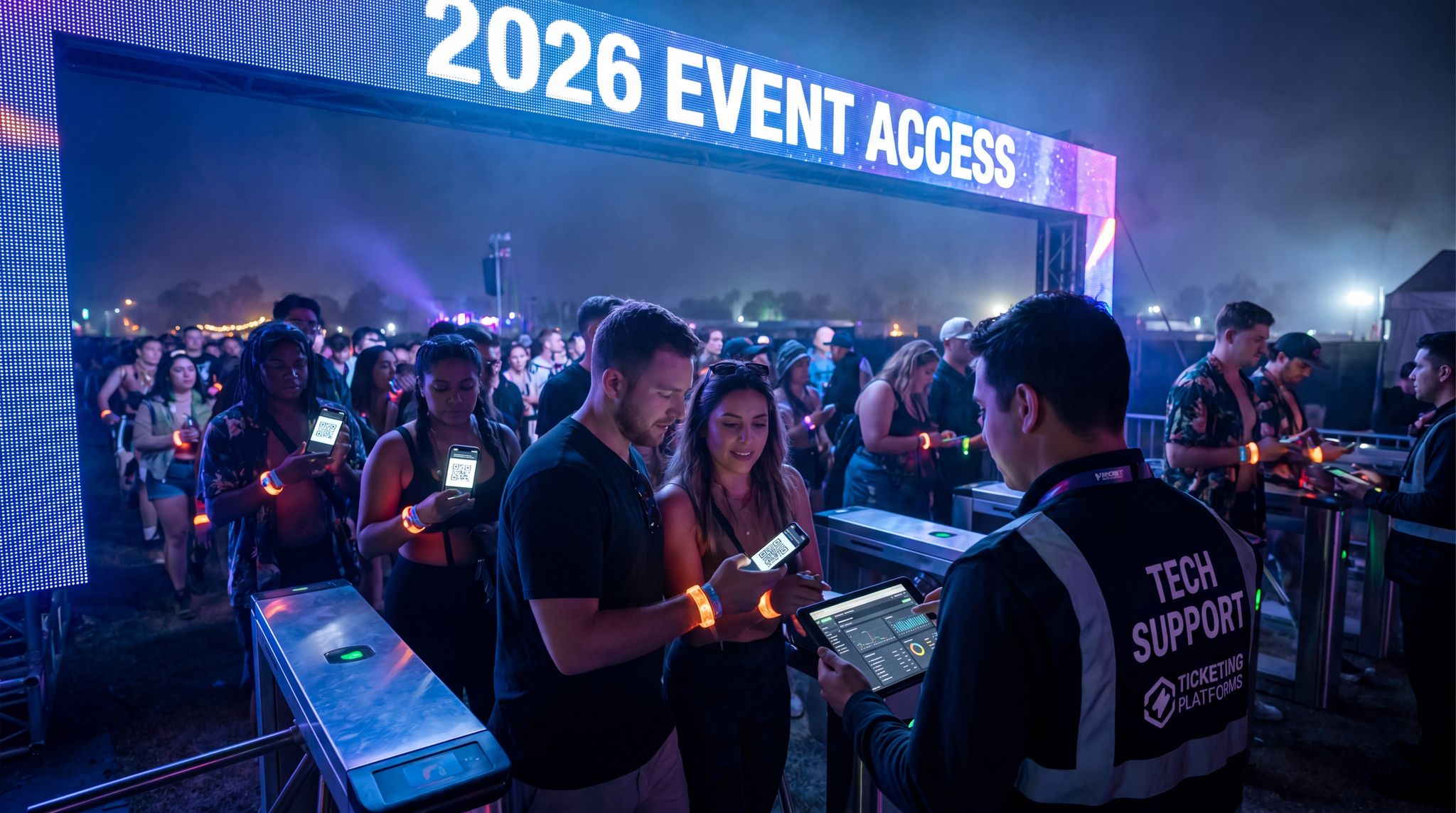
Looking at broader event trends for 2025 and 2026, the intersection of hyper-personalization and immersive experiences is becoming a major focal point. Case studies and examples from leading festivals show that when organizers use data to trigger real-world interactive elements—such as RFID wristbands activating custom lighting or personalized audio cues in experiential brand activations—attendee engagement skyrockets. This fusion of digital intelligence and physical immersion transforms a standard venue into a responsive environment, offering a blueprint for the future of live entertainment.
Building a Data-Driven Personalization Foundation
Collecting Attendee Data (Ethically and Effectively)
A hyper-personalized event experience hinges on data – you can’t tailor what you don’t know. The first step is capturing rich first-party data from attendees, starting at registration. Instead of a basic sign-up form, events now ask preferences like interests, favorite topics or artists, dietary needs, accessibility requirements, and more. Savvy promoters might integrate social media or past purchase data (with permission) to enrich the profile. It’s critical to be transparent and get opt-in: attendees are often willing to share personal info if they see value, but they expect privacy and respect in return. Clear consent checkboxes and a brief explanation (“Tell us your interests so we can recommend sessions you’ll love!”) go a long way to building trust. Over time, on-site interactions provide another goldmine – session check-ins, seminar feedback, booth visits, poll responses, and app clicks all add to the data picture. The key is consolidating these signals into a unified profile for each attendee.
Pro Tip: Work with your ticketing and app providers to ensure data flows freely. Modern all-in-one platforms (like Ticket Fairy) combine ticketing, marketing, and analytics, making it easy to gather and act on attendee data without juggling multiple systems.
Integrating Systems for a Unified Attendee View
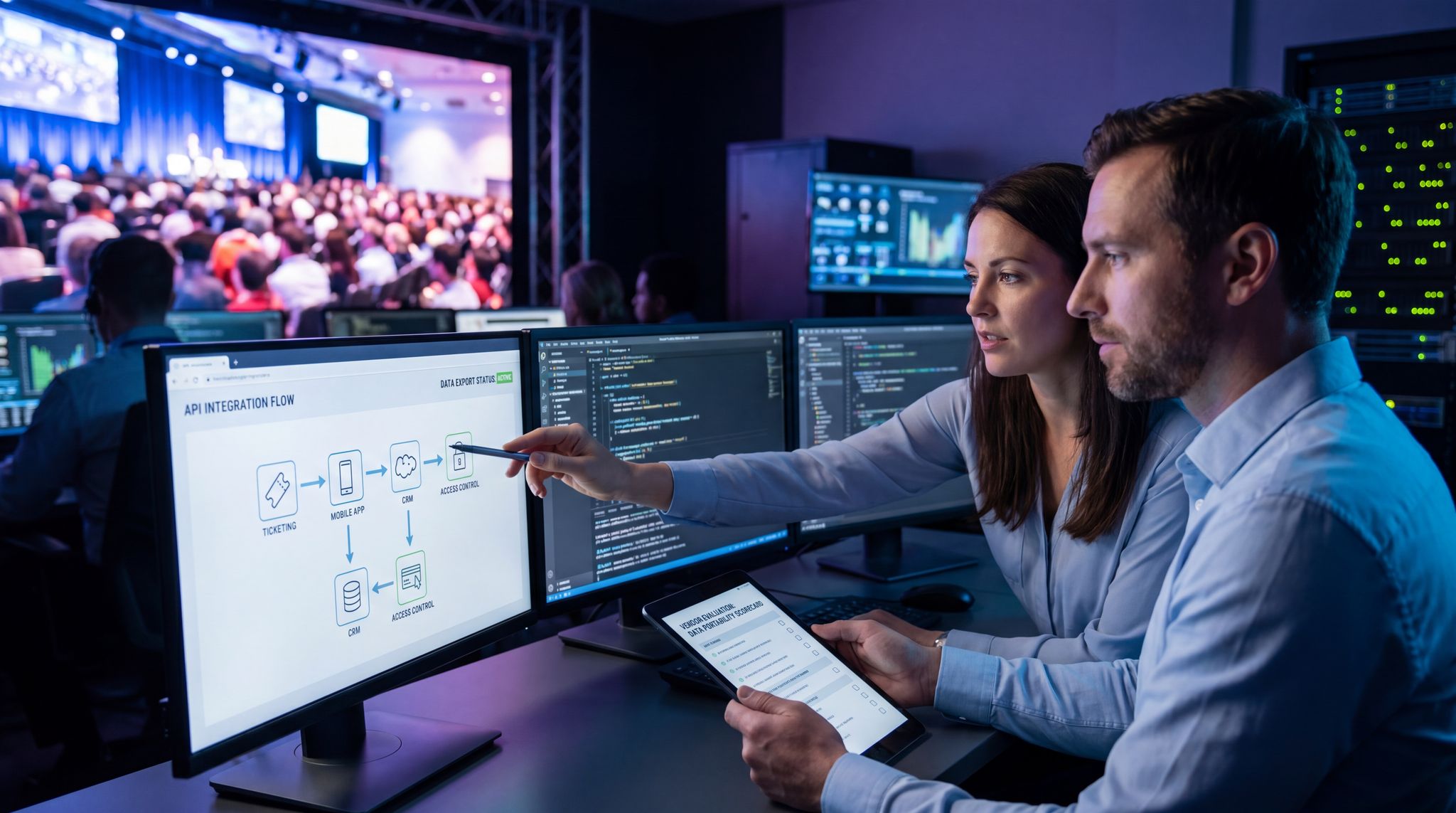
Events often use a constellation of tech tools – registration systems, mobile apps, networking platforms, RFID badge scanners, survey tools, etc. To achieve true personalization, these systems must talk to each other. An attendee’s session interests from the registration form should feed into the scheduling recommendation engine in the mobile app. Their click on an exhibitor’s banner ad could notify the lead retrieval system at that exhibitor’s booth. Achieving this means investing in integration: open APIs, middleware, or using an end-to-end event management solution to centralize data. Data integration creates a single source of truth about each attendee’s journey. For example, linking your ticketing CRM with your email marketing and event app ensures that a person’s actions on one channel (like favoriting a session in the app) can trigger personalized content on another (like a reminder email about that session). The payoff is huge – when systems share data, you can deliver seamless experiences where each touchpoint “remembers” the attendee. According to experts on first-party attendee data, owning and connecting your data not only enables personalization but also safeguards your marketing future as third-party data becomes less reliable.
Integration Matrix: Key Data Sources and Personalization Uses
| Data Source | Personalization Opportunities | Example Implementation |
|---|---|---|
| Registration info (preferences, demographics) | Agenda recommendations, tailored welcome messaging | Use registration survey responses to suggest relevant sessions or send a custom welcome email highlighting specific event features. |
| Mobile app usage (session bookmarks, clicks) | Dynamic content suggestions, on-site tips | If an attendee adds a session to their schedule, the app can recommend related sessions or remind them before it starts. |
| Ticketing & purchase history | Targeted offers, VIP treatment | Offer loyal attendees (multiple past tickets) special perks or discount on add-ons; promote upgrades to those who bought standard tickets previously. |
| Social media and community data | Networking matchmaking, interest-based communities | Use LinkedIn profiles or interest tags to connect attendees with similar backgrounds for networking or table seating. |
| On-site behavior (RFID scans, location) | Real-time alerts, crowd flow personalization | If an attendee’s wristband scans into the gaming zone, send a push notification about a tournament starting there soon. |
Privacy, Consent, and Trust
With great data comes great responsibility. Personalization should never cross the line into creepiness or privacy invasion. Experienced event technologists emphasize privacy-by-design: only collect data you truly need, and tell attendees exactly how you’ll use it to help them. All personalization efforts must comply with regulations like GDPR in Europe and CCPA in California – meaning clear consent for personal data use, and secure handling of that data. It’s wise to update your event’s privacy policy to cover new data practices (e.g. using an AI matchmaking tool or tracking location in the venue). Anonymize data where possible and avoid identifying individuals unless necessary. For instance, crowd heatmaps can enhance experiences without naming anyone, whereas personalized agendas obviously use personal info – know the difference and protect accordingly. Above all, give attendees control: allow opt-outs for data-driven features and provide ways to adjust their preferences. Building trust is paramount; if attendees sense you’re using their data respectfully to benefit them, they’ll embrace personalization. But if they feel spied on or exploited, the whole effort backfires. In 2026, transparency isn’t optional – it’s a core part of any technology solutions for inclusive attendee experiences and personalized journeys alike.
Grow Your Events
Leverage referral marketing, social sharing incentives, and audience insights to sell more tickets.
Intelligent Agenda Recommendations
AI-Curated Schedules to Guide Attendees
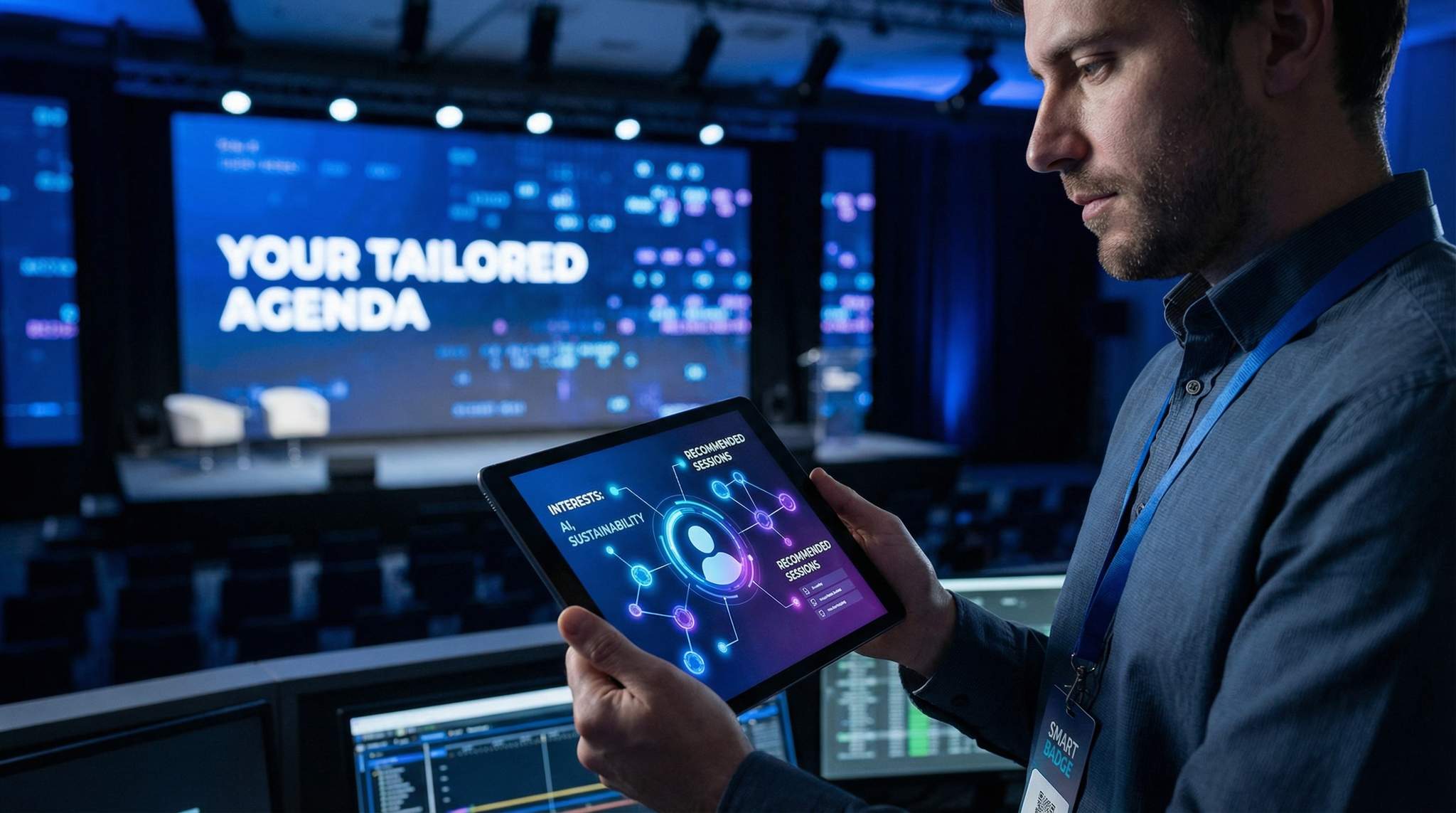
One of the most visible (and appreciated) applications of AI at events is the personalized agenda recommender. Instead of handing every attendee the same agenda or expecting them to wade through hundreds of sessions, AI analyzes each person’s profile and behavior to suggest the most relevant sessions, panels, or performances. For example, a conference app might ask attendees to pick topics of interest during signup and then use a machine learning model to recommend a daily schedule tailored to those interests. As attendees engage (say they favorite a session or skip one), the recommendations get smarter in real time – much like how Netflix’s suggestions evolve as you watch more. This kind of intelligent scheduling helps people discover content they might have missed. In fact, research reveals that 7 in 10 attendees miss valuable sessions simply because they couldn’t find them amid the noise, a challenge highlighted by AI use case research by Miloriano. AI-curated schedules act as a personal guide, ensuring important content doesn’t slip through the cracks.
Reducing Decision Fatigue and FOMO
Large events can overwhelm attendees with options – eight concurrent sessions here, dozens of exhibitor booths there, special activities everywhere. It often leads to decision paralysis or random choices. Personalized agenda tools dramatically cut down this cognitive overload. Attendees no longer face a 50-page program guide with equal weight to everything; instead they get a short list of what aligns best with their goals. By highlighting “sessions you shouldn’t miss” or “recommended for you,” AI helps attendees feel confident in their choices. This reduces FOMO (fear of missing out) as well – if everyone’s agenda is slightly different, people worry less that they chose the “wrong” breakout to attend. The event experience becomes more about what each person did enjoy rather than what they might have missed. Seasoned implementation specialists note that adoption is key: you should encourage attendees early to input their preferences and use the recommendation feature. Simple onboarding tours in the app or a quick announcement (“Download the app to get your personalized schedule!”) can drive usage. When effectively deployed, personalized agendas lead to attendees reporting far less stress and much higher satisfaction navigating the event.
Case Study: Boosting Session Engagement with AI
The impact of agenda personalization is not just theoretical – real-world events have reaped the benefits. In one case, a Fortune 500 company’s annual summit introduced an AI-powered session recommender in their event app. The result was striking: session attendance jumped 41% after deploying AI-curated agendas, according to case studies on personalized session recommendations. Attendees discovered sessions they otherwise wouldn’t have known about, and previously under-filled breakouts suddenly reached capacity with interested audience members. Another industry analysis estimated that the confusion of static agendas causes a huge productivity drain – missing those connections and insights was costing billions in lost opportunities. By curating content for each person, that summit not only had fuller rooms but also saw engagement scores on post-event surveys climb significantly. People felt the event “met them where they are.” Of course, there were lessons learned: the organizers found that the AI initially over-recommended popular sessions that filled up fast, leading to some crowding. They adjusted the algorithm to factor in room capacity and even spread recommendations across time slots to avoid funneling everyone to the same keynote. The key takeaway is that AI scheduling isn’t a plug-and-play magic wand – it requires tuning and human oversight. But when done right, it can transform engagement. (Tip: If you’re implementing such a tool, do a dry run with historical attendee data or a pilot group to see what it recommends and adjust parameters as needed.)
Tailoring Discovery for Niche Audiences: Family Events
The impact of these algorithms extends beyond corporate summits into specialized consumer gatherings. For instance, recent case studies on personalization and recommendation systems in family event platforms highlight how organizers are solving unique logistical challenges. Parents attending large-scale family festivals often struggle to find age-appropriate activities amidst a sea of options. By leveraging mobile app technology trends focused on family event discovery, AI personalization can automatically filter schedules based on children’s ages, sensory preferences, and designated rest periods. This ensures that families receive highly relevant, stress-free itineraries, proving that recommendation engines are just as powerful for consumer festival promoters as they are for B2B conference planners.
Go Cashless With RFID Technology
Enable contactless payments, faster entry, and real-time spending analytics with RFID wristbands and NFC-enabled ticketing for your events.
Personalized Content Delivery and Communication
Tailored Content Streams and Notifications
Personalization isn’t just about the schedule – it extends to every piece of content an attendee encounters. Modern event apps and platforms are moving toward content streams that adapt to each user. Think of it like a personalized news feed for your event: the app’s home screen might show different announcements or articles depending on what someone has shown interest in. For instance, an attendee who has been exploring the “Innovation Stage” videos might see a highlighted blog post about the event’s innovation speakers or a prompt to download a whitepaper from a sponsor in that field. Push notifications and alerts can also be segmented heavily now. Rather than blasting every update to all attendees (and overwhelming people), organizers send targeted pushes – a reminder about the startup pitch contest only to those who indicated interest in entrepreneurship, or a notification “Keynote starting in 10 minutes in Hall A” only to those likely to attend. By delivering the right message to the right people at the right time, you dramatically increase engagement. Attendees are far more likely to tap a notification that feels personal and relevant versus a generic shout into the void.
Multi-Channel Personalization: Email, App & On-Site
While the mobile app is a prime channel for personalized content during the event, savvy organizers extend this approach across all channels. Pre-event email campaigns can be tailored using the same data – for example, sending different teaser content to different segments (tech enthusiasts get a tech preview, foodies get a note about the gourmet vendors at the festival, etc.). On site, digital signage and info kiosks are starting to personalize as well. We’re seeing experiments where LED screens at a conference welcome attendees by name or show a custom QR code for their next session – all pulled from the registration data as the attendee walks up (via badge scan or face recognition fast-lane). Even physical handouts can be personalized; some events print individualized agendas or maps highlighting an attendee’s “must see” stops. The key is consistency: use your data to ensure whether someone opens an email, an app, or talks to staff, they receive information curated for them. One example: a large B2B expo set up an AI concierge kiosk where attendees could input a couple of interests and out came a printed list of recommended booths and sessions with a walking map just for them. On the back end, this kiosk tapped into the same recommendation engine driving the app – just another interface for it. By meeting attendees wherever they are (email, app, in-person help desk) with personalized content, you reinforce that cohesive, attendee-centric journey.
Ensuring Relevance Without Overload
A core principle of hyper-personalization is relevance. The goal is to filter out noise and surface what matters to each person. However, there’s a fine balance to strike: too little personalization, and you’re not adding value; too much, and you risk overwhelming or alienating attendees. Implementation veterans warn that it’s possible to overdo it. If the event app sends a notification every 5 minutes (even if “relevant”), users will tune out or uninstall it. If emails become too personalized in a creepy way (“We noticed you spent 10 minutes at the IoT demo…”), attendees may get uncomfortable. The solution is to personalize wisely. Segment communications into a few key personas or interest clusters if that’s easier to manage than truly one-to-one. Set limits on notification frequency – e.g. no more than 3 push alerts per day per attendee, and ensure each carries clear value. Allow users to set some preferences (e.g. “notify me about networking opportunities but not about sponsor offers”). And keep refining based on feedback: if click-through on a type of personalized content is low, maybe it’s not actually that relevant and should be recalibrated. Data dashboards can help here – track which personalized suggestions are being acted on and which ones fall flat. The bottom line is quality over quantity. A few timely, spot-on recommendations enhance an attendee’s experience, whereas a deluge of “personalized” messages can feel like spam. By putting yourself in the attendee’s shoes (or better yet, using focus groups), you can fine-tune your content delivery strategy to be genuinely helpful. Remember, personalization is supposed to simplify and enrich the experience, not complicate it.
How Do Big Data and AI Help in Event Marketing?
A frequent question from promoters is exactly how do big data and AI help in event marketing before the doors even open? The answer lies in predictive segmentation. By analyzing historical ticket purchases, social affinities, and past on-site behavior, AI algorithms can identify which marketing channels and messaging will resonate with specific cohorts. Big data allows organizers to move away from mass-blast campaigns, instead deploying hyper-targeted ads and dynamic pricing tiers that convert at much higher rates. This data-driven approach ensures marketing budgets are spent efficiently, reaching the fans or professionals most likely to buy VIP upgrades or multi-day passes.
When promoters ask exactly how AI helps personalize ticket offers for fans, the answer lies in dynamic segmentation and predictive purchasing models. Instead of sending a generic “buy tickets now” email to an entire database, machine learning algorithms analyze past attendance, spending habits, and engagement levels to craft bespoke offers. For example, a fan who previously purchased standard admission but spent heavily on merchandise might receive a targeted promotion for a VIP upgrade bundled with exclusive apparel. Similarly, AI can detect price sensitivity, offering early-bird discounts to budget-conscious attendees while presenting premium, high-margin packages to corporate buyers or proven big spenders. This level of tailored ticketing not only maximizes conversion rates but also ensures that attendees feel they are receiving curated value rather than a mass sales pitch.
Smart Networking and Matchmaking
AI-Powered Matchmaking for Attendees
Networking is a huge draw for many event-goers, from corporate summits to music festivals (where meeting fellow fans is part of the fun). AI matchmaking tools have emerged to take the serendipity of networking and give it a smart boost. These systems use attendee data – job titles, industries, interests, goals – to suggest people or connections that would likely be valuable. For example, at a tech conference, a product startup founder might be algorithmically matched with several venture capital investors and a veteran entrepreneur mentor based on mutual topics of interest. The attendee could receive a list of “recommended people to meet” and even pre-schedule meeting slots through the event platform. Similarly, event apps might have a feature that shows you top compatible profiles (“Your Networking Matches”) each day, which you can swipe through or request introductions to. By leveraging AI, events can facilitate meaningful encounters that might never happen by chance, especially at large gatherings where it’s hard to find the right people in the crowd. These tools essentially act as a personal networking concierge. Early implementations show promise: attendees who use matchmaking often make more connections and report higher networking satisfaction than those who rely purely on random encounters or manual searches.
When organizers ask if AI-driven attendee matching helps in identifying high-value connections, the data points to a resounding yes. By analyzing deep behavioral signals—such as session attendance history, specific product interests, and professional seniority—machine learning algorithms can surface strategic networking opportunities that manual curation often misses. For B2B conferences and trade shows, this means automatically pairing enterprise buyers with the exact software vendors they are actively researching, or connecting startup founders with venture capitalists focused on their specific niche. This targeted approach ensures that VIPs and key stakeholders spend their time in high-yield conversations, significantly boosting the perceived ROI of the event.
Connecting Like-Minded Attendees (and Vendors)
The power of data-driven matchmaking isn’t just for attendee-to-attendee meetings – it also helps connect attendees with exhibitors, sponsors, or content that matches their interests. For attendees, this means they can find their tribe or community faster. A marketing manager at a conference can quickly discover other marketing professionals to swap insights with, or at a festival, fans of the same niche genre can be pointed to each other for an impromptu meetup. According to industry insights, interest-based groupings lead to stronger bonds – 84% of younger attendees said they formed close friendships at events where they connected with people sharing their passions, per insights on connection and personalization trends. For organizers, facilitating these clusters (like an informal meetup for startup founders, or a “fans of drum & bass” hangout area) can greatly enhance the sense of community. On the exhibitor side, AI can match attendees with the vendors or sponsors most relevant to them: for instance, an attendee who’s shown interest in “sustainability” gets recommended to visit the booths of eco-friendly product companies in the expo hall. This boosts ROI for exhibitors as they meet more genuinely interested leads. Some event platforms even automate meeting scheduling between buyers and sellers that have mutual interest – essentially like a dating app for business, matching say a retailer with a gear supplier based on needs and offerings. When scaling event technology for large festivals, these smart matchmaking features ensure that even as the crowd grows, individuals can still find their people and content.
Driving Value and Avoiding Awkwardness
If done right, AI matchmaking can massively increase the networking value of an event. There are cases where trade shows using an AI meeting scheduler saw tens of thousands of meetings booked, far surpassing previous years’ totals. Attendees appreciate when the “meetings you need to have” are teed up for them – it saves time and makes the event more worthwhile. Sponsors love it too, since it can funnel high-value prospects to them. However, there are pitfalls to navigate. One is the potential for awkward or unwanted matches. The algorithms aren’t human, so they might occasionally suggest connections that don’t make sense (imagine an AI mistakenly pairing a job-seeker with another job-seeker, when both really wanted to meet recruiters). To mitigate this, provide users some control: let them skip suggestions, tune their interests, or indicate types of people they do or don’t want to meet. Platform UX matters a lot here; if it’s easy to browse matches and initiate conversations in-app, people will use it. Also, the human element shouldn’t be forgotten – many events now have networking concierges or community managers who monitor the AI-driven networking and can step in to facilitate or adjust as needed. Privacy and consent are crucial too: attendees should opt in to networking features and be comfortable with their profile being shown to others for matches. As long as these considerations are managed, smart matchmaking can significantly elevate the networking game. Seasoned event planners recommend treating the AI as an assistant that augments organic networking, not a replacement. The goal is to remove friction (like not knowing who to talk to) and increase meaningful interactions, while still allowing for surprise encounters and attendee choice.
Personalization for Hybrid and Virtual Audiences
Customizing Experiences for Remote vs. On-Site
In the era of hybrid events, personalization must extend across both physical and virtual participants. The two audiences have different needs and contexts, but each attendee still expects a tailored experience. For in-person attendees, personalization might focus on physical journey – recommended sessions to attend in person, which booths to visit, which fellow attendees on-site to network with, etc. For virtual attendees, AI might personalize which live streams or camera angles to watch, suggest on-demand content during breaks, or facilitate virtual networking matches. Successful hybrid events create parallel, equally rich experiences: for example, the mobile app could offer a “recommended content” list that shows in-person folks which room to head to next, while showing virtual viewers which session to stream next (or which breakout Zoom to join). Data from one side can inform the other – if an in-person attendee’s favorite sessions are being recorded, the platform can cue up those recordings for them to watch again or share with colleagues afterward. On the flip side, if a virtual attendee asks a lot of questions in certain sessions, the system might highlight similar upcoming sessions (virtually or at the next in-person event) that match those interests. The key is recognizing that personalization isn’t one-size-fits-all across modes; it should adapt to how someone is attending. Hybrid platforms that treat remote participants as just passive spectators will fall short. Instead, treat your online attendees like a different segment that gets its own tailored journey (while still feeling connected to the overall event narrative).
Integrating Data from Virtual Platforms
To power personalization in a hybrid format, integration between the physical event systems and the virtual event platform is essential. If you’re using a virtual event software for streaming and chat, make sure it shares data with your registration and analytics tools. For example, track virtual attendee involvement: which sessions they watched, for how long, which questions or polls they responded to. This data should feed into the same attendee profile that contains their in-person actions. That way, if someone attends Day 1 virtually and then shows up on-site Day 2, the system “knows” their interests from Day 1 and can personalize Day 2 accordingly (and vice versa). Unified data also lets you personalize follow-ups effectively – e.g., sending a post-event email that includes both the in-person sessions they attended and the virtual content they viewed, all in one personalized recap. According to venues embracing hybrid audiences in 2026, the most successful hybrid events treat data holistically, breaking down silos between live and online engagement metrics. One practical tip is to use a single sign-on or unified login for attendees, whether they’re attending virtually or scanning their badge on-site. This links their interactions across environments. Additionally, consider deploying AI moderation or concierge bots in virtual environments that parallel what on-site staff or signage might do – for instance, a chatbot that makes session suggestions to virtual attendees based on their viewing history (just as an app might guide an on-site attendee). By integrating data and employing AI on both fronts, you ensure neither side of the audience feels like second fiddle.
Ensuring Parity and Inclusion
A big challenge in hybrid events is keeping the remote audience as engaged and valued as those in the venue. Personalization can help bridge that gap. Simple example: if an in-person attendee asks a question at the mic, a virtual attendee might get a prompt to submit their own question or vote on questions so their voice is heard too. Personalized alerts can inform virtual attendees of networking opportunities like “Meet 1:1 with other viewers during this break” or even match them with on-site attendees in a structured networking round (with a video call or chat). The content delivered should also acknowledge context – a virtual attendee might appreciate a quick “top highlights you missed last hour” summary delivered to them (since they can’t physically roam the expo hall), whereas an on-site person might get a “here’s what’s happening right now around you” alert. Ensuring parity means personalizing according to context so that each group gets what they need to stay fully engaged. Inclusivity is also key: make sure personalization algorithms don’t unintentionally favor one group. For instance, if an AI networking tool mostly suggests in-person meetups, a virtual attendee could be left out – so include virtual meet suggestions or cross-mode connections. Accessibility is another consideration; any personalized content (whether agenda, captions, or format) should adapt to attendees with disabilities. For example, an attendee who indicates a hearing impairment might get personalized recommendations for sessions that have sign language interpretation or captioning available (and the system would ensure content suggestions are all accessible). By proactively designing personalization with hybrid parity and accessibility in mind, you create a seamless, united experience that embraces technology solutions for inclusive attendee experiences no matter how people choose to attend.
Boost Revenue With Smart Upsells
Sell merchandise, VIP upgrades, parking passes, and add-ons during checkout and via post-purchase emails. Increase average order value by up to 220%.
Implementing Personalization at Any Scale
Starting Small: Quick Wins for Smaller Events
Hyper-personalization isn’t only for mega-conferences and festivals. Even a 100-person corporate retreat or a niche community meetup can benefit from tailored touches. In fact, at small events, personalization can be very high-touch (sometimes accomplished with simple tools or even manually). For instance, for a 50-person training seminar, organizers might collect a brief survey on each attendee’s goals beforehand and then email each a custom agenda for the day highlighting the most relevant breakout sessions. Or a meetup event could have color-coded badges based on interest topics (so people can easily find others with the same color to spark conversations). Small-scale events can also use affordable AI – there are lightweight matchmaking apps or agenda tools that won’t break the budget and can be set up quickly. The key is to focus on the one or two aspects that matter most to personalize. Maybe it’s sending each attendee a personal welcome message referencing why that event will be relevant to them. Or it’s preparing a few different variations of the event schedule and automatically assigning people to the version that best fits their profile. You don’t need a ton of data or a fancy platform to start – even a spreadsheet of attendees and interests can be used by staff to make tailored introductions or suggestions. Starting with these quick wins not only improves the attendee experience right away, it also gets your team into a personalization mindset on a manageable scale. Then you can justify and learn before scaling up to more automation.
Scaling Up to Large Festivals and Conferences
When you’re dealing with thousands or even hundreds of thousands of attendees, manual personalization doesn’t cut it – you need technology that scales. This is where robust event platforms with integrated AI come into play. Large events often invest in dedicated mobile apps (with custom development) because the app becomes the central personalization engine. Features like AI recommendations, matchmaking, and personalized content feeds are computationally heavy, but cloud infrastructure in 2026 can handle it, provided you plan capacity (imagine tens of thousands of users hitting the “recommend me a session” button at once – your servers must be ready!). When scaling up, performance and testing are critical. Always stress-test your personalized features with volumes higher than you expect. Also, consider phased rollouts: perhaps pilot the personalization features with VIP attendees or a small percentage of users on Day 1, gather feedback, then expand to everyone on Day 2. Big festivals also find success in using personalization for operational efficiency – for example, an app might personalize which entrance gate an attendee should use based on their location or VIP status, smoothing entry and preventing bottlenecks. Multi-day festivals can personalize food and beverage suggestions for each attendee by Day 2 based on what they enjoyed on Day 1 (yes, some are doing this using RFID wristbands that link purchase data to the attendee profile!). To achieve these at scale, it’s vital to build a reliable event Wi-Fi infrastructure on-site – personalized features won’t work if attendees can’t connect to use them. Also, ensure your data pipelines (between registration, app, analytics) are robust and can handle real-time flows. Large events should work closely with vendors well in advance: share expected attendee counts, feature usage, etc., so the vendors can allocate resources appropriately. Scaling personalization is as much about architecture as it is about the software itself.
As organizers evaluate the landscape of event technology tools for personalizing attendee experiences in 2025 and 2026, the focus is shifting toward all-in-one ecosystems. Rather than patching together disparate apps, promoters are seeking unified platforms that natively handle ticketing, CRM, and on-site engagement. This consolidation reduces data latency, ensuring that a VIP ticket purchase instantly triggers tailored recommendations within the festival app.
Tech Stack Considerations for Personalization at Scale
| Component | What to Look For | Why It Matters |
|---|---|---|
| Ticketing/Registration System | Rich data capture and open API access | Allows collecting custom attendee info and exporting it to other tools (agenda, app) easily. |
| Mobile Event App | Personalization features (agenda recos, content tags), offline support, push notifications | The app is the personalization delivery vehicle; it needs to handle dynamic content and work even with spotty internet (for on-site reliability). |
| AI Recommendation Engine | Scalability, transparency of algorithms, admin controls | Must handle large volumes and give organizers some levers to adjust recommendations (to align AI suggestions with event goals). |
| Networking Platform | Profile matching algorithms, meeting scheduler, privacy settings | Facilitates smart connections; should let users control their visibility and integrate with calendars for scheduling meetups. |
| Analytics & Dashboards | Real-time monitoring of engagement, drop-off, and usage | Vital for measuring what personalized features are working and where to tweak in the moment (e.g., if few use the recommender, maybe they need more prompting). |
| Integration Middleware | iPaaS (Integration Platform as a Service) or custom integrations | Ensures all systems (ticketing, app, CRM, virtual event platform) sync data. An iPaaS can save time by using pre-built connectors. |
Training Your Team and Your Attendees
Introducing hyper-personalization means change – not just for technology, but for people and processes. Staff training is essential so that your team understands the new tools and can support attendees. Imagine an attendee goes to the help desk asking why their app is suggesting a particular session – staff should know how the AI is making decisions and how to assist the attendee in using the feature (maybe the attendee’s profile is missing some info, etc.). Train your event staff and volunteers on the basics of how recommendations and matchmaking work, what to do if something isn’t working (like a glitch in a recommendation), and how to gather feedback. Equally important is educating attendees so they actually use the personalization features. Many attendees may be unfamiliar with the idea that an event can have a “For You” page or AI matchmaking. Market these features in pre-event communications: for example, send a “Get the Most Out of EventX: Download the app and get your personalized agenda” email. During the event, you can use signage or MC announcements: “Having trouble deciding what to do next? Check the app’s recommendations tailored for you!” The more attendees adopt the tools, the more effective and accurate the AI becomes (more data feedback loop). Experienced event technologists recommend a gentle onboarding: perhaps include a brief demo during the opening session or have roving “tech support” staff to help attendees set up their app and profile. When both staff and attendees are comfortable with the personalized tech, you’ll see maximum benefit. After all, even the smartest AI is useless if no one interacts with it. By focusing on change management and user education – much like outlined in avoiding common pitfalls when implementing event tech – you pave the way for a smooth rollout.
Working with the Right Vendors
Hyper-personalization often involves multiple tech vendors (for apps, AI algorithms, networking tools, etc.), so choosing the right partners is crucial. When evaluating solutions, don’t just fall for flashy demos – dig into integration capabilities (Can this agenda tool plug into my registration system’s API? Will this networking platform easily import our attendee list and push meeting data back to our CRM?). Ask about scalability and use cases: has the vendor supported an event of your size before? Get references and learn how those deployments went. It’s also wise to inquire about the vendor’s approach to data security and privacy, since they’ll be handling sensitive attendee info. Another pro tip: involve your IT team or a knowledgeable event technologist early in the selection process to assess technical fit. Negotiate service level agreements (SLAs) with clear uptime commitments, especially for real-time features that will be mission-critical during live event days. You’ll also want to ensure good on-site support or a rapid response plan – if something goes awry with the personalization features, your vendor should be ready to jump in (maybe even having staff on-site or on-call). Many organizers create a contingency plan with vendors, as part of backup plans and fail-safes for critical event tech. For instance, if the AI agenda engine goes down, have PDF schedules or a simpler fallback ready to deploy. Selecting vendors with a solid track record and aligning them with your team as true partners (rather than just sellers) will significantly increase the chances your personalization initiative succeeds technically and operationally.
Smooth Entry With Mobile Check-In
Scan tickets and manage entry with our mobile check-in app. Supports photo ID verification, real-time capacity tracking, and multi-gate coordination.
As the landscape evolves, evaluating hyper-personalization platforms and first-party data vendors in 2025 or 2026 requires a sharp focus on ecosystem compatibility. The best vendors don’t just silo your data; they act as a central nervous system for your event tech stack. For international organizers exploring the ventajas de usar TicketFairy.com para eventos (the advantages of using Ticket Fairy for events), the primary benefit is native integration. A platform that inherently combines ticketing, marketing analytics, and audience CRM eliminates the friction of moving data between disparate systems, allowing promoters to execute real-time personalization seamlessly.
To stay ahead of the curve, many promoters and systems architects plan to scout the latest innovations at major event management conferences in 2026. These industry gatherings provide the perfect testing ground to experience new matchmaking algorithms and dynamic content engines firsthand before deploying them at your own festivals or corporate summits.
Measuring Impact and ROI of Personalization
Engagement and Satisfaction Metrics
How do you know if hyper-personalization is working? You’ll want to define and track specific engagement metrics that tie to the personalized experiences. Common metrics include: session attendance per attendee (did people attend more sessions on average because of recommendations?), session rating averages (are recommended sessions getting higher feedback scores since the right people are in the room?), number of connections made (did the average attendee exchange more contact info or messages thanks to matchmaking?), and app engagement time (are people spending more time on the app consuming personalized content?). You can also look at adoption metrics of the features themselves: what percentage of attendees built a personalized agenda or used the “recommended for you” section? High adoption coupled with positive outcome metrics is a great sign of success. Attendee satisfaction should be measured qualitatively too – include questions in post-event surveys like “Did you feel the event experience was tailored to you?” or “How valuable were the personalized recommendations you received?”. If you see an uptick in Net Promoter Score (NPS) or overall satisfaction ratings compared to past events where you didn’t personalize, that’s a strong indicator of ROI. Another interesting metric is dwell time: for example, attendees might spend 30-40% more time in sessions or expo areas that align with their interests if your personalization directed them well, instead of wandering around. Track what content people engage with versus what they expressed interest in – the closer the match, the better your personalization engine is performing.
Direct Revenue Upsides
Personalization can drive direct revenue, and these are metrics executives love. One area is ticket sales and upgrades: if you use personalization in marketing (like recommending relevant event tracks to fence-sitters), you might increase conversion rate on ticket purchases. Also, at the point of sale, personalized upsell suggestions (VIP upgrade, add-on workshops) can boost average order value. During the event, consider metrics like F&B or merchandise spend per head – did targeted offers or personalized suggestions (e.g. “Swing by the merch booth for a shirt in your size, only 5 left!” sent to someone who favorited that artist) lead to higher spend? Many festivals that implement personalized cashless systems and targeted promos see significant lifts in on-site spending. Sponsorship revenue is another angle: sponsors will pay more if you can prove you’ll deliver qualified leads and targeted impressions. For example, if your event app has sponsored content cards that are personalized (only showing sponsor X to attendees likely interested in X), you can measure click-through or lead capture rate for those and often see better results than generic sponsor blasts. This can be reported to sponsors to justify higher fees. Over time, you can even measure the lifetime value of attendees who experienced personalization. Do they buy tickets to your next event at a higher rate? If hyper-personalization improves loyalty, you’ll see it in repeat attendance and word-of-mouth referrals (track referral codes or how many new attendees came via invite from past attendees). All these revenue-related metrics help build the business case that the investment in AI and personalization tech has a real, monetary return in addition to the qualitative benefits. Savvy organizers will compile these stats into post-event ROI reports to share with stakeholders and secure future budget for personalization initiatives.
Beyond immediate ticket sales, the long-term ROI of event personalization is found in audience retention. When promoters consistently deliver highly personalized attendee experiences, they build a moat against competitors. Fans and professionals alike are far more likely to return to a venue or festival that anticipates their needs—whether that means suggesting the perfect breakout session or offering a tailored VIP upgrade. Ultimately, investing in these customized journeys transforms passive ticket buyers into active brand advocates.
Long-Term Loyalty and Community Building
One of the less immediately tangible but hugely important benefits of personalization is the strengthening of your event’s community and brand loyalty. When attendees feel an event truly “gets” them, they’re more likely to become raving fans and long-term customers. You can track proxies for this: social media sentiment (do you see more positive chatter about the event experience?), community growth (perhaps your event’s online groups or forums see increased activity and membership), and loyalty program uptake (if you have a membership or loyalty scheme, do personalized experiences make people more inclined to join or engage with it?). Some venues and festivals have reported that treating fans like VIPs through data-driven perks (like surprise upgrades or personalized thank-you notes to top supporters) led to higher year-over-year retention in their fan clubs or season ticket sales, a correlation supported by surveys on personalization and connection. Monitor how personalization affects the attendee journey beyond the event itself. For example, after the event, do personalized follow-ups (like sending each person a recap of their experience, with links to content they actually engaged with) result in higher click-through or next-event ticket purchases? That post-event engagement is a key indicator of loyalty. Over a longer term, you might compare cohorts – attendees who used the personalized features vs. those who didn’t – and see if one group returns at a higher rate or spends more in the future. Building an engaged community is somewhat qualitative, but you can quantify aspects of it through these measures. Ultimately, if hyper-personalization is done right, attendees should walk away feeling a closer bond to your event or brand, as if it was made for them. That emotional connection translates into loyalty, which is incredibly valuable (think saved marketing costs because people return on their own, and the goodwill that leads to organic promotion). It’s fair to include these long-tail outcomes when evaluating ROI, even if they’re not immediate dollars – they ensure the sustainability and growth of your event franchise.
Collect Any Attendee Data at Checkout
Add custom registration fields to your checkout — dietary needs, t-shirt sizes, company names, and more. Conditional logic and per-ticket-type fields.
Making the Business Case
Combining all the above metrics – engagement, satisfaction, direct revenue, loyalty – creates a compelling business case for hyper-personalization. To persuade stakeholders (like event directors or budget holders), present a before-and-after comparison if possible: e.g., “Last year without personalization our average attendee went to 3 sessions; this year with AI recommendations it was 5 sessions – a 66% increase in engagement.” Or, “We facilitated 1,200 matched meetings between buyers and sellers, which our sponsors value at $X and will likely convert to $Y in deals.” Use industry benchmarks too: if industry reports show, say, personalized communications can boost marketing ROI by 20%, include that as supporting evidence. It can also help to highlight the cost of not personalizing: attendees who feel like a face in the crowd might not return, or might choose a competitor’s event that does offer a tailored touch. In an era when experiences are a premium, generic events risk being left behind. If you’ve done a pilot or small-scale test (perhaps one track of the conference was personalized, or a VIP segment got a personalized treatment), share those results and extrapolate for the whole event. Remember to account for the costs – yes, there’s investment in software and maybe staff hours to implement personalization, but when you can show the proportional increase in revenue or satisfaction, the ROI can be very clear. A simple ROI equation might be: Incremental revenue gained + cost savings – personalization project cost. Often the attendee satisfaction boost alone is worth it, but fortunately, as we outlined, the gains are usually quantifiable too. When making the case, speak both the technical language (data points, percentages, improvements) and the experiential language (how it makes attendees feel, stories of success). Many experienced planners note that once higher-ups see attendees raving “This event app knew exactly what I wanted to do, it was amazing!”, the value becomes real beyond the numbers. In sum, tie personalization efforts directly to business goals – higher ticket sales, more returning attendees, greater sponsor investment – and you’ll justify and even necessitate the continued expansion of these initiatives.
Overcoming Challenges and Pitfalls
Data Accuracy and Algorithm Bias
Hyper-personalization is only as good as the data and algorithms behind it. Bad data in = bad recommendations out. One common pitfall is relying on incomplete or incorrect attendee data – for example, if many people skip filling out their interest profile, the AI might default to generic suggestions that miss the mark. To counter this, use techniques like subtle nudges (“Unlock better recommendations by selecting at least 3 interests”) and default choices (e.g., import known data like past attendance history) to enrich profiles. Algorithmic bias is another concern: if your AI is trained on limited data, it might over-recommend popular content and under-represent niche interests, or inadvertently favor one demographic. A classic failure is an AI networking tool that kept matching junior attendees only with other juniors because their profiles looked similar – completely missing the point of introducing them to senior mentors. To avoid these traps, work closely with your AI vendors or data science team. Continuously audit the recommendations: are they diverse? Do they make intuitive sense? If you find the AI consistently ignoring certain session topics or attendee segments, recalibrate it (this might involve tweaking algorithm parameters or feeding it more representative training data). Many events employ a hybrid approach: AI generates initial recommendations, and then human organizers review or moderate them, especially for high-stakes matches like hosted buyer programs. This combination can catch quirks the AI doesn’t understand. It’s also wise to solicit attendee feedback on the recommendations – a simple thumbs up/down or “Was this suggestion helpful?” in the app can provide signals to refine the model. By treating personalization as an evolving project rather than a set-and-forget tool, you can improve accuracy over time. Remember, no algorithm gets it perfect from day one; the goal is to quickly identify and iron out issues.
Avoiding the “Creepiness” Factor
Personalization should feel helpful, not invasive. There’s a thin line between “This event really knows what I like!” and “Are they stalking me?”. To stay on the right side, be very mindful of context and communication. First, don’t surface data in a way that surprises or unsettles people. For example, if you’re using location data to personalize experiences, don’t announce it in a spooky way (“We see you’re standing near Booth 42…”). Instead, frame suggestions around benefit: “Hungry? There’s a café around the corner with your favorite coffee.” The attendee only sees the value, not the underlying tracking. Always let attendees know the source of a personalized recommendation if it’s not obvious. Something like, “Because you enjoyed the morning workshop, you might like this afternoon’s advanced session on the same topic,” connects the dots clearly. It’s transparent and logical. Also, give an opt-out or controls: some attendees might find any form of personalization uncomfortable – they should be able to turn it off (even if few actually do, having the option builds trust). Another tactic: use personalization to enhance experience, not to manipulate. Dynamic pricing based on personal info, for instance, would cross a line (and as a note, Ticket Fairy explicitly avoids unpopular tactics like dynamic pricing to keep trust with ticket buyers). Stick to areas where personalization clearly benefits the user. Test your personalized messaging with a diverse group – what seems fun to one person might feel invasive to another. For example, referencing an attendee’s social media post in an event shout-out could delight some but embarrass others. When in doubt, err towards caution and anonymity (e.g., aggregate data: “20 people with similar interests as you are going to X session” instead of “We know you specifically will love X”). Transparency is key: a brief notice like “Your schedule is recommended based on the interests you provided at sign-up” reminds users that they provided the input, making it less creepy that the system is suggesting things. By designing with empathy and respecting personal boundaries, you ensure that hyper-personalization feels like a VIP service, not Big Brother.
Technical Glitches and Fail-Safes
Relying on AI and data for core event functions means you must plan for technical hiccups. What if the recommendation engine goes down during the event, or the mobile app crashes under heavy usage? Without a contingency, attendees might suddenly have no guidance (and your well-laid personalization plans turn into chaos). That’s why crisis-proofing is essential: always have a backup plan for critical personalization tech. For instance, if your personalized agenda tool fails, be ready to deploy a simplified agenda or have staff on hand to manually guide attendees. If your networking app encounters issues, perhaps pivot to a low-tech solution like a physical message board or printed lists of networking round-tables by interest. Rehearse these scenarios with your tech team in advance. Another area to watch is connectivity – personalized experiences often depend on internet access (for cloud AI processing, real-time data sync, etc.). Ensure you have rock-solid event Wi-Fi and connectivity throughout the venue, plus offline-capable app features. A well-designed mobile app, for example, should cache the attendee’s personalized schedule and content so it remains accessible even if the network hiccups – feature-rich mobile event apps with offline tools are a must in 2026. Monitoring is crucial too: set up dashboards or alerts to detect if any personalization feature isn’t functioning properly (e.g., no recommendations being generated in the last 10 minutes, or an API error rate spiking). That way, your tech team can jump on issues before attendees even notice. Partnering closely with vendors here helps; demand real-time support channels during event hours. In short, hope for the best but prepare for the worst. When you have fail-safes – from extra printed materials to redundant servers – a glitch won’t turn into a disaster. Attendees might not even realize anything went wrong if you handle it smoothly. And post-event, do a retrospective: if something did fail, why did it happen and how can you reinforce that weak link next time?
Continuous Improvement
Hyper-personalization is an ongoing journey, not a one-time project. The best events treat it as a cycle of test, learn, and refine. Post-event, dive into the data on how your personalized features performed. Did attendees engage with the recommendations? Which suggestions were ignored? For instance, maybe your AI recommended an advanced session to beginners and they consistently skipped it – that’s a signal the algorithm needs tweaking to account for experience level. Gather qualitative feedback too: some events hold attendee focus groups or monitor social media to hear what people thought of the personalized elements. You might discover, say, attendees loved the personalized tips but found the matchmaking suggestions to be hit-or-miss. Use that insight to adjust weightings or improve the data collected for matchmaking. It’s also wise to stay updated on the rapidly evolving tech landscape. What works in 2026 could be superseded by new AI techniques in 2027. Keep an eye on industry news and consider small experiments with emerging tools (maybe try a new AI networking assistant at a minor event before rolling into your flagship). As more events implement hyper-personalization, case studies and benchmarks will emerge – compare notes with industry peers and via conferences or trade groups to understand how your approach stacks up. Experienced implementation specialists note that internal buy-in grows when you show year-over-year improvements: like “Last year 60% of attendees used personalized agendas, this year we hit 75% after making the interface more intuitive.” Each event can be an opportunity to refine data collection questions, algorithm parameters, and user experience design. Put someone in charge of championing personalization efforts so it doesn’t fall by the wayside amid other planning duties. By committing to continuous improvement, you’ll keep your event’s experience on the cutting edge and consistently deliver that “just for me” feeling that attendees now crave.
Frequently Asked Questions About Event Personalization
How do big data and AI help in event marketing?
Big data and artificial intelligence transform event marketing by shifting strategies from mass broadcasting to predictive, hyper-targeted campaigns. By analyzing past purchase behaviors, social affinities, and demographic trends, AI algorithms can identify high-converting audience segments. This allows promoters to optimize ad spend, deploy dynamic pricing effectively, and deliver tailored promotional messaging that resonates with specific buyer personas before the event even begins.
What should organizers look for in hyper-personalization platforms and first-party data vendors in 2025 or 2026?
When evaluating technology partners for the mid-2020s, prioritize vendors that offer native ecosystem integration and absolute data ownership. The ideal platform acts as a centralized CRM, seamlessly connecting ticketing, registration, and on-site mobile app behavior. Avoid fragmented systems that silo attendee information; instead, choose solutions with open APIs and robust privacy compliance (like GDPR and CCPA) to ensure your first-party data remains secure and actionable.
What are the advantages of using Ticket Fairy for personalized attendee experiences?
For global promoters—including those researching the ventajas de usar TicketFairy.com para eventos—the primary advantage is the unification of the tech stack. Ticket Fairy natively combines ticketing, marketing analytics, and audience CRM into a single dashboard. This eliminates data friction, allowing organizers to instantly leverage ticket buyer data to trigger personalized marketing automations, reward loyal fans, and build highly customized on-site journeys without juggling multiple third-party integrations.
How does event personalization directly impact ROI?
Tailoring the event journey directly boosts revenue through increased ticket conversions, higher on-site spending (such as targeted food, beverage, and merchandise offers), and improved sponsor lead generation. When attendees receive relevant session recommendations and smart networking matches, their overall satisfaction and dwell time increase, which translates into stronger long-term loyalty and higher lifetime value for the event brand.
What are the core components of successful event personalization?
Successful event personalization relies on collecting actionable first-party data, integrating your ticketing and marketing systems, and using AI to deliver tailored content. By focusing on these pillars, organizers can craft personalized attendee experiences that boost engagement, increase on-site spending, and drive long-term loyalty.
What are the leading AI personalization trends for events in 2026?
The top AI personalization trends in 2026 include predictive behavioral modeling, generative AI for dynamic attendee communications, and autonomous matchmaking concierges. Festival producers and B2B organizers are moving beyond simple recommendation engines, utilizing machine learning to anticipate attendee needs in real time, dynamically adjust on-site digital signage, and curate hyper-personalized VIP journeys at scale.
What are the essential event technology tools for personalizing attendee experiences in 2025 and 2026?
The most critical event technology tools for personalizing attendee experiences in 2025 and 2026 include unified ticketing and CRM platforms, AI-driven agenda recommendation engines, and smart matchmaking apps. By integrating these systems, organizers can capture first-party data at registration and use it to dynamically tailor on-site content, networking opportunities, and VIP upgrades for every individual.
How does AI help personalize ticket offers for fans?
AI helps personalize ticket offers by analyzing an attendee’s past purchase history, engagement data, and behavioral signals to predict their buying preferences. For event organizers, this means machine learning can automatically segment audiences to deliver bespoke promotions—such as offering a VIP upgrade to a fan who frequently buys premium add-ons, or sending a targeted discount code to a price-sensitive buyer who abandoned their cart. This tailored approach increases conversion rates and maximizes ticketing revenue.
Does AI-driven attendee matching help in identifying high-value connections?
Yes, AI-driven attendee matching is highly effective at identifying high-value connections for both B2B and B2C events. By processing complex data points like professional seniority, specific industry interests, and past purchasing behavior, machine learning algorithms can automatically pair enterprise buyers with relevant vendors, or connect VIPs with key stakeholders. This ensures that networking time is spent on strategic, high-yield conversations rather than random encounters, ultimately driving greater ROI for sponsors and attendees alike.