Master the art of music event planning with this comprehensive step-by-step guide – updated for 2026 – covering everything from the initial concept to final execution. Whether you’re organizing a small club gig or a multi-stage festival, these expert tips will help make your next live music event a resounding success.
Pre-launch Planning: Establish Your Goals, Team, and Vision
“Every successful event starts with a crystal-clear vision and a rock-solid plan.” – Experienced Festival Producer
As an event planner, the first phase is all about laying the groundwork. You’ll want to establish your event’s goals and parameters and set yourself up for success before you announce or spend anything substantial. This involves defining your concept and objectives, organizing your team and their roles, setting a realistic budget, and considering venue options early. By concentrating on these foundational steps, you’ll create a roadmap for your music event and ensure everyone involved is aligned from day one. Early planning also helps you identify what’s feasible given your resources, so you don’t overextend or encounter nasty surprises down the line.
Defining your event vision and goals
Start by clearly defining the vision and purpose of your music event. What type of experience do you want to create? Is it an intimate indie showcase, a charity benefit concert, or a massive EDM festival? Outline your event’s theme, target audience, musical genre(s), and overall vibe. Setting specific goals is equally important – for example, you might aim for a certain attendance number, revenue target, or community impact. Having a sharp concept and mission will guide every later decision, from the artists you book to the venue ambiance and marketing tone. In fact, many veteran promoters note that a poorly defined concept is a top reason events can flounder. (For a deeper dive into crafting a solid concept, check out Why Most New Festivals Fail Before They Begin: Mastering Concept and Vision on our blog.) A unique and authentic vision not only gives your event a strong identity, but also helps attract sponsors, partners, and attendees who resonate with your idea.
Free Tool: Split Tickets for Max Gross
Given capacity and a target price, the optimizer proposes Early Bird / GA / VIP allocations and prices — with projected gross at 100%, 80% and 60% sell-through.
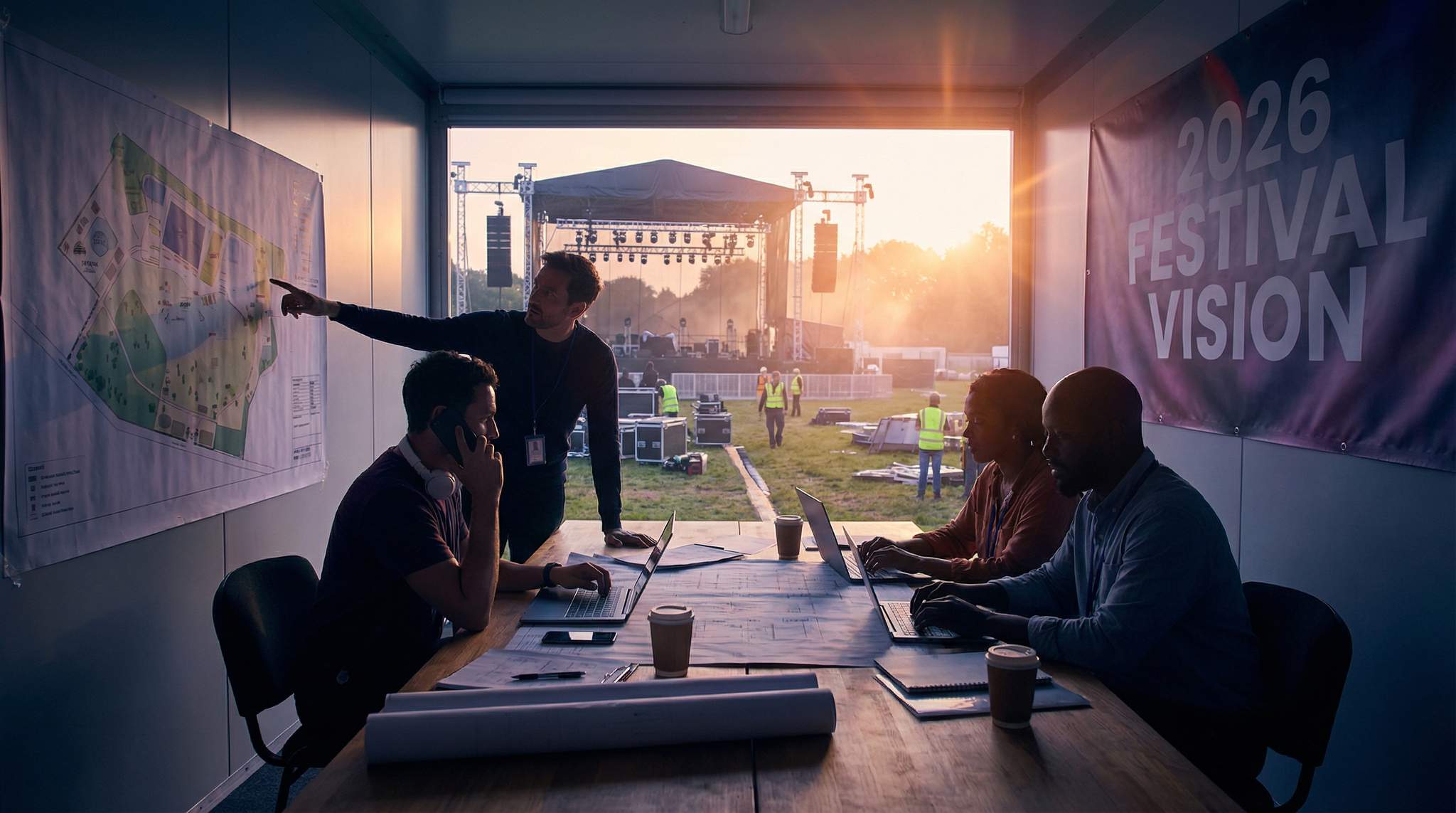
Equally critical is assembling the right team to execute that vision. Organize a core planning team and assign clear roles early on. Typically, you’ll need people (or departments, for large events) to handle: Operations/Production (logistics, permits, technical setup), Talent Booking (artists and programming), Marketing/PR (promotion and ticket sales), Finance (budget management, payments), and Sponsorship/Vendor Management. If it’s a smaller concert, one person might wear multiple hats; for a festival, you’ll have dedicated leads for each area. Make sure each team member understands their responsibilities and has the expertise to handle them. Establish a regular communication process (weekly planning meetings, shared project documents, etc.) to keep everyone coordinated. Pro tip: create an org chart or list of point people for key tasks – for example, designate who will be the on-site Stage Manager, who handles Volunteer Coordinator duties, who is the Safety Officer, and so on. By organizing your team with defined roles, you’ll avoid confusion and ensure nothing important falls through the cracks.
Whether you are operating locally or expanding into international markets, the components that must exist in good music performance planning remain universal. A solid foundation requires a realistic financial model, a secured and properly permitted venue, a strategic talent booking plan, a comprehensive marketing strategy, and rigorous site operations. Mastering these core elements ensures that your production meets global standards for safety and attendee satisfaction.
Ready to Sell Tickets?
Create professional event pages with built-in payment processing, marketing tools, and real-time analytics.
When diving into new music event planning, staying ahead of industry shifts is vital. For 2026, event planning music recommendations from top talent buyers emphasize genre-fluid curation and data-driven booking. Rather than sticking to a single rigid style, successful organizers are analyzing local streaming trends to build diverse, multi-genre lineups that capture broader demographics while maintaining a cohesive vibe.
For independent promoters figuring out how to organise a concert series or a standalone showcase, this genre-fluid approach must be balanced with strict financial modeling. Effective concert planning dictates that your creative vision should never outpace your operational budget. Whether you are looking to organize a live music gig in a traditional club or a repurposed warehouse, establishing these financial and creative boundaries early is the ultimate key to long-term promoter success.
When learning how to plan a concert, one of the most common pitfalls is underestimating the lead time required for effective promotion. Successful concert planning dictates that your marketing campaign should launch at least eight to twelve weeks prior to the show date. This window gives you ample time to deploy targeted digital ads, distribute physical flyers, and build organic hype within the local community, ensuring your ticket sales gain momentum well before the doors open.
Budgeting for your music event
Once your core team and vision are in place, one of the very first tasks is to create a detailed budget. Your budget is the financial blueprint that will shape almost every aspect of the event. Start by determining how much money you have to work with – consider all potential income sources such as ticket sales, sponsorships, merchandise, food and beverage sales, and possibly grants or donations. Then, list out all expected expenses: venue rental, artist fees, sound and lighting equipment, staffing, marketing, insurance, permits, stage construction, sanitation, and so on. Be as thorough as possible. Always include a contingency reserve (often 5-15% of the budget) for unexpected costs – because in live events, surprises will happen.
Turn Fans Into Your Marketing Team
Ticket Fairy's built-in referral rewards system incentivizes attendees to share your event, delivering 15-25% sales boosts and 30x ROI vs paid ads.
When setting your budget, research typical costs in your region and genre. For instance, talent fees can vary widely based on an artist’s popularity, and production costs will scale with venue size. Keep in mind that industry costs have risen in recent years – inflation affects everything from equipment rentals to porta-potties. One California festival organizer noted they paid $10,000 for portable toilets one year, but were quoted $16,000 for the same quantity the next year – a 60% jump, as noted in recent festival budgeting reports! Likewise, artist performance fees have been climbing: a study in France found performer fees up 30–40% since 2020 on average, contributing to two-thirds of festivals running a deficit in 2024, a struggle highlighted by Le Monde’s analysis of festival economics. These trends mean you should budget conservatively and look for savings where possible. Negotiate rates with vendors and artists, and seek sponsorship or community support to offset big expenses.
To give you a ballpark sense of how costs often break down, here’s an approximate budget breakdown for a mid-sized music event:
Grow Your Events
Leverage referral marketing, social sharing incentives, and audience insights to sell more tickets.
| Budget Category | Typical Items Included | Approx. % of Total Budget |
|---|---|---|
| Talent (Artists/DJs) | Performance fees, travel, hospitality, riders | 40% – 60% (major cost driver) |
| Venue & Infrastructure | Venue rental, staging, sound & lighting equipment, power supply, fencing | 15% – 25% |
| Operations & Staff | Crew wages, security, medical, insurance, permits | 10% – 20% |
| Marketing & Promotion | Advertising, social media, PR, printing, influencers | 10% – 15% |
| Vendors & Hospitality | F&B vendor costs, artist hospitality, amenities (e.g. toilets) | 5% – 10% |
| Contingency | Reserve for unexpected costs | ~5% (buffer) |
Note: These percentages can vary greatly depending on the event. A festival with superstar headliners might spend 60%+ on talent, whereas a community event might have higher venue or permitting costs. Adjust your budget to fit your event’s unique needs.
The goal is to balance expenses against realistic income projections. Price your tickets appropriately (we’ll discuss ticketing in a moment), and calculate your break-even point – the number of tickets you must sell to cover costs. Track your budget in a spreadsheet and update it as quotes come in and plans firm up. If you secure sponsors or additional funding, allocate those funds wisely to areas that will boost attendee experience or safety. And remember, profitability matters: while passion drives music events, you need to at least break even (or ideally turn a profit) to sustain future projects. Careful budgeting and financial monitoring will help ensure your event doesn’t go into the red. For a detailed guide on building and optimizing an event budget, see our article on creating and optimizing the production budget.
Warning: Don’t underestimate costs or skip a contingency fund. Many first-time promoters make the mistake of forgetting “hidden” expenses – like insurance, taxes, or last-minute equipment needs – only to see their budget blown. Plan for the worst-case scenario in expenses, and you’ll be prepared for anything.
Deciding on the perfect venue
With your initial budget in mind, you can confidently start the search for a venue – one of the most critical decisions you’ll make. The venue not only provides the physical space for your music event, but also heavily influences the atmosphere, logistics, and even the type of audience you’ll attract. Some key factors to consider when evaluating venues include:
Smart Promo Codes & Presale Access
Create percentage or flat-rate discount codes with usage limits, date ranges, and ticket type restrictions. Plus unlock codes for private presales.
- Capacity: The venue should comfortably accommodate your expected crowd (and meet any capacity rules or COVID-related health guidelines in effect). A sold-out show in a moderately sized venue feels electric; an oversized venue that’s half-empty will feel flat.
- Location & Accessibility: Consider the location’s convenience for your target audience. Is there ample parking or public transport? For destination festivals, think about nearby accommodations. Ensure the site is accessible for attendees with disabilities, and consider traffic flow for load-in/out.
- Acoustics & Production Capabilities: A music event lives or dies by its sound. An indoor venue should have good acoustics or soundproofing; outdoor sites should be assessed for how sound will carry. Check the venue’s stage dimensions, power supply, lighting rig capacity, and any built-in AV equipment. Ideally, choose a venue that can support your technical needs without requiring extremely expensive modifications.
- Regulations & Permits: Every location will be subject to local regulations. Verify the venue has the appropriate licenses (liquor license if you’ll serve alcohol, for example) or determine what permits you must obtain. Noise ordinances are crucial – if it’s an outdoor or late-night event, know the local sound curfew and plan your schedule accordingly. Also, ensure the venue meets safety codes (fire exits, emergency plans) and can obtain any necessary event permits through the city or county. Working with venues that have hosted similar events can smooth this process, as they’ll often have established workflows with authorities.
- Indoor vs. Outdoor: Decide what setting best fits your event. Outdoor venues (like open fields, parks, or streets for block parties) offer an open atmosphere and larger capacities, but they introduce variables like weather and higher infrastructure needs (you may need to bring in stage structures, generators, tents, etc.). Indoor venues (clubs, theaters, halls) provide more controlled environments (and usually built-in amenities like restrooms), but may limit crowd size or have stricter rules. Always have a rain plan or weather contingency for outdoor events – e.g. tents, rain dates, or venue insurance for weather cancellation.
For promoters looking beyond standard rentals, understanding how to set up a music venue from scratch—whether as a permanent installation or a multi-weekend pop-up—requires a deeper level of operational planning. Establishing a new performance space means navigating complex commercial zoning laws, securing specialized acoustic treatments, and installing robust rigging points for touring acts. Venue operators must also design efficient crowd flow models, ensuring that bar placements, box office queues, and restroom facilities can handle peak capacity without creating dangerous bottlenecks.
Choosing the right venue often involves balancing ambience, practicality, and cost. Tour prospective sites in person if possible. Imagine the audience flow: where will the stage and speakers go? Is there space for merchandise tables, food vendors, VIP areas, etc.? Also consider backstage needs – is there a green room or secure area for artists and equipment storage? Once you’ve identified your top choice, move quickly to secure the venue with a contract and deposit (good venues often book out many months or even over a year in advance, especially for popular dates/weekends). Locking in your venue and date will then allow the rest of your planning (talent booking, ticket sales, marketing) to move forward.
Another early consideration is whether to incorporate a hybrid or virtual component for your music event. During the pandemic, livestreamed concerts and hybrid events (with both in-person and online audiences) became common. In 2026, in-person experiences are the priority for most music fans, but streaming elements can still expand your reach globally and provide additional content. Some event organizers choose to livestream certain performances or offer a virtual ticket for those who can’t attend physically. If you plan to do this, ensure your venue has the technical capacity – a strong internet connection, camera positions, and permission to film the artists. You’ll also need to budget for filming/streaming crew and consider any licensing issues for broadcasting music. If you need help deciding whether your event should go hybrid, take a look at our definitive checklist for streaming online events. It provides a step-by-step guide to adding an online streaming component to live events.
Setting up your event ticketing and online presence
With your venue and date confirmed, it’s time to set up an online ticketing page and event presence. In today’s digital-first world, an event without an online ticketing platform is bound to struggle – you need a central hub to direct people to for all information and ticket purchases. As soon as you’re ready to announce your event, have this ticketing page live and tested. It should clearly list the event date, time, location, lineup (if known), age restrictions, and any unique features (e.g. “Outdoor event, rain or shine,” “Costumes encouraged,” etc.). Include enticing descriptions and visuals to get people excited. If you have multiple ticket tiers (e.g. General Admission, VIP, Early Bird pricing), set those up with their respective quantities, prices, and sale timelines.
When figuring out exactly how to set up ticketing for a live music event, promoters must configure several backend elements before going live. First, establish your ticket tiers and inventory limits to create scarcity. Next, integrate a reliable payment gateway that supports multiple currencies if you are expecting international attendees. You will also need to define your refund policy and customize the checkout questionnaire to gather essential attendee data. Finally, ensure your overall event set up includes testing the mobile box office app and physical scanning hardware so your door staff can process entries seamlessly on the night of the show.
Using a robust ticketing platform like Ticket Fairy can greatly streamline this process. For example, Ticket Fairy’s event pages allow promoters to track detailed audience demographics, helping you understand your buyers. The platform also offers built-in marketing integrations: an email messaging system to contact ticket holders or waiting lists, pre-registration and waitlist features (so you can gauge interest or manage overflow demand), and even the ability to offer promo codes or incentives. Ticketing data is incredibly valuable – it can show you which marketing channels drive sales, when most tickets are being sold, and where your audience is located, all of which can inform your promotion strategy.
Grow Your Social Following With Every Sale
Require social media follows, shares, or playlist adds to unlock presale access or special pricing. Turn every ticket purchase into audience growth.
Pro Tip: Consider offering a limited batch of early-bird tickets at a special price when you first announce your event. Early-birds reward your biggest fans and create urgency – giving you some upfront sales and momentum. Just make sure to clearly communicate the quantity available or the cutoff date, and then transition prices gradually (e.g. “Tier 1,” “Tier 2” pricing) as the event approaches. This tiered approach can boost overall revenue while still incentivizing fans to buy sooner.
Aside from the ticketing page, establish your event’s web and social media presence. You may create a dedicated event website or simply use the ticketing page plus social media profiles. At minimum, set up event pages on major social platforms where your target audience hangs out – for music events, Instagram, Facebook, and Twitter (X) are common, and TikTok is increasingly important for reaching younger audiences. Keep handles consistent and start posting teasers or “save the date” content. Building an online community early can turn followers into free promoters as they spread the word. If your event is part of an ongoing series or a festival brand, investing in a simple website with past highlights, FAQs, and an email newsletter sign-up can also enhance credibility and capture long-term fans.
Finally, don’t forget to leverage technology to enhance the ticket buyer experience. For example, Ticket Fairy’s platform includes a unique referral program that turns your attendees into ambassadors. How does it work? Ticket buyers get a special referral link; when they invite friends who buy tickets through that link, the original buyer earns back credit or even cash. This kind of program can help promoters sell 20% more tickets via referrals than they would through standard marketing alone. Fans love it because they can get a rebate on their ticket or free upgrades, and it incentivizes word-of-mouth buzz. By setting up your ticketing and online presence thoughtfully, you lay the foundation for successful marketing in the next phase of planning.
Pre-production: Organize Logistics and Build Your Event Infrastructure
Once the initial planning and announcements are underway, it’s time to dive into pre-production – the nuts and bolts of making your event physically happen. Pre-production involves coordinating all the on-site logistics and services needed for a smooth event day (or weekend). Think of it as building a mini-city for your music event: you’ll be arranging stages, sound, and lights, bringing in vendors and facilities, scheduling load-in and teardown, and ensuring health and safety systems are in place. This phase is where solid project management is key – you’re turning the ideas from pre-launch planning into tangible setups.
Infrastructure setup: staging, sound, lighting, and more
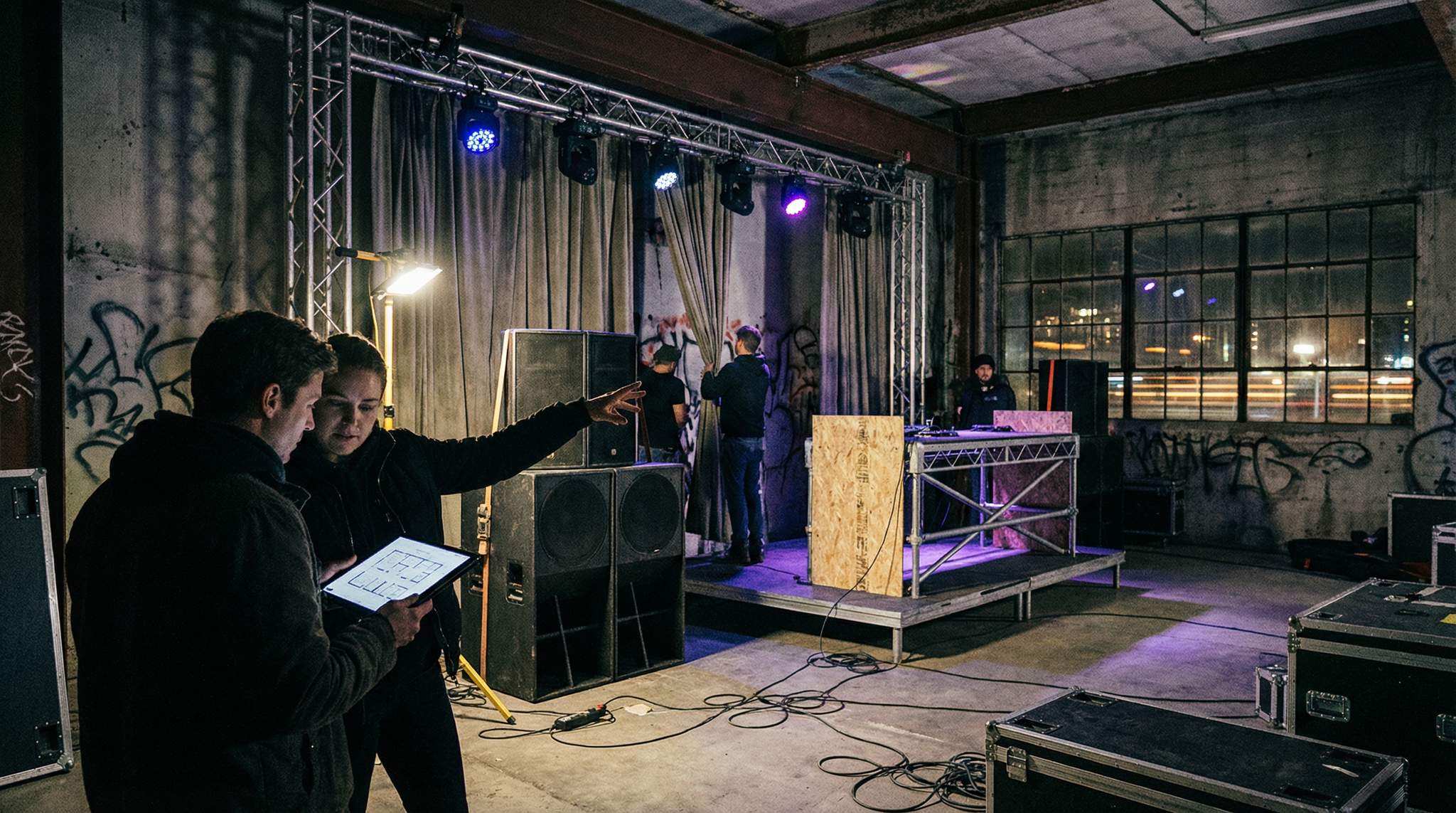
First up, work with your production team to plan the event infrastructure. If you’re in an indoor venue like a concert hall or club, some infrastructure exists (stage, PA system, lighting rig, etc.), but you may need to supplement or adjust it. For outdoor venues or unconventional spaces (a warehouse, a field, a rooftop), you often have to bring in everything. Common infrastructure elements for a music event include:
- Stage and Rigging: Determine the size of stage you need based on the performers (a solo DJ vs. a 10-piece band have different stage plots). Rent staging platforms if the venue doesn’t have one, and ensure you have appropriate rigging for lights, banners, or video screens. For festivals with multiple stages, plan stage locations to minimize sound bleed and allow crowd movement between them.
- Sound System: Hire a professional audio provider or confirm the venue’s system specs. The sound has to be powerful enough to cover your audience area with clear quality. Specify monitors for performers, microphones, DJ gear, amplifiers, and a mixing console. Plan for a sound engineer to be on site managing audio throughout the event (critical for preventing technical issues). Schedule a full sound check for each act – typically hours before doors open.
- Lighting and Visuals: Lighting sets the mood, especially for concerts at night or indoor shows. Depending on your event, you might need anything from a basic stage lighting kit to elaborate intelligent lights, lasers, or LED video walls. Coordinate with a lighting designer or technician to program a light show that complements each performance. If using video screens or projectors for visuals or live feed, arrange for those and a VJ (Video Jockey) if needed.
- Power and Utilities: Ensure adequate power supply for all the equipment. Large events may require portable generators and a distribution system (with cables, distro boxes, etc.), especially outdoors. Don’t overlook this – insufficient power can literally shut down the show. Also consider other utilities: access to water (for vendors or cooling), Wi-Fi or wired internet (for ticket scanning systems, payment processing, or live streaming), and cellular signal boosters if the venue is remote and you need communication.
- Site Structures: If outdoors, you’ll likely need tents or covered areas (for the stage, VIP, artist lounge, medical tent, etc.), fencing or barricades to secure the perimeter, and crowd control barriers in front of stages or other high-traffic zones. Plan where entrances and exits will be and set up gating or turnstiles for ticket check-in. Also designate areas for essential site services: first aid stations, security base, production office, backstage/green room, restrooms, and waste disposal (trash and recycling bins throughout). It can help to draw a site map to scale, marking all these elements and pathways.
For outdoor or non-traditional spaces, you must also physically prepare the ground. A live music venue built from scratch in a field or parking lot requires careful terrain assessment. Ensure the stage footprint is level and stable, utilizing heavy-duty ground protection mats to prevent machinery from sinking during load-in and to shield the turf from thousands of dancing feet. Proper ground preparation prevents trip hazards, ensures ADA accessibility, and mitigates severe mud issues if weather turns poor.
Data-Driven Event Marketing
Track ticket sales, demographics, marketing ROI, and social reach in real time. Exportable reports give you the insights to make smarter decisions.
If you are transforming an undeveloped site into a temporary live music venue, you must prepare the ground meticulously before any heavy equipment arrives. This means conducting soil compaction tests, mapping out drainage routes to prevent flooding, and laying down modular flooring for pedestrian walkways. Proper ground preparation not only protects the environment but also ensures that your production vehicles won’t get stuck during a tight load-in schedule.
When you prepare the ground for a temporary live music venue, you are essentially building the foundation for your entire production. Concert planning at this scale requires coordinating heavy machinery, staging vendors, and site operations teams to ensure the terrain can safely support both the massive infrastructure and the expected crowd capacity without degrading the site.
When evaluating how to set up a concert from a technical standpoint, promoters must bridge the gap between the artist’s rider and the venue’s baseline capabilities. This phase of music event planning requires meticulous attention to staging dimensions, power distribution for heavy audio-visual rigs, and precise load-in schedules for backline equipment. A flawless physical setup ensures that the transition from an empty room to a fully operational performance space happens safely and efficiently.
Once you’ve outlined what’s needed, hire the necessary vendors and contractors. This might include a production company that can provide staging, sound, and lights as a package, or separate specialists for each. For smaller events, the venue’s in-house tech team might cover a lot of this. Get quotes early, confirm installation and teardown times, and share your event schedule so everyone knows when they can access the site. It’s wise to build in extra time for load-in and setup; unexpected delays (weather, traffic, equipment issues) are common, and you don’t want to be doing sound check as the doors open! Create a production schedule that details when every vendor arrives, what they’re responsible for, and who is supervising. Good coordination during load-in will set a positive tone for event day.
Managing staff, volunteers, and vendors
A music event is only as strong as the people working it. By now, you should be recruiting and finalizing the staff and volunteers who will run the show on event day. Key personnel to line up include:
- Security Team: A licensed security company or team of trained guards is essential for any sizable event. They handle crowd entry (bag checks, ID checks if 18+/21+ event), stage pit management (keeping eager fans from dangerous crowding or hopping on stage), artist escort, and overall patron safety. Work out a deployment plan (e.g. X number of guards at front of stage, Y at the door, roaming teams in crowd, overnight security if multi-day). Communicate emergency procedures to them clearly.
- Medical and First Aid: Partner with an EMS provider or have certified medics on site. For large festivals, an on-site ambulance or first aid tent with nurses/EMTs is recommended. Even at small shows, have a basic first aid kit and a plan for contacting local emergency services quickly. Safety is a huge liability issue – it’s better to be over-prepared. Many events also stock naloxone (Narcan) kits and train staff in overdose response, given the realities of concerts and festivals. (Note: For insights on purchasing trends, see our guide on managing last-minute festival ticket buyers).
- Technical Crew: These are your sound engineers, lighting operators, stagehands, and tech support people. Often the vendor supplying the stage, sound, and lights provides a crew to run them. Make sure they know the show schedule and each act’s technical requirements (you should gather tech riders from performers in advance). If you have video or pyrotechnics, those require specialists too. A stage manager is crucial to coordinate the show – calling set times, managing changeovers between acts, and solving on-stage issues.
- Hospitality & Operations Staff: This includes bar staff (if serving drinks), food stall workers (if not just food trucks managing themselves), merch sellers (for artist or event merchandise), and runners or general hands to do errands. If your event is big, having a few dedicated runners or production assistants is invaluable – they can go buy last-minute supplies, coordinate parking, deliver water to staff, etc.
- Volunteers: Many independent events rely on volunteer help for things like ticket scanning, information booths, artist liaison, or vip check-in. If using volunteers, recruit early, communicate perks (e.g. free entry after a shift, a t-shirt, meals), and provide basic training so they know their job. Also assign a volunteer coordinator on your team to manage them. Note: By 2026, volunteer programs have evolved with more structure due to labor laws and higher attendee expectations; treat volunteers with respect and don’t overwork them if you want a good outcome.
Effective event management for music concerts relies heavily on centralized communication and rigorous oversight. As the lead producer, you act as the hub of a massive operational wheel. Utilizing dedicated project management software tailored for live events can help you track vendor contracts, staff schedules, and permitting deadlines in one unified dashboard. This level of professional coordination ensures that when a crisis arises—whether it’s a delayed backline delivery or a sudden weather shift—your core team can pivot instantly without disrupting the attendee experience.
Built-In Email Marketing for Events
Send targeted campaigns, automated purchase confirmations, and post-event follow-ups directly from your ticketing dashboard.
Additionally, coordinate your food and beverage vendors. If the venue has in-house catering or a bar, work with them on menus and staffing. For festivals or larger concerts, you might bring in food trucks or local vendors to provide variety (and even generate revenue via vendor fees or revenue shares). Ensure all vendors have the proper health permits and insurance, and assign them specific load-in times and locations at the venue. If merchandise will be sold (your own event merch or artists’ merch), arrange for a merch booth with tables, a point-of-sale system (and good Wi-Fi or ethernet for card payments), and staff to run it. Consider the placement of everything: you want concessions and restrooms accessible but not causing bottlenecks near the stage or entry.
Safety and accessibility should underpin all your logistics planning. By pre-production stage, draft an Event Safety Plan covering emergency scenarios (e.g. severe weather, fire, medical emergency, security threat). Share this plan with your security team and local authorities as required. Modern best practices include having on-site emergency communications (like two-way radios for staff, and a PA or text alert system to instruct attendees if needed). Also, coordinate with local police, fire department, and any relevant agencies – they may require an inspection or have officers on standby for large gatherings. For outdoor events, check if you need to hire certified traffic controllers for ingress/egress of vehicles.
Finally, incorporate sustainability and accessibility measures into your logistics (today’s audiences and municipalities expect it). Arrange for recycling and trash collection (many events use volunteer “green teams” to help attendees sort waste). Minimize single-use plastics by encouraging vendors to use biodegradable or reusable serving ware. If power can be supplemented by greener sources (like biodiesel generators or solar for smaller setups), it’s worth exploring. From an accessibility standpoint, provide accessible viewing areas and facilities for attendees with disabilities – e.g., wheelchair-accessible toilet units, ramps if there are steps, and signage indicating where folks can get assistance. These efforts not only make your event more inclusive, they also demonstrate professionalism and care, boosting your event’s reputation. In fact, 80% of event planners now prioritize sustainability in planning, and 42% of attendees consider an event’s eco-practices when deciding to attend, according to current event industry statistics. A safe, well-organized, and socially conscious event site is the backbone of a great music event experience.
Warning: Pay attention to the small logistical details. An event can be going great, but if you run out of toilet paper in the restrooms or ice at the bar, you’ll quickly have unhappy attendees. Make a checklist of easily overlooked items (trash bags, gaffer tape, extension cords, earplugs, etc.) and double-check that all vendors and staff are properly equipped. Nothing is too minor to plan for when it impacts the attendee experience!
Programming: Booking Talent and Crafting the Entertainment
With your venue and infrastructure coming together, you also need to program the content of your music event – in other words, decide who and what your attendees will see and hear on stage. Programming includes booking the right talent (artists, bands, DJs, or other performers), planning the schedule or set times, and arranging any additional entertainment or activities to round out the experience. This is arguably the heart of your event – great production means nothing if the music falls flat. Conversely, the perfect lineup can overcome many hiccups. Here’s how to approach programming your concert or festival.
Booking performers that fit your event
Start by researching and curating a lineup that matches the vision and target audience you established in pre-planning. Make a list of potential artists or bands that would attract your audience and fit the atmosphere you want. Consider both the genre and the popularity level that makes sense. For example, if you’re organizing a techno night for 500 people, you might book a mix of local DJs and one internationally known headliner; for a multi-stage rock festival, you’ll need a few big name acts each day plus emerging artists to fill earlier slots. Be realistic with your budget – talent is often the single biggest expense. It’s smart to identify a few must-have headliners and several backup options in case those aren’t available or affordable.
For those looking for specific event planning tips for musicians, self-producing a show requires balancing your artistic vision with strict budget management. When you put on a concert yourself, you take on the financial risk of the venue rental and production costs. To mitigate this, independent artists should partner with complementary local acts to share the draw, negotiate door-split deals with smaller venues before scaling up, and leverage their direct-to-fan mailing lists to guarantee a baseline of ticket sales before investing heavily in paid advertising.
Beyond self-production, these event planning tips for musicians are equally valuable when collaborating with established promoters. Understanding the financial pressures of live show production allows artists to negotiate better co-promotion deals, ensuring that both the talent and the venue operator share in the event’s financial upside.
For artists wondering how to approach event planning for musicians as a long-term career strategy, the focus must shift toward building a scalable brand. Rather than just booking a single release party, musicians should view their self-produced shows as an annual or semi-annual property. By retaining ownership of the ticketing data and cultivating direct relationships with local vendors, artists can gradually increase their venue capacities, transforming a simple hometown gig into a highly profitable, recurring mini-festival.
When selecting performers, think about:
- Thematic fit: Does the artist’s style and image align with the theme or vibe of your event? (For instance, booking a jazz ensemble at a heavy metal festival would be jarring, but it might work at an eclectic arts festival.) If your event has a cultural or niche angle, prioritize artists who embody it.
- Audience appeal: What does your target audience expect and value? If they’ve paid to attend a trance music event, they probably expect at least one big-name trance DJ on the bill, plus supporting acts in that genre. Know your audience’s tastes – even consider running informal polls on social media for who they’d love to see. Booking an act with a strong fan following can directly boost ticket sales.
- Artist history & draw: Research each potential act’s track record in your market. Have they played in the area recently, and did it sell out? How active are their fans? A performer’s social media engagement can hint at their drawing power. You generally want a lineup that will collectively pull enough fans to meet your ticket targets. (One tip: look at similar events’ past lineups to gauge what combinations of talent worked for attendance.)
- Values and reputation: More than ever, fans and sponsors care about the ethos of an event. Ensure the artists you book don’t carry reputational risks or a history of no-shows. If your brand values inclusivity or positivity, the performers should reflect that. On the flip side, truly controversial artists can draw backlash that harms your event’s image, so vet your talent roster carefully.
- Budget vs. benefit: Always weigh an artist’s fee against the benefit they bring. A general rule some promoters use: the headline artist’s fee should be roughly proportional to the share of tickets they are likely to sell. For example, if a DJ wants $50,000 but would only draw an extra 100 attendees, that probably doesn’t pencil out. Sometimes booking two mid-level acts for the price of one superstar yields a better overall draw and experience. Keep negotiations friendly but firm – it’s okay to walk away if a deal doesn’t make financial sense.
Once you have your wishlist, start reaching out and negotiating bookings. If artists have agents or managers, you’ll be dealing with those representatives. Prepare a concise pitch: introduce your event (date, venue, what it’s about), why you want that artist, and inquire about their availability and fee. Be prepared to discuss what you can provide beyond fee – travel costs, accommodation, technical needs, length of set, and any exclusivity (e.g. they might agree not to play another show in the area within 2 weeks of your event). When both parties agree, get everything in writing via a performance contract. The contract should spell out the artist’s set time and length, the payment terms (deposit and balance schedule), technical and hospitality rider requirements, cancellation terms, and what happens in case of force majeure (e.g. event cancellation due to weather). If you’re new to booking, templates or booking agencies can help, but when in doubt, consult an entertainment lawyer to review contracts for significant deals.
Pro Tip: In 2025 and 2026, competition for top artists has been fierce – performance fees have skyrocketed and big acts get locked in earlier than ever, a trend detailed in reports on the fragile economics of festivals. If your dream headliner is out of budget or already booked elsewhere, consider creative approaches: team up with another local promoter to do a back-to-back night (splitting the travel costs), schedule your event just before or after a major festival so artists are already touring nearby, or seek a sponsorship specifically to cover a big artist’s fee. Savvy promoters sometimes negotiate package deals (e.g. two mid-level artists from the same agency for a combined rate). Keep an open mind and have backups for each slot.
Apart from musical acts, think about additional programming to enhance the event. Many festivals and concerts incorporate other forms of entertainment to make the experience more immersive. This could include live art installations, dancers, an emcee or host, interactive stalls (e.g. a photo booth, music tech demos), or even workshops during daytime festival hours. For example, some day-long music festivals might host yoga sessions in the morning or panel talks with artists for VIP ticket holders. These extras can differentiate your event and provide value, especially if you’re running a multi-day or multi-stage affair where people appreciate variety. Just be sure any added programming fits the logistics and doesn’t distract from the main music schedule.
Scheduling set times and managing the show flow
With artists booked and ideas in place, create a detailed event schedule. Crafting the running order is like solving a puzzle that accounts for artist availability, production needs, and audience energy levels. Start by locking in the headline slots – usually your biggest acts get the prime time positions (e.g. closing the night or the 9pm slot on a festival day). Then work backwards and forwards to fill in opening acts and middle supports in a logical flow. Common practices include starting with smaller local acts to warm up, gradually building to more popular artists, and maintaining a good genre flow (if you have mixed genres, be mindful of transitions so the audience isn’t jarred). If you have multiple stages, consider staggering set times slightly so that people can catch portions of different acts (and to avoid everyone crowding one stage at the same time, if capacity is a concern).
A few key considerations for scheduling:
- Set length and changeovers: Decide how long each artist will perform and how much turnover time you need between sets. A typical club show might have 15-minute changeovers, whereas a festival stage with full band setups might need 30–45 minutes between sets. Factor in time for DJs or bands to remove gear and the next act to set up and do a quick line check. If an artist requires a lengthy soundcheck, you may do it earlier in the day to keep the show running on time during public hours.
- Technical constraints: Avoid scheduling two acts back-to-back if they have dramatically different technical setups that would cause delay. For example, if one band has an elaborate drum kit and another is a solo acoustic act, it might be smoother to have a simpler act follow a complex one (so teardown is quick and the next can start). Also coordinate any shared equipment or backline — festivals often have a “house drum kit” or amps to minimize swaps.
- Artist needs: Some artists may request a specific slot due to travel or preference. If a performer is flying in on the day of show, you might put them later to cushion any delays. Communicate the draft schedule to all artists in advance when possible, to catch any issues. It’s beneficial to keep a bit of flex time somewhere in the schedule (e.g. a longer dinner break or a DJ set that can extend) just in case things run behind.
- Curfew and encores: Know the absolute hard cutoff time of the event (venue curfew or permit limit). Plan the headline act to finish slightly before that, so there’s room for an encore or any slight overruns. It’s better to end 10 minutes early than to have the power cut by authorities because you broke curfew (which can also result in fines). Inform artists of any curfew – some will adjust their set to fit.
- Audience experience: Put yourself in the shoes of an attendee when reviewing the schedule. Are there any awkward gaps where nothing is happening? Long silence is a vibe killer, so if you have breaks (e.g. a long changeover), perhaps have an MC engage the crowd or play background music. Conversely, sometimes a short break is good for attendees to grab food or use restrooms without fear of missing a favorite act. The goal is a smooth flow that balances energy – build excitement toward the peak acts, and maybe plan something fun to keep folks around until the very end (like a popular local DJ for the afterparty set).
Once the schedule is finalized, distribute a detailed run-of-show document to all teams: production crew, stage managers, artist liaisons, etc. This document should list every timing: when doors open, set start and end times for each act, and any other key moments (speeches, special effects, etc.). Also include critical phone numbers (for production manager, stage manager, security lead, etc.) so everyone can coordinate. During the event, it’s wise to have a large visible schedule posted in backstage areas and have stage managers or MCs keeping artists informed (“You’re on in 10 minutes!”). Audiences appreciate punctuality – a show running significantly late can frustrate fans, especially if it causes overlap or transportation issues when leaving.
Despite all the planning, be prepared for on-the-fly adjustments. Maybe an artist gets stuck in traffic and you need to swap time slots, or weather delays the start – experienced organizers always have backup plans. One common safety net is identifying a performer (like a resident DJ or flexible act) who can fill time if needed. For example, if a band cancels last-minute, perhaps a DJ can extend their set to cover the gap. Keeping an open line of communication via radios or a messaging group with key staff allows you to react quickly. As long as the crowd is entertained and informed (use stage announcements or social media to communicate any major changes), the show will go on.
Pro Tip: Always book one extra act or DJ than you technically need, especially for festivals. This doesn’t mean you have to spend a fortune on a backup headliner – it could be an affordable local artist on standby. But having a standby performer can save the event if someone cancels or if you have an unexpected schedule hole. Even a trusted DJ who can play an impromptu set will keep the energy up so the audience never feels a pause. In the live event world, Plan B and Plan C are your best friends!
Promoting the Event: Marketing, Media, and Driving Ticket Sales
You can line up the best venue and talent in the world, but the event won’t be a success if nobody knows about it. That’s where promotion and marketing come in. Promoting a music event effectively means creating awareness, excitement, and urgency for people to buy tickets. In 2026, event promotion is a multi-faceted effort spanning digital marketing, traditional advertising, PR outreach, and community engagement. By the time you’ve set your lineup and schedule, you should already be in full swing with marketing – in fact, promotion often begins as soon as you have the event name, date, and venue (even before the lineup is complete, via “save the date” teasers). Let’s break down the key components of an effective concert/event marketing campaign.
Building an online buzz
Digital marketing is usually the centerpiece of modern event promotion. Start with your event’s social media channels and official website or ticket page. Regular, engaging content is king. Announce your lineup with fanfare (for example, a poster image or an artist-by-artist reveal over several days). Share teaser videos or music clips from the performers to give audiences a taste of what to expect. Create a unique event hashtag and encourage people to use it – for instance, #SunsetMusicFest2026 – so you can track chatter and amplify user-generated posts. Many promoters roll out content in stages: early-bird ticket announcements, lineup drops, behind-the-scenes looks at preparations, artist interviews, and countdown posts as the date approaches. Visuals are especially powerful for music events – short video reels on Instagram or TikTok showing past event highlights (or the kind of vibe you aim to create) can trigger serious FOMO (fear of missing out) and drive ticket sales.
Leverage every relevant channel:
- Facebook & Instagram: Great for creating official event pages, running paid ads, and posting a wide variety of content (photos, videos, Stories, Reels). Facebook events can serve as an information hub and allow fans to RSVP or ask questions. Instagram’s highly visual nature is perfect for showcasing the atmosphere; use Instagram Stories for quick updates and Reels for broader discovery. Consistency is key – post regularly and respond to comments or DMs to build engagement.
- TikTok and YouTube: If your target audience skews Gen Z or Millennial, TikTok can be a goldmine for virality. Encourage performers to create a TikTok about playing at your event (maybe a sneak peek of a new track or just them hyping it). Trends like dance challenges or behind-the-scenes memes can catch on. YouTube is the place for longer-form content – consider making an official trailer or artist spotlight videos. Additionally, live-streamed mini performances or Q&As on YouTube or Instagram Live ahead of the event can drum up excitement.
- Twitter/X and other platforms: Twitter (now rebranded as X) is useful for concise news blasts like “Just 100 tickets left!” or real-time updates. It’s also good for engaging with niche communities (e.g. EDM Twitter). Platforms like Reddit, Discord, or specific music forums can help you tap into enthusiast groups – share the event in relevant subreddits or fan groups if allowed (but be genuine, not spammy).
- Email marketing: Don’t overlook email – it’s one of the highest conversion channels. Build an email list via your ticketing platform or a signup form on your site. Send out announcements to your subscribers: on-sale notifications, lineup additions, “last chance” reminders before ticket tiers increase, etc. Personalize emails if possible (e.g. highlight if a subscriber came last time, “We’d love to have you back at XYZ event!”). An in-built email tool like the one provided by Ticket Fairy can segment your audience (e.g. by location or past purchase) for targeted messaging.
One advanced tactic is to utilize custom audiences and retargeting in your online ads. For example, upload your email list or past ticket buyer list to Facebook/Instagram Ads Manager to create a Custom Audience, then run ads specifically to those people (or a lookalike audience similar to them). This ensures your ads are hitting likely buyers. Our step-by-step guide on using custom audiences for festival marketing offers detailed advice on leveraging this powerful strategy. Additionally, install a Facebook Pixel or similar tracking on your ticket page so you can retarget people who visited but didn’t purchase – often a gentle reminder ad or a limited-time discount can convert those on-the-fence fans.
Throughout your online promotion, focus on what makes your event special. Highlight any unique experiences (e.g. “sunset DJ set on the beach” or “free after-party for all ticket holders”). If any of your performers have a dedicated fanbase or high social media following, coordinate with them to announce their appearance – artists often will post the flyer and ticket link, tapping into their loyal fans. This collaboration can greatly amplify reach. Just ensure all partners have the correct information and branding.
Traditional marketing and local outreach
While digital is critical, don’t ignore traditional and local marketing – especially if your event targets a specific city or region. Physical marketing can cut through the online noise and reach people in their day-to-day environment. Here are some traditional tactics:
- Posters and Flyers: Design catchy posters and put them up in strategic locations: music venues, colleges, cafes, record stores, and other places your potential attendees hang out. Many cities have community boards or allow flyers in shop windows (with permission). A compelling poster with your lineup, date, and a QR code for tickets can grab eyeballs. Street teams handing out flyers at related concerts or nightlife hotspots can also be effective. (Be sure to obey any local postering laws to avoid fines.)
- Billboards and Outdoor Ads: If budget allows, a well-placed billboard or transit advertisement (on buses, trains, or stations) can hugely boost local visibility. Outdoor marketing can capture commuters’ attention in ways online ads might not, as suggested by recent event marketing statistics. Keep the messaging simple for drive-by readability – event name, dates, a bold graphic, and maybe a short URL or hashtag. Even digital billboards for a week or two leading up to the event can reinforce awareness.
- Media Partnerships: Reach out to local radio stations, newspapers, or magazines (including online media outlets/blogs) that cover entertainment. They might run an events calendar listing or even do a feature or interview, especially if you have a compelling story or a big-name headliner. Regional radio can be a powerful ally – consider offering ticket giveaways on air in exchange for them promoting the show. Some stations might even broadcast live from your event for added buzz. Likewise, local TV news sometimes covers interesting events (particularly if there’s a charity aspect or a renowned artist involved). Craft a press release with the key details and send it to media a few weeks in advance.
- Influencer and Community Marketing: Identify influential figures in your scene – this could be local music bloggers, popular club promoters (not in direct competition), or social media influencers who align with your event’s genre. Invite them to be part of the promotion, perhaps as hosts or simply by sharing the event with their followers. Sometimes giving an influencer a pair of free VIP tickets to raffle off to their audience can motivate them to hype your event energetically. Similarly, engage music communities: for instance, if you’re organizing a punk show, collaborate with local punk record labels or zines; if it’s an EDM rave, work with EDM Facebook groups or a streetwear brand popular in that crowd. Authenticity matters – people can tell if an endorsement is genuine, so focus on partners who truly dig what you’re doing.
Another great way to promote is by creating collaborative content. This could be as simple as a Spotify playlist featuring songs from all the artists on your lineup (share it out and tag the artists – they’ll likely share it too), or as involved as hosting a small pre-event party or live stream. Pre-parties or pop-ups at local venues (for example, a launch event at a bar with a guest DJ) can generate word-of-mouth and earn a little extra income or media attention.
Throughout your promotion phase, emphasize ticket sales with clear calls-to-action. All your posts, flyers, and ads should point people to your ticket link or explain how to buy. You might use phrases like “Tickets on sale now – don’t miss out!” or highlight any deadlines (“Early bird pricing ends Sunday!”). In 2026, we observe many fans waiting longer to purchase tickets, sometimes until the last minute, a behavior analyzed in our article on winning the waiting game. This procrastination trend means you should plan some marketing pushes in the final weeks leading up to the event: ramp up the urgency by showing low-ticket warnings (“90% sold out!” if true), and consider limited-time offers like “Buy now and get a free merch item at the door” to spur action. For more tips on converting late buyers, see our guide on managing last-minute festival ticket buyers in 2026 – many of the strategies (like flash sales or tiered pricing) apply to concerts as well as festivals.
Engaging the press and public relations
Public relations (PR) goes hand-in-hand with marketing, focusing on getting editorial coverage of your event. A compelling story or unique angle can earn you free publicity that carries more weight than ads, because it’s coming from an independent source. When approaching PR for a music event, think about what makes your event newsworthy or special:
- Are you bringing a famous artist to the region for the first time?
- Is the event tied to a cause or charity (e.g. portion of proceeds to music education, or a post-pandemic revival story)?
- Is there a human-interest element – like a community coming together to make it happen, or the event resurrecting a historic music venue?
- Even a “festival culture” angle (such as being the first eco-friendly music festival in your city, or embracing mental health and wellbeing for attendees) can catch media attention, as seen in trends like festivals embracing mindfulness.
Write a press release that succinctly tells the story of your event (lead with the hook: “Boston’s indie music scene gets a boost this summer as [Your Event Name] brings 10 bands to a brand-new waterfront venue…” for example). Include the essential details (who, what, when, where, ticket info) and any notable quotes (perhaps a line from you as the organizer, or from a headliner expressing excitement). Send this to entertainment editors of local and regional media, and any music journalists or bloggers relevant to your genre. Often, local news websites have an “events” or “things to do” section – make sure you’re listed there.
As the event nears, do a final wave of promotion focusing on exclusive offers and reminders. You could release a limited number of discounted tickets via a partner (e.g. a radio promo code) to drive any remaining sales. Continue posting daily on social media in the week-of, sharing fun tidbits like stage setups in progress or messages from artists (“Can’t wait to play for you this Saturday!”). Also, set up your at-door ticket sales plan: will tickets be available at the gate? If so, communicate the price (which is often higher on the day of). Many modern events go fully mobile ticketing to prevent fraud and streamline entry – Ticket Fairy’s platform, for instance, handles mobile QR code tickets that can be scanned at entry for a quick check-in.
By covering all these promotional bases – digital, physical, PR, and partnerships – you maximize your reach. Each touchpoint reinforces the others. Someone might see a poster in a café, then get targeted by your Instagram ad, then hear their favorite DJ mention it on the radio, and finally a friend posts about going – that combined exposure is what often converts interest into a ticket purchase. It’s a lot of work, but as any experienced promoter will tell you, relentless and creative marketing is vital to hit your attendance goals. For further reading on specific tactics, you can explore related articles such as how outdoor marketing captures attention, taking event promotion to the next level, how audience demographics help promoters, organic social media campaign essentials, and planning a multifaceted digital strategy – each offers deep insights into executing specific pieces of the promo puzzle.
Post-Event: Follow Up to Maximize Future Success
Congratulations – you pulled off the event! The music has stopped and the crowd has gone home, but your job as an event organizer isn’t quite finished. The post-event phase is a crucial opportunity to cement your success, learn from any shortcomings, and maintain momentum for your next endeavor. Many promoters say that an event isn’t truly over until you’ve completed all the post-show tasks: settling finances, thanking stakeholders, and gathering insights to improve the next time. Let’s explore what you should do after the lights come up and the stage is cleared.
Load-out, teardown and immediate wrap-up
Right after the event ends, you’ll oversee the load-out and teardown. Your pre-production planning should have accounted for how and when vendors will dismantle stages, sound equipment, tents, etc., and how volunteers or staff will clean up the venue. Make sure all rental gear is returned and the venue is left in good condition (to avoid any damage fees). This process can often go late into the night or next morning for festivals – have shifts or fresh crew if possible to avoid exhaustion. Once the physical work is done, conduct a quick initial debrief with your core team while the experience is fresh. Note any major issues that occurred (e.g. “Main stage power dropped at 8pm” or “artist X almost missed their slot”) and any instant feedback from attendees or staff. This isn’t the full post-mortem yet, but capturing immediate impressions can be useful.
Crucially, ensure all artists and vendors are paid as agreed (or prepared for settlement). Most contracts require settling balances on event day. It’s wise to have the payments ready – whether that’s checks in envelopes or arranged bank transfers. Don’t forget to collect any equipment or merchandise of your own. Also, secure any recorded data from the event (ticket scan counts, incident reports from security, etc.) which you’ll analyze later.
Collecting feedback and measuring success
In the days following the event, gather feedback from attendees, staff, and stakeholders. This is gold for improving future events. Here are a few methods:
- Attendee Surveys: Send a follow-up email to all ticket buyers (your ticketing platform may let you do this easily). Thank them for coming and include a link to a short survey. Ask questions about their satisfaction with various aspects: venue, lineup, sound quality, staff friendliness, etc. Include a mix of rating-scale questions and an open comment section (“What was the most memorable part? Any suggestions for next time?”). To boost responses, you can offer an incentive like entering survey respondents into a raffle for a free ticket to your next event or a piece of merchandise.
- Social Media and Online: Check social media mentions, comments on your posts, and any hashtags for honest reactions. People often post what they loved or didn’t love unfiltered. Engage with these posts – thank them for positive comments, and diplomatically respond to any criticism (acknowledge issues and promise to address them). If you find great user-concert photos or videos, ask for permission to share them on your page as part of the event recap.
- Staff and Vendors Debrief: Hold an internal debrief meeting with your team and key vendors or partners. Go over each aspect of the event (planning, ticketing, operations, marketing) and discuss what went well and what could be improved. For instance, maybe the entry lines moved smoothly (success!), but there were complaints about bar queues being too long (room to improve by adding more bartenders next time). Take notes and compile a post-event report highlighting these points. Reviewing this report when you plan your next event will be invaluable.
- Key Metrics: Analyze the data. How many tickets were sold versus your goal? Did most sales come early or last-minute? What was your no-show rate (i.e., tickets sold vs. attendees scanned in)? If you had multiple ticket types, which sold out first? Also review financials: tally up all expenses and income to see if you met budget projections. Calculate ROI on major marketing spends if possible (for example, if you gave a discount code to a radio promo, how many used it?). Other metrics like social media engagement (mentions, hashtag uses, new followers gained) can indicate how the event resonated with the public.
Determining success depends on your initial goals. It might not be purely financial; maybe your aim was to establish a brand or to break even but build a community. Compare outcomes to goals: if you fell short, identify why (e.g. lower attendance due to unexpected competition from another event, or overspending in one area). If you exceeded expectations, note what decisions or strokes of luck contributed (perhaps an artist’s song blew up on TikTok just before the show, boosting interest). These lessons learned are what turn novice organizers into seasoned pros over time.
Thank-yous, publicity, and content after the event
Post-event is also a time for gratitude and continued engagement. Make sure to properly thank everyone who helped make the event successful:
- Sponsors and Partners: If you had sponsors, fulfill any remaining obligations. This might include sending them a post-event report with metrics (e.g. attendance, social reach) and photos showing their brand presence on-site. Write sincere thank-you emails or even send a small gift as appreciation. Happy sponsors are more likely to support you again. Publicly acknowledge them in a social media post or on your website (“Huge thanks to our sponsors for helping make this event possible!”).
- Artists and Vendors: Send thank-you notes to the performers and key vendors as well. A little professionalism goes a long way in building relationships. Tag artists in post-event social media content – they will likely share it too, which continues to spread the event’s name even after it’s over.
- Attendees: Most importantly, thank your attendees! A day or two after the event, post a heartfelt message on your social channels (and via email newsletter if you have one) expressing gratitude to everyone who came and helped create an amazing atmosphere. Share an official recap video or photo album if you have content. Many events hire photographers/videographers to capture highlight moments – now is the time to use that content. A 2-3 minute aftermovie with smiling faces, crowd shots, and epic stage moments can immortalize the experience. Attendees love to see if they can spot themselves and relive the memories. This content also serves as fantastic promotion for your next event (it’s basically proof of the great time people had).
- Media Follow-up: If any media attended with press passes, follow up to see if they will be publishing a review or photo gallery. Share any media coverage on your platforms (e.g., “Check out this awesome review from XYZ Magazine about our festival!”). Positive reviews or high-quality photo sets not only validate the event’s success but also act as promotion in retrospect.
A clever move post-event is to immediately leverage the momentum for future sales if you plan to do the event again. For an annual festival, many organizers now launch a “super early bird” sale for next year’s edition just days after the current one ends. This targets the enthusiasm when attendees are still buzzing. You might say “Had a blast? Join us again in 2027 – tickets on sale now at the lowest price they’ll ever be!” Even for one-off concerts, you can promote your next upcoming event to the same audience (e.g. “Keep the party going – we’re bringing [Another Artist] next month, TF early access tickets available”). Consider offering past attendees a loyalty perk, like a discount code for the next show as a thank-you. This helps turn first-time attendees into a returning fan base.
Continuous improvement and looking ahead
The post-event analysis you’ve done should feed directly into future planning. Update any of your internal checklists or planning documents with new insights. Perhaps you discovered that Saturday is a much better day than Friday for your crowd, or that you need double the water stations. Write these things down while fresh. If you plan to make this event recurring, brainstorm ways to innovate and grow it: new venue possibilities, lineup ideas, improving the attendee experience (maybe adding a second stage next time, or more interactive art). Solicit ideas from your team and even your community – you could ask fans on social media “What would you like to see at the next one?” to gather suggestions (they’ll appreciate feeling involved).
It’s also important to wrap up finances properly. Pay any remaining invoices promptly. Reconcile your budget to see the final profit or loss. If you lost money, identify exactly where – that knowledge is power to adjust next time (maybe the production expense was too high for the ticket price, or you needed more aggressive marketing). If you made a profit, allocate some as a reserve for the next event’s budget. Also, if the event was successful and you intend to repeat it, start planning the next edition much earlier than you did the first. Popular venues and artists can book up far in advance, so securing those 8-12 months out (or more) can be necessary. Use the goodwill from this event to approach bigger sponsors or partnerships for the next; you now have a proven track record and real numbers to share.
Finally, take a moment to celebrate your achievement with your team. Hosting a staff/volunteer appreciation gathering or even just swapping photos and memories of the night can boost morale and build a loyal team culture. Event production is hard work, and everyone deserves recognition for pulling it off. As one seasoned promoter put it, “Plan for a year, work like crazy for a week, and it’s over in a day – but the memories can last a lifetime.” By acknowledging the effort and success, you motivate your crew to come onboard for future projects.
Ultimately, mastering the end-to-end workflow of concert planning is an iterative process. Every show provides critical data—from bar spend averages to peak entry times—that refines your overall operational strategy. As you produce subsequent events, these insights will help you scale from intimate club gigs to massive outdoor productions with confidence and financial predictability.
In summary, a successful music event or festival is the result of meticulous planning and passionate execution across multiple phases. From pre-launch concept development, thorough budgeting, and team organization, through venue selection and logistics coordination, talent booking and schedule crafting, to innovative marketing and finally post-event reflection – each step builds on the previous to create a seamless experience. By following the steps outlined in this guide and staying adaptable to new trends and feedback, organizers and promoters can create unforgettable experiences that thrill attendees and keep them coming back for more. The live music industry is continually evolving, but one thing remains constant: the magic of a well-produced event leaves a lasting impact. With preparation, creativity, and attention to detail, you can turn your music event vision into reality and watch it grow year after year.
You May Also Like:
- 7 things every event planner must not miss
- How to use custom audiences for festival marketing campaigns
- 2024 music festival trends and attendance patterns
Frequently Asked Questions
How should organizers allocate a budget for a music event?
A music event budget typically allocates 40-60% of funds to talent fees, which are the largest expense driver. Venue and infrastructure costs usually consume 15-25%, while operations and marketing take smaller portions. Organizers must also include a contingency reserve of 5-15% to cover unexpected costs like inflation or emergency equipment needs.
What factors are critical when selecting a music event venue?
Selecting the perfect venue requires evaluating capacity, location accessibility, and acoustic quality to ensure a positive attendee experience. Organizers must verify local regulations, noise ordinances, and permit requirements early in the process. For outdoor sites, establishing weather contingency plans and assessing infrastructure needs like power and staging are essential steps before signing a contract.
How can promoters effectively market a music event to drive ticket sales?
Effective event marketing combines digital strategies like social media content, influencer partnerships, and email campaigns with traditional methods such as posters and local radio outreach. Promoters should utilize custom audiences for targeted ads and create urgency through tiered ticket pricing or limited-time offers. Building an online community early helps turn followers into brand ambassadors who boost sales.
What is the best strategy for booking talent for a music festival?
Booking talent involves curating a lineup that aligns with the event’s theme, target audience, and budget constraints. Organizers should research an artist’s recent draw and social engagement before negotiating fees and performance contracts. It is crucial to secure a mix of headliners and supporting acts, while always maintaining backup options in case of cancellations or scheduling conflicts.
Why is post-event follow-up important for music festival organizers?
Post-event follow-up is essential for gathering attendee feedback, analyzing financial performance, and cementing relationships with sponsors and staff. Organizers should distribute surveys to measure satisfaction, review key metrics like ticket sales versus goals, and share highlight content online. This analysis identifies successes and areas for improvement, building momentum and a loyal fanbase for future events.
What key roles are necessary for a music event production team?
A successful music event requires a diverse team including operations managers, talent buyers, and marketing leads. Essential on-site personnel include licensed security for crowd safety, certified medical staff, and technical crews to manage sound and lighting. Organizers should also recruit volunteers and hospitality staff to handle ticketing, merchandise, and vendor coordination for a smooth operation.
What should be included in a basic concert planning checklist?
When figuring out how to plan a concert, your checklist should include: defining the event vision and budget, securing a suitable live music venue, obtaining necessary permits, booking talent and negotiating contracts, hiring production vendors (sound, lighting, staging), setting up a ticketing platform, launching a multi-channel marketing campaign, and coordinating on-site logistics like security and staffing.
How do music event planning frameworks apply to other productions?
The core pillars of music event planning—budgeting, venue sourcing, permitting, and marketing—are universally applicable. For instance, if you are researching how to organize a fashion show, you will still need to secure a venue, manage lighting production, and coordinate guest lists. Similarly, a car show event planning checklist relies heavily on the same site logistics, vendor management, and ground preparation techniques used for outdoor music festivals.
What are the top trends for new music event planning in 2026?
New music event planning in 2026 is heavily focused on hybrid experiences, sustainability, and data-driven talent booking. Promoters are utilizing advanced ticketing analytics to make event planning music recommendations, ensuring their lineups match the exact streaming preferences of their target demographic. Additionally, there is a strong emphasis on creating immersive, multi-sensory environments rather than just standard stage-and-crowd setups.
What are the essential phases of concert event planning?
Comprehensive concert event planning is divided into distinct phases: pre-launch strategy (budgeting and venue sourcing), pre-production (infrastructure and logistics), talent programming, marketing, and post-show wrap-up. Using a structured concert planning guide helps promoters keep these moving parts aligned and ensures a profitable, safe, and memorable live music experience.
What are the core components of event management for music concerts?
Successful event management for music concerts requires mastering several core disciplines: financial forecasting, talent acquisition, site operations, and risk mitigation. Professional managers centralize these elements using detailed production schedules and dedicated event software, ensuring seamless communication between the promoter, venue staff, and touring crews from load-in to final settlement.
What are the first steps in learning how to set up a music venue?
Establishing a new performance space begins with securing a location that meets local commercial zoning and noise ordinance requirements. From there, operators must invest in foundational infrastructure, including acoustic treatments, high-capacity power distribution, and professional-grade stage rigging. Developing a sustainable business model also requires securing necessary permits (like liquor licenses), establishing vendor relationships, and designing a crowd-flow layout that maximizes both safety and bar revenue.
What are the main differences when learning how to organise a music festival versus a standard concert?
While learning how to plan a concert focuses heavily on a single venue’s logistics for one evening, figuring out how to organize a music festival involves multi-day operational planning. Festival producers must manage extended outdoor permitting, coordinate multiple stages simultaneously, oversee camping or massive parking infrastructures, and handle complex vendor villages. The scale requires a much larger core team and a significantly higher contingency budget.
How do you set up ticketing for a live music event?
To set up ticketing for a live music event, start by selecting a robust platform that offers audience analytics and marketing integrations. Configure your ticket tiers, set inventory caps, and establish clear pricing strategies like early-bird discounts. Ensure your payment gateways are connected, customize the checkout questions to capture valuable demographic data, and test all mobile scanning hardware prior to the physical event set up phase to guarantee smooth entry operations.
What is a music festival from an operational standpoint?
From an operational perspective, a music festival is a large-scale, often multi-day live event that requires building temporary infrastructure, managing complex municipal permits, and coordinating multiple stages. Unlike a standard concert in a permanent venue, organizing a festival involves creating a self-sustaining mini-city with its own security, sanitation, and vendor ecosystems.
What are the essential components of good music performance planning?
Whether you are operating locally or internationally, the universal components that must exist in good music performance planning include a realistic financial budget, a secured and properly permitted venue, a strategic talent booking plan, a comprehensive marketing strategy, and a rigorous site operations and safety protocol.
What are the critical technical steps when figuring out how to set up a concert?
Setting up a concert requires bridging the gap between an artist’s technical rider and the venue’s baseline capabilities. Promoters must coordinate staging dimensions, secure adequate power distribution for audio-visual rigs, and schedule precise load-in times for backline equipment to ensure the physical production runs flawlessly.
How do you start a music festival from scratch?
Starting a new festival requires establishing a unique brand concept, securing significant seed capital, and obtaining multi-day municipal permits well in advance. Organizers must build a comprehensive business plan that outlines site infrastructure, talent acquisition strategies, and long-term community impact to ensure the inaugural event is both safe and financially viable.
What are the best event planning tips for musicians wanting to put on a concert?
For musicians looking to self-produce their own shows, the best approach is to start by partnering with complementary local acts to share the audience draw and reduce financial risk. When figuring out how to put on a concert event, independent artists should focus on negotiating favorable door-split deals with smaller venues, utilizing direct-to-fan email lists for early ticket sales, and strictly managing production budgets before scaling up to larger rooms.