Event planners and marketers in 2026 know that hard data on their target audiences can make all the difference in building a winning marketing plan. In an increasingly competitive live events landscape, data-driven insights often separate sold-out shows from struggling ones. During event planning, savvy marketers zero in on audience demographics – the statistical profile of their attendees – to craft campaigns that actually reach and resonate with the right people for each event. In fact, attempting to market to “everyone” is usually a recipe for failure; one Ticket Fairy analysis noted that misidentifying or ignoring your core audience leads to wasted spend and lost ticket sales. The lesson is clear: know your audience or risk marketing to no one.
When it comes to effective event marketing, even the ticketing platform you choose can play a major role in how you gather and leverage these insights. Some ticketing companies simply sell tickets, but Ticket Fairy offers promoters something more: a rich set of audience data tools built into its platform. These unique features give event organizers real-time demographic and engagement information about ticket buyers, empowering them to plan smarter campaigns. For event promoters, having this level of audience insight is a game-changer – it means you can stop guessing what your audience wants and start knowing. Campaigns that feel tailor-made for their intended audience tend to grab attention and spur action, leading to more ticket sales, repeat attendees, and a stronger brand in the long run.
In what we can call demographic targeting, Ticket Fairy’s system helps you track and target not just by age group or interest, but also by geographic location and even the devices people use to buy tickets. This article will explore how those audience demographics and related data help event promoters create highly effective campaigns. Before we dive in, let’s establish what we’ll cover:
- What demographic data is, what types of audience data you can collect, and why it’s so crucial to a successful event marketing campaign.
- How Ticket Fairy equips you with the tools to leverage audience data – including demographic profiles, geographics, and device analytics – to boost your event promotion.
- Examples and best practices for applying these insights in real event marketing efforts, with real-world scenarios and tips to maximize your results.
Data-driven campaigns are a proven game-changer in modern marketing. According to McKinsey research on personalized interactions, 71% of consumers now expect companies to deliver personalized interactions, and 76% feel frustrated when this doesn’t happen. In the events industry, where Millennials and Gen Z now make up over 75% of festival audiences worldwide, leveraging data to thrive with younger audiences means personalization is practically expected. It’s no surprise that even sponsors demand proof of your audience insights – 73% of event sponsors ask for detailed post-event demographic reports to gauge an event’s impact. The takeaway? Leveraging audience demographics isn’t just a marketing tactic, it’s a necessity for promoters who want to thrive.
Data-Driven Event Marketing
Track ticket sales, demographics, marketing ROI, and social reach in real time. Exportable reports give you the insights to make smarter decisions.
Understanding Demographic Data and Its Importance
If you are exploring the exact audience demographics meaning, it boils down to the quantifiable characteristics of a specific group of people. The formal audience demographics definition encompasses statistical data points—such as age, gender, income, education, and geographic location—used to categorize a broader market into distinct subgroups. When promoters ask, “what are audience demographics going to tell me about my buyers?“, the answer lies in actionable intelligence. Understanding exactly what this data represents allows organizers to shift from guessing who might buy a ticket to knowing exactly who is already engaging with their brand.
To fully grasp the audience demographics definition, it is helpful to distinguish it from other types of audience data, such as psychographics or behavioral analytics. While demographic information provides the foundational “who” (age, location, income), psychographics explain the “why” (values, interests, lifestyle), and behavioral data tracks the “what” (past ticket purchases, website clicks). For event organizers, combining these three layers creates a comprehensive attendee profile. However, demographic data remains the essential first step; without a clear understanding of these baseline statistical characteristics, more advanced targeting strategies often miss the mark.
Ready to Sell Tickets?
Create professional event pages with built-in payment processing, marketing tools, and real-time analytics.
Demographics refer to concrete data about your target audience’s identity – such as age, gender, race/ethnicity, marital status, education level, location, and income. These are the fundamental descriptors of who your attendees are. By analyzing demographic data, event promoters and marketers gain a clearer picture of their potential attendees, which in turn helps them craft marketing messages that speak directly to those people’s interests and needs. Your prospective buyers are far more likely to engage with an event that they feel is tailored to them – one that reflects their values, music taste, aesthetic, or community.
What makes demographic data so powerful is how it lets you personalize your outreach at scale. Instead of blanketing a generic message to a broad audience (and hoping it sticks), you can segment your audience and deliver targeted content that feels personal to each group. If your data tells you that 70% of your audience is between 18–24 years old, for example, you can confidently focus on channels and content formats that young adults favor. If you know a large segment of your attendees are new parents in their 30s, you might highlight family-friendly aspects of your event. In other words, demographics help you find the storytelling angle that will click with your crowd.
Furthermore, analyzing attendee demographics allows you to spot untapped opportunities. For instance, organizers often overlook specific segments, creating neglected demographics in the market for family events—such as grandparents attending with grandchildren or non-traditional family units. By actively reviewing your data management systems, you can identify these hidden attendee groups and tailor specialized ticket packages that competitors might miss.
The data you collect enables an audience-centered marketing strategy. By understanding the makeup of your audience, you can avoid the common pitfall of one-size-fits-all marketing. (Trying to appeal to everyone usually ends up appealing to no one – a mistake that leads to wasted ad spend.) Instead, you focus your budget and creativity on clearly defined target segments who are most likely to buy tickets. The result? Marketing campaigns that cut through the noise and hit home with the people who matter. As one veteran promoter explained about the industry’s data-driven shift: data has become an essential tool, helping them make smarter decisions about everything from pricing to marketing messaging. When you base your strategies on real audience insights rather than hunches, you dramatically increase your chances of success.
Smart Promo Codes & Presale Access
Create percentage or flat-rate discount codes with usage limits, date ranges, and ticket type restrictions. Plus unlock codes for private presales.
Crucially, using demographic data to inform your campaigns doesn’t just boost ticket sales for one event – it can also build long-term loyalty. When prospective attendees feel like “this event is made for people like me,” they’re more likely to buy a ticket and have a great time, which in turn makes them more inclined to attend your future events. They’ve found a brand that “gets” them. Over time, that translates into repeat customers, word-of-mouth promotion, and greater lifetime value for your events. This is how knowing your audience contributes to your overall brand longevity and reputation.
In short, demographic insight = marketing power. It allows you to spend your budget more efficiently, reach the right people on the right platforms, and craft messages that genuinely resonate. With that understanding in mind, let’s look at how you can obtain and apply these insights – and specifically, how Ticket Fairy’s platform helps you harness audience data to supercharge your event promotion.
Grow Your Events
Leverage referral marketing, social sharing incentives, and audience insights to sell more tickets.
Using Ticket Fairy’s Features to Promote Your Event
As an event planner, you understand the importance of creating authentic, engaging experiences for your audience – and that engagement begins long before the event day, during your marketing and promotion phase. The good news is that collecting and using audience data has never been easier. Modern ticketing platforms like Ticket Fairy integrate these capabilities, so you don’t need a separate analytics guru to crunch numbers. Ticket Fairy’s unique event ticketing platform offers promoters an interactive system that not only handles ticket sales seamlessly but also provides a wealth of audience analytics to inform your marketing. In fact, many promoters who switch to Ticket Fairy see their ticket sales increase by around 20%, because the platform gives them tools to market smarter and more efficiently with data. Ticket Fairy was built to support your ticketing needs and to supply you with an interface that helps accomplish your marketing goals in one place.
Whether your promotional strategy leans heavily on old-school outdoor marketing or cutting-edge digital ads, using Ticket Fairy makes conducting audience research and deploying targeted campaigns straightforward. The system automatically gathers data on your ticket buyers and displays it in your dashboard. You can quickly learn who your audience is, where they live, and how they interact with your event online – and then use that intel to shape your campaign. This beats traditional guesswork and blanket advertising by a mile, saving you time and budget. For those utilizing physical spaces, understanding how outdoor marketing captures audience attention complements these digital insights perfectly.
When you log into your Ticket Fairy account for an event, you’ll find data on more than just basic ticket counts. The platform collects detailed information about your audience, including demographics, geographics, and device usage statistics. In the following sections, let’s break down these special features and explore how to use each one to create effective data-driven campaigns.
Audience Demographics
As described earlier, audience demographics are the facts and figures defining your audience’s identity – age, gender, location, income level, etc. Ticket Fairy’s system aggregates these details so you can see the makeup of your attendees at a glance. You might discover, for example, that 60% of your ticket buyers are between the ages of 18–24, or that you have a near even split of males and females, or perhaps that a majority work in a certain industry. By combining variables, you can build detailed profiles of the different groups that make up your wider audience. This process of grouping your consumers by shared traits lets you pinpoint distinct audience segments within your event crowd, which is why event organizers should prioritize learning detailed demographics.
Grow Your Social Following With Every Sale
Require social media follows, shares, or playlist adds to unlock presale access or special pricing. Turn every ticket purchase into audience growth.
This practice of event attendee segmentation is the cornerstone of modern demographic audience planning. By dividing your broader ticket-buying base into smaller, highly targeted cohorts based on shared characteristics, you can allocate your marketing budget much more efficiently. For instance, rather than running a single generic ad campaign, segmentation allows you to deploy distinct messaging for college students versus high-income professionals, ensuring each group receives an offer tailored to their specific lifestyle and spending habits.
Effective demographic audience planning goes beyond just identifying these cohorts; it requires mapping out the entire promotional lifecycle for each segment. For instance, early-bird ticket phases might be heavily targeted toward your most loyal, historically proven attendee demographics, while later marketing pushes can utilize lookalike audiences to capture broader interest. By structuring your timeline around these data-backed profiles, organizers ensure that every advertising dollar is deployed at the exact moment it will have the highest impact.
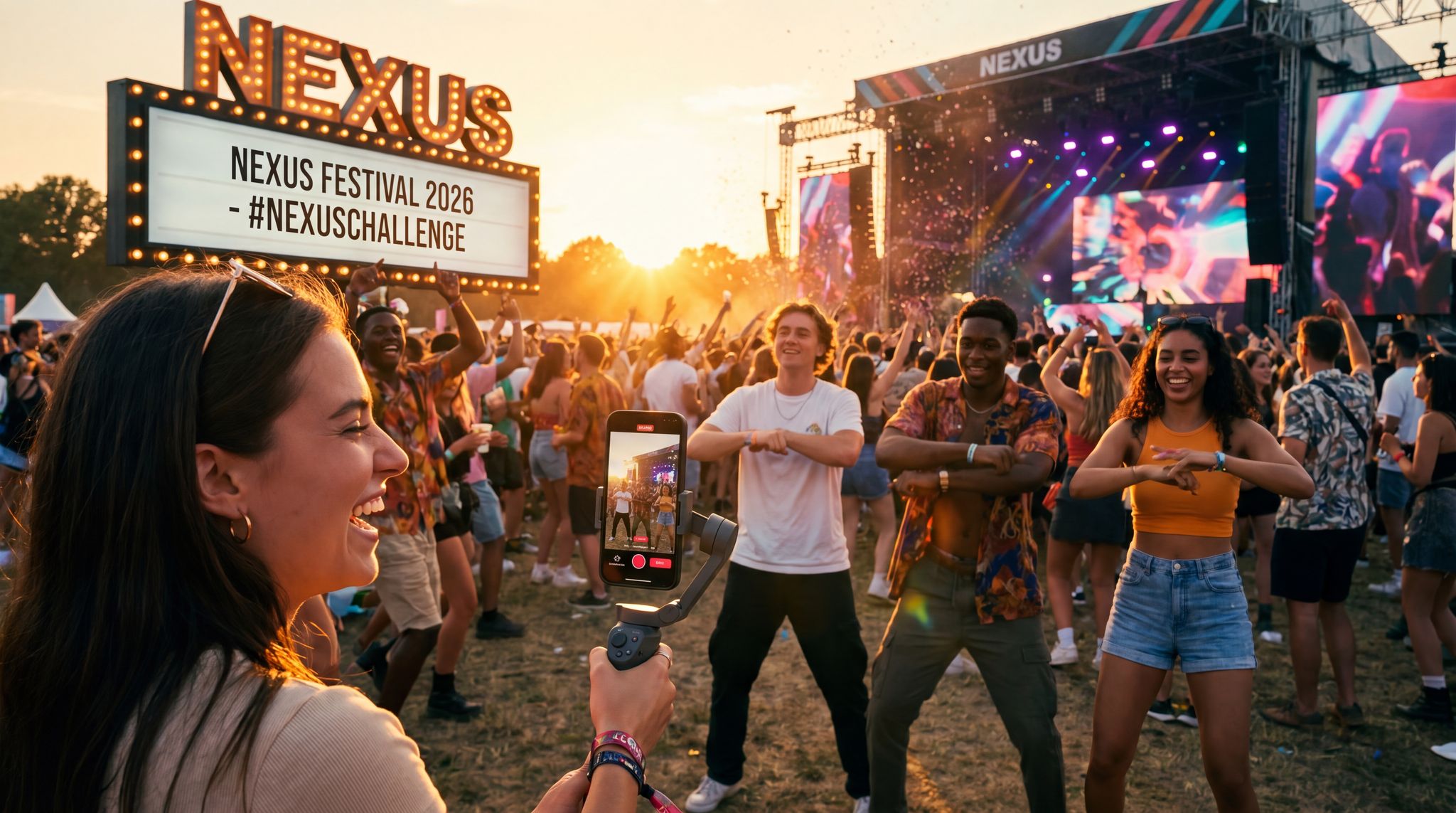
Through Ticket Fairy’s demographics dashboard, you gain insight into the diversity (or homogeneity) of your event attendees. This data is gold for developing smarter, more personalized marketing campaigns. How exactly can you leverage it? For one, by tailoring your campaign content to match your audience’s profile. Suppose your data shows that a huge portion of your audience is quite young – late teens and early 20s. That tells you to craft your marketing with a Gen Z lens. You’d use a tone and style that resonate with that age group, perhaps leaning into short-form video teasers, memes, or trending TikTok challenges to spark their interest. You would prioritize promotional channels like Instagram, TikTok, and YouTube over, say, Facebook or direct mail, because that’s where younger fans spend their time.
If, for example, your largest target segment is college students, you might collaborate with a nearby university to promote your event. This could be as simple as putting up posters on campus, or as involved as sponsoring a small on-campus pop-up related to your event. You could even offer special student discount codes. Additionally, consider launching a quick survey or poll just for students (with an incentive like a merch giveaway or a chance to win free tickets) to gather bonus insights about what they want to see at your event – favorite music genres, preferred artists, or whether they value meet-and-greets. Those survey responses can inform not only your marketing messages but even programming choices, ensuring you’re delivering experiences this demographic craves.
Tracking attendee demographics isn’t just a one-off task for a single show; it is a continuous process that reveals how your core fan base evolves over time. As an annual festival or recurring club night matures, the attendees who championed the inaugural year will age, potentially shifting their spending habits and preferences. By consistently analyzing these attendee profiles year-over-year, organizers can adapt their programming—perhaps introducing more VIP seating or family-friendly zones—to retain loyal fans while simultaneously launching targeted campaigns to attract a new generation of younger attendees.
Looking at industry leaders provides a clear blueprint for this kind of research. For example, analyzing Tomorrowland audience demographics through post-event age and gender surveys allows the festival’s organizers to continuously refine their global targeting. By systematically collecting this attendee data, they ensure their marketing remains highly relevant to their core fan base year after year.
Free Tool: Model Promoter Payouts
Flat-percentage, flat-per-ticket, or tiered-bonus commission structures — get per-promoter payouts and total commission as % of gross. Free calculator.
On the other hand, imagine your data reveals a significant segment of young professionals with high disposable incomes. Perhaps 30% of your attendees are in their late 20s and early 30s, working corporate jobs. In this case, you might tailor some of your campaign to highlight VIP packages, premium upgrades, or networking opportunities at your event. The messaging for this group could emphasize convenience (e.g. fast-track entry, reserved seating) and exclusive experiences (like a VIP lounge or backstage access), which are perks that align with their lifestyle and might justify a higher ticket price. By speaking to what each group cares about – whether it’s affordability and fun for college-age fans, or comfort and status for professionals – you increase the relevance and appeal of your event to each sub-audience.
The whole point of homing in on demographic data is to create targeted campaigns that feel highly personal to your audience’s background and values. People are far more likely to take interest in an event that reflects themselves. A data-driven campaign accomplishes this by aligning your event’s branding and messaging with who your audience truly is. Prospective attendees will feel like they’ve found an event brand that speaks their language, which makes them not only buy tickets now but also remember your brand positively for the future. In turn, this contributes to repeat sales and sustained buzz around your events.
Pro Tip: Use your demographic insights to build a few audience personas – semi-fictional characters that represent key attendee segments. For example, you might identify a “College EDM Fan” persona (18–22, loves electronic music and TikTok) versus a “Young Professional Raver” persona (25–34, attends events for networking and VIP vibes). Give each persona a name and backstory. When crafting marketing, pretend you’re speaking directly to that persona. For the college fan, you might run upbeat Instagram Reels or campus ambassador programs. For the young professional, you might focus on LinkedIn event posts, emphasize premium amenities, or use a slightly more formal tone in ads. Personalizing your campaign content to each persona can significantly boost engagement and ticket conversions.

An example of demographic insights translating into marketing actions:
| Data Insight | Example Stat | How to Apply in Marketing |
|---|---|---|
| Age group distribution | 60% of buyers are ages 18–24 | Use youthful branding and slang; run TikTok and IG campaigns; book trending artists popular with Gen Z. |
| Geographic concentration | 35% of attendees from City X | Focus billboards and street teams in City X; run geo-targeted social media ads there; partner with a local influencer for promotion. |
| Device usage | 75% purchased tickets via mobile | Optimize your ticketing site for smartphones; use vertical video ads; send SMS reminders since most are on mobile devices. |
Audience Geographics
While demographics tell you who your audience is, geographics tell you where they are. Ticket Fairy’s reporting includes location data about your ticket buyers – often down to the city or region. When executing your campaign strategies, knowing the geographic spread of your audience is extremely valuable. It helps you focus your marketing efforts on the locations that matter most. For instance, if the system shows that 50% of your ticket sales are coming from within a 10-mile radius of your venue, then local marketing is crucial. You’ll want to saturate that area with event awareness – think billboards, flyers, local radio, and community event listings. On the other hand, if a large chunk of ticket buyers are from a neighboring city or state, you can expand your advertising to that region or set up street teams there to spread the word.
Let’s say your data reveals that a huge portion of ticket buyers for your upcoming festival live in City X (which is a couple of hours away from your venue). This insight tells you to double down on City X. You might run extra outdoor ads in that city, like transit ads or guerrilla marketing stunts near college campuses if it’s a college town. You could also collaborate with popular local DJs, promoters, or micro-influencers in City X to hype your event – essentially turning a remote city into a secondary hotspot for your marketing campaign. All of this will get people talking in the area that’s statistically most likely to convert into more ticket sales, giving you more bang for your buck.
Free Tool: Split Tickets for Max Gross
Given capacity and a target price, the optimizer proposes Early Bird / GA / VIP allocations and prices — with projected gross at 100%, 80% and 60% sell-through.
In the digital realm, geographic targeting is just as powerful. Almost all online ad platforms (Facebook, Instagram, Google Ads, etc.) allow you to target or exclude audiences by location. Knowing where the majority of your attendees come from means you can aim your paid ads specifically at users in those locations (and perhaps dial back spend in areas that show little interest). You can even tailor the content of your ads to include local references – for example, “The biggest New York dance event of the year!” if most of your audience is in New York. People are drawn to content that feels local and relevant to them.
Another creative use of geographic data is planning on-site activations or buzz campaigns in key locations. For example, if you know a lot of your audience is concentrated in a particular city, you could host a small preview event or street performance there a few weeks before the main event. Or deploy an AR (augmented reality) Instagram filter that’s only accessible to users in that city, revealing a secret countdown or artist announcement. Strategies like these make your core audience in that area feel special and “in the know,” and they’ll likely do some extra promotion for you by sharing with friends. All this local buzz can significantly amplify word-of-mouth – effectively turning your most concentrated market into a launchpad for wider interest.
If your event draws an international crowd or attendees from diverse regions, geographic insights help you adapt your marketing for each area. Campaigns often need cultural tweaking to land well in different markets. (This is the classic “think global, market local” approach – maintaining a global brand image while tailoring messaging to local tastes.) For example, an ad that works in the U.S. might not resonate the same way in Asia or Europe. You might create region-specific social media content to engage fans in each country where you have a following. If you see a surprising number of ticket buyers coming from, say, Australia to your California-based festival, you could even develop travel package partnerships or special welcome perks for those long-distance fans. Major festivals like Tomorrowland have mastered this by using travel data to offer all-in-one hotel and ticket bundles and dedicated experiences for international attendees. The key is removing barriers for far-away fans and making them feel your event is worth the journey.
One important consideration: as you gather and use geographic data, always handle it responsibly. Be mindful of privacy laws (like GDPR in Europe) if you’re targeting individuals based on location, especially across country borders. Use the data to serve your audience, not to spam or overly surveil them. For example, it’s great to target fans in City X with relevant ads, but you wouldn’t want to publicly single people out (“We saw you bought a ticket from City X…”). Keep it about trends and groups, not individuals, and ensure your marketing stays friendly and respectful. This is just one of 5 important strategies to bolster audience interest effectively.
Device Analytics
The third feature Ticket Fairy provides is device analytics – insight into which devices your audience uses to discover and purchase tickets for your event. In today’s mobile-first world, this data is more critical than you might think. It tells you, for example, what percentage of your ticket buyers booked via a smartphone versus on a desktop computer. You might learn that, say, 75% of your purchasers used their phones to buy tickets. If that’s the case, it’s a big flashing sign that you need to think mobile in all your marketing efforts.
Device data can directly influence your website design and advertising strategy. If a majority of your visitors are on mobile devices, you must ensure that your ticketing website is fully mobile-optimized. This includes having a responsive design that looks great on small screens, fast load times, and a checkout process that’s simple to complete on a phone. (Mobile users don’t have the patience to pinch-zoom and fill out long forms.) Consider that around 53% of mobile site visits get abandoned if a page takes longer than 3 seconds to load – attention spans are short on phones. So compress those images, streamline your pages, and maybe integrate mobile payment options like Apple Pay or Google Pay for one-tap purchases. By smoothing out the mobile experience, you reduce drop-offs and cart abandonment, leading to more completed ticket sales.
Turn Fans Into Your Marketing Team
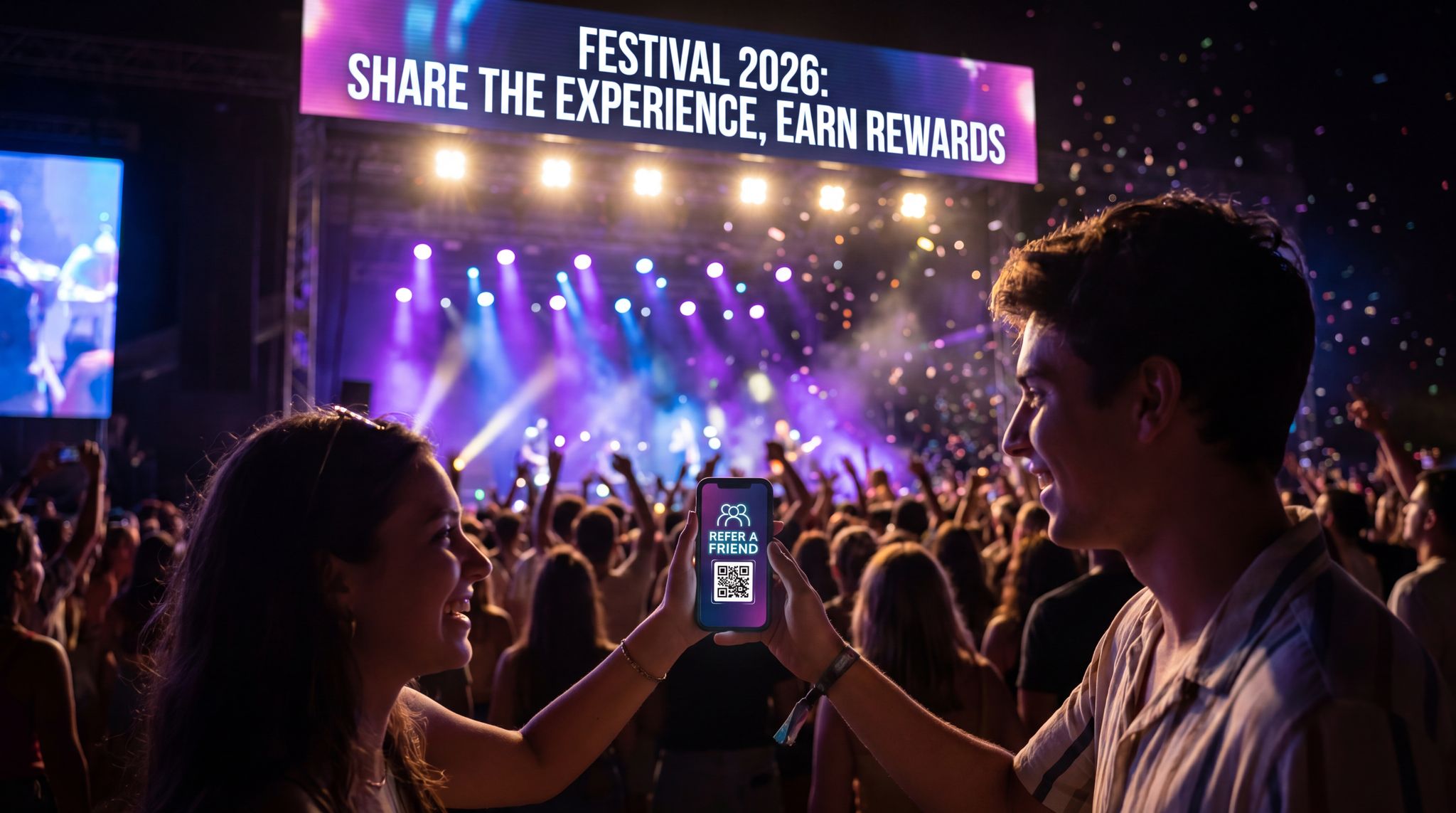
Ticket Fairy's built-in referral rewards system incentivizes attendees to share your event, delivering 15-25% sales boosts and 30x ROI vs paid ads.
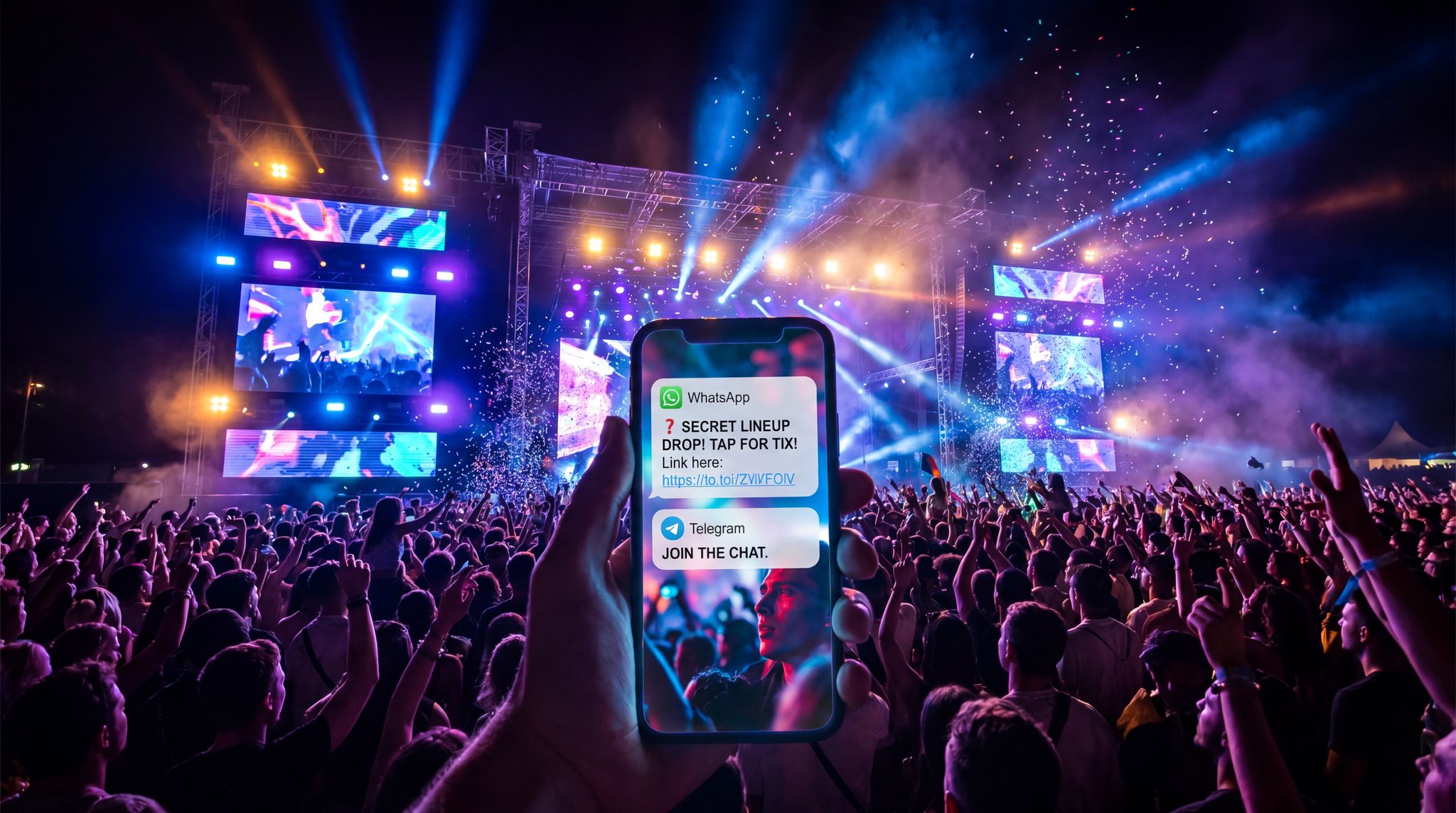
Now, think about your marketing content through the lens of device analytics. If most users access your event info via their phones, prioritize content that works well on mobile. This could mean creating vertical videos or Stories for social platforms (since those fill a phone screen nicely), using larger, easy-to-read text in graphics, and keeping any promotional emails short and scannable. You might also increase your use of SMS marketing or WhatsApp groups for promotions, knowing that your audience is primarily on mobile and will see a text notification much quicker than an email. On the other hand, if you find a sizable segment still uses desktop (perhaps your event is a business conference where many sign-ups happen during work hours on office computers), ensure your website and email campaigns look just as good on a big screen. You might allocate some budget to desktop-centric channels like LinkedIn or display ads on relevant websites for those users.
The goal is to meet your audience where they are technologically. Remember, nearly half of festival-goers now prefer a mobile-first ticketing experience. If your data aligns with that trend, consider doing things like enabling in-app ticket wallets, mobile QR codes for entry, or even developing a simple event app to enhance the experience. Conversely, if your audience skews less tech-savvy or less mobile-oriented, you might still include print-at-home tickets or more prominent desktop registration options. Device analytics help you avoid missteps like pouring effort into a fancy desktop website when in reality 90% of your buyers only see your event page on a phone.
Ultimately, paying attention to device data is about optimizing the user journey. An attendee who discovers your event via a mobile Instagram ad should be able to click it, view an event page formatted for mobile, and purchase a ticket in minutes on their phone. If that flow is frictionless, you’re likely to capture a lot more impulse buys and last-minute sales. On the flip side, if your analytics show heavy mobile use but your site isn’t mobile-friendly, that’s a quick fix that could boost your conversion rate significantly.
Pro Tip: Periodically test your ticket purchase process on multiple devices. Go through the steps on an iPhone, an Android phone, a tablet, and a laptop. This hands-on experience can reveal hiccups you might not catch otherwise (e.g. a button that doesn’t load on Android, or a page that’s slow on 4G mobile internet). By catching and fixing these snags, you ensure every potential customer – no matter their device – gets a smooth experience. That kind of attention to detail builds trust and can directly increase ticket sales, since fewer people will give up mid-purchase out of frustration.
What Audience Demographics Mean for Your Event Promotion
When you truly understand your target audience, you can create far better experiences for them — starting with your marketing outreach. People are most interested in events that resonate with them and excite them on a personal level. By leveraging audience demographics, geographics, and device analytics, you’re able to craft strategic campaigns (and even shape event features) that accomplish exactly that. The outcome is not just a sold-out event, but an audience that feels connected to your brand. They’ll remember that connection when your next event is announced.
Think of the difference it makes: instead of blasting a generic “anyone and everyone please come” message, you’re able to say “Hey [City Name] hip-hop fans aged 18–25, this show is for you – and here’s why you’ll love it.” This targeted approach grabs the attention of those who are inclined to attend, and it doesn’t waste money on those who aren’t. Every element of your promotion – the ads, the social media posts, the email tone, the imagery – can be tuned to strike a chord with your ideal attendee. And when those ideal attendees see your campaign, it feels familiar and exciting, rather than intrusive. That emotional response is what drives them to click “Buy Tickets.”
Using tools like Ticket Fairy to gather these insights means you have a feedback loop working in your favor. After each campaign, you can analyze which audience segment engaged the most or which ad drove the most sales, and refine your approach next time. Over multiple events, you build up an incredibly rich understanding of your fan base. Maybe you learn that electronic music enthusiasts within a 50-mile radius are your core converters, or that early bird VIP buyers tend to be 30-something professionals. With each insight, you can adjust your marketing and even your event programming to better cater to your real audience. In essence, you’re co-creating the event experience with your audience by listening to what the data (their actions) tells you.
It’s important to note that while data is invaluable, it should complement your human intuition, not replace it. As one industry executive wisely said, “Data is just one tool in the toolbox,” according to Pollstar’s 2024 executive survey. Use your experience as a promoter in tandem with the numbers. If the data shows a trend that surprises you, dig deeper and try to understand the story behind it – maybe even ask your audience directly via social media or surveys. Also, be cautious of assumptions: data can tell you “what” (e.g. 65% of your audience is under 25) but not always “why”. Don’t stereotype or make narrow assumptions about your fans solely based on one demographic trait. For example, just because a majority of your attendees are women doesn’t mean you should plaster your marketing with clichés – base any gender-specific strategies on actual insights and feedback, not guesswork. Today’s audiences expect inclusive, authentic marketing; a tone-deaf campaign can alienate people and damage your brand. So interpret your demographic data thoughtfully and always keep a nuanced view of your attendees.
Finally, trust is key. Treat your audience data with respect and transparency. Let attendees know how you use their information (for example, “We noticed many of you loved our last DJ lineup, so we brought a similar artist this year” – this shows you listen). Keeping data secure and using it to genuinely improve fan experience will build trust over time. When people trust you, they’re not only happy to attend your events, they’ll also happily share feedback and personal preferences, which creates a virtuous cycle of better data and better events.
In conclusion, audience demographics and related insights are more than just numbers – they’re actionable intelligence that can elevate your event marketing from good to amazing. By understanding who your audience is, where they are, and how they engage, you can meet them on their terms. From there, you’re able to craft campaigns that feel like an invitation rather than an advertisement. This means higher engagement, more effective use of your marketing budget, and ultimately a greater payoff in ticket sales and attendee satisfaction. So as you plan your next event campaign, dive into those Ticket Fairy analytics, embrace what the data is telling you, and let your audience’s profile guide your creative decisions. The result will be campaigns that not only reach people – they convert them into enthusiastic ticket-holders and lifelong fans.
You May Also Like:
- How to Use Custom Audiences for Festival Marketing Campaigns: A Step-by-Step Guide
- 5 Essential Pre-Event Digital Strategies Guaranteed To Engage Your Audience
- How to Use Spotify Playlists to Market Your Festival and Boost Ticket Sales
Frequently Asked Questions
What is demographic data in event marketing?
Demographic data refers to concrete statistical information about a target audience’s identity, including age, gender, location, income level, and education. Event marketers use these fundamental descriptors to segment potential attendees and craft personalized campaigns that resonate with specific groups, avoiding the inefficiency of generic, one-size-fits-all advertising strategies.
How does Ticket Fairy help promoters use audience data?
Ticket Fairy integrates audience data tools directly into its platform, automatically gathering real-time analytics on demographics, geographics, and device usage from ticket buyers. This system allows promoters to visualize attendee profiles and target campaigns effectively without needing separate analytics software, often resulting in a ticket sales increase of around 20%.
Why is geographic targeting important for events?
Geographic targeting reveals exactly where ticket buyers are located, allowing promoters to focus marketing budgets on high-converting regions. By identifying concentrations of attendees, organizers can deploy local outdoor ads, target digital campaigns to specific cities, or create travel packages for international fans, ensuring resources are spent where they generate the most sales.
How do device analytics influence event website design?
Device analytics indicate whether customers purchase tickets via smartphones or desktop computers, dictating necessary website optimizations. If data shows a majority of mobile users, organizers must prioritize responsive designs and fast load times, as 53% of visits are abandoned if pages take longer than three seconds to load on mobile devices.
Why is personalization necessary for marketing to younger audiences?
Personalization is critical because Millennials and Gen Z, who comprise over 75% of festival audiences, expect tailored interactions from brands. Research indicates that 71% of consumers anticipate personalized experiences and feel frustrated without them. Using demographic data to match content to younger audiences’ values and preferred platforms is essential for driving engagement.
How can promoters use demographic insights to build brand loyalty?
Promoters build loyalty by using demographic insights to create campaigns that make attendees feel understood and valued. When marketing messages align with an audience’s specific interests, age group, or values, customers perceive the event brand as authentic. This connection encourages repeat attendance, positive word-of-mouth, and greater lifetime value for future events.
How has the use of demographics influenced the sports and entertainment industry?
The use of demographics has fundamentally transformed the sports and entertainment industry by shifting promotional strategies from mass broadcasting to highly targeted, data-driven campaigns. For event promoters and venue operators, understanding attendee profiles allows for precise event attendee segmentation, optimized ticket pricing tiers, and tailored sponsorship packages. This demographic audience planning ensures that marketing budgets are spent efficiently, directly increasing ticket sales and maximizing overall event ROI.
What ticket selling strategy involves developing an organized collection of demographic and geographic data?
In event ticketing, developing an organized collection of demographic, geographic, and other personal data to maximize sales efforts is fundamentally a data management strategy. Effective data management allows promoters to build comprehensive attendee profiles, enabling highly targeted marketing campaigns, personalized outreach, and ultimately, increased ticket revenue.
Why is it important to track attendee demographics year-over-year?
Monitoring attendee demographics across multiple years allows event organizers to identify long-term shifts in their audience base. As loyal attendees age or change their lifestyle habits, their preferences for ticketing tiers, VIP experiences, and event programming will evolve. By continuously analyzing these demographic trends, promoters can adapt their marketing strategies to retain their core audience while simultaneously launching fresh campaigns to attract new, younger attendees to future events.
What are the key steps in demographic audience planning?
Successful demographic audience planning involves three main steps: collecting accurate attendee demographics through your ticketing platform, segmenting that data into distinct buyer personas, and mapping tailored marketing messages to each group. This strategic framework ensures that promotional budgets are allocated efficiently, targeting the right people with the right message at the optimal time before the event.
How does the formal definition of audience demographics differ from psychographics?
While the audience demographics definition focuses on quantifiable, statistical traits like age, gender, and geographic location, psychographics delve into qualitative attributes such as attendee values, musical interests, and lifestyle choices. Event promoters achieve the highest conversion rates when they combine both data sets—using demographic baselines to identify target markets and psychographic insights to craft the emotional hook of their marketing campaigns.