As the world of dance music evolves, one demographic stands out for its outsized influence on the scene: Generation Z. Born roughly between 1997 and 2012, Gen Z has come of age alongside streaming platforms, social media, and global festival culture. Now in their teens and twenties, Gen Z audiences are reshaping the future of electronic music events in profound ways. From how they discover music and engage online to the values they demand from festivals, this digital-native generation is driving trends that no promoter or artist can afford to ignore.
Gen Z’s impact is already visible across the festival and nightclub circuit. Young fans dominate attendance at many events – by 2025, Millennials and Gen Z together made up over 75% of global festival-goers, according to demographic data on festival travel statistics. This cohort’s preferences around technology, social engagement, and ethics are forcing the live music industry to adapt rapidly. In this article, we’ll explore seven key ways Gen Z is transforming electronic dance events, and how their unique perspectives are shaping the future of music festivals and club nights as we head into 2026 and beyond.
1. The Rise of Electronic Music Among Gen Z Audiences
Electronic music has experienced a remarkable surge in popularity among Gen Z audiences in recent years. The genre’s ability to provide a unique, immersive experience – characterized by fast-paced beats, hypnotic synths, and communal energy – resonates strongly with Gen Z’s desire for memorable experiences over material possessions. Multiple surveys indicate that today’s youth prioritize spending on experiences (like concerts and festivals) rather than on physical goods, continuing a trend set by Millennials. It’s no surprise that vibrant EDM festivals and DJ tours are drawing record numbers of young attendees.
One reason for this rise is how electronic music transcends cultural and geographical boundaries. Gen Z has grown up with unprecedented access to music from around the globe. Through streaming and social platforms, a teenager in Los Angeles can instantly discover a techno DJ from Berlin or a trance producer from Mumbai. This openness has globalized the Gen Z music diet, making EDM a truly international language. Young fans share tracks and live set recordings across borders, helping songs go viral worldwide overnight. The result is a generation that doesn’t see electronic music as “niche” – to them, it’s just part of a broad, borderless musical landscape.
Grow Your Social Following With Every Sale
Require social media follows, shares, or playlist adds to unlock presale access or special pricing. Turn every ticket purchase into audience growth.
Another factor is how EDM aligns with Gen Z’s values of creativity and authenticity. The electronic genre continually blends different styles and influences, from house and techno to hip-hop and rock, leading to innovative new sounds. Gen Z listeners, known for curating eclectic playlists, love this novelty and experimentation. They aren’t hung up on purist genre labels – instead, they celebrate artists who push boundaries. Many of today’s breakout EDM producers are themselves Gen Z (or barely older). For example, in 2021, 16-year-old Moore Kismet became the youngest artist ever to perform at EDC Las Vegas, a milestone highlighted by EDM.com’s coverage of the historic performance, highlighting how Gen Z isn’t just in the crowd but also on stage shaping the sound. These young creators bring a fresh perspective that keeps the scene exciting and relevant for their peers.
Ready to Sell Tickets?
Create professional event pages with built-in payment processing, marketing tools, and real-time analytics.
One reason for this rise is how electronic music transcends cultural and geographical boundaries. Gen Z has grown up with unprecedented access to music from around the globe. Through streaming and social platforms, a teenager in Los Angeles can instantly discover a techno DJ from Berlin or a trance producer from Mumbai. This openness has globalized the Gen Z music diet, making EDM a truly international language. Young fans share tracks and live set recordings across borders, helping songs go viral worldwide overnight. The result is a generation that doesn’t see electronic music as “niche” – to them, it’s just part of a broad, borderless musical landscape.
Another factor is how EDM aligns with Gen Z’s values of creativity and authenticity. The electronic genre continually blends different styles and influences, from house and techno to hip-hop and rock, leading to innovative new sounds. Gen Z listeners, known for curating eclectic playlists, love this novelty and experimentation. They aren’t hung up on purist genre labels – instead, they celebrate artists who push boundaries. Many of today’s breakout EDM producers are themselves Gen Z (or barely older). For example, in 2021, 16-year-old Moore Kismet became the youngest artist ever to perform at EDC Las Vegas, a milestone highlighted by EDM.com’s coverage of the historic performance, highlighting how Gen Z isn’t just in the crowd but also on stage shaping the sound. These young creators bring a fresh perspective that keeps the scene exciting and relevant for their peers.
Gen Z’s enthusiasm is breathing new life into dance music culture. In the UK, drum and bass has seen a resurgence among college-aged fans; in the U.S., festivals like Electric Daisy Carnival report that a large segment of their attendees are under 25. Even in regions where EDM was once underground, Gen Z crowds are organizing raves and warehouse parties via social media. This wave of youth interest is so strong that festival organizers are adjusting their strategies to cater to Gen Z tastes, including their approach to modern event ticketing (from lineup curation to on-site experiences), ensuring they don’t miss out on the generation that will carry dance music into the future.
2. Digital Natives: The Shift to Virtual and Hybrid Events
One defining characteristic of Gen Z is their deep connection with technology. Unlike older generations, today’s young adults have grown up in a fully digital world where virtual experiences feel as natural as physical ones. This comfort with tech has profoundly influenced how Gen Z experiences live music, including electronic dance music (EDM) events.
Turn Fans Into Your Marketing Team
Ticket Fairy's built-in referral rewards system incentivizes attendees to share your event, delivering 15-25% sales boosts and 30x ROI vs paid ads.
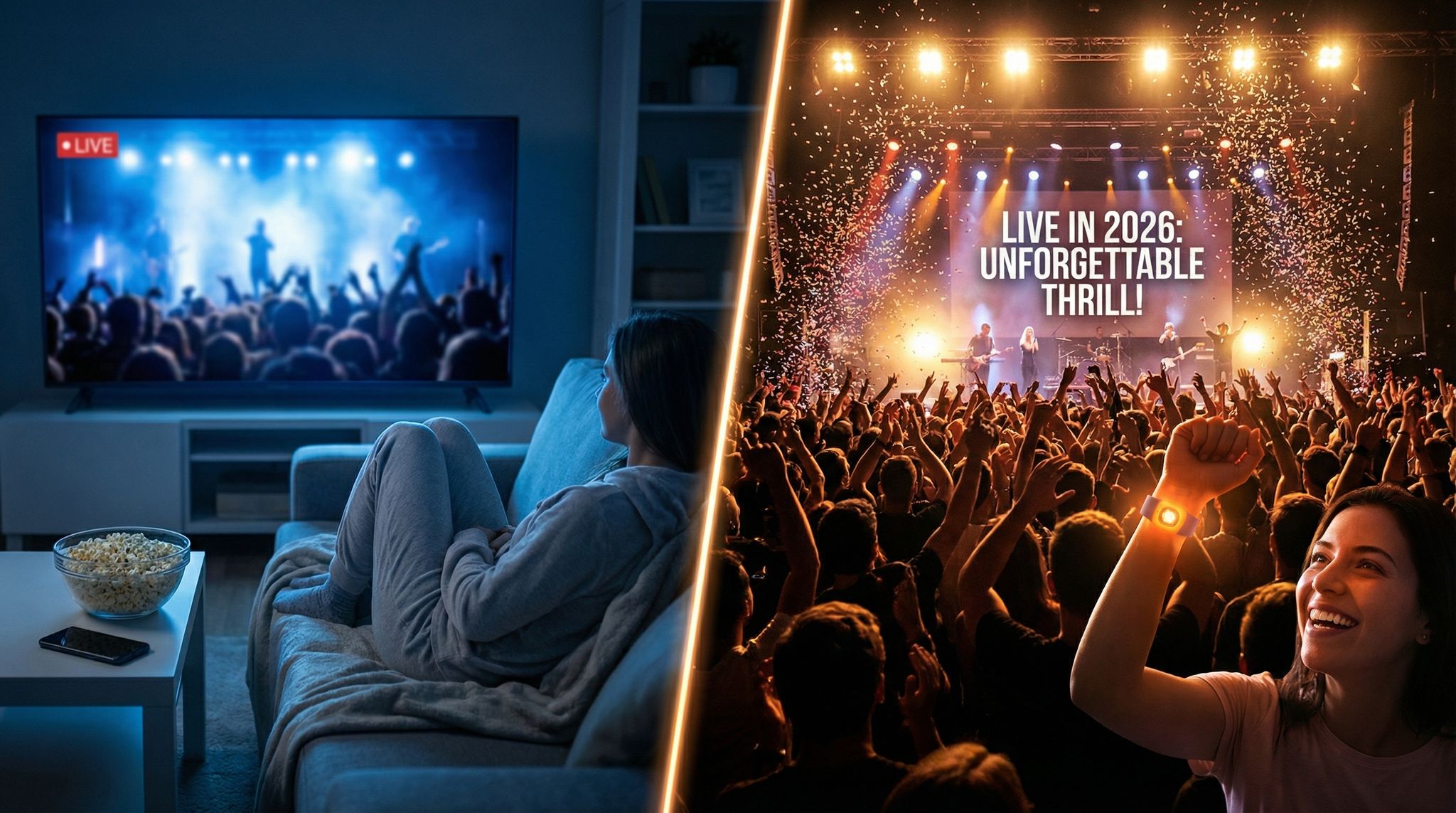
- Virtual Concerts and Festivals: The pandemic era (2020–21) accelerated the trend of virtual events, and Gen Z embraced it with enthusiasm. Online festival platforms and streamed DJ sets became mainstream. Massive virtual concerts – from Tomorrowland’s digital festival to in-game performances like Marshmello and Travis Scott’s shows in Fortnite – turned into major cultural moments, attracting millions of viewers. For Gen Z, the boundary between physical and virtual space is fluid; they feel just as engaged dancing in a VR rave or a YouTube livestream chat as they do in an in-person crowd. In fact, many Gen Z fans discovered their favorite DJs through live-streams during lockdown. This has lasting effects: as of 2026, it’s common for top festivals to offer livestream access or VR experiences alongside the on-site event, knowing Gen Z fans expect to tune in from anywhere in the world.
- Hybrid Events and Accessibility: As live venues reopened in 2022–2023, the concept of hybrid events – with a live audience in-person plus a simultaneous online component – gained traction. Gen Z’s comfort with streaming means they expect live music experiences to be accessible both in-person and digitally. Event organizers have responded by offering high-quality streams, 360° virtual reality camera angles, and interactive online features during shows. A concert in Los Angeles might now also cater to a teen in rural Ohio watching on their phone. This hybrid model not only expands audiences but also acknowledges Gen Z’s demand for flexibility. Crucially, Gen Z doesn’t see attending virtually as “second class” – to them, it’s just a different (and sometimes equally valid) way to experience an event.
This shift to digital doesn’t mean Gen Z has abandoned physical concerts – far from it. In fact, Gen Z spends heavily on live music when they can. Recent U.S. data showed Gen Z audience members spent more on concert tickets in 2024 than older generations, as noted in Insight Trends World’s analysis of live music audience trends, defying the expectation that young people only want free online content. They deeply value the real-life festival experience – the booming bass from giant speakers, the energy of the crowd, the chance to meet friends in person. However, Gen Z also faces new challenges: soaring event ticket prices have made some events harder to afford. Big festivals and arena tours have gotten pricier throughout the 2020s, which many young fans find prohibitive. For example, major artist tours at London’s O2 Arena now often cost over £120 per ticket before fees (around $150), a figure reported in recent studies on Gen Z’s interest in live music – a steep price for a student or new workforce entrant. This has led some of Gen Z to be selective, attending only must-see events and supplementing with virtual experiences for others.
Pro Tip: Don’t treat virtual attendees as an afterthought. If you’re streaming your event, invest in high-quality audio, video, and moderation for the online experience. Gen Z fans will notice if a livestream has poor sound or camera work. Offering multiple camera angles, real-time chat engagement, and even exclusive online-only content (like behind-the-scenes footage during set changes) can make virtual viewers feel truly included – and more likely to buy tickets next time.
Pro Tip: Don’t treat virtual attendees as an afterthought. If you’re streaming your event, invest in high-quality audio, video, and moderation for the online experience. Gen Z fans will notice if a livestream has poor sound or camera work. Offering multiple camera angles, real-time chat engagement, and even exclusive online-only content (like behind-the-scenes footage during set changes) can make virtual viewers feel truly included – and more likely to buy tickets next time.
3. Social Media and the Influence of TikTok
For Gen Z, social media isn’t just a communication tool – it’s the backbone of how they discover music, engage with artists, and share experiences. Platforms like TikTok, Instagram, and YouTube have become central to the way Gen Z interacts with electronic music. The viral nature of content on these platforms is reshaping how dance events are promoted and even how music is produced.
- Viral Music Trends: Gen Z drives many viral music and dance trends on TikTok. A single 15-second dance challenge can send an electronic track exploding in popularity. In the past couple of years, songs from genres like dubstep or trance have unexpectedly gone viral on TikTok, sometimes gaining millions of streams in days as challenges catch on. For example, a hardstyle remix or a classic EDM drop paired with a TikTok dance can introduce the genre to countless teens who’ve never been to a rave – yet. These viral spikes often translate to ticket sales when the artists behind the tracks get booked for shows. An underground DJ whose song became a TikTok meme can suddenly find a huge Gen Z fanbase showing up at their stage. Event promoters are well aware of this pipeline; many now keep an eye on TikTok trends to inform lineups.
- Relatable Influencers and Artists: Authenticity is a keyword for Gen Z. Young fans are drawn to artists who feel real and engage with them directly on social media. Many DJs and electronic artists now maintain an active TikTok or Instagram presence, posting everything from studio teasers to goofy behind-the-scenes tour moments. This social accessibility breaks down the traditional barrier between performer and audience. A Gen Z fan might swap comments with their favorite DJ on Instagram or watch them crack jokes on TikTok Live. Such interactions build a personal connection and loyalty that goes beyond the music itself. In some cases, we’re seeing a new wave of artists who grew their entire fanbase on social media before ever playing live – essentially crowd-sourced popularity. Gen Z isn’t shy about elevating new talent they discover online; if an artist’s content resonates, the fandom can grow quickly and translate into real-world demand.
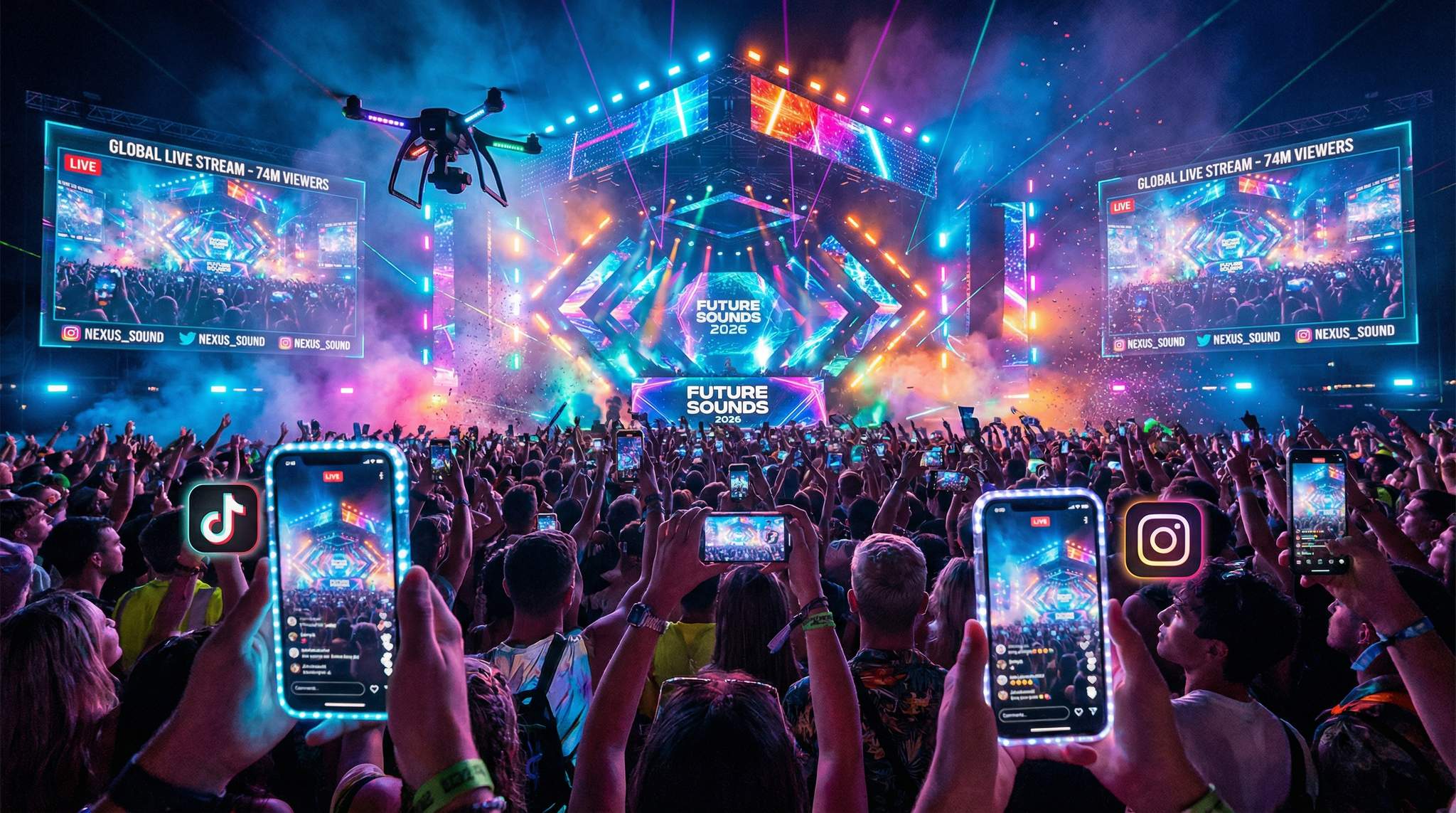
- Event Promotion 2.0: Social media has upended traditional event marketing. Gen Z is far less swayed by radio ads or glossy posters – they trust peer recommendations and engaging content. As a result, promoters now leverage TikTok influencers and viral content to market shows. It’s common to see festival promo campaigns where popular TikTok creators do quick backstage tours, lineup spotlights, or dance challenges tied to the event. A candid review or hype video from a fellow fan will carry more weight with Gen Z than a generic ad. Additionally, many festivals encourage user-generated content during events: they might set up art installations or sponsor hashtag challenges specifically so attendees post their experiences in real-time. The more an event gets shared by actual attendees, the more FOMO it creates for others. Some festivals even live-stream portions of their shows on Instagram or TikTok, turning the attendees themselves into grassroots promoters as they broadcast the vibe.
Pro Tip: To build buzz with Gen Z, collaborate with micro-influencers who genuinely love your event’s music style. A few enthusiastic TikTok creators posting about your upcoming festival – in their own authentic voice – can spark huge interest. Encourage them to do quick behind-the-DJ-booth clips or festival outfit previews. Gen Z audiences respond best to promotional content that feels like a friend sharing an exciting discovery, rather than a corporate advertisement.
Understanding Gen Z advertising preferences is critical for promoters navigating the shifting music culture trends of 2025 and 2026. Traditional hard-sell tactics and polished corporate ads actively repel this demographic. Instead, the most effective marketing strategies lean into user-generated content, meme culture, and interactive digital storytelling. To capture the popular Gen Z music audience in 2026, event organizers must shift their ad spend toward native social formats—like short-form vertical video and creator partnerships—that feel organic to the platform. When your advertising mirrors the authentic, community-driven nature of their favorite online spaces, you build trust and drive higher ticket conversions.
To effectively tap into these shifting dynamics, promoters must recognize that Gen Z music trends and cultural influences are deeply intertwined. This generation doesn’t separate their digital identity or social values from their festival attendance. Consequently, your advertising preferences for 2025 and 2026 should pivot away from purely transactional ticket-selling. Instead, campaigns must highlight the cultural resonance of your event—whether that’s showcasing diverse lineups, highlighting community-driven art, or aligning with social causes. When marketing the popular Gen Z music formats of tomorrow, the most successful venue operators will treat their ad spend as an investment in cultural storytelling rather than just standard event promotion.
4. Experiential and Immersive Events
Gen Z values unique and immersive experiences over passive entertainment. This generation doesn’t want to just attend a concert – they want to be part of it, to feel fully transported by an event’s atmosphere, visuals, and community. As a result, electronic music festivals and even club nights are evolving to meet Gen Z’s expectations for interactivity, creativity, and meaning beyond the music itself.
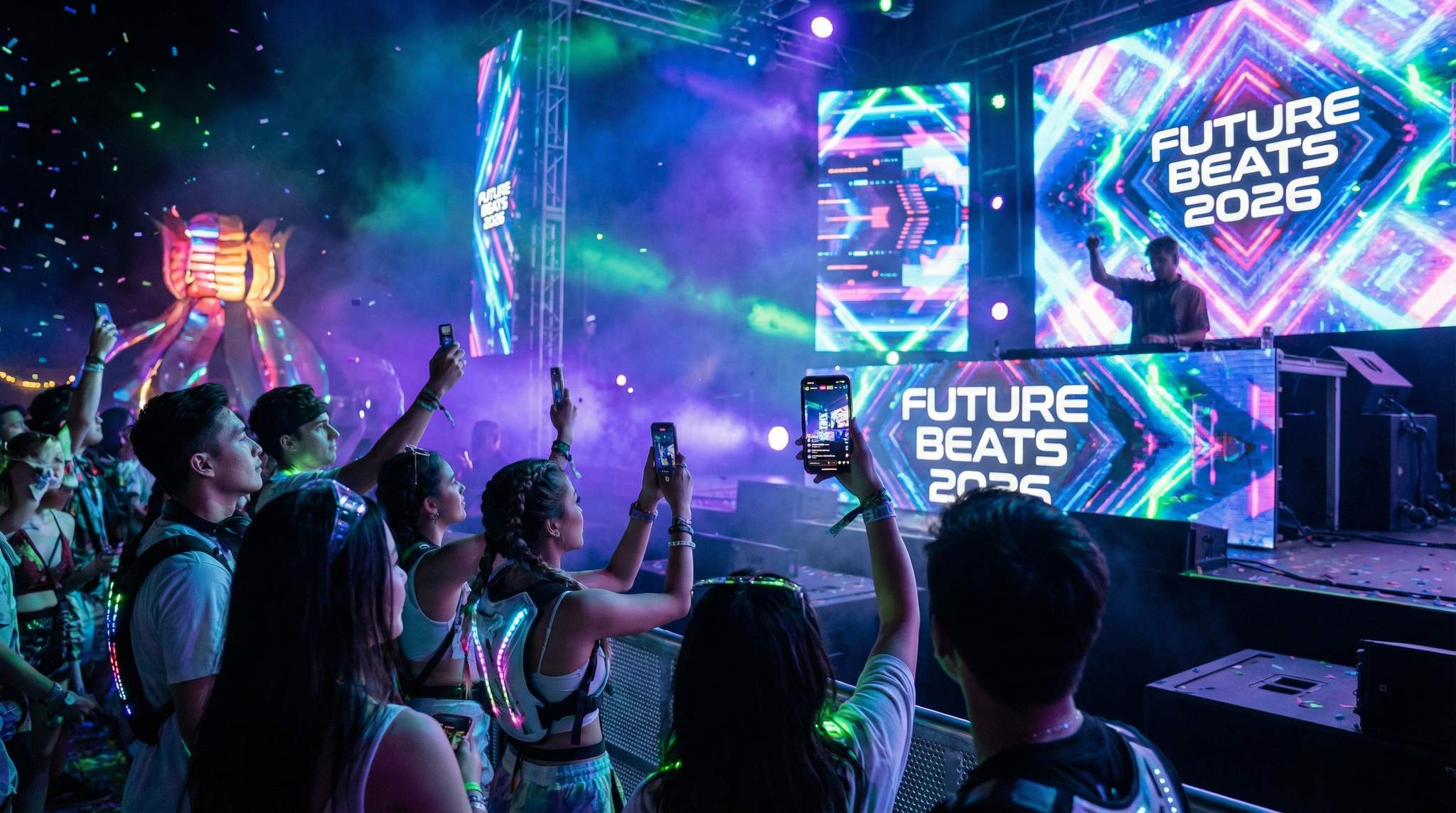
- Interactive & Multi-Sensory Elements: Electronic music events are becoming experiential playgrounds. It’s no longer just a DJ on stage with lights; promoters now integrate interactive stages, 3D visuals, art installations, and even elements like scent and touch to create a multi-sensory environment. Gen Z attendees love installations they can engage with – think giant LED tunnels you can walk through, virtual reality zones where you can “paint” with light, or reactive wristbands that light up in sync with the beat. These features provide the Instagram-worthy moments young fans seek, a preference supported by travel statistics regarding festival attendee behavior. The key is that these additions aren’t just gimmicks – they genuinely enhance the atmosphere when done right. For instance, at some 2025 EDM festivals, augmented reality (AR) apps let attendees point their phone at the stage to see extra holographic effects. Gen Z, phones in hand, is delighted by these tech-driven layers that make them feel like part of the show.
- Redefined Festival Culture: Gen Z has redefined what “festival culture” means. The events they attend are not just about music; they’re full-spectrum cultural gatherings. You’ll find not only multiple stages of music, but also live mural painting, yoga classes at sunrise, local food truck bazaars, and forums on social issues. This generation is highly socially conscious, and they are drawn to festivals that reflect values of sustainability, diversity, and community. Many major EDM festivals have responded by going greener and more inclusive – reducing waste, providing gender-neutral facilities, and showcasing artists from diverse backgrounds. Gen Z expects the festival itself to have a personality and ethos. It’s become normal for festivals to champion causes (like mental health awareness or climate action) as part of their identity. A great example is how some events now include onsite wellness tents and mental health resources, recognizing the importance of well-being for young attendees. Gen Z’s influence has made the festival scene more than a party – it’s an expression of lifestyle and principles.
- From Mega-Fests to Intimate Gatherings: While gigantic EDM spectacles (think 100,000+ attendees) remain popular, Gen Z has also spurred growth in smaller-scale, intimate events. Many young music fans seek more personal, authentic settings where they can connect closely with the music and each other. This rise is visible in the resurgence of underground warehouse parties, secret pop-up raves, and boutique festivals that cap attendance for a tight-knit vibe. Gen Z revels in the feeling of discovery and community that comes from a 300-person techno basement or a niche micro-festival with a carefully curated theme. These smaller events often feature up-and-coming local DJs and less commercial lineups, which appeals to Gen Z’s craving for authenticity. Even at large festivals, you’ll find Gen Z gravitating toward the smaller stages or art cars with unique acts, partly to escape what they perceive as overly crowded or mainstream main stages. Community and connection are keywords – this generation wants to form genuine memories and friendships at events, not just shuffle through a sea of strangers. Event organizers have taken note by creating dedicated meet-up spots, interactive group activities, and online communities before and after events to foster that sense of belonging.
Warning: Don’t chase “Instagrammability” at the expense of authenticity. Gen Z can tell when an experience is engineered just for photos and not rooted in genuine creativity. Over-hyped stunt installations or superficial themes (without real support for the cause) can backfire. It’s important to design immersive elements that truly fit the music and culture of the event. A beautiful mural wall or LED art piece should enhance the festival atmosphere first – the selfies will follow naturally if the experience is meaningful.
5. The Intersection of Hip-Hop and Dance Events
One of the most exciting trends driven by Gen Z’s eclectic taste is the fusion of hip-hop and electronic dance music. The once-distinct scenes of rap concerts and EDM festivals are overlapping in new ways, creating hybrid sounds and events that appeal to young fans’ broad musical appetites.
- Genre Fusion & New Subgenres: Gen Z listeners famously shuffle between playlists with rap bangers, trap EDM drops, and pop choruses all in one queue. This genre fluidity has led to new subgenres and crossover tracks blurring hip-hop and electronic music. For instance, the rise of trap music in the EDM world – with its booming 808 bass and hip-hop rhythms – is directly tied to Gen Z’s love for bass-heavy rap. In fact, a 2025 industry report noted that trap was the fastest-growing genre in live music, surging in popularity by 65%, according to Bandsintown data cited by MusicRadar. The energy of trap and related styles like dubstep and drill (which shares roots with hip-hop) has made them staples at dance festivals. You’ll now hear DJs dropping tracks that feature rap vocals over EDM beats, or remixing hip-hop hits into festival anthems. This blending creates an exhilarating experience that scratches both the hip-hop and dance itch at once.
- Crossover Performances: It’s not just the music recordings converging – live performances are also crossing over. Many hip-hop artists have started appearing at dance music festivals, bringing their rhymes to electronic stages. Likewise, big EDM DJs collaborate with rappers to spice up their sets. A great example was when DJ Snake brought out surprise hip-hop guests during his festival sets, or when a major festival like Coachella will have a top DJ set followed immediately by a rap superstar on the same stage. Gen Z audiences love this mix-and-match because it reflects their listening habits. Additionally, hip-hop shows themselves have become more dance-heavy in production. It’s now common for rap concerts to feature elaborate light shows, lasers, and even choreographed dance crews, inspired by the spectacle of EDM raves. Hip-hop stars like Travis Scott and Kanye West have incorporated EDM-style stage design (pyrotechnics, LED walls synchronized to beats) to amp up their live shows – a clear nod to the influence of electronic music culture.
- Hybrid Events and Battles: The intersection has given birth to innovative event formats that blend both cultures. Hip-hop dance battles at EDM festivals are one example – imagine a breakdance or street dance competition taking place in an arena at an electronic music event, with a DJ spinning a mix of trap and house beats for competitors. These attractions draw in Gen Z dancers and hype up the crowd. We’re also seeing collaborative festivals that line up DJs alongside hip-hop performers on the same bill. In Europe, some urban music festivals now have dedicated dance music stages, while traditionally EDM-focused events might host a hip-hop tent. Even the audience fashion and vibe are cross-pollinating: it’s not unusual now to see festival kids in streetwear and sneakers as much as in the classic neon rave outfits. Both genres share a love for rhythm and bass, and Gen Z recognizes that – they’re creating spaces where a rap fan and an EDM fan can enjoy the party together. Overall, this fusion reflects Gen Z’s genre-agnostic approach to music, and it’s forcing event organizers to get creative and break down old genre silos.
The hip-hop/electronic crossover trend is likely to keep growing. As new stars emerge – such as producers who sample rap beats in their dance tracks, or hip-hop artists who rap over dubstep drops – the lines will blur further. We’ve already seen mainstream icons embrace dance music influences (e.g., Beyoncé’s 2022 “Renaissance” album heavily incorporated house music, and Drake’s “Honestly, Nevermind” ventured into club beats). Those moves validated what Gen Z was already enjoying at ground level. In response, festivals are future-proofing their lineups by booking a wider mix of genres and up-and-coming hybrid artists, ensuring they stay relevant to Gen Z’s tastes. Organizers know that a multi-genre experience – done thoughtfully – can set an event apart and attract a broader youth audience. Flexibility and innovation in curation have become key. For more on keeping festival lineups fresh for new generations, see our guide on future-proofing festival lineups beyond legacy headliners.
6. Sustainability and Conscious Consumption
If there’s one area where Gen Z’s influence is clearly seen, it’s in pushing the music event industry toward sustainability and social responsibility. Gen Z is the most eco-conscious generation yet – having grown up with looming concerns about climate change, they expect the events they attend to minimize environmental impact and even contribute positively to communities. This has led to a wave of green initiatives and ethical considerations in the electronic music scene, from festivals down to club nights.
- Eco-Friendly Festivals: Around the world, many electronic music festivals are adopting green practices to align with Gen Z values. It’s no longer acceptable (in young fans’ eyes) for a festival to generate mountains of plastic waste or ignore its carbon footprint. In response, promoters have rolled out measures like banning single-use plastics (no more disposable cups – attendees are given reusable or biodegradable cups), setting up extensive recycling and compost stations, and using renewable energy sources. Some forward-thinking events are powering stages with solar panels or biofuel generators. A notable example in the U.S. was the 2024 Austin City Limits Festival, which powered one of its main stages entirely with a hybrid battery system instead of diesel generators, as detailed in Axios’ coverage of the festival’s sustainable stage. This switch eliminated thousands of gallons of diesel and significantly cut emissions. In Europe, major festivals from Glastonbury to smaller boutique raves have introduced “leave no trace” policies, urging attendees to clean up after themselves and even organizing volunteers to patrol for litter. Gen Z festival-goers appreciate these efforts – in fact, many say they prefer festivals that demonstrate eco-consciousness, even if it means paying a little more for the ticket.
- Ethical and Sustainable Merchandise: Conscious consumption for Gen Z extends beyond the event itself to the merchandise and music culture around it. Young fans are seeking out environmentally friendly merch – for instance, clothing made from organic or recycled materials instead of fast-fashion cheap tees. Artists and festival organizers have taken note, offering sustainable merch options like t-shirts made from recycled plastic or tour posters printed on hemp paper with soy-based inks. Some EDM artists partner with organizations such as Reverb (an enviromental nonprofit) to make their tours greener and merch profits go to charitable causes. For example, pop star Billie Eilish’s 2024 tour set a precedent by collaborating with Reverb to eliminate an estimated 35,000 single-use water bottles and offering fans free water stations, a move that resonated strongly with Gen Z attendees. Festivals are also adding donation opt-ins at ticket checkout for environmental causes, and showcasing local artisans in vendor villages as part of supporting communities. The message to fans is clear: we care about the planet and people as much as you do. And Gen Z is responding with loyalty to those brands and events that walk the talk.
Gen Z’s focus on sustainability is driving real innovation. Consider the strides made in just the last couple of years: Lollapalooza 2025 implemented a sustainability program that cut its greenhouse gas emissions by up to 67% compared to prior editions, according to Los40’s review of Lollapalooza’s sustainability strategy, thanks to measures like renewable energy credits, a robust recycling program, and incentivizing attendees to use public transit. This program was directly inspired by youth advocacy and partnerships with groups like Reverb (which worked with artists to champion these changes). On the community side, many Gen Z attendees also care about a festival’s social impact – they prefer festivals that give back, whether through charity partnerships or local community engagement like beach clean-ups or youth music workshops. Inclusivity is another aspect of conscious consumption: Gen Z wants to see events that are safe and welcoming for all, providing things like gender-inclusive restrooms, accessibility services for those with disabilities, and diverse representation on stage and in staff. Notably, Gen Z is also the first generation where women consistently attend music events in higher numbers than men, supported by data on Gen Z live music spending habits. This shift is pushing festivals to prioritize attendee safety (for example, more anti-harassment measures and awareness) and to feature more female and non-binary artists on their lineups.
Warning: Beware of “greenwashing.” Gen Z fans are savvy and skeptical of mere lip service. If an event markets itself as “green” but doesn’t follow through with substantial action, expect pushback. It’s better to be transparent about your sustainability journey (including areas you’re still improving) than to overhype minor efforts. Authenticity builds trust – a festival that honestly reports its progress (and even setbacks) in becoming eco-friendly will earn more respect from Gen Z than one that makes grand claims while still, say, selling drinks in single-use plastics. Sustainability isn’t a trendy buzzword for Gen Z, it’s an expectation. Organizers can check out our guide on going beyond greenwashing to meet 2026 festival sustainability benchmarks for practical tips.
7. Music Discovery and the Rise of Emerging Genres
Gen Z is turbocharging the evolution of electronic music by constantly seeking out new sounds. With platforms like Spotify, SoundCloud, Bandcamp, and YouTube at their fingertips, this generation is on a perpetual music discovery journey. They have a reputation for being open-minded listeners who aren’t confined by traditional genre boundaries, which is leading to the rise of hybrid genres and giving underground scenes a chance to thrive.
- Genre-Blending & Experimentation: Gen Z is sometimes called the “playlist generation” – instead of sticking to one genre, they create playlists that might flow from a pop song into a dubstep track into a lo-fi house beat. This eclectic taste has encouraged artists to experiment and blend styles like never before. We’re seeing genres that barely existed a decade ago now flourishing among young audiences. For example, future bass (a melodic offshoot of trap and dance), hyperpop (which mixes elements of EDM, pop, and internet-age absurdity), and lo-fi beats have all grown with Gen Z listenership. A great case study is British artist PinkPantheress, who rose to fame on TikTok. Her songs brilliantly blend nostalgic ’90s UK garage and drum & bass influences with modern bedroom pop vocals and hyperpop elements – a combo that feels deeply in tune with Gen Z sensibilities, a phenomenon discussed in AP News’ feature on PinkPantheress. PinkPantheress went from posting short tracks online to a major label deal and performing at festivals, all because Gen Z listeners craved that fresh mix of sounds. Similarly, electronic producers are fusing styles like techno with punk rock energy, or house music with R&B vocals, to create something that resonates with a generation that’s heard it all and wants something new.
- DIY Artists & Decentralized Scene: Unlike in the past, an aspiring electronic musician today doesn’t need a big record label to find an audience – and Gen Z knows this. There’s a thriving DIY culture where young producers release tracks independently on SoundCloud/YouTube or even self-publish on Spotify. Gen Z listeners actively explore these platforms for hidden gems, often preferring an exciting undiscovered artist over a Billboard-charting name. This has led to a more decentralized music scene. Regional subgenres or niche communities can gain global traction if Gen Z latches on and shares the music. The barriers to entry are lower, so we’re seeing more diverse voices rise up. Bedroom producers from all over the world – whether it’s a lo-fi house beatmaker in Indonesia or a trap DJ in Nigeria – can cultivate followings without traditional industry gatekeepers. In turn, festivals are starting to include more of these emerging talents in their lineups to keep things fresh and cater to Gen Z’s hunt for the next cool sound. It’s not unusual now for a festival to have an “Introducing” stage featuring trending SoundCloud artists who blew up online. This DIY surge also means Gen Z fans feel a personal investment in artist success: they were there “from the start” discovering them, so attending their show feels special.
- Global Influences: Gen Z’s discovery habits are truly global. As mentioned, they have no problem enjoying a Korean house track right after a Brazilian funk song. Consequently, previously regional genres are now worldwide phenomena thanks to Gen Z. Two striking examples are Afrobeats and Amapiano. Nigerian afrobeats (a vibrant, rhythmic genre) and South African amapiano (a deep-house meets jazz fusion) have exploded in popularity across Europe, Asia, and the Americas, highlighting the promise of African soft power in global culture. These genres owe a lot of their global spread to young listeners sharing tracks on TikTok or adding them to collaborative playlists. It’s now common to hear an afrobeats hit like Burna Boy’s “Last Last” or an amapiano tune in a DJ’s festival set, even if the event isn’t in Africa. Gen Z’s appetite for cultural variety is driving festivals to highlight more international acts and cross-pollinate scenes. We’re also seeing K-pop’s influence, J-pop and anime soundtracks in EDM remix form, Latin American electronic hybrids, and more – all filtering into dance events. The benefit is a richer, more diverse soundscape at festivals, which Gen Z adores. It’s a far cry from the more homogenous EDM lineups of the early 2010s. The global dancefloor that Gen Z parties on is a mosaic of sounds and influences, and it’s accelerating the evolution of electronic music into exciting new directions.
To illustrate how Gen Z’s emergence has altered the live music landscape, consider a few comparisons between the “old way” of doing things versus the new Gen Z-driven approach:
Aspect Pre-Gen Z Focus (Older Millennials & Gen X) Gen Z Influence (2020s and beyond) Event Access In-person attendance was primary; limited live streams or recordings for later viewing. Hybrid events are now standard – live in-person plus high-quality livestreams or VR experiences for remote fans. Promotion Top-down marketing via radio, print, and traditional ads; artists relied on label promotion. Peer-driven buzz on social media; TikTok challenges, fan communities, and influencer endorsements drive interest. Experience Design Focus on music performance; fans were mostly passive viewers at shows. Immersive, interactive events (art installations, AR/VR elements, gaming tie-ins) invite fans to participate, not just watch. Values & Culture “Having fun” was the main point; limited emphasis on social or environmental issues at events. Ethos matters: sustainability, diversity, and social causes are integrated into events. (Gen Z favors eco-friendly, inclusive festivals.) Musical Genres Relatively siloed genres (e.g., dedicated EDM nights, rock concerts, hip-hop shows rarely mixed). Genre-blending is common – festivals feature mixed lineups (EDM DJs, hip-hop artists, K-pop idols on one bill) to reflect Gen Z’s broad tastes. Navigating Electronic Music Trends in 2026: A Promoter’s Guide
As we look ahead, understanding the core electronic music trends 2026 has to offer is essential for any festival organizer or venue operator. The landscape is shifting rapidly, driven by Gen Z’s demand for genre-fluidity and high-tech production. Current trends in electronic music point toward a heavier reliance on AI-assisted stage design, hyper-localized niche subgenres gaining global traction, and a move away from traditional legacy headliners in favor of viral, community-built talent. For promoters, capitalizing on these electronic music industry trends means rethinking talent buying strategies and investing in modular, adaptable stage setups that can pivot between a techno set and a live hybrid performance seamlessly. Staying ahead of these electronic music festival trends ensures your event remains culturally relevant and financially viable in a saturated market.
When analyzing specific genre movements, the defining techno music trends 2026 will bring center around higher BPMs, industrial stage aesthetics, and a return to raw, warehouse-style production. For promoters, this means the latest trends in techno music production—such as hardware-driven live sets and minimalist, laser-focused lighting rigs—require venues to invest heavily in premium, low-end sound systems rather than just massive LED screens. Booking agents should note that the current techno trend isn’t just a passing phase for Gen Z; it represents a lucrative shift toward authentic, underground-leaning experiences that demand specialized, highly curated lineups.
The Broader Electronic Dance Music Market: Pop Culture Impact and Future Outlook
For promoters and investors analyzing the electronic dance music (EDM) market, a common question arises: what is the future of electro music as it matures alongside this new generation? The answer lies in its unprecedented mainstream integration. If you look at what the impact of electro music on pop culture has been over the last decade, it’s clear that dance music is no longer just a subculture—it is the foundational architecture of modern top-40 hits, fashion trends, and digital entertainment. From blockbuster movie soundtracks to viral video game collaborations, the sonic elements of EDM have permeated every facet of global media.
As we project further into the decade, the broader electronic dance music (EDM) market is expected to see continued cross-pollination with mainstream media. The lines between underground club scenes and top-tier commercial success are blurring faster than ever. For festival producers, this means the impact of electro music on pop culture isn’t just a retrospective observation—it’s a forward-looking booking strategy. Sourcing new electronic music that resonates with internet-native audiences allows organizers to capture emerging subcultures before they peak. By aligning your talent buying with these rapid cultural shifts, your events can serve as the incubator for the next massive wave of global pop trends.
When evaluating the financial trajectory of the electronic dance music (EDM) market, industry analysts project sustained growth driven by live event expansion and digital streaming revenues. For venue operators and festival producers, this expanding electronic music market presents a clear mandate: diversify revenue streams. Promoters are increasingly looking beyond standard ticket sales, tapping into brand sponsorships, VIP experiential packages, and digital broadcasting rights. As the global appetite for dance/electronic events scales up in 2026, securing a profitable foothold requires organizers to treat their festivals not just as parties, but as scalable lifestyle brands within the broader EDM economy.
Looking ahead, the future of the genre will be defined by rapid subgenre fragmentation and technological innovation. As producers continuously release new electronic music that defies traditional categorization, festival organizers must remain agile. Booking strategies for 2026 and beyond should focus on versatile artists who can bridge the gap between underground credibility and mainstream pop appeal. By understanding these macro-level shifts, venue operators and promoters can future-proof their brands and maintain relevance in a highly competitive live entertainment landscape.
Gen Z’s Impact on the Future of Dance Events
Gen Z is fundamentally redefining what it means to be an electronic music fan, and their influence is set to grow as more of this cohort comes of age. The changes we’re seeing – digital integration, social media–driven culture, demand for immersive and ethical practices – indicate the direction of the live music industry for the next decade. Nightlife and festival organizers who understand and embrace these trends are positioning themselves to thrive with the next generation of fans.
Crucially, Gen Z’s preferences are pushing event creators to be more innovative and transparent. This generation’s BS detector is highly tuned; they value authenticity and will rally behind events that genuinely resonate with their ideals. Promoters are learning that a one-size-fits-all approach no longer works. To win Gen Z’s loyalty, festivals are incorporating real-time fan engagement in their planning (through polls, open feedback on forums, etc.), curating more diverse lineups, and adopting technologies that offer personalized experiences. For instance, some festivals now have mobile apps tailored to Gen Z users – with interactive maps, meet-up features, and AR filters for sharing – enhancing the sense of community and experience.
Gen Z’s impact also promises a more sustainable and community-driven future for dance events. Their insistence on addressing issues like climate change and mental health is likely to make festivals not just parties, but platforms for positive change. We’re already seeing festival organizations partnering with charities, promoting harm reduction and safety (which Gen Z strongly advocates), and setting progressive policies because the young audience demands it. This momentum is making events safer, more inclusive spaces for everyone.
From an industry perspective, Gen Z’s engagement with electronic music could drive growth and creativity in the sector. Their willingness to explore new artists means more opportunities for emerging talent to break through without traditional gatekeepers. Their comfort with hybrid events means festivals can extend their reach globally, turning local events into international spectacles online. And their social media savvy essentially gives events free word-of-mouth marketing – if the experience delivers. However, gaining and keeping Gen Z’s attention requires ongoing adaptation. Trends can shift quickly in the internet age; what’s viral today might be passé next year. Organizers must stay plugged in to youth culture, perhaps even inviting Gen Z representatives onto planning committees or creative teams.
The future of electronic music events will undoubtedly be shaped by Gen Z’s desires for connectivity, purpose, and innovation. The best thing industry professionals can do is to treat this generation not as a mysterious new challenge, but as creative partners. After all, Gen Z are not only the attendees – increasingly, they’re the DJs, producers, and event entrepreneurs injecting new life into the scene. By embracing their energy and ideas, the electronic music community can foster a vibrant, dynamic, and sustainable future for dance events worldwide. The party is evolving, and if we listen to Gen Z, it’s going to be more exciting – and more meaningful – than ever.
You May Also Like:
- Music Event Technology Trends 2025: Innovations Shaping the Future of Live Music Experiences
- Live Music Event Trends in 2025 That Event Organizers Should Know About
- Technology Against Ticket Scalping: 2025 Trends and Tips
Frequently Asked Questions
How is Gen Z influencing electronic music festivals?
Gen Z is reshaping festivals by prioritizing immersive experiences, sustainability, and technological integration. With Millennials and Gen Z comprising over 75% of global festival-goers by 2025, organizers are adapting strategies to meet demands for hybrid events, interactive art installations, and eco-friendly practices like banning single-use plastics.
What are hybrid events in the context of electronic music?
Hybrid events combine live in-person audiences with simultaneous online components, such as high-quality livestreams or 360° virtual reality camera angles. This format caters to Gen Z’s digital fluency, allowing fans to engage via platforms like YouTube or VR raves while maintaining the accessibility of the festival experience globally.
How does TikTok affect electronic dance music events?
TikTok drives viral music trends that directly influence festival lineups and ticket sales. A single viral 15-second dance challenge can propel underground tracks or genres like drum and bass into popularity, prompting promoters to book trending artists and leverage micro-influencers for authentic, peer-driven event marketing campaigns.
Why is sustainability important for Gen Z music festivals?
Gen Z audiences expect events to minimize environmental impact through green initiatives like renewable energy, compost stations, and “leave no trace” policies. Festivals like Lollapalooza have responded by cutting emissions significantly, as young fans prefer spending on events that align with their values regarding climate change and conscious consumption.
How are hip-hop and electronic music merging at festivals?
The fusion of hip-hop and electronic music appears through crossover performances, such as rap artists appearing on EDM stages and DJs incorporating trap beats. This trend reflects Gen Z’s genre-fluid listening habits, leading to hybrid events featuring dance battles and diverse lineups that blend styles like dubstep and drill.
What kind of immersive experiences do Gen Z fans expect at concerts?
Gen Z attendees seek multi-sensory environments featuring interactive stages, 3D visuals, and augmented reality (AR) apps that enhance the live atmosphere. Beyond the music, they value cultural gatherings that include art installations, wellness tents, and community-focused activities, prioritizing active participation and connection over passive entertainment.
What are Gen Z advertising preferences for music events in 2025 and 2026?
Gen Z advertising preferences heavily favor authenticity, user-generated content, and influencer partnerships over traditional corporate ads. To align with music culture trends in 2025 and 2026, promoters should focus their marketing spend on native short-form video formats, interactive digital storytelling, and community-driven social media campaigns.
What is the impact of electro music on pop culture?
The impact of electro music on pop culture is profound, serving as the foundational sound for modern mainstream hits, influencing global fashion, and driving digital entertainment trends. Its integration into video games, movies, and viral social media challenges has transformed electronic dance music from a niche subculture into a dominant force in the global entertainment market.
What are the top electronic music trends for 2026?
The leading electronic music trends in 2026 include the rapid rise of genre-blending (such as hip-hop and trap fusions), the integration of augmented reality in stage production, and a strong shift toward sustainable, eco-friendly festival operations. Promoters are also seeing a surge in demand for intimate, community-focused boutique events alongside traditional mega-festivals.
How do cultural influences shape Gen Z music trends and advertising preferences in 2025 and 2026?
Cultural influences—such as social activism, digital community building, and globalized internet culture—directly dictate Gen Z music trends. For promoters, this means advertising preferences in 2025 and 2026 must shift toward authentic, values-driven storytelling. Traditional hard-sell ads are less effective than campaigns that highlight an event’s inclusivity, sustainability, and cultural relevance.
What is the future of electro music in the live event space?
The future of electro music lies in hyper-fragmented subgenres, hybrid live/virtual event formats, and deep integration with other media like gaming and spatial audio. For the electronic dance music (EDM) market, venue operators and festival producers must design highly adaptable, multi-sensory stages that cater to a generation constantly seeking new electronic music and immersive, tech-forward experiences.
What are the key techno music trends for 2026 that promoters should watch?
The leading techno music trends in 2026 include a surge in higher BPMs, hardgroove subgenres, and hardware-only live performances. For event organizers, capitalizing on this techno trend means shifting production budgets toward high-fidelity sound systems and immersive, minimalist warehouse aesthetics rather than traditional, screen-heavy EDM main stages.
How is the electronic dance music (EDM) market evolving for promoters in 2026?
The electronic dance music (EDM) market is experiencing robust growth, driven by Gen Z’s demand for live experiences and the genre’s integration into mainstream pop culture. For event organizers and venue operators, the expanding electronic music market offers lucrative opportunities to diversify revenue through hybrid event broadcasting, VIP experiential packages, and strategic brand partnerships tailored to the dance/electronic demographic.