Understanding the High-Stakes Tech of eSports in 2026
From Niche Tournaments to Global Spectacles
Competitive gaming events have exploded into stadium-filling, globally streamed spectacles by 2026. Elite eSports championships now rival traditional sports finals in both live attendance and online viewership. For example, the 2019 League of Legends World Championship filled a 20,000-seat Paris arena while nearly 100 million fans tuned in online, showing how venue operators can no longer ignore eSports revenue streams. Fast-forward to 2025, and a mobile game tournament in Beijing’s Bird’s Nest Stadium drew a record 62,000 live spectators – setting the Guinness world record for the largest ever eSports crowd, an impact that venue operators must now accommodate. These staggering numbers underscore that eSports is now mainstream entertainment, with major events blending the roar of the crowd with millions watching via stream.
Why “Lag” is a Four-Letter Word
In eSports, the technology isn’t just supporting the event – technology is the event. Unlike a football match that can continue during a scoreboard glitch, a competitive video game round depends on flawless tech performance. A moment of lag or a server crash can freeze the play and nullify results. At the League of Legends Season 2 World Championship in 2012, internet connectivity issues forced match restarts and ultimately a postponement of the semifinals, creating one of five eSports tournaments that were a complete disaster due to technical failures. That infamous incident, where technical issues derailed the Season 2 World Playoffs, vividly illustrated how a tech failure can derail an entire tournament. That event prompted developers to introduce offline “LAN” modes and redundancy for future events. By 2026, organizers treat every millisecond of latency as critical – zero-lag gameplay is the baseline fans and players expect. As one Forbes analysis on the LoL World Championship meltdown bluntly noted, relying on a public internet line to run a million-dollar match is a recipe for disaster. Furthermore, Major League Gaming suffered similar issues in the past, proving this is an industry-wide challenge. Modern eSports events have taken that lesson to heart, over-engineering networks and systems so gameplay never skips a beat.
Hybrid Audiences, Unified Experience
Today’s eSports finals are inherently hybrid events – a packed house of on-site fans plus a massive concurrent online audience. Organizers must deliver a high-octane show in the arena and a polished broadcast for remote viewers. The goal is for a viewer at home to feel the same excitement as someone courtside, which means syncing the experiences. When a championship point happens, everyone should witness it in real time with crystal-clear visuals and sound. This requires careful orchestration of on-site production and streaming tech. Producers use arena cameras to capture crowd energy and in-game moments simultaneously, feeding those shots into the live stream so online viewers see the stadium erupt. Commentary audio, stage lighting, and even augmented reality effects are choreographed to wow both audiences at once. Successful events in 2026 treat the physical venue and the online platform as one connected stage, ensuring neither group feels second-class. It’s a delicate balancing act – from ticketing and entry systems to how replays are shown – that demands unified planning across all tech components so that sports stadium tech elevates fan engagement. The payoff is a truly immersive spectacle for fans everywhere, whether they’re in the front row or watching from thousands of miles away.
Low-Latency Networks: The Backbone of Competitive Play
Building a Competition-Grade Network
Ask any veteran tournament director and they’ll tell you: connectivity is king. A top priority for eSports events is establishing a rock-solid network infrastructure dedicated to the competition. This starts with provisioning extreme bandwidth. Most organizers bring in gigabit-speed fiber lines with symmetrical upload/download speeds and latency measured in mere milliseconds, requiring dedicated internet lines just for the competition. Because lives streams and game data are flowing out continuously, high upload capacity is just as vital as download. It’s common to significantly upgrade venue connectivity with wired backbones, installing two or more separate enterprise internet lines, each from different ISPs, with one acting as a full-capacity backup. That way if one carrier has an outage, the tournament can instantly failover to the secondary. Many stadiums now install specific hardware to meet eSports requirements for resilience. For temporary events, organizers might have a secondary line on standby or even a satellite internet truck as a last resort – anything to prevent a single point of failure.
Inside the venue, the focus is on creating a dedicated Local Area Network (LAN) for the players and tournament operations. Unlike general venue Wi-Fi, this competition LAN uses wired connections (Cat6/Cat7 Ethernet) straight to each player’s PC or console, often requiring a specialist to set up a low-ping network. Hardwiring eliminates the unpredictability of wireless and shaves latency to virtually zero (sub-1ms ping on the local network). Enterprise-grade switches and routers handle the LAN traffic, often running at 10 Gbps capacity on the back end to ensure plenty of headroom. Network engineers will configure VLANs to segment traffic by purpose for high performance – isolating gameplay data from other uses. For instance, game servers and player PCs might live on one VLAN, the live stream encoders on another, and attendee Wi-Fi on a separate network entirely. This segmentation, combined with QoS (Quality of Service) rules, lets techs prioritize critical gaming packets so nothing interferes with real-time play. In short, the event network is engineered more like a high-frequency trading floor than a hotel conference – every packet gets through fast.
For organizers scaling from local community halls to massive arenas, designing the right networking infrastructure for LAN events is the foundational step. Whether you are hosting a massive global championship or facilitating grassroots esports tournaments in 2026, the principles remain the same: isolate the competition traffic, eliminate wireless interference, and over-provision bandwidth. Even smaller regional events and community-driven gatherings like the Neoplay Tech and Gaming Festival are adopting enterprise-grade network segmentation to ensure amateur competitors experience the same flawless, zero-ping environment as the pros.
Ready to Sell Tickets?
Create professional event pages with built-in payment processing, marketing tools, and real-time analytics.
Lag-Killing Tactics and Monitoring
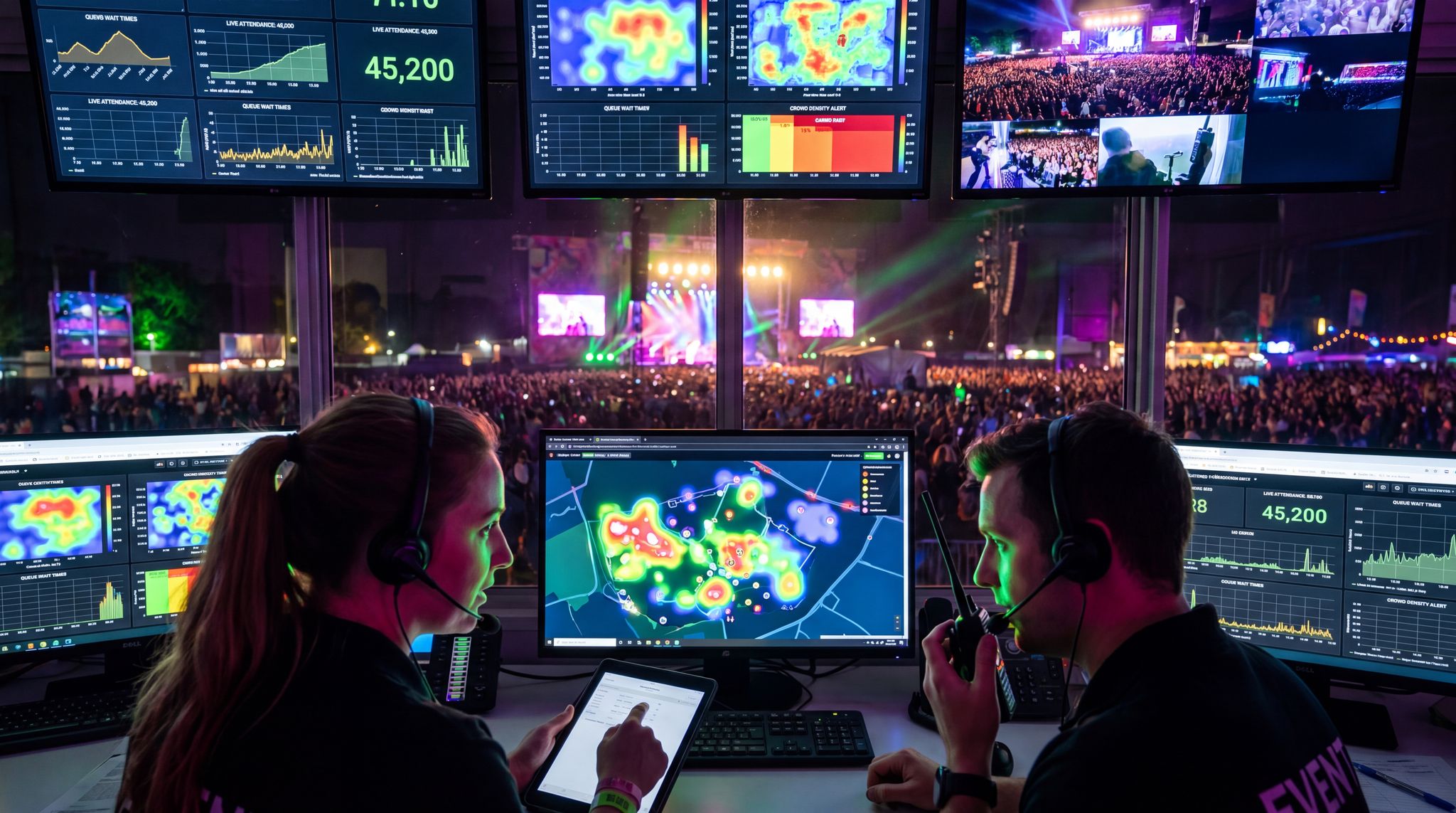
It’s not enough to build a fast network; you have to vigilantly maintain it under show conditions. Top eSports events enlist on-site network specialists who prioritize critical gaming packets and monitor ping in real time. Using enterprise network monitoring software and good old-fashioned ping tests, they watch for any latency spikes or dropped packets and can react before players even notice an issue. Traffic dashboards in the production booth show live readouts of ping times for each player station and the health of each internet line. If an abnormality appears (e.g. ping jumping from 20ms to 100ms on a backup player rig), techs can investigate immediately – maybe a backup process is clogging bandwidth, or a rogue device joined the network. This proactive monitoring is how events catch small issues before they become match-pausing problems.
Another tactic is putting hard limits on outside network usage during the competition. While fans in the arena often expect Wi-Fi, many events implement traffic shaping or temporarily disable public Wi-Fi during crucial matches to free up spectrum and bandwidth for the production. Organizers explicitly communicate to attendees that, during gameplay, networks are prioritized for the competition – a necessity to avoid any risk of interference. In fact, managing wireless interference is an art unto itself: event tech teams will coordinate all radio frequency devices (Wi-Fi, wireless cameras, mics, in-ear monitors) to avoid overlapping channels, knowing that eSports events can be targets for interference. The goal is an interference-free environment so that nothing – not even a nearby phone hotspot – injects lag into the system. Experienced event technologists often compare this to tuning an orchestra of signals. The payoff for these efforts is an environment where the game network behaves as if the internet doesn’t exist at all. Players enjoy near-instant response times, and spectators never see a stutter or pause in the on-screen action, preserving the competitive integrity of the match.
DDoS Defense and Network Security
High-profile eSports tournaments can be targets for cyberattacks, particularly Distributed Denial of Service (DDoS) attacks aiming to flood the network. Malicious actors have, in the past, tried to overload game servers or stream uplinks to cause lag – essentially weaponizing the event’s reliance on connectivity. To counter this, organizers partner closely with IT security firms and ISPs to put DDoS mitigation services in place on all internet links. These services can detect the telltale signs of an attack (sudden floods of traffic from thousands of IPs) and automatically reroute or scrub the traffic before it ever hits the venue network. Additionally, event networks are locked down with firewalls – only whitelisted devices and ports are allowed, shutting out any unexpected connections. Game server IPs are kept secret and often masked behind VPNs or private network links so outsiders can’t directly target them, as security against DDoS attacks is paramount. During one Rainbow Six Siege Pro League Final, for instance, the organizers revealed they used a combination of VPN tunnels and cloud anti-DDoS providers to ensure nothing could interrupt the matches. It’s also standard practice now to limit public Wi-Fi access during competition and encourage attendees to avoid high-bandwidth activities on-site, as a compromised guest device could theoretically be used in an attack. All these measures mean that while the audience sees an exciting, seamless competition, an unseen shield is constantly guarding that precious low-latency connection. For eSports tech crews in 2026, the axiom is to plan for network failure so nothing is left to chance – they assume attempts will be made to break the connection, and they engineer the network to withstand the onslaught.
High-Performance Servers and Hardware: No Room for Downtime
On-Site Game Servers vs. Cloud Hosting
Where does an eSports match actually “live”? In most cases, on a dedicated game server instance that all players connect to. For maximum control and minimal latency, top events run these servers locally on-site. Gone are the days of connecting players to some distant data center for a tournament match. Instead, organizers coordinate with game developers to deploy special tournament server builds on powerful machines at the venue. By keeping the server in the same building (often directly wired to the player PCs), ping times can be cut to under 1–2 milliseconds, making gameplay ultrasmooth. For example, Valve’s Dota 2 “The International” tournaments have long used local area network servers, even though the game is usually played on cloud servers day-to-day – this ensures that even if the venue’s internet blips, the match can continue unaffected on the LAN. Some games like CS:GO or Rocket League allow events to host their own dedicated servers, configured with the exact match settings and high tick rates (e.g. 128 ticks per second for CS:GO, updating game state more frequently than normal online play for maximum precision). Other games, notably some battle royale or mobile titles, might rely on cloud infrastructure. In those cases, organizers will work with the publisher to get a direct network link to the cloud server or a nearby edge server. We’ve seen championship events where the game company set up a temporary “realm” on a cloud region geographically close to the venue, effectively bringing the cloud to the competitors. The guiding principle is simple: minimize the distance (and hurdles) between players and server. If a game supports offline LAN mode, events will use it. If not, they’ll negotiate the next best thing, like reserved cloud servers with guaranteed bandwidth. This is why early planning with game providers is key – experienced implementation specialists recommend locking in your server strategy early as part of the event’s tech plan well in advance.
Grow Your Social Following With Every Sale
Require social media follows, shares, or playlist adds to unlock presale access or special pricing. Turn every ticket purchase into audience growth.
Powerhouse Machines and Cool Environments
The game servers and player machines themselves must be powerhouses engineered for reliability. A tournament server rig typically sports top-tier CPUs (for high single-thread performance), ample RAM, and fast SSD storage to load maps or assets without delay. For instance, a leading Battle Royale tournament might use a custom server with a 5+ GHz latest-gen Intel or AMD processor and 128GB of RAM to smoothly handle 100 players in a session. Organizers often have identical backup servers running in parallel or ready to spin up if the primary crashes. In one major Overwatch League finals, the IT team actually had a second server PC mirroring the game state as a hot backup – if the main had gone down, they planned to switch all players to the backup lobby within minutes (thankfully it wasn’t needed). Player computers are equally high-end: GPUs that can push 240+ FPS, high-refresh (240Hz or even 360Hz) monitors, gaming-grade peripherals, and low-latency controllers or keyboards. All machines are optimized with fresh OS installs, unnecessary background processes disabled, and every performance tweak in the book. Prior to the event, each PC is burned-in and tested under load (running the game, streaming, and recording software simultaneously) to ensure no overheating or throttling will occur on stage.
To keep this hardware humming, the stage environment must be controlled. Venues often beef up cooling and ventilation around the player and server areas – portable AC units, high-powered fans in the backstage server racks, and temperature sensors to monitor heat. Dozens of high-end PCs plus stage lighting can quickly raise temperatures; overheating isn’t just a comfort issue but a performance risk (an overheated server can slow down or crash). This was a painful lesson at the ESWC 2015 tournament, where back-to-back matches had to be paused due to server overheating – leading to awkward “technical difficulty” breaks reminiscent of the Electronic Sports World Cup 2015 disaster. Now, organizers ensure proper cooling or place servers in a dedicated air-conditioned room off-stage if possible. Power supply quality for these machines is also critical – each competition PC and server is typically on a UPS (Uninterruptible Power Supply) to condition power and ensure safety systems ride out any brief outages. Additionally, don’t overlook grounding and electrical noise prevention. The UPS not only acts as a backup battery (so a 1-second power dip doesn’t reboot the PC), but it also delivers clean, surge-protected power to prevent hardware damage. High-end gaming electronics can be surprisingly sensitive to power fluctuations, so tournaments treat power like lifeblood: redundant feeds, backup generators on standby for big events, and distribution circuits carefully balanced, as eSports tournaments can be surprisingly power-hungry. Consider deploying uninterruptible power supplies for critical gear to condition the power. The bottom line is eSports hardware in 2026 is prepped like aerospace equipment – maximum performance, intensively tested, and supported by an environment that leaves nothing to chance.
Grow Your Events
Leverage referral marketing, social sharing incentives, and audience insights to sell more tickets.
Hot Swaps and Hardware Fail-safes
Even with rigorous prep, hardware can fail at the worst time – a graphics card can die or a keyboard can malfunction mid-final. That’s why savvy eSports crews plan for hot swaps of almost every critical component. Backstage, you’ll often find several fully imaged spare PCs, configured exactly like the ones on stage, that can be rolled out to a player station within minutes. If Player 7’s machine blue-screens in the middle of a match, tournament rules may allow a pause; technicians will dash out, swap in a clone PC, and help the player reconnect as quickly as possible. This actually happened during a 2022 Valorant championship: a player’s PC froze, and staff executed a swap and reconnect procedure in under 4 minutes, allowing the match to resume with minimal disruption. Peripheral failures (mouse, controller, headset) are even more common, so spares for those are kept at each player desk. High-end tournaments often require players to use provided, standardized gear (or to hand their personal gear to admins ahead of time) precisely so that a like-for-like swap is on hand if needed. Imagine a racing eSports event where a competitor’s force-feedback steering wheel fails – the organizers will have an identical wheel calibrated and ready to replace it so the competition stays fair and on schedule.
Game servers, too, have backup instances running whenever possible. Some modern game builds support mid-match state save or cloning, so if a server software crashes, admins can load a backup server to the last known game state. Not all games can do this seamlessly, but it’s a direction developers are moving (especially after seeing high-profile match resets in earlier years). At minimum, tournament officiators have contingency rules: if a server crashes and no backup state, perhaps the game is replayed from scratch or from a saved draft – not ideal, but a planned protocol is better than chaos. They also schedule buffer time in the event schedule for such replays or tech pauses, ensuring the overall show can absorb a hiccup. The unofficial motto among event tech managers is to allow the show to go on even if systems fail. It’s why no one ever assumes a piece of gear will last the whole event – they actively prepare for it not to. And when everything does go off without a hitch, the audience has no idea how many backup plans quietly lurked behind the scenes. That invisibility of issues is the hallmark of a well-prepared eSports tech operation.
Tournament Management Platforms and API Integration
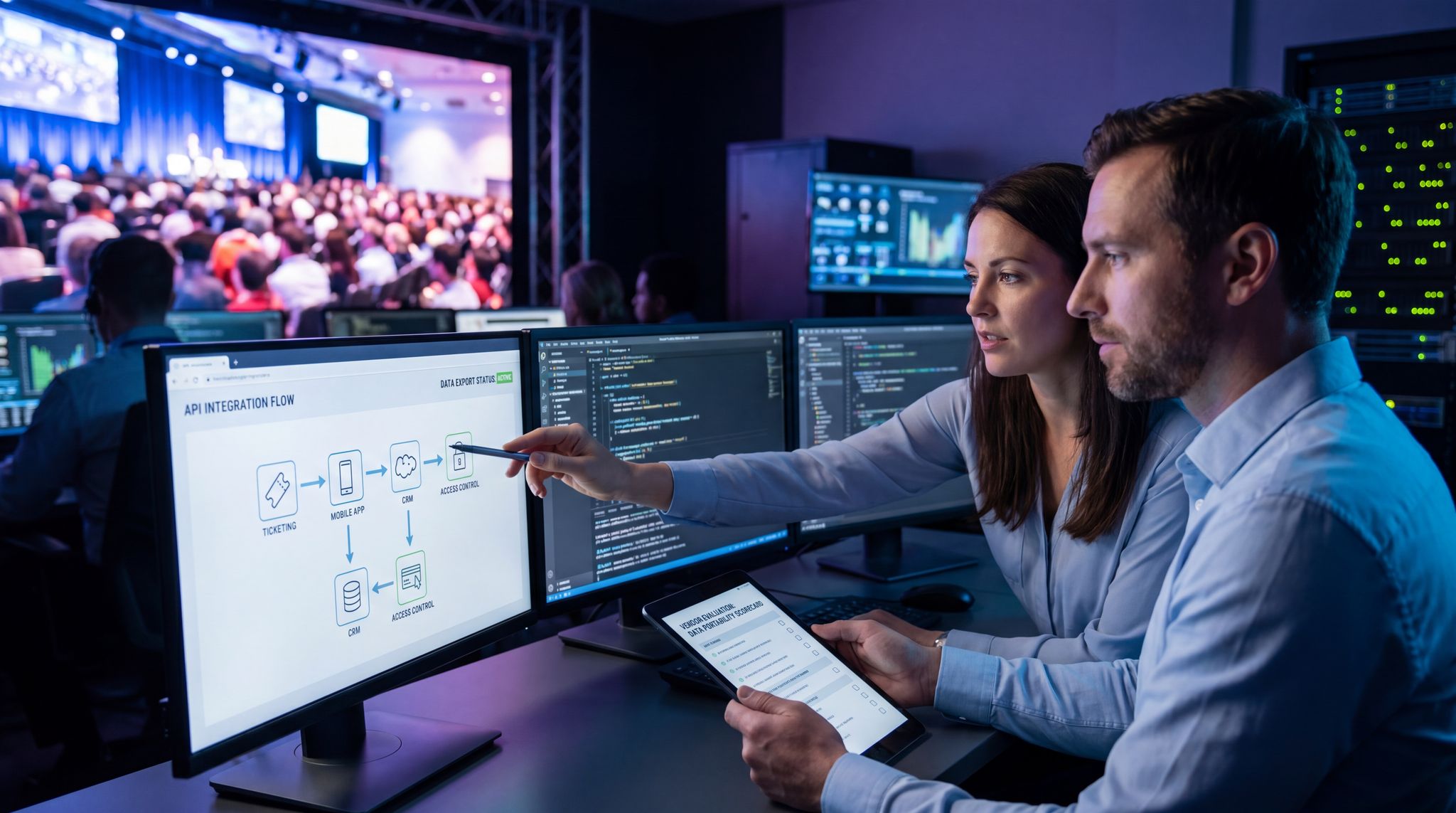
While powerhouse servers handle the in-game physics, the logistical backbone of any major competition relies on robust software. For organizers, selecting the most used eSports tournament platform in 2026 isn’t just about bracket generation; it’s about deep API integration. Modern competition management systems act as the central nervous system for the event. These platforms automate player check-ins, assign local server IPs to specific match lobbies, and instantly feed match results to the broadcast graphics engine. By utilizing an industry-standard tournament ecosystem, production teams eliminate manual score reporting, reducing human error and ensuring that the live data feeds updating the arena’s LED screens are perfectly synchronized with the game state. For venue operators and promoters, integrating a top-tier bracket and match management solution is just as critical as the physical hardware, ensuring a frictionless experience from the first qualifying round to the grand finals.
When evaluating the most popular esports tournament management software 2026 has to offer, top-tier organizers look for platforms that go beyond basic bracketing. The leading solutions now feature native white-labeling for sponsor integration, automated prize pool distribution, and real-time telemetry that feeds directly into broadcast graphics. For promoters, one of the most crucial e-sports tournament organization tips is to standardize your software stack early. By adopting widely recognized management tools, you reduce the learning curve for visiting teams and ensure that your production crew can easily pull live match data without custom coding.
Smooth Entry With Mobile Check-In
Scan tickets and manage entry with our mobile check-in app. Supports photo ID verification, real-time capacity tracking, and multi-gate coordination.
Redundancy and Fail-Safes: Ensuring the Show Always Goes On
Power Backup and Electrical Redundancy
In the live events world, power is priority #1 – if the juice stops flowing, the event is over. For eSports, consistent power isn’t just about keeping the lights on; it’s about preventing even a millisecond disruption to servers, PCs, and network gear. That’s why major tournaments invest heavily in power backup and redundancy considerations. Critical equipment like game servers, networking racks, and stage computers are all protected by Uninterruptible Power Supplies (UPS). These battery backup units instantly kick in if there’s a voltage drop, giving devices a stable power feed for a few precious minutes. In a minor blip (say the mains power flickers for 2 seconds), a good UPS ensures zero impact – players and fans won’t notice anything. If there’s a longer outage, the UPS buys time to either stabilize power or gracefully pause matches. Many venues with big eSports events also have backup generators on standby for production needs. While you might not run the whole event on generator, it can prevent a total blackout. Some organizers arrange for a generator to at least power the competition area and broadcast gear in an emergency. This strategy paid off at one IEM (Intel Extreme Masters) event where a regional blackout hit the city – the arena went dark but the competition area stayed live on generator power, allowing the event to conclude the final map (albeit under very tense conditions!). The message: never assume grid power is infallible. Smart venues have backup generators for life-safety and now also consider how to ensure the finish of the tournament even during grid failures.
Beyond backup power sources, electrical distribution is carefully managed. Dozens of gaming PCs, LED walls, and amplifiers mean heavy power draws. Tech teams coordinate with venue electricians to map out circuits and phase loads. They’ll run dedicated power drops to the stage so that, for instance, the 20 player PCs are split across multiple circuits and not all pulling from one outlet bank. Overloading a single circuit could trip a breaker mid-show (a nightmare scenario that has happened in smaller events). Proper distro (distribution boxes and cabling) is used instead of daisy-chained extensions, to keep things safe and code-compliant. Clean grounding is also critical: with so many computers and AV components, ground loops or electrical noise can introduce hum in audio or even affect equipment. Ensuring everything is properly earthed and perhaps using power conditioners for sensitive audio/visual gear helps maintain a clean signal environment from start to finish. It’s often said that the best-run events are the ones where the audience never thinks about power at all. In eSports, achieving that means treating power like a fragile, precious resource – building in layers of protection so that gameplay never even flickers.
Multi-Path Internet and Stream Backups
Redundancy in network connectivity is just as vital as power redundancy. As discussed, dual ISP fiber lines are common – but what if both wired lines fail (e.g. a construction crew cuts a major trunk)? Progressive events add another fallback: 4G/5G bonded internet devices for reliability. These are units that combine multiple cellular connections (across carriers) into one robust link. In an absolute emergency, they can keep a stream online albeit at lower quality. Think of it as a safety net to at least allow the broadcast to continue and scores to be reported, rather than a total outage. Some events even keep a satellite uplink truck on-site, which was an early solution used by Major League Gaming to fix internet issues years ago. Today, cellular bonding is often sufficient and far more flexible. The production team will test any backup link in advance, making sure they can switch their streaming encoder to the backup network seamlessly if required.
For broadcasting, redundancy goes beyond just internet lines. Stream encoding systems – the devices or software that compress and send the video feed to platforms – are often duplicated. A primary encoder and a clone run in parallel, so if one crashes or overheats, the second one can take over. During the 2024 Valorant Champions, the broadcast had two encoding rigs concurrently outputting to YouTube and Twitch; when the primary encoder glitched due to a software bug, producers cut to the backup in seconds and most viewers never noticed more than a brief quality dip. Streaming to multiple platforms itself creates redundancy and reach. Big tournaments simulcast on Twitch, YouTube, and regional platforms (like Huya or Douyu in China, Naver in Korea) so that if one platform has an issue, fans have alternatives. In 2026, many events also enable an “internal” stream record – essentially capturing the broadcast locally at full quality. This way, if a live stream fails and comes back, they still have a complete recording to upload or monetize post-event to mitigate missed moments, and possibly to show fans any missed moments. The nightmare scenario is a “dark stream” – the broadcast feed cutting out worldwide at a pivotal moment. That actually happened to a major awards show stream in 2025, a prime example of when event tech goes wrong, and even eSports had an incident where a championship semifinal feed froze due to unprecedented concurrent viewership, where a scheduling system error stopped the broadcast. The outcry on social media was enormous, proving how damaging a stream failure can be. Therefore, current best practice is having layers of backup streams and communication. If one platform fails, commentators are ready to direct viewers to another channel or a social media page for updates. The production control room often has a dedicated person monitoring all outgoing feeds and backup statuses. In essence, to be glitch-proof for millions of remote viewers, you must think like an air traffic controller: duplicate everything and have a Plan B, C, and D at the ready.
Rehearsals and Contingency Drills
Redundancy isn’t just hardware; it’s also processes and people. Top eSports organizers conduct full tech rehearsal days before the event, where they simulate failures to test responses (much like a fire drill). They might intentionally disconnect the primary internet line to ensure the backup takes over, or cut power to see that UPS units hold. Staff are trained on these scenarios: if the game server crashes, what sequence of announcements, fixes, and if needed, re-game procedures should happen? Everyone from the stage host to the production director has a script for tech pauses. For example, many events have a “technical pause” video or content reel ready to play on the big screen and stream – this keeps fans entertained and informed (“please stand by, tech issues being resolved”) rather than sitting idle in confusion. In 2026, training event staff on new tech recovery and emergency procedures is considered just as important as the tech itself. A smoothly handled hiccup can even earn goodwill, proving that today’s event teams can recover from chaos instead of ire. Veteran teams approach an eSports event with a mindset of when something will go wrong, not if. They create detailed checklists and contingency charts, breaking down various failure points (audio, lights, network, server, etc.) and the corresponding action plan. For instance, “If main stage lights lose power: immediately switch to house backup lights, inform casters to continue commentary, dispatch electrician.” Nothing is left to ad-lib when thousands of on-site attendees and possibly millions of online viewers are hanging on every moment. It’s why stadiums must innovate to compete with the couch. This level of preparedness is what separates amateur productions from world-class events. The best eSports tech teams operate with a calm confidence stemming from the knowledge that even if the worst happens, they have the tools and plans to handle it. And thanks to that groundwork, most fans will never even realize how close to disaster an event may have come, because the show seamlessly goes on.
Immersive In-Arena Technology: Bringing the Game to the Crowd
Giant Screens and Real-Time Visuals
Walk into an eSports arena in 2026 and you’ll be greeted by wall-to-wall LED displays and high-definition projections wrapping the audience in the game action. Modern stadiums hosting eSports have invested in gigantic 4K and 8K videoboards so that even fans in the nosebleeds see every headshot or combo in crisp detail, transforming passive watching into an interactive experience. These aren’t just repurposed jumbotrons; they’re often custom setups tuned for gaming content. High refresh rates and low latency processing are key – when a pro player whips their view around at 240 frames per second, the big screen needs to keep up without motion blur. Advanced LED wall processors can handle 120fps+ feeds now, ensuring the on-screen action in the venue stays buttery smooth and synced with what players see on their monitors. Start with displays: big, bright screens capable of displaying video game feeds are essential. Many venues opt for a central “hero” screen behind the players (showing the main spectator view of the game) flanked by supplementary screens. For example, a 2026 Arena of Valor finals had a massive 8K LED wall as the main display and two 4K side screens showing each team’s POV and stats. This multi-screen approach gives spectators a richer picture – they can follow the general action but also glance at individual players’ status or a map overview.
Go Cashless With RFID Technology
Enable contactless payments, faster entry, and real-time spending analytics with RFID wristbands and NFC-enabled ticketing for your events.
As the industry matures, the baseline expectations for esports venue technology have shifted dramatically. Venue operators are increasingly retrofitting traditional sports arenas with permanent, gaming-specific infrastructure. This includes modular LED rigging, built-in high-capacity fiber trunks running directly to the stage, and specialized power distribution designed specifically for high-draw gaming rigs. By investing in these permanent technological upgrades, facility managers can seamlessly pivot between hosting a traditional basketball game on Friday and a massive esports major on Saturday, maximizing their venue’s utilization and revenue potential.
These displays also integrate live instant replays and slow-motion highlights, just like a sports stadium. The production crew will trigger replays of big moments on the venue screens during breaks, which generates huge crowd reactions (eSports fans love seeing a clutch play from a new angle). It takes robust infrastructure to pull this off: high-speed camera feeds, replay servers (similar to those used in pro sports but adapted for game footage), and operators ready to splice the replay into both the in-arena screens and the broadcast. The payoff is an emotionally immersive experience – when a highlight pops up on the big screen and 15,000 people go wild, it reinforces the energy of the live event. Some events even do picture-in-picture, where the game continues on the main screen and a small window shows a quick replay of a key kill, so the live audience doesn’t miss context. The guiding philosophy is that in-person spectators should never feel at a disadvantage versus TV viewers; they should have equal or better information and views. By 2026, top venues are achieving that by surrounding fans with high-impact visuals. It transforms the arena into a living, breathing extension of the game world – every seat becomes the “best seat in the house” because visual tech ensures no detail is missed.
Augmented Reality Overlays and Stage Effects
To elevate the spectacle further, eSports events are turning to augmented reality (AR) and mixed reality stage effects that blur the line between the game and the real world. A legendary example was the League of Legends World Finals in Beijing, where an AR Elder Dragon swooped over the stadium, astonishing 40 million online viewers and tens of thousands of fans in attendance, featuring an AR dragon on large screens throughout the arena and AR graphics added over the music. In the arena, attendees saw the dragon on the massive screens as if it were attacking the stage, synced perfectly with lights and sound effects – a jaw-dropping blend of digital and physical. This kind of AR overlay is pre-visualized to match the camera angles and stage layout, using powerful real-time graphics engines (like Unreal Engine or specialized systems from firms like Zero Density). When executed correctly, it adds a layer of magic that becomes a memorable moment for everyone watching. Since that famous AR dragon, other events have followed suit. Dota 2’s The International incorporated AR hero characters appearing on stage during team entrances, and the Overwatch World Cup used AR to display giant versions of heroes performing signature moves around the arena.
The technology behind these effects involves placing tracking cameras and markers so that the AR graphics can be rendered from the correct perspective on the live video feed. Essentially, the system needs to know exactly where the stage and cameras are at all times, so the virtual elements “stick” in the right place on screen. In 2026, many large venues are equipped with tracking systems (infrared cameras or sensor arrays) that were originally installed for concerts or sports AR use, which eSports productions can tap into to offer AR views that layer graphics. Even without expensive gear, some events leverage smartphone-based AR: they encourage fans to point their phones at the stage through a special app filter to see, say, a game character emerge via AR on their own device screen, like pointing your phone to see virtual elements. This was done at a PUBG Mobile tournament where viewers could see a digital parachuting crate land on stage through their phones – a playful nod to the game’s mechanics. The key is making these AR moments enhance the excitement without distracting. They’re often used at pre-show or halftime (like an opening ceremony performance), or for celebrations (a virtual trophy or confetti when a team wins). By layering fantastical visuals onto the physical event, AR overlays deepen engagement – they bring the game’s fantasy to life in the venue to level up your venue experience and make every seat more engaging.
Immersive Audio and Lighting Design
While visuals get a lot of attention, the sound and lighting in an eSports arena are also finely tuned to immerse fans. The audio system pumps out game sound effects and commentary so the live audience hears the crucial action beats. When a fighting game delivers a knockout punch or a MOBA caster hypes a team fight, the crowd experiences it with theater-quality sound. Many events employ surround sound setups, distributing speakers around the venue to create directional audio – for instance, abilities from the left side of the game map might echo more from the left side of the arena speakers, subtly syncing sound with on-screen positions. The mix is carefully managed by an audio engineer who balances cheers with game audio and the casters’ voice. One challenge is avoiding feedback loops (the casters are often live in the venue too), so placement of their monitors and use of noise-cancelling headsets is planned out to keep things clean. The result is that fans essentially live inside the game’s soundscape, not just watching a muted screen.
Lighting and special effects add to this immersion. Expect to see dynamic lighting rigs that change color and intensity based on the in-game action. A classic move now is syncing stage lighting to big moments: in a Rocket League final, when a goal is scored, the arena lights might flash the scoring team’s colors and sweep across the crowd, as a goal explosion graphic plays on screen. Pyrotechnics or CO2 jets might be cued for championship point victories, just like at a rock concert. In 2026, some eSports events even give the audience LED wristbands synced to the show – these wearable bands light up in team colors or pulse to the music and game events, designed for use at pivotal live moments. This effectively turns the crowd into part of the light show through photo challenges and new apps. All of this is coordinated through a central show control system, often tied into the game’s API for triggers. For example, the game might send a signal when a match ends, which the lighting console uses to start the victory light sequence. It’s high-tech showcraft, and when done right, it amplifies the emotional highs for the in-person audience. A pivotal kill or final objective isn’t just seen – it’s felt, as the bass hits, lights flash, and the crowd roars on cue. By leveraging concert-grade AV production tailored to gameplay, eSports events ensure that being there in person is an unforgettable, fully immersive experience that eclipses even the best at-home setup, where stadium apps let fans replay highlights. This also involves ensuring the venue is prepared to manage new tech demands.
Turn Fans Into Your Marketing Team
Ticket Fairy's built-in referral rewards system incentivizes attendees to share your event, delivering 15-25% sales boosts and 30x ROI vs paid ads.
Engaging Fans with Data and Interactivity
Live Stats and Data Feeds for Spectators
One advantage of eSports: the game itself generates a wealth of real-time data that can be shared with fans to deepen their understanding. Modern tournaments exploit this by integrating live data feeds into both the broadcast and in-arena displays. At any moment, fans can see player stats, team gold earnings, cooldown timers, accuracy percentages – the kind of detailed info that traditional sports often wish they could provide instantly. Broadcasters overlay many of these stats on the stream, but in the venue, organizers use LED side panels or secondary screens to show dashboards of information. For example, a CS:GO championship had vertical screens on each side of the stage constantly updating each player’s kill/death count, economy, and equipment – giving the live audience quick context between rounds. In MOBAs like League of Legends or Dota 2, giant infographics will flash during pauses to summarize each team’s kill counts, tower destructions, and item advantages. This caters to hardcore fans who crave the numbers and casual attendees who might not catch every detail of the fast-moving game. It’s all about turning raw game data into accessible visuals that complement the action.
On the broadcast side, some events partner with analytics companies to provide enhanced data visuals. You’ll see segments where commentators pull up heat maps of player movements or comparisons of strategy metrics if the game permits. For the world feed, these graphics are usually rendered by specialized systems that subscribe to the game’s live API or logs. A great example is the Overwatch League’s stats lab, which feeds real-time player positioning data into a system that can show viewers an overhead map with hero icons during replays – effectively an AR sports “telestrator” for eSports. In 2026, even smaller events have access to such tools, as many game developers open up spectator APIs. The key is that all this info must remain low-latency and in sync. Data overlays update in near real-time so that when a major event (like Roshan being slain in Dota, or Baron in LoL) happens, the stat change (gold swing, buff timers) displays immediately to viewers. Achieving this often requires a dedicated data management server on-site, which rapidly processes game events into visuals without bogging down the actual game server. From the fans’ perspective, these rich data feeds make the experience more engaging and educational – they can follow the nuance of the competition and appreciate player performances on a deeper level. The best events strike a balance, however; they present data during appropriate lulls or breaks so as not to distract from key live moments. After all, stats should supplement the narrative of the match, not overshadow it. When used wisely, real-time data turns spectators into analysts and keeps even downtime interesting, as fans can debate what the numbers predict for the next round.
Gamified Participation and Second-Screen Apps
The interactivity of gaming naturally spills over to eSports audiences – these fans don’t want to just watch, they want to participate and play along. Organizers have seized on this by introducing gamified elements and companion apps that keep spectators engaged during the show. In 2026, it’s common for a major tournament to have an official event app or web portal with features like live predictions, polls, and trivia. For instance, during a match, the app might prompt fans: “Who will get the next kill – Team A or Team B?” Viewers, both in-arena and at home, can tap their prediction. Real-time stats then show what percentage guessed correctly after the fact. It’s a simple addition, but it keeps viewers invested in every moment (“I knew that flank was coming!”) and fosters a friendly competitive vibe among the audience. Many events award points or badges for participating, which can be redeemed for prizes ranging from sponsor swag to free event tickets via interactive photo challenges, encouraging repeat engagement and ensuring audiences return for the next event.
In venues, these apps often double as an event guide and interactive fan tool. They provide schedules, player bios, venue maps, and augmented reality camera filters to enhance the live experience. For example, at the Fortnite World Cup, attendees could use the app’s AR camera to find hidden llamas (in-game mascots) placed around the stadium; finding them all via the phone camera scavenger hunt entered the fan into a prize drawing – a clever mix of physical and digital engagement. Another widespread feature is live audience polls and Q&A. Some organizers display poll results from the app on the big screen (e.g. “Fan vote: MVP of the Match”) which not only makes fans feel heard but also sparks discussion. In fact, integrating these tools can significantly boost dwell time and satisfaction – studies show that fans who engage through apps tend to stay longer at events and feel more immersed, especially when used at pivotal live moments. The trick is making it accessible and optional: fans who want to lean back and just watch can do so, while those itching to interact have a channel that ensures a smooth experience. Technologies like QR codes on screen or NFC tags around the venue make joining these games frictionless (no lengthy signups, just scan and play), often offering discounts on food, drinks, and merch.
For remote viewers, platforms like Twitch and YouTube offer their own interactivity – Twitch’s extensions, for example, let viewers vote or predict outcomes right on the video player. Event organizers often partner with these platforms to enable features like “Twitch Drops” – viewers who link their game account and watch the stream can earn in-game rewards. This incentivizes fans to not only watch longer (to get the reward) but also to feel part of the event’s ecosystem. It’s effectively gamifying viewership itself. A fan at home might win a special cosmetic item for a game by tuning into the finals, which is an experience unique to eSports. Additionally, social media is leveraged for engagement: live Twitter polls, Instagram AR filters themed to the event, and fan photo contests (“share your viewing setup with #EventName for a chance to be featured”). The best practices in 2026 involve aligning these engagement strategies across in-person and online audiences. For example, a tournament might run a prediction contest where both ticket holders and Twitch viewers answer questions via their respective platforms, but the results all feed into one big sponsor-branded leaderboard visible to everyone. This creates a sense of a unified fan community playing along with the event by integrating experiences into your events, fostering engagement and community at all times. By making spectators active participants – through quizzes, AR adventures, or simply cheering contests – eSports events elevate the entertainment value and keep fans hooked from the opening ceremony to the final trophy lift.
Community Engagement and Co-Creation
One unique facet of eSports culture is the tight-knit relationship between events and their communities. Organizers increasingly tap into that by enabling co-creation opportunities – letting fans contribute content or drive storylines. In 2026, you might see a fan vote to decide an all-star game mode or which map to play as a tiebreaker. For instance, at a recent PUBG Mobile tournament, fans voted via the event app on the final map from a curated list, adding an extra layer of anticipation (and a feeling of influence) to the proceedings. Some events feature fan art competitions, where artists submit drawings of teams or moments and winners get their art showcased on the broadcast and venue screens. This happened during the 2025 Overwatch World Cup – during breaks, the stream displayed stunning fan-made illustrations of key plays from earlier matches, selected from a pool of Twitter submissions. It not only filled downtime creatively but deeply engaged the artistic segment of the community, making them part of the show.
Data-Driven Event Marketing
Track ticket sales, demographics, marketing ROI, and social reach in real time. Exportable reports give you the insights to make smarter decisions.
Another avenue is co-streaming and watch parties. While not an in-venue activity, it’s worth noting that many eSports tournaments officially allow and promote community figures (streamers, influencers) to co-stream the event with their own commentary. This extends reach and gives viewers more options (maybe they prefer a funny streamer’s take over the official commentary). But it’s also leveraged for fan engagement: some co-streams host live giveaways, fan games, or interactive analysis that more directly involve viewers. Event organizers coordinate with these streamers to maintain quality and often incorporate their audiences by giving shoutouts or even feeding interesting co-stream moments back into the main broadcast (e.g., showing a clip of a famous streamer reacting to a big play, which delights both that streamer’s fans and the wider audience). It’s a form of community-driven content that complements the main event. All these efforts reflect a broader trend: eSports events thrive when they channel the passion of their fanbase into the event itself. By creating channels for fan interaction, creation, and even decision-making, tournament organizers turn a one-way spectacle into a two-way dialogue. The fans aren’t just watching history; they feel like they’re helping shape it, whether by contributing a vote, a piece of content, or simply their enthusiastic presence echoed through technology.
Production and Streaming: Stadium Show for a Global Audience
Stadium-Scale Production Meets Broadcast TV
Behind every spectacular eSports final is a small army of production professionals making sure the event looks and sounds amazing both in-person and online. In 2026, eSports productions rival or even surpass traditional sports broadcasts in complexity. A typical championship might have 20+ cameras deployed: close-up cams on each player (to capture those intense focus faces), wide crowd cameras to show audience reactions, jib or spider cams swooping over the stage, POV feeds from within the game, and more. These feeds are cut live by a director in a production truck or control room, much like an ESPN or Sky Sports broadcast – but with the twist that one of the “feeds” is the game’s observer mode. A skilled in-game observer team works in tandem with the broadcast director to ensure the view on screen always follows the most crucial action. This team essentially acts as virtual camera operators inside the game engine, using spectator tools to jump between perspectives or trigger cinematic views. It’s a choreography between the physical world and the digital: a director might say “Camera 3, then in-game view 1” to transition from a crowd shot to a player’s first-person POV at a clutch moment. The resulting live mix is what’s shown on the arena big screens and sent out to streams, creating a unified storytelling experience for all viewers.
Audio is similarly dual-layered. A broadcast audio mixer combines multiple sources: the casters’ commentary, game sound effects, player communications (if they do listen-ins), and ambient mics capturing the crowd noise. Getting the right balance is key – you want online viewers to feel the arena energy when a big play happens, but still hear the commentators clearly. To facilitate this, major events mic the crowd at various spots and sometimes even have a “hype mic” near fan sections that an audio tech can raise in the mix for big reactions. Conversely, in-venue audio often includes the casters as part of the show (especially if they’re on stage), but at a lower volume since the live crowd provides much of the atmosphere. The production team also coordinates translation and multiple commentary streams for international audiences. It’s common to have separate commentary teams off-site providing narration in Spanish, Mandarin, Korean, etc. The main production sends them clean feeds (game video and sound without English commentary) and then encodes separate streams for each language. During the 2024 LoL Worlds, there were feeds in over 15 languages, and producers had to juggle cues with each (ensuring the show flow – like when to break – was communicated to all commentary teams). It’s a massive synchronization effort, but it ensures the millions watching globally each feel catered to in their own language.
Reaching Millions via Streaming Platforms
The distribution of eSports content leans heavily on streaming platforms, which are the equivalent of broadcasters’ satellite networks for sports. Twitch, YouTube, Facebook Gaming, and regional platforms form a vast content delivery web that can handle the millions of concurrent viewers tuning into a big final. Technical directors set up stream outputs to multiple ingestion servers (often located in different regions) to minimize latency and buffering. They also take advantage of modern streaming protocols – many have shifted to low-latency streaming modes that reduce delay to just 2-3 seconds behind real time, down from the ~20 seconds of a few years ago. This helps remote viewers’ experiences align more closely with those on-site (and is crucial for interactive features like live polls which need quick feedback). To achieve this, events might use RTMP with low-latency tuning or newer protocols like SRT which can maintain quality with minimal delay. Additionally, content delivery networks (CDNs) are prepped for the traffic surge. It’s not uncommon for an eSports final to generate Tens of Terabytes of data per minute globally; one F1 esports event case noted over 40 TB transferred over a weekend, highlighting the need for robust backups when streaming. Streaming partners and ISPs coordinate to ensure there are no chokepoints – even working with telecoms to manage local spikes (in South Korea or China, for example, a huge portion of internet users might be watching at once). The end goal: a stable, lag-free viewing experience on any device, be it a 4K smart TV or someone’s smartphone on LTE.
The convergence of traditional broadcasting and digital-first platforms means that the production of live esports streaming and traditional sports events in 2026 requires a hybrid approach. Broadcasters are utilizing cloud-based switching and AI-assisted camera direction to manage the sheer volume of feeds. This evolution highlights the new technologies shaping the future of esports in 2025 and 2026, allowing production teams to deliver a broadcast quality that rivals, and often exceeds, legacy television sports networks.
One emerging trend is offering multiple viewing options on streams. Some tournaments provide alternate camera feeds (a “command center” stream with all player POVs, or an overhead map stream, etc.) to give hardcore viewers more control. This requires additional production output and moderation (to ensure none of those feeds reveal info players shouldn’t see if fans are in the same venue). But it caters to a more engaged online fan who might want to, say, follow their favorite player exclusively. In the same vein, 360-degree cameras and VR streams have begun to appear. While not mainstream yet, a few events have experimented with a VR spectator mode where remote fans can put on a headset and feel like they’re sitting in a virtual arena, watching the game on a jumbo screen with the crowd around them. It’s niche, but it hints at a future where the line between on-site and online spectating further blurs.
Free Tool: Size Your Festival Site
Zoned capacity planning for arena, campsite, parking and entry lanes — against UK Purple Guide and NFPA density standards. Finds your bottleneck zone.
Balancing On-Site and Online Show Elements
One of the trickiest aspects of production is balancing what the live crowd sees versus what the broadcast audience sees. Some content is made just for those in the venue (for example, an arena host interviewing fans between matches) and might not be aired on the main stream, which could be on a break or playing ads. Conversely, the broadcast might have segments (like a desk analysis with detailed graphics) that the in-venue crowd doesn’t witness unless they check their phones. To handle this, production often runs a multi-layered show schedule, effectively two shows in parallel that weave in and out. There might be moments designated “arena only” and others “broadcast only,” but key segments like player introductions, the actual matches, and trophy ceremonies are fully synchronized for both audiences. Communication is constant: the stage host and the broadcast host are on intercom with the director to know when each is live. It’s a delicate dance so that neither audience experiences dead air. For instance, while an online audience sees a video package about the teams, the live audience might be watching the players set up on stage with an emcee hyping them – then as soon as the video ends, the director cuts to the stage for both audiences to share the final player wave and applause.
Another consideration is avoiding spoilers and ensuring fairness. In some cases, the on-site audience could potentially see things that online viewers shouldn’t yet (or vice versa). A prime example: in games where picks and strategies are hidden until a reveal, the broadcast might delay showing a particular camera feed. The on-site big screen might freeze at a neutral image or go dark for a moment to prevent the crowd from reacting and spoiling an online reveal (though typically both are aligned). Game organizers also take measures to ensure the crowd cannot accidentally assist players – e.g., players are often in soundproof booths or wearing noise-canceling headphones pumping white noise, so they can’t hear audience reactions that might give away hidden information. This originated from an infamous incident in early eSports where a crowd gasped at a sneaky strategy and players picked up on it. Now, sound isolation and sometimes slight broadcast delay (a few seconds) ensure competitive integrity while preserving the live atmosphere.
Ultimately, the production team’s mission is to deliver a cohesive experience. They want someone in the arena and someone watching at home to both come away feeling the event was incredible. This requires immense coordination but 2026’s eSports industry has evolved professional expertise on par with any live TV broadcast. It’s common to see producers who’ve worked the Olympics or World Cup now freelancing for eSports finals – bringing best practices on directing live spectacles. Likewise, seasoned gaming event directors have pioneered new techniques (like integrating game HUD elements into broadcasts) that traditional sports are now learning from. The cross-pollination has raised the bar for everyone. The result: eSports events now routinely pull off complex stadium productions without a hitch, juggling in-person pageantry with global digital reach. And when a hiccup does occur, as occurred during a globally streamed match, it’s met with the same professionalism – quick recovery, and the show marches on, even when thousands of viewers are watching. This resilience and finesse in production ensure that whether you’re one of 50,000 fans in an arena or one of 5 million watching online, you’re witnessing a world-class event unfold seamlessly before you.
Case Studies: eSports Tech Triumphs and Trials
Triumph – LoL 2017 World Finals: AR Dragon Stuns the World
When Riot Games hosted the League of Legends 2017 World Championship final in Beijing’s Olympic Bird’s Nest Stadium, they knew they had to deliver a show as epic as the venue. The highlight became an augmented reality spectacle now famous in eSports lore. During the opening ceremony, as the live singer performed the Worlds theme, an enormous digital Elder Dragon appeared on the broadcast and venue screens, circling the stadium and seemingly crashing onto the stage, a feat where AR graphics were added over the music and displayed on large screens throughout the arena. Fans in the arena roared in amazement – though the dragon wasn’t physically there, the synchronization of AR visuals on the giant LED screens plus booming sound effects made it feel shockingly real. Pulling this off required months of planning: the production team partnered with an AR studio to model the dragon and used the Zero Density Reality engine to render it in real-time. They had to calibrate it perfectly such that from the main camera angle (shown in-venue and to viewers at home) the AR creature’s movements matched the stadium geometry. The tech included a tracking system that knew the camera’s exact Pan/Tilt/Zoom data, so the rendering adjusted perspective accordingly. This case demonstrated a huge success – the AR effect went off without a hitch, and social media exploded with clips of the moment, giving League of Legends and its World Finals massive viral exposure. It proved how cutting-edge tech like AR could be harnessed to create watercooler moments in eSports that rival any Super Bowl halftime show. Importantly, it was a boon for remote viewers too: roughly 40 million people saw the dragon via the stream thanks to the AR solution appearing as the singer performed, making them feel like part of the celebration. After 2017, AR became a staple consideration for major eSports events, but Riot’s dragon remains the benchmark for how to do it right – integrating creative tech seamlessly to elevate the fan experience on all fronts.
Triumph – Honor of Kings 2025: Record-Breaking Live Audience
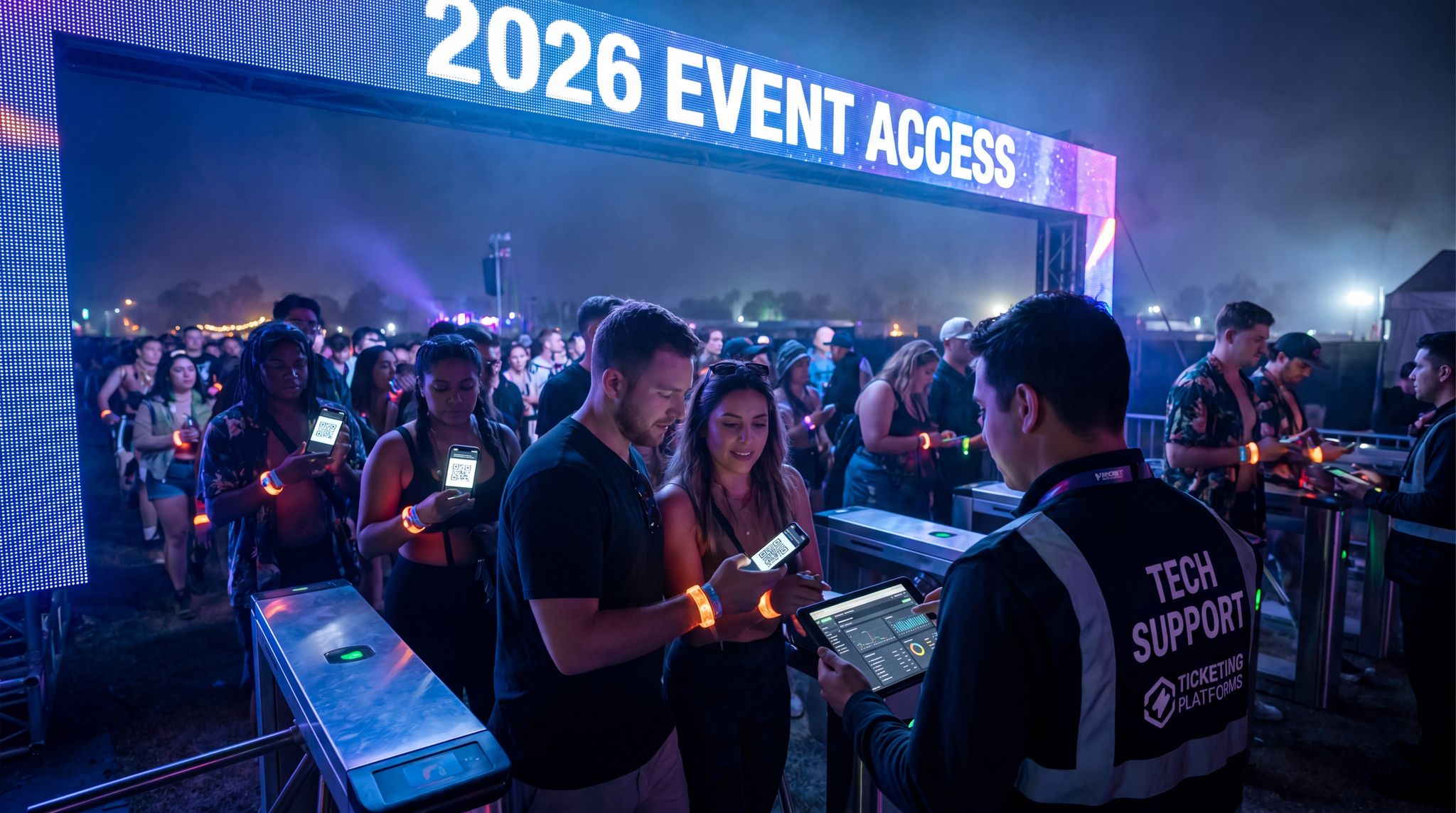
Mobile eSports took center stage in 2025 when the Honor of Kings World Champion Cup filled Beijing’s National Stadium (Bird’s Nest) with 62,000 live spectators, an analysis of the event’s impact showing it was the largest in-person audience in eSports history. Achieving this scale brought immense technical challenges, which the organizers managed with notable success. First, consider connectivity: tens of thousands of fans in one place, many of them likely livestreaming or engaging on phones, could cripple networks. In preparation, the venue worked with China’s telecom providers to deploy massive bandwidth – reports indicated that a multi-operator 5G system was set up throughout the stadium to ensure every attendee had access without degrading the tournament’s own network. On the competition side, the game publisher Tencent brought in a dedicated server infrastructure specifically tuned for the event. They essentially mirrored Honor of Kings’ servers locally to guarantee ultra-low latency for the pro teams on stage. To handle the crowd, event staff used tech-driven crowd management: digital ticketing (with timed entry slots and automated turnstiles) kept entrances smooth despite the volume. Inside, the production featured a 360-degree stage with a 360° rotating LED screen so fans on all sides could see the action – a novel solution to the sightline issues in a round stadium setup. Even with so many fans, the event saw minimal hiccups. One minor challenge did pop up: with that many mobile devices, a short disruption occurred in the venue’s public Wi-Fi early on. The organizers swiftly communicated an announcement urging attendees to use personal 5G when possible and temporarily throttled the open Wi-Fi to prioritize the critical systems – a decision that paid off as the competition continued glitch-free. This case study was a proof of concept that eSports can indeed scale to stadium numbers, given the right tech and planning. The mixture of robust on-site infrastructure and careful live operations planning turned what could have been a logistical nightmare into a landmark eSports success story. Venues and promoters worldwide took note that year: big arenas could confidently host eSports if they upgrade their connectivity and tech onboarding, as demonstrated by the Bird’s Nest spectacle, proving that before booking a gaming tournament venues must prepare.
Pioneering the Future: China’s Cutting-Edge Event Technology in eSports
The success at the Bird’s Nest is just one example of how China’s cutting-edge event technology in eSports is setting new global benchmarks for venue operators and promoters. In recent years, Chinese arenas have become testing grounds for next-generation infrastructure, integrating AI-driven crowd management, automated multi-language broadcast routing, and permanent 5G-Advanced (5G-A) network slicing directly into the stadium architecture. For international event organizers, observing these advancements offers a roadmap for future-proofing their own facilities. By adopting similar high-density connectivity solutions and modular staging designs, promoters worldwide can replicate the seamless, large-scale tournament experiences that have made the Asian market a powerhouse in competitive gaming.
Trial – LoL 2012 World Championship: The Great Connectivity Meltdown
No retrospective would be complete without learning from a famous failure. The League of Legends Season 2 World Championship (2012) is often cited as eSports’ “perfect storm” of tech problems – and the lessons from it reshaped industry practices. The tournament, held in Los Angeles, was plagued by internet instability at the venue. During a crucial quarterfinal match, the entire venue lost internet connectivity, causing the game to disconnect for all players. Unlike modern games with pause/resume features, at the time if LoL’s connection dropped, the match simply ended – and that’s exactly what happened, twice, including in the middle of a climactic late-game team fight. With no way to recover the game state, officials had players replay the match from scratch after long delays. The situation went from bad to worse: multiple pauses killed the momentum, a player’s PC then had hardware issues, a situation that killed the crowd’s excitement in no time, and eventually the day’s remaining matches were postponed entirely. The live audience was frustrated, the teams were thrown off rhythm, and online viewers endured hours of waiting only to see an anticlimactic outcome. Riot Games faced heavy criticism for not having better infrastructure, noting that the ISP’s capability was incredibly unfortunate. Finally, Major League Gaming suffered similar issues, though it’s mostly fixed their issues. This failure became a turning point. Immediately after, Riot accelerated development of a “tournament realm” – a special LAN-capable version of LoL for offline events – which by the next Worlds allowed games to be paused and resumed, drastically reducing the chance of repeats. They also implemented redundant internet for streams and an on-call network ops team at all future events. The 2012 fiasco taught the entire eSports scene that relying on a single internet line was unacceptable, given the internet and problems with the match. Since then, no top-tier event goes without LAN server options or at least extensive backup plans. While it was a painful experience for everyone involved, it directly led to the robust, professional tech standards we see in eSports today. Organizers now “over-budget” for connectivity and test contingencies exhaustively – a far cry from 2012 when the tech infrastructure perhaps hadn’t caught up to the eSports ambitions. In many ways, the industry’s rapid maturing in the mid-2010s – introducing fail-safes, LAN modes, and specialized network solutions – can be traced back to hard lessons learned on that day.
Trial – 2024 Global eSports Stream Outage: Learning the Hard Way
Another modern cautionary tale comes from a 2024 global eSports championship (organizers requested the game not be named) which suffered a high-profile streaming failure at a pivotal moment. During one of the semifinal matches, with around a million concurrent viewers tuned in across platforms, the primary streaming servers began to buckle under load – likely due to an unexpected surge of viewers beyond projections. The result: the video feed froze and then went dark for all online viewers just as a scheduling system error stopped the broadcast. In the arena, things continued, but remote fans were left in the lurch for several minutes. By the time engineers re-routed the stream to a backup and restored the broadcast, the match had progressed significantly, and those watching from home had missed key plays. The online community was furious; Reddit and Twitter lit up with complaints, and the incident was covered in tech media as an example of eSports’ growing pains in managing scale. Internally, the post-event analysis found that a misconfigured autoscaling setting in the streaming infrastructure prevented the CDN from spinning up additional capacity in time. Essentially, the system didn’t allocate more streaming instances quickly enough when viewership spiked. The backup plan – an alternate stream path – did activate, but with a manual trigger that introduced delay.
The organizers took accountability, publicly apologizing, knowing that feed failures can lead to demands for refunds. And to their credit, they learned. For the grand finals a month later, they over-provisioned stream capacity by 200% and enlisted a third-party service to actively monitor stream health in real time. They also communicated transparently to fans about what happened and why, which helped slowly rebuild trust. The lesson from this trial was clear: if you promise a live broadcast to a global audience, you must be prepared for worst-case loads and failures, because once you promise, you must deliver. The event’s technical director later shared a detailed case study at an industry conference, outlining their new multi-tiered streaming redundancy: multiple cloud providers, automatic failovers, and even an emergency “lower quality” stream that could kick in if high-res feeds fail (ensuring viewers see something rather than a blank screen). This incident also highlighted the importance of real-time social listening; community managers were able to inform the production team of issues within seconds thanks to monitoring chat and Twitter, prompting faster response. Due to how public this failure was, other eSports leagues took notice and audited their own streaming setups. In that sense, the 2024 outage served to elevate standards across the board, reinforcing that massive online viewership requires the same level of diligence as on-site safety or game integrity. The hope is that such a glitch – though not the first and likely not the last – becomes ever rarer as the industry continues to professionalize its broadcast operations.
Frequently Asked Questions
How do eSports venues ensure low-latency networks for competitive gaming?
Venues ensure low latency by installing dedicated gigabit-speed fiber lines with symmetrical upload/download speeds and establishing wired Local Area Networks (LANs) for players. This hardwired approach eliminates wireless interference and reduces ping to under 1 millisecond. Technicians also use traffic segmentation and real-time monitoring to prioritize critical gaming packets over general Wi-Fi usage.
Why do major eSports tournaments use on-site local servers instead of cloud hosting?
Major tournaments deploy dedicated on-site servers to minimize the physical distance between players and the game instance, cutting ping times to under 1–2 milliseconds. Local servers prevent internet outages from disrupting matches and allow for high tick rates, such as 128 ticks per second. This setup ensures competitive integrity by eliminating the variables associated with public cloud connections.
What redundancy measures protect eSports events from power and internet failures?
Events protect against failure using Uninterruptible Power Supplies (UPS) for critical gear and backup generators for extended outages. Network redundancy includes dual ISP fiber lines and 4G/5G bonded internet devices that combine cellular connections. Production teams also run parallel stream encoders and backup game servers to ensure the show continues seamlessly during technical glitches.
How does augmented reality technology enhance the live eSports fan experience?
Augmented reality (AR) enhances live events by overlaying digital game elements, such as characters or stats, onto the physical stage using tracking cameras and real-time graphics engines. This technology creates shared visual spectacles for both in-arena fans and online viewers, exemplified by the massive AR Elder Dragon that appeared at the 2017 League of Legends World Finals.
How do eSports events use real-time data and apps to engage spectators?
Organizers engage spectators by integrating live data feeds into broadcast overlays and venue screens, displaying real-time player stats, gold earnings, and cooldown timers. Companion apps further gamify the experience through live predictions, polls, and AR scavenger hunts. These interactive tools allow fans to participate directly in the event narrative, earning rewards for correct guesses or engagement.
How do production teams manage hybrid audiences for global eSports broadcasts?
Production teams manage hybrid audiences by synchronizing in-arena energy with the online stream using over 20 cameras and specialized in-game observers. They utilize low-latency streaming protocols to align remote viewing with live action and coordinate multi-language commentary feeds. This ensures a unified storytelling experience where on-site reactions and digital broadcasts remain perfectly cohesive.
What features define the most used eSports tournament platforms in 2026?
The leading competition management platforms in 2026 go far beyond basic bracket tracking. They feature deep API integrations that automatically sync match results with broadcast graphics, assign local server IPs to player lobbies, and manage automated check-ins. For organizers, utilizing an industry-standard tournament platform reduces manual data entry, minimizes human error, and ensures a seamless flow of information between the game servers, the production control room, and the live audience displays.
What are the new technologies shaping the future of esports in 2025 and 2026?
Emerging innovations such as AI-driven automated camera direction, 5G network slicing for guaranteed mobile bandwidth, and advanced augmented reality overlays are rapidly transforming the industry. These advancements allow venue operators and promoters to deliver highly immersive, broadcast-quality experiences for both live attendees and global streaming audiences.
How is esports venue technology evolving for grassroots and regional events?
Even smaller venues hosting grassroots esports tournaments are upgrading their networking infrastructure for LAN events. By installing dedicated fiber lines, enterprise-grade routers, and modular staging, local facilities can offer professional-grade, zero-latency environments that attract competitive gaming festivals and community leagues.
How are advanced tech deployments in Asian markets influencing global eSports venues?
China’s cutting-edge event technology in eSports is driving global standards by pioneering high-density 5G-Advanced network slicing, AI-driven crowd management, and permanent modular LED infrastructure in massive stadiums. Venue operators worldwide are adopting these regional innovations to future-proof their arenas and seamlessly host large-scale, zero-latency competitive gaming events.
What are the top e-sports tournament organization tips for venue operators?
Key tips include over-provisioning network bandwidth, standardizing on industry-leading tournament management software for seamless API integration, and conducting rigorous contingency drills. Venue operators should also prioritize dedicated power distribution and collaborate early with game publishers to secure local server access.