Event technology is revolutionizing the attendee experience, and it’s clearer than ever that immersive tech is the future of live events. IDTechEx once predicted a combined AR/VR/MR market of over $30 billion by 2030, but recent data shows an even faster trajectory – worldwide AR & VR revenue is on track for about $46.6 billion by 2025, according to Statista’s market outlook. Attendees today expect to be wowed: a 2024 industry study found 64% of event attendees rank immersive, hands-on experiences as the most crucial element of a positive event, as reported by ATN Event Staffing. They want the latest, brightest, most impressive adventures to share with friends – and organizers are feeling the pressure to deliver.
To keep your audience engaged, you have to stay on top of these trends. In fact, the live events industry is in the midst of a technology boom, with solutions for everything from AI scheduling to IoT crowd sensors coming to market, creating a potential festival tech overload. Knowing which innovations will truly elevate your event (and which are just hype) has become an essential skill. As a veteran producer’s guide to choosing tools warns, more tech isn’t always better – it’s about choosing the right tech. Augmented reality, virtual reality, and other immersive tools are among those “right” technologies that, when used thoughtfully, can create personalized experiences and sustained FOMO around your brand. Below, we break down the basics of these immersive event technologies and how to harness them.
The basics of immersive event technology
When evaluating immersive event tech, promoters must look beyond the initial wow factor. The most successful deployments integrate seamlessly with existing production workflows, offering measurable data on attendee dwell times and interaction rates. This strategic approach ensures that every digital activation directly supports the festival’s broader commercial goals.
Before diving in, it’s important to understand the landscape of immersive tech. Several distinct technologies can deliver that wow-factor experience, each in their own way. Here are some of the most impactful options event organizers are exploring:
Go Cashless With RFID Technology
Enable contactless payments, faster entry, and real-time spending analytics with RFID wristbands and NFC-enabled ticketing for your events.
Augmented Reality (AR)
Augmented reality overlays digital content onto our physical world. It allows attendees to interact with virtual elements through their smartphone or AR glasses while still seeing the real event environment. What makes AR powerful is that it adds to reality instead of replacing it. Anyone who remembers the craze of Pokémon GO has seen AR’s appeal – millions of people roaming outside, phones in hand, chasing virtual critters blended into real parks and streets. That mainstream success proved AR can engage audiences on-site, and now events are leveraging it in creative ways.
In practice, AR at events often starts before people even arrive. For example, marketers have used AR in promotional campaigns – think interactive posters or flyers that come to life when scanned with a phone. On-site, AR turns a venue into a playground. Attendees might scan a QR code at the entrance to launch a venue-wide AR scavenger hunt, collecting virtual tokens to win prizes. Or they can point their phone at a stage backdrop and see 3D graphics or sponsor messages pop up on their screen. Music festivals have experimented with AR elements on stage screens; Coachella famously built an AR experience for its Sahara Tent in 2019 that Engadget described as a planetary spectacle that let fans see psychedelic effects through the festival app. Others set up AR photo booths where guests pose with virtual props or characters that aren’t really there.
Ready to Sell Tickets?
Create professional event pages with built-in payment processing, marketing tools, and real-time analytics.
The beauty of AR is its accessibility – nearly everyone already has a smartphone, so you’re not asking attendees to wear special gear. A well-crafted AR experience, like an event app filter or web-based AR link, can feel personal and novel without a steep learning curve. It’s a chance to give attendees a custom lens on your event. Corporate conferences, for instance, might use AR for product demos (point your camera at the new gadget and a labeled 3D model appears, showing its features), while a sports event could have an AR game where fans “catch” virtual mascots around the stadium. These little surprises delight attendees and keep them engaged beyond the usual sights and sounds.
If a brand partner or stakeholder asks, “what is an example of AR in events that drives measurable ROI?”, organizers can point to interactive wayfinding and spatial sponsorship activations. Instead of static maps, festivals are deploying augmented reality navigation overlays where attendees hold up their phones to see digital arrows guiding them to specific stages, VIP lounges, or food vendors. Along these virtual paths, promoters can embed clickable 3D sponsor logos or exclusive digital merchandise drops, transforming a basic logistical tool into a lucrative new revenue stream.
For organizers managing sprawling, multi-day outdoor exhibitions, deploying augmented reality at fairs offers a unique way to modernize traditional grounds. Whether it’s a county agricultural fair, a seasonal carnival, or a large-scale trade expo, AR can overlay educational facts onto livestock exhibits, guide attendees through complex vendor grids, or bring static art installations to life. By integrating these digital layers, fair operators can breathe new life into classic attractions and provide sponsors with fresh, interactive touchpoints that don’t require additional physical footprint.
Implementing augmented reality in fairs also solves a major logistical hurdle for temporary event spaces: infrastructure costs. Instead of building expensive physical signage or interactive kiosks that must be torn down days later, fairgrounds can deploy cloud-hosted AR assets. This shift to digital-first wayfinding and spatial storytelling drastically reduces material waste and setup labor, allowing production teams to reallocate budget toward high-impact entertainment or upgraded venue amenities.
Smooth Entry With Mobile Check-In
Scan tickets and manage entry with our mobile check-in app. Supports photo ID verification, real-time capacity tracking, and multi-gate coordination.
Looking ahead, the demand for interactive sponsor activations is driving rapid advancements in spatial computing. By leveraging the latest AR and VR software features, organizers can offer immersive product demonstrations in 2026 that go far beyond traditional trade show booths. Brands can now let attendees virtually test-drive vehicles, customize 3D apparel, or explore complex machinery right on the festival grounds, creating high-value sponsorship tiers that directly boost event revenue.
Warning: Don’t implement AR tech without proper testing and network prep. If your venue’s Wi-Fi or cell service can’t handle hundreds of attendees scanning and streaming AR content simultaneously, a potentially cool feature can turn into a frustrating flop. Always test AR experiences under real-world conditions (crowd density, various phone models) before the event, and clearly explain how to use them. The goal is to wow attendees – not confuse or annoy them with a buggy app.
It’s also smart to gauge interest and not overdo it. Not every crowd will leap into an AR scavenger hunt, and that’s okay. One festival learned this the hard way when they built an elaborate AR mini-game that under 5% of attendees ended up using – an expensive lesson about focusing on what fans actually want, highlighting the risks of tech overload. Use AR where it naturally adds value to your event theme or objectives. When in doubt, start small with one simple AR activation and learn from the response. A well-placed AR experience (like a fun AR photo op) can get people talking and sharing, whereas too many gimmicks might distract from the main event.
Virtual Reality (VR)
If AR adds to reality, virtual reality pulls you into a completely new one. VR immerses attendees in a 360° digital environment using headsets (like an Oculus/Meta Quest, HTC Vive, or even a simple Google Cardboard viewer). For events, VR can effectively transport someone to a different place or perspective – which is game-changing for both remote participation and on-site wow moments.
On the remote side, VR allows people who aren’t physically at your event to still experience it in a vivid way. During the 2020 lockdowns, many events experimented with virtual venues. The iconic Burning Man festival created a virtual “Multiverse” edition online where thousands of participants roamed a digital desert playa as avatars, demonstrating how virtual reality fosters community. Today, even with in-person events back in full swing, hybrid approaches persist. Some organizers sell virtual access tickets that let fans join via VR or 360° live stream. For example, Coachella sent out 130,000 cardboard VR viewers to ticket holders in 2016 as a trial run to test remote festival engagement, and more recently festivals like Ultra Music Festival have offered VR/360° aftermovies to let fans at home feel like they’re on-stage and gauge audience interest in VR. In the future, we might see more events setting up virtual “front row” experiences where remote attendees, wearing a VR headset, can look around a concert as if they’re really there.
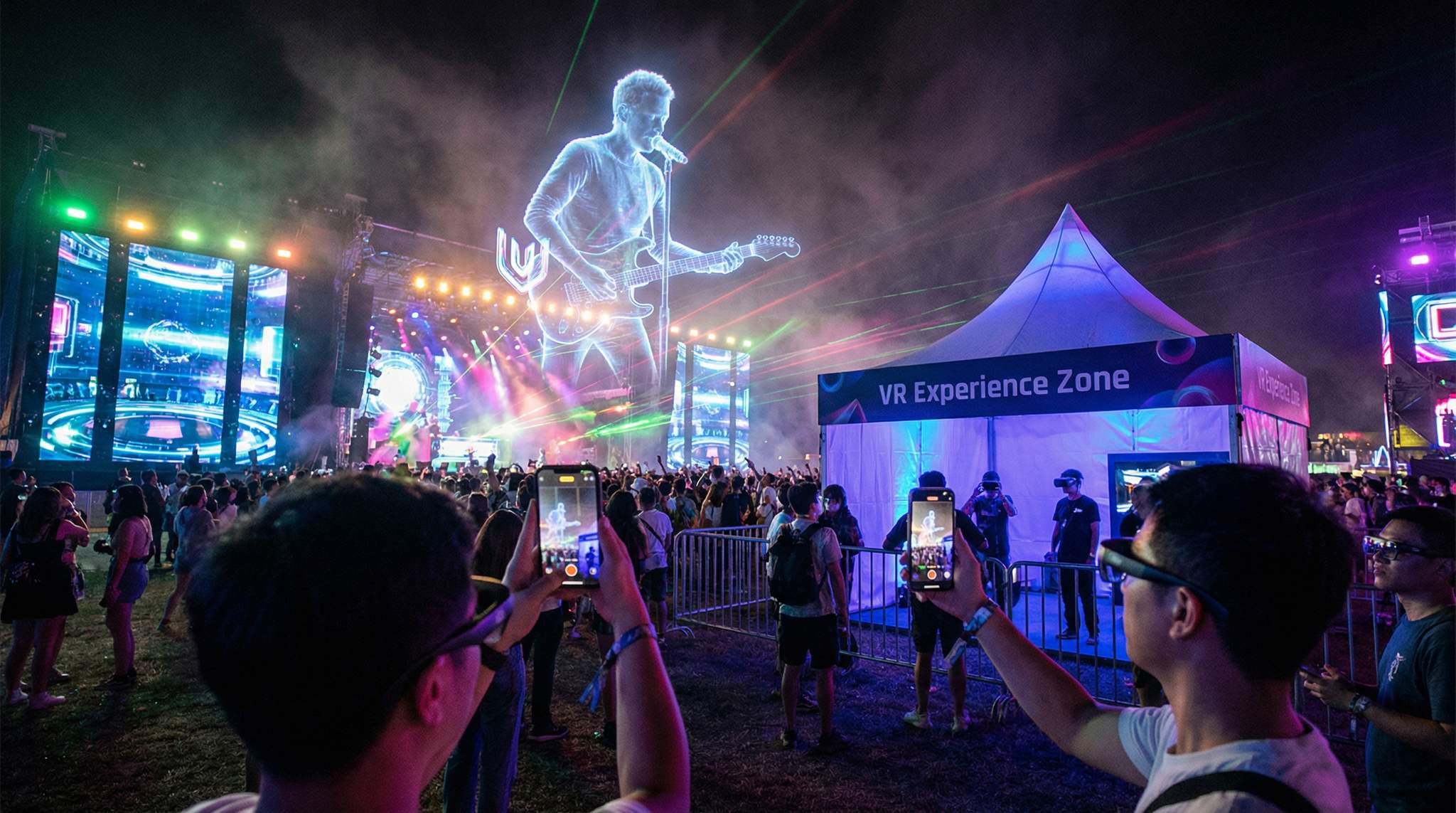
On-site, VR can be used as a thrilling attraction in itself. Imagine a VR dome or tent at a festival where attendees can pop on headsets for a special adventure. It might be a 5-minute experience – say, a sponsor-created VR journey that flies you through a fantasy world, or a 3D virtual art exhibit tied to the event’s theme. These installations give attendees a neat side activity and some bragging rights (“I piloted a spaceship in VR at that music festival!”). At one California music festival, a brand sponsor set up a VR tent where visitors could take a “virtual flight” through a design inspired by their product, creating a memorable on-site activation. This not only entertained the crowd, it generated buzz on social media and press write-ups about the festival’s innovative offerings.
Boost Revenue With Smart Upsells
Sell merchandise, VIP upgrades, parking passes, and add-ons during checkout and via post-purchase emails. Increase average order value by up to 220%.
Pro Tip: If you introduce a VR station at your event, treat it like a special attraction. Place clear signage and promote it in your app or program so people know about it. Have staff on hand to sanitize headsets between uses and guide those who are new to VR. Keep each VR experience short (a few minutes) to avoid long wait times, and consider using multiple headsets in parallel if possible. A well-managed VR activation can become a highlight of your event, but only if attendees actually get to try it without too much hassle.
VR does come with challenges. Not everyone owns an advanced VR headset at home, so the audience for a full VR live-stream of an event is still limited. (Often, only hardcore fans or those with tech gadgets will tune in to a VR broadcast, while others will opt for a simple video livestream.) On-site, you’ll find that while some attendees are eager to try VR, others may pass it up if it means leaving the “real” action. And logistical factors like equipment cost, space, and cleaning need to be considered. Still, the trend is very promising. Forward-thinking organizers are treating VR as a bonus layer of experience – something that can set their event apart and get media attention, without replacing the live event’s core appeal.
Grow Your Events
Leverage referral marketing, social sharing incentives, and audience insights to sell more tickets.
One emerging twist on VR is the rise of holographic performances and mixed reality. This is where the virtual and real blend together on stage. We’ve seen early examples, like Tupac’s “hologram” at Coachella in 2012, but now the tech is much more advanced. In 2022, ABBA launched a concert in London with the band members appearing as lifelike digital avatars (often called “ABBAtars”) on a real stage with a live band. That show, ABBA Voyage, has been a huge success – it’s booked into 2026 and reportedly grossed over £100 million in 2024 alone, proving the financial viability of avatars. By 2025, other legendary artists were exploring similar virtual concerts (there’s talk of a hologram Queen show, for example). Festivals in 2026 are also experimenting with hologram headliners – virtual artists or digital recreations of past performers on the lineup. This trend is examined in depth in our analysis of hologram headliners. These mixed reality shows can be incredible if done right, but they need careful execution to truly resonate with fans.
This shift toward avatar-driven performances is reshaping the broader entertainment landscape. In fact, many of the top shows in London in 2026 are expected to heavily feature mixed reality or fully virtual headliners, setting a new benchmark for production value. For festival organizers, studying these high-grossing residencies provides a blueprint for integrating digital artists into traditional touring circuits without alienating live music purists.
The commercial triumph of these top shows in London 2026 demonstrates that audiences will pay premium ticket prices for avatar-driven and mixed-reality concerts, provided the execution is flawless. For B2B event producers, this signals a major shift: investing in high-fidelity virtual environments is no longer just a marketing gimmick, but a proven model for scalable, repeatable ticket revenue that transcends the physical limitations of human performers.
Warning: Consider your audience’s expectations before using a holographic or virtual headliner. Tech-savvy crowds might thrill at a virtual DJ or anime pop star performing, but other audiences could feel cheated if a major act isn’t physically present. Transparency is key – if you have a hologram act, let attendees know what they’re getting. And integrate the performance with real-world elements (lighting, sound, live musicians or dancers) to make it feel like a cohesive show. When a hologram moment is well executed, it can create an “I can’t believe I just saw that” buzz that people will talk about long after. Just make sure it’s enhancing the experience, not replacing an artist everyone traveled to see, a key factor in hologram acceptance.
3D Projection Mapping
A truly breathtaking way to immerse attendees is 3D projection mapping. This technology uses powerful projectors and media servers to beam visuals onto surfaces – and here’s the magic part – the visuals are mapped precisely to the shape of that surface, creating an illusion that the object itself is moving or transforming. Your stage, walls, ceiling, even entire buildings can become dynamic video displays, wrapping the audience in stunning animated scenes.
Projection mapping can produce moments of pure wonder. Imagine an opening ceremony where the entire venue architecture is used as a canvas – logos appearing on the walls, the floor “cracking” to reveal virtual lava, waves of color rippling across the ceiling. We’ve seen massive projection mapping displays at events like the Olympics and World’s Fairs, but it’s also accessible for conferences, concerts, and festivals. Many electronic music shows incorporate projection-mapped backdrops or DJ booths that sync visuals to the music. Art festivals and theme parks use mapping to create interactive art installations (Tokyo’s teamLab Borderless exhibit, for example, projected waterfalls and blooming flowers that responded to visitors’ movements). Even annual city events turn to mapping for spectacle: Vivid Sydney in Australia projects elaborate animations onto the Sydney Opera House each year, drawing international tourists.
The effect is that you can transform your venue to match any theme or story. Hosting a space-themed gala? Projection map the walls to look like a view of the galaxies. Product launch for a new car? Projection map onto a life-size model to show its inner workings in dramatic fashion. Because the content is digital, it’s extremely flexible – you can change scenes within seconds, trigger effects on cue, and tailor the visuals to the narrative of the event.
Of course, high-quality projection mapping is a specialist endeavor. It involves creating custom visual content and hiring AV experts who know how to calibrate and blend projectors perfectly. It also requires a dim or controlled lighting environment for best impact. This means it can be one of the pricier tech investments for an event. But the audience impact is correspondingly high. Attendees aren’t likely to forget a venue that was literally transformed around them. People instinctively pull out their phones to capture it, which amplifies your event’s reach online.
There’s also cost to consider. In fact, tech expenses can add up in ways you might not expect – extra projectors, backup equipment, content design time, etc. Don’t forget to budget for those factors. For a deeper breakdown of expenses to watch for, see our guide on the hidden costs of event technology. The good news is that mapping scales – you could start with one mapped wall or a small stage piece rather than the whole arena if budget is tight. Even a short, well-crafted projection mapping moment (say a 3-minute show during intermission) can elevate the perceived production value of the entire event.
When budgeting for these visual upgrades, producers must carefully evaluate the baseline immersive projection room cost. Building a dedicated 360-degree mapping environment requires factoring in high-lumen laser projectors, specialized media servers, and custom architectural rendering, which can range from tens of thousands to well over six figures depending on the venue’s scale. To manage these expenses, many organizers partner with specialized AV vendors to rent equipment or secure brand sponsorships to underwrite the installation.
Grow Your Social Following With Every Sale
Require social media follows, shares, or playlist adds to unlock presale access or special pricing. Turn every ticket purchase into audience growth.
To further justify the immersive projection room cost, savvy venue operators often design these spaces as multi-purpose, rentable assets. By installing permanent or semi-permanent mapping infrastructure, a standard conference hall can be instantly transformed into a branded environment for corporate clients, a dynamic backdrop for product launches, or a ticketed digital art exhibition during off-peak days. This versatility ensures the initial capital expenditure generates year-round ROI.
One extreme example of immersive display tech is Las Vegas’s new MSG Sphere venue. It essentially takes projection mapping to the next level by having a 16K LED screen wrapping around an audience of 18,000 inside a dome. That’s about 15,000 m² (4 acres) of screen, completely encircling the crowd, featuring a 16K immersive LED system. Early reviews from concerts there talk about mind-blowing visuals – attendees describe feeling like they’ve been transported to other worlds. Now, most of us won’t have a Sphere to play with, but it shows how immersion is becoming a priority in venue design. The principles apply on a smaller scale: using surrounding visuals and sound to fully captivate your crowd.
The bottom line with projection mapping (and any heavy visual tech) is to ensure it serves your story. Flashing lights and 3D graphics for their own sake might entertain, but they’re most powerful when they underscore the message of your event. For instance, at a climate change charity concert, mapping images of forests, animals, and melting glaciers during a musical piece could drive home the cause emotionally. When you align the tech with meaning, you turn a cool trick into a profound moment.
The small things: Allow tech to support your event
Immersive showpieces aside, don’t overlook the “small” tech upgrades that can greatly improve the event day experience. These often work behind the scenes or at touchpoints like entry gates and kiosks. They might not be Instagrammed, but they leave a lasting impression in terms of convenience, safety, and efficiency.
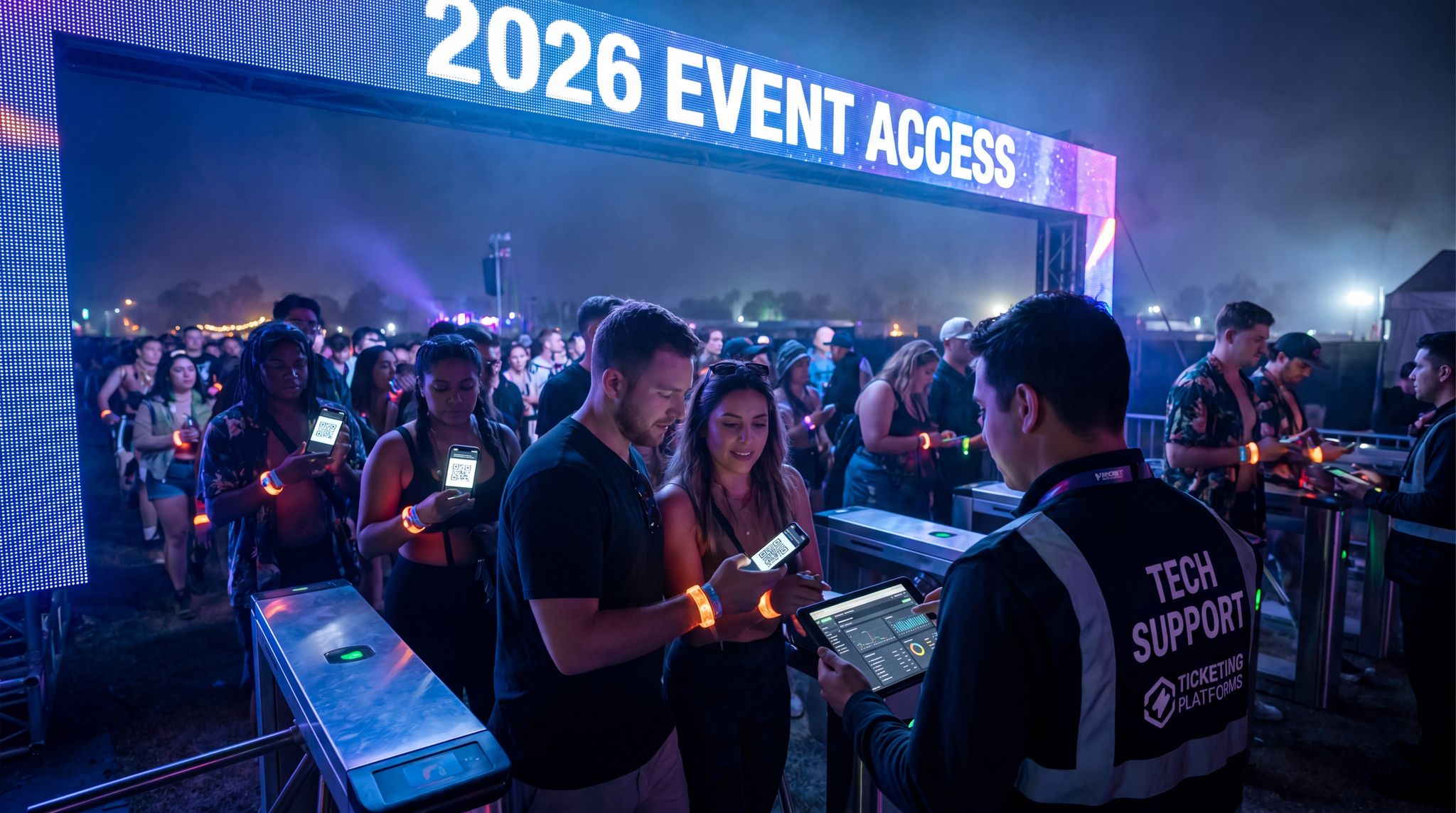
Faster, smarter entry: Getting people in smoothly is step one of a great event. No one likes waiting in long lines or dealing with will-call hiccups. Digital ticketing has largely solved some of this – attendees can receive QR code or barcode tickets on their phones and organizers can scan them with a quick beep. Entry scanners now are often integrated with payment systems and CRMs, so you instantly know who showed up and can even personalize greetings on a screen. Building on this, some events are adopting biometric entry systems (like facial recognition gates) to speed up check-in even more. For example, certain sports arenas and music festivals have tested facial recognition for VIP entrances, where attendees opt-in by uploading a photo in advance. At the gate, a camera compares faces to the database and automatically opens the turnstile for a match, no ticket required, streamlining entry with collectible credentials. This can verify attendees in under a second each. See how biometric entry and AI surveillance are being used at venues. The obvious concern here is privacy – not everyone is comfortable with biometric scanning, and that’s understandable. If you use such tech, make it optional and be very transparent about what you’re doing with the data. When done right, these systems can make entry feel almost magic to those who opt in, while others can always default to a manual check.
To seamlessly bridge the gap between entry logistics and on-site activations, promoters are increasingly adopting specialized immersive experience ticketing software. These advanced platforms do more than just scan barcodes; they allow organizers to bundle AR/VR access passes, manage timed-entry slots for high-demand virtual reality domes, and track attendee engagement across different interactive zones. By centralizing these features, operators can optimize crowd flow and upsell premium digital experiences directly at the point of purchase.
Free Tool: Size Your Festival Site
Zoned capacity planning for arena, campsite, parking and entry lanes — against UK Purple Guide and NFPA density standards. Finds your bottleneck zone.
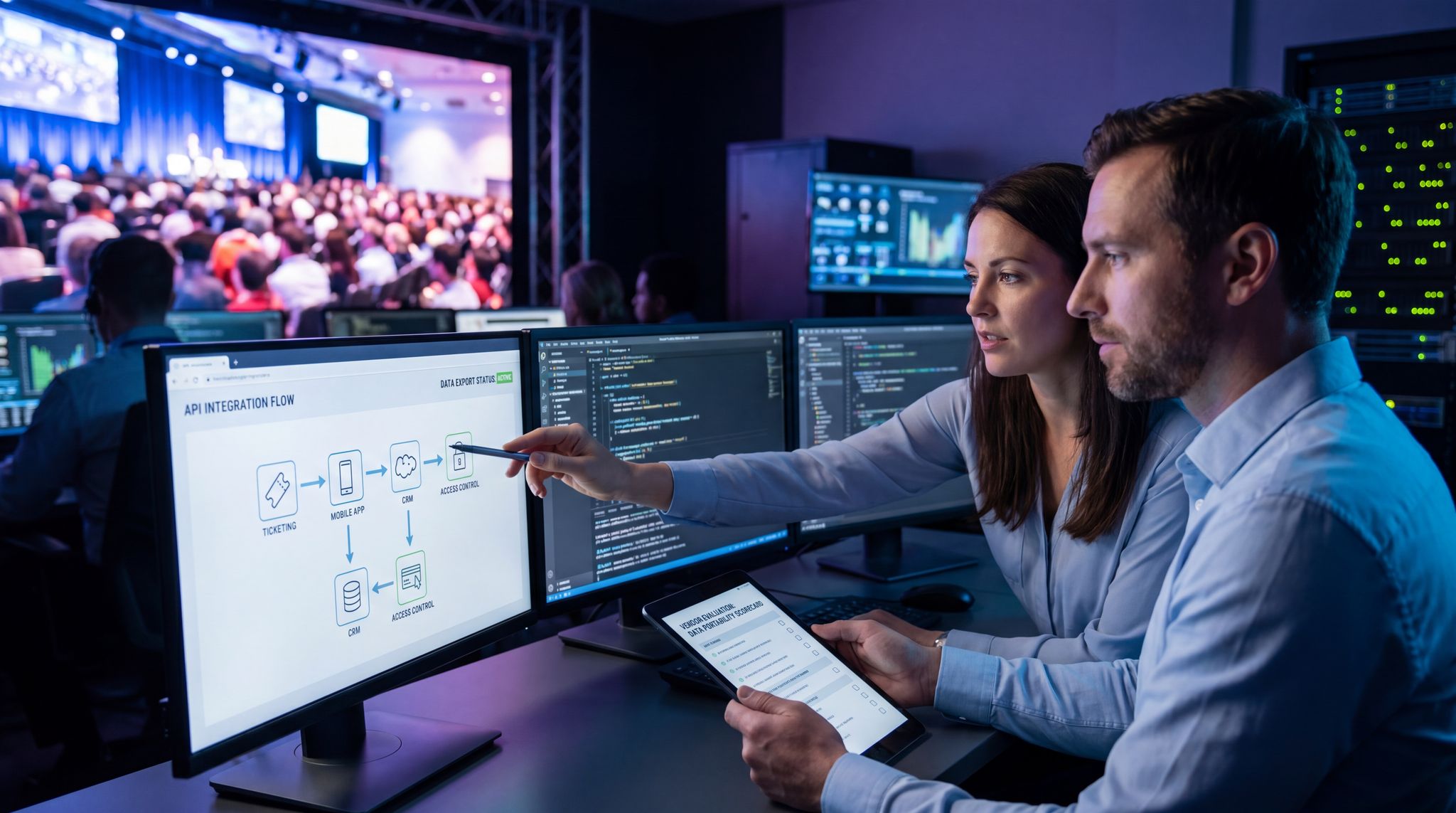
When evaluating these specialized registration platforms, event architects should prioritize systems with robust API capabilities. The ideal ticketing solution for interactive events will seamlessly sync with your existing CRM and on-site access control hardware. This ensures that when an attendee purchases a VIP virtual reality add-on, their RFID wristband or digital credential is automatically provisioned with the correct permissions, eliminating manual data entry and reducing friction at the activation entrance.
Even simpler, RFID wristbands have become a staple at many festivals and large events. These are mailed to attendees or picked up, and each contains a tiny chip. With a tap of the wristband against a sensor, attendees can be validated in an instant. Wristbands are harder to lose than paper tickets and much harder to counterfeit. They can also double as age verification (color-coded or chip-encoded for 21+), access control for various zones (VIP lounge, backstage), and as a wallet for cashless payments. At Coachella and many other festivals, people now just tap their wristband to pay for a drink – no cash or cards needed – which cuts down queuing time at bars and merch stands. This kind of tech quietly improves the flow of the event and often boosts revenue (shorter lines = more sales, and attendees tend to spend more when it’s just a quick tap).
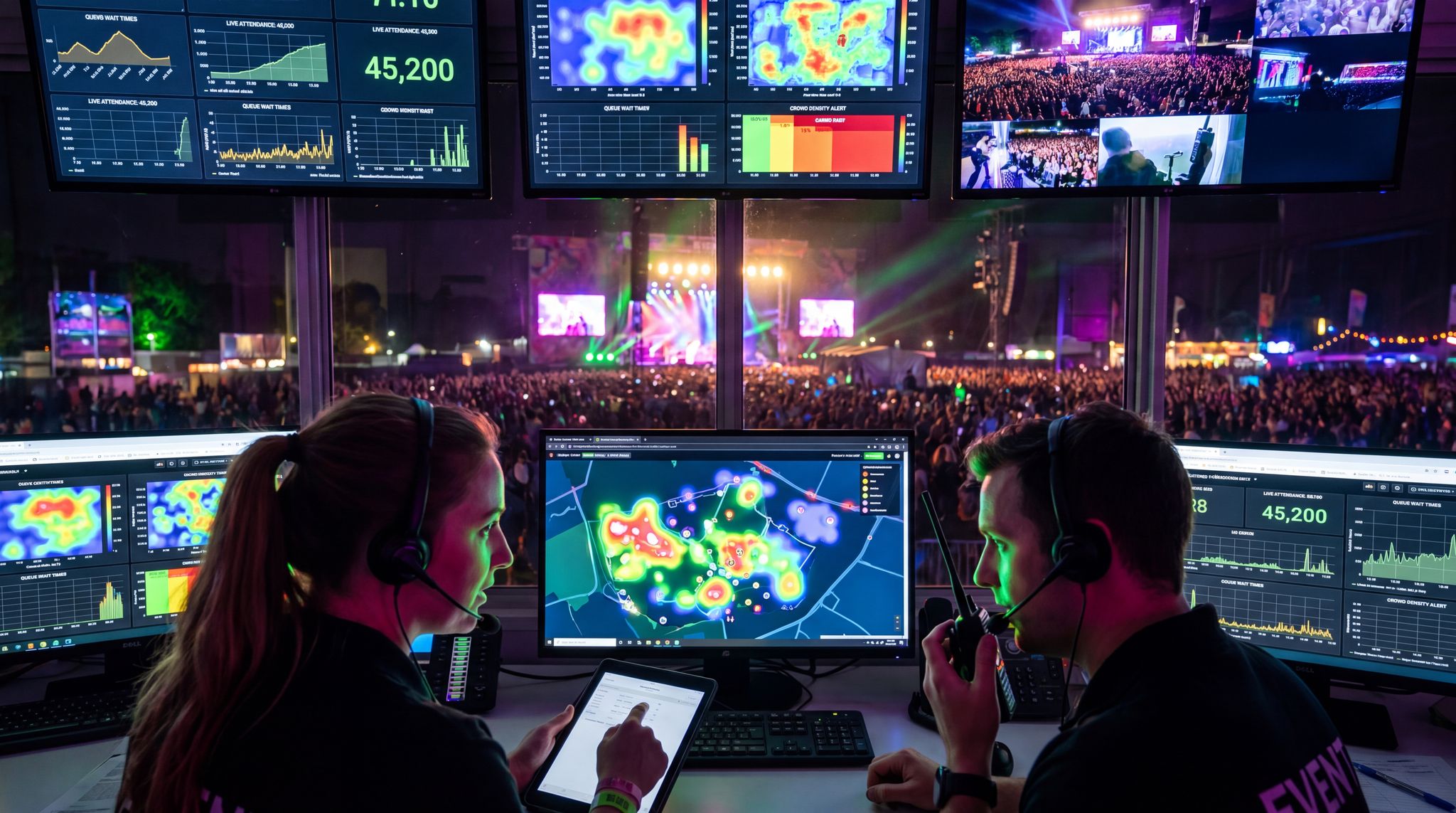
Safety and crowd management: Modern events are also using tech to keep attendees safe and operations efficient in real time. One example is AI-based crowd monitoring. New software can take in feeds from CCTV cameras and IoT crowd density sensors, and then automatically alert organizers if it detects congestion, bottlenecks, or unusual crowd movements, using advanced scheduling and sensor software. This helps your team respond to potential issues (like a clustered crowd that needs dispersion or an entry gate that’s backing up) before they become problems. For a deeper look at these solutions, see our article on smart crowd management tech solutions. On the communications side, many events now use mass notification systems – if there’s a sudden weather issue or schedule change, you can push an alert through your event app or an SMS blast to all attendees. Attendees appreciate being kept in the loop and it can enhance safety (e.g., directing people to shelter in a storm, or informing about a lost child situation).
Technology can also assist in health measures. Post-2020, many venues installed thermal cameras to automatically flag if someone might have a fever as they enter. Others have touchless bag checks using sensors and AI (to detect weapons or banned items without manual searches). While we hope to never need the full pandemic protocols again, it’s good to know these tools are available to deploy if needed, to make attendees feel safer.
Crucially, all these supportive technologies should be nearly invisible to attendees when executed well. People might not consciously notice that “the lines moved fast” or “I felt safe with lots of crowd space,” but those positive feelings accumulate. When tech handles the logistics, your audience is free to soak in the immersive fun without distractions. And as an organizer, having these systems in place frees you to focus on the content and experience, rather than firefighting basic issues.
Engaging your attendees through immersive experiences (and what you get in return)
Advanced event technology promises attendees something priceless: moments of wonder that they can’t get anywhere else. A great AR or VR experience can make an event feel like a once-in-a-lifetime adventure. That thrill translates into attendees becoming your brand evangelists. They’ll be posting about it, telling their friends, and buzzing with excitement long after the lights come up.
Free Tool: Split Tickets for Max Gross
Given capacity and a target price, the optimizer proposes Early Bird / GA / VIP allocations and prices — with projected gross at 100%, 80% and 60% sell-through.
Think about how social media amplifies events. Nearly 72% of attendees actively share content from events online, according to ATN Event Staffing statistics – photos, videos, live streams, tweets. If your event features a jaw-dropping 3D projection mapping sequence, you can bet it will be all over Instagram stories that night. If you have a cool AR photo filter or a hilarious VR booth, people will share those pics and clips. This user-generated buzz is marketing gold, because it’s authentic and it reaches networks of people who might not see your ads. You’re essentially turning attendees into co-marketers. And considering 88% of consumers trust recommendations from friends/family over any form of advertising, as noted in word-of-mouth marketing data, word-of-mouth sparked by memorable experiences is incredibly valuable.
Immersive tech also feeds the psychology of FOMO – the “fear of missing out.” When someone sees their friend at an event dancing under holographic visuals or battling a dragon in AR, they feel that pang of “I wish I was there.” This can boost your future ticket sales. People might decide they won’t miss your next event because they don’t want to miss those epic surprises again. We see this with festivals that cultivate a reputation for insane stage productions or interactive art; they tend to sell out quickly year after year because fans don’t want to miss what’s next.
Another return benefit is deeper emotional engagement. An attendee who just experienced something awe-inspiring (say, a VR encore that put them virtually on stage with the band) is going to feel more connected to your event and community. Immersive experiences, by engaging multiple senses, create stronger memories than passive viewing. That means your event stands out in their mind as a highlight of the year. Deliver that consistently, and you’ve won a lifelong fan. They’ll be first in line for your tickets, and they’ll bring others along. This builds your attendee loyalty and lifetime value in a very real way.
From a brand standpoint, integrating cutting-edge tech can position your event as an innovator and leader in the industry. It signals to sponsors, media, and attendees alike that you’re not doing the “same old” – you’re pushing boundaries. This can attract higher-profile partnerships and press coverage. For example, a conference that uses a hologram speaker for a keynote might get profiled in industry media as a forward-thinking event. A festival with a big AR-driven art hunt might get a feature in a tech publication. Being known for innovative experiences becomes part of your brand cachet.
All that said, it’s important to deploy these technologies in service of your event’s story and audience, rather than just for show. As we highlight in our guide to creating shareable moments without losing authenticity, technology should enhance the magic of being together, not replace it. Over-reliance on screens or high-tech effects can erode an event’s authentic vibe if you’re not careful, leading to a disconnect with the audience. The best experiences usually blend tech with the human element – they complement the music, the message, the community, instead of distracting from them. So while you innovate, keep a clear vision of why your event exists and what core experience you want people to have. Use tech to amplify that, and your attendees will feel the difference.
By keeping pace with advanced event technology (and choosing wisely), you set your brand up for long-term success. You’ll sustain the longevity of your event by staying relevant to newer generations who are digitally native and expect interactivity. At the same time, by approaching tech with thoughtfulness, you’ll earn trust from older or less techy attendees that you won’t alienate them for a gimmick. It’s a balancing act, but one that pays off when done right. The future of event technology is undoubtedly immersive and interactive – and those who embrace it now, with an eye on meaningful implementation, will lead the way in creating the unforgettable events of tomorrow.
Ready to bring these immersive experiences to your own events? Book a demo call with Ticket Fairy with us today – let’s explore how the Ticket Fairy platform and team can help you wow your attendees like never before!
Frequently Asked Questions
How is augmented reality used in event technology?
Augmented reality (AR) overlays digital content onto the physical world, allowing attendees to interact with virtual elements via smartphones. Events use AR for interactive scavenger hunts, photo booths with virtual props, and stage effects. It adds a layer of engagement to the real environment without replacing it or requiring specialized headsets.
What is the role of virtual reality in live events?
Virtual reality (VR) immerses attendees in a 360° digital environment using headsets, effectively transporting them to a new perspective. Organizers use VR for remote attendance through virtual venues and on-site attractions like VR domes. This technology offers high-impact, isolated experiences that can turn a standard event into an otherworldly adventure.
What is 3D projection mapping for events?
3D projection mapping utilizes powerful projectors to beam visuals onto surfaces, precisely matching the content to the object’s shape. This technology transforms stages, walls, or entire buildings into dynamic video displays. It creates illusions of movement and depth, allowing organizers to change scenes instantly and wrap audiences in immersive animated stories.
Why are immersive experiences important for event attendees?
Immersive experiences are ranked as the most crucial element of a positive event by 64% of attendees. These technologies drive high engagement and social sharing, with nearly 72% of guests posting content online. Creating moments of wonder generates FOMO and deepens emotional connections, ultimately boosting brand loyalty and future ticket sales.
How does RFID technology improve event entry and payments?
RFID wristbands streamline event logistics by allowing attendees to validate tickets and make cashless payments with a single tap. This technology significantly reduces wait times at entry gates and concession stands. It also enhances security through unique chip encoding, making credentials harder to counterfeit while providing valuable data on crowd flow.
What are the benefits of holographic performances at concerts?
Holographic performances allow artists to appear as lifelike digital avatars, enabling unique mixed reality shows that blend virtual elements with live music. These productions can extend an artist’s reach and create buzz-worthy spectacles. When executed with transparency and high production value, holograms offer a futuristic entertainment layer that captivates tech-savvy audiences.
How does immersive experience ticketing software benefit event organizers?
Immersive experience ticketing software allows promoters to seamlessly manage timed-entry slots for VR domes, bundle AR access passes, and track attendee engagement across interactive zones. This centralized approach optimizes crowd flow and provides opportunities to upsell premium digital experiences directly during the checkout process.
How can organizers measure the ROI of immersive event tech?
To accurately gauge the return on investment for immersive event tech, promoters should track metrics such as increased dwell time in activated zones, social media impressions generated by specific installations, and the uplift in premium ticket sales. Additionally, immersive event technology often opens up new sponsorship inventory, allowing organizers to offset costs by offering brands highly interactive, data-rich activation spaces.
What is an example of AR in events that organizers can easily implement?
A highly effective example of AR in events is interactive wayfinding. Organizers can provide a web-based augmented reality map where attendees use their smartphone cameras to see digital directional arrows overlaid on the physical venue. Other popular implementations include AR photo booths, virtual scavenger hunts for sponsor prizes, and 3D product demonstrations, all of which increase attendee engagement and offer measurable data for promoters.
How can organizers utilize augmented reality at fairs and large exhibitions?
Fair operators can use AR to modernize sprawling fairgrounds without building new physical structures. Applications include interactive digital maps that guide attendees through complex vendor grids, educational overlays for agricultural or historical exhibits, and virtual scavenger hunts that drive foot traffic to under-visited areas. This approach provides fresh sponsorship inventory and enhances the traditional fair experience with engaging, modern technology.
What features should promoters look for in ticketing platforms for interactive events?
When selecting a registration system for high-tech activations, organizers should prioritize robust API integrations, real-time capacity management, and the ability to bundle digital add-ons. A strong platform will automatically sync purchased AR/VR access passes with on-site RFID or biometric credentials, ensuring smooth access control at specialized interactive zones.
What are the operational benefits of using augmented reality in fairs?
Deploying augmented reality in fairs allows operators to reduce physical infrastructure costs by replacing temporary signage and kiosks with cloud-hosted digital assets. Additionally, AR gamification helps promoters actively manage crowd flow, distributing foot traffic to under-visited vendor areas while providing sponsors with measurable engagement data.