Introduction
Event marketing in 2026 is evolving at lightning speed. What worked just a few years ago may barely move the needle today. Experienced event promoters have learned to adapt through constant change – from the death of organic social reach to stricter privacy rules and the meteoric rise of TikTok. In this new landscape, selling out events means embracing fresh approaches that cut through digital noise and build genuine audience connections.
What’s driving the shift? Fans now demand more authenticity, values, and personalization from the events they support. Meanwhile, platform algorithms and privacy changes challenge marketers to find creative ways to reach and engage attendees. The good news is these challenges come with opportunities. From community-powered buzz to AI-fueled personalization, the key trends of 2026 offer savvy event marketers new paths to ignite demand and fill venues.
This guide breaks down 6 major event marketing trends emerging in 2026 – and, crucially, how to leverage each one to drive ticket sales. You’ll find real-world examples, campaign results, and step-by-step tips drawn from veteran promoters who have sold out everything from 200-cap clubs to 80,000-seat festivals. Each section explores a trend shaping event promotion this year and practical tactics to turn that insight into sold-out shows. Let’s dive in.
Transitioning Your Top Event Marketing Strategies from 2025 to 2026
As the live entertainment industry shifts, many promoters are evaluating which of their top event marketing strategies from 2025 will remain effective in 2026. The reality is that while foundational tactics—like building a strong brand identity and securing a compelling lineup—remain constant, the execution must evolve. The best event marketing strategies for 2026 require a pivot toward deeper community integration, stricter data privacy compliance, and the smart application of artificial intelligence. By upgrading your promotional playbook now, you ensure your campaigns continue to cut through the noise and drive measurable ticket conversions.
Turn Fans Into Your Marketing Team
Ticket Fairy's built-in referral rewards system incentivizes attendees to share your event, delivering 15-25% sales boosts and 30x ROI vs paid ads.
Actionable Steps to Improve Your Campaigns
If you are wondering exactly how to improve event marketing strategies from 2025 to 2026, the process starts with a comprehensive audit of your past performance. First, identify which channels yielded the highest return on ad spend (ROAS) and which fell flat. Next, update your promotional playbook by integrating zero-party data collection—such as post-event surveys and interactive polls—to compensate for the loss of third-party cookies. Finally, allocate at least 15-20% of your budget toward testing emerging formats, like short-form video or AI-driven personalization, ensuring your promotional efforts remain agile and highly targeted.
Trend 1: Community-Driven Promotion – Fans at the Forefront
In 2026, the most powerful marketing isn’t top-down advertising – it’s grassroots excitement built by the fans themselves. Community-driven promotion has surged, as people trust recommendations from peers and fellow fans far more than traditional ads. Smart event organizers are shifting from “marketing at people” to marketing with people. This trend is all about empowering your audience to help spread the word, creating a snowball effect of authentic buzz.
Ready to Sell Tickets?
Create professional event pages with built-in payment processing, marketing tools, and real-time analytics.
Cultivating Fan Communities Year-Round
Building an engaged fan community is now a cornerstone of event marketing. Instead of only contacting fans when you have tickets to sell, leading promoters keep the conversation going year-round. They might host interactive online groups (for example, a festival launching an official Discord server or Facebook Group) where fans can mingle, share excitement, and feel like insiders. This continuous engagement pays off: when tickets go on sale, your community is already energized and eager to buy and promote.
Real-world examples abound. Niche music festivals often nurture online forums or subreddit communities of loyal attendees. Those fans not only snap up tickets; they also become volunteer marketers, hyping the event across their own networks. Experienced event marketers know that a thriving fan community can dramatically amplify reach through word-of-mouth. According to industry research, 92% of consumers trust recommendations from people they know over any other form of advertising. Tapping into that trust via community is invaluable. The key is to treat your audience like partners in the event’s success – listen to their feedback, give them sharable content, and even bring them into the planning process when possible.
Turning Attendees into Ambassadors with Referral Programs
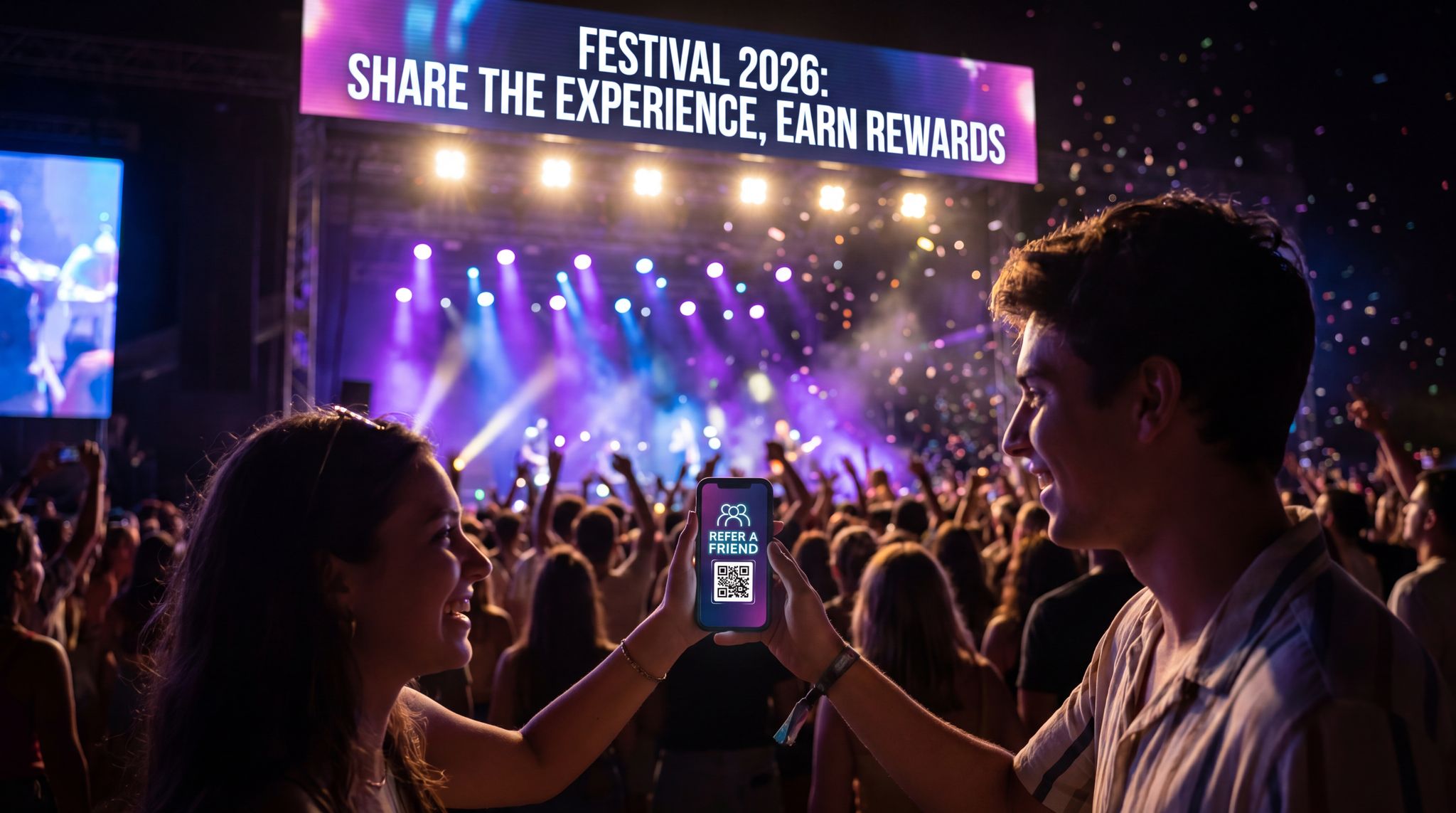
One of the most effective ways to harness community promotion is through referral and ambassador programs. Referral marketing turns your attendees into active promoters by rewarding them for bringing friends. For example, a nightclub might offer a free VIP upgrade to any fan who convinces three friends to buy tickets. A large festival might create a formal ambassador program where super-fans earn merch, meet-and-greets, or even cash commissions based on the ticket sales they drive. These initiatives leverage fans’ enthusiasm and personal networks to multiply your reach without a big ad spend.
The results can be game-changing. A mid-size EDM festival in 2025 recruited 150 fan ambassadors and tracked over 1,200 ticket sales directly through their referral links – a huge boost that cost far less than equivalent digital ads. Setting up a program is straightforward with modern ticketing platforms: many, like Ticket Fairy, have built-in referral tracking to make it easy. By launching a referral and ambassador program for your event’s superfans, you tap into word-of-mouth at scale. The key is to provide meaningful incentives (exclusive experiences or significant discounts tend to work best) and to recognize your top referrers publicly, fueling friendly competition among fans.
Data-Driven Event Marketing
Track ticket sales, demographics, marketing ROI, and social reach in real time. Exportable reports give you the insights to make smarter decisions.
Encouraging User-Generated Content & Social Contests
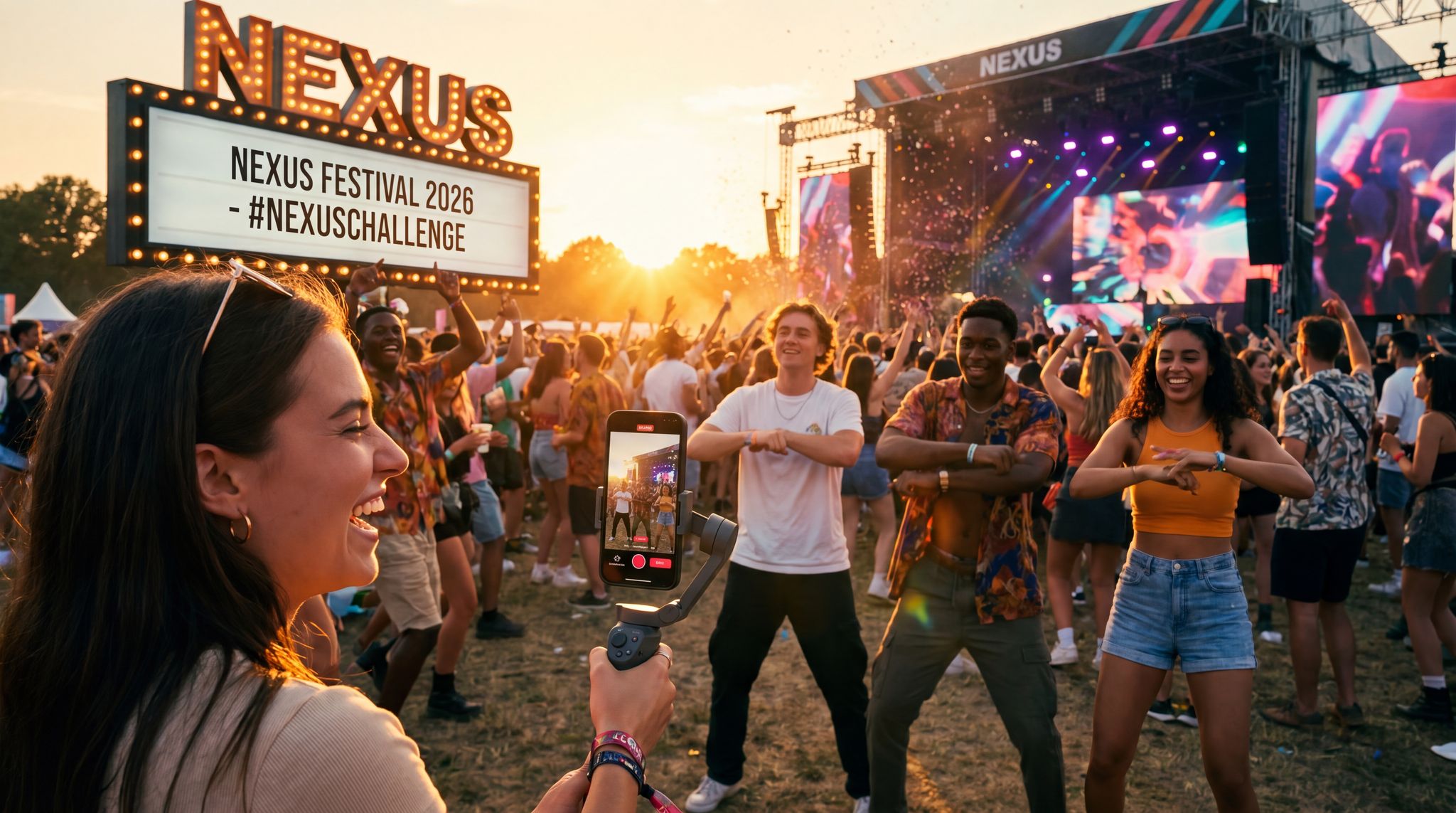
Another community-driven tactic trending in 2026 is putting user-generated content (UGC) at the heart of campaigns. Fans love to see their own photos, videos, and stories highlighted by events they attend. Smart promoters encourage UGC by running contests, challenges, and interactive campaigns on social media. For instance, a conference might ask followers to post a 30-second video on LinkedIn about why they’re excited to attend, using an event hashtag – with a free ticket or VIP upgrade for the best entry. Music festivals often run photo contests (“Share your best memory from last year’s festival”) to flood feeds with nostalgic hype ahead of the next edition.
These contests not only create tremendous engagement, they also produce authentic marketing content that resonates better than polished ads. When potential attendees see peers posting about an event, it builds social proof that this is the place to be. To spark this, consider offering irresistible incentives like backstage passes, merch bundles, or meet-and-greets for contest winners. Also, make participation easy – a unique hashtag and a simple ask work best. You can supercharge event ticket sales with creative contests and giveaways on social media by ensuring the challenge is fun, on-brand, and shareable. Just be sure to get participant permission to reuse their UGC in your marketing, then spotlight the best entries in your emails and ads for maximum impact.
Grow Your Events
Leverage referral marketing, social sharing incentives, and audience insights to sell more tickets.
Leveraging Micro-Influencers and Authentic Voices
Influencer marketing isn’t new, but it’s evolving in a more authentic, community-centric direction. Rather than chasing celebrity influencers with millions of irrelevant followers, event marketers in 2026 are partnering with micro-influencers and niche creators who align closely with the event’s audience. These might be local music bloggers, popular Instagram photographers in your city, or respected thought leaders in your conference’s sector. Their followings may be smaller, but they are highly engaged and trust the influencer’s recommendations. Crucially, these creators are often genuine fans of the event or its genre – making their promotion feel organic and credible.
This strategy has proven results. At Coachella 2025, brands that collaborated with niche creators for authentic engagement saw far better results than those relying on generic celebrity endorsements. The lesson for event promoters: choose influencers who are effectively an extension of your fan community. For example, if you’re marketing a techno music festival, a local DJ with 15,000 passionate followers can drive more ticket sales than a random lifestyle influencer with 500k followers who rarely attends such events. The smaller creator’s audience likely is your target market. By crafting authentic influencer partnerships that drive ticket sales, you’ll benefit from content that feels like a friend’s recommendation rather than an ad.
When working with influencers, give them creative freedom to present the event in a way that will resonate with their followers. Provide key info and assets, but allow their personality to shine through. Also, track their results – use unique discount codes or tracking links for each influencer so you can measure who brings in the most conversions. Influencers who see strong ROI can become recurring ambassadors for your events. In 2026, many promoters treat influencer collaborations not as one-off posts but as ongoing relationships integrated into their community-building strategy.
Grassroots Outreach in Local Scenes
Amid all the digital innovation, 2026 has also shown a renewed appreciation for grassroots marketing – especially for local and grassroots events. Noise on social media is loud, and digital ads have become pricier and sometimes less effective due to targeting limits. Enter the old-school tactics with a new spin: street teams, flyer drops, and community partnerships are making a comeback as high-impact supplements to online campaigns, as noted in data-backed event marketing trends for 2026. Seasoned promoters know that physically rooting your event in the local scene can spark word-of-mouth that digital methods might miss.
Smart Promo Codes & Presale Access
Create percentage or flat-rate discount codes with usage limits, date ranges, and ticket type restrictions. Plus unlock codes for private presales.
For example, consider organizing a street team to poster popular neighborhoods, bars, and campuses with eye-catching creative. Or partner with local businesses – a trendy café or record store – to display flyers and offer special promo codes at checkout. These techniques work best when they feel like an insider tip rather than corporate advertising. Equip your street team with talking points and maybe some free merch to hand out; their enthusiasm on the ground can form personal connections with potential attendees. Even major festivals use grassroots tactics by teaming up with local meetup groups, music communities, or sports clubs to spread the word among tight-knit circles of friends.
Crucially, grassroots marketing in 2026 often blends offline and online. Encourage those who discover your event via a flyer or campus promotion to follow your social pages or join your online community for more info. You might even deploy QR codes on posters that lead to an AR teaser video or ticket discount – bridging physical and digital engagement. Our guide on boots-on-the-ground tactics to ignite ticket sales provides more ideas to execute these effectively. The bottom line: local influencers, community leaders, and passionate fans on the ground can create an authentic buzz that no algorithm can suppress.
Trend 2: Sustainability & Values-Based Messaging – Going Green (and Beyond)
Audiences in 2026 increasingly care about what an event stands for, not just who’s headlining. Sustainability and values-based messaging have become pivotal in event marketing, as consumers (especially younger demographics) choose events that align with their principles. Eco-friendliness, social impact, diversity and inclusion – these aren’t just buzzwords, they’re expectations. Events that authentically communicate their commitment to sustainability and community can inspire stronger loyalty and word-of-mouth, while those that ignore these trends risk seeming out of touch.
Making Sustainability a Core Event Message
Green initiatives have moved from the sidelines to center stage in event promotion. It’s no longer enough to recycle backstage – you need to let attendees know you’re doing it, and more. Surveys indicate that roughly 40% of event attendees now expect visible sustainability measures like reusable materials, minimal plastic use, and eco-friendly operations. Savvy event marketers are making sustainability a key selling point. For example, a music festival might highlight that it’s powered by renewable energy or has a “zero single-use plastic” policy. A conference could promote its carbon offset program or donation of proceeds to environmental causes.
The key is authenticity. Modern audiences can smell “greenwashing” from a mile away. Any eco-claims in your marketing must be backed by real action at the event. Don’t just talk about being green – demonstrate it with concrete examples. For instance, Burning Man’s ticket communications emphasize their leave-no-trace ethos by instructing attendees how to minimize waste on-site, reinforcing the community’s dedication to sustainability. When your event implements genuine eco-friendly practices, weave those stories into your content marketing: blog about your sustainability efforts, post behind-the-scenes videos of your team setting up recycling stations or donating leftover food, and include quick facts in your email blasts (e.g., “This year we’re eliminating 10,000 plastic bottles by offering free water refills – help us hit that goal!”). These messages not only attract eco-conscious attendees but also make your existing fans feel proud to support you.
Backing Up Values with Action (Be Authentic!)
Marketers have learned the hard way that embracing social causes or values for PR sake can backfire if it’s not genuine. In 2026, transparency and follow-through are the name of the game. If your event promotes values – whether environmental, social, or cultural – you must back them up with visible action. This might mean hiring diverse lineups and staff, supporting local communities, or implementing accessibility improvements for disabled attendees. The effort is absolutely worth it: audiences reward authenticity with fierce loyalty. In fact, 76% of consumers say they would boycott a brand if they caught it acting against its proclaimed values.
Built-In Email Marketing for Events
Send targeted campaigns, automated purchase confirmations, and post-event follow-ups directly from your ticketing dashboard.
For event promoters, this translates to carefully choosing which values to highlight and ensuring every department follows through. If you market your festival as eco-friendly, use compostable cups, renewable energy, and publish a post-event sustainability report to prove your impact. If you rally behind social justice, consider donating a portion of proceeds to a relevant charity or inviting local community groups to participate on-site. Case study: A mid-sized UK festival focused on diversity promised 50% of acts would be from underrepresented groups – and met that goal, then celebrated it in press releases and attendee communications. The positive press and goodwill were immense, translating into a sizable boost in early ticket registrations the next year. For guidance on integrating causes properly, see how festival organizers champion social causes without alienating fans. The takeaway: choose causes that make sense for your event and audience, commit sincerely, and let your marketing transparently show your work.
Communicating Your Sustainability Story
It’s not enough to be sustainable – you also need to effectively communicate those efforts to your audience. Storytelling is key. Rather than dropping a bland line like “we’re green,” craft a narrative around why and how your event is embracing sustainability. For example, share the journey: “After seeing the waste generated in 2019, we knew we had to change – here’s what we’ve done since…” Include compelling details, like pounds of waste reduced, or kilowatt-hours of solar power used, to make it tangible. Visual content works great here: infographics about your impact, short videos of eco-initiatives in action, or profiles of the local suppliers you’ve partnered with (e.g., a farm supplying organic food for your festival vendors).
When promoting these messages, tie them back to the attendee experience: why should they care? Perhaps your sustainability measures mean attendees can feel good that their fun isn’t harming the planet, or maybe it even improves their experience (no single-use plastics means a cleaner venue and a keepsake water bottle). Highlight any interactive sustainability elements too – for instance, some events have recycling games or “green teams” that attendees can join as volunteers. If your audience can participate in the mission, they’ll internalize it more. Crucially, integrate your sustainability and values content across channels: blog posts, email newsletters, social media spotlights, and on-site signage. Consistency builds credibility. When done right, your values become a compelling part of your brand story that differentiates your event and attracts like-minded attendees.
Partnering with Sponsors & Community for Greater Impact
An emerging aspect of this trend is collaborating with sponsors and community organizations to amplify your event’s values. Sponsors increasingly prefer to align with events that have a positive impact story; many will eagerly support or fund sustainability and community initiatives if you pitch it right. For instance, a beer sponsor might fund the installation of water refill stations (branded with their logo) to eliminate plastic bottles – a win for the environment, attendees, and the sponsor’s image. Likewise, teaming up with local nonprofits or advocacy groups can deepen your impact and credibility. If you host a tech conference, you might partner with a coding-for-kids nonprofit, donating some proceeds and inviting them to have a presence at your event. The nonprofit will in turn mobilize their supporters and amplify promotion to their community.
Looking closely at event sponsorship trends in 2026 for brands, corporate partners are actively seeking out these purpose-driven activations over traditional logo placements. They want to fund tangible improvements—like zero-waste infrastructure or accessibility services—that resonate with their own corporate social responsibility (CSR) goals, creating a deeper, more authentic connection with your attendees.
These partnerships can greatly extend your marketing reach. Your message is now carried by your partners as well – and often received more receptively, since it’s essentially word-of-mouth from a trusted organization. When announcing such collaborations, emphasize the shared mission. For example: “We’re proud to partner with XYZ Charity to make this the first carbon-neutral concert series in our city.” This not only boosts your event’s profile but also shows attendees that buying a ticket contributes to something bigger. It taps into what marketing veterans call “emotional ROI” – attendees feel their purchase has purpose, not just entertainment. In 2026, events that strike this chord can build almost movement-like momentum behind them, translating values-driven messaging into very tangible ticket sales and long-term loyalty.
Grow Your Social Following With Every Sale
Require social media follows, shares, or playlist adds to unlock presale access or special pricing. Turn every ticket purchase into audience growth.
Trend 3: Data-Driven Marketing & Analytics – Precision is Power
Gone are the days of gut-feel marketing – in 2026, data is king. Event marketers are leveraging data and analytics at every step to target the right audiences, optimize campaigns, and prove ROI. This trend has only accelerated as tracking cookies disappear and budgets face scrutiny. With less room for waste, every marketing decision needs to be backed by numbers. Fortunately, events generate more data than ever (think ticketing systems, social metrics, email engagement, on-site RFID scans), and new tools make it easier to harness these insights in real time. The result is a more precise, efficient approach to selling tickets – one that top promoters swear by.
Integrating Data from All Channels
Modern event marketing means juggling many channels – from Facebook ads and email, to PR and on-site promotions – and ensuring they all work in concert. Integrating data from these channels provides a 360° view of your audience and campaign performance. Leading event organizers consolidate data into a single CRM or dashboard: ticket purchase histories, email opens, ad clicks, survey responses, website behavior, and more. By seeing the full picture, you can segment audiences sharply (more on that soon) and allocate your budget to what’s really driving sales.
For example, linking your ticketing platform with Google Analytics and Facebook Pixel (insofar as privacy changes allow) lets you track which ad or post led directly to a ticket purchase. If you notice that 30% of sales are coming from a specific YouTube video ad, you can ramp up that channel. Conversely, if your TikTok ads are getting views but zero conversions, the data will tell you to adjust content or spend elsewhere. An integrated data ecosystem is especially critical in 2026’s privacy-first era – since you may get less granular tracking from any one platform, combining what you have gives you actionable insights. Tools and services for events have stepped up here; many ticketing platforms (including Ticket Fairy) now offer robust analytics and API integrations to pipe data into your favorite marketing dashboards. The goal is to eliminate data silos so you can make informed decisions quickly, based on the complete customer journey.
Real-Time Analytics & Agile Adjustments
Event marketing campaigns are often fast-paced and ever-evolving, especially as the event date nears. Relying on final reports after the fact doesn’t cut it – real-time analytics allow you to spot trends and adjust on the fly. In 2026, marketers monitor key metrics daily (even hourly, during critical on-sale periods). Dashboards tracking ticket sales by source, website traffic, ad click-through rates, and email engagement help identify what’s working and what’s not in the moment. If a particular Instagram Reel suddenly goes viral and spikes traffic, you can allocate more budget to capitalize on it. If an email subject line A/B test shows one variant performing 2x better by mid-day, you can switch fully to the winner for the remainder of your send.
This agile approach can significantly boost campaign efficiency. Veteran promoters often set specific trigger points – for example, “If we’ve sold <30% of early bird tickets by Week 2, launch a flash sale” or “If Google search queries for our festival rise sharply, increase search ad bids immediately.” Having the data at your fingertips enables these responsive moves. Many have found that mid-campaign optimization is what separates sell-outs from flops in the final stretch. As one example, an Australian tour noticed ticket sales plateauing a month out; real-time tracking showed lots of website visits from mobile but a high drop-off at checkout. The team quickly optimized their mobile purchase flow and sent a targeted SMS reminder (seeing the device data) – resulting in a late surge that pushed the tour to sell out. In short, treating your marketing plan as a living, data-informed strategy rather than a set-and-forget plan is a hallmark of 2026’s successful event campaigns. Reigniting flagging ticket sales mid-campaign is much easier when you’re closely watching performance metrics and ready to act.
Segmentation and Hyper-Targeting
A critical tactic within data-driven marketing is audience segmentation – dividing your potential attendees into meaningful groups and tailoring your approach to each. “One size fits all” campaigns are falling by the wayside, as hyper-targeting takes center stage. Instead, event marketers use data to slice audiences by demographics, behavior, engagement level, location, and past purchase history. You might identify segments like loyal past attendees, new prospects who joined the mailing list this year, VIP buyers who opt for premium packages, or locals vs. travelers. Each of these groups might respond to different messages or offers. By creating segment-specific content and ads, you can significantly boost relevance and conversion rates.
Full Pixel & Analytics Integration
Install Meta Pixel with Conversions API, Google Analytics, TikTok Pixel, Reddit Pixel, and Spotify Pixel on your event pages. Server-side tracking for accurate attribution.
For example, experienced festival promoters often A/B test different messaging for past attendees vs. newcomers. Past attendees might get an email saying “We’d love to have you back – here’s a loyalty discount”, while newcomers receive “Join us for the first time – here’s what makes this event special.” The data consistently shows higher conversions when messaging speaks directly to the audience’s context. In fact, campaigns that segment their event marketing by audience persona often see 3-5× higher click-through and purchase rates than generic blasts. Below is an example from an A/B email campaign where segmentation made a substantial impact:
| Email Campaign (2026) | Open Rate | Ticket Purchase Rate |
|---|---|---|
| Generic blast to entire list | 18% | 0.8% |
| Past attendees segment (loyalty offer) | 27% | 1.5% |
| New subscribers segment (first-timer invite) | 22% | 1.2% |
In this real-world test for a 10,000-capacity festival, segmenting by audience type nearly doubled the ticket purchase rate versus a one-size-fits-all email. By analyzing the data, the organizers learned that returning fans responded best to VIP upgrade offers, while new leads needed more event story and social proof. The takeaway: use your data to craft targeted messaging and offers for each key segment (and medium – even ad targeting on platforms like Facebook/Meta and Google can align with these segments via Custom Audiences). It’s more work up front, but the significantly higher ROI proves it’s worthwhile.
Tracking the Metrics That Matter
With endless data available, it’s important to focus on the metrics that truly matter for ticket sales. Vanity metrics (like raw social impressions) can be misleading if they don’t translate to conversions. Seasoned event marketers zero in on a few core KPIs and set benchmarks for each campaign. Here are some of the most important metrics in 2026 and why they’re useful:
- Cost per Acquisition (CPA) – How much do you spend on marketing to sell one ticket? This helps evaluate if your ad spend is efficient. For instance, if your CPA on Facebook Ads is £10 and your average ticket profit is £50, that channel is profitable. If CPA is above profit, you need to optimize or cut spend.
- Return on Ad Spend (ROAS) – Revenue generated per £1 (or $1) spent on ads. A ROAS of 5× (for example, £5 revenue per £1 spend) is a common goal for event campaigns; anything lower might need tweaking unless you have secondary revenue (like F&B or sponsorship) to offset it.
- Conversion Rate – The percentage of people who take a desired action, like buying a ticket, after clicking an ad or opening an email. This is the ultimate measure of your campaign’s persuasiveness. Tracking conversion rate by channel (e.g., 1.5% of website visitors purchase) lets you identify where the funnel is strongest and weakest.
- Engagement Rate – On social posts or emails, high engagement (comments, shares, clicks) indicates your content is resonating. It’s a good leading indicator for ticket sales interest. For instance, an event teaser video with a 10% engagement rate is likely to drive more sales than one with 1% engagement.
- Ticket Sales Velocity – How quickly are tickets selling over time? Monitoring daily/weekly sales against projections helps you spot if a campaign surge or slump is happening. If velocity is high right after an artist announcement, you know that tactic worked and can consider adding another artist reveal to boost sales later.
Additionally, monitoring channel-specific behavior is crucial for diagnosing campaign health. Savvy promoters closely watch referral traffic, SMS traffic, and email traffic fluctuations to understand shifting attendee habits. For example, if you notice a sudden drop in email click-throughs but a surge in SMS conversions, you can quickly reallocate your budget to capitalize on those real-time event demand spikes. Understanding these traffic trends in 2026 ensures you aren’t wasting money on underperforming channels.
By tracking these metrics campaign-wide and per channel, data-driven marketers can double down on what’s working and fix what isn’t, in near real time. It’s a far cry from the old days of putting a billboard up and just hoping people show up. In 2026, if you’re not measuring, you’re essentially marketing blind. Those who do measure have a clear advantage in optimizing every pound or dollar of their budget toward a sell-out.
Capitalizing on Event Ticketing Trends in 2026
As data becomes more central to promotional success, keeping a pulse on the latest event ticketing trends in 2026 is non-negotiable for serious promoters. The days of treating a ticketing provider as just a passive checkout page are over. Today, the most innovative event ticketing companies in 2026 operate as full-stack marketing partners. They offer built-in CRM capabilities, automated referral tracking, and dynamic pricing models that respond instantly to event demand spikes. By aligning your promotional strategy with these broader event ticketing industry trends, you can capture more first-party data and seamlessly convert high-intent website visitors into confirmed attendees before they bounce.
Essential Event Marketing Tools and Analytics Features
As organizers look to scale their operations, selecting the top event marketing tools for boosting attendance in 2025 and 2026 has become a critical priority. The most effective software stacks now combine CRM, automated messaging, and dynamic ticketing into a single ecosystem. When evaluating these platforms, promoters should look for key analytics features in top event marketing tools, such as real-time conversion tracking, predictive demand modeling, and automated audience segmentation. These capabilities allow venue operators and festival producers to identify exactly which campaigns are driving revenue and adjust their spend instantly, ensuring maximum ticket sales with minimal wasted budget.
Leveraging In-Venue Marketing Technology Improvements
Another major shift bridging the gap between digital promotion and the live experience involves in-venue marketing technology improvements expected through 2025 and 2026. Venue managers are increasingly adopting advanced RFID wristbands, beacon technology, and interactive digital signage that sync directly with their marketing databases. These on-site tech upgrades do more than just speed up bar lines; they capture invaluable behavioral data. By understanding how attendees move through a space or which sponsor activations they engage with most, promoters can trigger hyper-targeted post-event campaigns and highly personalized early-bird offers for the following year.
Trend 4: Emerging Media Platforms & Formats – Meeting Audiences Where They Are
The media landscape never sits still – and event marketers in 2026 are quick to capitalize on new platforms and content formats to reach potential attendees. In the past few years, TikTok rocketed to prominence, short-form video became king, and newer channels from messaging apps to augmented reality have opened creative promotional avenues. The core principle is simple: go where your audience’s attention is shifting. For Gen Z, that might be TikTok or YouTube Shorts; for professionals, it could be LinkedIn or niche forums; in some markets, it’s messaging apps like WhatsApp or WeChat. By staying agile and adopting these emerging platforms early, event marketers can unlock massive reach and engagement that older channels might no longer deliver.
The TikTok Effect and Short-Form Video Dominance
If 2016-2020 was the era of Instagram for events, 2021-2026 has been defined by TikTok and short-form video. Platforms like TikTok (and similar features on Instagram Reels, YouTube Shorts, Facebook, etc.) now command huge user attention – particularly among younger audiences. In fact, TikTok has become such a go-to source of information and entertainment that 62% of Gen Z now use TikTok as part of their search for content, even surpassing Google usage in that demographic, according to Forbes analysis on Gen Z search habits. For event marketers, this means that creating engaging short videos is no longer optional; it’s essential.
Events of all types are finding creative ways to leverage TikTok. Music festivals, for example, post behind-the-scenes clips of stage setups, artist cameos, or 15-second crowd highlights from past events to build FOMO. Conferences might share quick attendee testimonials or speaker soundbites as Reels. The content is snappy, authentic, and optimized to go viral on algorithm-driven feeds. The beauty of TikTok’s algorithm is that it can catapult a small event into the limelight if the content resonates – one funny or awe-inspiring clip from your event can garner millions of views globally, translating into a huge awareness boost. We’ve seen niche festivals sell out in hours after a performance clip trended on TikTok.
To succeed, event marketers often adapt a storytelling mindset for short video: hook viewers in the first 2 seconds, keep it visually dynamic, use trending sounds or hashtags to ride existing waves, and end with a strong call-to-action (like “Don’t miss this – only 100 tickets left!”). Paid advertising on TikTok is also maturing. Running TikTok Ads that unlock viral reach and Gen Z engagement can complement your organic content, especially to retarget those who’ve shown interest. The bottom line is that short-form video is now a primary communication style. If you’re not fluent in it, now is the time to experiment and learn. Even if your core audience isn’t Gen Z, the creativity and concise storytelling from mastering TikTok/Reels will improve your marketing across the board.
Messaging Apps and Direct Communication Channels
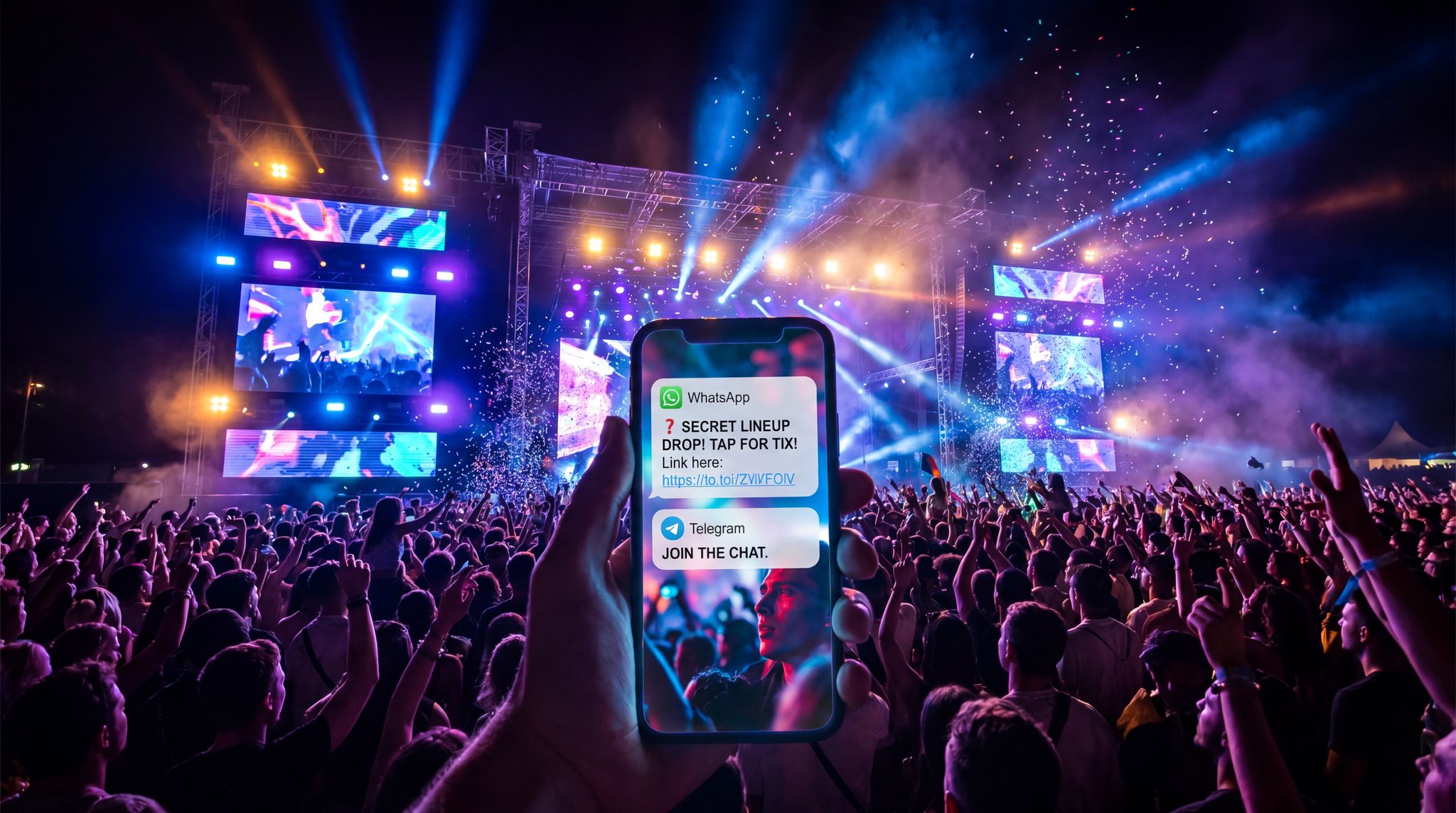
While public social platforms get a lot of attention, another major trend is the rise of private messaging apps as marketing channels. WhatsApp, Facebook Messenger, Telegram, WeChat, and SMS text messaging have incredibly high open rates (often 90%+ within minutes) compared to email or social posts. In 2026, event marketers are increasingly using these apps to deliver important updates and personalized invites directly to fans’ pockets. For instance, a promoter might set up a WhatsApp broadcast list for an upcoming tour, sending ticket on-sale alerts and exclusive content to subscribers. Or a festival might use Telegram to build a subscriber community that receives behind-the-scenes news first, fostering a VIP feel.
These direct channels feel more intimate – you’re essentially chatting with your attendee – so they work best when used judiciously and with personalization. Blasting generic ads on WhatsApp will annoy people (and violate some app policies). But sending a text reminder to fans who opted in – “Hey Sam, just a heads up: only 2 days left for early-bird tickets to ComedyCon. Don’t miss out!” – can drive action effectively. Many promoters pair their email campaigns with SMS follow-ups for key drops (like on-sale announcements or last-call reminders), and they see significant lift in conversion. One New Zealand music venue noted that adding an SMS alert to their campaign nudged a chunk of fence-sitting subscribers to finally purchase, contributing to a sell-out show that otherwise might have fallen short.
Another valuable use of messaging apps is two-way communication. With AI chatbots (as we’ll discuss later) and dedicated community managers, events can answer fan questions in real time on these platforms. This boosts customer experience and reduces barriers to purchase (“Which day should I attend? How do I get there? – here’s an instant answer”). In markets like China, WeChat is essentially the internet for many users – complete with event mini-programs and integrated ticketing. Adapting to these platforms is crucial if you target those audiences. The key takeaway: meet your fans where they already talk. Using SMS and messaging apps for event promotion provides an immediate, high-touch connection that can significantly boost engagement and attendance, especially when combined with the viral reach of social media.
Community Platforms and Niche Networks
Beyond the major social networks, 2026 continues the rise of community-centric platforms. These include forums like Reddit, group-chat apps like Discord or Slack, and interest-based networks (for example, Bandcamp communities for music, or specialized ticketing communities). Event marketers are finding that tapping into niche online communities can yield extremely high ROI, because you’re reaching exactly the right audience in a space where they’re highly engaged. The approach requires a genuine touch – blatant ads don’t fly in most communities – but the rewards are big for those who put in the effort.
One approach is to identify the key online hubs where your target audience hangs out. Is there a popular Reddit subreddit for your genre or city? (Chances are, yes – whether it’s r/festivals, r/edm, r/hiphopheads, r/comiccon, etc.) Are there Discord servers where fans of your event or similar events chat? Many festivals and gaming events now officially support Discord servers to foster fan discussions and drop announcements. By active participation – sharing valuable info, exclusive tidbits, and responding to fan feedback – you organically build goodwill and hype within these circles. It’s essentially digital grassroots marketing.
Another tactic is leveraging LinkedIn for professional events. B2B and industry event marketers have discovered LinkedIn as a powerhouse for targeting professionals by job title, industry, or group membership. Running sponsored content that feels like thought leadership, or personally inviting key industry figures via DM, can fill seats for conferences and networking events. A campaign to promote a fintech summit, for example, saw success by encouraging speakers and attendees to share the event on LinkedIn with their networks, creating a ripple effect of registrations. Our guide on reaching professional audiences with LinkedIn Ads covers how to refine this approach. The principle across platforms is the same: find the communities (big or small) where your ideal attendees are highly engaged, then contribute meaningfully there. When done right, the community will rally behind your event and champion it as one of “their” happenings, lending peer credibility that no billboard could buy.
Immersive and Interactive Media (AR, VR, and More)
As technology advances, forward-thinking event marketers are also playing with immersive media to stand out. Augmented reality (AR) filters, lenses, and interactive experiences are increasingly used to promote events in a novel way. For example, a film festival might create an AR Instagram filter that lets users “wear” the festival’s iconic mascot or artwork and post it to their story, effectively turning fans into walking posters. Concert tours have used AR in apps where fans scan a poster on the street with their phone and see it come to life with a video message from the artist – a surprising and shareable encounter. These tactics generate buzz because they’re fun and different, and they often entice media coverage as well.
Virtual reality (VR) and hybrid event experiences also play a marketing role. While VR concerts and metaverse events haven’t replaced physical shows (and likely won’t), they can be leveraged as promotional tools. For instance, offering a virtual 360° preview of your festival venue or a past performance via VR can get people excited about the real thing. Gaming conventions sometimes build entire virtual worlds online where fans can socialize and get teasers of attractions before the live event, hooking a global audience of enthusiasts who then travel to attend in person. These immersive promos work best to target the tech-savvy segment of your audience who appreciates innovation.
Even outside high-tech VR, interactivity is a big draw. Think in terms of audience participation content: polls, quizzes, challenges, live Q&A streams, and other formats that break the passive consumption mold. For example, hosting an Instagram Live where fans can ask the headliner questions not only creates a personal connection but also serves as content to later advertise (“Watch [Artist] answer fans’ wildest questions about the upcoming show!”). With attention spans short, interactive content makes marketing feel like an experience in itself. Keep an eye on emerging platforms that facilitate these experiences – the landscape will only keep evolving. The guiding rule is to embrace new formats early if your audience is gravitating there, and don’t be afraid to experiment. Many will remember how early adopters of TikTok’s methods reaped massive rewards; the same will be true for the next big platform or medium that arrives.
To summarize this section, here’s a comparison of key platforms and how event marketers leverage them in 2026:
| Platform | Primary Audience | Strengths for Event Marketing | Example Use Case |
|---|---|---|---|
| TikTok & Reels | Gen Z and young adults | Viral short-form video reach; huge engagement potential. | Teaser videos, behind-the-scenes clips trending with hashtags for a music festival. |
| Millennials, Gen Z | Visual storytelling; influencer-driven promotion; ephemerals (Stories). | Stylish lineup reveal posts, influencer takeovers on Stories to promote a fashion event. | |
| Broad 25+, local communities | Event pages for RSVPs/sharing; older demographics; paid ads with detailed targeting (though reduced by privacy changes). | Local concert series running FB Ads targeting fans of similar artists, plus FB Event listings for viral invite sharing. | |
| Professionals, B2B | Precise targeting by industry/role; professional tone. | Sponsored posts and InMail to CFOs and finance pros for a FinTech conference. | |
| WhatsApp/Telegram/SMS | Cross-demographic (opt-in) | Direct, high open-rate messaging; personal feel. | Broadcast text alert for a club night’s secret afterparty tickets to loyal attendees. |
| Discord/Reddit | Niche communities (gamers, music fans, etc.) | Deep engagement in interest-based groups; peer-to-peer sharing. | Official Discord server for a gaming expo where fans get insider news and rally friends to attend. |
| YouTube | Broad, global | Long-form content; great for SEO and evergreen content. | Artist announcement video series and video ads targeting music genre fans for a festival. |
By tailoring your strategy to each platform’s strengths, you can create a multi-channel presence that blankets the media landscape with your event’s message. Just be sure to maintain consistency in branding and adjust tone for each audience – professional on LinkedIn, playful on TikTok, detailed on YouTube, and so on. This diversified approach ensures you’ll encounter your potential attendees wherever they are, in the format they prefer, ultimately driving them down the funnel to that ticket purchase.
Trend 5: Privacy-First Marketing – Thriving in a Cookieless World
The marketing world has been turned upside down by privacy changes in recent years, and 2026 is the tipping point where privacy-first strategies truly take center stage. The long-anticipated “cookieless future” is now essentially here – major browsers block third-party cookies, iOS and Android offer easy opt-outs of tracking, and new regulations (GDPR, CCPA and beyond) limit how marketers collect and use personal data, a shift predicted to shape search strategy and spend. For event marketers, this means tactics that once worked for pinpoint targeting and tracking (like detailed Facebook ad targeting or cross-site retargeting) are less reliable or even obsolete. Rather than spelling doom, this shift has forced a healthy evolution: a return to first-party data, creative content, and trust-based marketing.
The Cookieless Future Arrives
2026 is the year we stop talking about the cookieless future and live in it. Google is finishing the phase-out of third-party cookies in Chrome, and other platforms have long since made the change. According to Deloitte insights on marketing AI predictions, over 75% of marketing leaders expect the loss of cookies to significantly disrupt their operations – and indeed it has been a wake-up call. For event promotion, this primarily affects how we track ad performance and target niche audiences online. Where previously you could easily retarget everyone who visited your ticket page with an ad, now that may only be feasible if you secured their consent or have their email to build a custom audience. Ad platforms have less granular data on users, making broad targeting less precise.
Leading marketers have responded by pivoting to strategies that don’t rely on third-party data. This includes contextual advertising (targeting content or keywords rather than individuals), bigger investments in search ads and SEO (since search doesn’t rely on personal data – you capture intent at the source), and old-fashioned methods like sponsorships and PR that increase visibility without needing tracking. Attribution has also changed: instead of obsessing over multi-touch attribution models that are now broken, many are focusing on overall lift and using tools like unique promo codes or surveys (“How did you hear about us?”) to gauge channel performance. Our detailed guide on measuring event marketing success in a cookieless 2026 explores how to adapt your analytics. The gist is that, yes, digital ad ROI is a bit fuzzier to measure in some cases, but by aggregating data (as discussed earlier) and focusing on big-picture trends, you can still get the insights you need.
Building a First-Party Data Foundation
If third-party data is drying up, first-party data – the information you collect directly from your audience – is gold. Smart event marketers in 2026 are doubling down on ways to grow and leverage their own databases of fans. Every interaction is an opportunity: ticket purchases, email signups, contest entries, Wi-Fi logins at the venue, RSVP forms, post-event surveys – all these touchpoints can feed your CRM with rich profiles. With proper consent and transparency (always follow the laws and be clear with users), you can piece together an understanding of your attendees that no outside data broker could match.
Email marketing remains a stalwart channel here. Your email list, whether it’s 5,000 or 500,000 strong, is impervious to algorithm changes and gives you a direct line to interested customers. Many events run aggressive list-building campaigns year-round: from simple newsletter signup incentives (“Join for exclusive pre-sale access”) to bigger initiatives like offering a free download or past event recording in exchange for an email. Once you have a contact, modern CRM and automation tools allow sophisticated nurturing. For example, you can set up behavior-triggered email flows: if someone clicks a link about “afterparty tickets”, they automatically get a follow-up about VIP afterparty passes. Our guide on personalized email marketing automation for events shows how targeted emails can drive ticket sales with minimal manual effort.
Another first-party avenue is community data. If you operate a forum, mobile app, or even track social media comments, these qualitative insights are yours to use for tailoring marketing. For instance, if many fans on your app have favorited a certain artist, you can use that intel to craft a personalized “Artist X is back at our festival – since you showed interest, here’s a pre-sale code!” message to those users. Loyalty programs and member profiles offer similar treasure troves of preference data. In 2026, leading event promoters treat data like an ongoing conversation: attendees share their interests and feedback (sometimes explicitly via surveys, sometimes implicitly via clicks and behavior), and the organizers respond with experiences and offers designed to match. This not only improves marketing effectiveness but also builds trust – attendees see that providing their data leads to a better, more personalized experience for them.
To illustrate the shift in data strategy, here’s a quick comparison:
| Data Source | Description & Example | Privacy Era Effectiveness |
|---|---|---|
| Third-Party Data | Gathered by outside parties (cookies, social media trackers). Ex: Ad network data profiling music fans across the web. | Low – Largely blocked or restricted by 2026; unreliable for targeting individuals. |
| First-Party Data | Collected directly by you. Ex: Ticket purchase history, website account info, email engagement. | High – Fully owned and permissible (with consent); cornerstone of targeting and personalization. |
| Zero-Party Data | Explicit data users volunteer. Ex: Survey responses about favorite genres or opt-in preferences. | High – Extremely valuable and accurate since users willingly provided it; great for tailoring content. |
As shown above, rebuilding your strategy around first-party and zero-party data is crucial. The effort spent on data capture and management will pay off in more resilient marketing that can weather any future privacy changes. Always remember to be transparent and ethical in how you gather and use data – not only to comply with laws, but to maintain the trust of your attendees. Permission-based marketing isn’t just a legal checkbox; it’s how you ensure your messages are welcome and wanted.
Trust and Transparency as Marketing Advantages
One silver lining of the privacy-driven shakeup is that it incentivizes marketers to build genuine trust with their audience. In 2026, being upfront about data use and giving users control isn’t just compliance – it’s a competitive advantage. Event brands that are known to respect privacy can turn that into a selling point, especially as public awareness of data issues grows. For example, Apple’s “Privacy. That’s iPhone.” campaign made privacy a consumer-friendly feature, proving that privacy is everything in modern branding. Events can do similar: let your attendees know you put them first. This might mean clearly explaining why you’re asking for certain information (“Share your email to get important festival updates like gate times and surprise guest announcements – we promise not to spam.”) and honoring preferences (if someone opts out of promo texts but wants emails, make sure you follow that to the letter).
Trust-building also extends to content. With less ability to hyper-target ads, more emphasis is on creating marketing that people seek out rather than avoid. Educational and entertaining content (blog posts, videos, podcasts) about your event or its theme can draw people in via search or social shares, without needing personal data at all. Many events have invested in content marketing – for instance, a food festival might run a foodie blog or YouTube series that grows a following and then naturally converts readers/viewers to ticket buyers. This is a longer funnel, but it’s resilient against privacy changes because it doesn’t rely on invading anyone’s data – you’re attracting them with value.
Also, consider the role of community referrals again here (tying back to Trend 1). Word-of-mouth will bypass any privacy hurdle – a friend’s recommendation comes with built-in trust. That’s why referral programs, influencer partnerships, and user-generated content are doubly important now: they carry weight in a trust-first landscape. And when new people do discover your event, seeing social proof that others love it (testimonials, high ratings, organic buzz) helps overcome hesitation. Transparency plays a role in crisis moments too – if something goes wrong (a lineup change, venue issue, etc.), how you communicate can make or break future sales. Being honest, proactive, and human in your messaging maintains trust, whereas spin or silence can damage it, as covered in our piece on crisis communication for event marketers.
In summary, the privacy-driven marketing trend is pushing events toward strategies that are arguably healthier in the long run: respectful data use, stronger relationships, and creative content. It may require some adaptation and new tools (like using data clean rooms or modeled audiences in ad platforms), but those who lean into a privacy-first mindset are finding that they can still reach the right people – and those attendees appreciate the subtle, respectful approach. It’s a classic case of short-term disruption yielding a more sustainable, trust-rich marketing environment.
Trend 6: AI and Automation – Personalization at Scale
Artificial Intelligence is no longer science fiction for event marketers – it’s an everyday tool that’s transforming how campaigns are conceived, executed, and optimized. By 2026, AI and automation have woven into nearly every aspect of marketing, enabling personalization and efficiency at a scale that humans alone could never achieve. From AI-generated content and chatbot concierges to predictive analytics that forecast ticket sales, these technologies are helping event organizers work smarter, not harder. The key trend isn’t just adopting AI for the sake of it, but using it strategically to enhance the human touch rather than replace it. Let’s explore how AI is boosting event marketing and how you can leverage it for sold-out events.
AI-Powered Content Creation & Curation
Staring at a blank page for the event brochure or struggling to churn out daily social media posts? AI to the rescue. Tools like GPT-4 (the technology behind ChatGPT), Copy.ai, and others can generate surprisingly good marketing copy, social captions, blog outlines, and more in a fraction of the time. Many event marketers now use AI as a “first draft” assistant – for example, to come up with 10 variations of an email subject line highlighting a ticket sale, or to draft a press release which the human team then fine-tunes. This greatly speeds up content production and frees up time for strategy and creativity.
AI can also help in curating content for personalization. Imagine an AI that scans your event blog and picks the perfect next article to recommend to a website visitor based on their reading history, or dynamically inserts different images in your ad depending on the viewer’s interests. These capabilities are becoming more accessible. One concert promoter used an AI tool to analyze thousands of fan comments and identify which artists were most discussed, then automatically tailored their email newsletters – a rock fan sees a rock band featured at top, an EDM fan sees the DJ headliner instead. This kind of on-the-fly content customization used to require complex manual segmenting (or wasn’t feasible at all); now it’s increasingly plug-and-play.
Of course, AI content must be used carefully. Human oversight is essential to ensure accuracy (AI can still confidently produce incorrect info) and brand voice consistency. The best outcomes in 2026 come from a human+AI collaboration: let the AI handle the heavy lifting of drafting and data crunching, then have marketers add the emotional nuance, humor, and quality control. As a bonus, AI can help generate thousands of ad variations (changing text, images, formats) to find what resonates best, something known as creative optimization. Meta’s and Google’s ad platforms even have built-in AI to automatically test and rotate creatives for better results – a big time saver. As AI continues to evolve, those who embrace it as a creative partner (not a threat) are achieving more consistent, high-quality output across their marketing channels, with statistics showing significant ROI improvements. It’s telling that 88% of marketers used AI in some form by 2025, and 83% reported it increased their productivity.
Chatbots and Virtual Assistants for Engagement
Customer experience is a huge part of event marketing, and AI shines here through chatbots and virtual assistants. On event websites and Facebook pages, AI chatbots now handle a large volume of common inquiries – everything from “What time do doors open?” to “Is there parking at the venue?” to “Do you offer student tickets?” By instantly answering these questions 24/7, chatbots keep potential ticket buyers from bouncing away in frustration. A well-designed chatbot can even move people down the funnel: if someone asks about ticket types, the bot can provide the info and then direct them to the purchase page or offer to process the order right in the chat. This on-the-spot service has boosted conversion rates, especially for late-night shoppers who can’t call a helpline. Anecdotally, promoters have seen as much as a 20-30% reduction in drop-offs at the decision stage after implementing chat support, because questions are resolved promptly.
Beyond text chatbots, voice assistants are coming into play too. Some events have created Alexa or Google Assistant skills that provide event schedules or allow ticket bookings via voice command. It’s all about making engagement convenient. In 2026, attendees also expect instant updates and personalized info. AI helps by automating push notifications or messages based on triggers. For instance, if an attendee’s flight is delayed and they’ll miss Day 1, an AI system might automatically send them info on late check-in or highlights of Day 2 so they feel welcomed despite the hiccup. These personalized touches at scale simply wouldn’t be possible manually for events with thousands of guests.
The personality of bots matters as well – savvy marketers program bots with a friendly tone and even humor that matches the event vibe. If someone asks the bot “What should I wear to the gala?”, a good bot might quip a tasteful joke along with useful guidance, giving a sense of the event’s character. All this contributes to a positive impression before the attendee even steps foot on site. And if a question stumps the AI, it can seamlessly hand off to a human rep, ensuring no one falls through the cracks. The takeaway: AI-driven assistants are enhancing customer service and engagement, which in turn builds confidence to buy. For more on practical AI tools making waves, check out our article on AI solutions supercharging event marketing, which covers chatbot platforms and more.
Predictive Analytics and Demand Forecasting
One of AI’s most powerful uses in event marketing is making predictions – forecasting demand, identifying sales patterns, and guiding decision-making. Machine learning algorithms can digest historical data (your past events’ sales curves, marketing spend, weather, economic indicators, etc.) and output remarkably accurate projections like “at this point in the campaign, you should have sold X tickets; you’re ahead/behind pace” or “expected final attendance is 8,500 with a 90% confidence interval of 8,200-8,800”. This helps promoters adjust strategy proactively. If the AI predicts a shortfall, you can intensify marketing or add promotions early rather than scrambling in the final week. Conversely, if an early sell-out is predicted (perhaps due to stronger than usual early metrics), you might decide to release another batch of tickets or up-sell VIP packages to capitalize on the demand.
AI-driven predictive insights also assist with pricing strategies. While dynamic pricing in ticketing is controversial, predictive models can at least inform whether you’re underpricing or leaving money on the table. For instance, an AI might analyze similar events and tell you that your $40 ticket could likely be $50 without hurting attendance, moving the needle on revenue. Or it might spot that certain customer segments (say, last-year attendees who didn’t return yet) are at risk of not converting, prompting a targeted win-back offer. These granular insights enable a level of micro-optimization that was impractical before. Major concert promoters and sports teams already use AI to forecast no-show rates, merch sales, and staffing needs by event, all of which feed back into marketing (“If merch sales of a certain artist are predicted high, feature that artist in more ads to drive ticket sales”).
Even smaller event organizers can access simpler versions of these tools – many ticketing platforms now incorporate predictive analytics in their dashboards, or you can plug your data into third-party AI services. The ROI is clear: better predictions lead to better allocation of budget and effort. Campaign veterans recommend weekly strategy check-ins where human intuition and AI predictions are compared, and plans are tweaked accordingly. When you have an AI flagging that, say, “Ticket sales from the tech industry segment are trending 15% lower than usual,” you can then brainstorm targeted actions (maybe your messaging isn’t resonating with that crowd, so adjust the creative or channels). This synergy of human creativity with AI’s number-crunching is delivering formidable results in 2026’s event campaigns.
Personalization at Scale (Without Creepiness)
Personalization has been a buzzword for years, but AI is what’s truly unlocking it at scale in 2026. We touched on this in earlier sections – segmentation, dynamic content, etc. – but it’s worth emphasizing how far it can go now. Hyper-personalization means each prospective attendee can encounter a marketing message uniquely tailored to them: the right channel, right time, right content. AI models can decide these factors on the fly for thousands or millions of individuals, something marketers could only dream of before. For example, AI can analyze when each subscriber is most likely to open emails and stagger send times accordingly for maximum engagement. It can also learn that User A engages more with videos while User B prefers blog links, and then serve content in those preferred formats to each.
Crucially, AI can do this without being creepy by focusing on patterns rather than PII (personally identifiable information). Post-privacy changes, we might not know someone’s name and browsing history in detail, but AI can still detect segments and behaviors anonymously to personalize within reasonable contexts. For instance, Netflix doesn’t need to know exactly who you are to recommend a movie – it just knows patterns of similar users. In event marketing, you might not know a site visitor’s identity, but if an AI model classifies them as “likely techno fan vs. likely house music fan” based on their clicks, it can present the appropriate festival lineup highlights accordingly.
We’re also seeing personalization extend into the live experience, which in turn feeds back into marketing. Events use apps with AI to personalize schedules for attendees (say, recommending which sessions to attend at a conference based on their interests). Those happy experiences then become testimonials and data points for future promotions (“95% of attendees said our app helped them discover a new favorite artist!”). After the event, AI can personalize follow-up offers – for example, attendees who rated a workshop highly might get an email about the next in-depth course or related event, whereas those who didn’t check into certain days might get a discount to entice them back next time. This level of tailoring makes attendees feel understood, which drives loyalty and return attendance. According to industry surveys, 72% of consumers say they only engage with marketing messages customized to their interests, and marketers report AI gives them a significant edge. It’s becoming table stakes.
The watch-out is to avoid crossing into invasive territory. Don’t do things like call someone out by name in an ad or overtly reference personal info that they didn’t willingly give for marketing. The goal is a seamless, helpful personalization that feels like good service, not stalking. AI can help by abstracting data and finding non-obvious connections humans miss (like correlating weather patterns with ticket buying moods, or linking social sentiment trends to ideal ad timing). By 2026, the event marketers effectively using AI are those who marry data science with empathy – using all these advanced tools to ultimately delight the customer with relevance and good timing. As a result, they’re selling more tickets with less noise. Those who ignore AI, on the other hand, risk falling behind competitors who can reach audiences more efficiently and effectively with these methods.
Frequently Asked Questions About Event Marketing Trends
Which event marketing tactics are best for increasing event attendance in 2026?
The most effective tactics for driving ticket sales combine data-driven precision with authentic community building. Top event marketing strategies for 2025 and 2026 include leveraging short-form video (like TikTok and Reels) to capture viral reach, implementing fan-to-fan referral programs, and using predictive AI to forecast event demand spikes so you can optimize ad spend in real time.
I’m a festival coordinator and I want to boost our social media presence. Where should I start?
Start by shifting your focus from polished, corporate ads to authentic, user-generated content and micro-influencer partnerships. Cultivate a year-round community on platforms like Discord or niche subreddits, and encourage attendees to share their experiences. Embracing short-form video trends and interactive AR filters will also significantly elevate your festival’s digital footprint.
How are event sponsorship trends evolving for brands in 2026?
Event sponsorship trends for brands are moving away from simple logo placement toward values-based activations and immersive integrations. Sponsors now want to align with sustainability initiatives, diversity programs, and interactive digital experiences (like branded AR lenses or sponsored VIP community lounges) that offer measurable engagement rather than just passive impressions.