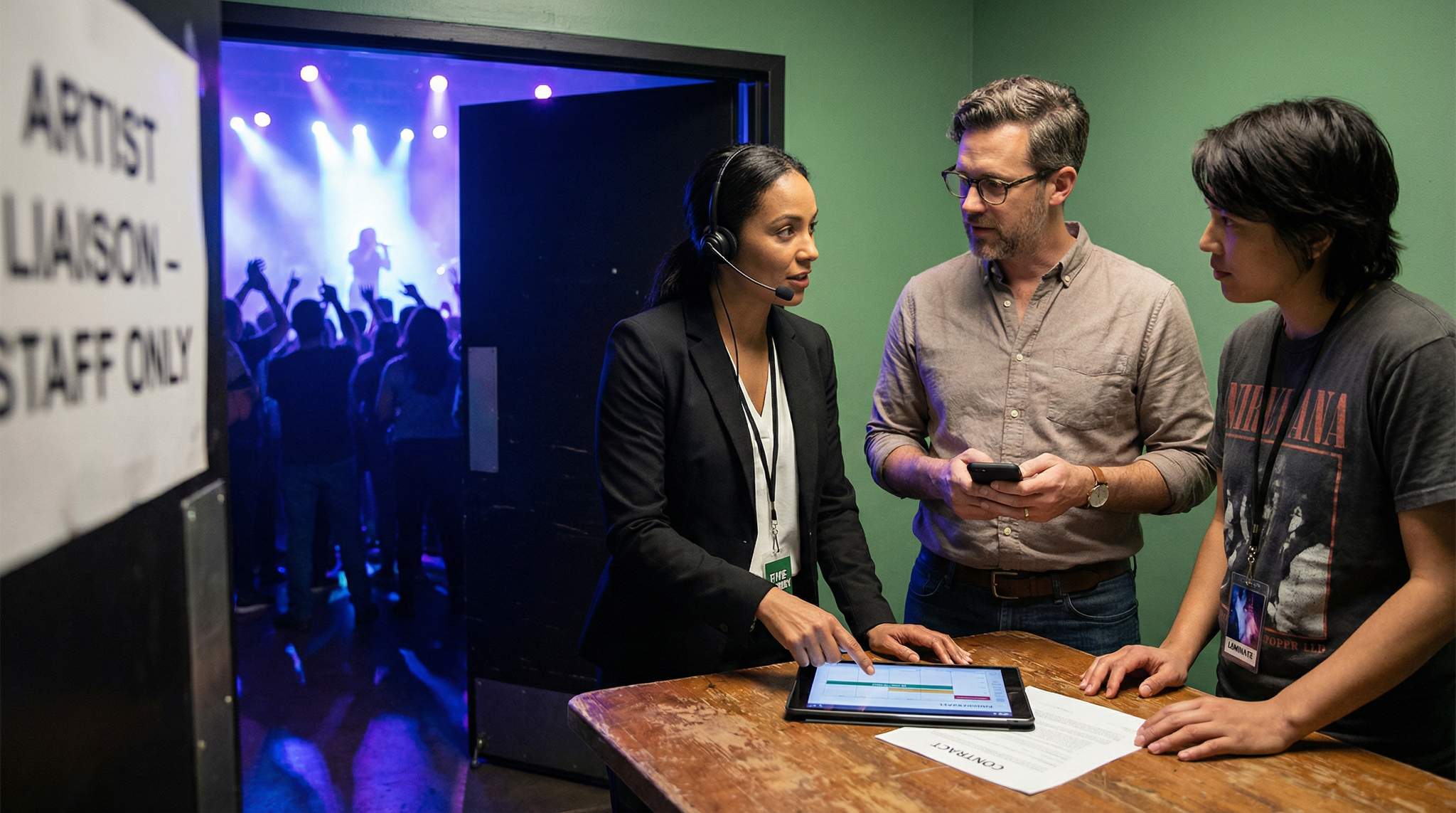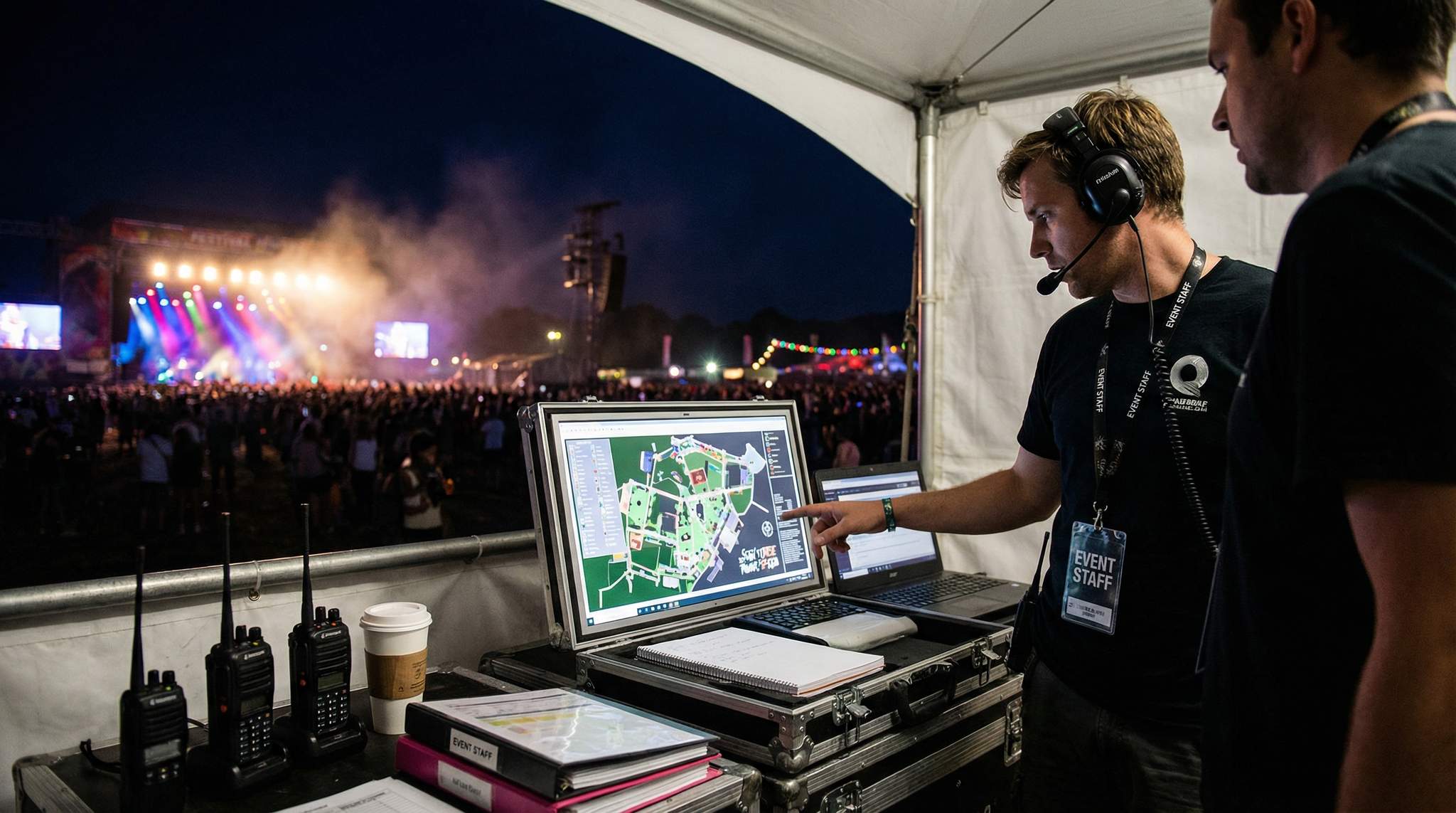
Planning and managing large-scale music events can become overwhelming very quickly, especially if you’re diving in without a clear roadmap. Whether you’re orchestrating a mega-festival in California, a multi-stage EDM extravaganza in Europe, or an intimate cultural event in Asia, the core skills required are universal. In fact, event coordination consistently ranks among the most stressful jobs in the world according to Cvent’s analysis of high-pressure careers. The stakes are high – if critical planning elements slip through the cracks, an event can go off the rails (we all remember cautionary tales like the failed Fyre Festival). Yet with the right skillset and mindset, even first-time music festival planners can deliver safe, thrilling experiences for thousands of fans.
Pro Tip: Attending industry conferences (like ILMC or Pollstar Live) or certification programs by associations such as IFEA can jump-start your expertise. Learning directly from veteran producers and studying real festival case studies arms you with first-hand insights and proven frameworks before you plan your own event.
Event planning know-how isn’t innate – it’s learned through experience, education, and yes, some trial and error. Seasoned music event planners often compare putting on a festival to building a temporary city from scratch. For perspective, Glastonbury Festival 2025 hosted over 210,000 attendees, transforming a farm into one of the UK’s largest cities for a weekend, as noted in AP News coverage of the 2025 event. That kind of scale demands mastery of numerous disciplines. You’ll wear many hats (logistics expert, safety officer, talent wrangler, marketer) and coordinate countless moving parts under pressure. To successfully pull off an unforgettable event, you need to be thoroughly prepared and ready to break big tasks down into manageable pieces. The following are the essential event planning skills and knowledge areas you’ll need to make your music festival dream a reality – do you have what it takes?
Understanding the Basics of Music Event Management
Successful festival production starts with a solid grasp of event management fundamentals. This is more a knowledge base you acquire than a single skill you either have or don’t. Before you begin crafting your own festival, invest time in researching how similar events are run. There’s already a template for core festival components – experienced producers follow established frameworks covering planning stages from initial vision to opening day. Understanding the timeline of tasks (concept development, permitting, talent booking, staging, marketing, ticketing, safety protocols, etc.) is crucial. For example, major festivals typically start planning 12–18 months out, coordinating everything from venue contracts to lineup curation well in advance, a necessity highlighted in Pollstar’s 2025 year-end executive survey. Familiarizing yourself with these “knowns” of festival planning gives you a blueprint to adapt for your own event.
Go Cashless With RFID Technology
Enable contactless payments, faster entry, and real-time spending analytics with RFID wristbands and NFC-enabled ticketing for your events.
When you are actively planning a music festival, this blueprint must translate into a dynamic, living timeline. Music event planning differs from standard corporate or private event coordination because of the sheer scale of public safety, talent logistics, and multi-day infrastructure required. A comprehensive approach to music festival planning means integrating your site design, artist advancing, and marketing rollouts into one cohesive master schedule. By treating the festival as a complex ecosystem rather than a simple party, organizers can anticipate bottlenecks before they threaten the event’s viability.
A critical component of effective music festival planning is dividing the project into distinct operational phases: pre-production, the advance, on-site execution, and post-event wrap. During pre-production, organizers secure municipal permits, finalize site maps, and lock in headliners. The advance phase then shifts focus to fulfilling technical riders, coordinating vendor logistics, and finalizing staff schedules. By segmenting the workload, producers ensure that the massive scope of music event planning remains manageable and that every department hits their milestones long before load-in begins.
Ready to Sell Tickets?
Create professional event pages with built-in payment processing, marketing tools, and real-time analytics.
Being well-versed in industry standards and guidelines is also part of the basics. Top event planners make a point to learn from professional resources – from the International Festivals & Events Association (IFEA) planning guides to safety protocols like the Event Safety Alliance’s recommendations. A modern music event planner should know the essential elements that go into any festival: venue and site design, crowd management plans, technical production requirements, and emergency preparedness. For instance, understanding how to develop a crowd safety plan and an emergency evacuation procedure isn’t optional – it’s foundational. Tragic incidents in recent years (from stage collapses to crowd surges) underscore why having solid safety knowledge is non-negotiable. As one example, Glastonbury’s organizers prioritize safety and sustainability, banning single-use plastics and unsafe materials on site, reflecting how Glastonbury organizers prioritize safety and sustainability. A competent planner appreciates that basics like these are baked into every successful event from the start.
Another key part of “the basics” is having a clear event concept and mission before jumping into logistics. You need to know what experience you’re trying to create and why it will stand out. Many new festivals fail before they even begin precisely because they lack a well-defined vision or niche, a struggle observed where music festivals face fragile economics. (If your event is just a generic copy of others, why will fans or sponsors care?) As a guiding light, ensure you can concisely answer: What makes this event unique and who is it for? Having this clarity from the outset will drive all your planning decisions. In fact, a lack of unique vision is cited as a reason why many new festivals fail before they begin – mastering your concept and target audience is part of the basic toolkit for any aspiring festival planner.
Finally, grounding yourself in event management basics means accepting that flexibility is key. Even the best-laid plans will evolve due to factors beyond your control, from vendor changes to global events. Industry veterans noted that in 2025’s turbulent environment, launching a tour or festival even a year out meant needing to adapt constantly to political shifts, weather events, and economic swings, requiring promoters to navigate a constantly evolving international political landscape. A great planner prepares thoroughly, but also has contingency plans and a mindset ready to pivot on the fly. This combination of knowledge + adaptability forms the sturdy foundation on which all other event planning skills build.
The Mindset of a Professional Music Event Planner
Stepping into the role of a lead music event planner requires a fundamental shift from being a fan of live shows to becoming a master of logistics and risk mitigation. A top-tier professional doesn’t just book talent; they engineer the entire operational framework that makes the show possible. This means cultivating a mindset that anticipates worst-case scenarios—from sudden severe weather to supply chain failures—and building robust contingencies long before the first ticket is sold. For anyone aspiring to build a sustainable career in this space, adopting this proactive, detail-oriented approach is what separates amateur promoters from trusted industry veterans.
Free Tool: Size Your Festival Site
Zoned capacity planning for arena, campsite, parking and entry lanes — against UK Purple Guide and NFPA density standards. Finds your bottleneck zone.
Ultimately, the defining trait of a highly effective festival event planner is the ability to balance creative curation with rigorous operational oversight. While booking a stellar lineup draws the initial crowd, it is the underlying infrastructure—efficient entry gates, accessible water stations, and clear wayfinding—that ensures attendees return year after year. A top-tier festival organizer understands that every logistical decision directly impacts the overall fan experience, making meticulous site planning just as critical as talent acquisition.
Transitioning from Concert Planning to Festival Production
For many promoters, the journey begins with standalone concert planning. Organizing a single-night show at an established venue teaches you the fundamentals of talent buying, ticketing, and basic crowd control. However, scaling up to a multi-day outdoor festival introduces exponential complexity. While standard concert event planning often relies on the venue’s existing infrastructure—such as built-in sound systems, permanent restrooms, and in-house security—festival production requires you to build that infrastructure from the ground up. Mastering the logistics of a single gig is the perfect training ground, but producers must recognize when to upgrade their operational frameworks to handle the demands of a full-scale festival.
Grow Your Events
Leverage referral marketing, social sharing incentives, and audience insights to sell more tickets.
For a dedicated concert event planner, this transition also requires a fundamental shift in risk management. When you operate within four walls, the venue’s existing licenses and security protocols provide a safety net. Moving to a greenfield site means the live music coordinator suddenly becomes responsible for securing temporary structure permits, coordinating heavy machinery load-ins, and managing perimeter security. Developing these advanced site operations skills is what separates a standard gig promoter from a true festival producer.
When focusing specifically on concert event planning, your primary objective is maximizing the efficiency of a single-day or single-night operation. This means mastering tight load-in and load-out schedules, negotiating favorable splits with venue operators, and executing highly targeted local marketing campaigns. Because you are working within the strict constraints of an existing room’s capacity and curfew, operational precision is paramount. A successful concert planner knows how to advance a show flawlessly, ensuring the artist’s technical rider is met without blowing the budget on unnecessary external rentals.
(Need a deeper dive into the fundamentals? You can learn the 11 steps of festival planning and project management used by top producers, and review festival risk management and safety planning secrets to understand core safety protocols every planner should know.)
Event Planning Tips for Musicians Stepping into the Promoter Role
It is increasingly common for artists to take control of their own live shows. If you are looking for event planning tips for musicians transitioning into the role of a promoter, the most critical advice is to separate your creative process from your operational duties. While your artistic vision drives the show, effective music experience planning requires a distinct focus on logistics, budgeting, and marketing. Start small by organizing local showcases, build a reliable team to handle door operations and ticketing, and use these early gigs to master the business side of live events before scaling up to larger festival formats.
Free Tool: Split Tickets for Max Gross
Given capacity and a target price, the optimizer proposes Early Bird / GA / VIP allocations and prices — with projected gross at 100%, 80% and 60% sell-through.
If the operational learning curve feels too steep, partnering with an experienced concert event planner can be a game-changer. A seasoned professional will handle the complex advancing, vendor negotiations, and compliance issues, allowing you to focus on the creative direction and talent curation. Shadowing a skilled show organizer during your initial self-promoted events provides an invaluable masterclass in live music logistics.
To truly elevate your music experience planning, you must consider the entire attendee journey from the moment a fan purchases a ticket to their post-show exit. Curating the right vibe involves much more than just the setlist; it encompasses the lighting design, the flow of the venue, and the clarity of the sound system. By treating the gig as a holistic, immersive environment rather than just a standard performance, you build a loyal local following that will eagerly support your future, larger-scale promotions.
Honing Your Organizational Skills
Once you’ve got the basic knowledge down, being organized is the next skill that will make or break your event. Organization is vital in almost any industry, but it’s absolutely essential for music event planners managing thousands of details. Think of all the moving pieces in a festival: booking dozens of artists, coordinating stage schedules, liaising with vendors, marketing campaigns, ticketing, staff rosters, gear rentals, and more. Without a solid system to keep track of tasks and information, things can spiral into chaos. On the flip side, strong organizational skills act like the glue that holds your entire event plan together and keeps everything running on schedule.
Effective music event planning relies heavily on establishing standard operating procedures (SOPs) early in the process. Whether you are organizing a single-day concert or planning a music festival that spans an entire weekend, documenting your workflows ensures consistency across departments. This level of rigorous preparation allows your core team to scale up rapidly, onboarding seasonal staff and volunteers without losing control of the operational standards you’ve set.
Start with the basics of project management – break the massive endeavor of a festival into separate plans or workstreams for each major area. For example, create a master production timeline covering all departments, and then sub-plans for specific domains like marketing, social media promotions, talent hospitality, site operations, etc. Using clear outlines or checklists for each area gives your workflow structure. It also makes it easier to communicate with your team (everyone can see the plan for the area they own) and ensures critical items don’t slip through the cracks. Seasoned festival managers often use dedicated project management tools (spreadsheets, Gantt charts, or specialized event management software) to map out tasks month by month, week by week, and eventually day by day as the event nears. By chunking the work into organized segments, you can methodically tackle each piece without feeling overwhelmed by the whole.
Staying organized also involves managing information efficiently. This means developing systems for version control on documents, keeping email threads and files neatly labeled, and tracking budgets and contracts in a centralized way. Little habits like maintaining up-to-date contact lists for vendors and a change log for key decisions can save you from headaches later. Many experienced planners create an “event bible” – a binder or digital folder containing all vital documents: permits, vendor contacts, site maps, schedules, emergency contacts, etc. This master reference, updated continuously, ensures you and your team can quickly find any info you need when time is of the essence. It’s all about structure: when everything has its place, you can work more quickly and spot what’s missing.
Free Tool: Model Promoter Payouts
Flat-percentage, flat-per-ticket, or tiered-bonus commission structures — get per-promoter payouts and total commission as % of gross. Free calculator.
And don’t underestimate the value of technology in staying organized. In 2025, planners have access to a range of event tech tools to automate and simplify coordination. For example, project management apps like Asana or Trello can track task assignments and deadlines. Collaborative cloud documents let multiple team members update schedules or share progress in real time. Having an event ticketing platform that helps you easily access audience data, manage finances, and keep in touch with attendees’ preferences also adds a layer of structure to your workflow. Using integrated platforms like Ticket Fairy’s all-in-one solution can centralize everything from ticket sales to email communications and even on-site entry management, reducing manual data juggling. Embracing these tools is practically a must—leading festivals are even leveraging AI-driven software for scheduling and inventory management to minimize human error.

Image by Freepik
In short, organizational skills boil down to creating order out of potential chaos. Color-code your spreadsheets, label your folders clearly, and outline everything. This level of detail-oriented planning may sound tedious, but it’s what enables incredible festivals to run like clockwork. By honing your organizational abilities, you set the stage (pun intended) for a smooth production where each element of the event is accounted for and executed on time. It’s no coincidence that behind every show that looks effortless, there’s an extremely organized producer pulling the strings.
Furthermore, managing your event accreditation can be complex and time-consuming, especially when dealing with hundreds of artists, crew members, and VIPs. However, with the right dedicated platform, the process becomes streamlined and efficient. Utilizing advanced accreditation tools ensures that backstage access is strictly controlled, credentials are issued swiftly, and security teams have real-time data to verify passes, ultimately reducing bottlenecks at staff check-in points.
As your music experience planning evolves from single-stage setups to multi-day environments, your organizational frameworks must scale accordingly. Implementing centralized communication dashboards and real-time incident reporting tools allows your command center to monitor crowd flow, weather updates, and stage schedules simultaneously. This bird’s-eye view is what separates amateur coordination from professional music festival planning, ensuring that even when unexpected challenges arise, your core team can respond with precision.
An often-overlooked aspect of music event planning is the strategy behind capturing the experience. The relationship between meticulous preparation and the final result in music documentation—such as official aftermovies, press photos, and sponsor recaps—is direct and undeniable. Recognizing the importance of the planning stage in music documentation ensures your media team knows exactly where to be during key moments, stage lighting cues, or specific brand activations. By organizing a detailed shot list and media brief well before gates open, you guarantee high-quality visual assets that are essential for marketing future editions and proving ROI to your partners.
Collect Any Attendee Data at Checkout
Add custom registration fields to your checkout — dietary needs, t-shirt sizes, company names, and more. Conditional logic and per-ticket-type fields.
When outlining the specific aspects to consider in music documentation planning, a professional festival event planner must prioritize several key logistical elements. First, establish clear usage rights and licensing agreements with all videographers and photographers before they step on site. Second, map out a comprehensive coverage schedule that aligns with peak crowd energy, golden hour lighting, and headline performances. Finally, ensure your media team has dedicated backstage access, secure gear storage, and reliable internet for real-time social media uploads. Addressing these operational aspects during the pre-production phase guarantees that your promotional assets will be delivered flawlessly.
For a dedicated music event planner, mastering these organizational frameworks is an ongoing process. As your portfolio grows from local club nights to regional outdoor festivals, the complexity of your vendor contracts, artist riders, and municipal permits will multiply. Investing time in learning advanced project management methodologies—such as Agile or Critical Path Method (CPM)—can give you a significant edge. By treating every production as a highly structured project, you ensure that your team remains aligned and that critical deadlines are never missed, regardless of the event’s scale.
Identifying Goals and Budgets
Every successful event starts with clearly defined goals and objectives – and the budgetary savvy to support them. The ability to identify your goals and create a realistic budget might sound simple, but in practice these skills require strategic thinking and foresight. Let’s break it down into two parts:
Defining Clear Goals
Setting crystal-clear goals is easier said than done. It requires digging deep into the expectations of your stakeholders – the festival’s founders or clients, sponsors, and especially your target audience. Your goals should answer questions like: What experience or value will this event deliver? What does success look like in measurable terms? For a music festival, goals might include a target attendance number (e.g. “10,000 attendees over three days”), a financial goal (like a desired profit or at least breaking even), and qualitative goals (such as high attendee satisfaction or strong social media buzz). Take the time to articulate these aims early, because your goals become the north star guiding all planning decisions.
Understanding your audience is central to goal-setting. An event aimed at indie rock fans in their early 20s will have very different goals and programming than one for seasoned jazz aficionados, for example. Many events stumble by trying to be “everything to everyone” – a pitfall noted in our guide on what most festivals get wrong about audience targeting. Instead, define the niche or community you’re serving. Is your festival about showcasing local New Zealand bands to a regional crowd? Or bringing top international DJs to a South East Asian metropolis? Zero in on your unique value proposition. This clarity will inform everything from the lineup and branding to your marketing strategy and partnerships. Importantly, set goals that align with that vision – for instance, a goal might be “Achieve a 90% satisfaction rate in attendee surveys by curating a lineup that aligns perfectly with the psytrance community’s tastes.”
Once you have broad goals, refine them into specific objectives and key results (OKRs) or key performance indicators (KPIs). For example, if your goal is to provide an unforgettable fan experience, a KPI might be X% of attendees post positively on social media or sell at least Y early-bird tickets through fan club pre-sales. Having concrete targets like these allows you to measure success post-event and keeps your planning focused. And don’t forget internal goals too – perhaps one goal is to establish 5 new corporate sponsor relationships or run the festival with zero safety incidents. The process of identifying goals is essentially about painting a detailed picture of success so you and your team know what you’re aiming for.
No Hidden Fees, Just Honest Pricing
One all-inclusive fee covers the platform, payment processing, support, and every feature. Free events are always free. No setup costs, no surprises.
As you align these goals with your broader strategy for planning a music festival, you will inevitably focus on how to attract your crowd. Organizers sometimes debate the core driver of a successful campaign—is it the pricing, the location, or the timing? While all play a role, the most important element in promoting a music show is effectively spreading information to your target audience. A well-crafted marketing rollout that distributes your event’s unique value proposition across the right channels ensures that your carefully planned goals translate into actual ticket sales and a packed dancefloor.
Mastering Event Budgeting
If goals are your vision, budgeting is the hard dose of reality that ensures your vision is feasible. A budget is more than just a spreadsheet of numbers – it’s a strategic plan that reflects your event’s priorities and resource limits. Developing the skill to craft and manage a budget means understanding how to allocate funds wisely, control costs, and maximize value for every dollar (or euro, pound, etc.) spent.
Start by mapping out all potential expenses and revenue streams. Typical festival expense categories include: artist fees, staging and production (sound, lighting, visuals), venue or site rental, permits and insurance, marketing/promotion, staff and security, accommodations and hospitality, and so on. Don’t forget less obvious costs like sanitation, power generators, contingency for weather supplies (ponchos, tents), and post-event cleanup. On the revenue side, estimate income from ticket sales at various price tiers, merchandise sales, food and beverage concessions (or vendor fees), and sponsorships. Aim to diversify your revenue – the most sustainable festivals supplement ticket income with robust sponsorship deals, year-round merch, VIP upgrades, and other creative offerings.
Next, get granular with the numbers. Research cost benchmarks: What are the typical talent fees for the caliber of artists you’re targeting? How much will staging a secondary EDM stage cost versus an acoustic coffeehouse stage? Industry reports in 2025 note that artist performance fees have skyrocketed – up 30–40% since 2020 in some regions according to Le Monde’s report on festival economics – so you may need to adjust your expectations accordingly. Likewise, inflation is driving up costs for logistics, labor, and insurance. A recent study in France found two-thirds of music festivals ran a deficit despite strong attendance, with soaring artist fees and operations costs to blame. Knowing these trends helps you budget realistically. It’s better to err on the side of overestimating costs and underestimating revenues, then work creatively to improve the margins.
One effective technique is to allocate your budget by percentage categories. Determine what portion of total funds you’re willing to devote to each area based on importance. For example, many festivals spend a large chunk on talent, while others might invest more in production to create a wow-factor experience. Here’s an illustrative breakdown of a hypothetical festival budget:
| Budget Category | Typical Share of Budget | Notes (Example for a Mid-sized Festival) |
|---|---|---|
| Talent (Artist Fees) | ~40% of budget | Headliner and artist fees, contracts, travel, hospitality. |
| Production (Staging & AV) | ~20% | Stages, sound systems, lighting, video walls, special effects. |
| Operations & Staffing | ~15% | Crew wages, security, medical staff, insurance, permits. |
| Marketing & Promotion | ~10% | Advertising, PR, social media campaigns, influencer partnerships. |
| Venue & Infrastructure | ~10% | Venue rental or site prep, generators, fencing, sanitation facilities. |
| Contingency Fund | ~5% (minimum) | Reserve for unexpected costs (weather delays, equipment failure, etc.). |
Table: Example breakdown of budget allocation for a music festival. Actual percentages vary by event type and priorities.
This kind of breakdown helps you visualize where most of your money will go and ensures critical areas are adequately funded. It also highlights that you must leave a contingency reserve – typically 5-15% of the budget – for the unexpected. (If you don’t budget a safety net, a surprise expense will put you in the red.)
Sticking to a budget requires discipline and agility. Throughout the planning process, you should constantly revisit your budget to track spending and adjust as needed. If, say, your desired headliner ends up costing 20% more than expected, you might compensate by finding a secondary stage sponsor to offset production costs, or by reducing expenditure on less critical items. This is where negotiation skills come in handy too – savvy planners negotiate better rates with vendors and artists whenever possible. Building a festival on budget is possible, but it demands vigilance and creative problem-solving.
Warning: Underestimating costs or banking on overly optimistic ticket sales can derail your festival before it opens. Always pad your budget with a contingency and plan for the worst-case scenario (e.g., 10% lower ticket sales or a major last-minute cost). It’s far easier to scale up if things go well than to scramble for funds if you’re short.
Finally, let data drive your budgeting decisions. Track every quote and expense, and after the event, analyze where your money went and which investments brought returns. The more experience you gain, the better you’ll get at forecasting costs and revenues. Over time, you’ll develop an intuitive sense – almost like a sixth sense – for aligning event goals with financial reality. That is the hallmark of a planner who truly has what it takes.
(For more on getting the money right, read about what 90% of festivals get wrong about budgeting. It offers eye-opening insight into common financial pitfalls and how experienced producers budget smartly. You can also explore case studies of events that turned financial challenges around in the Ticket Fairy blog archives.)
Communication and Networking
Planning a music event is not a one-person show – it’s an exercise in extensive collaboration. That’s why strong communication and networking abilities are absolute must-haves in your skillset. This encompasses everything from how effectively you coordinate your internal team to how well you build relationships across the industry.
Communication & Team Coordination
Clear, consistent communication is the glue that keeps an event team united and efficient. As an event planner, you’ll be communicating with a wide array of people: co-producers, stage managers, artists and their agents, marketing teams, vendors, venue officials, and more. Your job is to ensure everyone involved in the event understands the plan, their responsibilities, and the updates when things change. Miscommunication or information silos can lead to costly errors – imagine a soundcheck schedule not being passed to the audio crew, or a catering vendor not being told about a location change. The fallout can range from minor inconveniences to show-stopping crises.
To communicate effectively, develop a habit of over-communicating the right information through the right channels. In the lead-up planning phase, this might mean regular team meetings or conference calls, detailed email briefs, and shared documents that all stakeholders can reference. Many teams establish a weekly all-hands call and daily check-ins during the final countdown week before the festival. On show days or during the event weekend, communication ramps up into real-time mode. Two-way radios/headsets are classic tools on festival sites – with designated channels for different teams (security, production, medical, etc.) – so that the right people can coordinate instantly without cross-talk. These days, some festivals also use encrypted messaging apps or dedicated event ops software for instantaneous updates. The key is to ensure no one is left in the dark. If a thunderstorm is 15 minutes out and you need to pause the show, your entire crew from stage hands to parking attendants should know ASAP via a clearly defined communication protocol.
Pro Tip: Establish a single primary communication channel for urgent updates during the event. For example, set up a WhatsApp or Slack group (or use a radio channel) that includes all department heads. This way, if any critical issue arises (weather alert, first-aid emergency, etc.), you can broadcast one message in the group and know it will reach the key people instantly. Centralizing crucial communications prevents confusion and ensures a coordinated response when it matters most.
Also remember that communication is a two-way street. A great event leader doesn’t just give directions; they also listen. Encourage your team members and vendors to voice concerns or ideas and take them seriously. Front-line staff like volunteer coordinators or security leads might spot potential issues (like crowd bottlenecks or an artist’s special need) that you hadn’t considered. By creating an environment where people feel comfortable flagging problems and proposing solutions, you’ll catch small issues before they become big headaches. Open, respectful communication builds trust, which is the bedrock of a team that can perform under the intense pressure of a live event.
Building Your Network of Industry Connections
Hand-in-hand with communication is the art of networking – the ability to cultivate strong relationships within the industry. Music festivals rely on a vast network of partners and contacts: venues, city officials, staging and lighting vendors, ticketing providers, artists’ agents, promoters, sponsors, media partners, and more. The broader and stronger your network, the more resources and goodwill you can tap into to make your event a success.
Start by connecting with peers and mentors in the festivals and events world. Join professional associations (like the International Live Events Association or regional festival industry groups) and attend networking events or workshops. Introduce yourself to other festival organizers – you’d be surprised how often festival pros help each other out. (For instance, if another producer knows you and likes your vision, they might tip you off to a great up-and-coming band or lend you staging equipment in a pinch.) Building a reputation as someone who is reliable, friendly, and fair in business dealings will open many doors. The live events world is tight-knit; word travels fast, and opportunities often arise from who you know and the impression you’ve made.
Having a strong vendor and supplier network is also huge. Work on developing go-to relationships with trusted vendors for key needs like audio-visual, staging, tenting, and catering. If you treat vendors well (pay on time, communicate clearly, provide them recognition), they’ll go the extra mile for you. The same goes for local authorities and venues: establish yourself as a responsible organizer who prioritizes safety and community impact, and it becomes easier to get permits approved and secure the best venues or city services. Essentially, your network becomes your safety net – when an unexpected challenge pops up, you’ll know exactly who to call for help or advice.
Don’t overlook the importance of sponsors and partners in your network as well. Networking isn’t just about operational needs; it’s also key to funding and amplifying your festival. Developing strong relationships with potential sponsors can lead to crucial financial backing or in-kind support (like a beer brand providing a sponsorship that covers your bar infrastructure, for example). Cultivate those partnerships by understanding what sponsors want and delivering value for them. See our guide on festival sponsorship strategies and the insider playbook for tips on crafting irresistible packages and partnerships. Successful event planners are often great salespeople and negotiators too – they know how to pitch their festival’s value to brands, media, and talent.
Finally, networking extends to building a solid team of staff and volunteers who will support your vision. Assembling a trustworthy crew is one of the most important parts of your job – you want people with the right expertise (production managers, marketing leads, volunteer coordinators, etc.) and the right attitude. Often, this starts with your personal network, asking industry colleagues for recommendations or rehiring folks you’ve worked with before. In the current climate, many festivals face staffing shortages, so creative recruitment and great team culture matter. For example, innovative recruitment and retention strategies are helping festivals address crew shortages in 2026 by tapping new labor pools and improving working conditions. When you find rockstar team members, invest in those relationships – they are worth their weight in gold. A loyal, experienced core team will make your life much easier on event day.
In summary, communication and networking skills will amplify all your other event planning abilities. By clearly communicating, you ensure your plans are executed smoothly by the whole team. By networking and forging strong relationships, you create a support system and pool of opportunities that you can draw on to elevate your event. Together, these human-centric skills ensure you’re not planning your festival in a silo, but rather with a whole community behind you.
Bringing in Creative and Unique Perspectives
In a crowded festival market, creativity is the X-factor that makes your event stand out from the pack. Thousands of music events take place globally each year; the ones that stick in fans’ memories tend to offer something new, unique, or daring. As an event planner, you need the skill of bringing creative, unique perspectives into every aspect of your event design. This isn’t just about flashy aesthetics (though stage design and art can be spectacular); it’s also about the concept, theme, curation, and guest experience that only your event can deliver.
Start by infusing creativity at the conceptual level. Earlier we discussed having a clear vision – now it’s about making sure that vision is distinctive. Ask yourself: what will make attendees go “Wow, I’ve never quite experienced that at a festival before”? It could be a unique theme or cultural angle. For example, maybe your event highlights a fusion of electronic music and traditional Asian instruments, or it’s set in a surreal location (like an underground cave or a historic castle) providing an unforgettable atmosphere. Some of the most successful new festivals in recent years have tapped into niche communities or novel themes – there are festivals dedicated entirely to video game music, yacht rock, K-Pop fan culture, even an underwater music festival in the Florida Keys. Niche doesn’t mean small; in fact, roughly 32 million people attend niche/specialized festivals each year according to industry analysis. This proves that if you offer a unique vibe or focus, fans will flock to it, provided it’s executed well. For inspiration, see why 32 million people flock to niche festivals, which explores how specialized events captivate devoted audiences.
Being creative also extends to your festival programming and design. Curation is an art: a creative planner doesn’t just book the hottest chart-toppers and call it a day; they craft a lineup or schedule that tells a story and creates an immersive journey for attendees. This might mean blending genres in an unexpected way, or complementing the music with other experiences like interactive art installations, workshops, comedy tents, wellness activities – anything that adds depth and uniqueness. Think outside the box: Maybe you incorporate local culture prominently (traditional dancers opening the show, or local culinary showcases), or you stage a dramatic surprise moment (like a secret guest performance or a firework display synced to the closing song). The goal is to create magical, one-of-a-kind moments people can only get at your event.
Another aspect of creativity is embracing innovation in how you deliver the experience. Technology is offering new creative tools for event producers. Augmented reality (AR) filters, immersive audio zones, holographic light shows – these can all be leveraged to wow your crowd, if they fit your festival’s personality. However, any tech or innovation should serve the experience, not distract from it. As many top festival producers stress regarding innovation, it’s vital to innovate without losing the human touch or the festival’s soul. In practice, this means use tech and novel ideas to amplify the fun (like a festival app that leads attendees on a treasure hunt for prizes), but ensure it complements the music and community rather than overshadowing it.
Ultimately, creativity in event planning is about seeing possibilities where others see routine. It’s having the mindset that every element of your festival is an opportunity to delight and surprise. Veteran producers often advise finding “your festival’s signature” – that could be a quirky annual tradition (like Burning Man’s giant wooden effigy burn, or Tomorrowland’s fairy-tale stage designs), a commitment to sustainability (100% renewable energy festival, zero-waste food courts), or an ultra-personal touch (e.g., hand-written welcome notes from the organizers at boutique camping festivals). These creative choices become talking points that generate buzz and loyal fan followings. They also give you as the planner a chance to put your personal stamp and passion into the event, which is often what’s most rewarding.
If creativity doesn’t come naturally to you, don’t worry – it can be developed. Expose yourself to lots of different events and inspirations: attend other festivals, arts shows, tech expos; see what’s out there and what triggers your excitement. Build a diverse team that can bring fresh ideas (maybe that stage designer has a cool idea from the art world, or your marketing intern is in touch with the latest TikTok trends for engagement). Encourage brainstorming sessions. Sometimes the wildest ideas, when toned down just enough to be practical, become a festival’s defining feature. In the end, pairing solid planning with creative vision is what results in an event that’s not just logistically sound, but also truly memorable for everyone involved.
(For further reading on infusing creativity and unique value into your event, you might enjoy learning how boutique festivals create big magic on small budgets or exploring the intricacies of producing K-Pop festivals for global fan armies for insights into tailoring events to a passionate fan culture. These examples illustrate the power of a creative approach in different contexts.)
Being a Multitasker
The phrase “wearing many hats” truly defines the life of an event planner. At any given moment in the planning cycle, and especially during the festival itself, you’ll be juggling numerous responsibilities. Being an effective multitasker doesn’t mean doing everything yourself all the time – it means being able to switch gears fluidly, manage parallel workstreams, and ensure all the disparate elements of the event come together seamlessly. It’s about keeping multiple plates spinning without dropping any, and knowing how to prioritize on the fly.
During the planning months, multitasking might look like this: in a single day you could be negotiating a contract with an equipment supplier, reviewing stage layout designs, responding to attendee inquiries on social media, and jumping into a marketing meeting about poster designs. And on show day, the pace only accelerates. One minute you’re coordinating a delayed artist’s airport pickup, the next you’re approving a last-minute change in the lighting cue for the headline set, all while fielding radio calls about a minor first-aid incident in the camping area. To handle this, you need mental agility, excellent time management, and a cool head under pressure. It’s no coincidence that many event professionals come from backgrounds in hospitality or theatre production – fields where multitasking is second nature.
Seasoned festival directors often note that you must be prepared to fill many roles simultaneously. As one veteran planner quipped in an article on why event coordination is one of the most stressful jobs, “On any given day I’m an accountant, a health and safety manager, a catering supervisor, a PR spokesperson, and a dozen other jobs.” That diversity of tasks is part of what makes the work exciting – but it also tests your limits. To succeed, develop systems to keep yourself organized (as discussed earlier) and practice good time management. This could mean using calendars and reminders diligently, blocking off hours for focused work on critical tasks, and knowing when to delegate. Prioritization is vital: identify which tasks are urgent vs. important, and tackle them in order. Many pros swear by techniques like the Eisenhower Matrix or time-blocking to structure their multitasking effectively.
A crucial sub-skill here is adaptability. No matter how perfect your planning, live events will throw curveballs. The ability to pivot quickly and adjust your plans is part of multitasking too. In 2025, festival planners have had to be more nimble than ever – one industry executive noted that launching any event even months in advance requires bracing for changes in venue availability, price surges, even political or weather disruptions, and then “being nimble and flexible” with things like venue changes or creative cost-cutting on the fly, a sentiment echoed by executives in Pollstar’s 2025 year-end survey. In practice, this means you should always have a Plan B (and C) ready. If the main stage generator fails, do you have a backup? If one headliner cancels last-minute, can another act extend their set or can you quickly adjust the schedule? By mentally rehearsing these scenarios and having contingency plans, you’ll be able to multitask the solutions when problems occur, rather than being paralyzed by them.
However, being a multitasker doesn’t mean doing everything alone. In fact, a hallmark of an expert planner is knowing how to delegate and rely on a competent team – so you can focus on the big picture. You might be capable of handling a lot, but trying to personally micromanage every detail of a large festival is a recipe for burnout and oversight. Instead, train and empower your team leads to make decisions within their domain. For example, have a stage manager who can autonomously run all stage logistics, a vendor coordinator who deals with food stalls, a volunteer manager who directs the volunteer crew, etc. Set up a chain of command and trust your people to execute. You’ll still oversee everything, but you won’t be bogged down in every minor task. This way you can multitask effectively by shifting between overseeing different departments, rather than doing all their work yourself.
Warning: If you try to personally do every little task, you’ll quickly hit a wall. Burnout is a real risk in event planning. To avoid it, build a team you trust and delegate responsibilities. Focus on where your attention is truly needed (e.g., critical decisions, real-time problem-solving) and let qualified team members handle the rest. Not only will this save your sanity, it will empower your staff and create a more sustainable workflow.
One smart way to lighten the load is to leverage automation and technology to handle repetitive tasks. Many festivals in 2025–2026 are turning to innovations like self-serve ticket kiosks, RFID wristbands for cashless payments, and AI-driven chatbots for attendee FAQs, according to Cvent’s event statistics. By using modern event tech solutions, you reduce the manpower needed for routine operations and free up your human team to concentrate on tasks that truly require a personal touch. For example, some 2026 festivals are using automation to fill labor gaps, deploying tools like automated check-in gates and inventory-management drones when staff is scarce. As an event planner, part of multitasking is smart task management – knowing what to do personally, what to assign to someone else, and what to streamline through technology or process improvements.
In essence, being a multitasker in event planning comes down to handling complexity with composure. You need the ability to keep all the different components of the event in view, like a conductor overseeing a many-piece orchestra. When done right, the audience hears a beautiful symphony and has no idea how much coordination and quick thinking it took behind the scenes. If you thrive in a fast-paced environment and can juggle tasks while staying cool under pressure, you’re well on your way. And if it feels overwhelming at times, remember: even the pros were once running their first event, learning how to deal with the chaos. With each project, your capacity to multitask and manage chaos will grow.
Do You Have What It Takes?
After exploring all these skills – from mastering the fundamentals and staying organized, to excelling at communication, budgeting, creativity, and multitasking – it’s time for some honest reflection. Do you have what it takes to be a music event planner? The truth is, successful event planners come from many backgrounds and personality types. Some are meticulous spreadsheet wizards, others are big-picture creative visionaries (and the best are a bit of both). What unites those who thrive is a passion for live events, resilience under stress, and a commitment to continual learning and improvement.
If you’re reading this and realize you have some gaps in your skillset, that’s perfectly okay. All of the abilities discussed can be developed over time. Many of the best planners learned by starting small – volunteering at local events, apprenticing under experienced producers, or handling one aspect of an event and gradually taking on more. Every festival or concert you work on teaches you something new (often through challenges or mistakes) that makes you better for the next one. So if you’re determined, use that as fuel to gain experience and seek knowledge. In this industry, experience is truly the best teacher. Over time you’ll accumulate the kind of intuition and savvy that no textbook can fully impart – like knowing how a crowd might react in a scenario, or how to read the weather for an outdoor show, or the best way to calm an anxious artist. These are the marks of someone with hard-earned experience that enhance your expertise, authority, and trustworthiness in the field.
One thing is certain: pulling off a successful music event or festival is one of the most challenging yet rewarding jobs out there. When you see the crowd cheering, the lights blazing on the stage, and you feel that electric atmosphere knowing you helped create this moment – it’s an adrenaline rush and a fulfillment like no other. To reach that point, you’ll have overcome stress, solved countless problems, and applied all the skills we outlined. And that’s the thrill of it. If you have or develop these event planning skills, you’ll not only be able to handle the job – you’ll excel and perhaps even enjoy the wild ride it takes you on.
So, do you have what it takes? With preparation, practice, and passion – yes, you can absolutely do this. Hone these core skills, stay humble but confident, and keep learning from every experience. The music festival industry in 2025 and beyond is ripe with opportunity for those equipped to navigate its challenges. Now that you know what’s required, you’re one step closer to planning the music events of your dreams and delivering those unforgettable experiences to attendees. Good luck, and happy planning!
Frequently Asked Questions
What are the essential skills for music event planning?
Successful music event planning requires mastering fundamentals like site design and safety protocols, alongside strong organizational skills to manage complex timelines. Planners must also possess financial savvy for budgeting, effective communication for team coordination, and the creativity to craft unique attendee experiences while multitasking under pressure.
How far in advance should I start planning a music festival?
Major music festivals typically begin the planning process 12 to 18 months before the event date. This long lead time is necessary to coordinate critical elements like venue contracts, lineup curation, and permitting. Early preparation allows organizers to navigate challenges like evolving political landscapes and economic shifts effectively.
How should I allocate a music festival budget?
A strategic festival budget often allocates approximately 40% of funds to talent and artist fees, with another 20% dedicated to production elements like staging and AV. Operations and staffing typically require 15%, while marketing and venue costs take about 10% each. Always reserve a 5-15% contingency fund for unexpected expenses.
What is an event bible in festival management?
An event bible is a centralized master reference, either physical or digital, containing every vital document needed for the festival. This includes permits, vendor contracts, site maps, schedules, and emergency contact lists. Maintaining this up-to-date resource ensures the entire team can instantly access critical information, preventing chaos when time is of the essence.
Why is defining a unique niche important for new music festivals?
Defining a unique niche is crucial because generic festivals often fail due to a lack of distinct vision. Specialized events attract devoted audiences, with roughly 32 million people attending niche festivals annually. A clear concept helps organizers target specific communities, such as indie rock fans or electronic music enthusiasts, ensuring the event offers a distinct value proposition.
What are the core safety requirements for music events?
Modern music event planners must establish foundational safety protocols, including comprehensive crowd management plans and emergency evacuation procedures. Understanding these elements is non-negotiable to prevent incidents like stage collapses or crowd surges. Organizers should consult professional resources like the Event Safety Alliance to ensure all risk management standards are met.
Why is the planning stage important for music event documentation?
The planning stage is critical for music event documentation because it directly dictates the quality of your final marketing assets. By creating a detailed shot list and briefing your photo and video teams on key festival moments, sponsor activations, and lighting cues, you ensure the final result captures the true essence of the event for future promotion.
What is the most important aspect of promoting a live music show?
While securing a great venue and setting the right ticket prices are vital, the most important aspect of promoting a music show is effectively spreading information to your target audience. A strategic marketing plan that communicates your lineup and unique experience directly to the right demographic is what ultimately drives conversions and attendance.
What makes music event planning different from other types of event management?
Music event planning involves unique complexities such as multi-stage talent coordination, large-scale crowd control, complex audio-visual production, and rigorous permitting requirements. Unlike standard corporate events, planning a music festival requires building temporary infrastructure that functions like a small city, demanding specialized expertise in risk management and site operations.
What is the difference between concert planning and festival production?
While concert planning typically focuses on a single-night event utilizing an existing venue’s infrastructure, festival production requires building a temporary site from scratch. Concert event planning teaches core skills like talent buying and ticketing, but festivals demand advanced logistics for multi-day outdoor staging, extensive crowd management, and comprehensive site design.
What skills are needed to be a music festival organizer?
To be a successful music festival organizer, you need a blend of logistical expertise, financial acumen, and creative vision. Essential skills include project management to coordinate complex timelines, budgeting to manage soaring artist fees and production costs, and strong communication to align diverse teams. Additionally, adaptability and crisis management are crucial for navigating unexpected challenges like weather disruptions or vendor cancellations.
How can organizers improve their music experience planning?
Improving music experience planning requires looking beyond the stage performance to curate the entire attendee journey. Organizers should focus on seamless ticketing, efficient entry processes, immersive venue lighting, high-quality audio production, and engaging brand activations. By prioritizing attendee comfort and sensory engagement, promoters can transform a standard gig into a highly memorable event.
What are the most common pitfalls in music festival planning?
One of the most frequent pitfalls in music festival planning is underestimating the required lead time for municipal permits and safety approvals. Additionally, organizers often fail to scale their infrastructure—such as sanitation, power generation, and crowd control barriers—to match their actual ticket sales. Successful music event planning requires building a robust contingency budget and establishing clear standard operating procedures (SOPs) to handle these logistical hurdles seamlessly.
What are the primary responsibilities of a concert event planner?
A concert event planner is responsible for the end-to-end execution of a live music show. Their duties include talent buying, negotiating venue contracts, managing the production budget, advancing technical riders, and coordinating marketing rollouts. Unlike festival producers who build temporary infrastructure, a concert event planner typically focuses on maximizing the efficiency and profitability of single-night events within established venues.
How do you build a career as a professional music event planner?
Building a career as a professional music event planner typically starts with hands-on experience in specific departments, such as site operations, ticketing, or artist advancing. Many successful producers begin by shadowing established promoters or working at established venues before launching their own independent shows. Continuous education in risk management, budgeting, and crowd safety is essential for scaling up to larger festival productions.
What aspects should be considered in music documentation planning?
A comprehensive music documentation plan must address several critical aspects: securing media licensing and usage rights, creating a detailed shot list aligned with the stage schedule, and coordinating logistical support for the media team. A professional festival event planner will also ensure photographers have designated stage pit access, secure gear storage, and clear briefs on capturing sponsor activations and crowd engagement.