

From Zero Waste to $300M: How Sustainable Festivals Transform Communities
Discover how sustainable festival practices can boost local economies, win community support, and make your event a force for good.
Sustainability and Community Impact Overview
Discover how sustainable festival practices can boost local economies, win community support, and make your event a force for good.
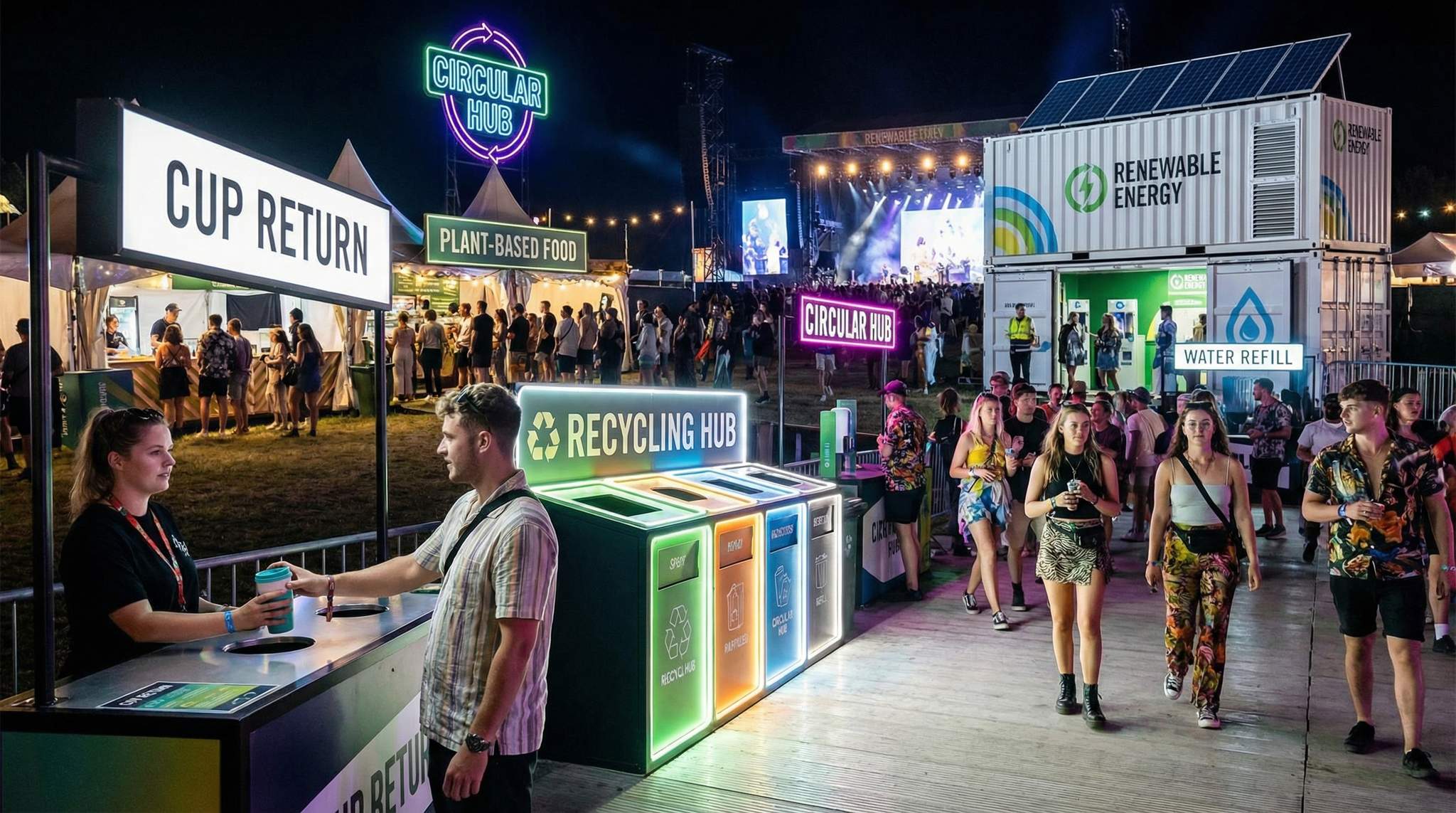
Introduction In the world of festival production, few events exemplify the journey toward sustainability as vividly as DGTL Festival in Amsterdam. What began as an electronic music event in 2013 with a mindful ethos has evolved into a pioneer of green festival practices. Over the years, DGTL set an ambitious goal to become the first
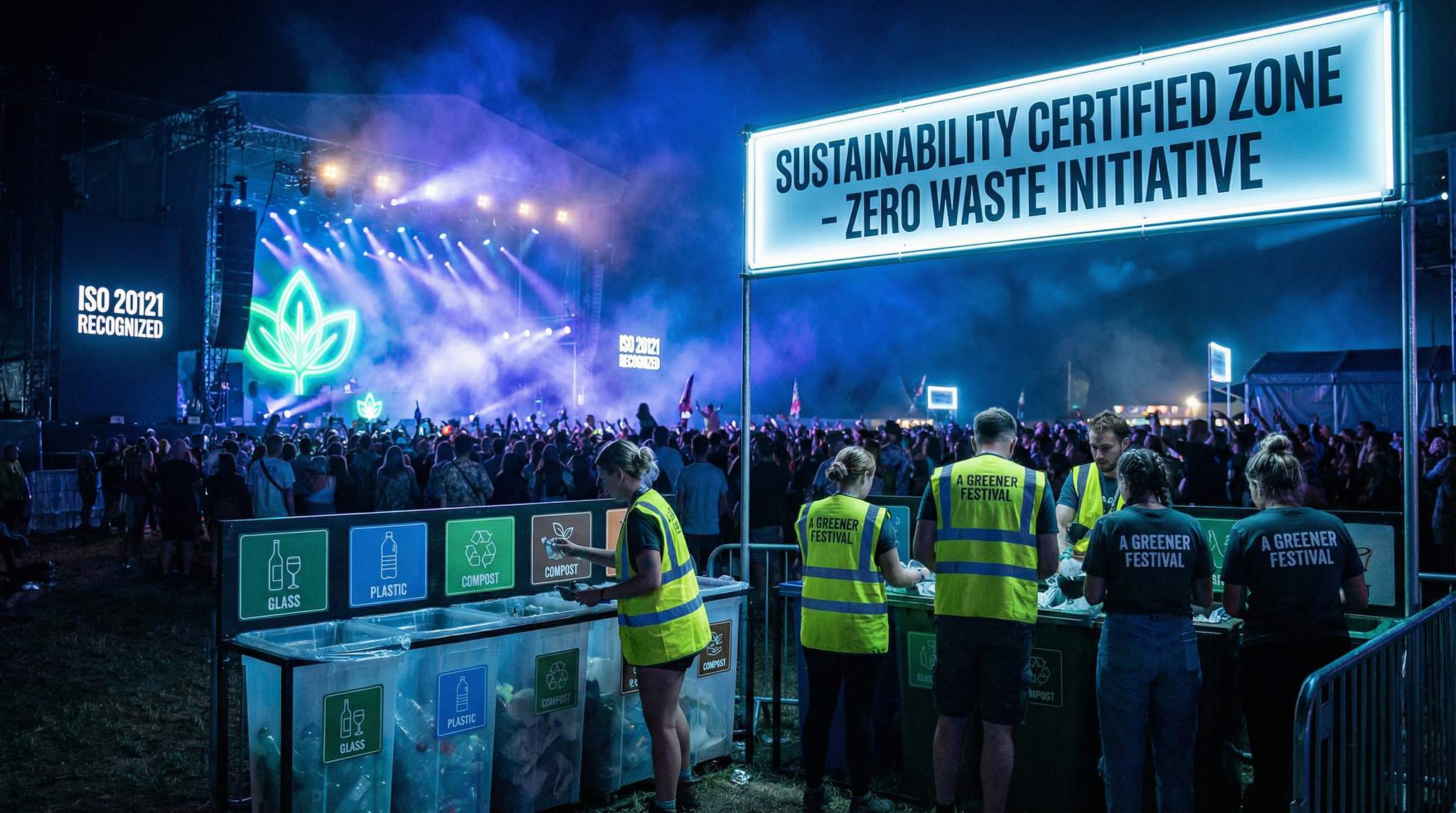
Modern festival organizers face a challenge and an opportunity: how to reduce environmental impact while still delivering unforgettable experiences. One proven strategy for pushing boundaries in sustainable practices is to aim for recognized awards and certifications in event sustainability. These accolades – from global certifications like ISO 20121 to industry awards such as the A

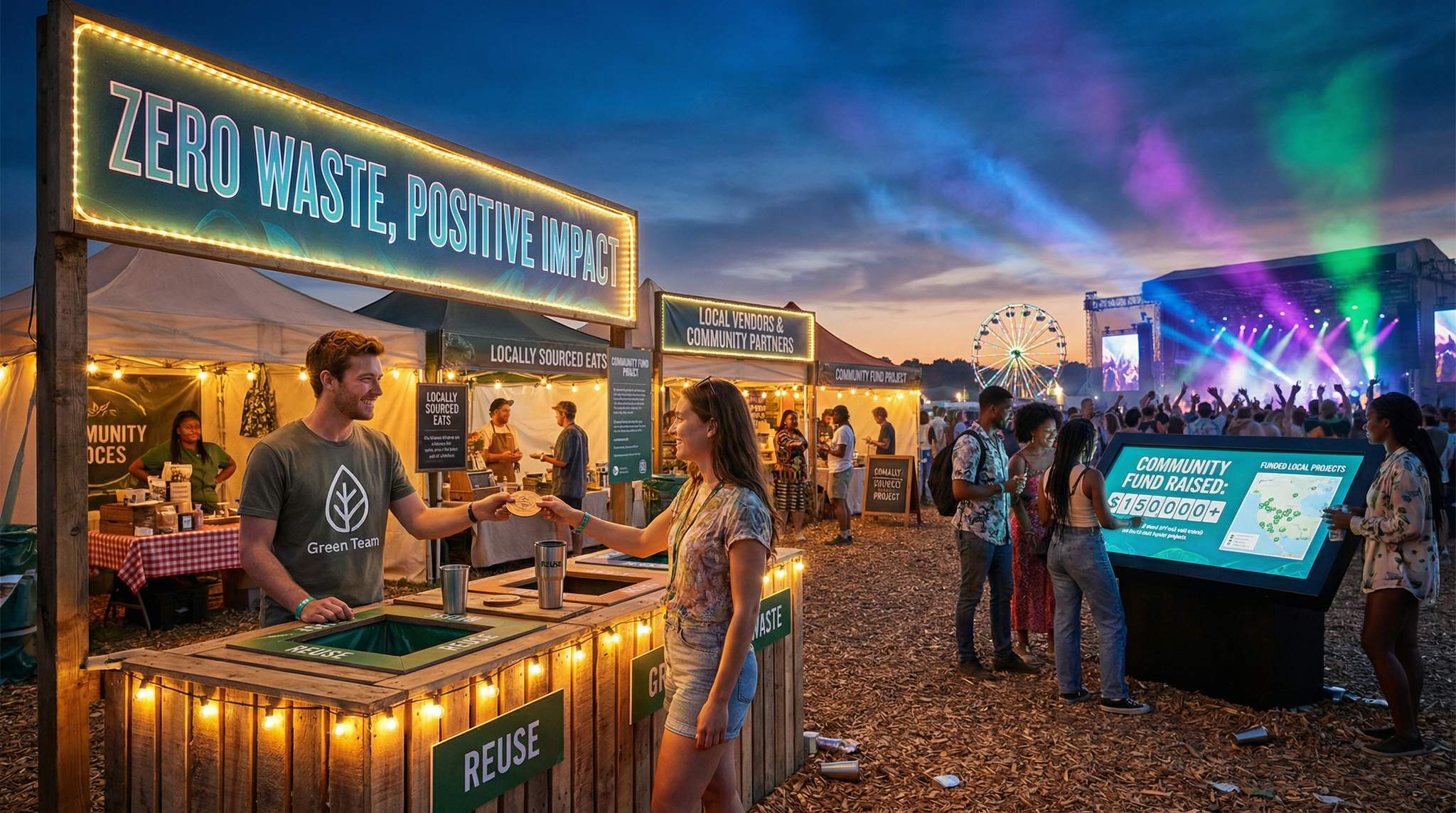
Festivals are not just about music, art, or food – they can also be powerful catalysts for positive change in their communities. Veteran festival producers have learned that giving back to the local community isn’t just a feel-good afterthought, but an essential part of creating a sustainable, respected event. By supporting local causes and forging
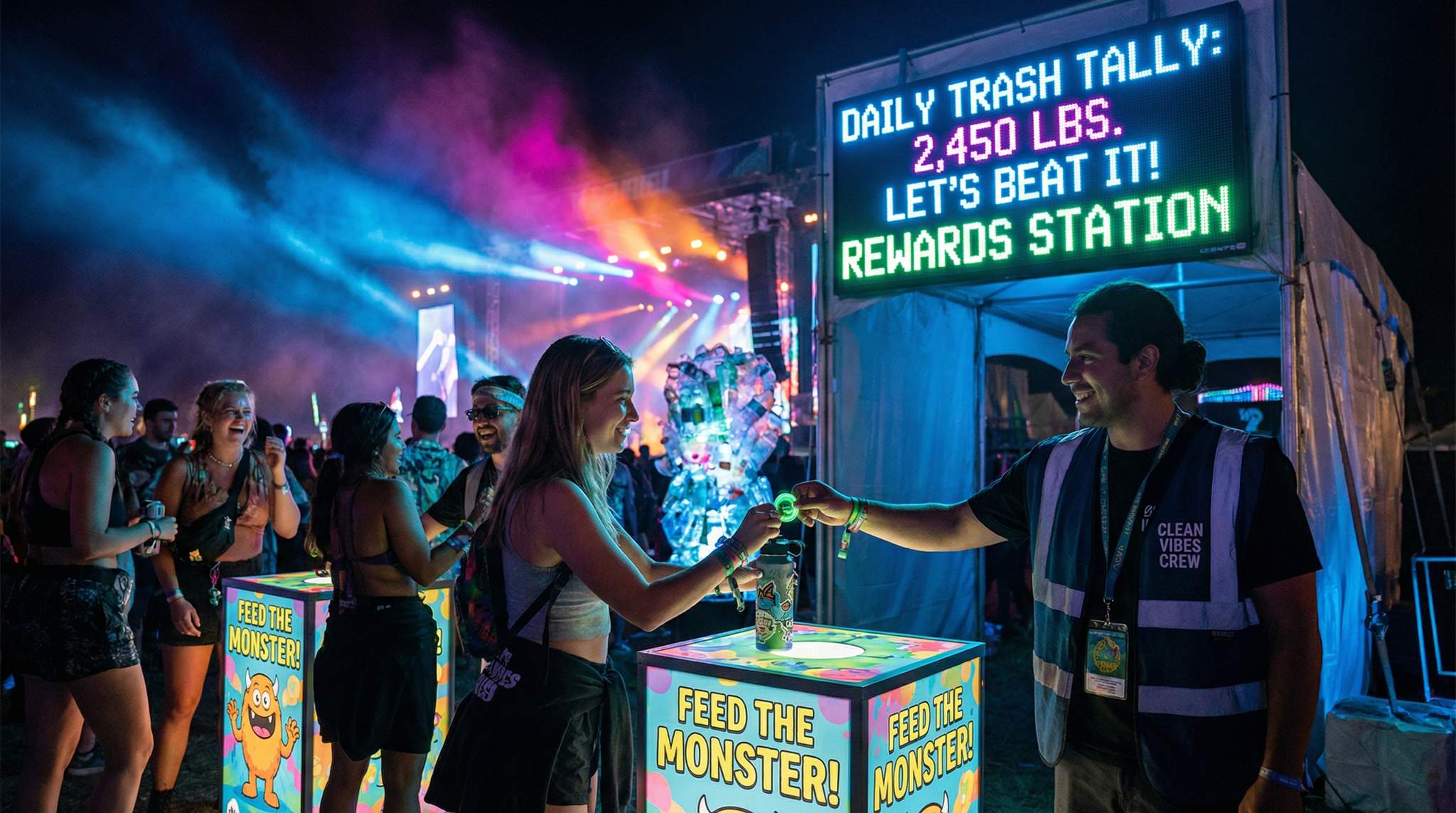
In the world of festivals, how an event communicates its eco-friendly efforts can make all the difference. Attendees are more likely to embrace green practices when the message is positive and inclusive, rather than guilt-inducing. Decades of festival experience show that tone matters: successful events frame sustainability as a collective celebration, not a chore. The

Introduction: Successful festivals don’t exist in isolation – they thrive when they become part of the local community. Seasoned festival producers know that engaging local people as staff and volunteers is a win-win strategy. It generates goodwill, has tangible economic benefits for the host town, and builds a support network that can make or break
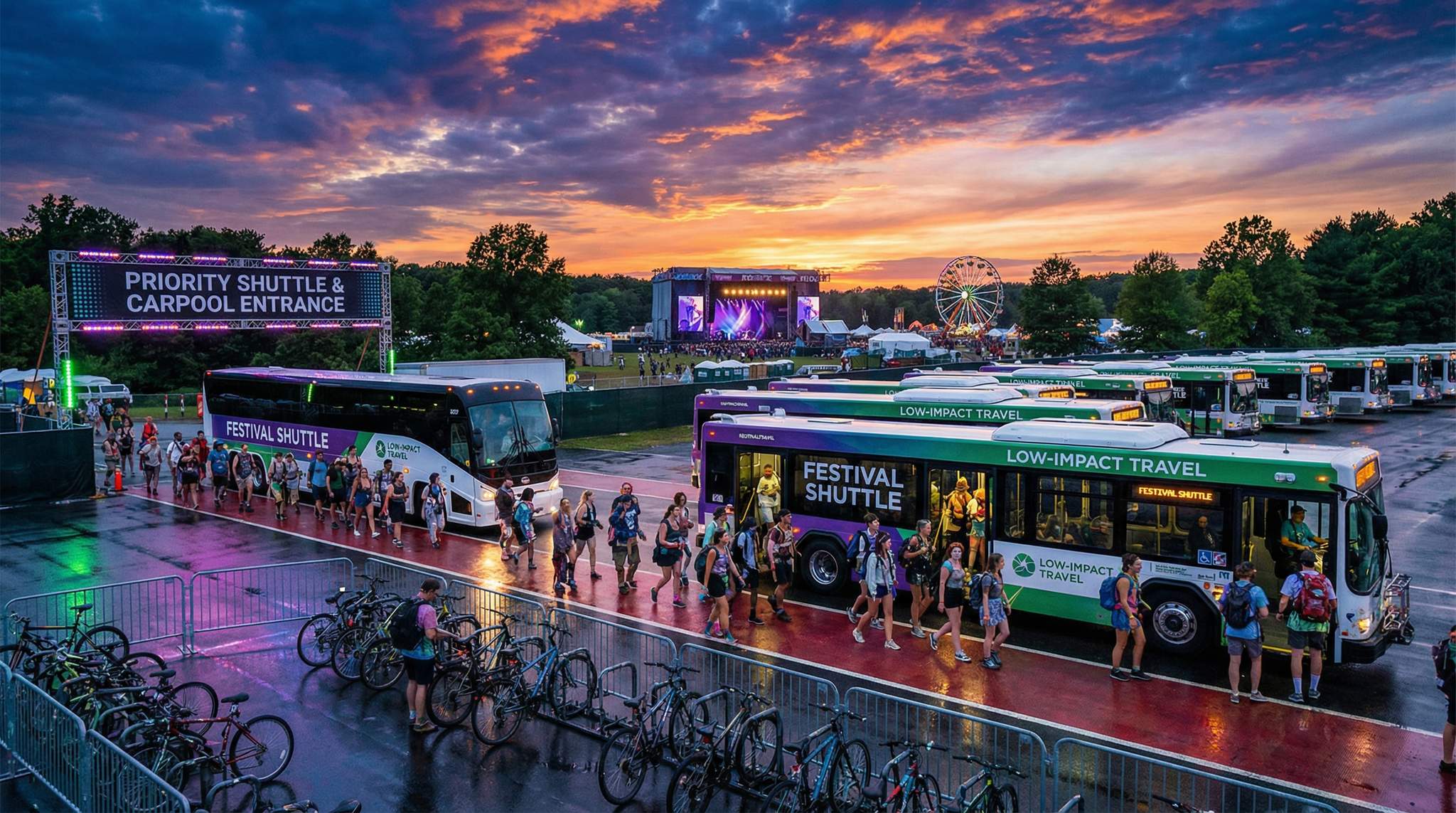
Understanding the Impact of Attendee Travel Festival organizers know that how attendees get to the event can make or break sustainability goals. Transportation often ranks as the largest single contributor to a festival’s carbon footprint, a fact highlighted by industry reports challenging festival carbon impact assumptions. In fact, studies have shown that around 41% of
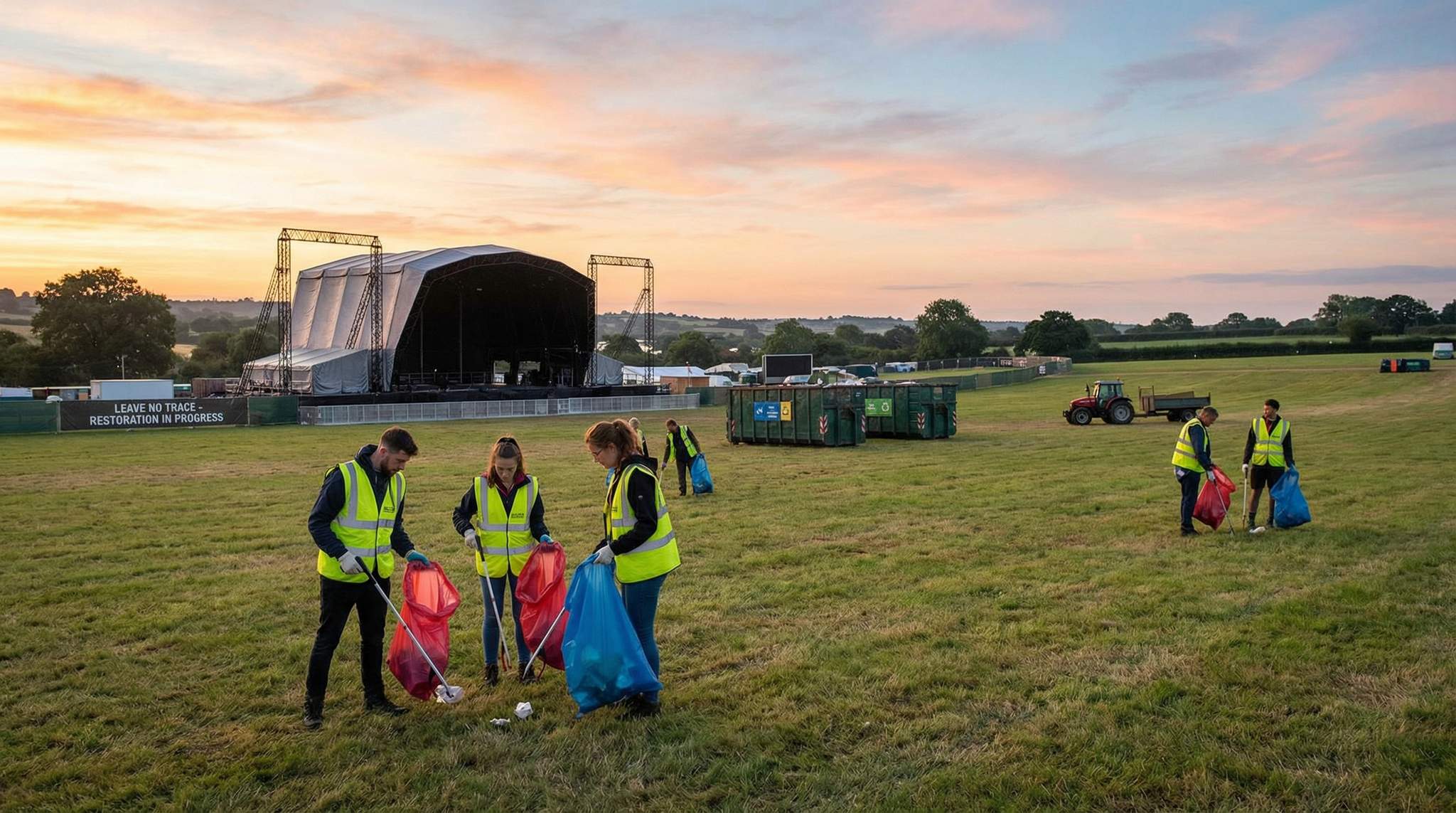
Festivals, large and small, share one critical responsibility once the music stops and the crowds go home: leave the event site in equal or better condition than it was found. Borrowing the famous principle from Burning Man, “Leave No Trace” has become a guiding ethos for event organizers worldwide. It’s not only an environmental obligation

Festivals are not just about music, art, or food – they are powerful economic engines for their communities. Seasoned festival producers know that behind the scenes, these events fuel local businesses, create jobs, and generate tax revenue. Quantifying the economic impact of a festival and communicating those benefits to stakeholders is crucial for earning support

Introduction A festival isn’t just about stages and artists – it’s also about the community that hosts it. The relationship between a festival and its neighbors can make or break the event’s long-term success. Seasoned organizers know that being a good neighbor is as important as booking great talent. By ensuring local residents have a
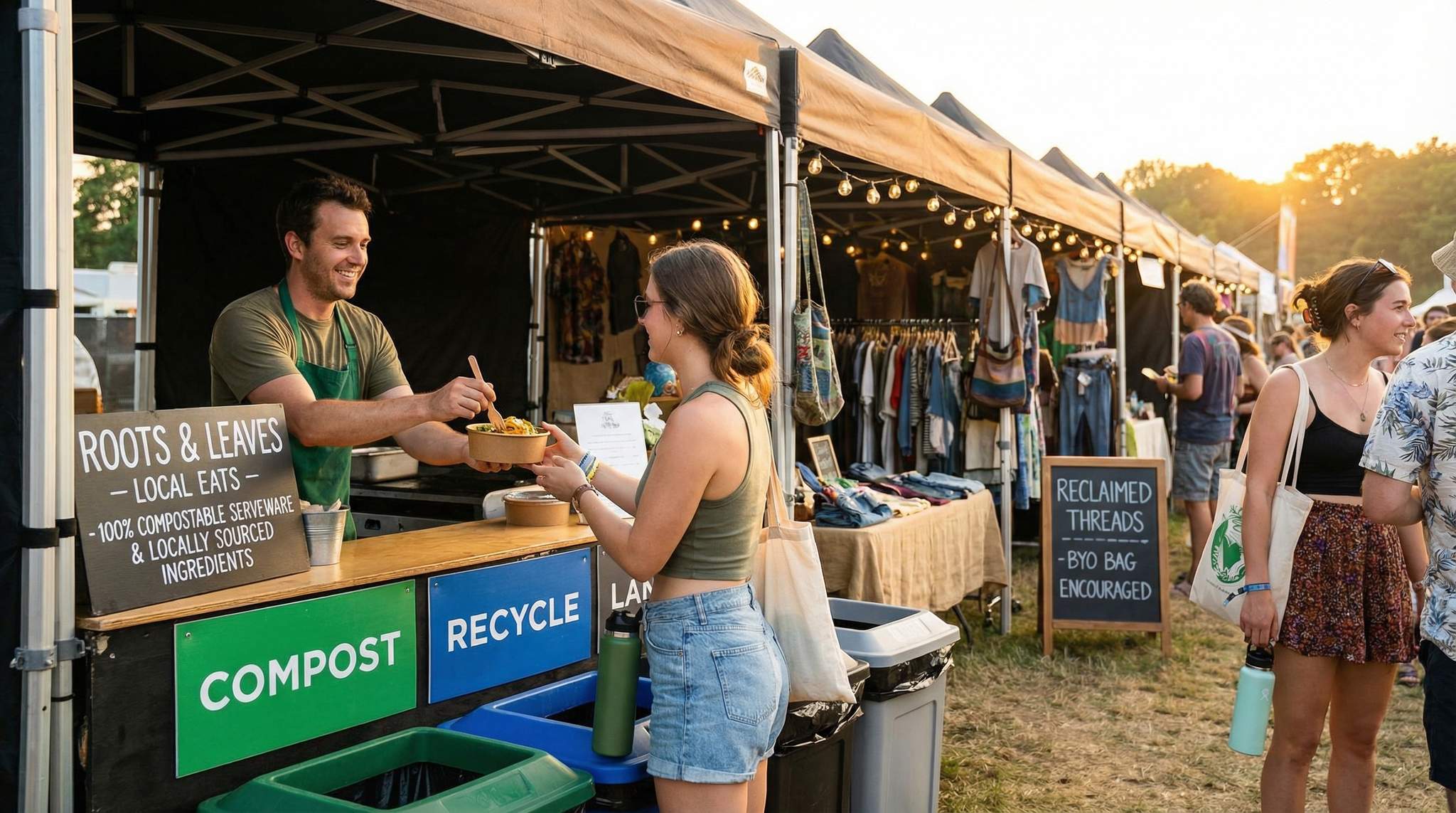
Festival organizers understand that real sustainability success comes from including everyone – especially vendors – in green initiatives. Vendors, from food stalls to merchandise booths, contribute significantly to a festival’s environmental footprint. By working collaboratively with vendors, an organizer can greatly reduce waste and promote eco-friendly practices. This article offers seasoned advice on getting vendor
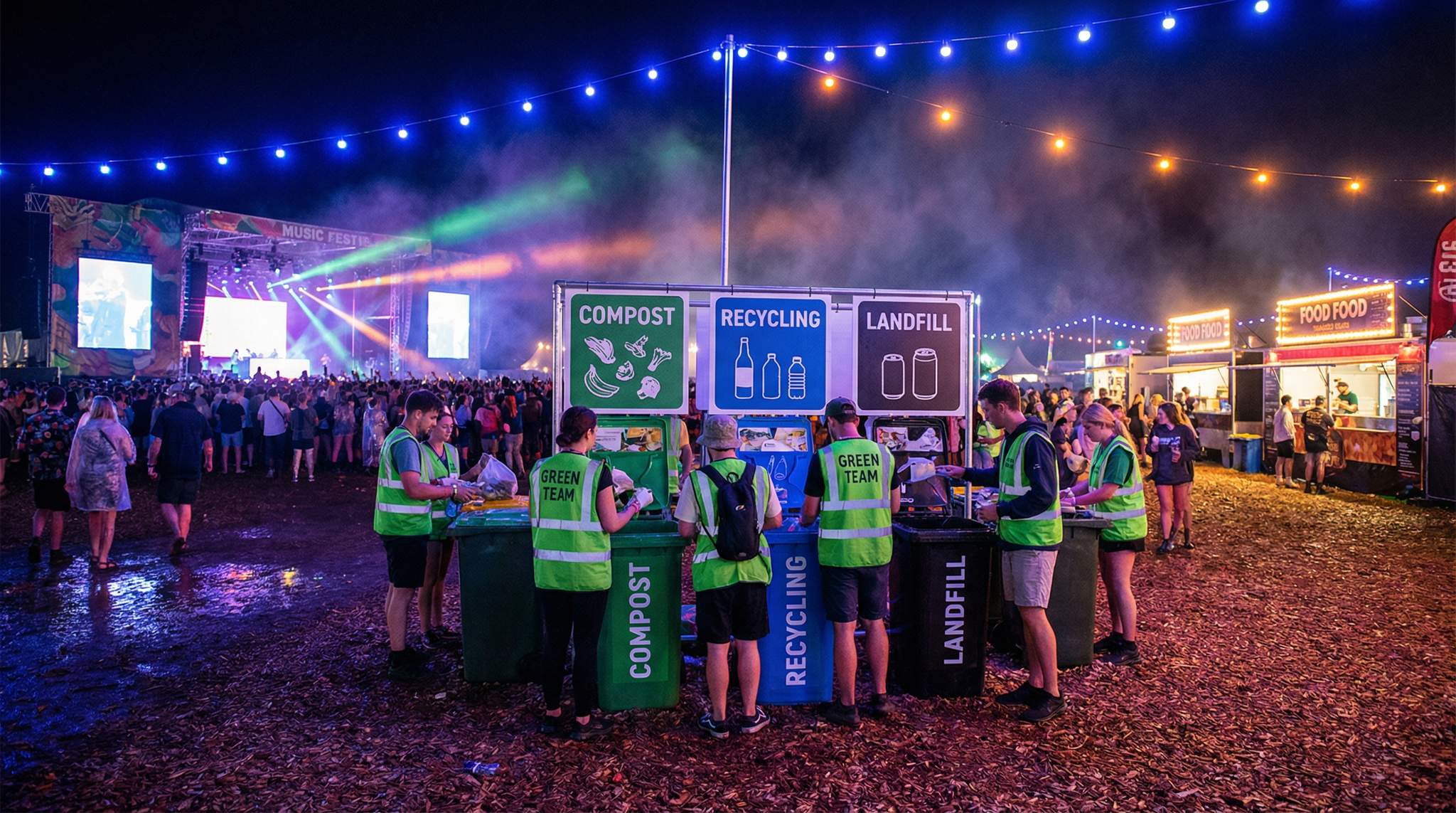
Festivals are thrilling, communal celebrations – but they can also be waste-generating machines. A typical three-day festival of 80,000 people can produce around 500 tons of waste, according to data on event waste reduction strategies. Without a robust waste management plan, that can mean overflowing trash cans, contaminated grounds, and truckloads headed straight to landfill.
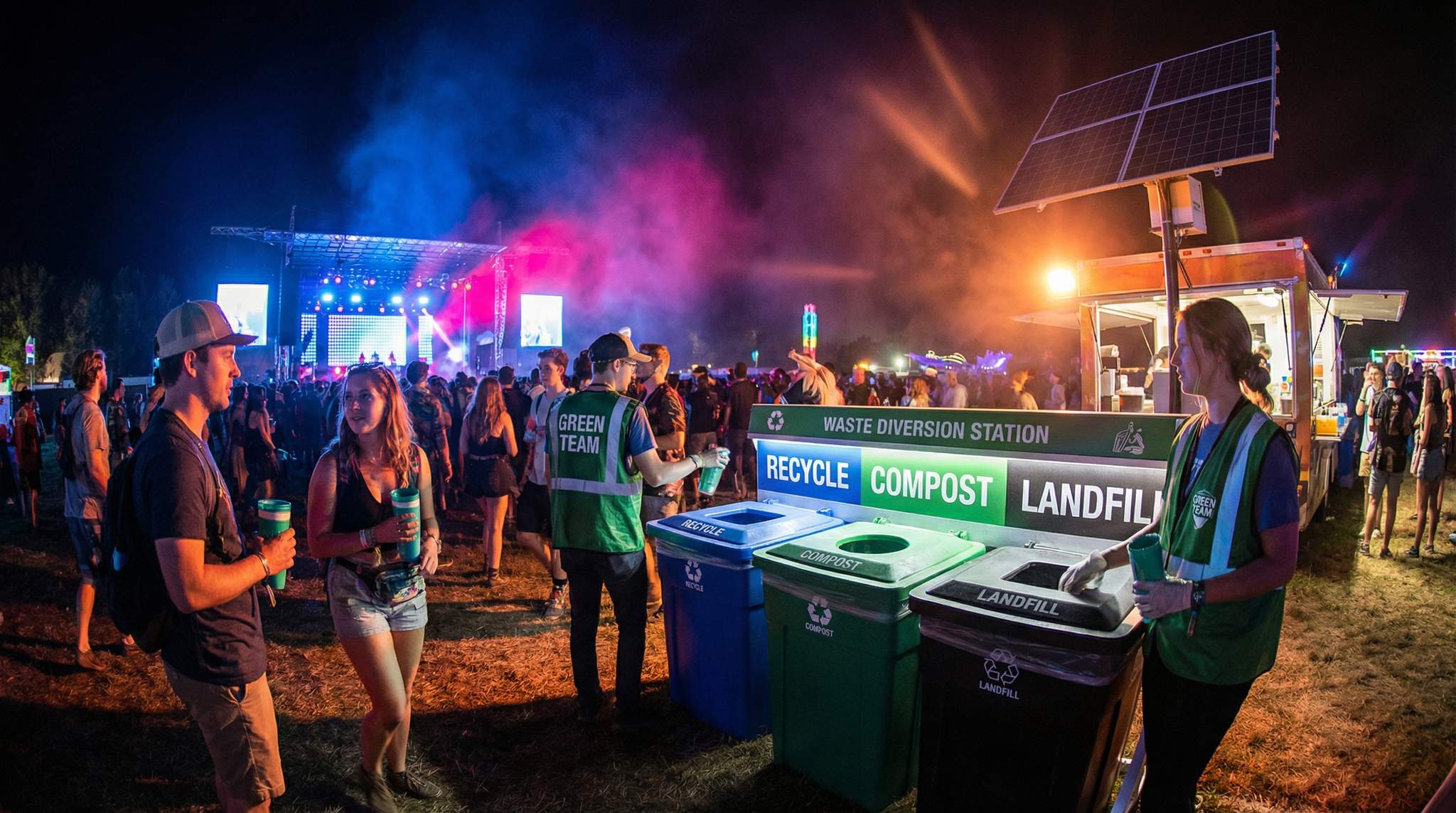
Introduction Organizing a festival in today’s world means taking responsibility for its environmental footprint. Every decision – from the cups used for drinks to how stages are powered – can impact the planet. By greening a festival from start to finish, organizers not only fulfill a moral duty to reduce harm, they also often find
