Expect the Unexpected: Why Artist Curveballs Happen
Perfect Planning Meets Reality
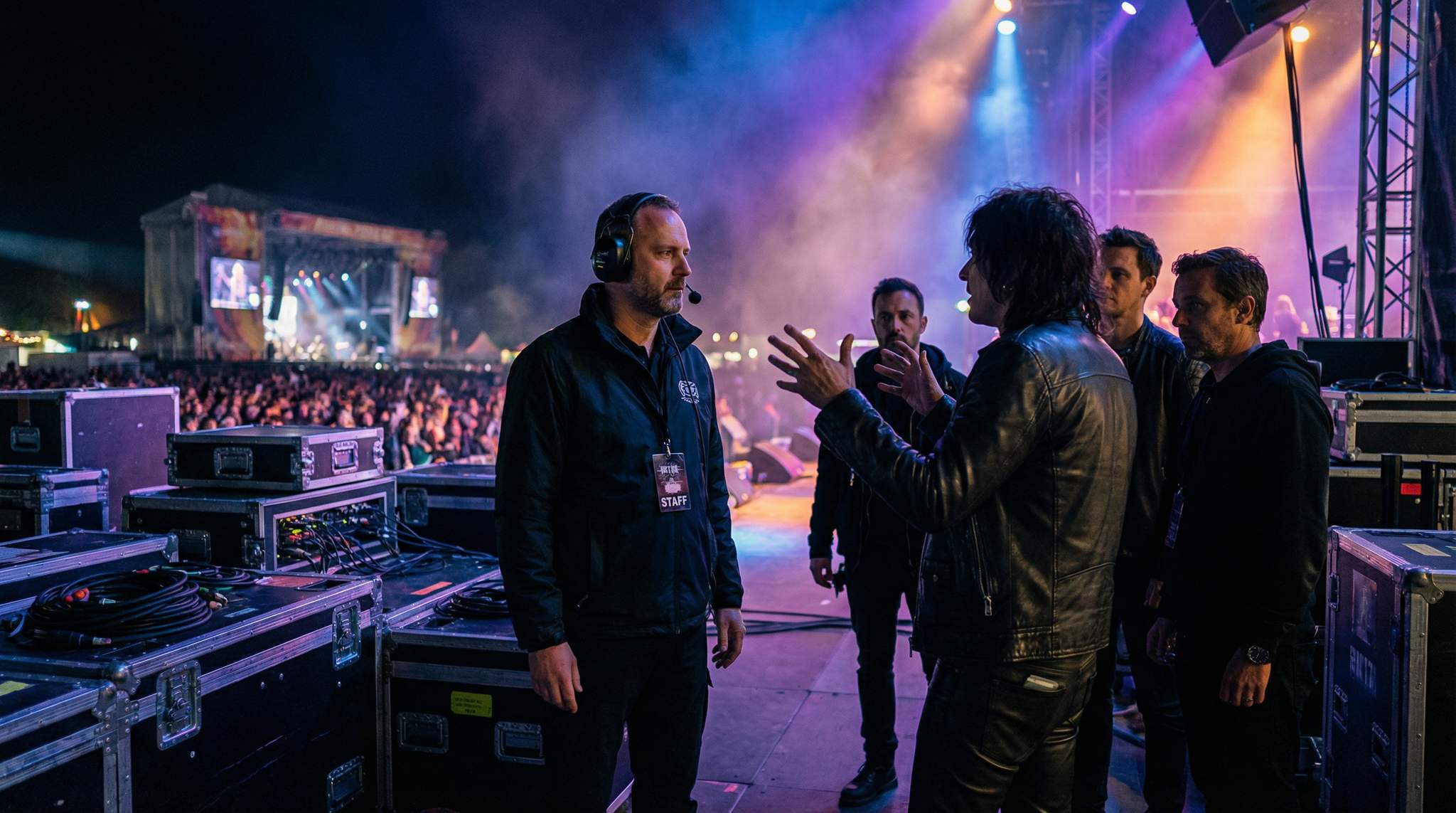
Even the most meticulously planned festival can hit turbulence when a performer throws an unexpected curveball. Live events are inherently unpredictable – a truth that veteran festival producers know all too well. From sudden technical glitches to emotional meltdowns, artists operate under intense pressure that can spark last-minute demands or conflicts. For instance, a headliner might arrive jet-lagged and frustrated, only to find a critical backstage item missing. This collision of high expectations and real-world hiccups is where backstage diplomacy becomes crucial.
Common Stressors for Performers
Artists who seem “difficult” often aren’t acting out of malice – they’re reacting to stress. Consider the environment: long travel, tight schedules, and the adrenaline of performing for tens of thousands of fans. Mental and physical strain runs high. A recent UK musicians’ census found that nearly 30% of professional musicians reported poor mental wellbeing, a statistic highlighted by The Guardian’s report on musician mental health, underscoring how touring life can take a toll. Common triggers include:
- Technical issues: Faulty monitors, power outages, or sound mix problems can rattle even seasoned performers. (One notable example: At Australia’s Splendour in the Grass, a rapper cut her set short and stormed off citing equipment failures.)
- Scheduling delays: If earlier acts run overtime or weather causes schedule shifts, artists waiting to perform may grow anxious or upset as their own set time is impacted.
- Hospitality shortfalls: An unmet rider request – like a promised vegan meal that’s nowhere to be found – can make an artist feel disrespected or neglected.
- Crowd factors: Hostile hecklers, unsafe crowd conditions, or a lukewarm audience can discourage an artist mid-show.
Understanding these stressors helps festival organizers anticipate flashpoints. As industry research confirms, understanding artist riders and their impact allows for clear communication of artist needs, which can significantly reduce on-site issues and enhance the experience for both performers and attendees. In other words, many crises are preventable with proactive effort.
The Impact of Backstage Conflicts on Festivals
When an artist relationship sours on show day, the ripple effects can be far-reaching. Schedule disruptions are the immediate risk – an upset headliner might delay their start or threaten not to perform at all, throwing your timetable into chaos. This in turn frustrates fans and may violate permit curfews. There’s also reputational damage to consider: if word spreads that artists were mistreated or that a festival couldn’t manage a crisis, future bookings and ticket sales can suffer. According to Pollstar’s analysis of festival incidents (as reported in trade media), negative artist experiences often become industry gossip, making agents and performers wary of working with that event. Worst-case scenarios can even become public PR nightmares. For example, when a headliner walked off stage early at a Montreal stadium show in 1992, it incited an infamous riot of roughly 10,000 angry fans, an event detailed in Vice’s retrospective on the Guns N’ Roses riot. While that’s an extreme case, it underlines the stakes: handling conflicts poorly can literally derail a show and jeopardize safety.
Free Tool: Size Your Festival Site
Zoned capacity planning for arena, campsite, parking and entry lanes — against UK Purple Guide and NFPA density standards. Finds your bottleneck zone.
On the flip side, managing a tense situation well can turn a potential disaster into a win-win. Festivals that develop a reputation for stellar artist relations and conflict resolution find it pays off in loyalty. Artists who feel cared for will not only perform better (delighting the crowd), but will eagerly return for future editions and speak highly of the event to their peers. Indeed, delivering a great festival artist experience can set your event apart. Furthermore, building strong artist relations creates an immediate benefit, preventing artists from speaking poorly of the event afterward. In short, how you handle backstage challenges can make or break both the day’s show and your festival’s long-term credibility.
Legendary Lessons from Past Incidents
To set the stage, consider a couple of real-world anecdotes that have become cautionary tales (or successes) in festival lore:
Planning a Festival?
Ticket Fairy's festival ticketing platform handles multi-day passes, RFID wristbands, and complex festival operations.
- Van Halen’s “Brown M&M’s” Test: The rock band Van Halen famously inserted a bizarre clause in their 1980s tour rider demanding a bowl of M&M’s with all the brown candies removed. Far from rock-star whimsy, this was a clever safety test – it ensured promoters actually read the entire contract and technical specs. If the band found brown M&M’s backstage, they took it as a warning that more serious requirements (lighting, staging) may have been overlooked, as seen in the history of Van Halen’s legendary rider. The lesson for organizers: honor the fine details in artist riders. It builds trust and avoids triggering the kind of mistrust that can lead to conflict.
- Guns N’ Roses Montreal Meltdown: In 1992, Guns N’ Roses frontman Axl Rose cut a co-headlining set short after personal and technical frustrations, walking off stage abruptly. The result was chaos – police estimated about 10,000 enraged fans rioted, causing injuries and property damage, creating one of the most infamous festival riots. This disaster is often discussed in festival management circles as an example of how not to handle an artist crisis. A better approach might have been timely communication to the crowd and possibly engaging the artist earlier to address grievances before they boiled over. Modern festivals have learned from this: today, transparent communication and contingency plans are standard when an artist is upset or a show might get cut.
These stories, while extreme, highlight a common theme: backstage diplomacy matters enormously. In the sections ahead, we’ll break down how to prevent many issues outright and tactfully handle the ones that do arise – keeping artists happy (or at least appeased) and your festival on track.
Building a Proactive Foundation
Clear Contracts and Crystal-Clear Advance Communication
The best defense against show-day drama is a good offense during pre-production. It starts with the artist’s contract and advance communication. Don’t treat the contract rider as an afterthought – it is literally the blueprint of the artist’s expectations. Ensure every hospitality and technical requirement is documented in writing, agreed upon, and feasible within your resources. As one legal expert quipped, “most festivals get in trouble by misinterpreting or overlooking what’s in the artist contract,” often leading to last-minute scrambles, similar to the lessons learned from Van Halen’s M&Ms clause. Avoid this by reviewing each contract rider line-by-line well ahead of the event.
During the advancing phase (the weeks or months leading up to the festival), maintain open communication with the artist’s tour manager or agent. Clarify any ambiguous requests and confirm what is deliverable. If a request is unusual (say, a specific brand of Kombucha not sold in your country), address it early. Veteran promoters often negotiate acceptable substitutes or solutions in advance – e.g. agreeing on a local equivalent beverage – rather than risking surprise disappointment on show day. Understanding common artist contract requirements helps avoid these pitfalls. Furthermore, communicating effectively with artist teams ensures everyone is aligned. All agreements should be updated in the written rider addendum so that everyone has the same expectations.
Importantly, incorporate behavior and timing clauses in contracts too. Many festival agreements specify that artists must adhere to set times and can face penalties for unreasonable delays or cancellations (except in genuine emergencies). While you might never invoke these clauses punitively (maintaining goodwill is priority), having them agreed upon provides a baseline for professional conduct. It gives you leverage if an artist is pushing boundaries – you can reference the contract terms as a neutral fact, not a personal stance. Our guide on avoiding costly legal pitfalls in festival contracts offers deeper insights on clauses that help manage expectations. The key is to align on expectations early: when artists know exactly what to expect (and what’s expected of them), the chance of conflict drops dramatically.
Free Tool: Project Your Bar Revenue
Per-head spend benchmarks by event type turned into projected bar and food revenue, with a stock-mix estimate and gross-margin line. Free calculator.
Vetting and Preparing for High-Maintenance Talent
Experience teaches that some artists come with more “special needs” than others. Perhaps they have a reputation for diva-like demands, or they struggle with anxiety, or they’re traveling with a large entourage. Do your homework during booking: consult industry contacts and past promoters to learn if any acts on your lineup have known quirks or triggers. It’s common for booking agents to quietly warn festivals if an artist requires extra TLC (or conversely, if they’re wonderfully easygoing). These intel tidbits allow you to prepare tailored strategies. For example, if you book an iconic rock singer known for storming off if the stage volume isn’t to his liking, you can double-confirm your audio setup meets his specs and even have a backup monitor engineer on standby.
One smart approach is to flag high-maintenance artists in your internal production notes and assign your most experienced Artist Relations (AR) liaisons to them. Consider a briefing with the whole artist hospitality team about any sensitive personalities: “Artist X tends to be anxious if plans change – keep her very informed,” or “DJ Y travels with a 10-person crew of friends; expect last-minute guest list requests.” Armed with this knowledge, your team can proactively cater to potential demands rather than reacting with surprise.
Need Festival Funding?
Get the capital you need to book headliners, secure venues, and scale your festival production.
In some cases, an artist’s own team will forewarn you via the rider or direct conversation about personal needs or issues. Don’t brush these off. For instance, if a management note mentions the artist is in recovery and requests an alcohol-free backstage, absolutely enforce that. Or if a singer has been having vocal strain and needs a specific tea and total quiet near their green room, treat it as gospel. As the saying goes, “an ounce of prevention is worth a pound of cure.” By heeding advance warnings and catering to idiosyncrasies from the get-go, you’ll prevent many flare-ups. Seasoned producers know that spending a bit extra effort (or budget) upfront to accommodate an artist’s particular needs can save a world of headache on show day.
The Artist Relations Team: Your Backstage Peacekeepers
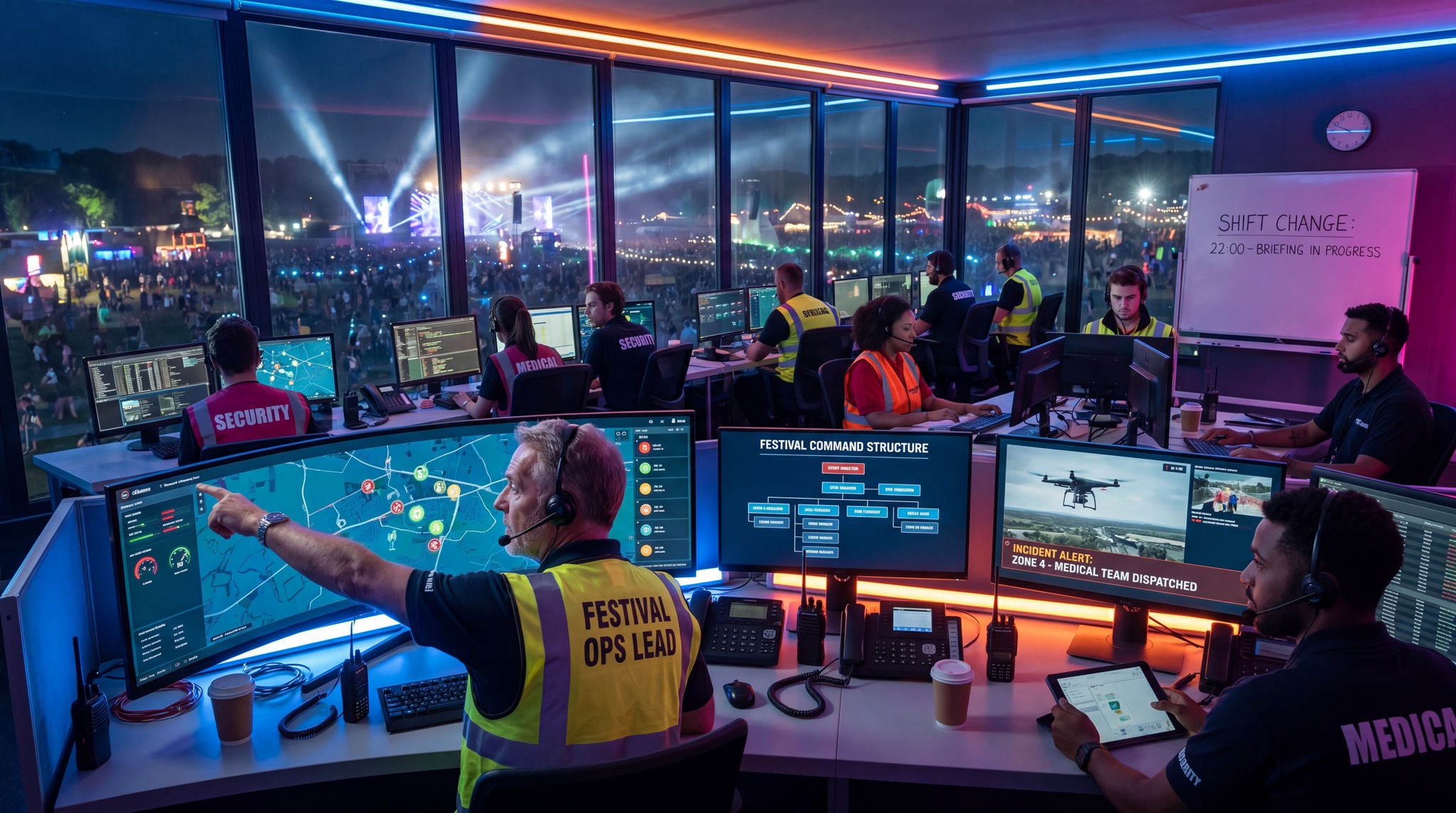
No matter how well you plan, festivals are dynamic environments and surprises will happen. That’s why a dedicated Artist Relations team on-site is invaluable. This team acts as the frontline for artist care and conflict mitigation throughout the event. A dedicated team focused on troubleshooting and artist support is invaluable. Their sole focus: keep performers happy, informed, and ready to play.
Staff your AR team with people who are calm under pressure, excellent communicators, and empowered to solve problems. Each artist (especially headliners and mid-tier acts) should have an assigned artist liaison – essentially a personal concierge – or at least a clearly identified point-of-contact. This liaison checks in regularly and is tuned into the artist’s state of mind. If something seems off (the artist is pacing anxiously, or complaining about something mild), the liaison addresses it before it escalates. They also coordinate between departments on the artist’s behalf, so the performer isn’t left chasing info. For example, if an artist is uneasy about their late-night transportation, the AR liaison can confirm shuttle details or arrange a car, sparing the artist from worry, allowing the artist to focus on performing.
Crucially, the AR team anticipates needs. Veteran crews carry “artist emergency kits” with common items: phone chargers, throat lozenges, diet-specific snacks, earplugs, batteries, extra drumsticks or guitar strings, basic meds, you name it. This level of logistics management for artist relations is crucial. They monitor schedules closely: giving a friendly nudge if a band’s start time is in 15 minutes and band members haven’t left the hospitality area yet. If an artist is running late arriving to the venue, AR informs stage managers and works on adjusting timelines if possible. Acting as traffic control for artist logistics smooths out bumps. They’re essentially the air-traffic controllers of artist logistics, smoothing out any bumps.
Free Tool: Model Promoter Payouts
Flat-percentage, flat-per-ticket, or tiered-bonus commission structures — get per-promoter payouts and total commission as % of gross. Free calculator.
Communication channels are also pre-set: give artists a special radio channel, WhatsApp contact, or phone number that reaches Artist Relations immediately. To be effective, the Artist Relations team must be accessible. And ensure AR team members are easily identifiable backstage – distinct badges or shirts help artists know who to flag down for help. Ensuring staff are identifiable helps operations run smoothly. When the AR operation works well, it’s often invisible because issues get handled quietly before anyone blows up. As one industry veteran put it, “the best compliment is when artists leave saying nothing went wrong – not realizing how many fires our team actually put out in the background.” By investing in a strong Artist Relations crew, you create a safety net that catches conflicts early and often prevents them from ever impacting the show.
Technical Rehearsals and Sound Checks – Set Up for Success
Some artist frustrations stem not from hospitality or personality issues, but from production elements. Technical problems on stage are a leading source of artist anger – a muddy monitor mix, malfunctioning instruments, or staging snafus can embarrass a performer in front of their fans. To minimize these risks, prioritize thorough sound checks and stage walk-throughs whenever possible. On multi-stage festivals with tight schedules, not every artist can have a lengthy personal sound check, but do try to give headliners and any particularly sensitive acts this opportunity. It’s much better for an artist to discover a technical issue at 3 PM during a check than at 9 PM during their set.
Encourage artists (through advancing) to send detailed stage plots and input lists ahead of time, and have your technical staff review these closely. If an artist is bringing unusual gear or has complex monitor needs, schedule a tech advance call to talk it through. On site, your stage managers and audio engineers should treat artists with patience and respect during checks – listening to their concerns and adjusting promptly. A seemingly small gesture, like a monitor engineer remembering a singer’s preference for more reverb in their monitor, builds confidence and goodwill.
Also, have redundancies in place for critical gear. Experienced production managers often have backup microphones, spare amplifiers, extra cables, even duplicate consoles ready to swap if something fails abruptly. This preparation isn’t just for the audience’s benefit but for the artist’s peace of mind. There’s nothing more stressful for a performer than standing on a silent stage due to a dead mic or power outage. Knowing that the crew can fix any glitch in 30 seconds goes a long way. As one guide on quick fixes for festival tech failures notes, adopting a preparedness mindset with contingency plans and backup gear turns technical failures from show-stoppers into mere hiccups. Mastering festival tech troubleshooting turns technical failures from show-stoppers into mere hiccups. When artists see a competent crew respond calmly to an issue – for example, swapping out a faulty cable in seconds – it reassures them that the festival is professional and has their back. In turn, they’re less likely to lose their cool.
Finally, build a little buffer time into the schedule around complex sets. If you have an act with a large band or elaborate setup, don’t schedule them so tightly that teardown or setup issues cause a domino delay effect. A short buffer allows recovering from minor tech delays without curtailing the artist’s set, which can otherwise be a flashpoint for conflict. In sum, sweat the technical details early, and you’ll face far fewer heated moments during the show.
Handling Last-Minute Hospitality and Rider Requests
Staying Flexible but Firm with Last-Minute Requests
It’s one hour until showtime, and suddenly a member of the artist’s entourage rushes to you: “We need eight fresh towels and an espresso machine in the green room, now!” Last-minute requests like these are practically a tradition in live music. The key is to stay flexible and solution-oriented, but also realistic about what can be done on short notice.
Data-Driven Event Marketing
Track ticket sales, demographics, marketing ROI, and social reach in real time. Exportable reports give you the insights to make smarter decisions.
First, evaluate the request calmly. Is it a need or a want? Critical needs (e.g. “our singer’s in pain, we need hot tea and honey for her throat”) should be prioritized without hesitation. In contrast, impulsive wants (e.g. “I suddenly want a specific rare champagne that wasn’t on the rider”) might need a polite reality check if they’re truly impossible. Either way, respond positively and promptly: let the artist or their rep know you’re on it (“Absolutely, I’ll see what we can do”). This acknowledgment itself often diffuses tension, as the artist feels heard.
Behind the scenes, quickly assess your resources. Festivals that excel at hospitality often set aside a small “last-minute requests” budget and supply stash for these moments. This might include a runner on standby to dash to a nearby store, or arrangements with vendors for after-hours needs. One festival operations manager shared that they keep a list of 24/7 services in the area – from late-night pharmacies to specialty grocery stores – so they can procure unusual items in a pinch. Empower your Artist Relations team to make quick purchases or decisions up to a certain budget without endless approvals, so they can act fast.
That said, set boundaries when necessary. Not every whim can be fulfilled, and that’s okay. If an artist demands something truly unattainable (say, a specific dish at midnight when catering is closed), offer a sincere apology and an alternative (“We can’t get that exact meal at this hour, but our chef can whip up a late snack – any preferences?”). Most reasonable artists will understand if you’ve shown you tried your best. If someone is being blatantly unreasonable or entitled, maintain professionalism: “We wish we could make that happen for you. Given the time constraint, here’s what we can do instead…”. Often, framing the response around constraints (time, local availability, etc.) rather than a flat “no” helps the artist save face while accepting reality.
Diplomacy is the art here – you want to avoid a hard refusal that bruises the ego, but also not bend so far that you break your budget or fairness to others. By showing a willingness to try and by communicating clearly, you can satisfy most last-minute asks or at least prevent them from becoming grievances. Remember, performers live in a world of high emotions and immediate needs; a bit of empathy and creative problem-solving goes a long way to keep things harmonious.
Quick Procurement and Creative Solutions
The clock is ticking on that last-minute request – how do you deliver? Efficiency and creativity are your friends. Many festivals deploy runners or production assistants explicitly tasked with emergency shopping and errands. These individuals know the local area and have vehicles ready. For example, at one 40,000-capacity festival in New Zealand, each headlining act had a designated runner with a golf cart, not only to shuttle the artists around the grounds but also to run unexpected errands like grabbing emergency throat lozenges or a replacement guitar string in town. Consider assigning a runner to headlining acts to handle these errands. That level of attentiveness can turn a potential show-stopping problem into a non-issue within minutes. Having a dedicated person solves problems and impresses performers.
Consider keeping a “hot list” of pre-vetted vendors or services on hand. Need extra drumsticks after music stores are closed? Maybe a local stage crew member has spares or there’s a 24-hour Walmart a short drive away. Looking for a rare type of herbal tea an artist suddenly asked for? Know which grocery or specialty store might carry it, or even a nearby hotel’s concierge who might help. Creative solutions can also mean repurposing what you already have. One anecdote from a recent festival illustrates this well: A singer arrived and insisted on an immediate cup of hot water with Manuka honey – but the backstage catering had just packed up and no kettle was in sight. The Artist Relations lead promptly borrowed an electric kettle from the production office and sourced some local honey from a vendor, delivering the request within minutes. Solving problems an artist encounters quickly is key. The artist was amazed and pleased, crisis averted. Ensuring teams are empowered and prepared for requests makes the difference.
Grow Your Social Following With Every Sale
Require social media follows, shares, or playlist adds to unlock presale access or special pricing. Turn every ticket purchase into audience growth.
In more complex cases, like a full band’s gear missing in transit or a crucial piece of stage equipment failing, quick procurement may involve calling in favors. Festivals build networks for exactly this reason. You might ring up a local music shop owner after hours, or borrow an amp from another band on a different stage, or phone a nearby venue to see if they have a spare instrument. Industry camaraderie is strong – if you’ve fostered good relationships, people will step up to help you save the show. (This works both ways: be ready to return the favor in the future.)
To stay organized, some festivals maintain a central tracker of requests and resolutions. A simple table of “Request – Time – Assigned To – Status – Outcome” helps ensure nothing falls through the cracks when multiple urgent needs pop up at once. For example, if Stage A’s manager is handling a DJ’s ask for a fan (it’s hot on stage), and the AR team is handling a singer’s request for special tea, tracking these ensures both get done and communicated back. Many headaches are avoided by this kind of coordination.
Above all, speed matters. Last-minute artist requests often come when tension is high and time is short. Even a five-minute delay can feel like forever to an anxious performer waiting. So, whether it’s dispatching a runner or finding a substitute item backstage, act with urgency. Quick wins here not only solve the immediate problem but also impress the artist, showing that your festival “has its act together” and genuinely cares. That positive impression can neutralize any prior annoyance the artist had, allowing them to refocus on delivering a great performance.
Saying “Yes, And…” – The Art of Compromise
One hallmark of backstage diplomacy is mastering the art of compromise. Rarely can we fulfill every exact demand, exactly as asked – but we can often fulfill the spirit of the demand. A useful technique is the “Yes, and…” approach borrowed from improv comedy: instead of flatly refusing an outlandish request, say “Yes, we hear you want X, and here’s what we can do to get close.” This keeps the tone positive and collaborative.
For example, let’s say an artist decides last-minute they want a different brand of stage pyrotechnics for their set – something not in the advance plan and not approved by your safety team. Rather than a blunt “No, it’s against the rules,” you find a middle ground: “I understand you want to amp up the visuals. Safety regulations won’t allow that particular pyro on short notice, and I want to keep you and the fans safe. What I can do is have our lighting designer add some extra CO2 jets and confetti for your set – it’ll give a big impact without the risk.” Here you acknowledged the request (the why behind it – bigger impact) and offered an alternative. The artist may still be slightly disappointed, but they’ll see you tried to meet their underlying desire.
Another scenario: an artist asks for a late addition to their guest list, beyond the agreed allotment. If capacity allows, the gracious move is usually to accommodate it (“Yes, we’ll get your friend in, and we’ll have a pass waiting at artist will-call”). If you truly can’t due to sold-out safety limits, propose a solution: “We’re at venue capacity, but we can bring your guest backstage to watch from the wings if that works.” Often the guest list is more about the artist’s friend seeing the show, which you solved in an alternate way.
Turn Fans Into Your Marketing Team
Ticket Fairy's built-in referral rewards system incentivizes attendees to share your event, delivering 15-25% sales boosts and 30x ROI vs paid ads.
The language you use is key. Avoid saying “no” outright. Emphasize what you can do, not what you can’t. Use empathetic phrases like “I understand this is important to you” and “we want to make you happy.” If you must enforce a limit, frame it as something out of your personal control (even if you are the boss) – e.g., venue rules, curfews, safety codes, etc. This deflects the feeling that it’s an arbitrary decision. And always end with a constructive next step: a fallback option, a promise to revisit for next time, or at least an apology that shows genuine regret you couldn’t 100% deliver. A little humility in tone – “I’m so sorry we can’t do that, I really wish we could” – can soften even a hard “no.”
In many cases, artists respond well to earnest effort. They typically don’t want to derail the whole festival; they just want to feel valued and heard. By meeting them partway and showing that you’re doing everything feasible, you preserve goodwill. The situation transforms from adversarial (“I demanded X and you refused”) to collaborative (“We found a workable solution together”). And that is the essence of backstage diplomacy: turning a potential standoff into a partnership.
Example: The “Impossible” Request That Worked Out
To illustrate how last-minute demands can be handled gracefully, let’s walk through a composite (but realistic) scenario:
Case Study: A mid-level band lands on site on festival day, and their lead guitarist immediately asks for a very specific item – a particular vintage guitar amp – that was not on their rider. The amp they brought blew out the night before, and they insist their signature sound relies on this vintage model. It’s not a common piece of gear sitting in your backline inventory.
- Step 1: Acknowledge and Assess. The Artist Relations liaison expresses understanding: “Thanks for letting us know. That amp is key for you, got it. Let me see what we can do.” She contacts the festival’s production head and audio team to brainstorm.
- Step 2: Explore Options. It turns out none of the other performing bands have that exact model to lend. Buying one new isn’t possible on short notice (and a new one wouldn’t be vintage anyway!). Instead of giving up, the team thinks laterally. They recall a local boutique music shop that sometimes rents vintage gear. The AR lead quickly calls the shop owner – it’s a long shot, but worth trying.
- Step 3: Leverage Relationships. The shop is closed for Sunday, but the owner kindly agrees (based on prior good relations with the festival) to loan the amp if someone can pick it up. It’s an hour’s drive away. The festival dispatches a runner immediately with a van. Meanwhile, the stage crew sets up a substitute amp from their stock as a backup and assures the guitarist they’re working on the preferred solution.
- Step 4: Communicate and Manage Expectations. The AR liaison keeps the band updated: “We found your dream amp at a shop out of town. Our guy is on the way to get it, ETA 2 hours. Just in case, we have another amp ready for your soundcheck, but hopefully you’ll have yours by showtime.” The guitarist is impressed by the hustle and agrees to start soundcheck with the backup amp.
- Step 5: Deliver or Adapt. The runner makes it back in time, vintage amp in hand. The crew swaps it in, the guitarist dials in his sound, and all is well. If the plan had failed (say the shop didn’t have it), Plan B would’ve been to use a modern amp but apply effects to mimic the tone – not ideal, but at least an effort. In this case, though, the seemingly impossible request was fulfilled.
- Outcome: The band goes on to play a fiery set, and the guitarist publicly shouts out the festival crew for “moving mountains” to get his amp. He later tells other musicians that this festival is incredibly artist-friendly.
This scenario encapsulates several principles: keep cool when hit with a big ask, rally your resources (and relationships), keep the artist in the loop, and solve the problem if humanly possible. Not every story ends this perfectly, but many can come close with the right approach. And even when you fall a bit short, artists will usually appreciate the honest effort.
To summarize this section, here’s a quick reference table of Common Last-Minute Artist Requests vs. Smart Responses:
| Last-Minute Request | Underlying Need | Smart Response | Outcome |
|---|---|---|---|
| “I want [exotic item]not on my rider!” | Feels anxious, seeking comfort or familiarity | Acknowledge & attempt: “We’ll try to source that right away. If not, we have XYZ for you.” | Artist feels heard; likely satisfied with closest alternative. |
| “Can I extend my set by 15 minutes?” | Enthusiasm / Feels crowd energy; artistic passion | Check feasibility (curfew/next act). Offer compromise: “We love that idea. We have a strict curfew, but how about adding a special encore at our after-party stage?” | Artist sees effort; accepts adjusted plan or understands limits. |
| “My friend/mentor just showed up. Get them in!” | Personal importance (ego, support) | If possible, yes: expedite guest pass. If at capacity, offer side-stage access or VIP viewing for the guest. | Artist feels respected; no resentment about guest policy. |
| “The stage sound is terrible; fix it or I’m done!” | Frustration / performance concern | Deploy audio tech instantly to diagnose. Communicate: “We hear you – checking now.” Adjust monitors; consider restarting song. | Artist calms as issue is visibly addressed; show continues. |
| “I need total privacy, no one backstage near me now.” | Anxiety / need to focus | Clear the area if feasible; assign a security or AR staff to enforce a quiet zone temporarily. Provide a private tent or room if available. | Artist can regain composure; appreciates swift respect of space. |
The overarching theme is empathy and action. By understanding the why behind a request and responding constructively, you maintain control of the situation and uphold the festival’s professionalism.
Navigating Technical Glitches and Mid-Show Crises
Keeping Performers Calm During Technical Failures
When technology betrays the moment – a mic drops out, the lights shut off, an in-ear monitor dies – artists can go from calm to livid in seconds. It’s understandable: their art and image are on the line, and a technical failure is an embarrassment and a letdown to fans. How the festival team reacts in those first few moments can greatly influence whether the artist escalates the issue or rolls with it. The goal is to keep the performer calm and confident that a fix is coming.
The first step is immediate acknowledgment. If an artist is on stage and something goes wrong, have a stage tech or monitor engineer signal to them that you’re aware of the issue. A thumbs-up or a quick word in their monitor (if comms are available) like “Working on it!” reassures them it’s not being ignored. If the artist comes off stage visibly upset (e.g. during a brief pause or after a song), the stage manager or artist liaison should be waiting in the wings to apologize and update. Even a simple “We’re so sorry about the glitch – techs say it’ll be resolved in one minute” can prevent an irate outburst.
Maintain steady, positive body language around the artist. Even if you’re panicking internally about a dead soundboard, project calm. Artists often feed off the crew’s energy. If they see technicians frantically running with panic on their faces, it heightens their own anxiety. Experienced production crews train for this: move with urgency but not chaos. A famous example in stage production training is telling engineers to “fix it like a duck” – above water (to the audience and artist) you appear gliding and serene, while under the water your legs are paddling furiously.
Where possible, involve the artist in the solution or workaround to keep them engaged positively. For instance, if a singer’s in-ear monitors fail and a fix will take a few minutes, you might hand them a set of wedge monitors (floor speakers) as a stopgap and say “let’s go old-school for a song or two while we sort it out.” Many artists, once they see a workaround, get energized to carry on. Some even turn it into a special moment – e.g., doing an acoustic improv to stall, which fans often love. In fact, artists who handle tech issues gracefully can win huge audience goodwill (think of Beyoncé performing unfazed even with a fan blowing her hair into a tangle, turning a mishap into a memorable moment). Seeing artists handle technical difficulties with grace is inspiring. Part of encouraging that grace is the festival crew giving them options and confidence: “You got this, we have your back.”
Rapid Response: Fixes and Fallbacks
From the festival’s side, the technical team should initiate immediate troubleshooting protocols the second something goes awry. A well-prepared crew will have rehearsed this: if the power drops, switch to generators; if a guitar amp blows, swap it; if the main PA fails, have a backup line ready. As our in-depth guide on festival tech troubleshooting notes, having contingency plans for power, sound, and lights is essential to keep the show on track. Adopting a preparedness mindset with contingency plans and backup gear turns technical failures from show-stoppers into mere hiccups. This isn’t just about gear – it’s about roles: every crew member should know who takes charge of what in a crisis. The monitor engineer focuses on stage sound, the FOH engineer handles the crowd PA, the technical director makes the call on whether to pause the show, etc. Coordination under pressure is key.
If a fix will be quick, communicate that clearly to the artist and, if appropriate, to the audience. For example, if a DJ’s audio drops out due to a mixer issue and you know you can swap the mixer in 60 seconds, have the MC or artist say something like, “Technical difficulty, give us one minute and we’ll be back to party with you!” Transparency buys patience. Conversely, if the problem is going to take a while (say a section of lighting truss needs to be moved due to safety), you’ll have to get more creative: perhaps send on a host for an impromptu Q&A, or encourage the artist to do a short meet-and-greet at the edge of the stage. Anything to avoid dead air and to show the situation is in hand.
Sometimes a full stop and reset is wiser. If an artist is flustered and the tech isn’t coming back soon, consider pausing the set entirely, bringing down house lights, and then restarting once resolved. This can be less aggravating for the artist than limping through a half-baked performance they’re unhappy with. Of course, involve their input: “Would you prefer we pause until it’s fixed properly?” Giving them agency in that decision can also calm their nerves. Most artists will appreciate that you want their performance to be at its best.
Throughout, ensure the artist’s team (tour manager, etc.) is looped in. They can help communicate with the artist and manage expectations. They might also have valuable input – after all, they know if their artist is likely to blow up after a 5-minute delay versus if a quick pep talk will have them carry on. In one scenario at a European festival, the stage power failed briefly during a headliner’s act. The production manager immediately informed the band’s tour manager, who in turn signaled the band to stay on stage and keep the crowd engaged by chatting instead of walking off. Power was back in two minutes, and the band smoothly continued, later praising the crew’s swift action and the tour manager’s guidance in keeping them on stage.
The takeaway is: act fast, communicate clearly, and use backups. Technical crises can either be a blip or a blow-up – and how you handle them determines which. When artists see a professional, capable response, they’re more likely to stay cooperative and even turn the issue into a fun anecdote rather than a grievance.
Keeping the Show (and Artist) on Track
A critical but sometimes overlooked aspect of handling mid-show problems is audience communication and crowd energy management. This indirectly affects the artist’s disposition too. If an artist senses that the crowd is getting restless or hostile due to a delay or issue, their stress will skyrocket. So, it’s in everyone’s interest to keep attendees informed and in good spirits. A cheerful MC announcement (“How’s everyone doing? We’re just fixing a quick technical bug – use this time to grab a drink, we’ll be back to the music in a jiffy!”) can prevent negativity from brewing. Some festivals even have pre-arranged interlude content – a funny video on the screens, a roaming entertainer – to deploy in case of an unscheduled pause. This shows both the crowd and the artist that the situation is under control, not spiraling.
Maintaining festival schedule integrity after a disruption is another challenge. If one act’s set is cut short or delayed, others might be affected. As the producer, you may need to make on-the-fly calls: shortening set times, pushing the whole schedule back (if curfew allows), or moving act order. When an artist is difficult or upset, they might demand their full set time regardless of delays. This is tricky – you want to accommodate them if you can, but not at the expense of multiple other artists’ time or a breach of curfew (which could cause fines or upset the local authorities). This is where earlier contract clauses and diplomacy collide.
If you must tell an artist they cannot play extra to make up the time lost, frame it as a logistics issue: “I’m so sorry about the tech issue. To stay within the city curfew (or to give all artists fair performance time), we have to keep the original set end time. We’ll make it up to you.” That “make it up” could be future considerations: maybe offer them a slightly higher slot next year, or an extended set at the after-party if feasible. On the other hand, if the artist is the headliner and the crowd is expecting their full show, you might decide to let them run long and adjust others – it’s a judgment call each time. The key is communicating the plan clearly to everyone – the artist, the following acts, and production teams on all stages – so no one is left in the dark about changes.
Ultimately, preserving the artist’s comfort and the audience experience is a balancing act. When done well, it’s possible to rescue a rocky situation such that casual attendees barely notice anything was amiss. After the event, in your internal debrief, analyze how the glitch was handled: Did we fix it fast enough? Did we keep the artist informed? How was the crowd’s reaction? This will inform any improvements to your contingency plans. But if you hear the artist went on to praise the team for handling a crisis, you know you achieved backstage diplomacy even under duress.
Case: Turning a Near-Walk-Off into a Win-Win
Nothing drives home these principles like a real example. Consider this composite case drawn from multiple true stories:
The Situation: A high-profile EDM DJ is 20 minutes into his set on the main stage when a sudden computer malfunction causes his music to stop cold. The crowd of 30,000 is confused, starting to murmur. The DJ, frustrated, tries to restart the equipment to no avail. He throws his hands up in exasperation and looks poised to walk off angrily.
What Happened Next: The stage manager immediately rushes on, gently approaches the DJ and says on the mic, “Make some noise for DJ ___ while we resolve a technical issue!” – signaling to the crowd that we’re on it. The Artist Relations lead also steps up to talk directly to the DJ face-to-face, apologizing and assuring him the tech team is rebooting the system. Meanwhile, the LED screen switches to an engaging visual and the MC leads a crowd chant to keep energy up. The DJ is still upset, but he sees the crew scrambling professionally and the crowd staying with him.
In about 3 minutes, the tech crew swaps in a backup controller that was kept on standby (a pre-planned contingency). The sound roars back. The stage manager gives the thumbs-up, and the DJ, now smiling in relief, shouts “We’re back! Thanks for your patience!” and dives into an especially crowd-pleasing track. The audience erupts, crisis essentially forgotten. After the set, the DJ’s tour manager thanks the festival team for the fast recovery. The DJ himself later tweets that despite a “hiccup,” it was an amazing show – specifically praising how the staff handled it, which boosts the festival’s reputation for professionalism.
Why It Worked:
- Preparation: The festival had backup gear and a plan for this exact scenario (common in EDM).
- Communication: The crew signaled to both artist and audience immediately, preventing confusion or anger.
- Engagement: They kept the crowd on the artist’s side, so the DJ didn’t feel like he lost face – a major factor in him continuing enthusiastically rather than storming off.
- Support: The personal touch of apologizing and encouraging the artist in the moment helped deescalate his anger.
This case turned a near walk-off into a memorable comeback moment. It exemplifies how quick thinking and empathy on the crew’s part can transform an artist’s potentially “difficult” reaction into a collaborative win. The DJ left feeling like the festival had his back, which is exactly the sentiment you want all artists to walk away with.
Managing Ego Clashes and Personality Conflicts
Identifying and Anticipating Personality Clashes
Festivals often bring together a melting pot of personalities – and let’s face it, not all mix well. You might have multiple superstar egos sharing the same backstage, or a veteran artist who feels disrespected by a newcomer’s behavior, or simply a clash of temperaments among crew and performers. Early detection of potential personality conflicts is key. During the planning stages, think about your lineup’s interpersonal dynamics. Are two rival rappers scheduled on the same day who’ve had beef in the past? Did you book a famously prickly band known for not getting along with others on festival bills? Such insights might come from music industry chatter or even a quick bit of research on recent headlines. If something raises a red flag, plan accordingly (e.g., keep their dressing rooms far apart, or schedule them at opposite ends of the day).
Your own staff can also sometimes butt heads with artist personalities. A common issue is when a security person or stagehand is perceived as “rude” by an artist who expects deference. To mitigate this, train your staff in artist etiquette. Simple rules like: don’t fuss with an artist’s personal items without permission, avoid making jokes at an artist’s expense, and generally give the performers priority in backstage spaces. Ensure everyone understands that, while we’re all human and equal, the festival runs smoother when artists feel respected and comfortable. For example, an anecdote from a UK festival: a stagehand early in the day unknowingly ate from a fruit platter that was part of an artist’s rider. When the artist found out, he was offended (“this was meant for us!”) and it soured his mood. A small issue, but entirely preventable by briefing crew not to touch artist-designated supplies. Attention to these details keeps minor frictions from flaring.
One effective practice is hosting a quick Artist Relations team meeting each morning of the festival to review the day’s roster and any intel. For instance: “Band A and Band B have had Twitter spats – keep them separate. Artist C is very shy – let’s minimize unnecessary people in her area. DJ D gets anxious if he can’t find his tour manager – make sure our team is around to assist until the TM arrives.” These little notes help everyone approach artists with the right tone. Festivals that have a diverse, international lineup might also brief staff on cultural differences: e.g., some artists may have different norms for punctuality or directness in communication. Cultural sensitivity and a bit of research (learning how to pronounce names correctly, knowing if certain gestures might offend) demonstrate respect and can avoid unintended slights.
In summary, know who you’re dealing with. This doesn’t mean prejudging or gossiping about artists – it means being aware and prepared. Most artists, even the moody ones, can be perfectly pleasant if their particular hot-buttons are avoided. So identify those in advance whenever possible. When you can’t – say an artist’s mood is unpredictable – at least identify your team members best suited to handle them (usually your most patient, unflappable liaison). Then you’re ready to navigate whatever interpersonal chemistry comes up.
De-Escalation Techniques for Backstage Tensions
No matter how well you prepare, sometimes personalities will clash in the heat of the moment. Maybe a support act feels snubbed by a headliner, or an artist starts yelling at an audio tech because of a sound issue, or two band members get into an argument. How your team responds in that critical first minute can make the difference between a brief spat or an all-out incident. Here are some proven de-escalation techniques tailored to festival scenarios:
- Stay calm and lower the volume: It’s Psychology 101 – people tend to mirror behavior. If an artist is shouting, your instinct might be to shout back or get defensive. Instead, speak softly and calmly. Often they will subconsciously match your tone, bringing the intensity down a notch. For example, if a frustrated artist screams “This stage setup is a mess!”, respond in an even, controlled voice: “I hear you. Let’s sort it out together.” The contrast can defuse the emotional spike.
- Acknowledge feelings without immediately defending: Many times, what an upset person wants first is to be heard, not to hear excuses. Phrases like “I understand this isn’t what you expected” or “I can see why you’re upset” show empathy. Avoid starting with “But…” or explanations too soon. Even if the artist is wrong or overreacting, validate their perspective: “I get that this is frustrating for you.” This doesn’t mean you’re admitting fault; it means you recognize their emotions as valid. It’s a subtle but powerful diffuser.
- Separate the parties if needed: If the tension is between two individuals (say, an artist and a crew member or two artists with each other), it can help to gently separate them to cool off. Politely ask one to step aside – “Come with me, let’s get some air and talk”. This prevents a spiral of back-and-forth arguing in front of others. It also gives each party a moment to compose themselves. In backstage areas, sometimes literally placing a physical barrier (having one go to their dressing room, the other stay outside) can reset the situation.
- Bring in a neutral mediator: If you as the festival rep are being yelled at by an artist, and you’re getting nowhere, sometimes tagging in another team member can reset the dynamic. For instance, an artist might be ripping into a stage manager, but when the artist liaison or the festival director approaches with fresh eyes and asks, “Hi, I heard there’s an issue, how can I help?”, it forces a mini-reset of the conversation. The artist often will explain the issue again, a bit more calmly this time. The “good cop” to help the embattled staff member, so to speak. This isn’t about ganging up – it’s about offering another personality that might gel better.
- Apologize sincerely if warranted: A genuine apology can rapidly disarm anger. If the festival did drop the ball on something – say, the artist’s equipment got delayed by your transport – own it: “We’re sorry for the inconvenience. This is on us, and we’re fixing it as fast as possible.” Sometimes even if it’s not really your fault, a light apology for the situation (not blame) can help: “I’m really sorry you’re having to deal with this stress.” It signals that you’re on their side, not an adversary. That alignment often flips the script from conflict to teamwork.
- Offer a solution or next step: After listening and calming, pivot to solutions. “Here’s what we’re going to do to make this right…”. Propose an action plan, even a small one. If an artist is upset their set got delayed, you might say, “We’ve asked the next act if we can push their start 10 minutes so you still get most of your time – they agreed.” Or, “I don’t have that answer now, but I’ve called my boss and we’ll find a solution in the next 5 minutes.” Having a path forward reassures the artist that the matter is being handled, allowing them to let go of the emotional high-tension state.
Another key concept is the 80/20 rule of listening vs. talking that professional mediators cite: let the upset person talk 80% of the time, while you only talk 20% (and mostly to acknowledge and ask clarifying questions). This ratio ensures you’re not cutting them off or talking over their emotions. Experts note that negotiation in conflict wins with listening and empathy. In practice, an artist meltdown might last a couple of minutes – let them vent as long as it’s safe to do so. Often they will wind down on their own. Then, when it’s your 20% turn, you can calmly address the actual issues without the initial fury.
Respect and Ego Management
Dealing with big egos is part of showbiz. While it can be tempting to roll your eyes at a self-important artist, resist that urge. Respect is the currency that buys cooperation from high-ego individuals. This doesn’t mean catering to demeaning behavior or unreasonable demands; it means always addressing the artist professionally, and where possible, stroking their positive ego in genuine ways. Compliment them (“Your soundcheck earlier was fantastic, can’t wait for the set!”), make them feel valued (“We’re honored to have you here – anything we can do to make your day better, just ask”), and especially acknowledge their status in front of others when appropriate (for example, ensure a security guard understands “this person is our headliner, please escort them directly” rather than making them wait at a gate). These gestures go a long way to keeping an ego satisfied so it doesn’t turn prickly.
Sometimes, ego clashes happen between artists – like when a lesser-known opener feels disrespected by the headliner, or vice versa (a headliner upset that an opener used some of their lighting rig or played too long). Your role is akin to a diplomat shuttling between two ambassadors. Keep communications discrete and face-saving. If a headliner complains that “Band X didn’t bow down enough to me,” obviously you can’t change personalities. But you might smooth it by telling the headliner privately, “Band X is young and really looks up to you. They meant no disrespect – in fact, I heard them say how excited they were to open for you.” Then perhaps gently remind Band X’s team later to show due courtesy next time. Both sides feel heard and respected, and you avoid direct confrontation.
In the heavy metal world, for example, it’s known that some veteran bands demand no other artist plays an encore if they (the headliner) haven’t played yet, to preserve their perceived status. If a mid-level band did an encore and upset the headliner, you might handle it by explaining to the headliner that it was a schedule miscommunication (saving face for the opener) and assuring it won’t happen again. Then you politely instruct all openers of that day about the encore rule. By managing the protocol, you appease the ego without humiliating anyone.
Another tool is humor, carefully applied. If an artist is being pompous but not truly angry, a little light joke can sometimes defuse tension. For instance, if a famous singer snaps “Don’t you know who I am?” when not recognized by a crew member, an AR rep might playfully respond “Of course – the legend themselves! We’ve been talking about your performance all day.” This kind of light flattery disguised as humor can reset a huffy moment. Obviously, use judgment – if someone is enraged, now is not the time to joke. But in moments of vanity, a bit of gentle humor and flattery can remind the artist that you respect them, even if a junior staffer didn’t.
At all times, maintain dignity for all parties. Even if an artist is behaving poorly, do not reciprocate with insults or raised voice. You can be firm (and should be when lines are crossed), but keep it professional. If a situation truly gets out of hand – say an artist is verbally abusing staff or worse, getting physical – you may need to involve their management or even security to step in. Removing an abusive artist from the premises is a last resort (and obviously could mean canceling their show), but the safety and well-being of everyone is paramount. Many contracts have conduct clauses allowing festivals to cancel a performance if an artist is endangering crew or attendees. Use that nuclear option only if absolutely necessary; usually, situations can be calmed before reaching that point.
In summary, managing personalities is about awareness, empathy, and boundaries. Treat artists like valued collaborators (not divas to be fought or placated) and they often meet you at least halfway. And when they don’t, your calm and respectful stance gives you the high ground to find a solution or, if needed, take decisive action without regret.
Example: Mediating a Backstage Blow-Up
Let’s draw a picture of how a real backstage conflict might play out and be resolved. This composite scenario is inspired by true events:
Scenario: Two artists – let’s call them Singer A and DJ B – are sharing a green room area before their respective sets. Singer A is a young pop artist, DJ B a more established electronic act. Singer A’s crew is being loud and horsing around, and at one point, one of A’s entourage accidentally knocks over a piece of DJ B’s equipment (a synth keyboard) while moving through the crowded space. DJ B explodes in anger, cursing at Singer A and their crew for being “reckless amateurs.” Singer A fires back defensively. Tensions flare, voices are raised, and it’s looking like a shouting match that could even get physical between entourages.
Intervention: The Artist Relations manager and a security lead quickly step in. The AR manager physically places himself between the groups, hands up in a calming gesture. He addresses DJ B first, who is more enraged: “I’m sorry, that shouldn’t have happened. Let’s check your gear – we’ll get it sorted.” Meanwhile, the security lead gently guides Singer A and a couple of their friends a few steps back, saying “Give them a second, it’s okay.” This creates a small breather.
The AR manager, keeping his tone measured, asks DJ B to check if the synth is damaged. It appears fine. DJ B is still fuming about the “disrespect.” The AR manager apologizes sincerely: “They didn’t mean any harm. This space is tight, that’s on us for the setup. I get why you’re upset – your equipment is important.” DJ B’s volume lowers slightly as he grumbles. The manager then softly tells DJ B, “How about we move you to the quieter lounge next door? We’ll make sure you have your own space.” DJ B, still annoyed, nods and moves off with his gear to a different area with the help of staff.
Now the AR manager turns to Singer A, who is upset and embarrassed. He says privately, “I know you didn’t intend that. Let’s just keep your crew a bit mindful – some of these older guys get anxious about their gear. You’re all good.” Singer A sighs and agrees to rein it in. The AR manager also decides to send over a peace offering: he asks catering to deliver a couple of DJ B’s preferred drinks to his new room, with a note: “From the festival team – sorry about earlier, have a great set.”
Resolution: Within an hour, both artists have performed their sets. DJ B, feeling better in his own space and after venting on stage (perhaps playing an extra-aggressive set!), is cooled off. Singer A and crew keep a low profile to avoid further friction. Later that night, the AR manager checks on DJ B, who actually thanks him for handling it: “Sorry I blew up. It’s been a rough tour.” The next day, Singer A’s manager emails a thanks for accommodating them and smoothing over the incident. In the end, there’s no lasting bad blood.
Why It Worked: The staff didn’t take sides or scold anyone publicly. They acknowledged DJ B’s frustration (ego soothed), diffused the immediate confrontation by separating the parties, and resolved the root issue by giving DJ B his own space. They also subtly coached Singer A’s team (without blaming) to prevent a recurrence. By apologizing to DJ B and simultaneously empathizing with Singer A, the AR manager made both feel supported, not alienated. This diplomatic handling turned a potentially show-derailing fight into a footnote.
Such backstage blow-ups are rare but not unheard of. With calm mediation and by addressing the core needs (in this case, personal space and respect), festival staff can put out the fire and often both artists will still take the stage as scheduled. Many will even appreciate how you handled it – turning a moment of anger into later gratitude.
Balancing Artist Needs with Festival Priorities
When to Bend and When to Stand Firm
A festival producer’s challenge is to keep artists happy without compromising the broader needs of the event. Sometimes, you’ll face a true dilemma: an artist is demanding something that could negatively impact the festival or other performers. How do you decide when to accommodate versus when to say “no” (diplomatically, of course)? The answer lies in understanding core festival priorities – safety, legal compliance, schedule integrity, and fairness – and never bending on those, while remaining flexible on preferences and non-essentials.
Some non-negotiables where you should stand firm include:
- Safety and Legal: If an artist wants to do something unsafe (e.g., stage dive into a dangerously packed crowd, or use pyrotechnics without clearance) or illegal (e.g., perform past a strict curfew), the answer has to be no. Here, it’s crucial to explain it’s out of your hands – cite safety regulations, insurance requirements, or laws. Most artists will understand when framed as “we literally cannot allow that by law/for safety – it would shut the whole festival down.” Offer a safer alternative if possible (e.g., “Instead of a stage dive, how about you go down to the front row with security support?”). Never compromise attendee safety or risk your event permit to appease an artist – that’s a line seasoned organisers do not cross.
- Scheduled Commitments: If fulfilling an artist’s request means seriously shortchanging another artist or the audience, it’s a no-go. For example, if a headliner suddenly wants to go on an hour later (with no valid emergency), you can’t have the crowd wait indefinitely and other acts get bumped. Here you must be firm: “We have to respect the fans’ time and the other performers. We need to stick close to the schedule.” You might have slight wiggle room (15 minutes grace, etc.), but enforce boundaries. Another scenario: an artist wants a much longer set than agreed, which would push into the next act’s slot. It’s unfair to the other act and the attendees who came for them. Again, gently but clearly hold the line: “We can maybe add 5 minutes, but we can’t cut into the next band’s set – they deserve their full time too.” Framing it as fairness and professionalism appeals to most artists’ sense of camaraderie and reputation.
- Budget and Production Limits: Occasionally an artist may request additional production elements on show day – more lights, extra video content, etc. If it’s something your team can’t technically execute or affords, be honest. “I wish we could give you a custom light show, but our system is maxed out tonight.” Or “We’re already at capacity with our production budget/equipment.” Artists sometimes think festivals have infinite resources; a respectful reality check is needed. However, do attempt a simpler version if possible (“We can’t get a disco ball last-minute, but we can change the lighting vibe for your set to make it more unique.”). The key is not promising what you can’t deliver. Overpromising then failing will upset them more than a polite upfront decline.
On more subjective matters (hospitality preferences, minor schedule tweaks, setlist content, etc.), it’s usually better to bend if it doesn’t harm anything. For instance, if an artist wants to play a special extra song and there’s time, let them – even if it wasn’t planned. Or if they’re 10 minutes late because of traffic, adapt if you can. The festival that is too rigid can cause unnecessary conflicts. Choose your battles: enforce what you must; flex on what you can. This balance is something learned through experience and mistakes. A tip from veteran producers is to have a clear internal list of “red lines” vs “grey areas.” Red lines (safety, legal, headline curfews) are absolute. Grey areas (small timing changes, additional guests, etc.) you evaluate case by case.
One effective strategy when you need to say no is the “explain and empathize” approach. Rather than a flat refusal, explain the reason and show you care. For example: “I know you want to extend your set. Trust me, I’d love to see more of your performance. The challenge is we have a hard noise curfew by the city at 11pm. If we break it, we risk a huge fine and jeopardizing the whole festival’s permit. We really can’t go past that. I’m gutted because your show is amazing. Let’s pick your absolute must-play songs left so we end with a bang.” Here you gave the rationale and aligned yourself emotionally with the artist (“I’d love it too, but…”). This softens the refusal.
In sum, bend where it’s harmless, stand firm where it counts. Artists may push boundaries; it’s your job to gently push back when their request conflicts with bigger obligations. Most will understand when you communicate transparently. Those that don’t – well, they learn that even the biggest star can’t always have everything their way, especially when an entire festival’s success is on the line.
Ensuring Fairness Across the Lineup
Festival producers must also be diplomats in ensuring perceived fairness among artists. Word travels fast backstage – if one band hears that another got a special privilege, they might feel slighted. Unequal treatment can breed resentment and even future “difficult” behavior. Thus, strive to treat all artists equitably within their tiers and keep things consistent. For example, if you allow one support act an extended soundcheck, be prepared to offer the same to others, or have a good reason if not (and communicate it proactively). If one headliner got an extra hotel room for their entourage as a courtesy, ensure the other headliner gets a similar perk.
Of course, different levels of the lineup have different arrangements – headliners naturally receive more accommodations than small-font bands. But across similar billing levels, try to standardize what you provide. This includes hospitality quality, set lengths, and production capabilities. One common fairness issue: merch rates (if the festival takes a cut). If one artist negotiates a lower merch fee, others will invariably hear of it. To avoid drama, some festivals now have a “Most Favored Nation” (MFN) clause in artist agreements, saying no one will get a better deal on certain terms. Even if not in a contract, it’s a good principle: don’t play favorites without cause.
That said, there are times you might choose to give a particular artist a special allowance – perhaps as a last resort to keep a headliner happy (e.g., letting them use extra stage time that cuts into changeover, by tightening the crew’s turnaround). If you do this, be discreet. There’s no need to broadcast to all artists that X got something extra. Use it sparingly, and ideally, compensate the others in some way or at least thank them for their flexibility. In the previous example, if another band’s changeover got shortened to accommodate the headliner, personally go thank that band and maybe offer them an extra benefit (like increased lighting for their set or a prime dressing room next year). People accept minor unfairness much more if they feel acknowledged and valued nonetheless.
Communication is again vital. If a schedule change or major decision unavoidably favors one act at a slight cost to another (for legitimate reasons, like avoiding canceling a big act), talk to the affected artists or their reps directly. Explain the situation, express gratitude for their understanding, and assure them this isn’t a typical slight. Musicians tend to be reasonable when approached human-to-human rather than finding out through rumor. For example, “We had to give the headliner a bit more setup time due to a tech issue, which means your set will start 10 minutes later. We apologize for that. We’ll make sure you still get your full play time by adjusting after you. Thank you for being flexible – we won’t forget it.” A conversation like that turns a potentially bitter feeling (if they just saw their slot slip) into a collaborative vibe.
Fairness also ties into honesty about billing and expectations. Some conflicts happen when an artist feels they were treated like a lower priority than they believed they should be. To avoid this, be clear from the start (booking and advancing) what their set length, slot, and amenities are. If a mid-tier artist asks for expensive production elements that only headliners get, kindly clarify the festival’s structure – “Those features are reserved for after dark headliner slots; however, you’ll still have full use of the LED wall and our standard lighting rig.” Ensuring everyone knows where they stand curbs jealousies and unrealistic asks.
In festival operations, fostering a sense of community and mutual respect among artists can also help. When artists appreciate that “we’re all in this together,” fairness issues diminish. Some festivals do this by hosting an artist welcome dinner or lounge where everyone mingles, or having a notable figure (like the festival director or a respected artist) give a little pep talk about how the event is grateful to all performers equally. These gestures can set a tone of “each of you is crucial to this festival”. When an artist truly feels that, they are less likely to cause trouble even if something doesn’t go perfectly in their favor.
To encapsulate fairness considerations, here’s a quick Festival Hospitality & Fairness Matrix (hypothetical example) that a producer might use internally:
| Aspect | Headliners (2-3 acts) | Mid-Tier Acts (5-10 acts) | Emerging Acts (10+ acts) | Fairness Policy |
|---|---|---|---|---|
| Dressing Rooms | Private trailer w/ restroom | Shared trailer (2 acts each) | Shared tent space or green room | Group similar tiers; no mid-tier placed with headliner. |
| Hospitality Rider Budget | $$$ (e.g. $1k each) | $$ (e.g. $300 each) | $ (e.g. $100 each) | Fixed budgets by tier; communicate in advance to manage expectations. |
| Set Length & Production | Full headline production (90min, custom lighting) | Standard festival rig (45-60min) | Standard rig (30min, minimal changeover) | Longer sets reserved for headliners; others proportional. All get pro tech support. |
| Soundcheck Priority | Guaranteed day-of soundcheck or virtual line-check | Limited; line-check before set | Often no time for full soundcheck | Explain schedule limits; rotate mid-tier checks fairly if possible. |
| Special Requests | Many accommodated (within reason) | Some accommodated if feasible | Limited accommodations | We strive to meet all reasonable requests; if we do extra for one mid-tier, we’ll try for others. |
| Merch Rate | 0-10% (negotiated lower for big names) | 15% (standard) | 15% (standard) | MFN: If any mid-tier negotiates lower, extend to all mid-tier. Headliner deals kept separate. |
This table is an example of how festivals try to structure an equitable approach. The Fairness Policy notes help ensure consistency. By following such guidelines and adjusting transparently when exceptions occur, you maintain trust with artists. When artists trust that you’re being fair to them, they are far less likely to become “difficult” in the first place.
Communicating Decisions with Tact
Whether it’s delivering good news or bad, how you communicate a decision matters greatly in maintaining harmony. We’ve touched on many communication principles already (honesty, empathy, clarity), but let’s delve into a few more tactics specifically for conveying decisions that an artist might not love.
Private and Personal: Always communicate directly to the artist or their tour manager rather than via impersonal channels. If you need to inform them of something sensitive (like cutting their set short due to weather or denying a request), do it one-on-one, not over an open radio or in public. This shows respect. For instance, if a storm is coming and you must cancel the rest of the night, bring the headliners into a private huddle, explain the situation, and plan the announcement together rather than just broadcasting it abruptly. Including them in the loop privately will reduce feelings of resentment and avoid any onstage surprises.
Use the Tour Manager/Agent Relationship: Often, the artist’s own team can be your ally in delivering a message. If you suspect an artist will react poorly, consider speaking to their tour manager first. Tour managers typically know how to handle their client’s mood. You might say, “Look, we can’t allow X – how do you think we should break it to Artist so they won’t be too upset?” This collaborative approach not only helps craft the message but also sometimes the tour manager will volunteer to deliver it themselves in a way the artist accepts better. The tour manager can frame it as if it’s their recommendation, saving the artist’s ego from feeling “told no” by the festival. This behind-the-scenes diplomacy can be very effective.
Highlight What’s Still Positive: If the decision is a loss for the artist in some way, counterbalance by highlighting positives. For example, “We can’t extend your set due to the city curfew, but the crowd out there is massive and hyped – let’s make the final song count with confetti cannons we saved for your finale.” Or, “We have to move your set to the indoor stage because of wind issues; the upside is that the indoor stage will be packed and gives you a more intimate setting with dedicated fans.” It might feel a bit PR spin, but finding a silver lining genuinely helps artists pivot their mindset.
Own Mistakes and Give Credit: If the decision is necessary because of a festival mistake, own it fully. “We messed up on the schedule, and that’s why you have less changeover time. I’m sorry – that’s our error. We’ll have extra hands on deck to get your setup done swiftly.” Artists appreciate honesty and taking responsibility. Likewise, if an artist compromises or helps out (like agreeing to a shorter set so the show stays on track), praise and thank them liberally. “Thank you for being so understanding – you really saved the night for us. We owe you one.” Everyone likes to feel like the hero rather than the victim. If you frame them as a hero for cooperating, it boosts their ego positively and they’re more likely to cooperate next time too.
Document and Follow Through: After communicating a tough decision, follow through on any promises made. If you said “we’ll try to make this up to you,” make a note and actually follow up later (e.g., send a gift, or offer a stronger slot next year). This builds long-term trust. Also, if you had to amend an agreement, ensure any necessary paperwork or email confirmation happens so there are no disputes later. Clear communication doesn’t end with the conversation – confirming details in writing can prevent later misremembering. For instance, if an artist agreed to start 10 minutes early to avoid a storm, send a quick message to their manager: “Confirming [Artist] will start at 8:50pm due to weather, with understanding they will still get to play a full 60-min set ending at 9:50pm.” This way everyone is literally on the same page.
In tricky communications, remember this mantra: polite, professional, and personal. Treat artists not as transactions but as people whose cooperation you value. Even delivering news they don’t want, if you do it with genuine respect and reasoning, you maintain the relationship. Many artists and managers will tell you that they’ve accepted unfavorable situations at festivals purely because “the organizers explained it well and treated us right.” That’s backstage diplomacy at work.
Case: Upholding a Curfew and Saving Face
To illustrate balancing festival needs and artist desires, consider a case adapted from reality:
A big outdoor festival in a city has a hard curfew of 11:00 PM due to noise ordinances. The headlining band, a legendary rock group, is known for playing long sets and they ask to start 15 minutes late because their singer is feeling ill and needs a bit more rest before going on. If they start late and still play full length, they would overshoot the curfew by at least 15 minutes.
What’s at Stake: Breaking curfew would risk hefty fines and jeopardize next year’s permit. However, the band’s request comes from a genuine place (singer’s health) and they’re the festival’s top bill – denying them might sour the relationship or even risk a sub-par show if the singer isn’t ready.
Diplomatic Solution: The festival director meets privately with the band’s tour manager and proposes a compromise. The band will start 10 minutes late (giving the singer a bit more time) but agree to trim their set by 5 minutes so they only run 5 minutes over curfew. Meanwhile, the director has already spoken to city officials on site, who indicated a few minutes grace is tolerable as long as it’s not frequent. Additionally, the director offers to have a doctor and golf cart ready backstage for the singer in case he needs quick exit post-show – showing concern for his health. The tour manager takes this to the band.
The band accepts the plan. They begin at 10 minutes past, play an adjusted set list that is barely noticeable to fans as shorter, and finish ~5 minutes past 11. The festival had informed local authorities and nearby residents in advance that a headliner might run “just a hair over” due to an unexpected issue, and no complaints arise from that slight delay. The singer gives it his all, feeling adequately warmed up thanks to the extra rest. After the show, the festival thanks the band for their flexibility and the band thanks the festival for accommodating their lead’s condition. Importantly, the festival demonstrates to the city that they take curfew seriously, as this was a one-off minor extension and not a flagrant violation.
Why It Worked: The festival held the line on an essential rule (curfew) but found a creative way to still meet the artist’s underlying need (more prep time). By engaging the band’s team in finding the solution, it wasn’t a top-down “no, you must start on time or else”. It was a mutual agreement. Also, communicating with the city in real-time showed responsibility, maintaining the festival’s trust with authorities. This is a great example of backstage diplomacy navigating between an artist’s request and greater obligations. Both sides saved face: the band didn’t feel simply denied, the festival didn’t break its rules significantly, and the show went on with quality intact.
Post-Incident: Repair and Learn
Following Up with the Artist and Their Team
The moments after the festival (or after a particular incident) are golden opportunities to turn a resolved conflict into long-term goodwill. Once the dust settles and the show is done, it’s important to follow up with artists – especially those where there was tension – to ensure no lingering hard feelings. A little post-event diplomacy can transform a memory of “that could have gone badly” into “the festival really took care of us.”
One effective practice is the post-event artist thank-you and feedback loop. Send a personalized thank-you note or email to each artist (or at least the key ones) within a day or two after the festival. For any who experienced issues, acknowledge it briefly and positively: “Thank you for your amazing performance. We appreciate your patience when we had that monitor hiccup – our team has already reviewed it to prevent it next time. It was a pleasure working with you, and we hope to have you back!” This shows you didn’t forget the issue, but you frame it in a context of learning and gratitude. It can wipe away any remaining frustration they had, as they see you took it seriously.
For more severe incidents (say an actual argument or a major unmet request), a personal phone call from the festival director or artist liaison to the artist’s manager is warranted. The tone should be friendly and solution-focused: “We wanted to check in after [Festival Name]. We know there were some tense moments regarding [issue]. We really value [Artist] and want to make sure they’re feeling good about how everything ended up. If there’s any feedback or anything we can do better next time, we’re all ears.” This kind of outreach turns an incident into an opportunity for the artist’s team to vent any residual concerns in a constructive manner, and for you to demonstrate humility and willingness to improve. Often, managers will respond that they appreciate the call and that things are fine. If they do have lingering gripes, better to hear them directly and address them than let resentment fester unseen.
In some situations, consider a goodwill gesture. If, for example, an artist didn’t get something significant they expected, sending a small gift can be symbolically powerful. Perhaps a basket of local goodies, or if budget allows, something related to the incident: e.g., one festival where a headliner had an issue with a costume change due to no mirror ended up sending the artist a fancy light-up mirror for their tour bus afterward as a tongue-in-cheek thank you gift, along with a note: “So you’ll always have a mirror on hand – thank you for rocking with us despite the hiccup!” The artist found it humorous and it turned their annoyance into a positive story. Another realistic idea: if an artist cut their set short due to a festival technical error, maybe offer them a priority booking or a slightly higher fee for next year as a make-good (depending on the scale of the issue). These things cost a bit in the short term but pay back by salvaging the relationship.
Remember to also give credit where due internally. If an artist was notably gracious or their team helped resolve an issue, mention that publicly (in a post-event staff meeting or even on social media if appropriate). Artists love when festivals praise them not just for performing, but for being great to work with. It enhances their reputation and makes them more likely to return. For example, a tweet from the festival account: “Shout out to @Artist for their incredible set and professionalism dealing with the weather delay – true rockstar on and off stage!” This kind of public appreciation strokes their ego in a positive way and can override any negativity of the experience. Of course, clear such things with their team to ensure it’s okay to mention the “delay” etc., and don’t do it if the incident was something you agreed to keep quiet.
Internal Debrief and Process Improvement
After handling any difficult artist or scenario, your team should debrief and document lessons learned. What caused the issue? How did we handle it? What went well, and what could we do differently? This continuous improvement mindset is what separates festivals that flounder from those that get stronger year by year. Prioritizing artist relations feedback ensures growth.
For example, if there was a meltdown because an artist’s hospitality wasn’t delivered, that’s a red flag in your advance process – maybe you need a better checklist or earlier vendor delivery times. If two artists nearly clashed due to a shared space, perhaps next year you allocate separate green rooms or implement a stricter schedule for shared areas. If an artist was upset about going over curfew restrictions they didn’t know about, that’s a cue to highlight such rules in advance communications so artists aren’t surprised. Essentially, every conflict is a chance to fortify your systems so it doesn’t happen again.
Create an internal report or at least a meeting recap addressing each notable incident. In many large festivals, the production team keeps a “post-mortem” document listing all issues and action items. For instance: “Issue: DJ booth power lost at Stage 2, Artist X angry. Solution: Add uninterruptible power supply for DJ gear next year. Also, briefed crew to communicate faster next time.” Or “Issue: Artist Y unhappy with transport wait. Solution: Hire additional artist shuttle, and station an AR member at hotel to coordinate departures.” These concrete fixes mean next year’s event is that much smoother.
Don’t shy away from acknowledging team mistakes in this debrief; it’s about improvement, not blame. Encourage an environment where if, say, the hospitality manager missed a rider item, they can admit it and outline how to ensure it won’t repeat (like a new rider tracking system). When staff see leadership owning up to any missteps and focusing on solutions, it sets the tone for the whole organization to handle problems constructively.
It’s also worth discussing what went right in handling the situation. If a particular approach calmed an artist quickly, celebrate that and institutionalize it. For example, “Having a runner dedicated to each headliner worked brilliantly – Artist Z praised how fast their last-minute requests were met. We’ll allocate that resource again.” Successes are just as important to note so you maintain those practices.
Some festivals even include a section in their post-event report specifically on Artist Relations outcomes: number of hospitality requests fulfilled, any artist complaints logged, timing adherence, etc. If you have data like “X% of artists started within 5 minutes of scheduled time” or “Average artist satisfaction rating in exit survey: 9/10” – those metrics help quantify your AR success and highlight areas to improve. They also feed into your marketing to agents and future artists that your festival is well-run.
Maintaining Long-Term Relationships
The festival world is surprisingly small when it comes to reputations. How you handle one difficult situation can echo in future booking negotiations or agent conversations. That’s why, beyond just problem-solving in the moment, you should approach artist relations with a long game mindset. The artist who gave you a headache this year might be your big headliner two years from now – will they remember you as the festival that accommodated them or the one that argued with them?
To maintain long-term positive relationships, consistency and professionalism are key. Always honor your commitments (e.g., if you promised to send a recording of their set or an edited video clip for their socials, do it timely). Agents and managers notice reliability. Also, keep notes on artist preferences and past incidents – a simple CRM-style database for artists can be invaluable. Next time you book the same artist, you’ll recall, “Oh yes, they hate fluorescent lights in their green room and prefer lamps” or “They had an issue with the hotel last time; let’s put them in a different one.” Mentioning these details proactively to the artist’s team (“we made sure to arrange X since we know you prefer it”) impresses them immensely. It shows you pay attention and care.
Never bad-mouth an artist publicly or to other crew/artist teams. Word travels, and today’s “difficult artist” may be tomorrow’s most cooperative – people have off days. Keep professional and, in public, always speak positively or not at all. If media or others ask about any incident (say the press heard a rumor of a backstage spat), have a unifying narrative: “Oh, that was just a minor technical delay, nothing major – [Artist] was fantastic to work with as always!”. This protects the artist’s image and your festival’s image simultaneously.
In cases where an artist truly was in the wrong (e.g., showed up late or acted out in a way that caused real issues), it’s still often better for you to be the gracious party afterward. Sometimes an artist or their management will apologize post-event for their behavior. How you receive that matters – respond gracefully: “Thank you, we understand it was a stressful moment, and we appreciate the apology. We value our relationship and would love to host [Artist] again.” By being forgiving, you reinforce mutual respect. Only in egregious cases (like an artist endangered others or consistently disrespected the staff) might you quietly decide not to work with them again – and even then, you need not broadcast it; just politely decline future offers or ensure stricter terms if they do return (like extra contractual protections). Thankfully, such extreme cases are rare.
Relationships in this industry thrive on little personal touches too. A holiday card to key agents/managers, a note of congratulations when an artist you’ve hosted wins an award – these keep you on their radar in a positive way. Then, when booking time comes, they remember that Festival X treats their artists like gold. Being known as “artist-friendly” is a reputation that pays dividends in talent booking and overall industry support. Delivering a great artist experience sets your event apart. There is an immediate benefit to artist satisfaction regarding reputation.
Finally, share your approach with peers and learn from others. Organizations like the International Festivals & Events Association (IFEA) and Event Safety Alliance often have conference sessions on artist relations and case studies. Staying engaged with the wider festival promoter community means you’ll hear how others turned tough artist situations around (and you can share your successes too). This collective wisdom elevates the whole industry’s ability to handle these challenges.
In closing this section and looking ahead: every difficult artist encounter, once navigated, becomes part of your festival’s story and experience bank. With each one, you and your team become more adept at backstage diplomacy. Over time, artists – even the once-problematic ones – will view your event as one of the places they feel comfortable, knowing that if something goes awry, “these folks know how to handle it and they’ve got my back.” That reputation is priceless.