Picture this: Your festival tickets sell out in minutes, but instead of celebrating a quick sell-out, you’re flooded with complaints on social media. Loyal fans are frustrated they couldn’t get a ticket, while hundreds of tickets appear on resale sites at triple the face value. As an event organizer who’s experienced this scenario first-hand, I learned that ticket scalping isn’t just an annoyance – it’s a threat to your event’s reputation and bottom line. In today’s live events industry (as of 2025), combating ticket scalping is a must for anyone aiming for long-term success in event management. It is also vital to evaluate the top event ticketing platforms for 2024 to ensure your technology stack supports these goals.
Ticket scalping (touting) is the practice of buying event tickets for the sole purpose of reselling them at inflated prices. This not only exploits fans but also undermines the integrity of your event. We now have more tools and industry support than ever to fight back – from advanced tech solutions to government crackdowns on bots. Implementing effective anti-scalping measures will ensure fair access for genuine fans, protect your revenue, and build trust in your brand.
For many promoters and venue operators, the immediate operational question is simply how to stop ticket scalping before it ruins the attendee experience. The answer lies in a comprehensive defense strategy that combines smart ticketing software, strict entry policies, and proactive audience communication.
Understanding Ticket Scalping
Ticket scalping has been around for decades, but in 2025 it has evolved into a technology-driven, global issue. Scalpers range from opportunistic individuals to organized groups running operations with sophisticated software. Many use automated bots – scripts that can flood ticketing websites with thousands of purchase requests the instant an event goes on sale. These bots bypass purchasing limits and CAPTCHA protections, scooping up large quantities of tickets before a human fan can even enter their credit card info. In one notable case, a pre-sale for a popular pop star saw an estimated 380,000 bot attempts for only 10,000 tickets – an example of the industrial scale on which scalpers operate.
This bot-fueled frenzy creates artificial scarcity. Real fans find shows “sold out” within seconds, even though in reality a significant portion of the tickets have been carted off into bot-controlled accounts. Those tickets then reappear on secondary marketplaces at exorbitant prices. Scalpers exploit the supply-demand imbalance for hot events, often using multiple reseller accounts to avoid detection. The result? Fans either pay far above face value or miss out entirely, and they blame the event or ticketing system for the bad experience.
Ready to Sell Tickets?
Create professional event pages with built-in payment processing, marketing tools, and real-time analytics.
The Impact of Ticket Scalping on Ticket Prices
When scalpers intervene in your ticket sales, ticket prices skyrocket on the secondary market. This has several negative outcomes:
- Fans Priced Out: Genuine fans often can’t afford tickets at 2x or 5x the original price. For instance, in some notorious cases, tickets worth $100 were resold for $500+ (a 400–500% markup). A 2024 industry analysis found professional resellers routinely charging mark-ups worth thousands of dollars. This leaves passionate attendees, including long-time supporters of your event, sitting at home because a third-party profiteer stood in their way.
- Lost Revenue for Organizers: Every dollar a fan spends above face value goes into a scalper’s pocket, not toward your event. If people are willing to pay $300 on StubHub for a $100 ticket, that’s $200 per ticket of potential revenue you as the organizer didn’t capture. Over hundreds or thousands of tickets, this is a massive loss that could have funded better production, talent, or attendee experience. As veteran promoters note, scalpers in some past tours have earned more than the artists by exploiting underpriced tickets. This realization has even pushed many artists and organizers to rethink pricing (more on dynamic pricing below) so that value stays with the creators, not scalpers.
- Unfair Pricing Environment: Scalping creates an environment where the “real” price of attending your event is much higher than official prices. Fans who do buy at inflated resale prices may feel bitter or cheated by the time they arrive at your venue. First-time attendees might assume you set those sky-high prices, damaging your reputation. Moreover, legitimate early-bird or tiered pricing strategies lose impact if the narrative is dominated by outrage over resale prices.
- Fraud & Legal Risks: An inflated resale market also invites counterfeit tickets and scams. Desperate fans might buy from unofficial sources and end up with fake tickets or invalid barcodes. On event day, you then face upset people at the gate with fraudulent tickets – a security and customer service nightmare. This chaos can attract negative media attention and even liability if not managed properly.
In short, unchecked scalping warps the entire ticket ecosystem: fans either pay unfair prices or disengage, and organizers lose revenue and goodwill. The good news is that a combination of tactical measures can drastically reduce scalping. Let’s explore seven best practices, grounded in industry expertise and real-world results, that can help ensure fair ticket sales and event success.
1. Personalized Ticketing: Creating Individual Accountability
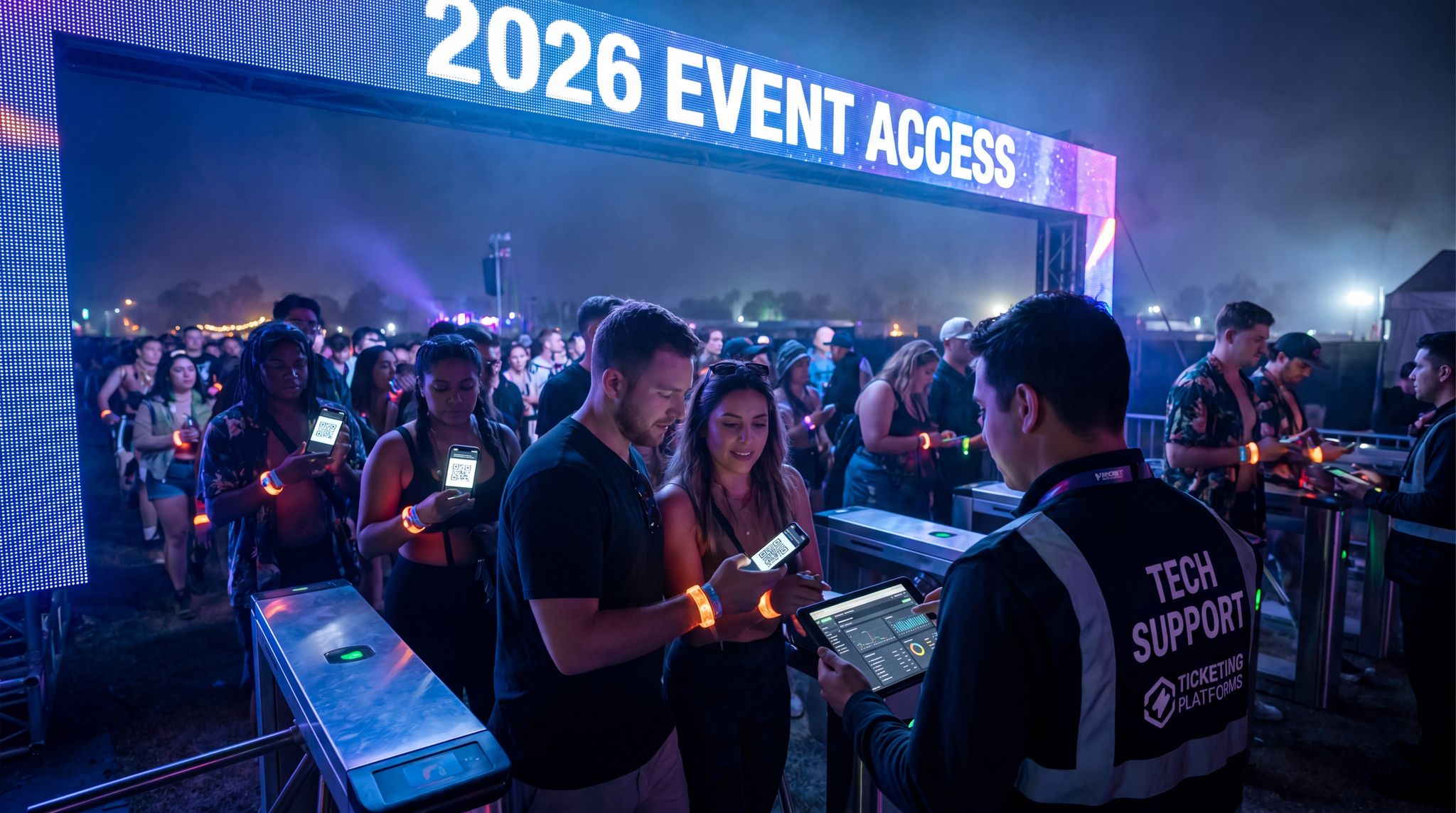
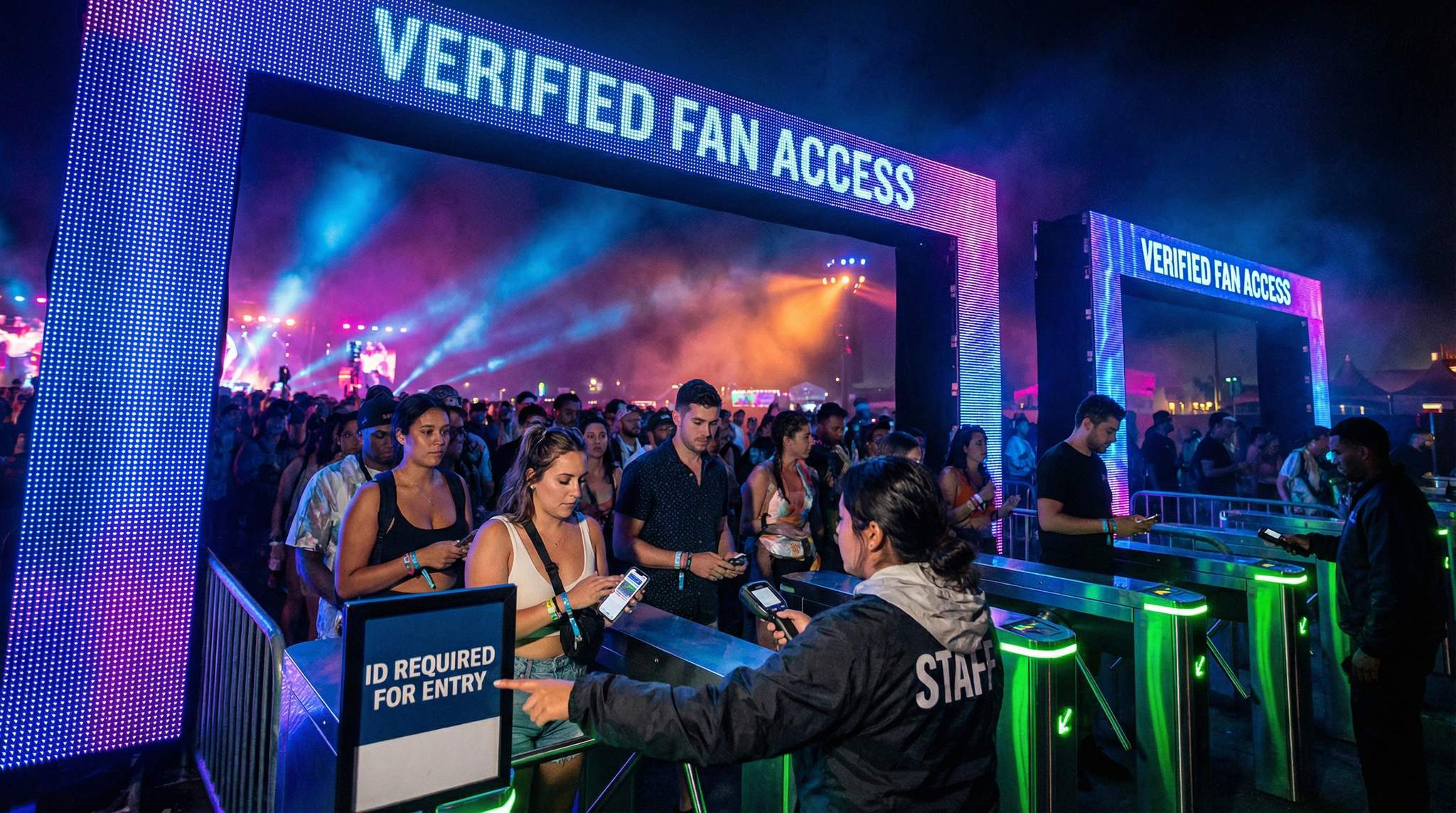
One of the most powerful anti-scalping tools is personalized ticketing – tying each ticket to the identity of the attendee. This usually involves collecting personal information (name, email, possibly address or DOB) for each ticket at purchase, and requiring the ticket holder to show ID matching that name at entry. Advanced digital ticketing systems (including some used by major festivals and venues) even allow the ticket purchaser’s photo to be printed or embedded on the ticket or stored in a QR code. This means the ticket is essentially for one person only and cannot be easily transferred or sold to someone else.
Glastonbury Festival in the UK is a famous example: attendees must register weeks in advance with a photo ID, and their ticket is personalized with their name and photo. At the gate, security verifies IDs – making unauthorized resale virtually impossible. Tomorrowland (Belgium) similarly requires personalization for each pass and verifies identities upon wristband pickup. These real-world implementations prove that personalized ticketing can work at scale – even for 200,000+ attendee events – as long as fans are informed about the process.
Keep Tickets in Fans' Hands
Our secure resale marketplace lets attendees exchange tickets at face value, eliminating scalping while keeping you in control of the secondary market.
From my experience, attendees initially might be wary of sharing personal details or worried about a cumbersome check-in. But clear communication and transparent reasoning (“we do this to ensure true fans like you have access to tickets”) turns most people into supporters of the policy. When we piloted personalized digital tickets at a 2024 music festival, we saw scalping complaints drop dramatically because tickets could no longer be flipped for profit. Legitimate fans appreciated the extra assurance that if they bought a ticket, it was guaranteed to be valid and theirs alone.
Pro Tip: If you introduce personalized ticketing, communicate it clearly and early. Include reminders on the ticket purchase page and confirmation emails that “IDs will be checked at entry.” Provide a straightforward transfer or refund process for those who truly can’t attend (rather than forcing them to turn to illicit resale). By setting expectations upfront, you’ll avoid confusion and get buy-in from your audience.
When evaluating your technology stack, partnering with a reliable supplier offering safe resale, smart access event tickets, and identity verification is paramount. A modern festival and event ticketing partner doesn’t just issue static barcodes; they provide an end-to-end ecosystem where digital passes are dynamically linked to a verified user profile. This ensures that if a pass changes hands, it does so through an authorized, price-capped channel, maintaining a secure chain of custody from the initial point of sale all the way to the venue gates.
For promoters managing high-demand tours, upgrading to a specialized festival and event ticketing platform that supports identity-locked ticket assets is rapidly becoming the industry standard. By treating each admission pass as a secure, non-transferable digital asset tied directly to a verified user profile, organizers can completely neutralize unauthorized secondary market transfers. This architecture ensures that the ticket remains locked to the original purchaser’s device, rendering traditional scalping methods obsolete.
2. Purchase Limitations: Preventing Bulk Buying
Another simple but effective strategy is enforcing strict purchase limits per customer. By capping the number of tickets each person (or each account/credit card) can buy, you directly hinder a scalper’s ability to hoard large quantities. Many events set limits of 2–6 tickets per transaction depending on anticipated demand. This ensures one scalper can’t wipe out, say, 50 seats in one go. Even if they try to game the system with multiple accounts, modern fraud detection can often flag identical payment info, addresses, or device fingerprints across orders.
For promoters managing high-demand tours, upgrading to a live music events platform that supports identity-locked ticket assets is rapidly becoming the industry standard. By treating each admission pass as a secure, non-transferable digital asset tied directly to a verified user profile, organizers can completely neutralize unauthorized secondary market transfers. This architecture ensures that the ticket remains locked to the original purchaser’s device, rendering traditional scalping methods obsolete.
Smooth Entry With Mobile Check-In
Scan tickets and manage entry with our mobile check-in app. Supports photo ID verification, real-time capacity tracking, and multi-gate coordination.
2. Purchase Limitations: Preventing Bulk Buying
Another simple but effective strategy is enforcing strict purchase limits per customer. By capping the number of tickets each person (or each account/credit card) can buy, you directly hinder a scalper’s ability to hoard large quantities. Many events set limits of 2–6 tickets per transaction depending on anticipated demand. This ensures one scalper can’t wipe out, say, 50 seats in one go. Even if they try to game the system with multiple accounts, modern fraud detection can often flag identical payment info, addresses, or device fingerprints across orders.
For example, major sporting events and festivals commonly limit sales to 4 tickets per buyer for high-demand days. The Olympics, FIFA World Cup, and other global events often restrict households to a set number of tickets per event. When Taylor Swift’s 2023 tour tickets went on sale, official presale rules allowed a maximum of 6 tickets per code to discourage bulk buying (and even that presale was coupled with fan verification). Most reputable ticketing platforms have this feature baked in, but as an organizer you should double-check and configure the limit appropriately with your ticketing partner.
Grow Your Events
Leverage referral marketing, social sharing incentives, and audience insights to sell more tickets.
It’s important to strike a balance: the limit should be low enough to deter professional scalpers, but high enough that genuine fans can buy for their group of friends or family. From festival experience, a 4-ticket limit tends to be a sweet spot – it’s hard for a scalper to build large inventory at 4 per account, yet an ordinary fan can buy for themselves plus three buddies. Also consider time-based limits (e.g., max 2 tickets in the first 5 minutes of on-sale) for extremely high-demand releases, as scalpers often hit the initial minutes hardest.
Behind the scenes, use your ticketing system’s monitoring tools to watch for suspicious patterns. If one buyer somehow completes multiple transactions that collectively exceed the limit, you may need to intervene. Some advanced systems will automatically cancel orders or put them on hold for review if they detect a user purchasing above the allowed quantity by hopping between accounts or using bots.
Pro Tip: Coordinate with your ticketing provider to implement “velocity checks” – these detect when the same user or card is making repeated purchases rapidly. Scalpers often try to skirt per-order limits by running many transactions quickly. By catching that behavior (for instance, 10 orders from the same credit card in one hour), you can void the excess sales before tickets are delivered. This not only thwarts scalpers but also frees up inventory to go back on sale for real fans.
For European promoters—particularly those operating in regions like the Netherlands and Belgium where the push to prevent ticket scalping is heavily supported by strict consumer protection laws—implementing automated purchase limits is not just a best practice, but a regulatory expectation. Utilizing a ticketing partner that automatically enforces these regional compliance standards ensures that your inventory remains protected across borders, effectively stopping touts before they can drain your primary allocation.
Turn Fans Into Your Marketing Team
Ticket Fairy's built-in referral rewards system incentivizes attendees to share your event, delivering 15-25% sales boosts and 30x ROI vs paid ads.
3. Dynamic Pricing and Non-Transferable Tickets
Dynamic pricing has emerged as a controversial but impactful tool to combat scalpers. Dynamic pricing means ticket prices adjust based on real-time demand – much like airline tickets or hotel rooms. If demand is extremely high, the system raises prices for the remaining tickets. This approach was widely adopted in the U.S. by 2023 and is gaining traction elsewhere. The idea is to capture the true market value of the ticket for the artist or organizer, rather than leaving that “markup” margin on the table for scalpers. When done right, dynamic pricing can severely squeeze scalpers’ potential profit: if a ticket’s face value already rose closer to what fans are willing to pay, there’s less room for an unofficial reseller to add a huge markup.
However, dynamic pricing must be used carefully. In late 2024, an Oasis reunion tour in the UK sparked an uproar when some dynamically priced tickets appeared at 2–3 times their original price for a stadium show. Fans who expected a fixed £75 ticket saw prices above £150, leading to anger and even a government inquiry into the practice. The key lesson: transparency and moderation are crucial. Explain to your audience if you are using demand-based pricing (e.g., “ticket prices may fluctuate with demand to ensure resales remain fair”). Perhaps set a reasonable cap so prices don’t go astronomically high in seconds. Some promoters, noting the backlash, have opted to dynamically price only a small percentage of premium seats, not the majority of tickets.
On the flip side, many industry experts predict dynamic pricing will become more common. At the 2024 International Live Music Conference (ILMC), ticketing executives shared that only about 10% of UK shows were using dynamic pricing so far – but they expected that to increase by 30–40% in the near future. The experience in the U.S. supports this: most large tours now use some form of variable pricing or “Platinum” ticket options. If implemented judiciously, this strategy channels revenue to the event (and artists) while undercutting scalpers’ arbitrage. Just be prepared to handle fan education and potential pushback.
The second part of this practice is issuing non-transferable tickets. A non-transferable ticket is locked to the original buyer or attendee – it usually carries the buyer’s name, and only that person (with ID) can use it to enter. This goes hand-in-hand with personalized ticketing. Non-transferability can also be enforced digitally: for example, mobile app tickets that refresh QR codes continuously so they can’t be screenshot and shared. The Paris 2024 Olympics deployed a fully digital ticketing system with dynamically updating QR codes and an official app tied to the purchaser’s account, making unauthorized transfers virtually impossible. When tickets cannot be resold or given away easily, scalpers are basically stuck – they have no product to sell.
One challenge with non-transferable tickets is legitimate circumstances like a ticket holder falling sick or having a change of plans. If you forbid transfers entirely, you might alienate some fans or end up with empty seats. To solve this, many organizers allow a strictly regulated transfer or resell through an official platform (more on that in the next section). The key is that tickets shouldn’t be freely sellable on the open market. By combining dynamic pricing (which removes the huge price differential scalpers exploit) with non-transferability (which removes the mechanism to resell), you create a hostile environment for scalping.
For international organizers, particularly in the European market, the ultimate goal is achieving true resell-proof ticketing. To effectively limit unauthorized transfers—or as Dutch and Belgian promoters emphasize, to beperk doorverkoop en scalping—venues are increasingly adopting closed-loop digital ecosystems. In these setups, a resell-proof ticket is dynamically generated and cryptographically tied to the buyer’s smartphone. If a fan needs to offload their pass, the system forces the transaction through an official, price-capped exchange, ensuring that the original organizer retains full control over the secondary market and completely neutralizes touting incentives.
Go Cashless With RFID Technology
Enable contactless payments, faster entry, and real-time spending analytics with RFID wristbands and NFC-enabled ticketing for your events.
Warning: Dynamic pricing can upset loyal fans if they don’t understand why prices are fluctuating. Always weigh the PR risks. If your event caters to a community that values affordability or there’s an expectation of fixed prices, consider a modest approach to dynamic pricing or clearly label premium options. And if you do make tickets non-transferable, ensure there’s an official return or exchange policy – otherwise fans who genuinely can’t attend might feel punished.
4. Fan Presales and Verified Resale Solutions
Prioritizing your real fans in the ticketing process is a win-win: it rewards loyalty and keeps tickets away from scalpers. Fan presales are early ticket access windows for select groups: for example, subscribers to your newsletter, members of an official fan club, previous attendees, or followers who complete a specific action (like a promo code from an artist’s social media). By offering, say, 20–30% of tickets in a presale to verified fans, you ensure those tickets land in the hands of engaged audience members first. Scalpers have a harder time infiltrating these presales, especially if you use unique codes and tie them to fan accounts.
Large artists and festivals often run multiple presales – think “loyalty presale,” “Spotify listener presale,” “local residents presale,” etc. Each one targets a segment likely to be genuine attendees. A great example is Ticketmaster’s Verified Fan program (used in tours for Taylor Swift, BTS, etc.), where fans sign up in advance, the system vets for bots or duplicate entries, and then issues exclusive purchase codes to a randomized set of fans. While not perfect (high demand can still exceed supply, as Swift’s tour showed), this method at least makes scalping more labor-intensive and less guaranteed for touts. Many scalpers won’t bother with lengthy sign-up and verification processes when easier targets exist.
In addition to presales, establish a verified resale platform for your event. This is an official channel where ticket holders who legitimately can’t attend can resell their tickets to others in a safe, controlled way. The resale platform should enforce price caps (for instance, no more than face value or a small predefined increase like 10–15% to cover fees). It should also validate each ticket so that once resold, the old barcode is canceled and a new one is issued – preventing one ticket from being sold multiple times (a common scam on unofficial sites). Some ticketing companies have built-in resale exchanges; alternatively, you can partner with a known fan-friendly resale marketplace. For example, the Paris 2024 Olympics had an official resale site and app where any resale had to occur (tickets listed elsewhere would be voided). In the UK, platforms like Twickets gained popularity for allowing face-value fan-to-fan exchanges for concerts and festivals.
When attendees inevitably ask your support team questions like how to sell Ticketek tickets or how to transfer passes from other major platforms, having a clear policy is essential. Directing them to an official, organizer-sanctioned secondary exchange ensures that ticket marketplace anti-scalping measures remain intact. By controlling the resale environment, you prevent fans from migrating to unregulated sites where price gouging runs rampant.
Furthermore, enforcing these strict marketplace controls within your official exchange—such as hard price ceilings and mandatory seller verification—creates a closed-loop ecosystem. This guarantees that any secondary transfers adhere to your event’s original pricing strategy, completely cutting off the profit margins that incentivize professional touts.
Free Tool: When Should You Announce?
Pick your event date and genre — the free planner outputs a recommended announce, presale, on-sale and reminder schedule anchored to how your audience actually buys.
The combination of presales and verified resale covers both ends of the timeline: presales get tickets to true fans upfront, and a verified resale market handles the back end if plans change. Together, these measures take wind out of scalpers’ sails. When fans know they have a fair shot at a presale and a secure way to buy or sell later if needed, they are less likely to patronize shady secondary sites.
Pro Tip: Build community and exclusivity around your presales. For instance, give your newsletter subscribers a 24-hour head start on tickets, or reward repeat attendees with a special access code. This not only helps defeat scalpers but also boosts fan engagement with your brand. During the resale phase, heavily promote the official resale link on your website and social channels right up to the event date. To get the most out of this strategy, learn how to use loyalty presales to drive ticket sales effectively.
5. Active Monitoring and Enforcement Against Bots
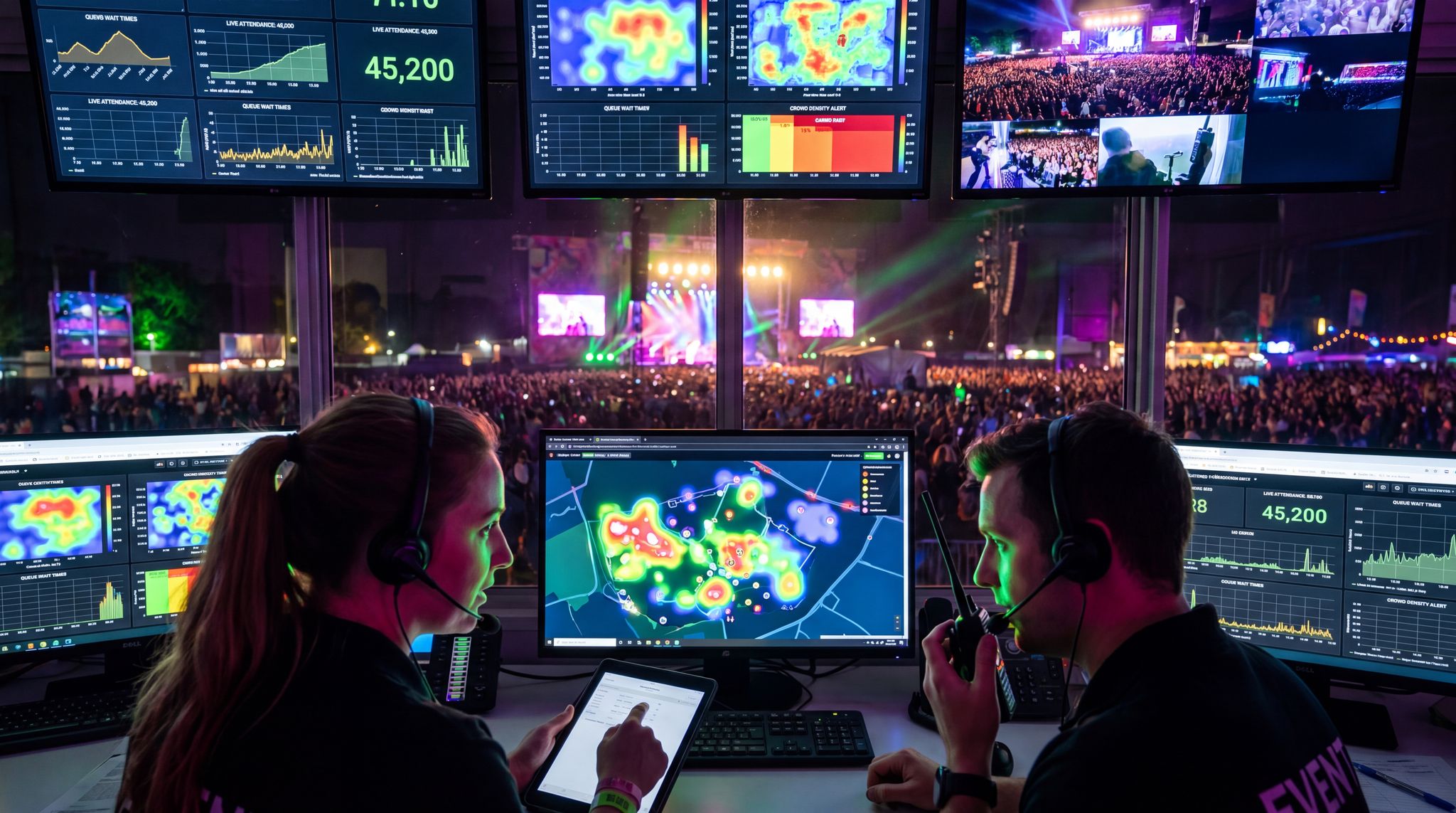
Even with all the preventive measures above, you can’t “set and forget” when it comes to scalpers. Successful event organizers maintain active monitoring of ticket sales and enforce anti-scalping policies rigorously. This involves both technological tools and human oversight:
- Bot Detection Software: Leverage anti-bot solutions that detect unusual traffic patterns on your ticketing site (e.g., hundreds of requests from one IP, or form submissions happening in microseconds). Many ticketing platforms now integrate AI-driven bot detection or services like Cloudflare’s bot management. These systems can automatically block or throttle suspicious activity. In 2025, AI is advanced enough to recognize bot buying behavior in real time – for example, flagging when one user tries to check out with dozens of tickets in rapid succession across multiple events.
- Purchase Pattern Analysis: Monitor your sales data for red flags. If an account with no prior history suddenly buys the max tickets for many shows, or if numerous orders come from the same credit card/billing address, that’s likely scalper activity. We recommend reviewing sales logs immediately after a big on-sale: any anomalies (like sequential orders of 4 tickets each within seconds) can be investigated. Some organizers use third-party analytics tools or even hire specialized fraud analysts during major ticket releases.
- Secondary Market Scrutiny: Keep an eye on popular resale platforms (StubHub, Viagogo, Facebook groups, etc.) for your tickets. If you spot someone listing 20 tickets to your event at 3x price, you’ve probably identified a scalper. Some event teams create “mystery shopper” accounts to trace how resellers operate and gather evidence. There are also companies offering monitoring services that scan secondary sites for your tickets and provide reports.
- Enforcement Actions: A policy is only as good as its enforcement. Make sure your ticket terms of sale clearly state that resales above face value or purchases via bots are prohibited and will result in cancellation. Then follow through: if you catch violators, void their tickets and put them on a blacklist for future events. Yes, it can be painful to cancel tickets (and issue refunds) for sales that technically brought in money, but letting scalpers keep those tickets is worse in the long run. High-profile artists like Ed Sheeran have made headlines by voiding thousands of scalped tickets and forcing a return to face-value sales – moves that fans largely applaud. Similarly, some Premier League football clubs in 2025 reported cancelling tens of thousands of fake accounts and bot purchases once identified, and issuing lifetime bans to those buyers.
- Legal Support: If bots attacked your on-sale, don’t hesitate to reach out to authorities if applicable. Laws like the U.S. BOTS Act and similar anti-touting laws in other countries mean scalping isn’t just your problem – it’s illegal. In one FTC case, brokers using bots had to pay $3.7 million and faced $31 million in judgments. While you might not personally launch a lawsuit, knowing that government and industry watchdogs are on your side can bolster your resolve to clamp down hard on offenders.
For many organizers, managing these technical defenses in-house is overwhelming. This is where partnering with a dedicated anti scalping service becomes invaluable. A specialized agency or software provider focuses entirely on threat intelligence, constantly updating their algorithms to block the latest bot networks. When evaluating the best anti-scalping services for ticketing, look for providers that offer seamless API integration with your primary box office, real-time threat dashboards, and a proven track record of handling massive traffic spikes without crashing the checkout queue.
Selecting the right anti-scalping solution for your specific event scale is a critical architectural decision. A robust anti-scalping tool should seamlessly integrate with your primary ticketing platform, offering real-time traffic analysis without causing friction for legitimate buyers. Whether you are evaluating standalone bot-mitigation software or built-in ticketing features, prioritize systems that offer customizable velocity checks and automated blocklists to effectively prevent ticket touting (or as international promoters often refer to it, scalping voorkomen tickets) before inventory is depleted.
Beyond basic rate limiting, an enterprise-grade anti-scalping tool will utilize device fingerprinting and behavioral biometrics. This means the software analyzes how a user interacts with the page—such as mouse movements and typing speed—to differentiate a human fan from an automated script. Deploying this level of sophisticated anti-scalping solution ensures that your high-demand inventory remains protected even when scalpers rotate their IP addresses to evade standard bans.
Smart Promo Codes & Presale Access
Create percentage or flat-rate discount codes with usage limits, date ranges, and ticket type restrictions. Plus unlock codes for private presales.
From a systems architecture perspective, simply bolting on a standalone bot-blocker is rarely enough for high-demand tours or major festivals. You need to deploy a holistic anti scalping system that communicates seamlessly across your entire tech stack. A true enterprise-grade setup integrates pre-sale registration data, real-time queue management, and post-sale inventory auditing. By centralizing these data streams, event organizers can identify complex touting networks and coordinated purchasing rings that might otherwise slip past isolated security layers.
For promoters wondering exactly how to prevent ticket fraud and scalping using ticketing software, the answer lies in this deep integration. Modern platforms automatically cross-reference payment gateways, IP addresses, and historical purchase data to flag anomalies before a transaction completes. Particularly in the United States, where high-demand tours are frequently targeted by sophisticated broker networks, relying on software that features dynamic barcode generation and real-time inventory auditing is the most reliable way to prevent ticket scalping and eliminate the threat of fake tickets at the gate.
All these actions send a strong message that your organization is serious about fair ticket access. Scalpers are opportunistic; if they see a particular festival or venue consistently cracking down, they may move on to easier prey.
Pro Tip: Document and celebrate your anti-scalping stance publicly. After your on-sale, if you successfully thwarted bots or canceled scalped tickets, let your fans know! A quick social media post or email like “We identified and canceled 150 bot orders – those tickets are back on sale now for you, the fans” can generate goodwill. It shows you’re actively protecting your community. Just be sure you actually have the capability and data to back it up before making such announcements.
6. Protecting Your Event’s Reputation
In the social media age, an isolated ticketing fiasco can snowball into a PR disaster. We’ve seen it happen: angry posts from fans about unfair ticket access can go viral, attracting negative press coverage and even political attention. Your event’s reputation is one of its most valuable assets – and scalping can tarnish it overnight if not managed.
Imagine a scenario where hundreds of fans show up at the venue with counterfeit or resold tickets that you had to void. They’re turned away at the door, disappointed and upset. Some of them whip out their phones to vent on Twitter or Instagram, tagging your event and sponsors. “XYZ Festival sold me a fake ticket!” might not be the true story, but that’s the headline that spreads. Avoiding this kind of blow-up is a major reason to be proactive with anti-scalping measures.
By prioritizing fair ticketing, you demonstrate respect for your audience. Fans appreciate when organizers make visible efforts to put tickets in the hands of real attendees at reasonable prices. It builds trust and loyalty. On the flip side, if your event gains a reputation as a scalper’s paradise where fans never get tickets at face value, people will eventually give up trying or approach your brand with cynicism. They might assume your whole ticketing process is “rigged” even if it isn’t – a sentiment you definitely want to avoid.
There are notable examples of reputation damage from ticketing issues. The Taylor Swift “Eras Tour” ticket sale debacle in late 2022, for example, led to fan outrage and hearings in Congress – even though the intent was to combat bots, the execution problems angered customers. While that was more of a system failure than scalping allowance, it shows how ticket buying issues strike a deep nerve. Even smaller events can get bad press on local news if fans complain of being cheated by secondary prices or scams.
The best approach is transparency and fan-forward policies. Make your anti-scalping steps known: if you’re doing personalized tickets or canceling scalped orders, say so on your website and in event FAQs. When fans know you’re on their side, they’re more forgiving if minor hiccups occur. Encourage fans to report suspected scalpers or fraudulent listings as well – a community that feels involved will amplify your enforcement (like tip-offs about fake tickets being sold in Facebook groups, etc.).
Finally, remember that protecting your ticket integrity is protecting your long-term business. Fans who have a good purchasing experience are more likely to attend, spend on concessions and merchandise, and return next time. Those who feel burned might not give you a second chance. Trust is hard to earn and easy to lose in the event world. By tackling scalping, you show you value your fans’ hard-earned money and loyalty, which in turn yields a stronger reputation and word-of-mouth buzz that money can’t buy.
Warning: Don’t ignore consistent fan feedback about ticketing. If you see many comments like “Bots always snatch the tickets” or “Prices are crazy on resale – so unfair,” take it seriously. These are warning signs that your current strategy isn’t meeting audience expectations. Address it head-on with better anti-scalping measures or a public explanation of what you’re doing to improve. Inaction in the face of mounting fan frustration is a recipe for reputational damage.
7. Implementation and Benefits
Rolling out these anti-scalping practices requires planning and coordination, but the payoff is huge. Start by bringing all stakeholders to the table: your ticketing platform/provider, legal team, event operations, marketing/customer relations, and even the artists or talent (for concerts) if they manage their own fan clubs. An aligned strategy might include updating terms and conditions, configuring new software tools, training staff for ID checks, and preparing communication templates for customer questions. For example, if you implement personalized tickets and purchase limits, brief your customer support team on how to handle inquiries (“How do I change the name on my ticket?” “Why can I only buy 4?” etc.). A bit of training up front can save a lot of confusion later.
Integrating multiple anti-scalping measures is often most effective. Think of it like layers of security for a bank: you want locks, cameras, alarms and guards, not just one of those. Similarly, you might use personalized, non-transferable tickets plus dynamic pricing plus active monitoring. Each layer addresses a different scalper tactic. Yes, there’s operational overhead – more ID checks, more monitoring – but many events have shown it’s manageable. Festivals with 50,000 attendees have successfully checked IDs at entry by allocating additional staff and using digital scanning to speed up the process. The technology side (like bot detection or dynamic pricing algorithms) can largely be handled by your ticketing provider or IT team with the right partnership.
Budgeting for anti-scalping is also a consideration. Incorporating these features might have costs: perhaps your ticketing software charges extra for an identity verification module, or you need to hire a couple of temporary staff to monitor forums and social media during sales. Treat these as investments in event quality and brand protection. In our experience, the cost of implementing anti-scalping measures is far lower than the revenue and goodwill you regain by selling tickets to real fans. For instance, if blocking scalpers means 500 more fans buy at face value who otherwise wouldn’t, that could be tens of thousands in additional direct revenue – not to mention ancillary sales at the event.
The benefits of a well-executed anti-scalping strategy are clear:
- Increased Customer Satisfaction: Fans who get tickets at fair prices (and smoothly) will be happier and more excited going into the event. You’ll likely see fewer angry emails and tweets about ticketing. Post-event surveys often show higher satisfaction when attendees felt the ticket buying process was fair.
- Stronger Loyalty and Word-of-Mouth: When fans feel you’ve “got their back” against scalpers, they’re more likely to support future events. They’ll tell friends about how your festival is fan-friendly. This can translate into faster sell-outs for your next event – with genuine attendees.
- Better Onsite Atmosphere: A crowd full of true fans who paid reasonably is a more energetic, positive crowd. In contrast, if half the audience overpaid on secondary markets, they might be in a disgruntled mood. Happy fans mean better vibes and more spending on concessions and merch (because they didn’t blow their whole budget on the ticket itself!).
- Fair Revenue Distribution: By capturing revenue through dynamic pricing or premium offerings (instead of letting scalpers capture it), you have more funds to reinvest in the event – whether it’s better production, more artists, or improved amenities. It makes your event more financially sustainable.
- Reputation as an Industry Leader: Events that successfully implement anti-scalping measures often get recognized in the industry. It’s a mark of being forward-thinking and audience-centric. This can open doors to partnerships, sponsorships (brands love events with happy fans), and positive media stories highlighting your approach.
Implementing these measures isn’t without challenges. There may be initial pushback from some customers used to laxer systems, or technical hiccups to iron out. But in our professional view, the organizations that navigate these challenges will emerge stronger. In a competitive events landscape, fans will gravitate toward events that prioritize their experience and trust. Anti-scalping efforts are now a part of that experience. They’re not just about stopping “ticket theft” – they’re about fostering a community where fans feel valued and treated fairly.
Pro Tip: Start with a pilot program. If you’re hesitant to overhaul everything at once, pick a smaller show or a less high-stakes event to trial measures like personalized ticketing or an official resale portal. Gather feedback from attendees on how it went. Iron out any kinks (for example, if entry was slow due to ID checks, maybe you need more staff or better scanners). By the time your flagship event comes around, you’ll have refined the process. Also, communicate results internally – show your team the reduction in scalping incidents or positive fan feedback from the pilot to build support for broader implementation.
Future of Anti-Scalping Measures
As we look ahead, the fight against scalping is continuously evolving. Technology is the big game-changer. Blockchain ticketing is a buzzworthy innovation: using blockchain (the technology behind cryptocurrencies) to issue tickets as unique digital assets. Each ticket’s ownership and transfer history can be recorded on a public ledger. This means if a ticket is resold, the system knows exactly who sold it, who bought it, and (potentially) for how much. Blockchain-based ticketing platforms can be set up to require approval for any transfer or to automatically send a cut of any resale back to the organizer or artist (recapturing revenue). The decentralized nature of blockchain makes it extremely hard for scalpers to manipulate or counterfeit tickets. In 2025, more events are trialing blockchain ticketing for its transparency and security, although mainstream adoption will depend on making it user-friendly for average concert-goers.
Artificial intelligence (AI) and machine learning are also playing a bigger role. AI can crunch massive amounts of data to predict scalper behavior. For example, machine learning models can analyze which upcoming events are likely to attract bot attacks (based on artist popularity, venue, historical data) and alert organizers to bolster their defenses for those on-sales. AI-driven fraud detection can happen in real-time during ticket sales, automatically flagging and isolating suspicious purchases for review – way faster than human eyes could. By 2025, many top ticketing companies are deploying AI to not just react to bots, but to anticipate them.
We’re also seeing enhancements in mobile ticketing and identity verification. Biometric verification, like facial recognition or fingerprint scanning, is on the horizon (some VIP experiences already use face scans instead of tickets). Imagine tickets linked to your smartphone and your face – a scalper would have to replicate you to beat that system. There are understandably privacy concerns with biometrics, so it may not become widespread immediately, but it’s technically feasible as an ultimate personalized ticket.
Another trend is greater collaboration across the industry to combat scalping. Ticketing firms, event companies, and regulators are sharing data and strategies more than before. There are industry task forces and working groups (under organizations like the International Live Events Association (ILEA) and FanFair Alliance in the UK) focused on standardizing anti-scalping practices. Governments are catching up too: some are considering stricter regulations that mandate transparency in ticket fees and resale, and heavier penalties for bot usage. In the US, lawmakers in 2024–2025 floated bills to require ticket platforms to report bot attacks to the FTC and to outlaw dynamic pricing without disclosure – indicating how top-of-mind these issues have become.
While the tools at our disposal become more high-tech, the core principles remain: verify who’s buying, limit how they buy, track the tickets, and clamp down hard on abuse. Scalpers will undoubtedly seek new loopholes – for instance, some have started using distributed bot networks and rotating IP addresses to evade detection – but AI is countering by identifying those patterns too. It’s an arms race, but one where event organizers now have far more sophisticated armor than ever.
The future might even include smart tickets that are smart contracts (self-executing agreements) – where rules like “cannot be resold above X price” are coded into the ticket itself. We might also see dynamic QR codes that only activate when the event is about to start, or greater use of geo-fencing (tickets only work if your device is near the venue). All these innovations aim for the same goal: ensuring the person enjoying the show is the one who the ticket was initially sold to, at a fair price.
In summary, the battle against scalping is far from over, but the outlook is promising. By staying informed about these emerging technologies and trends, and continuing to center the fan experience in ticketing, event organizers can look forward to a fairer, more transparent ticketing ecosystem. The arms race will continue, but those who embrace innovation and keep ethical practices at heart will stay one step ahead. For more insights on what lies ahead, explore the music event technology trends and innovations for 2025.
Conclusion
Scalping and ticket resale challenges aren’t going to vanish overnight – but as a modern event organizer, you have a robust toolkit to protect your event and your fans. By combining personalized ticketing, purchase limits, dynamic pricing, fan-first presales, vigilant monitoring, and strong enforcement, you create a multi-layered defense that vastly reduces the scalpers’ foothold. Implementing these measures demonstrates that you understand the on-the-ground realities of event ticketing, possess expertise in using industry best practices, and maintain authority by aligning with industry standards. Most importantly, it builds trustworthiness by doing right by your audience.
From our experience editing festival ticketing policies, the events that thrive in 2025 and beyond are those that treat fair ticket access as a core part of the attendee experience. When a fan buys a ticket without stress or price-gouging and walks into your venue excited and grateful, you’ve set the stage for a fantastic event before the show even starts. On the other hand, if their journey was fraught with bots and rip-offs, that negativity can linger no matter how great the performance is.
By refreshing your anti-scalping strategy with the practices discussed, you’re boosting more than just ticket sales – you’re boosting fan loyalty, brand reputation, and the long-term success of your events. Each year brings new challenges and tools, but the commitment to fairness will always set you apart. Here’s to an event season where tickets end up in the right hands: your fans’, not the scalpers’.
Frequently Asked Questions
What is personalized ticketing and how does it prevent scalping?
Personalized ticketing means each ticket is tied to the purchaser’s identity – often with their name (and sometimes photo ID) required for entry. This prevents scalping because the ticket cannot be easily resold or transferred to someone else. A scalper can’t buy 50 tickets under one name and sell them to 50 different people, since those buyers would be turned away at the door without ID matching the ticket. By verifying IDs at entry, event staff ensure the person who bought the ticket is the one using it. This dramatically reduces bulk buying and resales. It also deters counterfeit tickets, since cloning a ticket won’t work if an ID check is in place. Fans appreciate the extra security – they know if they bought a legitimate ticket, no one can steal or duplicate it, and it gives them confidence that the crowd around them is filled with genuine fellow supporters, not bots or frauds.
How do dynamic pricing and non-transferable tickets work together to combat scalping?
Dynamic pricing and non-transferable tickets form a one-two punch against scalpers. Dynamic pricing raises the initial sale price of tickets in response to demand, meaning scalpers can’t find as many “cheap” tickets to flip for huge profits. Essentially, it shrinks the profit margin that attracts scalpers in the first place. Non-transferable tickets then add another layer: even if a scalper does get tickets, they can’t easily resell them because each ticket is locked to the original buyer or requires strict verification to transfer. When used together, you’re addressing both motivation and mechanism – dynamic pricing tackles the motivation (profit) by aligning prices closer to true market value, and non-transferability tackles the mechanism (resale) by making unauthorized sales impractical. The result is that tickets more often go directly from the official seller to the real fan, cutting out the middleman. It’s worth noting that this approach requires robust systems and clear communication to fans (so they know tickets might fluctuate in price and that they can’t buy tickets as gifts without following proper transfer procedures). But when done right, it ensures tickets reach genuine attendees at reasonable (or at least transparently set) prices.
What role do fan presales and verified resale channels play in preventing scalping?
Fan presales and verified resale channels are about putting fans first at both the start and end of the ticket distribution process. In a fan presale, you reward your core audience (fan club members, prior attendees, subscribers, etc.) with early access to tickets. Since these are the people most likely to actually attend and not resell, you’ve immediately reduced the number of tickets available for scalpers to grab when general sales open. Fan presales often sell a significant portion of tickets to known fans, leaving a smaller pool for any scalpers to target. On the back end, a verified resale channel provides a safe, fair marketplace for any reselling that does need to happen (life happens – people’s plans change!). Instead of buyers resorting to sketchy websites, they can go to your official resale platform, where prices are capped and sellers are verified. This prevents scalpers from dominating the secondary market because any attempt to gouge prices gets cut off by the platform rules. Essentially, fan presales front-load ticket distribution to real fans, and verified resale back-stops the process by catching tickets that would otherwise flow to scalpers later. Together, they greatly reduce the opportunities and incentive for scalpers to operate, ensuring more tickets stay at fair prices within the fan community.
How can event organizers effectively monitor and enforce anti-scalping policies?
Effective monitoring and enforcement require a mix of technology, dedicated personnel, and clear policies. First, use tech tools: implement bot-detection software and analytics that flag unusual buying patterns (e.g., one user buying too many tickets too quickly, or multiple purchases from the same IP/credit card). Many ticketing systems will let you set alerts or automatically block suspected bot activity. Second, have staff (or hire specialists) actively watch secondary markets and social media for your tickets being sold – this can tip you off to scalpers that slipped through. Third, set up clear policies and consequences in your ticket terms: state the maximum allowed purchases, that IDs will be checked, that resales above face value are void, etc. and then enforce them by cancelling orders that violate rules. Coordination is key – your ticketing partner should help with automated enforcement (like not allowing more than X tickets, or canceling duplicate orders), and your venue staff should be trained to spot things like duplicate tickets or names that don’t match IDs. Some organizers coordinate with local authorities or industry groups especially if large-scale fraud is detected. For example, if you identify a batch of tickets bought with stolen credit cards or bot accounts, you might share that info with law enforcement or other venues as part of a broader crackdown. Internally, hold a post-sale review meeting: look at data, identify how many bot orders were blocked, how many were caught after the fact, and refine your approach for next time. In short, stay vigilant throughout the ticket sale cycle. Enforcement isn’t a one-time thing – it’s ongoing until the event date (and even at the door). When fans see you actively protecting them (like cancelling known scalper tickets and releasing them back for sale), it builds trust and deters bad actors from trying again.
What future technologies are emerging to combat ticket scalping?
Several exciting technologies are on the rise. Blockchain ticketing is one – by issuing tickets on a blockchain, every transaction is recorded openly and can be controlled via smart contracts. This means tickets could be coded to only allow one resale at a capped price or to require verification by the organizer before transfer. It creates a transparent trail, making it far harder for scalpers to operate anonymously or sell fake tickets. Artificial intelligence is another emerging tool: AI can detect bot patterns and even predict which events scalpers will target, allowing organizers to reinforce security preemptively. AI algorithms are getting better at distinguishing genuine buyer behavior from bot behavior in milliseconds during an online sale. We’re also seeing more use of mobile-centric ticketing – for example, tickets that live in a secure smartphone app tied to the buyer’s account. These can use rotating QR codes or NFC (near-field communication) that make tickets very difficult to duplicate or transfer illicitly. Some venues are experimenting with biometric entry systems, where your fingerprint or face can act as your “ticket” (linked to your purchase) – virtually impossible to scalp, since it’s unique to you. Additionally, as mentioned earlier, dynamic pricing tools and enhanced identity verification (like two-factor authentication for ticket purchases) are getting more sophisticated to stay ahead of scalpers. On the horizon, there’s talk of leveraging AI chatbots to engage with customers during on-sales to sniff out scalpers (for instance, challenging suspicious buyers with extra verification questions). The future will likely be a blend of these technologies, all geared toward one goal: ensuring tickets go directly into the hands of real fans at fair prices. While no system will be 100% foolproof, the gap is certainly closing, and scalpers will have a much tougher time in the years to come.
How do I provide fair access during high-demand sales?
To provide fair access during high-demand sales, event organizers must deploy a comprehensive anti-scalping solution that prioritizes genuine fans over automated bots. Start by implementing a robust pre-registration or verified fan presale system to allocate a significant portion of your inventory to known audience members. Combine this with strict per-customer purchase limits, velocity checks, and a reliable anti-scalping tool that filters out malicious traffic in real time. Additionally, utilizing a waiting room or randomized queue system can help manage server load and ensure that everyone who arrives on time has an equal, randomized chance to purchase, rather than rewarding the fastest bot. Clear communication about these ticket marketplace anti-scalping measures will reassure your audience that the process is equitable.
How do I evaluate the ROI of an anti-scalping solution?
Calculating the return on investment for an anti-scalping tool involves measuring the recapture of lost primary revenue and the reduction in customer support overhead. When a robust anti-scalping solution successfully blocks bot transactions, those tickets remain available for genuine fans who are more likely to purchase VIP upgrades, merchandise, and on-site food and beverage. Additionally, by minimizing the number of fraudulent secondary market tickets, your team spends significantly less time handling gate disputes and processing chargebacks. Ultimately, the investment pays for itself through protected primary ticket yields and preserved brand reputation.
What features define the best anti-scalping services for ticketing?
When evaluating an external anti scalping service, event organizers should prioritize real-time behavioral analytics, seamless integration with existing ticketing platforms, and automated bot mitigation. The best providers don’t just rely on static IP blocklists; they use machine learning to analyze user interactions—like mouse movements and navigation speed—to distinguish human fans from automated scripts. Additionally, a top-tier service will offer customizable velocity rules, allowing you to adjust purchase limits dynamically during high-demand on-sales without disrupting the legitimate buyer journey.
What is the most effective way to stop ticket scalping?
If you are wondering how to stop ticket scalping entirely, the reality is that it requires a multi-layered approach rather than a single silver bullet. The most effective strategy combines personalized, non-transferable tickets with strict purchase limits and robust bot-detection software. By tying each pass to a specific attendee’s identity and utilizing an enterprise-grade anti-scalping solution, organizers can cut off the primary mechanisms touts use to harvest and flip inventory. Furthermore, directing fans who can no longer attend to an official, price-capped resale exchange ensures that secondary market demand is met safely, starving unauthorized brokers of their profit margins.
What should organizers look for in a ticketing supplier to prevent scalping?
When selecting a vendor, prioritize a supplier offering safe resale, smart access event tickets, and identity verification built directly into their core platform. A comprehensive system will utilize dynamic QR codes or NFC technology tied to a specific attendee’s profile. If a fan can no longer attend, the platform should facilitate a secure, face-value exchange that automatically voids the original barcode and issues a new one to the buyer. This closed-loop ecosystem prevents unauthorized third-party transfers and ensures that venue operators always know exactly who is walking through their gates.
What are the core components of an enterprise-grade anti scalping system?
A comprehensive anti scalping system goes beyond basic CAPTCHA or simple rate limiting. For large-scale event organizers and venue operators, an effective setup requires a multi-layered architecture. The foundational layer is identity verification, ensuring that every account entering the purchase queue belongs to a real, vetted human. The second layer involves real-time traffic analysis and bot mitigation software that monitors behavioral biometrics during the checkout flow. Finally, a robust defense framework must include secure, dynamic digital delivery—such as rotating QR codes—that locks the pass to the buyer’s mobile device. When these components are integrated into a unified platform, promoters can effectively neutralize automated harvesting and unauthorized secondary market transfers.
What are the benefits of using identity-locked ticket assets for live music events?
Deploying a platform that utilizes identity-locked ticket assets for live music events fundamentally changes how inventory is managed. It operates by binding the digital admission pass directly to the purchaser’s verified identity and mobile device. Unlike static PDFs or standard barcodes that can be easily screenshotted and emailed, these digital assets utilize dynamic, rotating QR codes or NFC technology. The ticket remains securely tethered within the official app ecosystem. If a fan needs to transfer or resell their pass, they must do so through the platform’s sanctioned, price-capped exchange. This ensures the event organizer retains complete visibility over the chain of custody, preventing unauthorized brokers from harvesting and flipping inventory on unregulated secondary markets.
What are the best anti-scalping features to look for in a reservation management solution for popular venues?
For popular venues managing high-demand inventory, a robust reservation management solution must include several critical anti-scalping features. First, look for dynamic velocity checks that can automatically throttle or block rapid, repeated booking attempts from a single IP address or user profile. Second, the system should support identity-locked digital passes, ensuring that a reservation cannot be easily transferred or sold to a third party without going through an official, price-capped exchange. Finally, seamless integration with your primary CRM and access control hardware is essential. This allows venue operators to cross-reference booking data with actual entry scans, identifying and blacklisting touts who attempt to exploit the reservation system.
How do organizers prevent scalping and fake tickets for popular events?
To effectively prevent ticket fraud and scalping for popular events, organizers must transition away from static PDFs and embrace dynamic, identity-linked digital passes. When a high-demand show goes on sale, touts immediately look for vulnerabilities to harvest inventory and generate counterfeit copies. By utilizing advanced ticketing software that generates rotating QR codes—which refresh every few seconds—promoters make it impossible for bad actors to screenshot or duplicate passes. Combined with strict purchase limits, pre-sale registration vetting, and a closed-loop official resale exchange, these technological safeguards ensure that only legitimate buyers gain entry, completely neutralizing the threat of fake tickets at the door.
What makes a system truly resell-proof, and how does it limit unauthorized resale?
A truly resell-proof ticketing architecture relies on dynamic, identity-locked digital assets rather than static barcodes or PDFs. To effectively limit unauthorized resale and scalping (often referred to in European regulatory contexts as measures to beperk doorverkoop en scalping), the system must bind the admission pass to the purchaser’s verified mobile device. Because the QR code refreshes every few seconds, it cannot be screenshotted or printed. If a ticket holder cannot attend, the only way to transfer the pass is through the organizer’s official, price-controlled exchange. This closed-loop approach starves secondary market brokers of their inventory and ensures that all peer-to-peer transfers comply with the event’s original pricing strategy.
You May Also Like:
- If you are looking to expand your digital reach, understanding how to SEO optimize your music event is a crucial next step.
- Artists involved in your events might also benefit from our Twitch streaming guide for music pros.
- For venue owners, we also have resources on booking underground music at clubs while staying profitable.