As the global live music industry enters 2026, touring is bigger than ever – and so is the complexity of managing tours. Major promoters reported record-breaking concert attendance in 2023, and superstar tours are shattering revenue milestones (Taylor Swift’s Eras Tour grossed an estimated $2.2 billion, the highest of all time according to Associated Press reports on tour grosses). At the same time, many emerging artists still struggle to turn a profit on the road – a recent survey found 72% of musicians made no profit from their tours. This contrast underscores how crucial a skilled touring artist manager is: they must capitalize on opportunities while steering clear of pitfalls to make a tour successful.
At its core, effective touring management is about aligning creative ambition with operational reality. For independent promoters and venue operators, understanding the internal dynamics of touring management companies is essential for negotiating better deals and ensuring seamless show execution. These specialized firms handle the heavy lifting of routing, budgeting, and logistics, allowing the artist to focus entirely on their performance.
From coordinating logistics and managing finances to safeguarding the artist’s well-being, a touring artist manager serves as the backbone of any successful concert tour. The job has evolved to require broad expertise – part logistics expert, part accountant, part confidant – all to bring the artist’s vision to life on stage and keep the business on track. Whether you’re new to this role or a seasoned road veteran, this updated guide will equip you with current strategies, real-world examples, and professional insights to effectively manage touring artists in 2026 and ensure their tours run smoothly from start to finish.
In the sections ahead, we’ll cover every stage of tour management: from meticulous pre-tour preparation and budgeting, to on-the-road operations and problem-solving, through post-tour wrap-up and career growth. Each section is expanded with fresh tips – drawn from industry data and firsthand experience – on how to handle the unique challenges that come with touring. Let’s dive in.
Data-Driven Event Marketing
Track ticket sales, demographics, marketing ROI, and social reach in real time. Exportable reports give you the insights to make smarter decisions.
Staying ahead of the curve is non-negotiable for any professional guiding a musician’s career today. When looking at the latest trends for an artist manager in 2026, the focus has shifted heavily toward data-driven routing, sustainable touring practices, and advanced revenue diversification. Modern management requires integrating real-time analytics to predict market demand before booking a single venue, ensuring that every tour leg maximizes profitability while mitigating the rising costs of travel and production.
For those looking for a quick primer on tour management 101, the discipline fundamentally bridges the gap between an artist’s creative output and the commercial reality of live events. Promoters and venue operators rely heavily on professional concert tour management to ensure that complex multi-city runs are executed safely, on budget, and in compliance with local regulations. Partnering with established concert tour management companies can significantly reduce a promoter’s operational risk, as these firms bring standardized protocols and vetted road crews to every date on the routing.
Ready to Sell Tickets?
Create professional event pages with built-in payment processing, marketing tools, and real-time analytics.
Essential Guide for Touring Artist Managers: Pre-Tour Preparation and Laying the Groundwork

A successful tour begins long before the first show takes place. Proper advance preparation is absolutely key to organizing and executing a tour smoothly. By laying strong groundwork early, you can minimize stress, avoid costly mistakes, and ensure the artist’s vision for the tour is fully realized on stage. Below are the critical steps to get started:
To keep these critical steps organized, veteran organizers rely on a master checklist for planning a concert tour. A comprehensive tour planning checklist ensures no operational milestone is overlooked. Key phases include finalizing the routing, securing venue contracts, hiring the core road crew, advancing technical riders, and establishing a firm budget with built-in contingencies. By treating these foundational tasks as a non-negotiable roadmap, promoters and managers can align their teams long before the first piece of gear is loaded onto a truck.
Understanding the Role of a Tour Manager
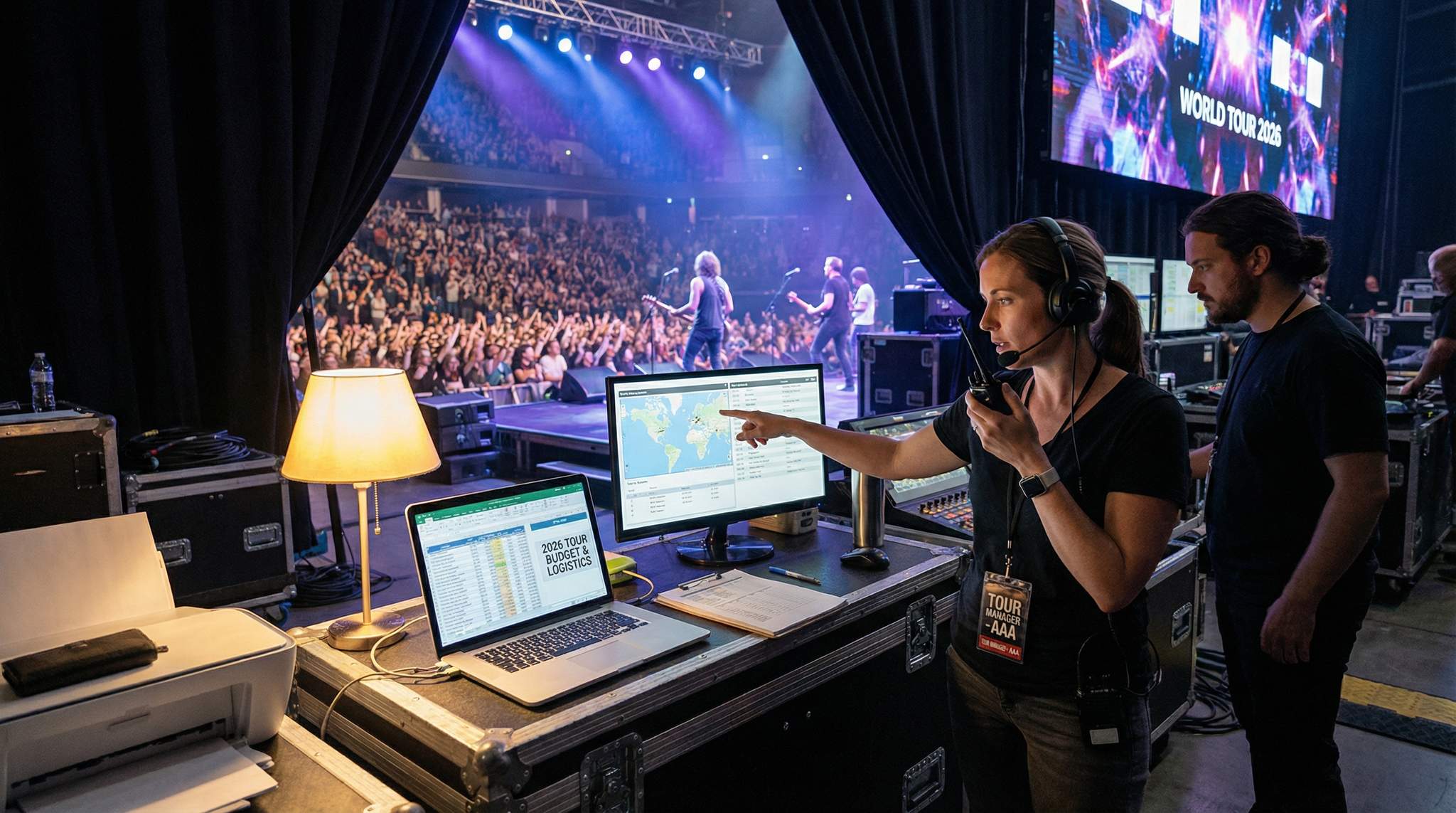
A tour manager plays a pivotal role in the live music business, ensuring that every aspect of a concert tour runs smoothly behind the scenes. In many ways, the tour manager is the linchpin holding the entire operation together – overseeing logistics and travel, managing the tour budget, coordinating the crew, liaising with booking agents, promoters, and venue managers, and troubleshooting issues on the fly. Their primary mission is to bring the artist’s creative vision to life on stage while maximizing revenue and minimizing risks for the tour.
Turn Fans Into Your Marketing Team
Ticket Fairy's built-in referral rewards system incentivizes attendees to share your event, delivering 15-25% sales boosts and 30x ROI vs paid ads.
When asking exactly what does a tour manager do in the music industry, it helps to view them as the chief operating officer of a mobile business. While booking agents secure the dates and promoters market the shows, music tour managers execute the physical reality of the tour. They bridge the gap between the artist’s creative camp and the venue operators, ensuring that technical riders are met, local union labor is coordinated, and daily settlements are accurate. In the broader music industry ecosystem, these professionals are the ultimate risk mitigators, protecting both the promoter’s investment and the artist’s brand night after night.
When industry professionals ask, “what is touring from a purely operational standpoint?”, the answer lies in scalable risk management. It is the process of replicating a high-stakes live event across multiple cities, dealing with varying local regulations, union rules, and venue constraints. For those wondering what about touring makes it so complex, it is this constant geographical shift combined with the pressure of maintaining consistent production quality.
Grow Your Events
Leverage referral marketing, social sharing incentives, and audience insights to sell more tickets.
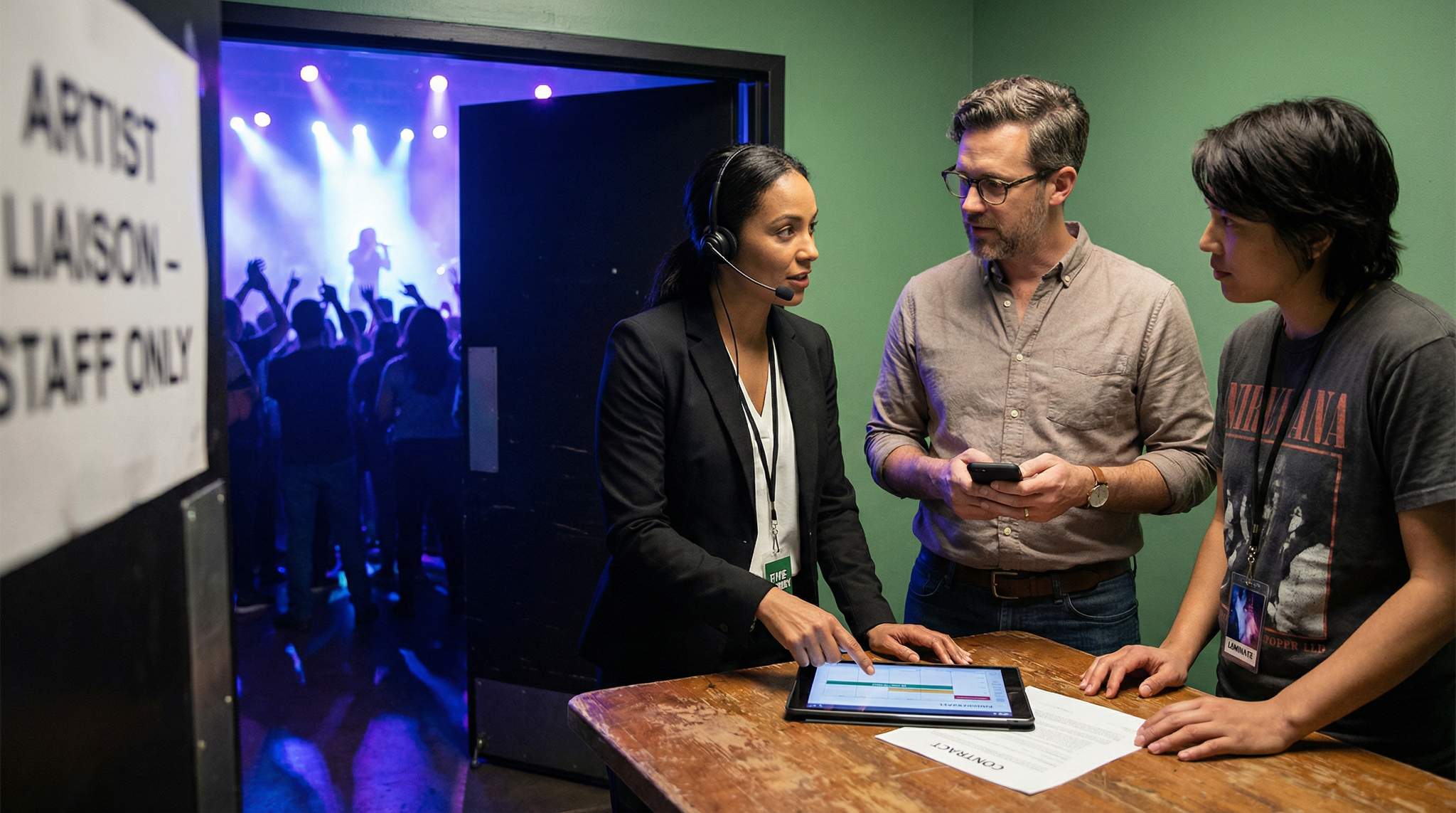
A common question among emerging promoters is, “do band managers go on tour alongside the artist?” While the primary artist management (often abbreviated as mgmt) might attend key dates—such as major festival plays, hometown shows, or critical industry showcases—they rarely stay on the road for the entire routing. Instead, mgmt delegates the grueling day-to-day oversight to a dedicated touring professional, allowing the core management team to focus on long-term career strategy, label negotiations, and future bookings from their home office.
This role is as complex as it sounds. A tour manager must wear many hats: one minute they’re a logistics coordinator mapping out the most efficient route between cities, the next they’re negotiating with a venue about backstage amenities, and later they’re calming an anxious artist or settling a last-minute equipment issue. Collaboration and communication are key – tour managers work closely with the artist’s personal manager, booking agent, concert promoters, and production team to ensure everyone is on the same page and each show meets both the artist’s expectations and the contract requirements.
On smaller tours (for example, a rising indie band traveling in a van), the artist’s manager might even double as the tour manager, handling everything from driving to selling merch. By contrast, on large arena or stadium tours, the tour manager leads a much bigger team (often alongside a separate production manager). In those cases, the scale can be massive – major tours might use 15–20 semi-trucks to haul staging and gear and require a caravan of tour buses for dozens of crew members as noted in logistics industry reports. At peak, an arena tour’s traveling production can easily involve 100+ staff moving from city to city. The tour manager is effectively the general manager of this mobile operation, making sure the entire show stays on schedule, every night. They must be adept at quick decision-making, creative problem-solving, and staying calm under extreme pressure.
In short, the tour manager’s role is indispensable to tour success. They blend logistical know-how, financial savvy, and people-management skills to keep the show on the road. A great tour manager not only handles the nuts and bolts of touring but also creates an environment where the artist and crew can perform at their best.
Free Tool: Model Promoter Payouts
Flat-percentage, flat-per-ticket, or tiered-bonus commission structures — get per-promoter payouts and total commission as % of gross. Free calculator.
Qualifications and Skills for Tour Managers
To excel as a tour manager, one needs a unique combination of qualifications and personal skills. Here are some of the key attributes required for the job:
-
Educational Background – A bachelor’s degree in music business, entertainment management, or a related field can provide a strong foundation. Formal education in the music industry isn’t strictly mandatory, but it helps you understand the business side of touring (contracts, revenue streams, marketing) and can lend credibility early in your career.
-
Practical Experience – Hands-on experience in the live music industry is invaluable. Many tour managers start by interning at music management companies, working for event promoters, or even touring in entry-level roles (like a merchandise seller or production assistant). Real-world experience – even on a small scale – helps you learn how concerts operate and how to navigate common touring challenges.
-
Communication & People Skills – Strong interpersonal communication is absolutely critical. A tour manager must effectively interact with artists (and often act as a buffer for the artist), venue personnel, promoters, and dozens of crew members. You’ll be leading team meetings, advancing show details with venue managers, and negotiating with vendors. Being clear, professional, and empathetic goes a long way toward preventing misunderstandings and keeping morale high on the road.
-
Organizational Skills – Excellent organizational abilities are a must. Tour managers juggle complex schedules, travel itineraries, and minute-by-minute show-day timelines. You need to keep track of contracts, contact lists, hotel confirmations, set times, and more – often for multiple weeks or months of dates. Meticulous attention to detail and the ability to multitask efficiently will keep the tour running like clockwork.
-
Financial Management – Tours live or die by their budgets, so being financially savvy is crucial. A great tour manager is comfortable drafting and managing detailed budgets, tracking expenses in real time, and making adjustments to stay within budget. This includes everything from negotiating better rates on hotels to reconciling nightly box office settlements with promoters. Basic accounting skills and the ability to forecast cash flow help ensure the tour remains financially sustainable.
No Hidden Fees, Just Honest Pricing
One all-inclusive fee covers the platform, payment processing, support, and every feature. Free events are always free. No setup costs, no surprises.
-
Creativity and Problem-Solving – No matter how well you plan, things will go wrong – often at the worst time. Top tour managers are creative thinkers who can problem-solve on the fly. Whether it’s rerouting the entire itinerary due to a sudden venue cancellation or quickly sourcing a local drum tech when the usual crew member falls ill, you’ll need to improvise solutions under pressure. Keeping a cool head and thinking outside the box are invaluable skills on the road.
-
Technological Proficiency – Modern tour management relies on a suite of digital tools. Being tech-savvy is increasingly important for handling everything from digital itineraries to stage lighting cues. Familiarize yourself with tour management software (for example, master tour scheduling apps or shared online calendars), spreadsheet programs like Excel or Google Sheets for budgeting, and communication platforms (email, Slack, WhatsApp groups) to coordinate with your team. Embracing useful tech can streamline your workflow and reduce errors.
-
Flexibility and Stamina – The touring lifestyle is not a standard 9-to-5 job. You’ll be working irregular hours, adjusting to time zone changes, and spending long days (and nights) on the road. A successful tour manager must be physically and mentally resilient. This means staying level-headed when plans change last-minute (because they will change), adapting to different local cultures and regulations when touring internationally, and enduring the inevitable stresses of constant travel. High energy, good stress management, and the ability to “roll with the punches” are key traits for long-term success in this career.
All of these skills, combined with a keen attention to detail, enable tour managers to thrive in a dynamic environment. The music industry is ever-evolving, so the best tour managers are lifelong learners – always refining their skills, staying current with industry trends, and ready to tackle whatever challenges the next tour brings.
Establish a Tour Budget and Financial Plan
One of the very first tasks when planning a tour is to create a detailed tour budget. As an artist’s manager, you need a clear picture of all projected income and all anticipated expenses to determine if the tour is financially viable. This budget will be your financial roadmap throughout the project. Key considerations include:
-
Revenue Projections: Work with the booking agent and promoters to estimate gross income from ticket sales for each show (based on venue capacities, ticket prices, and realistic attendance figures). Don’t forget to include other revenue streams like merchandise sales (e.g. t-shirts, vinyl, meet-and-greet packages) and any tour sponsorship deals or guarantees. Use historical data if available – for instance, look at how similar tours or past shows in those markets have performed – and account for regional differences in demand. It’s better to be conservative with revenue estimates, especially for untested markets.
Automated Waiting Lists for Sold-Out Events
Capture demand when tickets sell out and automatically notify waitlisted buyers when tickets become available through cancellations or resale.
-
Expense Breakdown: List every possible expense category for the tour and build them up into your total cost. This typically includes transportation (flights for the artist and crew, tour bus or van rental, fuel, tolls, vehicle insurance), accommodations (hotel rooms or tour bus sleeper bunks, plus any Airbnbs or pre-tour housing for rehearsals), per diems (daily meal money for each traveling member), equipment and production (rentals of sound, lighting, or backline gear if not owned; staging costs; audio/visual content production; instrument maintenance like drum heads and guitar strings), crew wages (salaries or stipends for each crew member, including any local hires), freight/shipping (for transporting gear or merch, or air-freighting equipment on fly dates), permits and visas (for international travel, work permits, carnet fees), insurance (liability insurance, equipment insurance, and event cancellation insurance if purchased), marketing and promotion (advertising, social media boosts, PR events), and hospitality and rider costs (backstage catering, hospitality rider items, towels, etc.). It often helps to break the budget down per show and in total, to identify which shows might be loss-leaders and which should be the big money-makers.
-
Contingency Fund: Touring is unpredictable – build in a safety net. Always set aside a contingency fund (around 5–10% of the total budget) for unexpected expenses and emergencies. This could cover anything from a vehicle breakdown and last-minute flight change, to replacing a stolen instrument or paying rush fees for expedited visas. That extra cushion can spell the difference between weathering a surprise or canceling a show. In fact, many veteran tour managers abide by a rule to pad total expected expenses by about 5–10%. It’s far better to come in under budget than to run out of funds before the final show.
-
Hidden and Miscellaneous Costs: Pay special attention to the less obvious expenses that are easy to overlook. For example, credit card processing fees on ticket sales can eat into your net revenue, venues might charge merchandising commissions (often 10–25% of your merch gross) that reduce your take, and exchange rates or international wire fees can impact your finances when dealing with foreign currency. Always check if the promoter or venue is covering certain expenses – sometimes festivals provide backline or accommodations, whereas for a solo tour you cover those. Little things add up, from baggage overage fees for transporting gear, to parking permits for the tour bus in certain cities, to last-minute Ubers when shuttle plans fall through. Be thorough and err on the side of overestimating costs. For a handy checklist of commonly overlooked expenses, see our guide on 10 hidden costs to budget for an event – many of these “hidden” costs can apply to touring as well.
Pro Tip: When building your budget, err on the side of caution with estimates. Quote expenses on the higher end and revenues on the lower end. And absolutely include a contingency line. By adding a 5–10% buffer to cover surprises, you’ll thank yourself later when an inevitable hiccup happens on the road.
Contingency Fund: Touring is unpredictable – build in a safety net. Always set aside a contingency fund (around 5–10% of the total budget) for unexpected expenses and emergencies. This could cover anything from a vehicle breakdown and last-minute flight change, to replacing a stolen instrument or paying rush fees for expedited visas. That extra cushion can spell the difference between weathering a surprise or canceling a show. In fact, many veteran tour managers abide by a rule to pad total expected expenses by about 5–10%. It’s far better to come in under budget than to run out of funds before the final show.
Hidden and Miscellaneous Costs: Pay special attention to the less obvious expenses that are easy to overlook. For example, credit card processing fees on ticket sales can eat into your net revenue, venues might charge merchandising commissions (often 10–25% of your merch gross) that reduce your take, and exchange rates or international wire fees can impact your finances when dealing with foreign currency. Always check if the promoter or venue is covering certain expenses – sometimes festivals provide backline or accommodations, whereas for a solo tour you cover those. Little things add up, from baggage overage fees for transporting gear, to parking permits for the tour bus in certain cities, to last-minute Ubers when shuttle plans fall through. Be thorough and err on the side of overestimating costs. For a handy checklist of commonly overlooked expenses, see our guide on 10 hidden costs to budget for an event – many of these “hidden” costs can apply to touring as well.
Free Tool: Price Your Venue Like a Pro
Capacity, city tier, day of week and amenity mix produce a suggested rate band and a full day-by-day rate card for your space. Free estimator.
Pro Tip: When building your budget, err on the side of caution with estimates. Quote expenses on the higher end and revenues on the lower end. And absolutely include a contingency line. By adding a 5–10% buffer to cover surprises, you’ll thank yourself later when an inevitable hiccup happens on the road.
It’s worth noting that in the post-pandemic era, tour costs have risen (fuel, hotels, and labor are all more expensive as of 2026). At the same time, not every tour is guaranteed to make money – by some estimates, over two-thirds of touring artists don’t turn a profit on the road. Careful budgeting and cost control are more important than ever. Remember that profitability isn’t just about gross income, but about keeping expenses in check. Many large-scale events have failed by overspending despite strong ticket sales, simply because they mismanaged the budget. Don’t let your tour fall into that trap. Keep a close eye on cash flow and adjust plans if needed (for instance, scaling back production elements or off-day expenditures) to ensure the tour remains financially sustainable.
Consider a powerful platform like Ticket Fairy for your event ticketing to manage your tour’s ticketing and entry data, allowing for large teams to be assigned with tiered access permissions and more. This kind of integrated solution makes tracking everything from ticket sales to on-site gate scans simple and seamless, giving you real-time visibility into your tour’s financial performance.
Book and Confirm the Tour Schedule

With a solid budget mapped out, the next major step is working with the booking agent (and sometimes directly with promoters or venues) to lock in the tour dates and locations. This is a critical planning phase where details matter. Once the routing is decided, confirm everything in writing – from performance dates and venue addresses down to what time soundcheck starts, set lengths, curfews, and which days are travel or off-days. Here are key considerations when firming up the tour schedule:
-
Route Planning: Design a routing that makes logistical and geographical sense. String the dates together in an order that minimizes backtracking and excessive travel time between shows. A well-planned route reduces transportation costs, stress, and fatigue. For example, if you’re touring the U.S. West Coast, it’s more efficient to go Seattle ? Portland ? San Francisco than to zigzag back and forth. Pay attention to climate and season, too – driving through mountain passes in mid-winter or scheduling outdoor shows during peak summer heat can introduce extra risks and costs. Crucially, build in adequate rest days or lighter travel days, especially after very long flights or intense runs of shows. The artist’s health and voice often need periodic recovery time. Many experienced managers aim for a pattern (e.g. 3 shows on, 1 day off) to prevent burnout and keep performance quality high. For more tips on scheduling, check out the essentials of planning an enticing event itinerary.
-
Timing and Local Factors: When choosing dates, check the local calendar in each city. Avoid scheduling concerts that directly compete with major local events. For instance, if a huge festival or a championship sports game is happening in town on a certain day, you might steer your show to a different night (or be prepared for lower turnout). Also consider days of the week – weekends generally draw bigger crowds, whereas Monday or Tuesday shows can be tougher unless the artist has a devoted fanbase in that market. Align your expectations and marketing efforts accordingly. Plan around holidays and cultural events as well: a show the night before a national holiday might do great, but a show on the holiday itself could flop if people have other plans.
-
Visas and International Logistics: If the tour will travel internationally, start planning for visas and permits early. Each country has its own regulations for visiting performers. You may need to secure work visas (for example, a P-1 entertainment visa for the USA, or work permits for each country in Europe) and arrange ATA Carnets for your equipment to clear customs without heavy duties. Factor visa processing times into your schedule – some can take weeks or months. Also allow extra buffer days around international flights in case of travel delays or to recover from jet lag. It’s wise to consult with a specialized tour immigration service or local promoters about legal requirements in their country. The last thing you want is an artist or crew member held up at the border due to paperwork issues.
-
Tour Contracts & Deal Memos: Before announcing or finalizing any date, double-check that you have signed agreements or deal memos with each promoter and venue. These should clearly outline the date, city and venue, set length/curfew, financial deal (guarantee, versus deal, bonuses), hospitality and lodging arrangements, technical provisions, and cancellation terms. Review every contract for accuracy – ensure deposits are scheduled (and have been received) and that all special requests (from specific backline gear to post-show meals) are noted. It’s much easier to negotiate or correct terms before the tour starts than to dispute them during the tour. If something in a contract looks off (say, the venue is smaller than promised or a promised hotel isn’t listed), address it immediately with the booking agent and get an updated contract. Clarity upfront prevents headaches later.
Warning: Don’t overload the itinerary. Squeezing in too many shows with no breaks might look profitable on paper, but it can backfire terribly. Exhaustion can cause the artist to lose their voice or get sick, and an overworked crew is more likely to make mistakes (which can lead to show-stopping technical issues or even injuries). Avoid the temptation to fill every open date. It’s far better to have a slightly shorter tour that everyone can execute safely and energetically than to risk a major mid-tour meltdown because you didn’t allow anyone to catch their breath.
It is also beneficial to understand how an artist’s history with a community impacts an event’s success when booking venues.
Prepare the Artist’s Tour Crew
Behind every smoothly run tour is a solid tour crew. As the manager, you need to ensure that all key roles are filled with capable people and that everyone knows their responsibilities well before the first show.
-
Core Tour Crew: Identify the personnel needed based on the size and complexity of the production. At minimum, a touring artist will have a tour manager (if you as the artist’s manager aren’t acting in that role yourself), a front-of-house (FOH) sound engineer who mixes the live audio, and a lighting designer/technician to run the lights. Many tours also carry one or more backline technicians (guitar techs, drum techs, etc.) who set up instruments, keep them in tune, and handle on-stage adjustments. For mid-sized tours, a dedicated production manager often joins to supervise all technical and stage elements, allowing the tour manager to focus on logistics and big-picture issues. Larger productions might include a stage manager, a monitor engineer (handling the sound the artist hears on stage via monitors or in-ear systems), and even a tour accountant to settle finances each night. On some tours, a merchandise manager or dedicated merch seller travels as well, responsible for managing inventory and sales of t-shirts, music, and other merch at each show. When hiring, look for reliable, experienced professionals with good references – technical skills are essential, but temperament is also crucial. You want crew members who can handle stress, live in close quarters with others for weeks, and remain team players through long days and nights.
When budgeting for this critical leadership role, promoters and management firms must account for a competitive music tour manager salary. Compensation varies widely based on the production’s scale, duration, and the professional’s experience level, often structured as a weekly rate or a flat fee for the entire run. If you need to find a tour manager, the best approach is tapping into industry networks, consulting with booking agencies, or reaching out to specialized live event staffing firms that vet candidates for high-stakes road operations.
-
Security Personnel: Depending on the artist’s profile and the nature of the venues, you may need to arrange dedicated security. For an emerging artist in small clubs, this might not extend beyond the venue’s in-house security staff. But if you’re managing a well-known artist – or any act where crowd enthusiasm could become a safety concern – having one or two personal security guards on tour is wise. Tour security personnel can escort the artist to and from the stage, secure backstage and dressing room areas, and coordinate with local venue security teams for crowd control or meet-and-greet protection. Advance each show’s security needs: communicate with venues about their staffing and share any specific concerns (for example, if the artist has received threats or if you anticipate fan crowding at the stage door). The goal is to keep the artist and crew safe without creating an intimidating atmosphere for fans.
-
Drivers & Transportation: If your tour involves long overland distances, professional drivers are worth their weight in gold. A tour bus (or sprinter van for smaller tours) typically comes with an experienced driver who knows the touring lifestyle – they’ll plan routes, manage their legally required rest breaks, and get you from city to city safely. Ensure your driver has all the info they need (lodging for themselves, parking details at venues, etc.). For extensive tours, you might even have two drivers rotating shifts to cover overnight hauls. If the itinerary has a lot of flights (so-called “fly dates”), consider working with a dedicated travel coordinator or travel agent who can handle flight bookings, airport transfers, and hotel reservations for each stop. Travel specialists who focus on entertainment tours can often secure group discounts and have 24/7 support lines for last-minute changes – invaluable when a flight gets canceled at 5 AM and you have a show that evening.
-
Pre-Tour Prep & Communication: Before the tour kicks off, hold a meeting (or video call) with the entire crew to review the plan. Distribute a tour book or digital itinerary that includes each day’s schedule, addresses, contact numbers, and special notes (like “Outdoor venue – bring rain gear” or “Parking is 2 blocks away – allow extra time to load out”). Clarify each person’s role and the chain of command: for example, the production manager might run the show at the venue, while the tour manager handles logistics and interfacing with the promoter. Encourage questions and make sure everyone is on the same page regarding the artist’s expectations and any ground rules (some artists enforce a no-drugs policy or quiet hours on the bus, etc.). If possible, schedule a full production rehearsal or at least a tech run-through with the crew before the first tour date. This helps everyone gel as a team and catch any issues with the setup before you’re in front of a live audience.
It’s worth noting that assembling a great crew has become more challenging in recent years – the live events industry saw a labor shortage as many seasoned crew members left during the pandemic. Start recruiting key crew early and treat your team well; competitive pay, reasonable hours, and mutual respect go a long way to retaining talent. Remember, these are the people who will be in the trenches making the show happen every night. Investing in a strong, motivated crew and a positive tour culture will pay off when challenges inevitably arise on the road.
Marketing and Promotion

Even the best-planned tour can falter if people don’t know about the shows. That’s why a robust marketing and promotion strategy is essential well before the tour kicks off. As the artist’s manager, you’ll likely coordinate with the artist’s record label, publicist, and any local promoters to drum up excitement and drive ticket sales. Key aspects of tour promotion include:
-
Social Media & Digital Campaigns: Leverage the artist’s social media presence to build hype from the moment the tour is announced. Develop a content calendar that includes tour date announcements (with links to ticket sales pages), behind-the-scenes teasers (rehearsal clips, glimpses of stage design, etc.), and countdown posts as each show approaches. Engage fans with interactive content – for example, polls (“Which city are you coming to?”), Q&A sessions, or tour-themed hashtags where fans can share their excitement. Platforms like Instagram, TikTok, Facebook, Twitter (X), and YouTube are all valuable for reaching different segments of the audience. Also, ensure the tour dates are easily accessible on the artist’s official website and updated across platforms like Bandsintown, Songkick, or official apps where fans track concerts. Early engagement is key – many successful tours see a spike in ticket sales right after a big social media push or a viral post.
-
Collaborations with Sponsors and Partners: If the tour has corporate sponsors or brand partners, integrate them into the promotion plan in a way that feels authentic. For instance, if a beverage company sponsors the tour, you might create co-branded content (like the artist backstage enjoying the product) or special promotions (a ticket giveaway on the sponsor’s social media). Ensure you fulfill any sponsor obligations, such as shout-outs on stage or logo placements on tour posters, without compromising the artist’s image. When done right, sponsorships can significantly offset tour costs and even amplify marketing reach (since the sponsoring brand will promote the tour too). Just be mindful of keeping a balance – fans can be turned off by promotions that feel too forced or out of character for the artist. (There are many common pitfalls in event sponsorships – from logo overload to tone-deaf activations – so plan integrations carefully to avoid those issues.)
-
Traditional & Local Media: Don’t neglect traditional media and localized marketing, especially for markets where the artist might not have a massive online following. Press releases about the tour (tailored to each region’s media) should go out well in advance, ideally with a newsworthy hook – e.g. “Artist X Announces First Tour of Australia in 5 Years” or “Rising Star Y’s Debut North American Tour Coming this Fall.” Arrange for the artist to do radio station interviews, podcasts, or local morning TV show appearances in major tour markets; these can significantly boost ticket sales among casual listeners. If the budget allows, consider targeted advertising: Facebook/Instagram ads targeted to people in each tour city who like similar artists, Google ads for people searching for concerts, or even old-fashioned street marketing (posters, flyers at venues) if appropriate. Some promoters still swear by billboards or print ads for big shows, though you should gauge if your target demographic is likely to see those. The week of the show, ensure that local media are reminded (many will include a mention in event listings or “things to do this week” roundups).
-
Fan Engagement and Incentives: Engage the fan community to turn them into tour evangelists. Strategies can include offering exclusive pre-sale codes to fan club members or email subscribers (rewarding your core fans with first access to tickets). Create shareable content – for example, an Instagram Story filter related to the tour, or downloadable graphics with tour dates that fans can repost. You might run contests like “win a meet-and-greet by sharing your ticket purchase” or encourage fans to dress up for the show and tag the artist to be featured. Another powerful tool is email marketing: send periodic emails counting down to the tour, highlighting opening acts, or offering limited-time merch bundles (e.g. buy a ticket + exclusive T-shirt package). The more you make fans feel like they’re part of the journey, the more they’ll spread the word. Personal touches, like the artist posting a video message saying “Can’t wait to see you, City Name!”, can do wonders in energizing local fan bases.
Keep in mind that promotion is not one-size-fits-all. Analyze ticket sales as the tour approaches – if some cities are lagging, that’s where you might boost ad spend or arrange an extra interview to spark interest. On the other hand, if a show sells out quickly, you can use that in PR messaging (“Sold Out Show in 10 Minutes!”) and consider whether a second show or larger venue is feasible. Data-driven marketing is a big part of touring now: use insights from streaming services, social media analytics, and ticketing platforms to understand where an artist’s fanbase is strongest and tailor your efforts accordingly. For more on avoiding promotion missteps, see our guide on what most festivals get wrong about marketing and promotion – many lessons apply to tours as well.
On-the-Road Tour Management: Keeping Everything Running Smoothly
Once the tour is underway and the buses (or planes) are rolling, the artist manager’s job shifts to execution mode. At this stage, it’s all about ensuring that each show happens as planned and adjusting to reality on the fly. Day-to-day tour management involves logistics coordination, caring for the artist and crew’s well-being, and handling inevitable surprises with grace. In many cases, the tour manager (if separate from the artist’s main manager) takes charge of on-the-ground operations, but the artist manager should still oversee the big picture and be ready to step in when needed. Here’s how to keep everything running smoothly on the road:
Oversee Daily Operations
While the tour manager handles most of the minute-by-minute logistics on show days, the artist’s manager should stay on top of daily operations to ensure they align with the tour’s overall goals and the artist’s well-being. Frequent communication with the tour manager and crew is key. Some priorities include:
-
Maintaining Schedules: Make sure there is a clear, detailed itinerary for each day of the tour – and monitor that things stay on schedule. This includes departure times for travel days, load-in and soundcheck times on show days, meet-and-greet or press event times, and of course the performance time. Use shared calendar apps or a tour app where everyone can see the latest schedule. If one show runs late or a last-minute opportunity (like a radio interview or industry meet-up) pops up, adjust the schedule and communicate the changes to everyone. As manager, you’re ensuring the artist is where they need to be, when they need to be, with minimal stress.
-
Delegating and Trusting the Team: An effective manager knows how to delegate. Trust your tour manager, production manager, and other crew to handle their domains, but stay informed. For example, you shouldn’t micromanage how the production manager runs the stage setup – that’s their expertise – but you should be aware if there’s a production issue or delay that might affect showtime. Establish a routine, maybe a brief check-in call each morning with the tour manager to go over the day’s plan and any concerns. By empowering your team members to do their jobs and showing confidence in them, you create a positive working environment. That said, if something’s going off-track (say, you notice the merch cash isn’t adding up or the artist is unhappy with monitor sound night after night), be ready to step in, investigate, and help course-correct the issue alongside the responsible team member.
-
Artist Well-Being: Touring can be physically and mentally demanding for artists – and if the artist is not in a good headspace or health, the tour can derail quickly. As manager, you need to be the advocate for the artist’s well-being. Ensure they are getting enough rest – for instance, if there’s an overnight drive, maybe schedule media events late the next day so they can sleep in a bit. Help them maintain some semblance of routine: consistent warm-ups, meal times, or workout opportunities. Keep an eye on their mood and fatigue levels; sometimes an artist might not speak up until they’re really exhausted, so proactively suggest a quiet afternoon or a fun off-day activity to recharge. Mental health is crucial too – long stretches away from home or family can be tough. Encourage the artist to stay connected with loved ones, or even consider bringing a personal friend or therapist along for a leg of the tour if needed. The bottom line: a happy, healthy artist will give better performances and make it through the tour in one piece. It’s part of your job to create an environment that supports that.
-
Crew Morale & Communication: A content crew makes for a smoother tour. Little gestures can go a long way – whether it’s ordering pizzas for everyone after a particularly grueling load-out or giving a shout-out to the lighting tech for an awesome show the night before. Make sure communication lines are open. Some managers do a quick daily briefing to update everyone on any changes or to celebrate wins (like “Great job last night – sold-out crowd and teardown was 15 minutes ahead of schedule!”). If issues arise among crew (friction between personalities, etc.), address them promptly and fairly. Remember, the crew’s working hard and often living in tight quarters; keeping them motivated and appreciated is key. In recent years, there’s been more awareness of crew mental health on tours – for example, pop star Olivia Rodrigo even provided free therapy resources to her entire touring crew during her 2024–25 world tour. While not every tour has the budget for that, it underlines a trend: taking care of your crew’s well-being can drastically improve tour life for everyone.
For specific advice on fan interactions, read our guide on the do’s and don’ts of a smooth artist meet-and-greet.
Logistics and Travel Management
Managing logistics is one of the most important aspects of keeping a tour on track. By the time you’re on the road, many travel details will have been planned – but execution day-to-day requires vigilance and adaptability. Key points include:
Effective artist travel management goes far beyond booking standard flights and hotels. For promoters and management teams, coordinating travel for high-profile musicians requires specialized attention to privacy, routing efficiency, and oversized baggage handling for sensitive instruments. Partnering with dedicated entertainment travel agencies ensures that VIP protocols are respected and that last-minute itinerary changes don’t derail the entire production schedule.
For promoters and venue operators, facilitating seamless touring artist travel is a critical component of a successful show advance. When the local production team understands the specific routing constraints and transportation preferences of the headliner, they can better coordinate ground transport, secure appropriate parking for sleeper buses, and ensure that hotel blocks align with the crew’s load-in schedule. Proactive communication regarding these travel logistics minimizes day-of-show friction and builds strong relationships with top-tier booking agencies.
-
Travel Plans: Continuously double-check all transportation and lodging arrangements as the tour progresses. Tickets and reservations should already be booked, but things change – flights get canceled, hotels get overbooked, buses break down. Have a habit of confirming the next city’s hotel a day ahead and reconfirm flight check-in times, ground transport, and venue load-in times. If a flight delay would jeopardize a show, be proactive: sometimes it’s worth splitting the team onto multiple flights (so not everyone is on the same flight) to mitigate risk. Always know the backup plan – for example, if the tour bus has mechanical trouble, is there a backup bus or van rental company you can call on short notice? If weather threatens a flight, can you re-route via train or have the band leave earlier? These contingency plans can save a show.
-
Gear and Equipment Management: Ensure all essential equipment and instruments travel safely and arrive at each venue on time. Maintain a detailed inventory of every piece of gear and which vehicle it’s in. Work closely with the backline techs and production manager to implement a load-in/load-out checklist so that nothing gets left behind at a venue (you don’t want to discover at the next show that your keyboard stand or a case of merch went missing). For fly dates, oversee the carnets and customs paperwork for gear – count everything before and after flights to avoid troubles with customs officials who expect the same gear out as in. It’s often useful to carry spares for critical items (carry an extra guitar if possible, spare cables, drum sticks, laptop with backup tracks, etc.). If something does break or go missing, coordinate with the production team to source replacements at the next city (local music stores or gear rental shops can be lifesavers). Smooth equipment logistics ensure the artist can deliver a consistent show each night.
-
Transportation Comfort & Timing: Long drives and constant transit can wear everyone down. Try to schedule departures at reasonable times – for instance, leaving super early after a late-night show will exhaust the crew. If overnight drives are required, make sure the bus has a good driver and safe sleeping arrangements, or consider post-show hotel rooms and an early morning departure so people can rest in a bed. Encourage the artist and crew to use travel time to recover (sleep on the bus, etc.) rather than treating every journey as a party – stamina is needed for the whole tour. Also, plan for local transportation on days off or when at the venue (rental vans, rideshares, a runner provided by the promoter) so people aren’t stranded.
-
Food & Catering: Keeping everyone fed with decent food is both a logistical and morale concern. Many tours include catering in the contract for larger venues or festivals – if so, communicate any dietary needs or preferences of the artist and crew ahead of time (e.g. vegetarian meals, no dairy for the singer, a healthy snack spread in the afternoon, etc.). If catering isn’t provided, designate how meals will work: will you be arranging a buy-out (giving cash per diem and letting people find their own meals), or ordering group meals? It’s wise to scout options near venues for days when you have to source food – nobody wants to be wandering unfamiliar streets hangry before a show. Also, ensure hydration is maintained: have plenty of water and sport drinks available on the bus and backstage. Small touches like a cooler of cold waters on the bus, or the artist’s favorite tea in the dressing room, can keep everyone refreshed and feeling taken care of.
-
Merchandise Logistics: If the tour is selling merchandise (and most do, as merch can be a significant income source), make sure the merch stock and cash are handled properly each day. This often means coordinating shipments of merch to certain tour stops, or carrying a merch stock in one of the vehicles. Work with the merch manager or seller to track inventory so you don’t run out of popular items too early. Also, clarify with each venue about merch sales – many venues take a percentage cut, which should have been negotiated in advance, and they might provide sellers or require using union staff in some cases. Plan load-in/out for the merch booth as well, and ensure the seller has a float of change, point-of-sale devices for credit cards (with charged batteries or WiFi), and a secure way to store cash until it can be deposited or handed off. Merchandise can be hectic, especially right after each show when crowds swarm the table – having an organized system here keeps money from “disappearing” and fans happy with their purchases. For deeper tips on managing tour merch, check out our guide on 10 hidden costs to budget for an event – many principles apply on tour too.
Addressing Emergencies and Problem-Solving
No matter how much you plan, problems will arise on the road. The hallmark of a great manager (and tour) is not the absence of problems, but how quickly and effectively you respond to them. Here’s how to stay prepared and handle common crises:
-
Contingency Plans: The best way to handle an emergency is to have a plan before it happens. For each major aspect of the tour, ask “What if?” and have a backup strategy. What if the tour bus breaks down halfway to the next city? (Know the number of a reputable bus rental company or have a sprinter van on standby.) What if the lead guitarist misses a flight? (Perhaps schedule critical personnel on separate flights, or have a local session player who knows the set on call – in extreme cases.) What if severe weather forces a show cancellation? (Have clear insurance and refund policies, and ideally have discussed with the promoter a potential reschedule date or plan.) While you can’t foresee everything, having a mindset of contingency planning means you’ll react faster and calmer when something does go wrong. Share key contingency info with your team as needed so everyone knows their part if Plan A fails.
-
Handling Health Crises: If an artist or crew member falls seriously ill or gets injured, safety and well-being come first. Ensure you have contact info for local medical facilities in each tour city (this can be part of the advance – ask venues for the nearest hospital or clinic). If the artist is sick and might not perform at full capacity, communicate with them and possibly adjust the set (e.g. cut a few songs, have backup vocalists cover more parts). In cases where the artist simply cannot perform (e.g. doctor orders vocal rest), be transparent and decisive: work with promoters to announce postponements or cancellations as early as possible. This is where having event cancellation insurance helps cover financial losses if a show is canceled for reasons like illness. It’s tough to disappoint fans, but short-changing them with a subpar show can be worse. A famous example in recent years: Madonna had to postpone her 2023 tour kickoff due to a severe infection and hospitalization reported by major news outlets, yet fans largely understood because the situation was communicated clearly and her team prioritized her recovery. Always prioritize health – tours can be rescheduled, reputations and lives cannot.
-
Technical and Venue Issues: Sometimes you’ll face problems like an equipment failure, power outage, or venue problem (e.g. the roof is leaking, the stage is smaller than specified). In real time, the tour manager and production crew will try to solve these – your role as artist manager might be to liaison with the promoter or venue management about the issue and any needed adjustments. Stay calm and solutions-focused. If a critical piece of gear fails, do you have a spare or can you rent/borrow one locally? If the venue’s sound system dies, can you delay the show until it’s fixed, or even move the show if truly necessary? These scenarios are rare but being the steady hand in chaos is your job. Make the tough calls in consultation with the team on the ground and always think of safety and fan experience – for instance, evacuating a venue for a storm and postponing the show might be the right call, even if costly, to keep everyone safe.
-
Legal and Contractual Problems: Occasionally, you may hit disputes – a promoter shorting the payment, a venue not honoring the rider, or local authorities raising an issue (like noise complaints or permit problems). Always carry copies of contracts and email communications to each show as reference. If a promoter tries to pay less, respectfully show the contract and involve the booking agent if needed to resolve it. If a situation gets heated or unresolvable on the spot, do what’s necessary to not jeopardize the show for fans (e.g. perhaps accept a delayed payment plan in writing) but make sure to follow up after with legal support. It’s wise to have the contact of an entertainment attorney on standby for serious disputes, and to know the basics of local regulations (for example, some cities have strict curfews with fines – if an encore runs long, that could become a financial issue). By handling legal snags quickly and professionally, you maintain the tour’s integrity and avoid setting bad precedents.
-
Fan-related Issues: In the age of social media, a minor mishap can blow up if fans aren’t kept in the loop. If doors are delayed due to technical issues, have someone inform the waiting crowd (and post on social media) so fans aren’t left frustrated in the dark. If a show is running late, consider having the opener or DJ do an extra bit to keep energy up. In worst-case scenarios like a cancellation or postponement, coordinate with the promoter to issue clear instructions on refunds or new dates, and have the artist share a heartfelt message if appropriate. Showing empathy and communication in these moments goes a long way to preserving the artist’s relationship with their audience.
Another frequent operational headache involves guestlists and ticket requests. Fans and extended acquaintances often wonder, “is it okay to message tour manager for ticket access?” The reality is that fielding these direct messages creates severe bottlenecks for a tour manager. Music industry professionals rely on their touring crew for high-level logistics, not box office administration. To prevent this, establish a strict, centralized guestlist policy early on. Route all complimentary ticket requests through the artist’s core management team or a dedicated ticketing portal, ensuring the road crew isn’t distracted by last-minute door favors.
In all emergencies, keep a level head and tap into your network. Often a quick phone call to the right person – another manager who has dealt with that venue, a friend in the city who can source a piece of gear, the label who can lend support – can produce a solution. Touring is a team sport, and when things go wrong, it’s all hands on deck to find a fix.
To better understand your coverage options, read our complete guide to how event cancellation insurance works.
Tools and Equipment for Tour Managers
Tour managers rely on a variety of tools and equipment to keep the tour running efficiently. In the digital age, many of these tools are software-based, but there’s still plenty of hardware and paperwork involved. Here are some of the key resources and tools a tour manager (and by extension, the artist’s manager) will use:
When evaluating the best artist tour management tools 2026 has to offer, industry professionals are increasingly looking for all-in-one platforms that integrate routing, accounting, and crew communication. Modern music tour management requires software that can handle real-time updates across time zones, automated guestlist approvals, and instant financial settlements. Upgrading your tech stack reduces administrative bloat and allows the touring team to focus on executing a flawless show.
-
Software and Apps: Using the right software can streamline tour management enormously. Specialized tour management software (like Master Tour or similar platforms) allows you to input all tour dates, venues, schedules, and contacts, and then share live updates with the whole team via their phones. This becomes the central hub for itineraries, day sheets, hotel confirmations, etc. Project management tools (Asana, Trello, or even Google Drive folders) can help organize advancing documents and checklists. Accounting or budgeting software (QuickBooks, Xero, or a good Excel template) is key for tracking expenses on the road and monitoring the budget. Communication apps such as Slack or WhatsApp groups are often used so that all crew and management can stay in instant contact (separate channels can exist for “Crew Chat,” “Management Only,” “Local Promoter Chat,” etc., to keep communications organized). Embracing these tech tools not only increases efficiency but also reduces the chance of human error – like someone forgetting call time, because a reminder notification pops up for everyone.
-
Hardware and Connectivity: The tour manager’s laptop is their mobile office – it should be loaded with all the essential software above, and backed up frequently (consider keeping important files in the cloud for access from any device in case a laptop is lost or crashes). A smartphone (with international roaming or local SIM cards where needed) is crucial for staying connected; many tour managers also carry a mobile hotspot device to ensure internet access on the road or at venues with poor Wi-Fi. Two-way radios or intercom headsets are often used among crew during shows – for example, the stage manager, production manager, and tour manager might all be on radio headsets to coordinate show cues, artist escort to stage, etc., without shouting over a loud environment. Don’t forget charging equipment and backup batteries – keep power banks for phones/radios, spare laptop chargers, and international outlet adapters if touring abroad. A well-equipped tour office on the bus might also include a small printer/scanner for contracts or set lists, and a laminator for making tour passes on the fly.
-
Paperwork and Documentation: Even in 2026’s digital world, hard copies of certain documents are worth having on hand. Keep a binder (or a digital folder that’s readily accessible) with copies of all key documents: venue contracts, technical riders, hospitality riders, stage plots, sound check schedules, flight itineraries, hotel confirmations, insurance certificates, and work permits/visas. Upon arriving at each venue for load-in, the tour manager usually does a “soft check-in” with venue staff – having the contract and rider on hand ensures there’s no confusion about agreed-upon terms (like how many local crew the venue provides, or what catering should be ready). Itineraries and day sheets are often posted physically backstage for easy reference. It’s also wise to maintain a tour diary or log – a simple daily log of any notable events, expenses paid in cash, arrival/departure times, and incident reports (hopefully none). This can be invaluable later for settling disputes or simply improving the plan for the next tour.
To maintain consistency across multiple dates, seasoned professionals also rely on a standardized tour manager day sheet template. This daily briefing document outlines load-in times, soundcheck schedules, press commitments, and venue contacts, ensuring that local promoters, venue staff, and the traveling crew are perfectly synchronized before the first truck even opens its doors.
-
Financial Tools: Managing money on tour can involve petty cash, credit cards, receipts, and nightly settlements. A cash box or pouch is a basic tool – the tour manager might carry a cash float to pay out per diems, gas, and other on-the-go expenses. A receipt scanner or even a smartphone app to capture photos of receipts each day will help later when reconciling expenses. Spreadsheets to track spending by category and compare against the budget keep you informed if you’re over-spending on, say, hotels or catering. For settling the show each night with the promoter (if that’s part of your role), a calculator and the settlement sheets (which detail expenses, gross, split, etc.) are your tools – though many promoters now use Excel or Google Sheets, sitting down with pen and paper backup is not uncommon. Ensure you have a credit card (with a healthy limit) dedicated to tour expenses for larger purchases or emergencies – this also simplifies accounting, as you have one statement capturing most costs. Some tours load funds onto a prepaid tour debit card for the tour manager to use, which can be a good way to stick to budget.
-
Production Equipment Familiarity: While the tour manager isn’t running the soundboard or lights, having a working knowledge of the production gear is important. Know the basics of the mixing console your team is using, the lighting board, the stage setup dimensions, and any special effects (pyrotechnics, CO2 jets, video walls) on the tour. This knowledge lets you communicate intelligibly with the production crew and the venue. For example, if a venue says “We can’t hang your full lighting rig due to weight limits,” you as the manager should understand the implications (does that mean cutting certain fixtures? Does it affect the artist’s needs?). Similarly, staying aware of new innovations can help in planning – for instance, if there’s a new type of immersive audio tech or a more efficient lighting system that could enhance the show or cut costs, it’s good to know. Staying updated on emerging trends in live sound and sustainability is part of being an authoritative manager in 2026. By speaking the language of production, you’ll gain the respect of your crew and make better decisions that balance artistry, logistics, and budget. Staying current is vital, which is why event organizers need to be aware of the best innovations in live sound.
When selecting music tour management software, prioritize platforms that offer offline capabilities. Venues often have notoriously poor cellular reception, and relying solely on cloud-based apps can leave a touring crew stranded without critical schedule updates. Furthermore, integrating dedicated music tour travel management solutions into your workflow can drastically reduce the administrative burden of coordinating multi-city flights, hotel room blocks, and ground transportation. These specialized travel platforms often sync directly with your main itinerary dashboard, ensuring that if a flight is delayed, the load-in schedule automatically adjusts across everyone’s devices.
When exploring the latest tour manager software in 2026, industry professionals are prioritizing platforms that move beyond basic itinerary sharing. The newest applications incorporate AI-driven routing suggestions, predictive budgeting models, and automated contract parsing. By adopting these cutting-edge tour management solutions, organizers and promoters can ensure seamless data flow between the road crew and the home office, minimizing administrative bottlenecks and maximizing operational efficiency.
Ultimately, investing in robust tour management software is no longer optional for serious touring operations. Whether you are an independent promoter coordinating a regional run or a global agency overseeing stadium dates, utilizing dedicated music tour management platforms ensures that all stakeholders—from the booking agent to the local venue manager—have access to a single source of truth for schedules, technical riders, and financial settlements.
For promoters and production companies managing multiple runs simultaneously, adopting a dedicated concert tour efficiency tool is a game-changer. These specialized platforms go beyond basic itinerary sharing by automating repetitive tasks like advancing venue specs, generating daily settlement sheets, and tracking real-time crew hours. By centralizing these operational workflows, an efficiency application reduces the administrative overhead that often bogs down road crews, allowing the touring management team to focus entirely on executing a flawless, high-quality show.
Post-Tour Wrap-Up: Evaluating Success and Preparing for the Future

After the final encore has been played and the artist is back home, the tour manager’s job (and yours as the artist’s manager) isn’t completely over. A thorough post-tour wrap-up is essential for bringing closure to the project, evaluating its success, and applying lessons learned to future endeavors. Here’s what to focus on once the tour ends:
Financial Reconciliation
When the tour is done, it’s time to settle all accounts and tally the final numbers. As the manager, you should work with the tour manager or tour accountant to ensure every dollar is accounted for and everyone gets paid properly.
-
Expense Tracking: Begin by collecting and organizing all receipts, invoices, and expense reports from the tour. Reconcile these against the tour budget. This means comparing what was projected (each category in your budget) to what was actually spent. Where did you come in under budget, and where did you go over? For any major variances, note the reasons (maybe fuel costs spiked, or you had to rent replacement equipment after something broke). These insights are gold for future planning. Close out any outstanding balances – for example, if you owe a crew member reimbursement for something or if a vendor invoice came in late. Also, handle per diems and petty cash reconciliation: count any cash leftover in the tour float and add it back into the books, and make sure every advance or payout is logged. If you advanced local promoters any funds, confirm the final settlement numbers. Essentially, you want the tour’s finances tied up in a neat bow.
-
Payments and Payouts: Ensure that all crew and contractors have been paid according to their agreements. Many tours will settle up any bonus payments or overtime fees at tour’s end. If the tour had a profit-sharing element with the artist or crew (occasionally, crew might get a small bonus if the tour meets certain profit targets), calculate and distribute those. Confirm the artist’s final fee tallies – cross-check that all show payments (guarantees or percentages) were received from promoters, including any back-end payments that were due after settlements. It’s not uncommon to chase a promoter for a missing payment after the tour – stay on top of this diplomatically but firmly. If the tour lost money overall (it happens, especially for developmental artists investing in growth), assess how that deficit will be covered (e.g. tour support from a label, or absorbed by the artist’s prior savings, etc.). Close out insurance claims if any (for instance, if you had an insured cancellation or a cargo insurance claim for damaged gear, ensure those are filed and resolved). Finally, produce a tour financial report – a summary document showing total revenues, total expenses, and the net profit or loss. This is something you’ll want to review with the artist (and possibly their business manager or accountant) and keep for your records.
Review Tour Performance
Beyond the dollars and cents, it’s important to evaluate qualitatively how the tour went. What were the big wins? What could have been better? This debrief will help improve future tours and also demonstrate your value to the artist by looking for continuous improvement.
-
Attendance & Ticket Sales: Analyze the ticket sales for each show. Which markets sold out or performed above expectations? Which markets lagged? Identify patterns – perhaps the artist is growing in secondary markets more than major cities, or certain regions were tougher. Understanding this can guide booking decisions for the next tour (maybe you realize your artist should play smaller venues in some cities, or that they have demand to move up to a bigger venue in others). Also look at walk-up sales vs. advance sales; an increase in last-minute ticket buyers might affect how you market next time (many fans now purchase late). If you notice a particular show did poorly, try to pinpoint why – was it scheduled on a bad date, was there virtually no local promotion, or did a big competing event siphon off the audience? These lessons are valuable.
-
Merchandise Sales: Review merch figures. What items sold best, and in which quantities? Calculate the average merch revenue per head (i.e. total merch sales divided by number of attendees) for each show or overall – this gives a sense of how enthusiastically fans are buying. If certain designs or products were hits, you’ll want to repeat that success; if some items barely moved, you know not to print those again. Also note any stock-outs (did you run out of small-sized shirts early?) which indicate you could stock differently next time. If venues took commissions, factor that in to see your true profit. The merch data can also be cross-referenced with ticket sales – sometimes smaller shows yield higher merch per head due to more die-hard fans, etc. All of this informs your merchandising strategy going forward.
-
Artist and Crew Feedback: Hold a debrief meeting (or series of calls/emails) with the core team. Start with the artist – have a candid conversation about their perspective. Which shows were highlights and why? Did they feel the scheduling was comfortable or too hectic? Were there any recurring issues that bothered them (for instance, “I could never hear myself well on stage in the outdoor venues” or “I felt too rushed on travel days”)? This feedback is crucial to keep your artist happy and healthy on future runs. Next, gather input from the tour manager and key crew. They might have suggestions like “Next time, we should budget an extra day for production rehearsals” or “The opening act’s schedule caused some stress; maybe we handle it differently.” Ask what went well too – maybe your decision to carry your own lighting rig paid off in consistent show quality, or hiring that extra stagehand in big cities made load-outs faster. Learning from both the successes and struggles will make the next tour smoother.
-
Production & Show Quality: Evaluate the show itself. If you have recordings or reviews, see how the performance evolved. Did the setlist order keep crowds engaged? Were there any technical elements that consistently caused hiccups (e.g. a complicated set piece that took too long to set up each night)? Sometimes tweaks mid-tour already addressed issues, but note them for planning next time. Also, consider audience reception – monitor social media and any press reviews for each city. If multiple people comment that the show started late or the merch line was chaotic, that’s something to fix operationally. If they’re raving that the lighting effects were amazing, you know that investment paid off. Essentially, understand the tour’s impact: did it bolster the artist’s reputation, grow their fanbase, and achieve its goals (be they monetary or promotional)?
A ticketing platform such as Ticket Fairy’s event management platform will make the process of collecting and evaluating post-event data much easier. With features like tour-wide event tracking and advanced analytics, you can segregate data for each show and get a clear breakdown of how each city performed. This allows you to spot trends (e.g. merchandise per head was highest on weekends, or VIP upgrade sales were strong in certain markets) and identify areas for improvement or highlights to replicate. Having all your ticketing and attendance data in one dashboard means quicker, more accurate post-tour analysis – invaluable when reporting back to stakeholders or planning the next move. When choosing your tech stack, consider reviewing the top event ticketing platforms in 2024 to find the best fit.
Planning for the Next Step
After a successful tour wrap-up, it’s time to look ahead. As an artist manager, you should always be charting the next phase of your artist’s career. Post-tour is an ideal moment to leverage the tour’s momentum for future opportunities.
-
Strategic Career Planning: Revisit the artist’s long-term goals and how the tour’s outcome positions them. If the tour significantly grew the fanbase in certain regions, maybe the next step is to focus on those areas – perhaps a new EP release targeted to that market, or a quick return tour to capitalize on the buzz. If the artist has been building momentum, you might plan their next tour at a higher level – for example, supporting a larger act in arenas, or headlining bigger venues/festivals next festival season. Alternatively, if the tour revealed challenges, maybe the strategy is to pause and create new music or content before hitting the road again. Discuss with the artist (and their label or team) the timeline for new releases, and coordinate touring around those. Many successful acts plan album releases and tours in tandem; if your artist plans to drop a new album next year, you might already start penciling in a rough tour schedule to support it. If they’re exhausted or craving creativity, the next step might be a break from touring to write and record. Use the tour results to inform these decisions – for example, strong ticket sales could justify asking the label for more tour support on the next go, or if certain cities were stellar, maybe plan a live album recording or special event there in the future.
-
Fan Engagement Between Tours: Just because the tour ended doesn’t mean fan engagement should go dark. In fact, this is a great time to capitalize on the goodwill built during the concerts. Encourage the artist to share a tour recap on social media – maybe a thank-you video message to fans, a photo album of favorite moments, or a short tour documentary if you captured footage. Release live content if possible (audio or video of a particularly great performance) to keep the post-tour conversation going. This not only rewards fans who attended but also reaches those who didn’t, possibly enticing them to catch the artist next time. Additionally, update the artist’s online merch store with any leftover tour merchandise (some fans who couldn’t attend might buy it). Consider sending out a survey or open question to fans on socials – “What city should we play next time?” or “What was your favorite part of the show?” – to gather feedback and keep them involved. Growing the artist’s newsletter or text message list during the tour (by asking fans to sign up for updates) pays off now: you can send a heartfelt tour wrap-up email and tease “big things coming next.” Keeping the relationship warm during the between-tour period will make the next announcement (whether it’s new music or new shows) hit even harder.
-
Content and Media Opportunities: If the tour was high-profile, you might debrief with the artist’s publicist to squeeze a bit more media juice out of it. Perhaps a major publication wants to do an interview about “life on the road” or a gear magazine wants a rundown of the stage setup. These post-tour press pieces can reinforce the narrative of the artist’s growth. Internally, consider compiling a tour report or EPK (electronic press kit) recap – basically a document with highlights: number of tickets sold, sold-out shows, revenue, social media growth, notable press quotes, etc. This is useful when pitching the artist for festival slots, sponsorships, or bigger opportunities: it’s proof of the momentum you’ve built. It’s also great to share with any tour sponsors to demonstrate the ROI of their involvement, setting the stage for future partnerships.
-
Evaluating Legacy and Hiatus Acts: Promoters and managers constantly evaluate market demand for returning acts. For instance, when assessing whether legacy indie bands still tour profitably, the focus shifts to analyzing streaming data and secondary market ticket demand rather than relying solely on past performance metrics. This data-driven approach helps organizers mitigate financial risk when booking acts that haven’t toured extensively in recent years.
Touring is a demanding yet incredibly rewarding endeavor for both artists and their managers. By meticulously planning ahead, staying adaptable on the road, and thoughtfully reviewing the outcome, you as an artist manager can turn each tour into a stepping stone for bigger opportunities. Every tour – whether a small club circuit or a multi-country headline run – teaches valuable lessons. Apply them, stay organized, and continue nurturing the artist’s vision.
With the right strategies in place, you can ensure each tour not only strengthens the artist’s career and fanbase, but also paves the way for the next successful project. The live music landscape in 2026 is vibrant and fast-evolving; armed with experience, data, and a dedicated team, you’ll be well-equipped to navigate it and keep the show on the road in the best way possible.
Career Development for Tour Managers
The music industry is ever-evolving, and the role of a tour manager (or touring artist manager) evolves with it. It’s important not only to manage tours but also to manage your own career growth. Building a sustainable, successful career as a tour manager requires foresight and continuous development. Here are some strategies for advancing in this dynamic field:
For those wondering how to become a tour manager, the path rarely starts at the top. Most successful professionals in the tour manager music industry ecosystem begin as production assistants, merchandise sellers, or local venue runners. Gaining hands-on experience in these foundational roles builds the grit, logistical understanding, and industry network required to eventually lead a multi-city touring operation.
-
Continuing Education and Training: The best tour managers are always learning. Consider attending industry conferences, workshops, and training sessions whenever possible. Conferences like ILMC (International Live Music Conference), Tour Link, or regional events can provide insights into new technology, safety protocols, and networking with peers. Workshops on subjects like tour accounting, sound engineering basics, or event safety (for example, the Event Safety Alliance offers courses) can broaden your expertise. In 2026, there are even online courses and certification programs for tour management and concert production – these can add to your credentials and keep you up-to-date with industry standards. Staying educated means you can bring the latest best practices to the tours you manage, making you more effective and valuable.
-
Networking: In the entertainment world, who you know often matters as much as what you know. Building relationships with other industry professionals is vital. Connect with booking agents, promoters, venue managers, production company folks, and other tour managers. You can do this at the above-mentioned conferences, at local shows (chat with the venue staff and other bands’ crew), or even through online communities (there are tour manager groups on social media where people swap advice and gig opportunities). Networking can lead to new job offers – for instance, a promoter might recommend you to another artist, or a production manager might invite you to join a higher-profile tour team. It also gives you a support system; having a network means you have people to call for favors or advice (like “Hey, have you worked at X Venue? How’s the load-in there?”). Consider finding a mentor in the industry, someone with more experience who can guide you. And as you gain experience, pay it forward by mentoring newcomers – teaching others can reinforce your own knowledge and reputation.
-
Seeking New Challenges: If you’ve been comfortably managing one genre or level of touring, think about branching out to grow your skill set. Perhaps you’ve been doing club tours for rock bands; taking on a gig with an electronic artist who plays big festivals could expose you to new production setups and bigger crowds. Or maybe you primarily tour in your home country – seeking an opportunity to manage an international tour (even as an assistant tour manager first) can teach you about global logistics. Each new challenge pushes you to adapt and learn. Be proactive in seeking these roles: let your network know you’re interested in expanding your horizons. Sometimes taking a slightly less paid position on a much larger tour is a wise trade-off for the experience and connections you’ll gain. Diversity of experience will make you a more well-rounded tour manager and open doors to higher-profile jobs.
-
Building a Strong Reputation: In this industry, your reputation is your resume. Aim to build a track record of successful tours and satisfied clients. This means always acting professionally, even under pressure. Handle conflicts with diplomacy and integrity, honor your agreements, and give each tour 110%. Artists talk to each other – if you do a great job, word will spread among management circles that you’re someone who can be trusted “with the keys to the touring castle,” so to speak. Accumulate testimonials or letters of recommendation from artists or managers you’ve worked with if you can – these can be powerful when pitching yourself for a new gig. A strong reputation also means acknowledging mistakes when they happen and learning from them. No tour is ever perfect, but if something goes awry and it’s your responsibility, owning it and fixing it will earn respect. Over time, your reputation can lead to steady work purely through referrals.
-
Adapting to Industry Changes: The live music landscape can change rapidly – from technological innovations to new health and safety considerations (as we saw with the pandemic earlier this decade). Tour managers who thrive are those who stay adaptable. For example, if new ticketing methods (like blockchain or NFT tickets) become common, be ready to understand how that affects check-in or scalping. If sustainability is increasingly demanded, learn how tours can reduce carbon footprints (e.g. using biofuel for buses, or Coldplay’s recent efforts cutting tour emissions by 47%). Flexibility can also mean adjusting to artists’ changing needs – today’s young artists might value mental health more and need a different tour pace, or might integrate virtual streaming concerts into a tour. Be open-minded and proactive about embracing new approaches. Those who resist change risk falling behind; those who adapt position themselves as leaders. In 2026 and beyond, this might involve learning to work with AI tools for routing or fan data analysis, understanding hybrid live/virtual event models, or adopting new safety protocols from the start. Your willingness to evolve will signal to potential employers (the artists and management hiring you) that you’re not stuck in old ways while the industry moves forward.
By focusing on these areas, you’ll not only improve your craft as a tour manager but also enhance your professional standing and credibility in the eyes of the industry – demonstrating professional competence, deep industry knowledge, and reliability (even if you never call it that explicitly). In practical terms: you become the person that artists and companies know can get the job done right. The career of a tour manager can be incredibly rewarding – you get to travel, be part of creating amazing live experiences, and play a key role in an artist’s success. By continuously developing yourself, staying connected, and maintaining the highest standards of professionalism, you’ll set yourself up for a thriving career in the live music world for years to come.
For professionals asking how to get into tour management from a promoter or venue background, the transition often involves leveraging existing logistical skills. Many successful road veterans start by working as local production coordinators or artist liaisons at major festivals before transitioning to full-time roles within concert tour management companies. This cross-training provides invaluable insight into both sides of the live event business, making you a highly effective advocate for the touring artist.
Frequently Asked Questions
What are the main responsibilities of a touring artist manager?
A touring artist manager oversees logistics, finances, and artist well-being to ensure a smooth tour. Their responsibilities include coordinating travel and accommodation, managing the tour budget, liaising with promoters and venues, and troubleshooting daily issues. They act as the linchpin between the artist, crew, and business partners to maximize revenue and minimize risk.
How should a tour manager create a budget for a concert tour?
A comprehensive tour budget requires estimating revenue from tickets and merchandise while listing all expenses, such as transportation, crew wages, and production gear. Managers must include a 5–10% contingency fund for emergencies and account for hidden costs like venue commissions and credit card fees. This financial roadmap ensures the tour remains viable and profitable.
Who are the essential crew members for a music tour?
Essential tour crew typically includes a tour manager for logistics, a front-of-house sound engineer for audio mixing, and a lighting technician. Larger productions often require a production manager, backline technicians for instruments, and merchandise sellers. For high-profile artists, personal security personnel and professional drivers are also critical for safety and efficient travel.
How can managers effectively promote a concert tour in 2026?
Managers can promote tours by leveraging social media for countdowns and behind-the-scenes content while utilizing data-driven marketing to target specific fanbases. Strategies include offering exclusive pre-sale codes to fan clubs, collaborating with sponsors for authentic integrations, and arranging local media appearances. Engaging fans through interactive polls and contests also helps drive ticket sales.
What tools do tour managers use to stay organized on the road?
Tour managers utilize specialized software like Master Tour for real-time itineraries and communication apps like Slack to coordinate the crew. Essential hardware includes a laptop with cloud backups, mobile hotspots for connectivity, and portable printers for contracts. Financial tracking relies on spreadsheets, receipt scanning apps, and a cash float for daily per diems.
What steps are involved in a post-tour wrap-up?
A post-tour wrap-up involves reconciling all financial accounts, collecting receipts, and ensuring crew payments are finalized. Managers analyze ticket and merchandise sales data to identify strong markets and areas for improvement. This evaluation phase is critical for strategic career planning, allowing the team to leverage the tour’s momentum for future album releases or larger venues.
What are the best artist tour management tools in 2026?
The top tools combine routing, accounting, and crew communication into centralized platforms. Industry standards like Master Tour remain popular, but modern tech stacks also heavily rely on real-time collaboration apps, automated guestlist software, and integrated financial tracking to streamline daily operations.
How should a tour manager handle direct ticket requests?
While fans often ask if it is okay to message a tour manager for tickets, doing so creates operational bottlenecks. Best practices dictate establishing a strict, centralized guestlist policy where all requests are routed through the artist’s core management or a dedicated ticketing portal, keeping the touring crew focused on show logistics.
What does a tour manager do in the music industry?
In the music industry, a tour manager acts as the chief operating officer for an artist’s time on the road. They execute the logistical reality of a tour by coordinating travel, managing daily budgets, advancing technical requirements with venue operators, and settling box office finances with promoters. Ultimately, music tour managers bridge the gap between the artist’s creative vision and the operational demands of live event production.
What features are essential in music tour management software?
Effective music tour management software should include offline accessibility, real-time itinerary syncing, and robust financial tracking. Because venues often lack reliable internet, offline access ensures the touring crew can always view schedules and technical riders. Additionally, integrating music tour travel management features—such as automated flight tracking and hotel room block coordination—helps streamline logistics and prevents costly scheduling conflicts.
What features define the latest tour manager software in 2026?
The latest tour manager software in 2026 goes beyond basic scheduling to include AI-driven route optimization, predictive budgeting, and automated contract parsing. These modern platforms ensure seamless data synchronization between touring crews and home offices, significantly reducing administrative workloads for promoters and managers.
What should be included in a checklist for planning a concert tour?
A comprehensive checklist for planning a concert tour should cover budget creation, route mapping, venue booking, and contract execution. It must also include hiring essential crew, advancing technical and hospitality riders, securing travel and accommodation, and launching a coordinated marketing campaign. Checking off these operational milestones ensures the touring team is fully prepared before hitting the road.
What are the latest trends for an artist manager in 2026?
In 2026, the latest strategies for artist managers revolve around data-driven tour routing, sustainable production practices, and advanced revenue diversification. Managers are increasingly relying on predictive analytics to gauge market demand and utilizing integrated software platforms to streamline logistics, ensuring tours remain profitable despite rising operational costs.
What is touring management?
Touring management is the comprehensive oversight of an artist’s live performance schedule across multiple cities or countries. It encompasses logistical planning, financial budgeting, crew coordination, and risk mitigation to ensure that a mobile live event operates smoothly and profitably.
How do promoters work with touring management companies?
Promoters collaborate closely with touring management companies to execute live shows. While the promoter handles local marketing, venue booking, and ticket sales, the management firm oversees the artist’s travel, technical requirements, and daily road operations, ensuring both parties meet their contractual obligations.
What are the key components of artist travel management?
Artist travel management involves coordinating complex logistics tailored specifically for touring musicians and their crews. This includes securing VIP travel arrangements, managing oversized instrument freight, negotiating hotel room blocks, and ensuring privacy protocols are strictly followed to maintain the artist’s well-being on the road.
Do band managers go on tour with the artist?
While primary artist managers may attend major festival dates or important industry showcases, they typically do not stay on the road for the entire tour. Instead, they hire a dedicated tour manager to handle day-to-day logistics, allowing the main management team to focus on broader career strategies and future bookings.
How do promoters find a tour manager?
Industry professionals usually find a tour manager through established networking channels, recommendations from booking agents, or by partnering with specialized live event staffing agencies. Vetting candidates based on their past touring history and logistical expertise is crucial for a successful hire.
What is a typical music tour manager salary?
A music tour manager’s salary varies significantly depending on the size of the production, the artist’s profile, and the length of the tour. Compensation is generally negotiated as a weekly rate or a comprehensive flat fee for the entire run, factoring in per diems and travel expenses.
What are concert tour management companies?
Concert tour management companies are specialized firms hired by artists or their primary management to handle the logistical, financial, and operational execution of a live music tour. Promoters work closely with these companies to ensure that technical riders, travel schedules, and daily settlements are handled professionally across all tour dates.
How can promoters support touring artist travel logistics?
Promoters can support touring artist travel by proactively advancing ground transportation needs, securing adequate parking for tour buses at the venue, and coordinating local hotel blocks that align with the production schedule. Clear communication regarding local traffic patterns and airport transfer times helps the touring crew maintain their strict itinerary.
What is a concert tour efficiency tool?
A concert tour efficiency tool is a specialized software platform designed to streamline the logistical and administrative tasks of a live music run. For promoters and touring management teams, these applications automate venue advancing, crew scheduling, and financial settlements, significantly reducing manual data entry and minimizing operational errors on the road.