Planning a music business conference is a significant undertaking that requires careful attention to detail, a clear strategy, and an understanding of the current trends in the industry. In an era where live events are booming again – global ticket revenues for concerts surged 46% to over $9 billion in 2023, according to recent entertainment industry revenue reports – conferences are similarly rebounding with high attendance and renewed energy. Effective event management is crucial in this context, as it involves budgeting, layout design, and even sustainable practices to ensure a positive experience for attendees. An event manager plays a central role in this process, handling responsibilities such as vendor management, overall coordination, and ensuring all aspects are executed smoothly.
Whether your goal is to offer networking opportunities, inspire creativity, share valuable insights, or facilitate collaboration within the music industry, creating a successful music business conference involves multiple layers of organization and careful execution. By incorporating modern trends (like hybrid event components or wellness activities) and leveraging technology, you can elevate your conference to meet 2026 expectations. In this comprehensive guide, we’ll walk through each essential element of planning a music business conference – covering everything from setting objectives and curating content to managing logistics and fostering a valuable attendee experience.
Understanding the Basics
What is Event Planning?
Event planning is the meticulous process of organizing and managing various types of events, including concerts, festivals, conferences, and weddings. It encompasses a series of steps, starting from initial conceptualization to budgeting, planning, execution, and post-event analysis. In the context of the music industry, event planning is crucial for ensuring the smooth operation and success of live music events and conferences. Whether you’re orchestrating a small industry meetup or a large-scale music business expo, effective event planning is the backbone that supports every aspect of the event, ensuring that all the details are meticulously managed and executed.
At its core, the intersection of event planning and production is where creative vision meets technical reality. While planning focuses on the strategic elements—such as budgeting, marketing, and curating the agenda—production encompasses the physical execution, including staging, lighting, sound engineering, and on-site logistics. Mastering both disciplines ensures that your conference not only looks great on paper but operates flawlessly in real time.
Free Tool: Split Tickets for Max Gross
Given capacity and a target price, the optimizer proposes Early Bird / GA / VIP allocations and prices — with projected gross at 100%, 80% and 60% sell-through.
For example, organizing a major conference like the Music Biz Convention in the U.S. or Reeperbahn Festival Conference in Germany requires coordinating dozens of panels, live showcases, sponsor activations, and networking events. This level of complexity highlights why planning is so vital – each component, from scheduling talks to setting up stages, must be well-organized. Many professional event planners leverage project management tools and frameworks to keep everything on track. The use of checklists, timelines, and industry guidelines (such as those from professional associations like MPI or PCMA) can help ensure no detail is overlooked. For a broader perspective on the fundamentals, it is helpful to understand how to plan a music event from the ground up.
When it comes to specific niches, business conference planning requires a unique blend of corporate professionalism and industry-specific flair. In the music sector, this means balancing structured B2B networking environments with the creative energy expected by artists, producers, and label executives. Successful business conference planning hinges on developing a robust framework that supports high-level deal-making, educational panels, and seamless sponsor integrations, all while maintaining the logistical precision of a major corporate summit.
Ready to Sell Tickets?
Create professional event pages with built-in payment processing, marketing tools, and real-time analytics.
Why is Event Planning Important?
Event planning is vital for creating a seamless and memorable experience for attendees. Proper planning helps meet the specific goals of an event – such as raising brand awareness, generating revenue, or celebrating a milestone – by aligning every decision with those objectives. Effective event planning also includes developing contingency plans for potential issues and managing risks proactively. By optimizing resources such as time, money, and manpower, careful planning leads to cost-effective and successful events.
For music events and conferences, this means ensuring that everything from the venue booking to ticket sales is handled efficiently, contributing to an event that resonates with the target audience. The difference between a chaotic event and a well-run one often comes down to planning. A lack of planning can result in technical glitches, scheduling conflicts, or budget overruns that leave a negative impression. In contrast, a well-planned conference will appear effortless to attendees, even though countless hours of preparation and coordination happened behind the scenes.
To underscore the importance: one industry survey noted that “attendance is strong, budgets are strong” in the current climate, as noted in PCMA’s meetings market survey results, but that comes with higher expectations. Attendees expect professional execution, and sponsors expect a solid return on investment. Strong planning is what enables you to deliver on those expectations and handle surprises. For instance, savvy planners always have a backup for key speakers and a rain plan for outdoor elements. By anticipating challenges (like travel delays, technical issues, or even global events affecting travel), you can pivot smoothly instead of scrambling.
Setting Clear Objectives for Your Target Audience

Collect Any Attendee Data at Checkout
Add custom registration fields to your checkout — dietary needs, t-shirt sizes, company names, and more. Conditional logic and per-ticket-type fields.
The first and perhaps most crucial step in planning a successful music business conference is to define clear and measurable objectives. This foundational step will guide all subsequent decisions. Start by asking: What is the primary goal of your event? Whether you aim to educate, foster networking, showcase innovation, or provide a platform for collaboration, having a well-defined purpose will shape every aspect of your conference. Selecting an appropriate event date is part of this strategic planning – it influences scheduling, audience attendance, and overall success. Be mindful of other major events or holidays that could conflict with your date. For example, scheduling your conference the same week as a major music festival or holiday might hurt attendance, whereas picking a date when industry professionals are free will boost participation.
Key Considerations for Setting Objectives:
-
Target Audience: Identify the audience you aim to attract. Are you targeting independent artists, music entrepreneurs, record label executives, producers, or a blend of industry professionals? Understanding exactly who you want to engage will guide the content and format of your conference. Develop attendee personas if necessary – for instance, an emerging artist may seek practical career advice and networking with peers, while a music executive might be looking for high-level trend analysis and deal-making opportunities. Tailor your agenda accordingly. If you’re planning a conference for new and independent artists, your program might include panels on music production, branding, streaming strategies, and DIY marketing. On the other hand, if your target audience is music executives and established professionals, you’d focus on topics like industry investment trends, mergers and acquisitions, licensing, and the future of music technology. The better you define your audience, the more relevant and appealing your conference will be. To ensure your targeting is precise, learning detailed audience demographics should be a priority for event organizers.
Grow Your Events
Leverage referral marketing, social sharing incentives, and audience insights to sell more tickets.
-
Conference Theme: Develop a theme or central concept that aligns with your objectives. A strong theme adds cohesiveness to your conference program and allows attendees to engage with content more meaningfully. Think of the theme as the narrative or story that ties everything together. It could focus on a pressing industry topic or emerging trend, such as “The Future of Music Distribution,” “Monetizing Music in a Digital World,” or “Empowering Independent Artists in 2026.” The theme should excite potential attendees and signal what they’ll learn. It also helps in marketing – a compelling theme can be used in your conference tagline, promotional materials, and stage design. By unifying panels and workshops under a clear theme, you create a coherent experience rather than a random assortment of talks. Additionally, having a theme can attract sponsors whose brand mission aligns with that concept, and it helps in selecting keynote speakers who are authorities on the theme.
-
Desired Outcomes: Think about the results you want to achieve post-event. What will success look like for you and your stakeholders once the conference is over? Possible outcomes include creating lasting partnerships between attendees, facilitating talent scouting or business deals, offering professional development (with certifications or education credits, if applicable), or generating significant media coverage and brand exposure for your organization and sponsors. Clarifying your desired outcomes early on allows you to set Key Performance Indicators (KPIs) – such as target number of attendees, satisfaction ratings, social media mentions, or revenue goals. These objectives should be SMART: Specific, Measurable, Achievable, Relevant, and Time-bound. For example, you might set a goal to secure three new sponsorship deals by the end of the event, or to achieve a 90% satisfaction rate in attendee surveys. By establishing clear, measurable outcomes, you’ll be able to evaluate the success of your conference and identify areas for improvement in future editions. It also keeps your planning team aligned and focused on what truly matters for the event’s mission.
Setting well-defined objectives not only guides the planning process but also helps communicate the value of the event to potential attendees and sponsors. When everyone – from your internal team to your speakers, sponsors, and attendees – understands the core purpose of the conference, it creates unity and enthusiasm around the event. Keep referring back to your objectives at each stage of planning to ensure you’re on track. If an opportunity or idea doesn’t serve your objectives, you may decide to skip it to maintain focus.
Curating Content and Programming

Grow Your Social Following With Every Sale
Require social media follows, shares, or playlist adds to unlock presale access or special pricing. Turn every ticket purchase into audience growth.
Once you’ve set clear objectives, it’s time to build a compelling program that resonates with your target audience. Content and programming are at the heart of any successful conference. An event planner’s expertise truly shines here, in choosing topics, formats, and speakers that will engage and enlighten attendees. Your conference should offer a mix of educational sessions, panel discussions, keynotes, networking opportunities, and interactive workshops. The goal is to provide value by sharing insightful content, real-world solutions, and opportunities for attendees to interact with industry experts and with each other. In 2026, conference attendees expect more than a series of lectures – they crave interactive and immersive experiences that justify taking time out of their busy schedules.
When curating content, think about the journey you want to take your attendees on. Start with a strong opening keynote to set the tone, plan breakout sessions that cater to different interests or experience levels, and consider a memorable closing session to end on a high note. Variety is key: mixing up session formats helps combat attendee fatigue and keeps people engaged throughout the event. Here are some key elements and best practices for curating your conference content:
Key Elements of Curating Content:
-
Panels and Discussions: Panels are a staple at most conferences and provide a platform for experts to share diverse perspectives on a topic. When selecting panelists, aim for diversity in expertise and background. For a music business conference, you might invite a mix of music executives, successful independent artists, producers, marketers, streaming platform representatives, and tech innovators. A well-rounded panel can spark dynamic conversations – for instance, a discussion on “The Impact of Streaming on Artist Revenue” benefits from having an artist, a label exec, and a streaming service rep on stage together. Be sure to craft timely topics that appeal to your audience’s interests and pain points, such as “Navigating Music Licensing and Publishing in 2026” or “Data Analytics in Tour Planning.” Also, prepare your moderators with questions and encourage them to facilitate audience Q&A. Panels work best when they’re lively and include audience interaction rather than just monologues from each panelist.
For organizers managing massive multi-track events, utilizing a comprehensive panel planning checklist is essential. Similar to the rigorous scheduling required for a comic-con panel planning checklist, you must track speaker availability, A/V requirements, moderator assignments, and room turnover times to ensure seamless transitions between highly attended sessions.
-
Workshops and Masterclasses: Workshops offer hands-on learning and in-depth engagement, which can significantly boost the practical value of your conference. These are typically smaller, more intimate sessions where attendees can roll up their sleeves and learn new skills. You can curate workshops on specific topics, such as “DIY Music Marketing Strategies for Indie Artists,” “Building Your Personal Brand as a Musician,” or “Live Sound Engineering 101.” The key is that workshops should have clear actionable takeaways – attendees should leave with something tangible, like a drafted marketing plan or a checklist of steps to implement. Consider partnering with industry leaders or professional instructors to host masterclasses. For example, you might have a renowned audio engineer teach mixing techniques for live events, or a social media expert demonstrate how to optimize TikTok for music promotion. In 2025 and beyond, interactive content is highly valued – so even in a conference setting, people love the chance to do something, not just listen. Providing materials, workbooks, or follow-up resources from workshops can also enhance their impact.
-
Keynote Speakers: A captivating keynote address can set the tone for the entire conference and generate buzz. When choosing a keynote speaker, aim for a high-profile name or a bona fide expert who can draw attendees and media attention. Keynotes could be prominent music executives (for example, a CEO of a major label or a successful startup founder in music tech), celebrated artists who have ventured into entrepreneurship, or thought leaders in emerging areas like music and AI or blockchain technology. The content of the keynote should align with your conference theme and inspire the audience. A great keynote balances high-level insight with personal experience – attendees love when speakers share candid stories or lessons learned in their career. Also, consider having different types of keynotes: an opening keynote to inspire and a closing keynote to send attendees off on an energizing note. In recent years, conferences have also experimented with “fireside chat” style keynotes, where an interviewer on stage engages the keynote speaker in a conversation. This format can feel more relaxed and allow for spontaneous insights. Whichever format you choose, prepare the keynote speaker with context about your audience and what you hope they will take away.
Let Fans Pay Over Time
Offer flexible payment plans that split ticket costs into manageable installments, making higher-priced events accessible and boosting conversions.
-
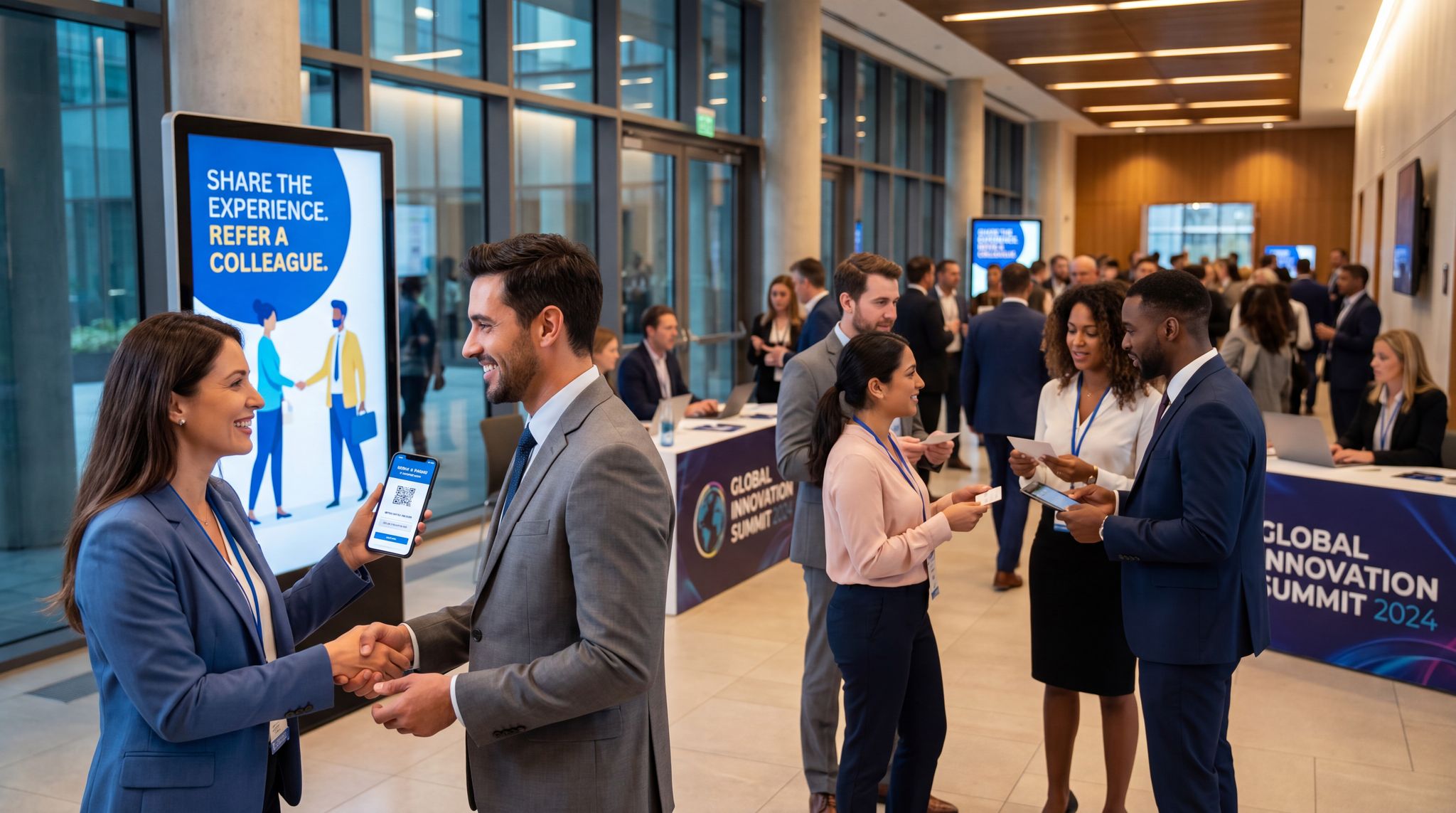
Networking Sessions and Roundtables: One of the top reasons professionals attend conferences is to network. Make sure your programming allows for plenty of networking opportunities beyond just coffee breaks. You can design structured networking sessions, such as speed networking rounds or topic-focused roundtable discussions. For instance, you could have roundtables where attendees discuss specific issues like “Music Rights in the Streaming Era” or “Touring in Emerging Markets,” each facilitated by a moderator. Attendees interested in that topic can join the table and participate in a focused, smaller-group dialogue. This encourages peer learning and helps people find others with similar interests. Additionally, consider networking mixers or receptions – perhaps an opening night mixer with refreshments and music, where people can mingle in a casual setting. Providing conversation starters or interactive elements (like a networking bingo card, or color-coded badges by sector) can break the ice. In 2026, many conferences also use event apps with networking features – attendees can connect through the app, schedule one-on-one meetings, or continue discussions online after the session. Remember, facilitating meaningful connections is a huge part of the conference’s value, so treat networking with as much importance as your formal sessions.
-
Live Music and Performances: Since this is a music business conference, it’s essential to incorporate live performances or showcases into the event. Not only do these performances provide entertainment, but they also serve as a reminder of why everyone is there – a shared love of music. Live sets can showcase emerging artists (perhaps ones who are speaking on a panel or those sponsored by your partners), giving them exposure to industry influencers. Consider scheduling a short performance to kick off a day’s program or as a finale to an evening reception. These can be acoustic sets, DJ interludes, or even brief showcases by innovative music tech (like a demo of a new music AI tool creating a live track on the spot – something that could wow a crowd). Performances also provide a natural way to keep energy high during long days of panels. Just ensure your venue’s technical setup can handle quick transitions between talks and performances. To ensure your program stands out, you must know how to create and plan stellar content for your event. Invite A&R representatives or talent scouts to attend the showcases – you might inadvertently help an artist land a deal! Additionally, live performances at your conference can be a selling point in your marketing, differentiating your event from a standard business meeting. They remind attendees that the conference is tapped into the creative heartbeat of the industry, not just the business side.
Even if you are organizing an event outside the traditional music industry, such as a B2B SaaS summit, hiring a specialized tech conference music vendor can elevate the atmosphere. These vendors understand how to provide background entertainment, DJ sets, or interactive audio-visual installations that suit a corporate networking environment without overpowering the primary business objectives.
For organizers looking to scale their operations, deciding to launch a music conference and festival hybrid can exponentially increase attendee value. By combining daytime B2B educational panels with nighttime consumer-facing showcases, promoters can tap into dual revenue streams while offering sponsors unparalleled access to both industry professionals and dedicated fans.
Interactive Formats:
To make the event more engaging and memorable, consider incorporating interactive formats and tech-driven elements into your programming. Modern attendees often appreciate conferences that allow them to actively participate rather than passively listen. Here are some ideas:
-
Live Polling and Q&A: Use live-polling tools or event apps during sessions to take the pulse of the room or to let attendees submit questions. For instance, a panel discussion could start with a live poll asking “What do you see as the biggest revenue stream for artists in 2026?” and display the results in real time to spark debate. During Q&A segments, apps like Slido or Poll Everywhere let the audience upvote questions, so the most popular questions get answered first. This can increase engagement, especially for larger audiences where not everyone can get to a microphone. It also encourages participation from those who might be shy about speaking up. Pro Tip: Coordinate with your speakers about whether they’re open to taking questions throughout their session via these tools, or just at the end, to manage the flow.
Built-In Email Marketing for Events
Send targeted campaigns, automated purchase confirmations, and post-event follow-ups directly from your ticketing dashboard.
-
Real-Time Feedback & Social Media Integration: Encourage attendees to share their thoughts and takeaways on social media during the conference, perhaps through an official event hashtag. Displaying a live social media wall (curated for appropriate content) can create a sense of community and FOMO (fear of missing out) for those not in attendance. You might also gather feedback in real time: for example, after a workshop, ask participants to submit one action they plan to take after the session, then highlight a few answers on screen. This not only reinforces learning but also makes attendees feel heard. Some conferences even integrate games or challenges – like a digital scavenger hunt through the conference app, where attendees earn points for visiting sponsor booths or attending certain sessions, with a leaderboard and prizes to boost interaction.
-
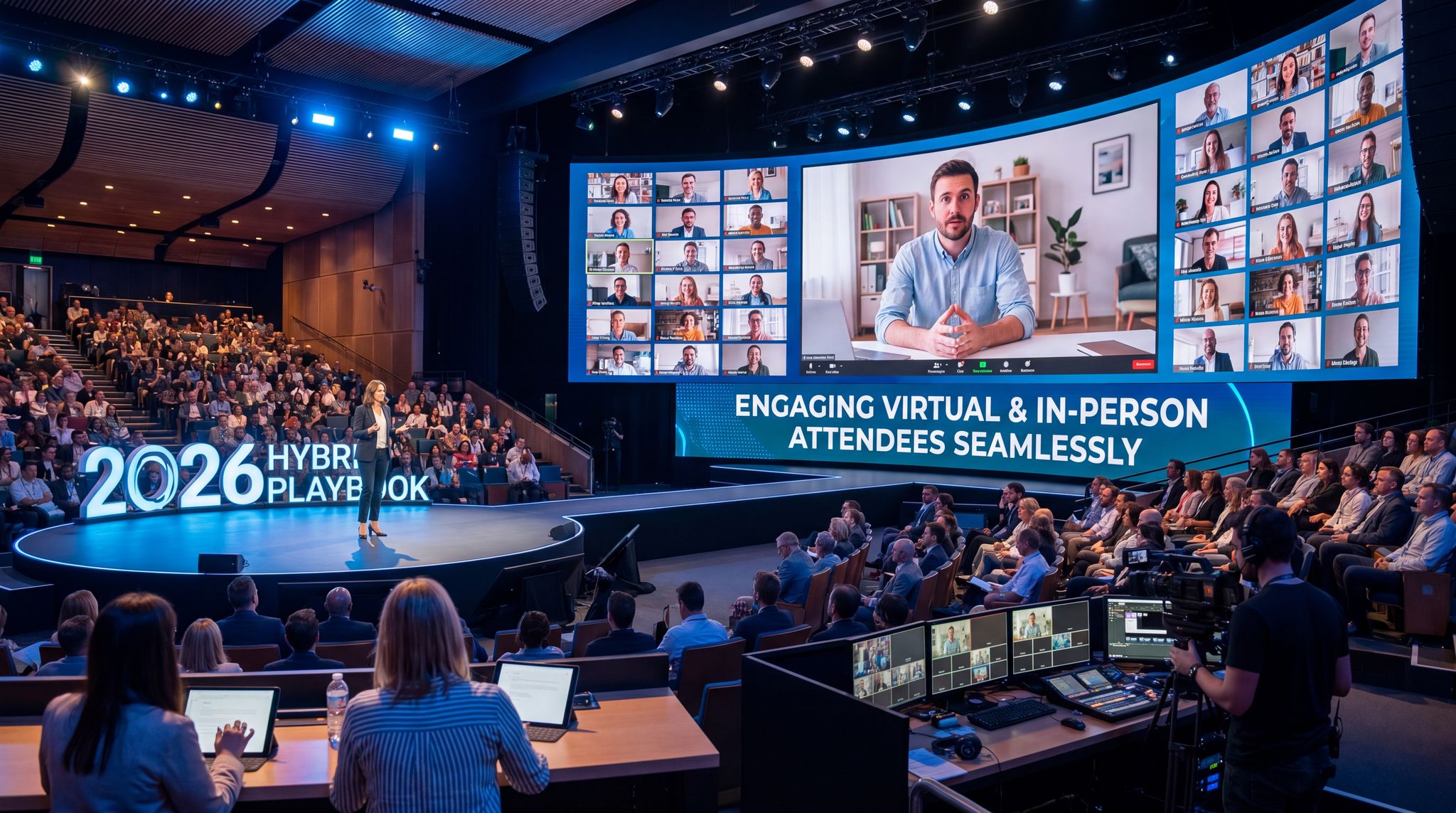
Virtual and Hybrid Engagement: If you have a virtual component or are running a hybrid conference (with in-person and online attendees), design interactive opportunities for the online audience as well. This might include dedicated chat facilitators who pose online questions to speakers, virtual breakout rooms for networking among remote attendees, or exclusive online-only content during breaks. The goal is to ensure your virtual participants feel just as involved. As of 2025, many conferences have embraced hybrid models to broaden their reach, a trend supported by market forecasts on the growth of hybrid corporate events, so leveraging a robust streaming platform and interactive tools is key. Simple touches like polling both live and online audiences simultaneously, or hosting an online-only Q&A with a speaker after their main stage talk, can bridge the gap between the physical and digital attendees.
The more you make attendees active contributors in the event, the more attentive and invested they’ll be. In fact, audience experience has become a top priority: today’s conference-goers expect an immersive environment that might include everything from interactive art installations to wellness activities (like a morning yoga session or a quiet meditation space to recharge during a busy day). Think creatively about how to make your conference stand out and reflect current trends. For example, SXSW 2024 – a massive festival and conference – introduced an entire artificial intelligence track in its conference programming, as seen when SXSW 2024 introduced a dedicated artificial intelligence track to engage attendees with the most cutting-edge developments. This shows how being responsive to emerging topics can keep your content relevant and exciting. Mastering the schedule is vital, so consider the essentials of planning an enticing event itinerary to keep attendees engaged.
Choosing the Right Event Venue and Location

Selecting the right venue for your music business conference can make a significant difference in its success. The venue isn’t just a backdrop; it fundamentally impacts the attendee experience. When choosing a location, you need to consider practical requirements – like capacity and facilities – as well as the ambiance and convenience. As the saying goes in real estate, “location, location, location!” For events, we might add “logistics, logistics, logistics!” A great venue will accommodate your program needs, provide adequate amenities, and be conveniently located for your attendees and speakers. On the flip side, a poor venue choice can lead to problems like overcrowding, technical failures, or frustrated attendees who can’t find parking.
It’s also worth noting the role a venue plays in your event’s branding. A historic theater, a modern convention center, or a hip co-working space each sends a different vibe about your conference. Consider venues that align with the image and tone you want to set. For example, if your conference theme is about innovation in music tech, a cutting-edge tech campus or a modern expo hall might reinforce that vibe. If your focus is on artist community and collaboration, maybe a venue attached to a music studio or an arts campus could add charm. Here are some key factors to consider when evaluating venues:
Free Tool: Model Promoter Payouts
Flat-percentage, flat-per-ticket, or tiered-bonus commission structures — get per-promoter payouts and total commission as % of gross. Free calculator.
Factors to Consider When Choosing a Venue:
-
Capacity and Layout: Ensure the venue can comfortably accommodate your expected number of attendees, with a little room to grow. You don’t want a packed house that becomes standing-room only if more people show up, nor a half-empty hall that feels like a ghost town. Consider the types of sessions you’ll have and whether the venue offers flexible space configurations. For instance, you might need a large auditorium or ballroom for keynote sessions and smaller breakout rooms for workshops and panels. Ideally, the venue has easy ways to partition space or adjust seating layouts (theater style vs. classroom style, etc.) as needed. Walk through the flow: is there enough foyer space for registration queues? Are there breakout rooms near the main hall to minimize walking time between sessions? Think about traffic flow, bottlenecks, and where people will naturally congregate (like near coffee stations or restrooms). A smart layout contributes to a relaxed, navigable event – no one likes getting lost in a maze-like venue. If possible, create a floor plan or map for attendees in advance (often in the event app or brochure) to help them orient themselves.
When designing the ideal conference room setup for music industry meetings, organizers must go beyond standard corporate configurations. A successful layout for A&R pitch sessions, licensing negotiations, or creative workshops often requires a hybrid approach. Consider utilizing U-shape or boardroom styles to encourage face-to-face collaboration, while integrating high-fidelity listening stations or acoustic dampening panels to ensure audio playback is pristine. Tailoring these meeting spaces specifically for audio professionals demonstrates a deep understanding of the sector’s unique operational needs.
-
Acoustic Quality and A/V Equipment: Given the nature of a music business conference, sound quality is paramount. The venue should have good acoustics or the ability to be outfitted with professional sound reinforcement. There’s nothing worse than a panel discussion that attendees can’t hear clearly due to echoey acoustics or a feeble PA system. Test the room acoustics if you can – clap or speak on stage to see if there’s an echo or dead zones. In terms of audio/visual (A/V), verify that the venue either has in-house A/V capabilities or allows outside vendors to set up what you need. This includes microphones (wireless handhelds, lapel mics for panelists), a quality sound board, speakers positioned for even coverage, and projection systems or LED screens for presentations. Ensure there are appropriate screens and projectors in each room and that they are bright enough for the space (a huge hall might need giant high-lumen screens). Don’t forget technical considerations like having a confidence monitor (a screen that faces the speaker on stage so they can see their slides or notes), and countdown timers for speakers to stay on schedule. You’ll also want on-site technical support: either hire your own A/V crew or use the venue’s technicians to handle cues, troubleshoot issues, and assist presenters with mic’d up sound checks. Given that live music might be part of your conference, double-check that the venue can handle quick transitions from speaking panels to musical performances (e.g., having a backline, DI boxes for instruments, stage lighting that can switch from conference lighting to performance mood lighting). If you plan to record sessions or livestream, make sure the A/V setup supports that – with direct sound feeds to your recording equipment and dedicated camera platforms, for example.
-
Accessibility and Location: Choose a location that’s easily accessible for your target audience. If your conference is local/regional, pick a venue that’s centrally located in the city and well-connected by public transport, with ample parking for those who drive. If you expect international or out-of-town attendees, proximity to a major airport or transport hub is a big plus. Also consider the surrounding area: Attendees often appreciate venues near hotels, restaurants, and conveniences, since many will need lodging and may want to explore the city after conference hours. Check if the venue is wheelchair accessible and compliant with disability access laws (like ADA in the U.S.) – this includes ramps, elevators, accessible restrooms, and suitable seating areas. Accessibility isn’t just physical: it can also involve offering services like sign language interpreters or reserved front seating for attendees with hearing or vision needs. If your audience or speakers include anyone who might need a visa (for international events), factor in the location country’s ease of visa access, although that’s more of a macro consideration. Additionally, think about safety and surroundings: is the neighborhood safe, especially if events run into the evening? In 2026, many event organizers also consider cultural accessibility – hosting in a city that is welcoming and significant to the theme can add impact. For instance, a music business conference in Nashville or Los Angeles might attract different crowds and carry a certain prestige compared to a smaller city, because of the local industry presence. However, cost and competition for venues in major cities will be higher.
-
Amenities and Comfort: A comfortable attendee is a happy attendee. Make sure the venue offers (or you can bring in) all the necessary amenities. Reliable high-speed Wi-Fi is practically non-negotiable – attendees will be using devices to engage with event apps, social media, or simply check email in between sessions. Confirm the venue’s bandwidth and consider setting up a dedicated network for conference participants if needed. Seating comfort matters too, especially for a full-day or multi-day conference. If the venue’s chairs are hard or small, think about renting padded seats or at least giving regular stretch breaks! Climate control is another factor: nothing derails an event like a sweltering or freezing room – ensure the HVAC can handle a full room without noise. Also, look at the availability of breakout spaces or lounges. People appreciate having areas to relax, make phone calls, or hold impromptu meetings. If your event has exhibitors or sponsors with booths, check if there’s a suitable area (like a lobby or adjacent hall) that can accommodate tables and banners without congesting the flow. Consider food and beverage capabilities: does the venue have an in-house catering service or do they allow outside caterers? Are there cafes or eateries on site or nearby for attendees during breaks? Knowing this will help you plan meal options and coffee breaks. Also, little touches like the availability of plenty of restrooms (and their cleanliness), charging stations for phones/laptops, and a secure coat check or bag drop can improve overall comfort and satisfaction.
-
Virtual/Hybrid Capabilities: If you’re planning a hybrid conference or want the flexibility to pivot to virtual components, the venue must support the necessary tech infrastructure. This includes a robust internet connection (ideally a dedicated line with high upload speeds for streaming) and spaces where cameras and streaming equipment can be set up without obstructing the in-person audience. Consider the layout in terms of camera placements for capturing the stage, as well as roving cameras if you want to stream audience interactions. Assess whether the lighting in rooms is suitable for video (you may need additional lighting kits to ensure speakers are well-lit for the cameras). Many modern conference venues are now equipped with built-in live-stream capabilities or partnerships with streaming service providers – inquire if that’s available. Also, ensure there are quiet, controlled environments for any live broadcast or for speakers to conduct virtual interviews/live Q&As with remote participants if you plan those. We’ve seen an increase in conferences offering a “virtual backstage studio” where remote press or online viewers can interact with speakers after their sessions. If that’s in your plan, allocate a room and the tech for it. Essentially, think through how the venue will handle the dual audience: the goal is to make your remote participants feel just as connected, which might mean extra screens to display them (for example, a Zoom wall), or dedicated staff to moderate the online experience.
One additional consideration that has grown in importance is sustainability. Many venues now advertise green certifications (like LEED certification) and eco-friendly operations. An eco-conscious venue might have solar panels, a recycling and compost program, or energy-efficient systems. Choosing such a venue can bolster your conference’s sustainability goals (and please attendees who care about environmental responsibility). Plus, it may attract sponsors who prioritize green initiatives. For example, if a venue actively reduces single-use plastics by providing water coolers instead of bottled water, you can encourage attendees to bring reusable bottles or give away branded ones – a small step that demonstrates your commitment to responsible event planning. Furthermore, knowing the nuances of venue booking and how an artist’s history with a community impacts success is essential for selecting the perfect location.
Planning and Budgeting

Create a Realistic Budget
Creating a realistic budget is a cornerstone of successful event planning. A well-thought-out budget should encompass all potential expenses (and revenue sources) to ensure your conference is financially sustainable. In 2026, with rising costs in many areas (from venue rental rates to catering prices), budgeting requires even more diligence. It’s wise to start the budgeting process early and keep it as a living document that you update as plans firm up. Begin by researching and gathering quotes from vendors for every major expense category. Get estimates from multiple sources if possible – for instance, compare quotes from two A/V companies or caterers – so you have a sense of market rates and can negotiate better deals.
One strategy is to outline your dream budget (with all the ideal elements you want) and a bare-minimum budget (covering just the essentials for a functional event). If sponsorship or ticket revenue comes in higher than expected, you can add more of the dream elements. If not, you know what can be trimmed to stay solvent. Always build in a contingency reserve of at least 10-15% of the total budget for unplanned expenses or emergencies – almost every event has a few surprise costs. For example, you might need to rent additional equipment last-minute or cover travel for a speaker cancellation. Without a contingency, those surprises could push you into the red.
Also, decide early on what your revenue streams will be. Typically, these include ticket sales (or registration fees) and sponsorships; they might also include merchandise sales, exhibition booth rentals, or streaming ticket sales for virtual attendees. Set conservative estimates for revenue to avoid overextending your spend. Remember that ticket sales often ramp up closer to the event (especially in today’s trend of last-minute buyers), so cash flow might be an issue if you have to pay deposits well in advance. Make a schedule of when payments are due (venue deposit, speaker fees, vendor installments, etc.) and ensure your projected income timeline aligns with those obligations or arrange financing to bridge gaps. For specific strategies on financial allocation, learning about creating and optimizing the production budget for your music event is highly recommended.
If you are wondering exactly how to create an event budget from scratch, start by listing your fixed costs (venue, insurance, core A/V) and variable costs (catering per head, swag). Next, project your conservative revenue streams (ticket sales, sponsorships). Subtract your total estimated expenses from your projected revenue to determine your baseline profitability, and always remember to allocate that 10-15% contingency fund before finalizing the spreadsheet.
When crafting your budget, consider the following key expense categories (and be as detailed as possible within each):
-
Venue Rental Fees: Include the base rental cost for the venue and any additional charges that might apply. Often, venues charge extra for things like extended hours, additional rooms, cleaning services, or on-site security. Check if the venue rental includes basic furniture (chairs, tables, stages) or if those are separate rentals. If you have to do a significant setup (like bringing in staging or special décor), there might be labor or delivery fees. List out everything the venue will charge for – sometimes even power usage, trash disposal, or parking lot usage can be a line item. Clarify the payment schedule too (e.g., 50% deposit upfront, balance after event) so you can plan your cash flow.
-
Talent and Speaker Costs: This includes any talent fees (honorariums or appearance fees) for keynote speakers, panelists, moderators, or performers. Prominent speakers may have set speaking fees, or perhaps you offer to cover their travel and lodging in lieu of a fee if they’re coming mainly for exposure or altruistic reasons. Budget for travel expenses such as flights, ground transportation, hotels, and per diems for meals for your out-of-town speakers and performers. Even if some speakers are local or paying their own way, it’s good form to at least offer, and you should budget as if you will cover it so you don’t come up short. If you’re hiring any entertainment (like a band for a networking party), include their fee, equipment rental (if they need any backline gear), and hospitality (food, drink, green room). Don’t forget things like moderator fees (if you hire a professional moderator or MC to run the show) or a DJ to play music during breaks.
-
Marketing and Advertising: These are the costs to promote your conference and drive ticket sales/registrations. They might include social media ads (Facebook, Instagram, LinkedIn, etc.), search engine ads, and possibly traditional media (like radio spots, if targeting a local audience, or print ads in industry magazines). Don’t overlook content creation costs: you may need to hire a graphic designer for promotional materials and social media graphics, a copywriter for compelling ad text, or even a videographer to create a promo video or recap video. Also budget for any print materials like flyers, posters, or banners you’ll put up at partner locations or events leading up to the conference. If you’re partnering with influencers or doing an affiliate ticket sales program, note any costs or commissions associated with that. Essentially, every tactic in your marketing plan should have an associated cost in the budget. A common benchmark is to allocate around 10-20% of your total budget to marketing, but this can vary widely depending on how established your event is and your ticket price point. If your conference is new, you might spend more to build awareness; if it’s an annual event with a loyal following, perhaps less.
-
Technical Production Costs: This covers all the audio-visual and production elements needed to execute the event. If the venue doesn’t include A/V, you’ll be hiring an A/V production company – include their quote, which often covers sound equipment, lighting rigs, projection/screens, recording or streaming setup, and the technicians to operate everything. Even if you have basic AV in-house, you might need upgrades like better stage lighting (especially important if recording video), additional microphones, or stage decorations like LED walls. Don’t forget internet – if you need a dedicated high-bandwidth internet line for streaming, the venue might charge separately for that (and it can be pricey). Also account for any ** staging or set design costs: are you planning branded backdrops, custom podiums, special props or furniture for panels? List those out. If you have multiple rooms, will you need duplicate setups? Sometimes small rooms still need a PA for sound amplification. Factor in the cost of any technical rehearsals – if you need to rent the venue or pay tech staff for a day prior to test everything, include that cost. Essentially, walk through the entire production in your mind (or better, on paper) and ensure every piece of equipment and personnel has a budget line. As a sanity check, talk to your A/V vendor extensively about what could incur additional charges (recording files, overtime if sessions run long, etc.) and pad your budget accordingly.
-
Staffing and Labor: Even if you have a core in-house team planning the event, you’ll likely need additional staff or contractors during the conference. This can include event staff for registration check-in, ushers to guide people, stagehands to move equipment between sessions, and security personnel to manage access and crowd safety. If your conference is large, consider hiring an event coordinator or stage manager for each track or room, someone who can ensure each session starts and ends on time, and coordinate with tech staff. Volunteers can offset some staffing needs, but keep in mind volunteers require training, supervision, and sometimes meals or t-shirts – which are small costs but should be included. Include any volunteer coordination costs or thank-you gifts. For professional staff, determine if they’re paid hourly or a flat rate. Remember to include planning-phase labor too: if you outsource services like an event website developer, a marketing consultant, or a freelance program curator, those fees belong in the budget. Don’t forget about insurance in this context as well – a lot of venues require event organizers to have liability insurance, which we cover next, but it’s often purchased and can be considered a “labor” or administrative cost of planning.
-
Insurance and Legal: In today’s environment, having proper insurance and permits is a must for any public event. Budget for event liability insurance that covers accidents, property damage, or injuries that might occur during your conference. Costs will vary by event size and coverage levels, but it’s an essential line item – some venues will not let you hold the event without showing a certificate of insurance. Additionally, consider event cancellation insurance if your conference is large enough and especially if it’s taking place in an area or season prone to disruptions (like hurricane season, for example). This could help recoup costs if you have to cancel or postpone for reasons beyond your control (like extreme weather or other emergencies). If you’re dealing with any music performances, ensure you have budget for music licensing fees (through performing rights organizations like ASCAP/BMI, if applicable). Also, factor in any permit fees if required (some cities might require an event permit, especially if using public spaces or doing outdoor performances). Legal costs might include contracting a lawyer to review contracts for venues, sponsors, or talent agreements. While this might not be a huge percentage of your budget, it’s a wise investment to prevent costly misunderstandings later.
-
Contingency Fund: As mentioned, set aside a portion of your budget (around 10% or more, depending on how risky or complex your event is) as a contingency. This will cover unexpected expenses that inevitably arise. For example, perhaps you underestimated catering quantities and need to order more food on the fly, or you realize onsite that you need an extra printer for badges, or a piece of equipment breaks and renting a replacement is costly. Another common unforeseen cost can come from last-minute requests by important attendees or speakers (like needing a private meeting room, or last-minute printing of materials). Having a financial cushion ensures you can handle these without panicking or going over budget. If, by chance, you don’t use the contingency fund, that’s great – it becomes profit or can be invested into enhancing the attendee experience spontaneously (e.g., “We came in under budget, let’s spring for free ice cream for everyone during the afternoon break!”). But plan as if you will need it. It’s far more comfortable to end up under budget than to scramble for extra funds in the middle of the event. To further protect your bottom line, be aware of 10 hidden costs to budget for an event that often catch organizers off guard.
Beyond just listing expenses, a true budget plan also looks at cash flow (timing of money in/out) and profitability. If this conference is a recurring business venture, you’ll want to achieve an ROI that justifies the effort. If it’s a non-profit or educational event, you still need to break even or have funding to cover any shortfall. Keep stakeholders informed with updated budgets as you near the event date – transparency helps avoid surprises. By creating a detailed and realistic budget, event planners can ensure their music conference is not only impactful but also financially viable. It’s a critical part of risk management and will allow you to sleep better at night knowing you have the resources allocated to handle whatever comes your way.
Securing Sponsorships and Partners

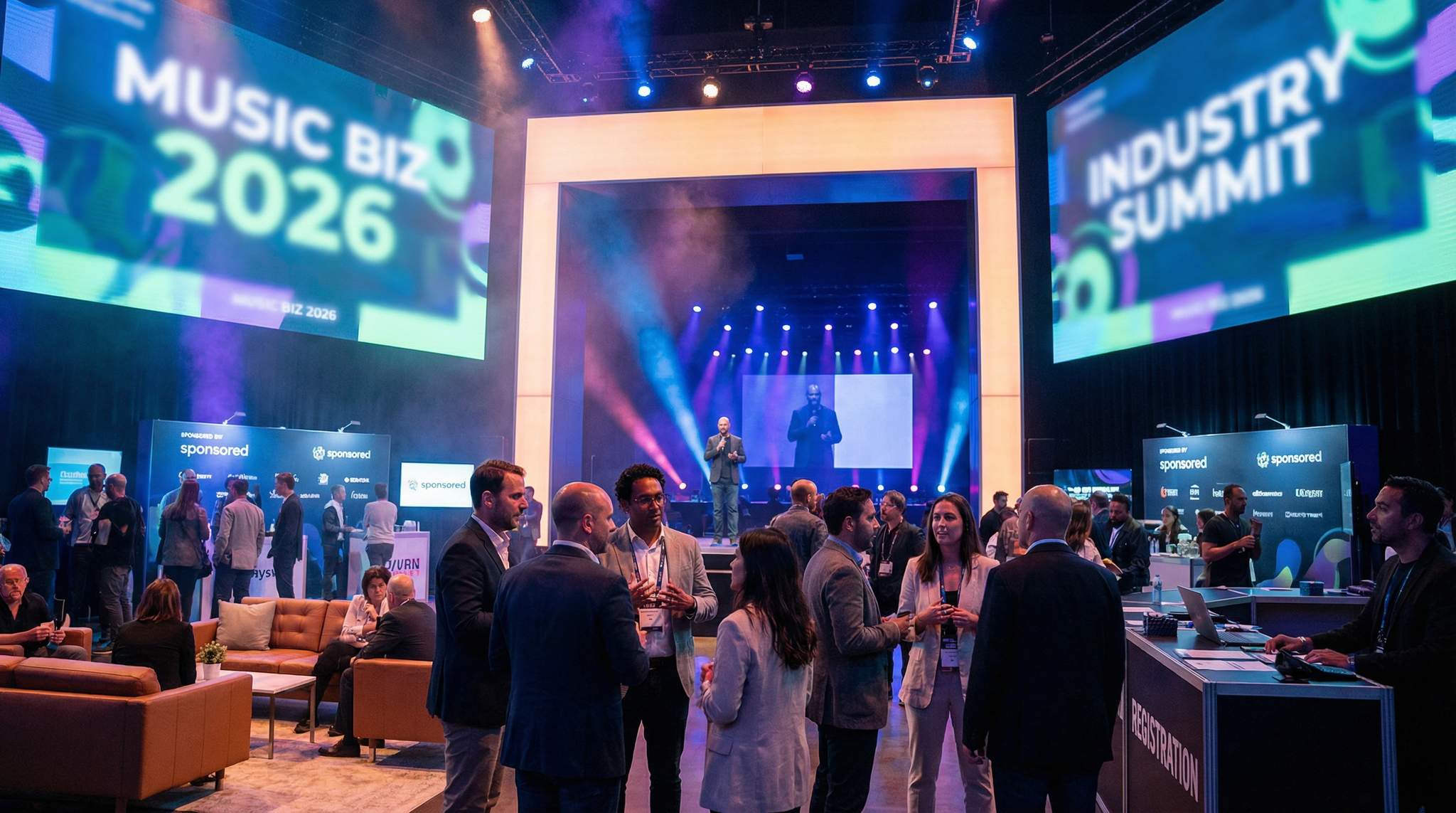
A key part of planning a successful music business conference is securing sponsorships and partners. Sponsors not only provide critical financial support, but they can also add value through brand cachet, expertise, and promotional reach. The right sponsors and partners can enhance the conference experience for attendees – for example, a music tech company might set up an interactive demo booth or a record label might host an artist showcase during your event. When seeking sponsors, it’s important to align with brands that share your values and resonate with your audience. This alignment makes the sponsorship authentic and more effective. In recent years, many sponsors are particularly interested in events that demonstrate corporate responsibility – conferences that highlight sustainability, diversity, community engagement, etc., can be more attractive to companies looking to support good causes.
Start the sponsor recruitment process early – ideally 8 to 12 months before the event. Many companies set their marketing budgets annually, and the big ones allocate sponsorship dollars well in advance. By pitching early, you have a better chance to secure a spot in their budget. Prepare a sponsorship prospectus or deck that outlines your conference’s vision, audience demographics, marketing reach (anticipated media coverage, social media impressions, etc.), and the benefits of sponsorship. Use any data from previous events (if available) like attendance numbers, testimonials, or sponsor ROI metrics to strengthen your pitch. If this is the first year, highlight the gap your conference fills in the market or any notable speakers/partners on board that lend credibility.
Here are some strategies for effectively securing sponsorships:
-
Create Sponsorship Tiers: Develop a tiered sponsorship structure that offers various levels of exposure and engagement at different price points. Common tiers might be Platinum/Gold/Silver or Presenting/Partner/Supporter levels, each with defined benefits. For example, a top-tier (Presenting) sponsor might be the event’s primary sponsor: their name or logo is attached to the conference title (“XYZ Conference presented by [Sponsor]”), they get the largest logo placement on all materials, a keynote speaking slot, an exhibit booth in a prime location, perhaps even input into a session relevant to their business, and a certain number of complimentary tickets. Mid-tier sponsors might get moderate logo exposure, maybe to sponsor a specific track or networking lounge, a speaking opportunity on a panel, and some tickets. Lower-tier sponsors could have smaller logo placements, maybe sponsor something like coffee breaks or lanyards (branding on swag), and get mentions in social media. By having tiers, you make it easier for companies of different sizes to participate. Ensure that each tier has enough value to justify the cost – often, including measurable benefits like dedicated email blasts or on-site activation opportunities can help. Be open to customizing packages too; some sponsors might prefer ala carte options (e.g., paying specifically to sponsor the after-party or the event app). Structure your tiers as a starting point, but be flexible to close the deal.
When designing sponsorship levels for events, it is crucial to move beyond standard logo placement. Modern B2B sponsors expect tailored activation opportunities, such as hosting exclusive VIP lounges, sponsoring high-speed Wi-Fi networks, or presenting targeted keynote sessions. Clearly defining the ROI for each tier helps potential partners justify their investment and fosters long-term relationships.
-
Align with Industry Partners: Look for partnerships with organizations that have a natural synergy with your conference’s theme or audience. For a music business conference, this could include recording labels, musical instrument or audio tech companies, music streaming services, ticketing or live event platforms (taking care not to conflict with Ticket Fairy if that’s relevant), music education institutions, or even brands in adjacent lifestyle spaces like beverage companies that target music fans. You might also partner with professional associations (like the Recording Academy or local musician unions, etc.) or non-profits in the music space. These partners might not always contribute large sums of money, but they can add credibility, marketing support, or unique content. For instance, partnering with a well-known music software company might allow you to host a special workshop on their new product, which draws in attendees interested in that tech. When aligning with partners, ensure it’s a win-win: they should reach their target market through your event, and your event gains either financial support or valuable content/marketing help. Don’t overlook smaller, niche companies either – a boutique guitar pedal maker or indie record store might not afford a big sponsorship, but maybe they can sponsor a jam room or provide products for giveaways, enhancing the attendee experience.
-
Offer Creative Activation Opportunities: In today’s experiential marketing landscape, sponsors are looking for more than just a logo placement; they want engagement with attendees. Be creative in what you offer them beyond the standard banner ad. Could a sponsor host a interactive lounge or demo area where attendees try out their product? For instance, a VR company could set up a station for people to experience a virtual concert through their headset, tying into the conference’s music theme. Maybe a music streaming service sponsor could curate the music playlist for the event and have a “request your song” board where attendees engage. A recording equipment brand might sponsor a mini recording studio on-site where people can lay down a quick track or jingle (just for fun). These sorts of activations provide memorable experiences for attendees and give the sponsor meaningful interaction rather than a passive presence. Other ideas include sponsored charging stations (with the sponsor’s branding), a branded photo booth with event hashtags, or even sponsoring the Wi-Fi network name (attendees constantly look for Wi-Fi, seeing the sponsor’s name each time). If your conference has a mobile app, sponsors can pay for in-app advertising or sending push notifications during the event. When brainstorming activations, think about what aligns with the sponsor’s product and the attendees’ interests. Ensure you have the bandwidth and permission to include these (some venues have restrictions on what can be brought in or require advance notice for certain setups). Collaborate with the sponsor on the idea – they may have ready concepts from other events they’ve done.
-
Track and Deliver ROI: Sponsors will want to know that their involvement was worth it, so be prepared to offer data and feedback after the conference. This means tracking metrics like the number of impressions (how many times their logo was seen on emails, websites, or signage), engagement metrics (attendees visiting their booth or scanning a QR code, number of attendees in their sponsored session), social media mentions, and any lead generation (if you facilitate something like badge scanning at booths). During the event, make sure sponsors get the support they need to fulfill their activation – e.g., if a sponsor is promised a speaking slot, ensure that session is well-promoted and attended. If they have a booth, encourage foot traffic by placing them in a good location and maybe including a “sponsor passport” game that entices attendees to visit all sponsor booths. After the event, compile a sponsor report for each major sponsor. Include photos of their branding on-site, stats like how many people attended the conference vs. your projection, attendee demographic breakdown, social media reach and media coverage highlights, and any specific shoutouts or quotes from attendees that show positive sentiment. If you conducted attendee surveys, include any relevant feedback (e.g., “85% of attendees visited at least one sponsor booth, and 95% said sponsor presence was appropriate and added value to the event”). By demonstrating ROI and appreciation, you greatly increase the chances those sponsors will return for your next conference, potentially at higher levels. It’s about building long-term relationships, not just one-off transactions. As one veteran event manager puts it, “Under-promise and over-deliver for sponsors,” so they feel they got more value than they expected.
-
Involve Media and Promotional Partners: Collaborating with media partners (industry publications, music blogs, radio stations, podcasts) can amplify your conference’s reach and also provide extra value to sponsors. Media partners might offer advertising space, editorial coverage, or even live broadcasting from the event in exchange for being named an official media partner (and usually given some branding and access). For example, a popular music industry blog could run an interview with your keynote speaker ahead of the event or do live tweets/coverage during the conference, bringing their audience’s attention to it. These partnerships can be a selling point for sponsors: “Our event will be covered by XYZ Magazine and ABC Blog, giving sponsors additional exposure to thousands of readers.” Also, consider cross-promotions with other events or organizations – perhaps you promote a partner’s music festival and they promote your conference, helping both sides. Media exposure not only sells tickets but also satisfies sponsors who get mentioned in the coverage or seen by the extended audience. Don’t forget internal media too, like your own content channels – highlight your sponsors in email newsletters (“Sponsor Spotlight” features), social media posts, and on your website’s sponsor page. Treat sponsors like partners in your event’s story, not just logos on a banner. When they feel valued and see their brand elevated through association with your conference’s content and community, they’ll be more likely to invest and engage deeply.
By securing the right mix of sponsors and partners, you not only bolster your budget but also potentially improve the attendee experience. A well-chosen partner can bring unique elements to your conference that you might not afford on your own (like a high-end lounge or free goodies for attendees). It’s a symbiotic relationship: the event grows and shines, and sponsors reach an engaged audience in a meaningful way. Negotiation and communication skills are key here – understand what each sponsor is looking for (brand awareness, product trial, thought leadership, etc.) and tailor your approach to meet those needs while furthering the aims of your conference.
Marketing and Promotion for Ticket Sales

A successful music business conference doesn’t just materialize out of thin air – it requires effective marketing and promotion to attract attendees, fill seats, and generate buzz in the industry. In fact, marketing is such a crucial component that it should run parallel to your planning process, not just come as an afterthought once the agenda is set. By the time your event date arrives, you want your target audience to be well aware of the conference and excited to attend. Here we’ll discuss a comprehensive marketing strategy that utilizes both digital and traditional channels to maximize your reach.
Build a Strong Online Presence: Start with a dedicated conference website or at least a robust landing page. This site is your information hub and often the first impression for potential attendees. It should clearly communicate the who, what, where, when, and why of your event. Include essential details like dates, location (with travel tips if many attendees are from out of town), ticket pricing and packages (early bird rates, group discounts, etc.), and an outline of the agenda or featured sessions. Speaker bios and photos can be a big draw – if you have any notable speakers or keynotes, highlight them and what topics they’ll cover. Make sure the site has easy navigation and a prominent registration button on every page. Integrate your ticketing or registration platform so that the sign-up process is smooth (ideally, it’s embedded or a clearly linked checkout page). Additionally, the site can host related content such as blog posts or video teasers – for example, a short interview with a panelist discussing why they’re excited about the conference, or a recap of last year’s event if it’s recurring. Update the website regularly as new speakers or sponsors come on board – this keeps content fresh and gives you new material to promote. Ensure the site is mobile-friendly; many people will visit via their phones. Finally, implement basic SEO best practices (using relevant keywords like “music business conference 2026, [City], networking for music professionals” etc.) so that people searching for events in your niche can find you via Google.
-
Leverage Social Media: Social media platforms are powerful (and often cost-effective) tools for promoting your conference and building a community around it. Decide which platforms your target audience frequents the most. For a music industry conference, Twitter (X) and LinkedIn might be great for engaging industry professionals and sharing news updates; Instagram and Facebook can build excitement with visuals like speaker graphics, behind-the-scenes planning snapshots, or short video clips; TikTok could even be used if you have engaging content ideas (for instance, quick music industry tips or trends delivered by one of your speakers to appeal to younger professionals). Create official event pages or accounts as needed, and use a consistent hashtag for your conference (e.g., #MusicBizCon2026) on all channels. Post regularly, starting as soon as you have a save-the-date and venue locked in. Content ideas include: speaker announcements (with a short bio and what they’ll talk about), sponsor spotlights (thanking a sponsor and maybe including their message), countdowns (“1 month to go!”, “10 days left – last chance for early bird tickets!”), and interactive posts like polls or questions (“Which panel topic are you most excited about?”). Engage with your audience: respond to comments and messages promptly, and encourage user-generated content (maybe ask past attendees to share a favorite memory or what they’re looking forward to). You can also use paid social media advertising targeting specific demographics or interests relevant to your audience – for example, promote an ad to people who follow major music business pages or certain hashtags. Social media also plays a role during the event itself (live tweets, stories, etc.), but in the lead-up, its job is to generate interest and conversions (ticket sales). Consider setting up Facebook/Instagram events and LinkedIn events, which allow people to indicate they’re attending or interested – this can spread awareness to their networks.
-
Email Marketing Campaigns: Email remains one of the highest converting marketing channels for events. If you have a mailing list of past attendees, newsletter subscribers, or industry contacts, start using it to build anticipation. Send an initial announcement email as soon as major details (date, city, theme) are confirmed – a “Save the Date, big thing is coming” kind of message. As more details come in, send update emails: “Early Bird Registration is Open”, “Just Announced: Keynote by [Big Name]”, “Agenda Sneak Peek – New Panel Topics”, etc. Make your emails visually appealing and easy to read; most people will glance quickly, so highlight key information (what, when, where, how to register, and maybe one compelling reason to attend like a headliner or special feature). Segment your email list if possible for better targeting. For example, you might have one segment for prior attendees vs. new prospects; or segments by interest (some might care more about live music content vs. tech content). Then you can tailor messages – e.g., prior attendees might get a “loyalty discount” offer. Be careful with frequency: you want to stay on their radar without spamming. Perhaps a bi-weekly email three months out, increasing to weekly in the final month, and a couple of final-day or last-chance reminders as appropriate. Always include a clear call-to-action (CTA) like “Register Now” with the link. After someone registers, you might move them to a separate list for attendee information (logistics, what to expect) – this ensures you don’t keep sending them “buy tickets” messaging once they have. Additionally, consider utilizing email partnerships – for instance, can any media partners or sponsors mention your event in their email newsletters (if they have a large following)? That can expand your reach beyond your own list.
-
Influencer and Community Outreach: Identify influential figures or organizations in the music and events community who can help amplify your message. These could be popular music business YouTubers, podcasters, bloggers, or social media personalities who focus on music industry topics. Reach out to them with a free pass or an invitation to cover the event, and see if they’d be willing to give your conference a shout-out. Sometimes a quick interview with one of your scheduled speakers on a podcast can double as promotion for the event (“meet X at the upcoming conference!”). Also, tap into any communities or forums where your target audience hangs out – for example, subreddits related to the music industry, Facebook or Discord groups for event producers or musicians, etc. However, promote tactfully: many groups have rules about self-promotion. It’s usually better if someone organically shares your event because they’re involved or excited. Encourage your confirmed speakers to promote the event to their followers (“I’m speaking at X conference next month, come join us!”). Provide them with a nice graphic or blurb to make it easy. Additionally, consider doing a few media releases to industry publications or local news, especially if you have a notable angle (like a celebrity speaker or a groundbreaking panel topic). Getting a blurb in Billboard, Pollstar, or IQ Magazine about your event can significantly raise its profile and credibility. Local newspapers or city magazines might list it in event calendars if it’s open to the public. The more third-party mentions you get, the more momentum your marketing gains.
-
Promotions and Incentives: Use promotional tactics to drive ticket sales, especially if you need a boost. Early bird pricing is a tried-and-true method: offer a discounted rate for those who register by a certain date (this also helps gauge early interest and improve your cash flow). You can also create urgency with limited-time offers or flash sales (“24-hour sale – 10% off tickets with code MUSIC2026”). Group discounts could encourage companies to send multiple team members (e.g., “Buy 3 tickets, get the 4th free” or a special rate for student groups if that’s relevant). If your conference is struggling to hit numbers as the date approaches, you might consider strategic comping or giveaways – for instance, partner with a sponsor or media outlet to give away a few passes as a contest prize, which in turn generates social media activity. Consider listing your event on multiple event discovery platforms (besides Ticket Fairy, which is your host platform, you could list on sites like Eventbrite just for visibility, but direct them to your official registration; also list on community calendars like Meetup if you have pre-networking events). As we near 2026, an interesting trend is creating digital collectibles or NFTs as part of event promotion – for example, issuing a limited edition digital badge to the first 100 registrants, which can create a sense of exclusivity and tech-forward buzz (this is optional and niche, but some events have done it). Above all, be sure to track which marketing channels are bringing in the ticket sales—most registration systems allow tracking links or ask “How did you hear about us?” on the form. This data will help you refine your marketing efforts both mid-campaign and for future events.
By executing a multi-channel marketing strategy, you’ll increase awareness and excitement for your music business conference. Ideally, your promotions reach people multiple times in different ways – someone sees a LinkedIn post, then an industry newsletter mention, then a colleague forwards an email invitation – those cumulative touches can convince them that this is the must-attend event of the season. Remember to emphasize what makes your conference unmissable: whether it’s the incredible speaker lineup, the chance to network with VIPs, the hands-on workshops, or the exclusive performances. If you passionately convey the value an attendee gets for the price of a ticket, marketing becomes more about sharing an opportunity than a sales pitch. For more tactics, explore 5 essential pre-event promotion strategies to engage your audience for a successful event.
Logistics and On-the-Day Event Management

After months (or more) of planning, the success of your music business conference ultimately comes down to execution on the day(s) of the event. Logistics and on-site management are where all your plans meet reality. This is often the most stressful phase for organizers, but with thorough preparation and a cool head, it can also be the most rewarding to see everything come to life. Essentially, you’ll want to ensure that attendees, speakers, and sponsors all have a smooth and positive experience from the moment they arrive to the final closing remarks. This means thinking through the attendee journey step-by-step and having systems (and backup plans) in place for each element.
A few general tips: assemble an on-site toolkit with all sorts of handy items (tape, scissors, markers, extension cords, power strips, a first aid kit, backup phone chargers, etc.) – you’d be amazed how often these little things can save the day. If possible, do a full walk-through rehearsal with your core team a day before: walk the paths attendees will take, test the A/V in each room with the actual equipment, practice checking in, etc., to catch any snags. Brief all staff and volunteers thoroughly: they should know the event schedule, venue layout, and who to contact for various issues. Communication on the ground is crucial – use walkie-talkies or a staff messaging group to stay connected. And don’t forget to take care of your team; well-fed, rested staff are more alert and friendly. Additionally, leveraging 5 technological innovations that will create a better experience at your event can streamline operations significantly.
Here are key logistics to manage on the day of (and during) the conference:
-
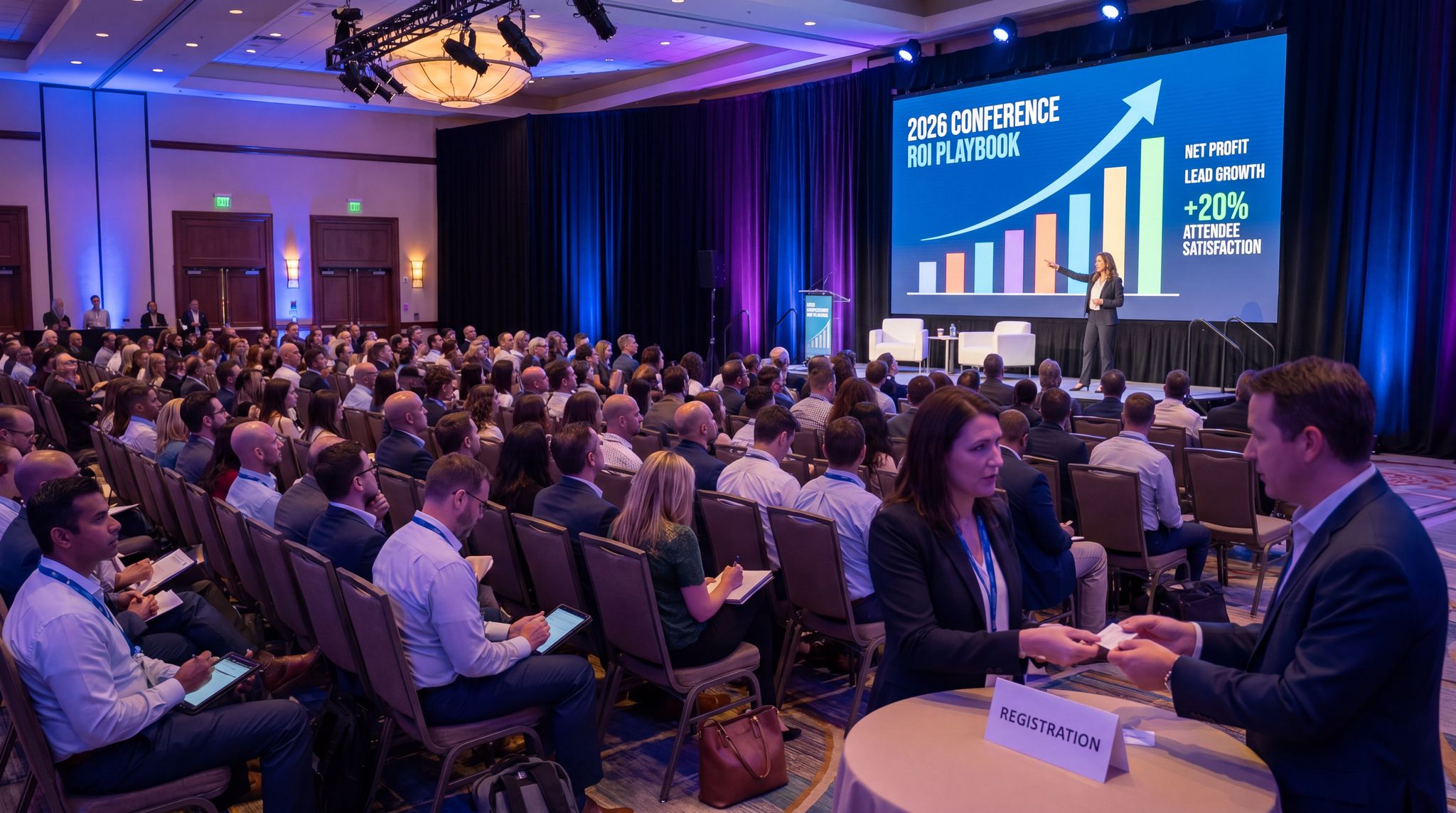
Registration and Check-in: First impressions count, and registration is typically the attendees’ first interaction with your event on-site (aside from maybe seeing some signage). Aim for a fast, frictionless check-in process. Long lines at the registration desk can frustrate people right off the bat. To expedite check-in, consider offering early badge pickup the evening before or a self-check-in option. Many conferences now use digital ticket scanning or QR codes: attendees get a code on their phone or printed ticket, and staff/volunteers use a scanner or mobile app to quickly verify and print badges. If your budget allows, having a few kiosk stations for self-serve check-in (where attendees type their name or scan a code and a badge prints) can speed things up and reduce staff needed. For a more personal touch, ensure there are enough friendly staff or volunteers to greet attendees, answer questions, and hand out welcome packets or swag bags. Clearly signage here is key: have banners or signs that say “Registration” or “Check-in” and perhaps indicate alphabet ranges if you have multiple lines. If you offered different ticket tiers (like VIP or different categories), have a clear system for that – maybe separate lines or colored badges. Additionally, prepare for on-site registrations or ticket sales if you haven’t sold out – there are always a few walk-ins or last-minute deciders. Have a simple system (a laptop or tablet with your registration form, and a way to take payment like a card reader or cash box, plus receipts) for handling those. As people check in, make sure they receive all they need (badge, lanyard, any drink tickets or meal vouchers if used, a program booklet or info sheet, etc.) and know where to go next (“The keynote hall is down the corridor to the left”). With good planning, you can often move hundreds of people through check-in in just minutes.
Pro Tip: Before the event, email QR codes or unique check-in barcodes to each attendee and encourage them to have it ready on their phone. This can cut check-in time down to just seconds per person. Additionally, open the doors at registration at least 30-60 minutes before the first session and have some music or a welcome slide playing in the main room – this lets early arrivals get settled and creates a welcoming atmosphere, rather than them waiting in a silent hallway.
-
Staffing and Volunteers: Your event team is your eyes, ears, and helping hands during the conference. Assign clear roles and shifts to everyone involved so that all critical stations are covered. Typical roles include: registration desk staff (as discussed), room monitors or stage managers (one per session room to ensure the speaker has what they need, to do headcounts, and to signal if time is up), technical support (A/V crew members dedicated to each room or on-call rovers), runners (people who can handle miscellaneous tasks or fetch things as needed), and speaker liaisons (someone assigned to greet speakers upon arrival, get them mic’d up, and usher them to the right place on time). If you have a VIP or green room for speakers, someone should manage that (offering water/coffee, keeping it tidy, etc.). Volunteers are often the lifeblood of these roles – if using volunteers, ensure they have proper training and a point person (like a volunteer coordinator) they report to. Hold a short briefing each morning to update everyone on any schedule changes, last-minute instructions, or high-priority items (for example, “We expect a rush of people at 10 AM for walk-in registration, so please be at the ready.”). Provide staff/volunteers with a quick reference sheet of FAQs (like Wi-Fi password, where the restrooms are, session times and locations, emergency protocols) – this helps them assist attendees confidently. Also, equip them with the tools they need: e.g., give ushers copies of the attendee list or seating chart if any assigned seating, provide room monitors with time cards or a phone to text backstage if an issue, and so on. It’s also important to schedule breaks for staff and volunteers – an overworked staffer can get exhausted by midday. Stagger lunch breaks or have floaters who can give others a short rest. Keeping the team happy (maybe provide snacks, water, and a comfortable break area) will translate into better service for your attendees.
Warning: One common mistake is being short-staffed on the event day. Cutting corners on staffing can save money, but it often backfires through poor attendee experience or things going wrong due to lack of supervision. If anything, have an extra person or two as backup staff. For instance, if a volunteer no-shows or a particular area gets unexpectedly busy, you’ll want someone who can quickly step in. It’s far less stressful to have a couple of people “on standby” than to stretch your team too thin.
-
Event Technology: By event technology, we mean both the technologies running the event (like apps, check-in systems, etc.) and the tech used to support content delivery. We’ve touched on some aspects: registration systems, mobile event apps for attendees, and A/V for presentations. Make sure all these technologies are tested rigorously. If you’re using an event app, promote its download ahead of time and have signage with QR codes linking to it on-site. The app can greatly enhance on-day logistics by providing the schedule, speaker info, and live updates or announcements (“Room change for Panel B” or “Networking event starts in 10 minutes at Terrace”). Also, consider sending a push notification through the app for important prompts. Have a tech help desk or clearly identified staff who can assist with any issues like “I can’t find my e-ticket” or “The app isn’t working for me.” On the presentation side, ensure all slide decks from speakers are collected beforehand if possible, loaded onto the presentation laptops, and tested with the projector. If speakers have videos or audio in their slides, test those too. Nothing is more awkward than a video not playing during a talk about music! Keep backup copies of all presentations on a USB drive or cloud folder. If doing live streaming or recording, do a full test: check audio levels, camera angles, and internet stability. It’s worth having a dedicated technician monitoring the stream if hybrid – that person can ensure the online audience is seeing and hearing everything, and troubleshoot if the stream drops. Microphone management is another key point: have spare batteries for wireless mics, designate someone to mute/unmute as needed, and have a runner ready if a mic needs to be handed to audience members for questions. Embrace tech that can improve attendee experience – for example, cashless payments if selling merch or food (so people can tap/scan instead of fumbling with change), or even digital signage that can be updated in real time if there’s a room change. The flip side is to always have a low-tech backup: printed schedules in case someone doesn’t use the app, printed directional signs in case your digital screen fails, and a handheld loudspeaker in case the PA system has issues and you need to make an announcement.
-
Signage and Wayfinding: A well-signed event prevents confusion and ensures attendees don’t miss sessions. When attendees arrive, there should be clear signs directing them to registration if it’s not immediately obvious. Once inside, use signage (poster stands, banners, or digital displays) to point out key areas: the main stage, breakout rooms, restrooms, the lunch area, the expo area (if any), etc. It’s helpful to place a big schedule-at-a-glance poster in communal areas, so people can quickly see what’s happening “now” and next without digging for their program or phone. If your venue is large or has multiple floors, consider floorplan maps posted in strategic spots – mark “You are here” and highlight session rooms. Branded signage not only helps navigation but also reinforces the conference identity and can be a good spot for sponsor logos (many sponsors appreciate being included on event signage as part of their visibility). Also, don’t overlook the subtle signs: small room signs outside each door with the session title and time (and any changes), reserved seating signs if the first rows are saved for speakers/VIPs, “Staff Only” on doors that lead backstage, etc. If any areas are restricted or under construction (it happens), clearly block those off with signage so attendees don’t wander. For hybrid events, digital signage might include a screen showing the social media feed or welcome messages to remote attendees as well. After the main program starts, re-task some of your registration or floating staff to be human signposts – e.g., someone in the lobby to greet latecomers and direct them to the right room. Even with great signs, a friendly face to ask for help is invaluable.
-
Catering and Refreshments: If your conference spans a full day or multiple days, providing food and drink is both necessary and an opportunity to impress. Plan your catering to suit the schedule: typically, you might have a morning coffee/tea service (perhaps with light pastries), a lunch (either a buffet, boxed lunches, or vouchers to nearby eateries, depending on your setup), and an afternoon break with snacks or at least coffee refills. For any evening networking mixers or afterparties, coordinate on appetizers or drinks as needed. Dietary considerations are very important – expect a subset of attendees to be vegetarian, vegan, or have allergies (gluten-free, nut-free, etc.). It’s good practice to ask about dietary restrictions during registration and plan the menu accordingly (always have vegetarian options, and clearly label all foods). Communicate with your caterer about attendee counts and dietary needs a week out and again a day or two out with any updates. Logistics wise, ensure the catering setup doesn’t disrupt the flow: if 300 people break for lunch at once, are there enough stations so lines aren’t crazy long? Staggering lunch by programming (like two different break times) can alleviate congestion if feasible. Provide sufficient seating for lunches if it’s not a stand-and-network style meal – people appreciate a chance to sit and recharge. Water stations should be available throughout the day (instead of single-use plastic bottles, which create waste and cost, consider water coolers and encourage attendees to use reusable bottles – maybe one of your sponsors can even provide branded reusable bottles!). If coffee is served, have enough spots to avoid one huge line; also, refill snacks and drinks during breaks so latecomers aren’t left hungry. A small but thoughtful touch: have some refreshments for your speakers in the green room (water, coffee, maybe fruit or granola bars), as they often skip breaks to prep for their talks. If budget allows, you can get creative – e.g., a local gourmet coffee truck parked outside providing free lattes courtesy of a sponsor, or an ice cream break on a hot afternoon. These can become memorable highlights. Just make sure whatever you plan is communicated to attendees (in the program: “Lunch provided” or “Evening reception with light hors d’oeuvres”) so they know what to expect and can plan accordingly (some might opt to go out for a quick meeting over lunch if they know it’s not provided, etc.).
Beyond these points, consider emergency protocols as part of logistics. Have a plan (and share with your staff) for what to do in case of a medical emergency (know where the first aid kit and AED are, have the venue’s or event’s emergency number handy to call security or medics). Likewise, know the evacuation routes in case of a fire alarm or other need to evacuate. Communicate any such information to attendees at the start if appropriate (some events do a brief safety announcement like pointing out exits). While these scenarios are unlikely, being prepared adds to the trustworthiness and professionalism of your event management.
Lastly, remember that on the day of the event, things will happen that you didn’t expect. Perhaps a speaker runs late, or a piece of tech fails, or an attendee falls ill, or a session gets heated with debate requiring moderator finesse. Stay flexible and calm. Empower your team to solve problems on the fly and communicate issues quickly. Attendees are generally understanding if minor hiccups occur (they often won’t even notice if you handle it smoothly). Focus on maintaining a positive atmosphere. Keep track of any issues that arise so you can address them in a post-event debrief and improve for next time.
Planning and executing a music business conference is a challenging but profoundly rewarding endeavor. By focusing on clear objectives, curating engaging content, selecting the right venue, securing supportive sponsors, marketing effectively, and managing on-site logistics diligently, you set the stage for an unforgettable event. Such a conference provides valuable insights, fosters new connections, and can even spark innovations in the industry. Remember that the music business, at its heart, is about people and creativity – your conference is bringing those people together to share, learn, and collaborate. With the right mix of planning, professionalism, and passion, your music business conference can become a landmark event on the industry calendar, offering immense value to everyone involved and elevating your reputation as an organizer.
If your first edition is a success, you may even consider expanding in the future – perhaps taking the conference to new cities or turning it into an annual must-attend event that grows year over year. Experienced conference organizers often say that each event teaches you something new. Embrace that learning process. Solicit feedback from attendees and stakeholders after the event, and use it to make the next one even better.
For those thinking about growth beyond a single location, international expansion could be on the horizon – bringing your conference to different regions of the world. That entails its own set of challenges like understanding local markets, cultural differences, and logistics of global events. If you are considering this path, read up on how to expand your event across the world for insights on taking an event international.
In the end, a successful music business conference is one that leaves attendees inspired, informed, and eager to return the next time. Your meticulous planning and execution pave the way for those outcomes. As the last session ends and attendees depart buzzing with new ideas and business cards in hand, you’ll know that all the effort was worth it. Congratulations – you’ve orchestrated an event that helps drive the music industry forward! As a final note on financial management, remember why every promoter needs to keep track of finances on the day of the event to ensure long-term success.
Looking ahead, the landscape of music business conferences in 2026 will continue to evolve, blending cutting-edge technology with essential face-to-face networking. Staying ahead of these trends ensures your event remains a vital hub for industry professionals.
Frequently Asked Questions
What are the key steps in setting objectives for a music business conference?
Setting objectives is the first critical step in planning a music business conference. Begin by defining the primary goal of the event – for example, is it mainly about networking, education, showcasing new music tech, or something else? Having a clear main goal will inform many other decisions. Next, identify your target audience (such as indie artists, music executives, booking agents, etc.) and consider what they need or expect – this ensures your objectives align with your attendees’ interests. It’s also important to establish specific outcomes you want to achieve. For instance, you might set an objective to facilitate a certain number of business partnerships or to have attendees rate the event 9/10 on value in post-event surveys. Additionally, define the theme or central topic of your conference, as this creates cohesion across panels and presentations. Once you have goal, audience, outcomes, and theme outlined, you can articulate a set of objectives like: “Educate 200 independent artists on monetization strategies in streaming and licensing,” or “Connect startup founders with music investors to spark at least five follow-up meetings.” The key steps are: decide what success looks like, tailor it to who’s coming, and make the objectives measurable. With clear and measurable objectives in place, you can always refer back to them during planning to stay on track and later evaluate if the conference met those targets.
How can I curate engaging content for my music business conference?
Curating engaging content involves offering a balanced mix of session formats and topics that will keep your audience interested and provide value. Start by brainstorming the hot topics and pain points in the music industry at the moment (for 2025-2026, think along the lines of AI in music creation, navigating post-pandemic touring challenges, emerging markets for music, changes in royalties and rights management, etc.). Build your agenda around these high-interest topics. Aim to include a variety of formats: panel discussions for diverse perspectives, workshops or masterclasses for hands-on learning, and keynote speeches for inspiration and big-picture insights. When choosing speakers, focus on expertise and diversity – get a mix of industry veterans and fresh innovators, different roles (artist, label, tech, promoter, lawyer, etc.), and representation of different backgrounds or demographics. This diversity leads to richer discussions and a broader appeal. It’s also engaging to have some interactive elements in your content: for example, a Q&A portion at the end of panels where attendees can pose questions, or a live demo if you have a session on music technology (seeing a gadget or software in action beats just talking about it). Another tip is to keep session lengths reasonable – often 45 minutes to 1 hour is ideal for panels or presentations, to maintain energy and leave attendees wanting more rather than less. You can curate content tracks if your audience has varied interests; for instance, a “Tech & Innovation” track versus a “Artist Development” track, each with sessions specifically themed. This allows attendees to self-select what’s most relevant to them. Don’t forget to incorporate breaks and informal content too – sometimes a short, fun activity (like a live performance or listening session) can re-energize the crowd. Ultimately, put yourself in the attendees’ shoes: an engaging conference keeps them learning new things, meeting interesting people, and having a bit of fun throughout the day. If you curate content with those factors in mind, your program will be a hit.
What should I consider when choosing a venue for a music business conference?
Choosing a venue is a big decision and there are several key factors to consider. First, think about capacity – the venue should comfortably fit your expected number of attendees, with room for main sessions, breakouts, and networking areas. It’s better to have a venue with a little extra space than to cram people into too small a room. Next, evaluate the location: Is it easy for attendees to get there? If many are traveling, being near an airport or in a central city location with lots of hotels is advantageous. You’ll also want to ensure there’s adequate parking or public transit access. Another critical factor is the venue’s A/V capabilities and acoustics. Since this is a music business conference, good sound quality is a must. The venue should either have a strong sound system or allow you to bring one in. High ceilings and carpeted floors, for example, can help with acoustics, whereas a gymnasium might produce echo – visit the site if you can and test the acoustics with a microphone. Check what kind of audio-visual equipment is on-site: projectors or LED screens, lighting, microphones, and technical support staff. If you plan to have live performances or demos, make sure the venue can handle the technical needs (stage area, power supply, sound board, etc.). Layout and facilities are also important – is there a lobby or foyer for registration and sponsor booths? Are there breakout rooms for smaller sessions or workshops? Look at the flow: people should be able to move from session to session without bottlenecks. Also, consider the comfort and amenities: Are there enough restrooms? Is there climate control (heating/cooling) that’s effective? Does the venue have in-house catering or do they allow external catering if you plan to serve food? Accessibility is a consideration too – ensure the venue is accessible for people with disabilities (ramps, elevators, etc., if needed). Finally, take into account the ambience and character of the venue as it relates to your event. A conference center or hotel ballroom is practical, but maybe you want something with more character like a music hall or arts center for a music industry vibe. Just balance character with practicality. Before signing with a venue, get all costs in writing, including any overtime fees, insurance requirements, and what their staff will assist with versus what you must provide. In summary, the ideal venue is convenient, well-equipped, the right size, and in line with the tone of your conference.
How can I secure sponsorships and partners for my music business conference?
Securing sponsorships and partners involves showcasing the value of your event to potential sponsors and finding alignments between their goals and your audience. Start by identifying companies and organizations that target the same audience as your conference. In the music business realm, this could be anything from instrument manufacturers and audio tech companies to streaming services, record labels, industry software providers (like analytics or ticketing tools), and even relevant lifestyle brands (e.g., a headphone company or an energy drink popular with musicians). Next, create an attractive sponsorship proposal packet. This should include an overview of your event (what it’s about, who attends, previous successes if any), audience demographics (projected number of attendees, their professional roles or age group, etc.), and the benefits a sponsor would get (brand exposure, speaking opportunities, booth space, social media mentions, etc.). Outline different sponsorship levels (like Gold, Silver, Bronze or Presenting Sponsor, Supporting Sponsor) with corresponding benefits at each price point. Make sure the benefits feel substantial: prominent logo placement, an ad in the program, a dedicated email to attendees from the sponsor, free passes to the conference they can give to clients, etc. Where possible, offer creative perks – for instance, the Gold sponsor could get to introduce the keynote speaker on stage, or the Wi-Fi network name could include a sponsor’s name (“ThanksSpotify_WiFi”). Once your materials are ready, start networking and reaching out. Leverage any industry contacts you have; a warm introduction to a company’s marketing or sponsorship department works better than cold calls. However, don’t shy away from cold emailing relevant companies, especially if you have data to show your event’s impact. In your outreach, emphasize what’s in it for them: e.g., “This conference will put your brand directly in front of 500 up-and-coming music professionals and decision-makers.” If you can, tailor your pitch to each sponsor – mention how their product or mission aligns with your event. Be open to negotiation; a potential sponsor might have a different idea of how they want to participate. For example, maybe a company can’t give cash but will sponsor in kind by providing gear for a demo stage or snacks for coffee breaks (reducing your costs). These partnerships can be valuable too. Additionally, think beyond companies – media partnerships with music magazines or blogs can amplify your event’s reach in exchange for giving them presence at the conference. Once sponsors are secured, deliver on your promises and keep them happy: be communicative, send them updates as the event nears, and after the conference, provide a recap report showing the exposure they got (attendee numbers, social media metrics, photos of their logo signage, etc.). This will help in retaining sponsors for future events. Overall, securing sponsors is about demonstrating mutual benefit: your event helps them reach a desirable audience and achieve marketing goals, and their support helps make your event possible (and better for attendees).
What marketing strategies should I use to promote a music business conference?
Promoting a music business conference requires a multi-faceted marketing approach to reach potential attendees through various channels. Here are several strategies to consider:
-
Digital Marketing & Social Media: Use social media platforms like LinkedIn, Twitter (X), Facebook, and Instagram to create buzz. LinkedIn is great for professional outreach – you can post updates on speakers and topics, and encourage your network to share. Twitter is useful for joining industry conversations; you could use or create a hashtag related to music business trends and insert your event into those discussions. Instagram and Facebook allow more visual storytelling – share photos from past events (if available), graphics of speakers with quotes, short teaser videos, etc. You can also run targeted ads on these platforms. For example, Facebook/Instagram ads can target users interested in “music industry,” “concerts,” “music production,” etc., in relevant geographic areas. Content marketing can play a role: publish a few blog posts or interviews on your event website highlighting issues that will be discussed at the conference. This not only boosts SEO but gives you content to share on social channels. Don’t forget newer platforms if they fit – maybe a YouTube promo or a TikTok quick tip series from your speakers – though these can be supplementary.
-
Email Marketing: If you have an existing email list, start an email campaign with regular updates. Build a list by having a signup form on your website for “Get conference updates” or by using contacts from prior events. Craft emails that are informative and not too frequent – perhaps a monthly update far out, increasing to bi-weekly or weekly as the event approaches. Personalize them if possible (using the recipient’s name and perhaps segmenting by type of attendee interest). Each email should have a clear call-to-action to register. You can also reach out to partner organizations or sponsors to include a mention of your event in their newsletters. For example, if a music tech association has a mailing list, maybe they’d feature your event for a mention or discounted rate for their members. Timing some of your emails around key milestones – like “Agenda Released – Sign Up Now”, “Early Bird Deadline Approaching”, “Last Chance to Register” – can create urgency.
-
Press and PR: Issue a press release to music industry news outlets, local media, and relevant websites announcing your event. If you secure high-profile speakers or a unique element (like a groundbreaking panel or a tribute event), that can be a news hook. Sometimes local business journals or city event listings will include a blurb if you send them info. Line up some of your speakers or key organizers for interviews on popular industry podcasts or radio shows. They can talk about the state of the industry and naturally plug the upcoming conference. This positions your event as part of a larger conversation. Additionally, make use of online event calendars (e.g., Songkick or Bandsintown are more for concerts, but local arts calendars or entrepreneur meetup listings could be relevant) to list your event.
-
Partnerships and Influencers: Collaborate with any influential figures or communities in your niche. For instance, see if well-known music business educators (like a YouTuber who gives music career advice) might promote your event in exchange for a free ticket or affiliate commission. You could also designate “Community Ambassadors” – people in different cities or scenes who help spread the word (maybe they host local meetups and can mention your conference). Offer group discounts or referral codes to professional groups – say there’s a Facebook group for indie record label owners, you could offer a special discount code for members of that group. This not only drives sign-ups but also gives you a tracking mechanism to see which partnerships yield interest.
-
Traditional Marketing: Depending on your location and audience, some traditional methods can still be effective. For example, printing flyers or posters and distributing them at music venues, studios, colleges with music business programs, or related trade shows can capture interested eyes. If the conference is regional, consider a bit of local advertising: perhaps a spot on a local radio station’s event calendar, or a sponsorship mention on public radio if they have a business or arts segment. You might also identify other events happening before yours that attract similar audiences – maybe a music festival, a networking night, or a workshop – and see if you can do a small presence there (like handing out flyers or a quick stage announcement). Sometimes event organizers swap promotions: you promote their event to your followers, they promote yours to theirs (provided the events complement, not compete directly).
Each marketing strategy should reinforce a consistent message about what makes your conference valuable. Is it the caliber of speakers? The networking opportunities? The cutting-edge topics? Identify your unique selling points and make sure that comes across in all messaging. Often, you’ll emphasize different angles in different channels (an email might detail the agenda more, a social post might hype one big speaker, a flyer might simply promise “Join 300 music industry pros for a day of insights and networking”). Use a combination of these approaches so people see your event multiple times through multiple channels – that repetition helps convince them it’s something they should consider. Lastly, make it as easy as possible for someone to register once they’re interested: minimal clicks, clear pricing info, and reassurance (like a refund policy or “buy now, decide later” messaging if appropriate) can help convert interest to action.
What are the core pillars of successful business conference planning?
Successful business conference planning rests on several foundational pillars: strategic objective setting, meticulous financial management, targeted content curation, and seamless logistical execution. For organizers, the process begins with defining the B2B audience—such as industry executives, promoters, or venue operators—and tailoring the agenda to their specific professional needs. Another critical pillar is securing a venue that supports both high-level presentations and intimate networking opportunities. Finally, effective business conference planning requires a comprehensive marketing strategy to attract key stakeholders and a robust sponsorship model to ensure the event is financially viable and provides measurable ROI for partners.
How do you create an event budget for a conference?
To create an event budget effectively, begin by categorizing all anticipated expenses into fixed costs (like venue rental, A/V production, and marketing) and variable costs (such as food and beverage per attendee). Next, forecast your revenue streams, including ticket sales, exhibitor fees, and sponsorships. Always include a contingency line item of at least 10-15% to cover unexpected overages. Regularly updating this financial document throughout the business conference planning process ensures you maintain a healthy profit margin.
What is the best conference room setup for music industry meetings?
The optimal conference room setup for music industry meetings depends heavily on the session’s objective. For collaborative workshops, songwriting camps, or A&R listening sessions, a U-shape or hollow square configuration works best, as it facilitates eye contact and open discussion. If the meeting involves high-fidelity audio playback, the room must be equipped with studio-quality monitors and acoustic treatments to prevent sound bleed. For standard licensing negotiations or executive board meetings, a traditional boardroom layout is appropriate, provided there is seamless integration for A/V presentations and virtual conferencing tools.
What is the difference between event planning and production?
While often used interchangeably, event planning and production represent two distinct phases of conference management. Planning involves the strategic groundwork: defining objectives, securing a venue, booking talent, and managing the budget. Production, on the other hand, focuses on the live execution of those plans, encompassing audio-visual setup, stage design, lighting, and real-time technical direction. Successful organizers seamlessly integrate both to deliver a flawless attendee experience.