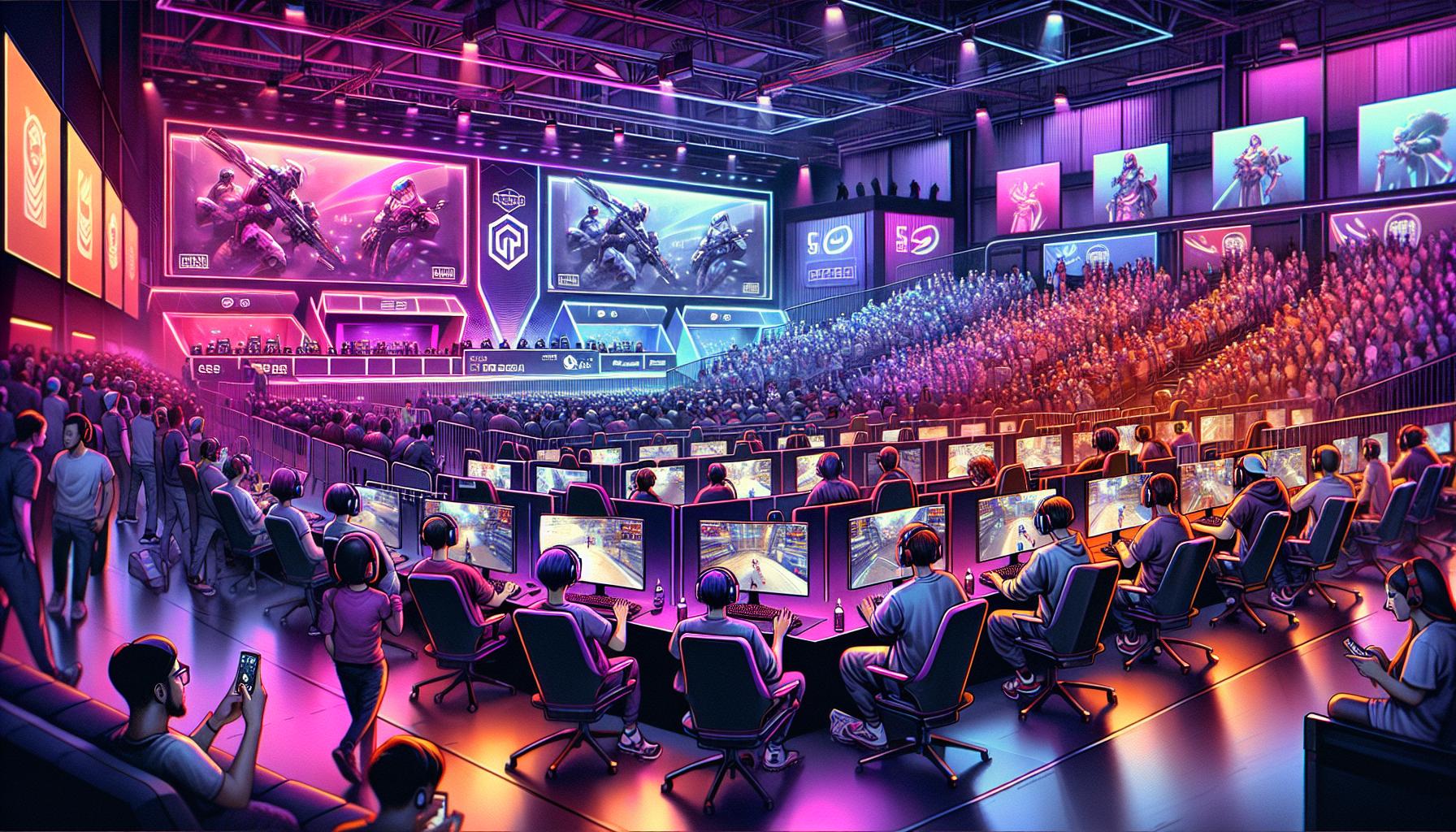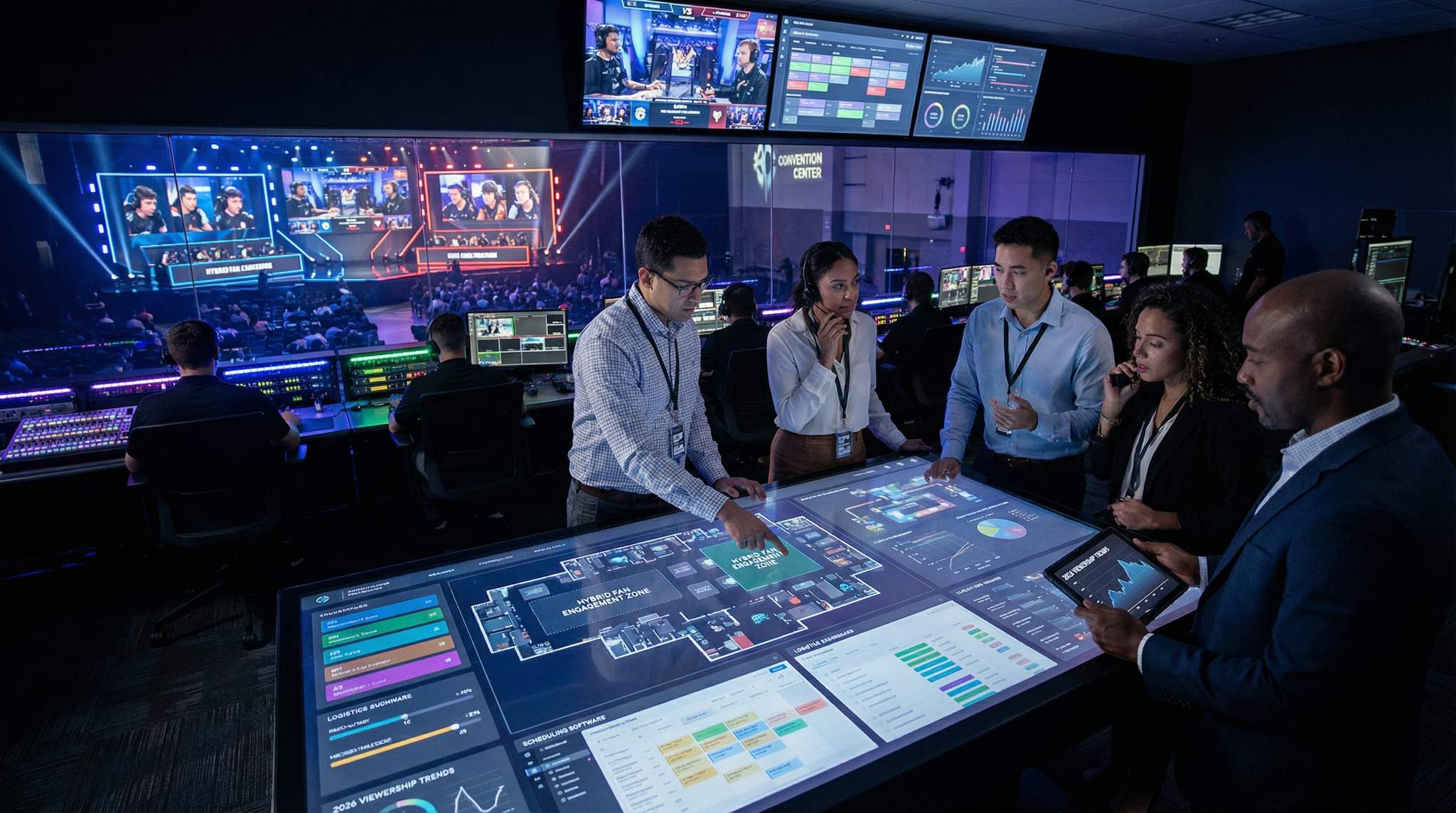
The world of competitive video gaming and esports has grown exponentially over the past decade, and as 2026 gets underway, esports events have become more than just tournaments—they’re grand spectacles blending gaming, live entertainment, and passionate community engagement. Whether you’re planning a regional competition, a global championship, or an industry conference, successful esports event planning requires deep knowledge of the gaming industry and an understanding of the needs of fans, sponsors, players, and partners. If you’re ready to dive into the exciting world of esports event planning in 2026, this updated guide will equip you with current insights, best practices, and pro tips to get started.
1. Understanding the Esports Industry Landscape in 2026
As we move into 2026, the esports industry continues to break new ground. Major esports events now attract millions of viewers worldwide, with production values on par with traditional sports broadcasts. For example, the 2023 League of Legends World Championship reached a record 6.4 million peak concurrent viewers globally according to Esports Insider data, not including China, underscoring how mainstream esports has become. It’s not unusual for championship matches to sell out large arenas and draw sponsorships from Fortune 500 companies. As a result, planning a successful esports event requires a keen understanding of the landscape and effective esports event management strategies rooted in current trends and data.
Key Trends in Esports in 2026:
-
Hybrid Events: In 2026, many esports events operate in hybrid formats, combining in-person experiences with high-quality virtual streams. While the pandemic originally accelerated this shift, hybrid components are now the norm. Fans around the globe expect to tune in online with interactive features, even as local audiences attend in person. Ensuring a seamless experience for both audiences is key – from robust live streams for remote viewers to engaging on-site activities for attendees.
-
Increased Fan Engagement: Fans are no longer passive viewers – they demand interaction. This is reflected in the rise of live fan voting for MVPs, virtual meet-and-greets with players, and interactive experiences using AR and VR. Many major tournaments now offer real-time polls, trivia contests, and even augmented reality elements during broadcasts to pull viewers into the action. For example, some championship events reward online viewers with exclusive in-game items for participating in polls or watching via linked accounts. The message is clear: an engaged fan is a happy (and returning) fan.
Go Cashless With RFID Technology
Enable contactless payments, faster entry, and real-time spending analytics with RFID wristbands and NFC-enabled ticketing for your events.
-
Integration with Traditional Sports: Esports and traditional sports are blending more than ever. Major broadcasters that typically cover football or basketball now also air esports tournaments on prime time. Traditional sports institutions are investing in esports teams – from European football clubs fielding FIFA rosters to the NBA running its own 2K League. Esports even made an appearance on the world sports stage: it debuted as an official medal event at the 2022 Asian Games, a milestone that Outlook India reported as official recognition by sporting bodies. In 2026, we’re seeing more crossovers, like racing esports events affiliated with Formula 1 and collaborative events where pro athletes and pro gamers compete side by side. These integrations bring wider recognition, new sponsorship opportunities, and larger audiences to esports events.
-
Focus on Sustainability: With growing awareness of environmental issues, esports events are implementing more eco-friendly practices. This ranges from using sustainable materials for stage setups, reducing single-use plastics at venues, to offsetting carbon emissions from production and player travel. Some organizers are choosing venues powered by renewable energy or setting up “green” initiatives like recycling stations and digital ticketing to cut down on paper waste. There’s also a trend toward regionalizing events (e.g. holding regional qualifiers on each continent) to minimize long-haul travel for teams, thereby cutting the carbon footprint. In 2026, demonstrating environmental responsibility isn’t just good PR – sponsors and younger fans actively appreciate and expect it.
Ready to Sell Tickets?
Create professional event pages with built-in payment processing, marketing tools, and real-time analytics.
-
Partnering with Gaming Communities: Successful esports events leverage the power of grassroots gaming communities. Organizers are collaborating with influencers, streamers, and fan groups on platforms like Discord, Reddit, and Twitch to promote tournaments and engage participants. It’s common to see community leaders involved as co-hosts or moderators for events, or popular streamers running “co-streams” of official tournaments to expand reach. By partnering with established gaming communities and fan networks, event planners tap into built-in audiences and earn credibility. This community-centric approach helps tournaments go viral through word-of-mouth and fosters loyalty among core fans.
The Evolution of Professional Esport Event Management
As the industry matures, the standards for esport event management have shifted from grassroots volunteer efforts to highly structured, professional operations. Today’s top-tier productions require specialized knowledge in broadcast latency, player hospitality, and digital-first sponsor activations. Mastering esports & gaming events planning and management means building cross-functional teams where technical directors, community managers, and traditional live-event producers collaborate seamlessly. This professionalization ensures that whether you are hosting a regional qualifier or a massive stadium championship, the operational execution matches the high expectations of the modern gaming audience.
Pro Tip: Keep an international perspective when analyzing the esports landscape. The fan base is truly global – the Asia-Pacific region alone accounts for over 50% of esports viewership based on Demand Sage statistics. This means your event promotion, stream scheduling, and language support should consider audiences beyond just your local region. Understanding where your largest fan segments lie (e.g. Europe, North America, Southeast Asia) will help shape decisions from venue location to broadcast time zones.
2. Choosing the Right Type of Esports Event
Esports events come in many shapes and sizes. Choosing the right type of event for your goals and audience is essential, as it will define everything from your venue and technology requirements to your marketing strategy and esports/gaming specialized ticketing system. Esports teams can also play a crucial role in your event’s success by promoting the competition to their fanbases and lending competitive credibility to the occasion. Some teams are part of franchised leagues backed by major investors and sponsors, while others are grassroots squads – knowing which you’re catering to will influence your planning.
Data-Driven Event Marketing
Track ticket sales, demographics, marketing ROI, and social reach in real time. Exportable reports give you the insights to make smarter decisions.
Types of Esports Events:
Tournaments
The core of esports events are tournaments – structured competitions where players or teams face off in a game. Tournaments can range from local amateur showdowns to high-stakes international championships like Dota 2’s The International or League of Legends World Championship. Deciding on the tournament format is a critical early step, as it impacts scheduling, fairness, and audience excitement. Common tournament formats include:
- Single-Elimination: A knockout bracket where a team is out of the tournament after one loss, until only one champion remains. This format creates an exciting, high-stakes atmosphere since every match could be do-or-die. It’s straightforward and works well for one-day events or smaller brackets, though top teams might be eliminated early, which can upset fans.
- Double-Elimination: Teams have to lose twice before being eliminated. After a loss, a team falls to a “losers bracket” for another chance. This format is popular in professional esports (e.g. Dota 2 and many fighting game tournaments) because it’s seen as a fairer test of skill – one bad match won’t necessarily knock out a favorite. However, it requires more matches and time to complete.
- Round Robin: Every team or player plays against each other in turn, and standings are determined by overall win-loss records. Round robins ensure a balanced competition and give all participants ample play time. They are common in league group stages or amateur circuits where the goal is maximizing play and experience. Keep in mind this format can be time-consuming if there are many participants.
- Swiss Format: A Swiss system isn’t elimination-based at all – instead, teams play a set number of rounds (often 4–6), and are paired against opponents with similar running scores each round. This format, used in events like CS:GO Majors’ initial stages, allows a large field of competitors to be whittled down to top performers without anyone being eliminated until final rankings. Swiss formats are great for large online qualifiers or early rounds, as they fairly match skill levels and produce clear top contenders for playoff brackets.
- Brackets & Pools: Large tournaments often use a combination of formats. For example, players/teams might be divided into pools or groups that play round robins, with top performers advancing into a single-elimination bracket playoff. This hybrid approach (group stage + bracket stage) is seen in events like the League of Legends Worlds. It ensures everyone plays multiple matches initially, but still delivers an exciting knockout finale.
- Local Tournaments: Small-scale events at the city, campus, or regional level deserve special mention. These provide a platform for amateur players to showcase their skills and for communities to gather. Local tournaments might be held at gaming cafés, colleges, or small convention halls. While the scale is smaller, they are essential stepping stones for aspiring gamers aiming to enter professional leagues. They often have simpler formats (single or double elimination) due to time constraints in a single day. Supporting local esports events can also build grassroots support for your brand or larger competitions.
When selecting your competitive structure, it is highly recommended to consult professional tournament guides and conduct a thorough purchase review of any bracketing software. Evaluating the algorithm used by these platforms ensures fair seeding and tie-breaking, which is critical for maintaining competitive integrity among elite esports athletes.
For organizers hosting top-tier talent, relying on proven tournament guides and conducting a rigorous purchase review of your bracketing algorithm is non-negotiable. Elite esports competitions demand software that can seamlessly handle complex tie-breakers, dynamic reseeding, and real-time API integrations with your broadcast graphics package.
Conferences and Expos
Not all esports events are pure competitions; some are closer to conventions that celebrate gaming culture alongside competitive play. Conferences, expos, and gaming festivals combine industry networking, product showcases, and educational sessions with esports elements. For example, events like BlizzCon or PAX have developer panels, cosplay contests, and expo floors in addition to esports tournaments. Similarly, DreamHack festivals mix pro tournaments with BYOC (bring-your-own-computer) LAN parties and other fan activities, essentially creating a hybrid gaming convention and esports event.
At a gaming conference or expo, you might find:
* Exhibitions: Showcases of new games, gaming hardware, VR demos, and related products. Sponsors or game studios often set up booths where attendees can try out upcoming titles or gear. These expo elements engage casual fans and industry folks alike.
* Panels & Discussions: Sessions hosted by industry professionals, game developers, pro players, and coaches sharing insights. Topics could range from game design and esports marketing strategies to player wellness and career tips. These panels make your event informative and attract an audience interested in the business and culture of gaming, not just matches.
Mastering esports trade show management requires a different skill set than running a standard bracket. When organizing the expo side of your event, you must coordinate exhibitor logistics, manage floor plans to ensure smooth foot traffic between the main stage and sponsor booths, and facilitate B2B networking opportunities. Effective trade show management ensures that hardware vendors, indie developers, and merchandise partners get maximum visibility without disrupting the flow of the competitive tournament.
Smooth Entry With Mobile Check-In
Scan tickets and manage entry with our mobile check-in app. Supports photo ID verification, real-time capacity tracking, and multi-gate coordination.
To elevate your expo floor, consider implementing a dedicated exhibitor portal as part of your broader esports event management strategy. This allows hardware vendors and indie developers to pre-book their booth footprint, order dedicated hardline internet drops, and submit their activation layouts for fire marshal approval well in advance. Successful trade show execution in the gaming sector also means designing strategic “decompression zones” between high-decibel tournament stages and B2B networking lounges, ensuring that business development conversations can happen comfortably alongside the main spectacle.
Advanced esports trade show management also involves curating interactive B2B programming, such as developer roundtables or hardware demonstration stages. By offering dedicated networking hours before the main tournament doors open to the public, you provide immense value to your exhibitors, making it easier to secure their sponsorship renewals for subsequent years.
Grow Your Events
Leverage referral marketing, social sharing incentives, and audience insights to sell more tickets.
Scaling these hybrid events requires a deep understanding of esports convention management. Unlike a standalone tournament, a full-scale convention demands meticulous crowd control strategies to safely move thousands of attendees between the main arena, breakout panel rooms, and the expo floor. Effective convention management in the gaming space also involves coordinating complex speaker logistics for industry panels, managing VIP creator lounges, and ensuring that the venue’s Wi-Fi infrastructure can support thousands of simultaneous mobile connections alongside the dedicated broadcast lines. By treating the convention side of the event with the same operational rigor as the main stage competition, organizers can create a multi-day festival atmosphere that maximizes ticket value and attendee retention.
Organizing a conference-style esports event means you’ll be juggling multiple content tracks (tournaments, panels, expo, workshops). It requires careful scheduling and possibly separate areas within the venue. The upside is a broader audience appeal and additional revenue streams (e.g. exhibitor fees). Just be sure your venue can accommodate both a stage for matches and space for expo booths or meeting areas.
Charity Events
Esports has a strong culture of giving back through charity events. These events allow gamers to support causes while enjoying either competitive or casual gaming. Often, they bring together popular streamers, pro players, or celebrities to attract viewership and donations. Common formats for charity-focused esports events include:
- Stream-a-thons: Live streaming marathons where content creators play games for an extended period (24-hour streams are popular) to raise money for charities. Viewers are encouraged to donate, and milestones or donation goals might trigger fun challenges or game changes on stream. For instance, a streamer might promise to play a notoriously difficult game if a certain dollar amount is met for charity.
- Charity Tournaments: Organized competitions (which could be serious or lighthearted) where prize winnings go to a designated charity, or where entry fees and streaming revenue are donated. Some well-known esports charity tournaments involve mixing pro players with amateurs or celebrities on teams, creating unique matchups purely for a good cause. Games Done Quick, while not a competitive tournament, is a great example in the broader gaming community – it’s a speedrunning marathon event that raised over $3 million for charity in 2025, illustrating how gaming events can rally support for important causes.
When planning a charity esports event, promotion is crucial – often the cause itself will shape your marketing. Partner with the charity organization for reach, and consider using fundraising platforms that integrate with streaming (so on-screen alerts show donor messages, etc.). Additionally, keep the tone of the event positive and fun, as the primary goal is engagement and donations, not just competitive glory.
Smart Promo Codes & Presale Access
Create percentage or flat-rate discount codes with usage limits, date ranges, and ticket type restrictions. Plus unlock codes for private presales.
League Matches
Some esports events aren’t standalone tournaments at all, but part of an ongoing league. League-based events involve regular season play, scheduled matches (often weekly or bi-weekly), and playoffs over months. Examples include the Overwatch League, Call of Duty League, and regional leagues like the LCS (League of Legends Championship Series) or LEC (League of Legends European Championship). These offer consistent engagement and a narrative that unfolds over a season, much like traditional sports leagues.
If you’re planning events as part of a league, here are some nuances:
* Franchised Leagues: Certain esports leagues operate on a franchise model (teams buy slots to compete, similar to the NFL or NBA). These usually have home and away games and strict schedules. As an event planner, you might be handling one of the league’s homestand events or finals. Coordination with the league organizers is key, as many aspects are standardized (rules, branding, broadcast rights).
* Regional Circuits and Qualifiers: Outside of franchise leagues, many games have annual circuits with regional qualifiers. Teams compete in their region (North America, Europe, Asia, etc.) to earn points or slots at international majors and championships. Hosting a regional qualifier event means your tournament is one piece of a larger puzzle. It can attract high-level teams if it’s a step toward a world championship. Align objectives accordingly – for instance, the goal might be providing excellent player experience and fair competition to uphold the integrity of the larger circuit.
* Consistent Schedule & Content: League matches provide a steady flow of content for fans, which is great for building a loyal follower base. However, it also means you need to sustain quality over time. Production value, live streams, and on-site fan experience should be consistently good for each match day. Many leagues add entertainment between games (analysis desks, player interviews, mini-shows) to keep viewers engaged week after week.
Tip for Event Planners:
Before selecting the type of event to host, identify your target audience and core purpose. Are you focusing on hardcore esports fans who care mostly about high-level competition? Casual gamers looking for a fun community event? Industry professionals seeking networking opportunities? Your event type and format should align with what your primary audience values. For example, a festival-style event with cosplay contests and live music might attract a broad gamer audience but could dilute the focus on the competition for purists. On the other hand, a no-frills online qualifier will appeal to competitive players but might not draw spectators. It’s all about balance. If possible, gather feedback from the community (through surveys or social media polls) on what they’d like to see – this can guide whether you run a tournament, an expo, a charity stream, or some creative combination.
Pro Tip: Take inspiration from past events. For instance, the 2019 Fortnite World Cup in New York had to juggle multiple tournament formats (solos, duos, creative contests) plus a huge on-site fan festival. They succeeded by staggering activities: while one competition took place inside Arthur Ashe Stadium, other entertainment (like a skills challenge and game demos) kept fans busy outside, a strategy often cited when discussing unique production challenges and fan engagement. The lesson is to schedule smartly. If you host multiple activities, stagger schedules and locations so there’s always something happening, but not so much that you dilute your main attraction.
3. Defining Event Objectives
Importance of Clear Objectives
Defining clear objectives is the cornerstone of any successful esports event. Ask yourself: What does success look like for our event? Objectives provide a roadmap that guides every decision from initial planning to the final trophy ceremony. In the dynamic world of competitive gaming, objectives might range widely – you may aim to increase brand awareness, generate revenue, build a community, showcase new talent, or even support a charitable cause (sometimes all of the above). By spelling out these goals early, you ensure all stakeholders are aligned and you have benchmarks to measure success.
Clear objectives also help when tough choices arise. For example, if one of your objectives is showcasing top-tier talent, you might allocate more budget to player amenities or appearance fees to attract star players. If instead your main goal is maximizing online viewership, you might invest more in streaming quality, marketing, and maybe schedule the event at a time ideal for global audiences. Without clear objectives, an event can suffer from scope creep or mismatched priorities – and you won’t have concrete metrics to evaluate afterward. Many experienced organizers write down 2–3 primary objectives at the outset, and refer back to them whenever a major decision is on the table.
Grow Your Social Following With Every Sale
Require social media follows, shares, or playlist adds to unlock presale access or special pricing. Turn every ticket purchase into audience growth.
One often overlooked aspect is setting Key Performance Indicators (KPIs) tied to each objective. For instance, if your goal is increasing brand awareness, a KPI could be social media impressions or press coverage volume. For revenue goals, set a target profit or number of tickets sold. If community-building is key, measure success by attendee satisfaction surveys or repeat participation in future events. These measurable targets will not only keep you focused, but also demonstrate to sponsors and partners what the event achieved versus its goals.
Aligning Objectives with Audience and Stakeholders
When setting objectives, always consider the expectations of your key stakeholders: the audience (both live and online), players, teams, sponsors, and partners. Aligning your event’s goals with stakeholder needs creates a win-win situation and boosts the chance of success. Here’s how this alignment plays out in practice:
- Audience Alignment: Different audiences have different desires. Hardcore esports fans crave high-quality matches, competitive integrity, and maybe behind-the-scenes access to their favorite players. Casual attendees might value fun side activities, giveaways, and a social atmosphere. If your objective is fan satisfaction, you might implement features like meet-and-greet sessions for VIP ticket holders or a community tournament stage where attendees can play. Always ask: what will make the event unforgettable for our audience? Align your plans accordingly. For example, a college esports event might define an objective of campus engagement, leading you to involve student clubs and offer free play zones for students.
- Player/Team Alignment: The pro players and teams attending are stakeholders too – their experience matters, especially if you plan to host recurring events. If one objective is to be known as a player-friendly tournament, you might budget for high-end practice setups, comfortable player lounges, and fair prize distribution (perhaps paying deeper into the field, not just the top 3). Content creators or influencers playing in a charity match will expect clear communication and perhaps the opportunity to promote their own channels. Satisfied players are more likely to speak positively about your event, which helps attract others in the future.
- Sponsor/Partner Alignment: Sponsors often have objectives such as brand visibility, product showcase, or reaching a new demographic. It’s crucial to align event objectives with delivering value to sponsors. For instance, if your primary objective is increasing brand awareness for a sponsor, you might focus on branding opportunities like prominent logo placements on stream, sponsored segments (e.g. “Analysis powered by [Sponsor]”), or even naming rights to the event. On the other hand, if the objective is launching a new game or product (as might be the case for a game publisher partnership), you could align content by including that game in the tournament lineup or creating a special reveal on stage. Weave sponsor goals into your event’s fabric so that fulfilling your event objectives naturally also fulfills theirs. Remember to gather data post-event (viewership stats, attendee demographics, engagement metrics) to show sponsors how well their goals were met – this builds trust and long-term partnerships.
- Internal Stakeholders: Don’t forget your own organization’s objectives. If you’re an esports team hosting a tournament, your goal might be community building or scouting new talent. A clearly defined objective like “identify two promising amateur players to potentially recruit” will shape how you design the competition (perhaps including a solo queue contest or skills showcase). If you’re an event company, your objective might be establishing a brand in the esports space, so you’ll focus on overall production quality and attendee feedback to build a reputation.
By aligning objectives with each stakeholder group, you create a more holistic event that satisfies everyone involved. Of course, there may be trade-offs – what sponsors want might not perfectly match what hardcore fans prefer, for example. That’s where prioritization and creative solutions come in. The key is transparency and balance. Acknowledge the trade-offs and find ways to address them. For example, if a sponsor needs a certain amount of branding (which hardcore viewers often dislike), integrate it in a way that adds value (like a sponsored fan giveaway rather than a simple logo plastered everywhere). When objectives are well-aligned and balanced, your event is far more likely to be both successful and well-received.
Warning: Beware of setting objectives that are too vague or too numerous. “We just want to host a cool event” is not a measurable objective. Likewise, trying to do everything in one event (e.g. attract casual fans, satisfy pros, make a huge profit, and revolutionize the industry all at once) can lead to diluted efforts and disappointment. Prioritize 1–3 core objectives. If something doesn’t serve those goals, reconsider it. Clear, focused objectives will help you allocate budget and time effectively, and they make it easier to communicate the event’s purpose to your team and supporters.
The Core Phases of Esports Event Planning
Successful esports event planning is typically divided into three distinct phases: pre-production, live execution, and post-event reconciliation. During pre-production, organizers focus on securing venue contracts, negotiating sponsorships, and establishing the technical infrastructure. The live execution phase shifts the focus to run-of-show management, broadcast stability, and attendee experience. Finally, post-event reconciliation involves distributing prize pools, analyzing viewership metrics, and delivering ROI reports to brand partners. Mastering these phases ensures a sustainable business model for future tournaments.
Utilizing an Esports Tournament Planning Template
To keep your objectives on track and ensure no logistical detail is overlooked, developing or downloading a comprehensive esports tournament planning template is highly recommended. A standardized template helps streamline esports event management by breaking down the production timeline into actionable phases: pre-production (venue scouting, sponsor outreach), active production (marketing, tech rehearsals), and post-event wrap-up (ROI reporting, payout distribution). By using a shared planning document, your entire organizing committee—from the technical director to the marketing lead—stays aligned on deadlines, deliverables, and core KPIs.
Keep Tickets in Fans' Hands
Our secure resale marketplace lets attendees exchange tickets at face value, eliminating scalping while keeping you in control of the secondary market.
A robust template should include dedicated tabs for run-of-show (ROS) timing, vendor contract tracking, and real-time budget variance. By standardizing your esports event management workflows through a centralized document, you reduce the cognitive load on your core team and make it significantly easier to onboard freelance technical directors or temporary stage managers during the high-stress load-in phase.
When customizing your esports tournament planning template, be sure to incorporate specific modules for player hospitality (such as flight tracking and hotel room blocks) and network redundancy checks. A comprehensive checklist prevents critical technical oversights, ensuring that both the live broadcast and the in-arena competition run without interruption.
4. Creating a Budget
Budgeting Essentials for Esports Events
Budgeting is one of the most crucial aspects of planning an esports event. With the growing scale and complexity of esports events in 2026, careful financial planning will ensure your event is both successful and sustainable. It’s all too easy for costs to spiral if you don’t plan and monitor them closely. A well-constructed budget acts as a roadmap for spending and can prevent nasty surprises, like running out of funds halfway through your production schedule.
Start by outlining all potential expenses and revenue sources. On the expense side, consider categories like venue, equipment, staff, marketing, insurance, and prize pool (we’ll dive into these shortly). On the revenue side, list expected income such as ticket sales, sponsorships, merchandise, online donations (for a stream), or perhaps publisher support. This will give you a baseline sense of whether the event is financially viable or needs adjustments (e.g. seeking more sponsors or scaling down plans).
A few budgeting principles for esports events:
* Always include a contingency. Set aside typically 10–20% of the total budget as a buffer for unexpected costs, a crucial step when you organize a ticketed esports tournament. In fast-moving productions, last-minute needs pop up (a PC died and needs replacement, an extra hotel night for a delayed team, etc.). A contingency fund ensures these don’t push you into the red.
* Manage cash flow. Esports events often have timing gaps between expenses and revenue. You might have to pay vendor deposits or prize money before you’ve received all sponsorship funds or ticket revenue. Plan for when money goes out vs. comes in so you don’t hit a cash crunch. Sometimes, negotiating payment schedules with venues or suppliers (split payments, or paying after the event) can help manage cash flow.
* Use budgeting tools. Whether it’s a good old spreadsheet or specialist event budgeting software, keep track of every line item. Update your budget whenever there’s a change. Many event ticketing platforms (like Ticket Fairy) also offer financial reporting features that track ticket revenue in real time, allowing you to use budgeting tools effectively, which can feed into your budget tracking.
* Explore grants or subsidies. Depending on where you’re hosting, there might be local government grants, tourism board support, or esports federation funding available. For example, some cities offer grants to events that drive tourism or youth engagement. Research potential grants or community sponsorships – these can bolster your budget or reduce certain costs (like getting a city-owned venue at a discount). In some regions, universities may sponsor collegiate esports events or brands might contribute in kind (e.g. providing equipment instead of cash).
By developing a comprehensive budget, you identify potential financial risks early and can make informed decisions to keep your event financially healthy. It’s much easier to adjust plans on paper than to face a budget shortfall days before the event. Many organizers even budget multiple scenarios: a conservative scenario (minimal revenue, high expenses) to ensure worst-case is covered, and a best-case scenario (if tickets sell out, etc.) to plan how extra funds might be used (perhaps upgrading a stage element or boosting marketing). This way you’re prepared for anything.
Key Budgeting Considerations:
Venue Costs: The venue is often one of your largest expenses. Costs vary wildly based on the type and location of venue and how many days you’ll use it. A smaller local venue like a community hall or esports café might only cost a few hundred dollars for a day. In contrast, renting a large theater or arena can cost several thousand (or tens of thousands) per day once you factor in base rent, plus charges for security, on-site technicians, utilities, and maybe a percentage of concessions. For example, one guide suggests a mid-sized venue rental averages around $5,000 per day for an arena, according to cost estimates for hosting esports events – and major metropolitan arenas can be higher. Keep in mind additional venue expenses like insurance, damage deposits, and any required staffing the venue mandates (some venues require you use their in-house security or caterers, for instance).
When budgeting for venue, also include costs for infrastructure within the venue. This includes staging, lighting rigs, extra power distribution, seating arrangements if you need to rent chairs or bleachers, and so on. Sometimes an empty expo hall is cheap, but then you realize you must rent all the truss, stage risers, and AV equipment which drives up the effective cost. Always get a detailed quote from the venue that outlines what’s included. If internet connectivity, cleaning, or overtime hours for late-night breakdown are not in the contract, ask for those rates upfront.
Technology & Equipment: Esports events rely heavily on top-of-the-line technology, and this can be a significant budget category. Key elements include:
* Gaming Hardware: High-performance gaming PCs or consoles for competitors (and backups in case of hardware failure), plus monitors (typically high refresh rate displays), headsets, controllers, and other peripherals. If your event is on PC, you may also need to budget for software licenses or game accounts. You might opt to rent equipment from a specialized provider if you don’t own enough – rental ensures you get the latest gear and often on-site tech support, but it can be pricey. Alternatively, collaborating with a hardware sponsor (e.g., a PC brand) might secure you equipment at low or no cost in exchange for branding, which can save tens of thousands of dollars.
* Networking & Internet: A rock-solid internet connection is the lifeline of an esports event, especially if games are played on servers or being streamed to viewers. Include costs for high-bandwidth internet service at the venue (some large venues charge separately for dedicated bandwidth or for setting up network lines to the stage). You may need to bring in a technical team to set up a Local Area Network (LAN) for the competition machines, plus Wi-Fi for production crew and perhaps attendees. Network equipment like switches, routers, and miles of Ethernet cabling should be in the budget. Tip: Budget for redundant internet lines if possible – it’s expensive, but having a backup line can save the event if the primary connection goes down.
* Production & Streaming Gear: To broadcast your event, factor in camera equipment, microphones, lighting, and an OB truck or production control room setup. Will you hire a production company to handle the live stream, or are you building it yourself? Production companies can quote a package price that covers all cameras, operators, a producer, a director, on-screen graphics, etc. If doing it in-house, you might need to purchase or rent things like capture cards, streaming PCs, video mixers, audio mixers, headsets for casters, and so on. Don’t forget stage audio – speakers for the audience, and a PA system for announcements. All of this adds to costs in equipment rental and technical staff.
* Software & Tools: Consider any software subscriptions or licenses (broadcast graphics software, tournament bracketing software, etc.), as well as costs for in-game spectator tools if applicable. Some events invest in custom graphics or augmented reality effects for their stream – if that’s you, include the development or licensing cost.
Staffing Costs: Even though esports events revolve around games and tech, people make the magic happen. Make sure to budget for all the human resources needed:
* Event Management & Crew: This includes your core planning team (producers, event managers, stage managers, technical directors) and all the on-site crew required to execute the event. You’ll need administrators/referees to manage the competition (checking rules, resolving disputes), technical support staff to handle any PC or network issues during the event, lighting and sound technicians, camera operators, and possibly runners/assistants for miscellaneous tasks. If your event spans multiple days or long hours, you might need two shifts of crew, which doubles certain labor costs.
* Casters, Hosts, and Talent: Professional shoutcasters (commentators) and desk hosts/analysts are often paid talent. Their fees vary widely based on experience and the size of the event – some may charge a day rate of a few hundred dollars, while top-tier casters at major events could be in the thousands per day (plus travel). If you plan to feature well-known streaming personalities or influencers on your broadcast or as guest hosts, they might require an appearance fee as well, or at least covered travel and accommodation.
* Hospitality and Travel: Budget for travel and accommodation for staff and talent if they’re not local. This includes flights or mileage reimbursement, hotel rooms (often needed for a few nights around the event), ground transport, and daily per diem or catering. For example, flying in a commentator from another state means a flight + 3-4 nights in a hotel + meals – plan those costs in. Even local volunteers might need you to cover meals during the day or provide an official staff t-shirt.
* Volunteers: Many esports events rely on volunteers for roles like ushers, player check-in, stagehands, etc. While volunteers are not paid salaries, you should still budget for their benefits – such as free tournament swag, shirts, meals, or small stipends as a thank-you. Also consider the cost of recruiting and training them (if you hold a training session, maybe provide refreshments). Having a well-treated volunteer crew can significantly enhance on-ground operations, but poor treatment can lead to no-shows, so allocate some budget to make volunteering rewarding.
* Security and Medics: For in-person events, don’t forget costs for security personnel and first aid/medical staff. Venues might require a certain number of certified security guards or off-duty police depending on attendance. Even if not required, it’s wise to have medical staff or a standby EMT for larger crowds or multi-day events. These are usually hourly contracts.
Marketing & Promotion: “Build it and they will come” doesn’t apply in esports – you need effective marketing to attract both in-person attendees and online viewers. Your marketing budget can vary widely based on the scale of event, but it should be sufficient to create a buzz and drive ticket sales (if ticketed) or viewership. Key marketing expenses to consider:
* Content Creation: Designing a slick event logo, producing hype videos, graphics for social media, etc. If you have the skills in-house, the cost might just be your time; if not, you may hire a freelance graphic designer or video editor. Quality branding and promo content are worth the investment as they make your event look professional and exciting.
* Social Media Ads: Running targeted ads on platforms like Facebook, Instagram, TikTok, or Twitter (X) can significantly boost awareness beyond your organic reach. Even a modest budget (say $500) can go a long way if targeted well to gamers in specific regions, as noted in guides on how much it costs to host an esports event. Large events might spend several thousand on digital ads leading up to the event. Allocate more if you need to reach a broader or international audience.
* Giveaways and Incentives: Sometimes marketing spend comes in the form of promotional giveaways – for example, giving out some free tickets via an online contest, or merchandise bundles for those who pre-order tickets. These costs (the value of the free tickets or merch) should be accounted for in marketing.
* Influencer Partnerships: Partnering with streamers or content creators to promote your event might involve a fee or cost (even if just sending them free tickets or swag). We’ll talk more about this in the Marketing section, but note any such costs here in the budget. Influencers may charge for a sponsored post or stream where they discuss your event, so if that’s in your plan, get rate estimates and include them in the marketing budget.
* Press and PR: If you are aiming for significant media coverage, you might hire a PR agency or specialist to reach out to press and manage media on event day. PR agencies often have monthly retainers or project fees. Even without an agency, consider the cost of preparing press kits or paying someone to write and distribute press releases.
Effective marketing ensures that your event attracts the right audience size. There’s no point pouring money into a venue and production if no one knows about the event. As a rule of thumb, many event planners allocate a certain percentage of overall budget to marketing (often around 10-20%, depending on how much you rely on ticket revenue). Also remember, marketing spend might happen early (tickets are usually sold weeks or months in advance), so it affects your cash flow timing.
Sponsorship & Revenue Streams: On the flip side of the expense sheet, you should factor in expected revenues and how they offset costs. The strongest revenue stream for many esports events is sponsorship. When building your budget, have a realistic estimate of sponsorship income, but also a backup plan if a deal falls through. Do not overspend assuming a sponsor will cover it until contracts are signed.
Consider multiple revenue streams:
* Ticket Sales: If your event is selling tickets to attend, forecast how many tickets you expect to sell and at what price points. Be conservative; it’s better to beat your revenue goal than to fall short and not pay bills. Use any historical data or comparable events as a guide (e.g., if last year a local LAN drew 300 attendees at $20 each, that’s $6,000 – a starting point for predictions). Keep in mind fees or taxes that might be deducted from ticket sales depending on your ticketing platform or local regulations.
* Sponsorships: List each sponsor and the amount they are contributing (cash or in-kind value). Ensure you account for any expenses tied to fulfilling sponsorships too (e.g., if a sponsor deal gives them a booth, you might need to rent an extra booth setup which is an expense). A significant sponsorship can underwrite big portions of the event like the prize pool or venue cost. Also, diversify sponsors if possible – relying on one big sponsor is risky; if they pull out, you’re in trouble. Many events have tiered sponsorship (e.g., one title sponsor giving a large sum, and several smaller sponsors contributing lesser amounts).
* Merchandise: Will you sell event merchandise or allow team merchandise sales where you take a cut? If yes, project the revenue after cost of goods. For instance, if you print 200 event t-shirts at $5 cost each ($1000 total) and sell them for $20 each, selling all would gross $4000, net $3000 profit. But be cautious in merchandise projections – unsold inventory eats into profit. Some events do merch as more of a branding exercise than a money-maker, so decide how it fits your objectives.
* Concessions & On-Site Sales: If you have food trucks or concession stands, some venues offer a revenue share. Or you might monetize activities (e.g. a VR experience booth that charges $5 per play). These are usually minor income sources, but still worth noting in budget if applicable.
* Media Rights: For large events, consider if any platform is paying for exclusive streaming rights or if you have any broadcast deals. For example, a streaming platform might pay to be the exclusive carrier of your tournament, or a TV network might license highlight footage. This usually applies to very high-tier events, but it’s part of the revenue picture for those.
* Publisher/Developer Support: Sometimes the game’s publisher will contribute to prize pools or provide event funding, especially if your event is part of their official circuit. If you’ve arranged support from the game developer (monetary or promotional), include its value.
When budgeting, be conservative on revenue and generous on expenses. It’s safer to underestimate income and overshoot costs on paper, then end up pleasantly surprised if things go better than expected. For example, maybe base your budget on selling 70% of venue capacity, not 100%. Also consider scenario planning: “What if we only get half the expected online viewers – does it affect sponsor payouts?” or “What if a sponsor delays payment until after the event?” Plan your finances so the event can still run in those scenarios. By doing so, you ensure you’re not caught off guard financially.
Finally, calculate the bottom line: total expected revenue minus total expenses. Ideally you want at least a break-even, unless you have other reasons to run a loss (sometimes a company hosts an esports event as a marketing expense, accepting a loss for the brand exposure). In many cases, especially first-time events, profit margins might be slim. That’s okay if it meets your objectives, but knowing the outcome helps you justify the endeavor. And if you are making a profit, consider re-investing a bit into things that enhance the event for everyone, as that can pay off in long-term growth.
Prize Pool & Player Incentives: A major draw for any competitive event is the prize pool. Top esports tournaments boast multi-million dollar prize pools (the largest in history so far exceeded $40 million, for Dota 2’s The International). While your event likely doesn’t need that level of prize money, you should budget an amount that is appropriate for the scale and encourages participation. A local or collegiate tournament might offer a few thousand dollars or even just high-end gaming gear as prizes; a mid-tier event could be in the tens of thousands range. Always balance the prize pool with your budget size – it wouldn’t make sense to spend 50% of your entire budget on prizing if other aspects will suffer.
Beyond the headline prize pool, remember other player incentives that cost money:
* Trophies and Awards: Budget for a trophy, medals, plaques, or other physical awards. Custom trophies are a nice touch and can cost anywhere from $100 for a basic one to $1000+ for a large, intricate design. Swag like winner jerseys or rings (some competitions do championship rings akin to sports) can also be included.
* Appearance Fees or Stipends: Occasionally, to attract top talent, events might pay appearance fees. For instance, inviting four superstar players for an exhibition showmatch – you might give each a set fee to show up and play. Or in a pro tournament, you might at least cover travel and lodging for teams (which is essentially a form of stipend). These costs should be anticipated. Even amateur events sometimes offer a travel stipend to teams coming from far away, to lower their barrier to attend.
* Peripherals or Special Prizes: Some events partner with sponsors to give out gear to winners (like keyboards, GPUs, etc.). If you have a deal that provides these in-kind, great – no cost. But if you plan to buy them yourself as part of the prize, include that cost.
It’s important to define your prize structure early (1st place gets X, 2nd gets Y, etc.) and ensure the total is in the budget. Also be aware of any legal or tax implications – in some regions, large prizes may have tax withholding or require paperwork for players. While that might not directly hit your budget, it could create administrative overhead.
Miscellaneous Costs: Beyond the major line items, account for the numerous smaller expenses that can sneak up on you:
* Permits and Licenses: Depending on your event, you might need permits (for example, a broadcast license for using certain music, or a city event permit if it’s a large gathering). Some games require a tournament license from the publisher if the prize pool is above a certain amount – those are sometimes free but should be applied for in advance.
* Insurance: Event insurance is highly recommended. It can cover liability in case someone is injured on-site, or equipment is damaged, etc. Insurance premiums for a short event are usually not too high, but it’s a line item. If you’re renting expensive equipment, you might need additional coverage for that. Also consider cancellation insurance if the event is very large or tied to significant investment – e.g., a sudden COVID resurgence or power outage forcing cancellation could otherwise bankrupt the event. Insurance gives peace of mind.
* Utilities and Power: Sometimes venues charge for electrical usage especially if you have heavy equipment, or you might need to rent a generator for an outdoor event. Also consider cooling – a room full of gaming PCs can get hot, and you may need extra fans or to rent AC units in unusual venues.
* Stage Design & Decor: This could be anything from banners, LED backdrops, floor decals, lighting effects, to something unique (like a mock arena stage). Think about how the venue will look and any costs for printing signs, hanging team logos, etc.
* Printing & Badges: You may need to print ID badges or passes for staff, players, press, and VIPs. Also printing costs for any schedules, brackets for display, or rule packets. Even if you go mostly digital, some printed signage is often necessary for directions or labeling areas.
* Hospitality: We covered staff/players meals under those budgets, but also consider any VIP hospitality or a post-event reception if you plan one. Even a casual after-party for participants has costs (venue, refreshments) unless sponsored.
* Contingency Uses: If you don’t end up using your contingency fund for emergencies, think of it as margin or potential improvement budget. But never fully allocate it before the event – it’s there for the unexpected!
Below is a simple example of how a budget breakdown might look for a mid-sized esports event:
| Budget Item | Approximate % of Total Budget |
|---|---|
| Venue (rental, utilities, insurance) | 25% |
| Technology & Equipment | 20% |
| Staff & Crew (including travel) | 20% |
| Marketing & Promotion | 15% |
| Prize Pool & Player Hospitality | 10% |
| Miscellaneous & Permits | 5% |
| Contingency Reserve | ~5% (buffer) |
Table: Example budget allocation for a mid-sized esports event. Keep in mind this is a rough guide – your specific event might allocate differently. For instance, a purely online event would have minimal venue cost but higher tech and marketing ratios. Use a breakdown like this to double-check that you haven’t grossly under- or over-budgeted any category. If you see, say, only 5% for marketing but you’re an unknown brand event, you might want to increase that to ensure people actually hear about it.
Pro Tip: When sourcing vendors or services, get multiple quotes. Prices can vary significantly. For example, one AV company’s quote for streaming equipment might be twice another’s for similar gear. Don’t be shy about negotiating – venues and service providers often have some wiggle room, especially if you’re booking on a less busy date or can offer something in return (like sponsor recognition). Comparing at least 2–3 options for major expenses can save you a substantial amount and keep your budget on track.
5. Venue Selection: Where the Magic Happens
Choosing the right venue is crucial to the success of your esports event. The venue you select must accommodate your audience size, support your technological needs, and contribute to an immersive experience for both players and fans. A great venue can elevate the atmosphere of a tournament, while a poor choice can create logistical nightmares. Effective organizing and thorough scouting are key to ensuring everything runs smoothly on event day.
Key Considerations for Venue Selection:
- Capacity & Scale: First, ensure the venue can comfortably hold your expected audience (and then some, if you plan to grow or allow walk-ins). For a large-scale international event, you might look at arenas or convention centers that hold 5,000–15,000+ spectators. Mid-sized events might fit in university auditoriums or sports halls for a few hundred to a couple thousand people. Remember that an esports event often requires more than just seating – you need space for the stage, player areas, production setup, and possibly sponsor booths or a merchandise area. Avoid venues that are too small (overcrowding is a safety hazard and diminishes experience) and ones that are too large. A half-empty large arena can dampen the excitement – sometimes it’s better to pack a smaller venue to the brim to create a lively atmosphere. Consider having a slightly smaller venue and selling it out, which generates buzz, versus a large venue with empty sections.
- Location & Accessibility: Location matters for both attendees and participants. Ideally, choose a venue in a city or area that is easy to travel to. Proximity to an airport, public transportation, and ample parking can all influence turnout. If many attendees are local, ensure the venue is centrally located or well-known in the community. For international events, consider major cities that are travel hubs. Beyond travel, think about the surrounding area: are there affordable hotels nearby for teams and fans? Are there food options around for attendees to grab a meal (or will you cater on-site)? Safety of the neighborhood is also a concern for events ending late. Sometimes, unconventional venues like a university campus or a theater can work great but ensure you have clear directions and signage – esports fans shouldn’t struggle to find the event.
- Infrastructure & Technology Support: Esports has some unique venue needs. Check the venue’s power capacity – all those gaming PCs, giant LED screens, and lights pull significant electricity. You may need to bring in generators or additional circuit breakers if the in-house power isn’t sufficient. High-speed internet is non-negotiable: ask venues about their bandwidth and whether they’ve hosted tech events before. Many traditional sports venues aren’t equipped with the upload speeds an esports event requires for streaming, so you might need to arrange a dedicated line. Additionally, the venue should allow you to rig lighting and install a stage/truss if needed. Ceiling height is a factor if you plan elaborate stage backdrops or large screens. Some newer venues are marketing themselves as “esports arenas” with built-in streaming rooms, player lounges, and soundproof booths – if you have access to one of those, it can simplify your setup significantly (they may come with a higher rental cost, though).
- Branding & Immersion: The best esports events make fans feel like they’ve stepped into the game’s universe or a high-tech sports spectacle. Look for a venue that offers opportunities for branding and customization. Blank canvas venues like expo halls can be transformed with banners, LED screens, and props, whereas a venue with a strong existing theme (like a movie theater) might limit you. Ensure you have permission to decorate – can you wrap pillars with posters? Hang a giant banner outside? Use haze machines or special effects indoors? Also consider line of sight and seating style: venues with tiered seating (like theaters or arenas) are excellent so spectators can see the stage easily. Flat floor venues might require you to set up projection screens or limit seating to avoid obstructed views. The more fans can be immersed in the action (good views, good sound, game-themed decor), the more memorable your event will be.
- Sports and Esports Staging: The physical design of your competitive area requires blending traditional athletic arena setups with high-tech gaming requirements. Effective sports and esports staging means considering sightlines for both the live audience and the broadcast cameras. You must integrate heavy-duty trussing for lighting and audio—standard in traditional sports—with specialized esports elements like soundproof player booths, massive LED video walls for gameplay playback, and dynamic RGB stage lighting that reacts to in-game events. When evaluating a venue’s staging capabilities, ensure the floor load capacity can handle these massive structural additions alongside the necessary power distribution for the competitors’ rigs.
- Esports Event Space Design: Crafting the optimal layout for a competitive gaming tournament goes far beyond simply placing a stage at the front of a room. Effective esports event space design requires a holistic approach to spatial planning that balances the needs of the live broadcast, the competing athletes, and the in-house audience. You must map out dedicated zones: a high-security backstage area for player warm-ups, a centralized production compound (often called “video village”) that minimizes cable runs to the main stage, and strategic crowd flow pathways that prevent bottlenecks around popular sponsor activations. Furthermore, acoustic design plays a massive role; the layout must ensure that the roar of the crowd does not bleed into the players’ soundproof booths or the casters’ desk, preserving competitive integrity and broadcast audio quality.
- Esports Tournament Staging: Executing flawless esports tournament staging requires specialized production knowledge that bridges live entertainment and competitive integrity. When designing the physical stage, organizers must account for the ergonomic needs of the players, ensuring desks are at regulation height and monitors are positioned to eliminate glare from the arena’s lighting rig. Advanced staging setups often incorporate modular LED flooring, dynamic player entrance tunnels, and custom-built pods that house the gaming PCs in climate-controlled enclosures. Furthermore, the staging architecture must seamlessly integrate with the broadcast team’s camera plots, allowing jib and steady-cam operators to capture dramatic player reactions without obstructing the live audience’s view of the main screens.
- Amenities & Comfort: Check what the venue provides in terms of basic amenities. Are there sufficient restrooms for your crowd (and are they clean)? Does the venue have air conditioning/heating that can cope with a full house and tons of warm computer equipment? If the event is long, are there seating areas or a lobby where attendees can take a break? Think about accessibility too – the venue should accommodate attendees with disabilities (ramps, elevators, wheelchair-accessible seating). Many countries legally require this. Also, ask about the venue’s food and beverage policy: some venues insist you use their catering or bar services (which might be an extra cost, but could also be a revenue share opportunity). If you plan to have an 18+ area (say a beer garden or an 18+ game demo), make sure the venue layout allows separating that.
- Examples of Major Esports Venues: There are some venues globally known for hosting esports events. A few examples for inspiration:
- The Kia Forum in Los Angeles – A historic arena that has been adapted for large esports competitions, offering seating for thousands and a location close to the heart of the gaming industry in LA.
- The O2 Arena in London – This world-famous arena has hosted huge esports tournaments (like Call of Duty championships and League of Legends events) with global audiences. Its state-of-the-art facilities and capacity over 15,000 make it ideal for top-tier events.
- Mercedes-Benz Arena in Shanghai – An iconic large venue that has staged world championship finals for games like League of Legends. It’s located in a region with a massive esports fanbase and has the infrastructure to support giant LED stages and huge crowds.
- Esports Stadium Arlington in Texas – One of the first dedicated esports venues in North America, designed specifically for competitive gaming events. It seats about 2,500 and comes equipped with advanced networking and production setups, illustrating how tailor-made venues can ease many logistical hurdles.
When finalizing your site selection, compiling a comprehensive checklist of esports venue requirements is essential for avoiding costly load-in surprises. Beyond basic square footage, these specialized facility prerequisites include assessing the HVAC system’s ability to cool high-density server racks and hundreds of gaming rigs simultaneously. Additionally, structural venue requirements dictate that ceiling rigging points must support the immense weight of center-hung LED halos and line-array audio systems, while the venue’s power distribution grid must offer isolated circuits to prevent stage lighting from tripping the competitive hardware’s power supply.
These examples range from entertainment arenas to specialized esports stadiums. They each have proven track records for hosting successful events. While your event might not need something as large as the O2 or Mercedes-Benz Arena, studying their setups (many events post behind-the-scenes tours on YouTube) can give you ideas for layouts and amenities that make esports fans comfortable and hyped.
Tip for Event Planners: Book the venue early – especially if it’s a popular or large location. Many major venues are booked out a year or more in advance for concerts, sports, and conventions. If you’re targeting a specific date (say a weekend during summer or a holiday period), there will be competition for that slot. Once you have a venue in mind, start discussions and secure a tentative hold on dates while you finalize budgets and logistics. It’s also wise to develop a good relationship with the venue management; they can be valuable allies. A venue that is excited to host your esports event might be more accommodating with internet upgrades or flexible hours for setup/tear-down. Finally, always conduct a site visit before signing – walk the space, visualize your event there, and check things like backstage areas, loading docks (for bringing in equipment), and ceiling rigging points. Better to discover any limitations early than a week before the event!
Warning: Don’t underestimate the importance of safety and crowd management at your venue. Work with the venue on an emergency action plan – know the evacuation routes, capacity limits, and where you can get medical help if needed. Even if esports crowds are generally well-behaved, any large gathering poses risks (fire alarms, medical emergencies, etc.). Ensure there’s adequate security staff to handle crowd flow, especially if you have a big name player or influencer attending (as fans might rush to them). A safe event earns trust with attendees and local authorities, which is crucial for your reputation and the ability to host future events.
6. Technology Infrastructure: Powering the Event with Live Streaming
Esports is a technology-driven industry, and a high-tech infrastructure is essential for smooth event operation. In 2026, audiences are savvy – they expect flawless high-definition live streams, zero lag in gameplay, and interactive digital features. A single technical failure during a crucial match can become headline news (for the wrong reasons) and erode trust with viewers. Thus, planning your technology infrastructure is as important as planning the content of the event itself. It’s often said that an esports event is 50% tournament, 50% live TV production. Below are key tech considerations to get right:
Key Tech Considerations:
- High-Speed Internet & Network Infrastructure: Stable, high-bandwidth internet is the lifeblood of an esports event. This is non-negotiable for both competition (if the games aren’t played on a local server) and for broadcasting the event to online viewers. Work with your venue or a telecom provider to secure a dedicated internet line for the event – ideally fiber with high upload speeds (in the hundreds of Mbps at least, if not gigabit). If possible, set up two separate connections: one reserved strictly for the game servers and players (to ensure low latency and no packet loss), and another for your live stream upload and general use. Invest in professional-grade networking equipment: managed switches, enterprise routers, and backup hardware. Configure a VLAN for tournament PCs to isolate them from any public networks. And absolutely have a contingency plan – e.g., a backup 5G hotspot array or secondary ISP line – so if the primary internet falters, the show can go on. In addition, run network tests well ahead of time. If you’re running an online tournament portion and the venue internet is shaky in testing, you may need to switch to all-local servers or even reconsider the venue.
- Gaming Hardware & Performance: Every competition PC or console must be standardized and in peak condition. Plan to have identical machines for all players with the game pre-installed and graphics settings configured consistently. High refresh-rate monitors (144Hz, 240Hz) are the norm in esports – budget for them if you don’t have them. Also, ensure comfortable setups: gaming chairs, enough desk space, and the correct peripherals (some players bring their own keyboard/mouse/headset; others might expect you to provide them). Importantly, have spares ready: at least 1–2 spare PCs or consoles on standby, spare monitors, extra peripherals, and lots of cables. If a keyboard malfunctions or a monitor dies mid-match, a referee should be able to swap it out within minutes. Another consideration is game updates and patches – turn off auto-updates on all tournament machines, and only update at controlled times. There have been horror stories of PCs auto-patching mid-event, causing delays. Lock down the systems from public internet aside from the game servers to avoid such issues. Also, if the game allows, use a LAN mode or offline server to eliminate internet dependency for gameplay (some games support this for events). Lastly, think about spec requirements: if you’re hosting a new game that’s very demanding, ensure your PCs exceed the recommended specs to avoid frame drops that could impact competition.
- Streaming & Broadcast Technology: The quality of your live stream can greatly influence an event’s success, as online viewers often far outnumber in-person attendees. Set up a robust broadcasting suite. This includes multiple cameras (wide shot of the stage, player close-ups, audience reactions, and perhaps a roaming camera for crowd/behind-the-scenes shots). Modern productions also incorporate a picture-in-picture of gameplay and player cams, so plan your video inputs accordingly. You’ll need a production switcher (hardware or a high-end PC running software like vMix or OBS with a multi-view output) to manage all these sources. Good audio is just as important: use quality microphones for commentators and ambient mics to capture crowd noise (nothing hypes an online viewer more than hearing the live crowd roar after a big play). If you have casters in a loud arena, consider soundproof booths or at least noise-cancelling headsets for them, so they can focus on commentary. Integrate graphics and overlays: scoreboards, player names, brackets, sponsor logos, etc. Many esports have community-developed or official tools for broadcast graphics – get those and test them. Additionally, incorporate a slight broadcast delay (often 2–3 minutes) if cheating via stream is a concern or if mandated by the game’s competitive rules to avoid giving away strategic info in real time. Practice your broadcast like a live show – do a full technical rehearsal with the casters and observers (in-game camera operators) to ensure everyone’s in sync. Your broadcast director should know the game’s flow and key moments to catch (e.g., saving replays for highlights). Given the global nature of esports, also think about multiple languages: will you allow community casters to restream in other languages? If so, provide them clean feed access or designated observer slots and communicate clearly on what’s allowed.
- Audience Engagement Tools: One advantage of digital events is the ability to integrate interactive tech for viewers. Many tournaments use polling software to let fans vote on MVP, or predict outcomes live (sometimes shown as on-screen graphics like “75% of chat thinks Team A will win Map 2”). Consider a companion web app or use platform features (Twitch has built-in Extensions for polls, predictions, and loyalty points). If you have the live audience, you can use mobile apps or SMS voting to include them. Another popular engagement tool is a live social media feed – for example, a big screen at the venue or a segment on stream that shows tweets from fans using the event hashtag. This can make viewers feel involved. Some events develop AR mini-games or filters that fans can play with at home during breaks – that’s extra, but if you have the means, it’s a memorable touch. Augmented Reality (AR) in stage production is also on the rise (like when a dragon “flew” over the stadium in a League of Legends final via AR effects on the stream). While that level might be reserved for top-tier budgets, even smaller events can do simple AR or mixed reality overlays with the right software and planning. The key is to use tech to break the fourth wall – blur the line between watching and participating. Just ensure any interactive element is moderated and tested (you don’t want offensive content showing up via a social feed, for instance – use filters or a delay for approval).
- Event Apps and Digital Integration: If your event is sizable, having a dedicated event app or at least a mobile-friendly website is extremely useful. Attendees can use it to check schedules, match results, and venue maps, and online viewers might use it for live stats or multi-camera selection. There are services that provide white-label event apps where you can input your schedule and content. In 2026, some events even offer virtual reality spectator options or interactive maps where remote fans can “click around” the venue virtually – these can set your event apart if executed well. A more practical feature is push notifications: e.g., “Match X starting in 10 minutes on the Main Stage” or “Meet & Greet with Streamer Y at 3PM at Booth 5”. These help herd people so they don’t miss out. Another integration is tying the ticketing platform to on-site experiences: e.g., scanning a QR code on the ticket to redeem a digital goodie (perhaps an in-game item or a coupon from a sponsor) – this encourages people to have the app and engage with it. If you’re running a purely online event, an app can still centralize the experience for viewers (with schedules in their local time zone, live notifications when the stream is on, etc.). Just don’t overload an app with too many features at the expense of usability. Focus on what your audience will use most – likely schedule, stream, and announcements – and make that rock solid.
Warning: Always conduct thorough tech rehearsals before the event! This means setting up all PCs, networks, and stream equipment in the venue and running test matches and streams. Simulate real conditions – have people connect to the Wi-Fi, stress test the internet, play the game on all machines simultaneously, and push your broadcast to a test channel. It’s far better to discover a bandwidth bottleneck or a faulty HDMI cable on rehearsal day than during the finals. Also, prepare for worst-case scenarios: What if power goes out? (Do you have UPS backups on critical systems like the main server and production PC?) What if a game server crashes mid-game? (Have an official ruling for restore or replay, and ensure the game’s replay function is enabled if available.) What if one of your star casters falls sick last-minute? (Keep backup casters or a plan to remote them in if needed.) These contingencies, while rarely needed, embody the Boy Scout motto: be prepared. Technical hiccups can and will happen – the audience will forgive minor ones, but how quickly and professionally you respond makes all the difference.
For more specific technical details, you can read a complete guide to setting up your live event to stream on Twitch.
7. Sponsorships and Partnerships: Securing Support
Sponsorship is a key revenue stream and support system for esports events, and in 2026 it remains as crucial as ever – but also more competitive than ever. Countless new tournaments are popping up, and sponsors have many options for where to invest their marketing dollars. To secure and retain sponsors, you need to offer clear value and professionalism. It’s more than just a pitch deck with big numbers; it’s about building genuine partnerships where both parties benefit. Here’s how to attract and work with sponsors effectively:
How to Attract Sponsors:
- Understand Your Audience Deeply: Sponsors want to know who they will reach by supporting your event. Develop a clear profile of your audience: age range, interests, geographic reach, online vs. in-person attendance, etc. Is your event drawing primarily hardcore PC gamers in their 20s? Or maybe a broader all-ages crowd around a popular mobile game? Different sponsors appeal to different demographics. Use any data you have (from ticket registrations, social media insights, or past events) to create an audience snapshot. If you can say, for example, “Our tournament will reach 50,000 unique viewers online, 70% male, 30% female, primarily ages 18-34, with top countries being the US, UK, and Germany,” that’s powerful information for sponsors. It helps them justify that their brand will hit a target market. Also highlight engagement: e.g., “the average viewer watched 45 minutes of last year’s stream” or “80% of attendees tweeted about the event”. These stats show sponsors that esports fans are not passive – they are interactive and influential.
- Tailor Sponsorship Packages: One size does not fit all for sponsors. Create a range of sponsorship tiers and options to accommodate both big and small brands. Common tiers might be: Title Sponsor (the event named “X Cup presented by [Sponsor]”), Premium Sponsors (major branding but not in the name), and Supporting Sponsors (smaller contributions for specific perks). Outline clearly what each tier gets: for example, Title Sponsor gets their name integrated into all event branding, largest logo on stream and in venue, a booth at the venue, maybe a sponsored segment or MVP award in their name, and so on. Lower tiers might get logo placements, social media mentions, and some VIP tickets. Also consider category exclusivity – many sponsors will ask for it. If a PC hardware company sponsors you, they won’t want a competitor also on the sponsor list at a similar level. You can charge a premium for exclusivity in a category. Additionally, think outside the traditional: offer unique integrations like sponsoring the player practice lounge, or the instant replay segment, or an “analysis desk presented by [brand]”. If an energy drink company is interested, maybe they can sponsor a “Cool Play of the Day” highlight real with their branding. Being creative here shows that you’ll give the sponsor more than just a logo slap; you’ll integrate them in a way that fans will actually notice (and ideally appreciate).
- Provide Tangible Value and ROI: The days when sponsors would throw money at esports just to have a logo somewhere are fading. Now they often expect a return on investment (ROI) or at least clear deliverables. This means you should be prepared to report back metrics: how many impressions did their brand get on the stream (tools can estimate seconds on screen), how many attendees visited their booth, how many social media engagements did sponsor-related posts receive, etc. Make these part of the pitch by promising a post-event report. During negotiations, ask sponsors what their KPIs are – some might care more about social media growth, others about direct sales or lead generation (in which case maybe integrate a promo code or product giveaway). Also, emphasize the less tangible but important values: brand association with a beloved community, being seen as an authentic supporter of esports (which scores big points with a demographic skeptical of overt advertising). You can provide value by crafting ways for sponsors to genuinely contribute to the event experience: for example, a sponsor could fund a free-play gaming area or a chill-out zone, which you name after them. Fans benefit from the feature, and the sponsor gets goodwill along with exposure. All of these extras should be spelled out in proposals so the sponsor sees they’re getting a lot in return for their support.
- Activate the Sponsorship: “Activation” means bringing the sponsorship to life beyond passive logo placement. It’s increasingly what sponsors look for, because it drives engagement. Work with sponsors to create interactive elements. If a hardware sponsor is on board, perhaps they run a contest at their booth where attendees can try out their latest gaming rigs and enter to win one. If a fast-food brand sponsors, maybe they can sponsor “lunch for the players” with a fun segment of players rating their new spicy sandwich (content for the stream!). If an energy drink is a sponsor, maybe they set up a free sampling station and also sponsor a high-energy opening ceremony moment (pyrotechnics when the finals start, “powered by [Drink]”). Essentially, find ways that the sponsor isn’t just a sign on the wall, but an activity or content piece that engages people. This leads to better recall of the brand by attendees and viewers. Plus, if you give a sponsor a chance to interact directly with your audience (safely and on-brand), they’re more likely to renew sponsorship in the future. Brainstorm activation ideas for each sponsor tailored to their product – those ideas can be the cherry on top in your pitch.
- Diversify Sponsorship Categories: Beyond endemic gaming sponsors (like PC hardware, gaming chairs, energy drinks), look at other industries now investing in esports: finance (banks or crypto platforms), automotive (car brands sponsoring esports teams and events), telecommunications (ISP or 5G sponsors providing internet infrastructure in exchange for exposure), apparel, and more. We’re in an era where non-endemic sponsors are very interested in reaching gamers. Partnering with a broader range of sponsors not only brings in more revenue, but it also makes your event more resilient – you’re not relying on just one sector. It can also enhance the event: a telecommunications sponsor might actually upgrade the internet at your venue as part of the deal (huge win for you), or a travel partner might help fly in players. Think about local sponsors too: a nearby university, a regional tech company, or a game development studio in your city might want to support a community event even if they’re not global brands. Don’t underestimate smaller partnerships; a bunch of smaller sponsors combined (maybe each covering a specific cost like printing or hospitality in exchange for recognition) can significantly offset your budget.
Establishing sponsor relationships requires professionalism. Prepare a polished sponsorship proposal deck that outlines the opportunity, the audience, the benefits, and the ask. Be ready to negotiate – many sponsors will come back with their own ideas or budget limits. And once you secure a sponsor, over-deliver for them. If you promised 10 social media mentions and 3 were part of the contract, do 12. Take photos of their booth and branding at the event and send it to them proactively. Share positive feedback from the community that involves the sponsor (“Attendees loved the free charging station sponsored by [X]!”). These little actions build a lasting partnership. The esports industry is small in terms of networking – if you develop a reputation for taking good care of sponsors, word will spread and future events become easier to fund.
Pro Tip: Get creative and specific with sponsorship pitches. Instead of a generic “we’ll put your logo on our stream,” tailor your pitch to each sponsor with a unique idea. For example: “We know [Sponsor] is all about innovation, so we’ll create a ‘[Sponsor] Strategy Spotlight’ segment where analysts break down a key play – showcasing your brand as forward-thinking and expert. Plus, we’ll include a brief mention that this insight is brought by [Sponsor], linking that analytical excitement to you.” Such tailored proposals show you’ve done your homework on the sponsor’s brand message and are offering something special. Sponsors see so many proposals – the ones that stand out are those that clearly incorporate the sponsor’s identity into the event in an organic way.
Warning: Be mindful of over-commercialization. The esports audience, especially core fans, can be skeptical of corporate involvement. If your event feels like one big advertisement, it might turn viewers off. Avoid intrusive sponsor activations that interrupt gameplay or overwhelm the visual space, creating the infamous “logo overload” scenario often discussed regarding what most festivals get wrong about sponsorship. It’s a fine balance: you want sponsors happy, but not at the expense of the viewer experience. A common mistake some events make is forcing casters to read long ad copy or spamming chat with promotions – these can backfire with negative comments. Instead, integrate sponsors tastefully and authentically. For instance, it’s better to have casters genuinely thank the sponsor at a few key points (with natural enthusiasm) than to have a robotic mention every 5 minutes. Maintain the competition as the central focus, enhanced by sponsor support, rather than overshadowed by it. When in doubt, put yourself in a fan’s shoes: would this sponsor element add to my enjoyment or annoy me? Adjust accordingly.
Building Lasting Partnerships
(Beyond the initial sponsorship pitch, it’s worth noting a few steps about maintaining those relationships, which is part of event planning too.)
Once sponsors are on board, treat them as partners. Keep communication lines open – update them as the event approaches (e.g., “We’ve sold 500 early bird tickets – great news for exposure!”). Invite local sponsor reps to see the event live from a VIP area; it can impress them to witness the crowd’s energy firsthand. After the event, send a thank-you and a recap report highlighting the value they got. If something didn’t go as expected, be honest about it and perhaps propose how to improve next time. This transparency builds trust. The goal is to turn one-off sponsors into long-term allies who will want to return for your next event, perhaps at even higher investment. The best esports events often have recurring sponsors year after year, becoming synonymous with each other – that’s the level of partnership to aspire to.
8. Marketing Your Esports Event
Even the greatest esports event will struggle if no one knows about it. Marketing is how you fill seats in the arena (or participants in your online brackets) and attract viewers to your stream. In 2026, marketing an esports event means reaching gamers on the platforms they live on and cutting through an increasingly crowded calendar of events and content. A multi-channel, narrative-driven approach works best: you’re not just selling an event, you’re telling a story that makes people want to be a part of it. Here’s how to boost your event’s visibility and hype:
Effective Marketing Strategies:
- Social Media Campaigns: Meet your audience where they spend their time. Gamers are highly active on Twitter (X), Instagram, TikTok, YouTube, and platforms like Discord and Reddit for community discussions. Craft a social media campaign that builds excitement over time. Start with a save-the-date announcement across all channels. Then regularly share content such as: behind-the-scenes prep (stage setup photos, sneak peeks of the trophy), player or team spotlights (“Meet Team Alpha – defending champions looking to repeat!”), countdown graphics, and meme-able posts that encourage sharing. Use a consistent event hashtag (e.g., #EpicGamingFest2026) for people to follow along and contribute. Short-form video is king in 2026 – consider teaser trailers or even quick TikTok videos of players doing a fun challenge or tour of the venue. Encourage interaction by asking questions or running simple contests (“Retweet for a chance to win a free VIP upgrade!”). Also, capitalize on live updates during the event on social: post big play highlights or photos of the crowd in near real-time to draw in those FOMO followers who haven’t tuned in yet. Since algorithms can be fickle, consider boosting key posts with paid promotion targeting gamers or fans of the featured game in relevant regions. And importantly, engage back – reply to comments, thank people for excitement, create a two-way conversation. It shows that your event has a human side and values its community.
- Influencer and Content Creator Partnerships: Leverage the reach of popular streamers, YouTubers, and community figures in the game’s scene. An endorsement or mention from the right influencer can massively amplify your event. Identify creators who align with your event’s game or theme and whose audience would be interested. Approaches can include: having them co-host or cast a portion of the event (if they have the skills and interest), inviting them as special guests (even if just to attend or do a fan meet-up), or simply sponsoring a stream or video of theirs where they talk about the event. For example, you might arrange, “StreamerX will play some matches with followers and mention our tournament happening next month, encouraging sign-ups.” Provide them with a unique angle or exclusive info to share so it doesn’t feel like just an ad – maybe a first reveal of a top player attending or a giveaway of event merch to their followers. Remember, authenticity matters: let them promote in their own voice. You can supply talking points, but rigid scripts often fall flat with their audience. Additionally, smaller micro-influencers should not be overlooked, especially on platforms like TikTok where niche content can go viral. A dozen micro-creators each reaching a few thousand dedicated fans can equal one big creator reach-wise, and often at lower cost or just via mutual benefit (like free tickets or shoutouts). As you coordinate with creators, equip them with promotional assets (graphics, clips, a discount code for their fans if you sell tickets) to make it easy. And of course, ensure you track any results that come from them (like using their coupon code) so you can thank them and gauge the impact for future partnerships.
- Email Marketing & Direct Outreach: Build an email list early – perhaps through your ticketing platform or a simple signup form on your event website. Email might sound old-school for a young audience, but a well-crafted email can directly reach those who are genuinely interested (and not everyone sees every social post due to algorithms). Use email to send out important announcements: ticket sale launches, schedule release, special guest announcements, and “one week to go” reminders. Make the emails visual and concise, with clear calls-to-action (like “Register Now” or “Add to Calendar”). Segment your list if possible: e.g., players who registered for the tournament might get different info (like rule updates) than general attendees. Keep the tone exciting but also informational – these people signed up because they want details. Beyond email, think about direct community outreach: posting on relevant forums or Discord servers (with permission of admins) can be effective. Many game communities have a Discord where posting about an upcoming tournament is welcome, especially if it’s open for sign-ups. Tailor your message to each community – what’s in it for them? (e.g., “Represent your region in our global event” or “Meet other fans at the expo”). Avoid spammy behavior; become a part of the community conversation. If you have the resources, you can also utilize targeted messaging like Reddit ads or sponsoring a segment on a gaming podcast – meeting gamers in the media they consume.
- Collaborations with Game Developers & Publishers: If possible, loop in the game’s official channels. Many game publishers are happy to promote third-party events, especially if they’re sizable or bolster the competitive scene, as long as you’ve followed any guidelines (always check if the game requires a license or notice for tournaments). Reach out to the game’s community managers or esports liaisons – introduce your event, highlight why it’s exciting (prize pool, notable teams, etc.), and politely ask if they could help spread the word. This might result in a tweet from the official game account, a mention in their community update, or even listing on an in-game calendar or client if they have one. Some games like Fortnite and others have in-game tournament discovery; it’s worth pursuing if applicable. Another angle: ask the developer for some exclusive content to share – maybe a short video message from a developer wishing players luck, or a small amount of in-game currency/items to give away to attendees. These collaborations not only aid marketing but also give your event a stamp of legitimacy. In the eyes of fans, seeing the game’s creators acknowledge your event elevates its status. Additionally, local branches of companies (like a regional office of the publisher) might be more reachable and willing to support, so try those connections too. Offer them value in return: e.g., “We’ll proudly display that [Game] is a featured title and thank the devs during our broadcast.” A good relationship with the game’s company can open many doors.
- Public Relations and Community Management: For larger productions, hiring a specialized agency to handle your communications is a strategic investment. When evaluating an esports PR campaign cost and deliverables, expect proposals to include targeted press release distribution to endemic gaming media, media credentialing for on-site journalists, and comprehensive post-event coverage reports. To maintain momentum leading up to the tournament, many organizers also outsource their social media moderation. Esports PR and community management competitive retainer rates typically range from $3,000 to $8,000 per month, depending on the agency’s tier and the scope of work. These retainers ensure that your Discord servers, Reddit threads, and Twitter feeds are actively monitored and engaged by professionals who understand the nuanced language of the competitive gaming community.
- Live Streams, Teasers & Pre-Event Content: Use streaming platforms before the event, not just during. You can host preview shows on Twitch or YouTube Live where you talk about the event, maybe analyze some of the players or teams to watch, answer viewer questions, and generally drum up excitement. If you have the talent available, doing a “pre-show” stream weekly in the month leading up can build a following. For instance, a Twitch stream every Friday evening where your host interviews a different top player who will be attending the event – viewers get insight and become more invested in seeing that player at the event. Release highlight reels from past editions of the event if available (nothing sells an event like showing the hype from a previous one – crowd cheering, epic plays, etc.). If this is a first-time event, consider creating a promo video that sells the vision: use footage from the game, maybe stock crowd shots or b-roll from other events (clearly indicate it’s illustrative), and voice-over to excite people about what’s coming. Keep teasers short and platform-optimized: e.g., a 15-second snappy trailer for Twitter, a 60-second version for YouTube. Also, encourage content creation around your event: perhaps a “fan art contest” or a “predict the winners” challenge on social media – user-generated content is free marketing because participants will share their entries and talk about your event organically.
Engaging with the Community
Marketing isn’t just broadcasting messages; it’s also about engaging and building relationships with the community. Acknowledge the fans who are excited. Perhaps create an official Discord server for the event where interested attendees and participants can gather, ask questions, find team members, etc. Maintain a presence there to share updates and answer queries – this can convert interested folks into actual attendees by resolving their doubts or hyping them up in real time. On platforms like Reddit, do an AMA (Ask Me Anything) if relevant – for example in a subreddit about the game or esports in general. This positions you (the organizer) as approachable and passionate, not just a faceless promoter. Each positive interaction someone has with the event’s brand (be it a like from your account, a reply, or a shoutout) increases their likelihood of supporting the event and telling friends.
Remember to utilize internal Ticket Fairy resources too. Since this article lives on Ticket Fairy’s promoter blog, it’s worth linking to helpful marketing-related content for event organizers. For instance, applying SEO tips for event organizers can increase your event’s visibility on search engines, ensuring that when people search for gaming events in your area or for the game, they find your event page at the top of results. Claim your event’s listing on any relevant sites (like community calendars, or esports event directories if they exist). Essentially, leave no stone unturned. The more touchpoints a potential attendee sees your event, the more legit and “big” it will seem, creating a bandwagon effect where everyone feels they need to be there.
Tip for Event Planners: Leverage storytelling to make your marketing truly resonate. Every event has a story – what’s yours? Maybe it’s the rivalry between two top teams that could clash in your finals, or an underdog narrative of a local team aiming to take on the pros. Perhaps it’s the theme of the event, such as uniting a community after a tough year, or celebrating a game’s anniversary. Weave that narrative into your marketing materials. Humans connect with stories far more than with raw information. Even in a short tweet, you can hint at this: “A year ago, Team Phoenix was knocked out before finals. Now they’re back with a vengeance. Will their comeback story be written at our event?” or “From garage LAN parties to a national stage – be part of our city’s esports history in the making.” When people feel there’s more at stake than just pixels on a screen – be it glory, community pride, personal redemption – they become emotionally invested. Leading up to the event, you could release short blog profiles or video vignettes of players/teams, or the making-of your event, to draw people into the journey. By the time the event arrives, attendees and viewers feel like they’re not just watching an event, but participating in a chapter of an ongoing saga.
9. Ticketing & Attendee Experience
The attendee experience is a make-or-break element of any successful esports event. Whether your audience is tuning in virtually or filling seats on-site, you want their journey from ticket purchase to the final trophy lift to be as smooth and enjoyable as possible. In 2026, fans have high expectations: a seamless ticketing process, quick and secure entry, engaging activities at the venue, and top-notch production value. Meeting these expectations not only satisfies those in attendance but also turns them into promoters for your next event – happy attendees share their experiences online and come back with friends. Let’s break down how to optimize ticketing and on-site experience:
Ticketing Considerations:
- Digital Ticketing & Registration: Gone are the days of paper tickets being the primary option. Embrace a digital ticketing platform (like Ticket Fairy or others) to handle sales and check-ins. Digital ticketing offers convenience for fans – they can buy in a few clicks and have a QR code or e-ticket on their phone, which is easier (and more eco-friendly) than printing. It’s also a boon for you as an organizer: you get real-time sales data, can easily send updates to ticket holders, and reduce fraud by using secure ticketing features. Ensure your ticketing page is mobile-friendly since many will purchase directly from their devices. Offer multiple payment options (credit, PayPal, maybe even newer methods like cryptocurrency if there’s demand) to avoid losing a sale at checkout. If your event has an online component (like an online qualifier or a pay-per-view stream or even free registration for virtual attendees), streamline that on the same platform if possible so everything is organized in one database. Nothing frustrates users more than a confusing signup process, so test it yourself as if you were an attendee. One more tip: implement ticket confirmation and reminder emails. Immediately after purchase, buyers should get a clear confirmation with their ticket QR code/barcode and key event info (date, address, what to bring or not bring). Then, as the event nears, send a reminder with perhaps any updated details or simply to re-energize them (e.g., “We’re just 3 days away! Here’s a map to the venue and the event schedule.”). This keeps excitement high and reduces no-shows.
- Tiered Tickets & VIP Packages: Consider offering different tiers of tickets to cater to various fan preferences and boost revenue. Not everyone wants the same experience. You might have General Admission (entry to the event, first-come first-served seating perhaps) at a base price. Then VIP tickets at a higher price which could include perks like reserved premium seating (e.g., closer to the stage or a more comfortable seating area), a meet-and-greet with players or casters, exclusive merchandise (a VIP lanyard, t-shirt, etc.), access to a VIP lounge with snacks, or early entry privileges. In 2026, a lot of events also explore immersive VIP experiences like backstage tours or the chance to watch a game from the production room to see behind the scenes. If your event spans multiple days, you could sell weekend passes versus single-day tickets. Another idea is group or family packages if appropriate – e.g., “buy 4 tickets, get a discount” to encourage attendees to bring friends, or a special price for parent-and-child if it’s a more all-ages event. Clearly outline what each tier offers in your ticketing page to avoid any confusion or disappointment on-site. Make VIP feel truly VIP – if someone paid extra, ensure the benefits are delivered (nothing worse than a VIP line promise that isn’t enforced, or a supposed meet-and-greet that falls through). These higher-tier tickets not only increase fan satisfaction for those who crave that level of access but also provide significant extra revenue per attendee which can fund those special experiences.
- Group Discounts & Community Engagement: To boost attendance, especially for local or grassroots communities, offer incentives such as group discounts or promo codes through community partners. For example, you might reach out to local universities, PC bang/lan centers, or gaming clubs and give them a code like “SCHOOLNAME10” for 10% off tickets, or a bulk deal if they bring a large group. This kind of outreach not only sells more tickets but also builds goodwill and a sense of community ownership of the event. Similarly, consider hosting a community night or pre-event gathering – say you have an opening night that’s free or very cheap for local attendees to watch some showmatches – and then upsell the main event tickets to them. If your event isn’t selling out immediately, flash sales or “bring a friend” deals as the date approaches can help (e.g., one week before, announce that every ticket holder can buy one extra ticket at 50% off for a friend – better to have seats filled and merchandise sold than empty). Another angle: if you have portions of the event that are free (like an expo area), use that as a funnel. Many esports events attach a free expo or casual gaming area that anyone can walk into to generate buzz; then they sell tickets to enter the actual tournament arena area. Don’t shy from creativity – one event invited anyone who showed up in cosplay to get a discounted entry, which not only brought in more fans but also added to the event’s atmosphere with people in costumes.
- Anti-Fraud and Scalping Measures: With popular events, you need to guard against scalpers and fraudulent tickets. Use a ticketing system that has unique QR codes and supports secure transfers. Encourage attendees to only buy tickets through the official platform or trusted resellers. If you discover tickets being scalped at exorbitant prices on secondary markets or fake event pages on social media, be proactive: issue a PSA to your community and work with your ticketing provider on solutions (some platforms allow you to void tickets that are resold outside of authorized channels, or to release extra tickets to counteract scarcity). It might also be worth reading up on technology against ticket scalping trends and tips for 2025 for the latest tools and strategies that event organizers can use. These might include things like dynamic ticketing that personalizes barcodes closer to the event, or anti-bot measures during the sale. Ensure your event’s website and social pages clearly remind people to beware of fake pages or third-party scalpers – unfortunately, it’s common now for scammers to set up fraudulent Facebook events or Twitter accounts offering “cheap tickets” that don’t exist. Protect your fans by being vocal and verifying your official sale channels.
- On-Site Entry & Check-In: Plan for a smooth entry process at the venue. Long lines and waiting can sour the mood right from the start. Use QR code scanners or NFC technology at entry points to quickly validate digital tickets (the Ticket Fairy platform, for example, offers a scanner app for check-ins). Train your door staff or volunteers beforehand. If you expect a rush at opening time, consider staggered entry or pre-opening the doors for VIPs or early ticket holders. Clearly communicate in advance what the door opening times are, and what security checks will be in place (bag checks, metal detectors, etc.), so attendees can arrive prepared. Speaking of security, balance is key: you want a safe event, so do have necessary measures (especially for large events, bag checks for weapons or contraband are standard now), but keep them as efficient as possible. Perhaps have separate lines: one for those without bags to move faster, one for those needing bag check. For multi-day events, wristbands or badges can expedite entry on subsequent days – invest in good quality ones (even RFID wristbands if budget allows, which also can enable cashless payments inside the venue). If the venue is general admission seating, some fans might line up hours early for the best spots – consider having some entertainment or engagement for them (like a trivia host or some swag distribution) to keep the energy positive even in line.
- Attendee Services & Information: Once inside, the experience continues. Ensure attendees can easily navigate the venue. Signage should point out key areas: seating sections, restrooms, food vendors, emergency exits, and any special zones (merch store, VIP lounge, free-play area, etc.). Staff or volunteers should be visibly stationed to answer questions – maybe in distinct uniforms or “Ask Me” shirts. Print out a simple program or schedule to hand out at the door (or make it available in the event app / as a PDF QR code to scan). People like to know when the next big match or show is, without having to rely on possibly spotty cell service at the venue. Think about comfort: if it’s a long event, are there scheduled breaks? Communicate that so folks can plan food/bathroom visits. If something changes (schedule delays are not uncommon in esports), have a system to update attendees – announcers making clear statements, push notifications via the app, and digital signage updates can help. A well-informed crowd is a happier crowd, even if there are hiccups.
- On-Site Fan Engagement: The best esports events make attending in person far more exciting than watching at home. That means adding exclusive on-site elements. These could be small things like freebies (branded thundersticks for cheering, or LED wristbands that sync with the light show), or larger activities: sponsor booths with games and giveaways, a photo wall with props related to the game (so fans can take selfies in front of a cool backdrop), or a chance to play retro versions of the game or try new indie games in a side area. Some events have a “bring your own device” casual zone where attendees can play each other during downtime. If your venue has space, consider a community corner where maybe artists or local game devs showcase their work – it enriches the event and gives people more to do between matches. Also, pay attention to spectator comfort. If people will be sitting for hours, are the seats cushioned? (If not, some events actually give out or sell inexpensive seat cushions with the event logo – fans appreciate it!). Is there enough ventilation or AC? Nothing worse than a room full of excited fans getting overheated. If the matches are long, have some live entertainment occasionally: maybe a DJ during breaks, a cosplay showcase on stage, or mini-competitions for the audience (who can do the best impression of a game character, etc.). These keep energy up. For multi-day events, the “festival vibe” is crucial – people should feel like they’re part of something more than just watching games. The community aspect – meeting other fans, maybe meeting some players for autographs – is a big draw. Arrange designated times and spots for meet-and-greets if you have popular figures present, and manage those lines in an orderly way (tickets or wristbands for autographs can prevent chaos if demand is high). Ultimately, think about the entire fan journey: from the moment they learn about the event and buy a ticket, to traveling to the venue, entering, enjoying the show, and leaving with a smile. If at each stage you remove friction and add a pleasant surprise or two, you’ve nailed the attendee experience.
Tip for Event Planners: Leverage technology to enhance attendee convenience on-site. For example, consider using RFID wristbands or a mobile app for cashless payments at food stalls and merch booths – this speeds up lines and tends to increase spending (fans aren’t limited by the cash in their wallet) which helps streamline entry management systems for smoother processing. Many recent events have adopted RFID solutions for both access control and wallet functionality. If that’s too advanced for your scale, at least coordinate with vendors to accept mobile payments (Apple Pay, etc.). Another useful tech feature is a digital queue system for popular stations: e.g., allow attendees to reserve a spot in line for a demo or meet-and-greet via the app, and get notified when it’s their turn, so they can enjoy other parts of the event instead of standing in line for an hour, utilizing features found in a comprehensive event management system. Also, be active on social media during the event – have a team member live-monitoring Twitter/Discord for any attendee issues (like someone tweeting they can’t find X or reporting a problem) so you can address them in real time. People will be impressed if they complain about a bathroom being out of paper towels and 5 minutes later staff is on it. Showing that responsiveness even publicly can turn a negative into a positive. Lastly, gather feedback: maybe via a quick survey link sent out right after the event. Attendees will appreciate that you care about their experience, and their input will help you improve future events.
Warning: Do not neglect safety and emergency planning in the pursuit of a good time. Large crowds need management. Have a clear emergency evacuation plan and communicate it briefly to attendees (for example, a map in the program or a quick note from the host like “Here’s how to exit safely if needed”). Keep aisles clear and don’t oversell beyond capacity – crowd crush is a real danger if a venue is too packed. Make sure your team has protocols for common issues: a lost child (if it’s an all-ages event), someone having a medical issue, a power outage. Ideally, have professional security and medical personnel on-site as discussed earlier. Additionally, in 2026 we must be mindful of health guidelines; if there’s any pandemic-related or health advisory at the time, follow recommended precautions (hand sanitizer stations, optional mask support, etc.). Keep communication devices (radios, etc.) for staff to coordinate any incident. While you hope nothing goes wrong, being over-prepared for crises is part of delivering a trustworthy event. Fans often won’t see these behind-the-scenes precautions, but they will see chaos if you’re unprepared. A truly great attendee experience is also a safe one, where everyone can focus on enjoying the event without worry.
Conclusion
Planning a successful esports event in 2026 demands creativity, strategic thinking, and meticulous attention to detail. The competitive gaming landscape is ever-evolving, with higher stakes and larger audiences each year. By staying current with the latest trends – from hybrid event formats and cutting-edge tech integrations to sustainable practices and interactive fan engagement – organizers can create esports experiences that rival major traditional sports events in spectacle and appeal.
Throughout this guide, we’ve covered the full spectrum of esports event planning: understanding the booming industry landscape, choosing the event format that aligns with your audience, setting clear objectives and a solid budget, selecting a venue that brings your vision to life, building a bulletproof technology infrastructure, forging valuable sponsorships, executing a multi-faceted marketing campaign, and delivering a top-tier attendee experience. Importantly, we’ve emphasized keeping the fan experience at the center of all planning decisions. Whether your audience is a local community of a few hundred or a global fanbase of millions, their excitement and satisfaction is the true measure of your event’s success.
Remember that every great esports spectacle – be it a legendary tournament final or an innovative gaming expo – is a sum of many parts working in harmony. It’s the roar of the crowd and the reliability of the internet connection; the star power of the players and the polish of the production; the big picture vision and the countless small details that make it reality. As an organizer, you’ll wear many hats: part producer, part marketer, part tech troubleshooter, and part community ambassador. Embrace that challenge with the passion that got you into esports in the first place, and it will show in the final product.
Lastly, continue to learn and adapt. The world of esports doesn’t sit still – new games rise, viewer behaviors shift, technologies emerge. Each event you plan will teach you something new for the next. Gather feedback from attendees, players, and partners; review what worked well and what could improve. By fostering a mindset of continuous improvement and genuine love for the gaming community, you’ll not only execute successful events but also build a lasting legacy in the esports scene.
Now, armed with the insights from this comprehensive guide, you have everything you need to get started on planning your own unforgettable esports event. Good luck, and happy planning! The stage is set for you to create the next great esports experience – we can’t wait to see it.
You May Also Like:
- Technology Against Ticket Scalping: 2025 Trends and Tips
- RFID Technology For Event Ticketing In 2025: The Complete Guide
- SEO Tips for Event Organizers: The Ultimate Guide to Boost Your Event’s Online Visibility in 2025
Frequently Asked Questions
What are the key trends for esports events in 2026?
Key trends in 2026 include hybrid event formats combining in-person and virtual experiences, increased interactive fan engagement through live voting and AR/VR, and deeper integration with traditional sports bodies. Additionally, organizers are prioritizing sustainability with eco-friendly practices and partnering directly with grassroots gaming communities to boost reach and credibility.
What is the Swiss format in esports tournaments?
The Swiss format is a non-elimination system where teams play a set number of rounds against opponents with similar running scores. This structure allows a large field of competitors to be ranked fairly without early elimination. It is commonly used in large qualifiers or initial stages to determine top contenders for playoff brackets.
How much does it cost to rent a venue for an esports tournament?
Venue rental costs vary significantly based on size and location, but a mid-sized arena typically averages around $5,000 per day. Major metropolitan arenas can cost much more. Organizers must also budget for additional infrastructure expenses like staging, lighting rigs, power distribution, and internet connectivity, which are often not included in the base rent.
Why is a dedicated internet line important for esports events?
A dedicated, high-bandwidth internet line is the lifeline of an esports event, ensuring low latency for competitive integrity and high upload speeds for live streaming. Using separate connections for game servers and broadcast streams prevents bandwidth bottlenecks. Redundant lines or backup 5G hotspots are essential to prevent disruptions during matches.
How can esports events attract sponsors in 2026?
Events attract sponsors by offering detailed audience demographics and creating tailored sponsorship tiers that provide tangible ROI. Beyond logo placement, organizers should propose active engagement strategies, such as interactive booths or sponsored broadcast segments. Providing post-event metrics on viewership and engagement helps demonstrate value and build long-term partnerships.
What are the benefits of using digital ticketing for gaming tournaments?
Digital ticketing streamlines the entry process through QR code scanning and provides real-time sales data for organizers. It enhances security by reducing fraud and scalping while allowing easy communication of updates to attendees. Platforms often support tiered options like VIP packages and can integrate with on-site apps for a seamless fan experience.
Why should organizers use an esports tournament planning template?
Using a standardized planning template streamlines esports event management by organizing timelines, budgets, and vendor deadlines into a single, accessible document. It ensures all stakeholders remain aligned on key deliverables, from initial venue scouting to post-event ROI reporting, reducing the risk of logistical oversights.
What are the best practices for esports trade show management?
Effective esports trade show management requires balancing the high-energy environment of competitive gaming with the logistical needs of B2B exhibitors. Best practices include designing clear floor plans that separate loud tournament stages from networking lounges, providing dedicated hardline internet for exhibitor booths, and using an exhibitor portal to streamline load-in schedules and power requirements.
What are the core components of esports & gaming events planning and management?
Successful esports & gaming events planning and management involves coordinating high-bandwidth technical infrastructure, specialized tournament bracketing, live broadcast production, and community-driven marketing. It requires a hybrid approach that caters equally to the in-person attendee experience and the global live-stream audience.
How does professional esport event management differ from traditional sports production?
While both require robust crowd control and ticketing, professional esport event management places a much heavier emphasis on digital infrastructure, such as dedicated local servers, anti-cheat network protocols, and multi-platform live streaming integrations. The pacing is also dictated by game patches, dynamic match lengths, and real-time digital fan engagement rather than fixed broadcast television slots.
How do you evaluate bracketing algorithms for elite esports tournaments?
When hosting top-tier talent, consulting professional tournament guides and conducting a thorough purchase review of your bracketing algorithm is essential. Elite esports competitions demand software capable of handling dynamic reseeding, complex tie-breakers, and real-time API integrations with broadcast graphics to ensure fair and transparent match-ups.
What are the key elements of successful esports convention management?
Successful esports convention management involves balancing the high-stakes environment of a competitive tournament with the logistical demands of a large-scale fan expo. Key elements include strategic crowd flow management between main stages and exhibitor halls, robust Wi-Fi infrastructure for attendees, curated B2B networking zones, and precise scheduling to ensure panel discussions do not cannibalize viewership from marquee matches.
What are the best practices for sports and esports staging?
Effective sports and esports staging blends traditional athletic arena infrastructure with high-tech gaming requirements. Best practices include designing clear sightlines for both live audiences and broadcast cameras, utilizing heavy-duty trussing for dynamic lighting, and integrating massive LED video walls. Organizers must also ensure the stage can support the weight and power demands of soundproof player booths and specialized competitive hardware.
What are the key principles of esports event space design?
Effective esports event space design focuses on balancing the needs of the live broadcast, competing athletes, and the in-house audience. Key principles include mapping out dedicated zones for player warm-ups and production compounds, optimizing crowd flow to prevent bottlenecks, and implementing acoustic treatments so crowd noise doesn’t interfere with player communication or broadcast audio.
What are the critical elements of esports tournament staging?
Successful esports tournament staging requires integrating competitive gaming infrastructure with live entertainment production. Critical elements include ergonomic player desks, glare-free monitor positioning, climate-controlled PC enclosures, and modular LED stage designs. The staging must also accommodate broadcast camera plots to capture player reactions without blocking the live audience’s view of the main screens.
What are the core esports venue requirements for a major tournament?
Core esports venue requirements extend beyond seating capacity to include specialized technical infrastructure. Facilities must provide high-density power distribution with isolated circuits for gaming hardware, advanced HVAC systems to cool production equipment, heavy-duty ceiling rigging points for LED video walls, and redundant fiber-optic internet lines to ensure zero-latency gameplay and uninterrupted live streaming.
What should organizers expect regarding esports PR campaign cost and deliverables?
Esports PR campaign cost and deliverables vary by event scale, but standard deliverables typically include press release distribution, media credentialing, influencer coordination, and post-event coverage reports. Organizers should expect to allocate a dedicated portion of their marketing budget to these campaigns, ensuring the event reaches both endemic gaming media and mainstream outlets.
What are competitive retainer rates for esports PR and community management?
Competitive retainer rates for esports PR and community management generally range from $3,000 to $8,000 or more per month, depending on the agency’s expertise and the project’s scope. These retainers typically cover continuous media outreach, crisis communication planning, and active moderation of community hubs like Discord and Reddit leading up to the event.