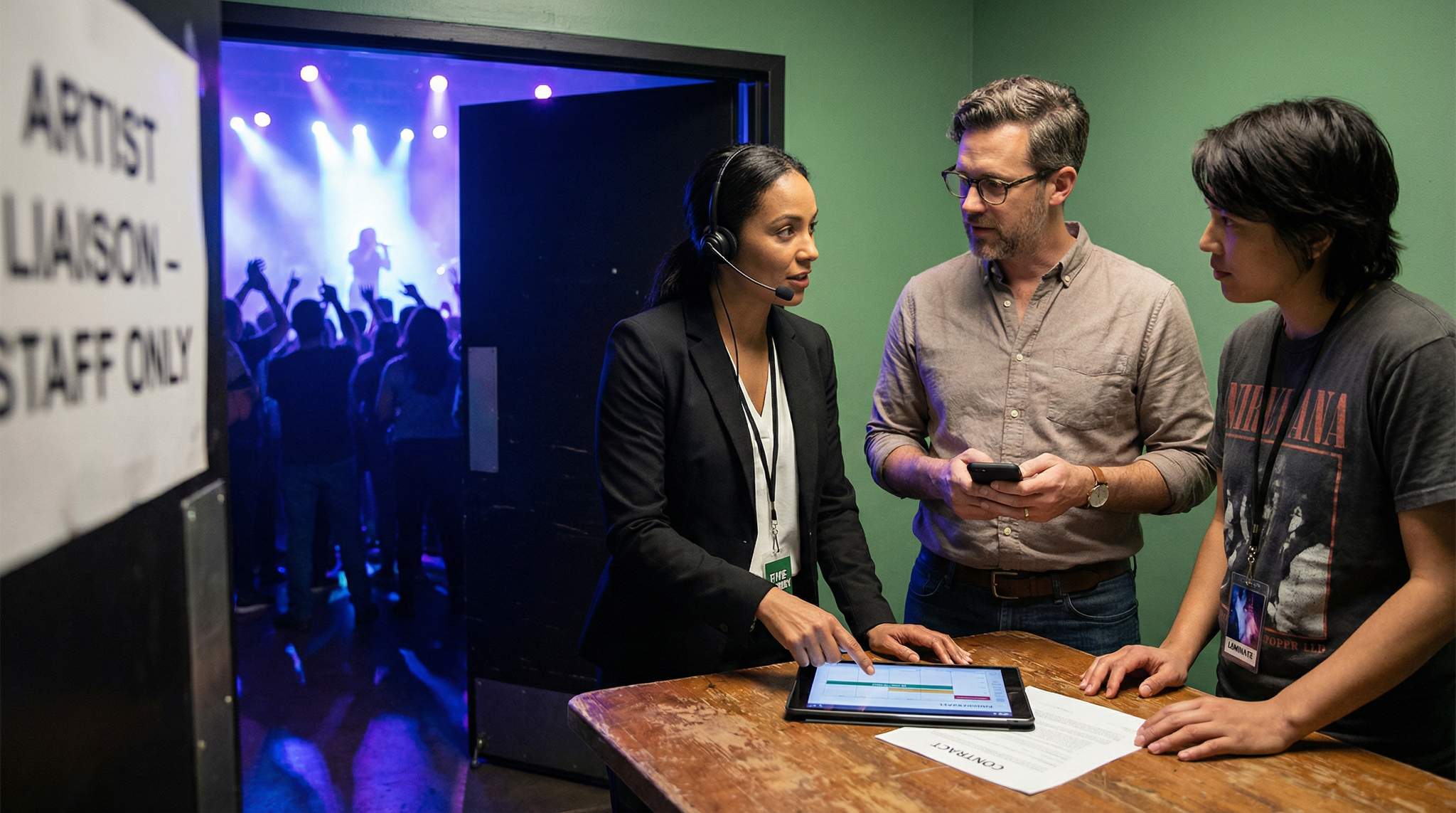
Music festivals are an exciting yet challenging experience for everyone involved. For attendees, festivals create a thrilling atmosphere with unforgettable moments you can’t find anywhere else. For organizers, they represent some of the most complex events to execute. In fact, a mega-festival like Glastonbury 2025 welcomed 210,000 people on a 1,000-acre site, essentially transforming fields into a pop-up city, as noted in reports on the massive scale of the 2025 Glastonbury Festival. As an event planner, pulling off a festival means managing countless moving parts – lineups, staging, security, logistics, marketing, ticketing, and more – on a massive scale. It’s no wonder planning a festival can feel overwhelming.
However, smart planning is all about breaking the big job into manageable pieces. Veteran producers will tell you that tackling a festival is easier when you divide tasks into clear categories and plan methodically. By approaching festival planning step by step, you can turn a daunting project into a series of achievable actions. And in 2026, that meticulous approach is more important than ever – rising costs and a packed events calendar mean there’s little room for error, especially when trying to stand out in an oversaturated 2026 season. Below, we outline seven crucial things every event planner must address to pull off a successful festival. Keep these core steps in mind (and expand on each with your team), and you’ll be on track to create an event that thrills attendees and runs smoothly.
1. Confirm Your Event Fits a Festival Format
Before diving into detailed plans, first ask if your event concept truly works as a large-scale festival. A festival isn’t just a big concert – it’s an immersive experience with a multi-artist lineup, day-long (or multi-day) programming, and a special energy. Be realistic about your idea’s pull and scope. Ask yourself:
- Do I have enough content for a festival? Will you have a single headliner or a full lineup of artists/acts? Festivals typically feature multiple performers across stages to draw crowds throughout the event.
- Can it attract a festival-sized audience? Estimate the crowd size your event could draw. Will it be hundreds, thousands, or tens of thousands? Successful festivals need critical mass. Consider current trends – in 2026 fans have more festival choices than ever, so your concept must stand out to avoid “festival fatigue” by understanding how to differentiate your event in a crowded market.
- Is my budget and team prepared for a festival scale? Large crowds mean larger venues, more staff, bigger production, and higher costs. Weigh whether you have the financial and human resources to support a festival (more on budgeting below).
When evaluating your concept, it is also helpful to understand specific industry terminology and formats that dictate the scope of festival event planning. For instance, promoters transitioning from club shows often ask about the exact difference between a standard show and a festival—like, what is an EDM concert compared to an EDM festival? An EDM concert typically revolves around a single headlining DJ playing a dedicated set at a conventional venue, whereas a festival features multiple stages, immersive production, and a continuous lineup over many hours. Similarly, you might consider the “weekender” format. The big day weekender meaning in the events industry refers to a multi-day, destination-style gathering—often involving on-site camping or hotel takeovers—that keeps attendees engaged from Friday night through Sunday. Choosing between a single-day massive, a standard concert, or a full weekender will dictate your entire operational strategy when planning a festival event.
Smart Promo Codes & Presale Access
Create percentage or flat-rate discount codes with usage limits, date ranges, and ticket type restrictions. Plus unlock codes for private presales.
For electronic music promoters specifically, understanding these distinctions is critical for scaling operations. If you are asking yourself what’s an EDM party compared to a massive electronic festival, the answer lies in infrastructure. An EDM party or club night might feature intense, high-energy production and run until dawn, but it generally relies on a venue’s existing framework. Transitioning that concept into a full-scale outdoor event requires rigorous festival event planning—encompassing temporary power grids, extensive crowd control barriers, and multi-stage sound bleed management that a standard indoor rave simply does not require.
This strategic approach is equally vital when dealing with cultural or heritage events. For example, if you are researching how to organize a festival or utsava—a large-scale traditional celebration often featuring processions, specialized culinary vendors, and multi-generational programming—your operational needs will differ significantly from a standard music weekender. Planning a festival event with deep cultural roots requires close collaboration with community leaders, specialized municipal permits for traditional ceremonies, and a nuanced understanding of the audience’s expectations. Whether you are an independent promoter or working with a specialized agency like Old 7th Promotions, an event planner must ensure the concept authentically represents the culture while maintaining rigorous production standards.
Ready to Sell Tickets?
Create professional event pages with built-in payment processing, marketing tools, and real-time analytics.
If your event idea checks these boxes – compelling multi-act content, strong audience appeal, and feasible resources – then you likely have a festival on your hands. Clarity of concept is key. Experienced organizers emphasize crafting a clear vision from the start as the festival’s “North Star,” a crucial step since mastering concept and vision is why concept comes first. For example, Perry Farrell launched Lollapalooza in 1991 with a bold vision of a touring alt-rock carnival celebrating diverse subcultures, proving why a clear vision functions as the foundation for success. That guiding concept helped Lollapalooza grow into an enduring brand. Similarly, many seasoned producers draft a vision statement early on to articulate what makes their festival unique. If you can’t summarize why your event would excite people at a festival scale, you may need to refine the concept or stick to a smaller format.
Once your vision is solidified, the next critical step is formalizing it to secure buy-in from investors, municipal councils, and potential sponsors. Drafting a comprehensive pitch deck is essential. If you are unsure where to start, reviewing a festival event proposal sample can provide a proven framework. A strong proposal should outline your target demographic, unique value proposition, preliminary budget estimates, and a high-level site operations plan. Presenting a polished, data-backed document demonstrates to stakeholders that your concept is not just a creative dream, but a viable, professionally managed business venture.
Pro Tip: Before committing to a festival, do some market research on similar events. Check if other festivals in your genre/region are succeeding or if the market is oversaturated. If fans already have plenty of options, you’ll need a truly unique angle to thrive. Reading about why most new festivals fail before they begin can provide insight into evaluating your concept.
Finally, consider if you want to make your festival a hybrid event to combine live and virtual experiences. Hybrid festivals combine a live in-person experience with an online/virtual component. If this fits your strategy (for example, streaming performances to remote audiences), ensure you have the tech infrastructure and content to engage both audiences. A hybrid format can broaden reach, but only pursue it if you have the budget and team to handle the additional production load.
Free Tool: Split Tickets for Max Gross
Given capacity and a target price, the optimizer proposes Early Bird / GA / VIP allocations and prices — with projected gross at 100%, 80% and 60% sell-through.
2. Pick the Right Venue and Set a Realistic Budget
Choosing your venue and establishing a solid budget are among the first big decisions in festival planning. These two elements go hand in hand – your venue will impact your budget, and vice versa.
Venue: The venue can make or break your festival experience. Look for a location that fits your expected crowd size, festival theme, and logistical needs. Many festivals opt for large outdoor spaces (parks, fields, fairgrounds) to accommodate stages, vendors, and crowds. When evaluating venues, consider:
Grow Your Events
Leverage referral marketing, social sharing incentives, and audience insights to sell more tickets.
- Capacity and Layout: Can it comfortably hold the number of attendees you anticipate? Is there room for multiple stages, food courts, merch tables, medical tents, etc.? Factor in space for ingress/egress and crowd flow (nobody likes being trapped in bottlenecks between stages).
- Facilities and Infrastructure: Does the site have built-in utilities like power, water, and restrooms, or will you need to bring in a lot of temporary infrastructure (generators, lights, toilets)? An open field gives more creative freedom, but a city venue might have existing amenities. Each has trade-offs – transforming a raw field into a festival ground means building a mini-city from scratch, which can involve logistical challenges like the relocation of resident livestock, while urban locations involve permits and noise limits. Our guide to mastering festival venue site planning offers insights on choosing between greenfield sites vs. city sites.
- Accessibility: Ensure the venue is accessible in terms of location (transport links, parking) and accommodates attendees of all abilities. A remote rural venue might deter some fans unless you arrange shuttles or travel packages. Also, check local accommodations if your festival is multi-day – thousands of attendees may need hotels or campsites.
- Local Regulations: Early on, research permit requirements, sound curfews, and community concerns. Nothing will derail your event faster than discovering permit issues or resident opposition weeks before showtime. If the site is in a residential area, be ready to engage in community outreach and abide by local rules.
Once you have a venue in mind, lock in your budget. Festivals are notorious for complex budgets – you must account for talent fees, production (staging, sound, lighting), staffing, security, insurance, marketing, and more. As of 2026, costs are higher across the board. Industry reports show artist fees have skyrocketed 30–40% since 2020, as music festivals in France face fragile economics, and inflation has driven up logistics and labor expenses due to competition for artists and audiences facing reduced purchasing power. It’s vital to be realistic and thorough when budgeting:
- List all major expense categories: Typical big-ticket categories include talent, production/infrastructure, operations/staffing, marketing, and safety. For a typical music festival, talent is often the single largest expense – sometimes 30–50% of the budget, highlighting what many festivals get wrong about budgeting and finance. For example, one report revealed Glastonbury 2023 cost about £62 million (~$72M) to stage, demonstrating that accurate financial planning is vital at all levels, showing how massive the expenses can get at the top end.
- Get quotes and estimates early: Reach out to suppliers (stage rental, AV, fencing, toilets, tents, etc.) and get ballpark costs. Don’t forget less obvious items like permit fees, insurance premiums, and contingency for weather (e.g. trackway in case of mud).
- Plan your revenue streams: Aside from ticket sales, consider sponsorships, food and beverage sales, merch, and grants. Align your budget with expected income to ensure viability. (For more on balancing festival finances, check out our article on identifying common budgeting pitfalls and how to avoid them).
- Build in a contingency: Always pad your budget with a contingency fund – 10–20% of total costs – for surprises. Festivals are complex, and unexpected expenses will arise (last-minute equipment fixes, weather delays, artist demands, etc.). It’s far better to come in under budget than to run out of funds because you failed to plan for the unexpected.
Pro Tip: Allocate a healthy contingency in your budget (at least 10% of total costs). If you expect a festival to cost $1,000,000, set aside $100,000+ as a safety net. This buffer will cover surprises like emergency generator rental, extra security, or weather-related damages without derailing your entire event. Unused contingency funds can become profit or seed money for next year.
One final note on budgeting: keep an eye on your break-even point (the number of tickets or revenue needed to cover costs). As of 2024, many festivals are facing tighter margins – a French industry study found two-thirds of music festivals ran a deficit in 2024 despite good attendance, illustrating how festivals face fragile economics despite strong ticket sales. Major factors were spiking costs and competition, which are threatening the sustainability of major music events. To be sustainable, you may need to adjust your plans (e.g. reduce expenses, boost sponsorship, or scale back lineup) until the numbers make sense. It’s better to launch a modest, well-funded festival than an over-ambitious one that loses a fortune.
3. Divide and Conquer: Build Your Team and Task Lists
With your concept defined, venue booked, and budget set, it’s time to organize the planning process itself. The best way to tackle festival planning is to divide the workload into specific teams or departments, each with clear responsibilities. No single person can handle everything – it truly takes a team to run a festival. Start by identifying the key functional areas for your event and assign (or hire) leads for each. Common festival planning teams include:
Free Tool: Size Your Festival Site
Zoned capacity planning for arena, campsite, parking and entry lanes — against UK Purple Guide and NFPA density standards. Finds your bottleneck zone.
- Talent & Programming: Responsible for artist bookings, stage schedules, and managing performers’ needs (hospitality, travel). They coordinate the lineup and ensure the show runs on time.
- Production & Operations: Handles staging, sound, lighting, video, power, and all technical production elements. Also manages site operations like fencing, tents, generators, toilets, and general logistics. Essentially, this team makes sure the festival site is built and maintained like a small city.
- Marketing & Promotion: In charge of spreading the word and driving ticket sales. This team will develop the marketing plan, advertising, media partnerships, and content creation. They’ll work closely with social media managers.
- Ticketing & Admissions: Oversees the ticketing platform, on-sale strategy, ticket scanning at the gate, and entry logistics. They ensure a smooth purchase process and smooth entry for fans. (If your event is using a platform like Ticket Fairy’s robust event ticketing system, this team coordinates closely with that provider.)
- Security & Safety: Focused on crowd management, security personnel, bag checks, medical teams, and emergency response plans. They work with local law enforcement or private security firms and make sure everyone stays safe.
- Vendor & Hospitality: Manages food and beverage vendors, merchandise booths, and any VIP hospitality areas or sponsors on site. Their tasks include selecting vendors, overseeing setups, and ensuring quality services for attendees.
- Volunteer/Staff Coordination: If you’re using volunteers or a mix of paid crew and volunteers, you’ll need someone to recruit, train, and manage them. (For tips on modern volunteer programs, see how festivals are revamping festival volunteer programs for the new reality.)
Depending on your event, you might have additional teams (e.g., Artist Relations, Community Outreach, or Sustainability if it’s a green-focused festival). The goal is to delegate areas of responsibility so nothing falls through the cracks. Once teams are set, work with each to list out their specific tasks and timelines. Creating a master project timeline that interlinks all teams’ tasks is extremely helpful. Many festival producers use project management software or Gantt charts to map out key milestones from pre-production to event day.
Having dedicated teams not only makes the workload manageable, but also adds specialized expertise to each aspect. Your sound engineers can focus on audio, your marketing gurus can focus on promotion, and you as the planner or festival director can coordinate the big picture. Establish a regular meeting schedule (weekly or biweekly) with team leads to track progress. Treat it as running a small company: each department should report updates, flag issues, and collaborate on overlapping areas. If you’re a solo promoter, consider bringing on co-organizers or contracting experts for areas you’re less experienced in – for example, hire a seasoned production manager or consult a security expert. It’s worth it for a smooth festival.
To get an even more structured roadmap, you can refer to our 11-step festival project management guide which outlines the journey from initial vision to opening day. Aligning your team structure with a clear timeline – including deadlines for when to finalize the lineup, launch ticket sales, confirm vendors, etc. – will keep everyone on the same page and reduce last-minute chaos.
To ensure nothing slips through the cracks during these critical phases, developing a comprehensive music event planning checklist is highly recommended. This master document should track every operational milestone, from securing initial municipal permits and booking headliners to finalizing the site map and scheduling load-in times. By breaking down the broader festival strategy into a granular, week-by-week task registry, promoters can hold department heads accountable and maintain a clear view of the project’s overall health.
4. Craft a Comprehensive Marketing Plan
Even the best festival in the world won’t be successful if people don’t know about it. That’s where your marketing plan comes in. Marketing is the engine that drives awareness, interest, and ticket sales for your event. A strong marketing plan outlines who your target audience is, what messaging will attract them, and how you’ll reach them across various channels.
Start by defining your key selling points: Is it your superstar lineup? A unique theme or venue? Perhaps an immersive experience with art and food? Identify what makes your festival appealing and different. These elements should shine through in all your marketing materials. Next, know your audience. Are you targeting college-aged EDM fans, families in the local region, indie rock enthusiasts, or a niche community (e.g. reggae lovers, anime cosplay fans)? Your marketing approach should be tailored to the demographics and interests of your ideal attendees.
Free Tool: When Should You Announce?
Pick your event date and genre — the free planner outputs a recommended announce, presale, on-sale and reminder schedule anchored to how your audience actually buys.
Now, create a step-by-step plan for how you’ll get the word out. This typically includes:
- Branding and Design: Develop the festival’s visual identity – logo, color scheme, poster design, etc. A cohesive brand will make your event instantly recognizable on social feeds and flyers.
- Content Plan: Outline the content you’ll produce to promote the festival. This includes announcement posts (artist lineup reveal, venue announcement), teaser videos, behind-the-scenes peeks, interviews with performers, blog posts, email newsletters, and more. Make a calendar for when each piece of content will drop leading up to the event.
- Advertising Channels: Decide where to spend advertising budget. Options include social media ads (Facebook, Instagram, TikTok), search engine ads (Google), music websites/blogs, radio spots, or even physical posters and billboards. Allocate budget to the channels most likely to reach your target fans. For example, if you’re targeting Gen Z, a chunk of budget should go to TikTok and Instagram ads, whereas an older audience might respond to radio or email.
- PR and Partnerships: Plan any public relations outreach – will you seek coverage in local media or industry press (like Pollstar or Billboard)? Draft press releases for major announcements. Also consider partnerships: perhaps you team up with a local tourism board, a lifestyle brand, or influencers to co-promote. Media partnerships (e.g., a local radio station as the official media partner) can amplify your reach.
- Timeline and Milestones: Pinpoint the key marketing milestones – for example, “Lineup announced on January 10”, “Early bird tickets on sale January 15”, “Aftermovie from last year released February 1”, etc. Align your marketing bursts with ticket sale phases. Excitement should crescendo as the festival date approaches.
Additionally, do not overlook the promotional power of your chosen location. Collaborating on marketing ideas for event venues can unlock entirely new local audiences. Venue operators often have their own dedicated email lists, highly trafficked social media pages, and physical marquee space. By providing the venue’s marketing team with co-branded assets and exclusive pre-sale codes, an event planner can leverage the venue’s built-in trust with the local community to drive early ticket velocity.
Creating a top-notch event marketing plan in five steps forces you to think through all these elements and coordinate them. In 2026, one of the biggest challenges is cutting through the noise – festival-goers are bombarded with options. We’ve seen some 2025 festivals struggle with sluggish ticket sales due to a glut of events in the market, resulting in flagging ticket sales due to an oversaturated season. To combat this, focus your marketing on what makes your event special: highlight exclusive experiences (special sets, unique venues, community aspects) that attendees can’t get elsewhere. Also, leverage FOMO (fear of missing out) by showcasing past highlights or behind-the-scenes previews of what’s to come.
Remember to monitor the results of your marketing efforts as you go. Use tracking links, monitor ticket sales spikes after certain campaigns, and be ready to adjust. For instance, if you notice Instagram ads are driving more traffic than Twitter, you might reallocate budget accordingly. And if early ticket sales are slower than expected, ramp up the incentives – promo codes, refer-a-friend discounts, or added perks like a free merch item can help push undecided folks to buy. Marketing doesn’t end until the event is over (and even then, you’ll use post-event content to build momentum for the next edition!).
5. Execute a Buzz-Worthy Social Media Campaign
Social media deserves special attention as the cornerstone of modern event promotion. For many potential festival-goers, social media is where they’ll first hear about your event – and where excitement spreads via shares and hashtags. An effective social media campaign can massively boost your festival’s profile, while a lackluster one means missed opportunities. In fact, festival audiences practically live on social media: surveys show that 70%+ of music festival fans rely on artists’ social media and festival posts for updates, with data indicating that content creation for social media resonates highly and that music artists’ social media is crucial for promotion. And anecdotally, we all know how Instagram and TikTok posts from events drive FOMO – people see their friends having an amazing time and want to join in next time.
So, how do you “go crazy” with your social media campaign in a smart way? Here are some strategies:
Grow Your Social Following With Every Sale
Require social media follows, shares, or playlist adds to unlock presale access or special pricing. Turn every ticket purchase into audience growth.
- Choose the right platforms: Focus on the platforms where your target attendees spend the most time. Instagram is a must for visually showcasing festival vibes (beautiful stage shots, crowd selfies, artist graphics). TikTok has exploded as a music discovery and event promo channel – quick video clips, challenges, or artist shoutouts can go viral with younger audiences. Facebook remains useful for event pages, detailed info, and community discussion, especially for local events or an older demographic. Twitter (X) can be useful for real-time updates and engaging with super-fans, but its influence has shifted. Don’t spread yourself too thin; it’s better to have a strong presence on 2-3 platforms than mediocre posts on 5.
- Create a content calendar: Plan a steady drumbeat of content from now until festival day. This might include artist lineup announcements, venue teases, behind-the-scenes setup snapshots, countdown graphics (e.g. “30 days to go!”), staff introductions, and throwbacks to previous events. Interactive content is great too – polls, trivia contests, or asking followers to vote on certain aspects (like which merch design they prefer) can drive engagement.
- Tailor content to each platform: Don’t just copy-paste the same post everywhere. The format and tone should match the platform. Your Instagram might feature gorgeous photos or reels with trending audio, TikTok might have funny skits or fan reaction videos, Twitter might focus on newsy updates or witty banter. Also, optimize timing – for example, post when your audience is most active (social media insights can tell you this).
- Leverage your artists and partners: Every performer on your lineup has their own following. Coordinate with artists to announce their appearance and share your festival posts. Artist endorsements are golden – a quick shoutout or rehearsal sneak-peek from a headliner can amplify your reach enormously. Data shows festival fans consider artists’ social media a major engagement point, reinforcing how advertising resonates with America’s festival fans. Similarly, have sponsors or partners promote the event on their channels if appropriate.
- Engage with your audience: Don’t use social media as a one-way megaphone. Respond to comments, answer questions in DMs, and encourage user-generated content. Perhaps create a unique hashtag for your festival and repost the best fan content (e.g., videos of people preparing outfits or past festival moments). Building an online community increases loyalty – fans will feel personally invested in the event.
Be consistent and creative. Leading up to ticket launch, build hype with teasers. As sales happen, share milestones (“50% sold!” or “VIP tier is sold out”). In the final weeks, flood social feeds with reasons not to miss out – highlight special attractions, FAQs on attending, etc. Also, be mindful of platform trends: if an audio clip or meme format is trending and it fits your festival’s personality, jump on it quickly with your own twist.
Warning: Be vigilant about scammers on social media. Unfortunately, popular events often attract fake pages and ticket scams. Scammers might create Facebook pages that mimic your festival or bots might reply to fans with fraudulent ticket resale links. Make it clear on your official channels where to buy tickets and how to spot fakes. (For a deep dive on protecting your festival from scammers, read our guide on protecting your festival from fake pages and ticket scams.) By monitoring for impostors and reporting them, you’ll maintain trust with your audience.
Finally, measure your social media impact. Track metrics like follower growth, post reach, engagement (likes/shares/comments), and click-throughs to your ticket page. If you notice certain content resonates – say, drone footage of the venue gets tons of shares – do more of that. And if something isn’t getting traction, pivot your strategy. In 2026, attention spans are short, but the appetite for great festival content is huge. A buzz-worthy social campaign can create a viral moment that elevates your festival from just another event to the must-attend experience of the season.
6. Prepare Your Ticketing Page and Launch Strategy
Your event ticketing page is where curiosity converts to commitment. By the time you’re ready to launch ticket sales, you want a strong ticketing page that provides all the info and confidence an attendee needs to hit “Buy Now.” In other words, the ticketing page should be informative, user-friendly, and primed for potentially high traffic when sales open.
Key elements to prepare on your ticketing page:
- Essential Event Details: Clearly list the basics – festival dates and show times, venue location (with a map if possible), age restrictions, and a concise event description that sells the experience. Include the lineup or headliners prominently, since artists are a major draw. If the festival spans multiple days or has tiers of tickets (e.g. single-day, weekend pass, VIP), make that easy to understand.
- Travel and Accommodation Info: If you expect attendees from out of town, provide helpful links or info on getting there and where to stay. This could be as simple as linking to nearby hotels, or as involved as offering camping details, parking passes, or shuttle bus info. The more you ease the planning burden for attendees, the more likely they’ll commit to attending. Perhaps have a “Plan Your Trip” section with FAQs.
- Pricing and Ticket Tiers: Clearly display ticket options, prices, and what each tier includes. Early bird vs general admission vs VIP perks should be transparent. If you have payment plans or allow buy-now-pay-later options, highlight those to capture customers who might not shell out all at once. Also state your refund policy or any COVID-related guarantees if applicable (e.g., “full refund if event is canceled” for trust).
- Integration with Marketing: Use the ticket page to further entice buyers – include a few high-energy photos from past events, a short teaser video if available, or testimonials (“Best festival experience of my life!”). While the main purpose is transaction, a bit of emotional hook can help push someone from interest to purchase.
- Technical Preparedness: Work with your ticketing platform to ensure the site can handle surges. Nothing drives fans crazier than a ticketing website crashing or freezing during an on-sale. Leading platforms like Ticket Fairy’s event management software offer robust infrastructure and features like pre-registration to gauge demand. Consider a pre-sale registration or waiting room system if you expect extremely high demand, so the launch doesn’t become a free-for-all. Also, double-check things like mobile optimization – many people will buy via phone.
Once your page is ready, pick a ticket launch date and time strategically. Avoid clashing with other big events if possible (for instance, don’t put your on-sale the same morning as Coachella’s, or on a major holiday). Generally, mid-week at lunchtime or early afternoon tends to be a good time to catch people when they’re active online. Build anticipation for the on-sale with a countdown (“Tickets go live this Thursday at 10AM!”) across your marketing channels.
Free Tool: Model Promoter Payouts
Flat-percentage, flat-per-ticket, or tiered-bonus commission structures — get per-promoter payouts and total commission as % of gross. Free calculator.
Be prepared to monitor the on-sale in real time. Have team members ready to respond on social media or customer support channels in case buyers have issues. Track sales numbers closely against your projections. Early sales can inform whether your marketing is effective or if you might need to adjust strategies (e.g., if certain ticket tiers sell out fast, or conversely if sales are sluggish, perhaps offer a limited-time discount code to spur urgency).
Warning: There’s nothing worse than a site crash or technical glitch when your tickets go live. Stress-test your ticketing page ahead of launch – many platforms allow simulated traffic tests. Also, have a backup plan: if something does go wrong (e.g., payment gateway issues), be ready to communicate immediately on your channels with instructions or reassurance. A botched ticket launch not only hits revenue but also damages trust. It’s worth investing time with your ticketing provider’s support team beforehand to walk through the launch plan and contingency scenarios.
Finally, don’t forget ongoing promotion of your ticket page even after launch day. Keep the buzz going: For example, if early birds sell out, announce it (that creates FOMO and urgency for others to buy the next tier). If you update the lineup with new artists or other festival features, update your ticketing page and shout it out. Implementing an effective strategy to promote your event ticketing page will carry through from the initial launch all the way to the last ticket sold. Every piece of content or announcement about your festival should always point back to “Get your tickets now at [yourticketlink]!” – make it easy for excited fans to find where to buy.
7. Get Ready for Festival Day: Operations & Contingencies
As the festival date approaches, the planning focus shifts to execution. Preparation is everything when it comes to the event day (or days). In the final weeks leading up to the festival, you’ll want to double-check every detail and plan for various “what if” scenarios. Here are some crucial last steps and considerations:
- Finalize Schedules and Run of Show: Create a detailed production schedule for the festival. This includes what’s happening on stage (set times for each artist, changeover times), but also back-end schedules: load-in and soundcheck times, vendor setup times, staff shift schedules, etc. Distribute the final run-of-show and production schedules to all teams so everyone knows the timing. If you can, hold a meeting or walk-through on site with key staff a day or two before to go over the flow.
- Conduct Safety Briefings and Checks: In the week of the festival, meet with your security and safety teams. Review the emergency action plan: what to do in case of severe weather, a medical emergency, lost child, fire, or any other incident. Make sure emergency exits are marked and clear, fire extinguishers and first aid stations are in place, and all staff know the basics of emergency protocols. If you’re deploying new tech like drones or RFID wristbands, ensure those are tested and that you have no-fly zones and tech support plans as needed.
- Establish Communications Systems: Set up a reliable communication network for your crew. This could be two-way radios (with assigned channels for different teams), a messaging app group, or an event control center that coordinates via radio/phone. Communication breakdowns can slow response times when issues arise. For example, if there’s a minor medical incident in one corner of the site, security should be able to alert medical and direct them swiftly. Some festivals integrate a central command tent where all departments have representatives sitting together monitoring operations – consider that if your event is large. Clear comms are a lifesaver, especially when dealing with a crisis or fast-moving situation.
- Double-Check Critical Infrastructure: In the final hours, walk the site with your ops team. Verify that stages are safely built and properly inspected, generators have enough fuel, lights and sound systems are working, and vendors are ready. It’s much easier to solve a problem at 8AM before gates open than when tens of thousands of people are on-site. Also, have tech support on standby – e.g., an electrician for power issues, IT support if your ticket scanning system glitches, etc.
- Plan for Crowd Management: Crowd psychology matters – a happy crowd is easier to manage than a frustrated one. Ensure there is adequate signage (clearly marking entrances, exits, facilities), and that staff/volunteers are positioned to help guide attendees and answer questions. Think about choke points where lines might form (entry gates, food stalls, water refill stations) and have a plan to mitigate long waits. In recent years, many festivals have improved crowd experiences by providing free water stations, shade and rest areas, and calm-down spaces because comfort impacts safety. Use principles of crowd psychology for designing safer and happier events – for instance, gentle music as people exit can reduce tension and speed, preventing bottlenecks.
Despite all your preparation, event day will always throw a curveball. Stay adaptable and calm. Encourage your team leads to be problem-solvers and communicate issues quickly. Whether it’s a sudden heavy rain, a delayed artist, or an equipment failure, having a proactive attitude and backup plans will save the day. For example, in 2023 a sudden storm turned the Burning Man festival site into a mud pit, stranding thousands—as reported when heavy rain fell on the 2023 Burning Man festival—a reminder that extreme situations can happen. While you can’t control the weather, you can have contingency plans: ponchos ready for sale, temporary shelter areas, evacuation plans if needed. Many festivals now monitor weather via dedicated meteorologists and have alerts prepared in case evacuation or pause is required for safety.
Pro Tip: Always have backups for critical elements. Seasoned festival operators often bring redundant gear – like extra generators, spare audio mixers, and backup Wi-Fi hotspots. If the main stage generator fails during a headline set (it’s rare, but it happens), a backup generator on standby can save the show and keep the lights on. Similarly, have contingency staff on call in case someone no-shows or falls ill. It’s like an insurance policy for your event’s continuity.
Finally, create a simple day-of checklist for yourself and key managers. This might include items like “Re-confirm all vendors arrived,” “All radios distributed and tested,” “Pre-show safety walk done,” “Cash boxes change collected,” etc., as last-minute affirmations that nothing is missed. When gates open and the first attendees stream in, you want to transition from planning to actively managing. At that point, trust the preparation you’ve done and be present to handle live issues. Keep communication channels open with your teams, circulate around the venue to observe attendee experience, and be ready to make on-the-spot decisions if needed.
If you’ve broken down all the tasks and prepared diligently, the festival day will be a series of managed executions rather than chaos. And once you see the crowd singing along, the lights blazing, and everyone enjoying the event you brought to life – that’s when all the meticulous planning truly pays off. Take a moment to appreciate it! Then, of course, get ready for the post-event load-out and a well-deserved debrief (but that’s another article).
By keeping these seven major planning areas in focus – from initial vision and budgeting, through marketing outreach and ticketing, to the nitty-gritty of show day – you’ll set your festival up for success. The difference between a disorganized flop and an awe-inspiring festival often comes down to this groundwork. So use the tips above, lean on data and expert advice, and plan your next festival with confidence. Your attendees may never see all the behind-the-scenes work, but they will feel it in an event that runs smoothly and leaves them smiling. Good luck, and happy planning!
Frequently Asked Questions
What defines a festival format compared to a standard concert?
A festival distinguishes itself as an immersive experience featuring a multi-artist lineup across multiple stages with day-long or multi-day programming. Unlike a standard concert, a festival requires a clear vision or “North Star” concept, sufficient content to draw crowds throughout the event, and substantial financial and human resources to manage large-scale logistics.
How much contingency budget should be allocated for a festival?
Event planners should set aside a contingency fund of at least 10–20% of the total budget to handle unexpected costs. This financial buffer is essential for covering surprises such as emergency generator rentals, weather-related damages, or last-minute security needs without compromising the event’s overall financial viability.
What are the key functional teams needed for festival planning?
Organizing a festival requires dividing tasks among specialized departments, including Talent & Programming for bookings, Production & Operations for site infrastructure, and Marketing & Promotion for sales. Other critical teams include Ticketing & Admissions, Security & Safety for crowd management, and Vendor & Hospitality to oversee food, beverage, and merchandise services.
Why is social media critical for festival marketing?
Social media serves as the primary promotion engine, with over 70% of festival fans relying on artist and event posts for updates. Platforms like Instagram and TikTok drive ticket sales through visual content and FOMO, while artist endorsements and interactive campaigns help build a loyal community and cut through market noise.
How can organizers prevent ticketing website crashes during a launch?
To prevent technical failures, organizers must stress-test their ticketing page before sales go live to ensure it can handle high traffic surges. Implementing pre-sale registration or waiting room systems helps manage demand, while working closely with the ticketing provider’s support team ensures immediate responses to any payment gateway issues or glitches.
What operational checks are necessary before a festival opens?
Final preparations include conducting safety briefings with security and medical teams, establishing reliable communication networks like two-way radios, and double-checking infrastructure like stages and generators. Planners must also finalize the run of show and review emergency action plans for scenarios such as severe weather or medical incidents to ensure attendee safety.
What is the difference between standard concert promotion and festival event planning?
Festival event planning requires managing a much broader scope of operations than a standard concert. While a concert focuses primarily on a single headliner’s technical needs and ticketing, planning a festival event involves coordinating multi-stage production, extensive site infrastructure (like temporary power and sanitation), diverse vendor management, and complex crowd flow dynamics over an extended duration.
How can organizers leverage marketing ideas for event venues?
Organizers can partner with their host venues to cross-promote the festival. Effective marketing ideas for event venues include utilizing the venue’s existing email newsletter, sharing co-branded content on their social media channels, and offering exclusive local pre-sales to the venue’s loyal patrons.
What are the key considerations when organizing a cultural festival or utsava?
When figuring out how to organize a cultural festival or utsava, an event planner must prioritize community engagement and cultural authenticity. Unlike standard music events, festival event planning for heritage celebrations often involves securing specialized permits for processions, coordinating with local cultural leaders, and sourcing traditional food and craft vendors. Ensuring multi-generational accessibility and respecting cultural protocols are essential steps in planning a festival event of this nature.
What should be included in a festival event proposal?
A comprehensive pitch document should outline your core concept, target audience demographics, and unique selling points. When reviewing a festival event proposal sample, you will typically see sections dedicated to preliminary budget estimates, proposed venue logistics, marketing strategies, and potential sponsorship tiers. This document is crucial for securing early funding, municipal permits, and stakeholder buy-in.
What is the operational difference between an EDM party and a full electronic festival?
When promoters ask what’s an EDM party compared to a festival, the distinction comes down to infrastructure and scale. An EDM party or concert typically utilizes a single stage within an existing venue’s framework. In contrast, planning a festival event in the electronic genre requires building a temporary mini-city, managing multi-stage sound bleed, coordinating extensive vendor ecosystems, and often handling multi-day camping logistics.
What should be included in a comprehensive music event planning checklist?
A robust music event planning checklist should cover all phases of production, broken down by department and timeline. Key elements include securing venue contracts and municipal permits, finalizing talent booking and hospitality riders, mapping out site infrastructure (power, staging, sanitation), launching the marketing and ticketing strategy, and establishing emergency operations protocols. Using a centralized task registry ensures that every team member stays aligned from pre-production through load-out.