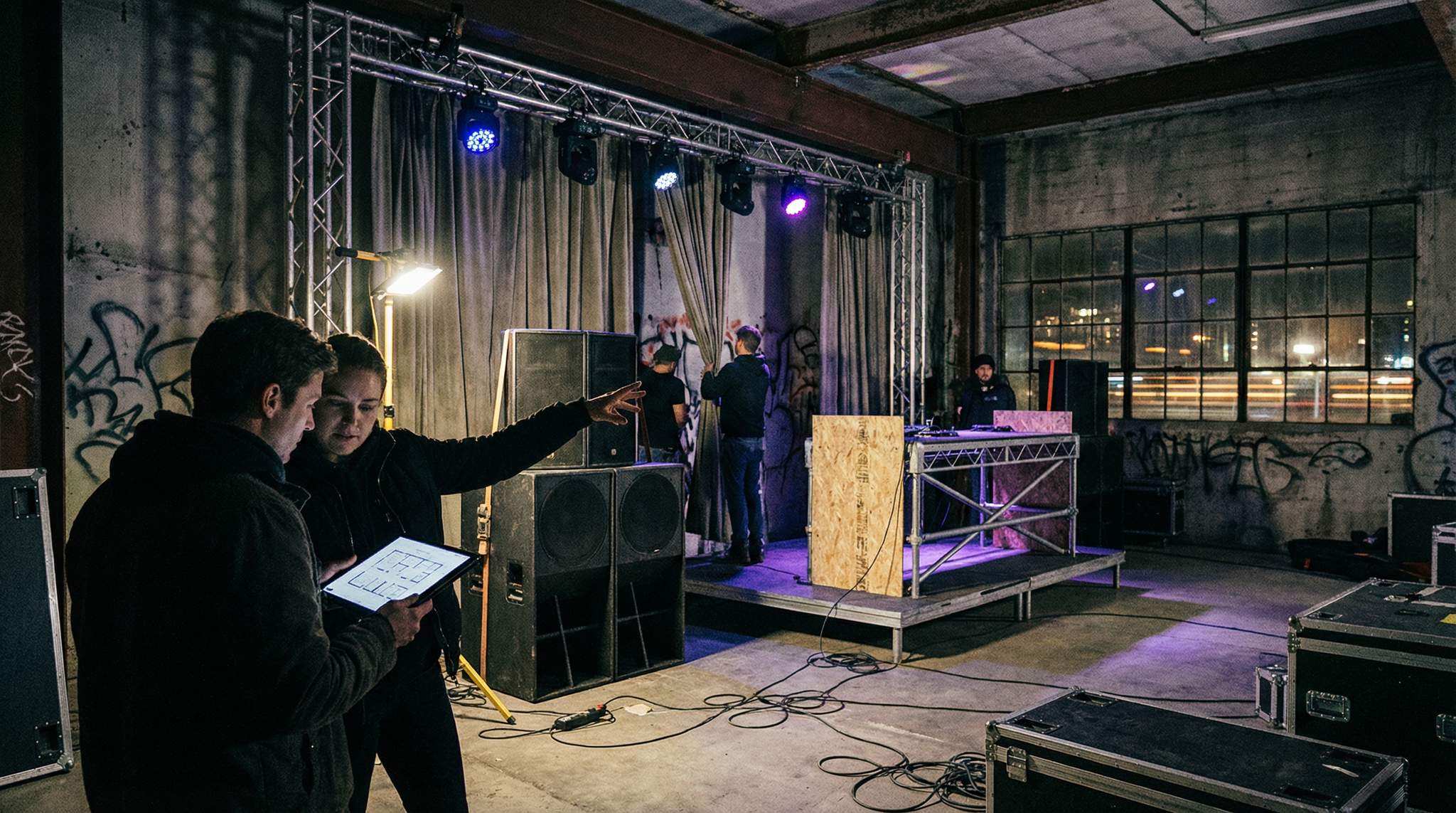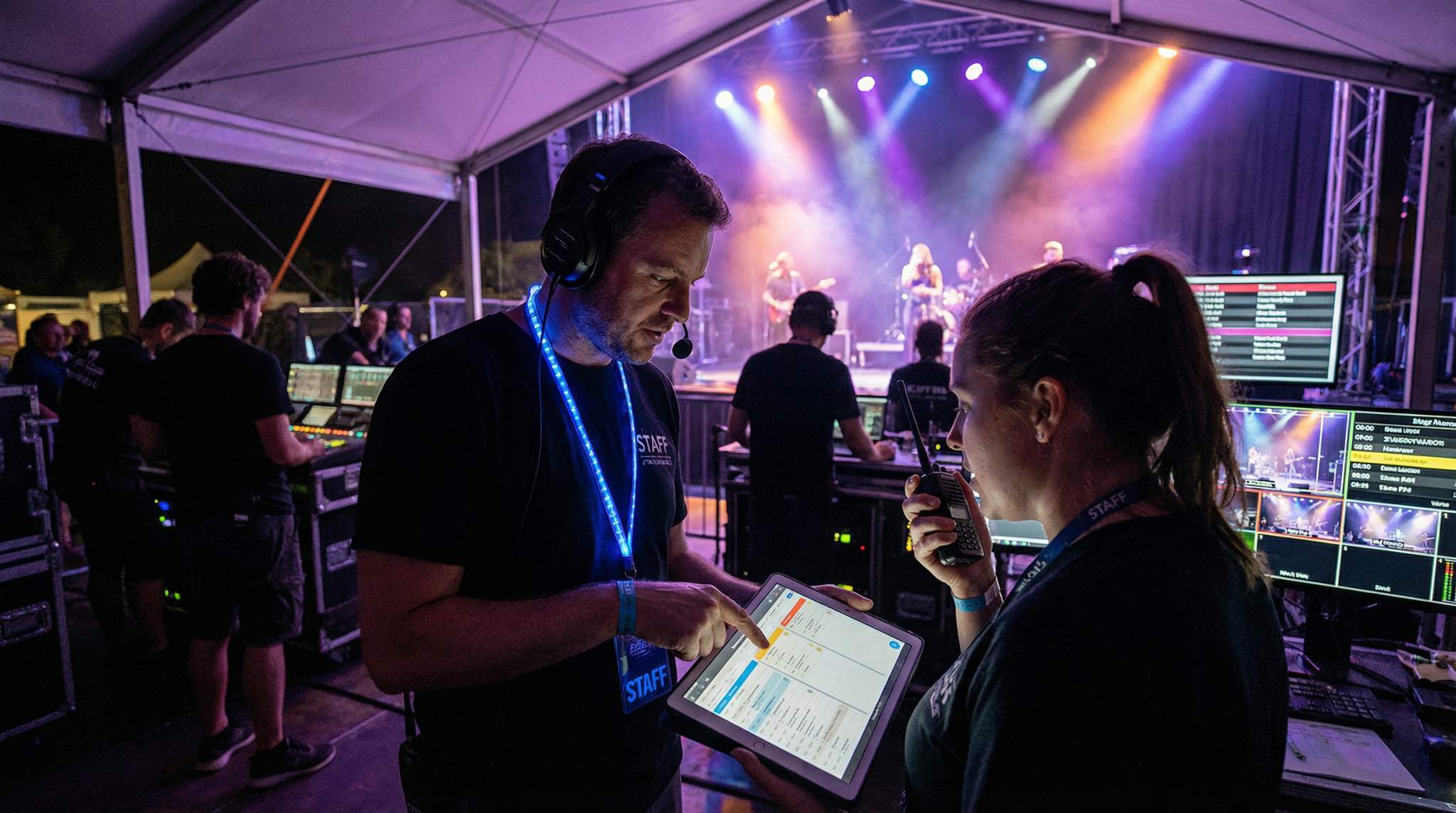
Event planning has never been for the faint of heart, and in 2026 it’s as challenging as ever. Whether you’re juggling multiple performers at a concert, coordinating a roster of speakers at a conference, or managing complex logistics for a festival, keeping the show running smoothly requires meticulous planning and seasoned execution. Today’s audiences have high expectations for seamless experiences, which means organizers must anticipate every detail – and be ready with solutions when things don’t go exactly to plan. As live events roar back, with 90% of attendees planning to attend the same or more in-person events in 2024, the pressure is on to deliver faultless execution.
This guide outlines six essential steps that experienced event organizers follow to ensure an event runs like clockwork. From crafting a comprehensive event itinerary to devising solid backup plans, we’ll walk through each step with updated insights, real-world examples, and expert tips. Implementing these strategies will equip you to handle anything event day throws at you – so your guests enjoy a flawless experience from start to finish. Let’s get started on making your next show run without a hitch!
Step 1: Create an Event Itinerary
Creating a detailed event itinerary is the first crucial step in keeping a show on track. This master schedule should map out every element of the event – not just the main performances or presentations, but everything from setup to teardown. Include a timeline of activities (with specific times for each segment), a list of speakers or performers and their time slots, and details like locations, equipment needs, and personnel responsible for each part. A well-crafted itinerary ensures that nothing is overlooked and provides a clear roadmap for your team to follow.
It is also helpful to review 7 Things Every Event Planner Must Not Miss – foundational tips to double-check you haven’t overlooked any critical planning items.
Free Tool: Will the Room Actually Be Full?
Forecasts expected attendance from ticket type, event type and day of week. Calculates safe over-book count for free-RSVP events. Free estimator.
When building the itinerary, consider attendee and participant needs. If you have several speakers back-to-back, allocate enough time for each to deliver their talk without feeling rushed. Remember to schedule breaks for attendees to grab a refreshment or use restrooms – a common mistake is packing the agenda too tightly and not giving people a breather. Likewise, if you’re planning a concert or festival, factor in set changeover times between bands, and even time for the crowd to move between stages if applicable. Having a clear, realistic timeline will keep everyone on the same page about what happens when, minimizing confusion.
Understanding the show flow meaning in event management is critical at this stage. While an itinerary is a static document listing times and locations, the “show flow” refers to the dynamic pacing, energy transitions, and audience experience as they move from one segment to the next. A well-designed flow ensures that high-energy moments are balanced with necessary downtime, preventing audience fatigue and keeping the production feeling cohesive rather than like a disjointed series of acts.
Ready to Sell Tickets?
Create professional event pages with built-in payment processing, marketing tools, and real-time analytics.
If you are wondering exactly what is a run of show and how it differs from a standard itinerary, the distinction comes down to granularity. While a general schedule provides a high-level overview of the day’s events for attendees or VIPs, a run of show (often abbreviated as ROS) is a minute-by-minute, highly technical cue sheet designed exclusively for your production crew. It details exact lighting changes, audio cues, microphone handoffs, and stage movements. For a festival producer or corporate event director, this master document dictates precisely what happens on stage at any given second.
For an in-depth guide on building an effective run-of-show, check out The Essentials Of Planning An Enticing Event Itinerary – it offers a deep dive into crafting timelines that flow well and engage your audience.
To illustrate, here’s a simplified sample itinerary for an evening event:
| Time | Agenda Segment | Details/Notes |
|---|---|---|
| 5:00 PM | Doors Open | Attendee check-in; background music on |
| 5:30 PM | Opening Remarks | Host welcome speech (10 min) |
| 5:40 PM | Keynote Presentation | 30 min talk + 10 min Q&A |
| 6:20 PM | Coffee Break | 15 min attendee break |
| 6:35 PM | Panel Discussion | 40 min panel with 4 speakers |
| 7:15 PM | Transition Buffer | 5 min stage reset (arrange chairs) |
| 7:20 PM | Performance | Live band performance (30 min set) |
| 7:50 PM | Thank-You & Closing | Emcee wraps up event (10 min) |
| 8:00 PM | Event Ends | Attendees depart; teardown begins |
Beyond the master schedule, it is highly recommended to create specialized versions of your itinerary of events for different operational teams. While the core timeline remains the same, your security detail, food and beverage vendors, and VIP hospitality staff do not necessarily need the granular technical cues required by the A/V team. Distributing a tailored itinerary to each department ensures that everyone knows their specific milestones without getting bogged down in irrelevant production details.
Free Tool: Model Promoter Payouts
Flat-percentage, flat-per-ticket, or tiered-bonus commission structures — get per-promoter payouts and total commission as % of gross. Free calculator.
When figuring out how to plan an event timeline to avoid last-minute rushes, organizers must account for acts with unconventional formats. For instance, if you are wondering what to do if an artist has a continuous 45-minute song or an extended DJ mix, you cannot simply chop it up. Instead, block out the entire duration as a single uninterrupted segment, but pad the surrounding changeovers. This ensures the performer can deliver their full artistic vision without throwing the rest of the day’s schedule into disarray.
When dealing with these extended, unbroken performances, it is crucial to communicate the rigid nature of the set to your technical crew. Lighting and visual operators need to know that there won’t be natural pauses to reset or fix issues. Structuring your run-of-show to accommodate these marathon sets requires building a “hard stop” buffer immediately following the act, giving the production team ample time to reset the stage for the next, more traditional segment.
Grow Your Events
Leverage referral marketing, social sharing incentives, and audience insights to sell more tickets.
Pro Tip: Share the final itinerary with all stakeholders – speakers, performers, crew, vendors, and venue staff – well in advance. Hold a quick briefing or walk-through with your team to ensure everyone understands the schedule and their responsibilities. Using a collaborative tool or cloud-based document for the itinerary can help here; if any last-minute changes occur, you can update it in real time so everyone stays on the same page.
Step 2: Appoint a Stage Manager
Having a capable stage manager is essential for any event with live presentations or performances. Think of the stage manager as the director of the show behind the scenes – they coordinate all the moving parts so the event flows seamlessly. This person keeps track of who needs to be where and when, cues each act or speaker, and communicates with technical crews to ensure lighting, sound, and video are executed at the right moments. In short, the stage manager makes sure the plan in your itinerary actually happens on time and in order.
In an era when events often involve hybrid components and complex productions, the stage manager’s role is more critical than ever. Notably, 63% of event professionals have said that hybrid events are the future, adding new layers of complexity to live shows, as what a stage manager brings to your event becomes indispensable. With multiple stages or virtual elements, a seasoned stage manager will juggle these complexities and prevent chaos. They anticipate issues before they escalate – for example, if a presenter is missing just before their slot, the stage manager can adjust the schedule or insert a filler to keep the audience engaged.
To ensure you have covered all bases in your event planning, including staffing roles like stage management, it is worth consulting 10 Aspects Of Event Planning Every Promoter Should Check In On.
No Hidden Fees, Just Honest Pricing
One all-inclusive fee covers the platform, payment processing, support, and every feature. Free events are always free. No setup costs, no surprises.
A strong stage manager also understands how to anchor an event by working closely with the master of ceremonies (MC) or lead host. While the MC is the public face keeping the audience engaged and grounding the show’s narrative, the stage manager is the operational anchor behind the curtain, feeding the host critical timing updates so the program never feels disjointed.
Anchoring a live production effectively means establishing a consistent rhythm that the audience can rely on. If a keynote speaker finishes early or a band’s equipment fails, the anchor—whether the MC on stage or the showcaller on headset—must seamlessly pivot to contingency content. This dual-anchor system ensures the audience never feels a drop in energy, maintaining the illusion of a perfectly executed master plan.
A great stage manager stays calm under pressure and keeps things running like clockwork even if surprises arise. Here are some key responsibilities a stage manager handles:
- Running the show schedule: They call cues for when each segment starts and ends, giving presenters or performers signals to wrap up if needed to stay on time.
- Coordination with tech teams: Via headset or radio, the stage manager communicates with sound, lighting, and A/V crews to time every microphone switch, spotlight, or video roll-in perfectly.
- Managing backstage traffic: They ensure the next act or speaker is ready and waiting in the wings, props are set, and any set changes happen swiftly.
- On-the-fly problem solving: If there’s a technical glitch, an absent speaker, or any hiccup, the stage manager reacts immediately – perhaps reordering segments or cueing an impromptu announcement to keep the audience informed.
These core responsibilities aren’t limited to traditional concerts or corporate conferences. For instance, a stage management wedding organizer handling a high-net-worth, multi-day destination wedding utilizes the exact same skill set as a festival producer. When coordinating a 12-piece live band, complex lighting cues for the first dance, and a synchronized fireworks display, the wedding planner must transition from standard hospitality coordination into full-blown stage management to ensure the production executes flawlessly.
For a practical rundown of what a stage manager should have in their toolkit and checklist, see Your Essential Stage Manager Checklist – it covers everything from communication gadgets to backup supplies that a stage manager might need on event day.
Warning: Don’t try to save money by skipping the stage manager or doubling their role with another. Attempting to MC an event and coordinate behind the scenes, for example, can lead to missed cues and disorganization. Even small community events benefit from someone dedicated to stage management. If you don’t have a professional stage manager on hand, assign a reliable team member this role – and make sure everyone knows that person is in charge of keeping the show running on time.
Step 3: Conduct Thorough Rehearsals
No matter how detailed your plan is, rehearsals are what bring it to life. Aim to run at least one rehearsal or run-through for any event with performances, presentations, or technical production elements. This could be a full dress rehearsal the day before a big show, or a smaller day-of run-through for a conference – the goal is to catch and fix issues before you’re in front of a live audience.
During rehearsals, have all key players practice with the actual equipment and setup if possible. Presenters can test their microphones and become familiar with the stage layout so they won’t be fumbling with clickers or looking for teleprompters during the event. Performers might do a soundcheck and run a portion of their set to get monitor levels right. This is also a key reason why event organizers need to be aware of the best innovations in live sound, as modern gear can streamline this process. If your event involves slides or videos, play every file on the venue system to ensure they display properly. It’s much better to discover a missing HDMI adapter or a corrupted video file in rehearsal than during the live program.
Rehearsals also provide an opportunity to fine-tune timing. You may realize a segment runs longer than expected, allowing you to adjust the schedule before it causes a delay on show day. As a lesson learned in the industry: a high-profile tech conference in 2024 had to delay its keynote by 15 minutes due to an unforeseen projector issue – a scenario a simple AV rehearsal could have prevented. These practice runs give your team and talent a chance to iron out kinks and feel more confident. Speakers, especially those not used to live events, often appreciate a quick walk-through to calm nerves and clarify cues.
If you have an exceptionally large or technical production (say, a big concert with elaborate lighting or a multi-stage festival), consider multiple rehearsals or a staggered rehearsal schedule for different components. Major touring shows sometimes spend weeks in pre-production rehearsals to perfect every cue. While you may not have that luxury, even a short tech rehearsal on the morning of your event is invaluable. It can be as simple as running through the first few transitions or testing all mics and instruments. The festival technical production playbook for seasoned producers always includes robust rehearsals and equipment checks to ensure there are no surprises when the crowd arrives.
A common logistical question during this phase is: which person communicates the rehearsal schedule to the performers? Typically, this responsibility falls to the artist liaison or the stage manager, depending on the size of your team. They must distribute the call sheets well in advance, ensuring every band member, speaker, and dancer knows exactly when to arrive for their soundcheck or walk-through.
To streamline this workflow, the designated point of contact should send out a comprehensive “advance packet” weeks before the show. This document goes beyond just telling talent when to show up; it details load-in times, backline specifications, green room access, and exact soundcheck windows. By centralizing all logistical updates through one dedicated production coordinator, you eliminate crossed wires and ensure that every performer steps onto the stage fully prepared.
Let Fans Pay Over Time
Offer flexible payment plans that split ticket costs into manageable installments, making higher-priced events accessible and boosting conversions.
When preparing for an act that features a continuous 45-minute song or an extended unbroken mix, you obviously cannot run through the entire piece during a tight soundcheck. Instead, focus the technical run-through on the first three minutes and the final three minutes of the performance. This ensures the audio engineer nails the initial levels and the stage manager knows exactly what the final cue looks like to trigger the next transition.
Pro Tip: If a full cast or crew rehearsal isn’t feasible, conduct a focused technical run-through with your core team. Have the sound engineer, lighting operator, and stage manager walk through the cue sheet together, and test critical elements like microphones, presentations, and internet connections. Even a 15-minute “stop-and-go” rehearsal can reveal issues (e.g., a slideshow that won’t advance, or a mic that feedbacks at high volumes) so you can fix them before showtime.
Step 4: Allow Extra Time Between Segments
A common rookie mistake in event scheduling is not leaving any breathing room between agenda segments. In reality, building buffer time between acts or sessions is a lifesaver that keeps your show running smoothly even if minor delays occur. If you plan everything back-to-back to the minute, you’re one unexpected hiccup away from the entire schedule falling behind. As one event operations guide notes, without buffer periods, unexpected issues can easily derail your schedule.
Avoid that domino effect by allotting a few extra minutes between major segments. For example, if one band is set to finish at 8:00 PM and the next is slated for 8:00 PM sharp, you’re asking for trouble – better to program a 15-minute changeover window. That cushion allows time for removing and setting up gear, and if the first band ran a bit long, it won’t immediately eat into the next act’s time. Similarly, in a conference, a panel might end up going 5 minutes over due to an enthusiastic Q&A; a buffer before the next speaker means you don’t have to cut them short or start late.
Buffer time doesn’t mean dead time. You can use transition periods proactively: play background music, have an MC engage the audience, or encourage attendees to visit a sponsor booth. The key is that the audience shouldn’t feel the logistics happening behind the scenes. Major festivals exemplify this with their stage management – for instance, Coachella 2025 was able to reset even complex stage setups in as little as 10 to 30 minutes between artists. They achieved this by meticulous prep: pre-rigging equipment, using modular setups, and employing a highly coordinated crew who knew their changeover tasks cold. While your event might not have Coachella-level resources, the principle holds true: planning for transitions and training your team on quick changeovers pays off.
Also consider the attendee experience. A short pause can actually re-energize the crowd – it gives people a chance to stretch, grab a drink, or process what they just saw, which can make them more engaged for the next segment. Rushing immediately from one thing to the next can fatigue your audience. Balance is key: too much downtime can make things feel sluggish, but a well-placed 5-10 minute interlude can maintain a pleasant pace.
Automated Waiting Lists for Sold-Out Events
Capture demand when tickets sell out and automatically notify waitlisted buyers when tickets become available through cancellations or resale.
Pro Tip: Plan a small engaging element to cover necessary downtime. For example, play a high-energy song or a highlight reel video when transitioning between segments, or have your MC share interesting anecdotes. These planned fillers keep the audience entertained (so they hardly notice a delay) while giving your crew the minutes they need to set up the next portion of the show.
Step 5: Anticipate Unexpected Situations
No matter how much you rehearse or pad the schedule, unexpected situations can still arise. The mark of a seasoned event organizer is the ability to anticipate common problems and have a solution ready to go. By thinking ahead about what could go wrong, you can react swiftly and avoid a small hiccup turning into a show-stopper.
Some scenarios to anticipate include:
- Technical glitches: Projectors, sound systems, lighting, and livestream connections can fail at the worst times. Have spare equipment or a tech support plan (e.g. a backup laptop for slides, extra microphones, spare batteries) on standby.
- Weather issues: For outdoor events especially, sudden rain, wind, or extreme heat can disrupt performances and comfort. Keep an eye on forecasts and prepare rain covers, tents, water stations, or even evacuation plans for severe conditions.
- Performer or speaker no-shows: Illnesses, travel delays, or misunderstandings do happen. Prepare a backup act or a filler segment (like an extended DJ set or Q&A) to buy time if a scheduled performer is late or cancels last-minute.
- Crowd management and safety incidents: Anything from a medical emergency in the audience to an unruly guest could occur. Having on-site medical staff, security protocols, and a way to calmly halt the show if needed are all part of preparedness.
Reading up on How Wireless Technology Will Lead Your Events To Success can show you how leveraging modern wireless tech (from comms to equipment) can minimize certain risks and streamline issue management on event day.
Modern event technology can actually help mitigate many problems. For example, using wireless mics and remote-controlled lighting means fewer cables that can get unplugged or tripped over. Cloud-based ticketing or registration systems can be accessed from any device, so if one laptop dies, another can pick up the task, helping avoid common event timeline mistakes. And robust event apps or SMS alert systems let you communicate changes instantly to attendees (such as “Storm approaching, please move indoors”). Embracing these tools adds redundancy that makes your event more resilient to surprises.
Despite all preparation, sometimes Mother Nature or fate throws a curveball. Weather is a prime example – in mid-2025, legendary rocker Steve Miller canceled an entire tour due to extreme weather risks, citing concerns about increasing weather volatility including heat and hurricanes. And recent seasons have shown how quickly conditions can turn: festivals have faced everything from dangerous heatwaves causing medical issues, to flash floods at Bonnaroo, to mud-locked roads stranding attendees at Burning Man 2023, a move that reflects growing challenges with extreme weather. These incidents underscore the importance of having a weather contingency plan. If you’re organizing an outdoor event, establish criteria for delay or evacuation (for instance, lightning within a certain radius triggers a 30-minute pause and shelter-in-place announcement). Identify an alternate indoor location if possible, or set guidelines for when you’ll switch to a slimmed-down schedule. The safety of your attendees and crew comes first, so build your plans around worst-case scenarios to make tough calls easier in the moment.
Collect Any Attendee Data at Checkout
Add custom registration fields to your checkout — dietary needs, t-shirt sizes, company names, and more. Conditional logic and per-ticket-type fields.
Likewise, anticipate other disruptions: What will you do if your headline speaker suddenly falls ill the morning of the event? It might be wise to have a backup presenter in mind, or at least prepare your MC to host an extended Q&A or networking break to fill the gap. If a key piece of equipment fails, do you have a technician on-site who can fix it or a rental company on call? Thinking through these “plan B” scenarios in advance means you won’t be scrambling under pressure – you’ll simply activate the solution you’ve already prepared.
In sum, contingency planning is an integral part of event planning. Many top organizers create a brief “event risk management plan” document listing out potential issues and designated responses. (For inspiration on what to include, see our in-depth Festival Risk Management and Safety Planning guide on building incident-proof events.) When everyone on your team knows the backup plan for various situations, it transforms a potential disaster into a minor speed bump.
Additionally, if your schedule includes a continuous 45-minute song or a similarly long, uninterrupted performance, anticipate the unique risks involved. If a microphone fails or a cable shorts out ten minutes into the set, the artist cannot easily stop. Prepare for this by placing redundant wireless mics on stage and having a stagehand ready to swap equipment seamlessly without halting the show flow.
Step 6: Have a Backup Plan (Plan B)
Finally, always have a solid backup plan in your pocket for the critical aspects of your event. While Step 5 was about anticipating and managing on-the-fly issues, Step 6 is about those bigger “what if” scenarios that require an alternate path entirely. A well-thought-out Plan B can be the difference between salvaging an event and having to cancel it.
Start with identifying the show’s major risk points or single points of failure. For example, if your event is outdoors, a backup venue or rain date is a must. Many event organizers in 2026 opt for flexible venue contracts that allow a move indoors or a date shift if weather makes the primary plan impossible. If your headline performer is the main draw, think about having a standby act or arrangement (perhaps a DJ set or an acoustic performance) in case that artist cancels. It might not fully replace the headliner, but it can keep the show going for those who are already on site.
Consider logistics backups too. If you rely on certain technology – say an RFID system for on-site event payments and access control – have a manual process ready as a fallback (like printed guest lists or cash/card payment options) in case the system goes down. If your event’s success hinges on power (which it likely does), rent backup generators or at least have an electrician on call. It’s Murphy’s Law: if you have a backup generator, you’ll probably never need it – but if you don’t have one, that’s when you’ll wish you did.
Financial and insurance planning also play a role in backup plans. Event cancellation insurance or weather insurance can safeguard your finances if the worst happens and you can’t proceed with the show. Be aware that in recent years, insurance premiums for events have soared (in some cases by 50–300% since the early 2020s), creating a festival insurance crunch, and coverage can be harder to obtain. Still, it’s worth budgeting for the appropriate insurance as a safety net. Some festivals now allocate 5-10% of their budget just to insurance and contingency funds – a testament to how important this safety layer is. (For more on navigating the insurance landscape and rising costs, see our report on the festival insurance crunch and how to manage it.) In short, part of your Plan B is having the funds or insurance to handle a major disruption without bankrupting the event.
Brainstorm your backup solutions early – well before event day. In your planning meetings, run through “What would we do if X happens?” for all critical elements. Make a checklist of these contingency actions and assign owners to each. For instance, who will decide if the event needs to move locations, and how will that message get out to staff and attendees? If the schedule must change mid-event, does your stage manager or MC know how to smoothly announce it? Preparation here is key to executing a backup plan gracefully.
Pro Tip: Document your backup plans in an “Event Day Playbook.” Include step-by-step instructions for various Plan B scenarios – everything from power outages to performer cancellations. Share this playbook with your core team and keep printed copies on site. In the heat of the moment, stress can spike and memories can falter; having a written guide ensures you won’t overlook critical steps when implementing a backup plan.
By following these six steps – developing a thorough itinerary, appointing a stage manager, conducting rehearsals, building in buffer time, anticipating issues, and preparing backup plans – you dramatically increase your odds of a smooth, successful event. These practices are exactly what veteran producers and promoters use to deliver glitch-free concerts, conferences, and festivals year after year. Remember that even the best-laid plans can face surprises, but with experience, preparation, and a cool head, you can tackle any challenge that comes your way. Here’s to your next show running without a hitch! Once the logistics are handled, knowing how to promote your event on social media will ensure you have a full house to witness your seamless execution.
Frequently Asked Questions
What should be included in a comprehensive event itinerary?
A comprehensive event itinerary maps out every element from setup to teardown, including a specific timeline of activities, speaker slots, and equipment needs. It must allocate time for breaks and set changeovers to prevent rushing. Sharing this master schedule with all stakeholders ensures everyone understands their responsibilities and timing.
Why is appointing a stage manager critical for live events?
A stage manager acts as the behind-the-scenes director, coordinating cues, technical crews, and performers to ensure the event flows seamlessly. They manage the schedule, handle backstage traffic, and solve immediate problems like technical glitches or absent speakers. This role is essential for maintaining order, especially in complex or hybrid productions.
How do rehearsals prevent common event planning mistakes?
Rehearsals allow teams to catch and fix issues before the live audience arrives, such as testing microphones, verifying video files, and fine-tuning timing. Conducting a technical run-through helps presenters feel confident and prevents delays caused by unforeseen equipment failures, ensuring production elements like lighting and sound work as intended.
Why is buffer time important in an event schedule?
Building buffer time between agenda segments prevents minor delays from derailing the entire schedule. A 10 to 15-minute cushion allows for equipment changeovers and gives attendees a break without rushing. This extra time ensures that if a speaker or performance runs long, it does not immediately impact the subsequent acts.
How can event organizers prepare for unexpected weather issues?
Organizers must monitor forecasts and establish specific criteria for delays or evacuation, such as pausing for lightning. Preparation involves having rain covers, tents, or an alternate indoor location ready. For outdoor events, securing weather insurance is critical, especially given recent trends of extreme weather causing major tour and festival cancellations.
What are the key elements of an event backup plan?
A solid backup plan addresses major failure points like power outages or venue unavailability. It includes renting backup generators, preparing manual alternatives for tech systems like RFID, and securing cancellation insurance. Documenting these contingencies in an Event Day Playbook ensures the team can react quickly and effectively during emergencies.
How do you plan an event timeline to avoid last-minute rushes?
To prevent day-of chaos, build a realistic run-of-show that includes dedicated buffer times between segments. Account for unconventional performance lengths, schedule early load-ins, and share the finalized itinerary with all stakeholders well in advance so everyone knows their exact call times.
Who is responsible for communicating the rehearsal schedule to performers?
Typically, the artist liaison or the stage manager communicates the rehearsal schedule to performers. They distribute call sheets and soundcheck times prior to the event to ensure all talent arrives promptly for their technical run-throughs.
How should you distribute an itinerary of events to different teams?
A master itinerary of events should be adapted into department-specific run sheets. While the core timeline remains identical, tailoring the details ensures that security, hospitality, and technical crews only see the milestones and cues relevant to their specific operational roles, reducing confusion and information overload.
What is the meaning of show flow in event management?
In event management, show flow refers to the pacing, transitions, and overall energy progression of a live production. While an itinerary simply lists times and activities, the show flow dictates how seamlessly the audience experiences the transition between segments, ensuring the event feels cohesive and engaging from start to finish.
What is a run of show?
A run of show (ROS) is a highly detailed, minute-by-minute production document used by event organizers, stage managers, and technical crews. Unlike a general attendee itinerary, the ROS outlines exact technical cues, stage movements, audio changes, and lighting transitions required to execute the event flawlessly.