A well-crafted marketing plan can not only increase your overall event revenue – it can also boost ticket sales and maximize the impact of your music festival or concert. In 2025, planning and managing a festival or concert requires an all-hands-on-deck approach. Every successful event marketing plan should incorporate traditional tactics like email campaigns and PR outreach, plus newer, dynamic strategies like viral social media campaigns. These days, channels like Instagram and TikTok are where many fans discover new events via social media. It may sound daunting, but the right strategy will break the process into clear, manageable steps. A solid plan covers everything from crafting an attention-grabbing press release and researching your audience demographics to planning stellar content for your event, and much more.
According to Pollstar’s 2024 mid-year industry report, the global live events industry is booming again – first-half 2024 concert grosses hit a record $3.07 billion (up 8.7% year-on-year) as noted in recent market analysis. That means competition for fans’ attention is fierce. The festivals with the best planning and marketing are the ones drawing crowds. Let’s get you started with five key steps to include in your music festival or concert marketing plan.
Building a comprehensive festival marketing plan requires looking beyond single-channel promotions. A true festival marketing strategy integrates ticketing data, sponsor activations, and multi-phase content rollouts into one cohesive roadmap. Whether you are drafting a marketing plan for a concert series or a multi-day outdoor weekender, documenting these steps ensures your entire team operates in lockstep.
If you are wondering exactly how to market a music festival in today’s saturated landscape, the answer lies in community-led growth. Rather than relying solely on expensive billboard placements or generic radio spots, modern organizers build highly targeted digital ecosystems. A winning festival marketing plan leverages data-driven insights to turn early-bird buyers into vocal brand ambassadors long before the gates open.
Smart Promo Codes & Presale Access
Create percentage or flat-rate discount codes with usage limits, date ranges, and ticket type restrictions. Plus unlock codes for private presales.
When drafting your official marketing plan for a festival, it helps to divide the document into distinct phases: pre-sale, general on-sale, lineup drops, and the final close-out. Structuring your strategy this way ensures that your music event promotions don’t peak too early or run out of steam before show day. A phased approach allows promoters to allocate ad spend dynamically, shifting budget toward the highest-converting channels as the event date approaches.
Mastering music event marketing means understanding that fan behavior is constantly evolving. A static approach no longer works; today’s promoters must treat their festival marketing plan as a dynamic, living document. By continuously analyzing ticket sales velocity and audience engagement metrics, organizers can pivot their concert marketing plan mid-campaign to capitalize on trending platforms or unexpected viral moments.
Ready to Sell Tickets?
Create professional event pages with built-in payment processing, marketing tools, and real-time analytics.
1. Strategize Your Event Marketing Plan to Identify Your Target Audience
Knowing who your ideal audience is will drive every other part of your marketing plan. Start by conducting research to understand your potential attendees’ demographics, interests, and online behaviors. Use all the data at your disposal – from past ticketing data and attendee surveys to social media insights – to build a profile of your target festival-goer. For example, if you’re targeting a young crowd in their 20s, your research might show they practically live on Instagram and TikTok. In the U.S., about one-third of TikTok’s users are 19–25 years old according to social media demographics, and 76% of Instagram’s U.S. user base is 18–29 based on recent user data. Those stats tell you these platforms are prime channels to reach fans in their twenties. On the other hand, a jazz festival aimed at an older audience might lean more on Facebook or email newsletters.
Understanding where and how your audience consumes information lets you allocate your marketing resources wisely. Experienced promoters often create detailed audience personas – fictional profiles representing segments of their crowd (e.g. “25-year-old EDM fan who discovers events via Instagram” vs. “35-year-old foodie who prefers Facebook and local blogs”). This helps tailor messaging to resonate with each group. If you have past events, analyze your attendee list for patterns: where do most live, what age range, how did they hear about last year’s event? If you’re a new festival, look at similar events or use tools like Google Analytics and social media polls to gather insights. The key is don’t try to market to “everyone.”
Warning: Avoid the temptation to target “everyone interested in music.” Without a clear audience, you’ll waste budget on people who aren’t likely to attend. Focus on your niche – you can always broaden later, but start with the fans who really value what you’re offering.
Remember to factor in geographic and cultural nuances too. A marketing strategy that works in one region might not in another. If you’re promoting an international event, research the local channels and languages. (For instance, festivals in China lean heavily on WeChat and Weibo, while a European tour might require multi-language content or tapping local influencers.) Adapting to your market shows professionalism and respect for your audience.
Built-In Email Marketing for Events
Send targeted campaigns, automated purchase confirmations, and post-event follow-ups directly from your ticketing dashboard.
A vital part of the strategy step is also setting your goals, timeline, and budget. How many tickets do you aim to sell? Are you targeting a specific revenue figure or attendance number? Define these goals early so you can measure progress. Next, establish your marketing budget and calendar. Veteran event organizers recommend allocating roughly 15–20% of your total event budget to marketing and promotion. This figure can vary, but the idea is to invest sufficiently in marketing to get the word out (newer festivals might need a higher percentage than well-known ones). Also, set aside a contingency fund of maybe 5–10% of the marketing budget for unexpected opportunities or costs – experienced promoters know that being able to amplify a viral moment or handle a last-minute ad buy can be invaluable.
With budget in hand, map out a promotional timeline. Work backwards from your festival date: When will you announce the lineup? When do tickets go on sale? When should you ramp up on social media or drop your second wave of artist announcements? Laying this out prevents last-minute scrambles. For example, many large festivals announce dates and early-bird tickets 6+ months in advance, then roll out lineup news about 3–4 months out, and push daily hype in the final weeks. Adjust these milestones to your event’s scale, but have a clear schedule.
Grow Your Events
Leverage referral marketing, social sharing incentives, and audience insights to sell more tickets.
Here’s an example of a simplified marketing timeline for a festival:
| Timeline (Before Event) | Key Marketing Actions |
|---|---|
| 6+ months out | Set marketing goals & budget. Define target audience. Tease the event (save-the-date). Begin outreach to major sponsors or media partners. |
| 3–4 months out | Official event announcement with dates & venue. Launch ticket sales (with early-bird offers). Release a press release and start content rollout (artist spotlights, blog posts). |
| 1–2 months out | Full lineup announcement if applicable. Step up social media campaign (contest giveaways, behind-the-scenes content). Run paid ads across key platforms. |
| Final 2 weeks | Final push: daily social media updates, email reminders for last-minute ticket buyers. Emphasize any “almost sold out” alerts to drive urgency. Coordinate with media for event coverage. |
| During & Post-event | Live-post from the event to boost FOMO. After event, share recap content (after-movie, photo albums). Thank attendees via email. Gather feedback with surveys to inform next year’s marketing. |
When developing your festival marketing strategy, remember that scale dictates your approach. The promotional tactics for a massive three-day electronic music weekender will look vastly different from marketing event ideas for a college fest or a boutique indie showcase. A campus-oriented event might rely heavily on student ambassadors, localized flyering, and university partnerships, whereas a major destination festival requires international digital ad buys and extensive PR outreach. Regardless of size, documenting a formal festival marketing plan ensures every team member—from the street team to the digital ad buyer—is aligned on the core objectives.
For those building a marketing plan for a concert from scratch, remember that agility is your greatest asset. While a massive multi-day event requires rigid, long-term scheduling, a single-night show allows promoters to react swiftly to local trends, sudden artist virality, or shifting ticket demand.
Every festival is different, but having a timeline like the above ensures you build momentum steadily. (For more on scheduling and budgeting your promotions, see our in-depth article on crafting a comprehensive festival marketing plan which dives deeper into timelines.) By knowing your audience and planning out when and how to reach them, you’ve laid the most important foundation for your marketing strategy. As we discuss in our guide on what most festivals get wrong about audience targeting, aligning your marketing and event experience to the right audience is absolutely crucial – get this step right and everything else will be more effective.
Grow Your Social Following With Every Sale
Require social media follows, shares, or playlist adds to unlock presale access or special pricing. Turn every ticket purchase into audience growth.
When refining your approach, remember that a dedicated concert marketing strategy often hinges on the immediate draw of the headlining act, requiring rapid, high-impact promotional bursts. Conversely, a comprehensive marketing plan for a festival must sustain audience engagement over many months, selling the broader destination, community, and multi-genre experience long before the full lineup is even revealed.
2. Develop and Refine Your Music Event Website
Your event website (or ticketing page) is your digital storefront – it needs to impress and convert visitors into ticket buyers. You’ve grabbed the attention of your target audience; don’t lose them with a clunky website. Make sure your festival or concert has a strong online home base that reflects what your social media and ads are promising. Think of it this way: if someone clicks your Instagram ad and lands on a slow, confusing page, they’ll likely give up. In fact, studies show over 50% of mobile users will abandon a site that loads slowly. And a poor design can erode trust in an instant.
Start with the basics of user experience (UX). Can an interested fan quickly find the what/when/where of your event? Is there a clear “Buy Tickets” call-to-action visible without scrolling? Is essential info (lineup, schedule, location, age restrictions, etc.) easy to navigate? Prioritize the logical structure and functionality of the site before worrying about visual design flourishes. Your event page should load fast, be mobile-friendly, and make the ticket purchase process simple. Most visitors will be on phones, so double-check that everything from seating charts to checkout forms work smoothly on a small screen. (Over half of many events’ tickets are now purchased via mobile, so a clunky mobile site means lost sales.)
Once the core functionality is solid, you can focus on the aesthetics and branding. The look and feel of your website should match the vibe of your event – but it must also be clean and professional. Choose colors, imagery, and fonts that align with your festival’s theme (e.g. a neon palette for an EDM fest, or earthy tones for a folk music gathering). High-quality photos or a highlight video from past editions (if available) can instantly convey the experience. Just be careful not to overload the page with huge media files that slow it down. It’s a balance between visual impact and performance.
Consistency is key: The messaging on your site should mirror whatever got people there. If your Facebook ad shouted “Biggest rock lineup of the year!”, the site better prominently showcase that lineup and maintain the excitement. Any disconnect between your marketing and the website can cause confusion or skepticism (“Am I on the right page?”). Ensure the tone of your copy is engaging but also informative – give visitors the info they need to make a purchase decision (lineup, amenities, VIP options, refund policy), but avoid long walls of text that might overwhelm. Bullet points or FAQ sections can help break down details in a user-friendly way.
Importantly, get your event website ready before you start heavy promotions. There’s nothing worse than launching a big announcement, only to send fans to a half-baked page. Take the time early on to create a smooth and exciting event page before you implement the rest of your marketing plan. Many ticketing platforms today make it easy to set up a polished event page without needing a web developer. For instance, you can use Ticket Fairy’s event management system as a highly customizable platform – it serves as both a comprehensive music concert ticketing solution and specialized festival ticketing software. This means if you don’t have a dedicated website, you can create a branded event page on Ticket Fairy’s system, or if you do have a site, you can embed Ticket Fairy’s ticketing widget directly into your page.
Free Tool: When Should You Announce?
Pick your event date and genre — the free planner outputs a recommended announce, presale, on-sale and reminder schedule anchored to how your audience actually buys.
Working with a platform like Ticket Fairy gives you plenty of tools to tailor your event page to your vision. You can add your festival logo, a striking banner image or even an embedded video trailer in the description. The background, colors, and fonts can often be tweaked to match your festival theme. For example, many promoters will upload a short promo video that autoplays on the page – instantly showing site visitors the energy and atmosphere of the event. If your festival has unique branding (say, sci-fi visuals for an EDM rave), carrying that design into your ticketing page makes the experience seamless for fans. It’s these little touches – a cohesive look, an exciting preview video, quotes from past attendees – that can excite someone enough to hit “Buy”. (Take a look at how Ticket Fairy empowers event promoters to see how an all-in-one platform can streamline this process.)
While refining your site, also pay attention to the text and content. Double-check all the details you’ve posted: are set times or age limits clearly stated? Did you highlight what makes your festival special (your “USP” – unique selling proposition), be it a scenic venue or an exclusive after-party? The tone of your copy should match the excitement of the event – if it’s a fun summer music festival, keep the language lively and upbeat; if it’s an exclusive jazz gala, maybe a more elegant tone fits. And always proofread for spelling or grammar issues, as errors can undermine trust.
Pro Tip: Test your website on multiple devices and browsers before you launch your campaign. Open it on an iPhone, an Android, a laptop; use Chrome, Safari, etc. Ensure the pages render correctly and the ticket purchase flow is smooth every time. It’s worth having a few friends or team members do a quick “pretend ticket purchase” to catch any confusing steps. Fixing those issues in advance will save you from losing customers who get frustrated by a bad user experience.
A core component of any successful festival marketing strategy is ensuring your website can handle traffic spikes during major announcements. When your lineup drops, thousands of fans may hit the site simultaneously. Upgrading your hosting bandwidth and utilizing a reliable ticketing partner prevents crashes, ensuring that the momentum generated by your festival marketing plan translates directly into seamless sales.
If you’ve got your website looking and working great, you’re already ahead of many events out there. (For more ideas on optimizing your event site, check out 4 simple ways to upgrade your event page.) With a strong home base in place, every bit of traffic you drive has a better chance of converting into a ticket sale. Now it’s time to talk about what content to create to drive that traffic and build excitement!
3. Create an Event Content Strategy to Build Momentum and Boost Ticket Sales
With your target audience defined and your event website in good shape, the next step is to build momentum through great content. Content marketing is all about creating buzz and keeping your event in people’s minds in the weeks and months leading up to showtime. This means planning out a steady stream of engaging material across different platforms that will attract potential ticket buyers and keep current ticket-holders excited.
Data-Driven Event Marketing
Track ticket sales, demographics, marketing ROI, and social reach in real time. Exportable reports give you the insights to make smarter decisions.
Start by mapping out the story of your event and how you want to reveal it. For example, your content timeline might look like: announcement press release and teaser video (to kick things off), then artist spotlights or interviews (to keep interest up), behind-the-scenes setup photos (to give an exclusive peek), and finally logistical info and hype as the event nears. There are several types of online content to attract ticket buyers – press releases, blog posts, videos, and photos are all tools in your arsenal. Press releases can secure you media coverage and backlinks (great for SEO and credibility). Blog posts on your site or the Ticket Fairy blog can delve into the story behind your event or artists (and help boost your Google rankings for people searching your event). High-quality photos and videos are gold for social media – short teaser clips, artist announcement videos, or even a quirky TikTok can catch fire online and massively expand your reach.
(Need guidance on planning content? See our detailed guide on how to create and plan stellar content for a step-by-step content planning framework.)
Your content strategy should be closely tied to the platforms your audience uses. Since you know your target demographic, you can adapt the content style to what works best on each channel. For a younger, Gen Z audience, you might prioritize TikTok videos, trending memes, and influencer challenges. If you’re targeting professionals or an older crowd, informative articles or LinkedIn posts might make sense. The tone can also differ: maybe playful and edgy on Twitter/X, but inspiring and community-focused in a long-form blog or email. Content marketing literally includes everything you publish – social media posts, emails, website updates, YouTube and Instagram videos, stories, podcasts, press releases, you name it. It’s the cumulative impact of all these content pieces that builds excitement.
Crucially, plan your content calendar. Decide how often to post on each channel and what topics or themes to cover week by week. A consistent drip of content will keep people interested over time. Many successful festivals use a sequence like: announcement (far out) ? periodic updates (mid-way) ? final countdown (last couple of weeks). For example, you might post a lineup teaser video on YouTube one month, an interview with the headliner on your blog the next, and a “10 days to go!” hype reel on Instagram as the event approaches. Each piece should encourage people to visit your site or share with friends. If you maintain this cadence, you create a momentum that carries into event day.
Don’t forget that video content tends to be especially powerful on today’s social web – it’s eye-catching and easily shareable. In fact, about 87% of marketers report that video content has directly increased sales. Think about producing a few short videos: perhaps an aftermovie-style recap of last year (if you have footage), artist shoutout videos (artists saying “see you there!” to fans), or a behind-the-scenes look at your team preparing the venue. Visual content generates excitement in a way text alone often can’t. Major festivals lean heavily on this; for instance, Tomorrowland’s epic aftermovies rack up tens of millions of YouTube views each year, essentially turning their festival into a year-round global brand. Coachella’s professionally shot live streams reach millions of viewers worldwide, creating FOMO that translates into even faster ticket sell-outs for the next year. You don’t need Coachella’s budget to apply the lesson: even a simple highlight reel or a series of Instagram Reels can significantly amplify buzz.
Pro Tip: Create an official Spotify or Apple Music playlist featuring songs from the artists on your lineup. Share this playlist with your followers. It’s a fun way for fans to get hyped about the performers and share the vibe of your festival with their friends (essentially turning it into a viral marketing tool). Plus, it shows you have taste and confidence in your curation – you’re inviting people to listen to the experience you’re crafting.
In building your content strategy, always circle back to authenticity. Especially for independent or smaller festivals, authentic, story-driven content can set you apart from the big corporate events. Tell the story of why you’re organizing this festival – what passion or community is it built on? Spotlights on your team, your locale, or your festival’s mission (like sustainability or inclusivity) can forge a deeper connection with your audience. (In fact, our article on how independent festivals can thrive in a crowded market highlights how genuine storytelling and community engagement are often an indie festival’s secret weapon against the “giants”.) Fans can tell when content is just empty marketing versus when it has real heart. Many festival veterans have learned that being genuine – even a bit imperfect and human on social media – often resonates better than overly polished, generic ads.
Finally, remember that content is there to drive action. Always include a call-to-action when appropriate (such as “Tickets on sale now, don’t miss out!” with a link). Track which content pieces are bringing traffic or sales (using UTM codes or analytics) – this can inform you what’s working best so you can do more of it. Strong content will build your website visitors and social followers, which in turn should boost ticket sales. If you and your team invest time into creative content that truly suits your festival, you’ll see the payoff in engaged fans and a growing buzz that money can’t easily buy.
To keep this momentum organized, your overarching festival marketing strategy should include a centralized content repository. When every stakeholder—from the PR agency to the social media manager—has access to the same approved assets, executing your festival marketing plan becomes seamless and prevents off-brand messaging from reaching your audience.
Ultimately, whether you are executing a fast-paced concert marketing strategy or a sprawling, multi-phase marketing plan for a festival, your content must remain adaptable. Tracking engagement metrics on every video and blog post allows promoters to pivot their messaging in real-time, ensuring that ticket sales continue to climb as the event date approaches.
When brainstorming fresh concert marketing ideas, consider tactics that bridge the digital and physical worlds. A comprehensive marketing plan for events often includes localized street team activations, exclusive VIP upgrade giveaways, and strategic partnerships with nearby businesses. These creative promotional concepts not only generate immediate buzz but also provide tangible touchpoints that digital ads alone cannot replicate.
4. Create an Email Marketing Strategy to Generate Buzz
Email marketing remains one of the most effective ways to engage your audience and convert interest into ticket sales. It’s a direct line to people who have shown enough interest to be on your mailing list – maybe they signed up for updates or bought a ticket to one of your past events. These are warm leads, so treat them with care and provide value. A well-timed email can galvanize a wave of ticket purchases, especially when used to announce big news or limited offers. (It’s often said in digital marketing that email yields around a $36 return for every $1 spent – one of the highest ROIs of any channel.)
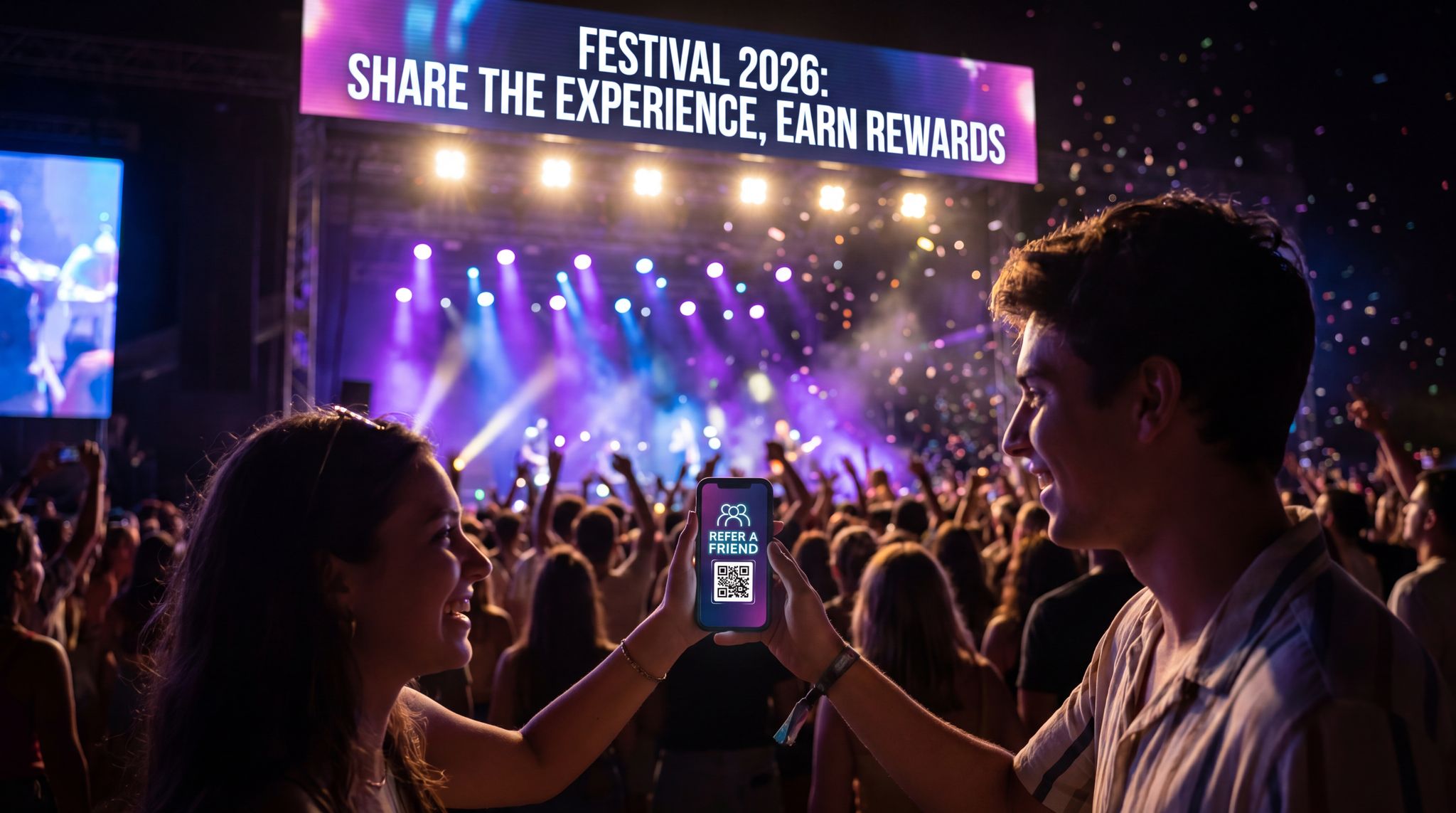
Turn Fans Into Your Marketing Team
Ticket Fairy's built-in referral rewards system incentivizes attendees to share your event, delivering 15-25% sales boosts and 30x ROI vs paid ads.
To maximize impact, strategize an email nurture sequence throughout your campaign. This means planning a series of emails that build excitement as the event approaches. For example, you might start with a “Welcome” email once a person joins your list (“Thanks for your interest in FestXYZ – stay tuned for lineup and presale info!”). Then, as major milestones hit, send targeted updates:
- On-Sale Announcement: “Tickets are now available!” – include the link and any early-bird pricing info.
- Lineup or Headliner Reveal: Spotlight key artists or attractions to spur those on the fence to buy.
- Promo or Reminder: If you’re running a limited promotion (like a discount code or if a ticket tier is about to sell out), let your subscribers know before it’s public.
- Event Countdown: A week or two out, send a hype email (“Only 10 days until we meet at ____! Here’s what you can look forward to…”). This can include tips for the event, like what to bring or schedule highlights – useful content that also builds anticipation.
Within these emails, make sure to include any important information your audience needs upfront. For instance, highlight key registration dates (when do ticket prices increase? When does VIP sale end?), and any “last chance” deadlines (such as final day to buy camping passes). Mention special promotions early in the email (if you bury a discount code at the bottom, some may miss it). And use emails to drive traffic to your other content too – if you published a great blog post introducing your headliner, or you have a aftermovie from last year, include a teaser and a link. This keeps your audience engaged across channels.
Also consider segmenting your email audience if possible. If you have data about who is already a ticket buyer vs. who is just a newsletter subscriber, you can tailor messages accordingly. For example, people who have already bought tickets could get an email focusing on event tips/amenities (“Here’s how to make the most of your festival day”), whereas those who haven’t purchased might get a more promotional nudge (“Don’t miss out on tickets, only 20% remaining!”). Personalization like this can significantly improve engagement and open rates. Even simple personalization, like addressing the recipient by first name, can make your emails feel more like a conversation than a broadcast.
Keep in mind timing and frequency. There’s a fine line between keeping people informed and spamming them. Plan your sends on a reasonable cadence – maybe it’s one or two emails per month far out from the event, increasing to weekly or twice weekly in the final countdown. Always think: would I find this email valuable or annoying if I received it? If you’re unsure, err on the side of fewer, more impactful emails. And be mindful of send times – generally mid-morning or early afternoon on weekdays tends to work well, but consider your audience’s habits (a college student audience might check emails later at night, for instance). Don’t be afraid to resend important emails a week later to those who didn’t open the first time (many email platforms offer this feature), but do change the subject line so it doesn’t look like a duplicate.
Some modern ticketing platforms offer built-in email marketing tools, which can make your life easier. For example, you can send email campaigns directly to your attendee database through Ticket Fairy’s event ticketing system. This saves you the hassle of exporting contacts to a separate email service. To do this on Ticket Fairy:
- In your Ticket Fairy Events Dashboard, click on Manage for your event.
- On the left sidebar, go to Interact and select Messaging.
- Choose the segment of users you want to email (e.g. all ticket buyers, or everyone who RSVP’d, etc.).
- Compose your email using the editor provided – you can format text, add images or links, and make it look professional.
- Double-check your content (and maybe send a test to yourself), then hit Send once everything is ready!
Using an integrated system means all your communications and ticket data are in one place. You’ll be able to see, for instance, how many recipients end up buying tickets after an email, since the sales are tracked in the same platform. Information is power – if you see that an email about a lineup addition caused a spike in sales, you know that content resonated.
Warning: Be very careful with your email list – only email people who have given permission (opted in) to receive updates. Unsolicited emails can lead to spam reports, which can hurt your sender reputation and even get you blacklisted by email providers. Also, avoid over-emailing. If someone hears from you too often with content that isn’t valuable, they’ll tune out or unsubscribe. Make every message count.
Lastly, ensure your emails are mobile-friendly (most people read emails on phones). Use a clean template with a single-column layout and big, tappable buttons. Write subject lines that grab attention without being “spammy” – sometimes posing a question (“Ready for the big lineup reveal?”) or highlighting urgency (“24 Hours Left for Early Bird Tickets”) can entice opens. And always include a clear call-to-action link or button (e.g., “Get Tickets” or “Read the Latest Lineup News”). It should be immediately obvious what you’re asking the reader to do next.
If you execute a smart email strategy, you’ll keep your event in the minds of your most interested fans and drive a significant portion of your ticket sales with relatively little cost. Many festivals report that email is one of their top sales drivers, right up there with social media. So don’t underestimate this channel – use it thoughtfully to inform, excite, and ultimately boost your attendee count.
For a standalone show, your concert marketing plan should leverage email to highlight scarcity. Because single-night events have strict capacity limits compared to sprawling outdoor grounds, using subject lines that emphasize limited inventory (e.g., “Only 50 Floor Tickets Left!”) creates immediate urgency. This targeted approach ensures your marketing plan for a concert converts warm leads into confirmed attendees before the final week.
(You may also want to ensure your event stays visible online in general – for tips on maintaining a strong digital presence throughout your campaign, read how to keep your event’s online presence visible.)
5. Create a Social Media Campaign as Part of Your Concert Marketing Plan
No event marketing plan in 2025 is complete without a robust social media strategy. Social media isn’t just about posting cool pictures (though that’s part of it) – it’s about creating a community and dialog with your prospective attendees. It’s one of the key ways to reach your target audience and engage with them before, during, and after your festival or concert. In fact, social media has become the number one discovery method for many events: one study found 41% of festival-goers discovered events through social media platforms, far outpacing word-of-mouth or traditional ads. The bottom line? A strong social presence puts your event where people are actively looking and talking.
Start by choosing the platforms that make sense for your audience and focusing your efforts there. For a music festival targeting 18–30 year-olds, Instagram, TikTok, and X (formerly Twitter) will likely be your primary battlegrounds. If you’re promoting a B2B music conference or an upscale event, LinkedIn or Facebook might play a bigger role. It’s better to consistently do a great job on 2–3 platforms than to spread thin across six of them with mediocre content on each.
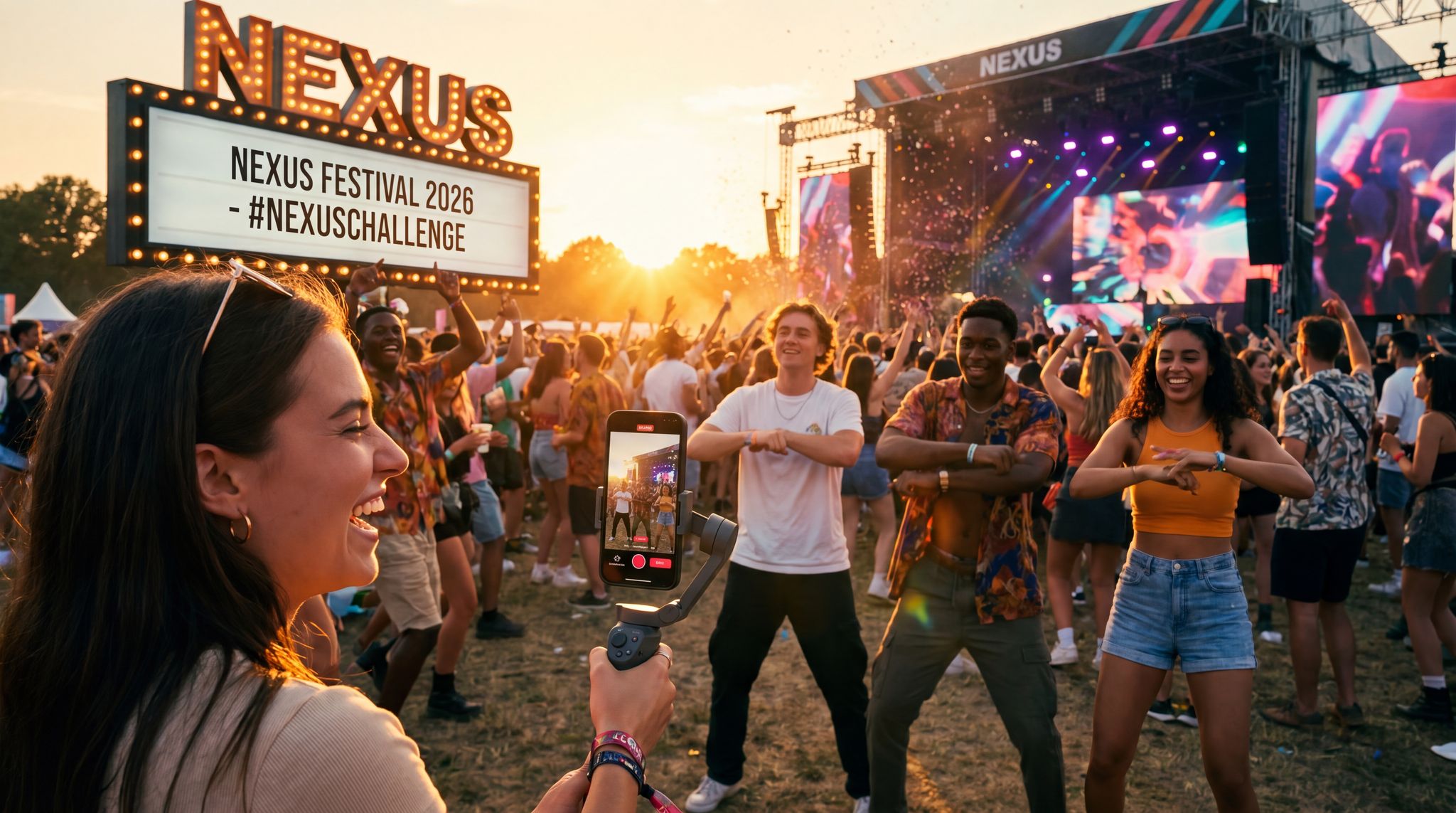
Next, ensure you have a unified hashtag for your event and start using it early (e.g., #YourFestival2025). Put it on all your posts, and encourage your audience to use it when talking about your event. This not only spreads awareness, but by clicking the hashtag anyone can see the wider conversation and user-generated content about your festival. As the event approaches, that hashtag can trend and attract even more attention.
To truly measure the success of your music event promotions, implement tracking links and pixel data across all your social channels. Whether you are executing a massive multi-day festival campaign or a highly targeted marketing plan for a concert, knowing exactly which post or influencer drove a specific ticket sale is invaluable. This data-driven approach transforms basic social media posting into a measurable revenue engine.
Craft a content plan for social media that aligns with your overall content strategy. You might use Twitter/X for quick updates (“Just 50 tickets left at early bird price!”), Instagram for visually rich content (artist announcements with graphics, short Reels of artist clips or venue walkthroughs), and TikTok for fun, viral-style videos (maybe a behind-the-scenes dance challenge with your staff or fans). Adapt your creativity to each platform’s strengths: Instagram and TikTok are all about short-form video and stunning imagery, so invest in capturing great footage and photos. X is more text and link driven – perfect for announcements, engaging in banter with fans, or using trending topics in a clever way. Facebook can be used to create an official event page and community group, and to run targeted ads, especially if your festival appeals to a slightly older or family demographic in addition to young adults.
An effective social media campaign also involves interactive engagement, not just broadcasting. Respond to comments and DMs promptly – if someone asks “What time do gates open?” in your Instagram comments, answer them (others will see and appreciate that you’re responsive). If fans create posts about how excited they are, share or repost some of them (user-generated content is marketing gold – it’s authentic peer promotion). You can even run contests or challenges: for example, a photo contest (“post a throwback pic from last year’s fest and tag us to win VIP upgrades”) or a hashtag challenge on TikTok. These tactics activate your community to spread the word for you.
Getting influencers or notable figures involved can dramatically amplify your reach. If you have artists in your lineup with big followings, coordinate with them to announce their appearance on their own socials as well – artists often will if you provide them nice graphics or promo videos. Consider offering a popular local DJ or music blogger a pair of free tickets in exchange for them hyping the event to their followers. Even micro-influencers (say, someone with 5k–10k highly engaged local followers) can have a strong impact if their audience trusts their taste. Their endorsement of your festival or concert can lend credibility and tap into networks you might not reach with ads alone. Just be sure any influencer promotions feel genuine – viewers can sniff out when someone is promoting something they don’t actually care about. Ideally, partner with people who are excited about your event’s genre or vibe.
Beyond traditional influencers, integrating a dedicated music artist social media campaign into your broader concert marketing plan can yield massive returns. When booking talent, negotiate promotional deliverables into their contracts. Provide artists with custom, high-quality assets—like personalized teaser videos or bespoke graphics—that make it effortless for them to share the event with their followers. A well-coordinated marketing plan for a concert leverages the artists’ existing fanbases, turning the performers themselves into your most powerful promotional channel.
Keep in mind the content calendar on social as well. In the early stages, you might post 2–3 times a week. As the event nears, that could ramp up to daily posts or stories. But always prioritize quality over quantity – one awesome video that gets shared 100 times beats five generic posts that get ignored. Mix up your content to keep it fresh: one day a beautiful image of the venue with a fun fact, the next day a quick video of your team unpacking merch boxes captioned “Getting ready for you guys!”, another day a re-post of a fan’s tweet about how they can’t wait. Variety keeps followers engaged and looking forward to your posts instead of tuning them out.
Leverage platform-specific features to your advantage. For example, use Instagram’s Stories and Reels heavily – Stories are great for daily, in-the-moment updates (and you can add polls or questions to engage fans), while Reels can push your content to new audiences via Instagram’s algorithm if they catch on. On TikTok, jumping on trending sounds or memes (while tying them to your festival) can expose your content to a huge viewer base – the platform is very trend-driven. Facebook allows creation of event pages where interested people can RSVP – this can help spread awareness as their friends see it, and you can drop updates into the event page that notify all RSVPs. Also consider creating Facebook/Instagram ads or TikTok ads if budget allows, to supplement your organic efforts; they can be finely targeted to people with certain music interests or in certain locations. But even without paid ads, organic social media can reach thousands if done right. (To ensure you’re covering the basics, check out 5 essential organic social media tactics for promoters – from consistent branding to analytics tracking.)
One more thing: plan for social media during the event itself. Appoint a team member (or a few) to handle live posting on show day – this means Instagram Stories of the crowd, live-tweeting surprise moments, maybe even a quick Facebook Live or Instagram Live stream for a hot performance. Not only does this engage attendees (who love seeing their experience shared), it also showcases the action to everyone at home, planting the seed that “you really don’t want to miss this next time!” After the event, continue with a few follow-up posts: thank everyone for coming, share an epic photo album or the official aftermovie, and keep that conversation going. Many events go quiet on socials after the gates close – but savvy promoters know that post-event social content is key to sustaining your community (and marketing future events).
Pro Tip: Establish an official event hashtag and start using it from day one (e.g., #FestivalName2025). Encourage your audience to use it when they post about your event. A unique hashtag will collect all the buzz in one place and make it easy for you to find and re-share fan posts. It also gives attendees a sense of belonging to a community around your event. During the festival, display the hashtag on screens or signage to remind people to tag their posts. After the festival, you’ll have a treasure trove of user photos and testimonials under that hashtag – perfect content to recycle into next year’s marketing!
Finally, monitor your social media metrics. Pay attention to which posts get the most likes, shares, or comments. This can teach you what your audience cares about. If your goofy behind-the-scenes TikTok got 10k views but the static flyer image on Facebook got 10 likes, you know where to focus efforts. Also, keep an eye on feedback – are people asking questions that you can proactively answer in future posts? Are there any criticisms or rumors you should address? Being responsive and transparent on social media builds trust, which is the backbone of long-term success. Fans will be more likely to not only buy tickets this time, but also engage with your posts year-round and become loyal evangelists for your brand.
Ultimately, the most successful music event marketing campaigns treat social media as a two-way conversation rather than a digital billboard. When you integrate community management directly into your festival marketing plan, you transform casual attendees into vocal brand advocates. This organic word-of-mouth becomes a powerful, cost-effective driver for your overall concert marketing plan.
By the end of your social campaign, you want people to feel like they’ve been on a journey with you from the initial announcement to the final encore. If you’ve kept them excited, informed, and involved digitally, they’ll show up in person and help spread the word to even more future attendees. Social media truly can be the engine that drives a sold-out event when harnessed effectively.
To execute these strategies efficiently, promoters must invest in the right marketing tools for music festivals. A modern tech stack goes beyond basic email platforms; it includes CRM systems, automated ad-bidding software, and social listening dashboards. By centralizing your data through integrated event management software, your team can track ticket conversions in real-time and adjust the overall concert marketing plan on the fly.
Conclusion: Putting It All Together for a Successful Event
We’ve covered a lot of ground – from research and websites to content, email, and social media. These five core steps form a blueprint for marketing any music festival or concert. Now it’s time to put them into action. The next time you craft a music festival marketing plan, make sure to incorporate all of these elements in your strategy. When you break your plan down into clear, focused steps, the whole process becomes much less overwhelming and far more effective. You’ll find your team more organized, your promotions more cohesive, and your goals more attainable.
Remember that a good plan is also a living document. Monitor the results of your efforts and be ready to tweak tactics along the way. Maybe you’ll discover your TikTok contest is drawing more interest than your radio ads – that’s a cue to double down online. Or perhaps email open rates are telling you that your subject lines aren’t compelling – you can adjust on the next send. By staying agile and data-informed, you’ll continuously improve the plan as you execute it. (Event marketing is as much an art as a science, and even experienced promoters are always learning from each campaign!)
Most importantly, keep the experience at the heart of your marketing. Every message, post, and design should reflect the spirit of your event and what makes it special. If you deliver on your marketing promises, attendees will feel it on show day – and that builds loyalty, repeat attendance, and positive word-of-mouth for your next event. As festival producers often say, marketing doesn’t end when the event starts. Thanking attendees, getting their feedback, and highlighting the best moments afterward all feed into the success of your next festival or concert. (For a checklist of post-event marketing steps that can boost your next year’s sales, see The Festival Isn’t Over: 10 Post-Event Steps to Boost Next Year’s Success on our blog.)
In short, a comprehensive event marketing plan is your roadmap to a packed, vibrant, and profitable event. Now that you have this roadmap, you can approach your next festival or concert with confidence. Go step by step, be creative, and stay responsive to your audience. With the right plan in place, you’ll not only sell more tickets – you’ll also create a buzz and community around your event that sets it up for success year after year.
For strategies on how to sell out your next music event or music festival, download our free cheat sheet: 5 secrets of successful organizers who sell out events.
Frequently Asked Questions
What are the key steps in a music festival marketing plan?
A successful music festival marketing plan involves five essential steps: identifying your target audience through demographic research, developing a fast and mobile-friendly event website, creating a content strategy to build momentum, implementing an email nurture sequence, and executing a robust social media campaign. Organizers should also allocate 15–20% of the total budget to marketing.
How much budget should be allocated to event marketing?
Veteran event organizers recommend allocating roughly 15–20% of the total event budget specifically to marketing and promotion. Newer festivals often require a higher percentage to build awareness. Additionally, setting aside a contingency fund of 5–10% of the marketing budget allows promoters to capitalize on viral moments or handle unexpected costs effectively.
Why is a mobile-friendly website important for selling concert tickets?
A mobile-friendly website is critical because over 50% of mobile users abandon sites that take more than three seconds to load. With more than half of ticket purchases now occurring via mobile devices, a slow or clunky user experience directly results in lost sales. Optimizing for speed and navigation ensures higher conversion rates.
How does video content impact event ticket sales?
Video content is a powerful tool for driving conversions, with 87% of marketers reporting that it directly increases sales. Visual assets like artist shoutouts, behind-the-scenes clips, and aftermovies generate excitement more effectively than text alone. Platforms like TikTok and Instagram Reels leverage this content to reach wider audiences and boost ticket demand.
What is an effective email marketing strategy for music festivals?
An effective email strategy uses a nurture sequence to build excitement through targeted updates like lineup reveals, on-sale announcements, and countdowns. Segmenting the audience based on past purchasing behavior allows for personalized messaging, which improves engagement. Email marketing is highly efficient, often yielding a return of around $36 for every $1 spent.
How do fans discover new music events in 2025?
Social media has become the primary discovery method for events, with 41% of festival-goers finding new concerts through platforms like Instagram and TikTok. These channels outpace word-of-mouth and traditional ads by allowing fans to engage with visual content. A strong social presence with unified hashtags ensures events appear where audiences are actively searching.
How does a festival marketing strategy differ from a marketing plan for a concert?
While both aim to drive ticket sales, a festival marketing strategy typically requires a longer lead time (often 6+ months) and focuses heavily on the overall experience, destination, and multi-genre community. In contrast, a marketing plan for a concert is usually more targeted, leveraging the specific draw of the headlining artist and often operating on a shorter 2- to 3-month promotional timeline.
What are some effective marketing event ideas for a college fest?
Successful campus events rely on grassroots engagement. Top marketing event ideas for a college fest include partnering with student unions, recruiting campus ambassadors, hosting pop-up ticket giveaways in high-traffic quads, and collaborating with Greek life organizations. Localized social media geofilters and targeted ads within a tight radius of the university also drive strong student turnout.
How can promoters maximize a music artist social media campaign?
To get the most out of a music artist social media campaign, promoters should provide performers with a comprehensive digital toolkit. This includes pre-formatted graphics, suggested captions, and trackable affiliate ticket links. When artists seamlessly integrate your concert marketing plan into their own promotional rhythm, it transforms their followers into direct ticket buyers.
How should a first-year festival marketing strategy differ from an established event’s plan?
A first-year festival marketing strategy must heavily prioritize brand awareness, trust-building, and aggressive audience acquisition, often requiring a larger percentage of the budget allocated to paid discovery ads and influencer partnerships. In contrast, an established festival marketing plan can lean more on retention, leveraging past attendee email lists, loyalty discounts, and user-generated content from previous years to drive early presale conversions.
What are the most effective channels for music event promotions today?
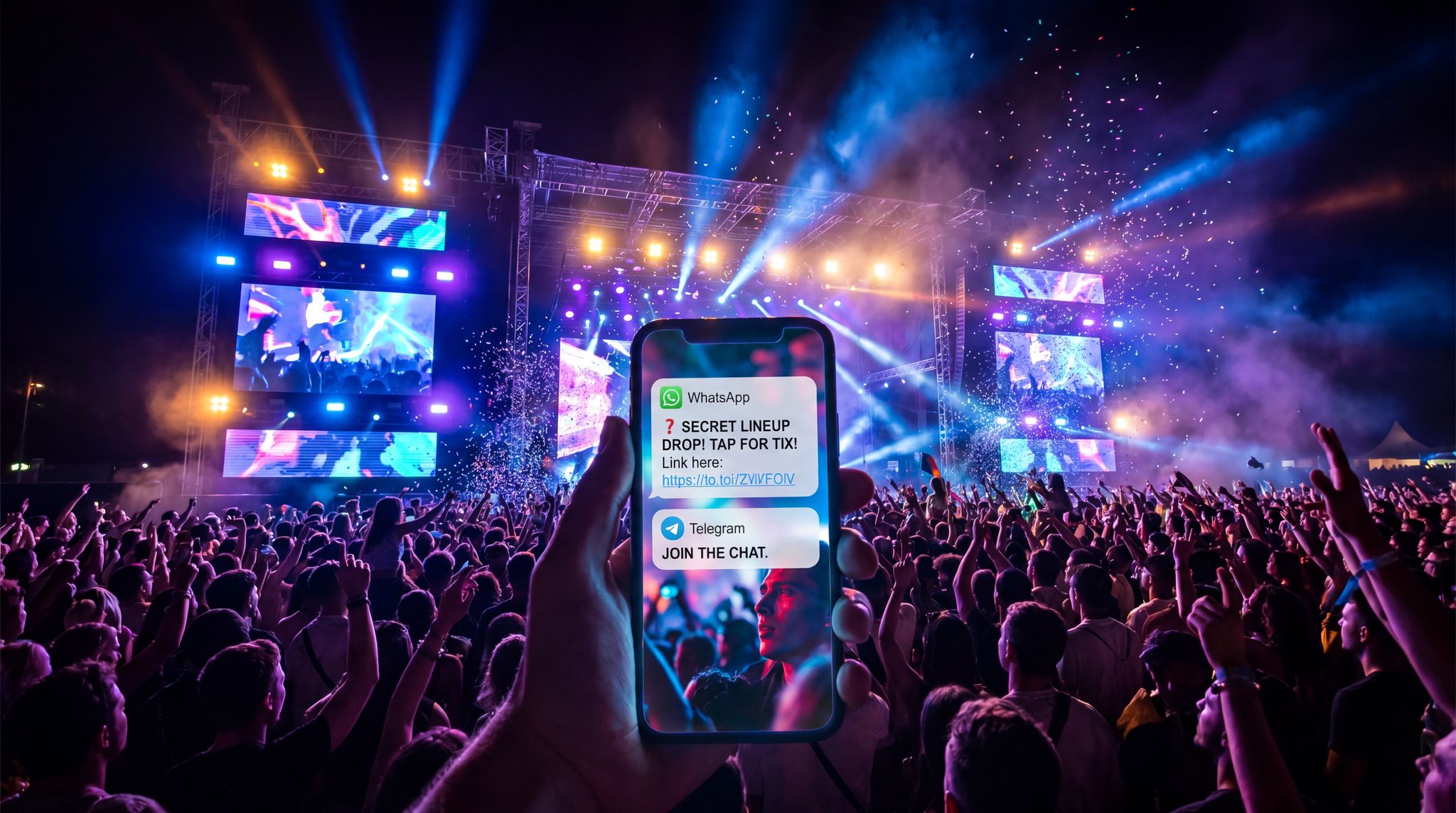
The most effective channels for music event promotions combine highly targeted digital advertising on platforms like Instagram and TikTok with direct-to-fan communication via email and SMS. Successful promoters also leverage affiliate networks, influencer partnerships, and artist-driven campaigns to maximize reach and drive measurable ticket sales.
What are the core components of a successful concert marketing strategy?
A high-converting concert marketing strategy centers on the headlining artist’s draw, utilizing short-term promotional bursts, targeted digital advertising, and coordinated artist co-promotions. Unlike multi-day events, single-night shows rely heavily on creating immediate urgency and scarcity to drive rapid ticket sales.
How early should you start developing a marketing plan for a festival?
Promoters should begin drafting their marketing plan for a festival at least six to eight months in advance. This extended timeline allows for proper budget allocation, phased lineup announcements, early-bird ticket tiering, and the development of long-term community engagement tactics.
What are the core pillars of successful music event marketing?
Successful music event marketing relies on a multi-channel approach that includes targeted digital advertising, engaging social media content, data-driven email campaigns, and strategic artist partnerships. A comprehensive festival or concert marketing plan integrates these pillars to build sustained momentum from the initial announcement through to the day of the show.
How to market a music festival effectively in a competitive landscape?
To market a music festival effectively, organizers must transition from traditional broadcast advertising to community-driven digital strategies. This involves leveraging ticketing data to build precise audience personas, executing multi-phase content rollouts, and utilizing affiliate or ambassador programs. A modern festival marketing plan prioritizes authentic engagement and user-generated content to drive organic ticket sales.
What are some innovative concert marketing ideas for independent promoters?
Innovative concert marketing ideas include leveraging local business partnerships, deploying gamified street team activations, and offering exclusive VIP upgrades through interactive social media contests. Integrating these creative tactics into your broader marketing plan for events helps independent promoters maximize reach without overspending on traditional advertising.
What are the essential marketing tools for music festivals?
The most effective marketing tools for music festivals include integrated ticketing platforms with built-in CRM capabilities, automated email marketing software, and social media scheduling dashboards. Promoters also rely on pixel tracking and data analytics tools to monitor ad performance, ensuring their festival marketing plan remains agile and data-driven.