Introduction
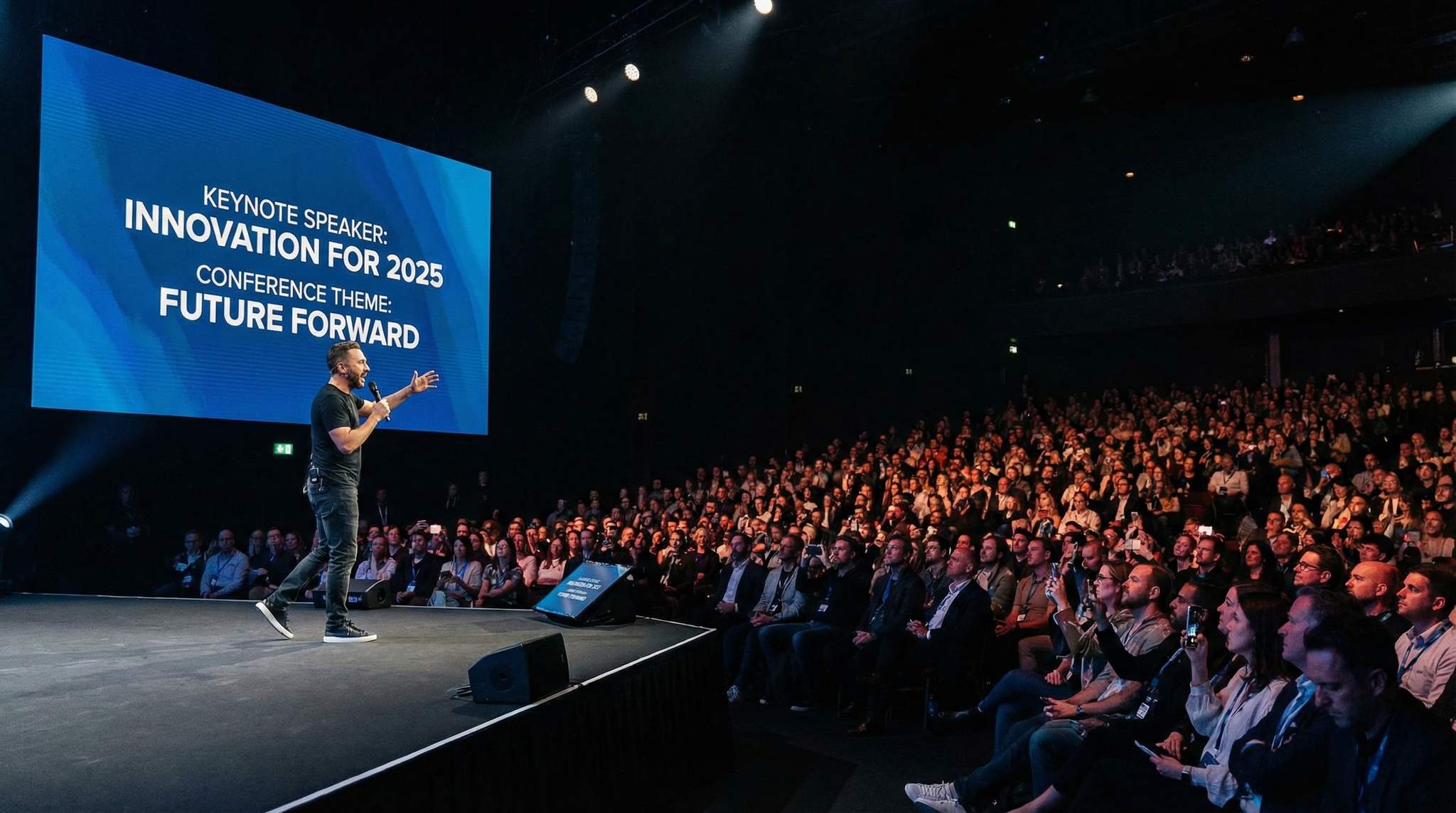
Selecting the right keynote speakers can make or break your conference. As we enter 2025 with in-person events thriving again, over 80% of conferences are now planned face-to-face, reflecting keynote speaking industry trends for 2025. Audience expectations are higher than ever; attendees no longer settle for dull lectures – they want inspiration, credibility, and even a bit of showmanship from the mainstage. In fact, many people will decide whether to attend a conference based on the keynote lineup. Your speakers often become the headline attraction of your event, similar to how headlining acts draw crowds to a festival. Their expertise and reputation lend authority to your conference, and their performance on stage will heavily influence attendee satisfaction.
Organizing conferences in the current era has taught veteran planners an important lesson: you must be intentional and strategic in choosing keynote talent. The process takes time, careful research, and an understanding of what (and who) truly resonates with your target audience. It’s not just about finding a famous name – it’s about finding the right person for your event’s theme and audience. A well-chosen speaker creates buzz, attracts registrations, and validates your conference’s content. On the flip side, a poorly chosen one can leave the audience disengaged (or worse, offended) and tarnish your event’s reputation.
Experience Insight: I once helped produce a tech summit where we invited a high-profile CEO as a keynote. On paper, it seemed a sure draw. But on stage, he delivered a monotone, overly scripted talk that lost the crowd within minutes. Attendees literally started checking emails and walking out for coffee. We learned first-hand that star power alone doesn’t guarantee a captivating presentation – you need a true communicator.
Fortunately, selecting great keynote speakers doesn’t have to be overwhelming if you follow some core guidelines. Below, we outline five fundamental elements to consider when vetting and choosing captivating speakers for your conference. These steps will help ensure your speakers are a perfect fit and set your event up for success.
Free Tool: Will the Room Actually Be Full?
Forecasts expected attendance from ticket type, event type and day of week. Calculates safe over-book count for free-RSVP events. Free estimator.
Selecting Your Keynote Speakers for Your Conference
As you get started on the process of choosing keynote speakers, keep these five critical considerations in mind. They will help you zero in on speakers who not only align with your event’s goals but also engage and excite your attendees.
1. Consider the Theme or Subject of Your Conference
Your conference theme or subject matter should be the starting point for all speaker decisions. A keynote must reinforce and enhance the core topic of your event. When you work within the framework of your theme, it naturally narrows down the field of potential speakers to those relevant to your subject – making your search more focused. The theme will also guide the tone and content for all talks, so you want speakers whose expertise squarely intersects with it.
Ready to Sell Tickets?
Create professional event pages with built-in payment processing, marketing tools, and real-time analytics.
Begin by clearly defining the key message or question your event is tackling. Are you hosting a music business conference on emerging streaming trends? A fintech summit about blockchain in banking? Perhaps a marketing convention focused on AI in advertising? Identify the sub-fields and hot topics within that theme. This clarity will inform everything from programming to marketing – and especially speaker selection. For more on crafting a strong event concept, see how mastering a unique vision is crucial in early planning stages in our guide on crafting a unique festival concept and vision.
Once your theme is set, look for speakers who are authorities in that exact domain. The keynote should feel inevitable given your topic – the kind of person attendees would expect or hope to see addressing it. For example, if your conference is about sustainable energy technology, a logical keynote might be a renowned renewable energy scientist or the CEO of a leading clean-tech company. If it’s a creative advertising forum, you might seek a visionary creative director known for groundbreaking campaigns. Relevance is key: the closer a speaker’s background and passions align with your theme, the more weight and authenticity they’ll bring to their talk.
Also consider how current and forward-thinking the speaker is within the subject. Conference audiences in 2025 crave up-to-date insights. They don’t just want a rehash of basics – they want cutting-edge perspectives. Ensure your speakers are actively engaged with the latest developments in the field. For instance, topics like artificial intelligence or diversity and inclusion (DEI) have been extremely popular on conference agendas as of 2024, according to recent surveys exploring speaker-planner dynamics. If your event centers on these trending areas, make sure to find true experts. One event organizer commented that “AI will cause a flood of content, and clients will find it harder to choose who really is an expert,” underscoring how important genuine expertise is in hype-heavy topics, a concern highlighted in PCMA’s analysis of industry challenges. The bottom line: align your speaker roster tightly with your conference’s theme to set a cohesive tone for the whole event.
2. Research the Most Influential People in That Field
Once you’ve defined the subject area, it’s time to dig into research. Who are the thought leaders, innovators, or influential personalities in this field? You’ll want keynote speakers who are widely recognized and respected in the subject matter your conference covers. These individuals bring built-in credibility and interest. Your attendees are far more likely to buy a ticket when they see names they know and admire on the lineup.
Grow Your Social Following With Every Sale
Require social media follows, shares, or playlist adds to unlock presale access or special pricing. Turn every ticket purchase into audience growth.
Start by scanning industry publications, podcasts, and professional networks for prominent voices. Look at recent conference programs or webinars in the same domain – which speakers consistently headline those events? For a music business conference, for example, you might list top record label executives or artists-turned-entrepreneurs making waves. For a tech summit, perhaps noted CTOs, bestselling authors, or academic pioneers in that tech niche. Create a “long list” of potential speakers, then evaluate their influence: Do they have a significant following or fanbase in the community? Have they published notable work or been featured in the media recently? Ideally, your keynote candidates should be people your target audience already knows or would be excited to learn from. Remember, your conference-goers are likely following these experts on LinkedIn, reading about them in trade magazines, or discussing them in online forums. Betting on names that resonate with your audience is a smart move.
While researching, don’t limit yourself to household names only – also keep an eye out for rising stars in the field. Sometimes an emerging expert or innovator can be just as big a draw, especially if they’re doing groundbreaking work. The bonus: they may be more accessible in terms of availability and speaking fees than a celebrity-status figure. In practice, veteran event producers often approach speaker selection like booking a festival lineup: you aim to secure crowd-pulling headliners on a budget and mix in fresh voices who can deliver unique insights. This balance of star power and new perspectives can make your conference both exciting and substantive.
Grow Your Events
Leverage referral marketing, social sharing incentives, and audience insights to sell more tickets.
Speaking of budgets – it’s critical to research not just who is influential, but also what it might take to get them. Top keynote speakers often command high fees and require travel logistics, so factor that into your decision. Be realistic with your budget from the outset. For context, industry surveys show that keynote fees can range widely, and not every event can afford a former President or a Fortune 500 CEO. According to a 2024 speaking industry benchmark report, the average budget for hiring a keynote speaker was around $22,000, with many events spending under $10k and only a select few paying above $50k, based on data regarding budgeting for speakers and fees. Furthermore, organization size does not necessarily influence these spending habits. The table below gives a rough breakdown of what planners reported:
| Keynote Speaker Budget Range (2024) | % of Events (Planners) |
|---|---|
| Under $10,000 | ~45% |
| $10,000 – $50,000 | 47% |
| Over $50,000 | 9% |
Source: 2024 AAE/PCMA Speaking Industry Benchmark Report
What does this mean for you? If your budget is on the modest side (as is the case for nearly half of events), you may need to focus on industry experts who are great speakers but not global celebrities. Often, a dynamic up-and-comer or a respected niche expert can deliver incredible value without the five- or six-figure price tag. The good news: audiences care more about content and delivery than the fame of a speaker. In one 2024 industry survey, 67% of event organizers said audience engagement and educational value were their top priorities in selecting speakers – far above simply having a big name on stage, with two out of five organizers prioritizing engagement. In short, an engaging speaker who truly understands your topic is worth more than a celebrity who might phone it in.
As you research, also consider a global perspective and diversity. Are there international figures or voices from underrepresented groups who could offer valuable perspectives on your theme? In today’s interconnected world, the most influential person on a topic might not be from your home country. If you’re planning an international conference or inviting speakers from overseas, factor in travel logistics and visas, a process detailed in our guide on navigating visas and international logistics for events. Having a diverse lineup in terms of geography, gender, and background not only broadens your event’s appeal – it also signals inclusivity and authority, showing that your conference represents the full spectrum of thought leadership on the topic.
Collect Any Attendee Data at Checkout
Add custom registration fields to your checkout — dietary needs, t-shirt sizes, company names, and more. Conditional logic and per-ticket-type fields.
Finally, once you have a shortlist of potential speakers, check their availability and interest early. Many high-demand speakers are booked out months (or even a year) in advance for conferences. Reach out with a polite, concise invitation highlighting why you think they’re a great fit for your event’s theme and audience. Communicate the value of speaking at your conference – for instance, the networking opportunities, the exposure, or the chance for them to share their message widely. You might be surprised: passionate experts often love speaking to engaged audiences and will make time if it aligns with their own mission. Just be prepared that some will have speaking fees or specific requirements. If you’re working with a tight budget, consider offering perks like covering travel, providing VIP hospitality, or giving them a platform to sell their book or product – and negotiate respectfully. For more on keeping your overall event finances in check while securing talent, see our guide on how to control costs and keep your event profitable even with big-name bookings.
3. Do Thorough Background Checks on Potential Speakers
Securing an influential speaker is exciting, but before you lock anyone in, do your homework on their background and reputation. This is one of the most critical (and sometimes overlooked) steps in speaker selection. A person might be a leading figure in your field – but have they been entangled in controversy? Are they known to be difficult to work with or prone to making offensive comments? A quick scan of someone’s public persona isn’t enough; you need to dig deeper to avoid unpleasant surprises that could haunt your event.
Start with the basics: run a thorough Google search on each candidate. Look beyond the first page of results. Specifically search the person’s name alongside terms like “controversy,” “scandal,” “lawsuit,” or “criticism.” Browse news articles, op-eds, and industry forums. Check their social media feeds (Twitter, LinkedIn, Instagram – even TikTok these days) for any unprofessional rants or divisive statements. If the individual has written books or blog posts, scan the comments or reviews for any patterns of problematic behavior. The goal is to uncover any red flags ahead of time.
Also pay attention to how the person is perceived within their professional community. Sometimes an individual might not be publicly controversial but could be privately known as challenging. For instance, do they have a reputation for no-shows or canceling last minute? Are they known to be respectful and gracious with event staff and audiences, or have past organizers quietly vowed “never again” after working with them? Industry insiders often maintain informal whisper networks about these things. It can be wise to discretely ask around – perhaps reach out to a colleague who hosted that speaker before, or consult a speakers bureau for insight on the person’s professionalism. Experienced event producers always vet performers for any red flags; the same principle applies to conference speakers, so learn from the festival world’s approach to vetting performers for red flags and scandals to protect your event’s integrity.
The consequences of skipping background checks can be severe. We’ve seen high-profile events face public backlash or even sponsor pull-outs because of a speaker’s past statements or actions. (One anecdote: A colleague of mine helped organize a wellness conference that invited a famous author as a keynote. After the announcement, attendees on social media unearthed prior comments that the author had made which were widely viewed as insensitive. The negative reaction was swift – ticket holders started demanding refunds and a major sponsor expressed concern. The organizers ended up replacing that keynote speaker, but not before taking a PR hit. It was a tough lesson in the importance of due diligence.) You don’t want to be in that position. Even gigantic festivals and conferences have learned the hard way – for example, Lollapalooza (a major music festival) had to drop a headliner in 2021 on short notice after offensive remarks came to light, a scenario discussed in our article on managing controversial artists and lineup changes. That kind of scenario not only damages your event’s reputation but can also have financial repercussions (refunded tickets, lost sponsorships, etc.), although cancellation insurance policies cover many accidents.
Warning: Failing to vet your speakers can lead to disaster. A controversial figure on your stage might trigger attendee boycotts, negative press, or sponsors pulling their support. Protect your conference’s reputation by screening for any history of hate speech, harassment issues, legal troubles, or other baggage that could reflect poorly on your event.
When conducting background checks, maintain perspective and fairness. Not every negative comment about a person should disqualify them – virtually every public figure has some detractors. But do weigh the nature of any controversy. There’s a big difference between “Twitter trolls hate this person’s political stance” and “this person is facing credible accusations of fraud.” Stick to credible sources and patterns of behavior. If you discover something concerning, you have choices: you might decide to have an honest conversation with the speaker about it, implement contingency plans (like avoiding live Q&A for a polarizing figure or preparing a PR statement just in case), or simply move on to a safer choice.
In addition to checking for scandals, ensure that the person’s values and style are a good fit for your event’s culture. For example, if your conference champions inclusivity and community, a speaker known for a brash or elitist attitude might not resonate with your attendees. Ultimately, you want keynote speakers who will enhance your event’s image, not clash with it. By taking the time to do background checks now, you’re safeguarding the trust of your audience and stakeholders in the long run.
4. Ensure They Are Experienced and Truly Captivating Speakers
Someone can be the leading expert in their field and still be a terrible speaker. Public speaking is a unique skill – not every genius has it. The last thing you want is a keynote that’s a factual tour-de-force but bores your audience to sleep. Remember, a conference isn’t a classroom or a book; it’s a live experience. Your keynote speakers must be more than knowledgeable – they must be engaging storytellers who can command the stage and captivate a crowd.
So how can you tell if a speaker will light up the room or lull it into a nap? Before confirming any speaker, see them in action. Scour the internet for videos of them speaking. Common sources include YouTube (many conferences post keynote videos), TED or TEDx talks, webinar recordings, or even panel appearances. Pay attention to their delivery: Are they energetic and passionate, or do they speak in a monotone? Do they articulate ideas clearly for a general audience, or do they get lost in jargon and slides? How’s their body language – confident and dynamic, or nervous and stiff? An engaging presenter usually has a few telltale signs: they use storytelling, vary their voice intonation, make eye contact with the audience (or camera), and seem genuinely enthusiastic about their message. They also tend to stick to the point, rather than rambling off-topic.
Consider audience feedback from the speaker’s past events if you can find it. Sometimes conference attendees will mention standout speakers on social media or in post-event surveys. A quick Twitter search of the person’s name plus “conference” might pull up reactions. (e.g., “Dr. Jane Doe was amazing at XYZ Summit – super inspiring!” is a great sign. On the other hand, “walked out on John Smith’s keynote, so boring” is a major red flag.) If the speaker has spoken at your own event in a past year, absolutely review those attendee feedback forms regarding their session.
It’s also helpful to think about format: can this person adapt to different formats like a keynote versus a fireside chat or panel? Some individuals shine in conversation but not in monologues (and vice versa). Consider what format you’re planning for them. If it’s a solo keynote, they need to hold attention for 30-45 minutes. Indeed, most planners consider ~45 minutes the sweet spot for a keynote speech at in-person events, according to speaker-planner dynamic surveys, as audiences’ attention tends to wane after an hour. If they’re doing a Q&A or interview, they should be engaging and able to think on their feet with live questions.
No Hidden Fees, Just Honest Pricing
One all-inclusive fee covers the platform, payment processing, support, and every feature. Free events are always free. No setup costs, no surprises.
One trend in 2025 is that audiences crave “edutainment” – education + entertainment. People don’t want a dry lecture; they want a TED-style talk that delivers value and emotion. Many conferences now encourage speakers to incorporate storytelling, visuals, and even interactive elements (live polls, a short audience exercise, etc.) to keep the crowd engaged. As an organizer, you should look for speakers who naturally embody this edutainment style. Do they use humor appropriately? Can they simplify complex ideas with analogies or demos? These qualities go a long way. In a recent 2025 attendee survey, only 31% of respondents said traditional keynote talks were their preferred format, whereas 44% chose interactive workshops and 40% chose panel discussions as favorites, per Talent Bureau’s 2025 conference survey results. That doesn’t mean keynotes are obsolete – it means your keynote has to stand out and deliver an experience people can’t get just by reading an article. A charismatic speaker who educates and energizes the audience will leave a lasting impression and justify the keynote as a conference highlight.
Pro Tip: Always request or find video samples of any speaker’s past talks. It could be a recorded keynote, a TEDx presentation, or even a virtual webinar they’ve led. Watching these will give you invaluable insight into their stage presence. Look for qualities like storytelling ability, audience engagement (are people asking questions, laughing, clapping?), and clarity of message. If a speaker only ever reads verbatim from dense slides, that’s a warning sign. Prioritize those who seem to genuinely connect with their listeners.
Beyond videos, sometimes a quick conversation can tell you a lot. Consider having a pre-event call with the potential speaker. Ask them about their approach to presentations. Great speakers often love to customize their talks to each audience – if they ask thoughtful questions about who will be in the room or how they can make the content relatable, that’s a positive sign. You might also inquire how they handle Q&A or what interaction they plan to include. Their answers can reveal their level of engagement and flexibility. (Plus, this dialogue builds rapport – you’ll get a sense of their personality and professionalism in general.)
It’s worth noting that if you find someone who is a content superstar but lacks polish in delivery, you have options. Some organizers invest in speaker coaching or prep sessions. For instance, if you’ve got a brilliant professor who has amazing insights but isn’t used to public speaking, you could offer to connect them with a speaking coach to hone their presentation. This shows in your commitment to quality, though it does require extra time and possibly budget. Only go this route if the content payoff is truly worth it (and if the speaker is open to it). In most cases, it’s more effective to choose a speaker who’s already proven their ability to wow a crowd.
Above all, trust your gut and the data you gather. If you find yourself excited watching a speaker’s past talk, your audience likely will be too. If you struggle to stay interested through a 5-minute clip, that’s a huge caution flag. The goal is to ensure your keynotes keep attendees talking about how great the session was, not complaining that it was a disappointment.
5. Leverage Your Speakers in Marketing and Gauge Audience Interest
Once you’ve identified a few compelling keynote speakers, think about how you will promote them – and use that promotion as a barometer for audience interest. Your keynote speakers can and should be the centerpieces of your marketing campaign for the conference. After all, these are the names and faces that will draw people in. By showcasing them in your promotional materials, you not only attract attendees but also can gauge which speakers or topics are generating the most buzz.
Start by announcing your keynote speakers in a big way. This could be through an email blast to your mailing list, a press release, and certainly across social media channels. Highlight what makes each speaker exciting and relevant. Don’t just list a name – include a punchy line about their expertise or a teaser of what they’ll talk about. For example: “Featuring a keynote by Jane Doe, CTO of XYZ Robotics, who will reveal how AI-driven automation is changing the world of finance.” Such specifics both entice potential attendees and clarify the value they’ll get from the talk. If your speaker has broad name recognition (say, a celebrity entrepreneur or a bestselling author), make sure their name is front and center on all materials. Their personal brand can significantly amplify your event’s visibility.
Consider creating content pieces around your speakers in the lead-up to the event. Perhaps do a short interview with the keynote speaker that you publish as a blog post or a video snippet. You could run a “Speaker Spotlight” series on social media, introducing each headliner with fun facts and what attendees can look forward to. Some conferences even host a brief live stream or Twitter Q&A with the speaker before the event to whet the audience’s appetite. All these tactics not only serve marketing purposes but also give you a sense of audience reactions. Pay attention to metrics: which speaker announcement is getting the most likes, shares, or comments? Are certain names driving early ticket sales spikes? This feedback can inform how you allocate your advertising efforts – maybe one speaker resonates particularly well with a segment of your audience, so you double down on reaching those folks.
Another strategy: incorporate your keynote speakers into tiered ticket offerings or special sessions. For instance, you might offer a VIP package that includes an exclusive meet-and-greet or a private luncheon with one of the keynote speakers. If there’s enthusiasm for that (say those tickets sell out quickly), it’s a great sign that the speaker is a massive draw. It also adds a revenue stream. Similarly, promoting a post-keynote Q&A session or book signing can boost interest. Attendees love the chance to personally engage with luminaries. Just be sure to coordinate with the speaker on these extras in advance (and include it in their agreement) so it’s a win-win.
Pro Tip: When you announce your keynote lineup, include a quote or testimonial from each speaker in your marketing copy. For example, “‘I can’t wait to share the latest research on cybersecurity threats at XYZ Conference’ – John Smith, CEO of SecureTech.” Hearing enthusiasm straight from the speaker builds excitement and credibility. Even better, ask your speakers to post about the event on their own social media – a personal invite from them to their followers can expose your conference to entirely new audiences and lend social proof that this is the event to attend.
Using speakers in marketing isn’t just about promotion – it’s also an excellent way to gauge interest and adjust your tactics. Monitor the buzz: if one keynote speaker is not getting the traction you hoped, it could be a sign to tweak your approach. Maybe emphasize a different angle of their expertise that’s more compelling, or pair their announcement with other programming news (“John Doe’s keynote on sustainability – and don’t miss our green tech expo on-site!”). On the other hand, if you see an overwhelming response for a particular speaker, leverage that! You might feature them in ads, or even consider giving them a prime speaking slot (like first morning keynote) when scheduling, to ensure the event starts on a high note.
Finally, remember that keynote speakers can attract media coverage too. Especially if you’ve landed a high-profile or newsworthy speaker, alert industry press or local media about it. “Famous Astronaut to Keynote Space Tech Conference” is the kind of headline that can get your event extra press mentions, which in turn drives more attendees and impresses sponsors. In many ways, your speakers become ambassadors for your event brand. By making them the star of your marketing and listening to your audience’s reactions, you set the stage for a conference that people are excited to attend.
Let Fans Pay Over Time
Offer flexible payment plans that split ticket costs into manageable installments, making higher-priced events accessible and boosting conversions.
Conclusion: It Doesn’t Have to Get Complicated
Selecting your keynote speakers may be one of the biggest decisions you make in conference planning, but it doesn’t need to be daunting if you stick to core principles. Always center your audience’s interests and expectations – think about who they would be most thrilled to hear from on your chosen topic. The ideal speakers will be credible experts aligned with your theme, have engaging presentation skills, and carry a positive reputation. Each of the steps above – from aligning with your theme, to rigorous research and vetting, to evaluating speaking prowess, to leveraging them in marketing – helps ensure the speakers you choose will enhance your event rather than detract from it.
It’s also wise to curate a diverse lineup of speakers, especially if you have multiple keynotes or a panel. Diversity here means not just demographic (though having different genders, ethnicities, and backgrounds is important) but also diversity of thought and perspective. For example, pairing a seasoned industry CEO with a young startup disruptor on the same program can provide rich, contrasting insights that appeal to a broader audience. A well-rounded mix can make your conference feel inclusive and forward-thinking. Just make sure each speaker still ties back to the central theme, so it all feels cohesive.
And don’t forget the experiential elements: beyond just talks, think of ways to make the speaker sessions interactive and memorable. As mentioned, allot time for Q&A sessions where attendees can interact with speakers – this creates a buzz and gives attendees added value. Perhaps arrange a book signing, a live demo, or even a workshop led by a keynote speaker if appropriate. These extra touches turn a passive listening experience into an active, engaged one, heightening the impact your speakers have on attendees.
In summary, follow these fundamental guidelines and trust the process. By knowing your theme, researching and vetting speakers carefully, confirming they can command a stage, and integrating them into your event strategy, you’ll make an informed decision that you can feel confident about. A great keynote speaker does more than just fill a slot on the schedule – they set the tone, attract the crowd, and can elevate the entire conference’s prestige. With the right choices, your speakers will become powerful partners in delivering an unforgettable event.
Now, with your stellar speaker lineup in hand, you can focus on executing the rest of your event plans – logistics, programming, and those all-important attendee experiences (for more ideas on crafting guest experiences that keep attendees coming back, check out our tips on creating unforgettable attendee experiences that keep fans coming back). Your conference is well on its way to success!
Set up different levels of attendee access (from general sessions to VIP meet-and-greets) with ease using a robust ticketing platform. Request a demo and set up your event in minutes on Ticket Fairy’s event management platform!
Automated Waiting Lists for Sold-Out Events
Capture demand when tickets sell out and automatically notify waitlisted buyers when tickets become available through cancellations or resale.
Frequently Asked Questions
How should conference themes guide keynote speaker selection?
Conference themes serve as the primary framework for selecting speakers, naturally narrowing the search to relevant authorities who reinforce the event’s core message. Organizers must define the event’s specific sub-fields or hot topics, ensuring the chosen speaker’s expertise and passions align perfectly to provide the authenticity and cutting-edge perspectives audiences expect.
What is the average budget for hiring a keynote speaker in 2025?
Keynote speaker fees vary significantly, with the average budget sitting around $22,000 based on recent industry benchmarks. Approximately 45% of events spend under $10,000, while 47% budget between $10,000 and $50,000. Only a select 9% of events pay fees exceeding $50,000 for top-tier celebrity talent or Fortune 500 CEOs.
Why are background checks essential when hiring conference speakers?
Thorough background checks protect an event’s reputation by uncovering potential controversies, legal issues, or offensive past behavior before a contract is signed. Screening for red flags prevents public backlash, sponsor withdrawals, and attendee boycotts, ensuring the speaker’s values align with the conference culture and avoiding costly PR disasters.
What qualities make a keynote speaker truly captivating for audiences?
Captivating speakers combine deep expertise with engaging storytelling and dynamic stage presence, often utilizing “edutainment” to blend education with entertainment. Effective presenters avoid monotone delivery or heavy jargon, instead using humor, visuals, and interactive elements to maintain attention. Organizers prioritize speakers who can command a room and connect emotionally over simple fame.
How can organizers leverage keynote speakers to promote a conference?
Organizers should feature keynote speakers as headline attractions in email blasts, press releases, and social media campaigns to drive ticket sales. Creating content like “Speaker Spotlight” interviews, sharing testimonials, or offering VIP meet-and-greets builds buzz. Monitoring engagement with these announcements helps gauge audience interest and refine marketing strategies.
What is the optimal length for a keynote presentation at in-person events?
Most event planners consider 45 minutes the ideal duration for a keynote speech at in-person conferences. Audience attention spans typically wane after an hour, making concise, high-impact presentations more effective. To maintain engagement, speakers often incorporate interactive elements or Q&A sessions within or immediately following this timeframe.