Unlock the full potential of your conference with our top five promotion strategies – updated for the 2026 landscape – to ensure maximum visibility, engagement, and ticket sales.
Conference Marketing Essentials
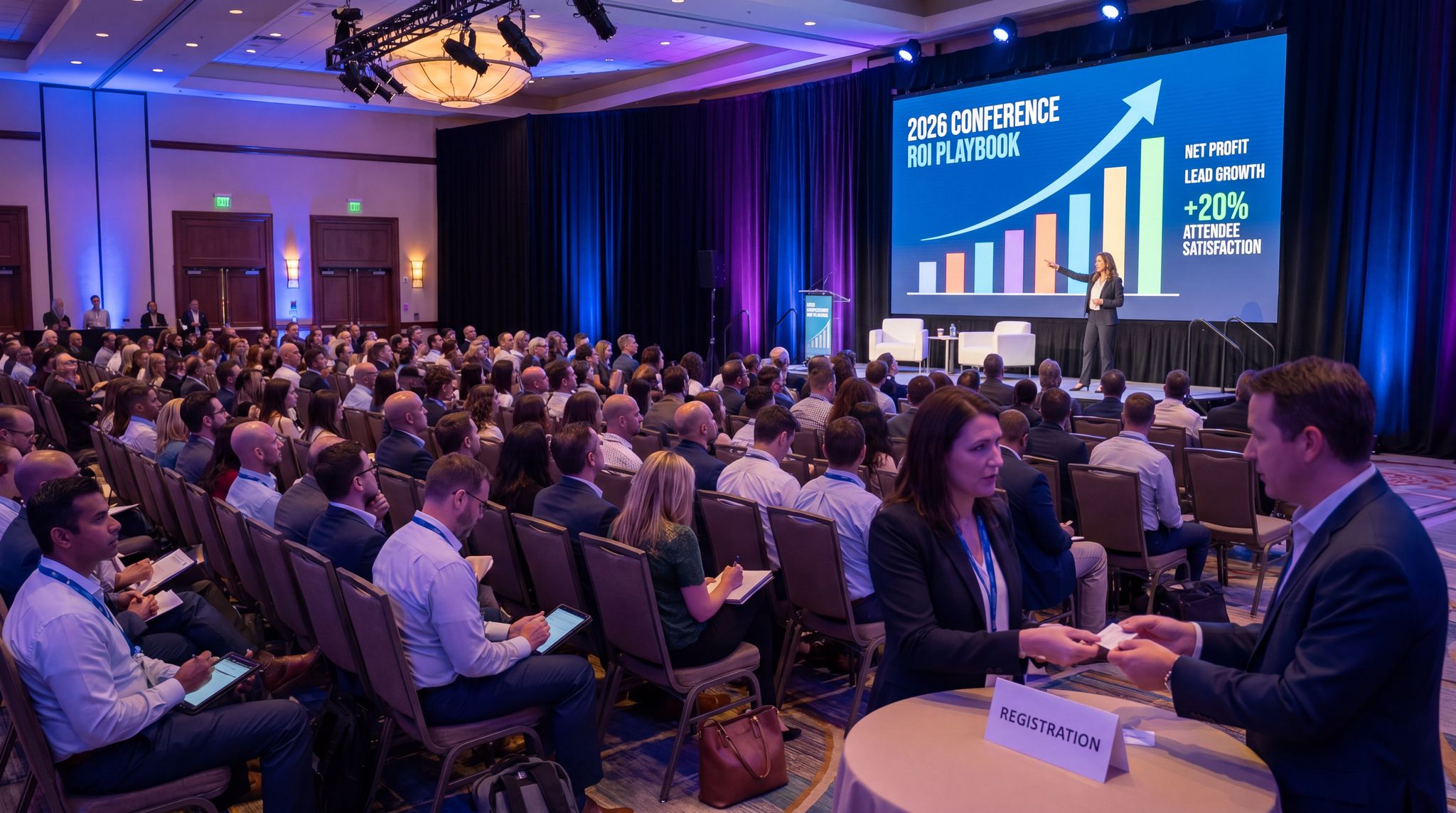
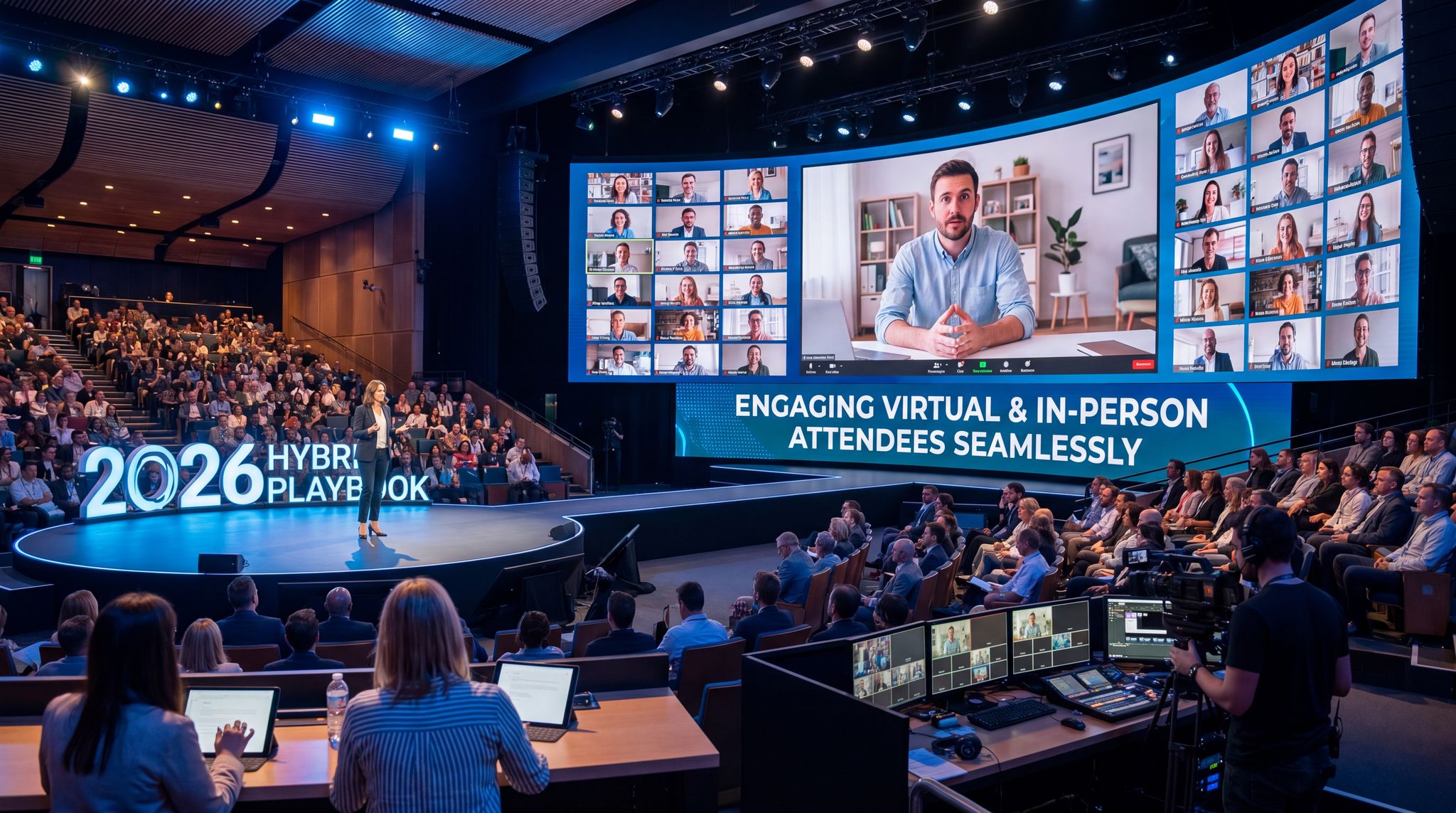
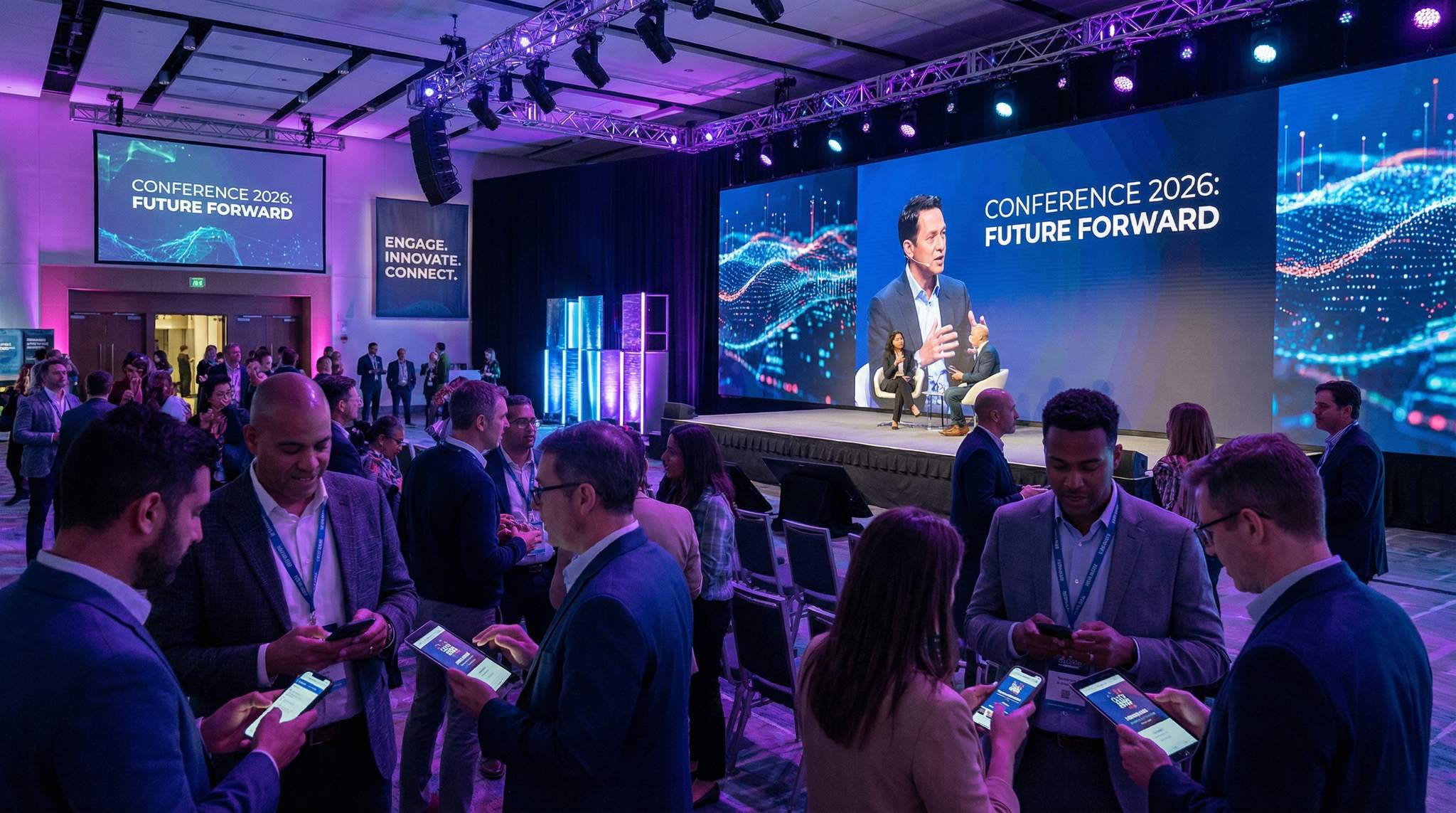
Promotion is key to a successful conference, no matter the type or scale of the event. Whether it’s a niche symposium or a large-scale international summit, you need to get the word out effectively to reach your target audience. In fact, 78% of organizers say in-person events are their most impactful marketing channel – meaning a strong event marketing plan can build trust in your brand, spark curiosity about your conference, and ultimately boost ticket sales. Modern conference promoters are also expanding their toolkit – the average organizer now uses around nine different marketing channels to reach potential attendees across various platforms, from email and social media to community partnerships. With competition for attendees’ attention higher than ever, it’s critical to utilize multiple strategies in a cohesive way.
The first step in effective promotion is to understand your target audience at a deep level and leverage the aspects of your conference that will most appeal to them. Conduct research into your potential attendees’ demographics, professional interests, and pain points. Highlighting what truly catches your audience’s attention from the get-go remains the best foot-in-the-door strategy to hook prospective attendees onto your event. Once you’ve identified why your conference would excite them – be it a cutting-edge topic, a famous speaker, or unique networking opportunities – emphasize those elements in every marketing message.
After you’ve defined your audience and grabbed their initial interest, it’s time to ramp up promotion. Consider which marketing channels and tactics will best deliver your message to that audience. For example, a tech startup conference might lean into LinkedIn and Twitter for professional outreach, whereas a fan-centric convention might focus on Instagram, YouTube, or TikTok for visual content. Always keep in mind the context in which your conference exists – industry trends, current events, and audience preferences – so you can choose promotion strategies that fit and resonate. Fortunately, there are a number of proven ways to effectively promote your conference. In this article, we’ll detail five of the best strategies (with fresh 2025–2026 insights) to help you maximize your conference promotions and drive strong attendance.
Turn Fans Into Your Marketing Team
Ticket Fairy's built-in referral rewards system incentivizes attendees to share your event, delivering 15-25% sales boosts and 30x ROI vs paid ads.
How to Market a Conference
Mastering how to market a conference requires a strategic blend of early planning, clear audience segmentation, and a diversified promotional mix. Before diving into specific tactics, organizers must establish a comprehensive marketing timeline—often beginning six to nine months prior to the event—and allocate a budget that balances organic outreach with paid advertising. A successful framework relies on building anticipation through phased announcements, ensuring every promotional channel works cohesively to drive registrations and elevate the event’s industry authority.
If you find yourself needing help promoting a conference, you are not alone. Many organizing teams partner with specialized event marketing agencies or utilize advanced ticketing platforms that offer built-in promotional tools. When exploring how to market conferences effectively, leveraging external expertise can streamline your efforts, especially for complex campaigns like multi-channel advertising or affiliate programs. A dedicated focus on conference attendance promotion—such as offering group registration discounts or early-bird referral incentives—can provide the necessary momentum to hit your registration goals early in the planning cycle.
Ready to Sell Tickets?
Create professional event pages with built-in payment processing, marketing tools, and real-time analytics.
Building a Timeline to Promote Your Conference
When mapping out exactly how to promote your conference, timing is just as critical as the tactics you choose. A standard conference promotion cycle should be broken down into distinct phases to maintain momentum. During the pre-launch phase (six to twelve months out), focus on “save the date” teasers, securing early commitments from sponsors, and building your email list. As you move into the active launch phase, your strategy to promote the event should shift toward early-bird pricing incentives and major keynote announcements. Finally, the closing phase (the last 30 to 60 days) is when you deploy urgency-driven marketing, retargeting ads, and last-minute referral pushes to capture late registrants.
Leverage Your Conference’s Keynote Speakers
Keynote speakers and panel headliners aren’t just the main attraction at your conference – selecting captivating keynote speakers can also be powerful promotional assets. A well-known keynote or industry leader on your roster can draw buzz and lend credibility to your event. Harness their brand value and built-in audience by turning them into ambassadors for your conference. For example, coordinate with your speakers to have them announce their participation on their own social media channels or professional networks. A brief LinkedIn post or tweet from a respected speaker – or a short video invite from them – can introduce your event to thousands of followers who might not otherwise hear about it. In our experience, simply revealing a high-profile speaker lineup can spark an instant spike in website visits and early ticket sales as fans and industry peers take notice.
Invite your speakers to contribute to pre-event content that boosts awareness. This could include guest blog posts, interviews, or even podcasts related to their area of expertise. Some conferences create a mini podcast series or YouTube interview segment featuring conversations with keynote speakers – offering valuable insights and teasers of what they’ll discuss at the event. Not only does this provide rich content to attract potential attendees, it also allows the speakers to share something with their followers, naturally extending your promotional reach. Leverage each speaker’s network and contacts for further outreach: ask if they’ll mention the event in their email newsletters or community groups, or provide them with a custom discount code or referral link to share with their audience (so you can track the traffic and ticket sales they generate).
Pro Tip: Make it easy for your speakers to promote the event. Provide them with a media kit including ready-made social media graphics, draft posts or email text they can personalize, and an event hashtag. Busy industry leaders will be more likely to give your conference a shout-out if you’ve done the legwork for them.
Remember, your speakers are often the “main characters” of the conference – people buy tickets specifically to hear their insights. So, think about all the angles that would get your target audience excited about these personalities. Are they tackling a hot industry trend or unveiling new research at your event? Highlight that in your marketing. If a speaker has a huge following in Europe and your conference is in the US, mention that this is a rare chance to see them stateside. By spotlighting what makes each speaker special, you tap into existing fanbases and build greater interest.
Also consider collaborating with influencers and industry partners beyond your formal speakers. In the age of social media, partnering with creators and influencers that actually convert can amplify your event’s reach far beyond traditional advertising. For instance, you might invite a respected blogger, YouTuber, or podcast host in your field to be an event ambassador. They could do an exclusive preview (“5 Reasons I’m Excited for XYZ Conference”) or host a live stream during the conference. These partnerships should aim for more than just buzz – the most effective influencer campaigns actually convert followers into ticket buyers. Choose individuals whose audience aligns tightly with your conference niche, because relevance is more important than sheer follower counts. Remember that 92% of consumers trust recommendations from individuals (like influencers or peers) over brand messages – making working with influencers a highly effective strategy – so a genuine endorsement from the right person can dramatically boost trust and interest in your event.
Grow Your Events
Leverage referral marketing, social sharing incentives, and audience insights to sell more tickets.
Target Your Audience Through Data-Driven Social Media Campaigns
In 2026, social media remains one of the most effective ways to reach potential attendees where they already are. But cutting through the noise requires a targeted, data-driven approach. Implementing organic social media campaign strategies starts by identifying the key demographics and psychographics of your target audience. Who are your ideal attendees – executives on LinkedIn, young professionals on Instagram, researchers on Twitter (now X), or perhaps creatives on TikTok? By pinpointing their age range, job roles, interests, and online habits, you can narrow down which platforms to focus on and tailor messages that resonate. When evaluating potential influencer partners, look beyond follower count to ensure alignment with these demographics.
Craft a campaign that speaks directly to those people. Use each platform’s targeting tools to your advantage: for example, Facebook and Instagram allow you to target ads to users by industry, location, or interests (like “conference & events” or specific topics related to your event). LinkedIn is extremely useful for reaching people by job title or membership in relevant professional groups. If your conference is international, don’t forget to localize ads or posts (you might run a targeted campaign for the Asia-Pacific region if you’re hoping to attract attendees there, adjusting time zones and language accordingly). The more your social media content feels personally relevant to the viewer, the more likely they’ll engage and eventually register.
When executing your campaigns, plan a diverse content mix that will stand out on social feeds. Mix short videos, eye-catching graphics, polls, and informative posts. For instance, share a 30-second hype video of previous conference highlights or a behind-the-scenes clip of your team preparing for this year’s event. Visual content tends to grab attention as people scroll. Also consider hosting interactive elements like a live Q&A session on Instagram or Twitter Spaces with one of your speakers, or a countdown contest/giveaway (“Free swag to one lucky person who shares this post!”). These tactics not only increase engagement but also spread your reach as followers like, comment, and share your content.
However, before you dive in, make sure you have a strategy for analyzing the data. Social platforms provide rich analytics – monitor which posts or ads get the most clicks, shares, and conversions (ticket purchases or sign-ups). This real-time feedback is gold: if you see that video testimonials from past attendees get double the engagement of static images, you might shift more budget into video. Or if you notice your LinkedIn ad is driving a lot of traffic but few registrations, it may indicate your landing page needs improvement or your targeting needs tweaking. Many organizers run A/B tests on social ads (varying the imagery or headline) to learn what works best. Use these insights to continually refine your campaign approach in the weeks leading up to the conference.
Grow Your Social Following With Every Sale
Require social media follows, shares, or playlist adds to unlock presale access or special pricing. Turn every ticket purchase into audience growth.
One recent example underscores how impactful a smart social strategy can be: a regional business conference managed to boost attendance by 300% year-over-year after implementing a comprehensive social media marketing plan. They had struggled with declining participation for three years, but by revamping their approach – focusing on the right platforms for their audience and consistently engaging content – they saw a huge turnaround. The takeaway? A targeted social campaign can dramatically increase visibility and interest, even for events that previously flew under the radar.
Pro Tip: Develop an official event hashtag and start using it early. Encourage speakers, sponsors, and interested attendees to use the hashtag when posting about the conference. This not only aggregates the conversation, making it easy for others to follow along, but also creates a sense of community and FOMO (fear of missing out) around your event.
Warning: Don’t spread yourself too thin by trying to maintain a presence on every social platform. It’s better to focus on the 2–3 channels where your target attendees are most active and deliver consistent, quality content there. A dormant or poorly managed account can hurt your credibility, so choose your platforms wisely and keep the messaging and branding consistent across all of them.
How to Advertise Your Conference with Paid Media
While organic reach is foundational, knowing exactly how to advertise your conference through paid channels is what often scales attendance from hundreds to thousands. A robust paid media strategy should encompass search engine marketing (SEM), programmatic display ads, and targeted social media advertising. For B2B events, LinkedIn Ads offer unparalleled precision, allowing organizers to target specific job titles, company sizes, and industry sectors. Meanwhile, Google Ads can capture high-intent search traffic from professionals actively looking for industry summits or networking opportunities in your niche.
Beyond digital platforms, consider allocating ad spend toward industry-specific trade publications, newsletters, and podcast sponsorships. When you advertise a conference in highly specialized B2B media, you bypass the noise of general social networks and speak directly to qualified leads. To maximize your return on ad spend (ROAS), implement strong retargeting pixels on your event website. This ensures that visitors who browse your speaker lineup or ticketing page but don’t immediately convert are served compelling reminder ads across the web, gently nudging them back to complete their registration.
Develop an Email Marketing Campaign
Email marketing requires distinct strategies for conference promotion, especially for reaching people who have already shown interest or fit your target profile. In fact, 94% of event teams consider pre-event email marketing their most important content channel, according to Bizzabo’s 2024 event marketing statistics), which isn’t surprising – a well-crafted email lands directly in someone’s inbox, a space far more personal than a social feed. To get the most out of email, start by building an accurate and up-to-date list of prospects. This list might include past attendees, newsletter subscribers, members of partner associations, and leads gathered from your other marketing efforts. Segment your email list into groups based on meaningful factors such as job title, industry, geographic location, and targeting multiple fandom touchpoints. Segmentation is crucial: it allows you to tailor your messaging to each group so that recipients receive content that speaks to their interests.
Data-Driven Event Marketing
Track ticket sales, demographics, marketing ROI, and social reach in real time. Exportable reports give you the insights to make smarter decisions.
For example, you might craft one email version highlighting advanced technical workshops for an audience segment of engineers, while your C-suite segment gets an email emphasizing high-level keynote talks and VIP networking sessions. If someone attended your conference in the past, acknowledge that (“Since you joined us in 2024, we thought you’d appreciate this update…”) and perhaps offer a loyalty discount for 2026. New prospects, on the other hand, might receive an email focusing on what makes the conference unique and a special “new attendee” promotion. Personalization is key – use the recipient’s name and, if possible, mention their company or industry to grab their attention. According to industry data, personalized subject lines and content can significantly improve open rates and click-through rates, because people feel the email is speaking directly to them rather than a blast to a generic list.
Of course, even the best email content won’t help if nobody opens the message. Spend time writing effective subject lines that are intriguing and concise – for instance, “[Conference Name]: 3 Can’t-Miss Sessions for Finance Professionals” is specific and piques interest more than a generic “Join us at [Conference]”. A/B test different subject line styles (perhaps one that emphasizes a problem your event solves, and another that touts a big-name speaker) to a small subset of your list and see which gets a better open rate. Once your emails are opened, make sure the copy is compelling and clear. Keep paragraphs brief and scannable; use bullet points or bold highlights for key info like dates, early-bird deadlines, or headliner speakers. And always include a prominent call-to-action (CTA) button or link – e.g., “Register Now” or “Save My Seat” – preferably in multiple places (mid-email and at the end) so it’s easy for an excited reader to convert immediately.

Image via The Conference Board
Be mindful of frequency and timing. It’s important to avoid the temptation to spam your prospects. A well-timed email once a week or at key milestones (launch, “30 days out” reminder, final schedule announcement, last-call before tickets sell out, etc.) will perform better than bombarding people daily with repetitive messages. Studies show that too many emails can cause recipients to tune out or unsubscribe, eroding the trust you’ve built. Try to send emails at optimal times (depending on your audience, mid-morning on a Tuesday or Wednesday often yields good open rates, but use your past data to guide you). Additionally, design your emails to be visually appealing and on-brand. Incorporate a few images – perhaps photos of past events or speakers – and use a clean, mobile-friendly template. Many attendees will read on their phone, so make sure the key info and CTA are immediately visible without excessive scrolling.
To elevate your conference email marketing strategy further, consider implementing targeted re-engagement workflows. For instance, if a prospective attendee clicks on a registration link but abandons the checkout process, an automated follow-up email offering a limited-time discount or highlighting a newly added keynote can recover that lost sale. Effective conference promotion relies on these micro-conversions. Additionally, dedicated sponsor highlight emails can add value to your B2B partnerships while showing attendees the high-caliber brands they will interact with on the exhibit floor. By treating your email list as a dynamic community rather than a static broadcast channel, you ensure your messaging remains a top driver of ticket sales.
Pro Tip: Take advantage of automation tools in your email platform. Set up a welcome email that instantly goes out when someone joins your mailing list (thanking them and perhaps offering a first-time discount code). You can also automate a sequence: for example, if someone clicks the “Learn More” link about a workshop in your first email, trigger a follow-up email a week later highlighting that specific workshop or related content. Automated nurture sequences can keep potential attendees engaged leading up to the conference, without manual effort on your part.
Warning: Resist the urge to “blast” your entire list with every update. Sending irrelevant emails to segments (or too many emails overall) can lead to high unsubscribe rates and annoyed contacts. Always ask yourself if a particular update genuinely applies to the whole list or just a portion. For instance, details about a local meetup during the conference might only go to attendees in that city. By respecting your audience’s inbox and time, you’ll maintain trust – which pays off when the final reminder email and call-to-action hits their inbox right before the event.
Create and Distribute a Press Release
In an era dominated by digital marketing, press releases may sound old-school – but they remain a highly effective way to gain credible, widespread exposure for your conference. When you have a newsworthy announcement (e.g. a superstar keynote, a groundbreaking panel topic, a new research report being unveiled, or an innovative event format), crafting a professional press release can catch the attention of journalists, bloggers, and industry outlets that reach tens of thousands of potential attendees. The key is to angle your press release as a story or important news, rather than an advertisement.
Start by deciding which media outlets and platforms you want to target. Look for publications that cover your industry or the theme of your conference – for example, if you’re organizing a FinTech conference, fintech industry blogs, business magazines, and tech news sites are prime targets. Don’t forget local media in your event’s host city as well, especially if the conference could impact the local community or economy (local news loves stories about big events coming to town). There are also press release distribution services that can push your news to dozens of outlets at once, but a personalized approach often yields better quality coverage. If you have connections with specific journalists who have written about similar conferences or topics, reach out to them directly with your release and a brief personal note.
When writing the press release, craft a clear and compelling headline that would make even a casual reader take notice. It should highlight the most exciting or newsworthy element of your event – for instance, “Global Tech Leaders to Debate AI Ethics at 2026 Innovators Conference” is concrete and intriguing. In the body of the release, cover the essential information early (the classic who, what, when, where, and why). Explain what the conference is about and why it matters now. Perhaps the event addresses a timely challenge in the industry, or it’s the first conference of its kind in the region, or it’s featuring a once-in-a-lifetime gathering of experts – whatever sets it apart, make sure that’s communicated.
Including a quote or two can add human interest and credibility. You might have a quote from the conference organizer about the vision of the event, or a quote from a confirmed keynote speaker expressing their excitement about participating. Journalists often pull quotes directly from press releases when they write articles, so make sure any included quote is insightful and adds value (not just “We are excited to have great speakers!” but perhaps something like “With climate tech investments at an all-time high, this conference will give attendees practical insights from those leading the charge,” said [Name], [Title]). Keep the tone factual and professional – a press release should read like news, not a marketing brochure.
Make it easy for media to cover your story by providing a media kit link or additional resources. This might include high-resolution photos (of speakers, previous events, etc.), logos, or even short video clips that TV or web outlets can use. Also provide contact information for your media/PR representative who can promptly answer any follow-up questions.
Smart Promo Codes & Presale Access
Create percentage or flat-rate discount codes with usage limits, date ranges, and ticket type restrictions. Plus unlock codes for private presales.
Once your press release is written, distribute it at the right time. Sending it 6–8 weeks before the conference can be ideal for monthly industry magazines or sites with longer lead times, whereas news sites and blogs might prefer 2–3 weeks out when the news feels more immediate. You can do a second round of press outreach closer to the event if you have a new angle (e.g., “Conference Sells Out Capacity” or “Additional keynote added due to high demand”). Make sure to also post the press release on your own channels – a news section on your conference website and your LinkedIn page, for example, so that it’s indexed online and accessible to anyone seeking info about your event.
For a step-by-step tutorial on crafting effective press releases, check out our detailed guide to writing killer press releases. It covers everything from headline formulas to distribution tips, which can be very handy if you’re new to PR or looking to refresh your skills.
Pro Tip: When pitching your press release to individual journalists or bloggers, tailor your outreach. Mention something specific you appreciate about their past coverage (“I loved your piece on emerging tech conferences last month…”), and explain why your story would interest their readers now. A little personalization can make your announcement stand out in a reporter’s crowded inbox and increase the likelihood of coverage.
Optimize Your Conference’s Event Website
Last but certainly not least: ensure your event’s website or landing page is fully optimized. In many cases, your website will be the primary place people go to learn about the conference and decide whether to buy a ticket – so it needs to perform well in search engines and provide an excellent user experience. Utilizing SEO strategies that impact event promotion is essential for maximizing visibility in search engine results pages (SERPs). This means doing some keyword research to identify what terms your target audience might search for when looking for events or content like yours. For example, if you’re organizing the “2026 HealthTech Summit,” relevant keywords could include “health technology conference 2026,” “digital health events,” or specific topics from your agenda like “AI in healthcare forum.” Incorporate these keywords naturally into your site’s titles, headings, and descriptions so that search engines can easily tell your page is relevant to those queries.
Keep your website content up to date and informative. At minimum, your event site should clearly list the dates, location (or virtual platform details), ticket information/pricing, and an overview of the agenda or themes. As speakers, sponsors, or special activities get confirmed, update the site promptly – this not only helps entice potential attendees with new announcements, but also signals to Google that your content is fresh (which can slightly boost SEO). Create dedicated pages for key aspects of the conference: e.g., a page listing all speakers with bios and photos, a schedule page, a FAQ page for common attendee questions, and perhaps a blog or news page for ongoing updates. The longer visitors stay on your site reading valuable info, the better your engagement metrics – which can further improve search rankings and conversion rates.
Your site’s user experience (UX) plays a huge role in converting an interested visitor into a registered attendee. Make sure the site is mobile-friendly and loads quickly; a slow or glitchy site will drive people away in frustration. Place clear calls-to-action (“Register Now”, “Buy Tickets”) prominently – usually in the top menu and again mid-page – so that once someone decides they’re interested, the next step is obvious. It’s a good idea to embed social proof on the site as well, such as testimonials from past attendees or logos of companies that will be present, to build trust with newcomers. If you have photos or a highlight reel from last year’s event, include those to give a taste of the experience. All these elements can reassure visitors that your conference is worthwhile and professionally run.
Built-In Email Marketing for Events
Send targeted campaigns, automated purchase confirmations, and post-event follow-ups directly from your ticketing dashboard.
To boost your site’s reach, consider posting regular content related to your conference topics. This is essentially content marketing to highlight your speakers and topics – for instance, publish brief Q&A articles with your keynote speakers discussing the conference theme, or blog posts that dive into a hot issue that will be addressed at the event. Not only do these pieces provide extra material to attract search traffic (someone searching for “AI in healthcare trends 2026” might stumble upon your blog post and then learn about your conference), they also give you more to share on social media and in emails. Additionally, such content positions your team (and by extension, your event) as knowledgeable and up-to-date, enhancing your authority in the eyes of both Google and potential attendees.
Behind the scenes, pay attention to technical SEO details: ensure each page has a unique meta title and description that incorporate your keywords and entice clicks (“Join Europe’s Largest HealthTech Summit – March 2026 – Featuring 50+ Industry Leaders”, for example, as a meta title). Use schema markup for events – a type of structured data that tells search engines details like event name, date, location, and ticket prices in a standardized format. Implementing structured data for Event schema on your site can sometimes make your event appear with rich details (date, venue, etc.) right on the search results page, which can dramatically increase click-through rates. If this sounds too technical, your web developer or platform should be able to help – it’s a one-time effort that can pay dividends in visibility.
Finally, don’t forget to integrate your website with your broader marketing efforts. For instance, if you’re running Google Ads or social media ads, ensure they link to a relevant landing page on your site that mirrors the ad’s message (if the ad promises “Learn about the future of AI in healthcare”, the landing page should showcase that topic and related conference details). Set up analytics (Google Analytics or similar) to track where your site traffic is coming from and which pages lead to the most ticket purchases. If you notice, say, that a lot of visitors drop off on the pricing page, that could indicate confusion or second thoughts – maybe you need to clarify the value or add an early-bird discount timer to create urgency. Use data to continuously improve the site experience.
By optimizing your conference website for search engines and users alike, you ensure that all your promotional efforts (social, email, PR, etc.) have a strong destination to send people to – one that convinces them to take the final step and register.
Innovative Conference Marketing Ideas to Stand Out
When brainstorming fresh conference marketing ideas, organizers must look beyond traditional channels to capture attendee attention. One highly effective tactic for marketing a conference is hosting pre-event micro-gatherings or virtual roundtables. These smaller, exclusive sessions give prospective delegates a taste of the high-level networking and content they can expect at the main event. Additionally, consider gamifying the registration process. Offering tiered rewards—such as VIP seating, exclusive speaker meet-and-greets, or branded merchandise—for early sign-ups or group bookings can create organic urgency.
Another powerful approach to marketing for conferences involves user-generated content (UGC). Encourage past attendees to share their biggest takeaways or favorite moments using a dedicated hashtag, and feature these stories prominently on your landing pages. When executing marketing at conferences themselves, don’t forget that the live event is your best promotional tool for the following year. Capture high-quality video testimonials, behind-the-scenes footage, and dynamic stage shots to fuel your future campaigns. By continuously testing new promotional concepts, you ensure your event remains relevant and highly anticipated year after year.
Free Tool: Will the Room Actually Be Full?
Forecasts expected attendance from ticket type, event type and day of week. Calculates safe over-book count for free-RSVP events. Free estimator.
Bonus Strategy: Utilize Affiliate and Referral Programs
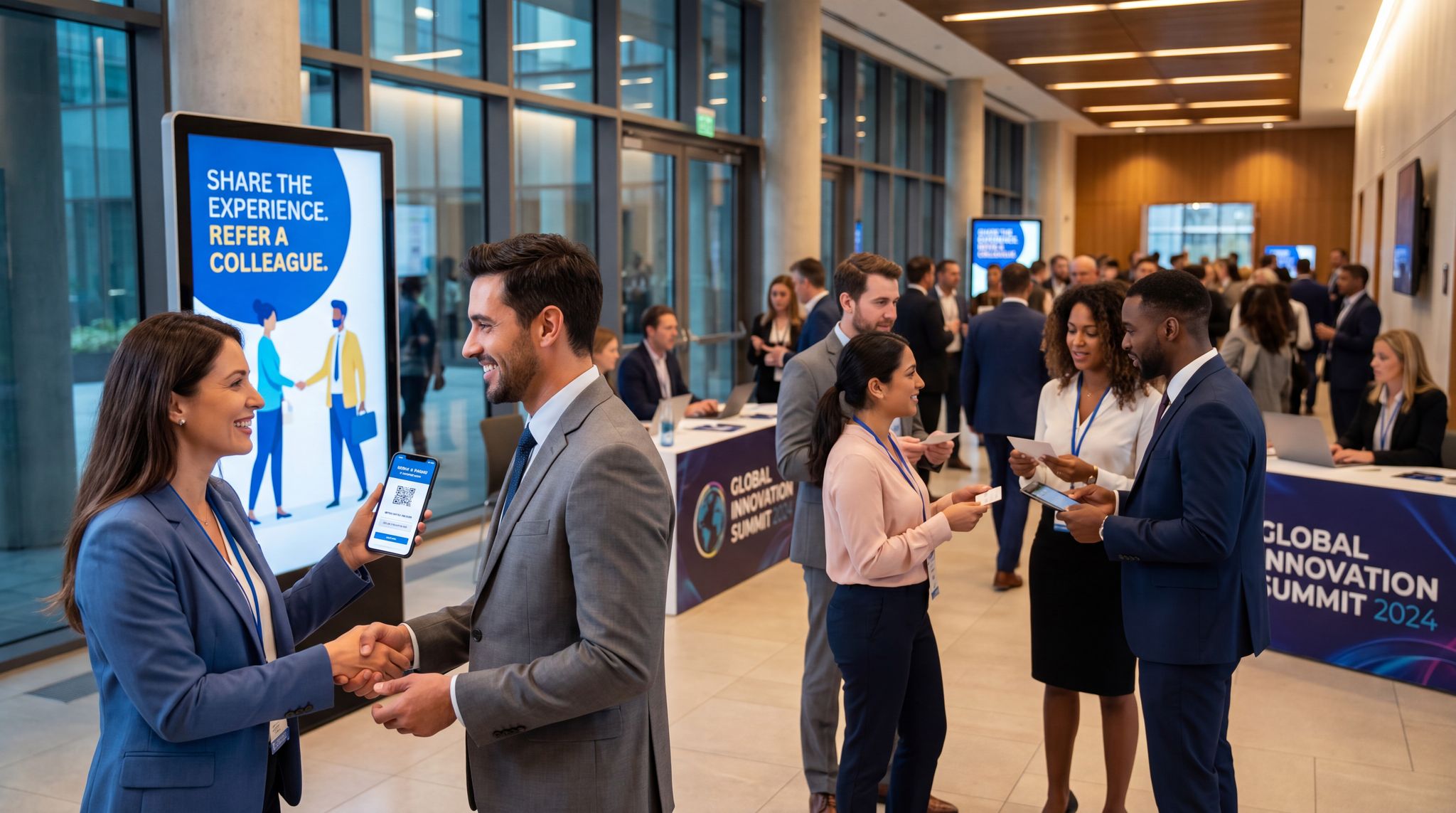
If you are still looking for hands-on help promoting a conference, turning your existing attendees and partners into a dedicated sales force is an incredibly effective supplementary tactic. Implementing an affiliate or referral program incentivizes your network to drive registrations on your behalf. By offering a percentage of the ticket sale or a flat-rate commission, you empower industry bloggers, past delegates, and sponsors to actively share your event link. This peer-to-peer approach to promoting a conference not only expands your reach into niche communities but also significantly lowers your customer acquisition cost. Advanced ticketing platforms often feature built-in tools to automate these referral payouts, making it seamless to scale your conference promotion efforts without adding administrative overhead to your team.
Final Thoughts
Promoting a conference can be a daunting task for event organizers and promoters, especially in today’s competitive events landscape – but it doesn’t have to be. By leveraging your keynote speakers and industry influencers, targeting your audience through savvy social media campaigns, developing personalized email outreach, securing press coverage, and optimizing your event website, you’ll be hitting all the crucial touchpoints needed to raise awareness and drive demand. These strategies work best in concert: the multi-channel approach reinforces your message and keeps your conference on potential attendees’ radar from different angles. Remember to monitor your results (opens, clicks, shares, ticket sales per channel) and be ready to iterate – effective marketing is as much about responsiveness as planning.
Above all, stay focused on the value your conference delivers. If you communicate clearly how attending will benefit someone – whether it’s learning new skills, meeting experts, or gaining inspiration – and you back that up with consistent, authentic promotion, you will earn the trust and interest of your audience. With the right mix of experience-driven insights and data-driven tactics, you can fill those seats and create a vibrant, well-attended conference. Good luck, and happy promoting!
Frequently Asked Questions
What are the best strategies to promote a conference in 2026?
The top five strategies for promoting a conference include leveraging keynote speakers as ambassadors, utilizing data-driven social media campaigns, implementing personalized email marketing, distributing newsworthy press releases, and optimizing the event website with SEO. Organizers typically use around nine different channels to maximize visibility and ticket sales.
How can keynote speakers help market a conference?
Keynote speakers serve as powerful promotional assets by acting as event ambassadors. They can announce participation on social media, contribute to guest blogs or podcasts, and share custom discount codes with their followers. This strategy taps into their built-in credibility and audience, often sparking instant spikes in website visits.
How do you create an effective social media campaign for an event?
Effective social media campaigns rely on identifying target audience demographics to choose the right platforms, such as LinkedIn for executives or TikTok for creatives. Organizers should plan a diverse content mix including videos and polls, use specific targeting tools, and analyze data to refine strategies. Using an official event hashtag also aggregates conversation.
Why is email marketing important for conference promotion?
Email marketing is considered the most important content channel by 94% of event teams because it lands directly in a personal inbox. Success comes from segmenting lists by job title or industry to deliver personalized messaging. Automated nurture sequences and clear calls-to-action drive registrations more effectively than generic blasts.
When should a press release be sent for a conference?
Press releases should ideally be distributed 6–8 weeks before the conference for monthly industry magazines or 2–3 weeks prior for news sites and blogs. The release must highlight newsworthy elements like superstar keynotes or groundbreaking topics and include a compelling headline to catch the attention of journalists and potential attendees.
How can I optimize my conference website for SEO?
Optimizing a conference website involves incorporating relevant keywords into titles and headings while ensuring content like speaker bios and agendas remains current. Implementing structured data for Event schema allows search engines to display rich details like dates and venues directly in results, significantly improving click-through rates and visibility.
What is the ideal timeline when planning how to market a conference?
When determining how to market a conference, organizers should ideally launch their promotional timeline six to nine months in advance. This allows for phased marketing efforts, starting with “save the date” announcements and early-bird ticket sales, followed by speaker reveals, and culminating in targeted urgency campaigns as the event date approaches.
Where can organizers find help promoting a conference?
Organizers seeking help with conference promotion can partner with specialized event marketing agencies, hire freelance digital strategists, or utilize ticketing platforms that feature built-in marketing and affiliate tools. Leveraging these external resources allows your internal team to focus on logistics while experts handle targeted advertising and audience acquisition.
How do referral programs assist in promoting a conference?
Referral programs provide scalable help promoting a conference by incentivizing past attendees, sponsors, and industry partners to share your event with their networks. By offering commissions or discounts for every ticket sold through a unique tracking link, organizers can organically expand their conference promotion reach and drive higher attendance with minimal upfront marketing costs.
What is the most cost-effective way to promote your conference?
For organizers working with strict budgets, the most cost-effective way to promote your conference is by leveraging organic partnerships and word-of-mouth marketing. Empowering your speakers, sponsors, and early registrants to share the event with their networks acts as free, highly targeted advertising. Additionally, utilizing targeted email segmentation and maximizing SEO on your event website yield high returns on investment without requiring massive ad spend.
What are some creative conference marketing ideas?
Innovative conference marketing ideas include hosting pre-event virtual roundtables to tease content, gamifying the registration process with tiered rewards, and leveraging user-generated content from past attendees. Additionally, capturing high-quality video testimonials during the live event provides excellent material for marketing future conferences.
What are the best practices for conference email marketing?
Successful conference email marketing relies on strict audience segmentation, personalized messaging, and automated drip campaigns. Organizers should avoid generic blasts, opting instead to send tailored content—such as technical workshop details for engineers or VIP networking invites for executives. Utilizing automated workflows for abandoned registrations and welcome sequences is also highly effective for driving ticket sales.
What are the most effective channels to advertise your conference?
To effectively advertise your conference, organizers should utilize a mix of paid search (SEM), targeted social media ads (especially LinkedIn for B2B events), and programmatic retargeting. Additionally, sponsoring industry-specific newsletters, podcasts, and trade publications ensures your ad spend reaches a highly qualified, niche audience.