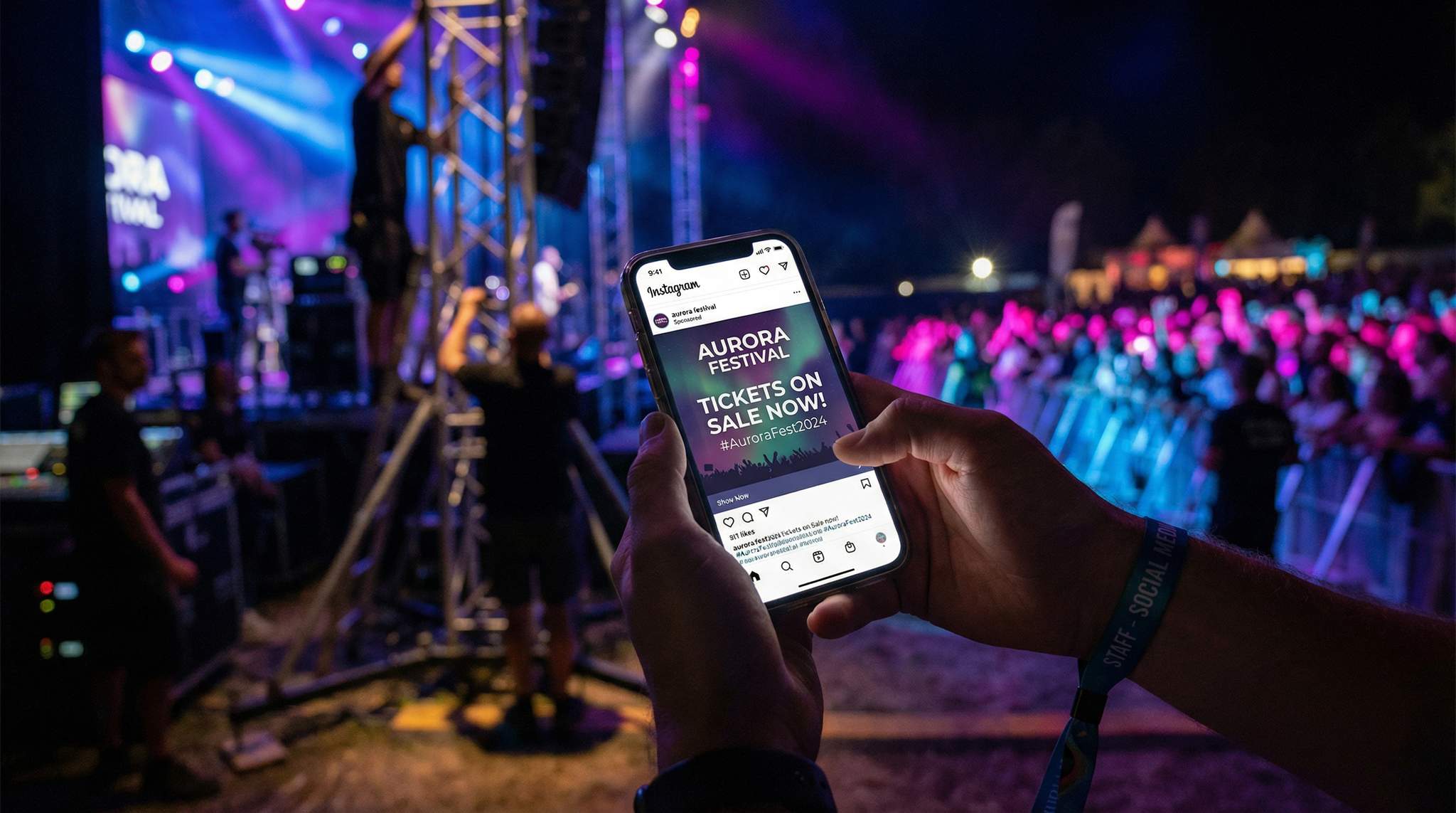
For event organizers and promoters, one of the most crucial aspects of marketing an event today is leveraging social media. With billions of users across platforms like Instagram, Facebook, X (formerly Twitter), YouTube, and TikTok, a strong social media campaign can massively amplify your event’s reach for a fraction of the cost of traditional advertising. In fact, reports indicate that as of 2026, more than two-thirds of the world’s population uses social media in some form. This makes social networks an inexpensive and accessible tool to get the word out – if you use the right strategies.
A good social media campaign is vital whether you’re promoting a local concert or a large-scale festival. Over half of global ticket buyers now discover events online, and social channels are often the first touchpoint. According to industry surveys, 58% of event sign-ups happen after promotions from brands and influencers on social media – underscoring how posts, ads, and shares directly drive ticket sales. If you’re here, you likely already recognize the importance of social media in your overall marketing mix, or you’re putting together a comprehensive marketing plan and wondering how much focus to give social media. Ultimately, your goal is ticket sales and a successful event, and a well-crafted social media campaign can be the engine that powers those outcomes.
In this article, we’ll walk you through the basics of a strong social media campaign, with 10 essential tips and actionable ideas to consider as you draft your event’s social media marketing plan. From timing your campaign just right to leveraging influencers and live content, these strategies will help boost engagement and, ultimately, ticket sales. Let’s dive into how to create a winning social media marketing campaign for your event.

Turn Fans Into Your Marketing Team
Ticket Fairy's built-in referral rewards system incentivizes attendees to share your event, delivering 15-25% sales boosts and 30x ROI vs paid ads.
What is a social media marketing campaign?
Simply put, a social media marketing campaign for an event is a planned series of posts, ads, and engagement tactics executed over a set timeframe to promote the event. It’s more than just sporadic posting – it’s a coordinated content calendar designed to build awareness, engage your target audience, and drive action (like ticket purchases or RSVPs) before, during, and even after the event. For some organizers this campaign plan might live in a detailed spreadsheet or project management tool, outlining each post’s date, platform, and content. For others, it could be a set of shared documents and media folders accessible to the whole team.
However you organize it, it’s important to know all the moving parts of your event’s social media campaign before you begin scheduling. This includes understanding your messaging, visual style, posting frequency, advertising budget, and roles for each team member. Think of it as your event’s digital playbook: it covers everything from the “save the date” teaser posts to the last thank-you message after the event wraps up. Having this playbook defined in advance ensures that every social media action is deliberate and on-brand. It also allows you to track progress and adjust as needed – for example, if you notice one type of content performing better, you can pivot your plan to include more of it.
Ready to Sell Tickets?
Create professional event pages with built-in payment processing, marketing tools, and real-time analytics.
In practical terms, your social media marketing campaign might include elements like an official event hashtag, a series of countdown posts, teaser videos, influencer collaborations, contests, live streams, and post-event highlight reels. Each piece should fit together to tell the story of your event and excite your audience enough that they not only buy tickets but also share their excitement with friends online. A well-structured campaign doesn’t just happen on the fly – it’s crafted with clear objectives and a schedule that builds momentum as the event date approaches.
Why does your event need a social media marketing campaign?
If your target attendees are in the 18–35 age range (or frankly, almost any age up to 65 these days), social media is where you’ll find them. As opposed to offline marketing, social media marketing can be extremely cost-effective – if you use the tools right. For example, Instagram offers detailed audience analytics (age, gender, location, online times) that help you understand who’s interested in your event. Platforms like Facebook and TikTok allow highly specific ad targeting so you spend money only reaching relevant people. Meanwhile, X (Twitter’s new moniker) remains a versatile channel to spark conversations and real-time buzz. A single viral tweet or trending hashtag about your event can create the kind of word-of-mouth hype that money can’t easily buy.
Cost-effectiveness is another big draw. A small budget for a promoted post on Instagram or a short video ad on TikTok can reach tens of thousands of eyeballs – something that would require a hefty spend in print or TV. Plus, organic (unpaid) social media posts, when done well, can snowball into massive exposure through shares. For instance, a UK music festival’s promoter noted that a single fan-created TikTok about the festival amassed over 1 million views at no expense to the organizers. This kind of organic virality is unique to social media and can significantly boost your event’s profile.
Additionally, with targeted advertising and strategic collaborations, event organizers can not only bring in new ticket buyers but also keep the buzz going long after tickets are sold. By engaging your attendees online during and after the event, you turn ticket buyers into an online community. They’ll share their experiences, post photos or videos from your event, and stay tuned for your next announcement. This retention of an engaged audience is gold for promoters – it means easier marketing of future events because you’ve already got an army of fans listening. Understanding these nuances is crucial, which is why learning how audience demographics help event promoters create effective campaigns is a vital step in your strategy.
Data-Driven Event Marketing
Track ticket sales, demographics, marketing ROI, and social reach in real time. Exportable reports give you the insights to make smarter decisions.
In a nutshell, a social media campaign lets you find and engage an audience before, during, and after your event. These are people who will not only see your content on their feeds daily but are also likely to convert into ticket buyers. Importantly, when someone follows your event or brand on social media, they’re opting into hearing from you – an incredibly valuable level of interest. With compelling content, those followers can become ambassadors, spreading the word to friends and sharing your posts. Word of mouth has gone digital, and a structured social media campaign is how you harness it. In 2025 and 2026, we’ve seen countless events – from community workshops to international festivals – sell out purely on the strength of savvy social media promotion. If you want to maximize your event’s success, a dedicated social media campaign is no longer optional; it’s essential.
When is the best time to plan and launch a social media marketing campaign for your event?
Timing is everything. Launch your campaign too early, and you risk losing momentum as people forget about your event; launch too late, and you miss out on reaching a large chunk of potential attendees in time. The ideal time to start promoting on social media depends on a few key factors:
Grow Your Events
Leverage referral marketing, social sharing incentives, and audience insights to sell more tickets.
- Is your event brand-new, or a recurring event? First-time events usually need a longer runway to educate the audience about what the event is and why they should care. If you’re introducing something new, you might start gentle teasers and awareness posts many months in advance to build familiarity. Recurring events (annual festivals, for example) often have an existing fan base watching for announcements, so you can concentrate the campaign into a shorter window if needed – though many big festivals still start promotions 6–12 months out with periodic updates.
- How large and prepared is your team? Be realistic about what your team can handle. A small team might get overwhelmed trying to sustain daily posts for six months straight. If you have limited manpower or budget, it could be better to have an intense 4–8 week campaign rather than a sparse 6-month campaign. Ensure your team can work towards the fixed event deadline without burning out. Planning the campaign well in advance (with content ready to go) can help even a lean team execute consistently when the promotion period kicks off.
- Will you announce everything at once, or roll out information in phases? Some events drop all their details (lineup, schedule, tickets on sale) in one go and then promote steadily. Others use a phased approach – e.g. announcing the headliner first, tickets on sale later, then more lineup details, then on-site attractions, etc. Phased announcements can keep excitement rolling over a longer period, but they require careful scheduling. If your event’s news will come out in stages, you need to map out a timeline that covers each phase without large gaps. Each phase effectively “resets” the buzz and gives you fresh content to post.
Once you’ve answered these questions, you’ll have a sense of how much lead time you’re working with and how to allocate your team’s efforts. For some small events (like a local gig or a one-day conference), the active promotion period might be just 4–6 weeks before the event. For larger events (major music festivals, multi-city tours, etc.), you might be promoting year-round, with different campaign peaks (for early bird tickets, lineup drops, last-call reminders, etc.). Almost all platforms now allow post scheduling – tools like Facebook’s Creator Studio (now part of Meta Business Suite) and third-party schedulers can be lifesavers. Use them to plan posts and even Stories or tweets in advance, so you’re not scrambling every day.
Pro Tip: Tailor your promotion lead time to your event’s scale. Major festivals often launch social campaigns 6–12 months ahead (with waves of announcements to sustain interest), whereas a smaller local concert might successfully drum up enough buzz with just 4–8 weeks of focused promotion. Match your timeline to your needs – and don’t start earlier than you can maintain.
One thing to note: nearly half of event registrations can happen within the first month of an event’s announcement. This means you should plan to strike early with your most compelling information once you announce. If you can generate excitement at the moment of announcement (with great visuals, clear info, and a simple way to buy tickets), you’ll capture those eager early birds. Conversely, if you wait too long to begin promotion after an announcement, or if your initial announcement is lackluster, you might lose the momentum that yields those early sign-ups. On the flip side, an increasing trend in 2025–26 is last-minute ticket buyers. Many attendees now delay purchasing until just days before the event, which means your campaign should ramp all the way up to event day with urgency messaging (we’ll cover that in Tip #10). The bottom line: plan your timeline carefully. Map out a campaign that starts not too early and not too late, and adjust the intensity of posts as you get closer to showtime.
How to begin creating a social media marketing plan for your event
Before you dive into creating content and posting, take a step back and strategize. Three foundational factors will guide your entire social media marketing plan:
- Identify Your Target Audience – Everything starts with knowing who you’re trying to reach. Are you targeting college-aged festival-goers, working professionals in their 30s, or perhaps a niche community (e.g. marathon runners or anime fans)? Understanding your audience’s demographics and interests will inform what content you create and which platforms you prioritize. If you’ve run events before, analyze the data from past attendees: age ranges, locations, and interests. (If your event ticketing is set up on a platform like Ticket Fairy’s event management system, this kind of audience information is readily available in your dashboard.) Create a simple audience persona or profile of your ideal attendee – for example, “25-year-old music fan who loves EDM and spends a lot of time on Instagram and TikTok.” The more specific you can be, the better you can tailor your campaign. And remember, audience research isn’t one-and-done; preferences change over time. As trends shift, so do the platforms and content styles your target audience might favor.
-
Choose the Right Platform(s) – Not all social media platforms are equal for every event. Your choice should be guided by where your target audience hangs out the most. For instance, if your core audience is under 30, TikTok and Instagram (Reels, Stories) might be non-negotiable, as these younger segments are highly active there. If you’re targeting a slightly older crowd (say 35–50), Facebook could be more important, because it’s still widely used across age groups. For example, data shows that 71% of U.S. adults aged 30–49 were on Facebook in 2025, more than on Instagram. A professional conference or B2B event might even focus on LinkedIn for reaching industry folks. Choose 1–3 platforms to focus on at first so you can do each well, rather than stretching yourself thin over every network.
Keep in mind the nature of your content when picking platforms. Visual-heavy events (like music festivals, fashion shows, food events) shine on Instagram and TikTok, where photos and videos rule. Events that involve a lot of discussion or real-time news (tech conventions, esports tournaments) may do well on X/Twitter or Reddit. And don’t forget YouTube if you have video content – it’s fantastic for posting artist lineup teasers, aftermovie trailers, or behind-the-scenes vlogs. The key is to be where your audience is already active. To put it in perspective, research by Pew in 2025 showed that among adults 18–29, about 80% use Instagram and 63% use TikTok, but among those 65 and older, only 19% use Instagram and 5% use TikTok. That’s a huge difference. So if you’re promoting, say, a classic rock concert aimed at retirees, you’d likely invest in Facebook (where older demographics are reachable) rather than TikTok.
3. Decide on Campaign Duration and Intensity – Figure out how long your active social media campaign will run, and how frequently you’ll post during that period. As we discussed in the timing section, this can range widely. If you have a long runway (several months), you might start with posting 1–2 times a week and gradually increase frequency as the event nears, peaking at maybe 1–2 posts per day in the final week when urgency is highest. For a short campaign (a few weeks), you’ll condense that schedule – perhaps starting at 3 posts a week and ramping to multiple posts a day in the days just before the event. Deciding the duration also means planning for sustainability: it’s better to have consistent coverage through the campaign than to post a ton in week one and then go silent for a month. Map your timeline (even day-by-day or week-by-week) and assign content themes to each stretch. For example, 8 weeks out: announce headliner; 6 weeks out: early-bird ticket reminder; 4–5 weeks out: introduce vendors or side attractions; 2 weeks out: contest giveaway; 1 week out: “last chance” posts, etc. Having this skeleton plan prevents the dreaded “what should we post today?” scramble.
Information gathered from previous events via Ticket Fairy’s event ticketing features can make identifying your audience and choosing platforms much simpler. You can view demographic breakdowns and past attendee data in one place, which is incredibly handy when formulating your plan. For more on Ticket Fairy’s promoter tools and analytics, see Ticket Fairy: An Event Promoter’s Platform?link?.
While every event is different, taking the time to consider these three factors will give you a solid foundation for your social media marketing plan. Knowing your audience will determine where your efforts are best spent, what kind of content will resonate, and even when to post (for example, if your audience is U.S.-based, posting in their evening hours might get more engagement than early morning). If you’re already locked into an event date and on-sale timeline, then understanding your audience and platform will guide how to make the most of whatever time you have. Conversely, if you have flexibility, you might choose an event date or ticket launch date that maximizes the time for promotion. Use these factors as guiding baselines. Now, with the groundwork laid, let’s look at what your social media marketing campaign should include.
10 Things to Include in a Social Media Marketing Campaign for an Event

1. Your Event Social Media Plan Needs Visual Media
In the digital age, attention spans are short and visuals are crucial. Eye-catching photos and videos can stop scrolling thumbs and get someone to pay attention to your event. Strong visual media isn’t just decoration – it can directly boost ticket sales by enticing people with a glimpse of the experience you’re offering. Consider what aspects of your event would make great visuals: Is your concert venue a stunning architectural space? Do you have amazing stage production or lighting design? Are there unique activities (fireworks, art installations, gourmet food stalls) that attendees will love? Plan to capture and share imagery that highlights these draws.
This doesn’t mean you should simply dump a bunch of random photos on your feed. Instead, think strategically: some visuals will serve as hero images (for example, a beautifully shot poster or graphic with your event name and date – great for announcements). Others might be behind-the-scenes peeks or artist spotlights to keep the interest rolling. Video content is especially powerful – in fact, 57% of marketers say that video content helped boost event registrations. A short, well-edited teaser video of past event highlights or a montage introducing what’s coming can work wonders. Many successful promoters invest in a professional aftermovie (a recap video) of each event, which not only engages attendees post-event but serves as a high-quality promo for the next edition. For example, major festivals like Tomorrowland or Coachella release aftermovie videos that get millions of views on YouTube, fueling excitement globally for their future events.
Start gathering visual assets early. If this is your first event, you might create concept renderings or promotional graphics that convey the vibe. If it’s a recurring event, leverage photos/videos from previous years (and consider hiring a photographer or videographer to capture content during the event for marketing use). Aim for a mix of photos, videos, and graphics. Static images are great for quick announcements or Instagram posts, while videos (even 15-second reels or TikToks) are fantastic for showing energy and atmosphere. Remember that on social media, people often decide within a second or two whether to keep watching or scroll past – so lead with your most compelling visuals. If your headline DJ, celebrity speaker, or headliner performer has a recognizable face, put them front and center in some posts. If your event venue is gorgeous, show it off. In 2026, authentic and high-quality visuals are a must; overly generic stock imagery won’t cut it because audiences are savvy and inundated with content. Show real glimpses of what makes your event special.
Pro Tip: If you have the budget, consider creating a short promo video specifically for paid ads. Keep it under 30 seconds, punchy, and include a clear call-to-action (like “Get Tickets”). Video ads often achieve better engagement than static images and can convey excitement quickly. Even a montage of past event clips or artist performances with a compelling music track can drive clicks to your ticket page.
2. Collaborate with Influencers
Influencer marketing isn’t just a buzzword – it can be a game-changer for event promotion. Identify the popular figures or content creators in your event’s niche and geographic area, and leverage their reach. These might be local DJs, artists, bloggers, YouTubers, TikTok personalities, or even community leaders who have a following that overlaps with your target audience. The key is that their followers trust their recommendations. If an influencer authentically hypes up your event, it carries weight far beyond a standard ad.
Start by doing some research: for example, if you’re organizing an electronic music festival, who are the EDM Instagram influencers or TikTok creators in your region? If you’re promoting a food and wine expo, which local food bloggers or Instagram foodies have clout? Once you list a few names, engage with them. This could be as simple as offering them free VIP tickets or an exclusive experience at your event in exchange for a post or story. Some influencers might request a fee, so decide what fits your budget – but many micro-influencers (those with smaller, very engaged followings) are often happy with free entry and a cool opportunity, especially if your event aligns with their interests.
When collaborating, give influencers creative freedom to talk about your event in their own voice (it comes off more genuine). It could be a YouTube vlogger doing a “Top 5 reasons to attend [Your Event]” or an Instagrammer posting a photo from last year’s event with a caption about why they’re excited for this year. The goal is to get conversations going and drive their audience to check out your pages or event site. Even something as simple as an influencer retweeting your announcement on X or stitching one of your videos on TikTok can expand your reach to new eyeballs. And remember, influencer marketing works at all scales – a local fitness instructor who’s popular on social can be as valuable to a niche workshop event as a big celebrity shoutout is to a festival. The authenticity and relevance to the audience matter more than pure follower numbers.
Pro Tip: Give each influencer or partner a unique ticket discount code or tracking link to share with their followers (for example, “JANE10” for 10% off). This not only incentivizes their audience to buy tickets, but also lets you track exactly how many sales each influencer generates. It’s a win-win: fans feel they’re getting a special deal, and you gain insight into which collaborations are most effective for future campaigns.
3. Find and Partner with Event Promotion Pages or Communities
Beyond individual influencers, there are often social media pages or online communities dedicated to your event’s genre or location – and these can be gold mines for finding interested attendees. For example, many cities have Facebook pages or Instagram accounts like “What’s On in [City]” or niche accounts like “LA Concerts” or “Underground Techno NYC” that regularly promote events. Similarly, platforms like Reddit have communities (subreddits) for local events or specific music genres, and there are Discord servers or meetup groups for nearly every interest under the sun.
Do some digging to find these groups and pages. If you’re organizing an independent electronic music event, look for Instagram bloggers or small media outlets that cover the electronic scene in your area. A travel influencer focusing on your city could be great if your event appeals to tourists. If it’s a festival, there might even be fan-run groups where enthusiasts discuss upcoming events – those are perfect to engage with (just be mindful of group rules regarding promotion). Once you identify potential partners, reach out and propose a cross-promotion. This could mean they share your event poster or video with their followers, and you might offer them a shoutout in return or free tickets to give away. Local event blogs might list your event in their calendar or do a feature story if you pitch it well (acting somewhat like PR here).
These partners often already have a targeted following that you want to tap into. For example, a well-followed Instagram page that posts about music festivals in Australia would likely have tens of thousands of followers who love festivals – if that’s your audience, you want your event content in that feed. Collaboration could also involve guest posting (maybe you write a short piece or provide photos for them to post) or takeovers (more on that in Tip #8). The beauty of these partnerships is that they can sometimes reach people that your own channels cannot. A person who hasn’t followed your brand yet might still trust and follow a niche event guide page – seeing your event there gives it a stamp of approval and piques curiosity.
And don’t overlook geographic targeting: if your event is in a popular tourist destination or a major metro area, find travel and lifestyle pages for that location. For example, for a beachside music festival in Bali, partnering with an Instagram travel blogger who frequently features Bali attractions could draw international attendees. On the other hand, a comic convention in Dallas might benefit from a shoutout by a Texas-based pop culture Facebook group or TikTok channel. The more aligned a page’s content is with your event’s theme, the more valuable that partnership can be.
4. Create an Official Event Hashtag
Hashtags are the connective tissue of social media. A good event hashtag not only helps aggregate posts about your event, but also encourages attendees and fans to create their own content. Pick a hashtag that’s unique to your event, easy to remember, and ideally short (so it doesn’t eat up too many characters, especially on platforms where there are limits). Often it’s just the event name and year (e.g., #DanceFest2026) or a catchy phrase related to your event branding (e.g., a festival called “Electric Meadow” might use #MeetMeAtTheMeadow).
Use the hashtag on every relevant post from your official accounts. This subtly trains your audience to associate that tag with your event. Also encourage your influencers and partners (from Tips #2 and #3) to include the hashtag when they post about the event. If you plan to run contests (Tip #5) or solicit user-generated content, the hashtag is how you’ll track entries and engagement. Multi-platform relevance is key – a hashtag works on Twitter/X, Instagram, TikTok, Facebook, and even LinkedIn to some extent. It essentially creates a clickable archive of all posts tagged with it. There’s a real payoff here: when people click or search your hashtag, they should see a flood of content hyping the event. That social proof can influence someone on the fence about attending.
When crafting your hashtag, frame your event in a positive, exciting light. Avoid acronyms or phrases that might be confusing or have unintended meanings. Before you commit, do a quick search of the hashtag on various platforms to ensure it’s not already heavily used or associated with something else. Once chosen, announce it to your audience. For example: “Use our official hashtag #DanceFest2026 to share your excitement and posts – we’ll be reposting our favorites!” You might incorporate the hashtag into your bio or event page description as well. During the event, plaster it at the venue (screens, banners) to remind attendees to post with it. After the event, that hashtag feed becomes a treasure trove of content and feedback from attendees that you can analyze and reshare.
One more thing: consider creating a secondary hashtag if you have multiple event phases or specific campaigns. For instance, if you run a contest, something like #[EventName]TicketGiveaway could isolate those entries. But your primary event hashtag should remain the focal point in your campaign for general posts. When people see a unique hashtag trending or repeatedly appearing in their feed, it sparks curiosity – “What’s that about?” – drawing more attention to your event.
5. Run Contests or Giveaways to Boost Engagement
People love freebies and challenges. A well-crafted contest can dramatically boost your social media engagement and expand your reach as participants spread the word to friends. When planning a contest, first define what you want out of it: More followers? More tag shares? Email sign-ups? Ticket sales? Common contest mechanics for event promotion include asking users to like, share, or comment on a post for a chance to win free tickets or exclusive upgrades. For example, an Instagram giveaway might say: “?? Giveaway! Win 2 VIP passes to DanceFest2026! To enter, follow our account, like this post, and tag a friend you’d bring along. Bonus entry if you share this to your Story! #DanceFest2026*.” This kind of contest can quickly multiply your visibility as entrants tag friends (who then become aware of your event) and share the post, putting your content in front of new eyes.
Another approach is to use contests to gather valuable data (with permission). You could run a contest requiring sign-up via email or your ticketing platform – e.g., “Enter your email for a chance to win free tickets.” Those emails can later be used for email marketing of the event (just be sure to disclose they’ll be added to your list). Some events run creative contests: ask fans to post a photo or short video (maybe showing their excitement or showcasing a talent related to the event) using your hashtag, and the best entry wins a prize. This not only spreads content but also creates a deeper emotional investment; people will check out others’ entries, talk about it, and so on. A battle-of-the-bands contest on social, for instance, might have local artists submit videos and the winner (by votes or judges) gets to perform at the event – meanwhile, all those artists are promoting your event to get votes.
When deciding on prizes, make them count. Free tickets are the obvious choice, but you can get creative with merch, meet-and-greets with an artist, drink/meal vouchers for the event, travel stipends, or merchandise bundles. The prize should be enticing enough to justify someone taking the time to enter. Also, be clear about the contest rules and duration (e.g., “Ends on [Date], winner will be chosen at random and announced here”).Consistency and transparency in how you pick winners builds trust – maybe even do a live draw or use a random selector tool and show the process.
Warning: Always check the platform rules for contests and giveaways. Each social network has its own promotion guidelines. For example, Instagram’s rules require you to state that your contest isn’t affiliated with Instagram and you shouldn’t require tags of people who aren’t in the photo. Facebook doesn’t allow running contests on personal timelines. Failure to follow these rules could result in your post being removed or your account penalized. Always include a brief disclaimer (e.g., “This giveaway is not sponsored or endorsed by [Platform]”) and play by the rules to keep things fair and avoid any issues.
Social contests not only spike engagement (your likes, comments, shares will surge during the campaign) but also create a sense of community. People love to feel like they’re part of the excitement, and seeing others enthusiastic about winning tickets can amplify FOMO (fear of missing out) among those who haven’t bought tickets yet. Even those who don’t win might decide to buy tickets if the contest maintained their interest in the event. We’ve often seen a measurable bump in sales right after a contest ends – presumably from people who were on the fence finally deciding to purchase.
6. Use Targeted Marketing and Paid Advertising
Organic posts (unpaid content) are important, but let’s face it: most social platforms operate on a pay-to-play model now, especially for brands and events. Investing even a modest budget in targeted social media ads can dramatically increase your reach and ensure your message hits the right people. The good news is, social media advertising is highly granular: you can target based on location, age, interests, behaviors, and even past engagement with your content or website.
Start by choosing the platform where an ad would be most effective for your event. Facebook and Instagram (under the Meta umbrella) have one of the most robust ad targeting systems – you can specify an interest in “music festivals” within 50 miles of your city, for example, and narrow age if you want. TikTok’s ad platform is newer but can similarly target interests and demographics, and it’s excellent for reaching Gen Z and young millennials. X (Twitter) allows promoted tweets that can target by interest or keywords (like people who have tweeted about “concerts” or follow similar event accounts). Even LinkedIn could be useful if you’re promoting, say, a business conference (target by job title, industry, etc.).
Craft compelling ad creatives: use those great visuals and videos you prepared (Tip #1). Short videos or motion graphics often outperform static images in ads by grabbing attention. Include key information in the first few seconds – what the event is, date, and a tease of why it’s awesome – and always have a clear call-to-action (CTA) like “Learn More” or “Buy Tickets” that leads directly to your ticketing page. One effective strategy is to run a series of ads over your campaign timeline that change messaging: early on, an ad might focus on the lineup or main attraction to build awareness; mid-campaign, an ad might highlight a nearly sold-out tier or early bird deadline; later on, ads might emphasize “Last chance!” or show urgent language as the event nears. This mirrors how you’d talk to your audience at different stages of their decision-making.
Another powerful tool is retargeting. Ever notice how after you visit a website, you start seeing its ads everywhere? You can do that too. By placing a Facebook Pixel or similar tracking code from your ad platform on your ticket or event website, you can have ads follow those who showed interest but didn’t purchase. For example, someone clicks your ad, visits the ticket page, but doesn’t check out – a well-placed follow-up ad on their feed the next day (like “Tickets are going fast, don’t miss out!”) can nudge them to convert. This kind of reminder is highly effective because it targets people who are already warm leads.
Be mindful of your budget and measure results. Each platform provides analytics on impressions, clicks, and conversions if you set it up properly. You might find that $50 on Instagram ads yields far better sales than $50 on Twitter, for instance, and then adjust accordingly. The beauty of social ads is you can start with a small spend and scale up the tactics that work. And always target regions appropriate to your event – there’s no point advertising in New York for a small show in London, unless you specifically aim to attract travelers. On the flip side, if your event is something people might travel for (like a destination festival or a conference with international appeal), cast a wider net with targeting but tailor the message (e.g., “Plan your trip to DanceFest2026 – travel packages available!”).
One more tip: try lookalike audiences if available. These allow the ad platform to find people similar to your existing followers or ticket buyers. It’s basically using AI to expand your reach to folks who behave like your fans. This can be a goldmine for finding new ticket buyers who are likely to be interested. Overall, mixing targeted paid ads into your campaign can significantly amplify your impact – just make sure the content in the ads is high-quality and the landing page (ticket purchase page) is mobile-friendly and easy to navigate, since most people will be clicking through on their phones. To further amplify your reach, you can take your event promotion to the next level with a multi-format Instagram strategy that leverages all available tools.
7. Leverage the “Live” Aspect of Social Media
One of social media’s most engaging features is the ability to broadcast live content. There’s an immediacy and authenticity to live video that pre-recorded content can’t fully replicate. For your event, you can use this in several ways: live Q&As, behind-the-scenes peeks, or real-time event coverage. The beauty of “going live” is that many platforms send notifications to your followers (“[Your Page] is now live!”), which can pull people in spontaneously.
In the lead-up to the event, consider hosting a Live Q&A session on Instagram, Facebook, or even YouTube. Perhaps you (the organizer) go live with a popular artist from your lineup to answer fan questions. Or do an Instagram Live from the venue while it’s being set up, giving a sneak peek of the stage build or the preparations. This not only builds excitement among viewers but also humanizes your event – it shows there are real people and effort behind the scenes, which fans appreciate. Another idea is a live countdown or celebration when tickets go on sale (“We’re live at the ticket launch party!”) to drive urgency.
During the event, live streaming parts of it can greatly expand your audience beyond those physically present. For instance, you might livestream 10 minutes of a headliner’s performance on Instagram or TikTok Live. Viewers tuning in might be people who didn’t buy a ticket – seeing the live action could encourage them not to miss out next time (or even rush to the venue if it’s a multi-day event and tickets are still on sale for day 2!). Facebook Live or YouTube Live could be used to stream a particularly unique segment – say, a keynote speech at a conference or a surprise guest appearance at a show. Some events even sell virtual access tickets for full livestreams, but even if you’re not going that route, a free teaser live can be a powerful marketing tool.
Timing and frequency of live posts are important. Don’t overdo it to the point of annoyance, but do it enough to keep interest. See how your audience responds – the number of live viewers and their comments will tell you if it’s working. If you notice 5 minutes in that viewership is dropping, maybe wrap it up and note the feedback for next time (perhaps the content wasn’t what they wanted). If viewership is climbing, you’re doing great – keep the momentum, but maybe cap a live session around 20–30 minutes unless you have a very compelling reason to go longer (attention spans on mobile are short). Also, promote your live sessions ahead of time when possible: “Join us live on Thursday at 7 PM for a behind-the-scenes tour!” Set reminders or use platform features (Instagram has a “Live Scheduling” tool that can place a reminder sticker in Stories).
Another live aspect: Twitter/X live chats or Spaces (audio live). If your audience is active on X, you could host a Twitter Space (their live audio discussion feature) with panelists like event organizers or artists talking about the upcoming event. It’s like a mini interactive radio show. Just be sure to moderate and have a clear topic so it’s engaging.
The “live” tools are fantastic for capturing FOMO. Someone who sees a friend go live from your event’s front row might think “I should be there!” Even after the live session, many platforms let you save and post the video for those who missed it. Those replays can continue to garner views. The bottom line is: incorporate some form of live engagement in your campaign to create that real-time excitement and interactive connection with your audience.
8. Try Social Media Account Takeovers
A social media takeover is when you allow someone else – often an influencer, artist, or notable guest – to post on your social account for a short period, or you do the same on theirs. This can be a refreshing way to provide new content and cross-pollinate audiences. For example, imagine one of your event’s headlining DJs “takes over” your Instagram Stories on the day of the event. They could post videos of their travel to the venue, backstage prep, a hype message to fans (“Can’t wait to play for you all tonight!”), and perhaps a clip during their set addressing the camera. This gives your followers a personal, behind-the-scenes feel from the artist’s perspective. Meanwhile, the artist might promote to their followers that they’re on your account, sending some of their fans to follow you.
Alternatively, you could take over someone else’s account. Say there’s a popular local nightlife Blogger on Instagram – you might coordinate that you (or someone from your team) will “take over” their Stories for one evening to share content about your event. You’d typically send them the content or log in directly in a coordinated way (keeping security in mind). During that takeover window, their audience is exposed to your event in an organic way. It’s essentially a form of influencer collab but more immersive. If doing this, make sure the content you provide matches the tone that audience expects. On a travel influencer’s account, for example, you might emphasize the destination experience of your event (“Check out this beautiful sunset view from the festival grounds!”) to plug into why their followers tune in.
Takeovers can also be peer-to-peer among brands. Perhaps your event partners with a venue or a sponsor; you could swap takeovers for a day. A craft brewery sponsoring your event might let you post on their Facebook page on launch day to talk about the event (hitting their beer-loving followers), while you let them post on your page about what beers they’ll bring to the festival (informing your attendees). These arrangements strengthen partnerships and give both sides extra exposure.
A few best practices: announce the takeover in advance to build anticipation (“This Friday, our Instagram will be taken over by @DJAwesome – stay tuned!”). During the takeover, introduce the “guest” so people know what’s happening (“Hi, this is Emily from Ticket Fairy – I’m taking over @LocalEventsBlog’s Twitter feed today to share highlights from our festival setup!”). And of course, monitor everything. Trust is key – if you hand over posting ability, make sure it’s someone you trust to stick to agreed content. It’s wise to have an agreement on what’s off-limits (for instance, no controversial topics, adhere to your brand voice, etc.). Done right, takeovers are a win-win: exciting content for followers and mutual growth for accounts involved.
9. Start a Social Media Trend or Challenge
Ever witness a dance challenge or meme that everyone suddenly starts doing? That’s the power of a social media trend. While you can’t force virality, you can create a fun, on-brand challenge related to your event and encourage people to participate. The goal is to spark user-generated content that promotes your event in a playful way.
Consider what kind of trend or challenge makes sense for your event. If it’s a music festival, maybe it’s a dance challenge to a song by one of your headliners – for example, come up with an easy dance move combo and encourage fans to post videos of themselves doing it with the event hashtag. If it’s a fan convention (like comic-con), maybe a cosplay contest or a “show us your best superhero pose” photo trend could engage your community. Even something simple like a caption contest (“Use this photo from last year’s event and meme it with our hashtag”) can get traction if your audience is into humor/memes. In 2024, a lot of trends circulated via TikTok and Instagram Reels – from glow-up transformations to storytelling using a certain sound. Keep an eye on current social trends and think creatively about piggybacking on one. Perhaps a popular TikTok trend can be given an event-themed twist.
A successful trend typically has these ingredients: it’s easy to do, it’s visually or emotionally engaging, and it offers some kind of reward (intrinsic like fun/bragging rights or extrinsic like a prize). The earlier mentioned Tip #5 contests can tie in here – for example, you could run a contest for the best challenge entry, effectively merging a giveaway with a trend to incentivize participation. One real-world example: a festival created a custom Instagram Story filter with the festival logo and some AR effects and challenged fans to post a story using it while doing a silly dance – hundreds of fans used the filter, spreading the festival brand to all their followers in a fun way.
Don’t be afraid to get performers or speakers involved too. If you have artists or notable guests willing to play along, have them kick off the trend. If people see their favorite band or speaker doing a challenge, they’re more likely to join. It can be as goofy as a quick selfie video of the artist doing your challenge and tagging three fans to do it next (like the old ice-bucket challenge style nomination). The chain reaction can create a ripple of content.
Keep in mind, not every attempt will explode – and that’s okay. Even a modest number of fans participating is still user-generated promotion for you. The ones who do take part will feel more connected to your event (they’re now involved in its story). And sometimes these things have delayed takeoff: maybe it doesn’t trend today, but as your event nears or happens, more people jump in. The key is to make it authentic and relevant to your event’s vibe. A forced or unrelated trend might fall flat, but something that aligns with your event’s culture (be it music, art, sports, etc.) has a real shot at catching on. If you need inspiration, learning how to create and plan stellar content for your event can help you maintain a consistent and engaging presence.
10. Keep the Momentum Up with Post-Event Content
Your promotion doesn’t end when the doors close or the last act leaves the stage. In many ways, post-event social media activity is an investment in your next event’s success. Right after your event, your attendees are often on a high – they’ve had a great time and many will be posting their own photos, videos, and reviews. This is the perfect time to engage and amplify that content. Share or repost attendees’ ecstatic reactions (with permission or via retweet/share functions). A simple Instagram Story reshare of a fan’s post that says “That was the best night ever! #DanceFest2026” not only flatters the fan but also shows your broader audience that people loved the event.
Plan to share snippets and highlight clips in the days and weeks following the event. If you had a photographer, start posting some of the best shots: “#DanceFest2026 may be over, but we’re still buzzing. Check out these moments!” Tag performers and attendees where appropriate (people love finding themselves in official pics). If you recorded video, even semi-pro footage, cut it into short clips for social. Did something memorable happen – a surprise guest, a marriage proposal in the crowd, a world-record feat? Definitely post about that. If the event will return (or you host events regularly), use these posts to solicit testimonials: ask attendees to comment their favorite moment or drop their own photos in replies. This not only drives engagement but gives you a repository of positive feedback and UGC (user-generated content) to reference.
Keeping momentum also means continuing the conversation. Consider posting a thank-you note: a heartfelt message from the organizers thanking everyone who came, maybe coupled with a group photo of the crowd from the stage. This human touch builds trust and goodwill. You could also run a quick post-event survey (social media or via email) and even promote it on social, showing that you care about improving. For example, tweet “What was your favorite part of the festival? What would you love to see next year? Tell us! [link to survey]”. Engaged attendees often respond, appreciating that their voice might shape future events.
If your event is recurring, tease the next edition early. Some festivals announce next year’s dates or super-early-bird ticket sales right after the current year’s event – social media is key for blasting that info out and capturing those ultra-keen fans. Even if you don’t have details, a simple “Stay tuned – [Event Name] will be back in 2027! Follow us for updates” keeps your followers hooked rather than drifting away. In the off-season or downtime between events, you don’t have to post as frequently, but don’t go completely dark either. Keep sharing related content occasionally (industry news, nostalgic throwbacks like “#TBT to that epic finale last year”, etc.) to keep the community alive.
Most importantly, use the post-event period to cement relationships. Reply to comments where people praise the event (“We’re so glad you had a blast, it means the world to us!”) and address any constructive criticism professionally (“Thanks for the feedback about bathroom lines – we hear you and will work on improvements.”). This level of responsiveness shows that there are real, caring humans behind the brand, enhancing your trustworthiness. Fans who feel heard and valued are more likely to stick around and become repeat attendees. A sustained social media presence between events turns one-time attendees into a loyal community – and that is how your event brand grows year over year. As you plan for future iterations, consider these 5 essential pre-event digital strategies guaranteed to engage your audience right from the start.

Here are some key things to consider as you draft your event’s social media marketing campaign:
Be Consistent. Timing and consistency directly affect engagement. Create a posting schedule and stick to it – silence can make people forget about your event. Tools like content calendars (even a simple Google Sheet or Trello board) help ensure you have something going out regularly. Consistency also applies to your brand voice and visuals: maintain a cohesive tone and look across posts so that fans recognize instantly “that’s a post from your event.” Pro tip – if you have a distinctive logo or mascot, include it frequently in your graphics for branding.
Use social media tools efficiently. Each platform offers native features that can boost your campaign if used smartly. For example, Instagram’s Reminder feature for upcoming posts can notify users about key announcements (great for lineup drops or ticket on-sales). Facebook Events pages are excellent for allowing attendees to indicate interest/attendance – and every time someone RSVP’s “Going” or “Interested,” it can show up to their friends, creating organic visibility. Twitter allows you to pin a crucial tweet (like the ticket link) to the top of your profile. TikTok lets you add a clickable link in your bio once you have enough followers – use that to drive traffic to tickets. Even simple tools like Instagram Story polls or question stickers can be leveraged to engage fans (“Which artist are you most excited to see?”). By prioritizing the platforms most relevant to you (identified in your plan) and exploring their features, you can maximize impact without necessarily paying for extra services. If managing multiple platforms feels overwhelming, consider third-party social media management tools that consolidate posting and analytics – just verify they’re approved by the platform to avoid any security issues.
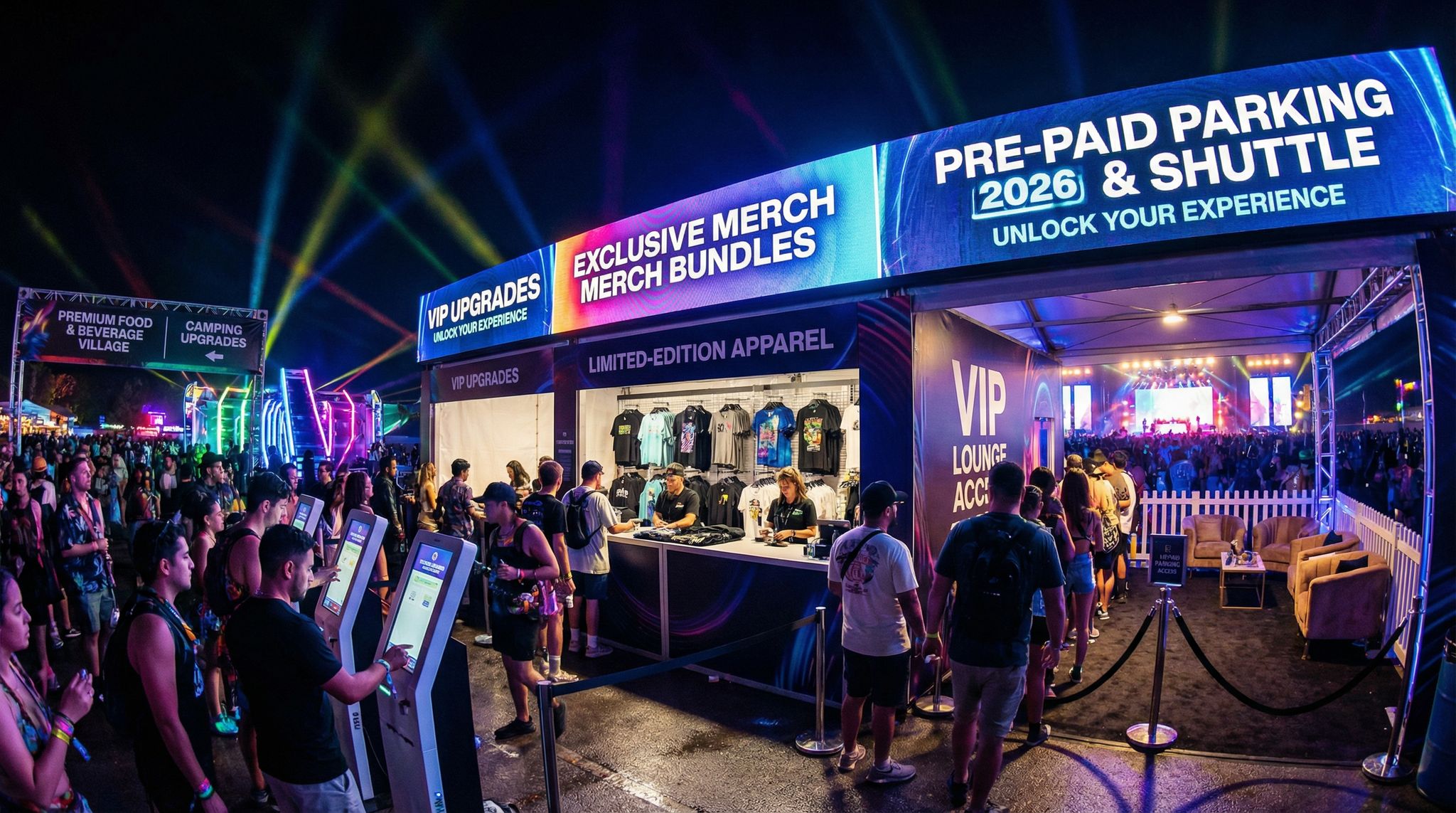
Advertise your event’s strengths. Identify what makes your event especially attractive and shine a spotlight on those qualities in your posts. Is your ticketing page beautifully designed and easy to use? Post a quick screen recording of the seamless checkout process and caption it with how fast and secure it is to buy tickets (many potential attendees abandon if they expect a hassle). Do you have awesome merchandise or a cool theme? Show it off early – “Check out the exclusive festival merch you can grab!” If your event offers something unique like eco-friendly practices, VIP experiences, or a renowned headliner, tailor some posts around that selling point. Essentially, think like an attendee and ask, “Why would I be excited about this event?” Then double down on communicating those reasons. And don’t forget social proof: for example, “Rated top event of the year by XYZ Magazine” or “Thousands attended last year – don’t miss out!” These build credibility and urgency.
Prioritize the “Sale.” At the end of the day, you want to sell tickets. While engagement and impressions are nice, keep a steady focus on conversion as your campaign progresses. This means regularly reminding your audience about ticket availability and nudging them to purchase. Tactics include: announcing when a ticket tier is nearly sold out (“Only 50 Early Bird tickets left!”), when prices are about to increase (“Last chance before Regular pricing kicks in”), and when certain perks cut off (“Buy by July 1st to get a free parking pass”). As the event approaches, provide clear updates if certain categories (VIP, Meet-and-Greet, camping spots, etc.) have sold out – and immediately pivot to promoting what’s still available (“General Admission 2-Day passes are 80% sold – get yours now”). Scarcity and urgency are powerful motivators, but be honest – never falsely claim “almost sold out” just to push sales, as that can backfire and damage trust if people realize it’s not true. Instead, use genuine milestones (hit 75% sold? That’s a great time to push a notice). And make sure these sale-related posts go out across all your active platforms, because you want this message to reach everyone. You’d be surprised how many people might be following along casually and just need that final prompt to go “Oh, I better get my ticket now.” In 2026, with many fans procrastinating on purchases, those frequent reminders and clear calls-to-action ensure you capture as many buyers as possible before showtime. To refine your targeting, knowing how event organizers should prioritize learning detailed audience demographics will ensure your budget is spent effectively.
A strong social media marketing campaign for your event is ultimately a meticulous mix of your event’s unique identity and smart use of each platform’s strengths. You want to create a 360° experience: from the first announcement post that piques curiosity, to the interactive contests and live sessions that pull people in, all the way to the post-event highlights that leave them wanting more. By applying the key tips and ideas in this guide – and staying organized and creative – you can craft a campaign that not only sells tickets but also builds a loyal community around your event.
And remember, the social media landscape is always evolving. Stay curious and keep learning from each campaign you run. Analyze what worked (and what didn’t), listen to audience feedback, and be ready to adapt. If you do that, your event’s online presence will grow stronger each time, boosting your reputation and success as an event promoter.
For strategies on how to sell out your next music event or festival, download our free cheat sheet on successful organizing. For more insights, learn how to create an effective event marketing plan for your music festival or concert, discover 5 important strategies every promoter should implement to bolster audience interest, and review 10 aspects of event planning every promoter should check in on.
Frequently Asked Questions
What is a social media marketing campaign for an event?
A social media marketing campaign for an event is a coordinated series of posts, ads, and engagement tactics designed to build awareness and drive ticket sales. It functions as a digital playbook, outlining content like countdowns, influencer collaborations, and teaser videos across a specific timeframe before, during, and after the event.
When is the best time to start promoting an event on social media?
The ideal timeline depends on the event size. Major festivals often launch campaigns 6–12 months in advance, while smaller local concerts can succeed with a focused 4–8 week promotion period. Regardless of duration, nearly half of event registrations occur within the first month of announcement, making early promotion critical.
Why is social media marketing important for event promotion?
Social media marketing is crucial because over half of global ticket buyers discover events online. It offers cost-effective targeting options, such as Instagram analytics and Facebook ads, to reach specific demographics. Additionally, organic content can snowball into massive exposure, turning followers into ticket buyers and brand ambassadors.
How can influencers help promote an event?
Event organizers can collaborate with influencers by offering free VIP tickets, exclusive experiences, or creative freedom in exchange for authentic posts. Providing influencers with unique discount codes allows you to track specific sales they generate. This strategy leverages their trust with target audiences to drive engagement and ticket purchases.
How do social media contests increase ticket sales?
Contests boost sales by increasing engagement and expanding reach as participants tag friends and share posts. Offering prizes like free tickets or VIP upgrades incentivizes users to spread the word, creating a sense of community and FOMO. This often leads to a measurable bump in sales from non-winners once the contest ends.
What content should be posted after an event ends?
Post-event content should include highlight reels, attendee testimonials, and thank-you messages to maintain momentum. Sharing user-generated content and professional photos keeps the community engaged and serves as high-quality promotion for future events. Organizers can also use this time to tease the next edition or announce early-bird tickets for the following year.