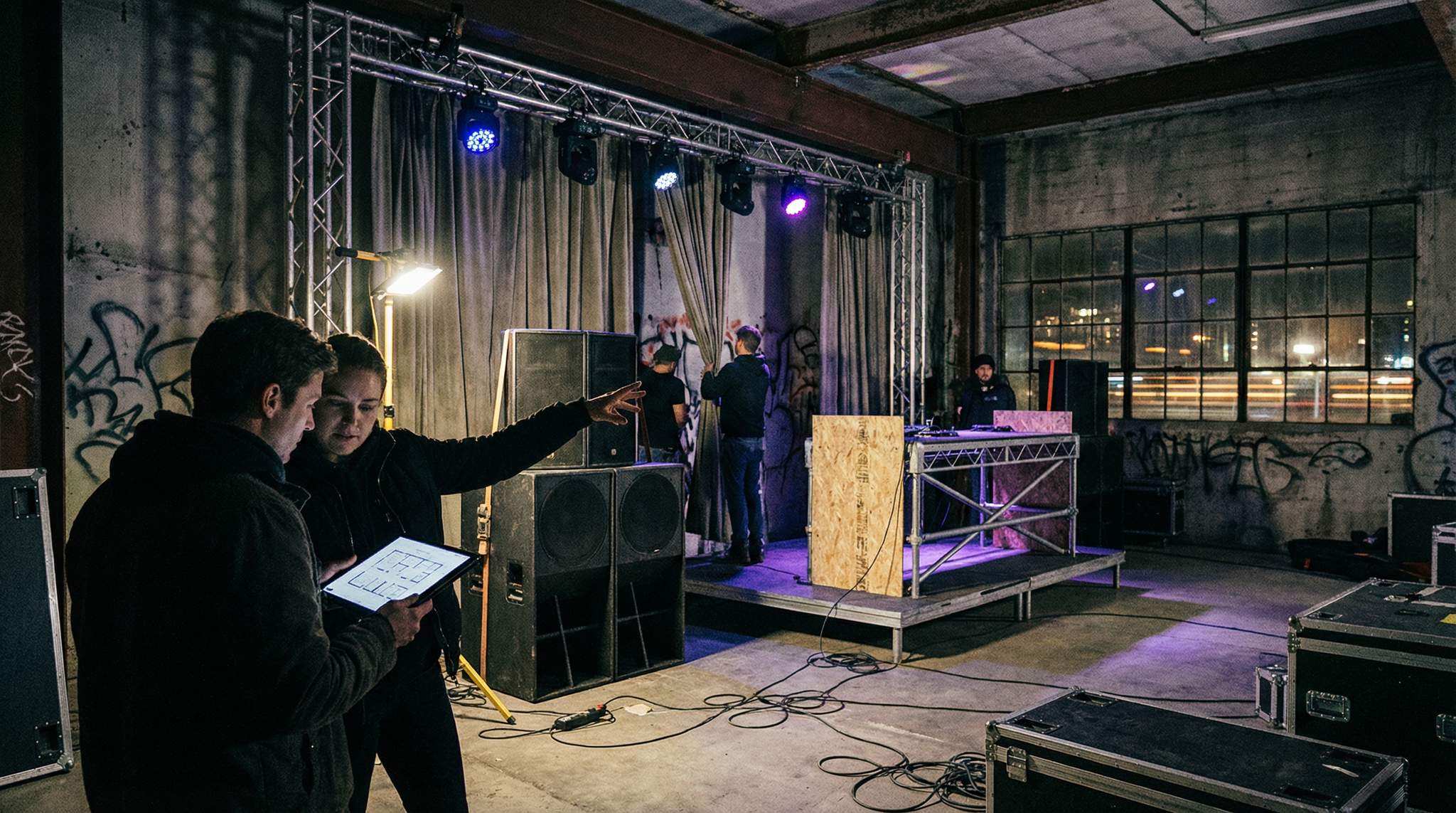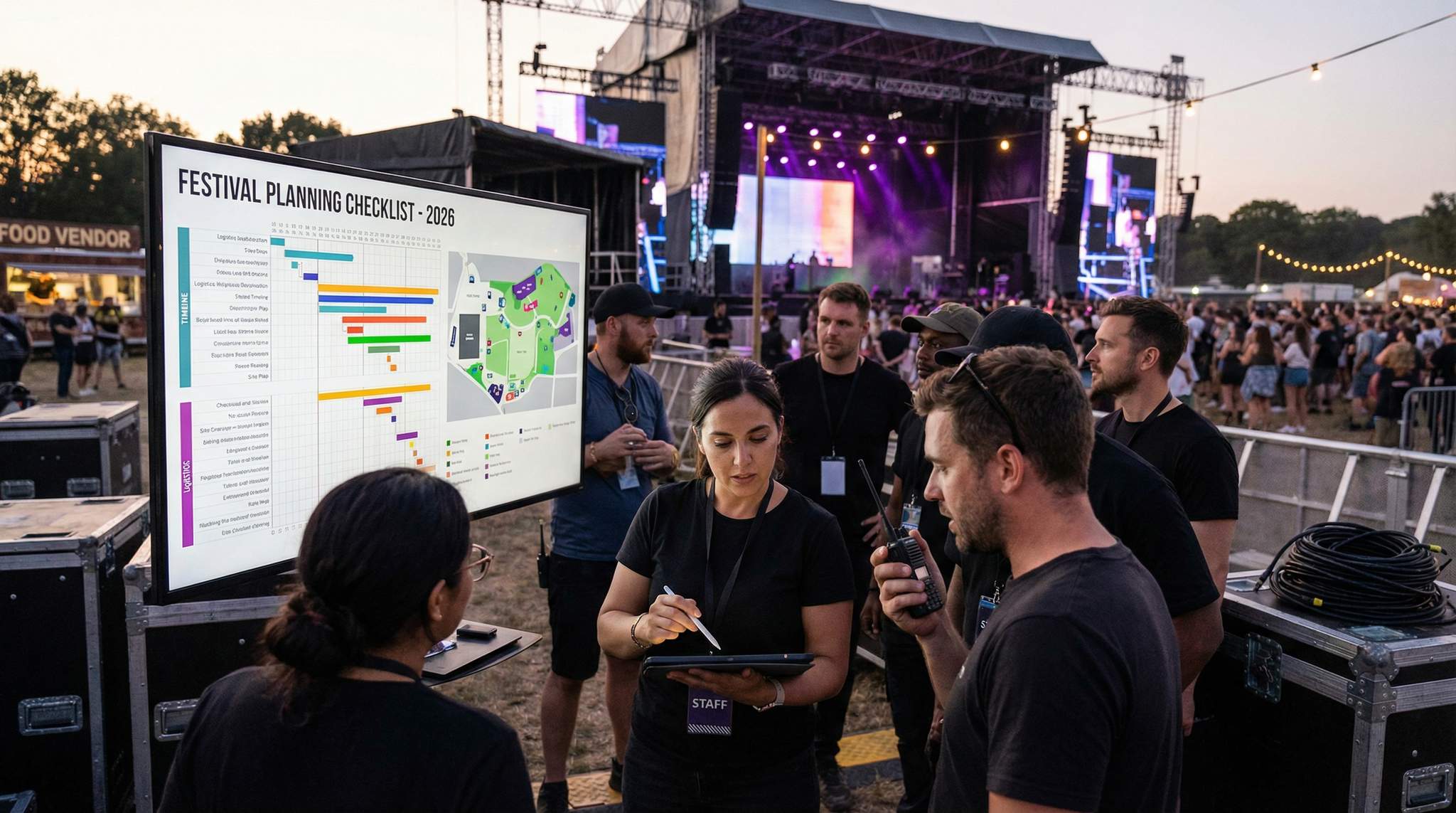
Organizing and managing a music event or festival in 2026 takes considerable work, planning, and specialized knowledge of how events operate. The live events industry is roaring back – Live Nation alone reported 145 million people attending concerts in 2023, far surpassing pre-pandemic levels, according to AP News reports on live music resurgence. With global live event revenues projected to double to $1.2 trillion by 2032, promoters face immense opportunities and challenges. Thankfully, event planning isn’t magic or luck – it’s a skill honed over time. You learn by doing, researching, and meticulously planning every detail to create incredible large-scale music experiences.
At the end of the day, what matters most is the attendee experience. All the behind-the-scenes planning leads up to each fan’s personal enjoyment and opinion of your event. Every decision – from lineup and venue to security and toilets – plays into whether attendees leave with unforgettable memories. It can feel overwhelming to coordinate all the aspects you must organize and manage to pull off a successful music event or festival. But by breaking the process into manageable steps, you can turn the daunting into the doable. To help you get started, here are ten core event planning tips every music promoter should know – updated for today’s realities – to plan exceptional concerts, festivals, and shows.
1. Outline Your Music Event Goals and Objectives
The first step is to establish clear event goals and objectives. Start by identifying what you want to achieve with your music event. Having tangible goals focuses your planning and makes it easier to measure success. Are you aiming to sell a certain number of tickets? Break an attendance record? Achieve a specific revenue target? Or perhaps build community goodwill or raise funds for charity? Define those targets up front.
When you’re working toward a concrete goal, everything becomes less ambiguous. Goals act as a North Star for your team. For example, if one objective is increasing social media engagement by 50% for a new festival, you’ll shape your plan to include a strong content strategy, influencers, and interactive on-site moments that encourage sharing. Goals bring structure: instead of planning in a fog, you have metrics to hit and can allocate resources accordingly. Many professional event organizers use the SMART goals framework – make goals Specific, Measurable, Achievable, Relevant, and Time-bound – to keep themselves accountable.
Go Cashless With RFID Technology
Enable contactless payments, faster entry, and real-time spending analytics with RFID wristbands and NFC-enabled ticketing for your events.
Pro Tip: Document your goals and revisit them throughout the planning process. This ensures every decision – from booking a venue to choosing marketing channels – aligns with the event’s mission. If your goal is to boost attendee satisfaction, for instance, you might invest more in amenities or guest services than you initially budgeted. Conversely, if the goal is maximizing profit, you’ll carefully prioritize spending and seek sponsorships.
Clear objectives also help communicate your vision to partners and sponsors. A concise goal like “achieve 5,000 attendees and 90% satisfaction” rallies your team and stakeholders around a shared purpose. In our experience, when festival teams set and share defined targets (such as “sell out 10,000 tickets by event day” or “become the most eco-friendly event in our region”), it energizes everyone to deliver on that vision.
Ready to Sell Tickets?
Create professional event pages with built-in payment processing, marketing tools, and real-time analytics.
Finally, remember that goals should reflect the current landscape. The festival market in 2026 is ultra-competitive and fast-evolving. Setting realistic yet ambitious objectives – informed by industry data and past event performance – is key. It’s okay to start modest (e.g. a smaller attendance in year one, with growth plans in future editions). What’s important is that you know what success looks like for your event. According to a Harvard Business Review study, only 23% of companies can effectively track event ROI, as noted in recent event planning statistics, so by defining clear metrics now, you’ll be ahead of the curve when it comes time to evaluate results.
(Need help nailing your event’s concept? Check out our guide on mastering a strong festival concept and vision to stand out from day one.)
Beyond setting initial goals, formalizing these targets into a comprehensive concert promoter business plan is a critical step for long-term success. Whether you are seeking outside investment, securing a bank loan, or simply aligning a growing team, a structured business plan outlines your financial projections, marketing strategies, and operational logistics. It transforms a passionate idea into a viable, scalable enterprise, proving to stakeholders that you have a firm grasp on the financial realities of the live music industry.
Structuring Your Concert Promoter Business Plan
To turn your initial goals into a sustainable operation, your overarching strategy must be documented thoroughly. A robust business model for live music production typically includes an executive summary, a detailed market analysis (identifying your target demographic and local competitors), and a comprehensive financial projection. This financial section should outline your break-even point, expected ticket revenue across different pricing tiers, sponsorship income, and all projected overheads—from artist guarantees to site infrastructure. By formalizing these elements, you create a reliable roadmap that not only guides your internal team but also proves your event’s viability to potential investors and brand partners.
2. Create a Comprehensive Event Planning Checklist
Once your goals are set, translate them into a master checklist of everything that needs to be done. Think of this as your event’s roadmap. A detailed checklist keeps you grounded and organized amid the chaos. It should encompass every task – from securing the venue and permits to booking artists, arranging parking, hiring vendors, and coordinating security – all the way down to minute details like testing the sound system and printing staff badges.
When figuring out how to plan an event from the ground up, your checklist serves as the central nervous system of your production. Mastering how to plan a successful event means breaking down massive logistical hurdles—like securing permits, advancing artist riders, and coordinating heavy machinery—into daily, actionable tasks. This systematic approach prevents promoter burnout and ensures every department stays aligned with the master production schedule.
Grow Your Events
Leverage referral marketing, social sharing incentives, and audience insights to sell more tickets.
Start with the fundamentals: venue, talent, ticketing, marketing, logistics, and safety. Then drill deeper. For example, under “logistics,” list power generators, fencing, restrooms, trash management, and transportation. Under “safety,” include first aid tents, on-site medical staff, crowd control barriers, and an emergency evacuation plan. Importantly, plan for contingencies: what will you do if there’s extreme weather? A vendor no-show? Technical difficulties on stage? By mapping out response plans, you won’t be caught off guard. Seasoned festival producers often refer to formal risk management playbooks to ensure no scenario is overlooked.
When scaling up to mega-events, independent organizers often look to the industry giants for structural guidance. Adopting a framework similar to a Live Nation festival planning checklist means moving beyond basic logistics into granular, multi-departmental synchronization. At this tier, your master document must track complex variables such as multi-stage union labor schedules, advanced artist advancing (including international visa processing), VIP hospitality build-outs, and multi-agency security deployments. By structuring your operations with the same rigor as the world’s largest promoters, you ensure that even a rapidly growing festival maintains airtight operational control.
Similarly, reviewing a Ticketmaster festival planning checklist can provide invaluable insights into the ticketing and access control side of your operations. While production-focused lists handle the physical build, a ticketing-centric framework ensures you don’t overlook critical digital milestones—such as configuring VIP upgrade paths, setting up dynamic pricing tiers, and stress-testing your box office scanning hardware before gates open.
Breaking the process into a checklist also makes a huge project feel manageable. Instead of one impossible mountain, you have a series of actionable steps. Tackle them one by one, and you’ll steadily build toward a successful event. Many promoters categorize checklist items by timeline or department. You might have sections for 12+ months out, 6 months out, final weeks, and event day tasks, for instance. Assigning responsibilities (who is accountable for each item) is equally important – this fosters accountability and prevents critical jobs from falling through the cracks.
Grow Your Social Following With Every Sale
Require social media follows, shares, or playlist adds to unlock presale access or special pricing. Turn every ticket purchase into audience growth.
To visualize your planning journey, here’s an example of a high-level event planning timeline and key tasks at each stage:
| Timeframe Before Event | Planning Focus & Key Tasks |
|---|---|
| 6–12 months out | Define event concept and goals; set budget; secure venues and dates; book headliners or key talent; engage major vendors (staging, sound, lighting); launch initial marketing teasers. |
| 3–6 months out | Open ticket sales; roll out main marketing campaign (social media, press releases, ads); confirm sponsorships and partners; plan site layout and infrastructure (power, water, Wi-Fi); hire staff and contractors; arrange accommodations for talent. |
| 1–3 months out | Finalize vendor contracts; lock in event schedule and set times; conduct site visits and safety inspections; apply for any remaining permits or insurance; begin volunteer recruitment and training; prepare contingency and emergency plans. |
| Final 2–4 weeks | Ramp up promotional push (countdowns, ticket reminders); finalize staff roster and shifts; double-check all equipment and backline needs; hold all-hands meetings with crew to review the run-of-show; simulate scenarios (weather, medical, security drills). |
| Event Day(s) | Execute according to the production schedule; monitor crowd flow and entry lines; coordinate stage management and artist hospitality; communicate constantly via radios; be ready to adjust on the fly for any issues (e.g. delays, technical glitches, weather alerts). |
| Post-event | Load-out and cleanup of venue; debrief with staff and vendors; collect attendee feedback (surveys, social media); analyze ticket sales vs. goals and budget outcomes; send thank-you notes to partners; archive all lessons learned for next time. |
Reviewing a timeline like the above can help keep you on track and ensure you haven’t missed major milestones. As you check off tasks, you’ll gain confidence that your event is on solid footing. Many expert organizers also utilize project management tools or apps to manage their checklist – these can send reminders, track progress, and facilitate team collaboration in real time. Whether you prefer a digital tool or an old-fashioned spreadsheet, find a system that lets you stay on top of every deliverable.
Warning: Don’t neglect permits, licenses, and local regulations in your planning checklist. Ensure you have approvals for everything from noise ordinances to food vending and drone usage. Overlooking these requirements can result in fines or even a last-minute shutdown by authorities – an event planner’s worst nightmare. Include a review of all legal and compliance items in your checklist to protect your event.
3. Build a Solid Event Ticketing Page
In the digital age, your event ticketing page is often the first point of contact between your event and potential attendees. This is where interested fans go to learn more and, ideally, click “Buy Ticket.” As such, it needs to be rock-solid. Focus on creating a well-designed, informative, and user-friendly ticketing page that excites people and earns their trust.
Start with the basics: the page should clearly communicate what, where, and when. Prominently display the event name, dates and times, venue location (with city and country, plus a map if possible), and a brief description highlighting what makes the event special (headline artists, unique experiences, etc.). Include enticing photos or videos from past editions if available – visuals of a big crowd or a spectacular stage can hook prospective attendees emotionally. Make sure all essential details (age restrictions, any COVID-related requirements, parking info, etc.) are easy to find. If attendees need to know something, it should be on this page.
Equally important is the user experience (UX). Test how smoothly a customer can navigate from landing on the page to checking out with a ticket. Is the layout clean and mobile-friendly? (Most fans will discover your event via their phones, so a responsive design is a must.) Does the page load quickly? According to web analytics, if your ticket page is too slow or confusing, visitors will drop off in seconds. Aim for a simple purchase flow: avoid forcing users to click through too many pages or fill endless forms. Each extra step can cost you conversions.
Data-Driven Event Marketing
Track ticket sales, demographics, marketing ROI, and social reach in real time. Exportable reports give you the insights to make smarter decisions.
Another key aspect is trust and security. Attendees will only enter their payment info if they trust the site. Use a reputable ticketing platform with secure checkout (SSL encryption), and display any trust badges or refund policies upfront. Make the pricing transparent – list what the ticket includes and any added fees before the final checkout. Surprises at payment time (like unexpected fees) are a common cause of cart abandonment.
One often overlooked detail is providing helpful information to guide buyer decisions. Consider adding an FAQ section addressing common questions (e.g. “What’s the refund policy if it rains?” or “Is re-entry allowed?”). Clear up any potential doubts right on the event page. Also, prominently link to your social media or promo videos so visitors can validate the event’s community and hype. If artists or partners have said great things about your event, a short quote or testimonial can also boost credibility.
With Ticket Fairy, you can actually set up a robust event page yourself in minutes. The platform lets you customize your page design, showcase images and videos, and include all the event details and ticket tiers you need. You’ll also get real-time data on ticket sales, detailed buyer demographics, a free built-in email marketing system to reach attendees, and much more. This means you can continuously optimize your promotion – if you see a spike in traffic but not sales, you might tweak the page copy or add a limited-time discount. Using a full-service platform like Ticket Fairy not only gives your fans a seamless buying experience, but it arms you with data and tools to make your event even more successful. For instance, Ticket Fairy provides a robust event promoter’s platform designed to streamline these operations. Additionally, you can utilize tools for promoting your event on social media in a variety of formats.
Finally, be vigilant about scammers or fake event pages. Unfortunately, popular events can attract fraudsters who create lookalike websites or social media profiles to dupe fans. To counter this, always promote your official ticket link in all marketing materials and posts. Encourage fans to only buy from official channels. (If you discover any scam pages, alert your ticketing provider and followers immediately.) By building a solid, trustworthy ticketing page and ecosystem, you not only drive more sales but also protect your audience’s purchase experience. You can also leverage information gathered from your previous events to further refine your security and sales strategies. (For further reading, see our guide on protecting your festival from fake pages and ticket scams.)
4. Think Carefully About Formats and Venues
Choosing the right event format and venue is arguably one of the most important decisions in planning a music event. The venue literally sets the stage for the entire experience – it influences capacity, acoustics, atmosphere, and logistics. Start by considering what type of venue best fits your event’s vibe and scale. Is it a 10,000-person outdoor festival? A 500-person intimate club show? Perhaps a hybrid livestream concert with both in-person and online elements? Each format has unique requirements.
Venue selection: When evaluating venues, factor in location (is it accessible for your target audience?), size (will it feel comfortably full but not overcrowded?), and facilities. A beautiful venue that lacks adequate restrooms, parking, or public transit access can sour attendee experience. Visit potential sites in person if possible. Imagine the attendee journey: entry gates, stage visibility, sound projection, places to eat, chill, and so on. Check for any restrictions – for example, some parks have strict noise curfews or banned substances. Also assess practical needs: does the venue have sufficient power supply for your sound and lighting? Is there backstage space for artists and their equipment? If it’s outdoors, what is the backup plan for bad weather (tents, indoor halls, or a rain date)?
Free Tool: Model Promoter Payouts
Flat-percentage, flat-per-ticket, or tiered-bonus commission structures — get per-promoter payouts and total commission as % of gross. Free calculator.
Match the venue to your event’s atmosphere. If you’re organizing a techno music night, a warehouse or industrial space might amplify the aesthetic. For a jazz festival, maybe a scenic outdoor amphitheater adds charm. The goal is a venue that enhances the music and theme. As one example, when Croatia’s Ultra Europe festival moved to a coastal park, the seaside location became part of its identity. On the flip side, placing a mellow acoustic showcase in a cavernous arena would feel mismatched.
Format considerations: These past few years have shown that events can be flexible. While most fans prefer the energy of in-person concerts, virtual and hybrid formats have gained traction. In fact, 82% of attendees say they prefer live events for the overall experience, according to current event planning trends, but about 40% consider hybrid events their favorite format due to flexibility and global access, as shown in hybrid event preference statistics. So, if it fits your event, a hybrid format (in-person plus a livestream or on-demand online component) can broaden your reach beyond the venue’s walls. Hybrid events allow international fans or those who can’t travel to participate virtually, and they create additional revenue streams (online tickets, sponsorship impressions, etc.). Just note: doing hybrid right means investing in good streaming infrastructure and dedicated staff to manage the virtual audience. You don’t want remote viewers feeling like an afterthought.
Given the ongoing advancements in technology and unpredictable factors (like weather or travel disruptions), having a hybrid backup option isn’t a bad idea. Some promoters set up simple live broadcasts of the main stage, while others build entire virtual worlds for attendees online. Choose an approach that aligns with your budget and audience interest. And remember, even if your event is fully in-person, capturing video content for post-event streaming or promotional use is worthwhile – it extends the life of your venue choice to a year-round asset.
Finally, always verify the venue’s regulatory and community environment. Liaise with local authorities early to ensure your event is welcome and compliant. Engage the community – especially if it’s a festival in a small town or a multi-day camping event. Building goodwill (through noise control, cleanup plans, and clear communication) can make the difference in getting permits and support. The venue and format you choose should excite your audience and be workable logistically. If you lock these aspects in wisely, many other planning pieces will fall into place. (For a deeper dive into venue selection and site design, read our article on mastering festival venue and site planning.)
Once you have secured your ideal location, the event planning venue coordination phase truly begins. A common mistake is assuming the contract covers every operational detail. To avoid surprises, there are several critical questions to ask your venue after booking. Inquire about their exclusive vendor lists, exact load-in/load-out times, union labor requirements, and hidden fees for waste removal or power drops. Furthermore, if you are bringing in a custom stage for a music concert, you must verify the site’s structural load capacities, rigging points, and emergency egress routes with the venue’s technical director to ensure your production design is both safe and compliant.
Beyond those initial inquiries, establishing a clear communication channel with the facility’s operations manager is vital. Requesting CAD drawings of the space, confirming internet bandwidth for ticketing scanners, and understanding the neighborhood’s noise curfew enforcement will help you avoid costly day-of-show surprises and ensure your site design is fully optimized.
No Hidden Fees, Just Honest Pricing
One all-inclusive fee covers the platform, payment processing, support, and every feature. Free events are always free. No setup costs, no surprises.
Furthermore, treating your chosen location as an active partner rather than just a rented space is a hallmark of top-tier music event planning. When evaluating an event planning venue, experienced producers conduct multiple site walks at different times of day to assess natural lighting, traffic flow, and potential noise bleed. This rigorous spatial analysis ensures that your production design harmonizes with the facility’s existing infrastructure, ultimately delivering a safer and more immersive experience for your attendees.
Essential Post-Booking Venue Coordination
Even veteran producers know that signing the contract is just the beginning of the venue relationship. To maintain tight control over your music event planning timeline, you must initiate a structured handover process with the site’s operations team. Crucial follow-up inquiries should cover the facility’s specific emergency evacuation procedures, any mandatory security vendor requirements, and the exact chain of command for day-of-show facility issues. Clarifying these operational nuances immediately after securing the space prevents costly delays during load-in and ensures your production crew isn’t caught off guard by unwritten facility rules.
5. Understand and Target Your Audience
Your target audience defines almost every aspect of your event – so take the time to truly understand who they are. As an event promoter, you’re not just selling tickets; you’re crafting an experience for a specific group of people with particular tastes, behaviors, and expectations. The more you know about them, the better you can tailor your event to meet (and exceed) their desires.
Start with demographics and basics: What age range are you aiming for? Is your audience primarily 18–24 year-old college students, late-20s young professionals, or maybe a mix that includes older fans? Demographics influence everything from music programming (e.g. classic headliners vs. trending newcomers) to amenities (younger crowds might prioritize Instagrammable moments, older attendees might care more about seating and comfort). Geography is also key – are most attendees local, or will they travel from other cities/countries? If international, you might need to factor in tourism info or multilingual signage.
Use data to inform your insights. Tap into any existing databases you have – previous event ticket buyer lists, social media followers, email subscribers – to identify patterns. Tools like Facebook Audience Insights or Instagram analytics can show you the age, gender, and interests of people engaging with your event pages. Surveys are another powerful tool: consider polling your potential audience (through a small ad campaign or email blast) about what they’d like to see at the event. For instance, ask what artists they love, what ticket price range is comfortable, or what extras (VIP packages, merch, etc.) interest them. The feedback might surprise you and prevent costly missteps.
Also, don’t shy away from creating audience personas – fictional profiles that represent your typical attendees. For example, “Festival Fiona” is a 22-year-old music fan who loves EDM, attends with a group of friends, cares about sustainable practices, and shares every moment on TikTok. Meanwhile, “Concert Carl” is a 35-year-old live music enthusiast who goes for the music quality, values comfortable viewing areas, and might bring his partner along. By envisioning these personas, you can better filter decisions: Would Fiona appreciate a branded Instagram photo booth on site? Would Carl respond better to a detailed email newsletter about the lineup?
Smart Promo Codes & Presale Access
Create percentage or flat-rate discount codes with usage limits, date ranges, and ticket type restrictions. Plus unlock codes for private presales.
Understanding values and expectations is crucial. Modern audiences often expect more than just music – they seek a full experience. According to industry research, 64% of attendees prioritize personalized, immersive experiences, and 85% are more likely to recommend events that deliver excellent customer service, according to event industry statistics. This means your event should feel like it’s made for them. If your core crowd is very tech-savvy, a custom festival app or RFID wristband system might impress them. If they’re community-driven, maybe integrating local food vendors or art installations will resonate. If inclusivity matters to them (as it does to many today), consider policies that make the event safer and more welcoming (like clearly accessible facilities, pronoun tags, or diverse lineup choices).
Crucially, knowing your audience helps with targeted marketing (which we’ll discuss next) and can save you money. Rather than spending resources casting a wide net, you can concentrate on channels and messages that hit your likely attendees. For example, if your research shows your potential attendees are highly active on TikTok and Reddit, you’d prioritize those and perhaps skip an expensive radio ad campaign. Or if data shows a lot of fans coming from a particular city, you might organize a shuttle bus from there or partner with a local promo team to boost sales in that area.
In summary – do your homework on your audience. It’s one of the best investments of time you can make early on. Building an event for the audience instead of trying to attract an audience for an event will always yield better results. Your attendees will feel the difference, and it will show in their excitement and loyalty. (For more insights, see what most festivals get wrong about audience targeting and experience – and how to get it right .)
6. Develop a Strong Event Marketing Plan
No matter how amazing your event is in concept, it won’t be successful if people don’t know about it or aren’t motivated to attend. That’s where your music event marketing plan comes in – it’s the backbone of driving ticket sales and building hype. A well-crafted marketing plan lays out how you will reach your prospective ticket buyers and convert their interest into attendance.
Start by revisiting your goals from step 1, because your marketing should be designed to achieve those goals. If your goal is a sellout, your marketing plan might lean heavily on broad-reach tactics like digital ads, press coverage, and influencer partnerships. If your goal is to elevate your event’s brand image or community presence, you might focus on content marketing, storytelling, and local activations. Most plans will include a bit of everything; the key is to balance and time it right.
Channels and tactics: In 2026, the mix of marketing channels is vast. Common components include:
– Social media marketing – building a campaign on platforms like Instagram, TikTok, Facebook, Twitter/X (more on this in the next section).
– Email marketing – sending newsletters or announcements to your mailing list (teasing lineup reveals, offering exclusive pre-sales to subscribers, etc.). Email remains one of the highest-converting channels for event tickets.
– Influencer or artist collaborations – leveraging the fanbases of performers or local influencers. For example, have a headliner do an Instagram live talking about how excited they are to play your event.
– Press and PR – getting featured in music blogs, local news, or industry magazines like Pollstar or Billboard. A single article titled “Why XYZ Festival Is the Must-Attend Event of the Year” can significantly boost credibility.
– Advertising – targeted online ads (Facebook/Instagram ads, Google search ads for people looking for “music festivals near me 2026”), as well as possible physical ads like posters in music venues or radio spots if it makes sense for your demographic.
– Street marketing and community outreach – depending on your scope, you might engage street teams to flyer at universities or have promo booths at related events to spread the word.
– Content marketing – creating engaging content that draws people in: lineup announcement videos, behind-the-scenes vlogs of your planning, a Spotify playlist of artists playing, blog posts on your site about the festival experience, etc. Share these widely.
– Promotion partnerships – team up with relevant brands or communities. For instance, a craft beer festival might partner with a local brewery to co-promote, or a music festival might work with a popular YouTube music channel to do ticket giveaways.
Timeline is crucial in marketing. Typically, you’ll want to announce early (giving people a save-the-date and a reason to follow your channels for updates), then have waves of promotion – e.g. lineup drops, tiered ticket price deadlines, special guest announcements – to continuously stoke excitement. Many major festivals follow a schedule: announce dates > announce headliners > announce full lineup > final informational push. For smaller events, you might condense this, but you still want multiple touchpoints.
A strong plan also sets marketing budgets and ROI targets. Determine how much you can spend on promo (often a percentage of expected revenue, commonly 10-20%). Allocate across channels based on where you expect the biggest impact. And use tracking links or unique promo codes to gauge what’s working. For example, if you give Influencer X a promo code and 50 people use it, you know that partnership worked. Industry surveys indicate that 52% of business leaders feel event marketing delivers more ROI than any other channel, based on marketing channel effectiveness data, but you still need to measure your results to optimize efforts.
Pro Tip: Don’t neglect on-site marketing as part of your plan. Your current event can help sell the next one. For instance, display banners or announce dates for next year’s festival during the show. Capture great photos and videos this year to use in future marketing. And consider a promotion like “sign up for next year’s waitlist” or a loyalty discount for returning attendees – this turns your event itself into a springboard for sustained success.
Finally, ensure the marketing plan is documented and shared with your team. Assign owners to each channel so responsibilities are clear (who’s managing the Instagram page? Who is handling press outreach?). A coordinated effort avoids both gaps and overlaps. Regularly review how ticket sales are trending relative to your campaigns – if you’re behind targets, ramp up or get creative with new tactics (flash sales, bonus perks, more aggressive ads). Marketing an event is an ongoing campaign that often intensifies as the event draws near. But if you’ve planned it well, you’ll be reaping the rewards when you see those ticket graphs climbing instead of flatlining. (For extra ideas, read Beyond Festival Fatigue: Standing Out in an Oversaturated 2026 Season to learn how savvy promoters are cutting through the noise. Insights into the mobile ticketing market size and trends suggest that staying ahead of these curves is vital.)
When deciding exactly where to promote your music event, look beyond the standard digital platforms. Grassroots promotion still holds immense value in the live events sector. Partnering with local record stores, lifestyle brands, and university radio stations can help you tap into dedicated, niche communities that are highly likely to convert into ticket buyers.
Additionally, consider leveraging B2B partnerships within the local hospitality sector. Collaborating with nearby hotels, bars, and transportation services allows you to create bundled experience packages. This not only expands your promotional footprint but also provides added convenience for traveling attendees, making your festival a more attractive destination.
7. Design a Focused Social Media Campaign
While social media is part of your broader marketing plan, it’s so influential for events today that it deserves special attention. A targeted social media strategy can dramatically amplify your event’s reach and engagement at relatively low cost. However, doing it right requires understanding each platform’s strengths and tailoring your campaign accordingly.
First, identify which social platforms your target audience frequents most (tying back to the audience research in step 5). If you’re promoting an 18+ electronic music festival, for example, you might find your audience primarily on Instagram, TikTok, and Twitter, whereas a classic rock concert series might lean more on Facebook and local community forums. It often makes sense to focus on 2–3 key platforms rather than spreading thin across every network. Quality and consistency beat quantity in social content.
Next, craft a compelling content plan. Social media moves fast, so you need a mix of content to keep people interested over the weeks or months leading to the event:
– Announcements and reveals: Use eye-catching graphics or short videos to unveil your lineup, venue, schedule, and other big updates. Stagger these to have multiple “wow” moments (e.g. drop a big headliner name one week, reveal food vendors the next, etc.).
– Behind-the-scenes content: Humanize your event by showing the preparation process – stage design previews, a quick interview with the production crew, artists holding their passes saying “see you there!”, etc. This builds a narrative and excitement.
– Engagement boosters: Don’t just broadcast; interact. Post questions or polls (“Which artist are you most excited for?”), run contests (“Share this post or tag 3 friends to win free VIP upgrade”), and respond to comments. Creating two-way engagement fosters a community around your event.
– Multimedia: Leverage the full range of media. Short-form vertical videos (Reels, TikToks) are incredibly powerful for reaching new audiences via algorithm. Show highlights from past events, or if it’s a first-time event, perhaps a montage featuring music by the booked artists to set the vibe. Also utilize Stories for ephemeral daily updates and Twitter for swift news and banter.
– Hashtags and shareables: Create a unique event hashtag and use it consistently (#YourFestival2026). Encourage attendees to use it too – this helps aggregate content and spreads awareness as friends see their friends posting about your event. Provide Instagrammable moments at the event (like art installations or backdrops) that will naturally get shared.
– Influencer takeovers: Consider letting a popular DJ on your lineup “take over” your Instagram Live for a Q&A, or have a local influencer do a day-by-day countdown on TikTok. Their followers might become your ticket buyers.
Be mindful of platform tone differences. A formal press-style announcement might work on Facebook, but on Twitter or TikTok a casual, playful tone could resonate more. Metrics can guide you too – track what types of posts get the most likes, shares, or click-throughs to your ticket page, and adjust accordingly. Perhaps you notice that videos of the venue site get tons of shares – that’s a cue to do more of those.
Timing and consistency are key. Develop a posting schedule so you’re consistently in feeds (e.g. 3x a week on Instagram, daily tweets if you can manage, a few TikToks throughout the campaign). There are optimal times to post for each platform – often when your audience is on their lunch break or in the evening winding down. Use insights or third-party tools to find when your followers are most active, and aim to post around those times for maximum visibility.
Don’t forget paid social ads as part of this strategy – even a modest budget can significantly boost your reach through sponsored posts targeted to people with similar interests or who live in your event’s region. Facebook/Instagram Ads Manager and TikTok Ads let you zero in on likely fans (e.g. targeting people who like similar artists or have attended similar events). The ROI can be strong if done right, often costing only a few cents per engagement.
Finally, during and after the event, leverage social media to keep the momentum. During the event, encourage attendees to tag you in stories or tweets – maybe display a live social wall screen if feasible. Prompt people to share their favorite moments (you could even run a post-event photo contest). After the event, share an official aftermovie or photo album and continue the conversation (“What was your favorite set? Drop a comment!”). This extends the life of your event online and seeds interest for your next event.
A focused social media plan isn’t just about selling tickets – it’s about building an enthusiastic community around your event brand. Over time, that community becomes your biggest asset, with word-of-mouth online being the modern “street team”. Treat your followers like VIPs by giving them engaging content and responding authentically, and they’ll repay you by amplifying your event to the world. (Learn more in our detailed guide on promoting your event on social media effectively.)
8. Leverage Event Technology to Your Advantage
Gone are the days of binders and walkie-talkies only – today’s event technology can be a game-changer for planning and executing music events. As an event planner, you have a growing array of tech tools that can streamline your work, enhance the attendee experience, and even save costs. The key is to choose technologies that genuinely add value (and not just tech for tech’s sake).
Planning and management tools: Start with the behind-the-scenes tech that makes your job easier. Project management software like Asana or Trello can help organize tasks and team responsibilities (imagine your entire checklist from step 2 in a digital board accessible to all staff, with deadlines and reminders). Shared cloud documents and drives ensure everyone has the latest schedules, contact lists, and layouts. For team communication, many swear by Slack or Microsoft Teams – create channels for different departments (e.g. #marketing, #production, #volunteers) so information flows quickly to those who need it. Some all-in-one event management platforms exist too, offering budgeting, scheduling, and talent management in one place. Evaluate what fits your event size and team style.
Ticketing and data analytics: If you’re using Ticket Fairy, you already have technology on your side with real-time sales data and audience analytics. But even if not, be sure to take advantage of any analytics provided by your ticketing platform. Understanding purchase trends (when are tickets selling fastest, which promo code was used most, etc.) can inform your marketing moves on the fly. For instance, if you see an uptick in sales from a particular city, you might focus more ads there. Data is gold – and tech helps you mine it. According to recent surveys, 81% of event planners consider robust data reporting essential for evaluating success, according to surveys on personalization priorities.
Attendee experience tech: Think about the technologies that can directly improve your audience’s experience at the event. Mobile event apps have become popular for festivals – these can display the schedule, an interactive map, artist info, and send push notifications for urgent updates (“Stage 2 set delayed 15 minutes”). If a custom app is out of reach, even using a platform like Facebook Events or Telegram groups can keep attendees informed in real time. RFID wristbands and cashless payment systems are another tech trend: by giving attendees a wristband linked to their ticket and wallet, entry becomes smoother (just tap to enter) and transactions at bars/merch tents are faster – no fumbling with cash or cards. Plus, RFID can provide fascinating data like heat maps of crowd movement or which activations were most visited, which you can use to refine layouts next time.
Don’t overlook safety and operational tech too. For example, modern crowd monitoring systems use AI-based video analysis to detect congestion or potential crowd surges before they become dangerous, allowing you to respond proactively. Emergency notification apps can instantly blast messages to staff if there’s a security issue. Some festivals even deploy drones for aerial surveillance of the site – useful for spotting issues in massive crowds or getting overhead footage (within legal guidelines). And of course, tried-and-true tech like two-way radios remain critical; just ensure you have a solid communications plan with the right channels and backups (fully charged batteries, etc.).
Emerging tech and innovation: The event tech landscape is constantly evolving. In 2026, we’re seeing experimental uses of AI and automation at events. Chatbot assistants on your website can answer attendee FAQs 24/7 (“What can I bring? What time does X play?”). AI tools can help with scheduling (automatically resolving artist timing conflicts) or even predicting no-show rates. Automated tools like self-service check-in kiosks or RFID-enabled lockers can reduce staffing needs – a big help amid labor shortages, a challenge noted in post-COVID event trends. Even robotics have made an appearance, from robot bartenders mixing drinks to delivery drones dropping merchandise – though these are still novelties and not essential, it shows where things are heading. Nearly 69% of event planners now turn to technology to elevate attendee experiences, as reported in event technology adoption stats, and the global event tech market is booming (projected to exceed $100 billion by 2037, highlighting how technology shapes the events industry). The bottom line: technology is no longer an extra, it’s often a necessity for competitive, large-scale events.
However, with all tech, maintain a human touch and backup plans. Technology can fail – power goes out, cell networks get overloaded, apps crash. Don’t depend on any single tech solution for critical operations. Always have an analog alternative (printed running orders, manual ticket lists) just in case. And ensure any tech you use is accessible and easy to understand for both staff and attendees; a high-tech tool that confuses people can do more harm than good. Train your team on the tech well before the event. Do a full test run if possible (especially for things like RFID systems or new software).
Incorporating the right tech solutions can significantly boost efficiency and wow factor. It might require upfront investment, but often the ROI is worth it – whether through labor saved, additional revenue, or improved attendee satisfaction. Keep an eye on what’s working for other festivals and events (we regularly cover new innovations on this blog), and don’t be afraid to adopt the tools that make sense for you. (To stay current, read our breakdown of safety-focused festival tech trends – separating useful innovations from the hype.)
9. Prepare a Detailed Day-of-Event Plan
After months of preparation, the day of the event is when everything comes to life – and when precise coordination matters most. Having a detailed day-of-event checklist or run sheet is essential to ensure things run smoothly and that you’re prepared for any surprises. Think of it as a minute-by-minute game plan covering the final 24–48 hours through the end of your event.
Build a run of show: This is a schedule that outlines every key activity and timing on event day (or each day, if a multi-day festival). It typically includes what time vendors load in, when soundchecks happen, when doors open, set times for each performer, scheduled breaks, special announcements, and what time the event ends/curfew. Distribute this run of show to all staff and stakeholders in advance, so everyone knows where they should be and when. It’s wise to also hold a briefing with your core team the day before or morning of the event to walk through the schedule and address last-minute questions.
Staff assignments and communication: Your day-of plan should clearly delineate roles. Who is managing the stage production? Who oversees front-of-house and ticket scanning? Who handles artist hospitality? Make sure every staff member and volunteer knows their point of contact for issues. Establish a chain of command for decisions, especially emergencies – for instance, if there’s a severe weather alert, who makes the call to pause or evacuate, and how is that communicated? Use radios or a communication app to keep everyone in the loop, and do a test that morning to confirm equipment and backups (extra radio batteries, a secondary communication channel, etc.).
It’s also helpful to have a designated “problems resolution” team or manager. This person or small team roves and can jump on unexpected issues as they arise (anything from a clogged toilet to a missing DJ). They act as troubleshooters so that area managers can stay focused on their primary tasks. Veteran promoters will tell you: things will go wrong, despite best-laid plans – the trick is to have a system that catches and fixes issues quickly before they cascade.
Attendee experience on the day: From the moment gates open, keep an eye on the attendee journey. Are entry lines moving efficiently? (If not, deploy more staff or open another lane.) Is signage clear so people can find stages, restrooms, water stations? Monitor crowd density and flow throughout the venue, adjusting as needed – for example, if one area is getting too packed, you might temporarily divert foot traffic or make an announcement for people to spread out. Paying attention to these details in real time is how you prevent small frustrations from becoming big complaints or safety hazards.
Real-time monitoring extends to social media: assign someone to watch your event’s mentions or hashtag on Twitter and Instagram during the event. Attendees often post feedback like “Lines are long at the food court #YourFest” – if you catch that, you can react (send more staff to food area) and even respond publicly (“Thanks for your patience, we’ve opened another food stall to serve you faster!”). This shows responsiveness and can turn sentiment around quickly.
Emergency preparedness: Hopefully you won’t need it, but you must be ready for emergencies. By event day, you should have in place all safety measures (first aid tent, ambulances on standby if large event, fire extinguishers, etc.) and emergency plans (for evacuation, severe weather, violence, etc.) as part of your earlier checklist. On the day, review these briefly with your team – for example, if there’s a lost child, what’s the protocol? If a stage has a technical failure, who communicates to the audience and what’s the backup entertainment? Quick case study: In 2025, a major festival in Belgium had to pause a headliner’s set due to an electrical storm. Because the organizers had a plan, they immediately announced a shelter-in-place for attendees, deployed volunteers with signage to guide people to indoor areas, and resumed the show once safe. The crowd stayed calm and most stuck around. This kind of outcome only happens with preparation.
(For inspiration on professional event-day operations, see how big players do it – crowd flow and on-site management lessons from Disney theme parks and the World Cup offer great ideas for music festival ops.)
Stay flexible and calm: No matter how detailed your day-of plan is, be mentally prepared to adapt. Live events have many moving parts – an artist might arrive late, a generator might malfunction, weather can change. Build a little buffer into your schedule when you can (e.g. a 15-minute changeover instead of 5, in case a set runs long). If something truly major goes awry, take a deep breath, huddle with key team members, and problem-solve out loud. Your audience will usually be understanding if you communicate transparently and address issues. For example, if there’s an unexpected delay, have your MC or an announcer explain the situation and keep the crowd engaged (“We’re fixing a brief technical issue – hang tight for 10 minutes and we’ll be back with you!”). Silence or confusion is what leads to frustration.
By the end of the event, you might be exhausted, but a solid day-of plan will drastically reduce chaos and emergencies. Many promoters actually enjoy the event day the most – yes, you’re working hard, but you get to see the months of effort pay off in real time as the crowd dances and smiles. If you’ve planned thoroughly, you can handle the curveballs with confidence and even take a moment to appreciate the incredible experience you’ve created for everyone.
10. Collect and Learn from Feedback
The event might be over, but your job as a promoter isn’t done yet. In fact, post-event feedback and analysis are what turn a one-off event into a continuously improving venture. Gathering feedback from attendees, staff, artists, and other stakeholders will give you priceless insights into what worked, what didn’t, and how to make your next event even better. Many top promoters treat this step as the start of planning for the next event.
Attendee feedback: One of the most common methods is a post-event survey emailed to ticket buyers. Keep it brief (people have limited time) but cover key areas: overall satisfaction, favorite aspects of the event, least favorite aspects, and suggestions for the future. You can use rating scales (1–5 stars on things like sound quality, food options, cleanliness, etc.) and a couple of open-ended questions for detailed thoughts. As an incentive, you could offer a small reward for completing the survey – like a chance to win two free tickets for next year, or a discount code for future events. This boosts response rates. The sooner you send the survey after the event, the fresher the experience is in people’s minds (ideally within 24-72 hours after the event). Also, monitor unsolicited feedback on social media and review sites; oftentimes people will tweet or comment their unfiltered thoughts. Take it all in – both the praise and the critiques – without defensiveness. These are your customers telling you how to ensure they come back.
Staff and crew feedback: Hold an internal debrief meeting with your team as well. This might be one group meeting or separate ones with sub-teams (security, production, marketing, etc.). Encourage honesty – create a culture where even the junior volunteers feel comfortable pointing out issues they saw. What problems did staff encounter repeatedly? (E.g. “We ran out of volunteer meal vouchers by 6pm” or “The radio channel was too crowded, we need a second channel for non-emergencies.”) What did they notice attendees loved? (E.g. “People were raving about the silent disco area.”) Document these and brainstorm solutions for next time. Your crew on the ground often sees things management might miss.
Sponsor/partner feedback: If you had sponsors, vendors, or other partners, touch base with them post-event too. They will appreciate it professionally, and you’ll gather intel that determines if they’ll support you again. A sponsor might say their on-site activation booth didn’t get as much foot traffic as promised – perhaps you need to position them better next time or adjust the sponsorship package. A food vendor might mention that demand far exceeded supply for vegetarian options, indicating you should book more such vendors. These perspectives round out the 360° view of your event’s performance.
Once you’ve collected all this feedback, analyze it systematically. Look for patterns in attendee survey data – maybe many people rated “sound quality at Stage 2” poorly, or lots of comments mentioned long lines at the bar. These become priority areas to address. Also note what went well (was the new app a hit? did the entrance process get compliments?), as you’ll want to repeat and build on those successes. Quantitative metrics matter too: compare your outcomes to the goals you set. Did you meet your attendance goal? How about your target profit or social media engagement? If you fell short, dig into why – was the goal unrealistic, or did certain tactics underperform? If you exceeded goals, identify which decisions led to that success so you can replicate them.
It’s often useful to compile a post-event report summarizing key metrics and findings. Include stats like total tickets sold, revenue, expenses (vs. budget), marketing reach (impressions, clicks), and engagement stats (social mentions, app usage, etc.), alongside the qualitative feedback highlights. This report is great to share with stakeholders and to keep in your records for future planning. It essentially becomes your playbook of lessons learned.
Most importantly, act on the feedback. Make a list of concrete action items for your next event planning cycle. This could be anything from “hire a dedicated audio engineer for Stage 2” to “add more shade and seating areas” or “improve volunteer training on customer service”. Prioritize them, as you may not have resources to address absolutely everything at once – but even incremental improvements build a better event year over year. Top festival organizers often credit their longevity to this iterative approach. They treat every event as a learning experience to refine operations, which fans notice (leading to loyalty and positive word-of-mouth). It’s no wonder that in one survey, 81% of planners said data and feedback are critical to event success evaluation, as highlighted in reports on personalization and data – it’s how you keep leveling up.
Lastly, don’t forget to thank your attendees and team when collecting feedback. A heartfelt thank-you email to attendees (with the survey link included) makes them feel valued. Thank your crew and celebrate the wins together in the debrief. Showing appreciation fosters a positive community around your event, which is the foundation for trust and goodwill going forward. As you wrap up the event and analyze the results, you’re also laying the groundwork for the next one – armed with new experience, data, and determination to make it even more unforgettable. (For a handy checklist of post-event to-dos, read The Festival Isn’t Over: 10 Post-Event Steps to Boost Next Year’s Success .)
By checking in on these ten aspects of event planning, you’ll find that organizing music events and festivals becomes more manageable and far more rewarding. It’s all about breaking the process into stages, applying both creative vision and practical planning at each step. From setting crystal-clear goals at the start to learning from feedback at the end, each aspect builds on the others to create a seamless event journey.
Remember, even the world’s best promoters continue to learn with every show – that’s part of the excitement of live events. Embrace the challenges as opportunities to innovate and improve. Whether you’re putting together an underground club night or a multi-stage outdoor festival, these core principles remain the same. With thorough preparation, a finger on the pulse of your audience, and a trusted team (plus a dash of tech and creativity), you can produce unforgettable experiences for your attendees. There’s no better feeling than seeing your months of hard work pay off as the crowd cheers and the music soars. Happy planning – and here’s to your next sold-out, smooth-running, awe-inspiring event!
Frequently Asked Questions
How do SMART goals help in music event planning?
SMART goals provide a structured framework by making objectives Specific, Measurable, Achievable, Relevant, and Time-bound. This approach helps teams track success, such as aiming to sell 10,000 tickets or increase social media engagement by 50%. defined targets align resources and ensure every decision supports the event’s core mission.
When should promoters start planning a large music festival?
Planning for a major music event should begin 6 to 12 months in advance. This early timeframe allows promoters to define the concept, secure venues, book headlining talent, and engage major vendors. Starting early ensures critical logistics like permits and marketing campaigns are established well before ticket sales open.
What features make an event ticketing page effective?
An effective ticketing page requires a mobile-friendly design, fast load times, and transparent pricing without hidden fees. It must clearly display essential details like the lineup, venue map, and dates while ensuring secure SSL checkout. Including FAQs and social proof helps build trust and reduces cart abandonment during the purchase flow.
Why is understanding the target audience crucial for events?
Knowing the target audience allows promoters to tailor the music programming, amenities, and marketing channels to specific demographics. Researching attendee personas helps deliver the personalized, immersive experiences that 64% of fans prioritize. This data-driven approach ensures marketing budgets are spent efficiently on platforms where potential ticket buyers are most active.
How does technology enhance the music festival experience?
Event technology like RFID wristbands streamlines entry and enables cashless payments, while mobile apps provide real-time updates and interactive maps. Advanced tools such as AI-based crowd monitoring systems improve safety by detecting congestion early. Adopting these innovations increases efficiency and satisfies the growing demand for seamless, tech-enabled live experiences.
What is the best way to gather post-event feedback?
Promoters should email brief surveys to attendees within 24 to 72 hours of the event to capture fresh impressions. These surveys should combine rating scales for logistics with open-ended questions for suggestions. Additionally, holding debrief meetings with staff and vendors provides internal insights that help refine operations for future editions.
Why is a concert promoter business plan important for music event planning?
A formal concert promoter business plan is essential in music event planning because it outlines financial projections, operational logistics, and marketing strategies. It acts as a roadmap for scaling your events and is crucial for securing funding from investors, sponsors, or financial institutions by demonstrating a clear path to profitability.
What are the most important questions to ask your venue after booking?
After securing an event planning venue, promoters should ask about exclusive vendor restrictions, exact load-in and load-out windows, union labor rules, and hidden costs like power drops or waste removal. It is also vital to confirm structural capacities if you are bringing in a custom stage for a music concert.
What are the core components of a live music business model?
A comprehensive strategy should include an executive summary, detailed market and competitor analysis, a marketing and sales strategy, and thorough financial projections. It must also detail operational logistics, risk management protocols, and staffing requirements to demonstrate full preparedness to stakeholders.
What are the fundamental steps in how to plan an event successfully?
Learning how to plan an event requires a systematic approach starting with clear goal-setting and budgeting. From there, promoters must secure a suitable event planning venue, book talent, launch targeted marketing campaigns, and develop comprehensive risk management protocols. Executing these steps through a detailed master checklist ensures all logistical and operational bases are covered before doors open.
What elements are included in an industry-standard, mega-promoter festival planning checklist?
A top-tier framework, similar to a Live Nation festival planning checklist, goes beyond basic logistics to include multi-departmental synchronization. It typically covers advanced artist advancing, union labor scheduling, multi-agency security deployments, VIP infrastructure build-outs, and comprehensive risk management protocols. Adopting this level of detail ensures independent promoters can scale their events safely and efficiently.
How does a Ticketmaster festival planning checklist differ from a standard production schedule?
While a standard production schedule focuses on physical site builds and artist logistics, a Ticketmaster festival planning checklist (or similar ticketing-focused framework) zeroes in on the digital and box office operations. It highlights critical milestones like configuring dynamic pricing tiers, mapping out VIP upgrade paths, and stress-testing access control hardware before the gates open.
What specific security and access details should you clarify with a venue post-booking?
After securing your location, promoters must immediately clarify the facility’s mandatory security vendor policies, exact credentialing requirements for backstage access, and the designated emergency egress routes. Addressing these operational specifics early in the music event planning process prevents day-of-show bottlenecks and ensures compliance with local safety regulations.